AP Pysch- V1 (SCI1-6)
 Call Kai
 Learn
Learn Practice Test
 Spaced Repetition
 Match
Match Flashcards
 Knowt Play
1/61

There's no tags or description
Looks like no tags are added yet.
Name | Mastery | Learn | Test | Matching | Spaced | Call with Kai | Chat |
|---|
No analytics yet
Send a link to your students to track their progress
62 Terms
hindsight bias
the tendency to believe, after learning the outcome, that you knew it all along
hypothesis
a good theory produces a testable prediction that expresses a relationship between 2 variables. (falsifiable-the possibility that an idea, hypothesis or theory can be disproven)
Confirmation Bias
Tendency to look for info that supports our expectations and to ignore/distort contradictory evidence
operational definition
carefully worded statement of the exact procedures used in a research study (the recipe)
replication
redoing the experiment w/ different participants to see if you yield the same results
case study
a lengthy detailed observation of one or a few subjects
naturalistic observation
watching subjects in their natural environment w/o them being aware (do not manipulate the environment)
survey method
a descriptive technique for obtaining the self-reported attitudes or behaviors of a particular group, usually by questioning a representative, random sample of the group
social desirability
type of response has where people tend to answer in away they believe will be viewed favorable to others rather than sharing their true thoughts
population
all those in a group being studied, from which samples can be drawn
random sample
sample that fairly represents a population b/c each member has an equal chance of inclusion
correlated
a measure of the extent to which 2 factors vary together, and how well either factor predicts the others
positive correlation
2 sets of data tend to rise or fall together
negative correlation
1 set of data rises while the other set falls
correlational coefficient (r value)
a statistical index of the relationship between 2 variables
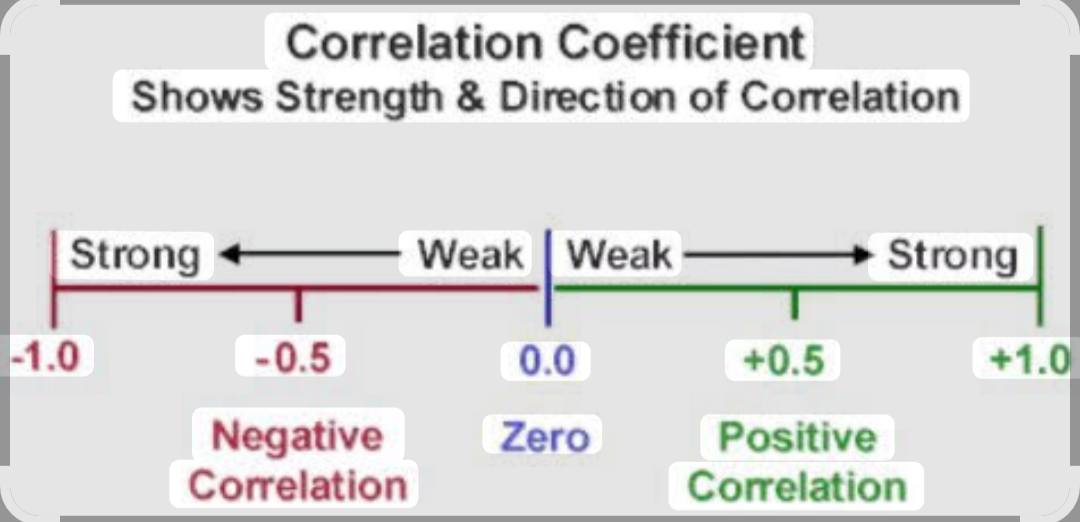
ranges from -1 to 1, w/o indicating no correlation, +1 indicates perfect positive correlation and -1 indicates a perfect negative correlation
R value, correlation coefficient
scatterplot
a graphed cluster of dots, each of which represents the values of 2 variables
how experiments establish cause and effect
experiments enable researchers to isolate the effects of one or more factors by
experimental group
subject receive the treatment
control group
subjects do not receive the treatment
random assignment
assigning participants to experimental and control groups by chance, thus minimizing preexisting differences between different groups
random sampling
choosing a representative sample of the population being studied
single blind
the participants in the study are uninformed about the treatment, if any, they are receiving (controls for subjects response bias and placebo effect)
double blind
the participants and the researcher are uninformed about which group receives the treatment and which doesn't (controls for experimenter to not be bias)
placebo effect
causes experimental results simply from expectations or assumptions that medication is being taken
independent variable
the factor that is manipulated; the variable whose effect is being studied
dependent variable
The outcome factor; the variable that may change in response to manipulations of the independent variable
confounding variable
a factor other than the factor being studied that might influence a study's results
qualitative
description based, answer "why" questions
quantitative
answer "how many/much" questions, numerical data
impact of outliers
they can skew the data
meta-analysis
statistically combining the results of many different research studies to reach an overall conclusion
statistical significance (p value)
statistical statement of how likely it is that a result occurred by chance
reported as a p value. a p value of .05 or less means that it's 95% likely the results didn't occur by chance
Stat significance
effect size
a quantitative measure of the strength of the relationship between 2 variables
Overconfidence
To overestimate the accuracy of one's abilities or beliefs
Directionality Problem (in correlation)
A limitation of correlation research when it is uncertain which variable influences another
Third variable problem ( in correlation)
when a 3rd variable causes a correlation b/w 2 variables, often making it seem they have a relationship when they dont
Experimenter bias
Errors in the research process or result interpretation due to a researchers preconceived beliefs, expectancies, or desires about the results
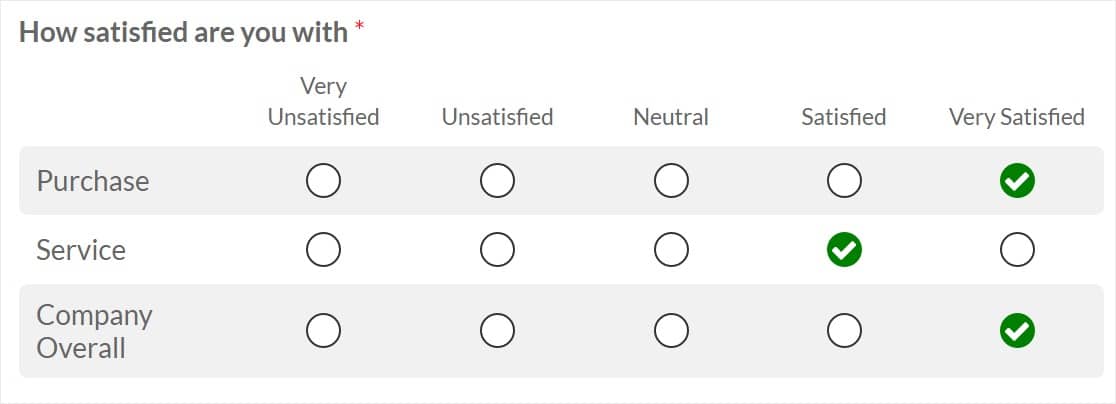
Likert Scales
A tool in psychology questionnaires to measure attitude, behavior, personalities
Structured interviews
Method of research that uses predetermined question set for all interviewees
Generalizability
Measure of how useful/applicable study results are for larger group of people
Convenience sampling
Sampling method involves selecting participants based on accessibility to researcher
Falsifiable
Hypothesis that can be disproven by experimental observation
descriptive stats
describes data set through summary , graphs, and tables. Ex: summary report av height of students in class
inferential stats
uses small sample of sample of data to draw inferences about the larger pop. the sample was from
central tendency
typical value of a distribution (measured by mean, median, mode)
variation
degree to which values in data are dispersed/vary
percentile rank
percentage of scores that are equal or lower than specific score Ex: 45 percentile =
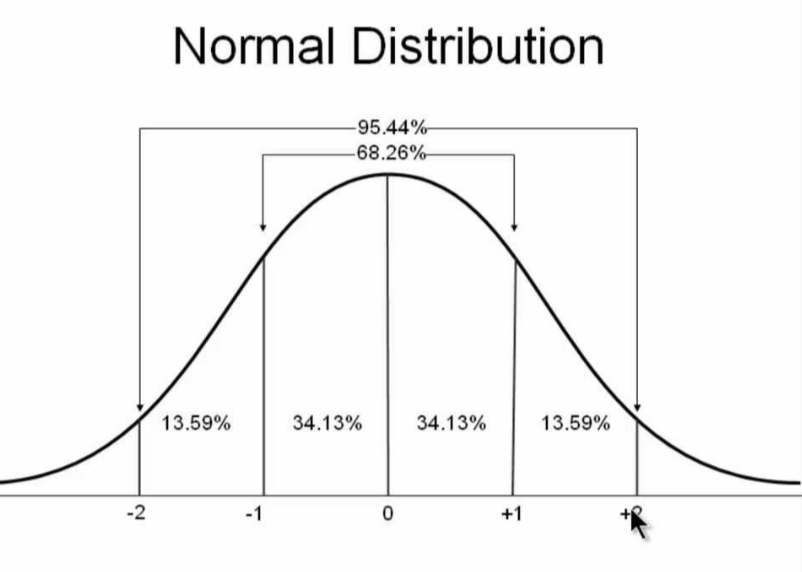
normal curve
bell shaped distribution is where all measures of tendency are equal (mean,median,mode)
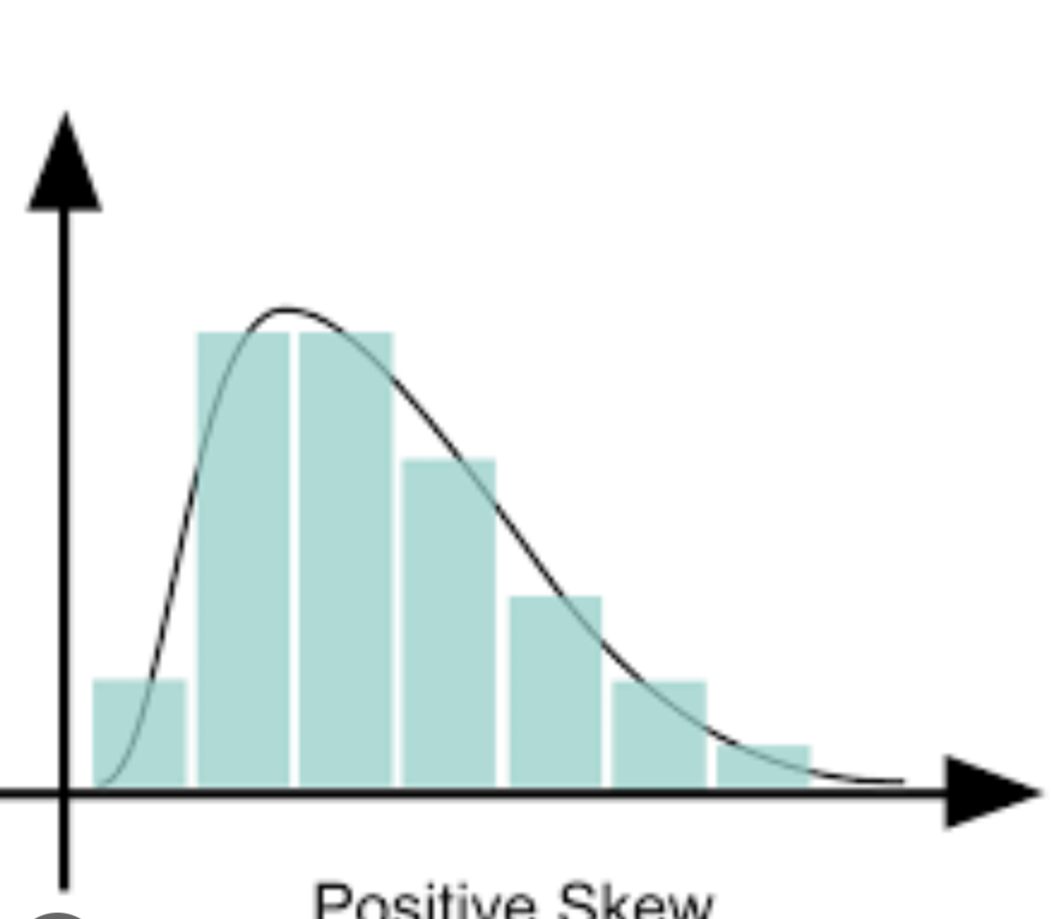
Positive Skew
When data is clustered at one end of a distribution graph with a few extreme scores toward the high-end
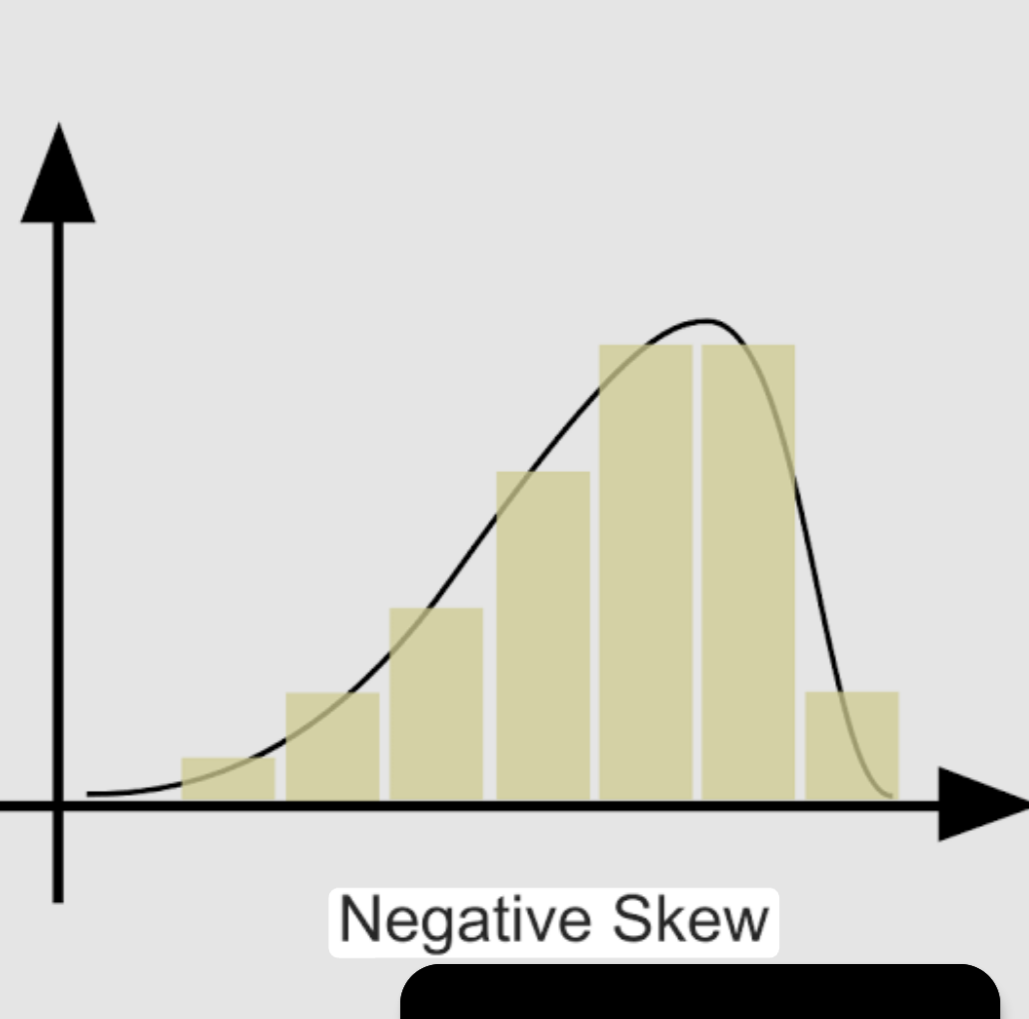
Negative Skew
A distribution where data is clustered at the higher end with a few extreme scores shifting the graph towards the low end
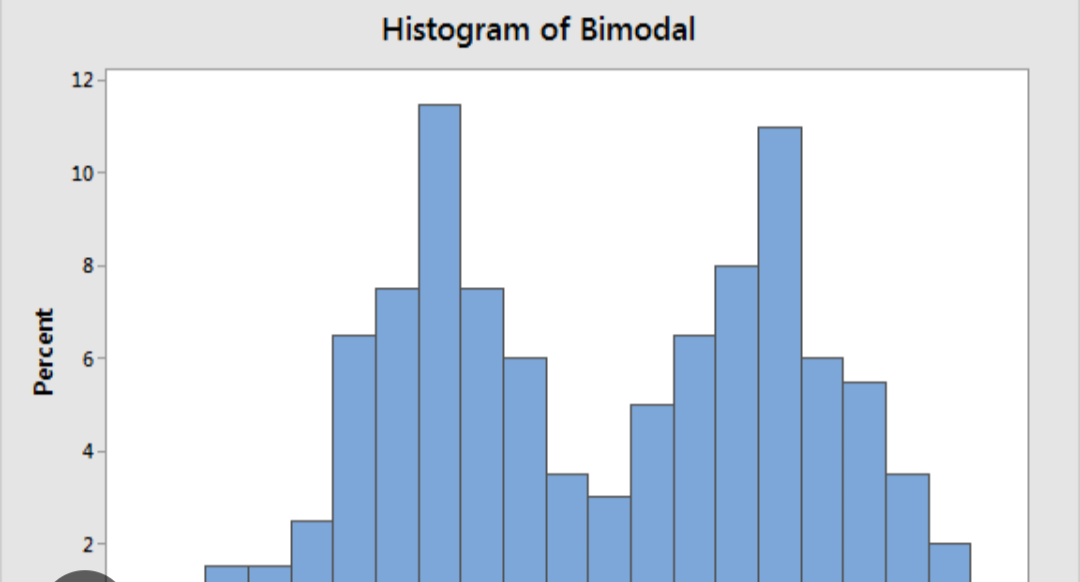
Bimodal distribution
A set of scores with two peaks, or modes, where values tend to cluster
Standard deviation
A computed measure of how much scores vary around the mean score
Regression towards the mean
A statistical phenomenon that describes how values that are much higher or lower than the mean are often closer to the mean when measured a second time
Informed consent
Agreement to participate in research after being informed of the dangers and benefits
Informed assent
Agreement by individual not competent to give legally valid informed consent. (Guardian usually agrees for participant)
Deception
Types of communications that serve to distort or omit the complete truth in experiment
Protection from harm
Obligation of researchers to ensure that participants do not endure more harm than necessary
Confidentiality
Participants and data gain from them must be kept anonymous
Withdrawal
Participants can leave study at any time
Institutional review board (IRB)
Committee that reviews research to make sure it is ethical