MBIO 1010 / Topic 2e: Eukaryotic Microbial Cells
 Studied by 6 people
 Call Kai
 Learn
Learn Practice Test
 Spaced Repetition
 Match
Match Flashcards
 Knowt Play
1/16

There's no tags or description
Looks like no tags are added yet.
Name | Mastery | Learn | Test | Matching | Spaced | Call with Kai |
|---|
No analytics yet
Send a link to your students to track their progress
17 Terms
What does the chromosomal DNA look like in prokaryotes vs. eukaryotes?
For prokaryotes, singular and circular. For eukaryotes, multiple linear chromosomes with histones.
What does the nucleus do? What are the two significant things it contains?
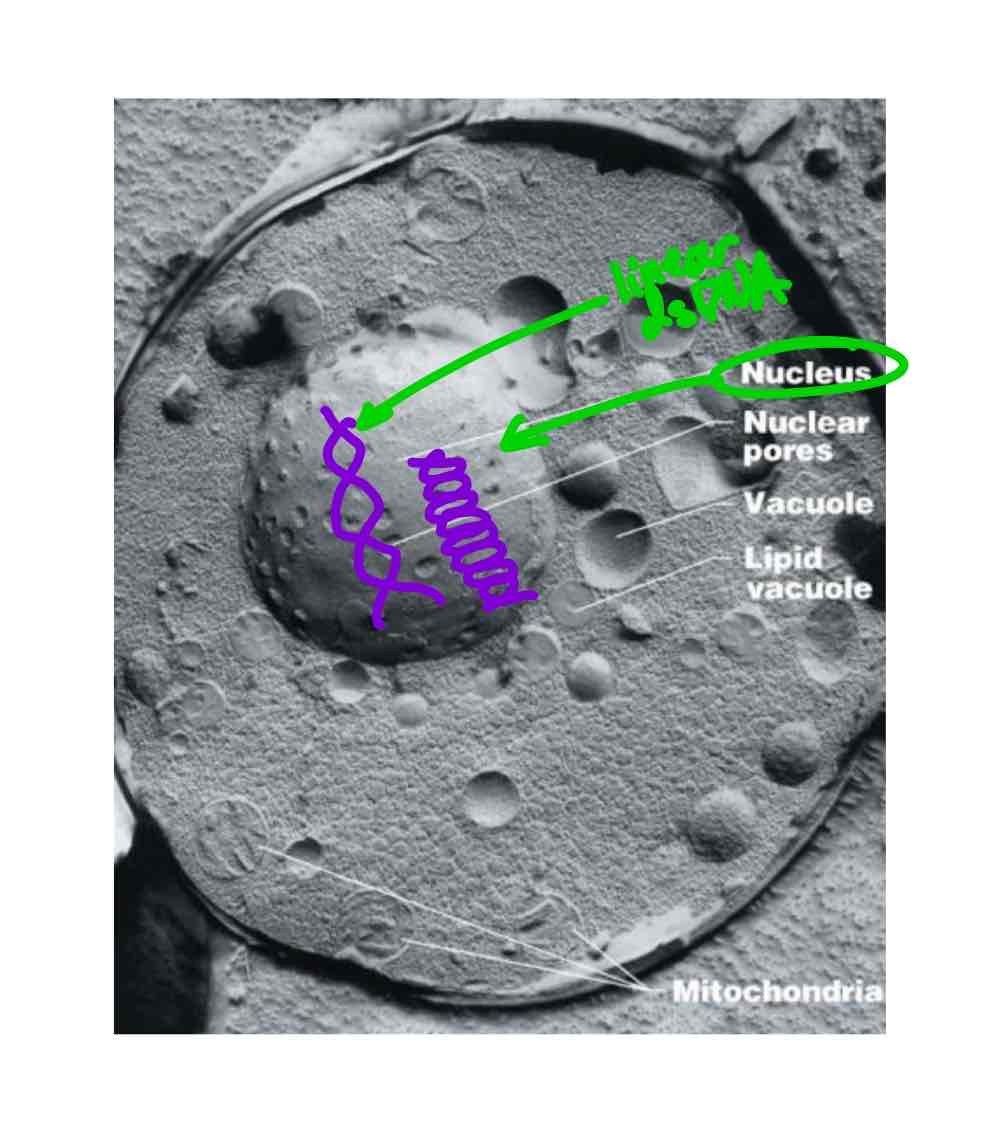
The nucleus holds genetic information. It holds multiple linear dsDNA chromosomes and chromatin.
What is chromatin? On that note, what are histones?
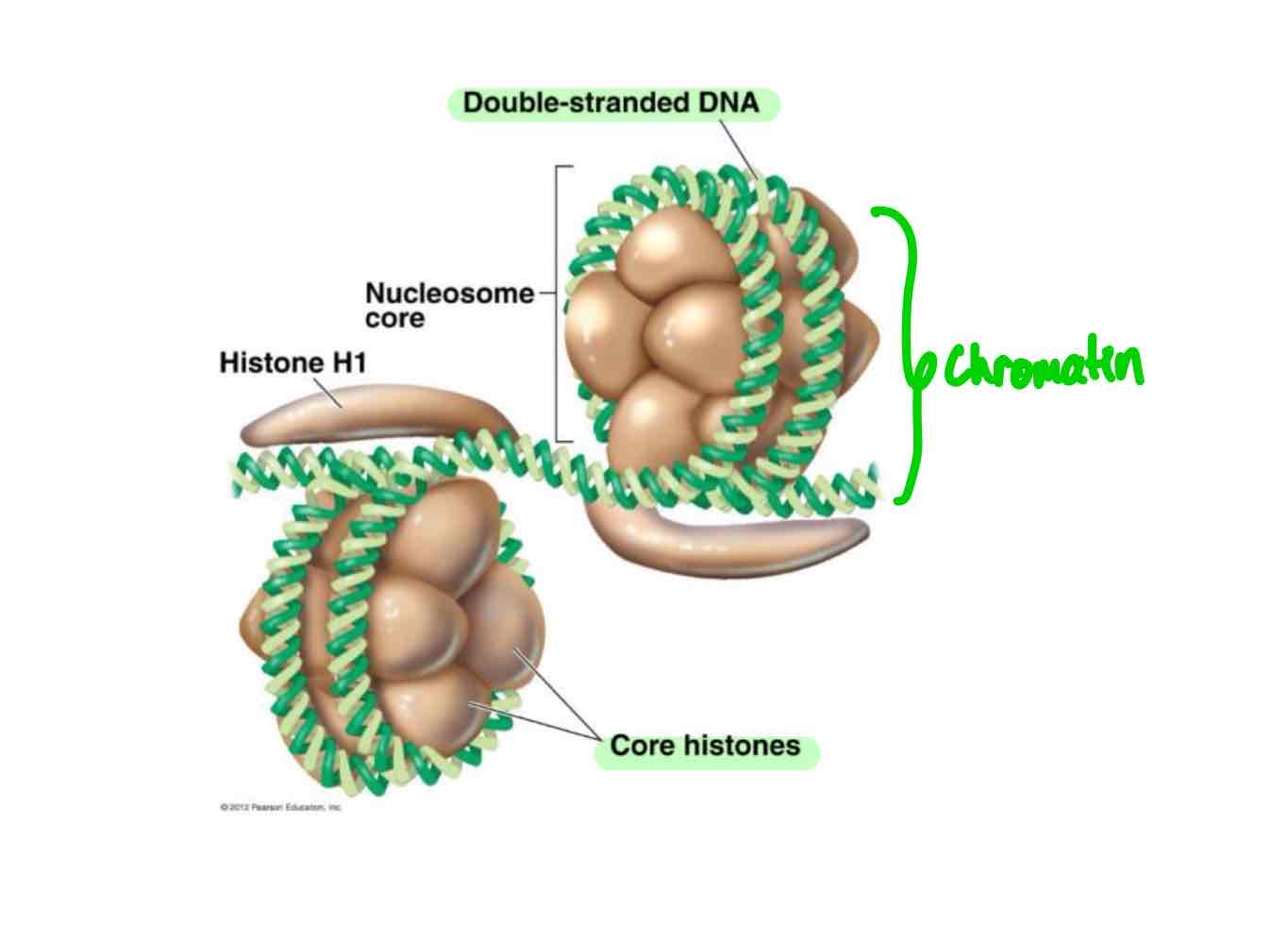
Chromatin is a complex of DNA and histones, maintaining chromosomal structure and assisting gene expression regulation.
Histones are proteins that help gene expression regulation by coiling and uncoiling of the DNA.
What is the nucleus bound by? What is it made of? What spans this boundary? What does this span do?
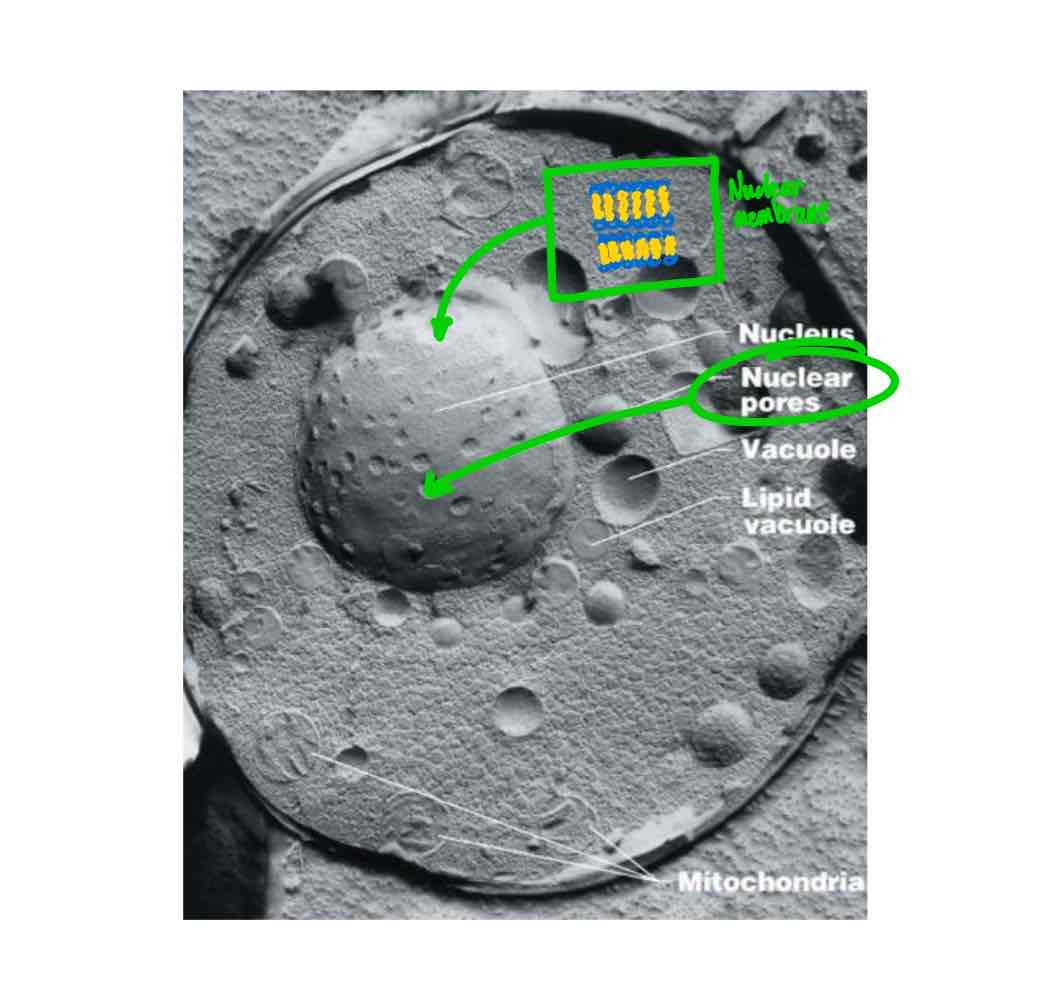
The nucleus is bound by the nuclear envelope, which is a double membrane, meaning that it has two lipid bilayers, spanned by a complex of pores which acts as channels for the transport of molecules into and out of the nucleus.
What domains of life have histones?
Eukarya and Archaea.
Mitochondria and chloroplasts are organelles for _____ ________. Mitochondria are sites of _________. Meanwhile, chloroplasts are sites of ___________.
Mitochondria and chloroplasts are organelles for energy generation. Mitochondria are sites of respiration Meanwhile, chloroplasts are sites of photosynthesis.
Talk to me about the mitochondria. About how big are mitochondria? How many membranes is it bound by?
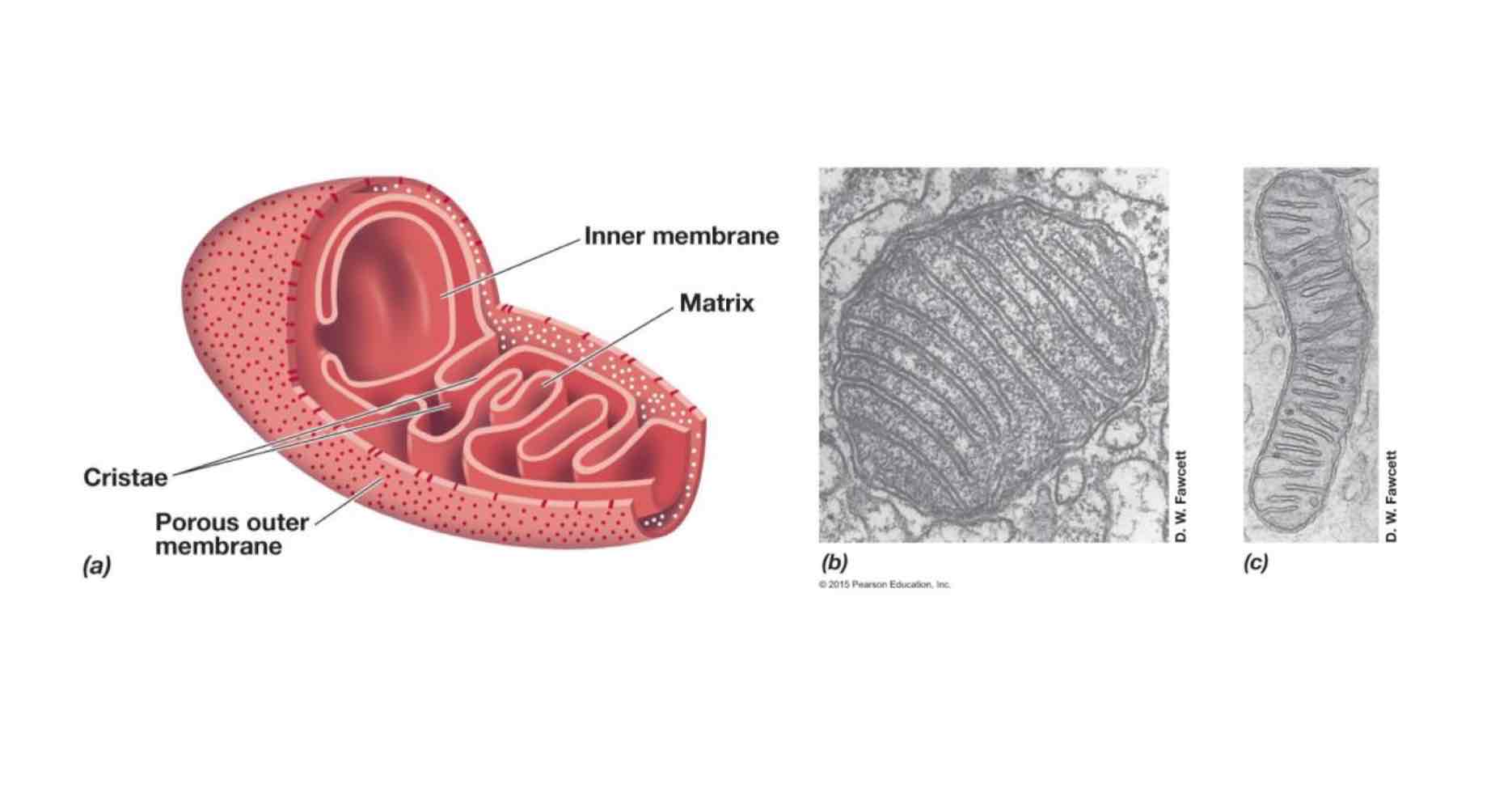
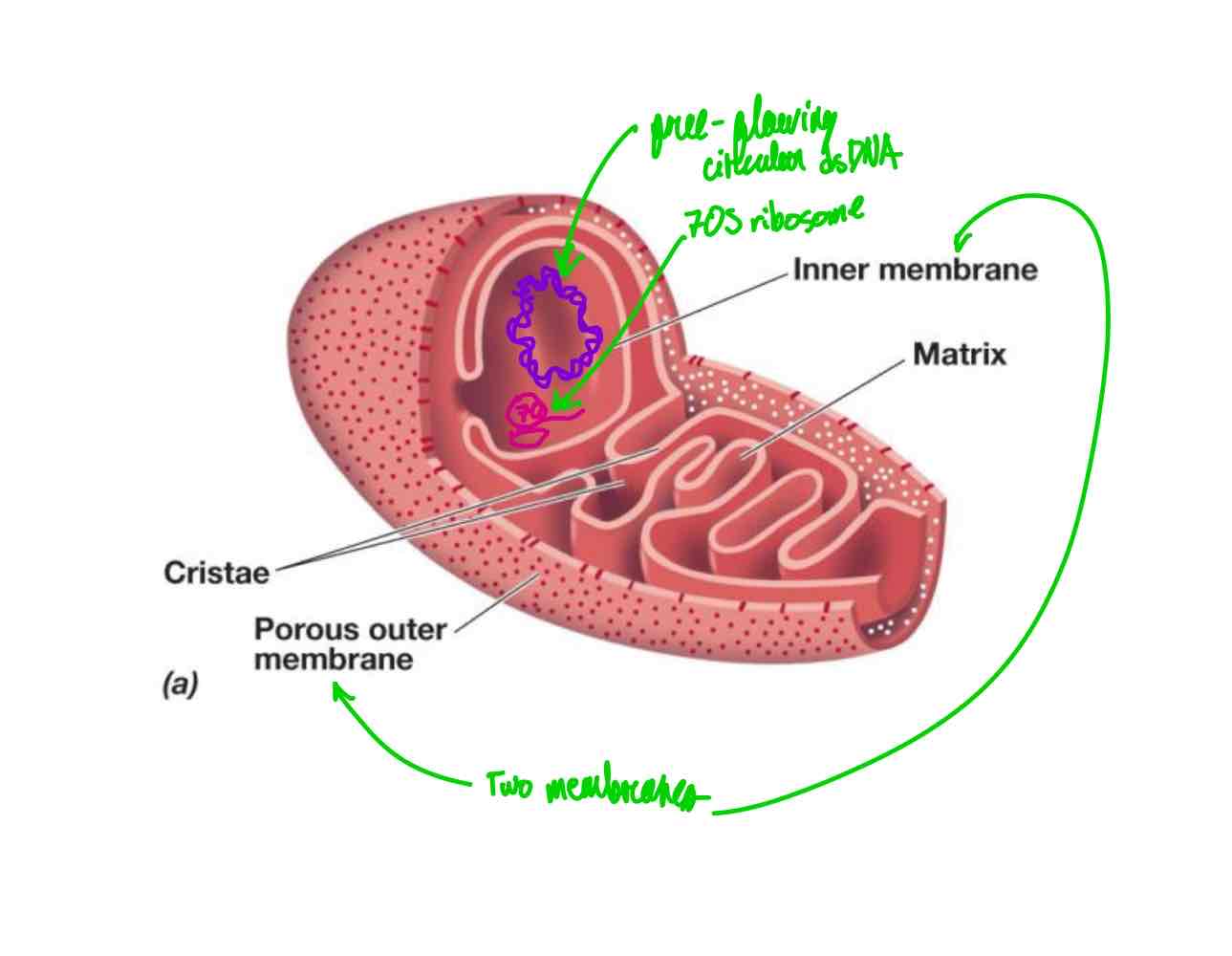
Mitochondria are about the size of a large bacterium with two membranes: one inner and one outer.
Talk to me about the mitochondrial inner membrane, outer membrane, and matrix.
What does the inner membrane have? What does what it has… do? What happens in the mitochondrial matrix? What organelles can you find in the matrix?
The mitochondrial inner membrane has foldings called cristae (sing. crista), which increases the surface area in order for more ETCs to be positioned in the inner membrane.
The Krebs Cycle, also called the CAC cycle or TCA cycle, which is part of respiration, occurs in the matrix. You can also find mtDNA and 70S ribosomes in the matrix.
What does the mitochondrial outer membrane contain?
Porins, similar to Gram negative bacteria.
What is streptomycin?
Antibiotic inhibiting protein synthesis by 70s ribosomes.
Talk to me about the chloroplastic inner membrane and matrix.
What does the inner membrane of the mitochondria have? What does what it have… contain? What does the chloroplastic matrix contain? What does what it contains… do?
The inner membrane of the chloroplasts have foldings called thylakoids, which have enzymes, electron carriers, and chlorophyll involved in the light reactions.
In the matrix of the chloroplast, you would find dark reaction enzymes, ctDNA, and 70S ribosomes. The Calvin Cycle occurs here, done by the dark reaction enzymes.
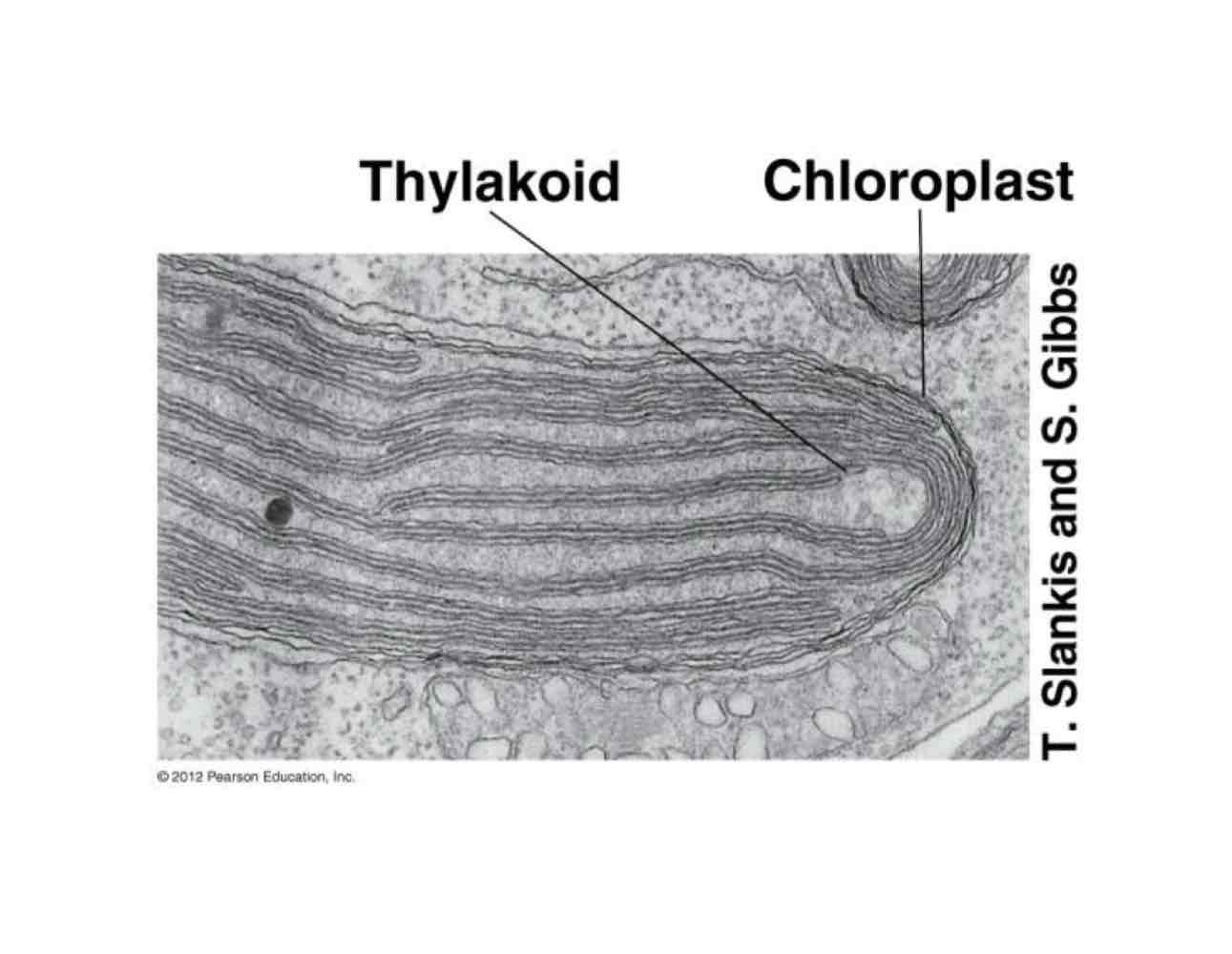
What does semi-autonomous mean, in regard to organelles?
The organelle can reproduce by division but only with the help of proteins from genes encoded in the eukaryotic nucleus.
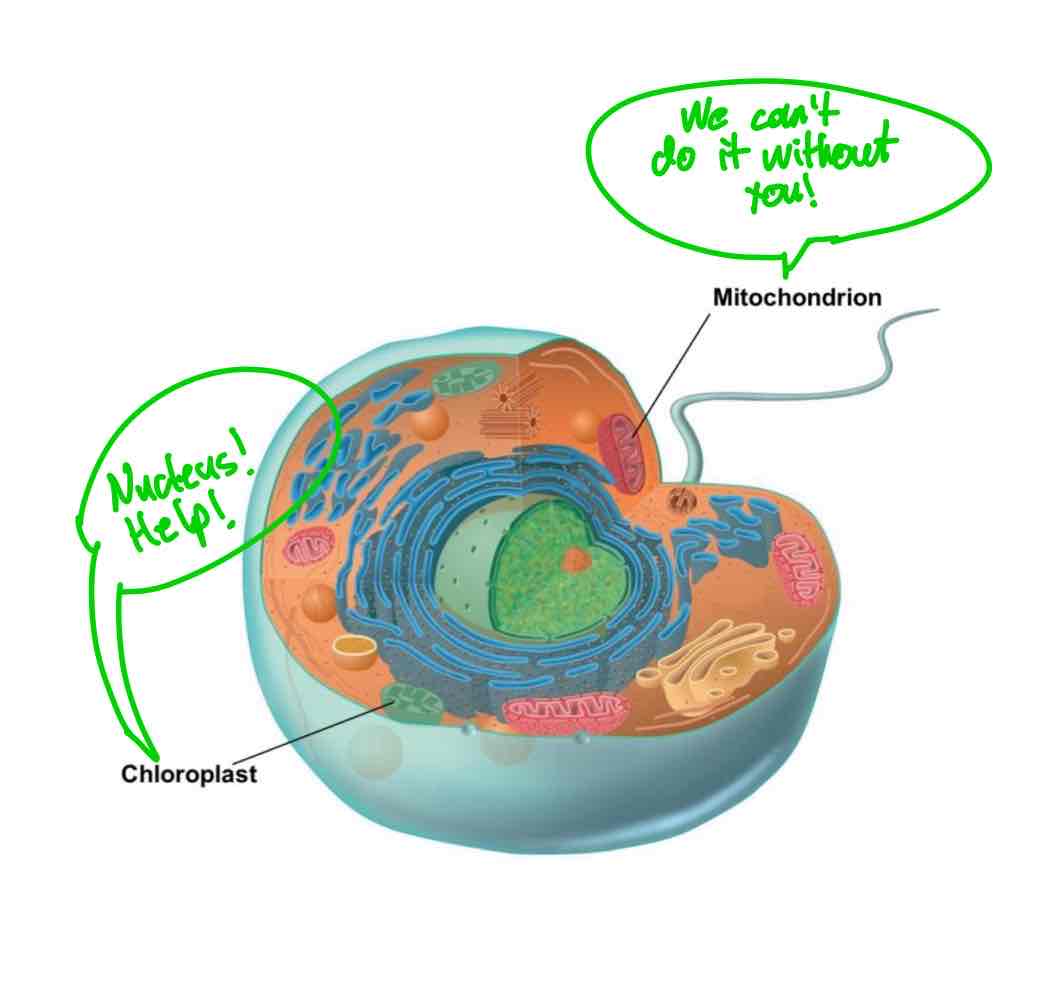
What does the endosymbiotic theory state? What are the five pieces of evidence that support this?
Mitochondria and chloroplasts evolved from bacteria. The evidence supporting this theory are as follows:
These organelles are semi-autonomous.
They have one outer and one inner membrane.
They have no membrane for DNA, and they lack histones.
Their chromosomes are circular.
They have 70S ribosomes.
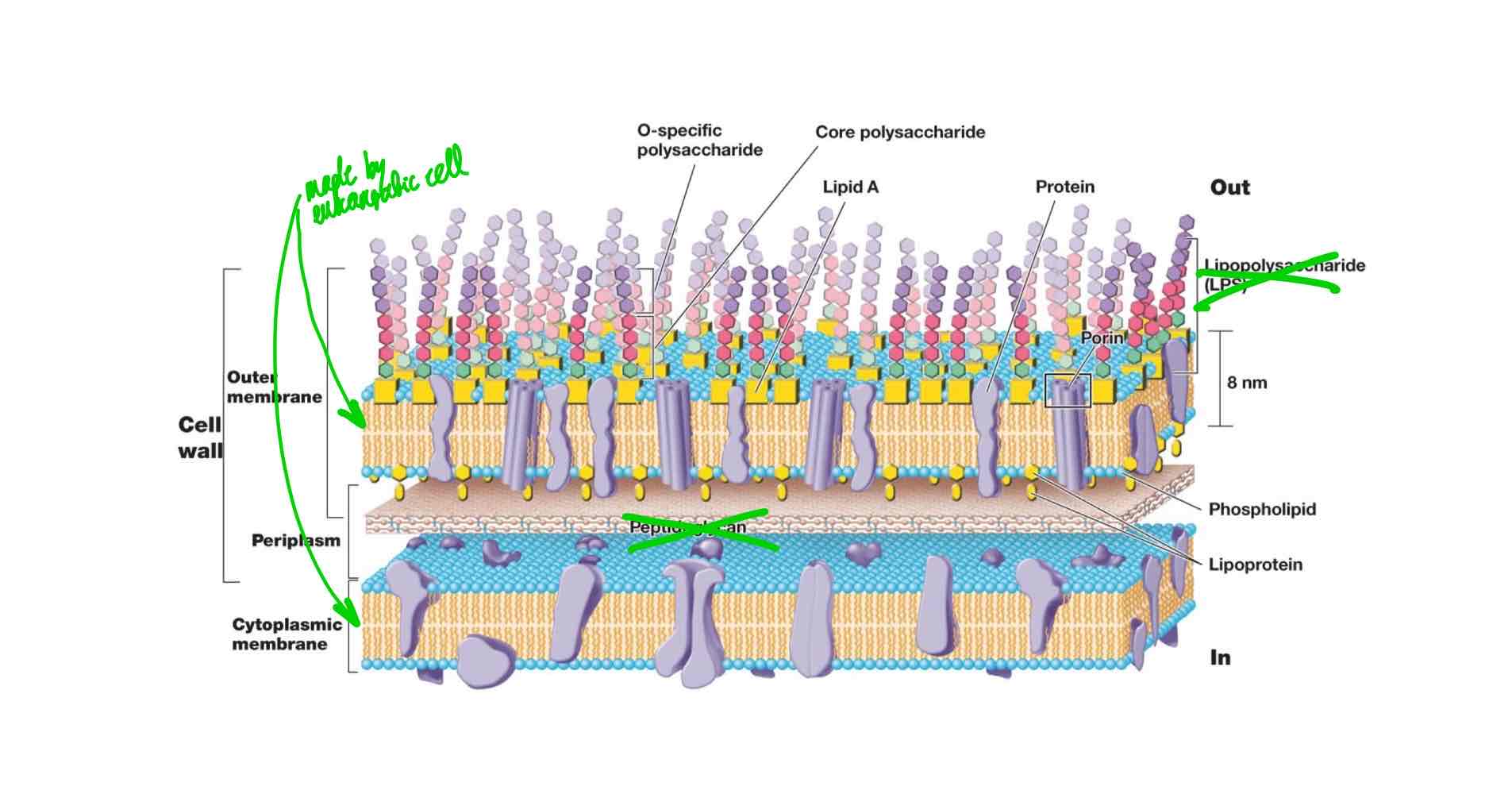
Unlike bacteria, probably over time, how do mitochondria and chloroplasts differ? There are four ways, each in regards to each: organelles themselves, phospholipid production, outer membrane parts, and DNA.
The organelles do not have peptidoglycan. Because they are safe in the osmotically balanced cytoplasm, they don’t need a rigid layer to avoid lysis.
The phospholipids of organelles are made by the eukaryotic cell, and not by the organelles themselves.
The outer membrane of organelles do not have lipopolysaccharide.
There organelles have less genetic info than bacteria. Over time, the genetic information transferred from the endosymbiont to nucleus. Only a few relic genes are in the organelle’s DNA.
What are the closest relatives to the mitochondria? How about Chloroplasts?
For mitochondria, the genus Rickettsia from the phylum Proteobacteria. For chloroplasts, the phylum Cyanobacteria.
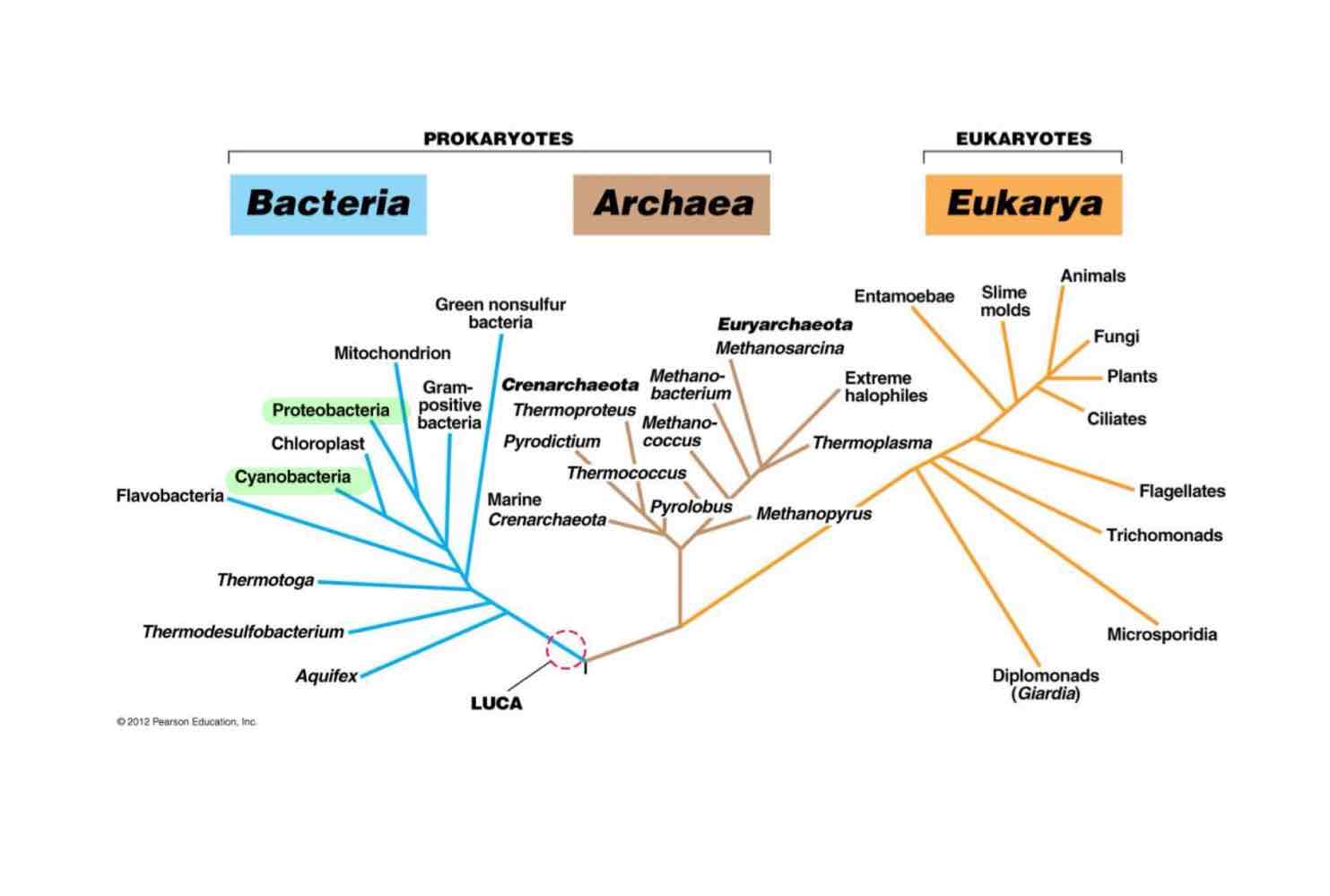
What type of microbes were Rickettsia and Cyanobacteria that made them the relatives of these organelles?
Obligate intracellular pathogens.
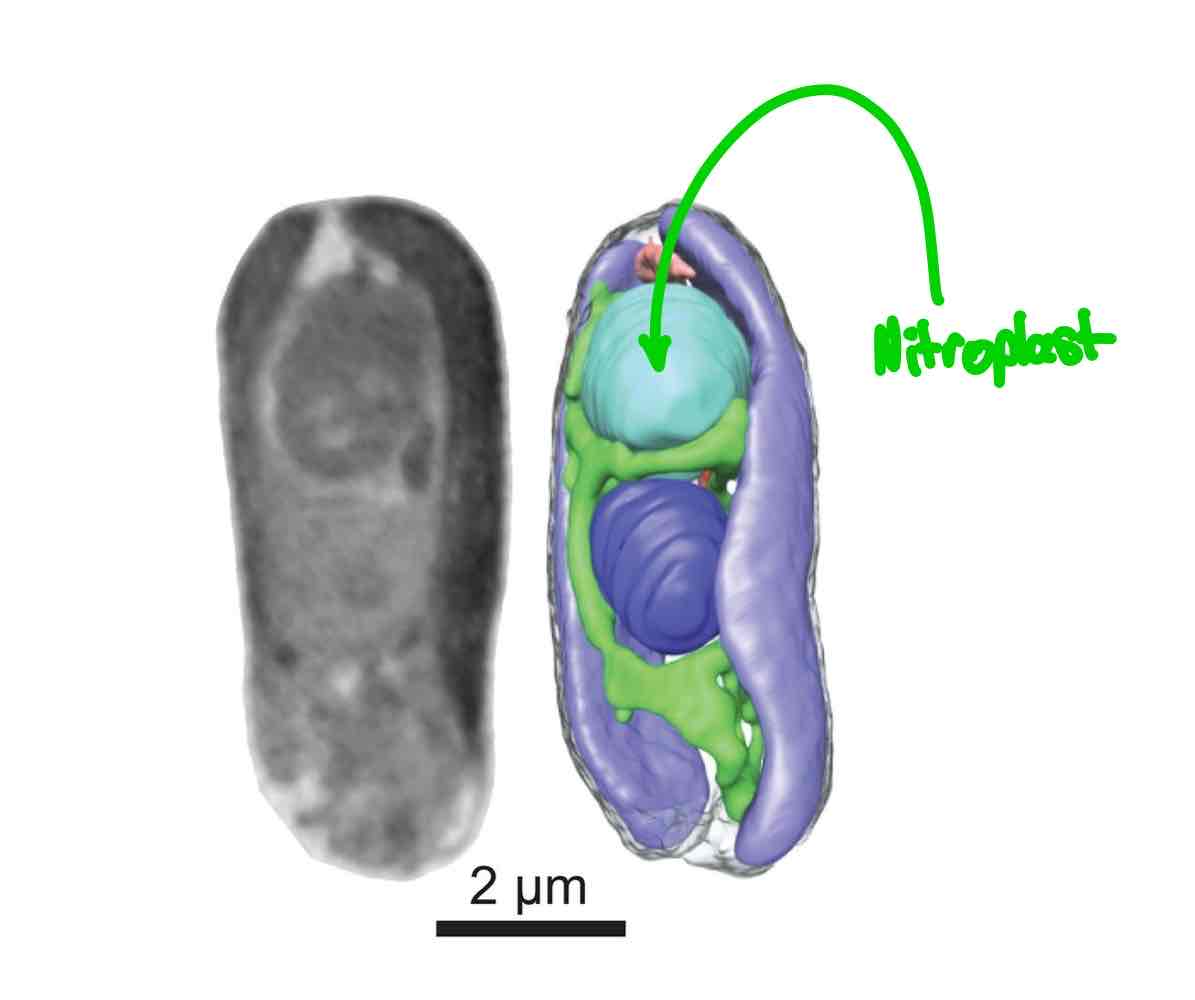
Very recently, microbiologists reported a brand new organelle that was perhaps related to a phylum of Bacteria.
What is the name of this organelle? What does it do?
In which eukaryotic subgroup was this organelle found?
What is the name of the phylum of Bacteria that this organelle is most closely related to?
Other than being evolutionarily related to bacteria, what supports the belief that this organelle was related to an endosymbiont?
Nitroplast, performing nitrogen fixation.
Found in algae, specifically marine algae.
Evolutionarily related to Cyanobacteria.
The organelle was semi-autonomous.
 Note
Note  Flashcards (345)