Lecture 2 Quiz: (end of lecture 1, and majority of lecture 2)
 Studied by 0 people
 Call Kai
 Learn
Learn Practice Test
 Spaced Repetition
 Match
Match Flashcards
 Knowt Play
1/52

There's no tags or description
Looks like no tags are added yet.
Name | Mastery | Learn | Test | Matching | Spaced | Call with Kai |
|---|
No analytics yet
Send a link to your students to track their progress
53 Terms
balanced polymorphism
maintenance of two or more phenotypes in stable proportions over many generations
frequency-dependent selection
form of natural selection where rare phenotypes have a selective advantage because they are rare
darwinian fitness
term that describes the contribution to successive generations made by individuals possessing the trait
relative fitness
the proportion of offspring an organism carrying a certain gene is able to have compared to the average number of offspring organisms carrying other genes have
fitness ratio
stabilizing selection
a mode of natural selection where it favors the mean phenotype over extreme phenotypes
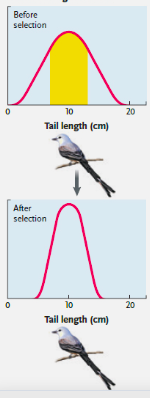
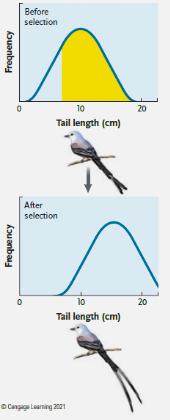
directional selection
mode of natural selection that shifts the mean phenotype toward the end of the distribution favored by natural selection
one extreme of the normal distribution is selected against
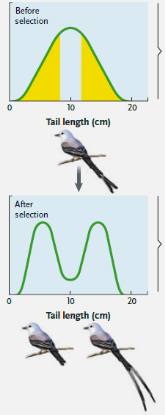
diversifying selection
mode of natural selection which decreases the frequency of the mean phenotype, but increases the frequency of extreme phenotypes
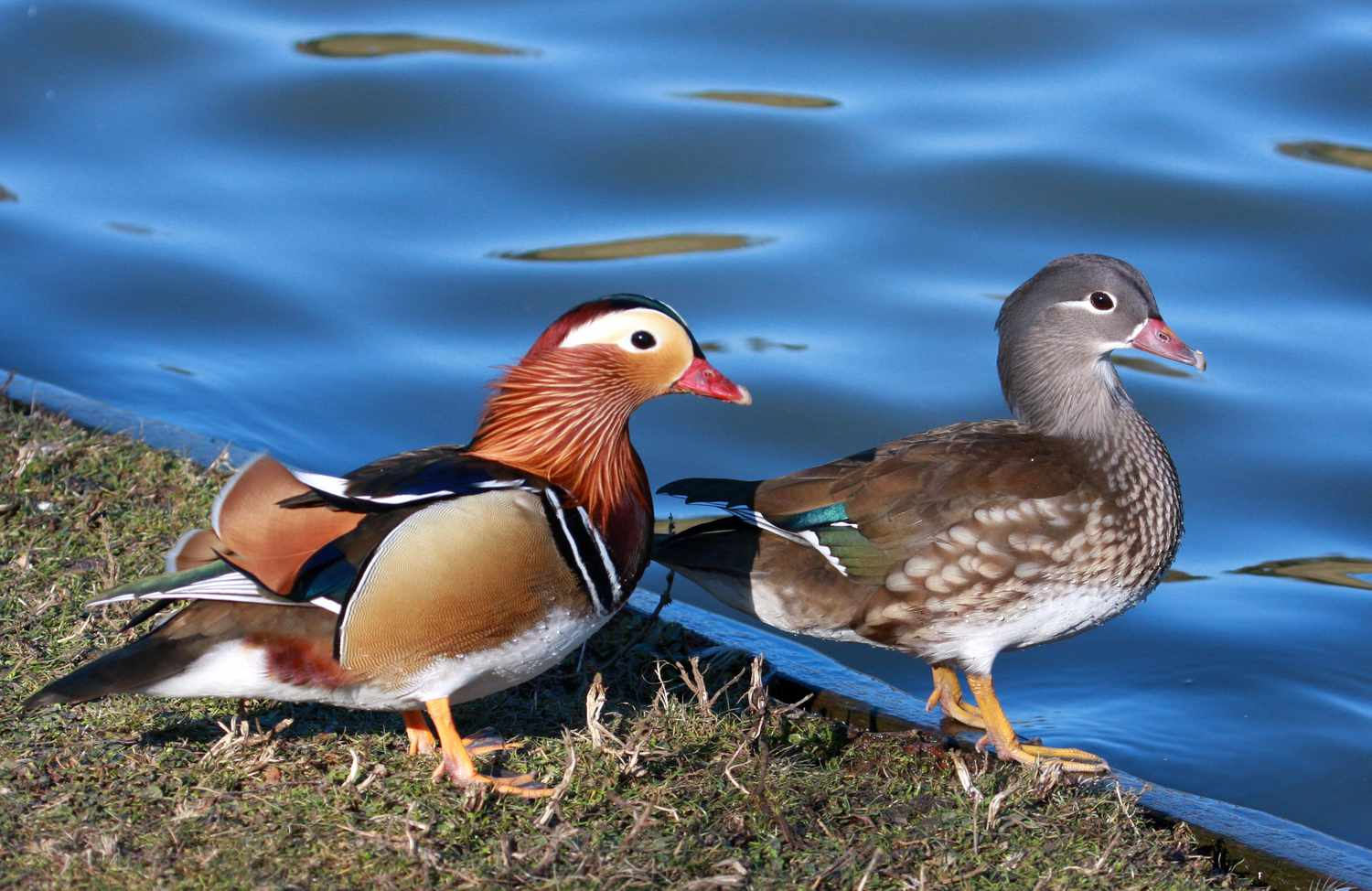
sexual selection
the advantage that some individuals have over other individuals of the same sex and species in relation to reproduction
seen in mammals and birds, especially in female choice of a mate driving certain traits
sexual dimorphism
term that describes phenotypes within a species is distinct and have nothing to do with reproduction
e.g) size difference between males and females
microevolution (2)
the small changes in genetic structure in a population over short periods of time, change in allele frequency
macroevolution (2)
term that refers to evolution that happens over millions of years
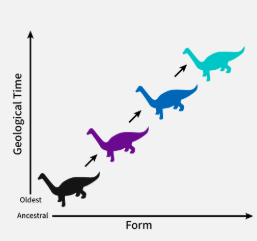
anagenesis
gradual phyletic change where evolutionary changes accumulate slowly in a lineage as the environment shifts overtime
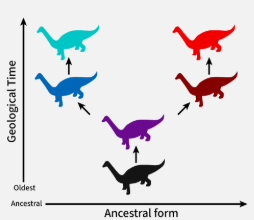
cladogenesis
pattern of evolution where an ancestral species undergoes speciation producing two descendant species both are distinct from their common ancestor
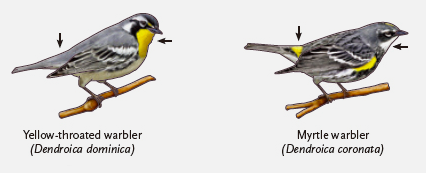
morphological species
individuals of a species share measurable traits that distinguish them from individuals of other species
biological species
idea of species based on the ability of populations to interbreed and produce fertile offspring
genetic cohesiveness of species → experiencing gene flow = mixing genetic material
genetic distinctness → reproductively isolated = cannot exchange information
explains why individuals of the same species look alike
doesn’t apply to those who reproduce asexually
Ernst Mayr
An evolutionary biologist that fused Charles Darwin’s theory of natural selection with genetics
proposed the biological species concept
geographical isolation
the first stage of allopatric speciation and it occurs when two populations of the same species are divided by some type of geographic event or object
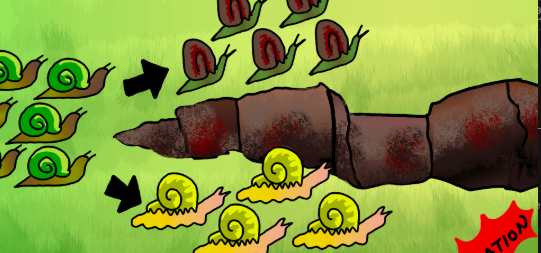
reproductive isolation
the second state of allopatric speciation where it prevents members of two different species that cross or mate from producing offspring
prezygotic barrier
a barrier that impedes mating/fertilization
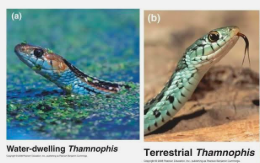
habitat isolation
behavioral isolation
temporal isolation
mechanical isolation
gametic isolation
What are the 5 prezygotic barriers?
habitat isolation
species have the same range but are found in different microhabitats
behavioral isolation
isolation where two species do not mate because of differences in courtship behavior
e.g) female fireflies ID males by flashing patterns
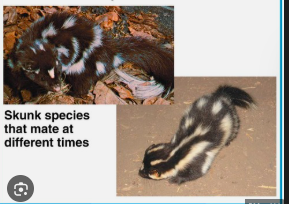
temporal isolation
the isolation where the seasonal timing of reproduction is different for species living in the same habitat
mechanical isolation
the incompatibility of reproductive structures
e.g) insect genitalia is different where there are specific lock and key correlation preventing successful mating with females of another species
gametic isolation
incompatible recognition of proteins on sperm and egg; cant recognize each other in different species
postzygotic barrier
a reproductive isolating mechanism that acts after zygote formation
reduced hybrid viability
the postzygotic barrier that produced puny offspring that dont develop into maturity
reduced hybrid fertility
a post zygotic barrier that produces viable offspring but are reduced in fertility
e.g) horse x donkey = mule where the rearrangement of chromosomes are different and when it comes to splitting nondisjunction occurs
hybrid breakdown
having a reduced survival/fertility where by the 2nd or 3rd generation death becomes apparent
allopatric speciation
the evolution of reproductive isolating mechanisms between two populations that are geographically separated
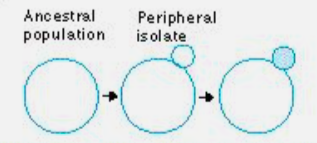
peripheral isolates
the relatively small isolated or semi isolated populations distributed around the periphery of a large central portion of a species’ range
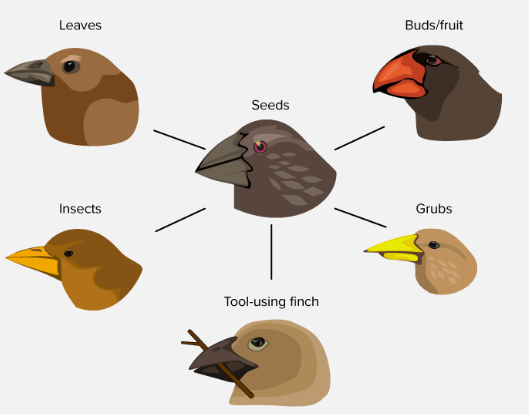
adaptive radiation
an event from which a lineage rapidly diversies with the newly formed lineages evolving different adaptations
allopolyploidy
having two or more complete sets of chromosomes from different parent species
autopolyploidy
term that appears then an individual has more than two sets of chromosomes both from the same parental species
parapatric speciation
speciation that is similar to allopatric speciation but has a sharp boundary
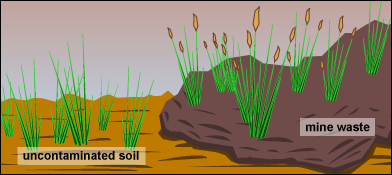
species have an adjacent range but when theres a sharp change in environment it creates a boundary
e.g) agrostis → adapted to lead contaminated soils → different species overtime (one with lead soil and one not on lead soil), lead soil is the sharp divider
phylogeny
tree like model that refers to the evolutionary history of a group of organisms
clade
term for the grouping that includes a common ancestor and all the descendants of that ancestor
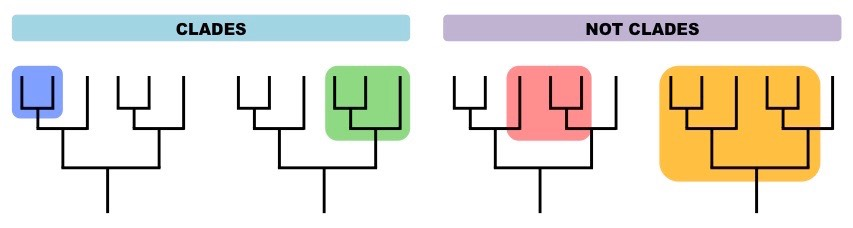
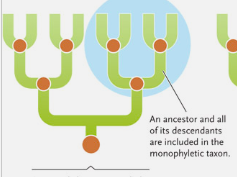
monophyletic
group of organisms that includes a single ancestral species and all of its descendants
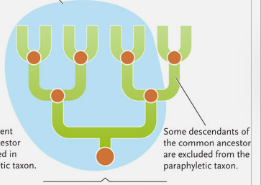
paraphyletic
a taxon that includes an ancestral species and only some of its descendants
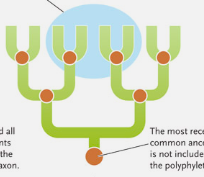
polyphyletic
taxon that is usually not followed and includes species from different evolutionary lineages
homology
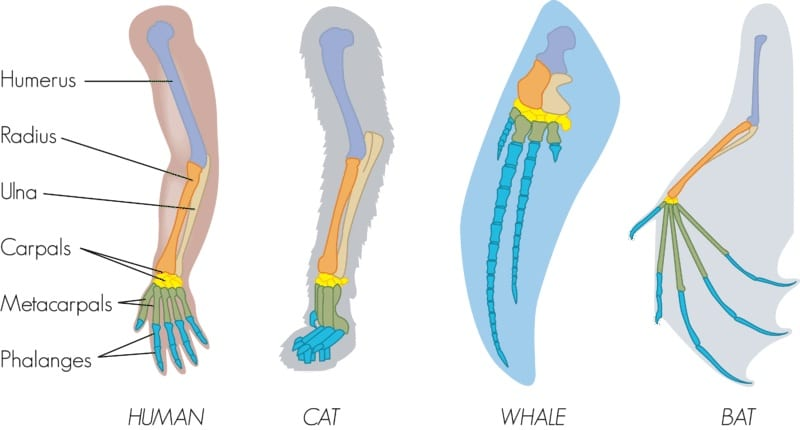
species that are morphologically similar comes from their inheritance of the genetic basis from a common ancestor
similarity that results from shared ancestry
e.g) four limbs of all tetrapod vertebrates
homoplasy
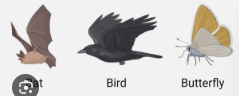
characteristics shared by a set of species, often because they live in similar environments, but not present in their common ancestor; often the product of convergent evolution
analogy
regards the structures that have similar functions but dissimilar evolutionary origins
convergent evolution
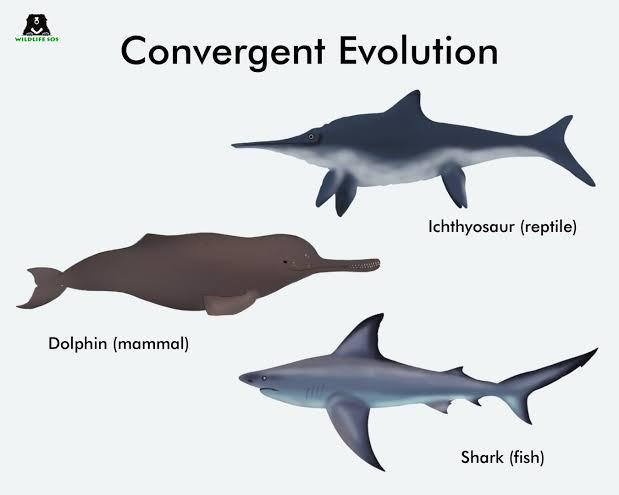
the process by which unrelated or distantly related organisms evolve similar body forms, coloration, organs and adaptations
synapomorphy
a character which is in a new state and shared by all members of a group; recently derived character; in at least 2 or more species
shared ancestral character (symplesiomorphy)
term for a shared homologous character that has a more distant relationship
character
the specific property of an organism
character state
one or more forms of a character
ingroup
clade under study
outgroup
used to ID and ancestral and derived characters by comparing group being studied to more distantly related species
parsimony
the primary principle used to decide which phylogenetic tree is to be preferred among conflicting alternatives by selecting the hypothesis requiring the fewest evolutionary changes
node-based taxon
groups in phylogenetic nomenclature defined by the last common ancestor of specific named taxa; includes the ancestor and all of the descendants
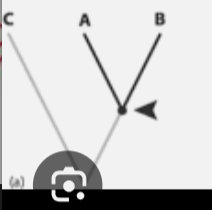
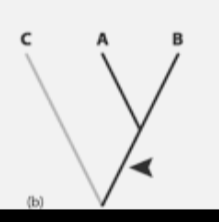
stem-based taxa
groups of extinct organisms more closely related to a specific crown group than any other lineage but that diverged before the last common ancestor
 Note
Note  Flashcards (20)