Technology in surgery: lasers, radiation therapy, keyhole surgery and transplants: Modern medicine, c1900-present: History: GCSE (9:1)
 Call Kai
 Learn
Learn Practice Test
 Spaced Repetition
 Match
Match Flashcards
 Knowt Play
1/15

There's no tags or description
Looks like no tags are added yet.
Name | Mastery | Learn | Test | Matching | Spaced | Call with Kai | Chat |
|---|
No analytics yet
Send a link to your students to track their progress
16 Terms
Radiotherapy
Using radiation to treat specific areas inside the body. Used from the early 20th century to the present day. Often used with types of Cancer
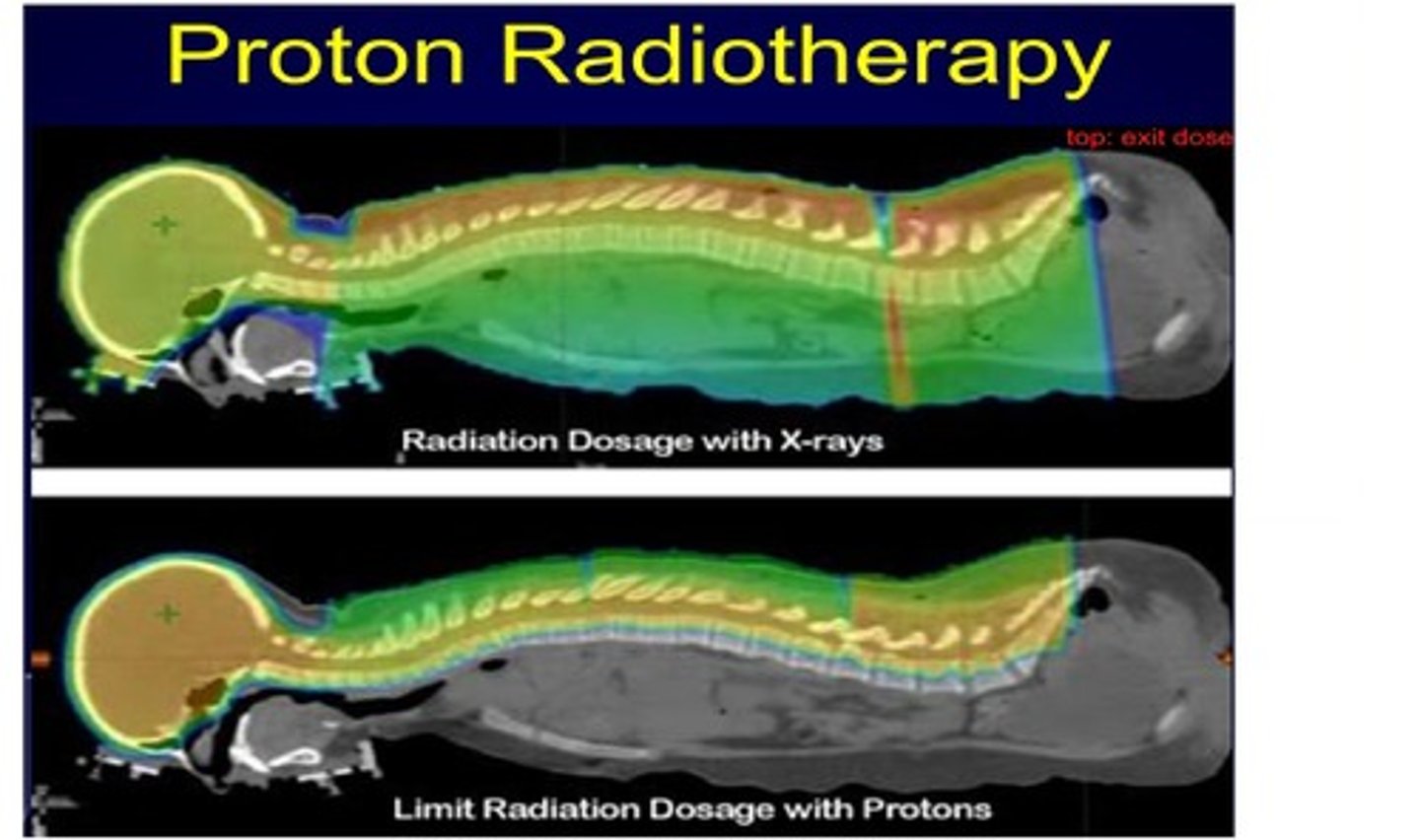
CT Scans (1972)
Computed Tomography scan (sometimes called a CAT scan). Uses a series of X-rays to provide a 3D image of an area of the body without cutting it open and looking inside
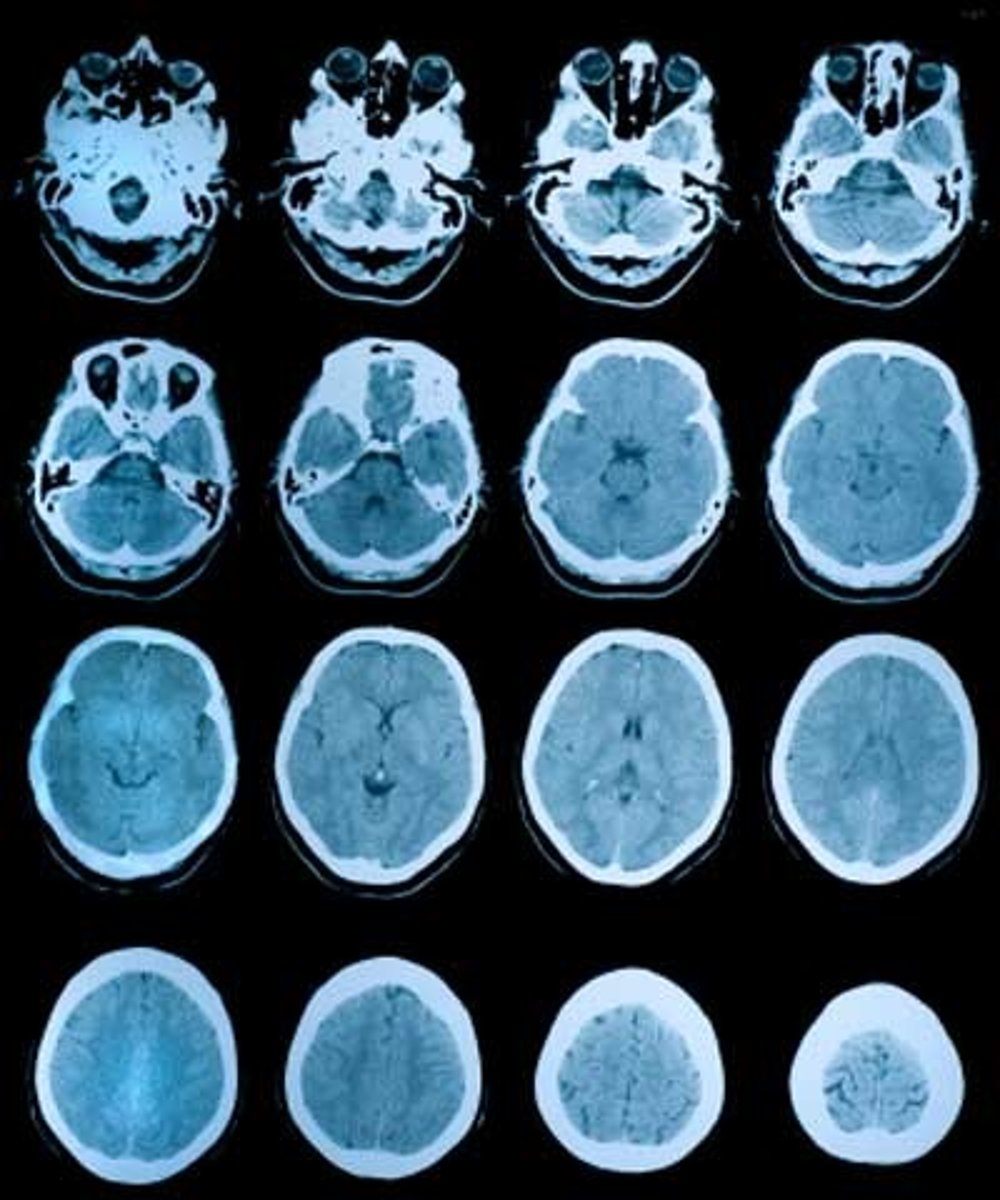
MRI Scans
Magnetic Resonance Imaging. Uses magnetic waves to build a picture of an internal part of the body. Very good for seeing bones, muscles and tendons.
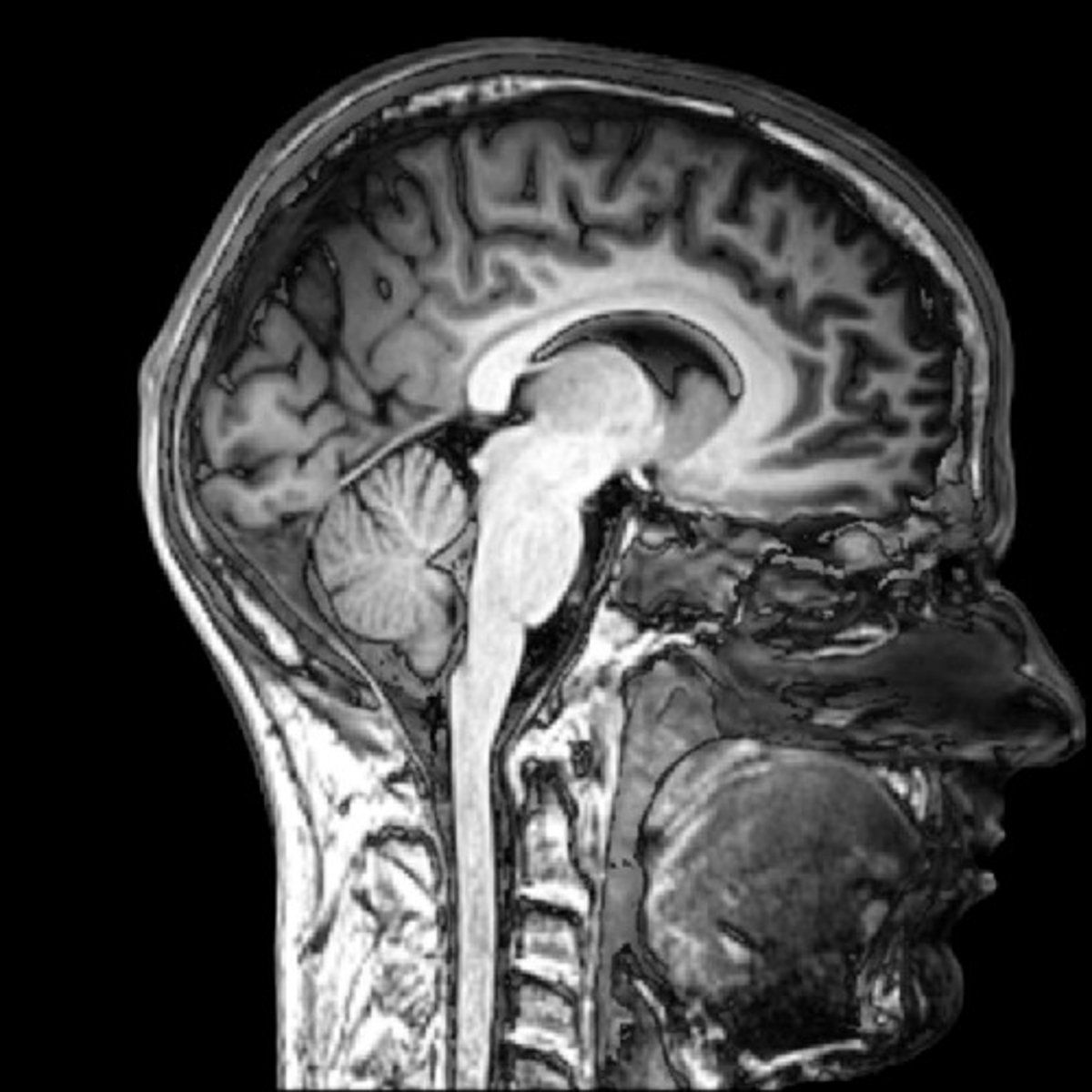
Endoscopes
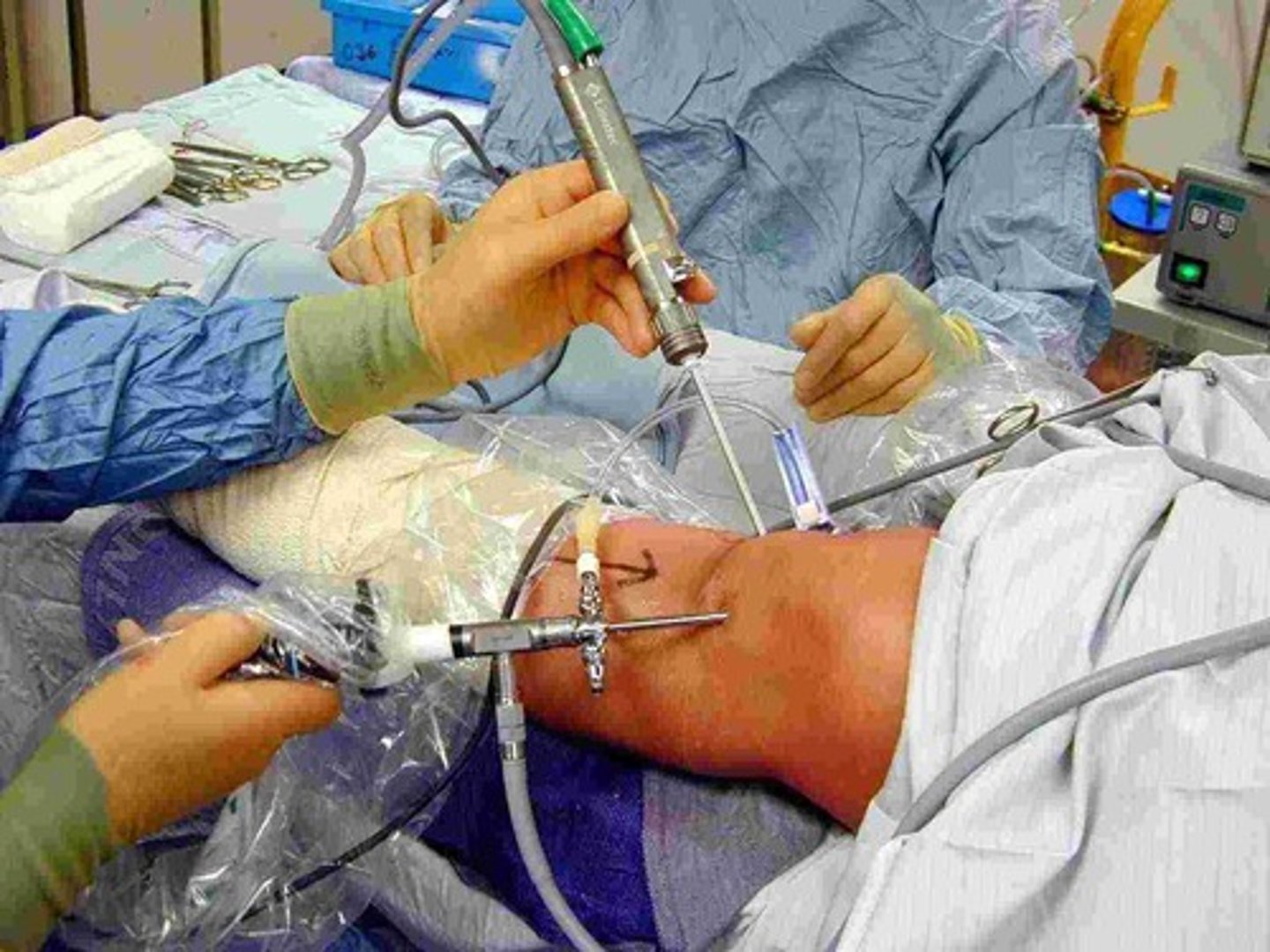
When a camera on a narrow tube is used to see inside the body, usually entering via the mouth or rectum
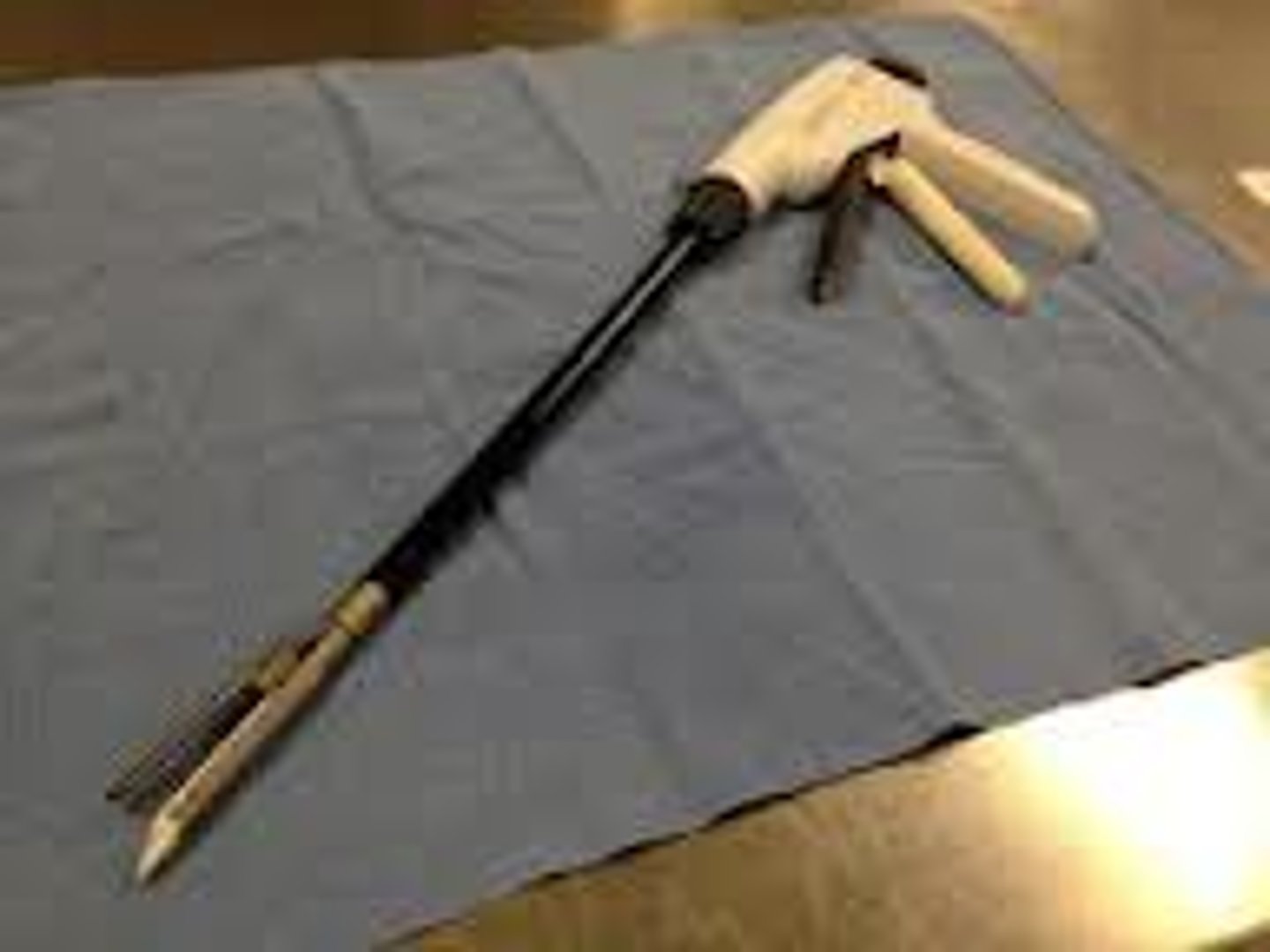
Key-Hole Surgery
Using delicate machines to operate on a patient - usually whilst using an endoscope. This is to make the amount of harm to the body less (minimally invasive) and reduce recovery times
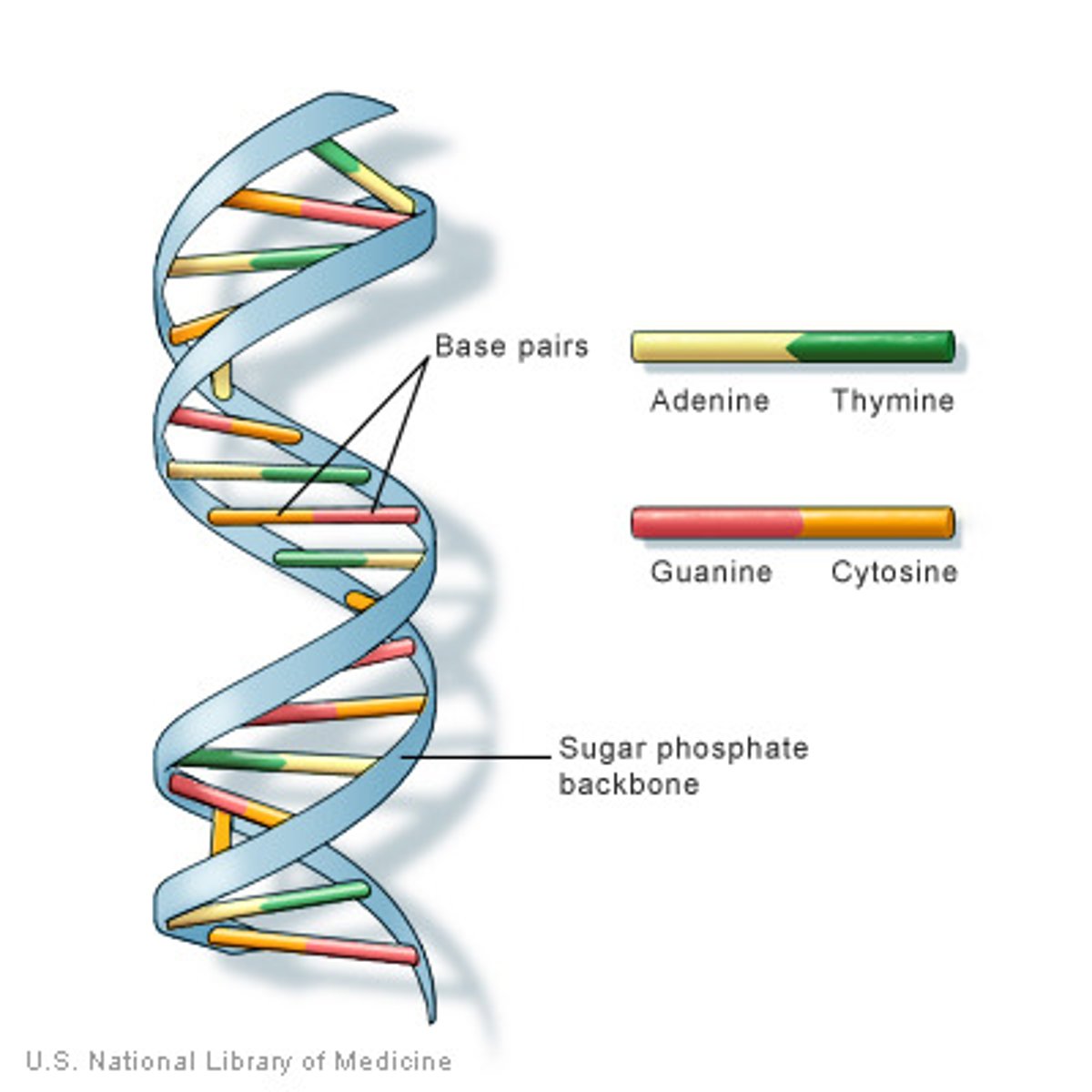
DNA (1953)
Deoxyribonucleic Acid - The acid that makes up our genetics. It determines how a person is made up in all aspects of their phsyical body and can vary depending on the two parents
Sterilisation
When someone is prevented from being able to reproduce, either voluntarily or forced (as at some points in History ie) Nazi Germany)
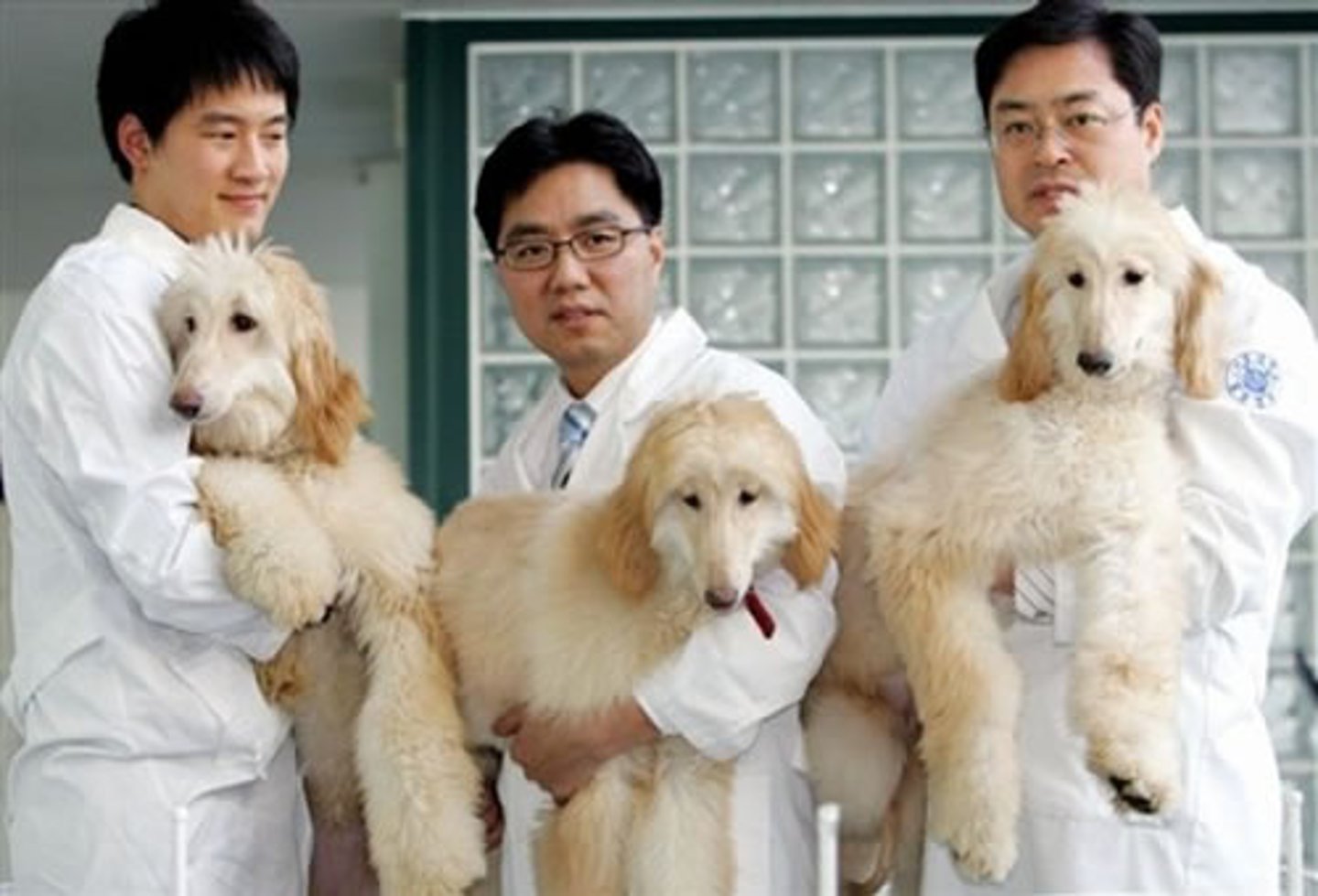
Cloning
Where the DNA of an animal, plant or person is used to make an exact copy. Currently cloning humans is illegal globally, though many suspect it is taking place behind closed doors.
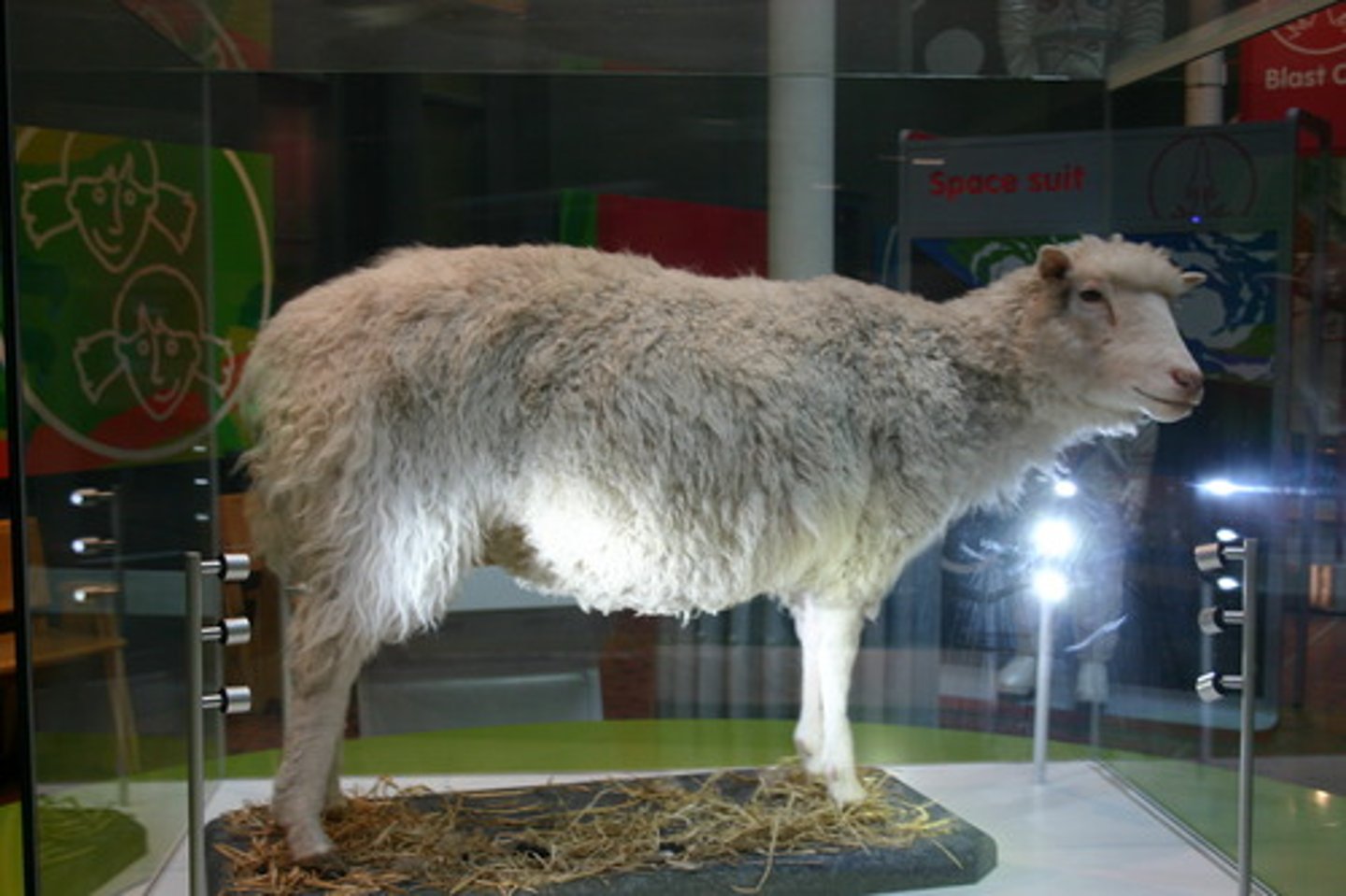
Dolly the Sheep (1996)
The first fully cloned animal, done in Scotland. There are global companies such as ViaGen pets that now offer a pet cloning service
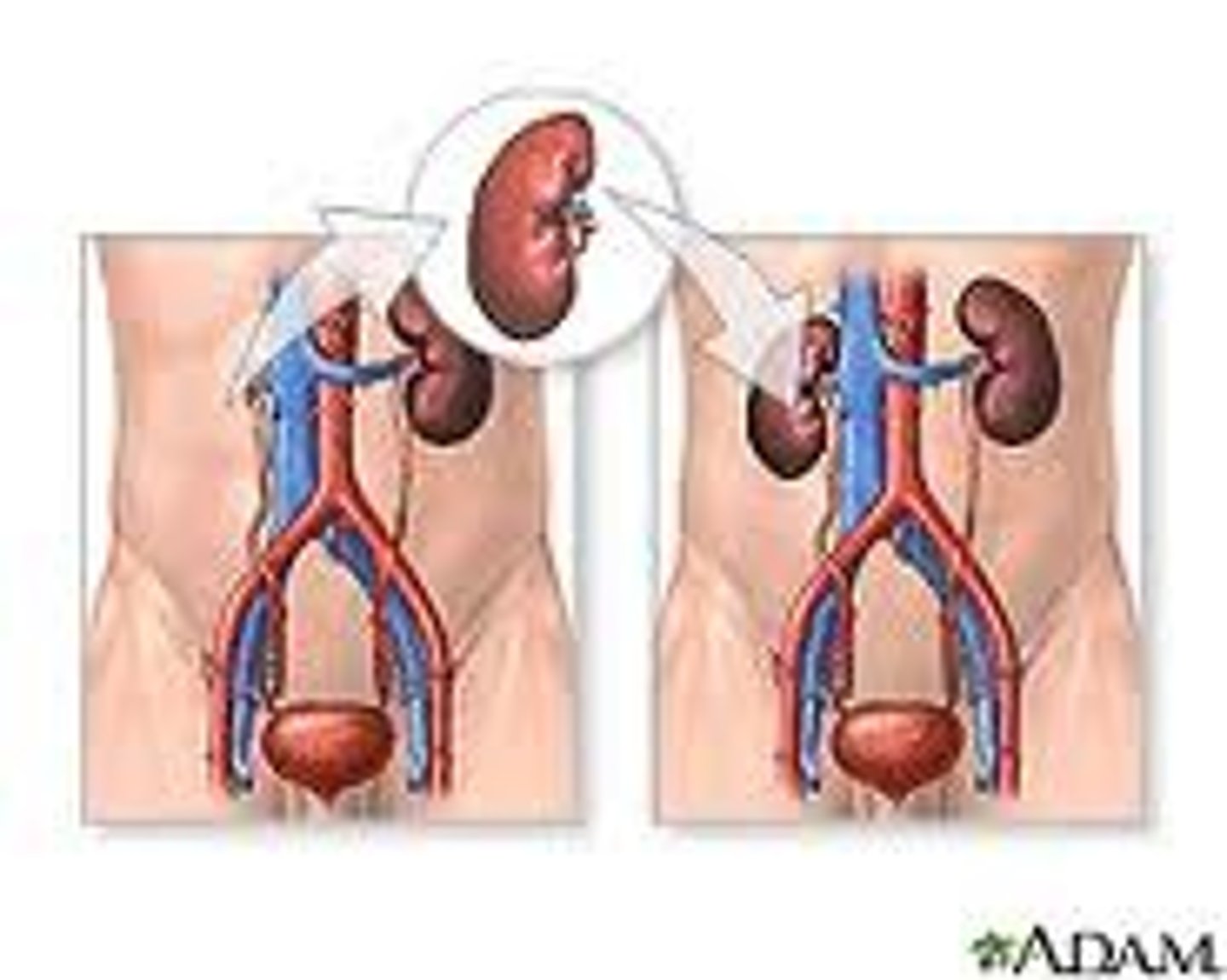
Transplant
Replacing one person's organ with one from another person who shares the same blood group and similar genetics (ie) relative). Kidneys, Liver, Heart
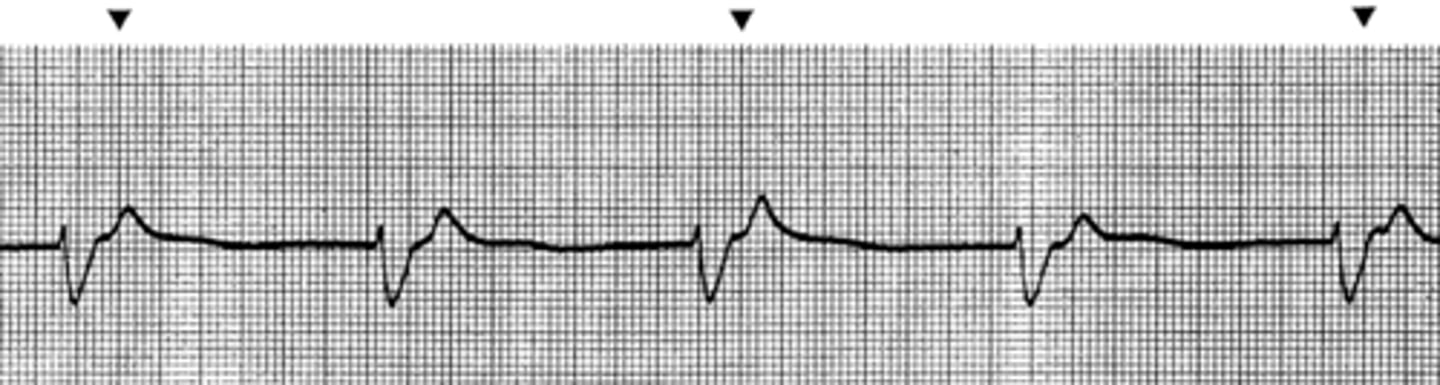
Heart Pacemaker (1961)
A small device inserted into the heart which regulates the beat and keeps blood pumping around the body
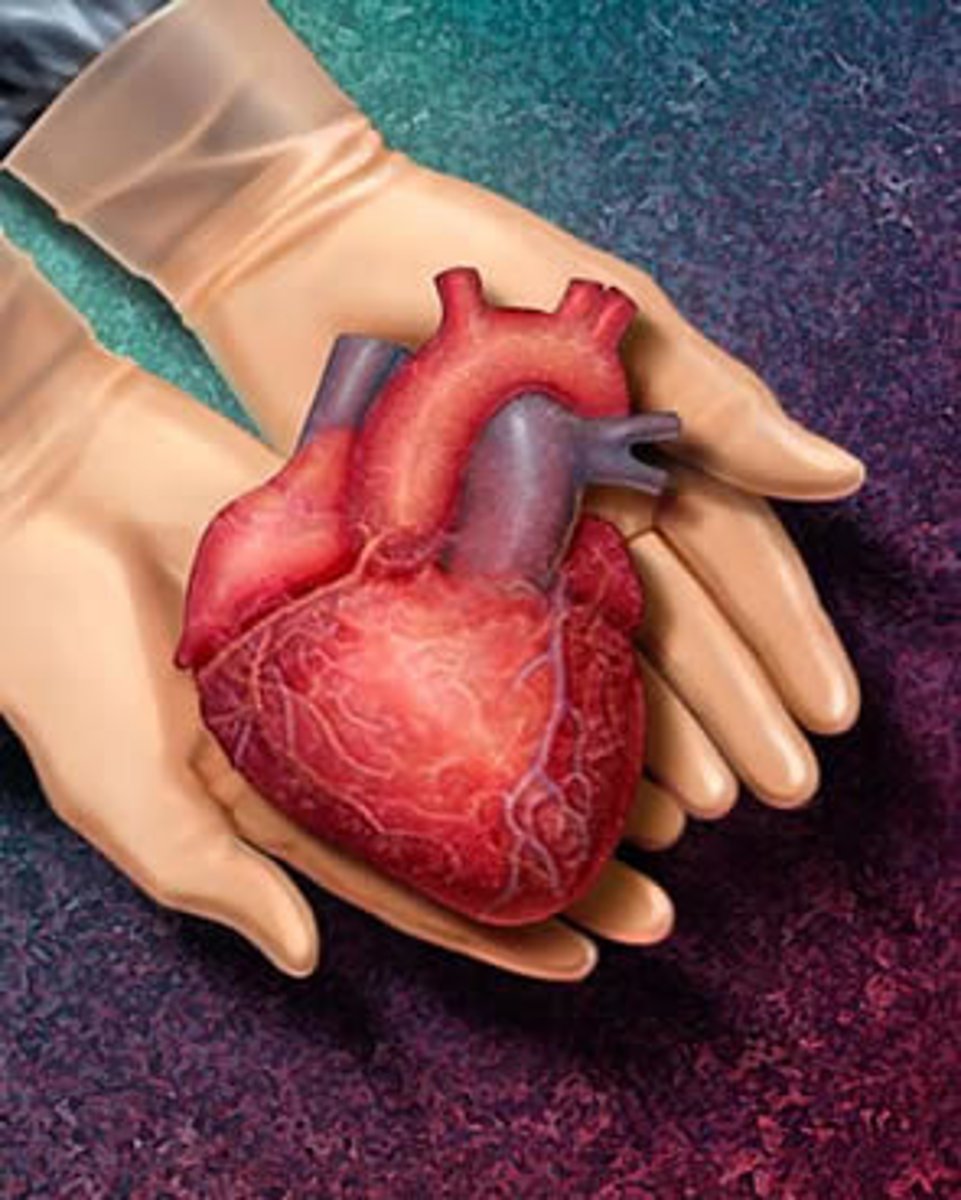
Heart Transplant (1967)
Dr Christian Barnard, in South Africa, completed the first successful heart transplant. His patient lived for 19 days. More recently, 181 successful transplants took place in Britain alone in 2014
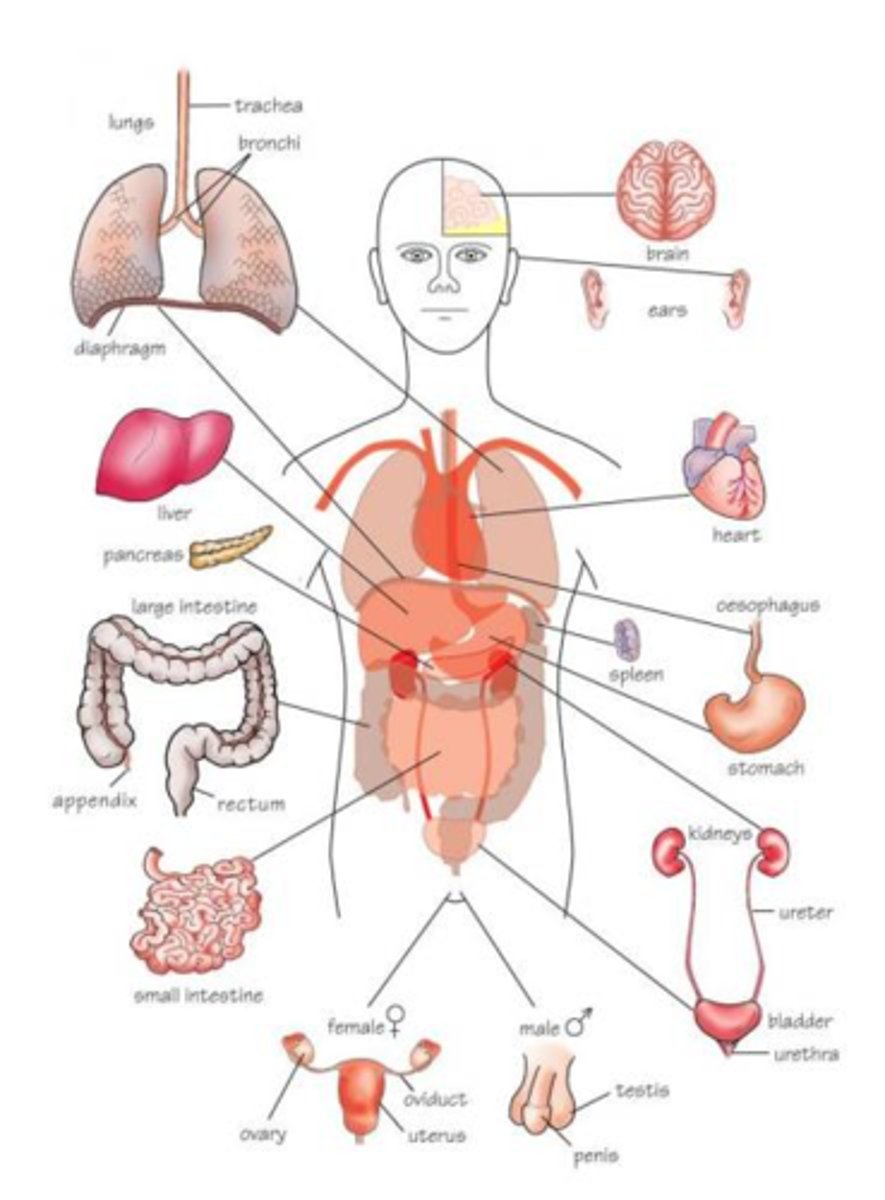
Organ Donation
When people donate their organs after death in the hope that someone may be able to use them in a transplant. This used to be an "opt in" service in the UK, but is now an "opt out" service because of shortages
Illegal Organ Trading
Some illegal gangs around the world harvest peoples organs and sell them illegally on the black market. A compatible kidney can sell for over £300,000
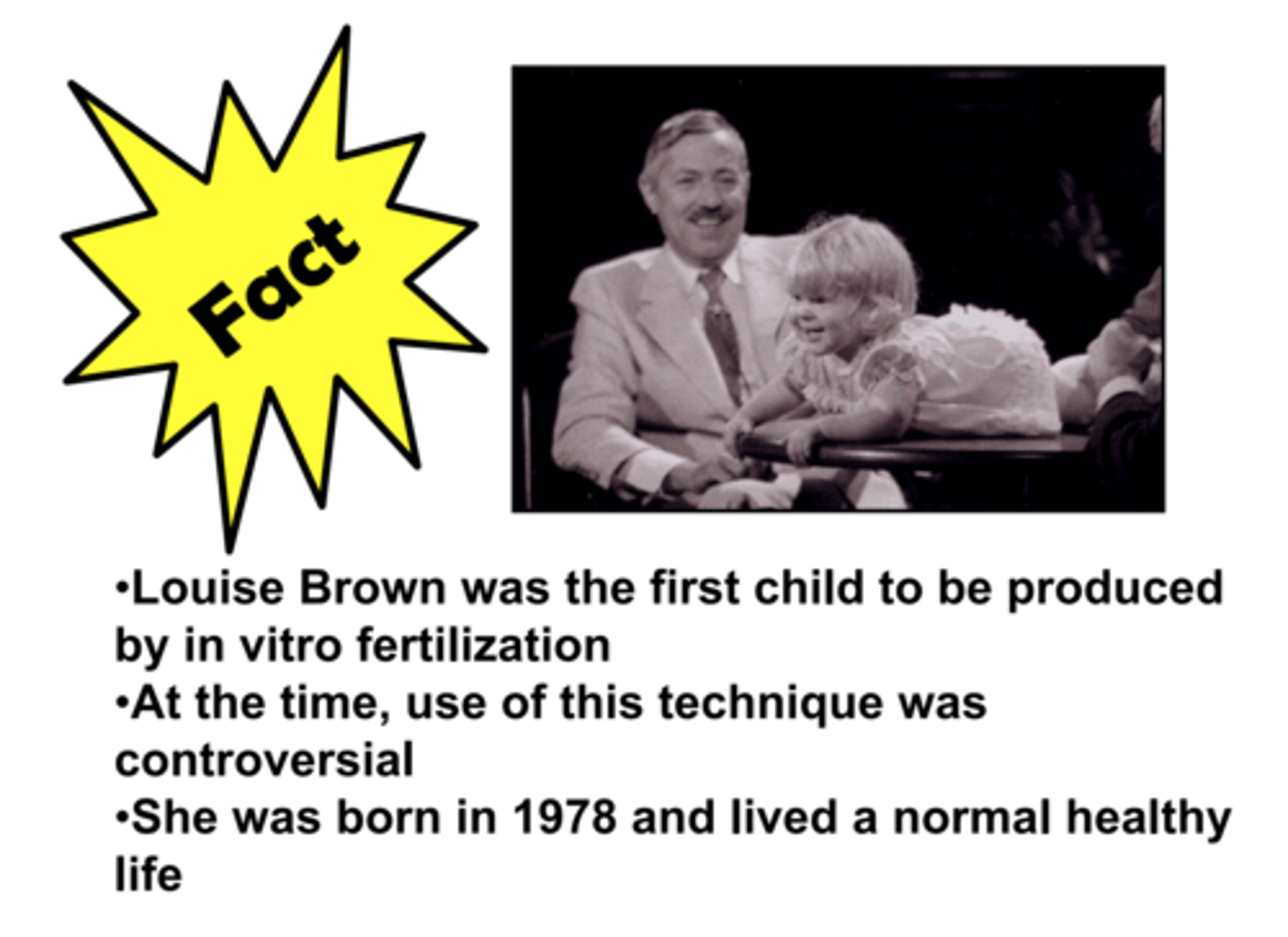
Louise Brown (Born 1978)
She was the first baby born as a result of IVF treatment (test-tube baby) in the world. Today this treatment is fairly common in Britain due to lowering fertility levels
Waiting Lists
How long a person has to wait for an operation. Waiting lists went down during the 1990s and 2000s. However, they have increased drastically after 2010. These lists are usually linked to government investment.