Comprehensive Guide to Weeds and Turfgrass Management in Golf Courses
 Studied by 0 people
 Call Kai
 Learn
Learn Practice Test
 Spaced Repetition
 Match
Match Flashcards
 Knowt Play
1/27

There's no tags or description
Looks like no tags are added yet.
Name | Mastery | Learn | Test | Matching | Spaced |
|---|
No study sessions yet.
28 Terms
What is a weed?
Any plant that is not a desired species/cultivar in maintained turfgrass.
What are the three types of weed life cycles?
Annual, Biennial, and Perennial.
What defines an annual weed?
Weeds that complete their life cycle from seed within one year.
What are winter and summer annuals?
Winter annuals germinate in the fall and die in spring; summer annuals germinate in spring and die in fall.
How long do biennial weeds live?
They live for 1.5 to 2 years.
What is the lifespan of perennial weeds?
They live for more than 2 years, or indefinitely.
Name a common annual monocot weed.
Smooth Crabgrass (Digitaria ischaemum).
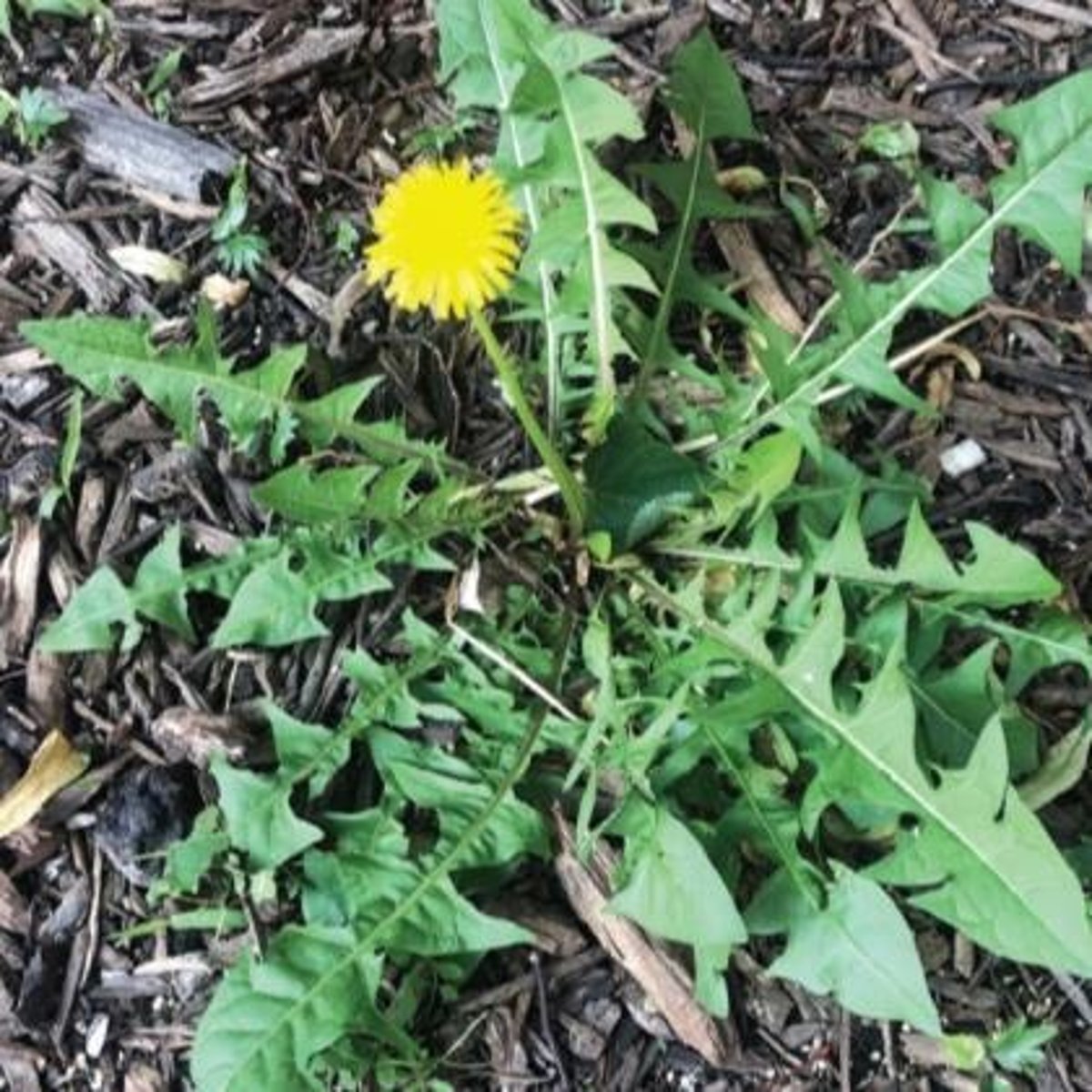
What is a common perennial dicot weed?
Dandelion (Taraxacum officinale).
What is the most effective weed control strategy?
Maintaining a healthy, dense turfgrass stand.
What are cultural practices for weed control?
Mowing, irrigation, aeration, and overseeding.
What is mechanical removal in weed control?
Methods like hand removal and new technologies such as liquid nitrogen.
What are the two types of chemical herbicides based on absorption?
Contact and Systemic herbicides.
What is a contact herbicide?
A herbicide that works directly on the green plant parts it contacts.
What is a systemic herbicide?
A herbicide that moves throughout the plant, providing control even when applied to just one part.
What is the difference between selective and non-selective herbicides?
Selective herbicides target specific plant types, while non-selective herbicides control nearly every plant they contact.
What are pre-emergent herbicides used for?
They are applied before weeds appear to inhibit growth as they germinate.
What are post-emergent herbicides?
Herbicides applied after weeds have germinated and have foliage above the ground.
What factors affect the efficacy of chemical control?
Wind, forecast rainfall, temperature, and humidity.
What are the safety risks associated with chemical control?
Health issues from improper application, drift, runoff, and contamination of soil and water.
What is required by law for herbicide use?
Following all label statements and keeping accurate records.
What is the role of the U.S. Environmental Protection Agency (USEPA) in herbicide regulation?
They enforce the Federal Insecticide, Fungicide, and Rodenticide Act (FIFRA).
What is the purpose of transferable turf residues (TTR) testing?
To determine post-application or reentry human exposure to herbicides.
What is the mowing height for putting greens?
0.125-0.35 inches.
What are the common species used for golf course putting greens?
Creeping bentgrass, annual bluegrass, and bermudagrass.
What is the mowing height for fairways?
0.375-1.25 inches.
What is the mowing height for roughs in golf courses?
2.0-3.0 inches.
What is aerification in turf management?
A cultural practice that involves creating holes in the soil to improve air and water movement.
What is topdressing in turf management?
The application of a thin layer of material (like sand) to the surface of the turf to improve soil quality.
 Note
Note  Flashcards (590)