Arts of Africa
 View linked note
 Call Kai
 Learn
Learn Practice Test
 Spaced Repetition
 Match
Match Flashcards
 Knowt Play
1/8

Earn XP
Description and Tags
Quiz
Name | Mastery | Learn | Test | Matching | Spaced | Call with Kai |
|---|
No analytics yet
Send a link to your students to track their progress
9 Terms
Rock-cut
Buildings cut out of stones, exemplified by Biete Ghiogis.
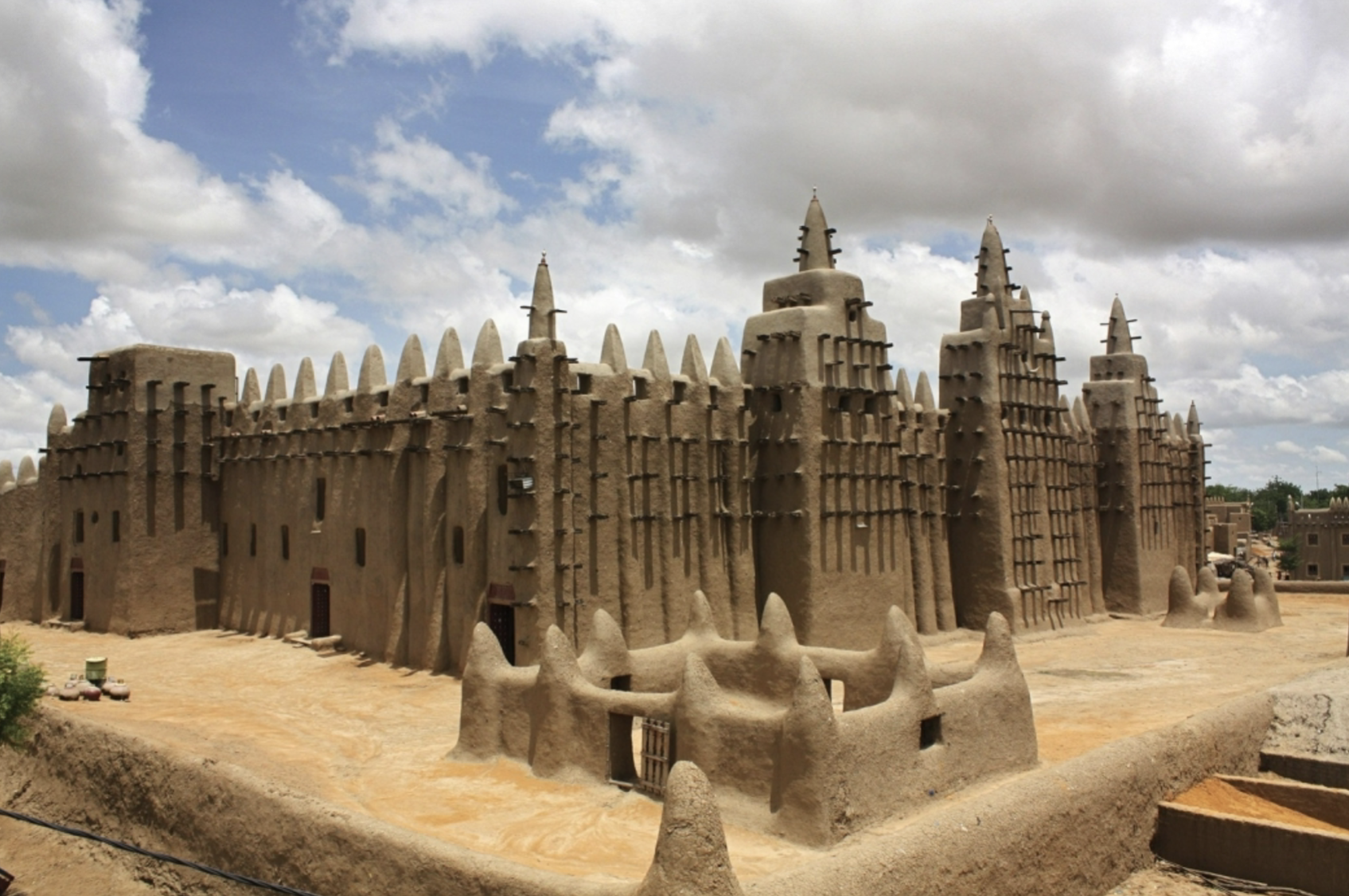
Adobe
Mud or clay bricks used in construction.
Scarification
Intentional scars that form designs.
Benin Bronzes
Includes plaques, jewelry, and ritual objects like the Plaque Depicting a Palace Shrine.
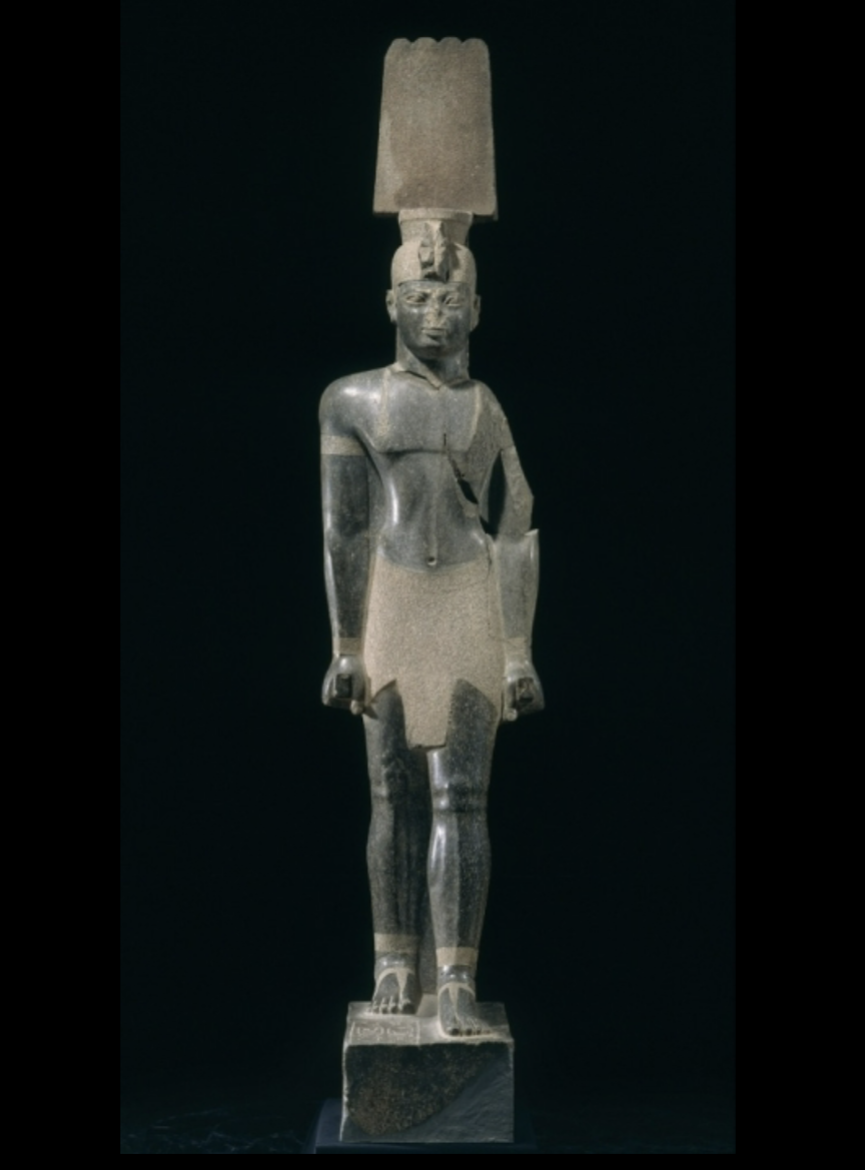
Colossal Statue of King Aspelta
Authority and Legacy: Demonstrates the king's power and his association with earlier rulers to legitimize his authority.
Cultural Identity: Highlights Nubian royal identity through distinctive headdress and ornamentation, distinguishing it from Egyptian influences.
Symbolic Immortality: The idealized and rigid form emphasizes timelessness and divine connection, linking the king to eternal rulership.
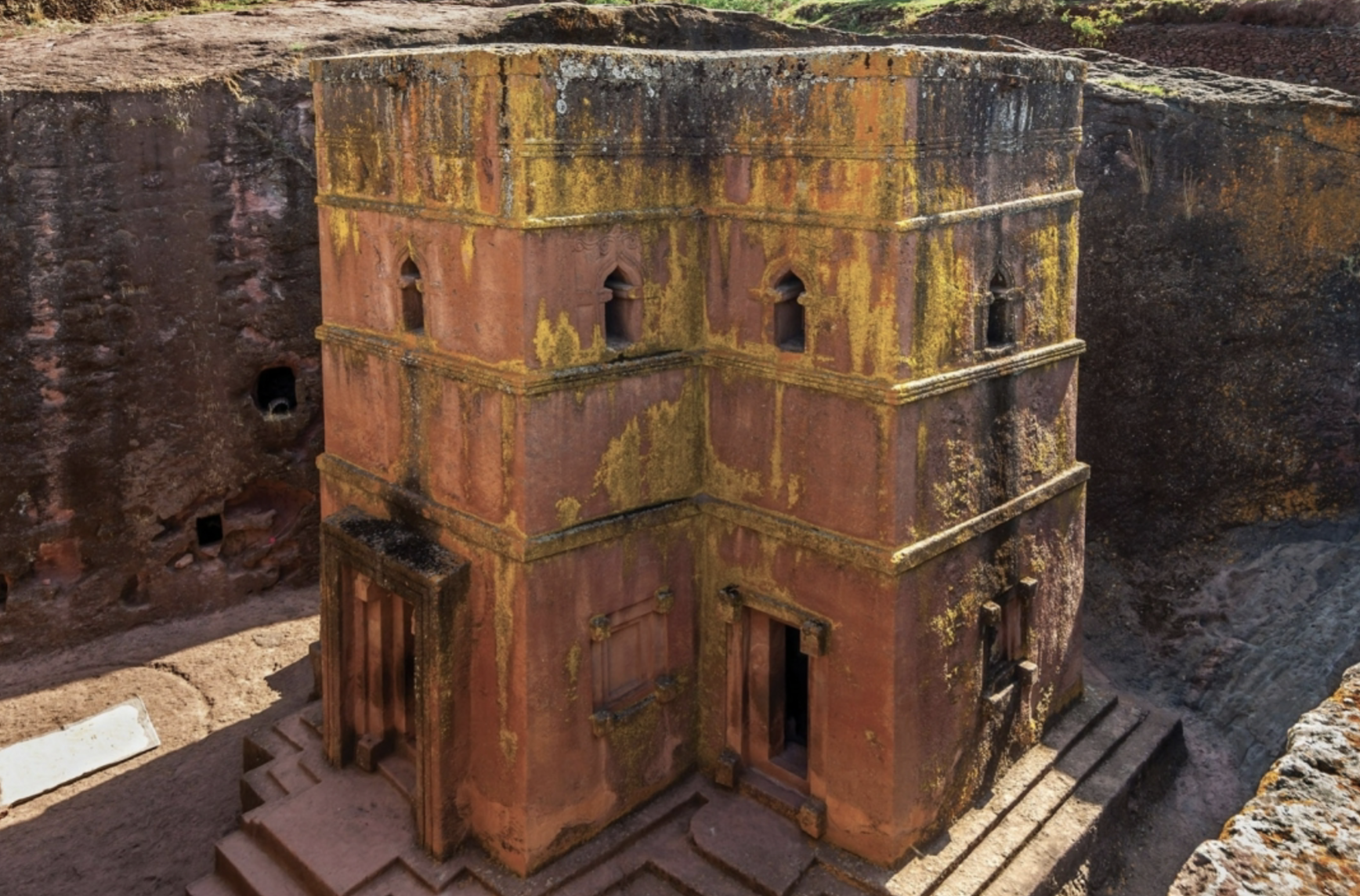
Biete Ghiorgis
Spiritual Devotion: Represents Ethiopia's early Christian heritage and the king's commitment to his faith.
Architectural Innovation: The rock-cut design reflects ingenuity and dedication to creating a sacred space that integrates with the environment.
Pilgrimage and Unity: Serves as a spiritual hub for worshippers, symbolizing a connection to Jerusalem and fostering community.
Great Mosque of Djenné
Cultural Adaptation of Islam: Merges Islamic architectural principles with local materials and traditions, showcasing regional identity.
Sustainability and Community: The annual plastering festival underscores communal effort and the interdependence of the mosque and its people.
Symbol of Prosperity: Reflects the wealth and cultural prominence of the Ghana Empire during its peak.
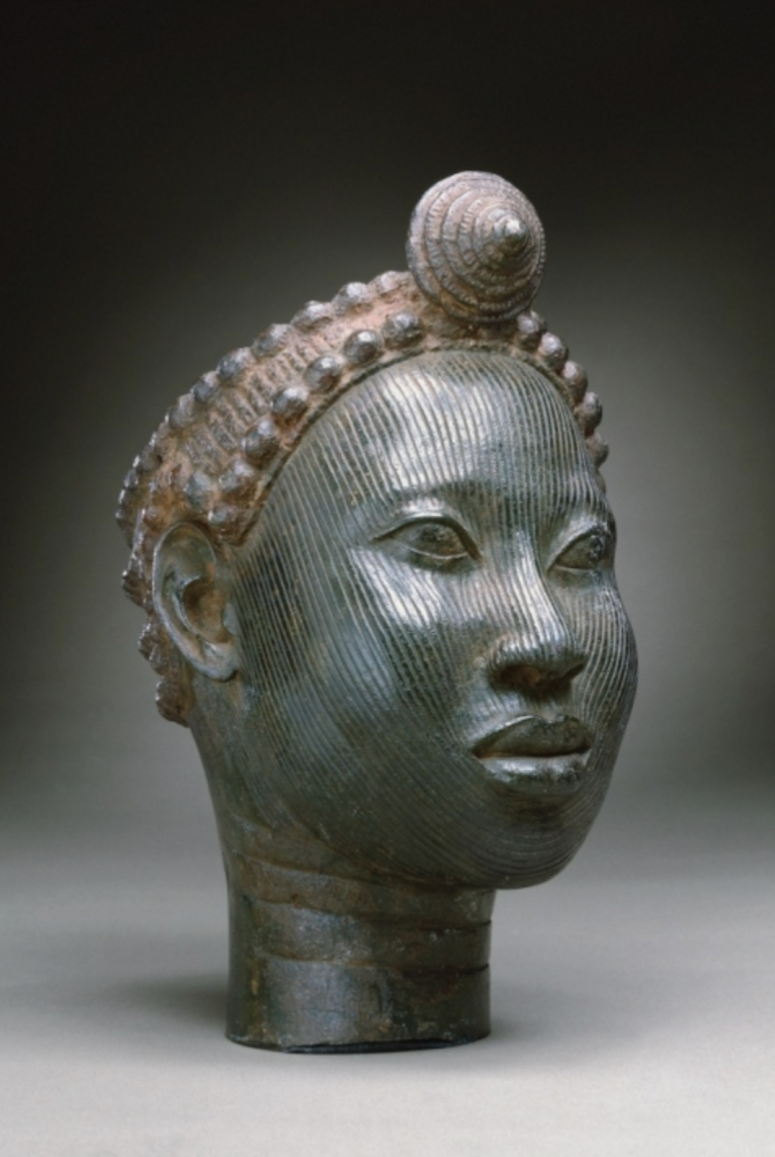
Crowned Head of a Yoruba Ruler
Naturalism and Idealism: Balances lifelike realism with an idealized portrayal of power and dignity.
Cultural Identity and Tradition: Features scarification and adornments, reflecting Yoruba cultural practices and royal authority.
Symbol of Continuity: Represents the continuity of Yoruba leadership and its enduring cultural significance.
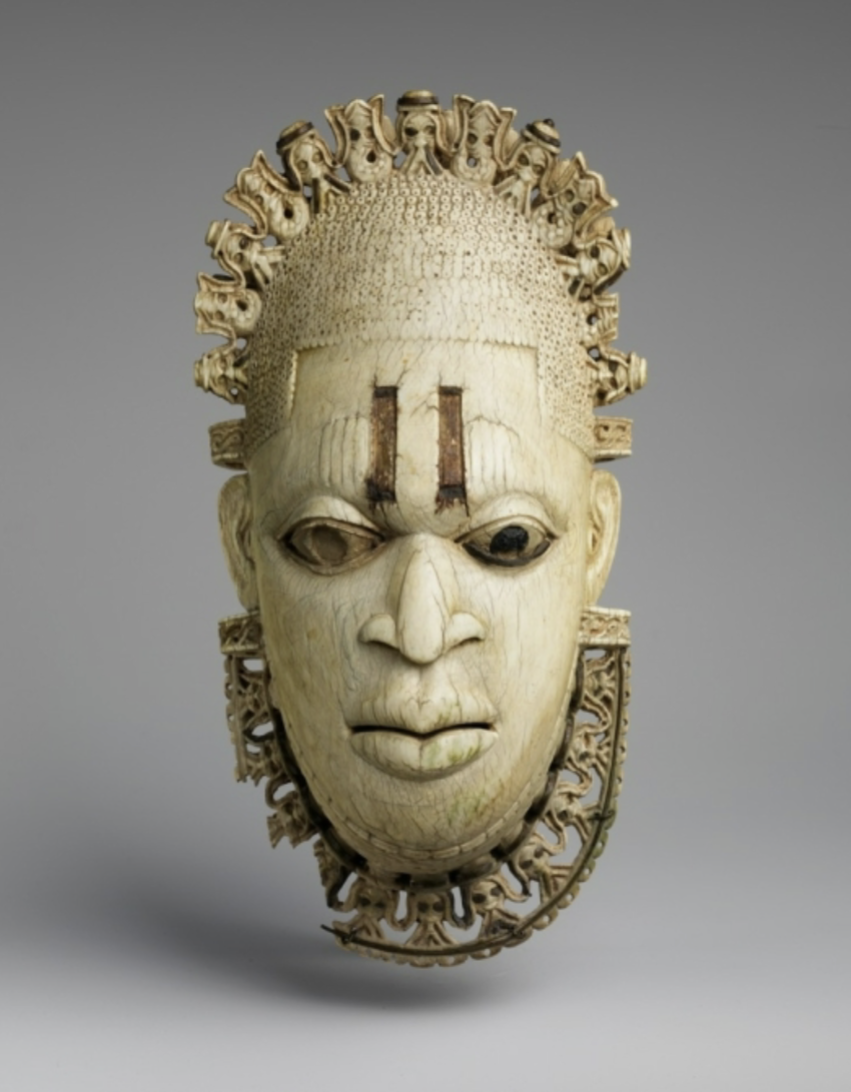
Pendant of the Iyoba Idia
Maternal Power and Influence: Highlights the extraordinary role of Queen Mother Idia in supporting her son's reign and trade success.
Cultural and Artistic Syncretism: Combines African artistic motifs with European trade influences (e.g., Portuguese figures).
Divine and Temporal Authority: The mudfish symbolism represents duality and reinforces the Oba's spiritual and political power.