Characteristics of Microbes
 Call Kai
 Learn
Learn Practice Test
 Spaced Repetition
 Match
Match Flashcards
 Knowt Play
1/18

There's no tags or description
Looks like no tags are added yet.
Name | Mastery | Learn | Test | Matching | Spaced | Call with Kai |
|---|
No analytics yet
Send a link to your students to track their progress
19 Terms
All Prokaryotes and Eukaryotes:
grow, reproduce, react to environmental stimuli, have metabolism and cellular structures
Viruses DO NOT:
grow, reproduce outside of host cell, respond to environment outside of host cell (some), have their own metabolism outside of host cell, have cellular structures
Viruses
molecules of DNA or RNA; never both, that can only replicate in the living cells of organisms
Eukaryote ribosomes
40s + 60s = complete 80s ribosome
Bacterial ribosomes
30s + 50s = complete 70s ribosome
Glycocalyx
sugar coat of prokaryotic cell wall; made of polysaccharides, polypeptides, or both
sugar coats:
prevent phagocytosis, help adherence, prevent dehydration, can be used as energy source
the two types of glycocalyx are:
capsule and slime layer
Capsulated strains of bacteria ________________
increase pathogenicity
Chemotaxis
bacteria moves towards or away from chemicals
phototaxis
bacteria moves towards or away from light
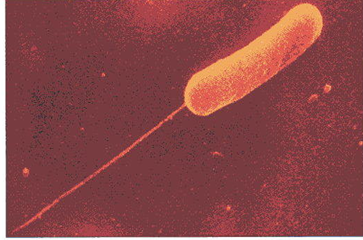
Monotrichous
single flagellum at one pole
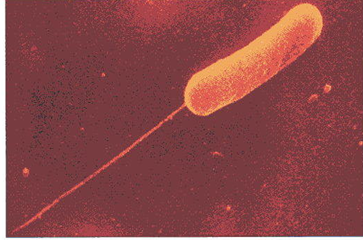
Amphitrichous
single flagellum at each end
Lophotrichous
2 or more flagellum at one end
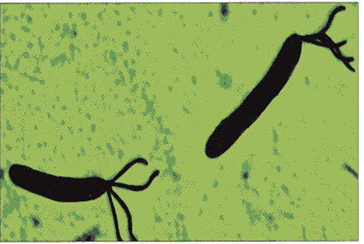
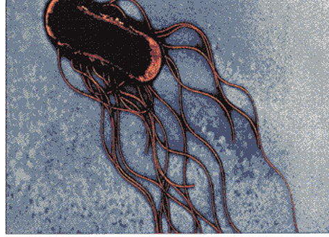
Pertrichous
flagella all over the entire cell
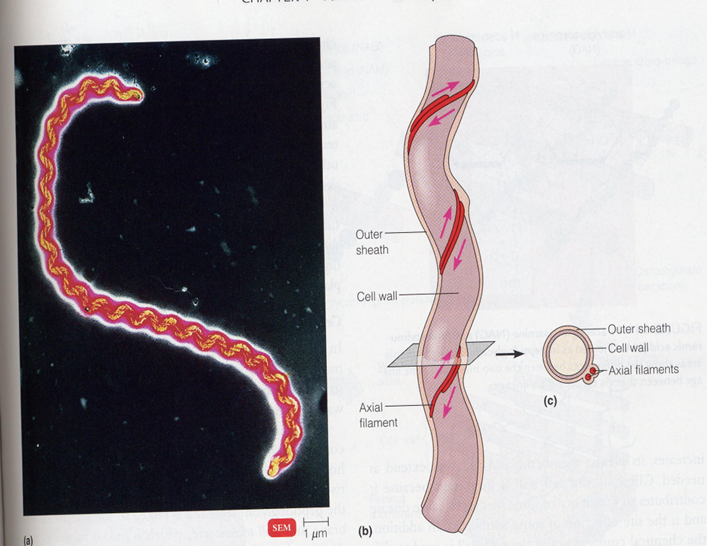
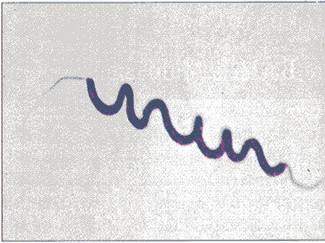
Axial Filament/ Endoflagellum
bundle of flagella that wraps around spirochette bacteria
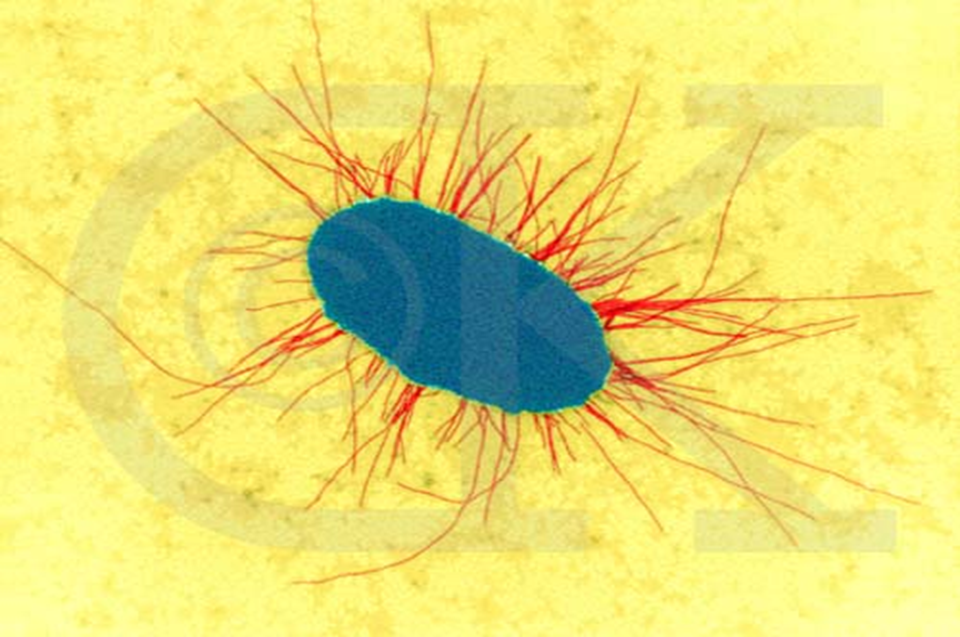
Fimbria
short bristle like proteins projecting from the cell; enable the cell to adhere to other cells/surfaces
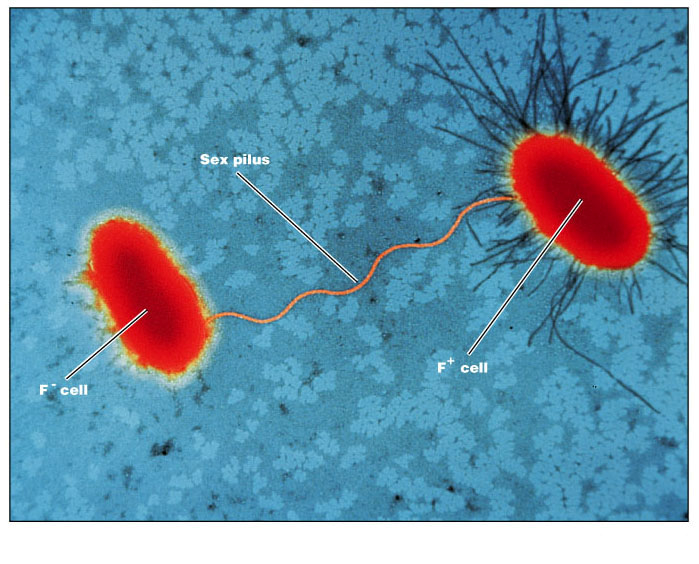
Pili
attaches to other cells to pass DNA from one bacterial cell to another
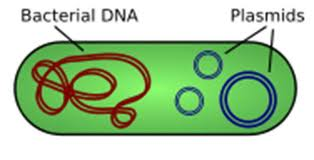
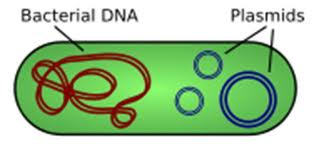
plasmids
contains extra pieces of DNA independent of main chromosome