ARCH 210 Final - *Monuments
 Studied by 0 people
 Call Kai
 Learn
Learn Practice Test
 Spaced Repetition
 Match
Match Flashcards
 Knowt Play
1/71

There's no tags or description
Looks like no tags are added yet.
Name | Mastery | Learn | Test | Matching | Spaced | Call with Kai |
|---|
No analytics yet
Send a link to your students to track their progress
72 Terms
*Alhambra (Qal' at al-Hamra/Red Fort), Granada, Spain, 1238-1390s, Patron: Nasrid Dynasty rulers including Muhammad I, Yusuf I, medieval Islamic architecture
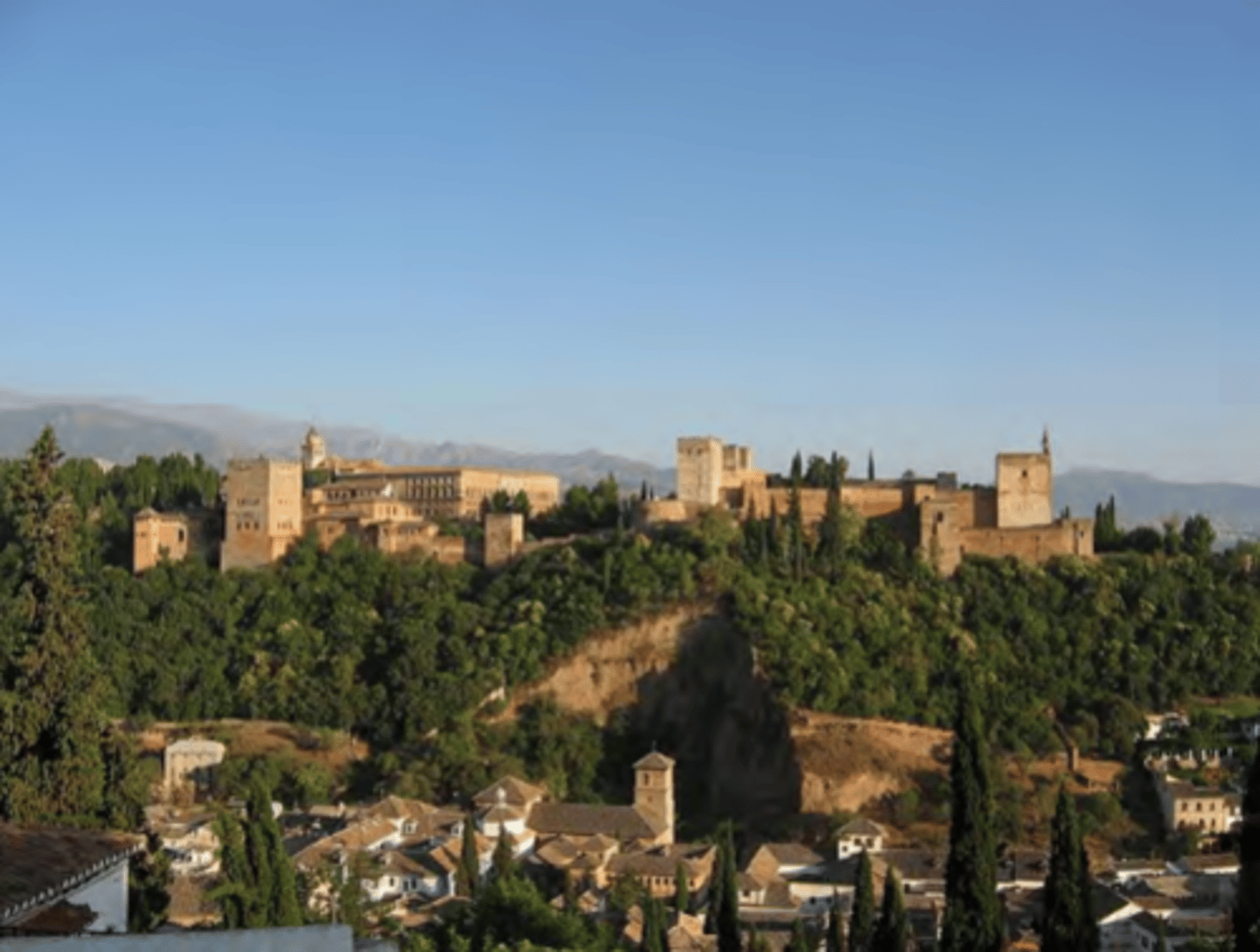
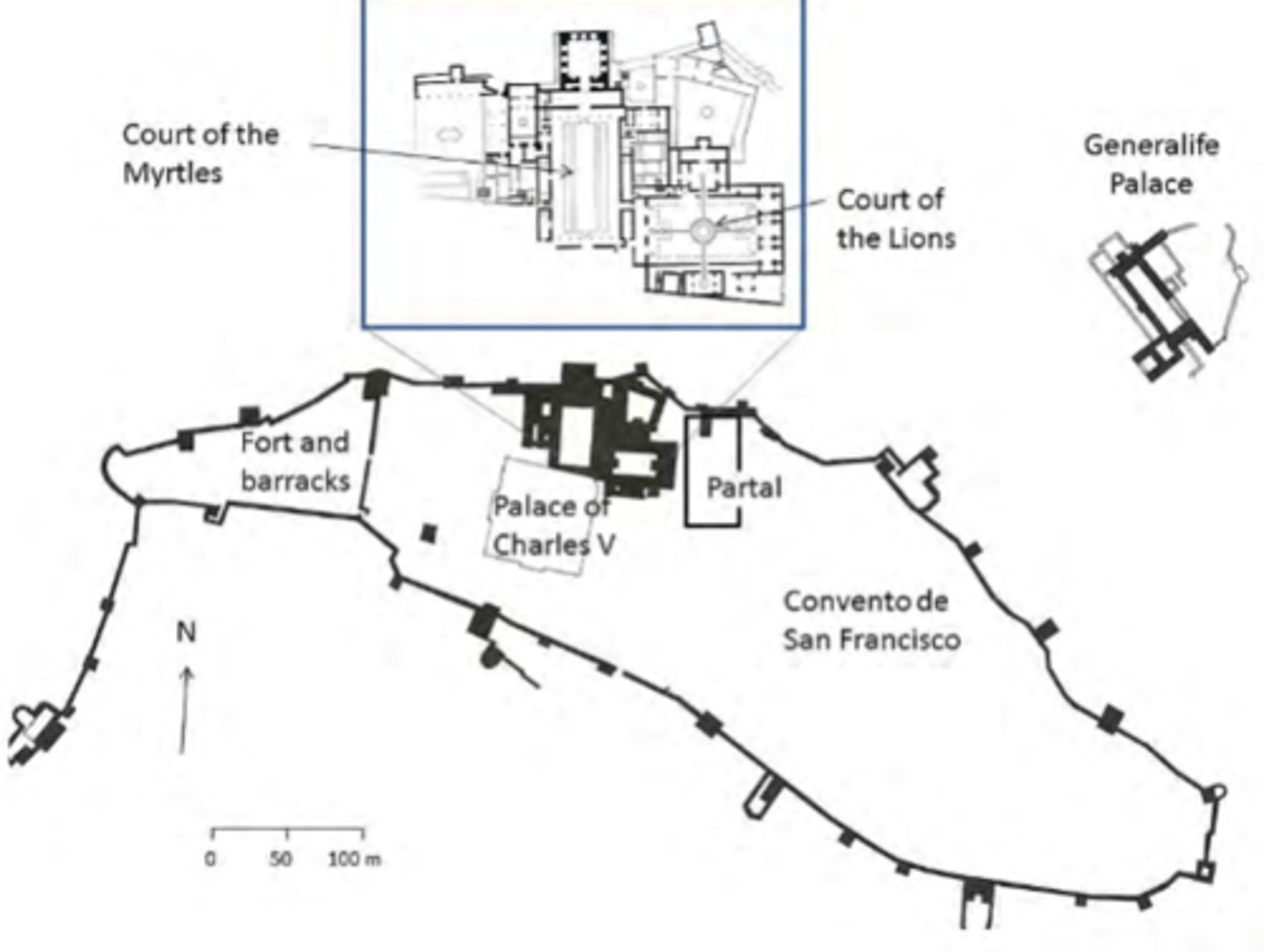
*Alhambra (Qal' at al-Hamra), Granada, Spain, 1238-1390s, medieval Islamic: Plans
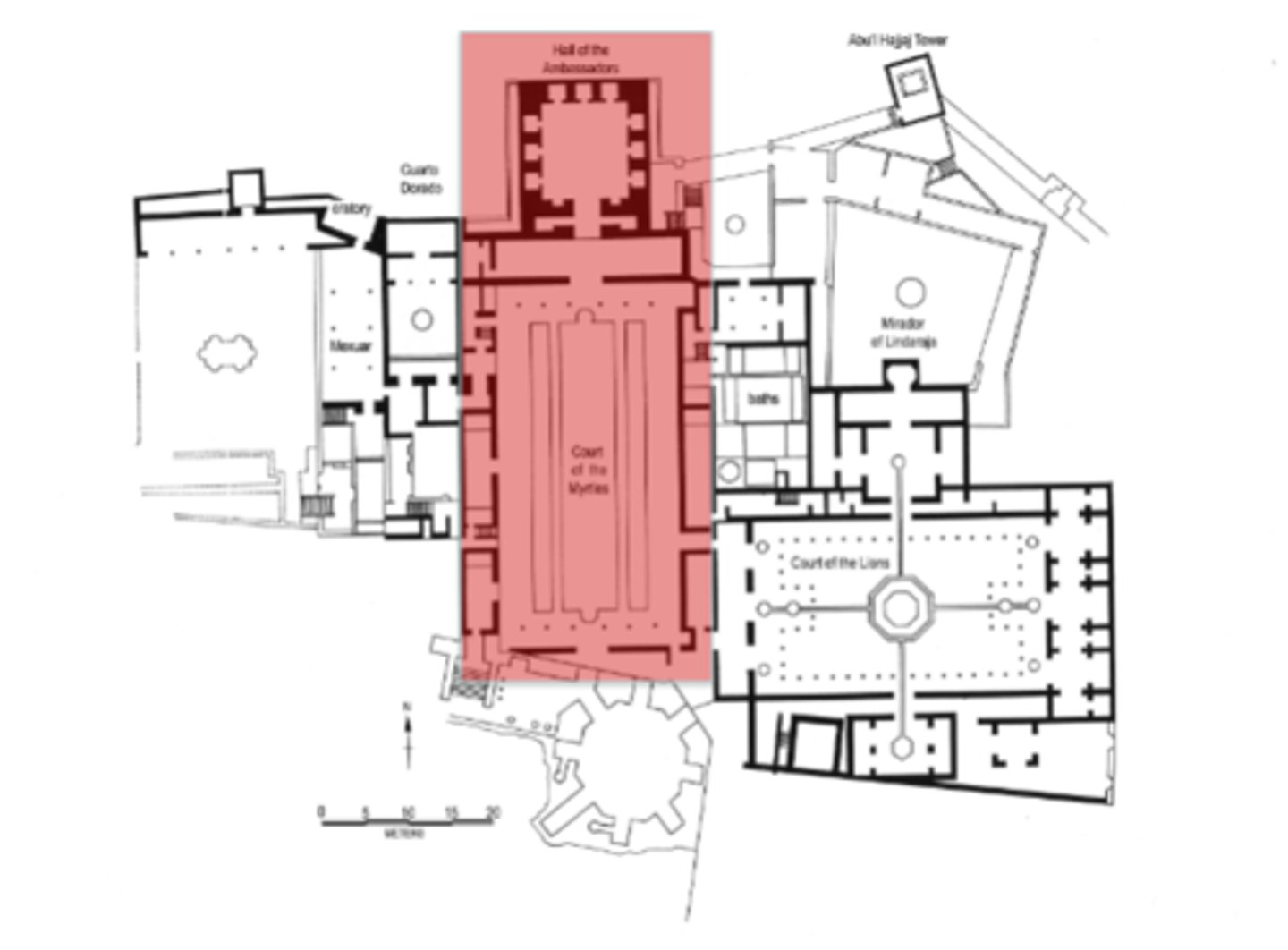
*Alhambra: Plan of the Comares and Lions Palaces
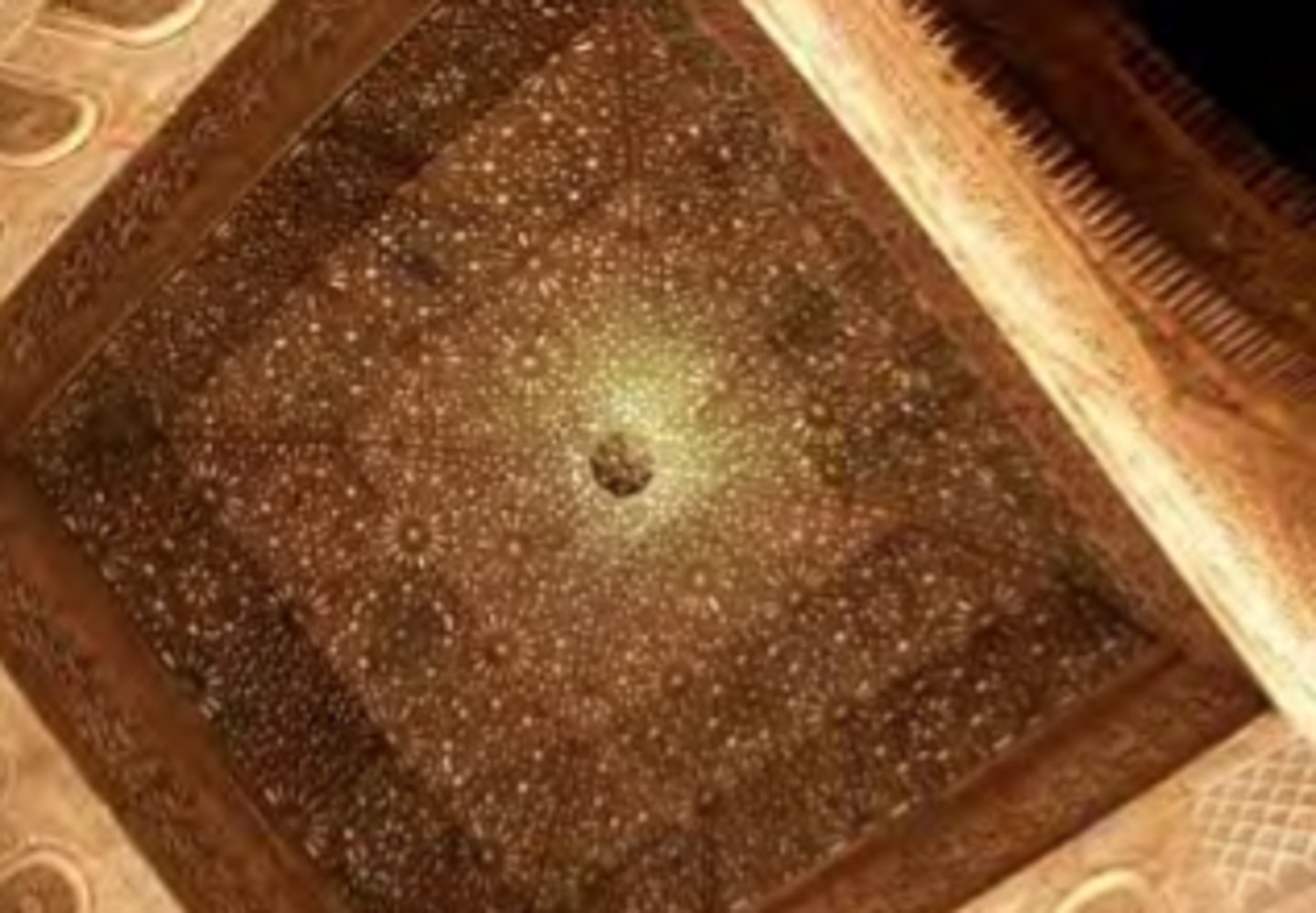
*Alhambra: Palace of the Myrtles, Hall of the Ambassadors (also known as the Comares Hall; the main throne room of the palace) and its wooden ceiling representing paradise, as described in the Qur'an - as seven skies superimposed, symbolized here by successive layers of stars
*Alhambra: Palace of the Lions, courtyard
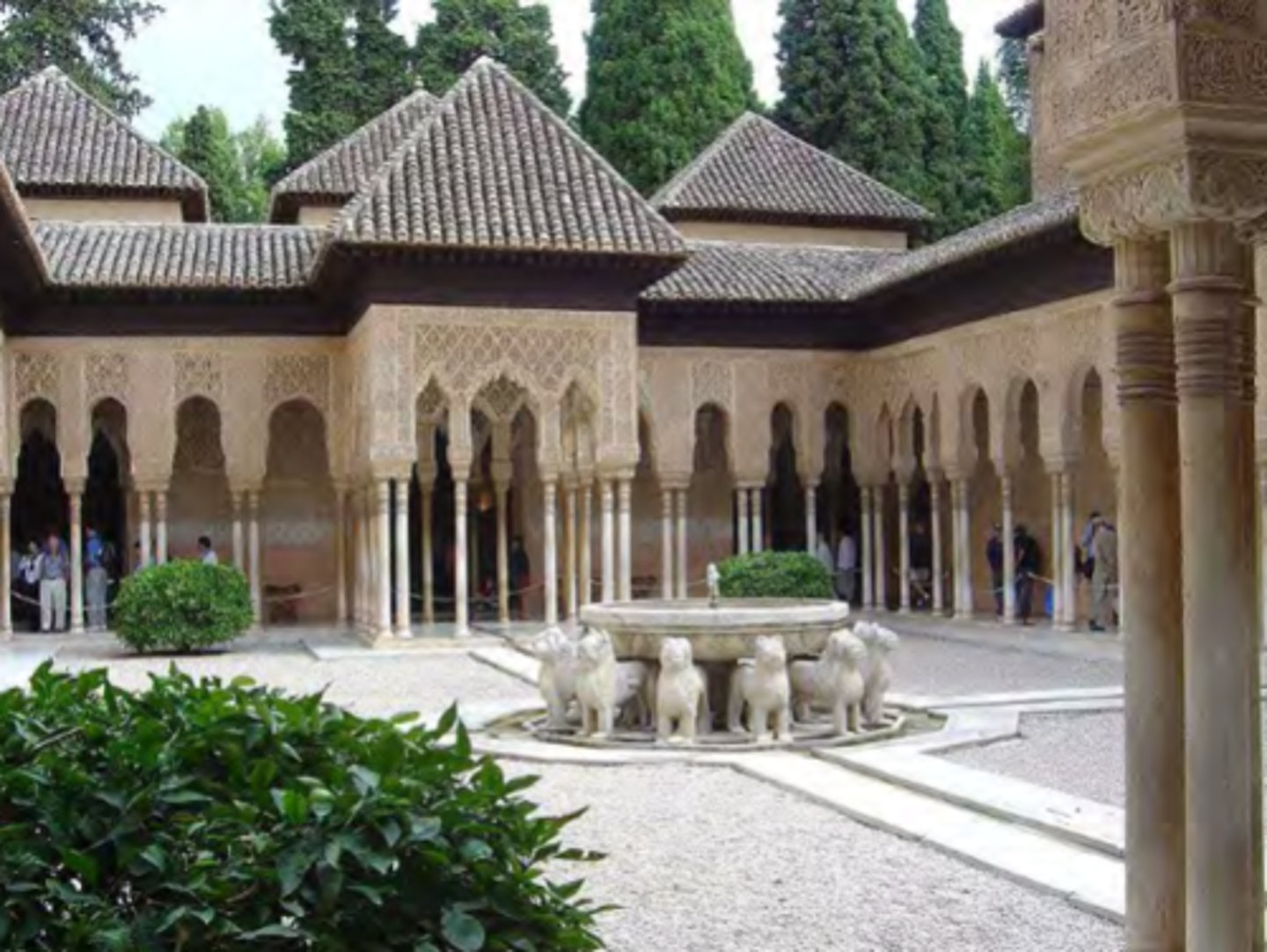
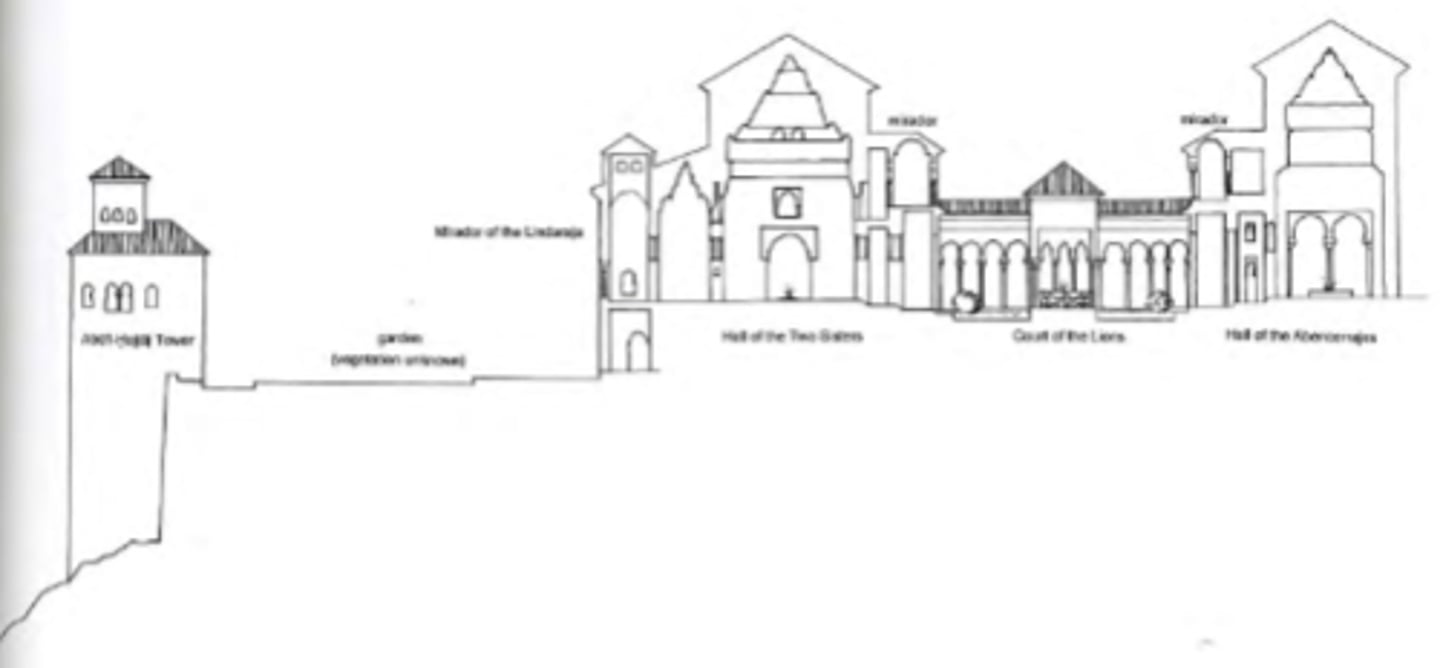
*Alhambra: Section through the Palace of the Lions
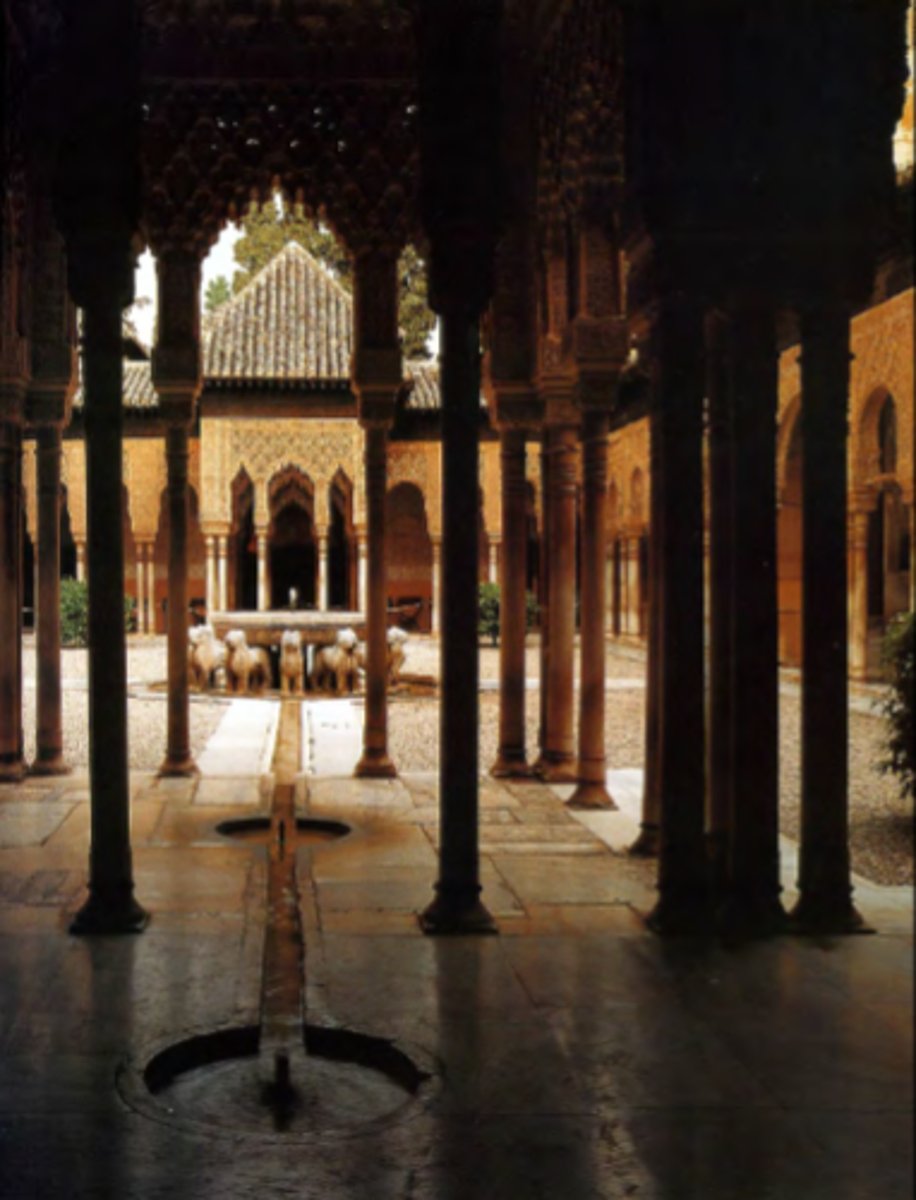
*Alhambra: Court of the Lions
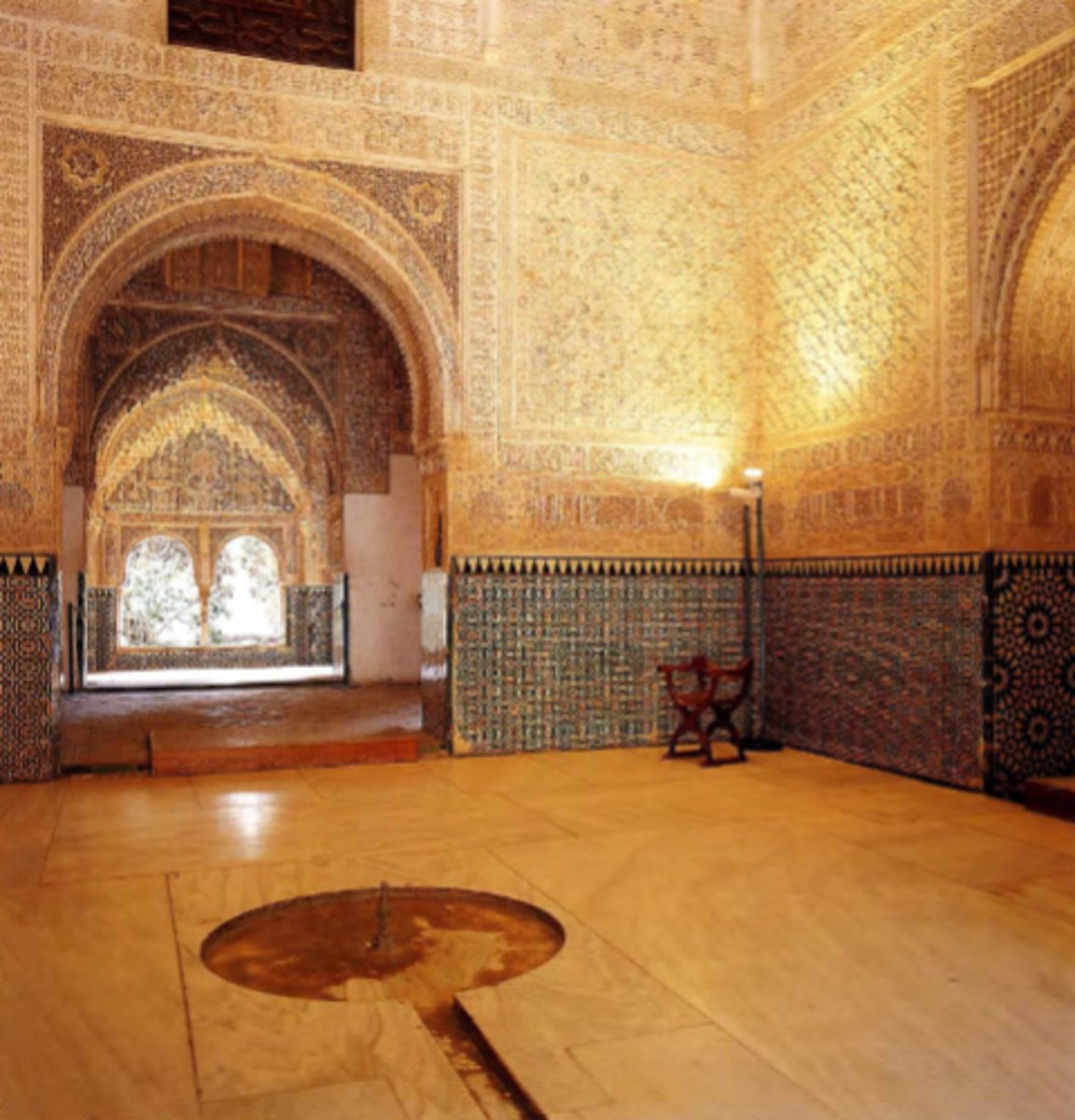
*Alhambra, Hall of the Two Sisters
*Alhambra: Hall of Abencerajes
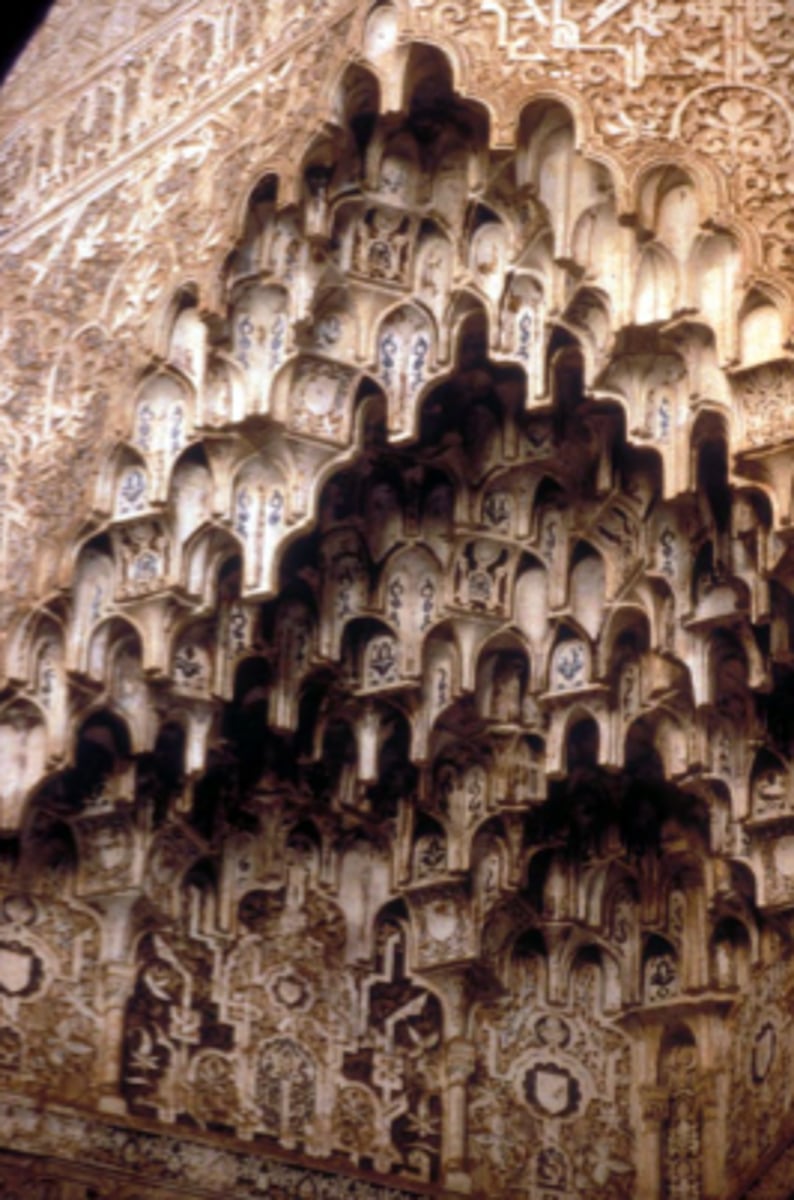
*Alhambra, Hall of the Two Sisters, muqarnas dome
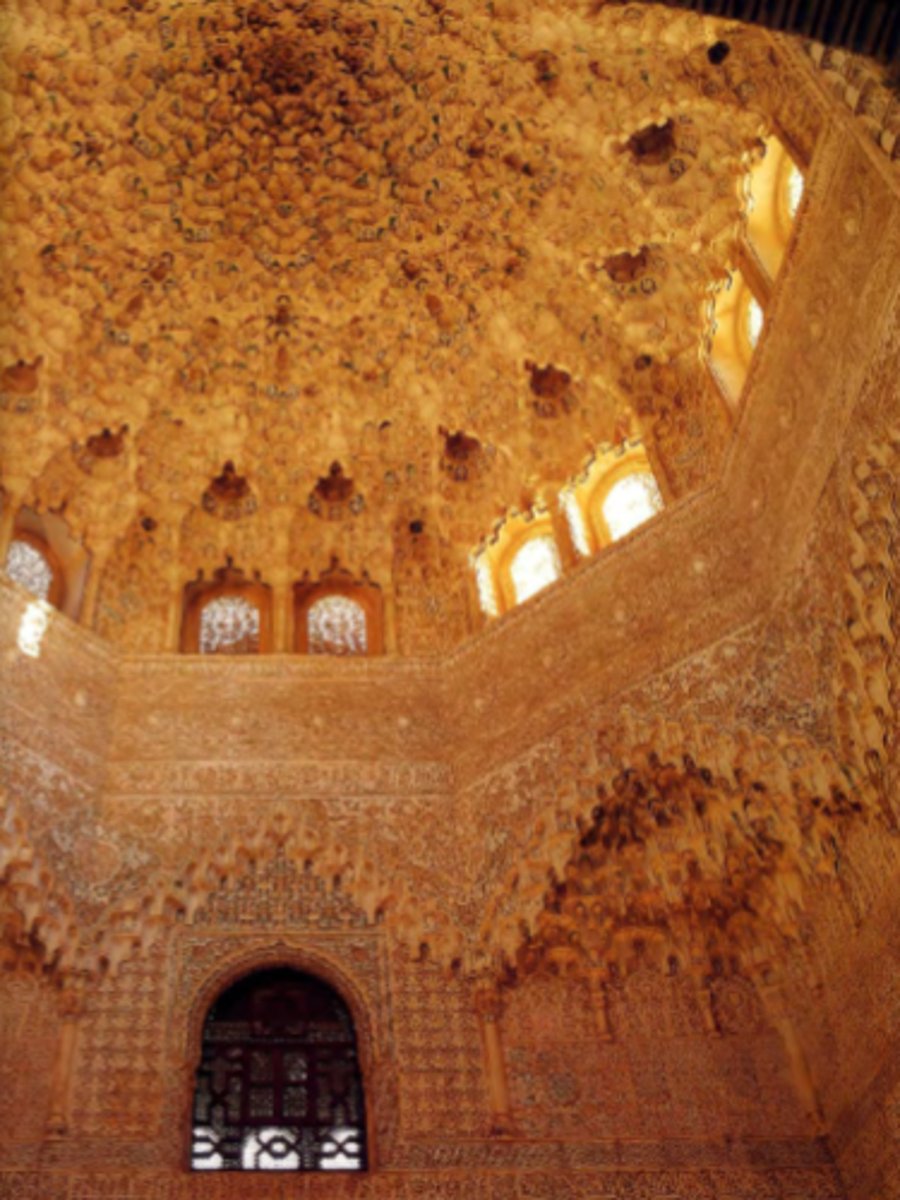
*Hawelt of Aksum, Aksum/Axum, Ethiopia, 4th century CE, Aksum Kingdom
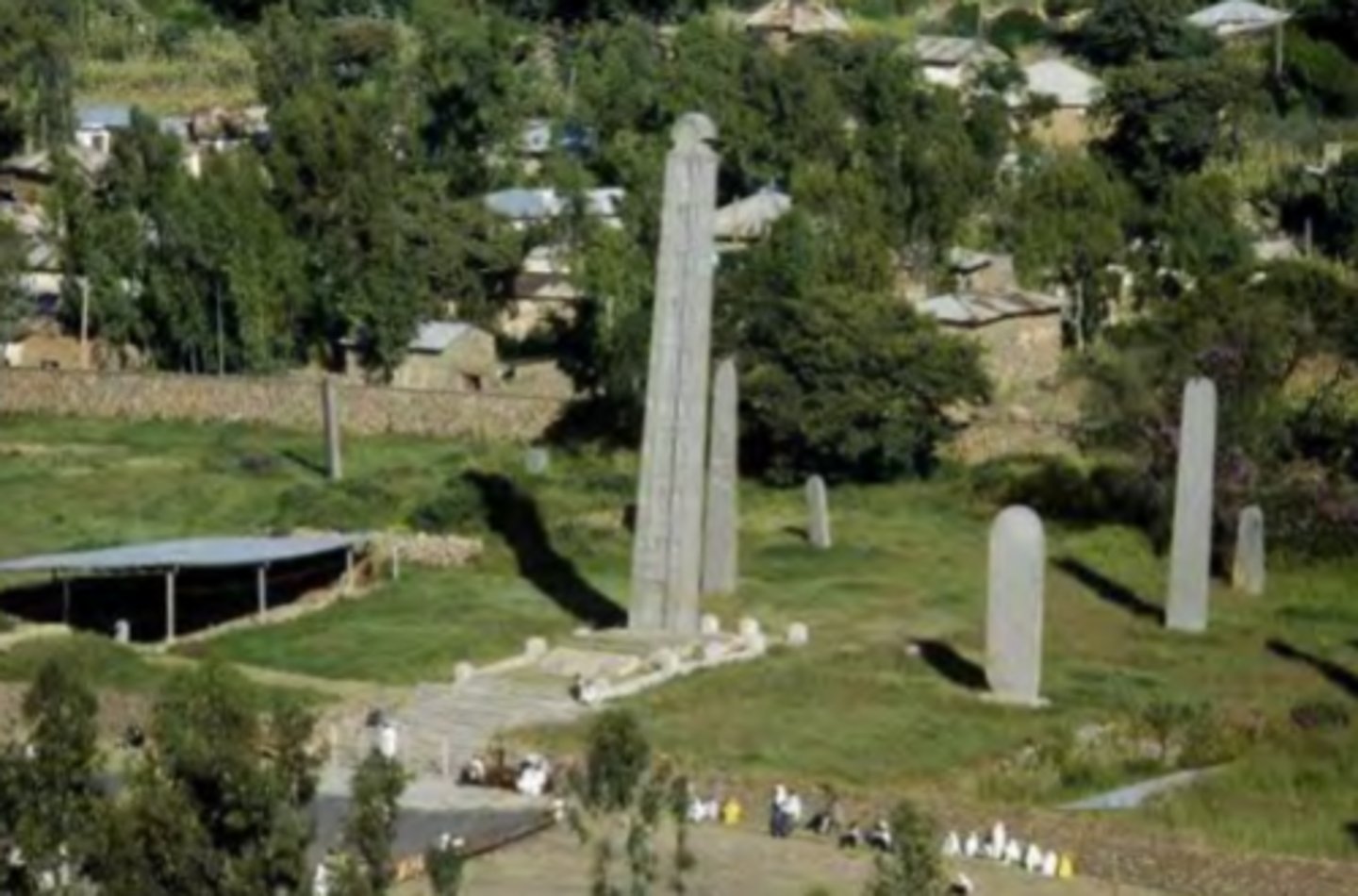
*Christian Churches of King Lalibela, Lalibela, Ethiopia, 13th century, Patron: King Gebre Mesqel Lalibela. Zagwe Kingdom
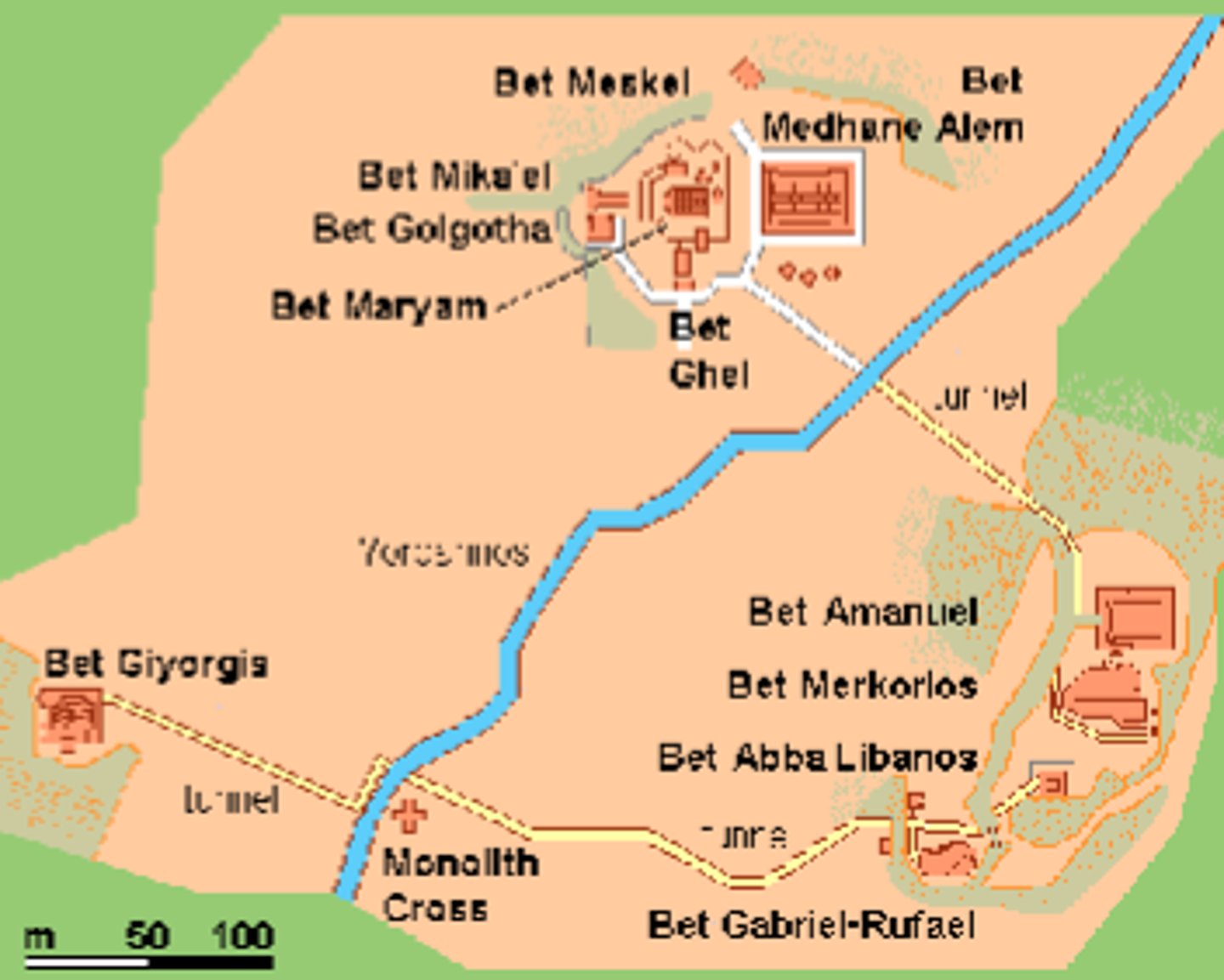
*Bet Giorgis (The Church of St. George), Lalibela, Ethiopia, 13th century, Patron: King Gebre Mesqel Lalibela. Zagwe Kingdom
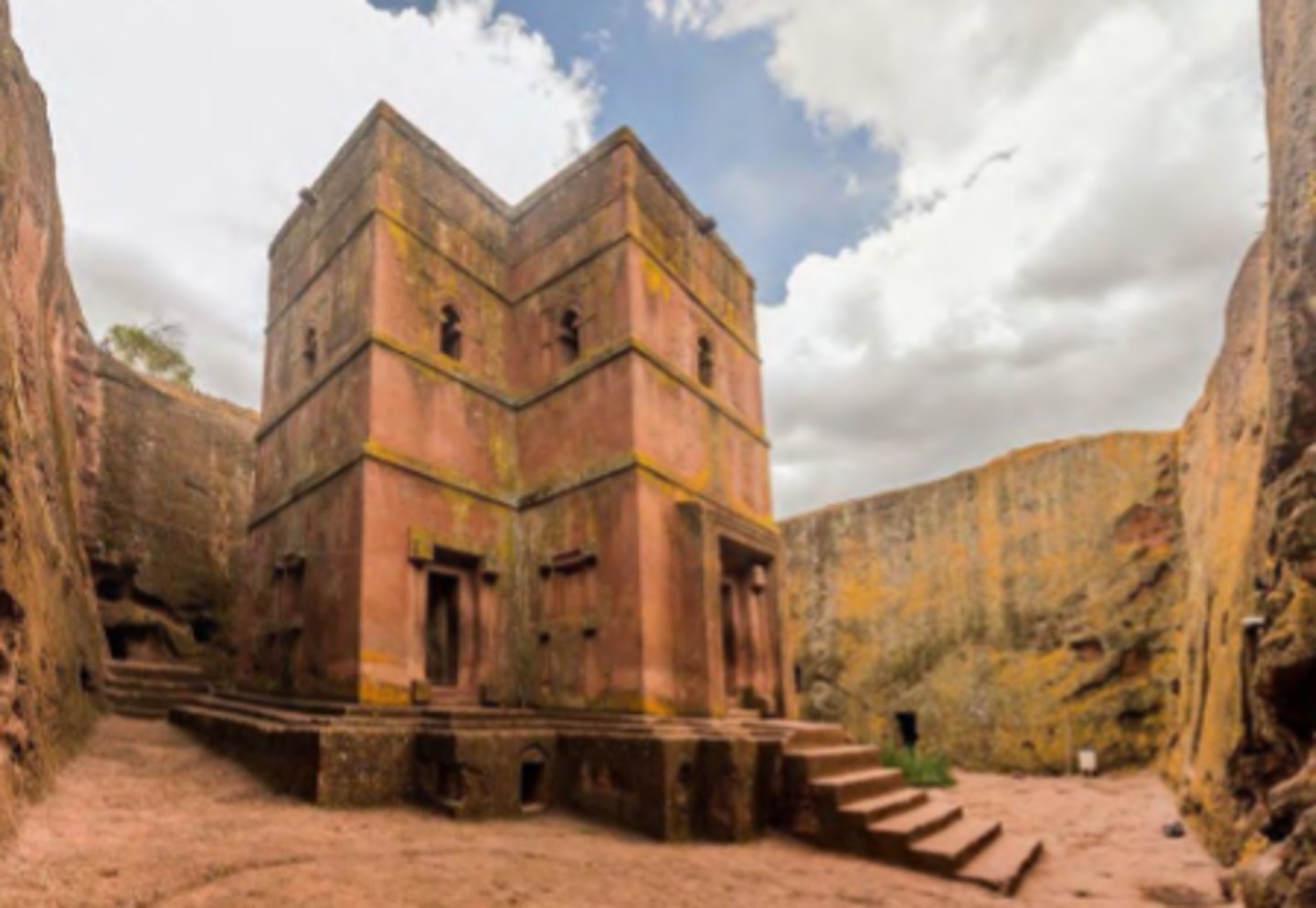
*Imba Huru/Great Zimbabwe Complex, Great Zimbabwe, Zimbabwe, c1100-1470 CE, Bantu and Shona Cultures
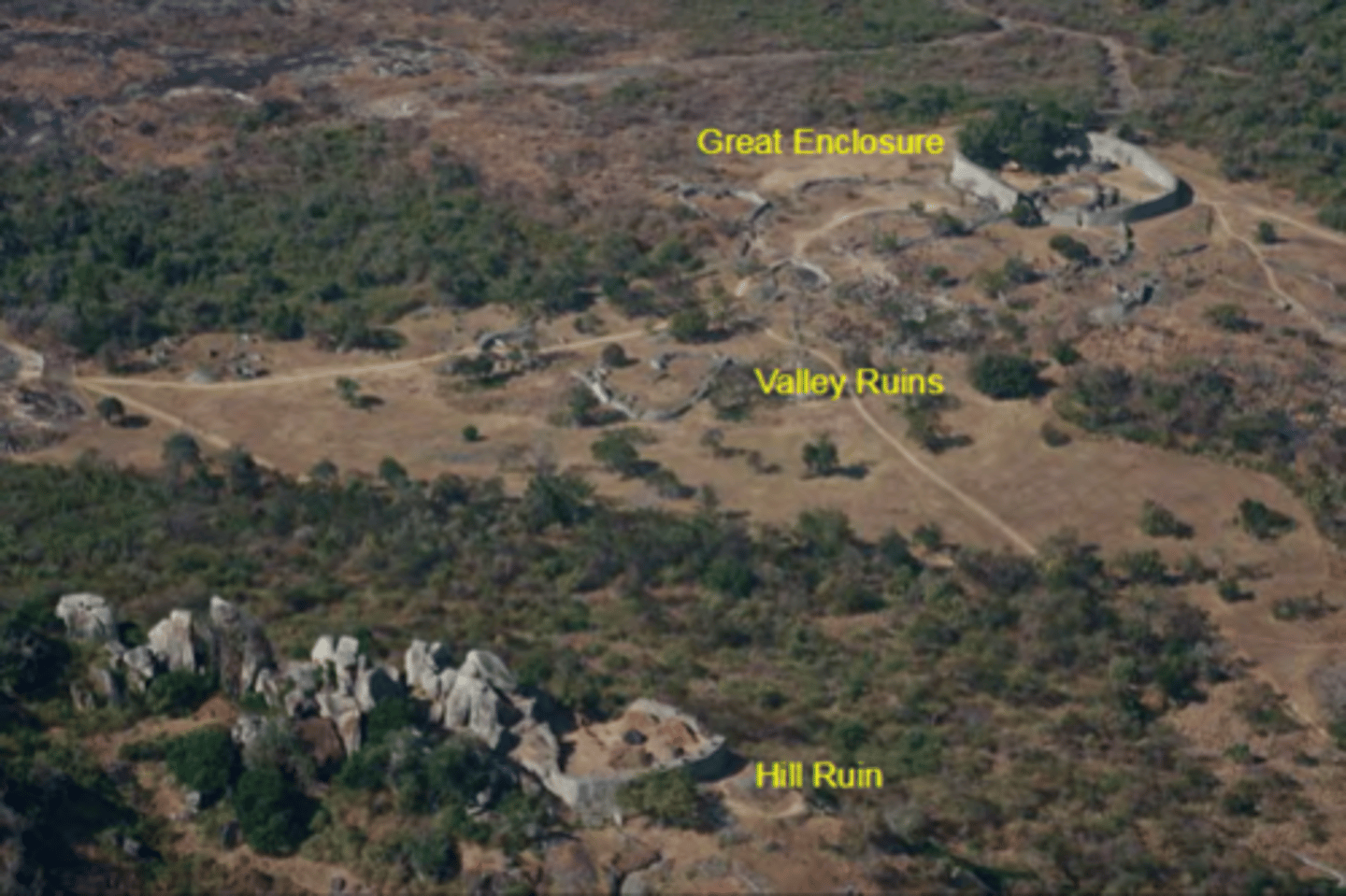
*Great Enclosure, Great Zimbabwe, Zimbabwe, c1200-1470 CE, Bantu and Shona Cultures
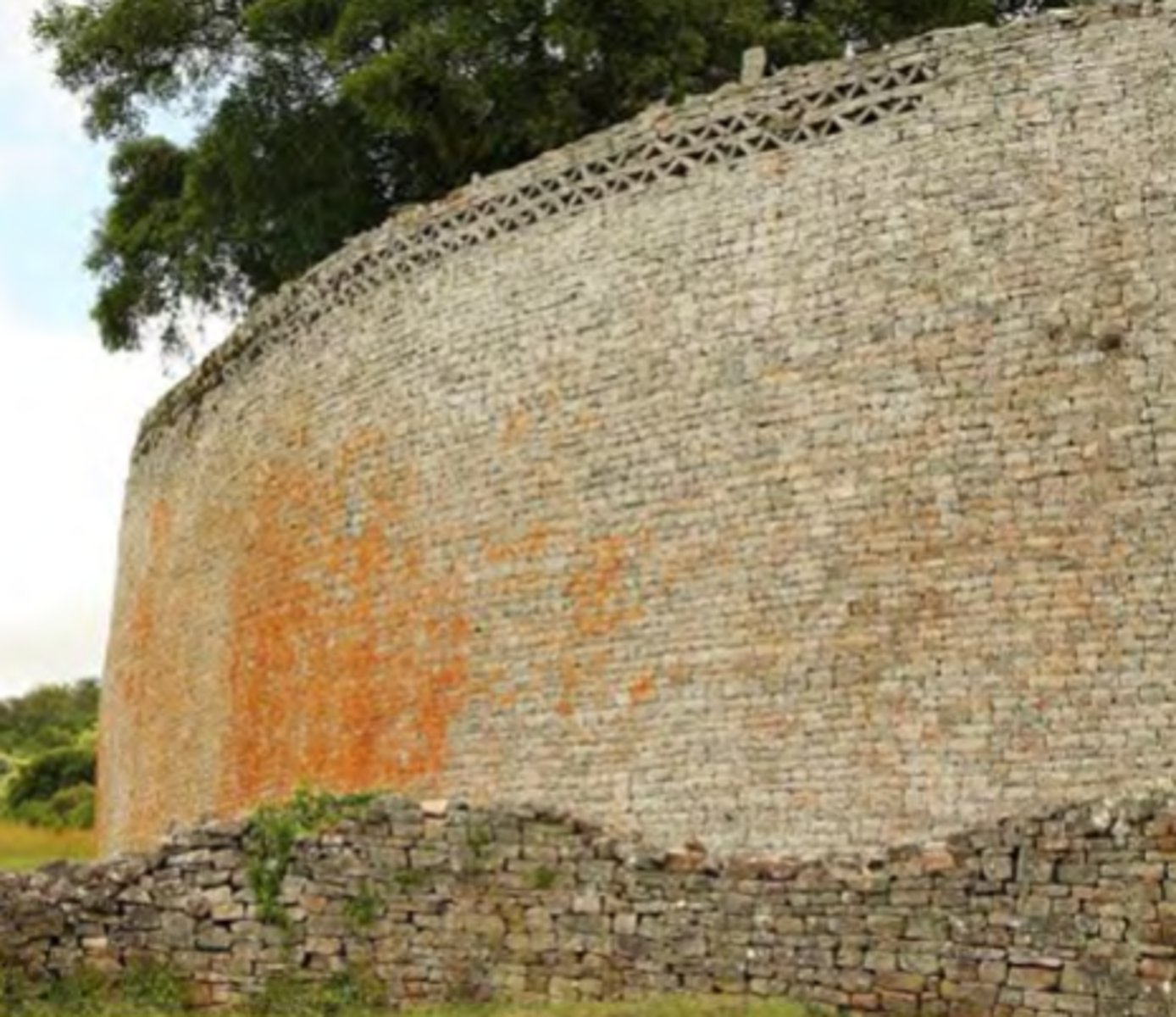
*Great Mosque, Jenne, Mali, 1907 renewal of the 12th or 13th century original structure, Malian Kingdom
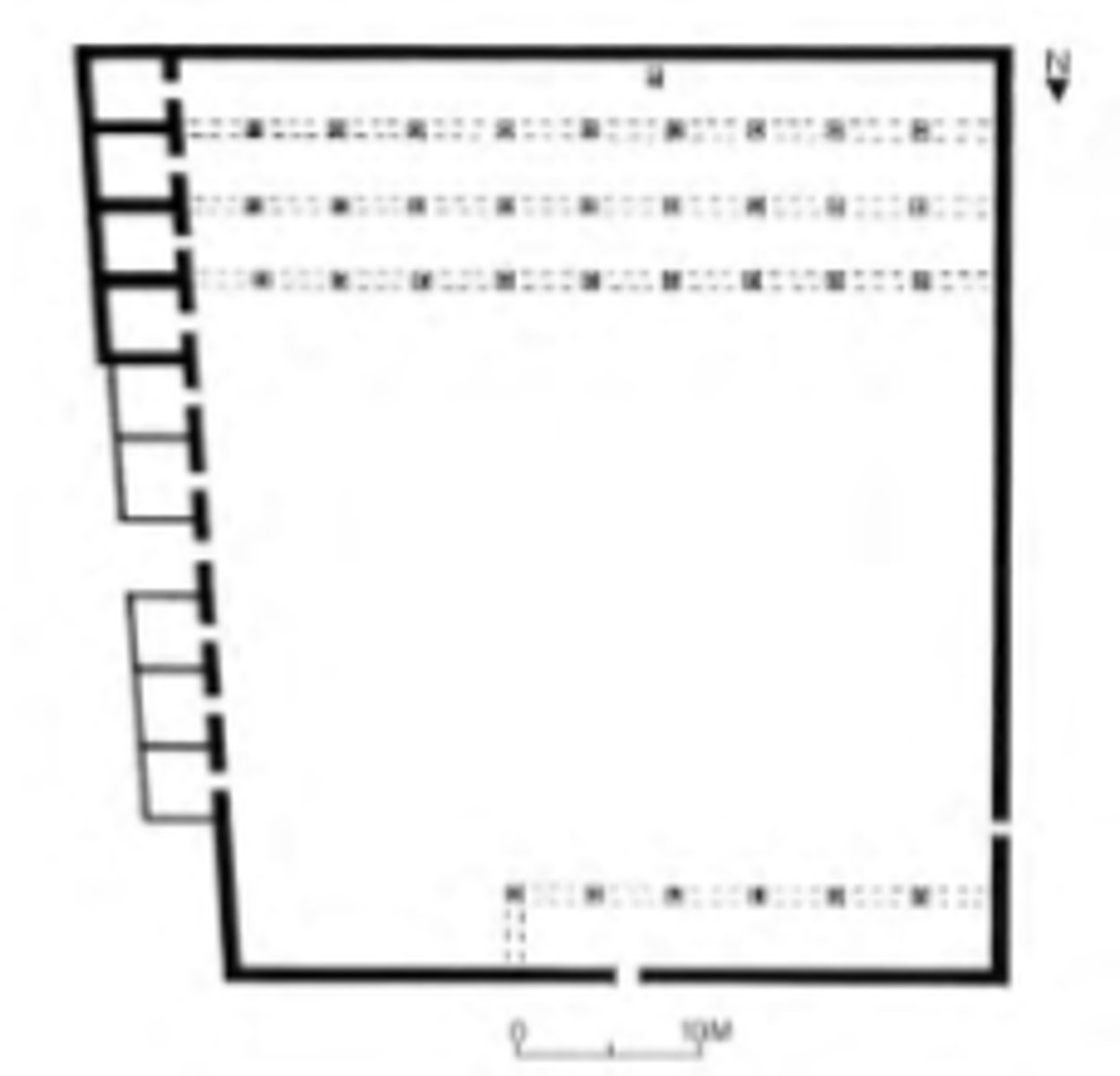
*House/Mosque of the Prophet Muhammad, Medina, Saudi Arabia, c624 CE, early Islamic (Umayyad Dynasty)
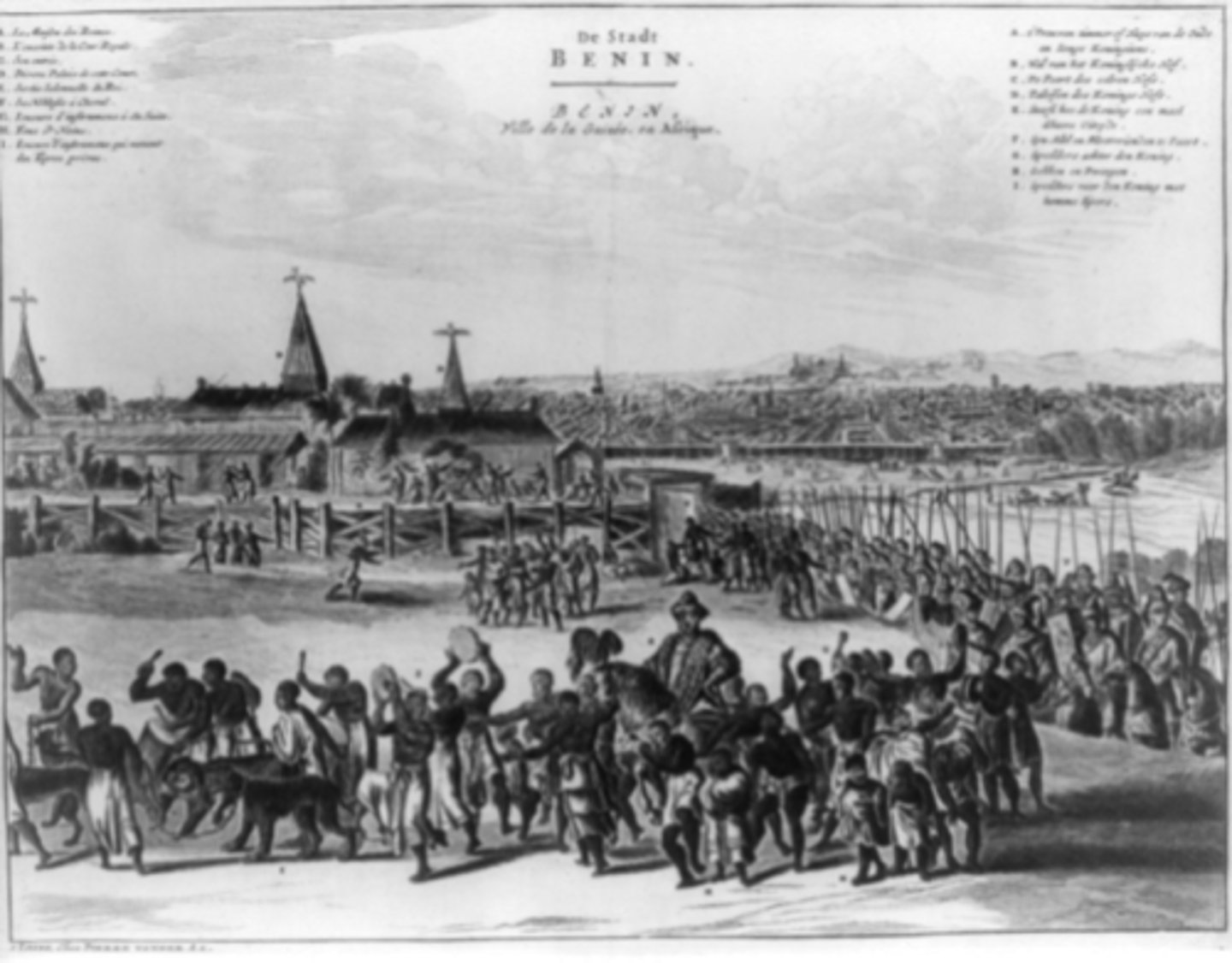
*Benin City (Edo), Nigeria, founded late 11th to 12th Century CE, Edo and Bini Cultures Depiction of Benin City by a Dutch artist in Description of Africa (1668)
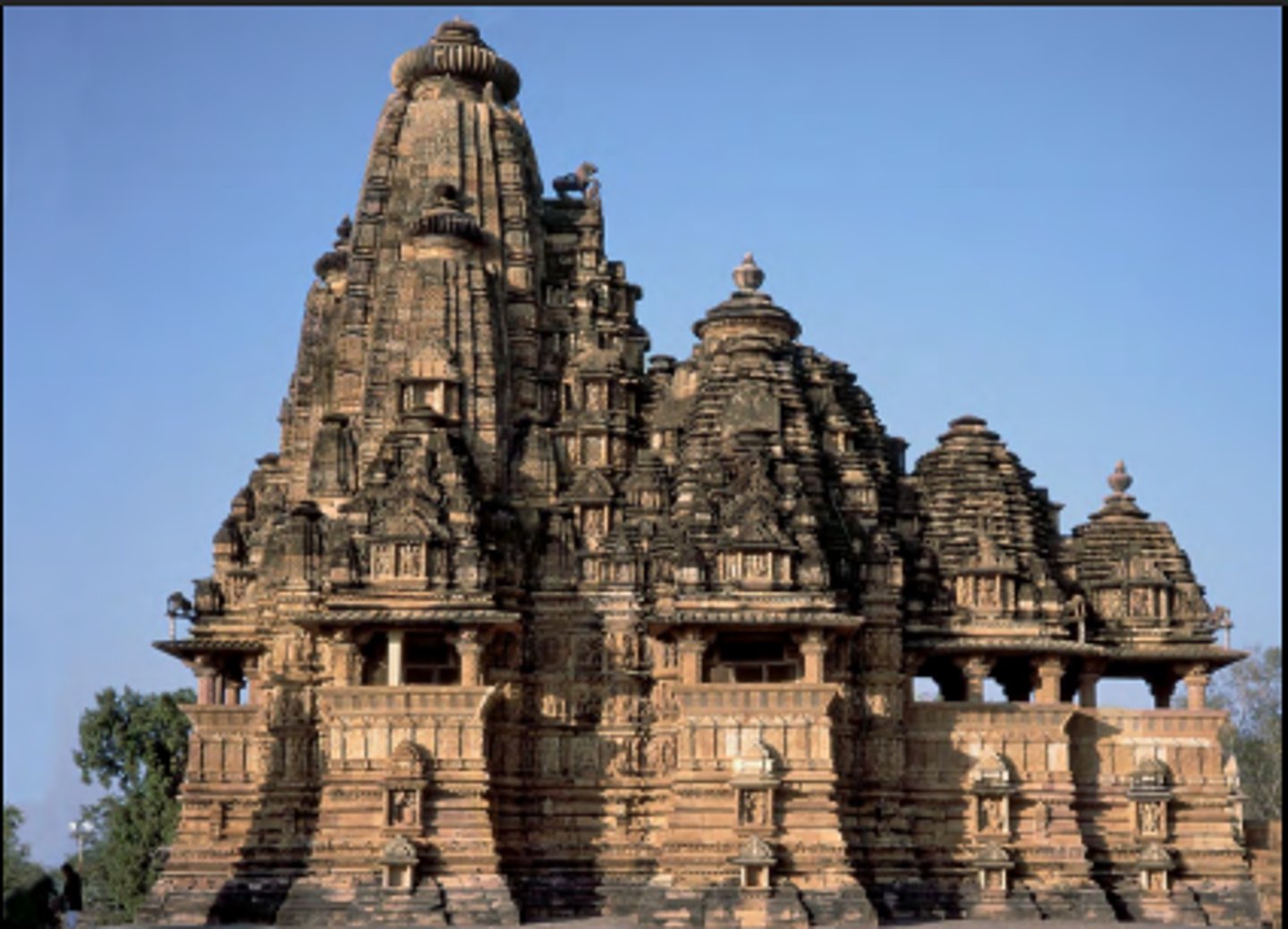
*Khandariya Mahadeva Temple, Khajuraho, India, c. 1020 CE, Chandela Dynasty, North Indian Hindu Architecture
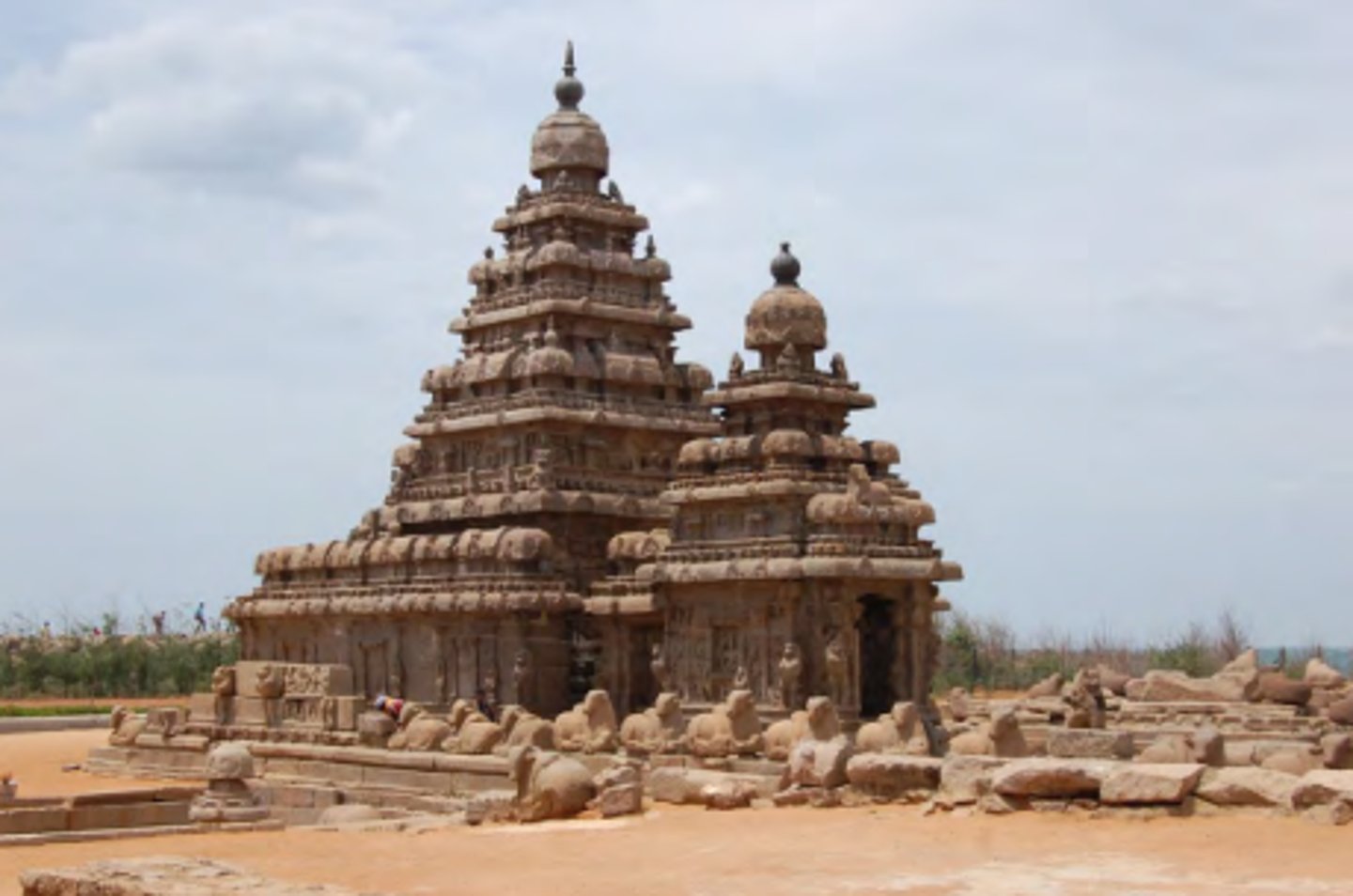
*Shore Temple, Mamallapuram, (South) India, 650-675 CE, South Indian Hindu Architecture
*Sanchi, major site for Buddist South Asia
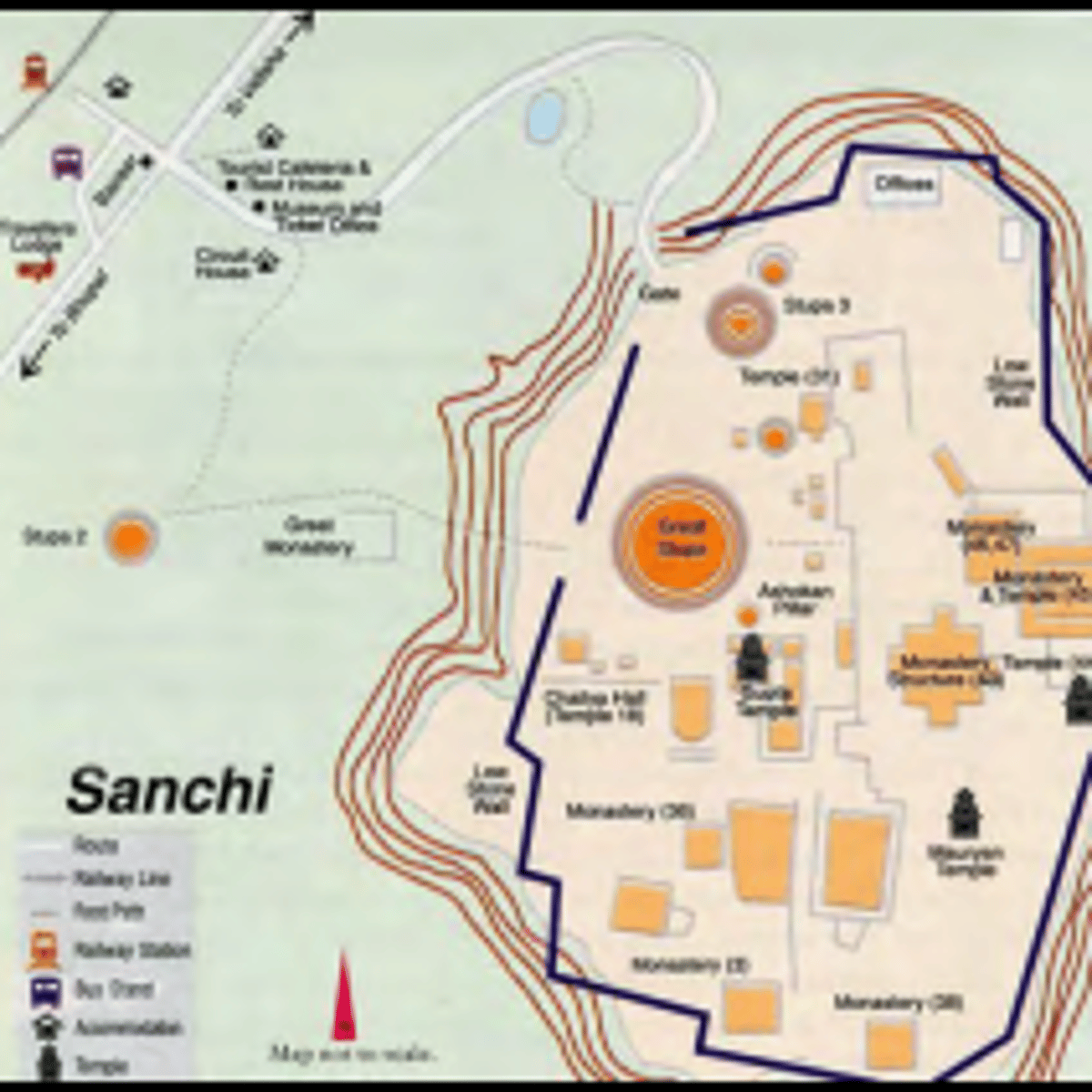
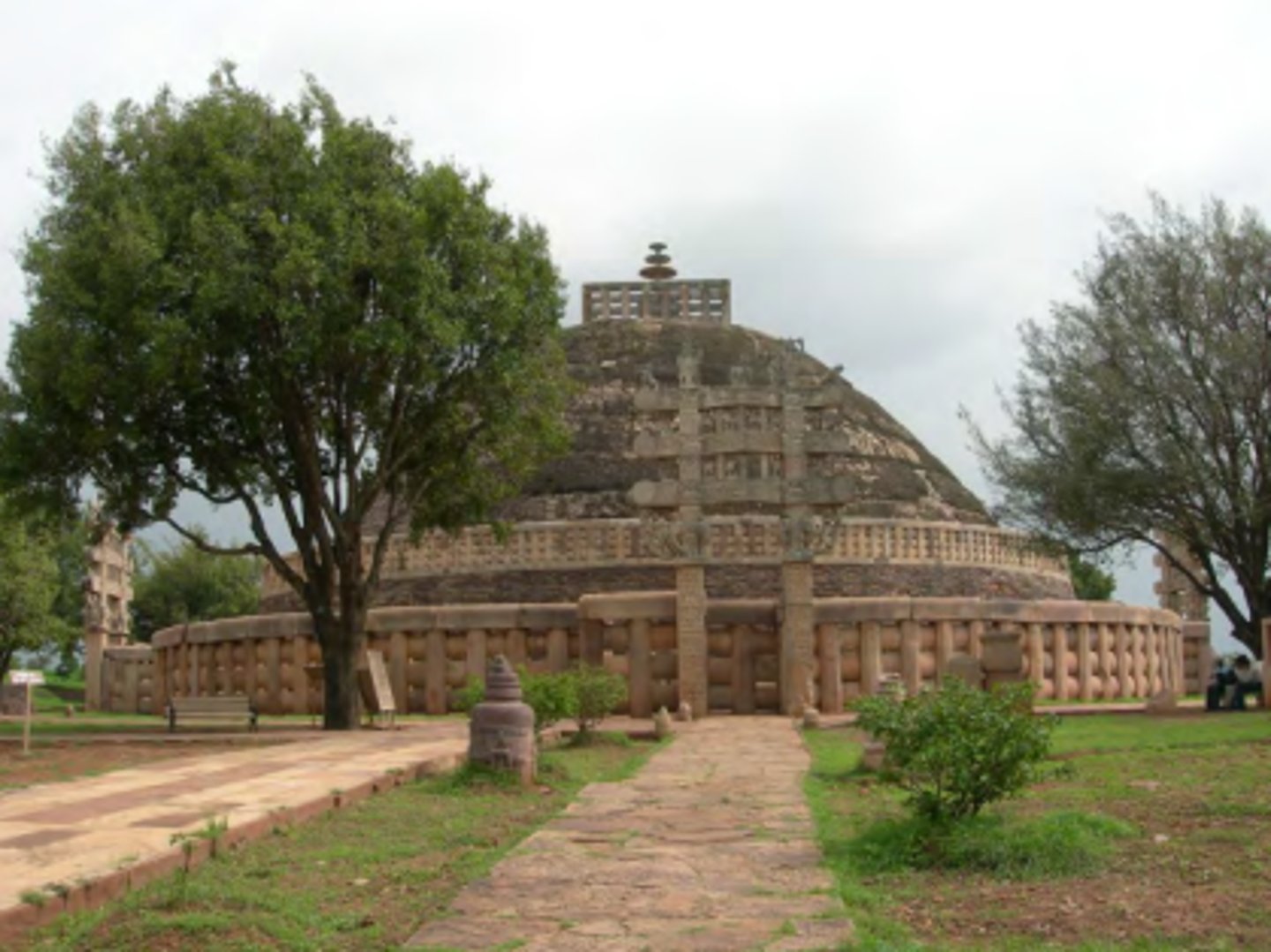
*Great Stupa, Sanchi, India, begun c250 BCE by Emperor Ashoka and main rail and toranos mid-1st to 2nd century CE, Buddhist South Asia
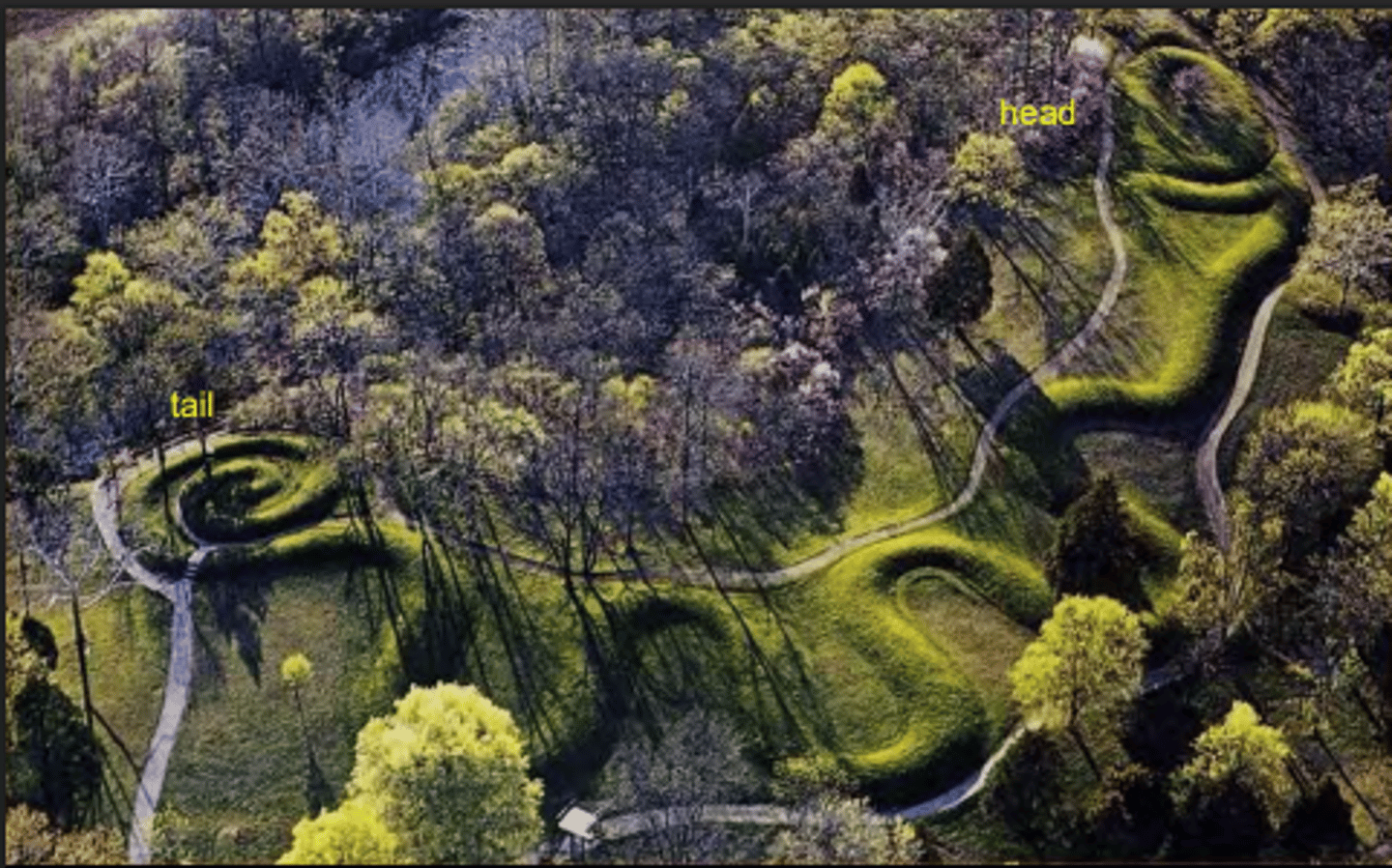
*The Serpment Mound, Adams County, (southwestern) Ohio, USA, Fort Ancient culture, c 1070 CE (previously though to be from the Adena/Hopewell culture, ca. 300 BCE)
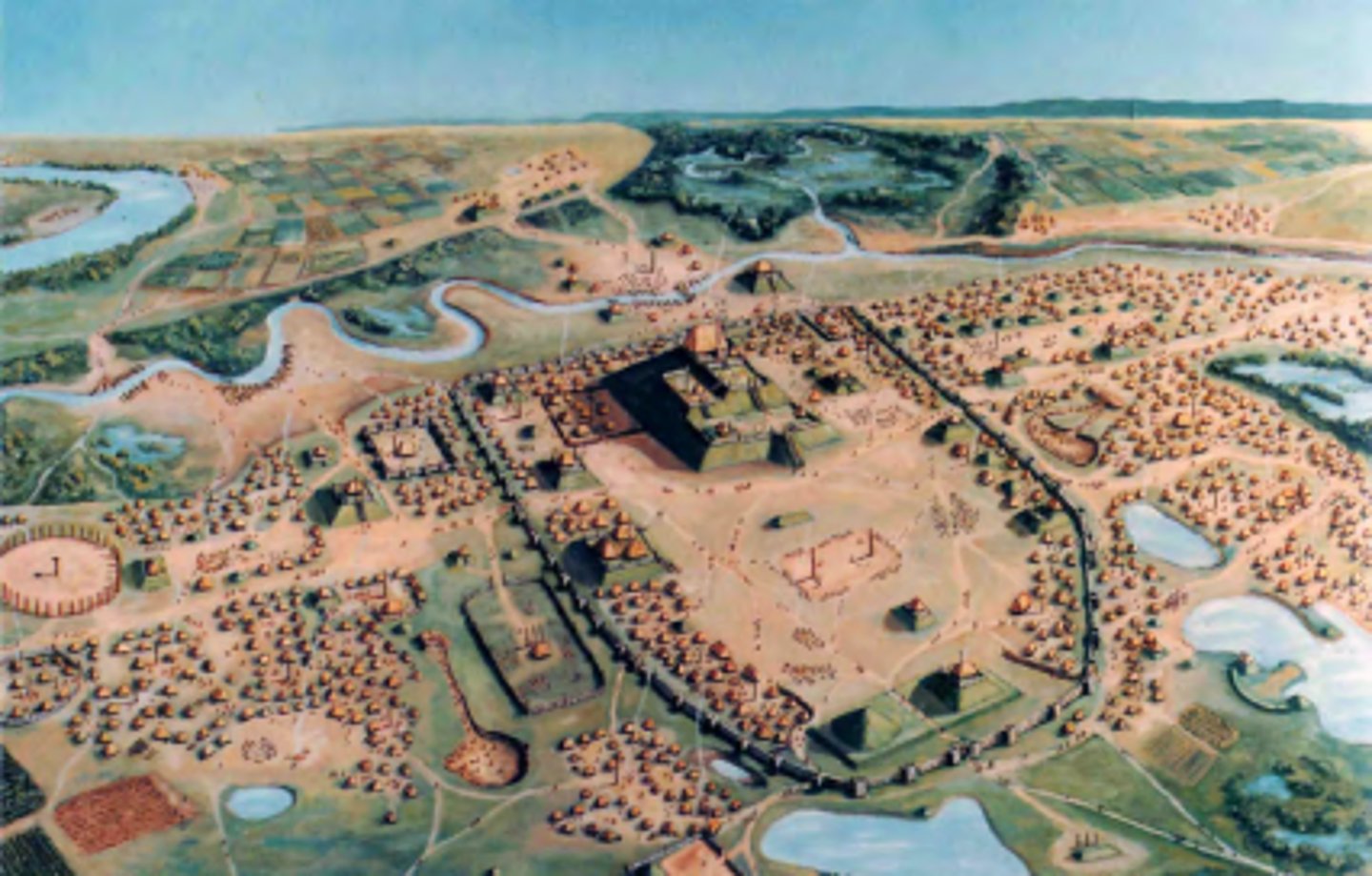
*Cahokia, Collinsville IL, USA, c1050-1200 CE, Mississippian Culture
*Monk's Mound, Cahokia, Collinsville IL, USA, c1050-1200 CE, Mississippian Culture
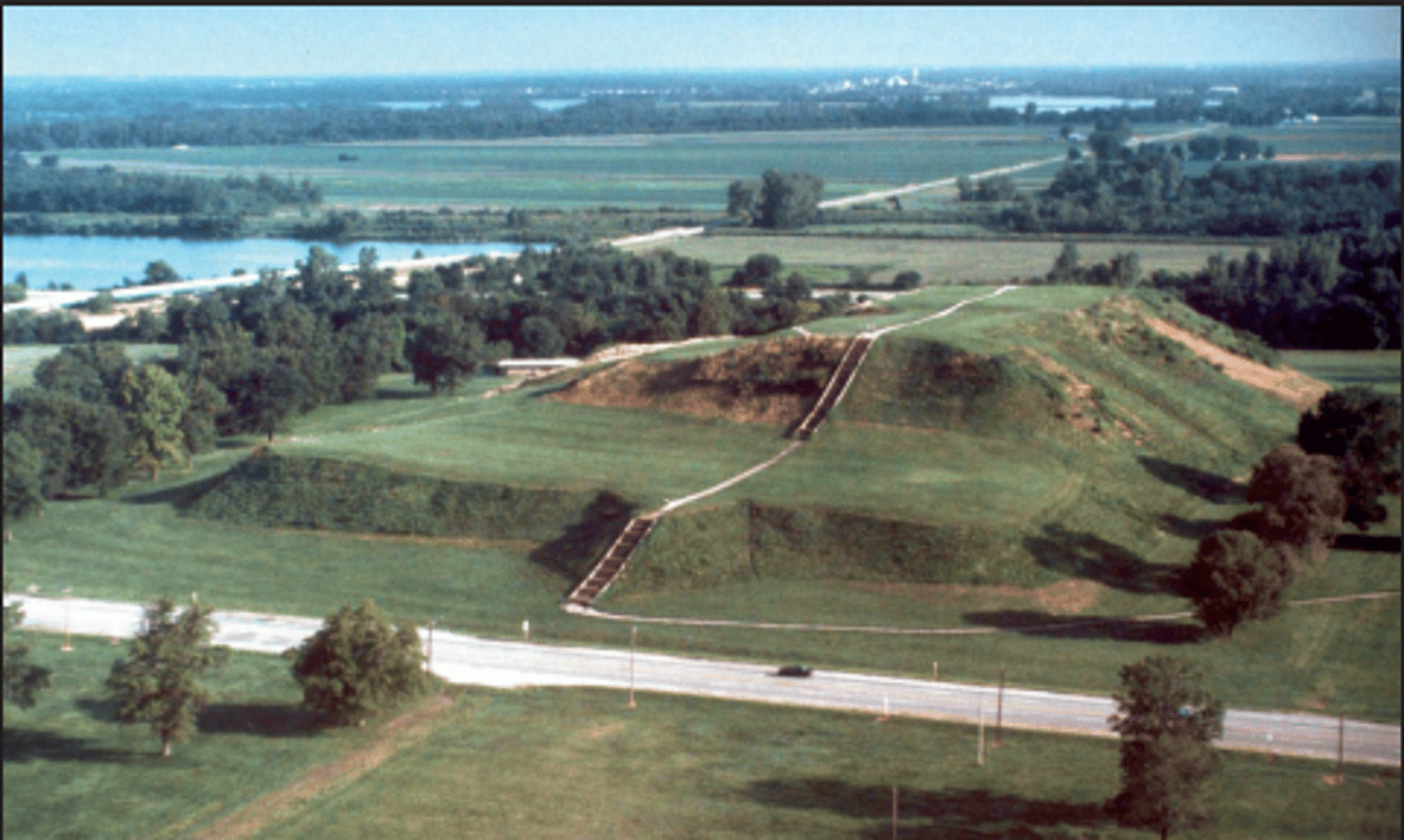
*Cliff Dwellings, Mesa Verde (National Park), Colorado, USA, 450-1300 C.E., Ancestral Puebloan peoples (formerly Anasazi)
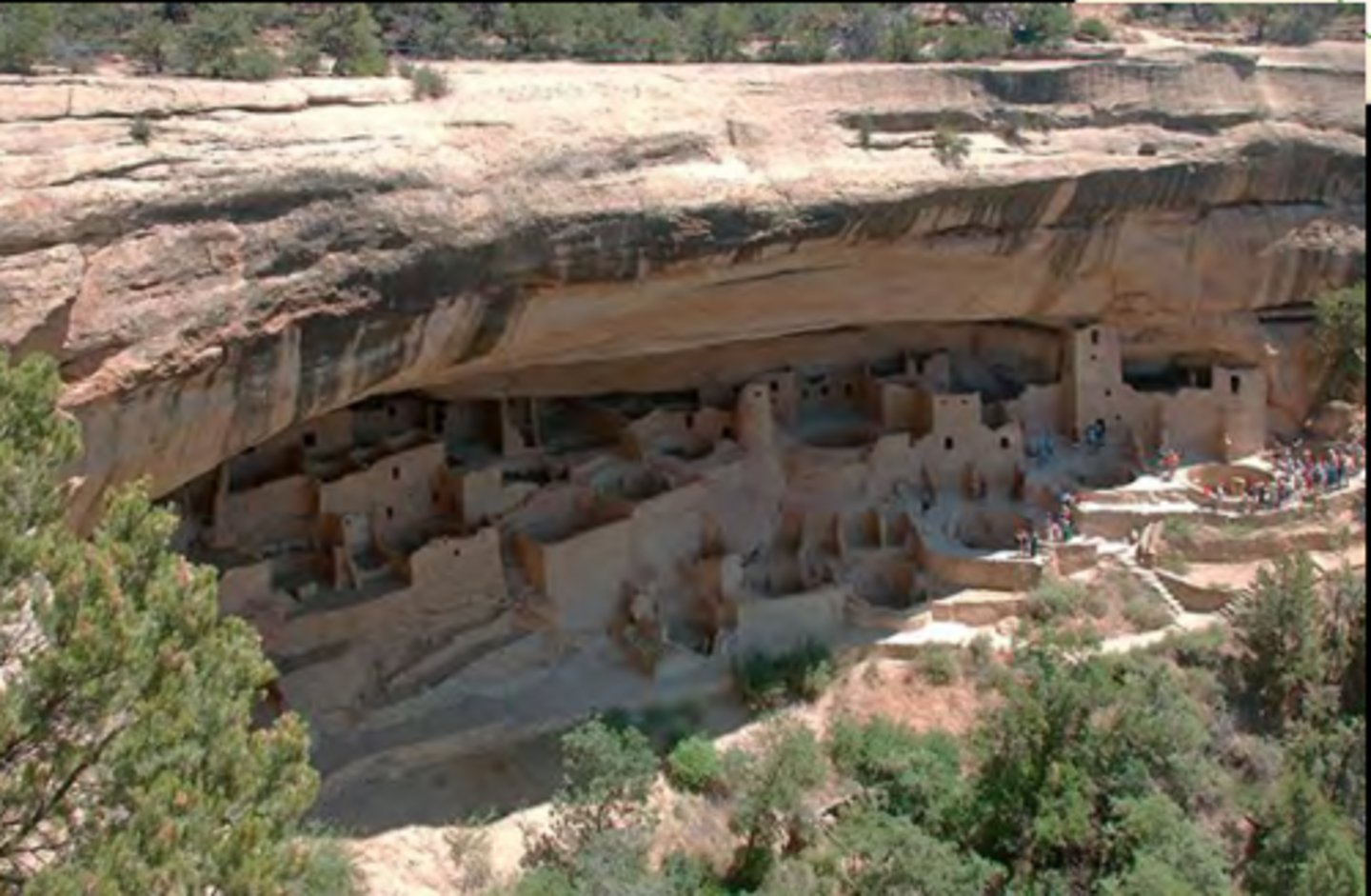
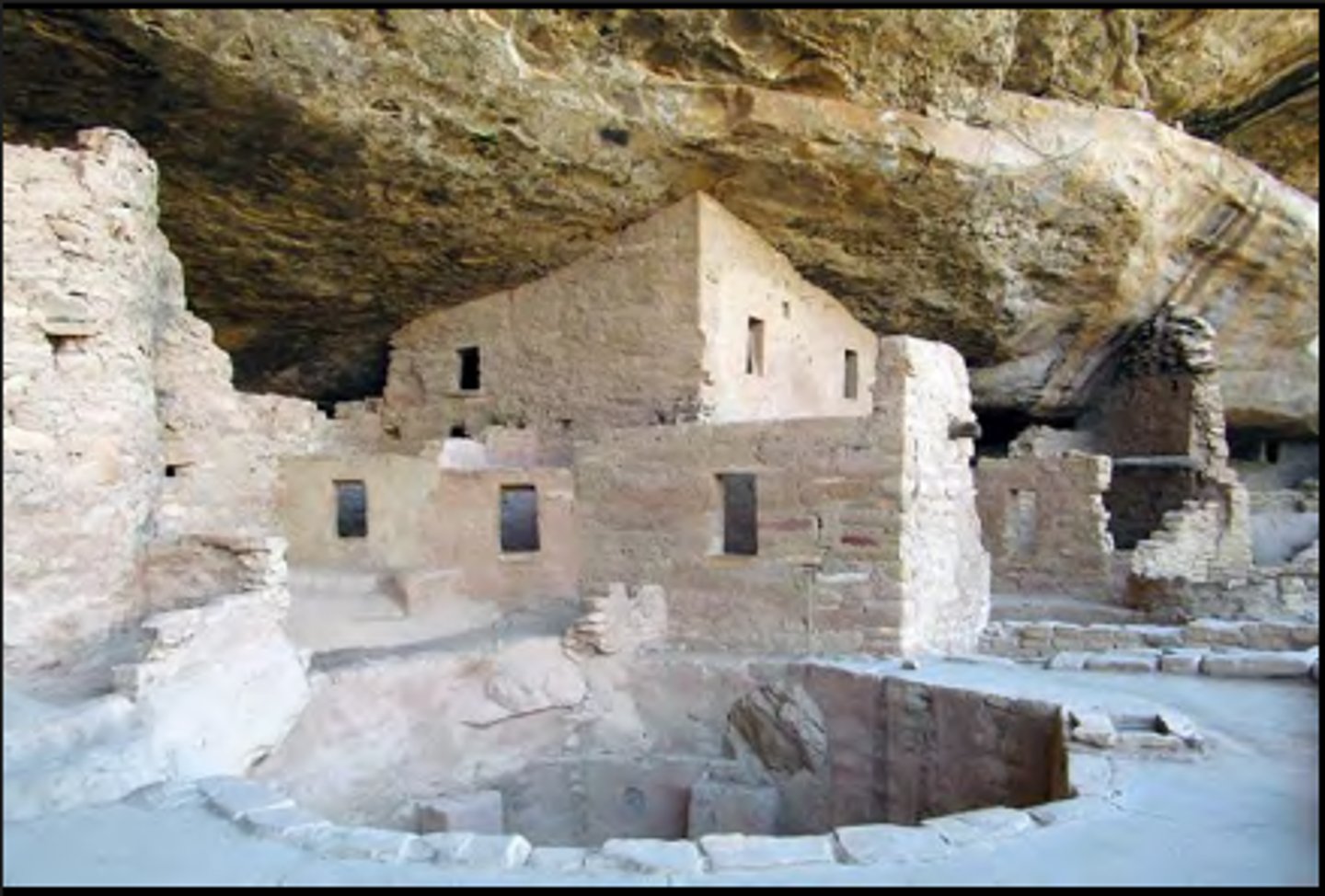
*Cliff Dwellings, Mesa Verde (National Park), Colorado, USA, c1200 CE Ancestral Puebloan peoples (formerly Anasazi): kiva
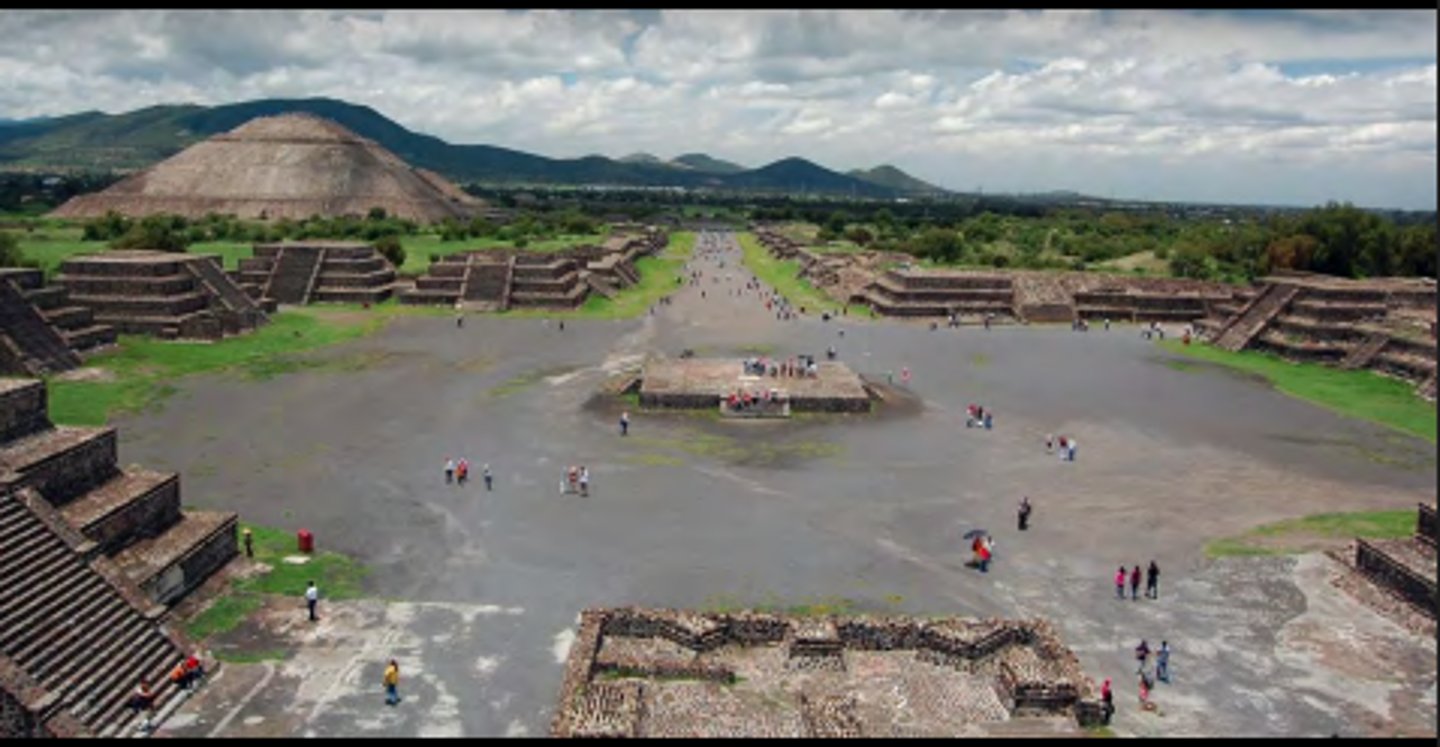
*Teotihuacan, Teotihuacan, Mexico, before 250 CE, Teotihuacan Culture of Ancient Mexico
*City Plan, Teotihuacan, Mexico, before 250 CE, Teotihuacan Culture of Ancient Mexico
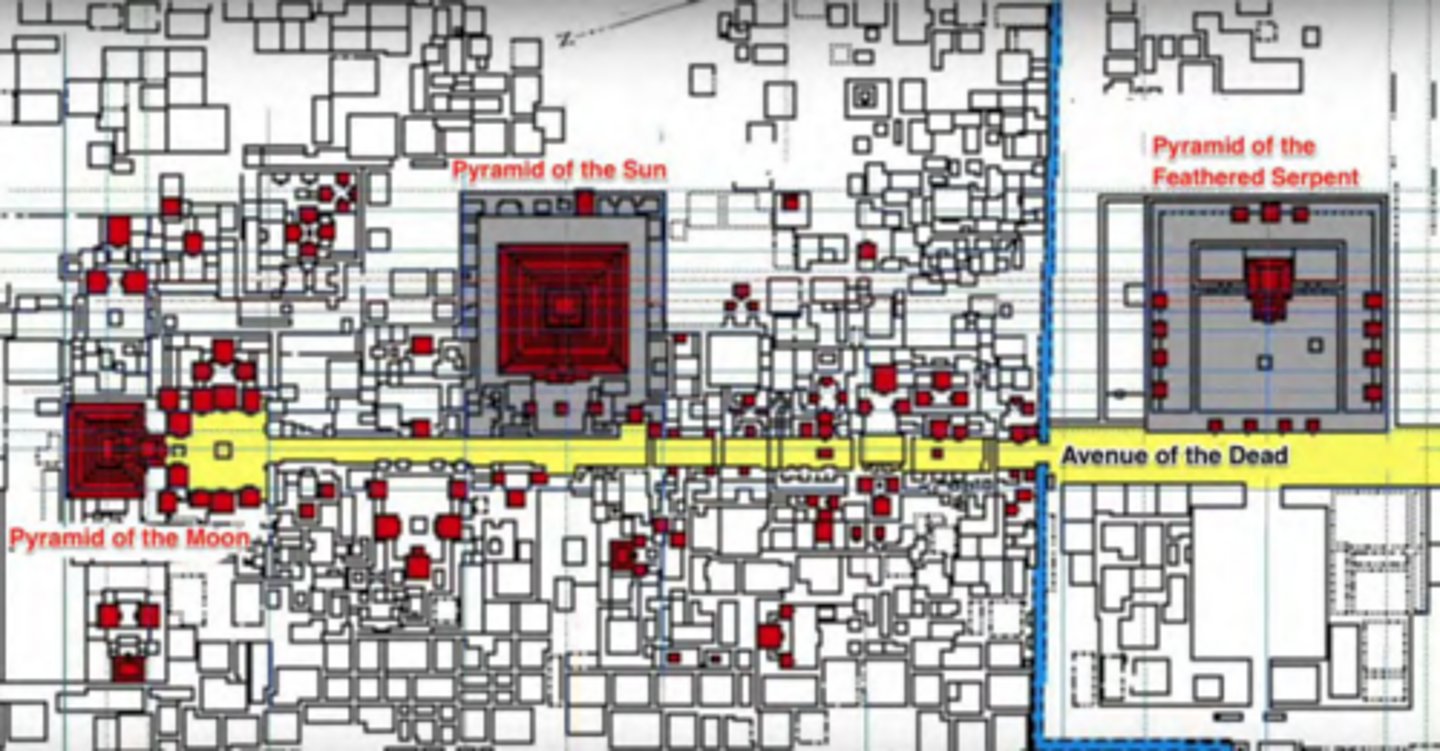
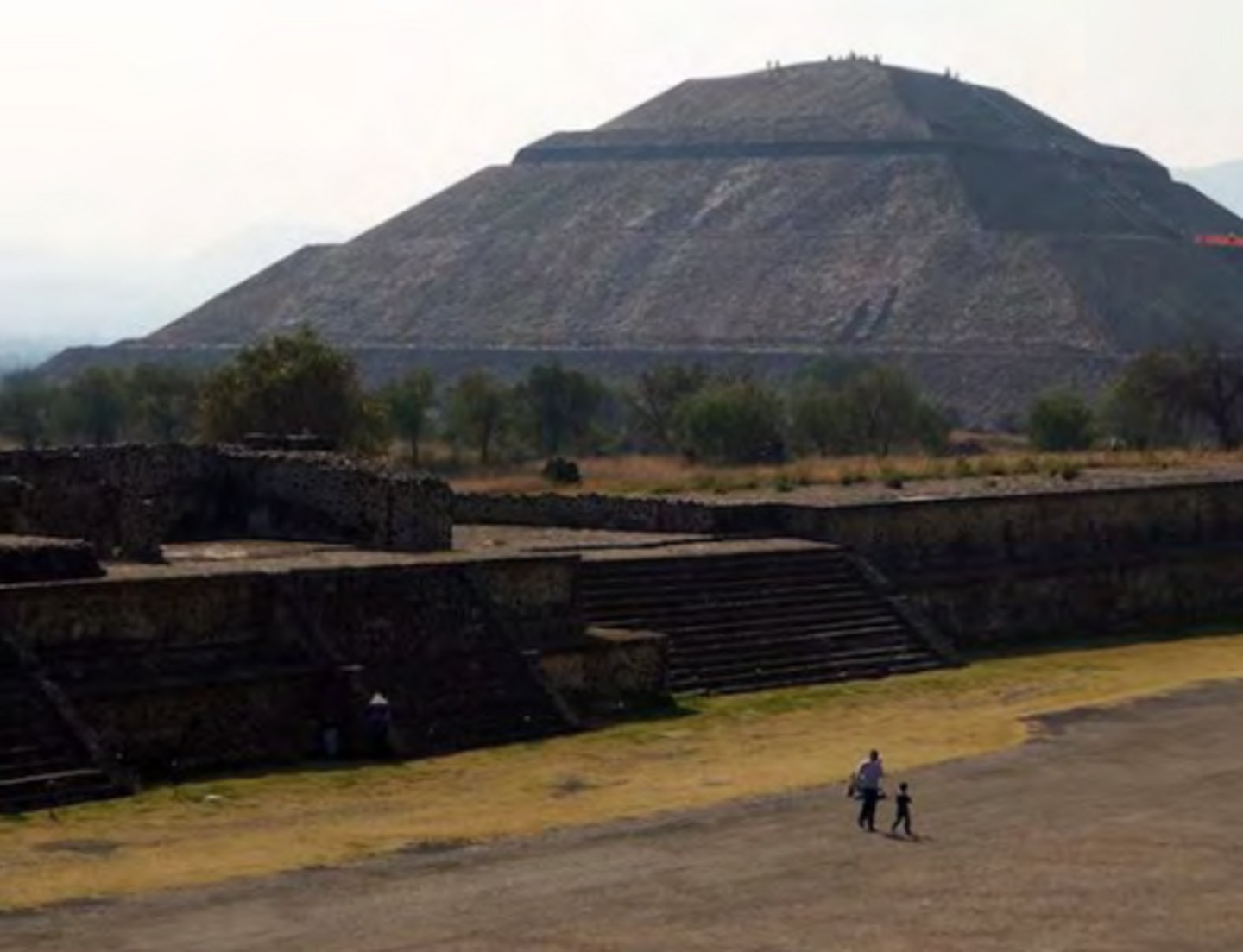
*Pyramid of the Sun and Avenue of the Dead, Teotihuacan, Mexico, before 250 CE, Teotihuacan Culture of Ancient Mexico
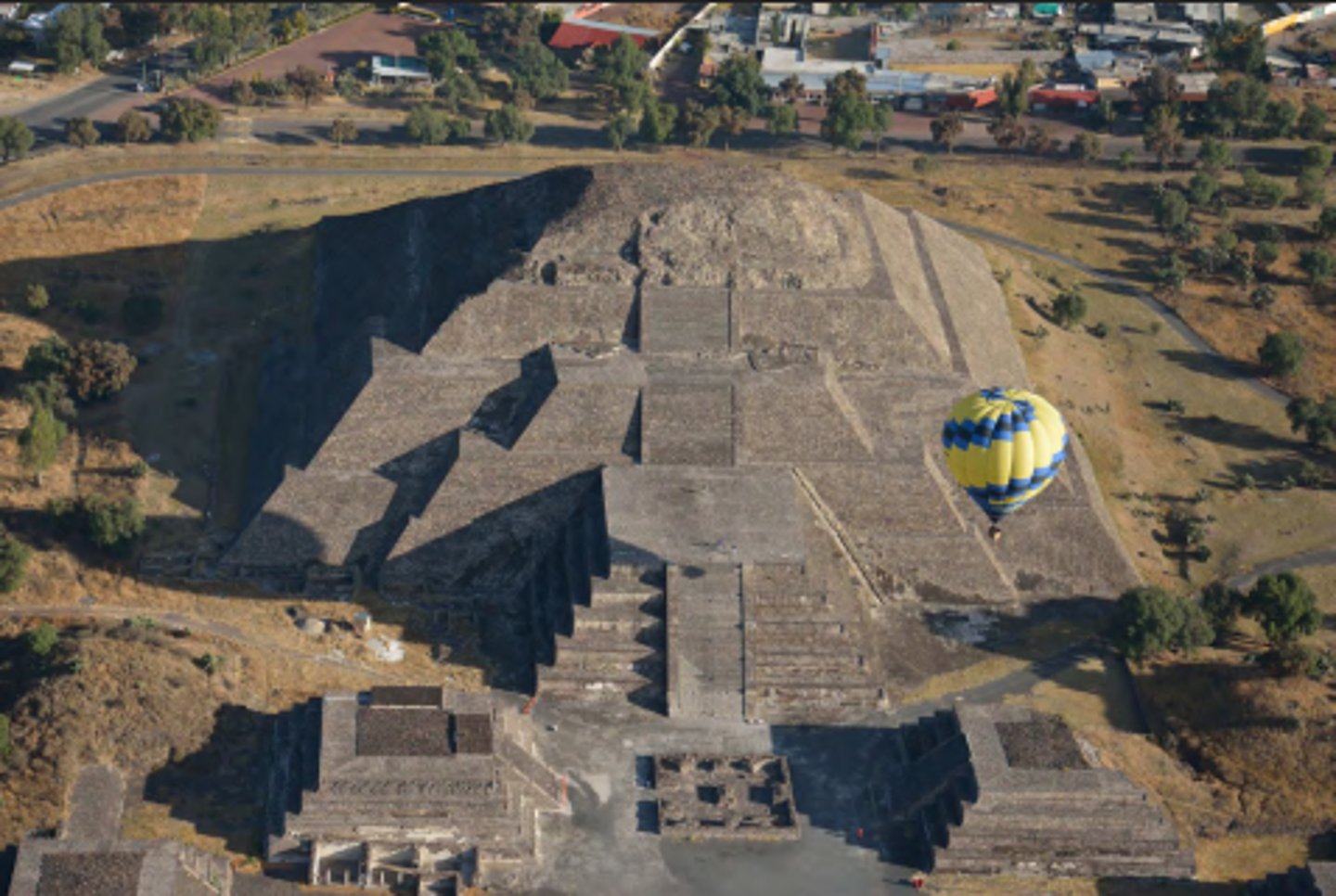
*Pyramid of the Moon, Teotihuacan, Mexico, before 250 CE, Teotihuacan Culture of Ancient Mexico
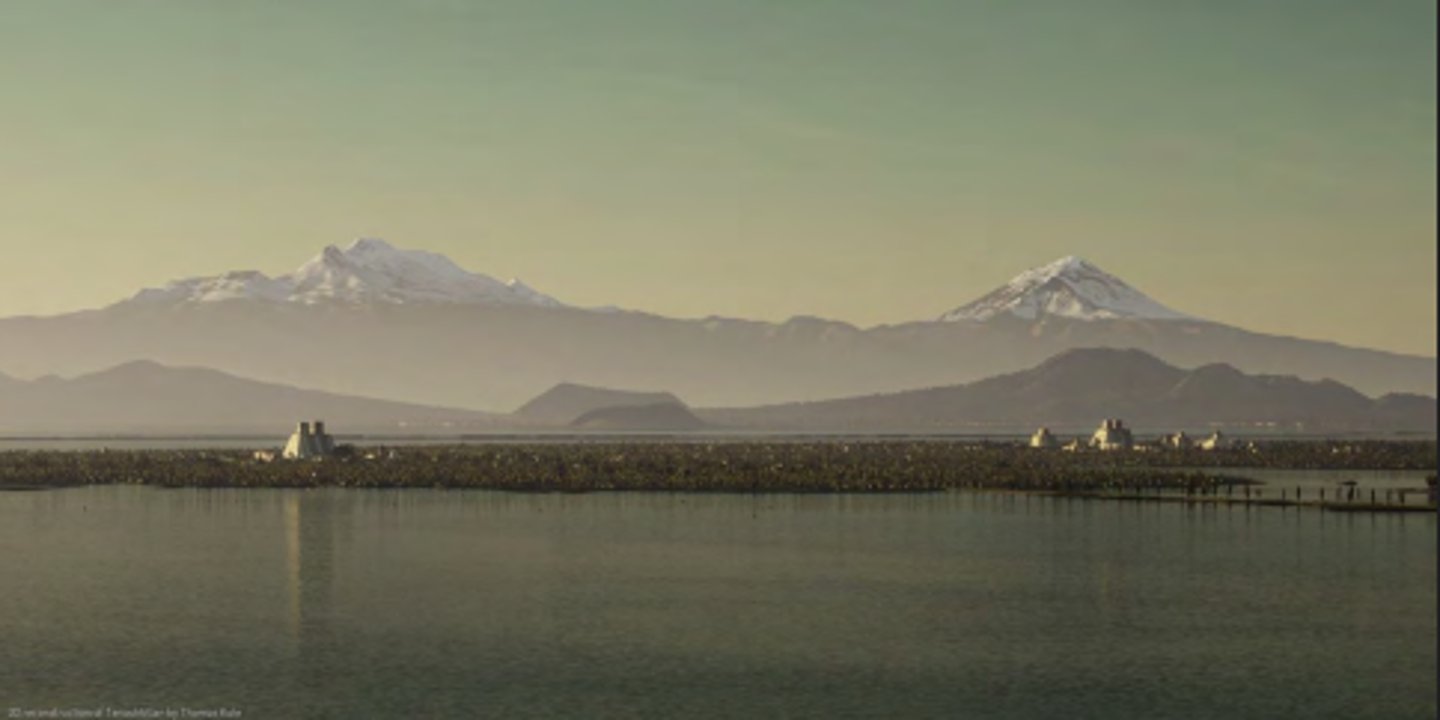
*Tenochtitlan, Mexico City, Mexico, c1325, Mexica/Aztec, as seen in a 1524 map published in Nuremberg, Germany
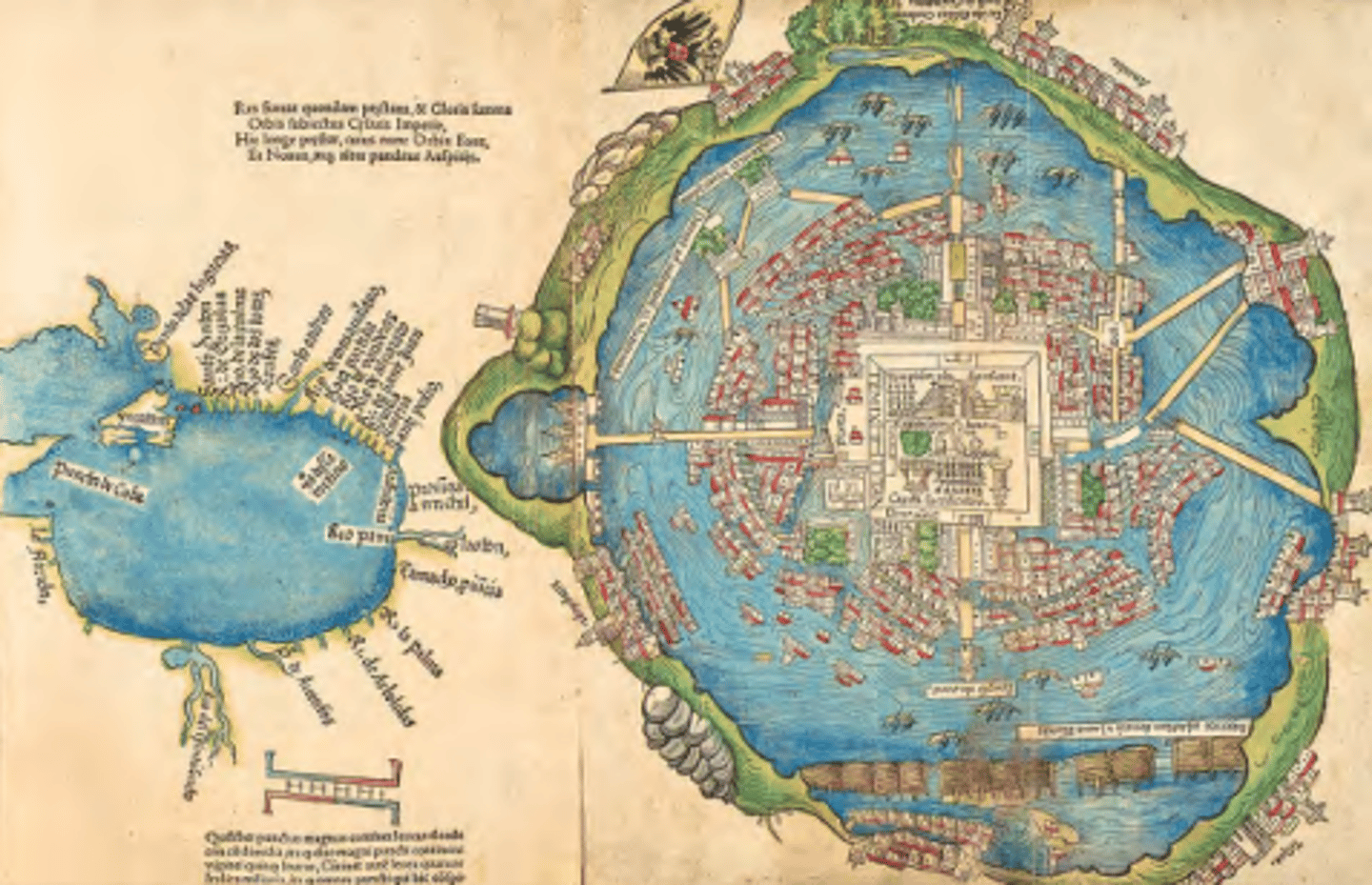
*Tenochtitlan, Mexico City, Mexico, c1325, Aztec
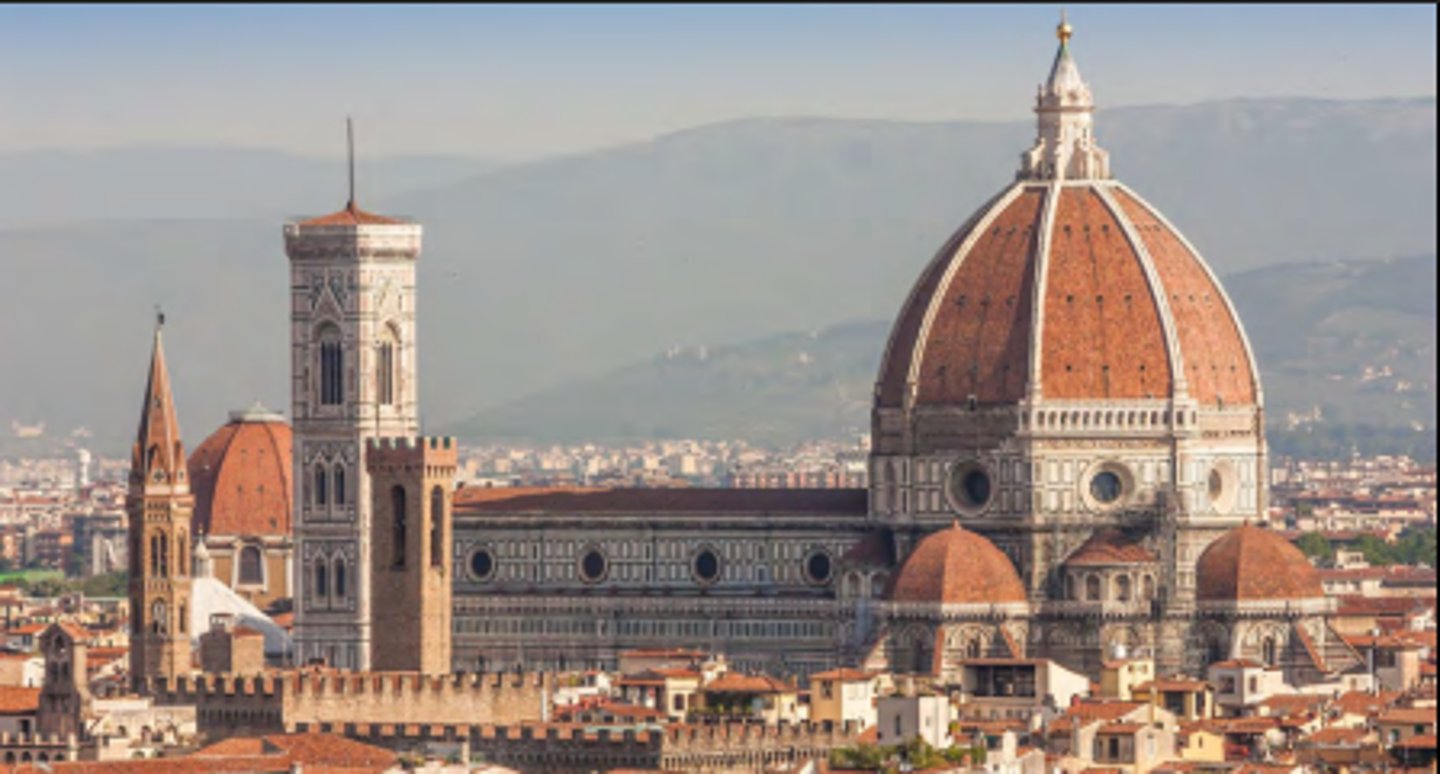
*Florence Cathedral Dome, Florence, Italy, 1419-1446, Architect: Filippo Brunelleschi (cathedral itself built after 1296), Italian Renaissance
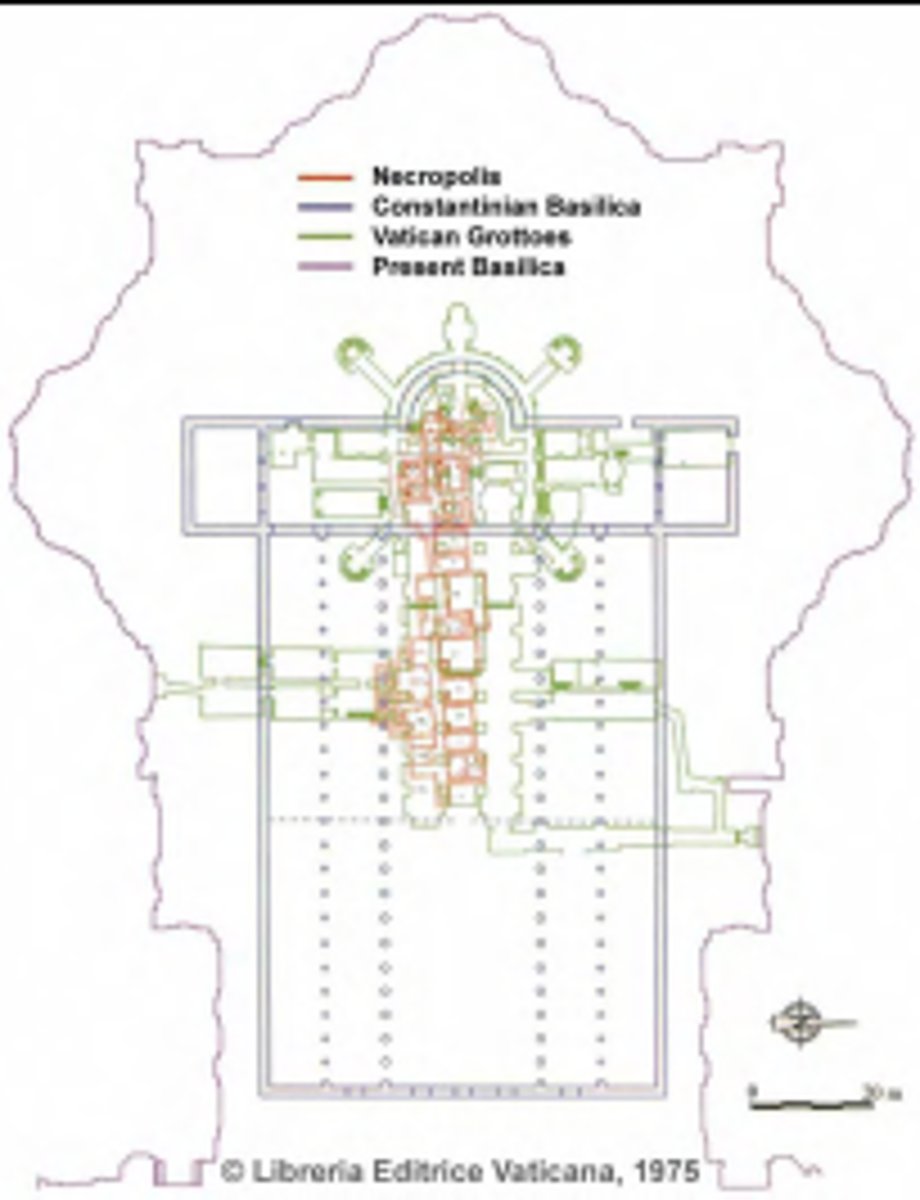
*Site of St. Peter's Basilica, showing multiple phases of usage from Roman period through today, including the Constantinian basilica (blue/black) and the Renaissance/Baroque church
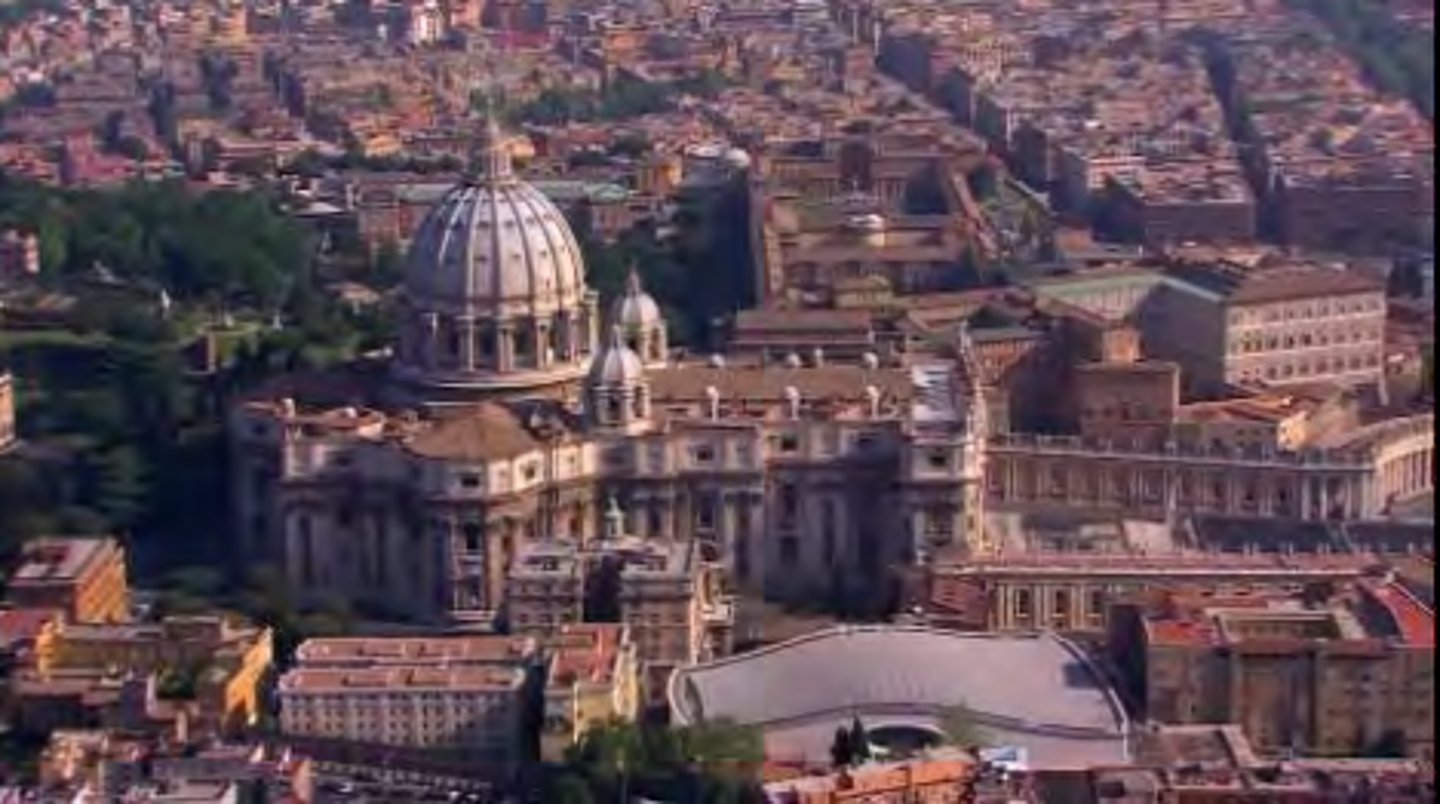
*(New) St. Peter Basilica, Vatican, Rome, Italy, ca. 1506-1626, Bramante, Michelangelo, Maderno, and Bernini, chief architects. Patron: Pope Julius II (begins), Italian Renaissance
*Bramante, 1506 (for Pope Julius II)
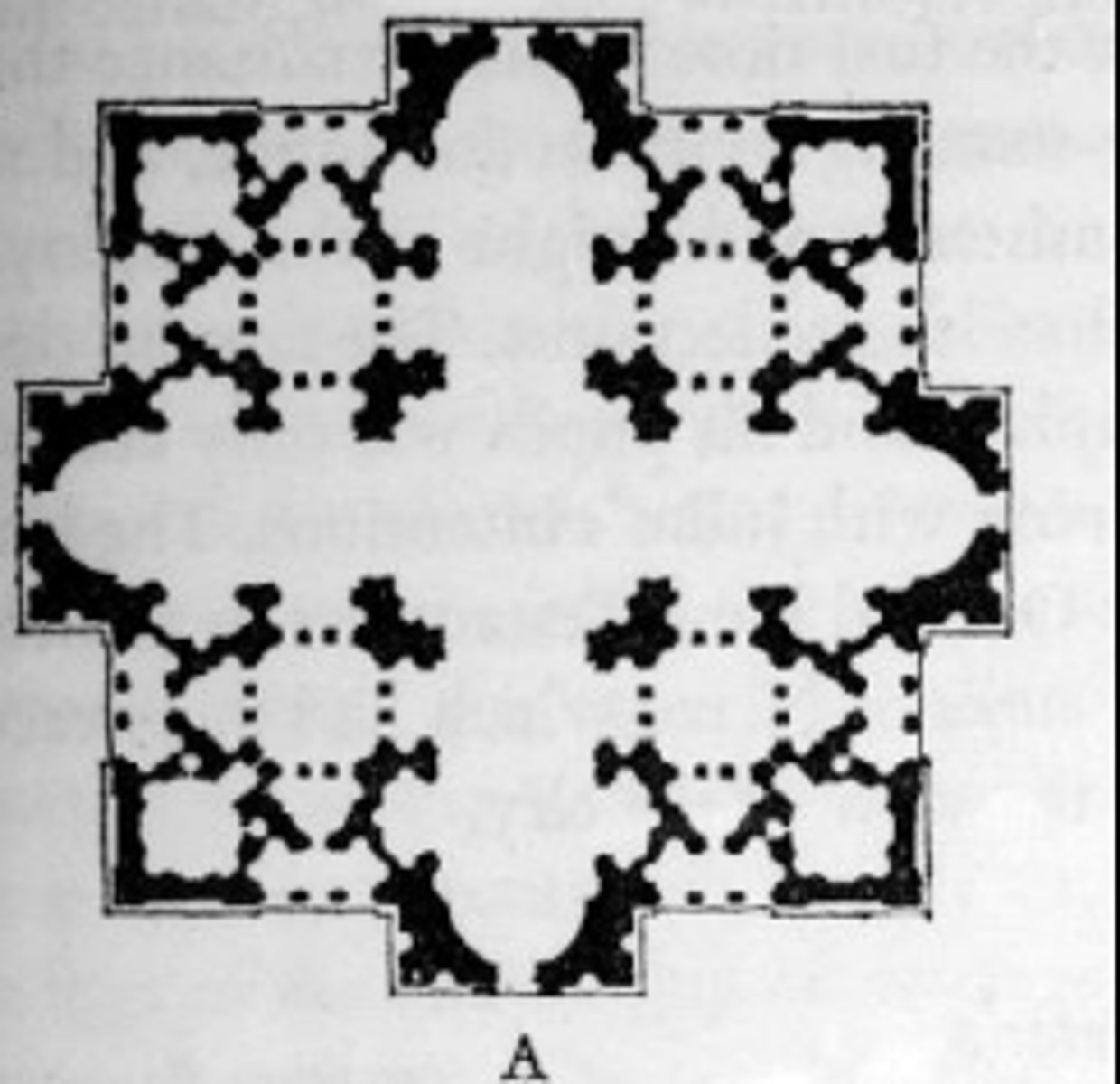
*Michelangelo, 1546 (for Pope Pius IV)
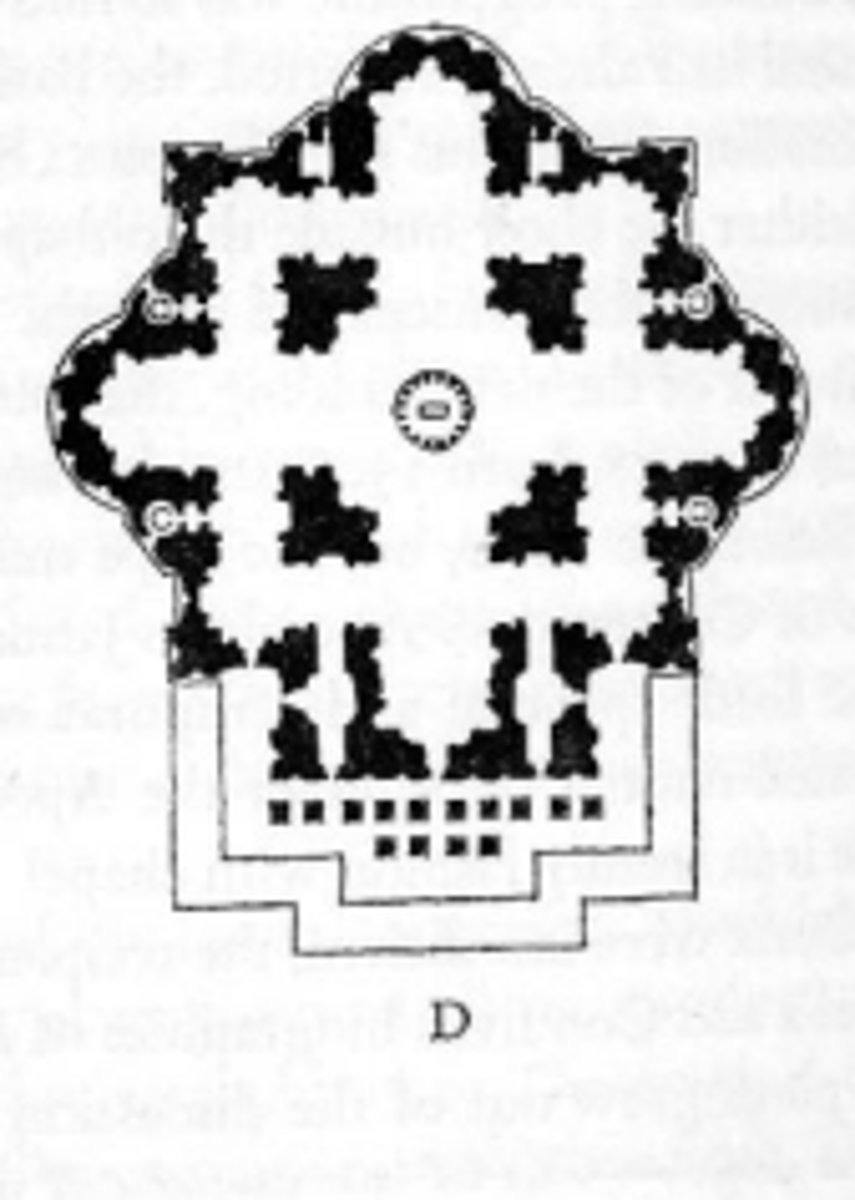
*Apse facade, Saint Peter's Basilica, Vatican/Rome, Italy, 1546-60, Italian Renaissance
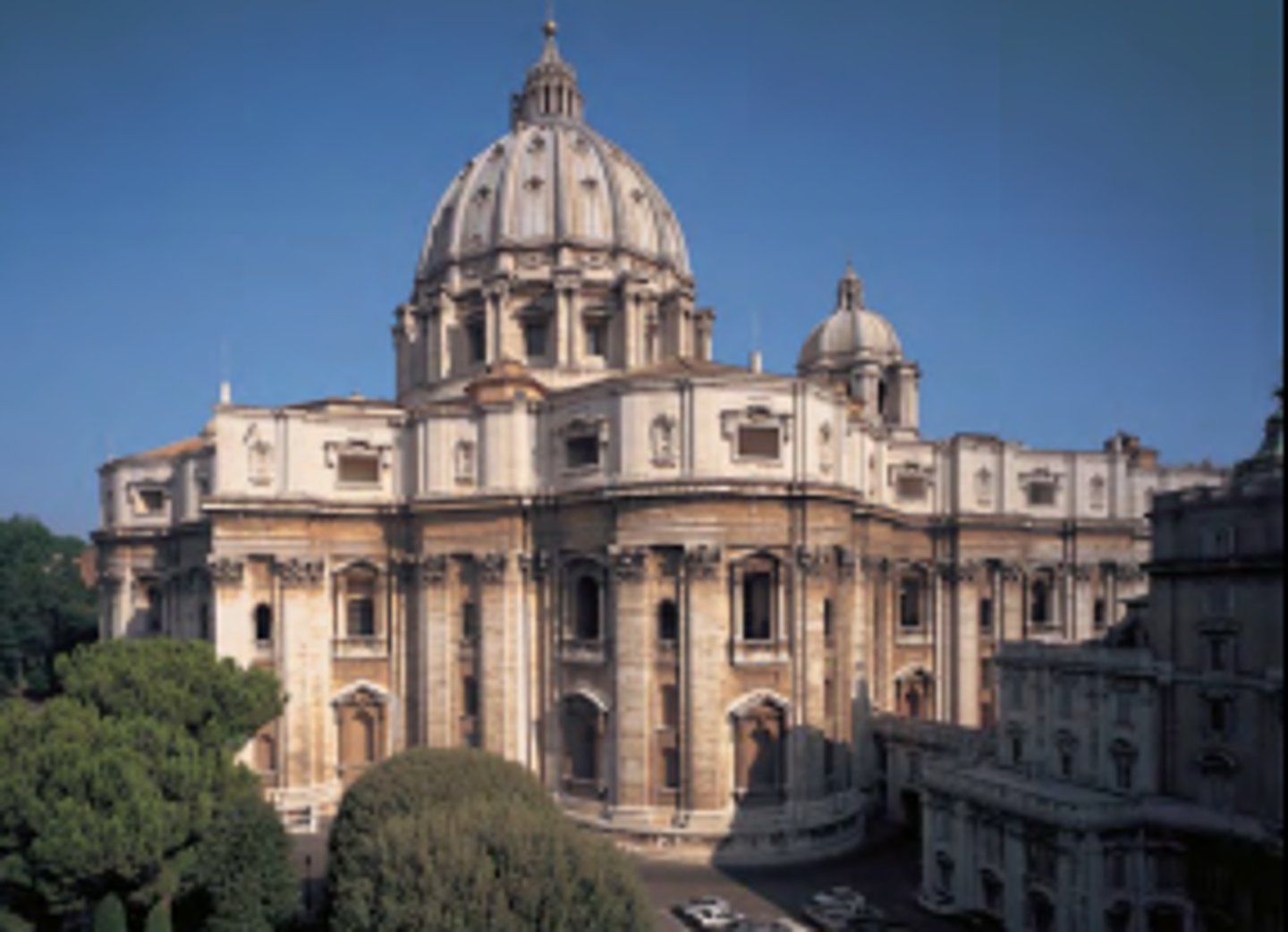
*Palazzo dei Conservatori, Campidoglio, Michelangelo
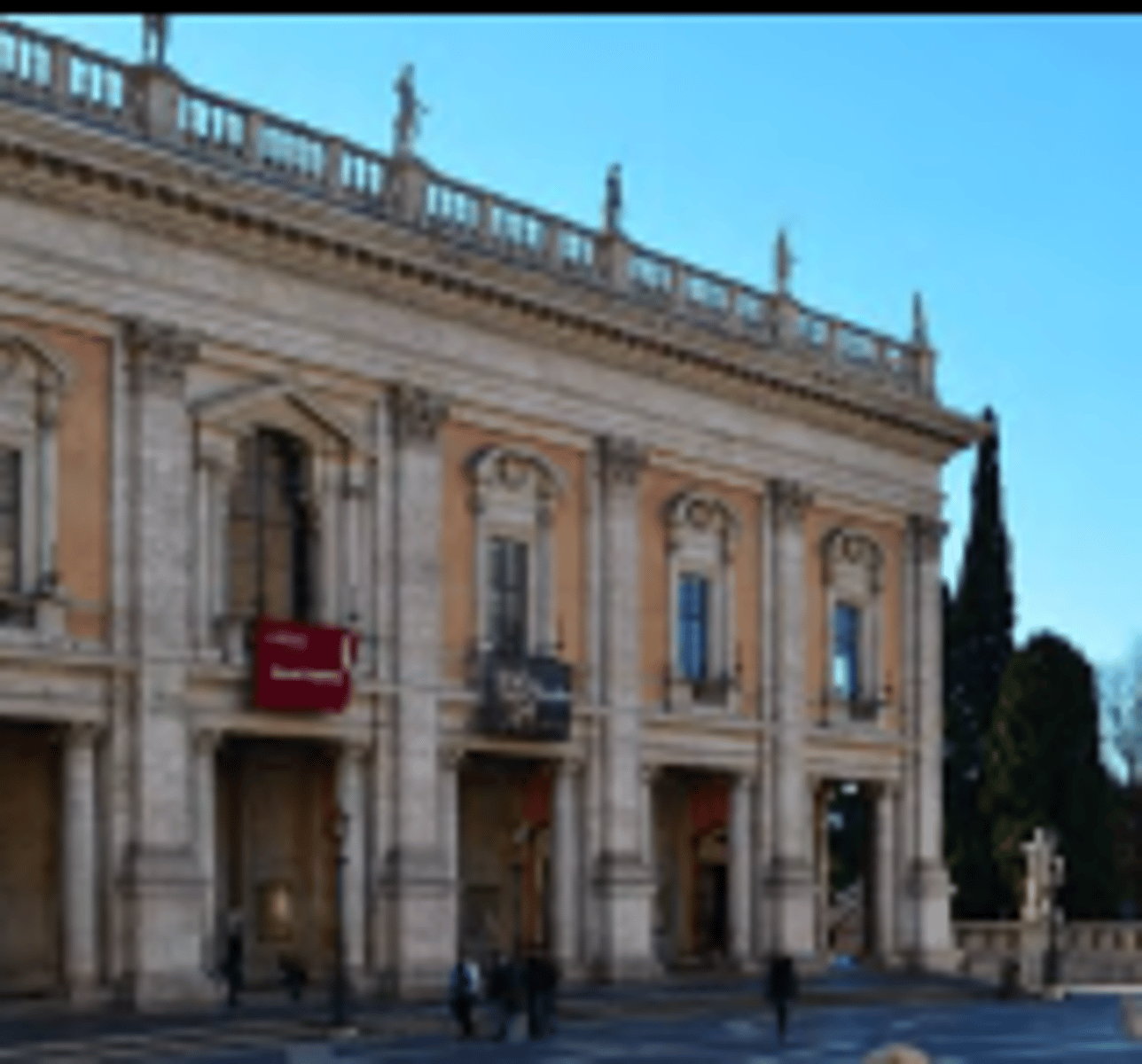
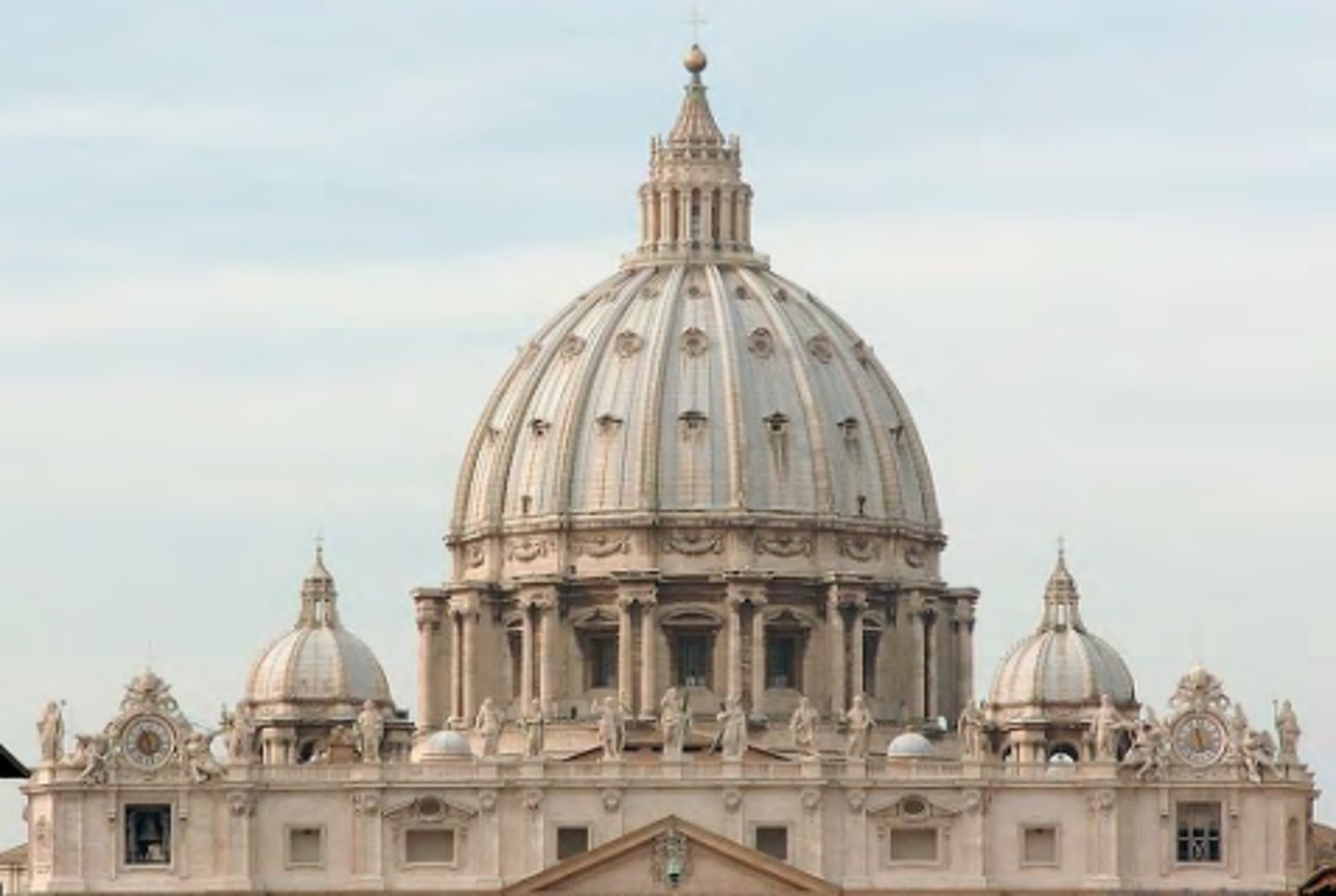
*Dome, St. Peter's Basilica, Vatican, Rome, Italy, ca. 1450-1626, Dome designed by Michelangelo Buonarotti, Italian Renaissance
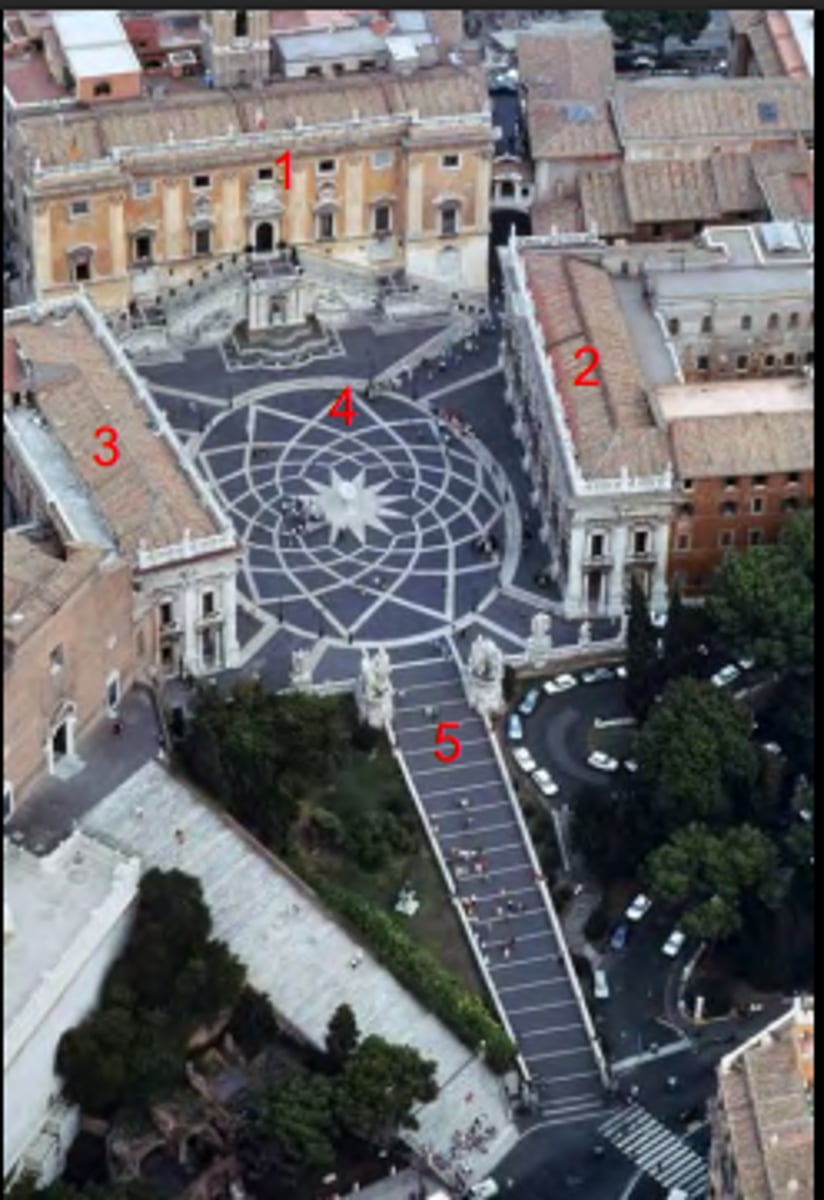
*The Campidoglio, Rome, Italy, 1537-46. Architect Michelangelo Buonarotti. Patron: Pope Paul III, Italian Renaissance
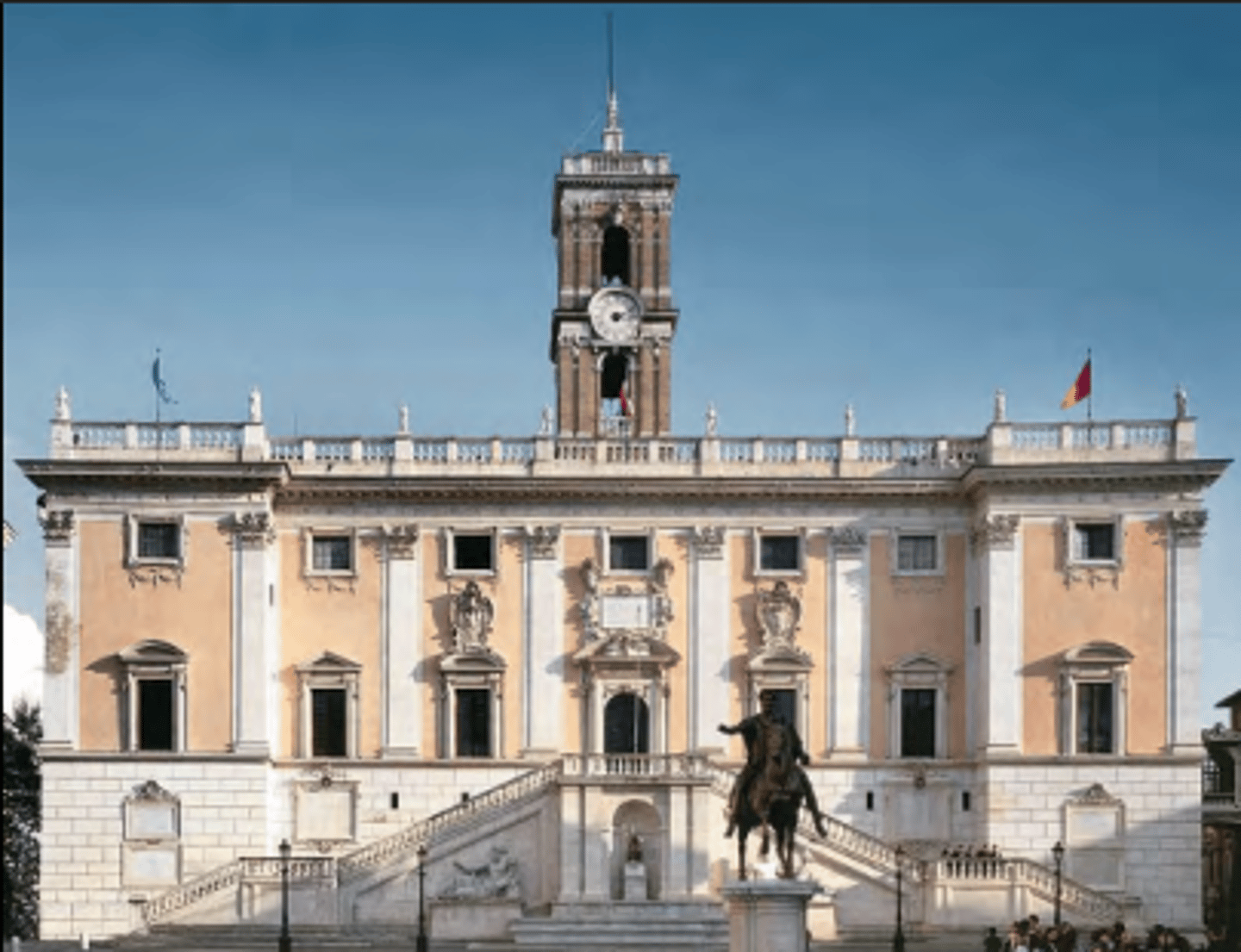
*Palazzo dei Senatori (Palace of Senators), Campidoglio. Michelangelo, Italian Renaissance, (atop the ancient Roman Tabularium)
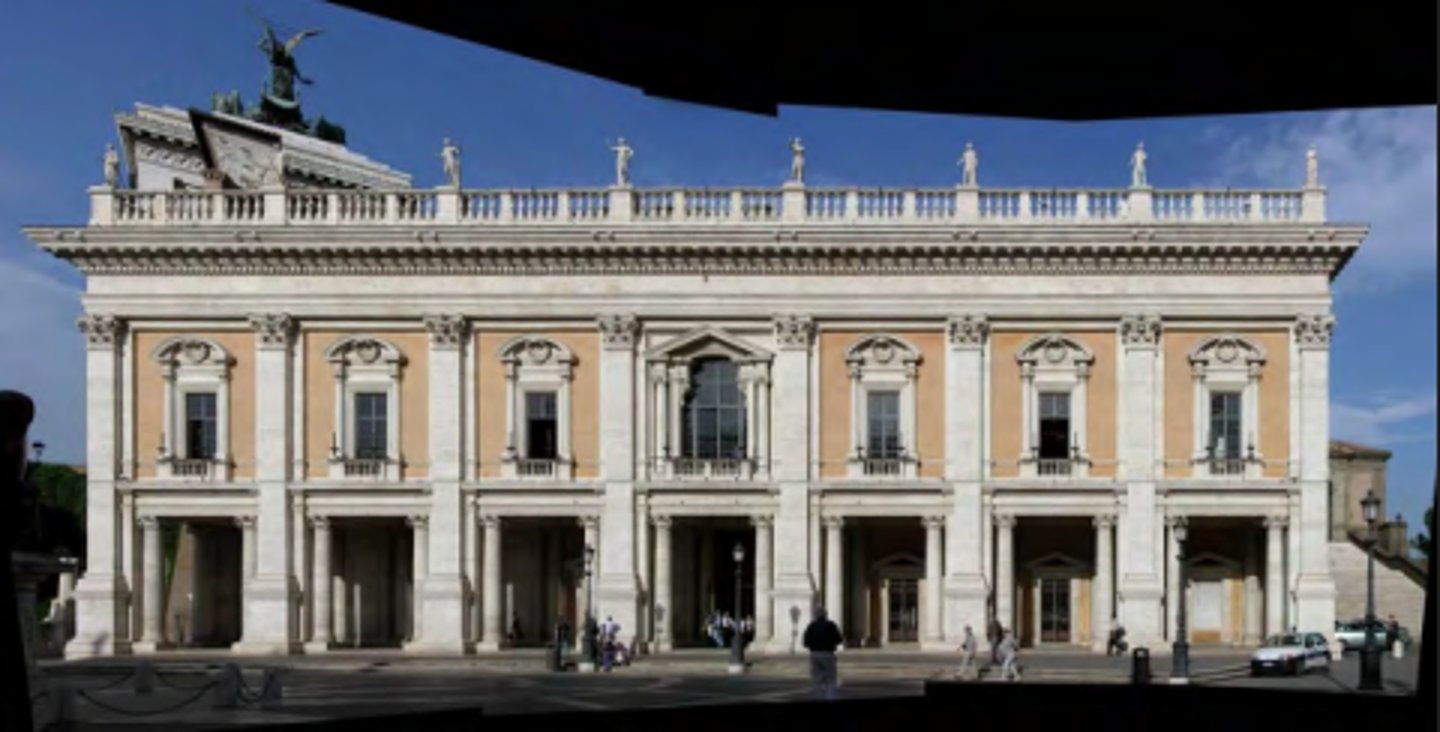
*Palazzo Capitolino (Palazzo Nuovo), Campidoglio, Michelangelo, Italian Renaissance (new to the site, enclosing the third side of the Campidoglio's piazza)
*Cordonata, Campidoglio, Michelangelo
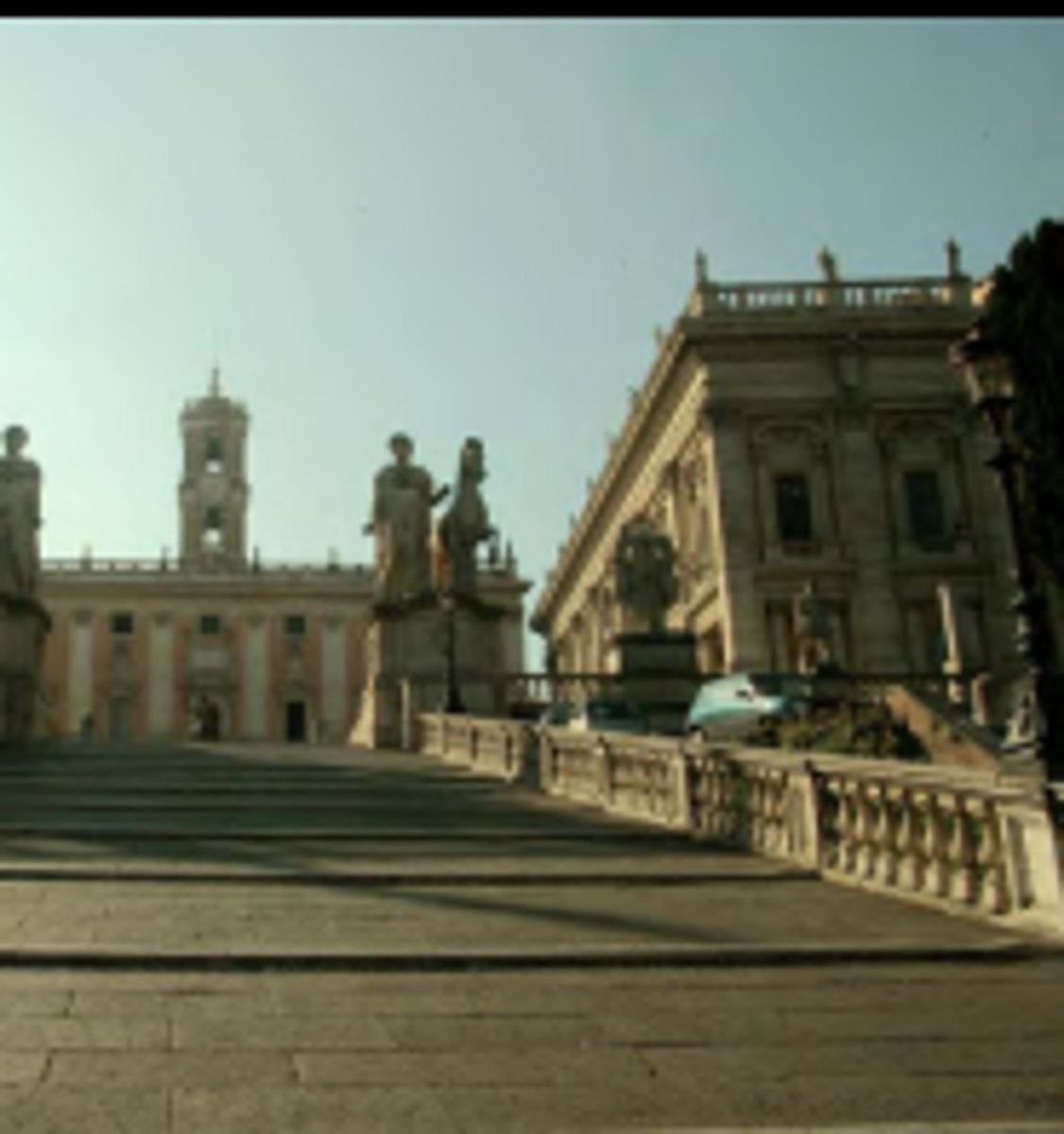
*The Campidoglio, Rome, Italy, 1537-36, High Renaissance. Architect: Michelangelo. Patron: Pope Paul III
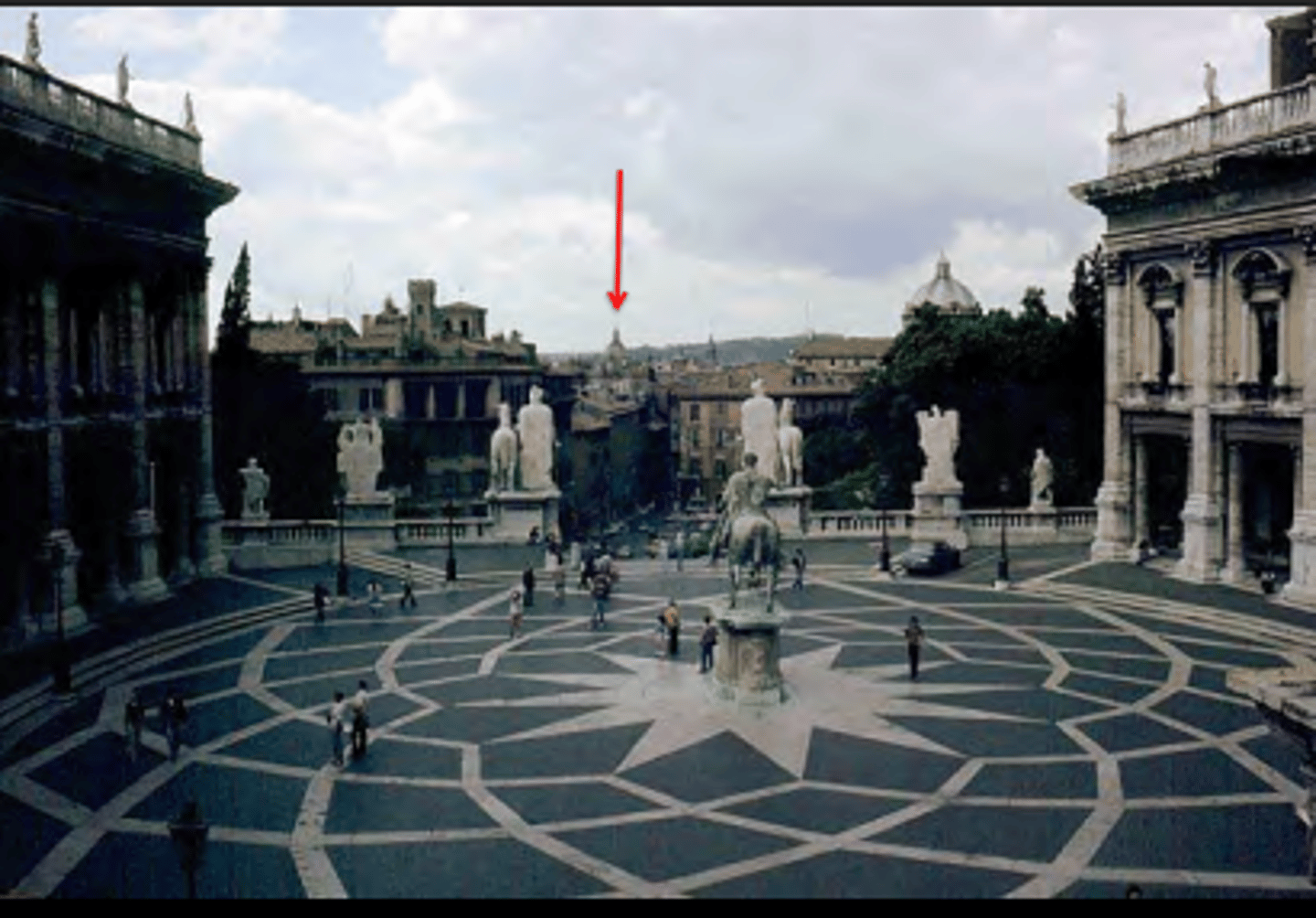
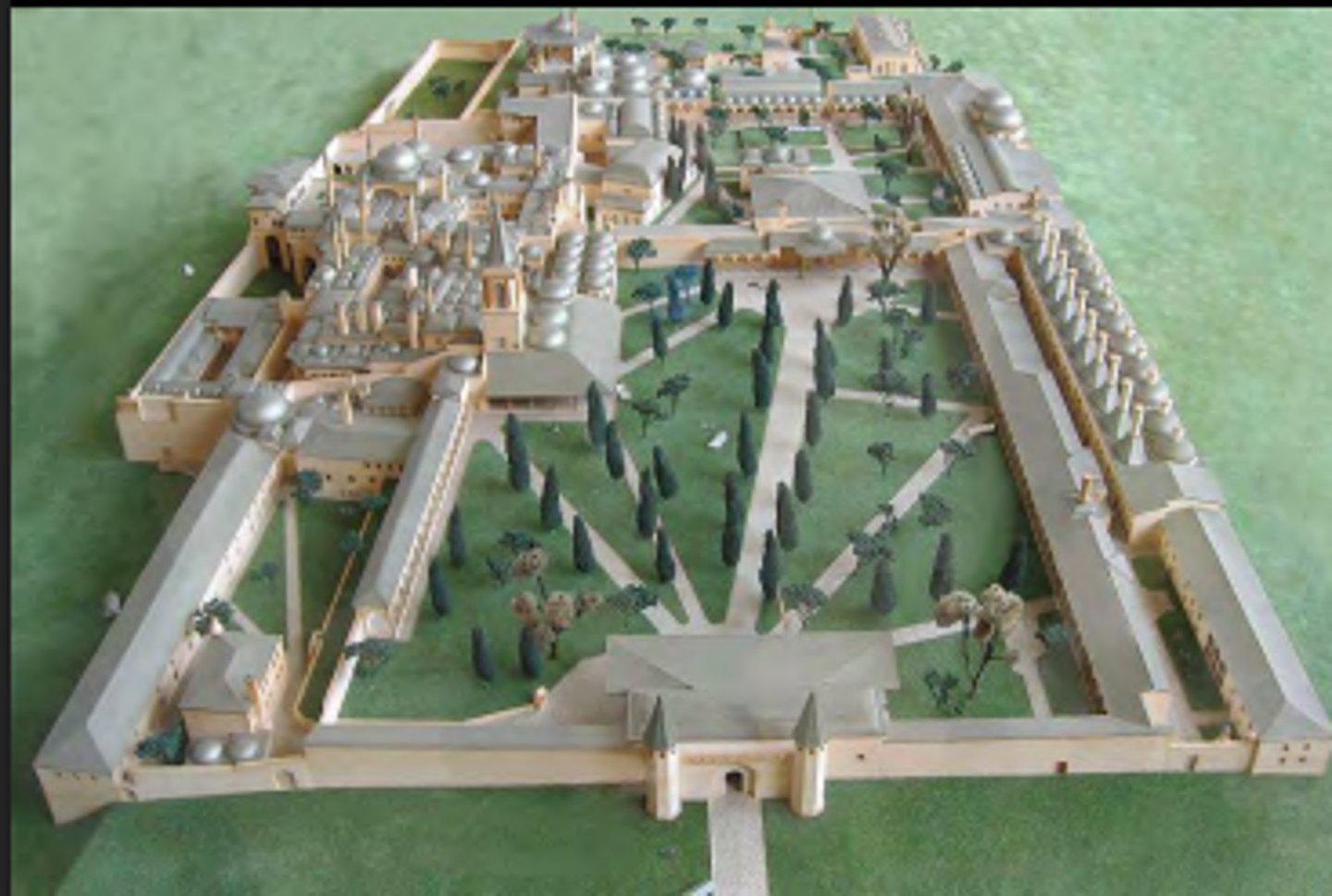
*Topkapi Palace, Istanbul, Turkey, begun 15th century by Sultan Mehmet II and expanded c1520-60, under Sultan Suleyman the Magnificent, Ottoman
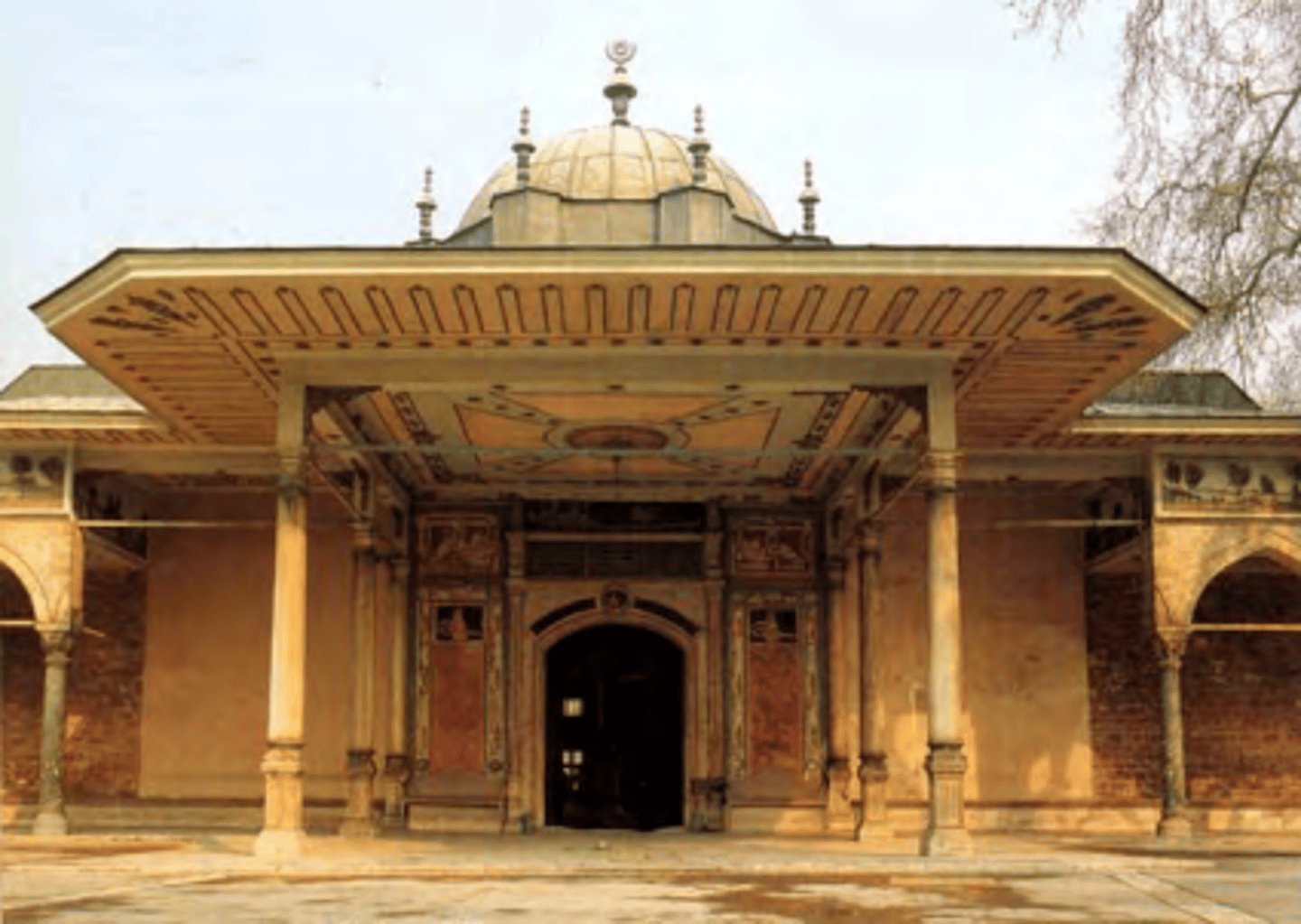
*Topkapi Palace: Gate of Felicity
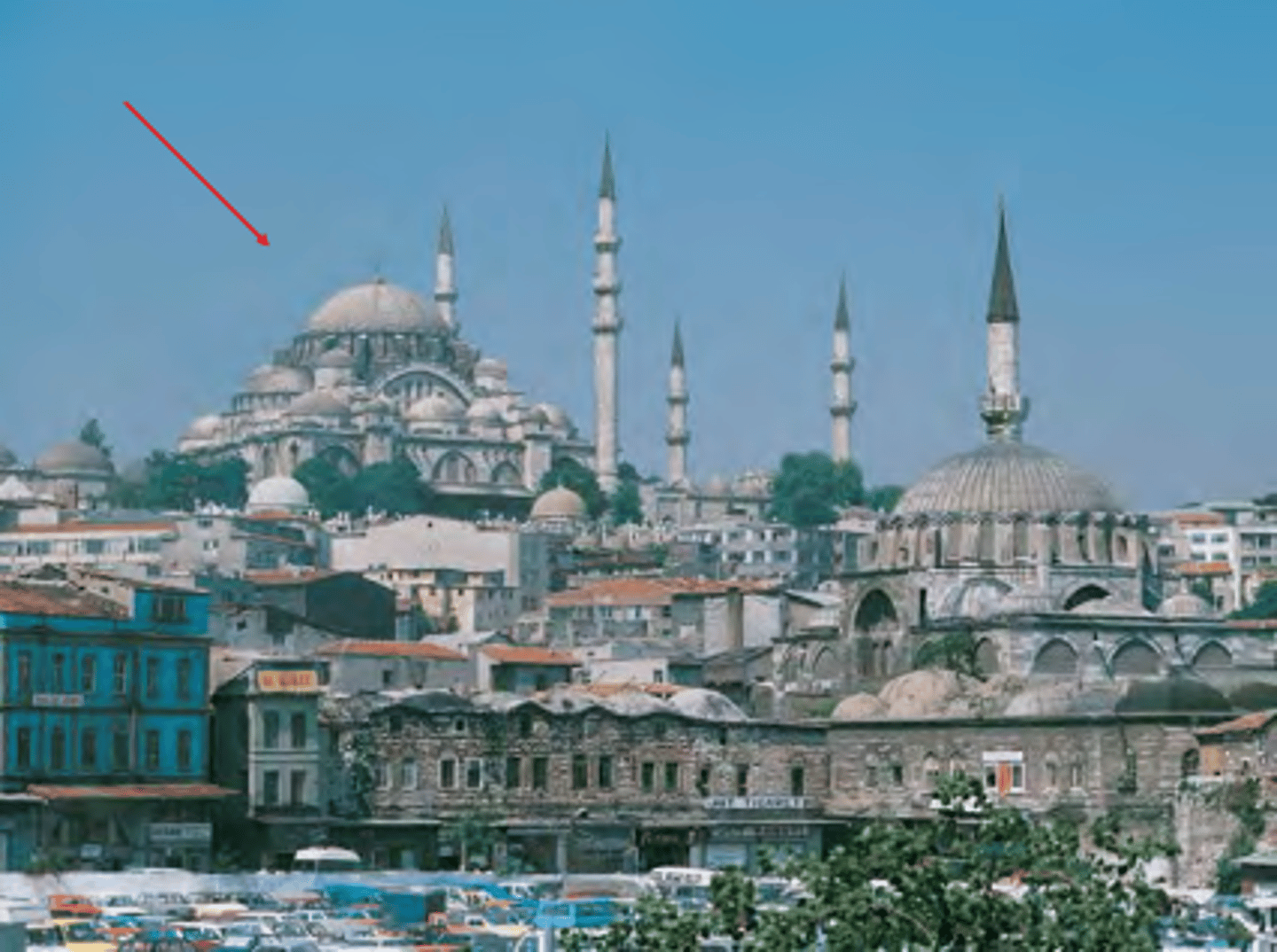
*Suleymaniye (Mosque Complex), 1550-1557, designed by Sinan at the request of Sultan Suleyman (the "lawgiver"), Ottoman
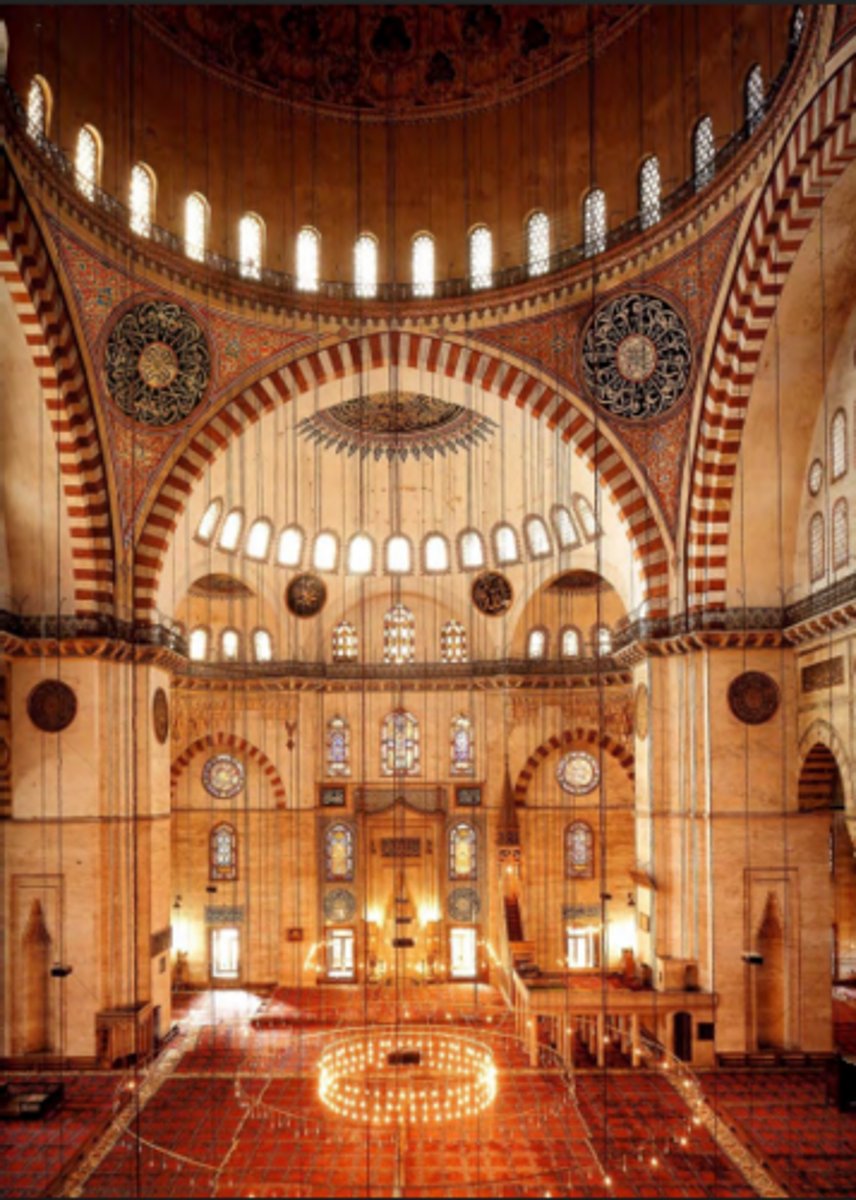
*Suleymaniye: Interior to mihrab
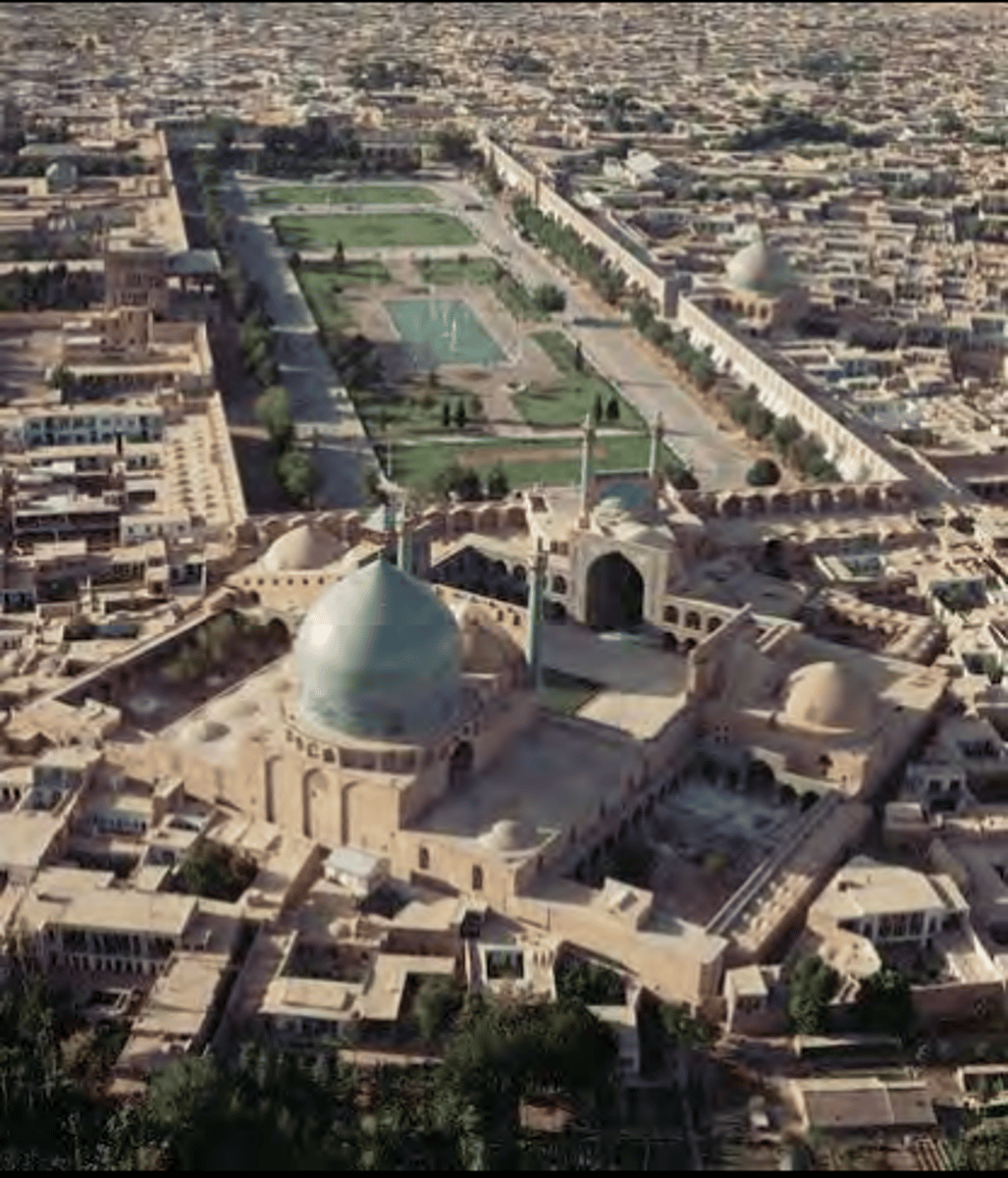
*Maydan, Isfahan, Iran, c1602, Patron: Shah Abbas, Safavid
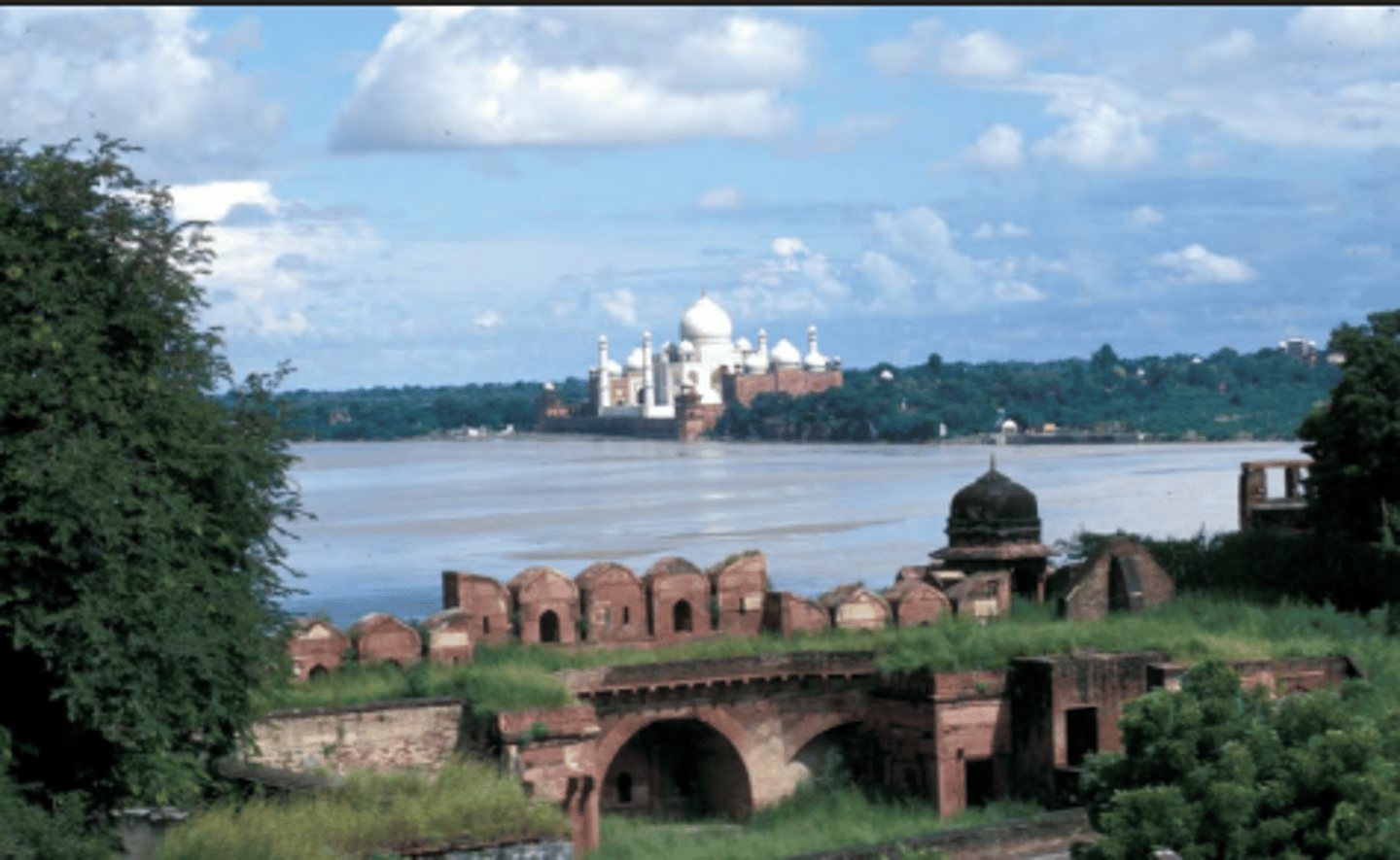
*Taj Mahal, Agra, India, 1631-47, Patron: Shah Jahan, Mughal: distant view across the Jumna River
*Taj Mahal: garden and plan, garden planned like a Timurid charar bagh garden with a pavilion at one end
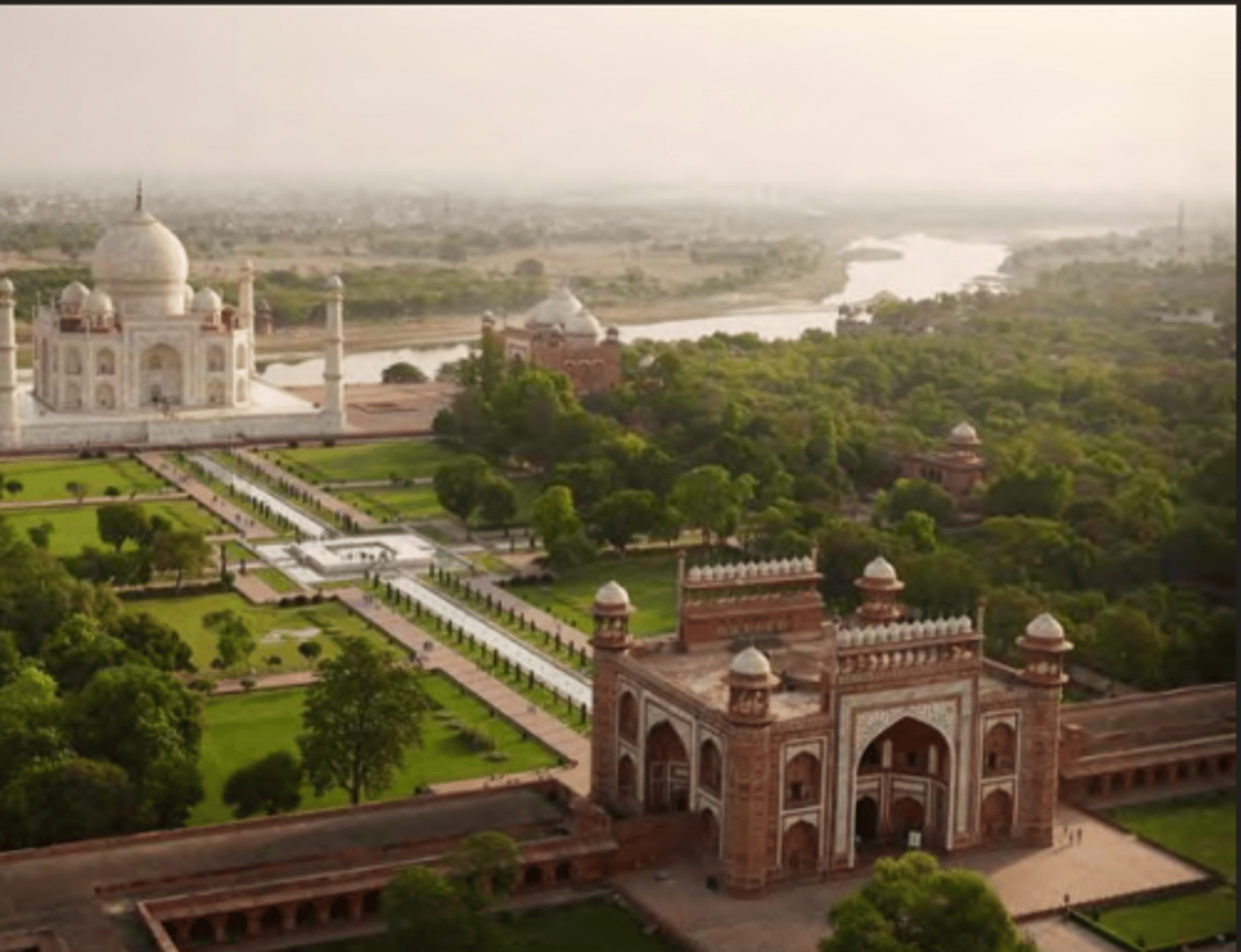
*Taj Mahal: tomb pavilion
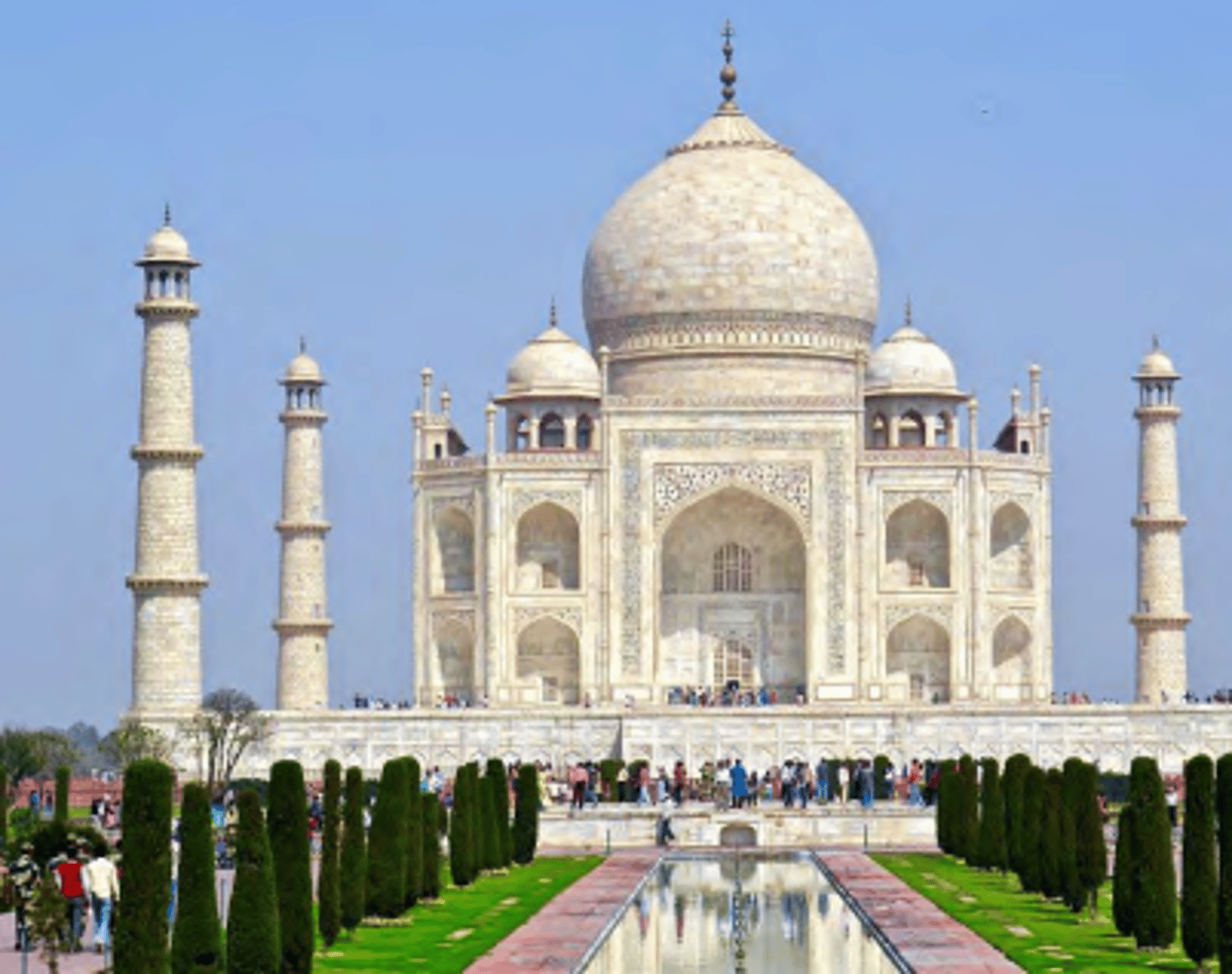
*Taj Mahal: facade and iwan, squinch-net vaults
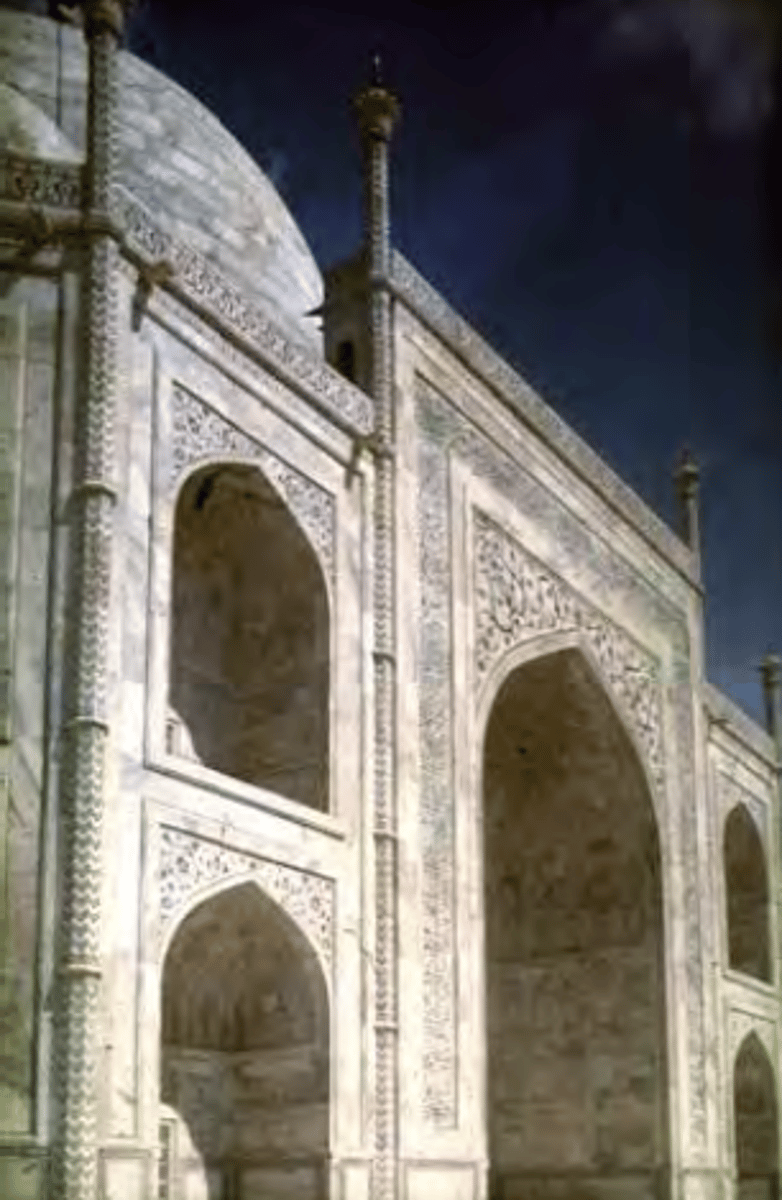
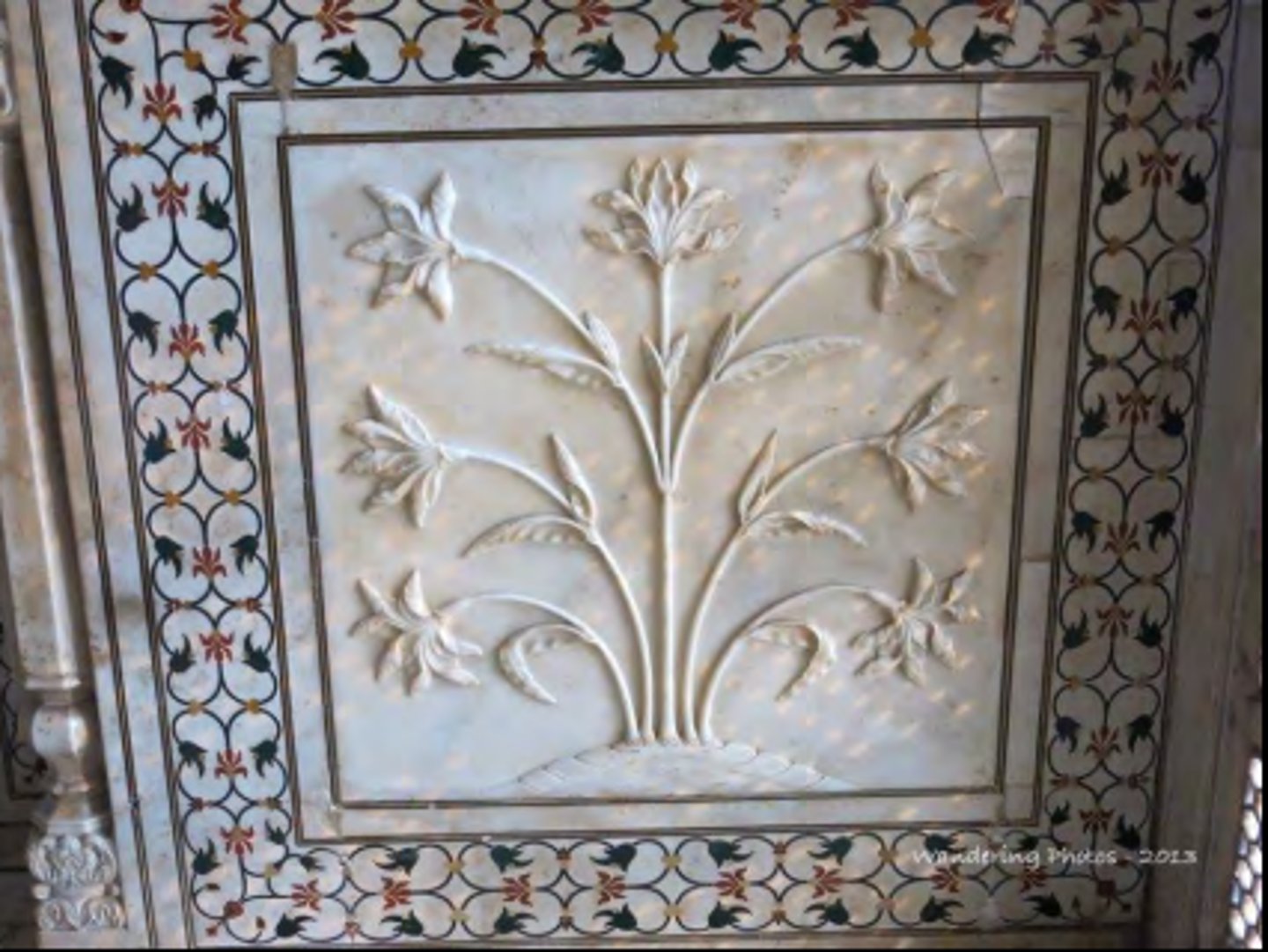
*Taj Mahal: carved marble relief with pietra dura (inlay of cut semi-precious stones) frame
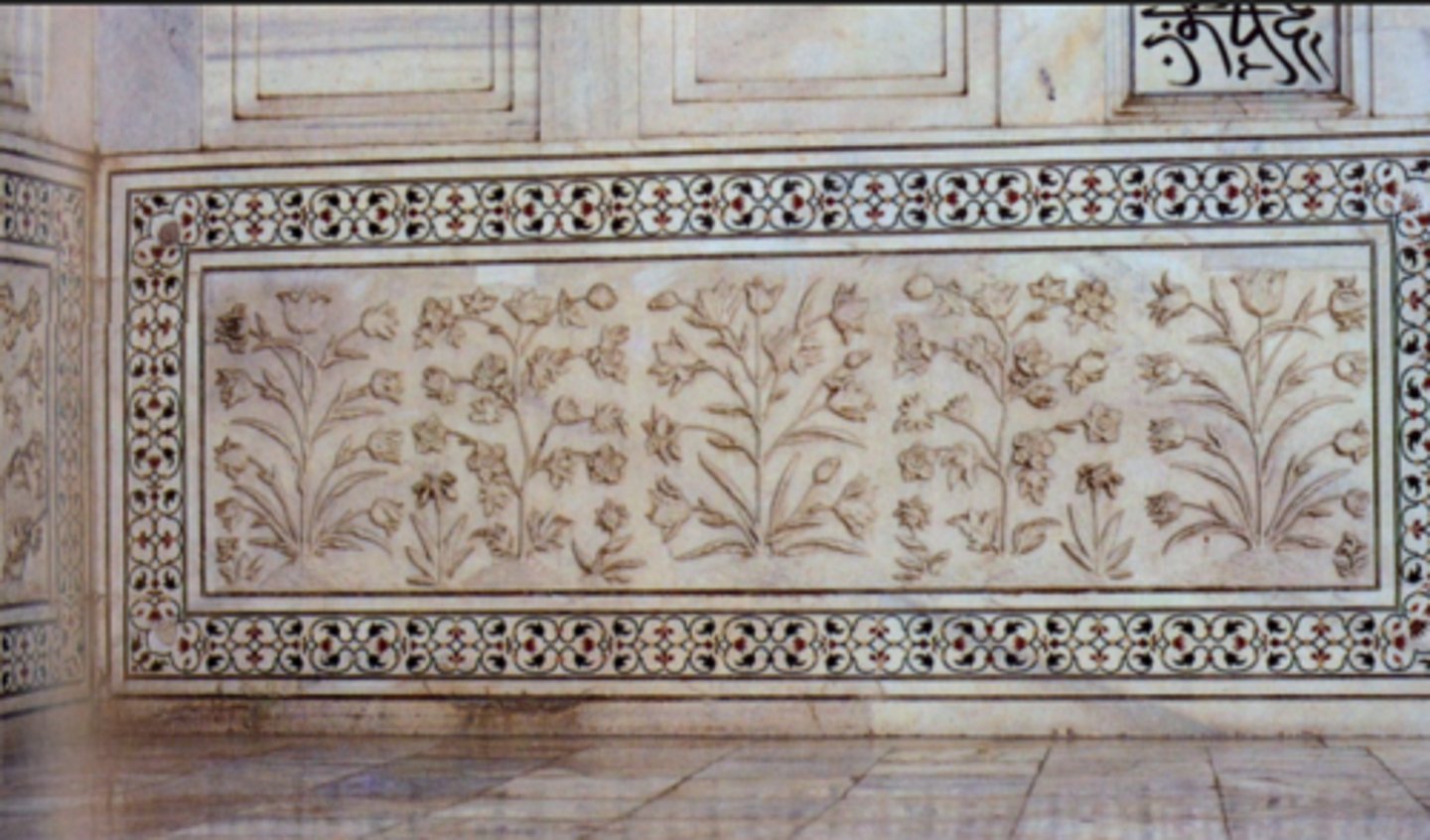
*Taj Mahal: marble floral carving at the Taj, jade cupe carved for Shah Jahan, and Mughal floral handbook: connected artistic forms using carefully observed natural forms
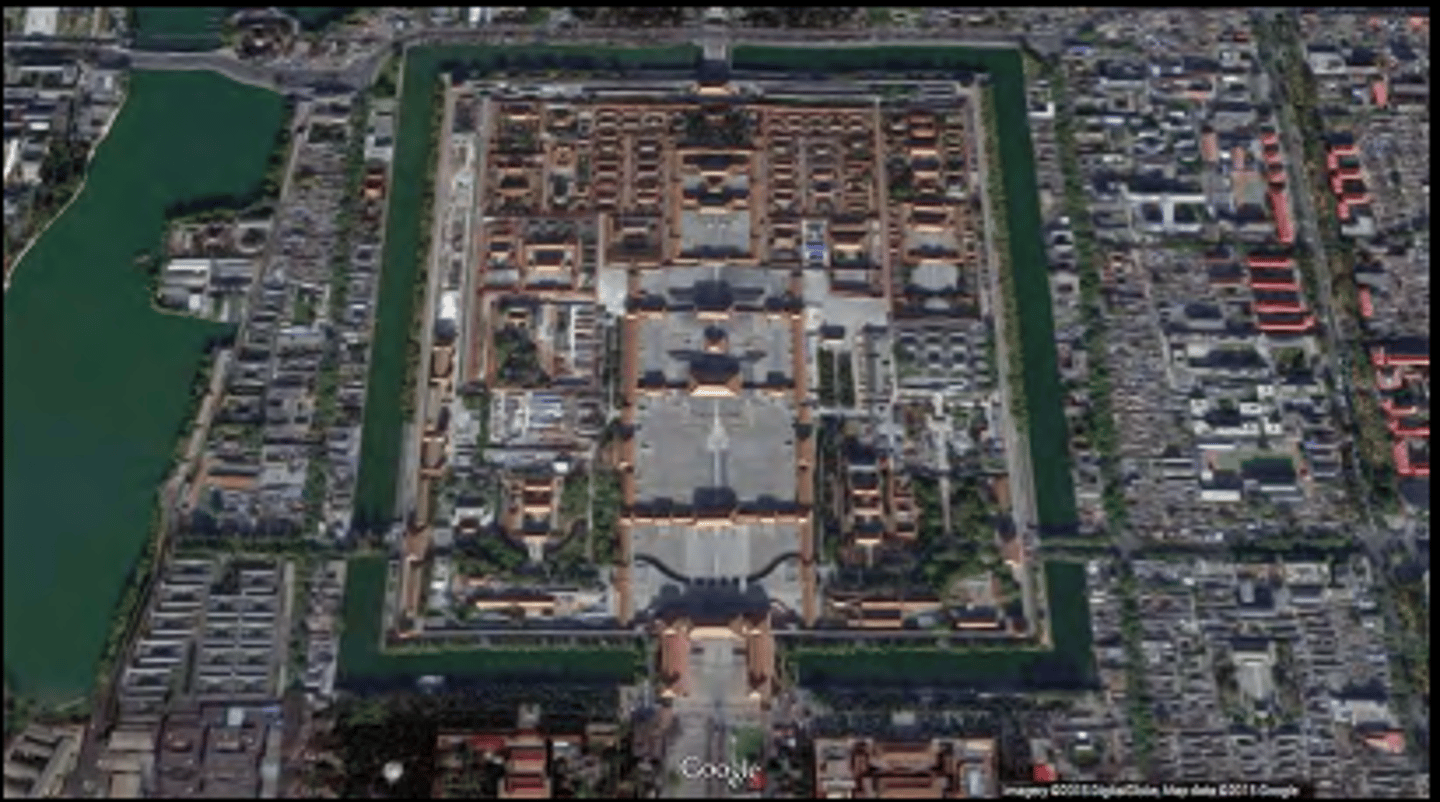
*The Forbidden City (Zijin cheng), Beijing, China, 1406-20CE+, Patron: Yongle Emperor (Chengzu), Ming Dynasty China
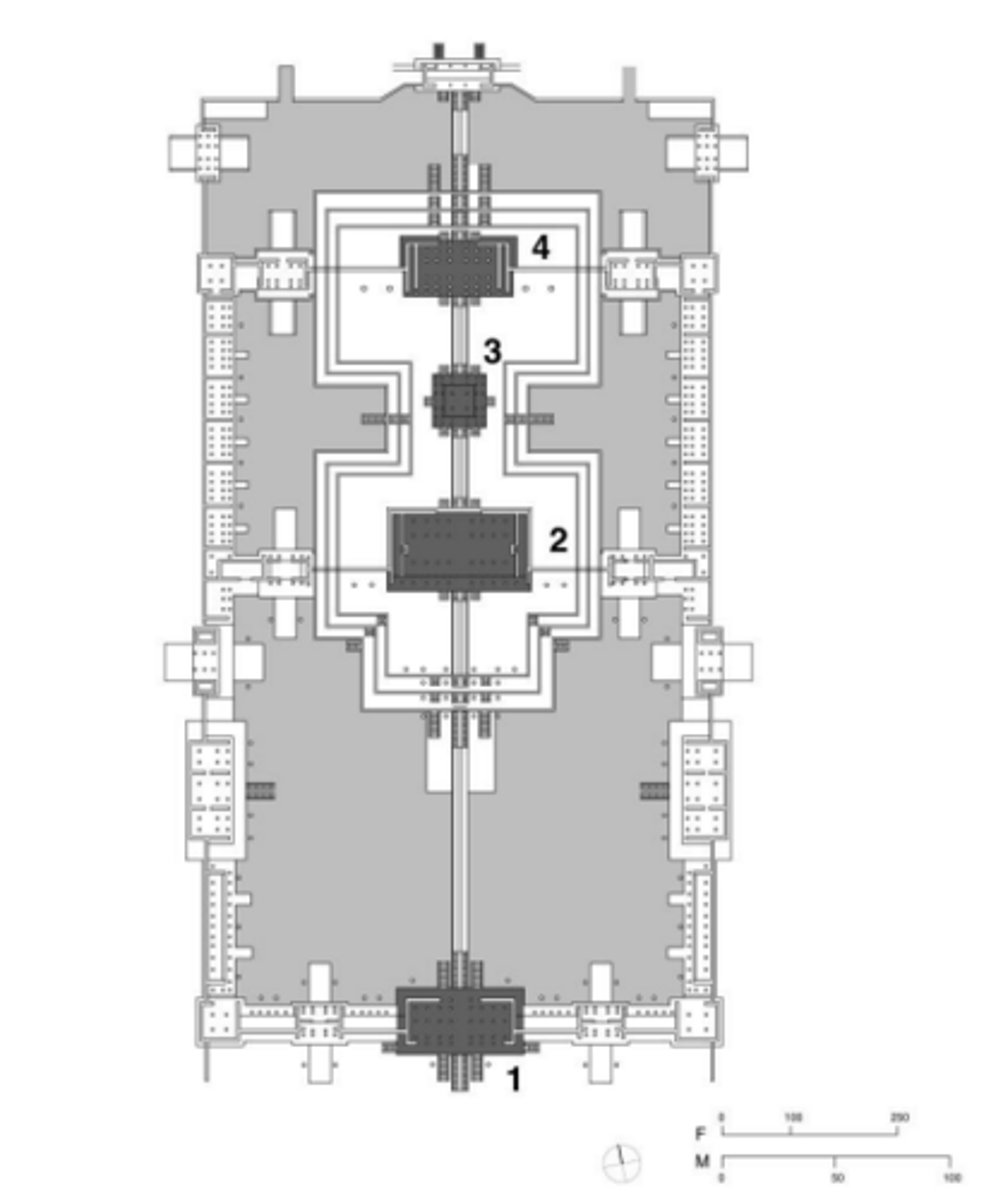
*Outer Court, The Forbidden City, Beijing, China, 15th CE, Patron: Yongle Emperor (Zhu Di), Ming Dynasty China
*Outer Court, view to the Hall of Supreme Harmony, Forbidden City, Beijing, China, 15th Century CE, Ming Dynasty China
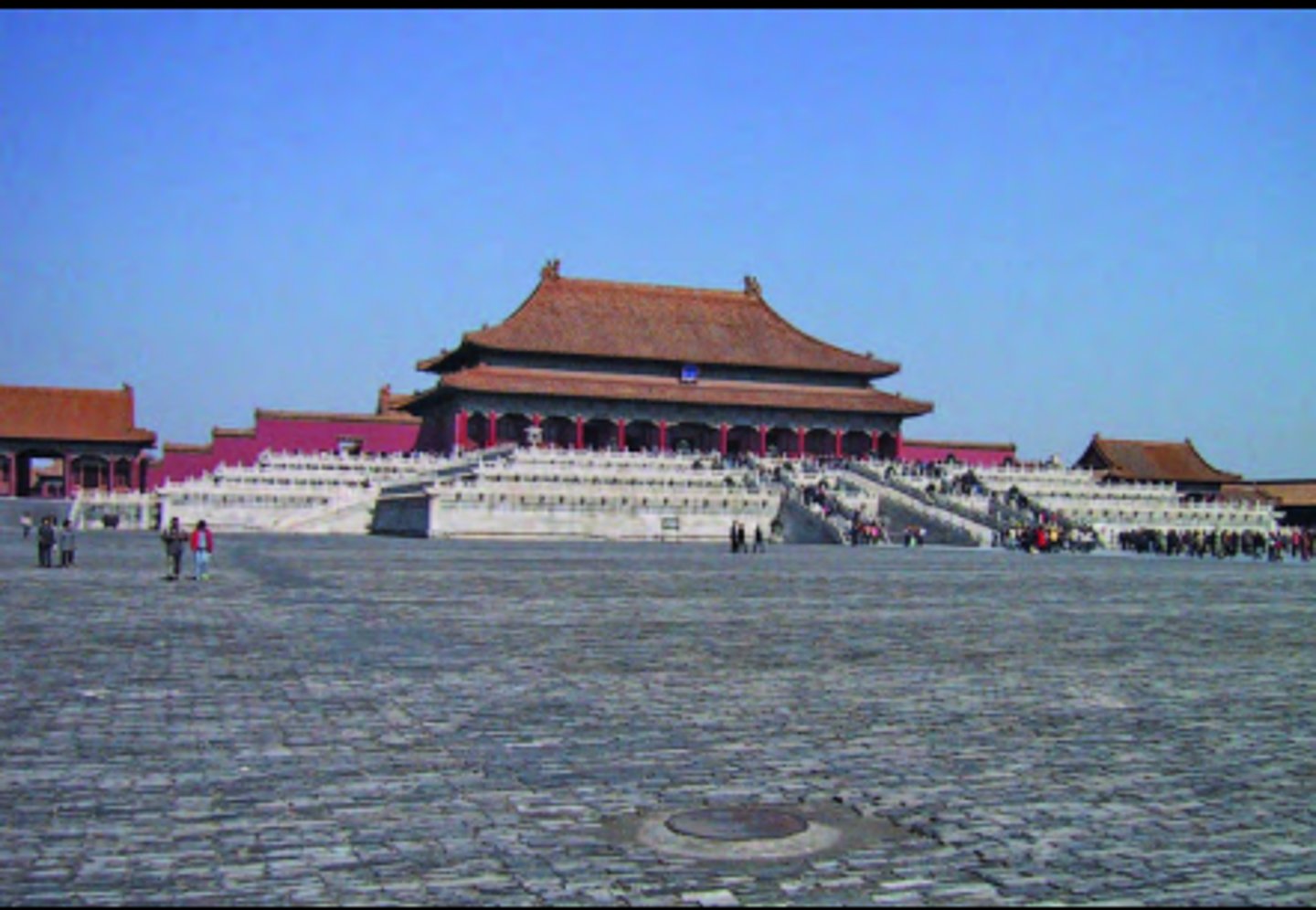
*Hall of Supreme Harmony, Outer Court, Forbidden City, Beijing, China, 15th Century CE, Ming Dynasty China
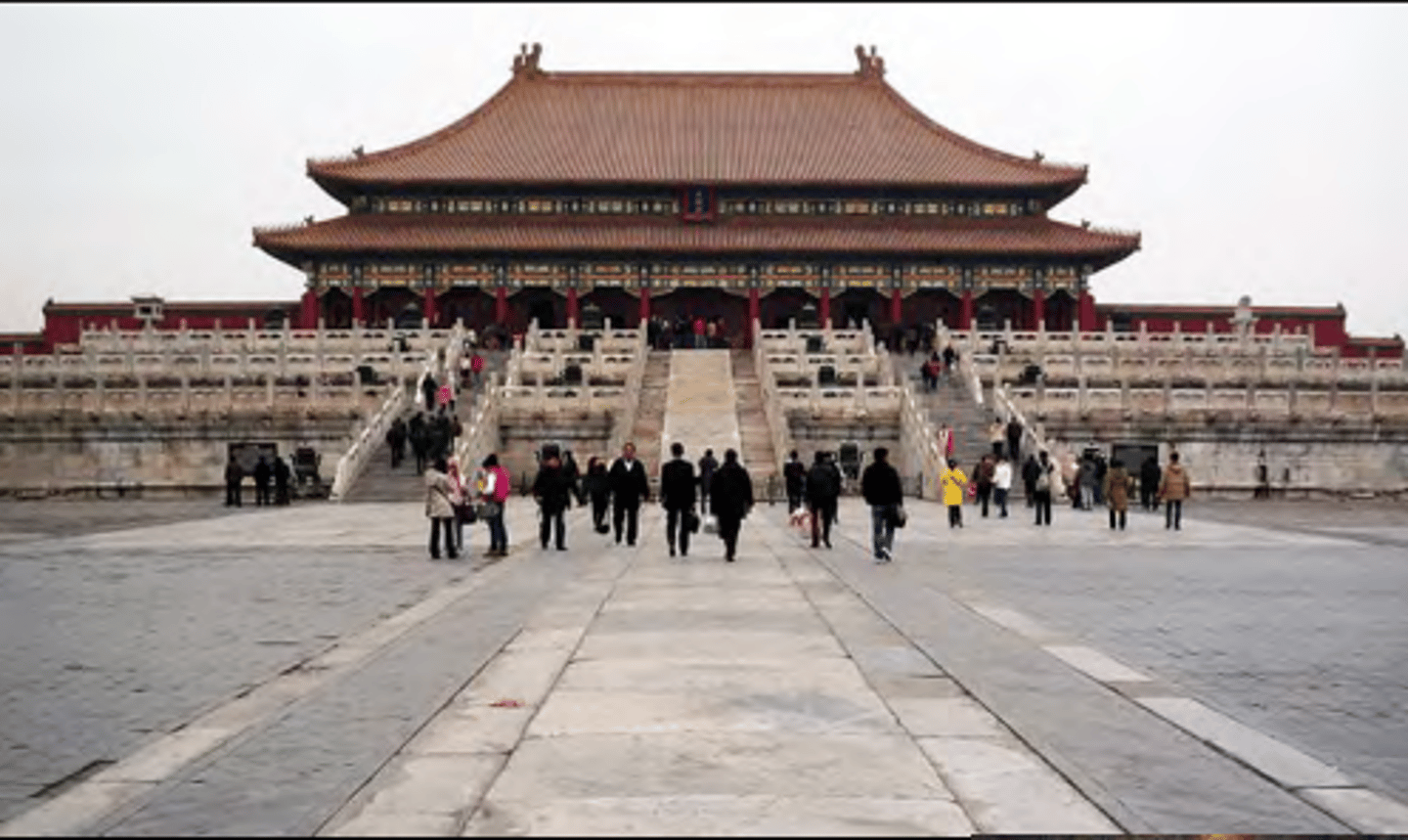
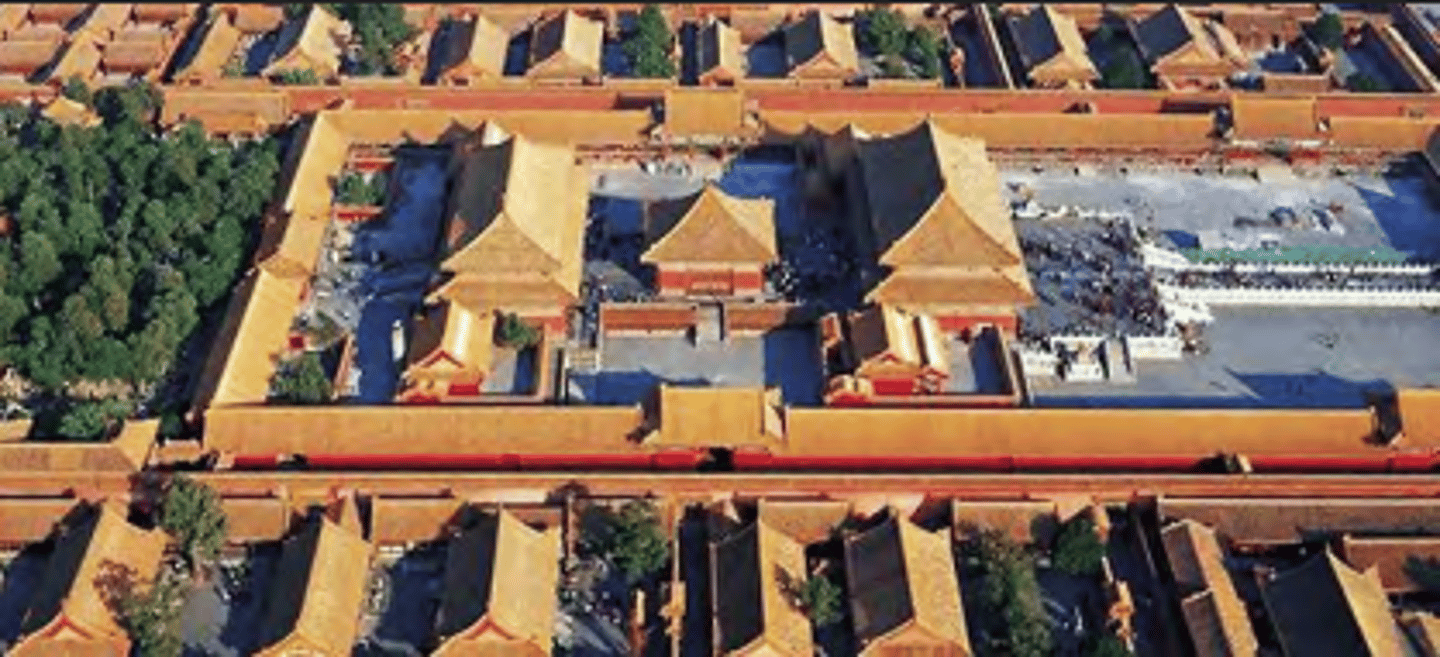
*Inner Court, Forbidden City, Beijing, China, 15th Century CE, Ming Dynasty China: domestic area
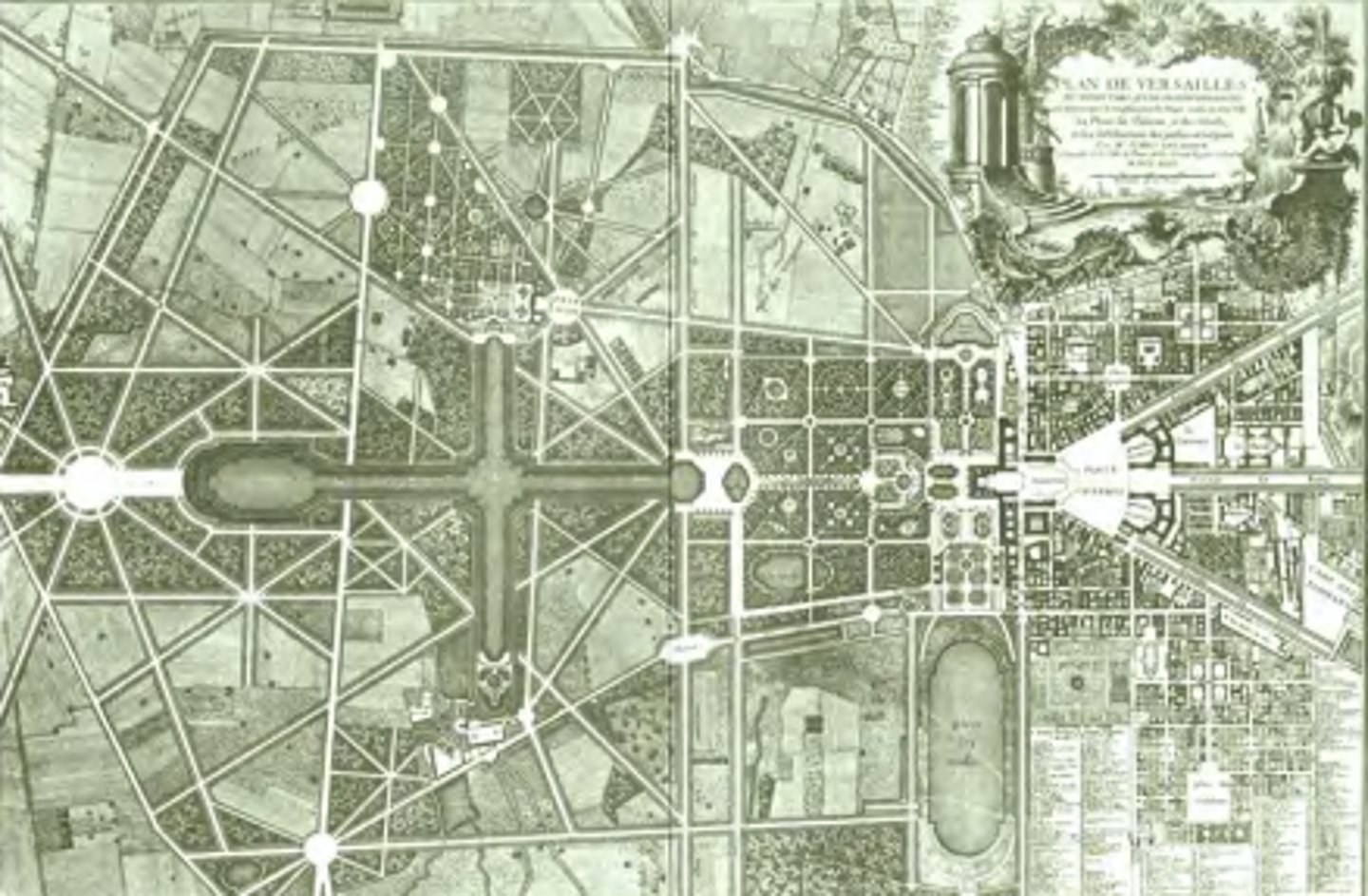
*Palace of Versailles, Versailles, France, 1660-1680, Architects: Louis Le Vau and Andre le Notre, built for King Louis XIV. Baroque
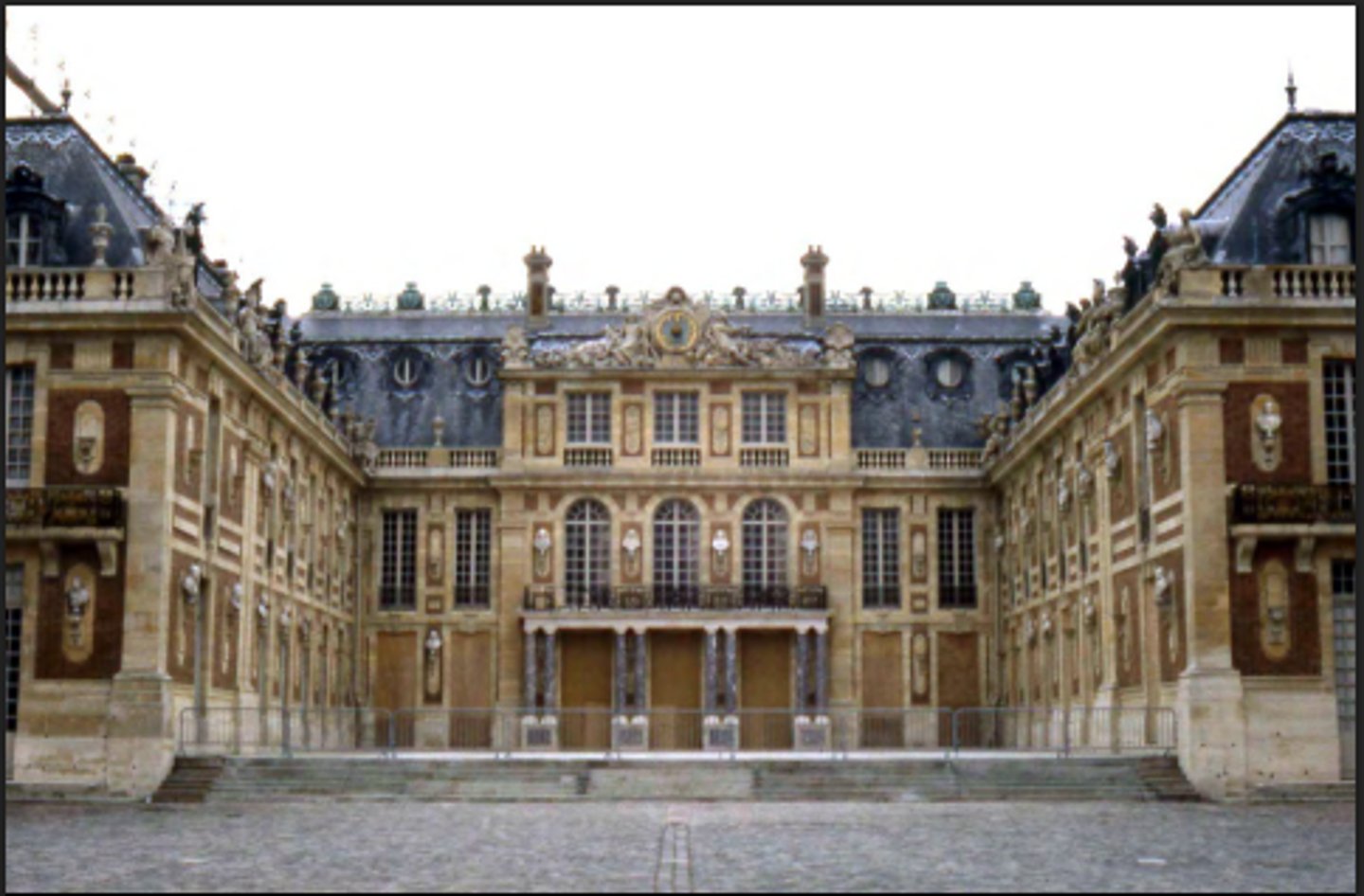
*Marble court, Palace of Versailles, Versailles, France, 1660-1680, Baroque. Architects: Le Vau and Andre le Notre
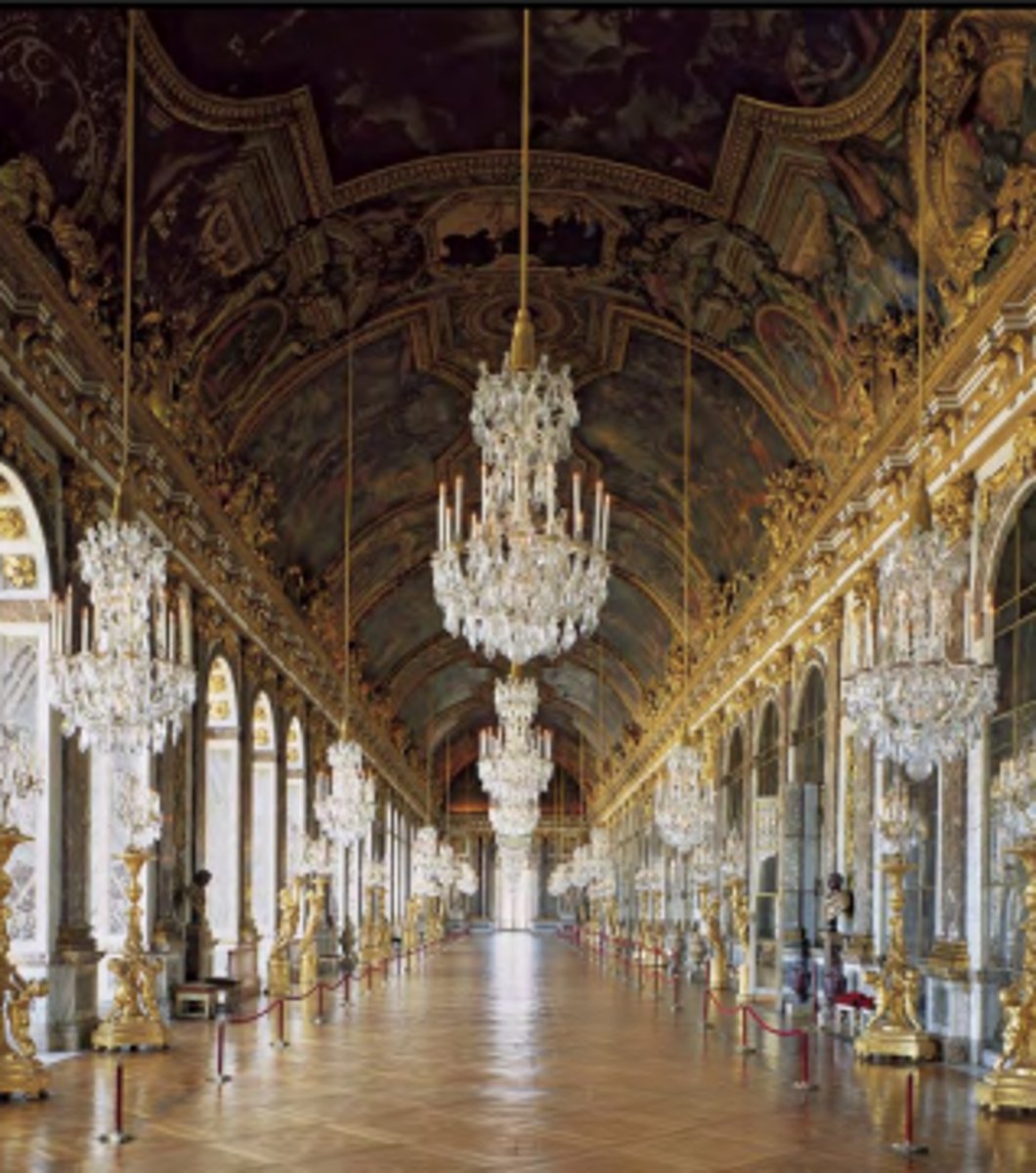
*Hall of Mirrors, Palace of Versailles, Versailles, France, 1660-1680, Architects: Le Vau and Andre le Notre, Baroque
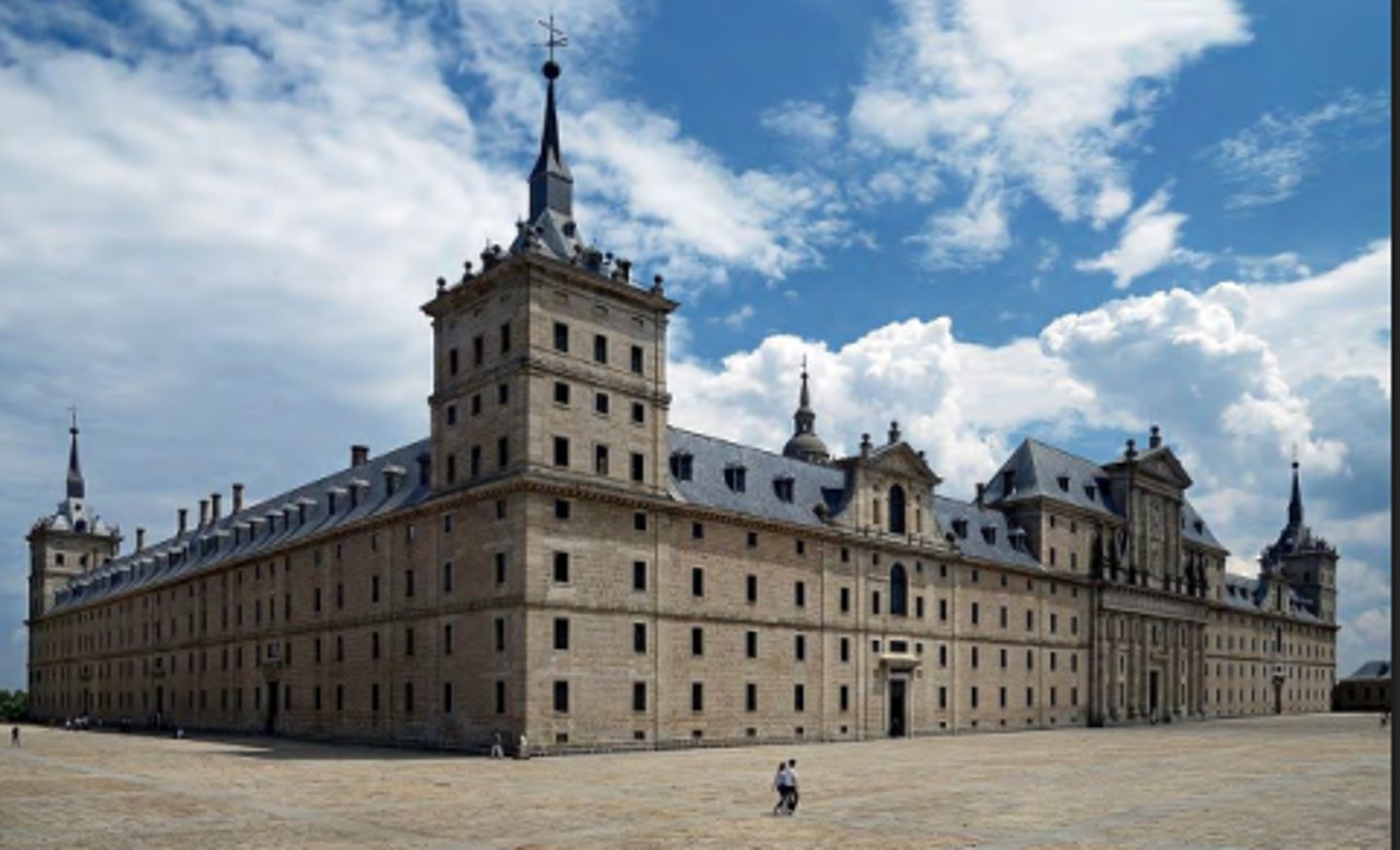
*San Lorenzo de El Escorial Palace, near Madrid, Spain, 1563-84, Patron: King Phillip II, Architects (in succession): Juan Bautisa de Toledo and Juan de Herrera. Spanish Renaissance
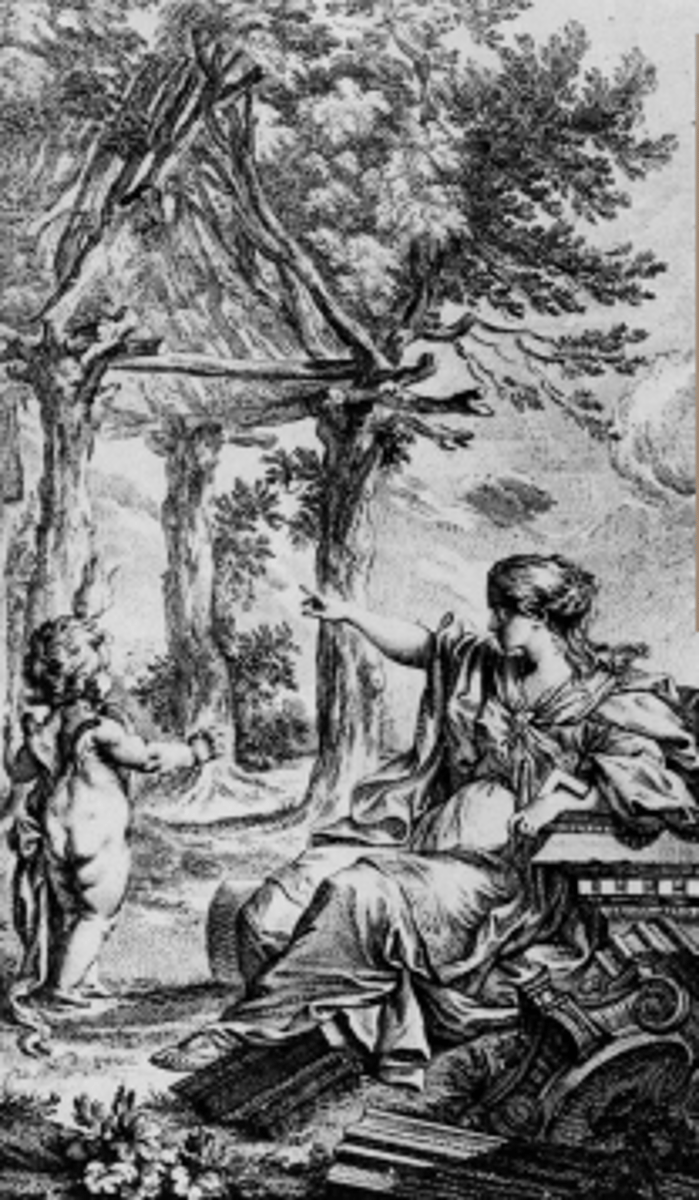
*Frontispiece to Laughier's Essay on Architecture, Paris, 1755. Enlightenment
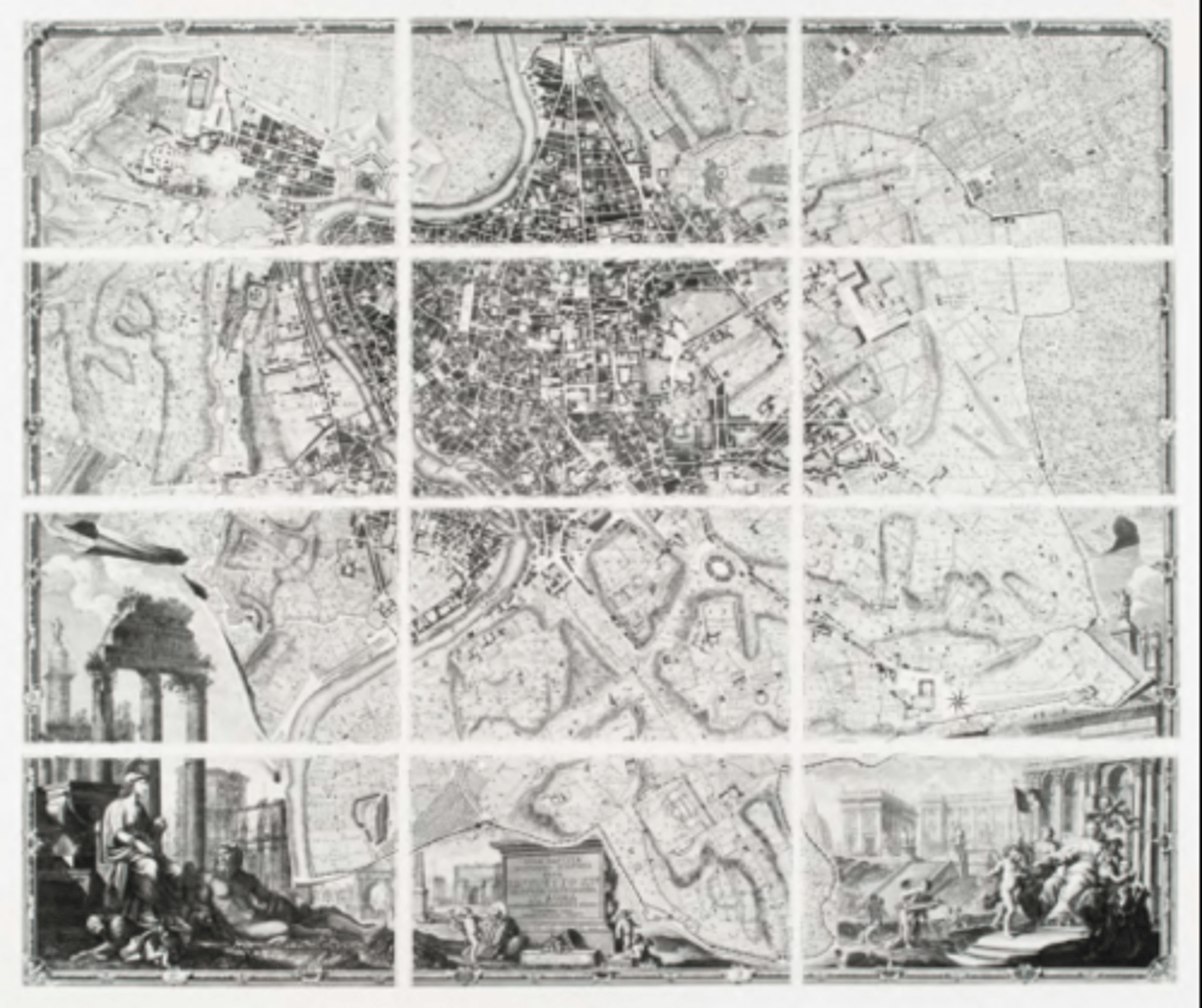
*The Great Plan of Rome/La Grande Pianta di Roma, Giambattista Nolli, 1748, Baroque
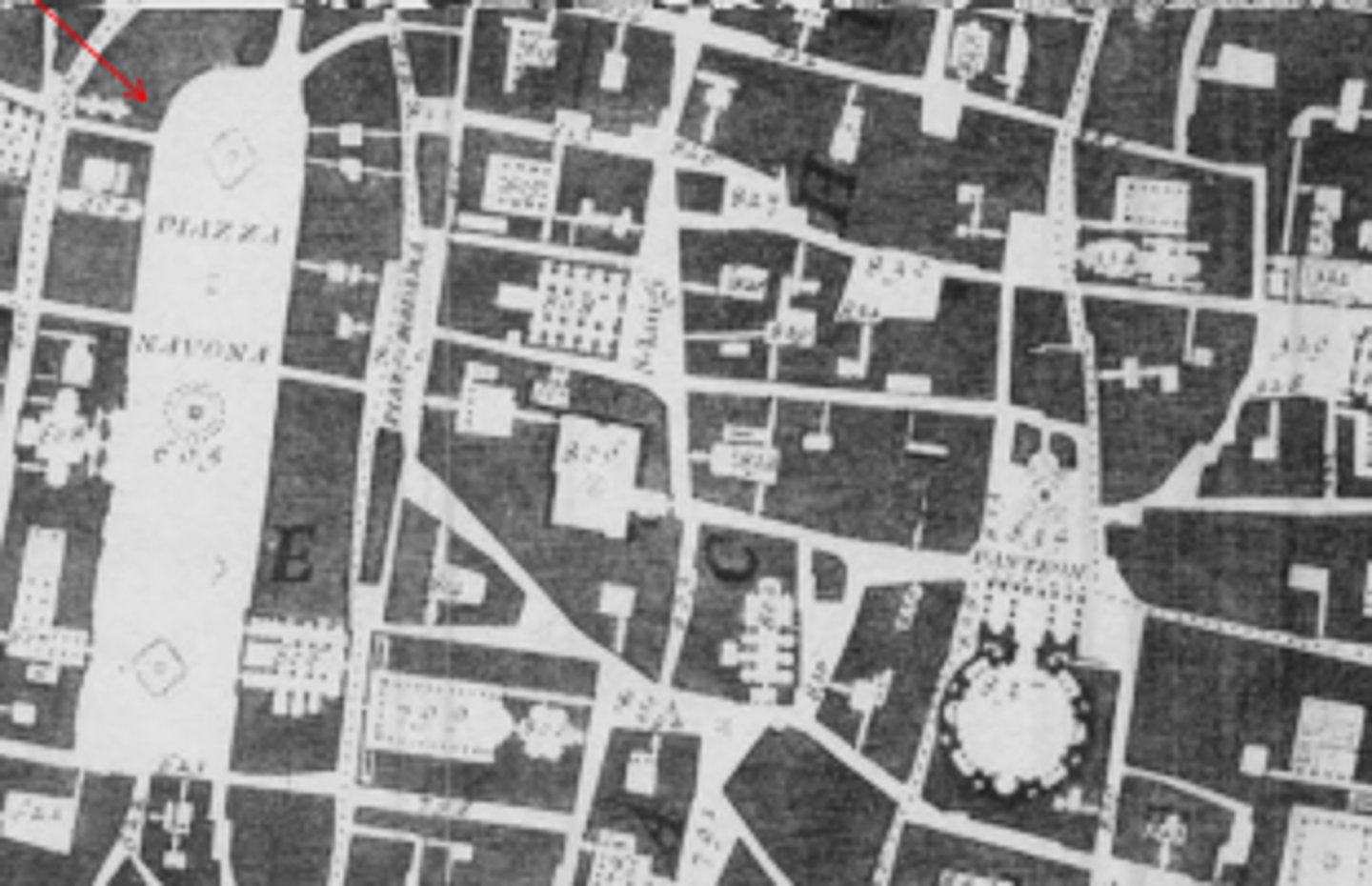
*Nolli Plan, Piazza Navona and the Pantheon
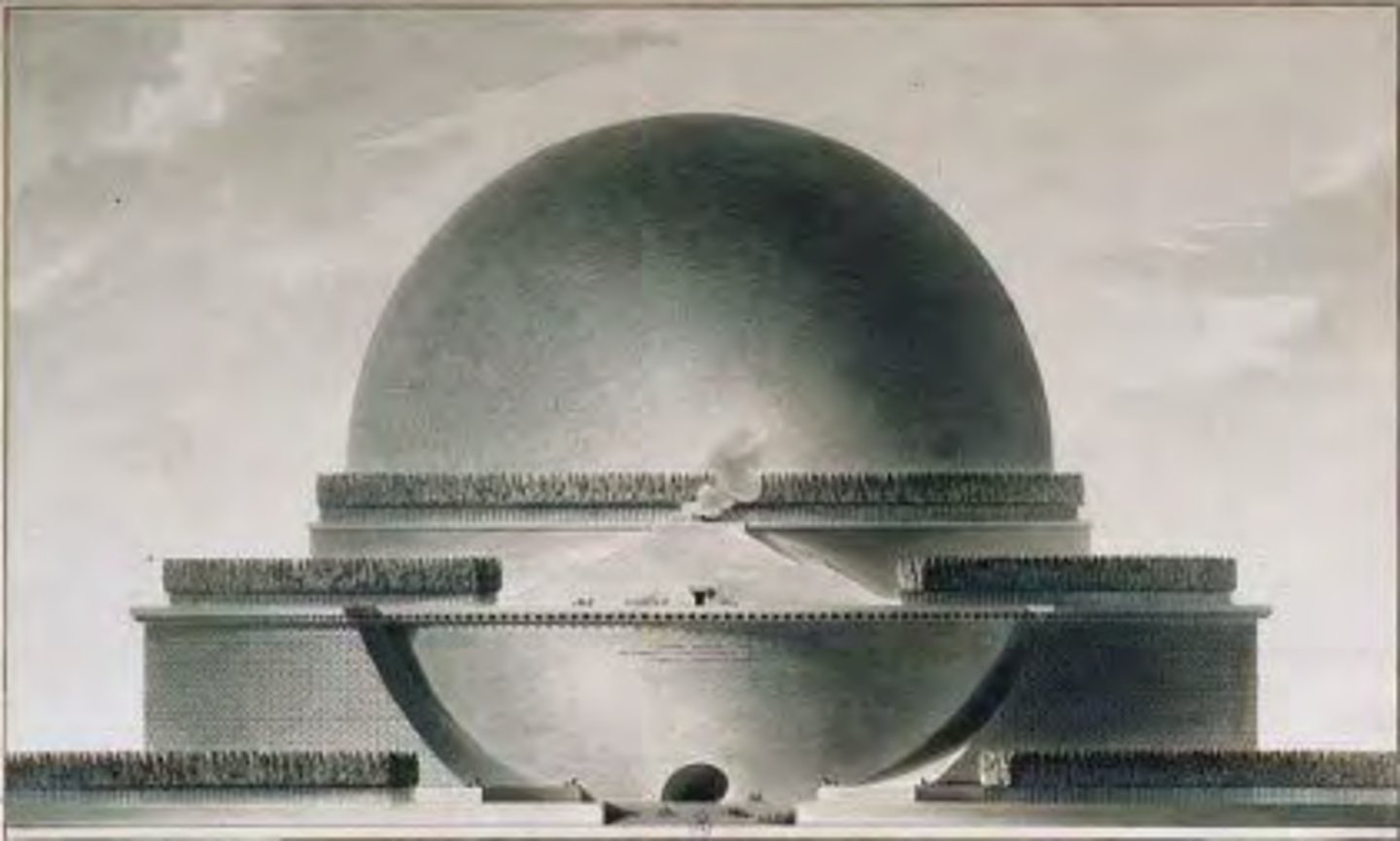
*Project for a Cenotaph to Isaac Newton, Paris, France, c. 1784, Architect: Etienne-Louis Boullee. Visionary neoclassicism
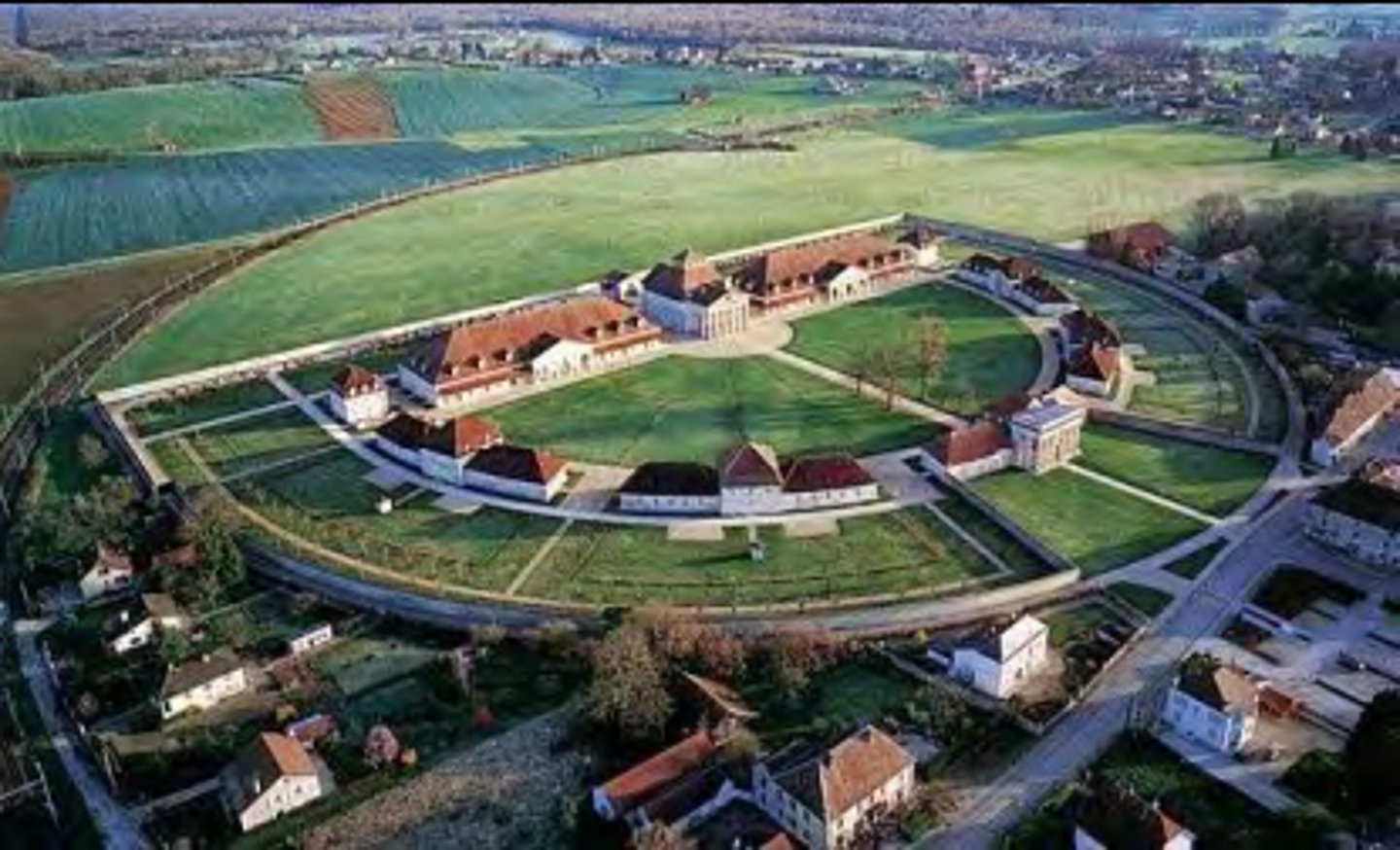
*Royal Salt Works (Salines de Chaux), Arc-et-Senans, France, 1775-78, (Claude Nicolas) Ledoux, Visionary neoclassicism
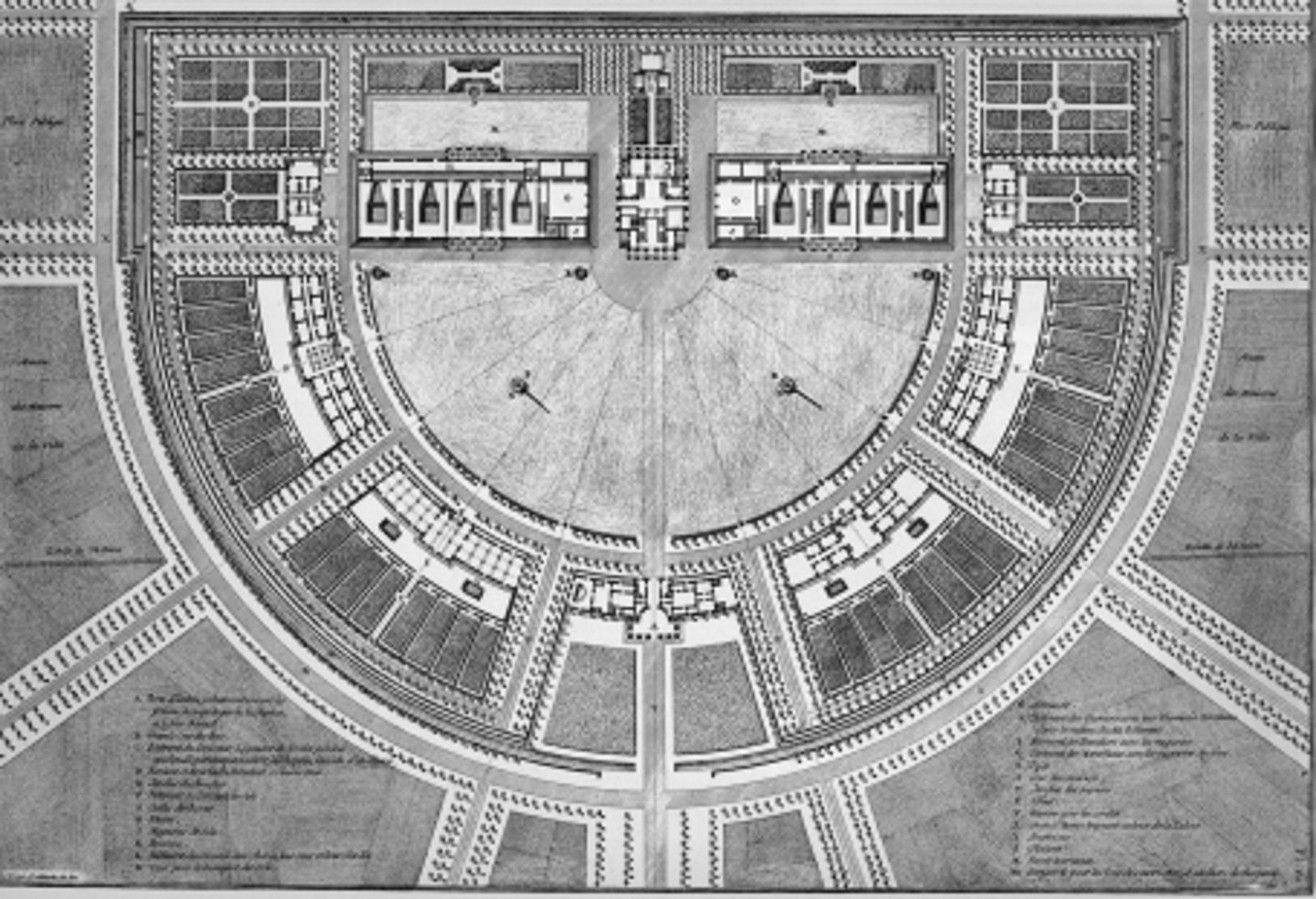
*Plan for the Royal Salt Works, Arc-et-Senans, France, 1775-8, Claude Nicolas Ledoux, Visionary neoclassicism
 Note
Note  Flashcards (40)