electricity
 Call Kai
 Learn
Learn Practice Test
 Spaced Repetition
 Match
Match Flashcards
 Knowt Play
1/40

There's no tags or description
Looks like no tags are added yet.
Name | Mastery | Learn | Test | Matching | Spaced | Call with Kai |
|---|
No analytics yet
Send a link to your students to track their progress
41 Terms
current symbol
I
current unit
A
potential difference symbol
V
potentially difference unit
V
resistance symbol
R
resistance unit
ohms
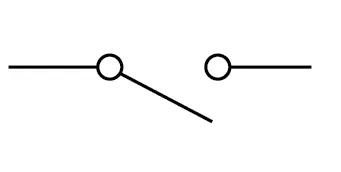
open switch
for charge to flow THE SWITCH MUST BE CLOSED
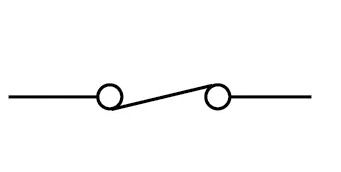
closed switch
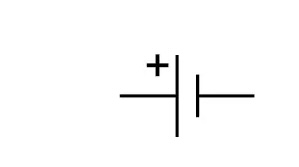
cell
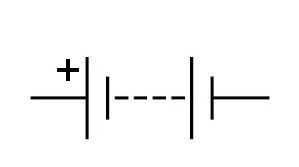
battery
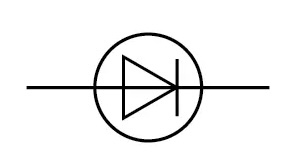
diode
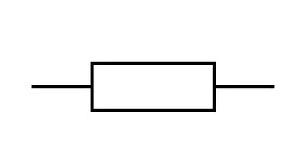
resistor
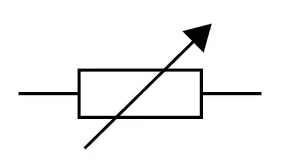
variable resistor
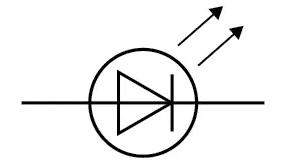
LED
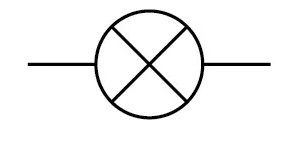
Lamp
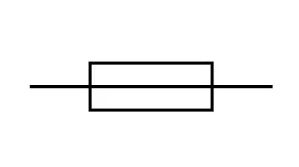
fuse
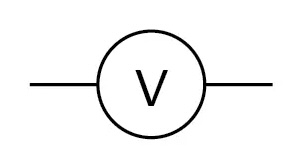
voltmeter
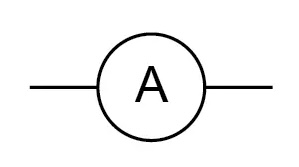
ammeter
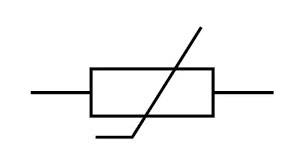
thermistor
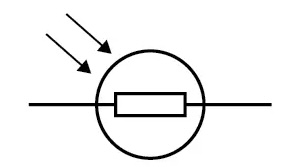
LDR
diode?
only allows current in one direction
LDR?
resistance decreases as light increases
thermistor?
TURD
temp up, resistance down
current in series circuit
same everywhere
current in parallel circuit
split (NOT EQUALLY) unless the resistance in each branch is the same.
potentially difference in series circuit
shared between components
potential difference in parallel circuit
same across every branch
resistance in series circuit
total = sum of all the resistors.
not equal
resistance in parallel circuit
total resistance is LESS THAN the smallest resistor
UK voltage
230V
RP: factors affecting resistance
set up a circuit with a battery, ammeter, and a long piece of wire clamped to a meter ruler
attach a crocodile clip at 0cm and another at 10cm
record the current from the ammeter
record the potential difference from a voltmeter, placed in parallel across the test wire
move the crocodile clip to diff distance on the ruler and record the V and I at each step
calculate resistance for each length using R = V/I
RP: I-V characteristics
set up a circuit w a battery, ammeter, variable resistor and (the component ur testing)
use the variable resistor to change the potential difference across the component
take readings of V and I
switch direction of battery to get negative values for V and I
repeat for a fixed resistor and a diode
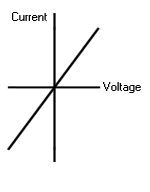
resistor graph
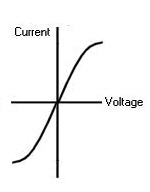
filament lamp: resistance increases as temp increases
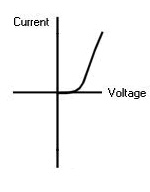
diode graph
UK frequency
50Hz
live wire (brown)
carries the 230v alternating potential difference from the supply.
dangerous to touch
neutral wire (blue)
completes the circuit
its at 0V
earth wire (green/yellow stripes)
safety wire
only carries current if theres a fault
stops the exterior of an appliance from becoming live
national grid
1) power stations:
generates electricity at a relatively low V
2) step up transformer:
increases the V and decreases current
high current = wire heats up (dissipation)
3) long distance transmissions:
how the electricity travels across country
4) step down transformer:
decrease V and increase current
for costumer safety
5) houses

