20th Century: Exam 3: Part 2: Connect description to art movement
 Studied by 0 people
 Call Kai
 Learn
Learn Practice Test
 Spaced Repetition
 Match
Match Flashcards
 Knowt Play
1/20

There's no tags or description
Looks like no tags are added yet.
Name | Mastery | Learn | Test | Matching | Spaced |
|---|
No study sessions yet.
21 Terms
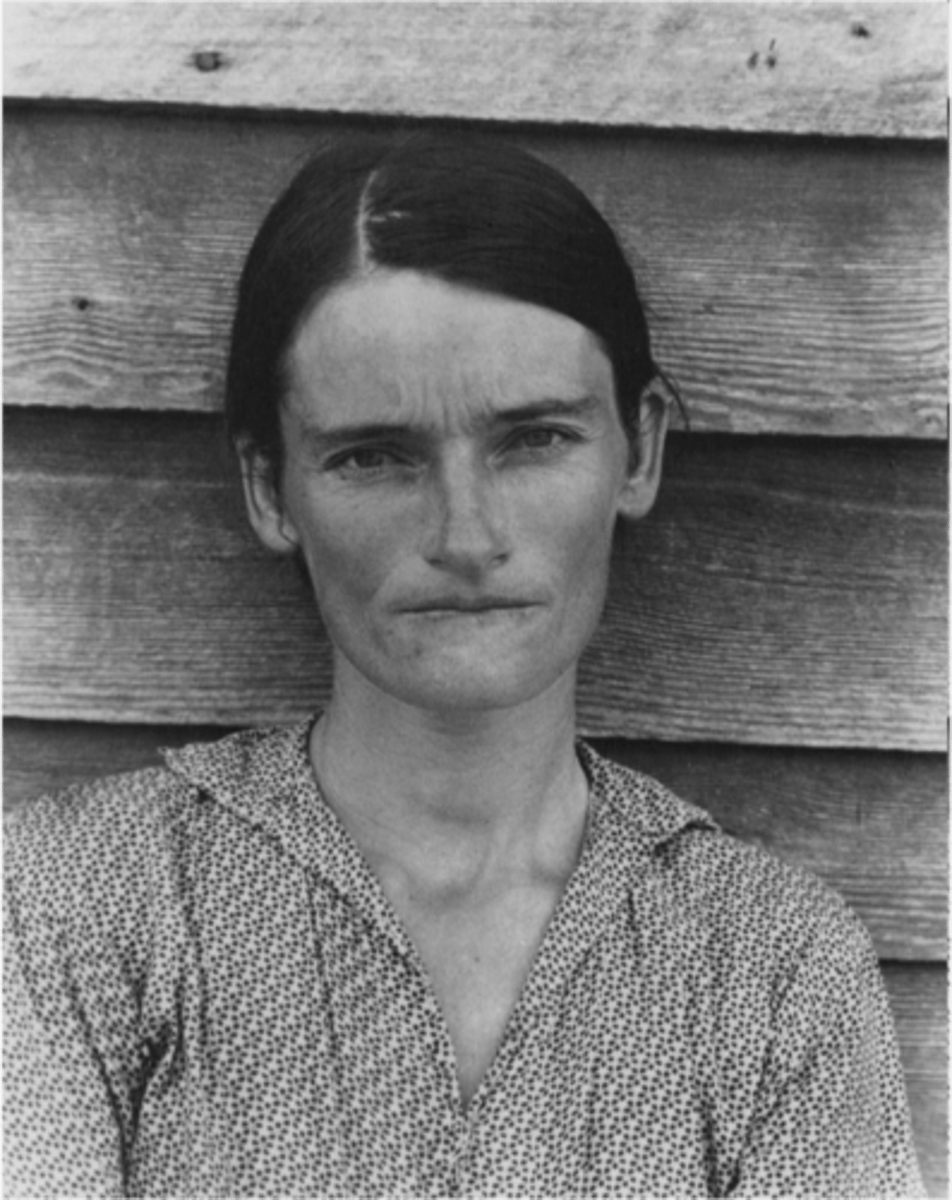
Appropriation
-The borrowing of images: the styles of other artists and images taken from media sources
-By extracting an image and then re-presenting it, sometimes in combination with other images, its original meaning is either stripped away or its "constructed" meaning is made obvious
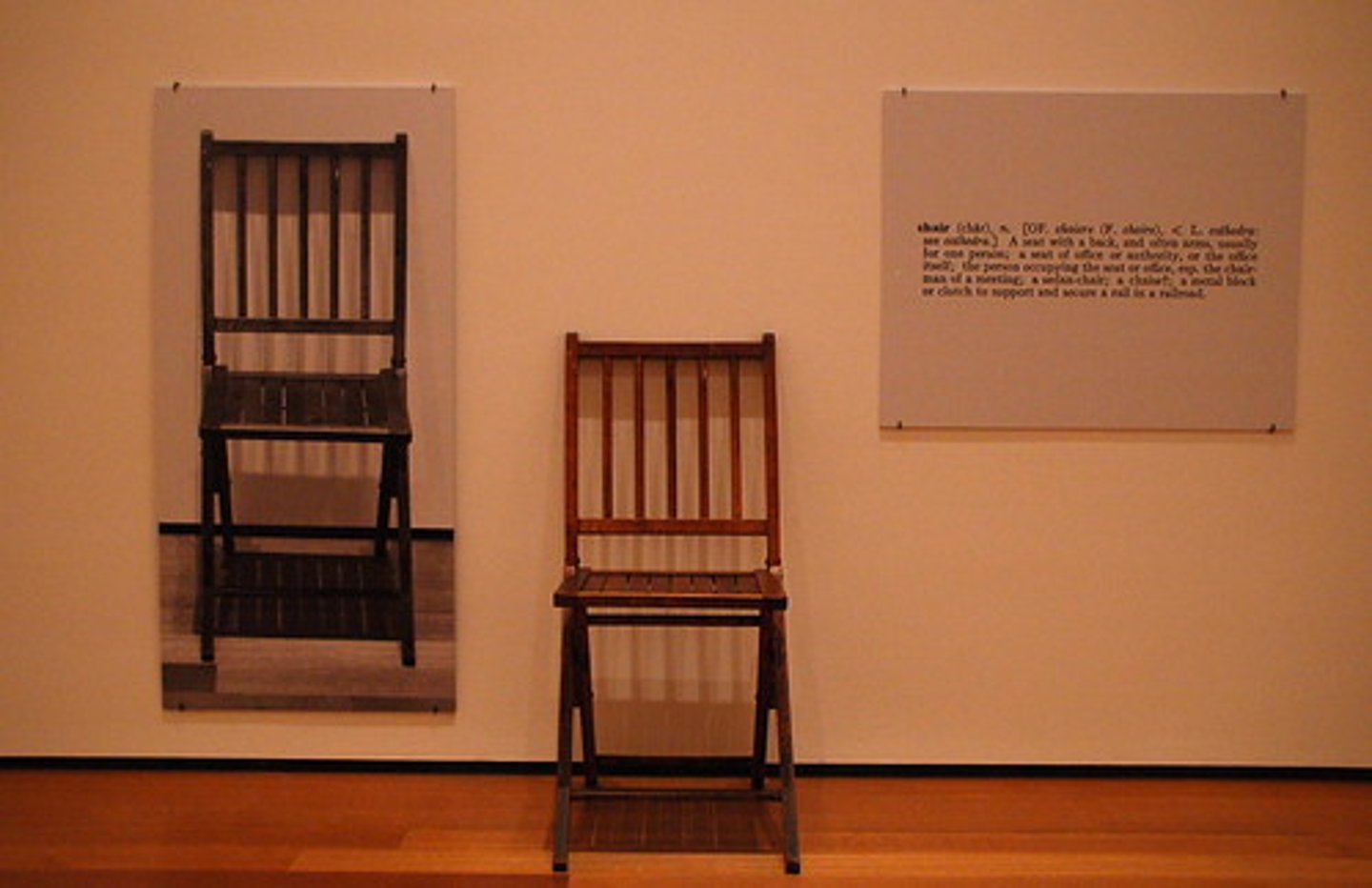
Conceptual Art
-Idea takes precedence over object, Lippard "dematerialization of the art object"
-The idea or concept is the most important aspect of the work... execution is perfunctory.
-Tended to reject:
>The object qualities of minimalism
>Commercialism—the commodification of art
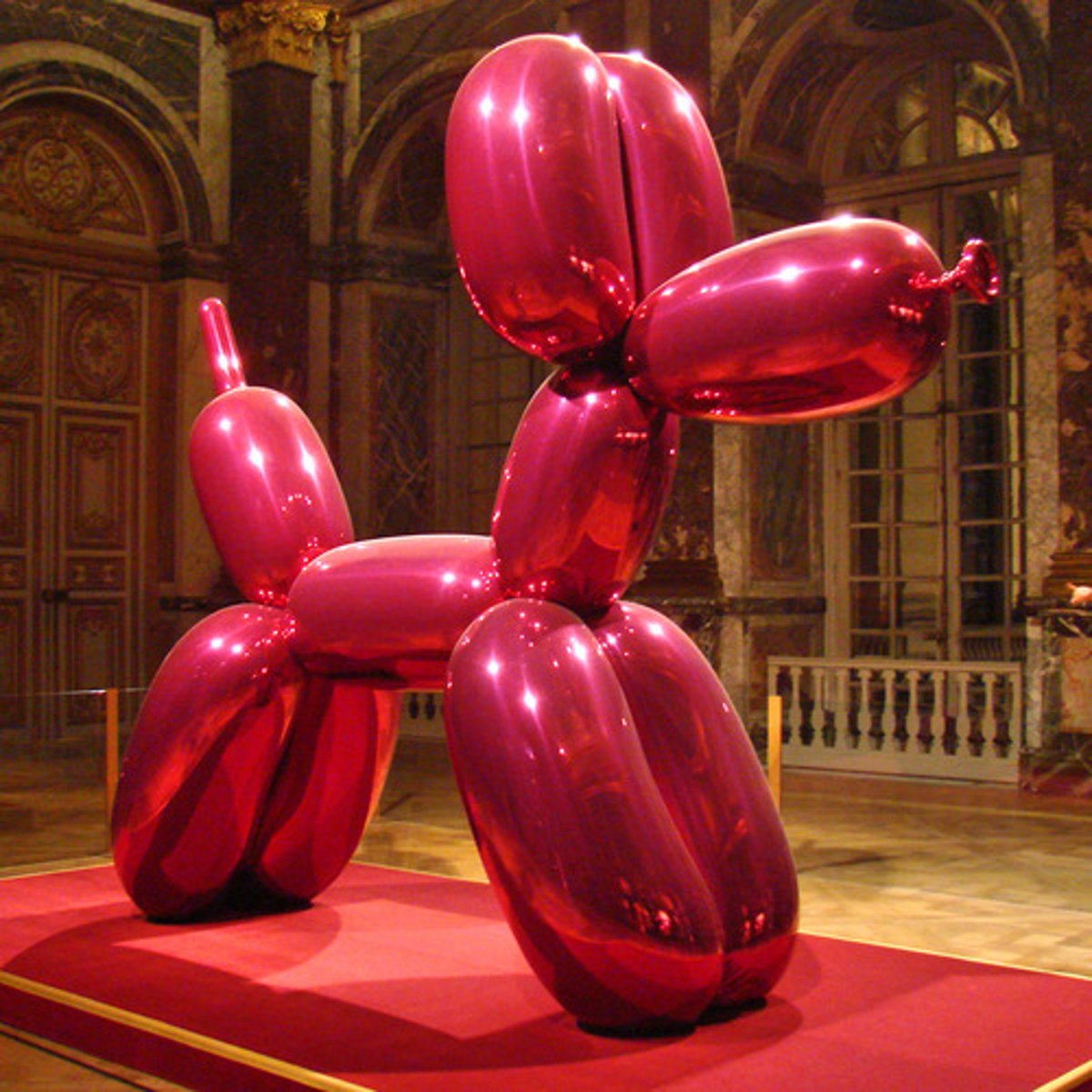
Commodification
-Like the appropriators (Levine, Kruger, etc.), these artists appropriate the products of popular culture and re-present them; however, they seem to fetishize and embrace them rather than analytically deconstructing or recontextualizing them
-These artist traffic in art commodities and collude in turning their works into art market commodities
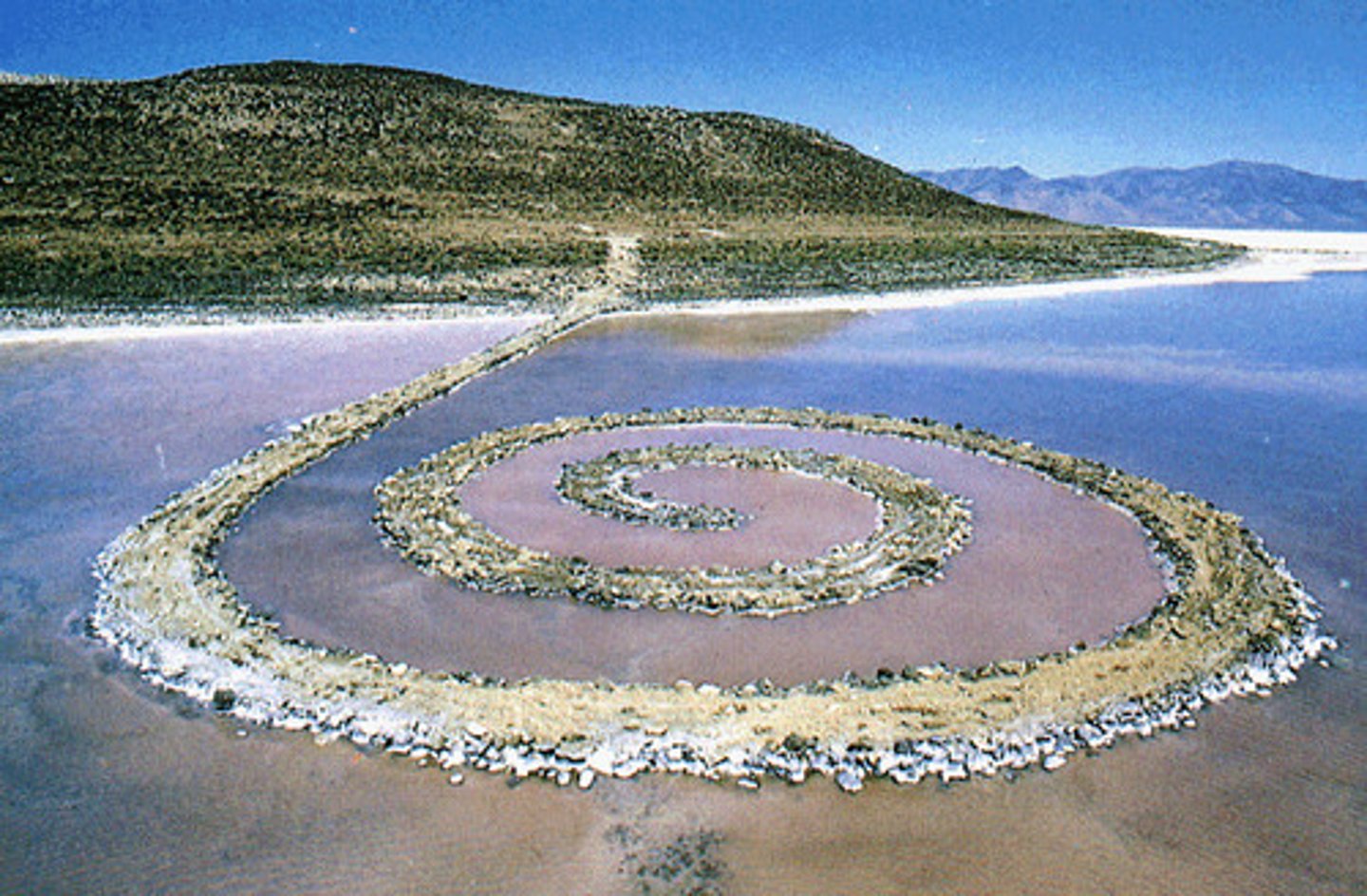
Earthworks and Land Art
-Artists abandoned the studio and gallery arena altogether to create works in and of nature, directly connected to the site
-Motivation:
Salvage the environment
>Connect with our primitive past (a decidedly Romantic idea)
>Use of engineering, heavy equipment required
-The impermanence of earth and site works was an embraced feature of the works
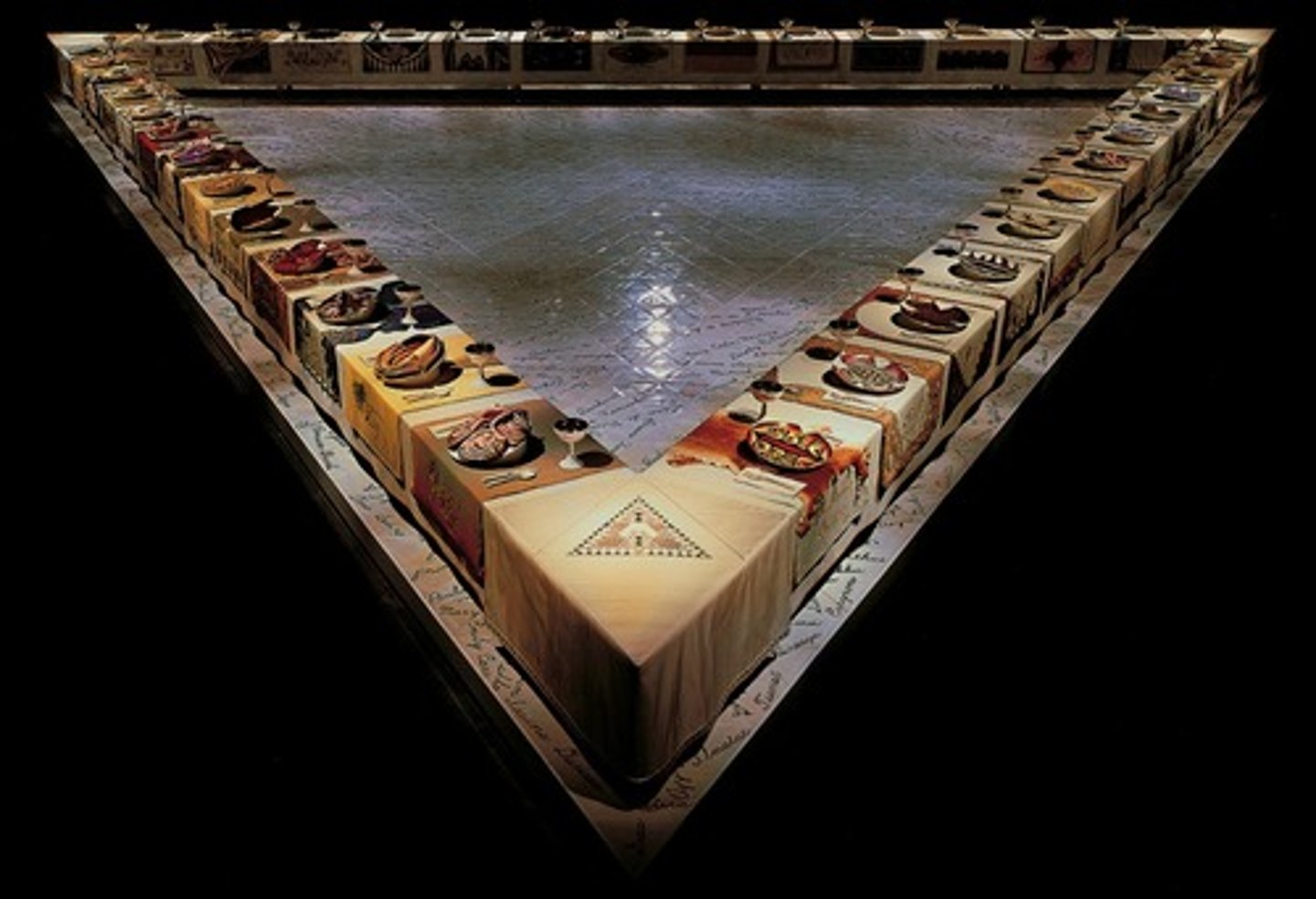
Feminist Art
-Sought to help women reframe their personalities and create art out of their experiences as women
-The object was to institutionally address inequalities in the arts
-Promoted art-making that relied on public and private discourse, consciousness-raising sessions, and personal confessions rather than private, introspective myth-making
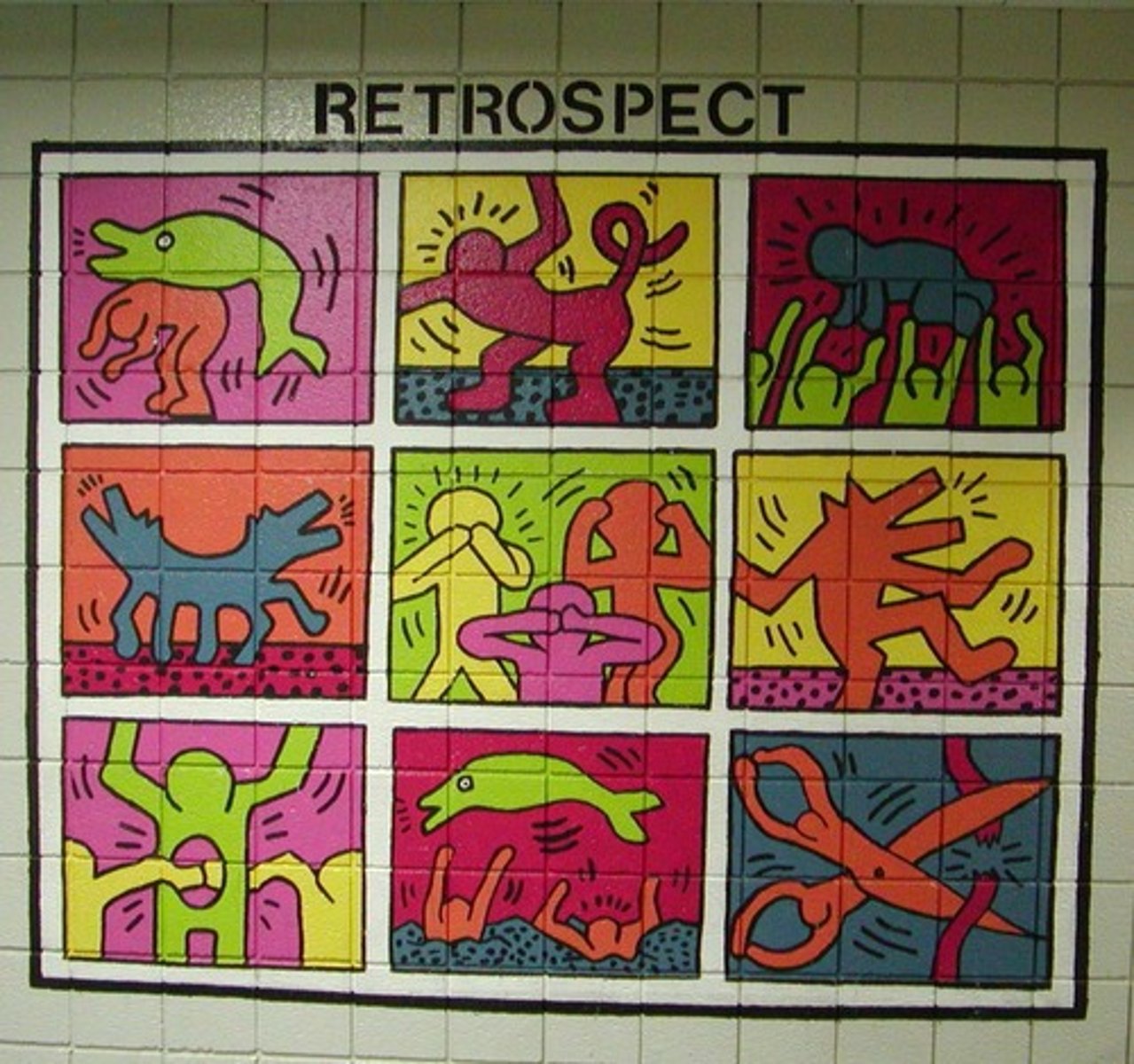
Graffiti Art
-A collaboration of sorts occurred between NY SVA students and graffiti taggers in the East Village
-Some of their activities and alternative exhibitions caught public attention and before long the Fun Gallery was opened in the east village to promote graffiti-derived art
-This group graduated to showing in blue-chip galleries
-Artists best equipped to ride the wave of popularity and success were SVA students like Keith Haring
-High art and popular culture, Not bound by the same rules of gallery artists.
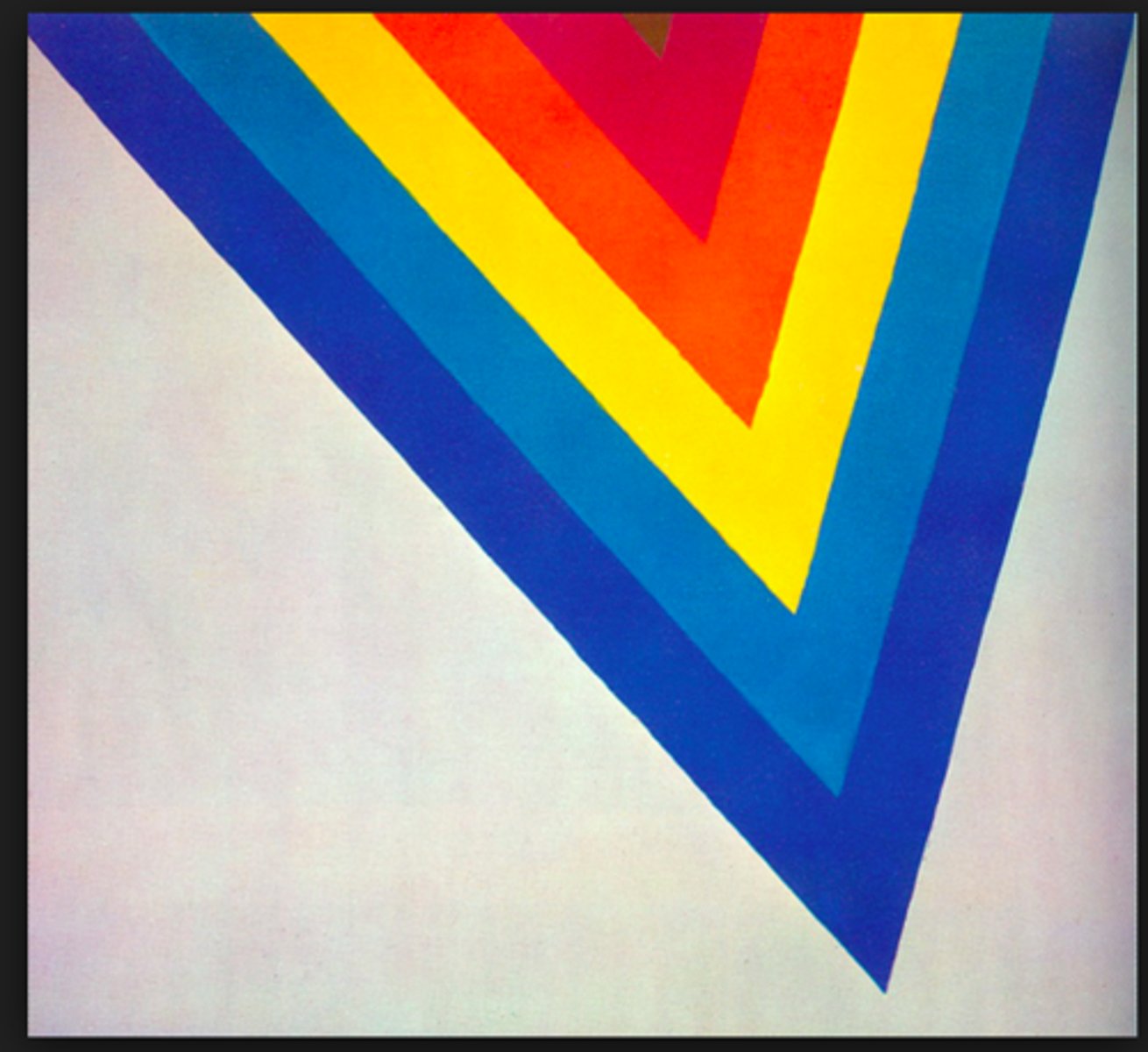
Hard Edge
-Minimal forms and clean edges, diverging from the spontaneous brushwork of Jackson Pollock and the soft fields of color seen in Mark Rothko's work.
-Emphasis on crisp-edged shapes and only a few colors
-Owes much to earlier movements like De Stijl and the geometric work
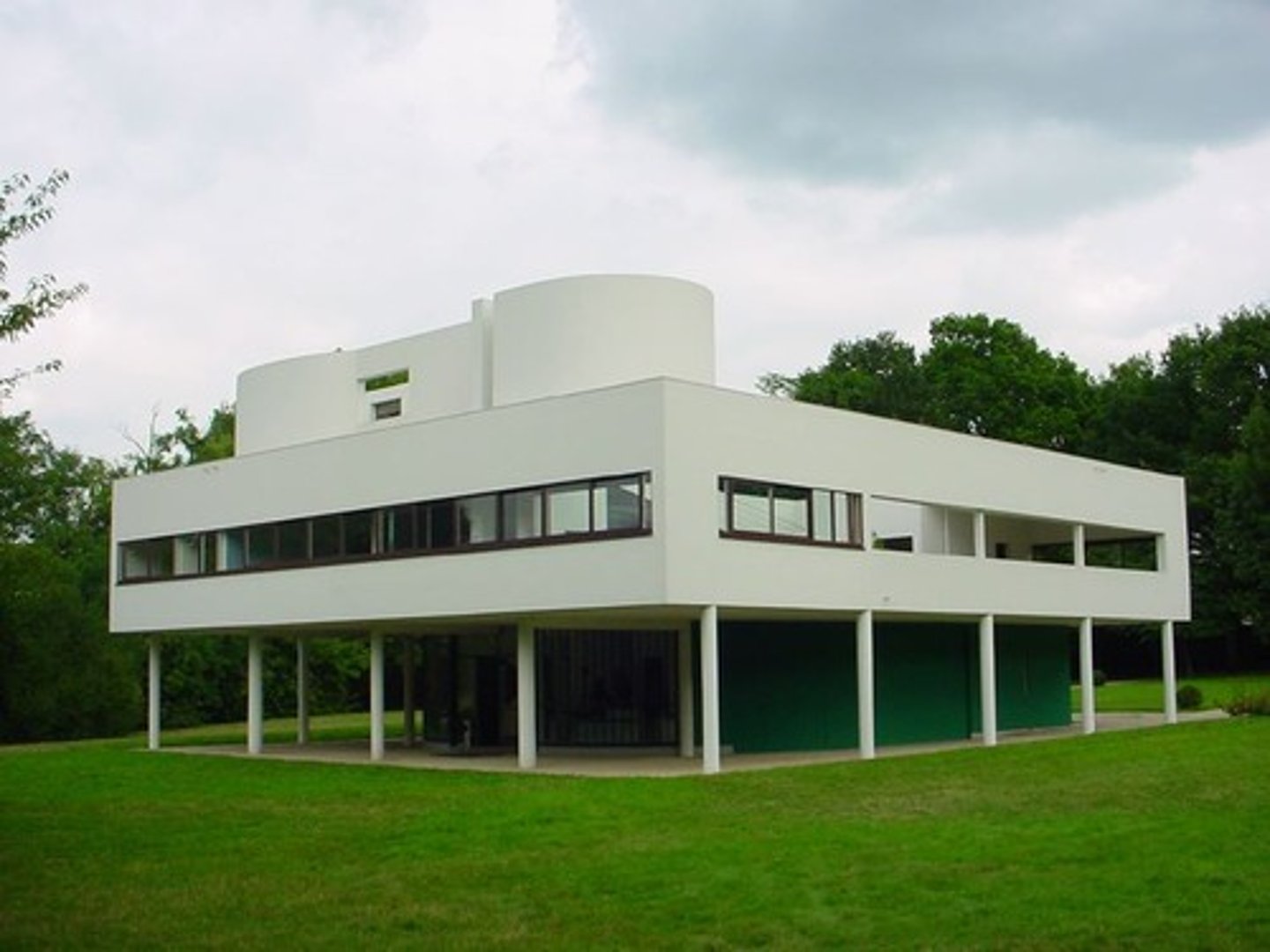
International Style
-Emphasized the importance of structural steel and Ferro-concrete
-Function over Form
-Elimination of load load-bearing wall creates a free-flow of space
-Outside wall is a skin of glass, metal, or masonry, an enclosure but not a support
-Avoidance of applied decoration; style is achieved by proportions, distribution of solids and voids, and through the materials
-Elimination of strong color contrasts
-The style lent itself to urban planning
Minimalism
-Becomes impersonal
-Absent the hand or mark of the artist
-Works that seem ordinary, or to lack creativity (it is also generally absent feeling or content)
-Attempted to stress the primacy of the object (the object of art) rather than visual sensation
*-They engaged the human body.
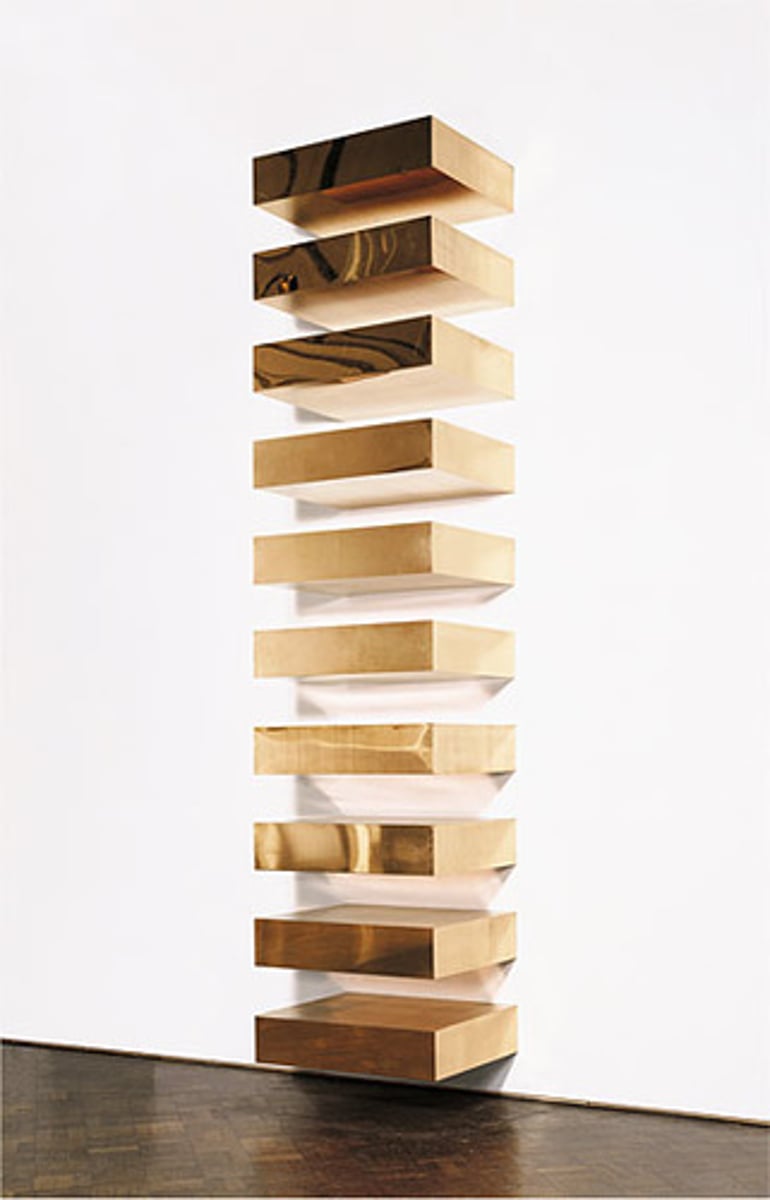
Neo-Dada
Was a revival of the original Dada movement's use of irony and found objects
-It emphasized the use of everyday objects and popular culture to critique society and challenge the art establishment, bridging the gap between Abstract Expressionism and Pop Art
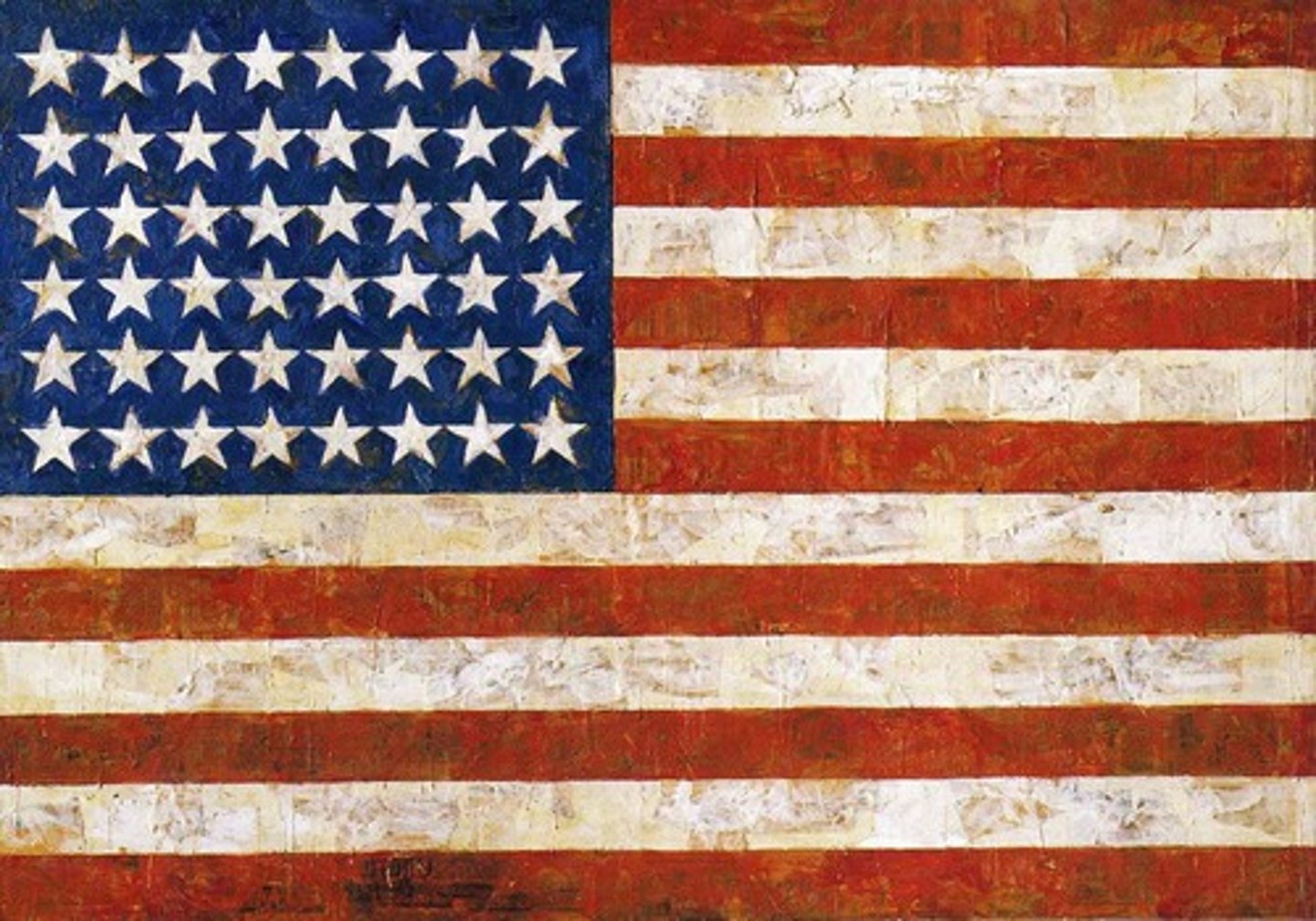
Neo-Expressionism
-prolonged steam-rolling reaction against Minimalism
-These paintings were often huge—wall-filling canvases
-Content (meaningful canvases) arrived at through appropriation and indiscriminate borrowing of images across categories
-Recontextualization: content through redistribution, combination, juxtaposition, interaction
-Aggressive, crude, clumsy, even gestural and abstract painterliness
-Stylistically diverse, a democracy of styles combined--trompe l'oeil, expressionist, geometric, and abstraction
-Taboo, archaic, vulgar, historical, mythological, and erotic
-Embraced metaphor, allegory, narrative, and photographic processes
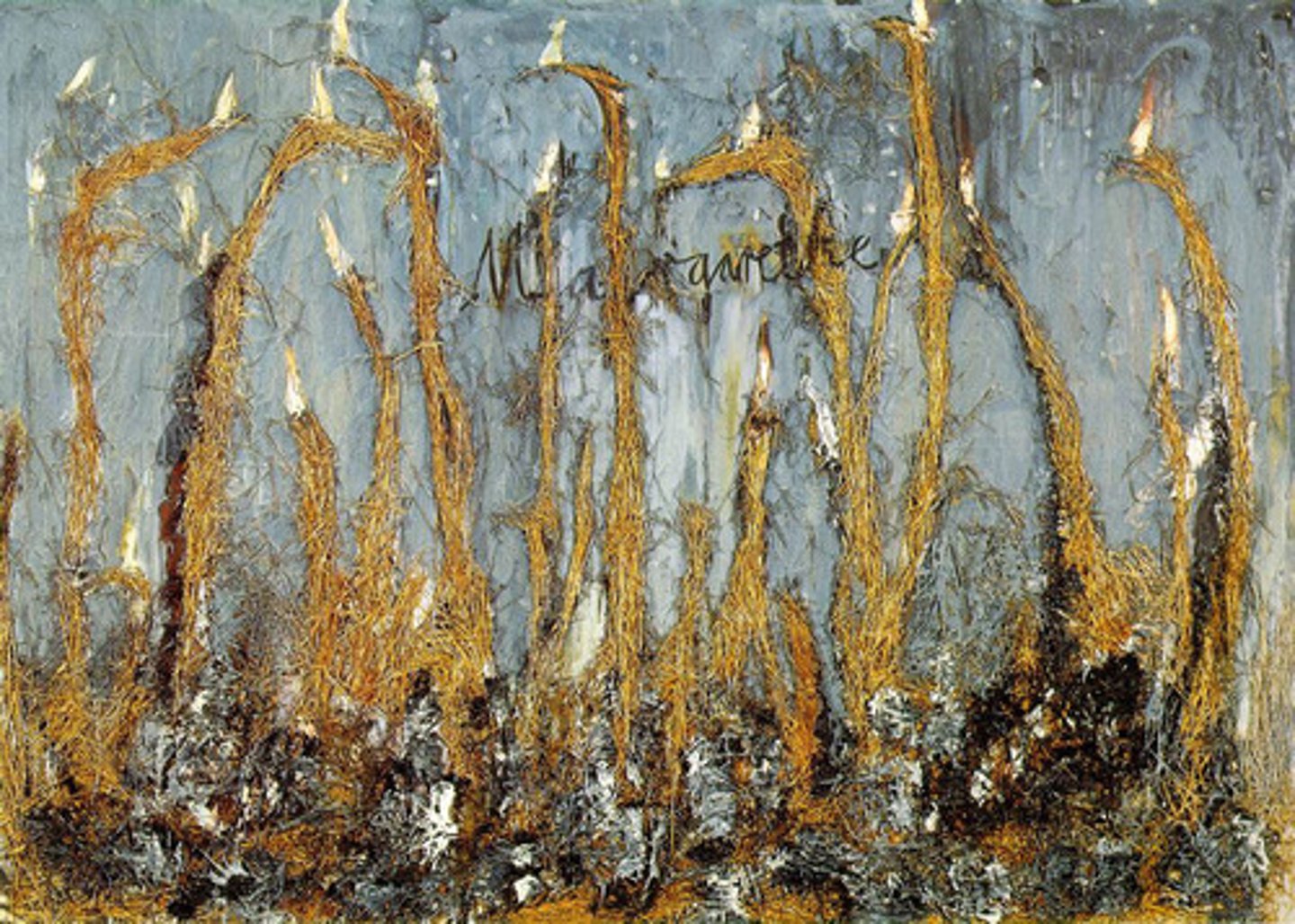
Neo-Geo
-Abstract forms have specific meanings rather than generalized expressions.
-Concerned with theories of appropriation, minimal forms, and commodities as bearers of content
-This is unlike Minimalism, which tended to emphasize objecthood over meaning or content
-These ideas grow out of the philosophy of Foucault and Baudrillard: Objects, images are signs within the social power structure
-Intentionally engaged with the history and connotations of forms when composing their work, instead of relying on the resonance between shapes and the viewer's emotions, as modernists often did.

New Image Art
-This notion lent a tendency toward obsessiveness, a sense of importance
-Artists were compelled to paint whatever motivated them by the vigor and significance of its meaning
-Artists used selection, isolation, and simplification, combination, or presentation to revitalize figuration
-Appropriated ideas, mixed and matched from the past
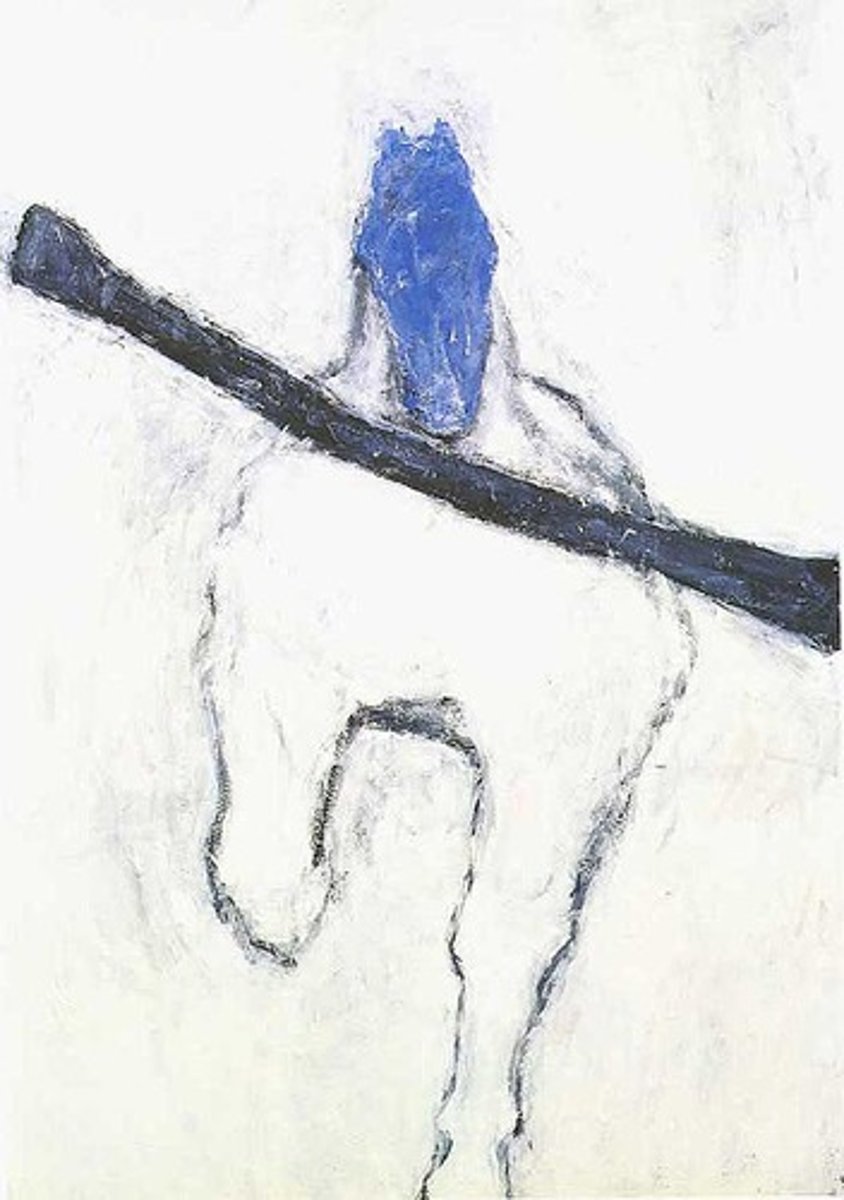
Nouveau Realisme
-Focus on concept, not object
>underlying idea or concept behind it
>more about the experience, performance, or intellectual engagement it provoked
-Humor, particularly irony, was the only unifying characteristic
-Performance art, destruction of objects, utilization of the gallery space itself as art
-All about how far we can take art, "what is art?"
-Reaction against the Marshall Plan
-Attack on Modernism and Abstract Expressionism
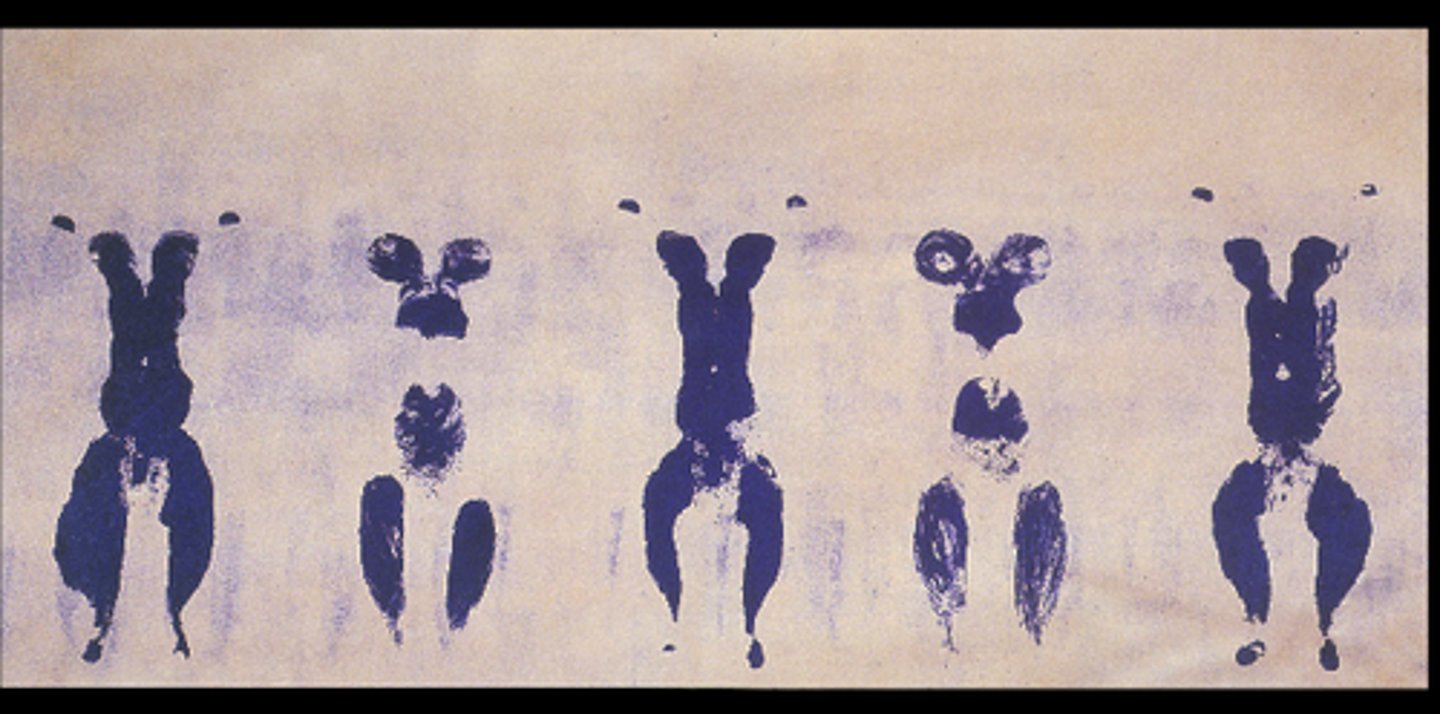
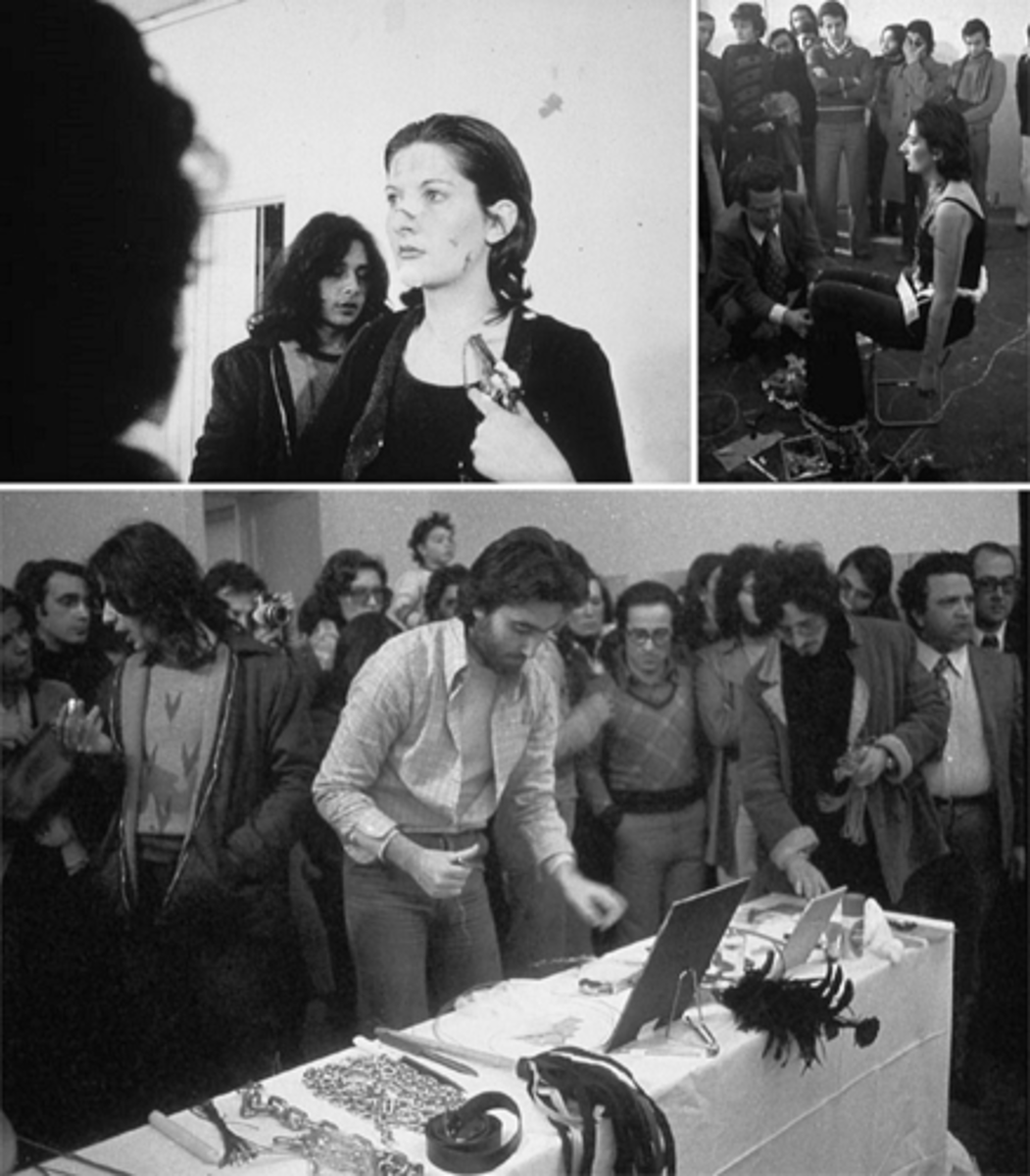
Performance and Body Art
-Performance in which the artist's body becomes a central vehicle for expression
-A means for shocking and disturbing public sensibilities
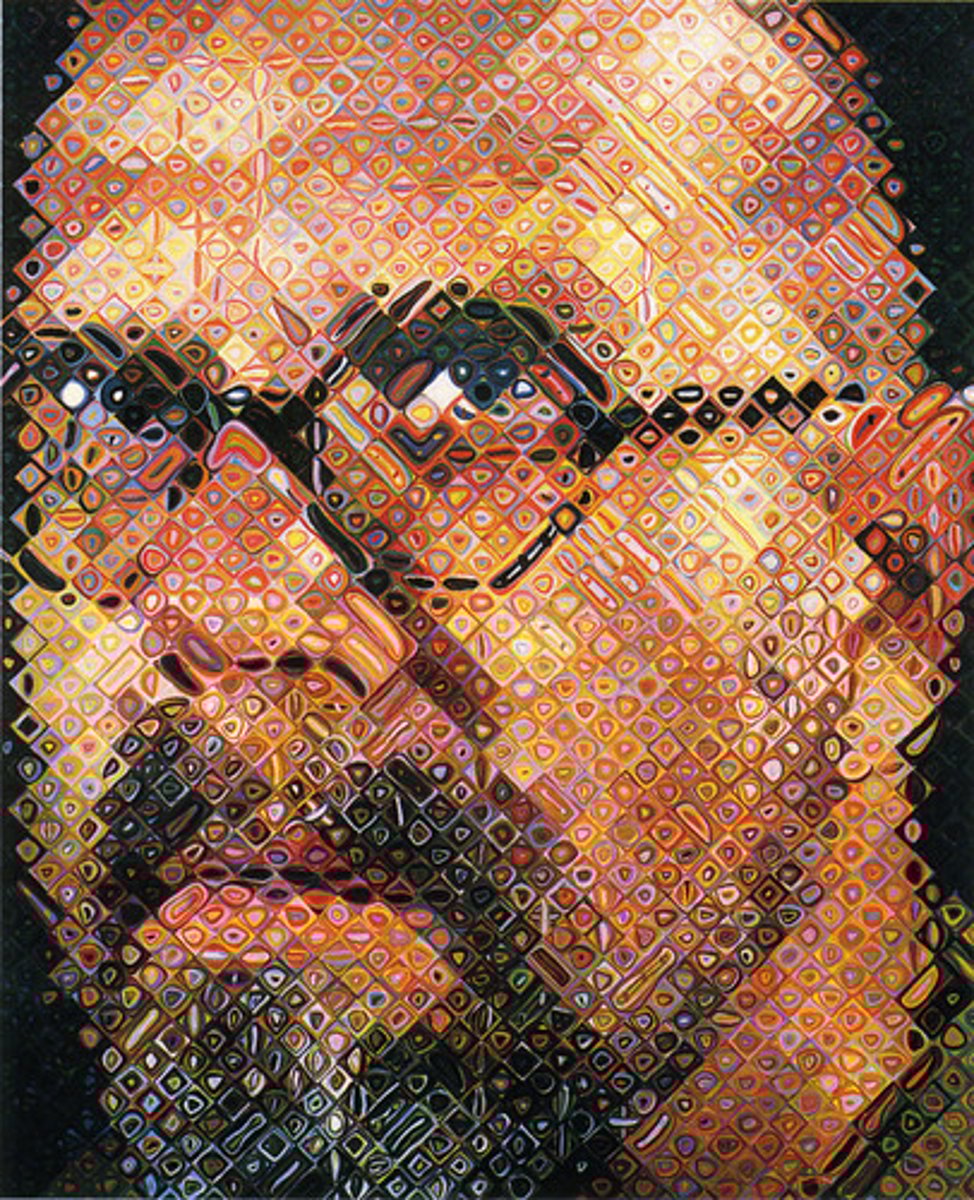
Photorealism
-A return to figurative imagery with paintings and sculptures created with hyper-realistic accuracy
-The move was away from concept toward perception; however, these artists were creatures of a technology and media age, so preferred to, or were more comfortable with, experiencing nature through the lens of a camera
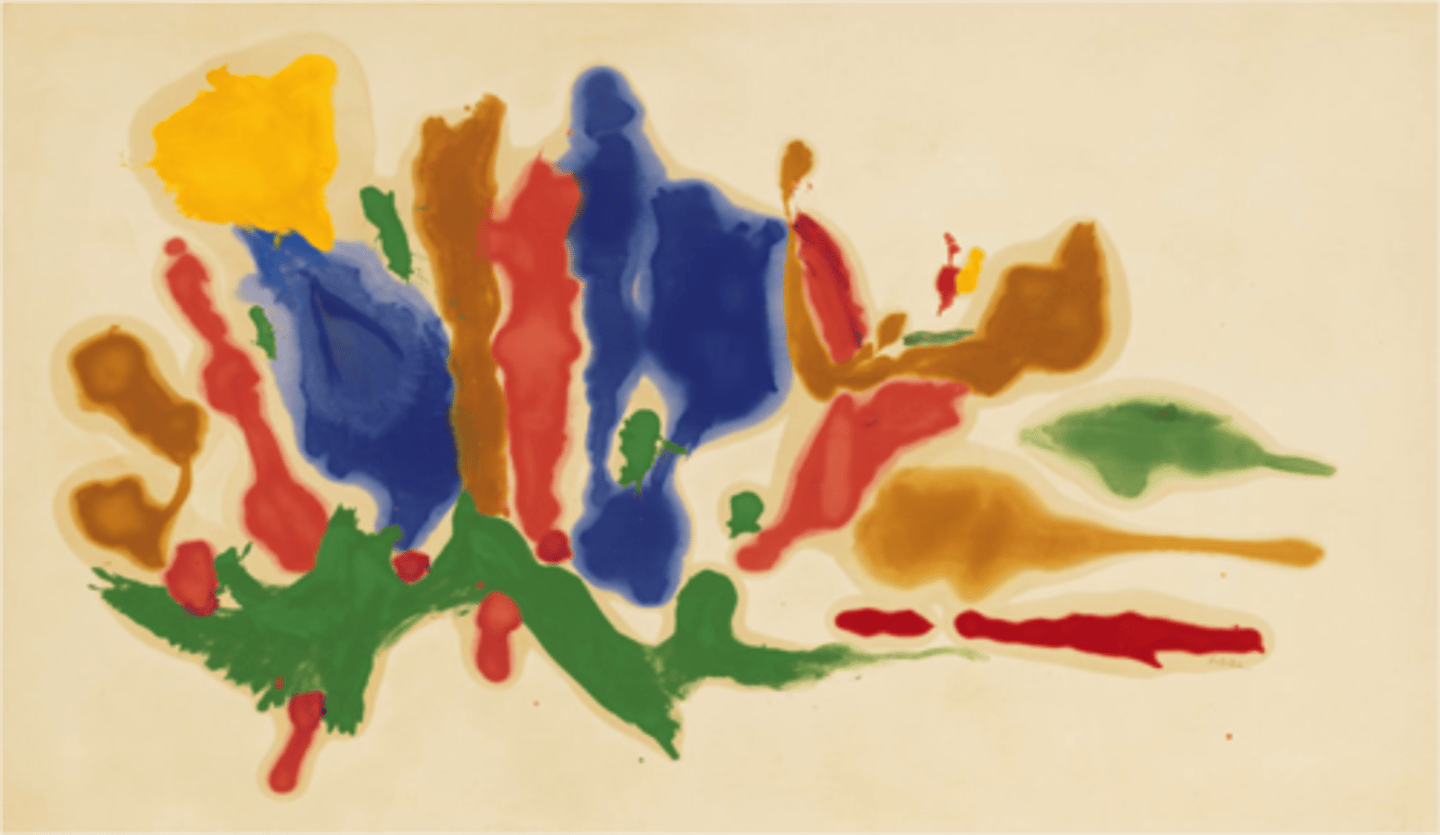
Post Painterly Abstraction
-No illusion of space, no material presence (stain), no brush gesture or identifying mark
-Tendency to an openness of design
-Use of stains, creating no material buildup of paint on the canvas surface
-Clarity and freshness of design (as opposed to brushy with compressed space)
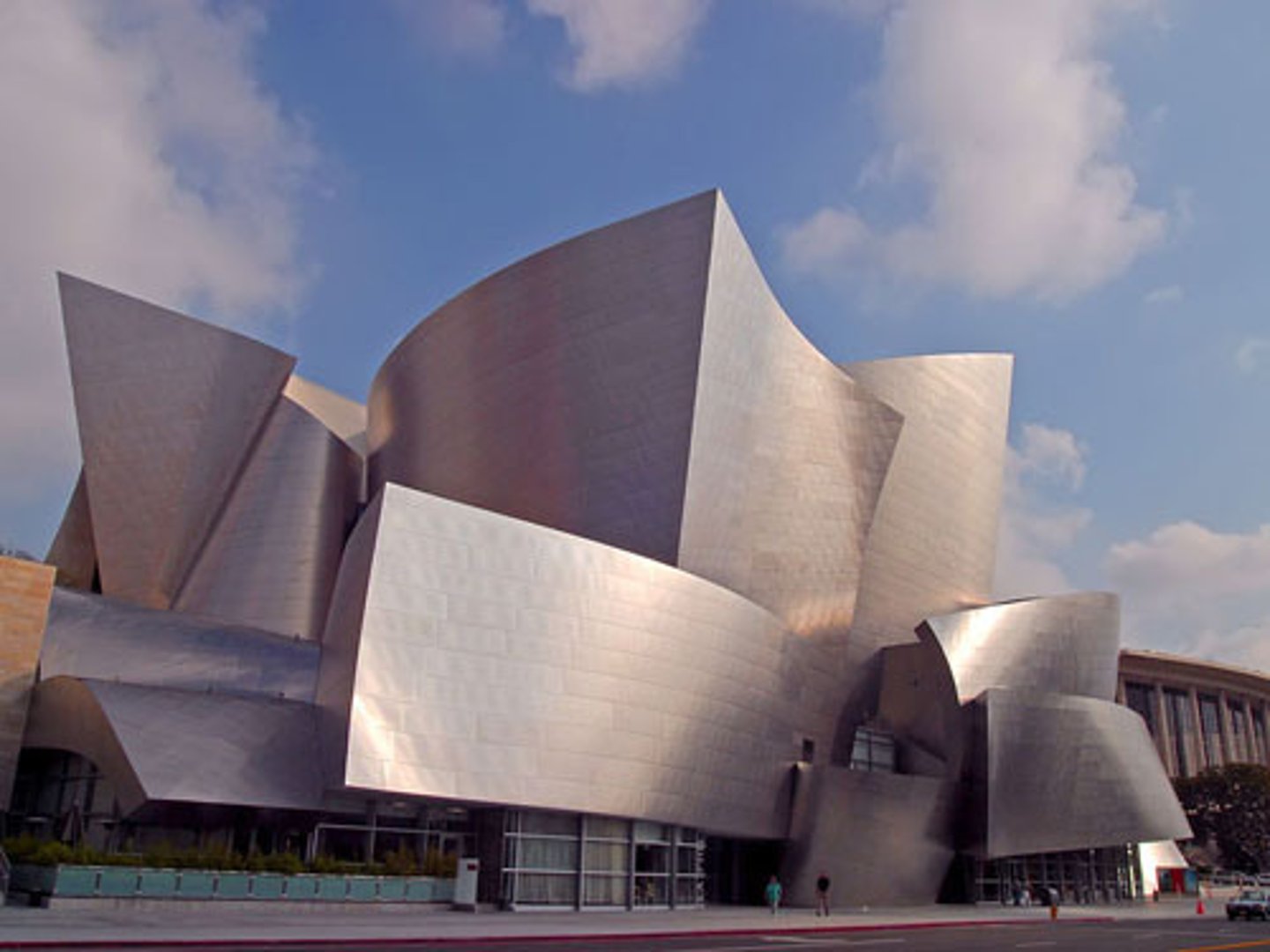
Postmodern Architecture
-Wary of absolutes and universal truths
-Multiplicity, plurality, and the hybrid
-Irrationality
-Eclectic mix of history, vernacular expressions, decoration, and metaphor
Built in relation to everything: the site and environment, client's specific needs (wit and adventure), current circumstance, using communicable symbols
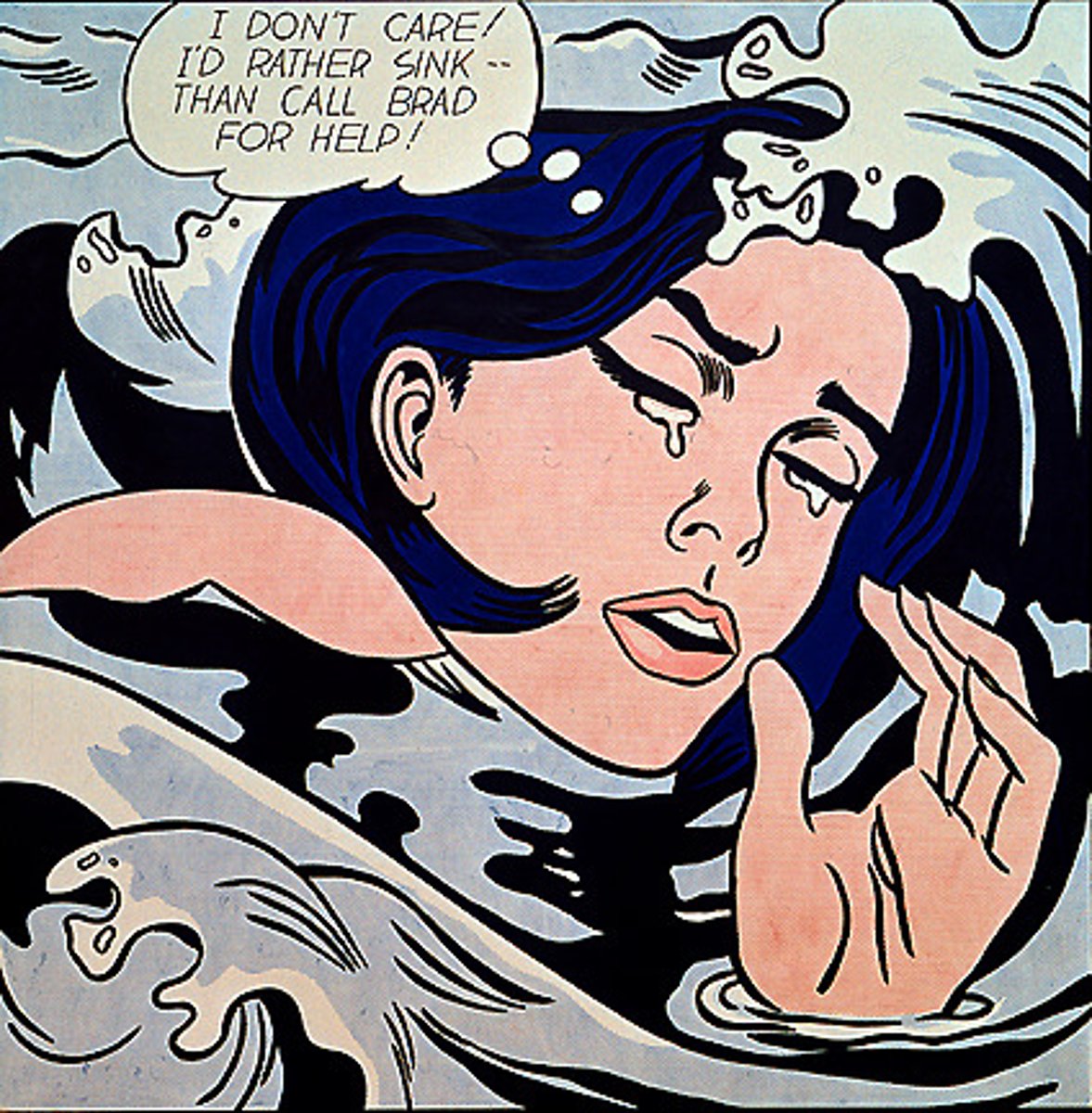
Pop Art
-Turn back to the subject
-Pluralism: Recognizes multiple perspectives and realities, often incorporating diverse voices and narratives.
-Appropriation: Borrows elements from other works or cultural symbols, challenging the notion of originality.
-Intertextuality: Emphasizes the connections between works of art, using references and reinterpretations.
-Eclecticism: Mixes styles, genres, and media in a non-hierarchical way, often combining elements of different historical styles or cultures.
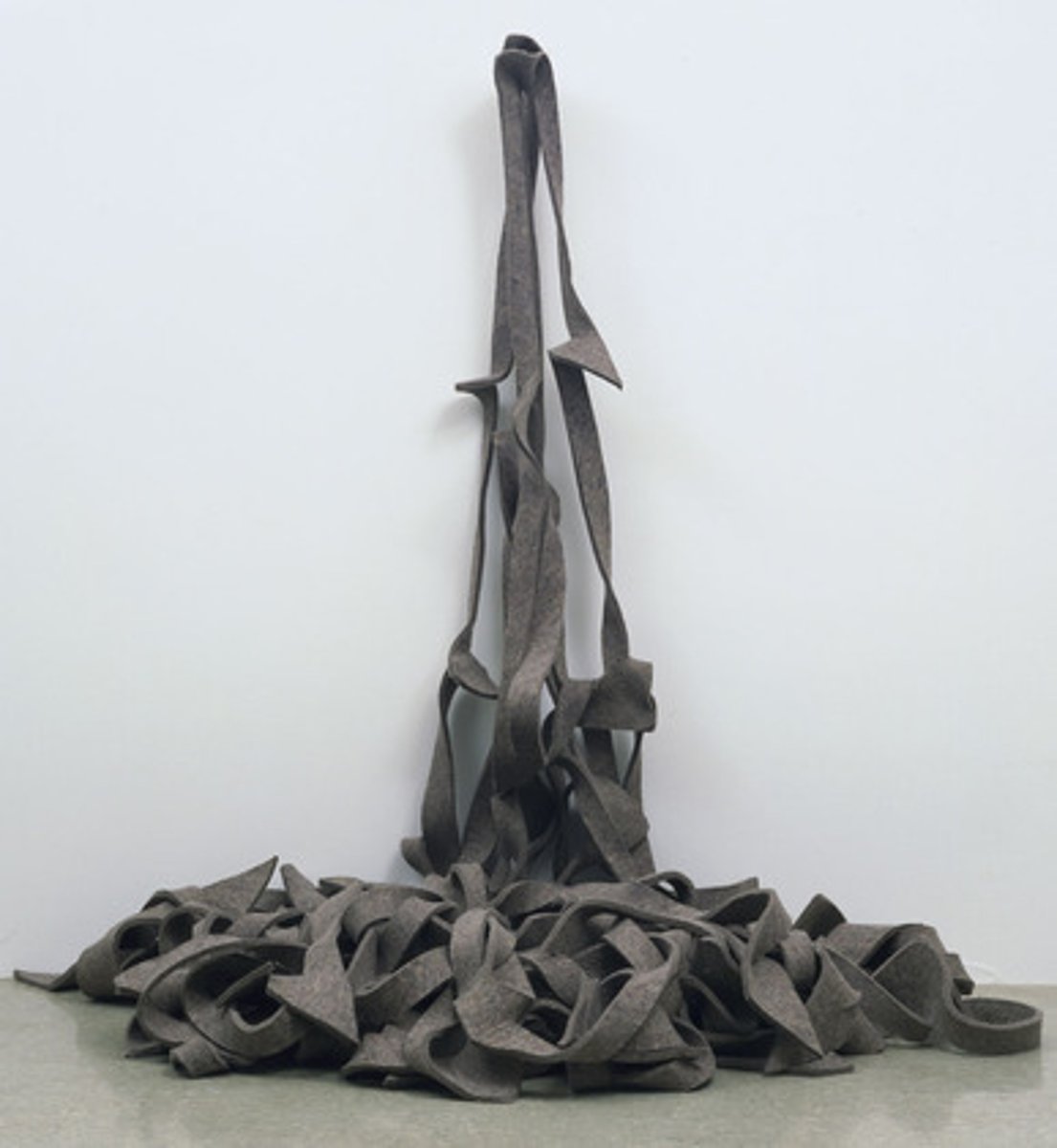
Process Art
-Emphasized the process of creation and allowed the art object to erode or to take its form via natural forces
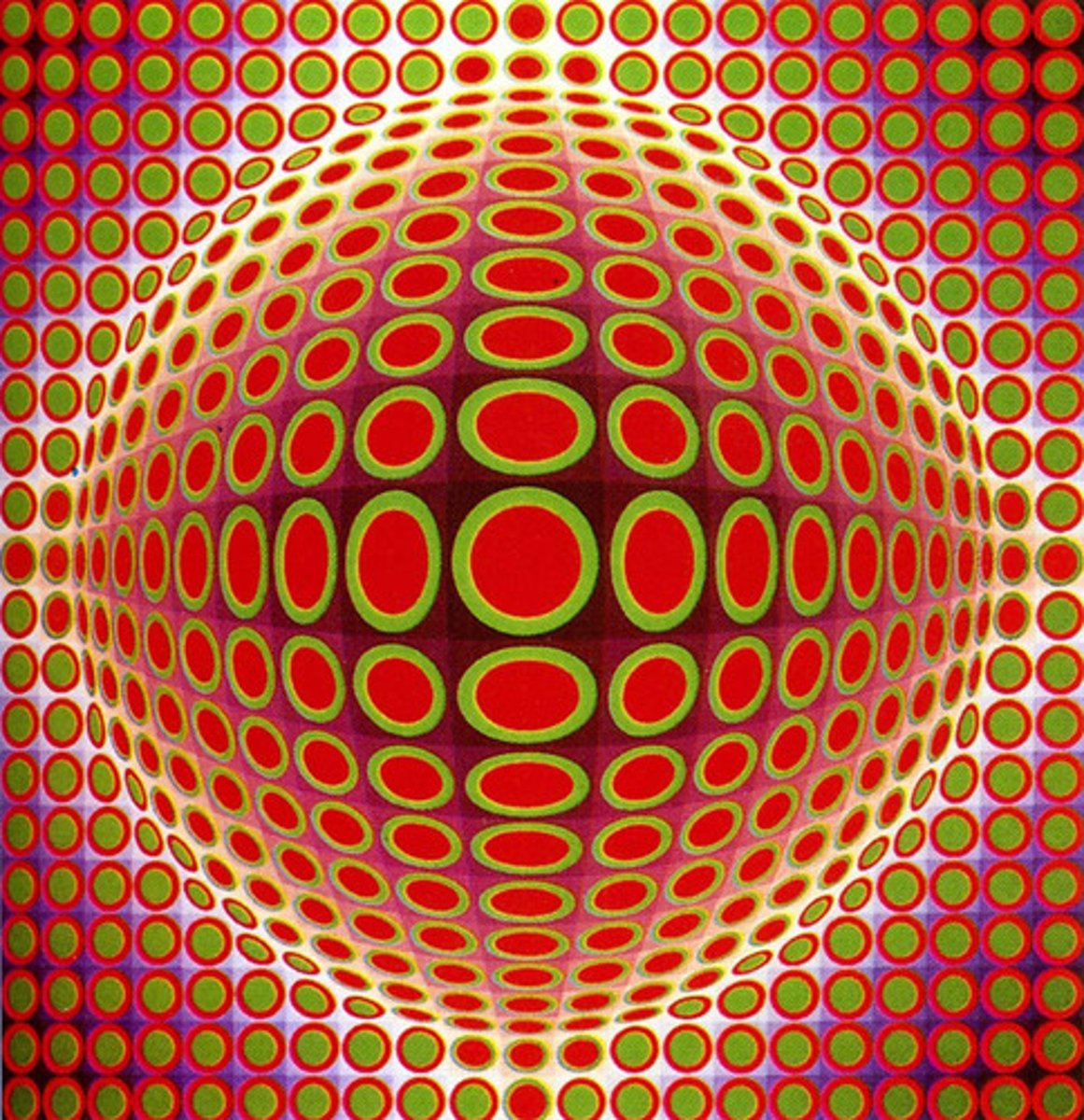
Op Art
-"Optical Painting"
-Intended to produce an optical illusion that was forced upon the retina through stimulation
-Engaged the physiology and psychology of seeing with eye-teasing/frustrating arrangements
 Note
Note  Flashcards (31)