Midterm Site Maps
 Studied by 0 people
 Call Kai
 Learn
Learn Practice Test
 Spaced Repetition
 Match
Match Flashcards
 Knowt Play
1/7

There's no tags or description
Looks like no tags are added yet.
Name | Mastery | Learn | Test | Matching | Spaced | Call with Kai |
|---|
No analytics yet
Send a link to your students to track their progress
8 Terms
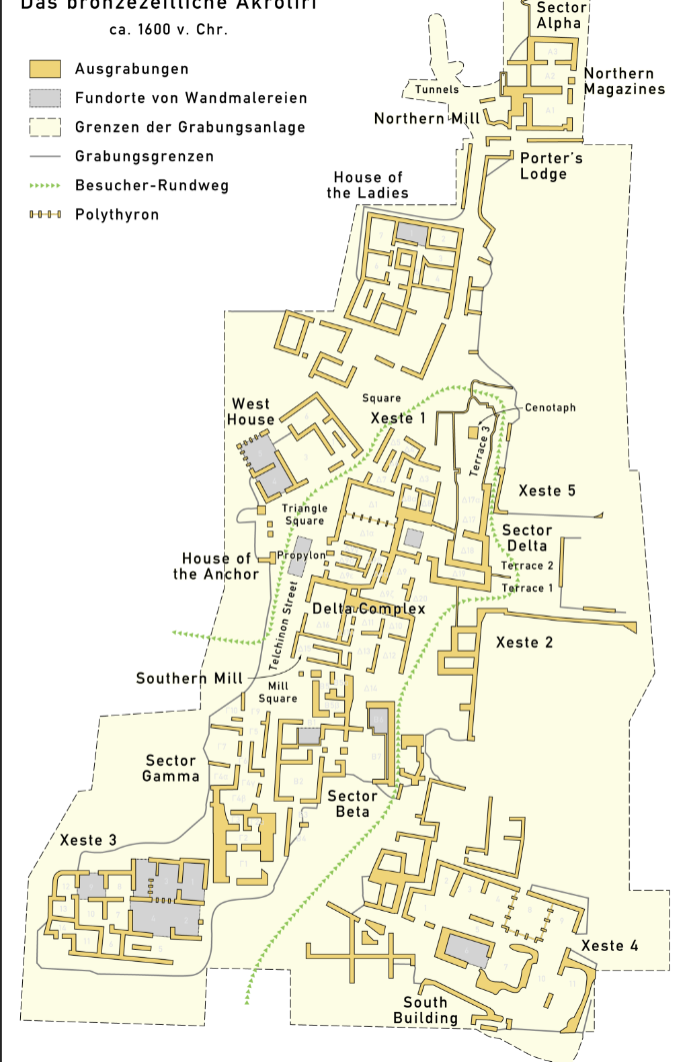
What- Akrotiri
Where- Modern day Santorini
When- Aegean Bronze Age
Why we care- Evidence of Minoanization in the Cyclades (Frescoes, architecture, Linear A)
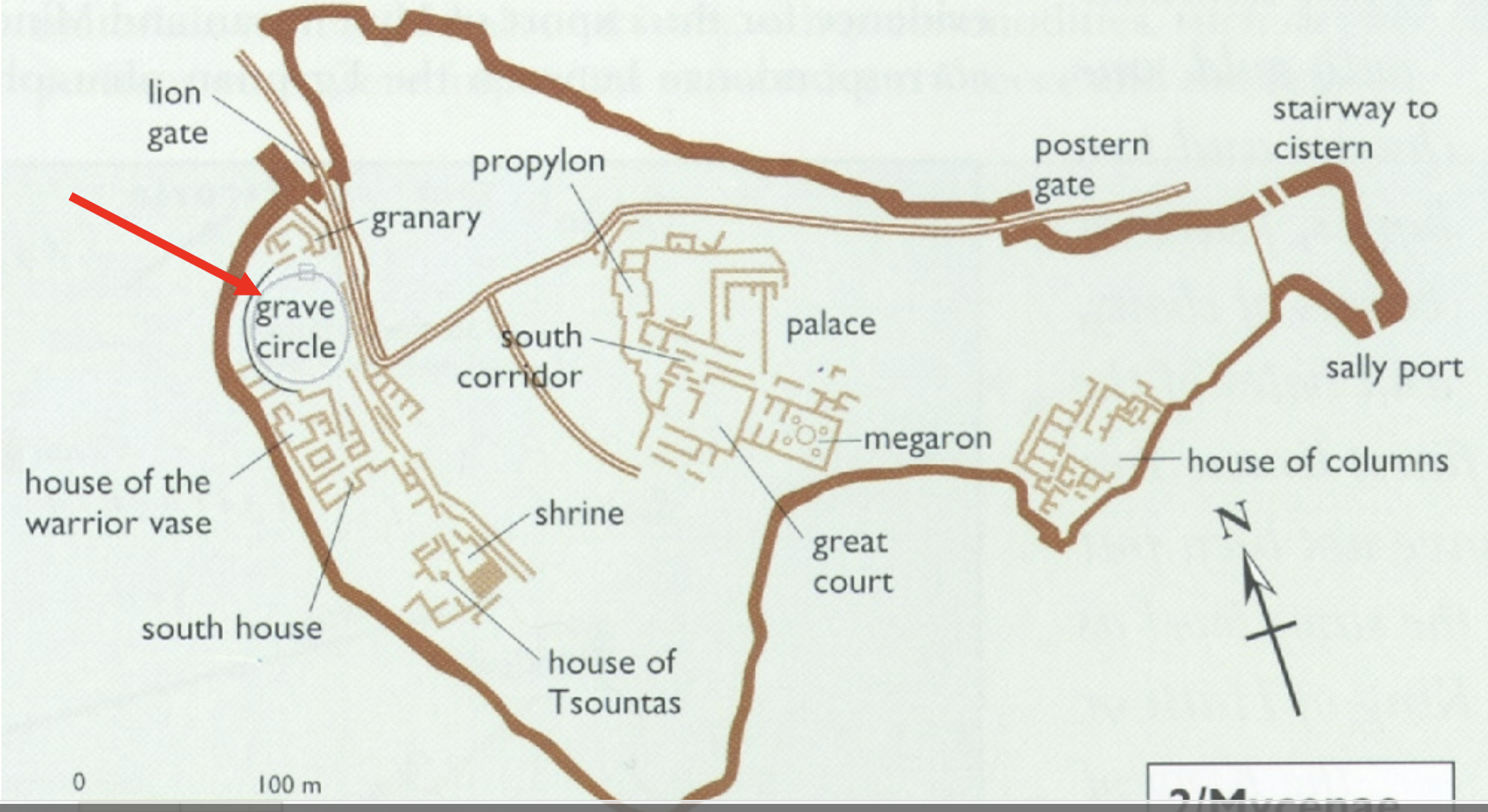
What- Mycenae
Where- Mainland Greece (Peloponnese)
When- Late Bronze Age
Why- More evidence of Minoanization, new “shaft graves” that showed social stratification, big fortifications, center of Mycenaean palatial period, defined by fortified city-states.
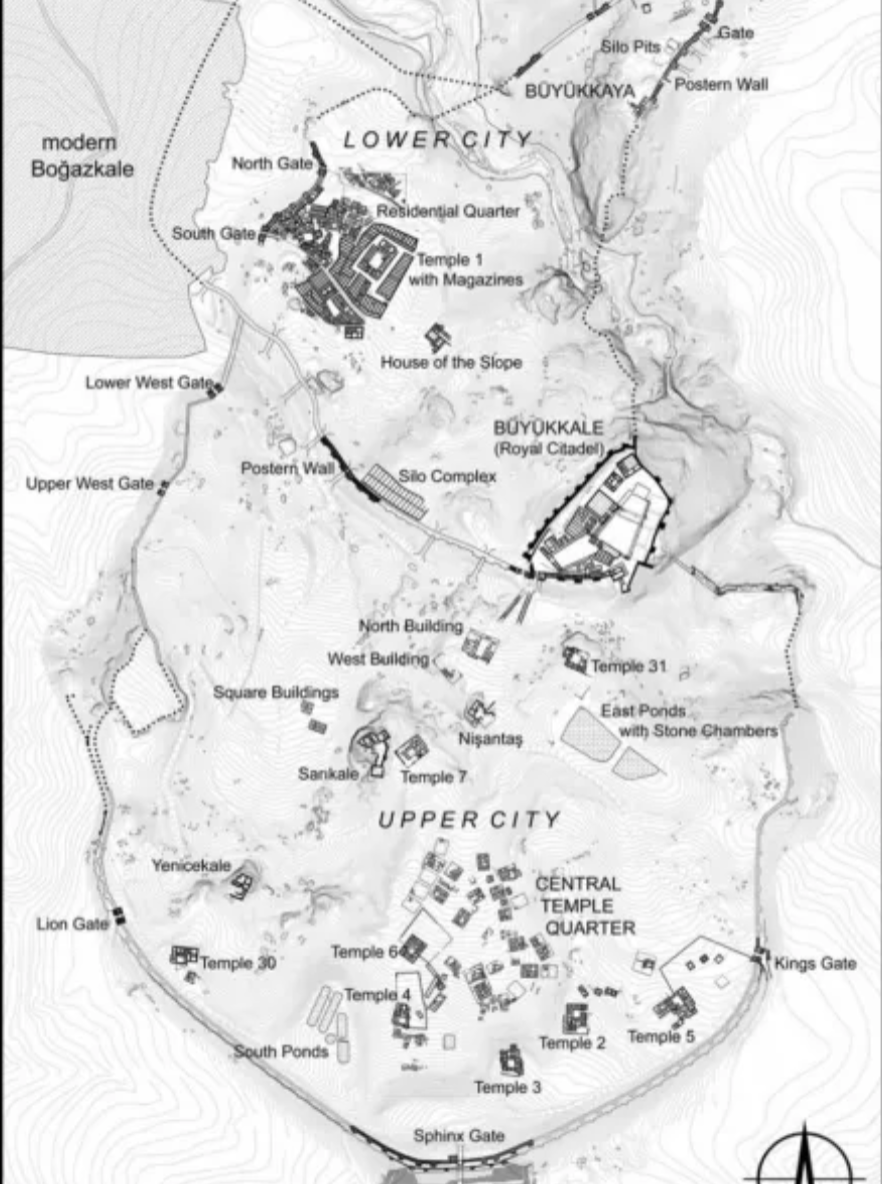
What- Hattusa
Where- Modern day Turkey (Anatolia)
When- Late Bronze age, contemporary with Shaft Grave and neopalatial period in Greece
Why- Capital of the Hittite Empire, cuneiform tablets maybe with reference to Troy
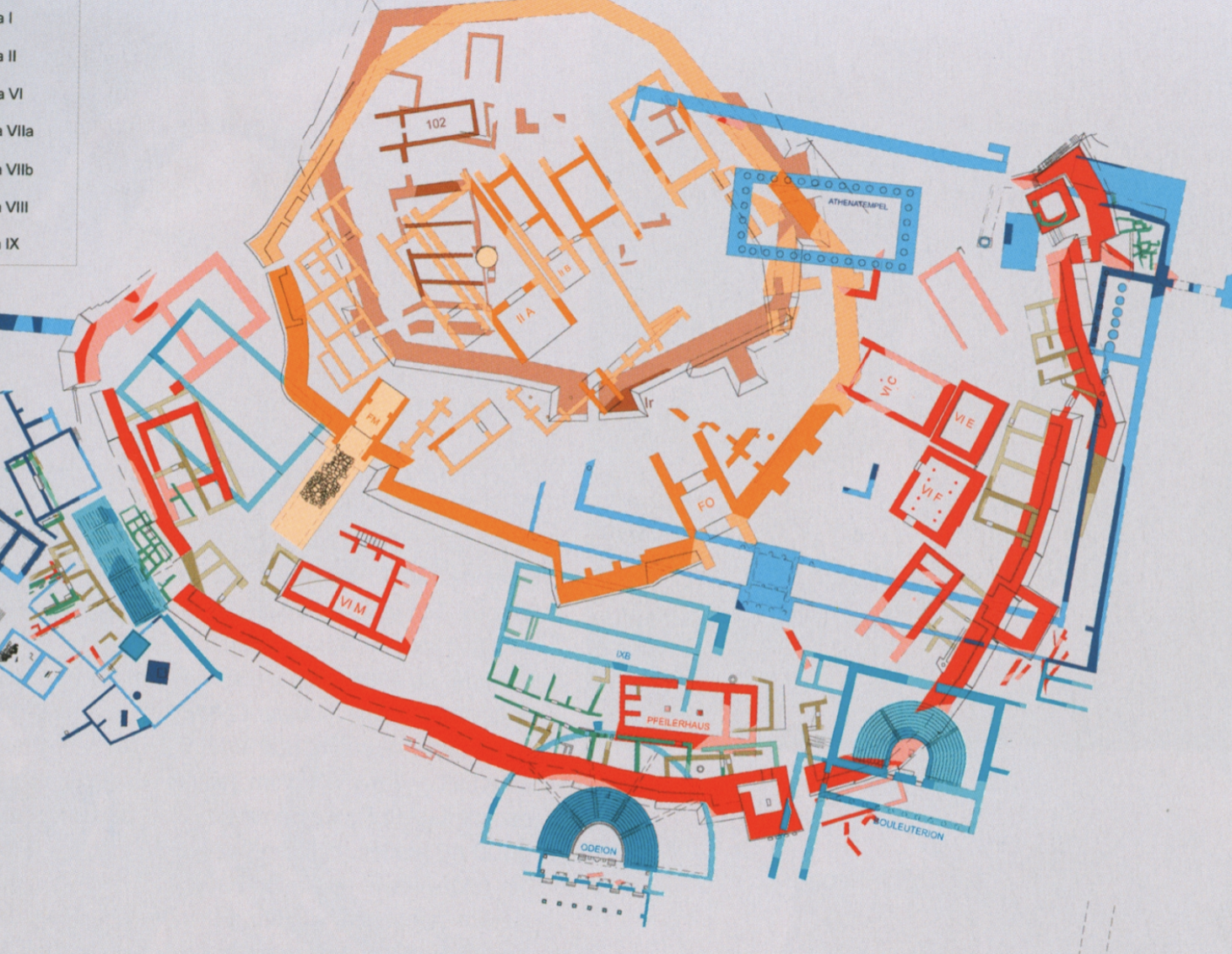
What- Troy
Where- Modern day Turkey, in the “Troad”
When- Depends on layer, anywhere from early to late Bronze Age
Why- Scoured for evidence of Trojan War:
Schliemann thought Troy II coincided with the war: had burned destruction level, mansions, and riches. However, 1000 years earlier than the war supposedly happened
Dorpfeld thought Troy VI: Fortifications, big buildings, connections with LBA Greece. However, evidence of earthquake destruction
Blegen thought Troy VIIa: Tightly packed houses (siege mentality), skeletons and arrowheads
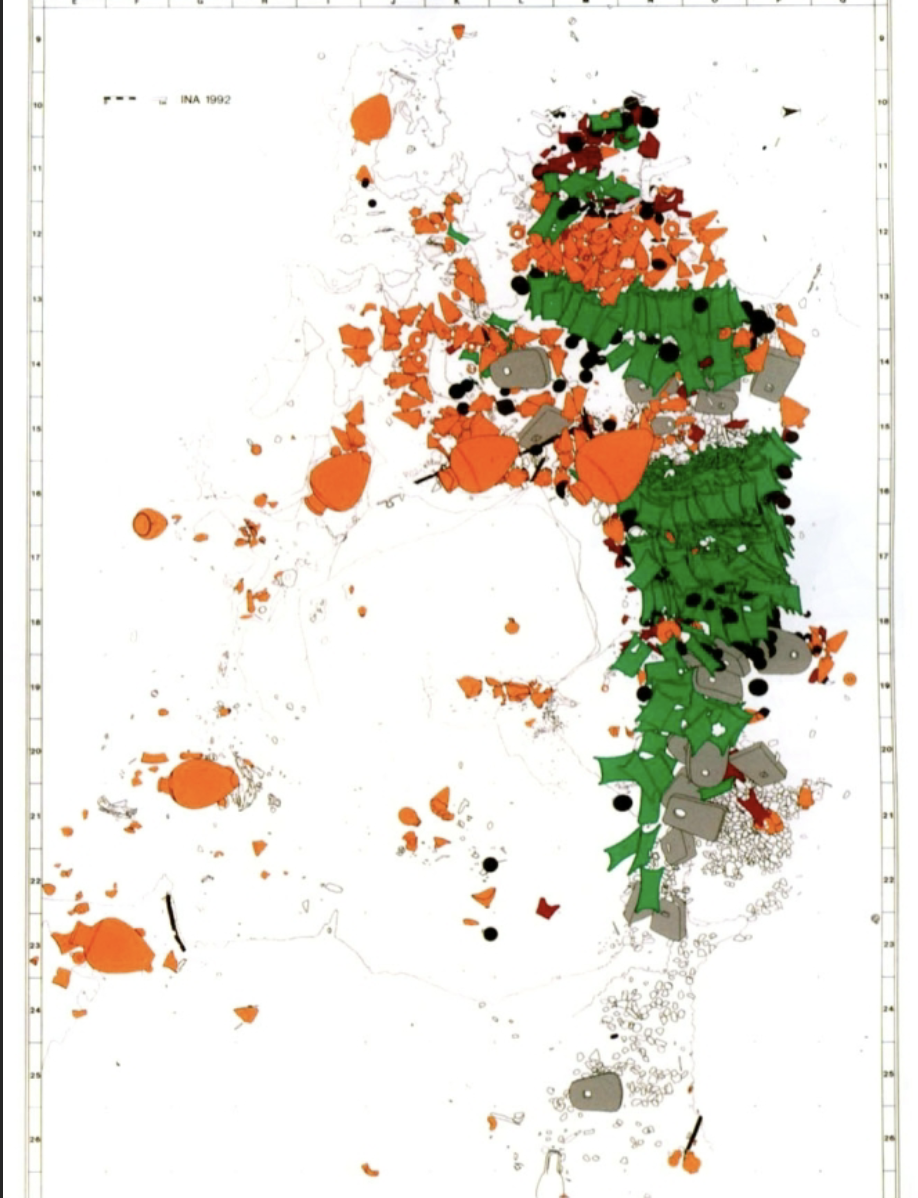
What- Uluburun shipwreck
Where- Off the coast of Turkey
When- 1300s BCE
Why- Window into international trade at the time- sophisticated trading networks(Levant → Greece → Egypt), goods from all over the eastern Mediterranean, evidence of high-valued gifts between leaders, as suggested by the Amarna letters
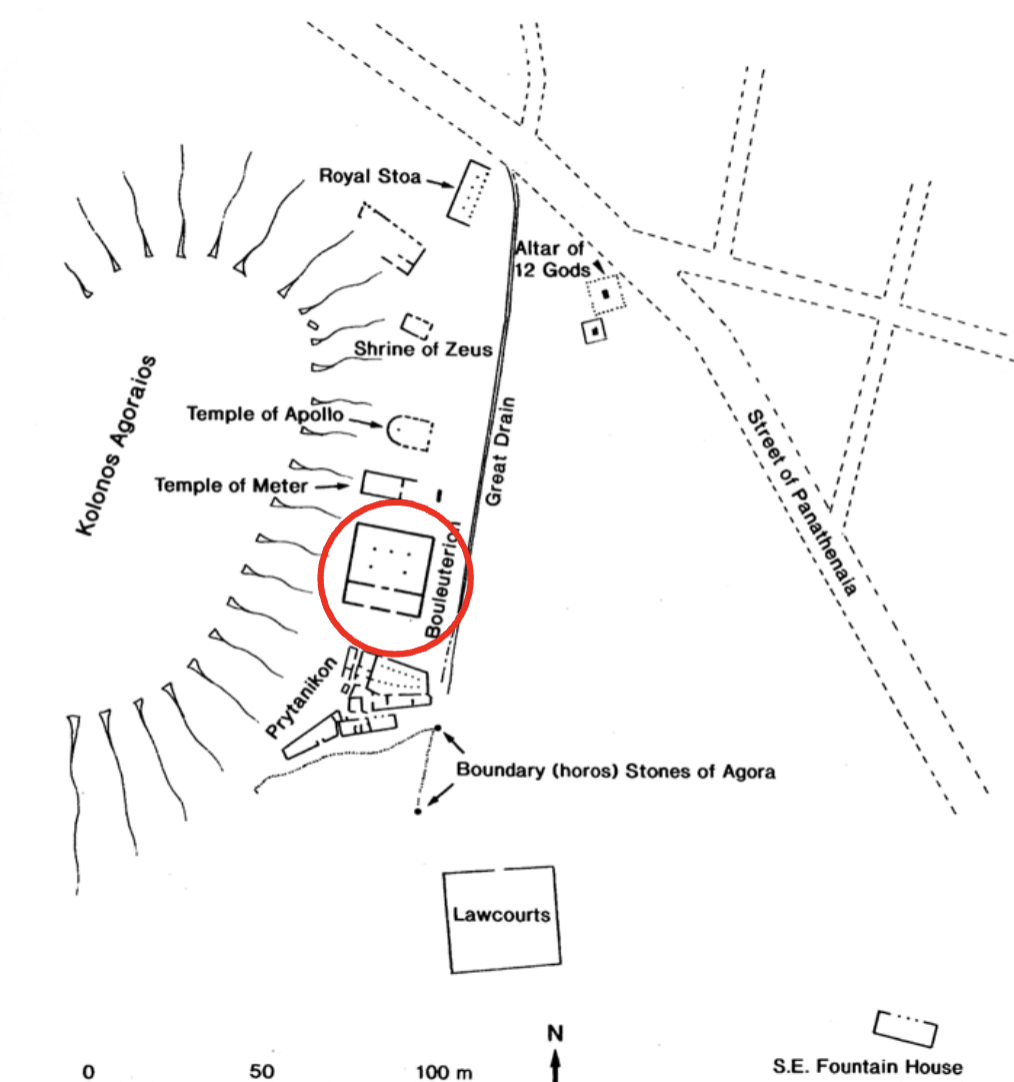
What- Agora
Where- Athens
When- two periods to know: Iron Age (used as a burial ground), archaic period (used as much more)
Why- Iron Age: Tomb of the Rich Athenian lady, shows social stratification, existence of pentakosiomedimnoi, whose land produced 500 measures of grain
Archaic Period: marketplace, civic center (site of the Bouleuterion (council of 500), royal stoa, altar of the 12 gods as a “zero point”)
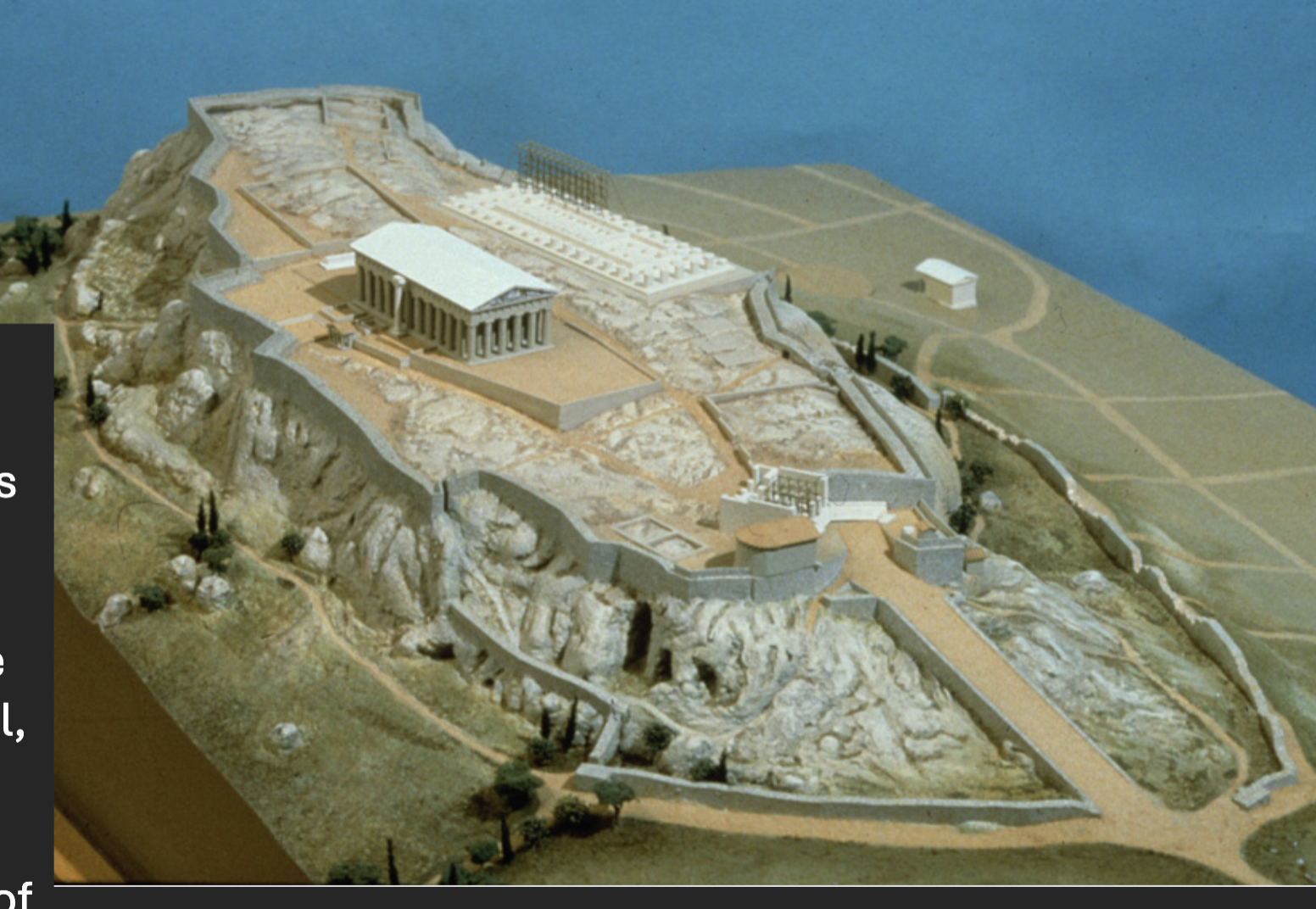
What- Acropolis
Where- Athens
When- importance starting in the 6th century for Athens, but may have been a site of a citadel in the late Bronze Age
Why- Peisistratus used the acropolis as a building site for religious structures, a formalization of religious sanctuaries. Also destination of the Panathenaic festival, where 100 bulls were sacrificed to Athena
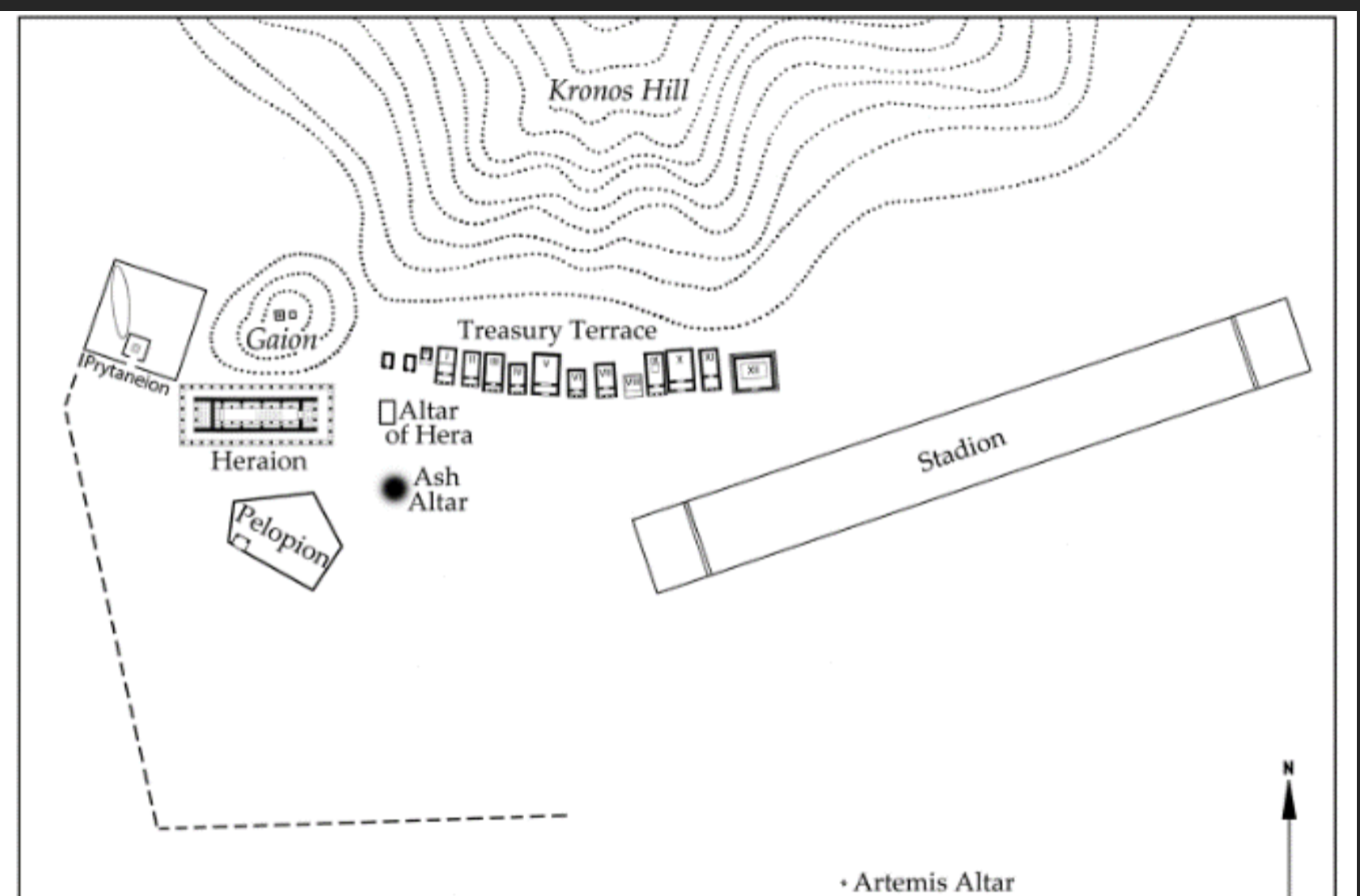
What- Olympia
Where- Southwest of Athens, on the Peloponnese
When- Archaic and Classical periods
Why- Temple of Zeus: mid 5th century BCE, chryselephantine cult statue of Zeus, religious importance of Olympia
Stadion: site of the Olympic games, symbolic of Panhellenism

