Axial Skeleton Identification
 Studied by 0 people
 Call Kai
 Learn
Learn Practice Test
 Spaced Repetition
 Match
Match Flashcards
 Knowt Play
1/52

There's no tags or description
Looks like no tags are added yet.
Name | Mastery | Learn | Test | Matching | Spaced |
|---|
No study sessions yet.
53 Terms
Frontal bone
Forms forehead and superior part of the orbit
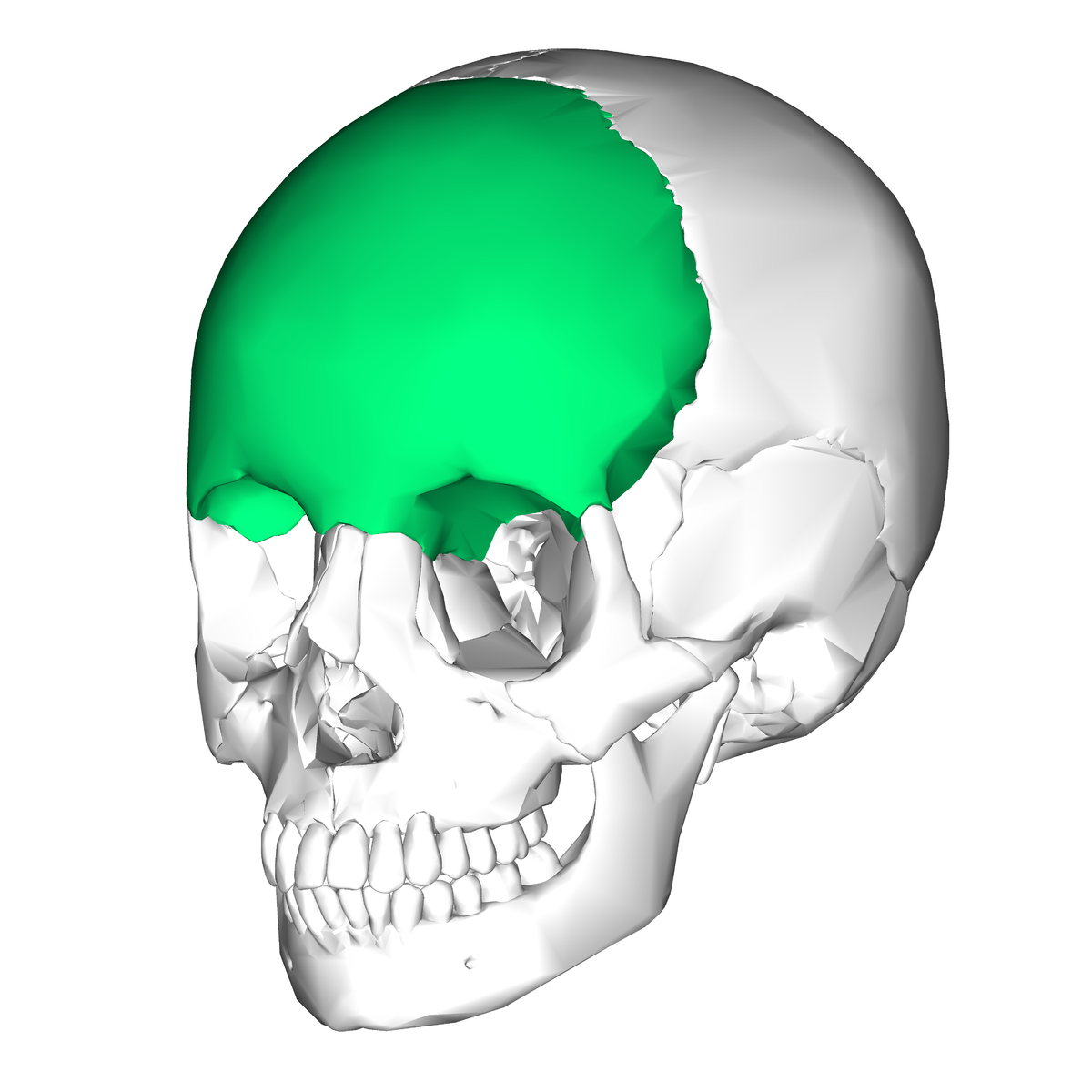
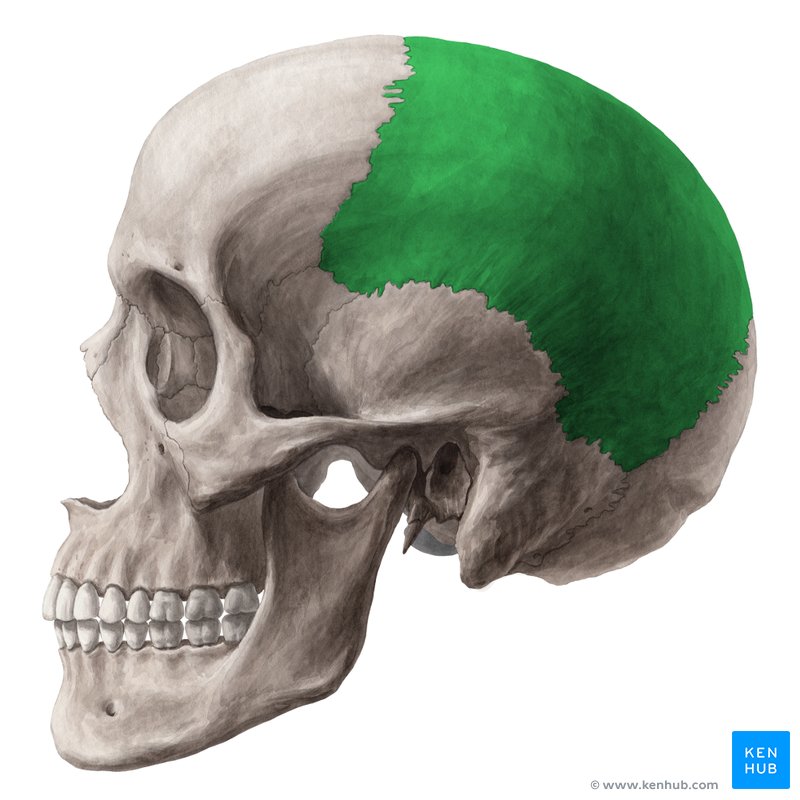
Parietal bone
Forms sides of cranium, posterior and lateral to frontal bone
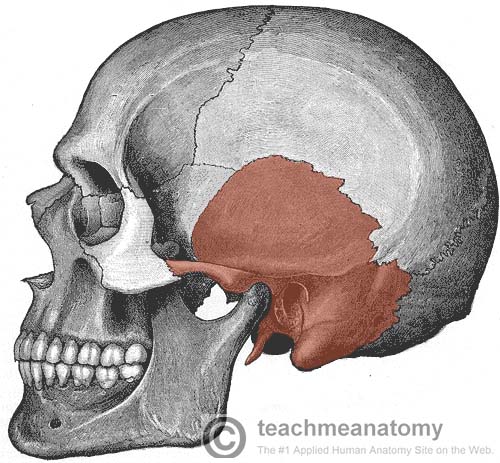
Temporal bone
Inferior to parietal bone
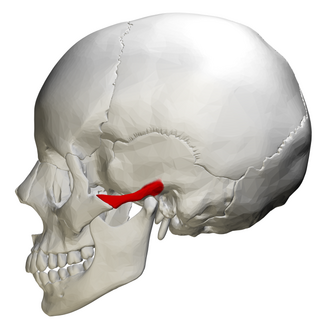
Zygomatic process
Process that joins with zygomatic bone anteriorly
External acoustic meatus
Canal leading to eardrum
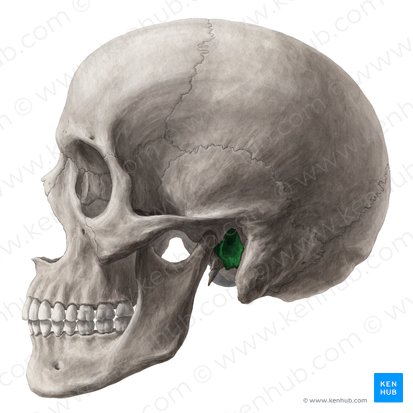
Styloid process
Needlelike projection serving as point of attachment for muscles and ligaments in neck
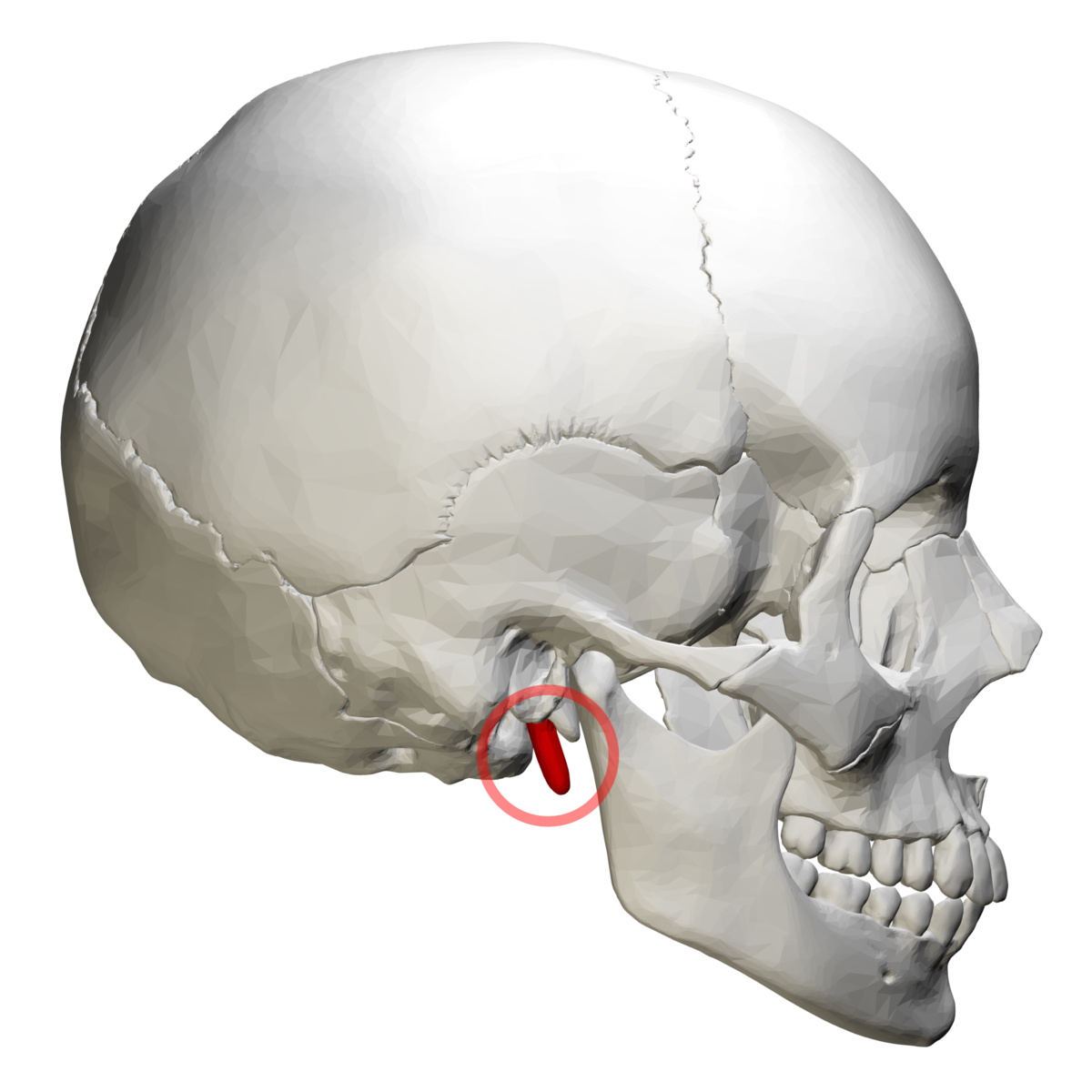
Mastoid process
Rough projection inferior and posterior to external auditory meatus
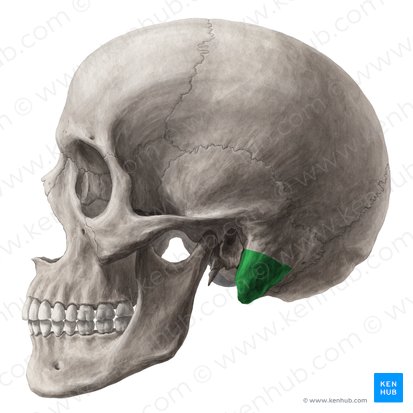
Occipital bone
Most posterior bone of the cranium
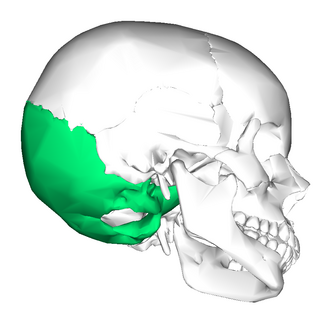
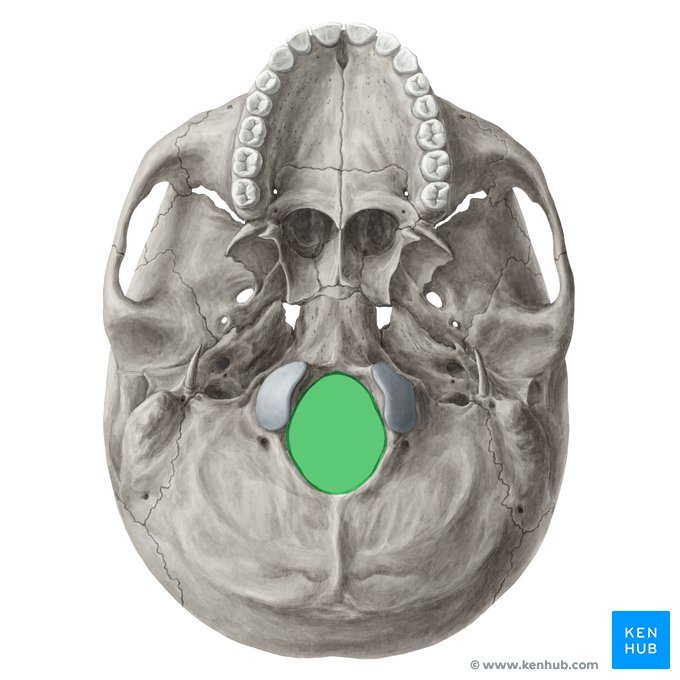
Foramen magnum
Large opening in base of occipital allowing for spinal cord to connect with brain
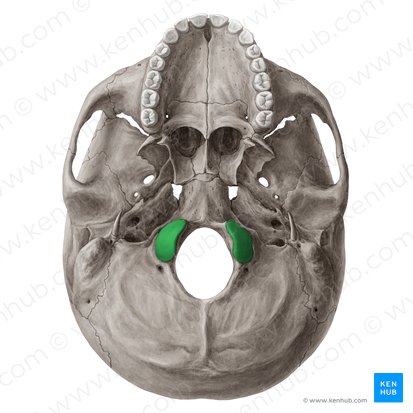
Occpital condyles
Rounded projections lateral to forament magnum articulating with atlas
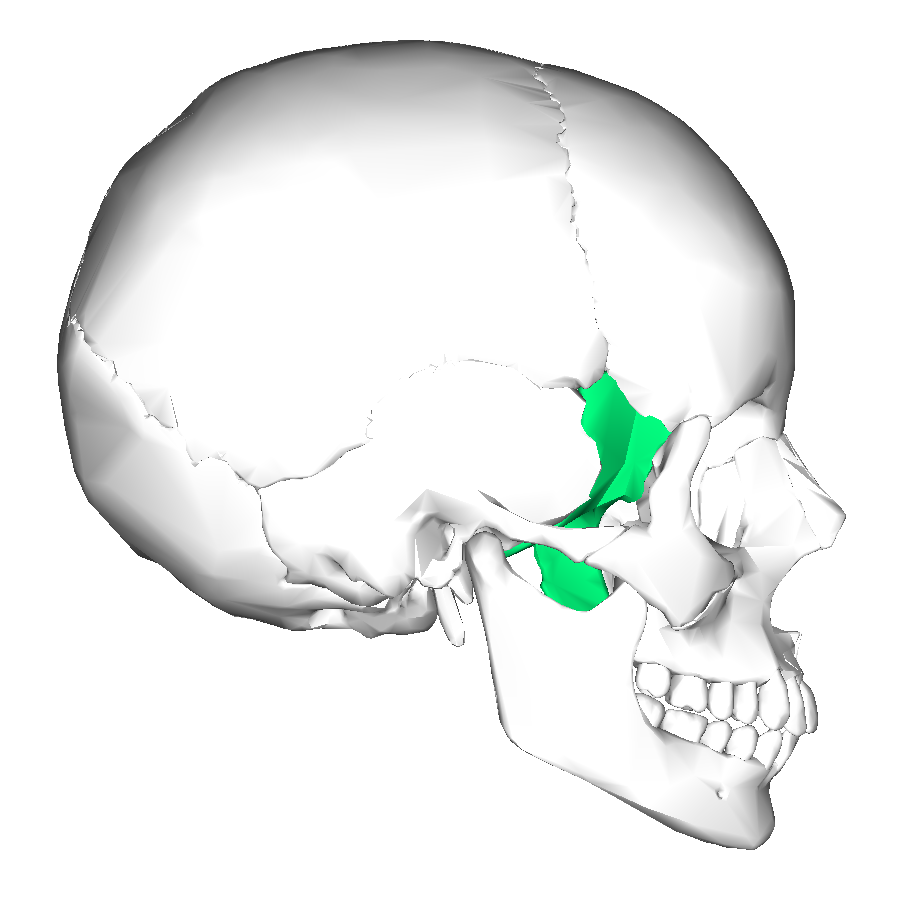
Sphenoid bone
Bat-shaped bone forming plateau across wdidth of skull
Sella turcica
Saddle-shaped region in sphenoid midline
Encloses pituitary gland
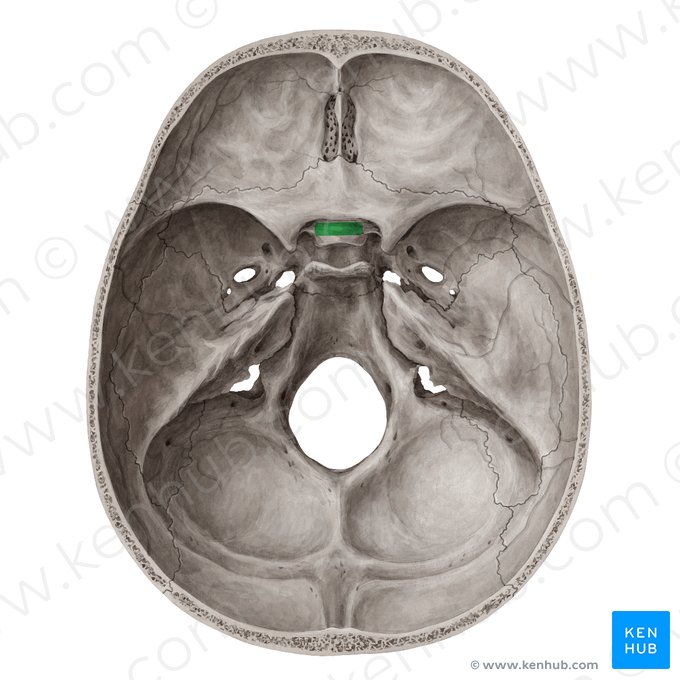
Foramen ovale
Opening posterior to sella turcica
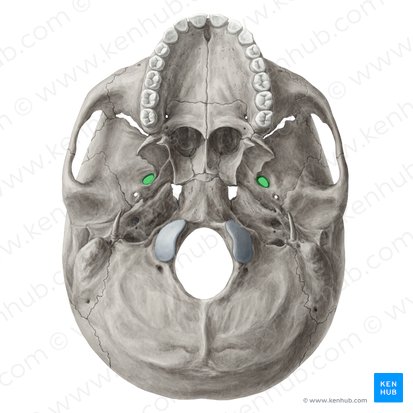
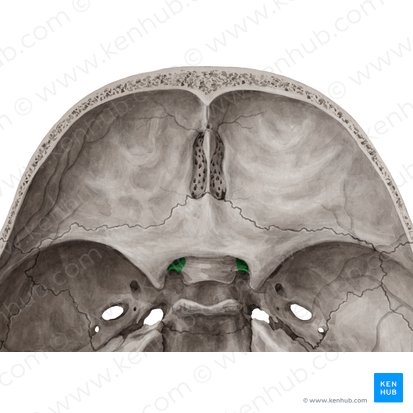
Optic canal
Allows the optic nerve to pass
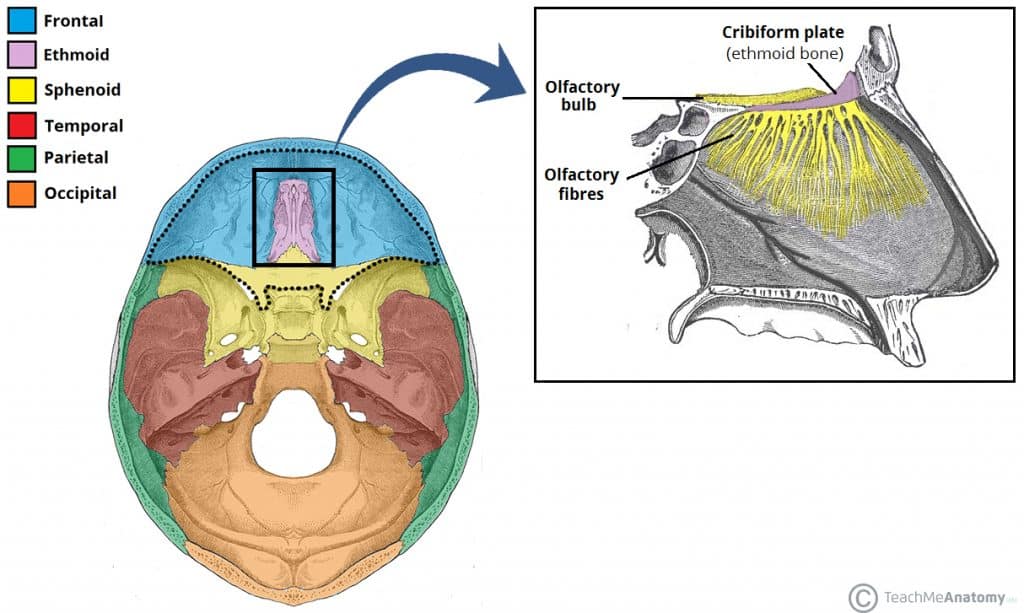
Ethmoid bone
Irregularly shaped bone anterior to sphenoid
Forms roof of nasal cavity
Crista galli
Vertical projection to which dura mater attaches
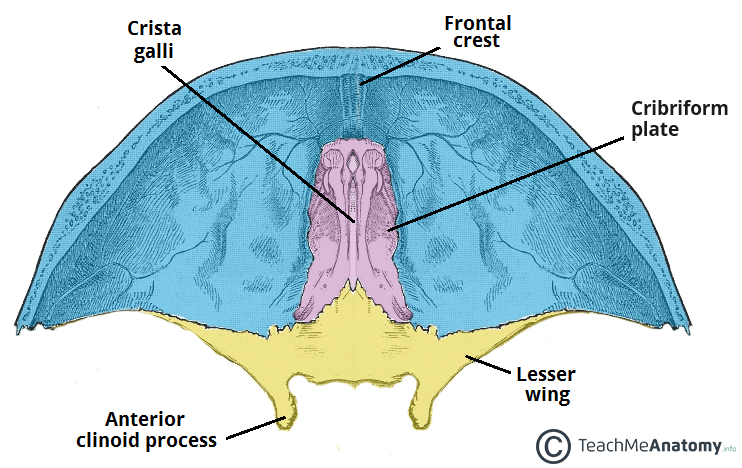
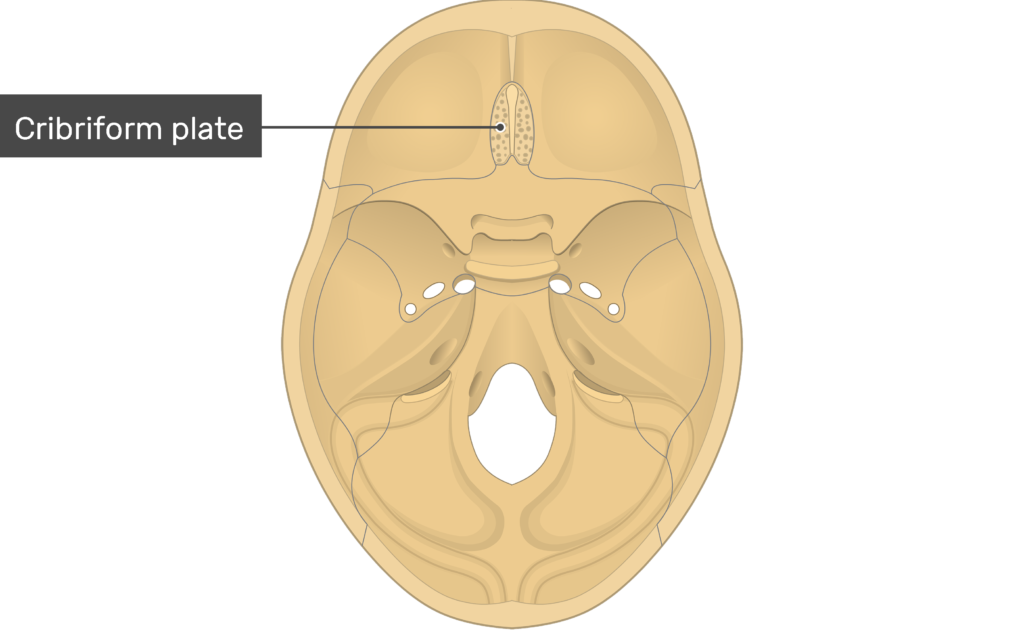
Cribriform plates
Bony plates lateral to crista galli
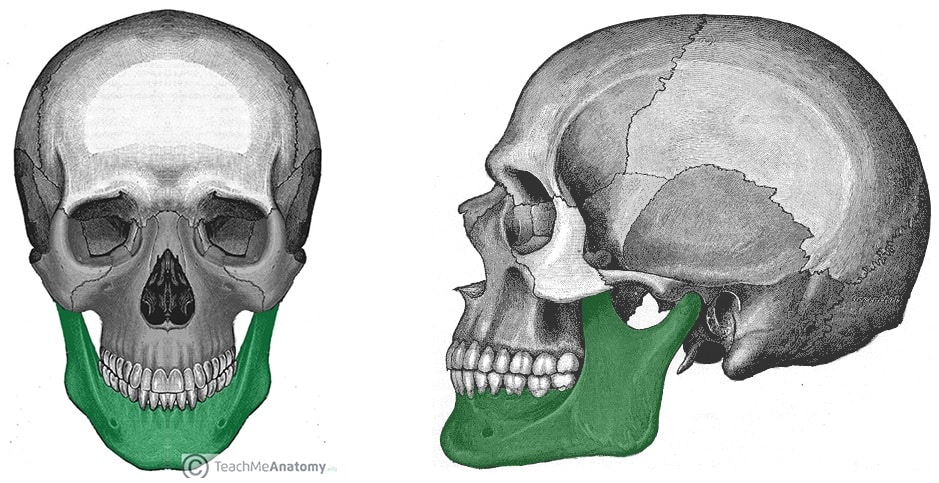
Mandible
Lower jawbone
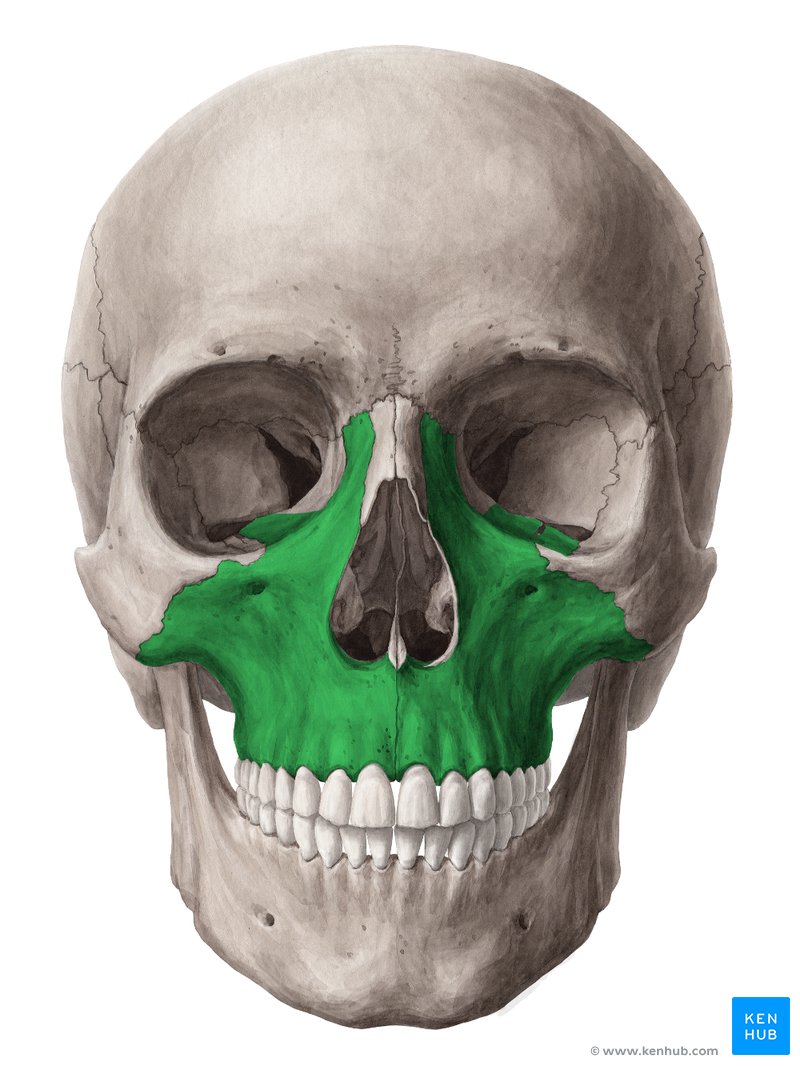
Maxillae
Forms upper jawbone and parts of orbit
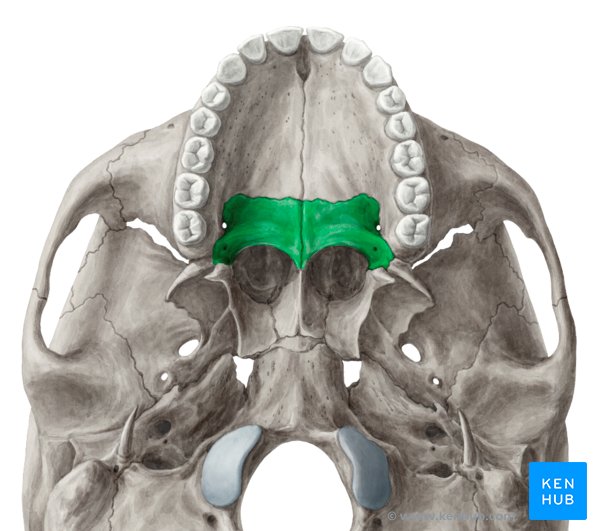
Palatine bone
Paired bone posterior to palatine process
Zygomatic bone
Cheekbone
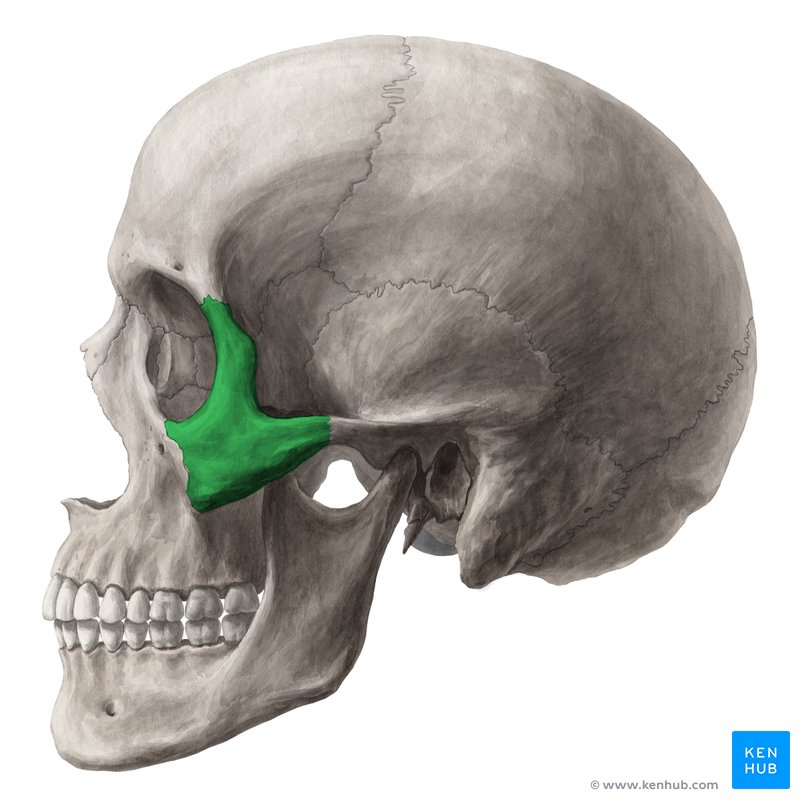
Lacrimal bone
Bones forming part of medial orbit
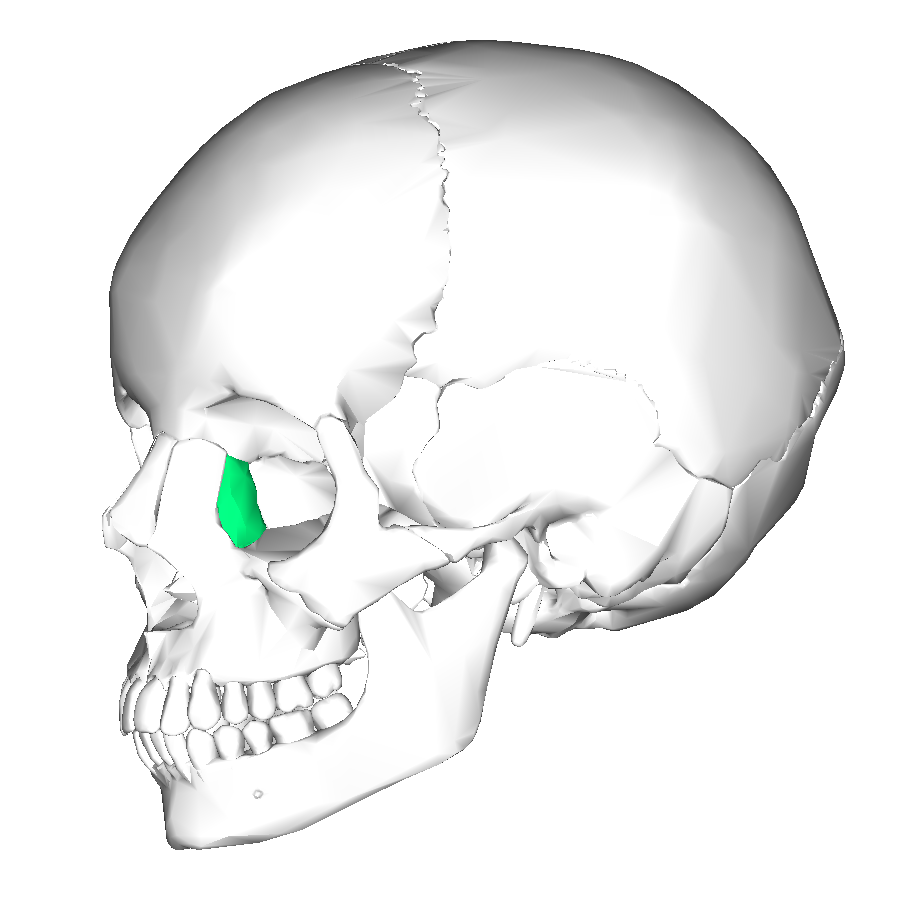
Nasal bone
Rectangular bone forming bridge of nose
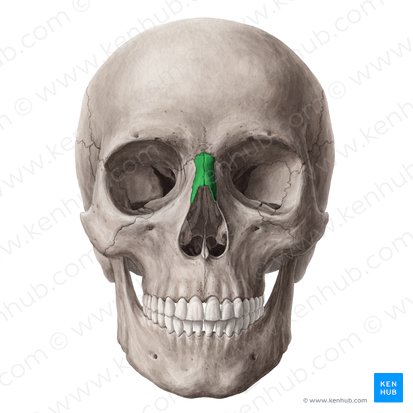
Nasal septum
Bone that separates your nostrils
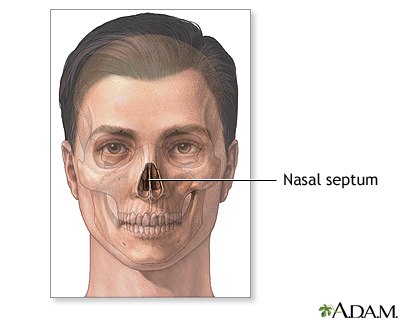
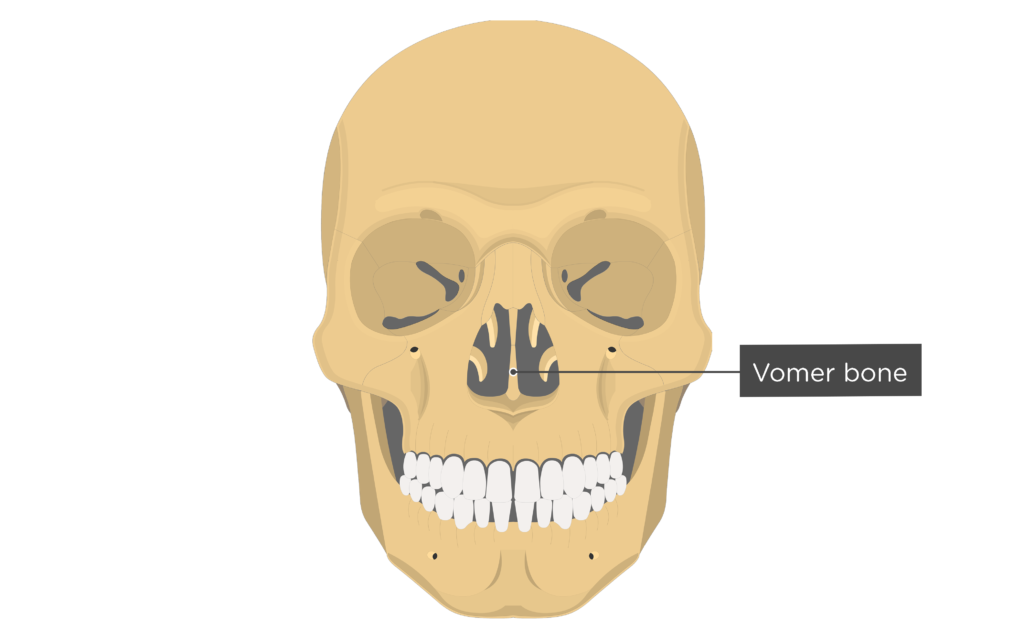
Vomer bone
Blade-shaped bone in median plane of nasal cavity
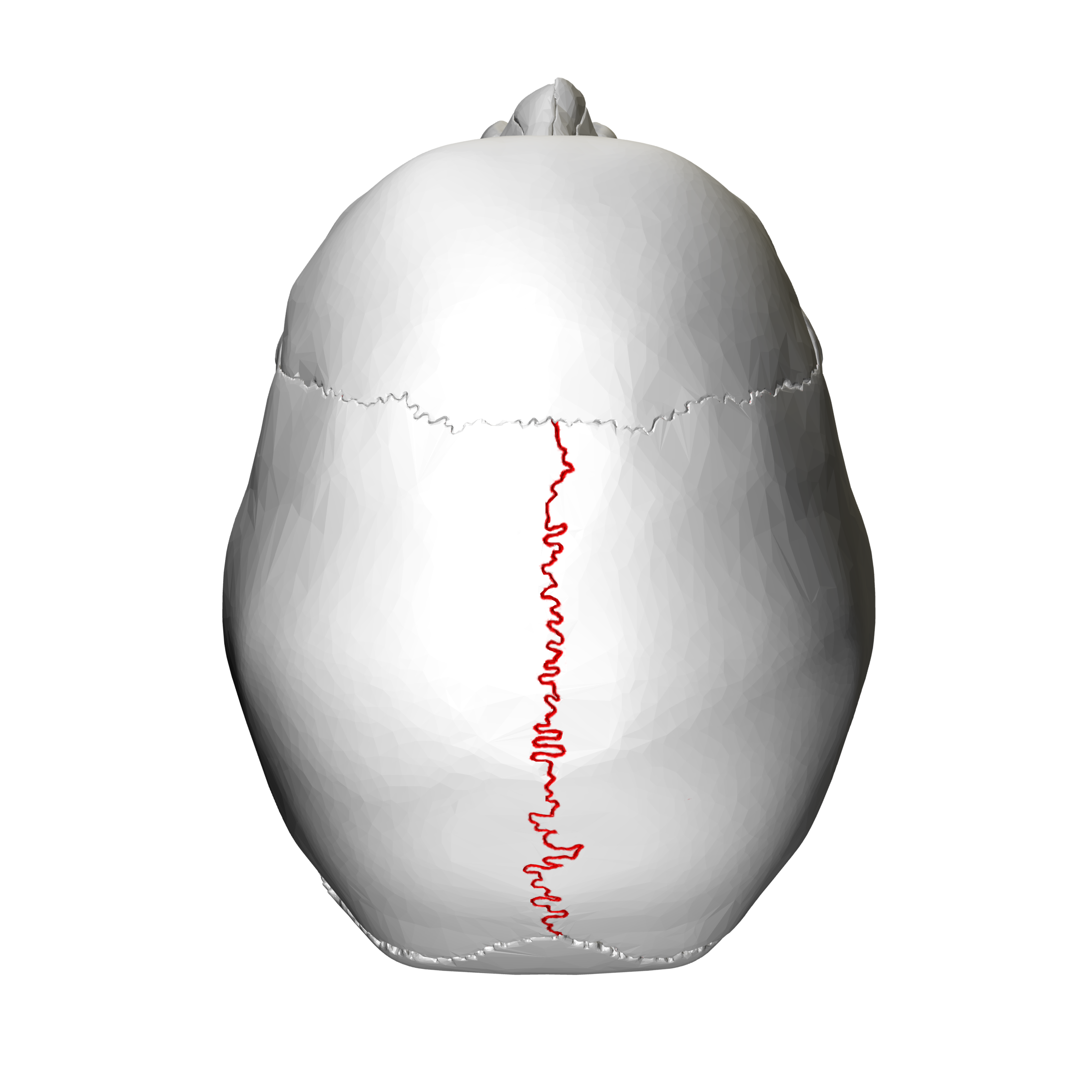
Sagittal suture
Where left and right parietal bones meet superiorly
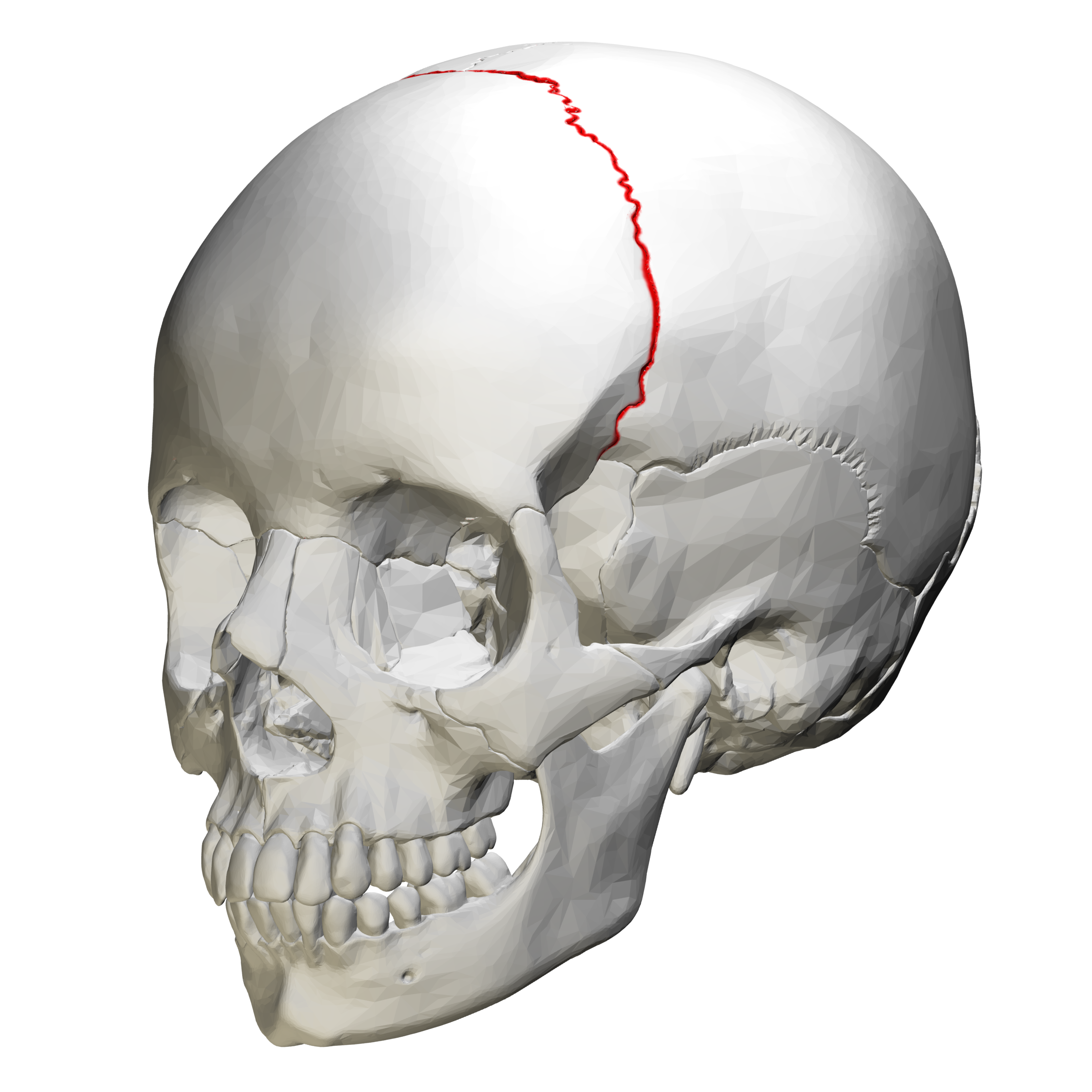
Coronal suture
Where parietal bones articulate with frontal bone
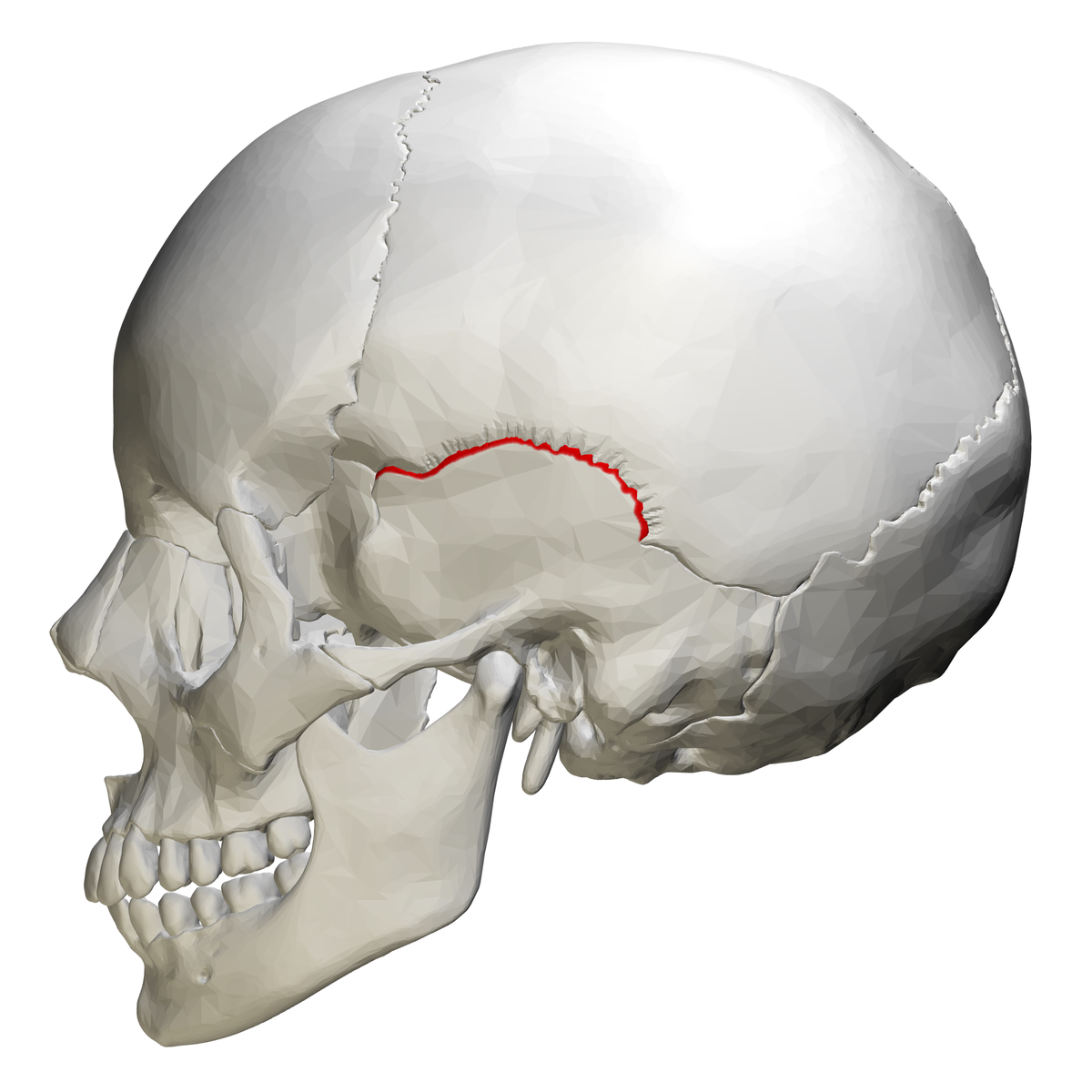
Squamous suture
Where each parietal bone meets with each temporal bone
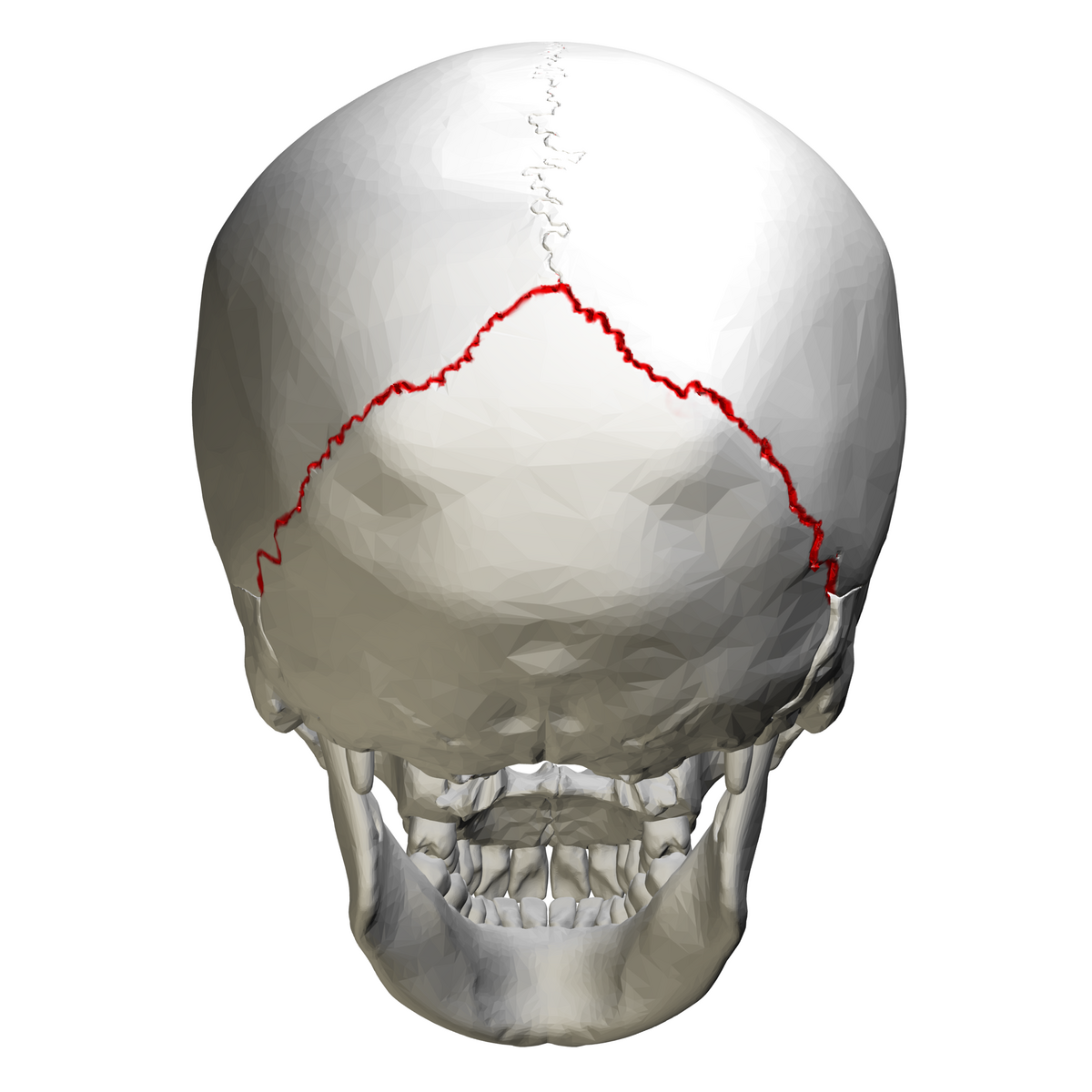
Lambdoid suture
Where parietal bones meet with occipital bone posteriorly
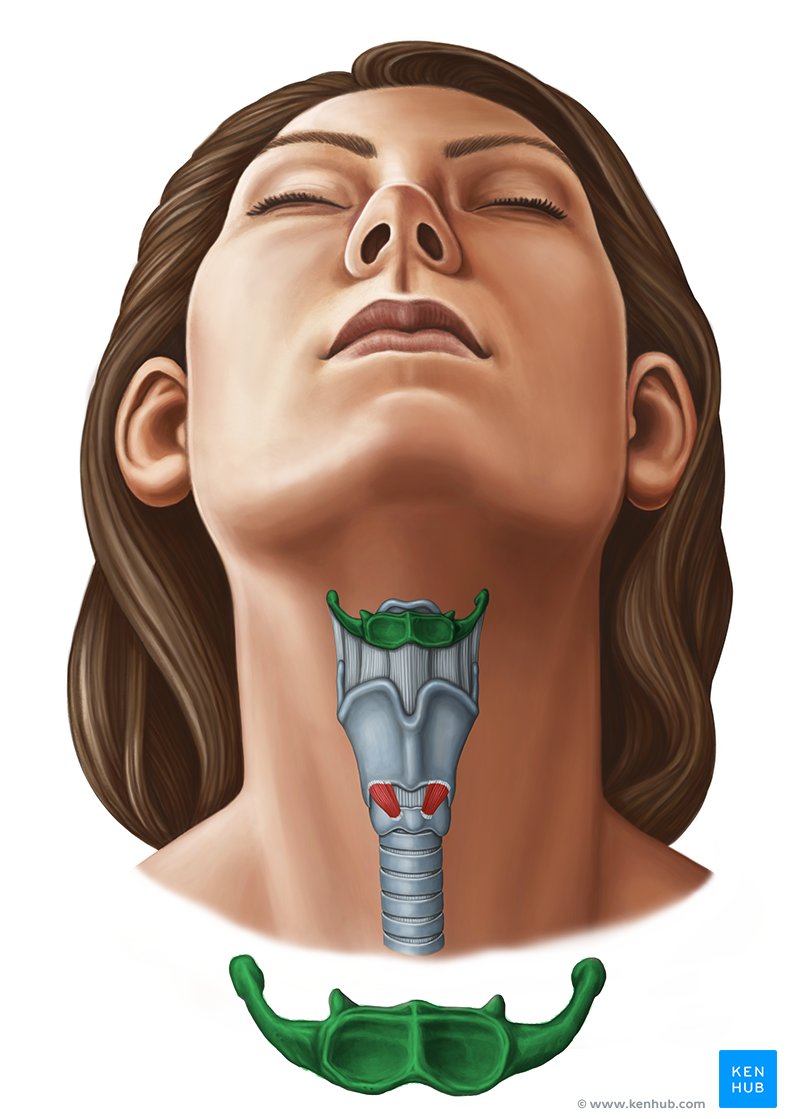
Hyoid bone
Free-floating bone in the throat, point of attachment for tongue and neck muscles
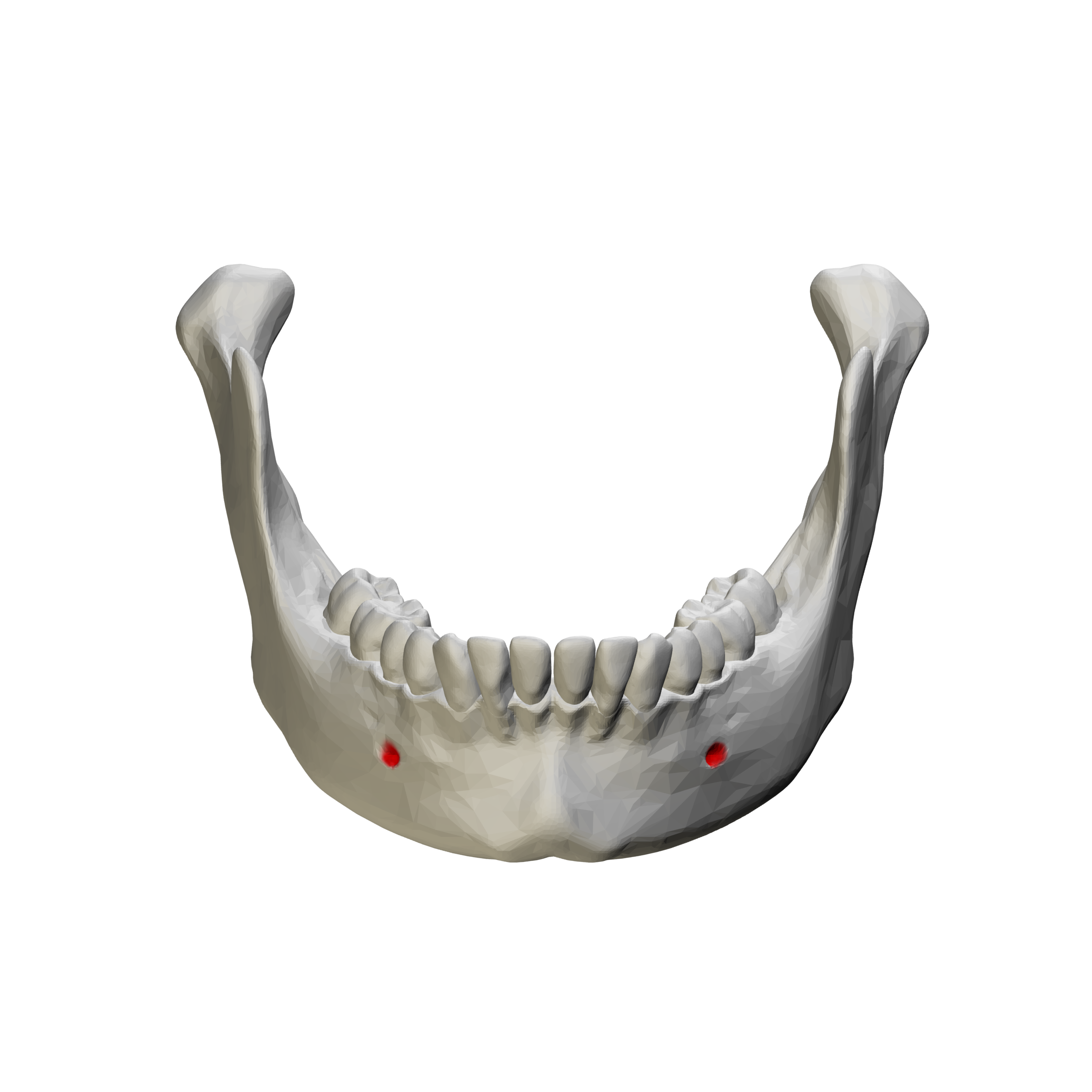
Mental foramen
Small openings in mandible where nerves and blood vessels exit
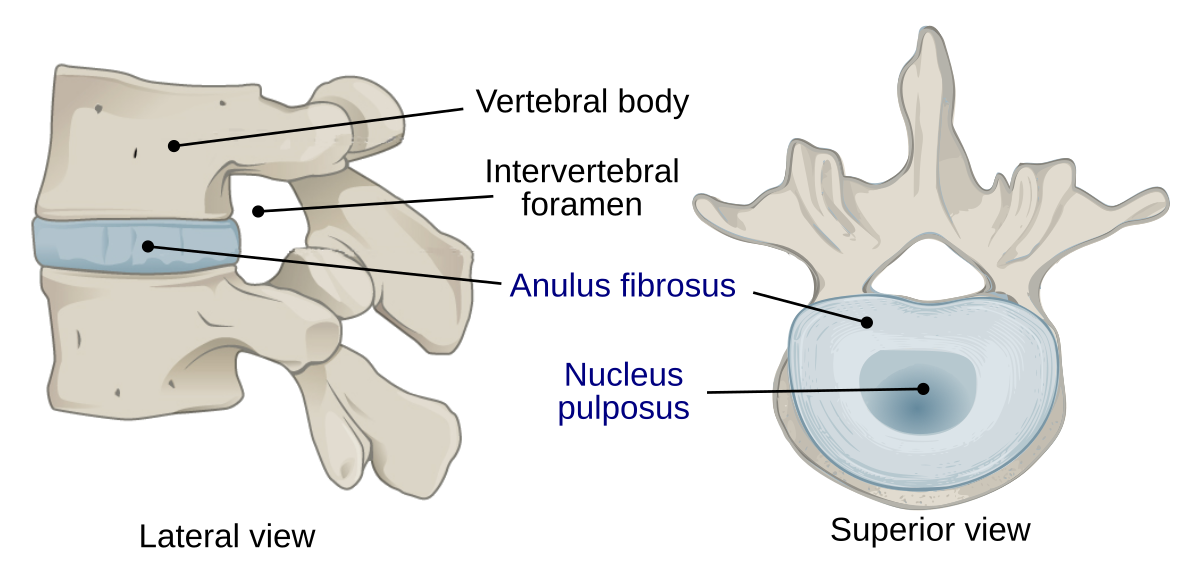
Intervertebral discs
Pads of fibrocartilage that absorb shock and provide spin flexibility
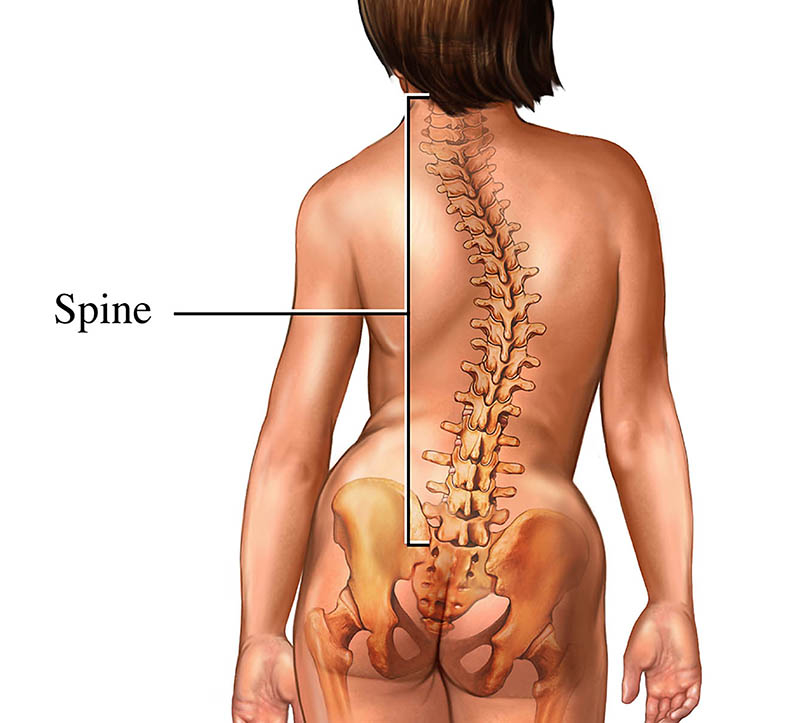
Scoliosis
Sideways curvature of spine
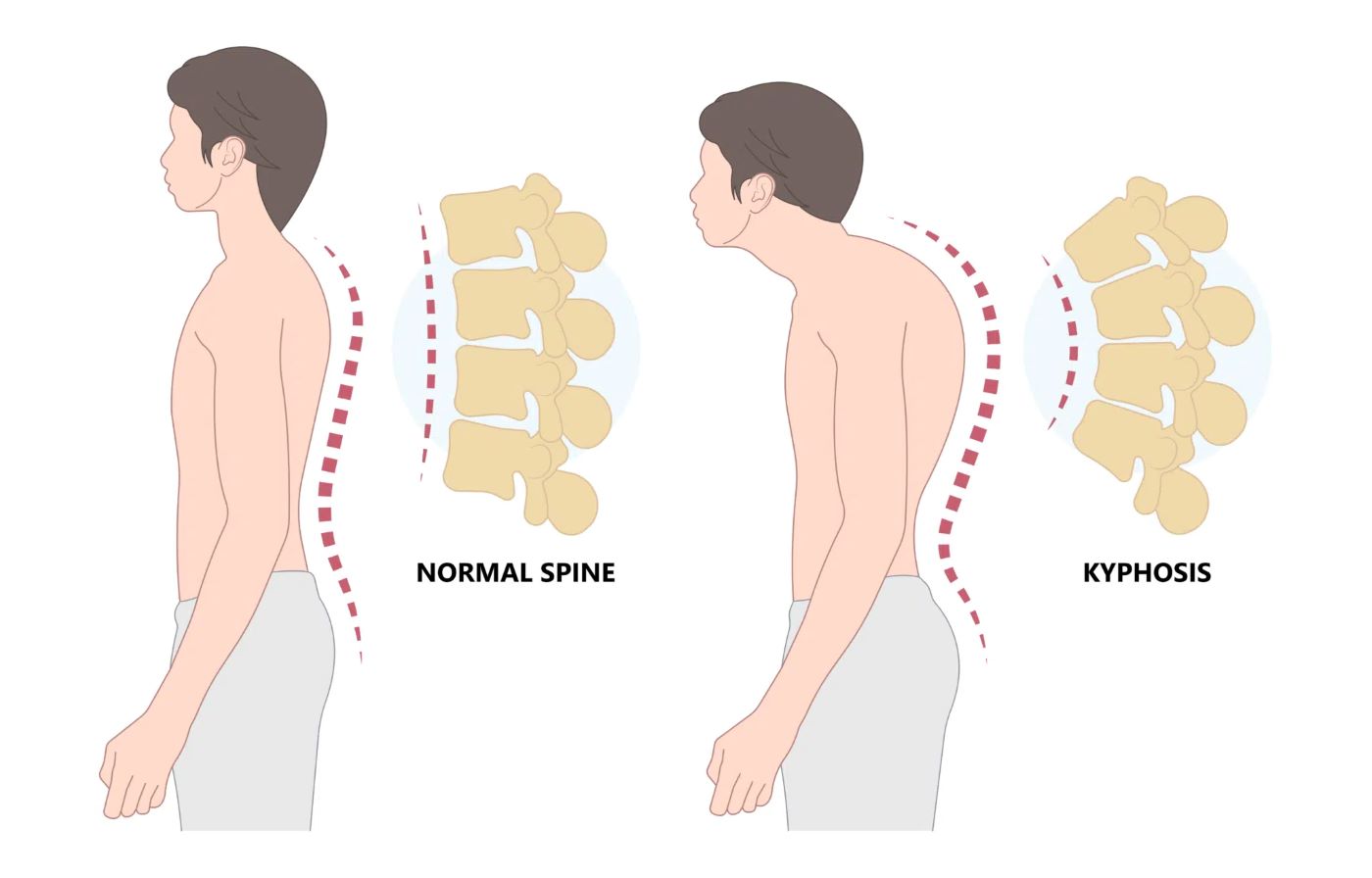
Kyphosis
Excessive, forward curvature of spien
Results in hunched back
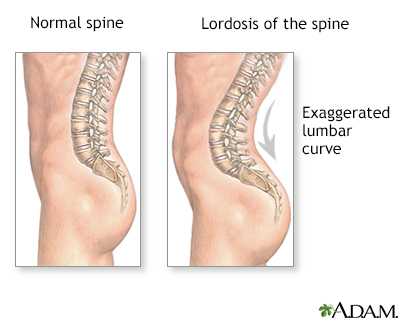
Lordosis
Excessive inward curvature of spine
Creates swayback, raised buttocks
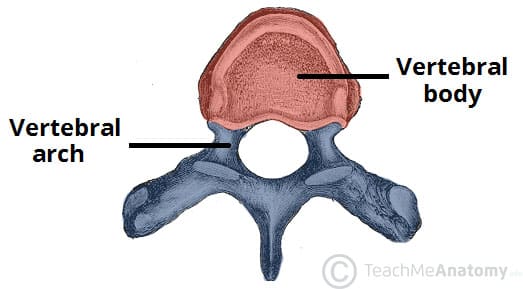
Body (vertebrae)
Rounded, central portion
Faces anteriorly in vertebral column
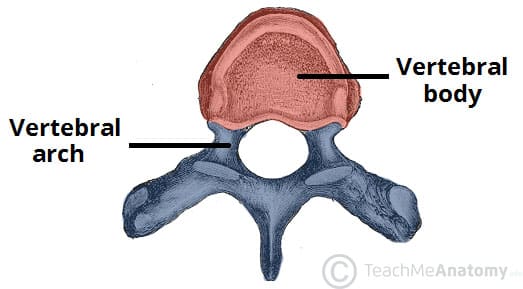
Vertebral arch
Composed of pedicles, laminae, and spinous process
Junction of all posterior extensions
Vertebral foramen
Opening enclosed by body and vertebral arch
Where spinal cord passes through
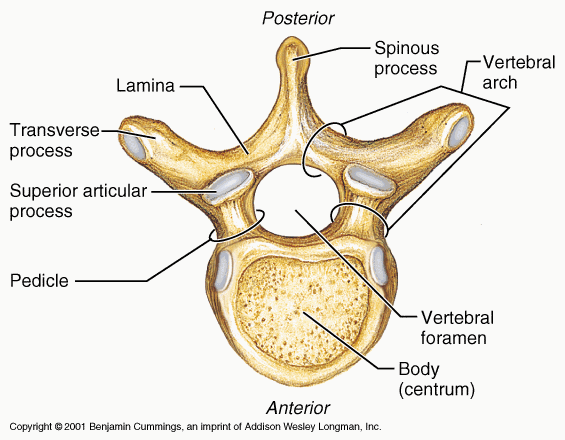
Transverse process (vertebrae)
Two lateral projections from vertebral arch
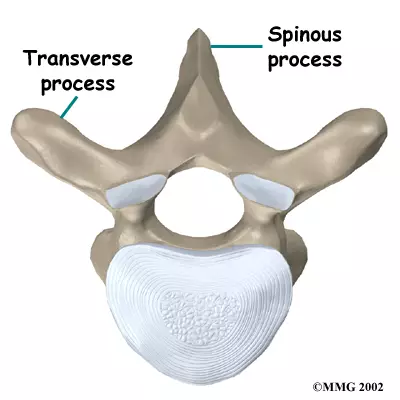
Spinous process (vertebrae)
Single posterior projection from vertebral arch
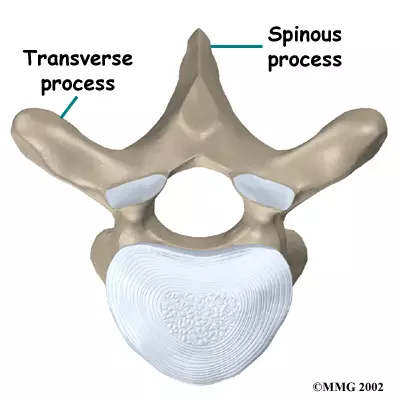
Articular processes
Paired projections lateral to vertebral forament
Allow each vertebrae to articulate with one another
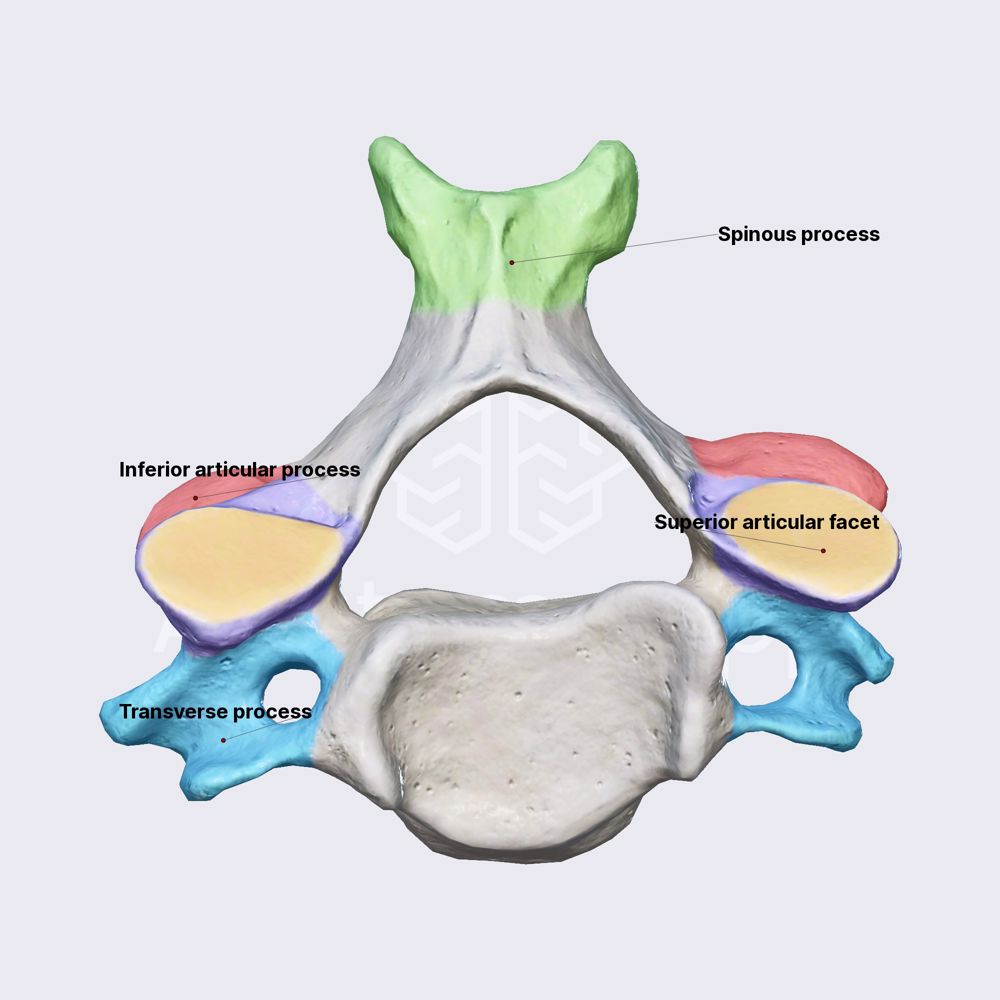
Cervical vertebrae
First 7 vertebrae, forming neck portion
Typical cervical vertebrae are smallest, lighest vertebrae
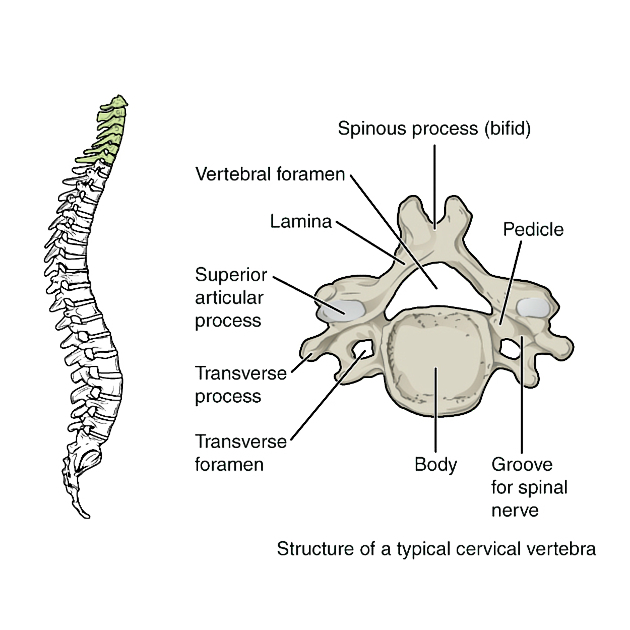
Atlas (C1)
First cervical vertebrae, lacks body
Allows you to nod “yes”
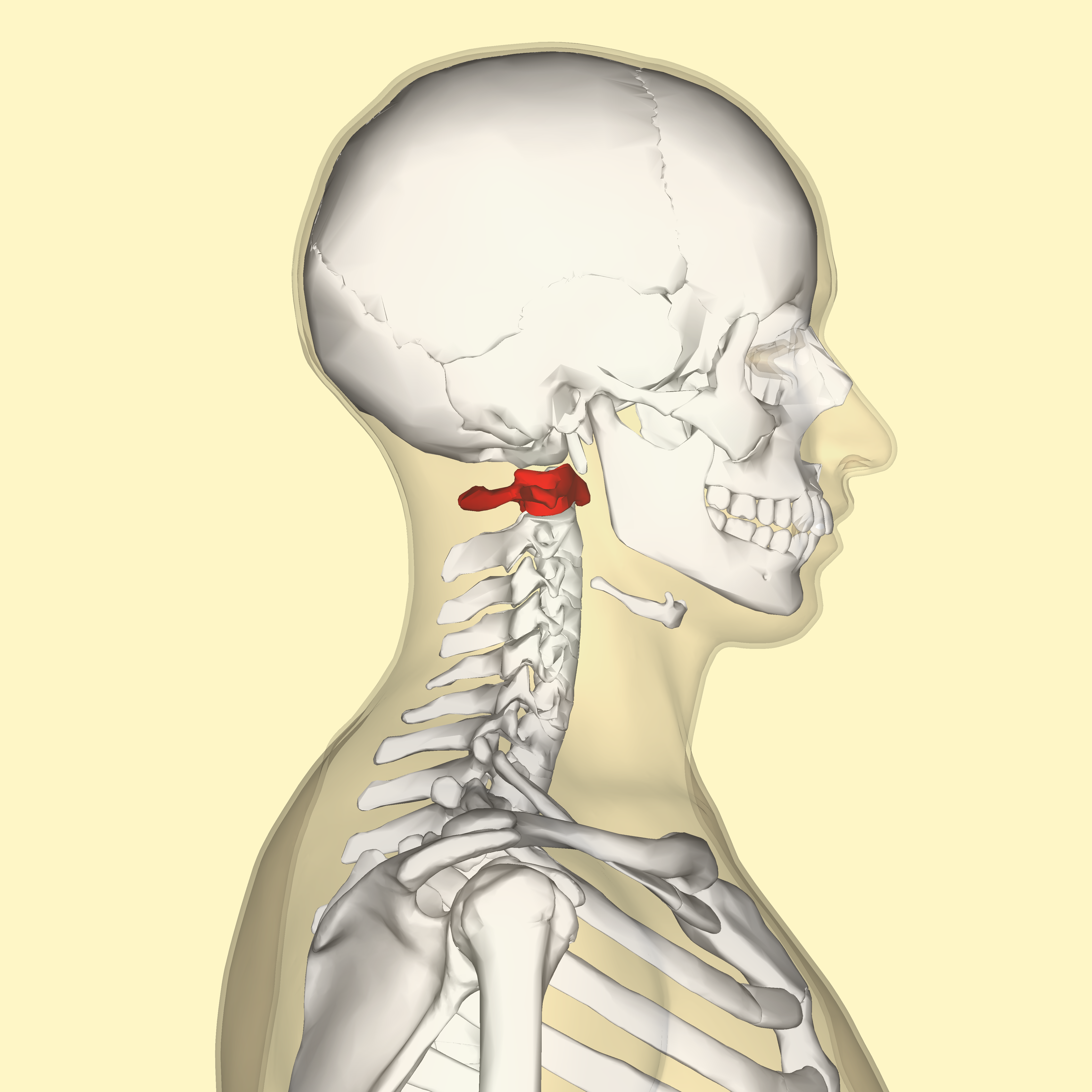
Axis (C2)
Acts as pivot for rotation of atlas and skull
Has dens (large vertical process) to asct as pivot point; allows you to nod “no”
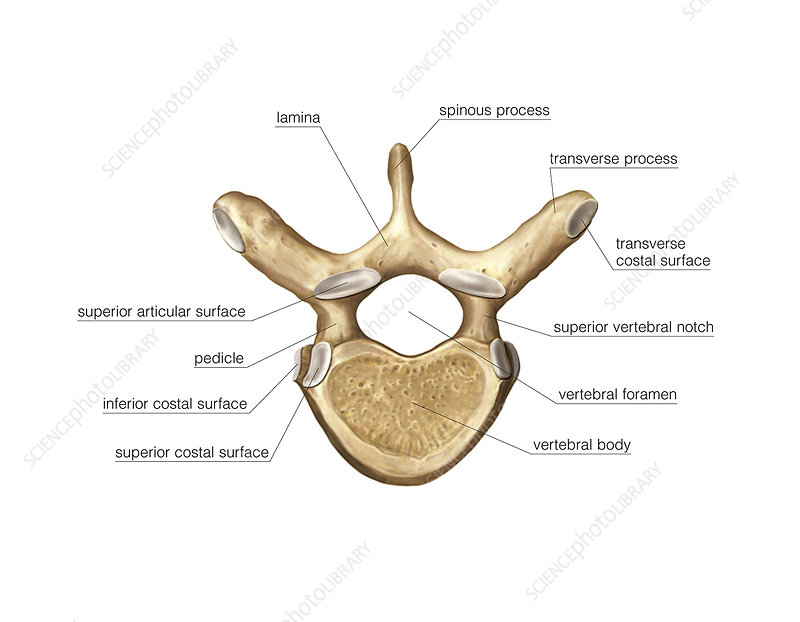
Thoracic vertebrae
Next 12 vertebrae forming thoracic cage; only vertebrae that articulate with ribs
Heart-shaped body, with two small articulating surfaces
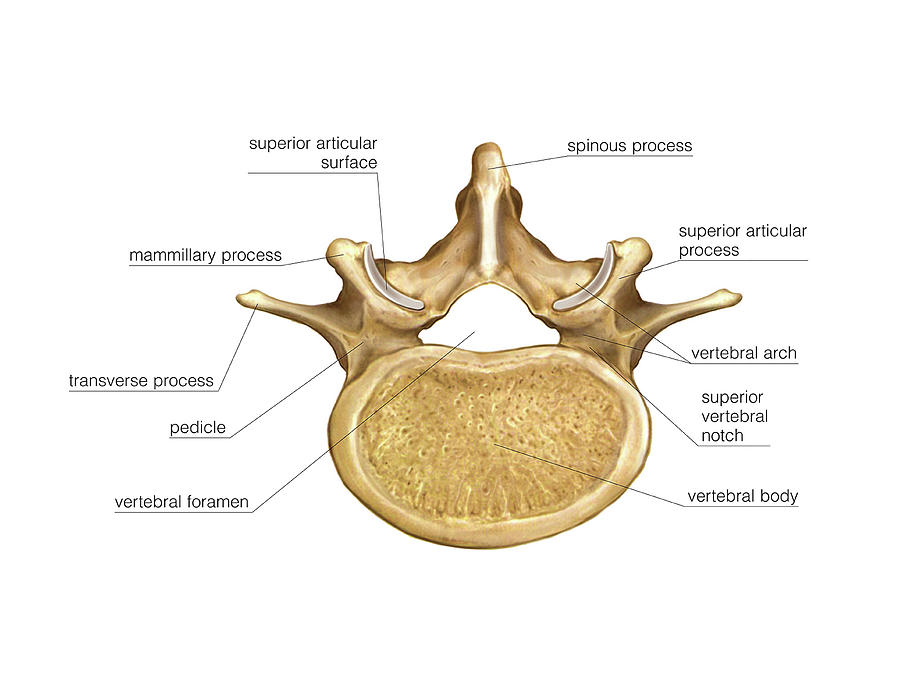
Lumbar vertebrae
Last 5 vertebrae, forming lower back
Massive blocklike bodies with short, thick spinous process
Sturdiest and bear most of weight
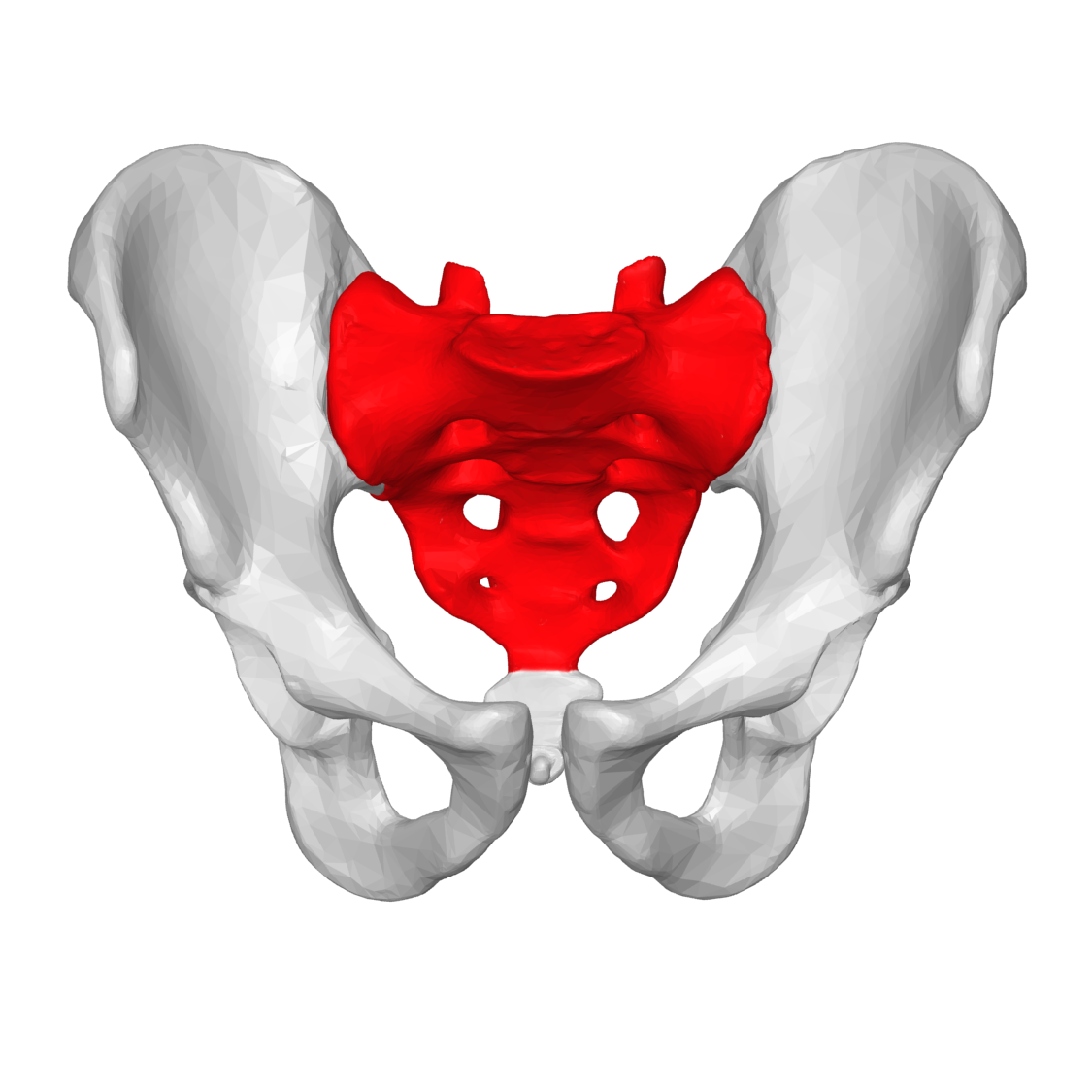
Sacrum
Formed from fusion of 5 vertebrae
Superiorly articulates with L5 and connects with coccyx inferiorly
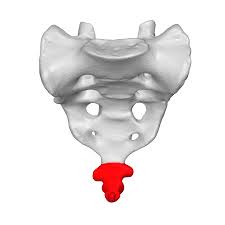
Coccyx
Fused of 3 - 5 irregularly shaped vertebrae
Remnant of human tailbone
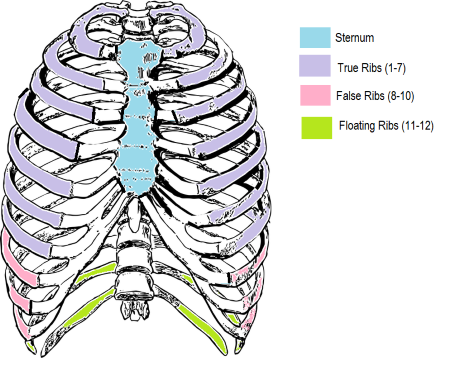
Bony thorax (thoracic cage)
Composed of sternum, ribs, thoracic cage
Protects organs of thoracic cavity
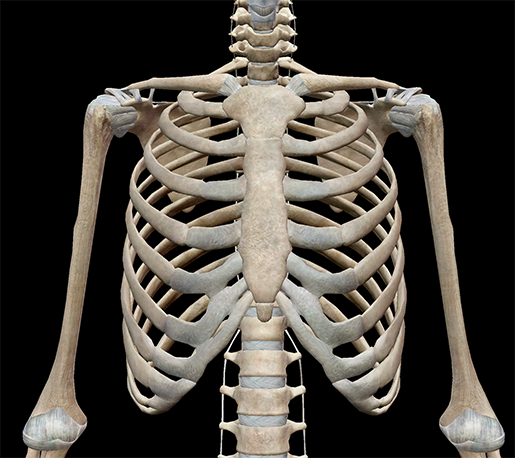
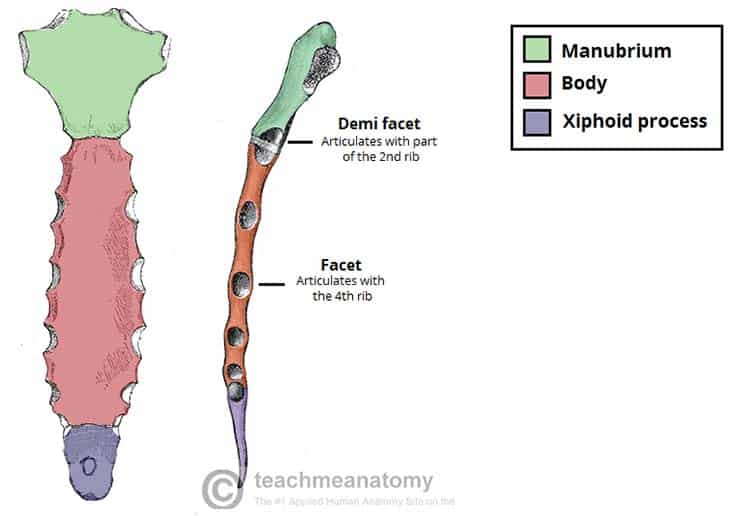
Sternum
Flat bone, fusion of three bones (from top → bottom): manubrium, body, xiphoid process
Attached to first seven pair of ribs
True ribs
Ribs that attach directly to sternum by their own costal cartilage
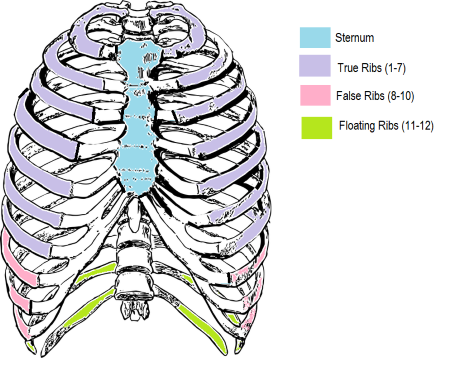
False ribs
Ribs that have indirect cartilage attachment to sternum
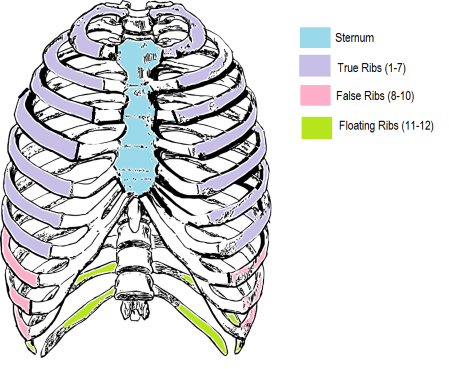
Floating ribs
Last 2 pairs of ribs that have no sternal attachment
 Note
Note  Flashcards (124)