Intro to Psych chapter 6
 Call Kai
 Learn
Learn Practice Test
 Spaced Repetition
 Match
Match Flashcards
 Knowt Play
1/16

There's no tags or description
Looks like no tags are added yet.
Name | Mastery | Learn | Test | Matching | Spaced | Call with Kai |
|---|
No analytics yet
Send a link to your students to track their progress
17 Terms
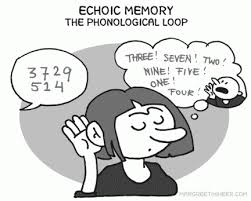
Echoic memory
The sensory register that briefly holds mental representations of auditory stimuli.
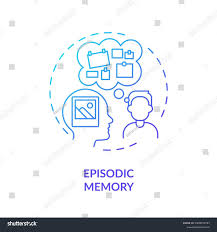
Episodic memories
Memory of events that happen to a person or that take place in the person’s presence.
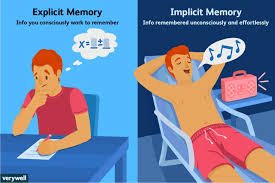
Explicit memories
Memory that clearly and distinctly expresses (explicates) specific information.

Retrospective memory
Memory for past events, activities, and learning experiences, as shown by explicit (episodic and semantic) and implicit memories.
Storage
The maintenance of information over time; the second stage of information processing.

Encodes
To convert information into a form that can be placed in memory; encoding is the first stage of information processing.

Elaborative rehearsal
The kind of coding in which new information is related to information that is already known.

Maintenance rehearsal
Mental repetition of information to keep it in memory.
Retrieval
The location of stored information and its return to consciousness; the third stage of information processing.
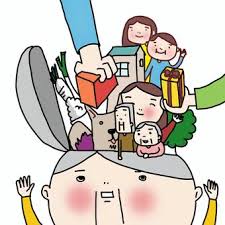
Memory
The processes by which information is encoded, stored, and retrieved.
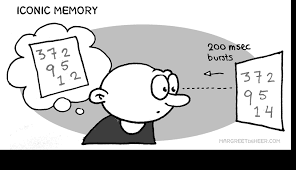
Iconic memory
The sensory register that briefly holds mental representations of visual stimuli.
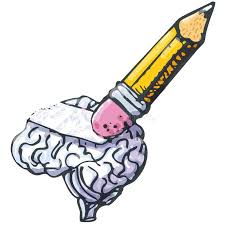
Short-term Memory (STM)
The type or stage of memory that can hold information for up to a minute or so after the trace of the stimulus decays; also called working memory.
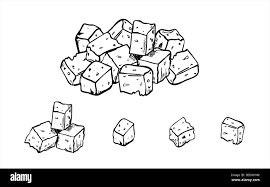
Chunks
A stimulus or group of stimuli that are perceived as a discrete piece of information.
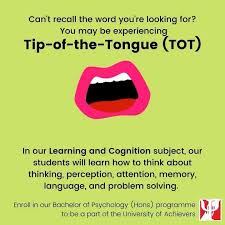
Tip-of-the-tongue (TOT) phenomenon
The feeling that information is stored in memory, although it cannot be readily retrieved; also called the feeling-of-knowing experience.

State-dependent memory
Information that is better retrieved in the physiological or emotional state in which it was encoded and stored or learned.
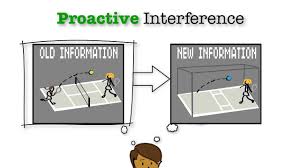
Retroactive interference
The interference of new learning with the ability to retrieve material learned previously.

Dissociative amnesia
Loss of memory of personal information that is thought to stem from psychological conflict or trauma.

