Urinary path
 Studied by 0 people
 Call Kai
 Learn
Learn Practice Test
 Spaced Repetition
 Match
Match Flashcards
 Knowt Play
1/45

There's no tags or description
Looks like no tags are added yet.
Name | Mastery | Learn | Test | Matching | Spaced | Call with Kai |
|---|
No analytics yet
Send a link to your students to track their progress
46 Terms
What structures make up the lower urinary tract, and what are its two main functions?
Structures: ureters, urinary bladder, urethra
Functions:
Urination
Prevent pathogen entry (includes protective vesicoureteral valve)
Most lower urinary disease results from disruption of one or both functions
What are the major causes of impaired urination and what downstream consequences occur?
Causes:
Obstruction (most important; includes urolithiasis)
Congenital/developmental anomalies:
Aplasia/agenesis
Hypoplasia
Ectopia → predisposed to ascending infection due to the angle of the ureters
Inflammation
Neoplasia
Consequences (upstream dilation):
Hydrourethra
Bladder distension or rupture (may also be neuroparalytic)
Hydroureter
Hydronephrosis
Which urolith types are common vs uncommon in major domestic species?
Dogs:
Common: struvite, oxalate, purines (urate/uric acid, xanthine)
Uncommon: silica, cystine, calcium phosphate
Cats:
Common: struvite, oxalate
Uncommon: urate, cystine
Cattle:
Common: silica, struvite, carbonate
Uncommon: xanthine
Sheep:
Common: silica, struvite, oxalate, “clover stones,” carbonate
Uncommon: xanthine
Horse:
Common: carbonate
Pig:
Common: urate
What factors predispose animals to urolith formation?
High levels of calculogenic material in urine
Urine pH (e.g., alkaline → struvite)
Reduced water intake
Infection → change micro environment
Obstruction
Structural abnormalities
Foreign material (suture, bacteria, cells)
What new type of urolith has been recently recognized in dogs and what causes it?
Calcium tartrate tetrahydrate (CTT) uroliths, associated with diets containing:
Fresh dog food and/or homemade diets
Supplements containing choline bitartrate
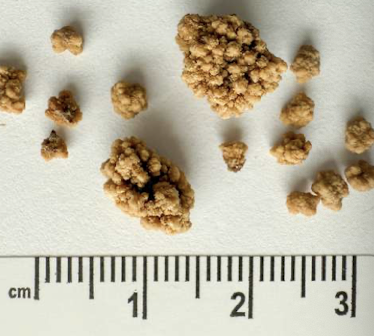
stones…..
Where do urethral obstructions commonly occur in different species?
Ruminants: ischial arch, sigmoid flexure, vermiform appendage in rams
Dogs: proximal end of os penis
Cats: anywhere along urethra
Obstruction severity depends on anatomy and stone characteristics
What complications are shown in the necropsy images related to urinary obstruction?
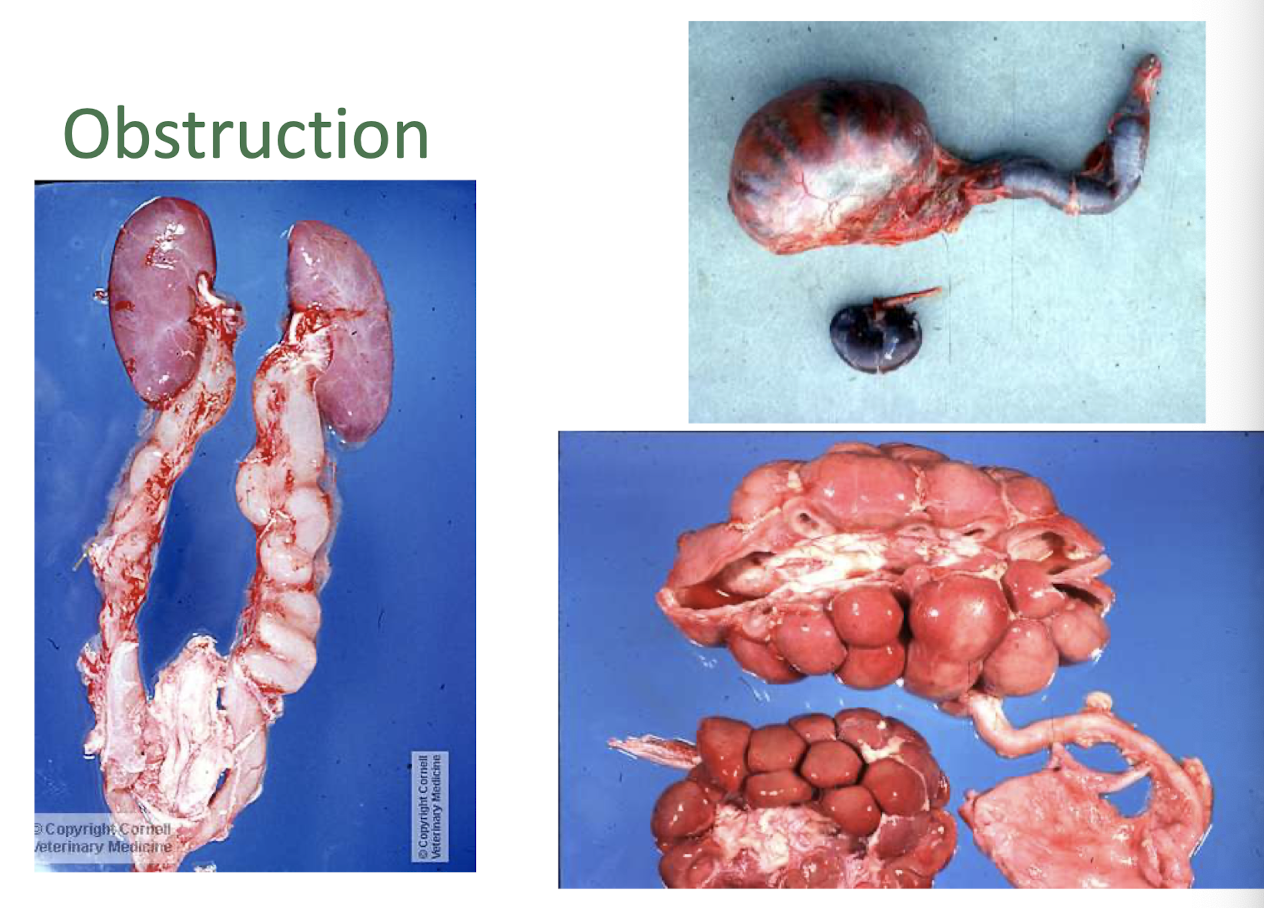
Marked hydronephrosis
Hydroureter
Severe bladder distention
Consequences of prolonged obstruction → pressure atrophy and renal damage
Cystitis → What natural defense mechanisms protect the lower urinary tract from infection?
Constant urine flow
Intact urothelium
Tamm-Horsfall mucoprotein
IgA & IgG → prevents bacteria from adhering to surfaces
Surface GAGs
Urinary oligosaccharides
Acidic urine (esp. dogs, cats) + high osmolality
Urothelial exfoliation
Phagocytosis by superficial urothelial cells
What factors predispose animals to cystitis?
Urinary stasis
Epithelial trauma:
Uroliths
Catheters
Chemicals (cyclophosphamide, bracken fern)
Diabetes mellitus
Cystocentesis
Which pathogens commonly cause cystitis, and what species-specific agents exist?
Ascending infections from rectal or cutaneous flora.
Common in all species:
Uropathogenic E. coli
Proteus vulgaris
Streptococcus spp.
Staphylococcus spp.
Species-specific:
Cows: Corynebacterium renale group (C. renale, C. pilosum, C. cystitidis)
Dogs: Corynebacterium urealyticum → encrusted cystitis → struvite
Pigs: Actinobaculum suis
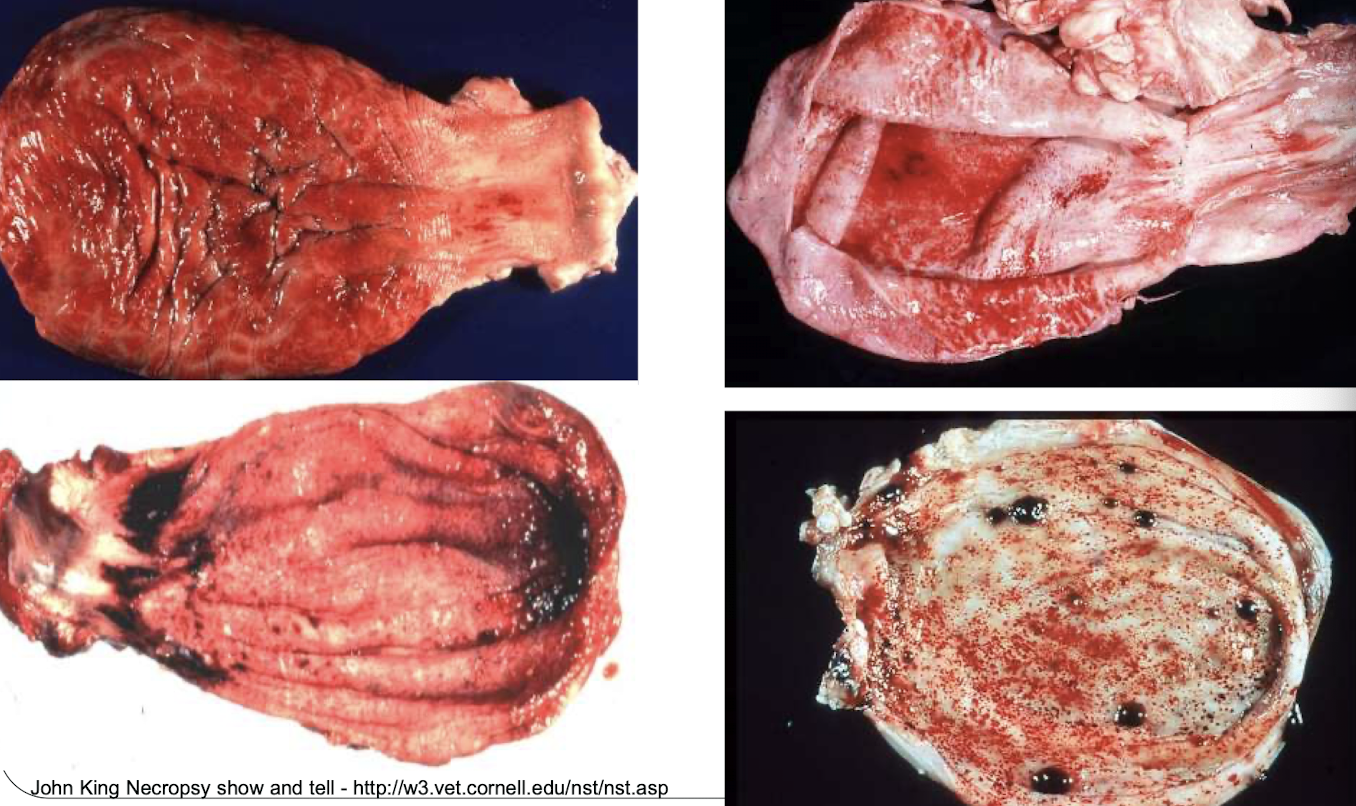
What gross features define acute hemorrhagic cystitis?
Dark red discoloration
Hemorrhage throughout mucosa
Often associated with bacterial infection or toxic injury
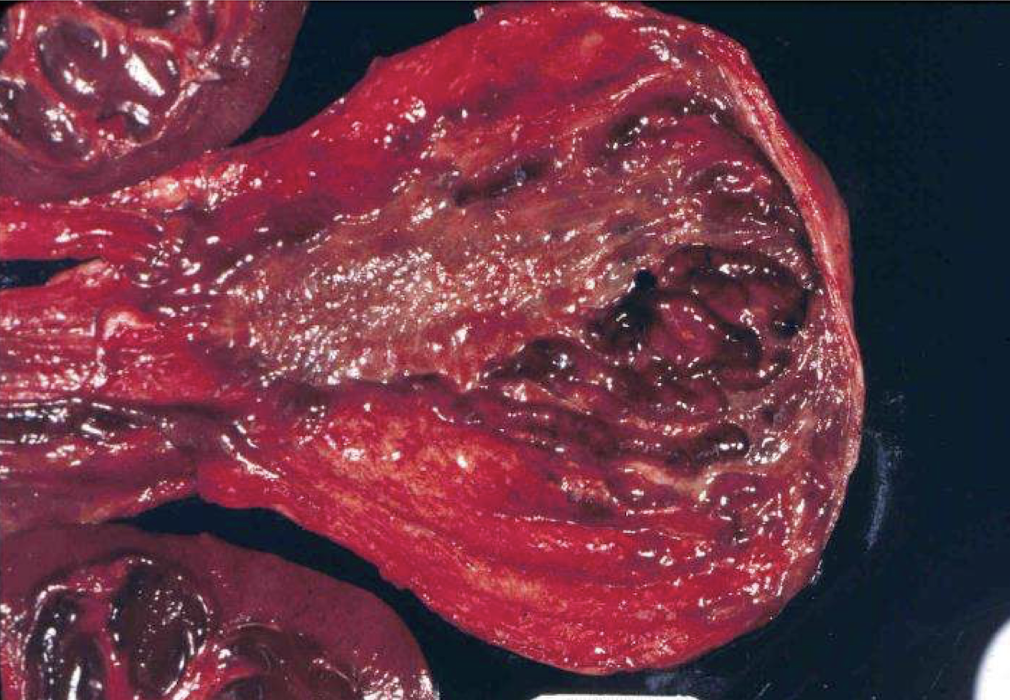
What pathogen causes severe cystitis and pyelonephritis in pigs?
Actinobaculum suis
Causes ascending infection → cystitis → pyelonephritis
Particularly severe in sows → due to estrus, hormonal component
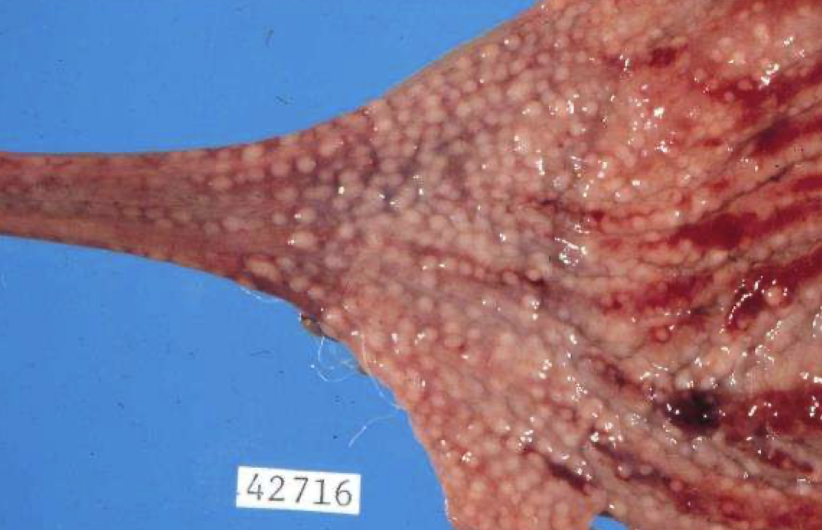
What is lymphonodular cystitis and in what species is it common?
Nodular mucosal lymphoid hyperplasia within the bladder wall → chronic
Often incidental
Seen in cattle
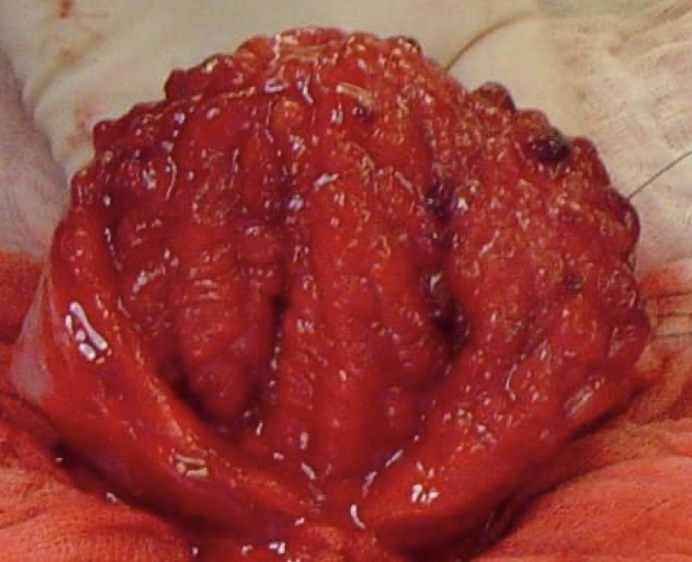
What is polypoid cystitis and what causes it?
Reactive inflammatory polyps arising from chronic mucosal irritation from stones
Usually due to chronic UTI or long-standing catheterization
Can mimic bladder neoplasia grossly
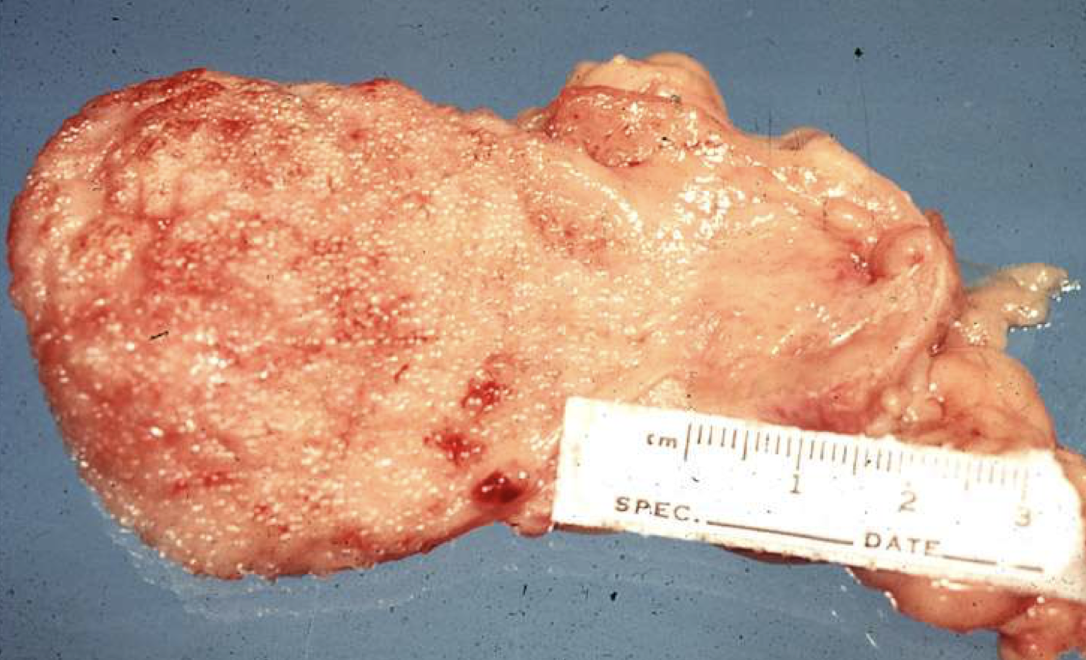
What is emphysematous cystitis and what predisposes to it?
Gas bubbles within the bladder wall → produced by gas-forming bacteria
Seen with diabetes mellitus, glucosuria, chronic infection
Grossly: emphysema in mucosa and submucosa
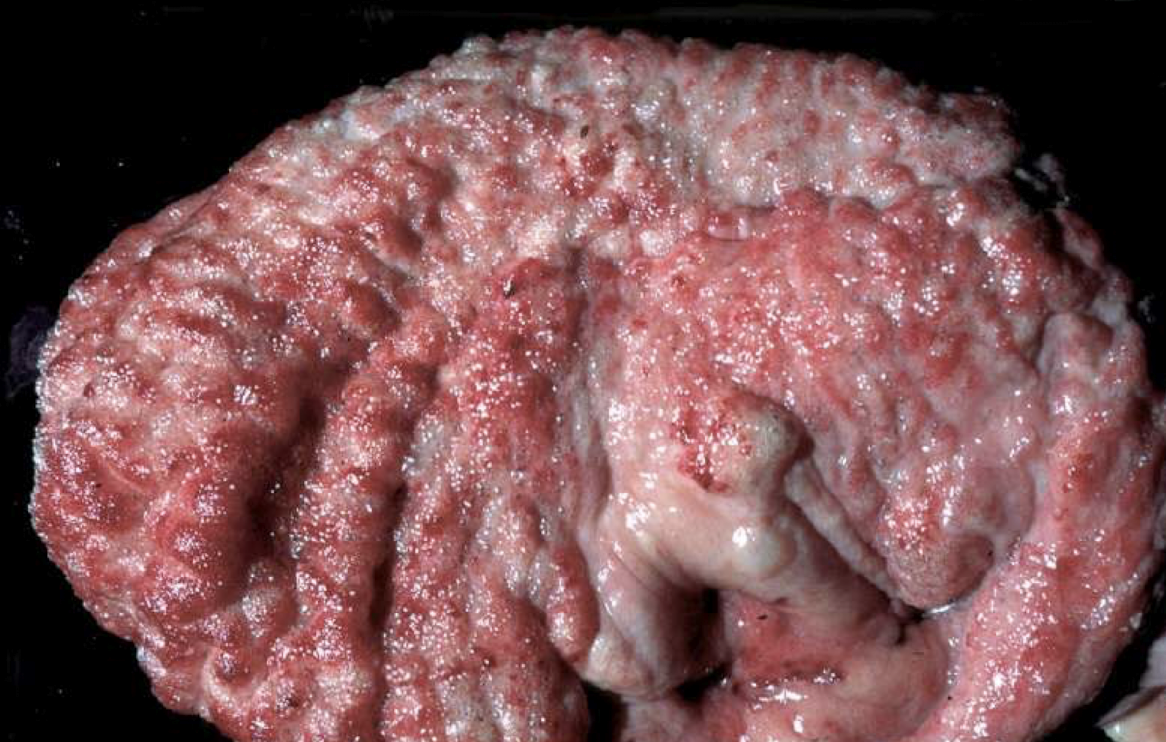
What does emphysematous cystitis look like grossly and what causes it?
Gas accumulates in mucosa and submucosa of the bladder.
Caused by gas-producing bacteria, often in diabetic animals with glucosuria → when give exogenous glucose/meds for milk fever
Appears bubbly, crepitant, and raised under the mucosa
How common is LUT neoplasia and which species get it?
LUT neoplasia is uncommon overall.
Occurs mainly in cows, dogs, and cats
What type of bladder tumor is most common in dogs?
Transitional cell carcinoma (TCC) is the most common primary LUT tumor in dogs
Often occurs at the trigone.
Highly invasive and often malignant
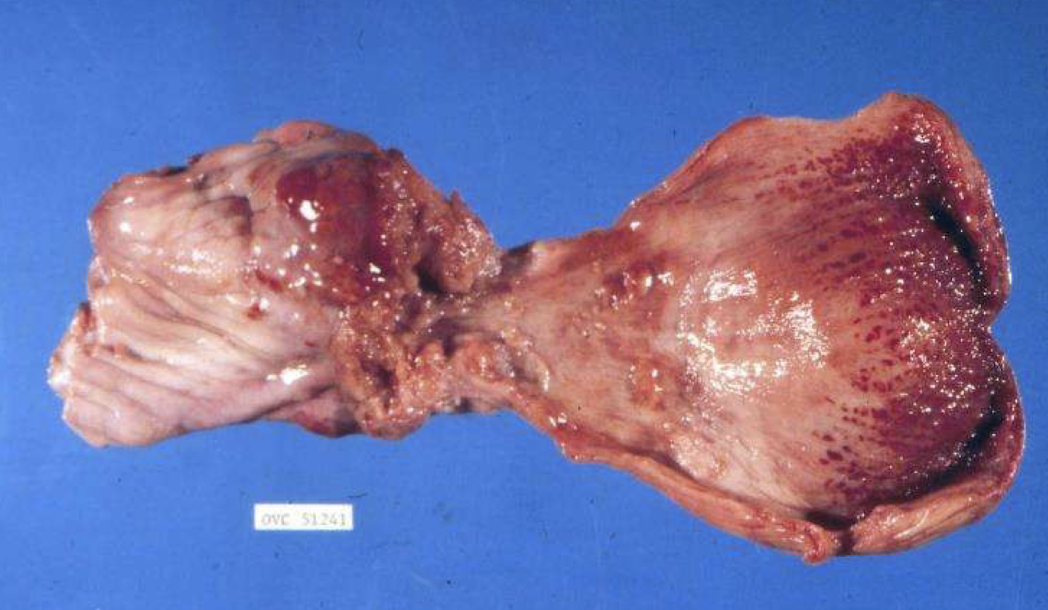
What are the major forms of Urothelial cell carcinoma(TCC) and what is its behavior?
Forms: Papillary, polypoid, sessile, or grossly inapparent (check prostate)
Behavior: Locally invasive, malignant, can metastasize.
Other possible LUT tumors: SCC, adenocarcinoma
~50% met → invasive and malignant
will get squamous metaplasia
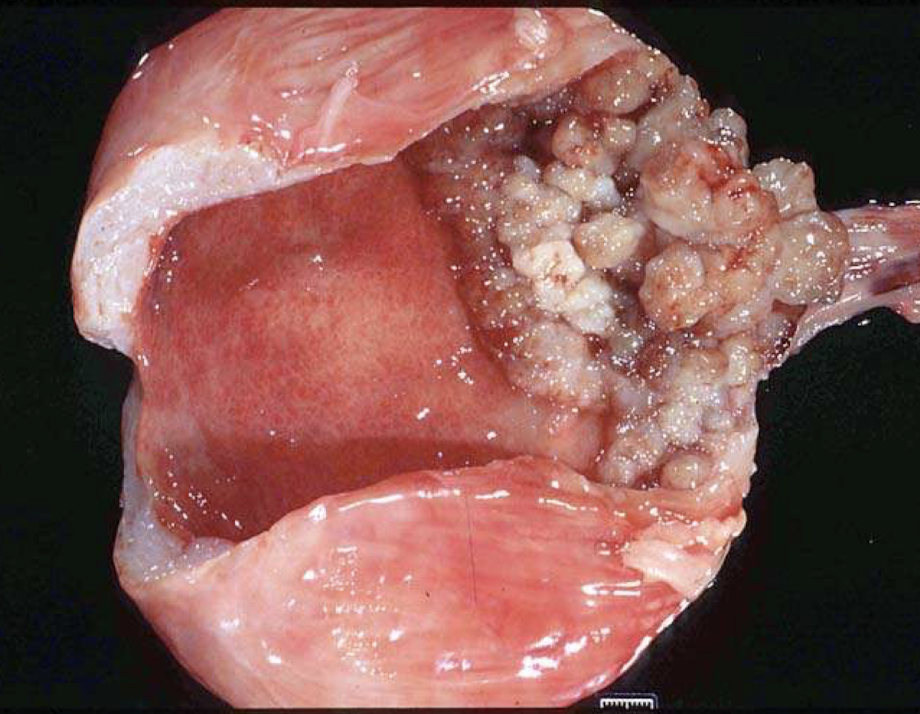
What proportion of Botryoid Rhabdomyosarcoma tumors are stromal and what is their behavior?
Stromal tumors = <20% of LUT tumors.
Usually benign.
Fibrosarcomas can metastasize; leiomyosarcomas less commonly
Young animals (<2 years)
Large-breed dogs (esp. St. Bernards)
Females > males (2:1)
Often infiltrate the bladder wall and can metastasize; associated with hypertrophic osteopathy
What plant causes bovine enzootic hematuria and what lesions occur?
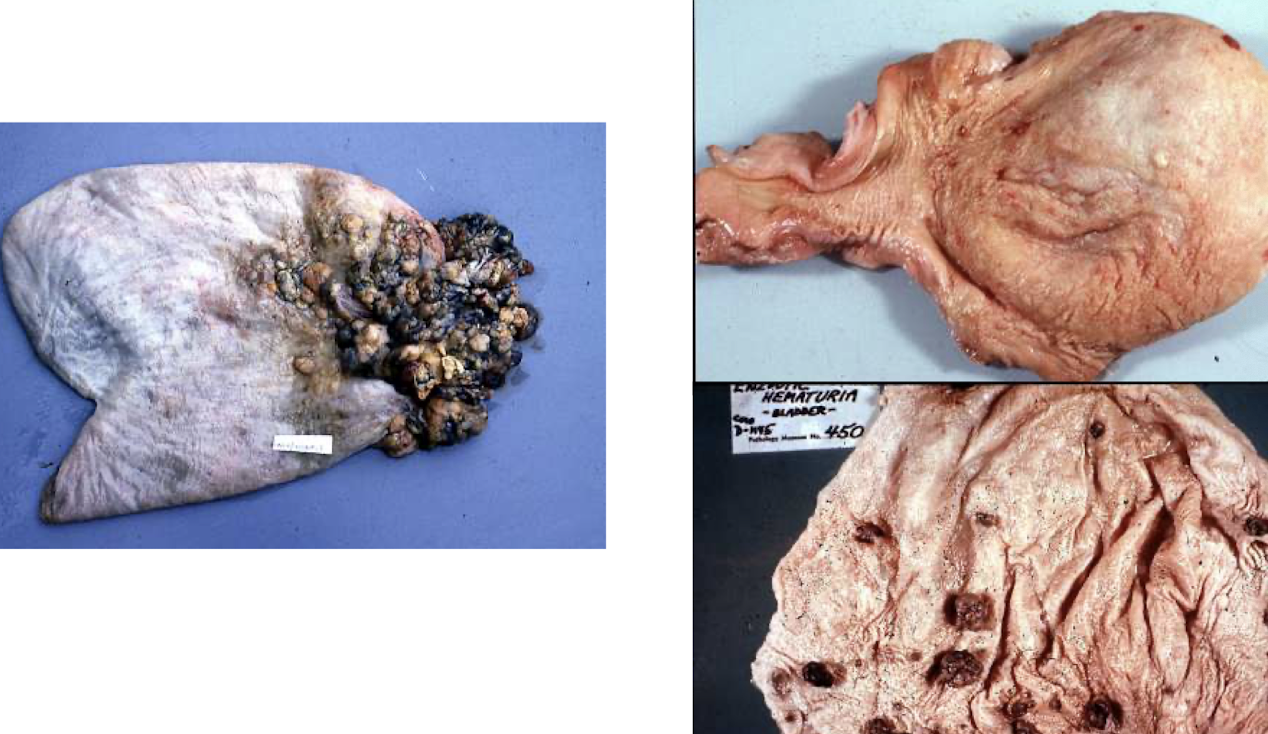
Cause: Bracken fern (Pteridium aquilinum)
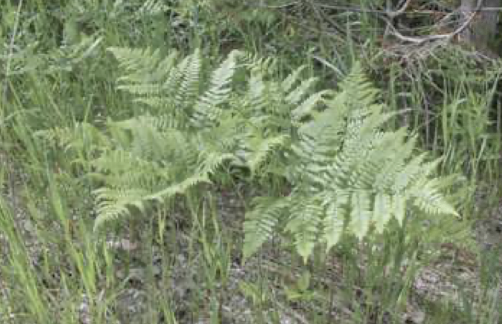
Leads to:
Chronic hematuria
Mixed benign & malignant tumors (approx. 50%)
Papillomas
Fibromas
Hemangiomas
Carcinomas
Hemangiosarcomas
Contains multiple carcinogens (ptaquiloside, quercetin)
most often found on ventral bladder → urine pooling
What percentage of cardiac output goes to the kidney?
Approximately 25% of cardiac output.
Kidney weight: ~0.5% of body weight
10% of oxygen consumption
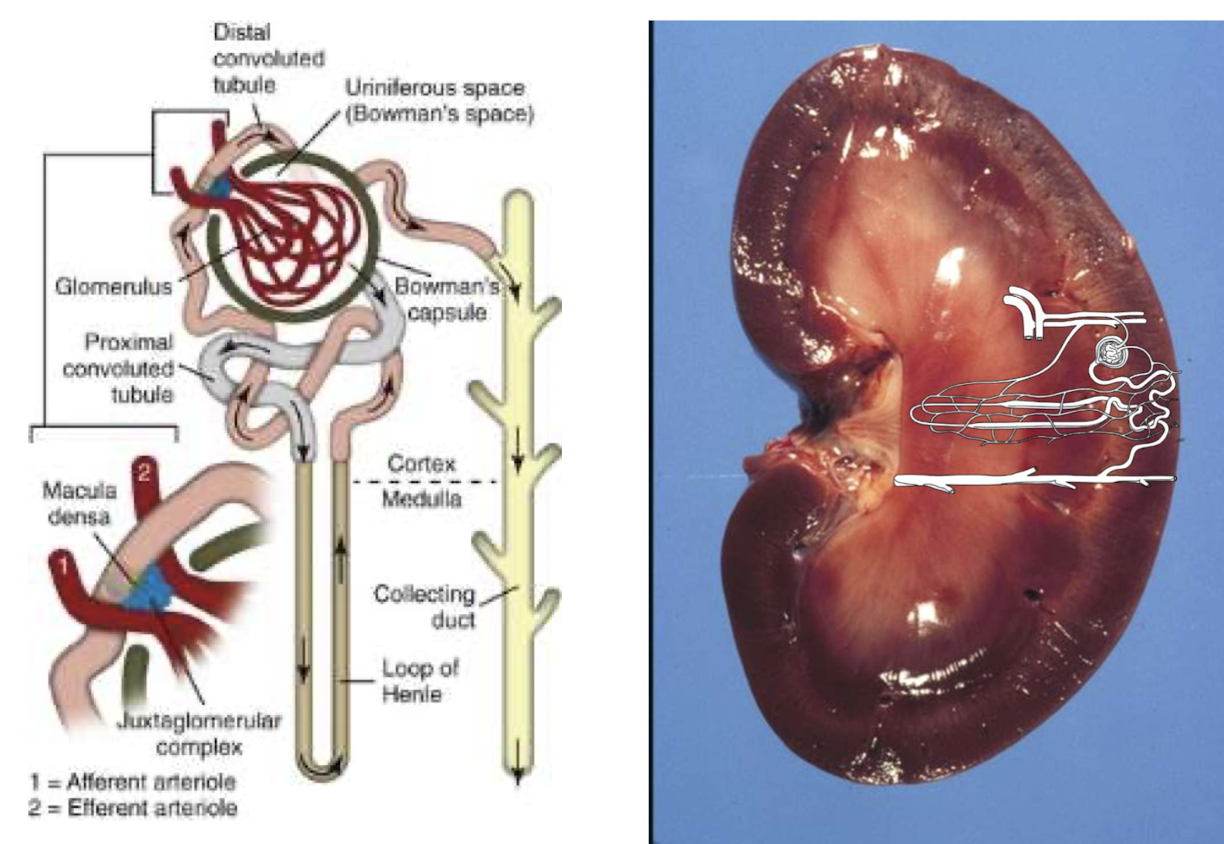
What major structures are highlighted in the renal diagram?
Cortex, medulla, pelvis
Glomeruli concentrated in cortex
Medulla receives blood mostly from juxtamedullary glomeruli to absorb water
What diseases are unique to the kidney (not LUT)?
Hydronephrosis
Renal anomalies
Renal cysts
Medullary necrosis
Infarcts
Renal neoplasia
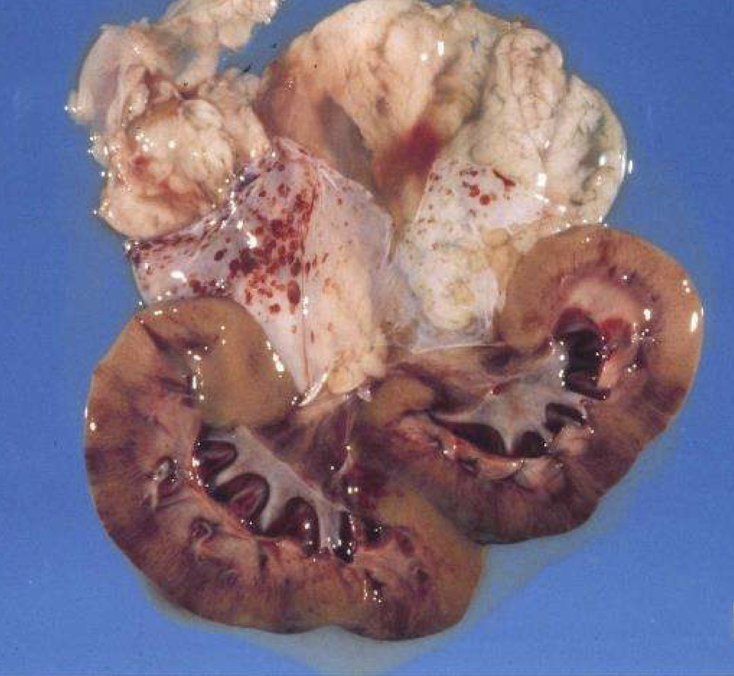
What does hydronephrosis look like grossly?
Dilated renal pelvis
Thinned cortex
Progressive pressure atrophy
no room to expand due to the fixed cortex, fluid accumulates in the kidney. kidney does not have a shut off system and will continue producing urine
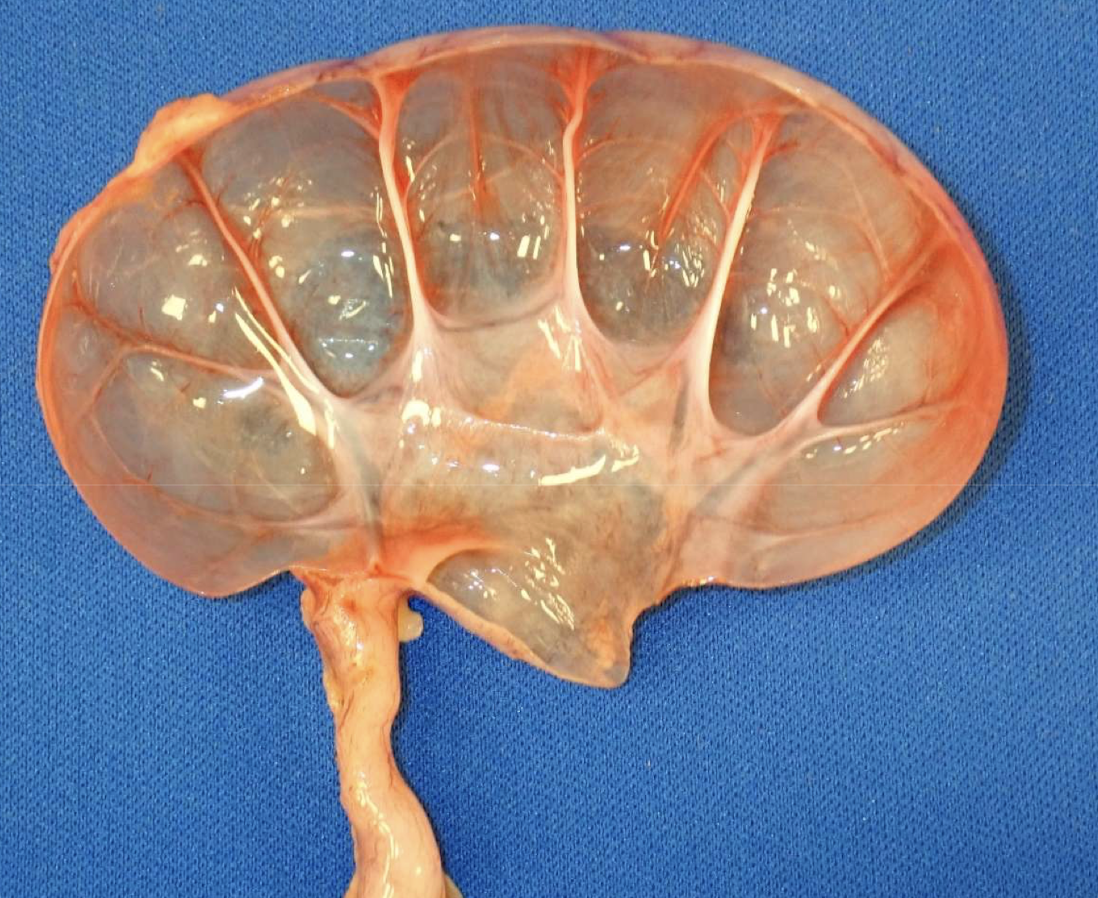
What is the pathophysiology of hydronephrosis?
Capsule is non-expansile
Obstruction → ↑ intrarenal pressure
Lymphatics & veins obstruct → ↓ blood flow → hypoxia
Results in pressure atrophy and apoptosis of renal cells
What defines juvenile nephropathy and what is the underlying pathology?
Clinical diagnosis of congenital/hereditary renal disease.
Features:
Uremia at young age (6–9 months or 4–18 months).
Often Type IV collagen defect in glomerular BM → hereditary nephropathy.
Membranoproliferative GN may occur.
Some cases involve tubular atrophy and interstitial fibrosis from unknown cause
What structures characterize renal dysplasia?
Abnormal structures:
Blind-ended collecting ducts
Atypical tubular epithelium
Primitive ducts
Inappropriate/immature structures:
Immature glomeruli
Undifferentiated mesenchyme (cortex/medulla)
Possible osseous/cartilaginous metaplasia
Often associated with ureteral anomalies → predisposed to pyelonephritis
Related anomalies: hypoplasia, aplasia
What are the three main mechanisms of renal cyst formation?
Obstructive
Altered tubular basement membrane
Disordered growth of tubular epithelium with focal hyperplasia
Types:
Simple renal cysts: all species, most common in cows/pigs
Polycystic kidney disease (PKD):
ADPKD: Persians, Bull terriers, pigs, lambs
Bilateral cysts of convoluted tubules → renal failure
May have hepatic/pancreatic cysts
Mutation in PKD1
ARPKD: Cairns, Westies, sheep, Persians
Often with biliary cysts
CPKD: all domestic species
Stillbirths or neonatal death from renal failure
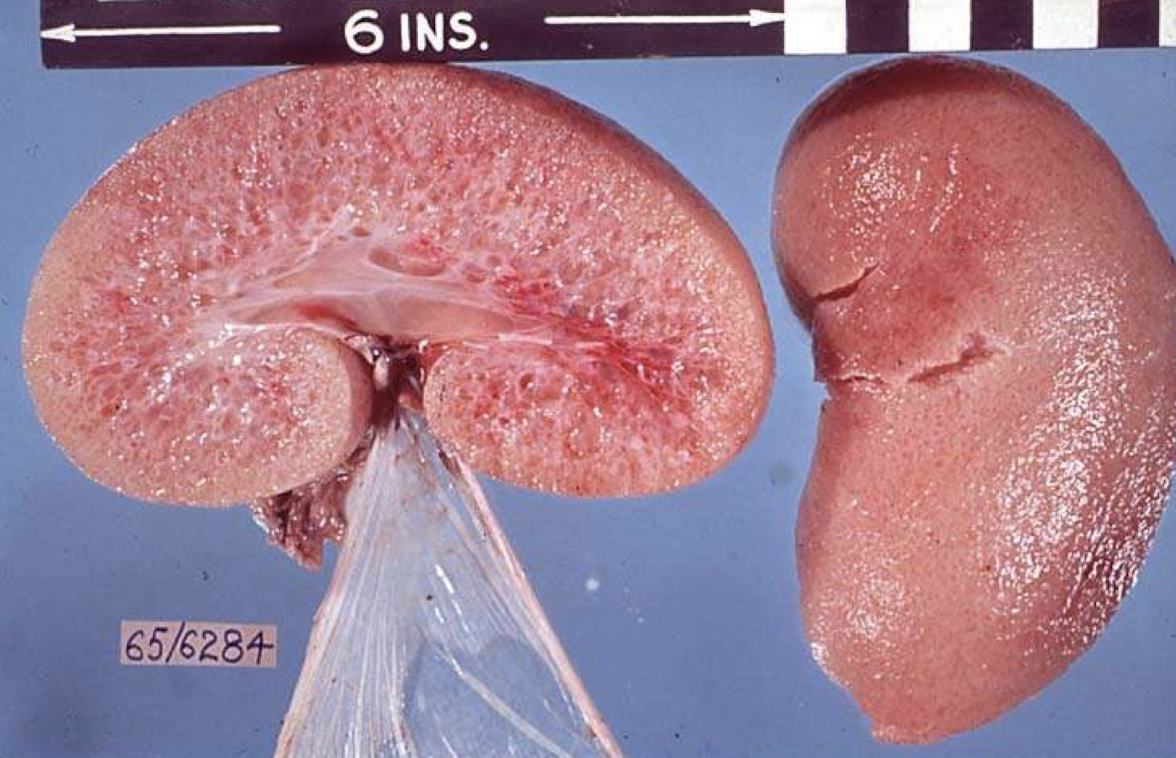
What gross features define Polycystic kidney disease?
Numerous, variably sized cortical and medullary cysts
Bilaterally enlarged kidneys
Replacement of parenchyma with cystic spaces
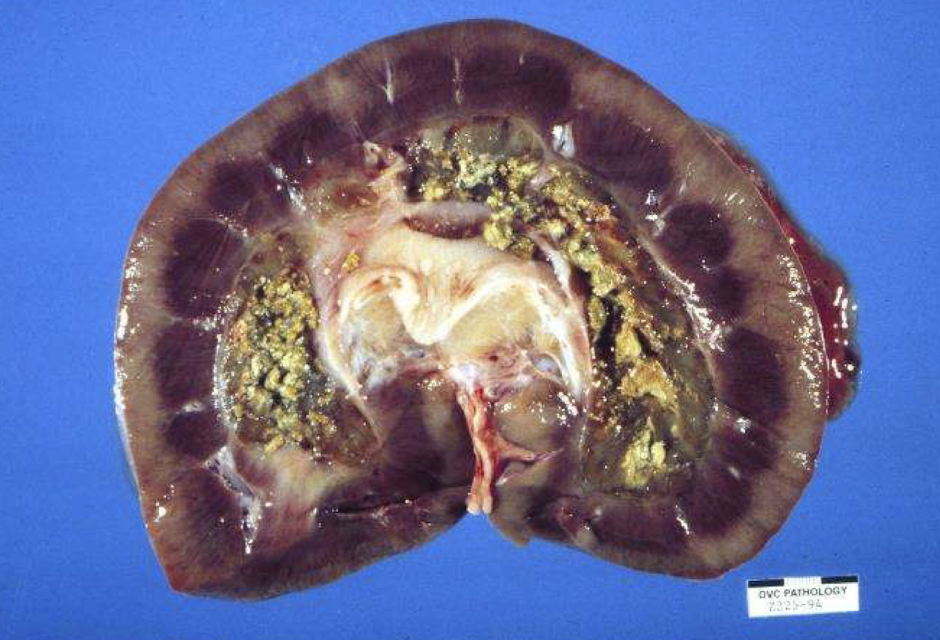
What is medullary necrosis and what predisposes the medulla to injury?
Medullary necrosis = necrosis of renal papilla/central medulla.
Medulla is naturally hypoxic due to countercurrent blood supply
Why are cortical glomeruli more vulnerable to ischemia?
Cortex = high flow, high demand
Blood from most glomeruli supplies cortex directly
Less redundancy compared to juxtamedullary glomeruli
How do NSAIDs lead to medullary (papillary) necrosis?
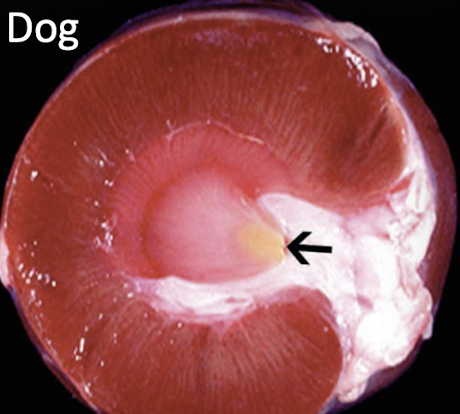
Medulla relies on prostaglandins + nitric oxide for vasodilation.
NSAIDs (COX-1 inhibitors) block prostaglandin production → loss of protection → ischemia.
Necrotic papilla may slough and obstruct the ureter
What clinical signs are associated with acute papillary necrosis?
Hematuria
Proteinuria
Casts
Oliguria, then polyuria with poor concentrating ability
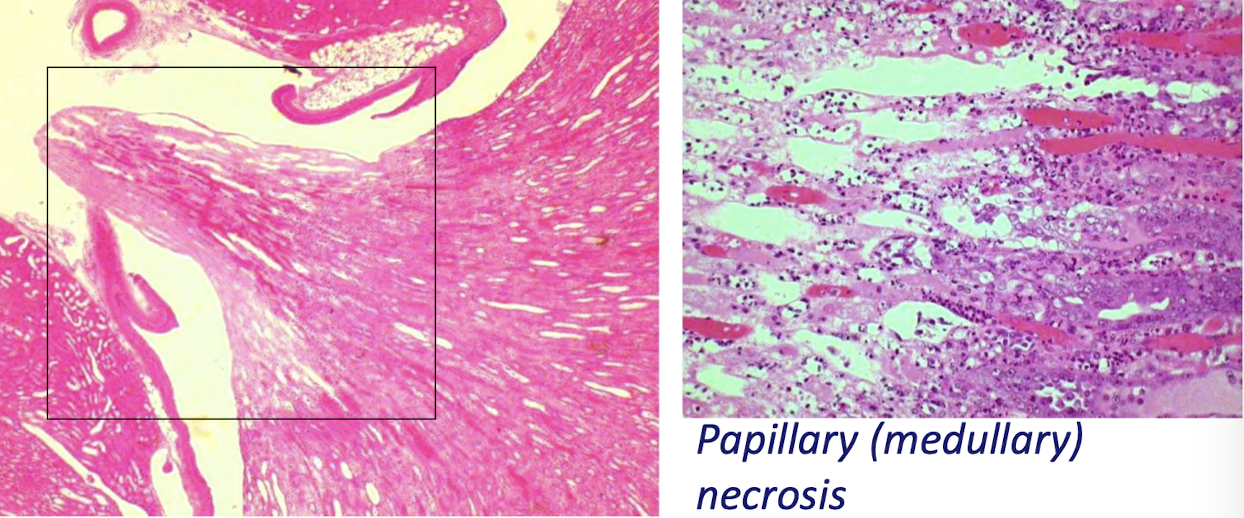
What determines the appearance and severity of renal infarcts?
Depends on:
Cause: septic vs non-septic emboli
Vessel affected:
Renal artery
Interlobar artery
Arcuate artery
Interlobular artery
Renal infarcts are common, but often clinically insignificant unless large or infected.
Classic appearance: wedge-shaped, pale cortex with hyperemic rim
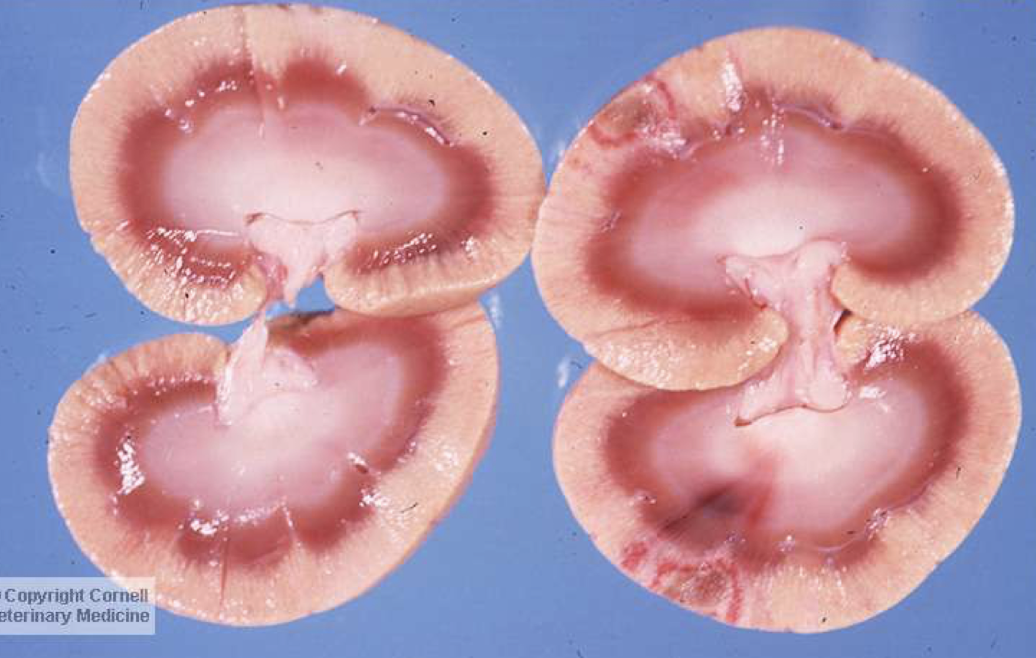
What are the most common types of renal tumors across species?
Primary tumors are rare; metastasis more common
Adenoma: rare (horse, cow)
Carcinoma: #1 in cows, horses, dogs
Nephroblastoma: #1 in pigs, chickens
What does renal carcinoma in the horse look like grossly?
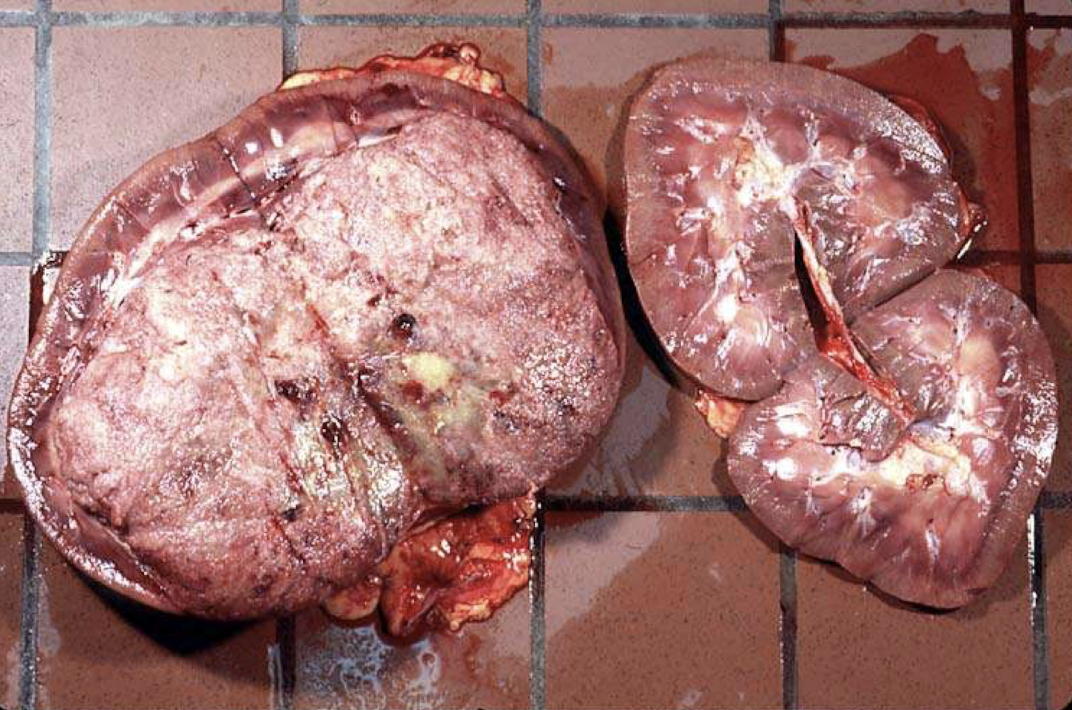
Large, invasive, pale-to-yellow neoplastic masses
Distortion of normal renal architecture
What are common renal stromal tumors?
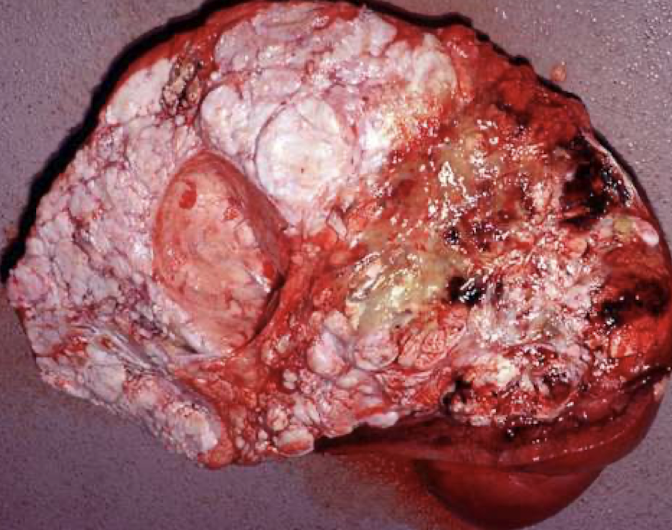
Fibrosarcoma
Leiomyosarcoma
Hemangiosarcoma
What signalment is associated with renal tumors in dogs?
Males 2× > females
Opposite in cows (females > males)
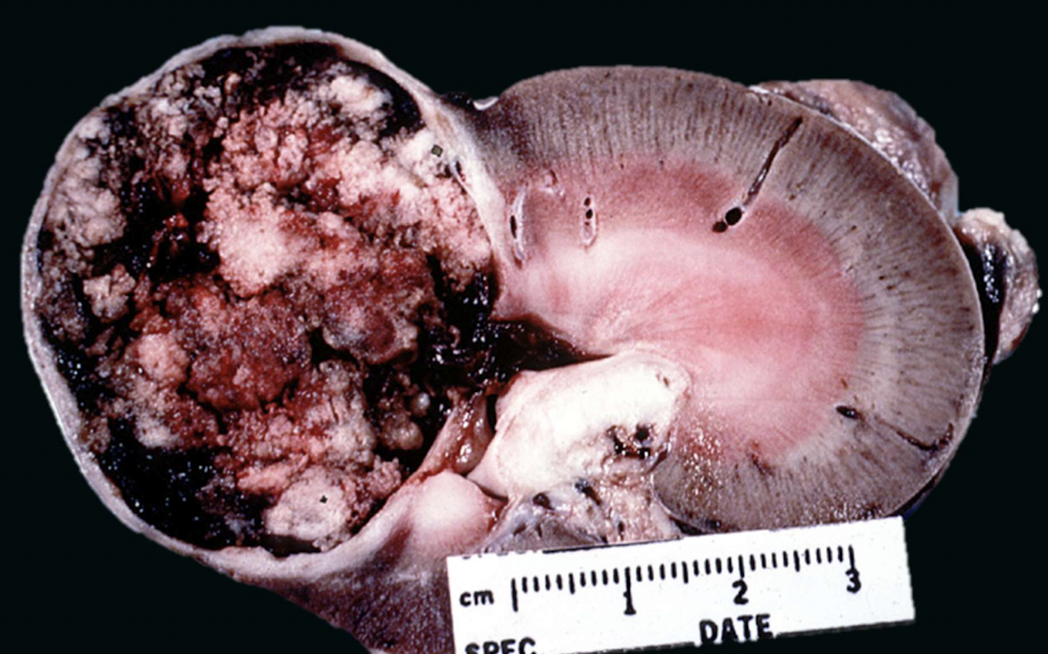
Which renal tumor is extremely common in pigs?
Nephroblastoma
Embryonal tumor with:
Primitive glomeruli
Undifferentiated mesenchyme
Tubular elements
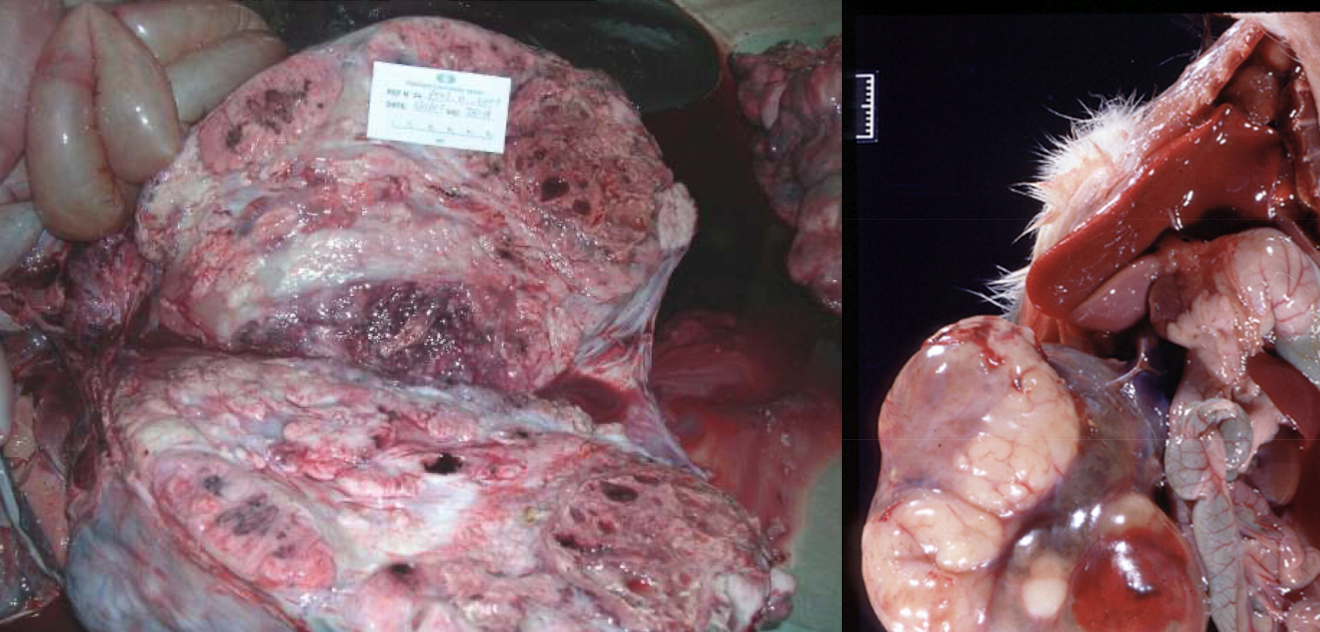
What renal tumor is common in young dogs?
Nephroblastoma (Wilms tumor)
Often affects spinal region (“thoracolumbar spinal tumor of young dogs”)
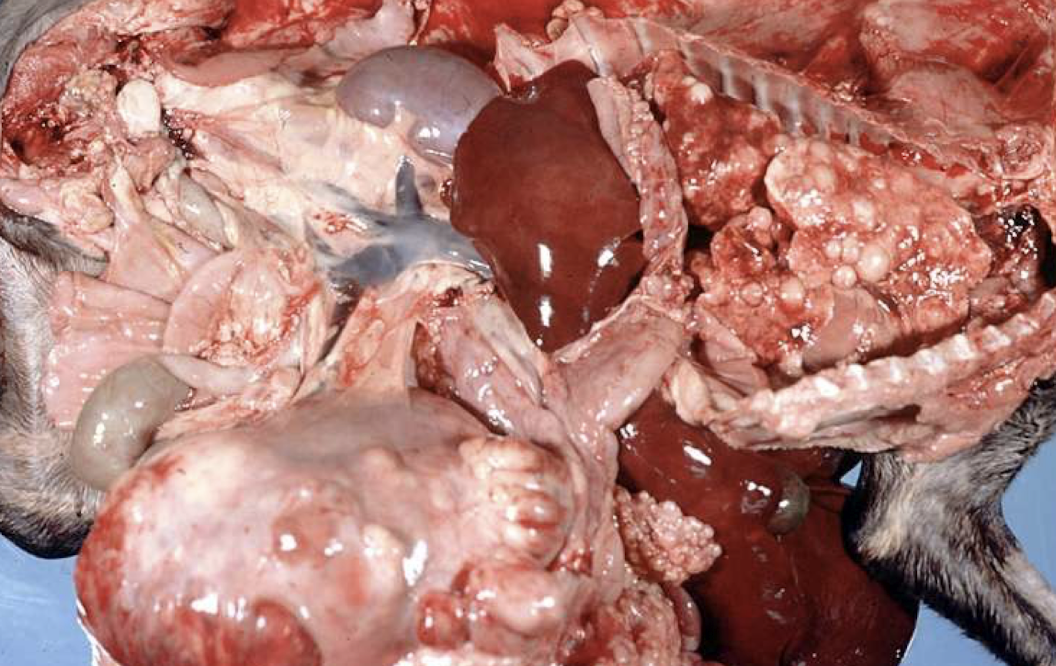
Why can nephroblastomas cause neurologic signs in dogs?
Spinal form compresses spinal cord → hindlimb ataxia, paresis
What renal tumors are seen in cats?
Carcinomas
Lymphoma
Nephroblastoma (less common)
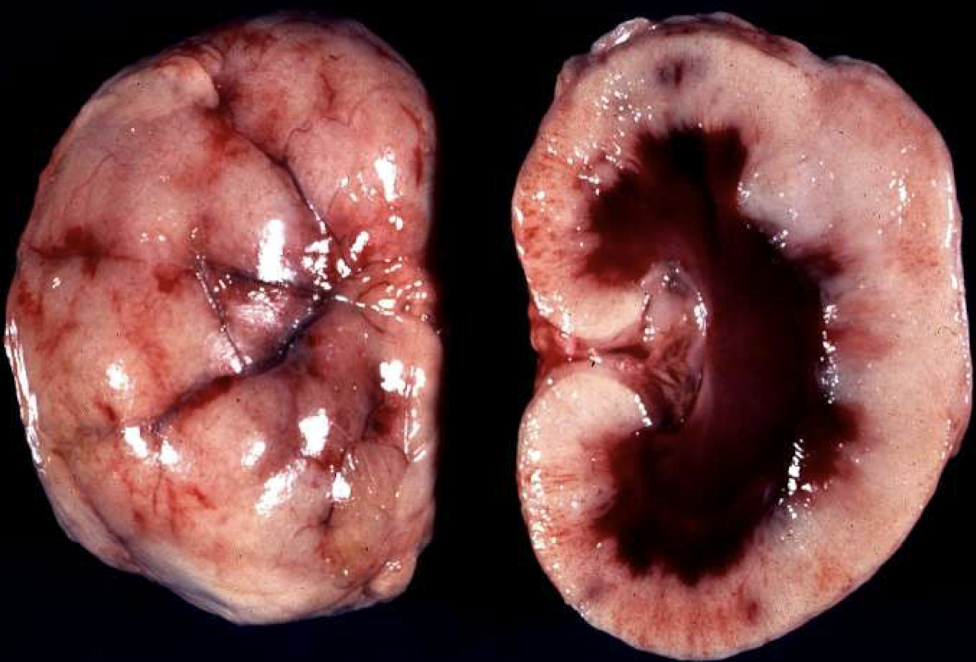
Which renal tumor is most common in cattle?
Renal carcinoma
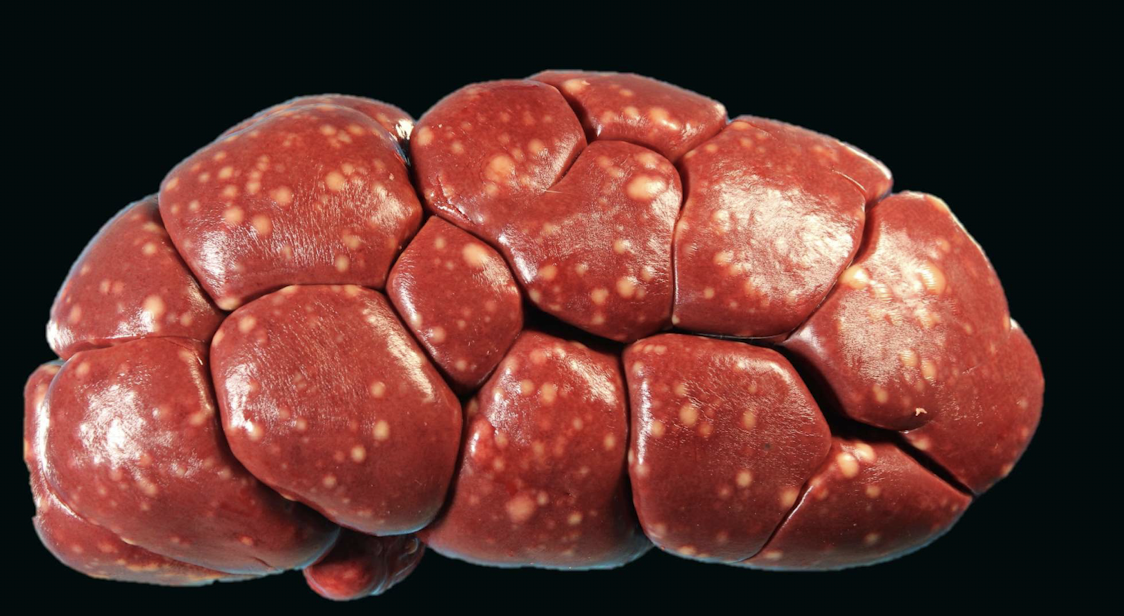
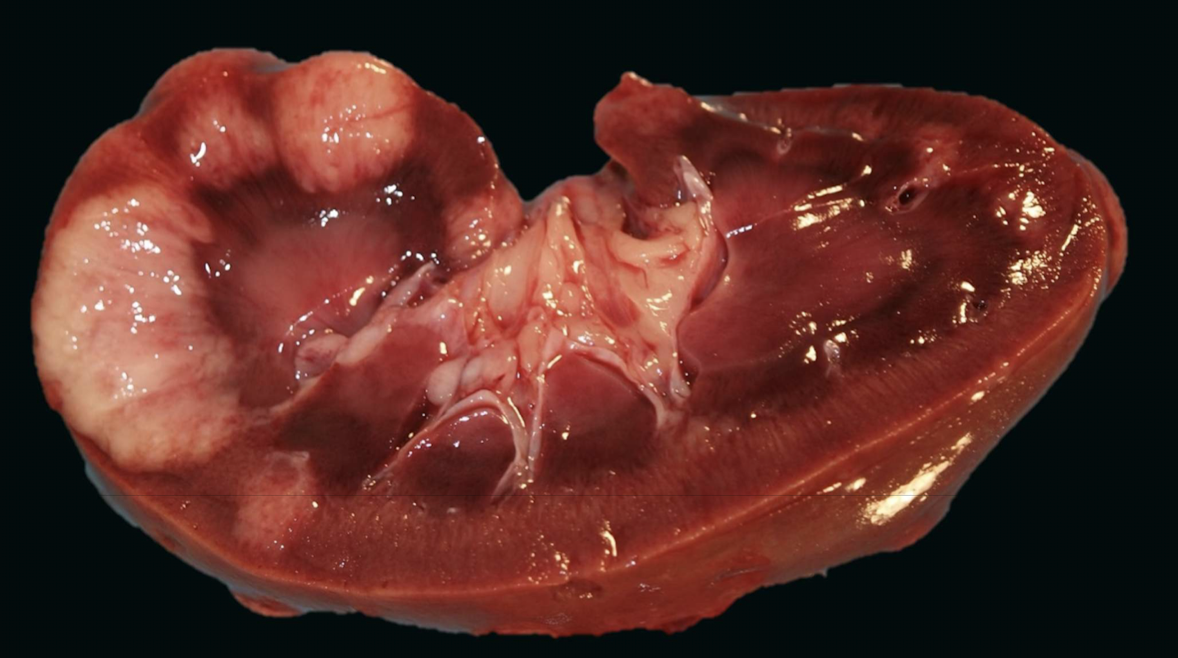
What common renal pathology is seen in goats?
Caprine kidneys often develop cystic changes and interstitial nephritis, especially with chronic infections
 Note
Note  Flashcards (77)