Biology - B2.3 Cell Specialization
 Studied by 0 people
 Call Kai
 Learn
Learn Practice Test
 Spaced Repetition
 Match
Match Flashcards
 Knowt Play
1/31

There's no tags or description
Looks like no tags are added yet.
Name | Mastery | Learn | Test | Matching | Spaced | Call with Kai |
|---|
No analytics yet
Send a link to your students to track their progress
32 Terms
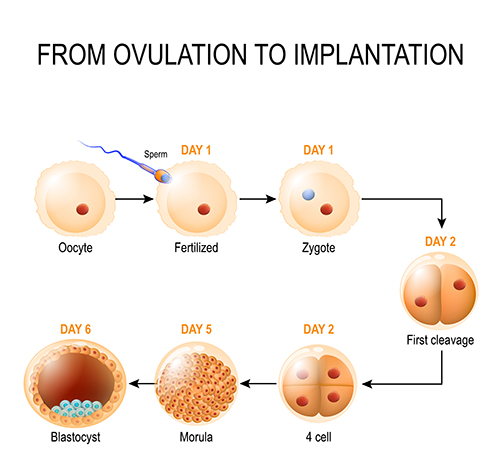
Process of forming blastocyst
Firstly, there is an ovum which is fertilized by a sperm cell. After the fusion of a male and female gamete, a zygote is formed. After 72 hours of division through mitosis a mass of unspecialised cells is produced (the morula). At around 4-5 days after fertilisation, when cells start to differentiate, a blastocyst is formed.
Why do cells not use mitosis to produce specialised cells?
Mitosis produces genetically identical cells so to express certain genes and others not, cells must differentiate.
List examples of differentiated cells, cells that originate from a stem cell
Reproductive cells, muscle cells, fat cells, immune cells, bone cells, blood cells, nervous cells, epithelial cells
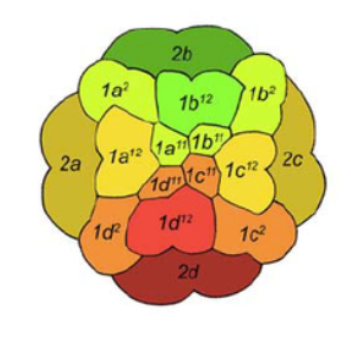
What is a gradient in an early-stage embryo?
There are signaling chemicals in the embryo, called morphogens, and the different concentrations of these form gradients. The gradients regulate gene expression
How do gradients in the early-stage embryo regulate gene expression?
In the different concentrations of these signaling chemicals (A, B, C, D) and they all regulate different genes expressing so different specialized cells are created
What are stem cells?
Stem cells are undifferentiated cells (or sometimes partially differentiated) and have the capacity to divide endlessly and differentiate along different pathways.
List the three different types of stem cells
Totipotent, pluripotent, and multipotent
Totipotent stem cells
Cells that can differentiate into any cell type.
Found in the early embryo stage up to the morula
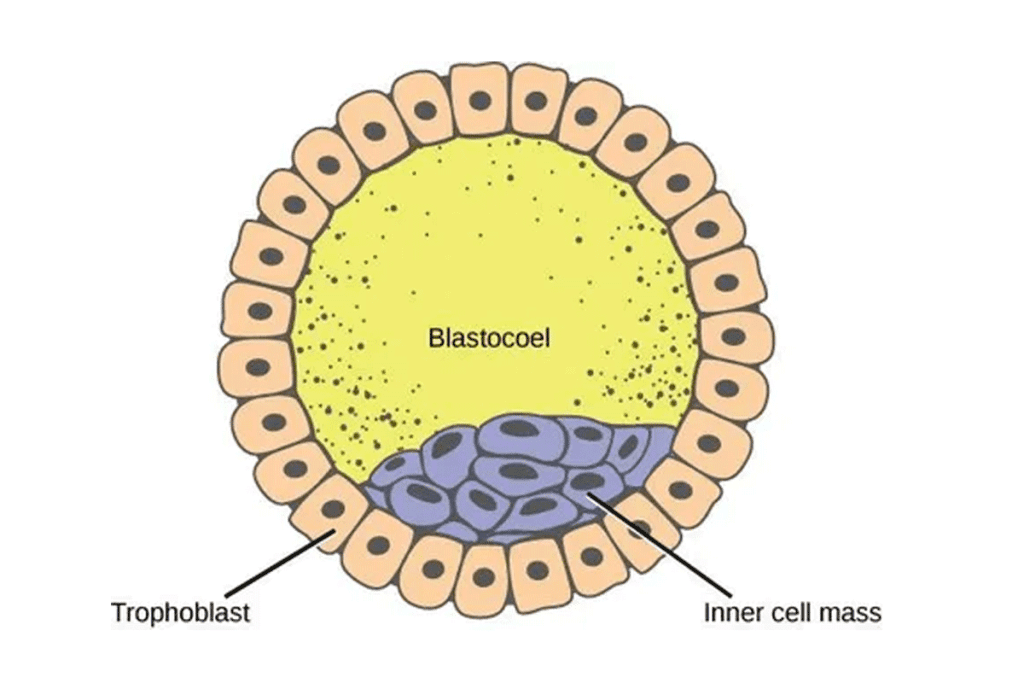
Pluripotent stem cells
cells that can differentiate into a range of cell types, but NOT ALL
Found in the inner cell mass of a blastocyst, thus embryonic stem cells
Multipotent stem cells
Cells that can only differentiate into a limited type of cells
Found in adults(eg in hematopoietic stem cells in bone marrow)
Stem cell niches
Precise location within tissues where stem cells are found in adults
Stem cell niches role in cell specialisation
Stem cell niches have particular microenvironments that enable cells to continue dividing for self-renewal, as well as differentiation if necessary.
Hair follicle as example of stem cell niche
Hair follicles have a microenvironment where adult multipotent stem cells are maintained and their proliferation (rapid reproduction, self-renewal) and differentiation
Bone marrow as example of stem cell niche
Bone marrow has a microenvironment where adult multipotent stem cells are maintained and their proliferation (rapid reproduction, self-renewal) and differentiation
Compare and contrast a morula and a blastocyst
Morula is a mass of unspecialised cells (around 3 days after fertilisation whilst a blastocyst has some specialised cells (4-5 days after fertilisation)
Distinguish between a zygote and a morula
zygote is right after fusion, there is only one cell.
a morula is after around 3 days of mitosis and there are many more cells
what causes the cells in a morula to differentiate into different types of cell?
their position and thus the concentration of signaling chemicals they are experiencing - their gradient
Why is the surface area to volume ratio important?
The metabolic rate of a cell is proportional to its volume and the rate at which substances can enter or exit a cell depends on the surface area of it’s plasma membrane.
Therefore, there is a maximum size for cells otherwise they can’t appropriately absorb nutrients and water. The smaller the better
How is surface area to volume ratio calculated?
surface area (units2) / volume (units3)
Describe the relationship between size of a cube and surface area to volume ratio
As the volume increases, the surface increases but not in the same increments so the SA:V ratio decreases
Examples of implications of SA:V ratio
Root hairs have high SA to absorb nutrients
Lungs have alveoli with high SA to absorb oxygen
Cells have microvilli for high SA
On the other hand, high SA means it is easier to lose heat, e.g. elephants
Example cells that are adapted by cell size
Egg cells, sperm cells, red blood cells, white blood cells, motor neurons, striated muscle fibre
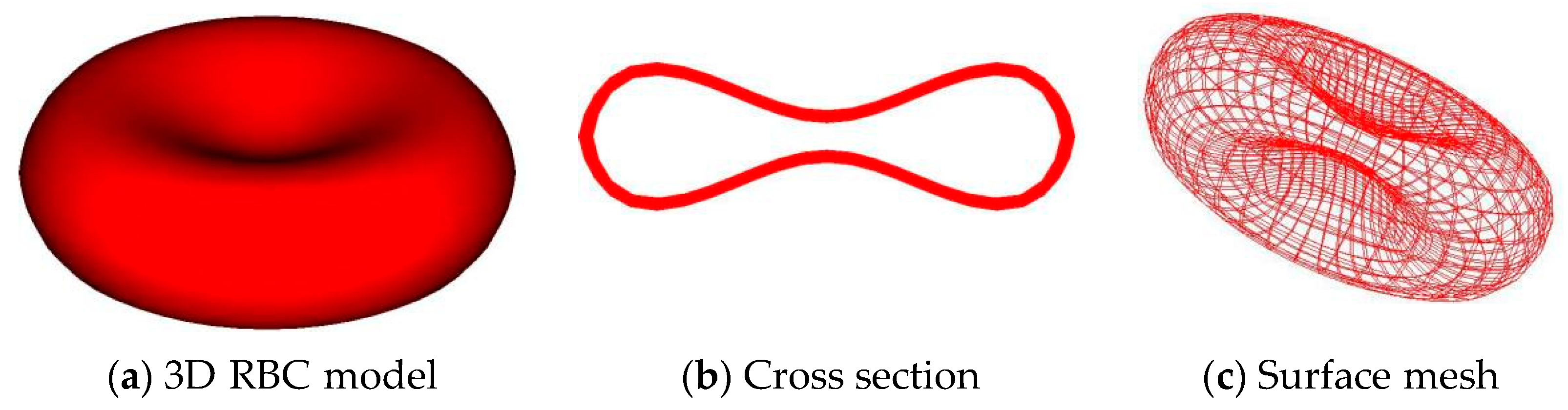
Red blood adapted in terms of size
Around 7 micrometres by 2 micrometres
Very small to fit through capillaries as oxygen has to be delivered everywhere
Very large SA:V ratio to diffuse oxygen
Biconcave shape to increase SA
White blood adapted by cell size
Have a diameter of around 10 to 20 micrometres
Are smaller because have to be transported around the body through blood vessels
A bit bigger than red blood cells to make antibodies
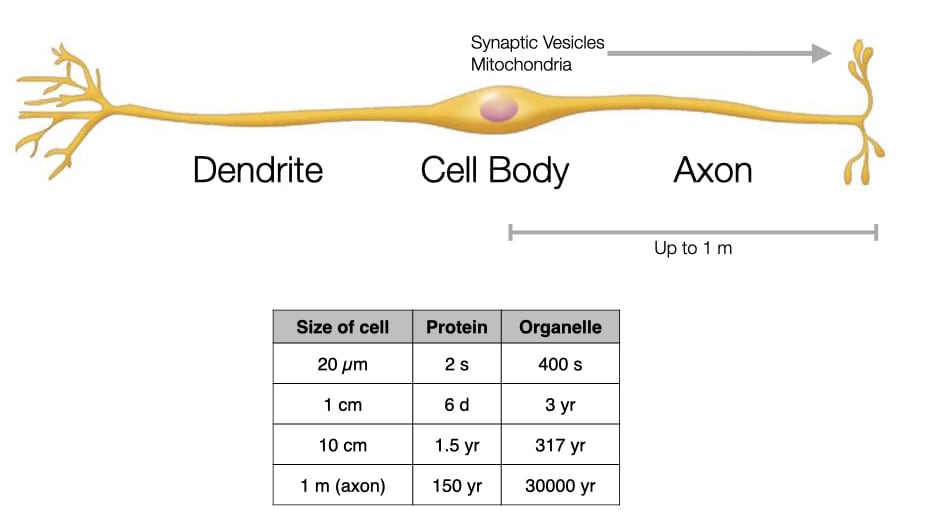
Motor neurons adapted by cell size
Up to 1m in length and the cell body has a diameter of around 50 micrometres
Very long to transmit from one place (spinal cord) to around the body
Adaptations of egg cells
Around 100 micrometres in diameter
Large cell for the store of nutrients
A glycoprotein layer around the outside called the zone pellucida prevents polyspermy and provides early-embryonic stage protection
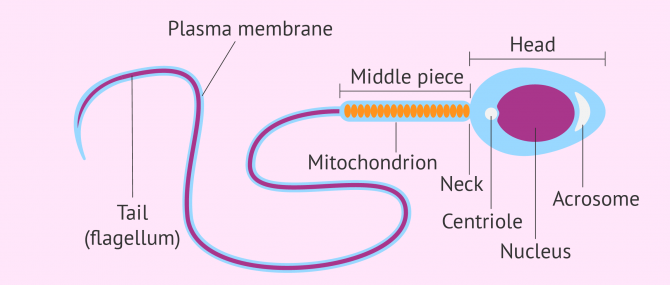
Adaptations of sperm cell
Around 50 micrometres in length, head has a diameter of 5 micrometres
Small size
Tail/flagellum for movement/effective swimming
Mid part of the sperm cell contains many mitochondria to power the movement of the flagella
The head region of the sperm cell contains a very large vesicle (acrosome) that contains digestive enzymes to break down the zona pellucida during fertilization
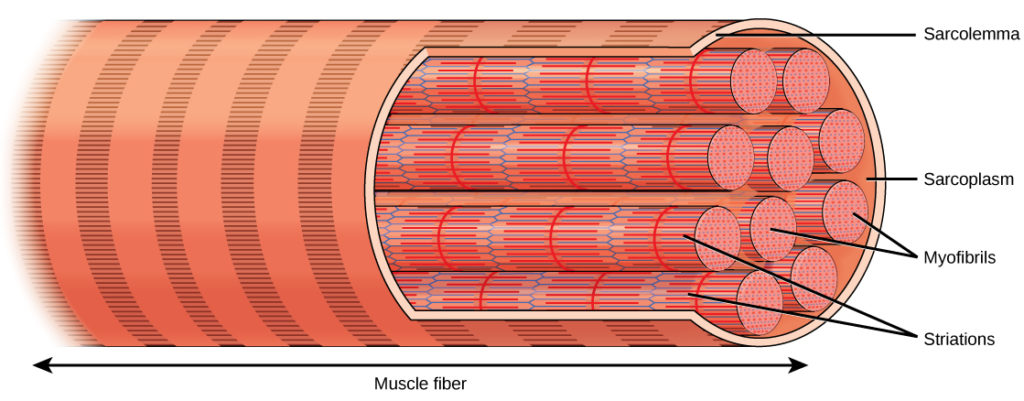
Adaptations of striated (skeletal) muscle cells
Up to 1m in length and 50 micrometres in diameter
Long length because have to stretch from one bone to the other
Multinucleate (many nuclei) to produce proteins quickly when muscles are repairing or growing
Contain contractile myofibrils for precise movement, as one myofibril can be stimulated at a time
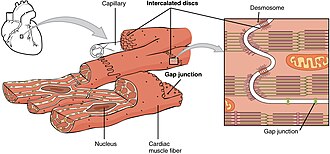
Adaptations of cardiac muscle cells
Contain contractile myofibrils that ensure coordinated contraction
Cells are branched and join with adjacent cells by intercalated discs to ensure rapid spread of depolarisation (electrical impulse) across the whole muscle
Type 1 pneumocytes in alveoli adaptations
Found in lung/alveoli cells
Very flat and thin cells to reduce distance for diffusion of oxygen and CO2 as gas exchange
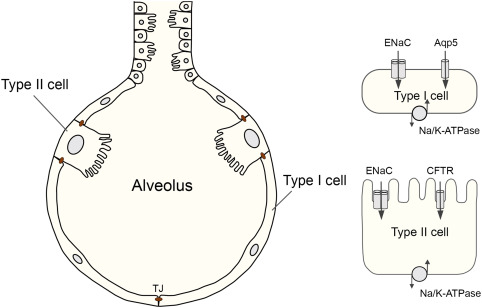
Type II pneumocytes in alveoli
Many secretory vesicle (lamellar bodies) in cytoplasm to discharge surfactant (surfactant reduces surface tension in lungs so is released to prevent lungs from collapsing in on themselves)
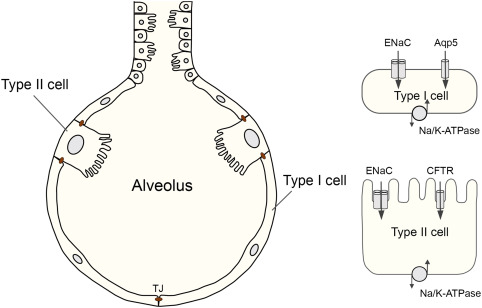
The two types of cells in pneumocytes/alveoli and why
Type 1 (long and thin) and Type 2 (secretory vesicles that discharge surfactant).
There are two types because different adaptations are required for the overall function of the alveoli
 Note
Note  Flashcards (31)