Organic Chemistry
 Call Kai
 Learn
Learn Practice Test
 Spaced Repetition
 Match
Match Flashcards
 Knowt Play
1/215

There's no tags or description
Looks like no tags are added yet.
Name | Mastery | Learn | Test | Matching | Spaced | Call with Kai |
|---|
No analytics yet
Send a link to your students to track their progress
216 Terms
When finding hybridization always remember about what
resonance structures which determine hybridization
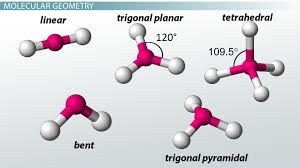
sp hybridization has what geometry and bond angle
linear and 180
sp2 hybridization has what geometry and bond angle
trigonal planar, 120
sp3 hybridization has what geometry and bond angle
tetrahedral, 109.5
Oxygen exists normally with how many bonds and lone pairs
2 bonds and 2 lone pair
Nitrogen exists normally with how many bonds and lone pairs
3 bonds and 1 lone pair
Phosphorous exists normally with how many bonds and lone pairs
3 bonds and 1 lone pair
Sulfur exists normally with how many bonds and lone pairs
2 bonds and 2 lone pairs
MEMORIZE
What are Lewis Acids
compounds that serve as electron acceptors
What are Lewis Base
compounds that serve as electron donors
What is Bronsted Lowry Base
are proton (H) acceptors
What is Bronsted Lowry Acid
proton (H) donors
The lower the pKa, the _acid
stronger
What are the 7 strong acids
HBr,
HCl,
HI,
HNO3,
HClO3,
HClO4,
H2SO4
High Ka means
high Ka means strong acid. High Ka means lower pKa value
High pKa means
low Ka value. Also means weakest acid
What happens to acidity as we go down a column in the periodic table
Acidity increases because atomic size increases
In an acid-based reaction, what kind of acid is favored for production?
the formation of a weaker acid is favored
For an amino acid, what happens to the amino and carboxyl group depending on how high or low pH is
If the pH is higher than functional group’s pKa, then carboxyl group will be in base form (COO-) no Hydrogen. If pH is lower than pKa, carboxyl group will gain proton COOH. If pH is greater than pKa, amino group will be the same (NH2). If pH is less than pKa, amino group will gain proton NH3+
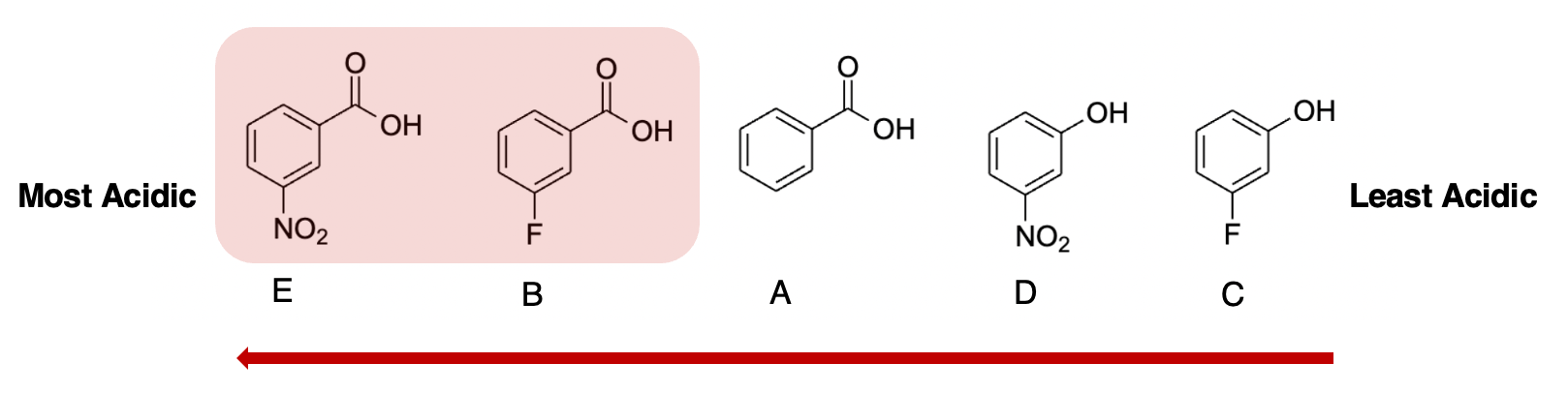
If atoms like Fluorine group are closer to carboxylic acid what does this mean in terms of how strong the molecule is
Groups like Fluorine when close to carboxylic acid, are electron withdrawing groups so they will stabilize the negative charge of the conjugate base of the chosen molecule, resulting in stronger acid.
Which ones are stronger acid one with carboxylic acid or only alcohol group
Carboxylic acid because the conjugate base of carboxylic acids are MORE STABLE
A bigger atom does what to acidity
increases acidity
Electron withdrawing groups like F, Cl, Br, I do what to acidity
increase
What are some electron withdrawing groups resulting in increasing acidity
From Greatest to smallest:
nitro (NO2), (SO3H), cyano (CN), carbonyls (CHO, C=O, COOH, COOR), halogens,
When determining which molecule is the most acidic: Use CARDIO after you convert each molecule into its conjugate base
C → Charge. Carboxylic acid is strongest acid. the more + charged molecules are the more acidic
A → Atom size. the bigger the size of atom the more acidic be. The more electronegative the atom is, the more acidic the conjugate acid is
R → Resonance! must be able to be resonance stabilized or do resonance (SO no cyclic rings without double bonds inside)
DI → Dipole induction. Which groups are the most electron withdrawing? As shown here
O → look at orbitals. sp most acidic > then sp2 > sp3 is least acidic
Strong conjugate base means..
weak acid (low Ka, high pKa)
weak conjugate base means
strong acid (High Ka, low pKa)
strong conjugate acid means…
weak base
weak conjugate acid means
strong base
What makes a molecule more basic in terms of what kind of functional group must be there and characteristics?
electron donating groups like
NH2,
NH-R,
N,
OH,
O-R are strongest
then NHCO-,
OCO-,
lastly weakest is CH3, CH2CH3
Hydrogen bonding can happen intermolecularly between what kinds of molecules? Fundamental atoms in there that can allow this
Hydrogen (H) bonded to Nitrogen (N), Oxygen (O), or Fluorine (F).
Alkyne
triple bond. when naming for IUPAC want to assign this lowest number as possible. Numbering should go through it
-yne
Alkene
double bond. Try to assign lowest number. Counting should go through this.
-ene
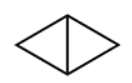
Name this
Bicyclo[1.1.0]butane
butane is parent name because there is 4 carbons
bicyclo in front of name
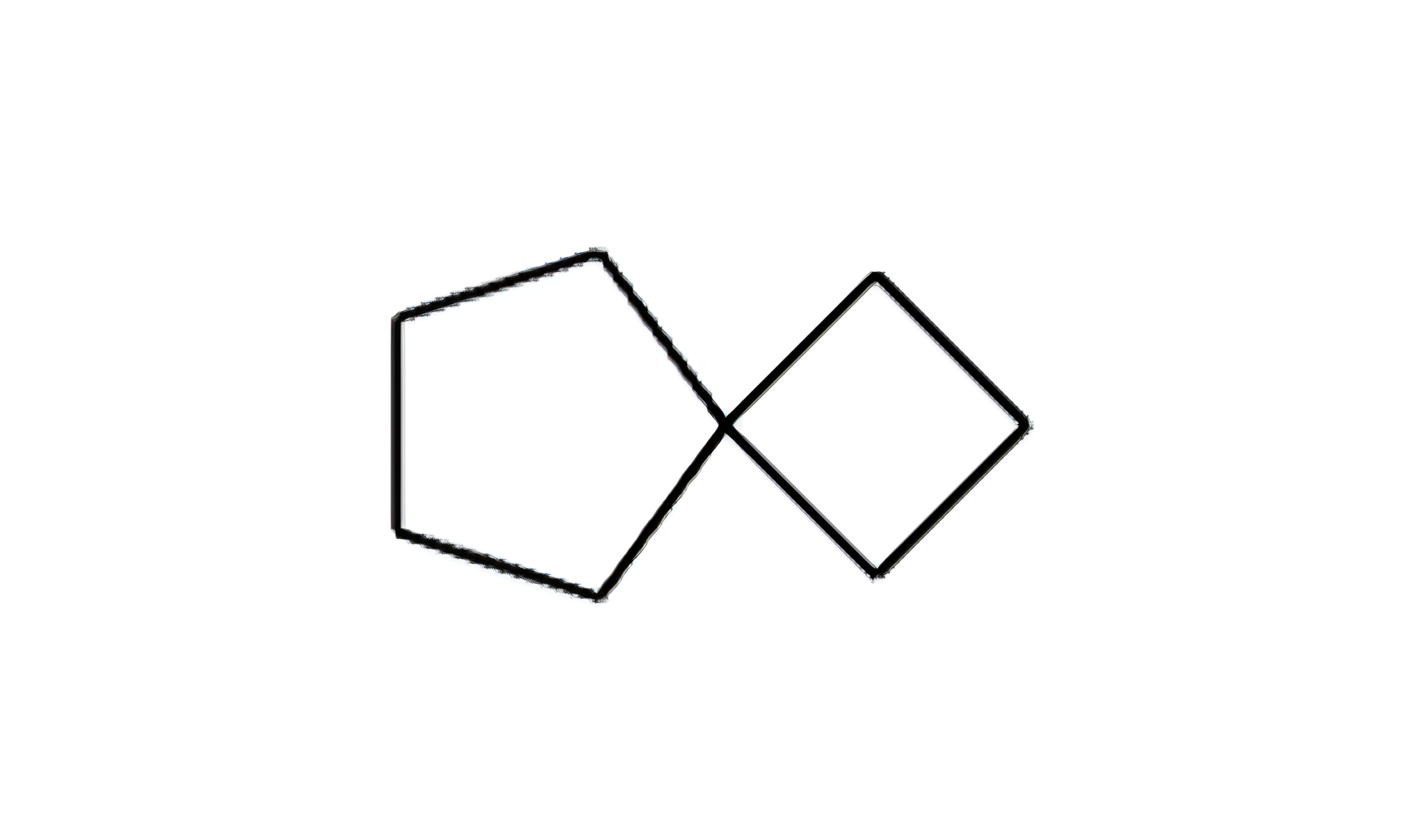
name this
spiro[3.4]octane
count all the carbons around the shape
establish parent name.
then count how many carbons are on opposite side of the vertices that both share.
label in brackets from lowest value to highest for spiro ones!!!
dont forget to put spiro in front
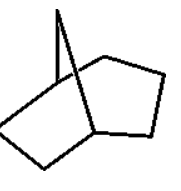
Name this
Bicyclo[3.2.1]octane
first name it bicyclo
then count how many total carbons and establish parent compound
then count how many carbons are NOT shared on either side separated by the bridge
then count how many carbons are shared in the bridge
label from descending value highest to lowest

name this
1-methylbicyclo[4.4.0]decane
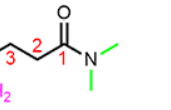
How do you name a molecule with functional group like this
We use “N,N-dimethyl” to indicate that there are two methyl groups bonded to the amide nitrogen.
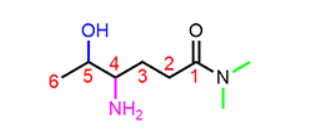
Where should you place carbon 1 on this molecule
On the carbonyl.
what functional group has the highest priority when the parent name ends in “-oic acid”
carboxylic acid
ester
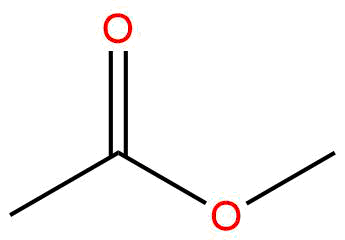
H NMR how to know if the signal will be singlet, doublet, triplet, quartet
n + 1 rule where n is the # of neighboring H’s around the designated proton and final answer will see if it is either one of those. The neighboring H must be from outside the carbon atom orignally attached to
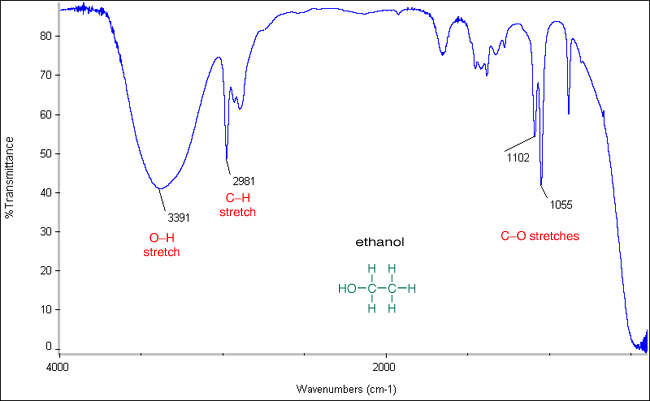
Which compound will produce a large broad peak at 3200-3500 cm^-1 on IR spectrum
Alcohol group (-OH)
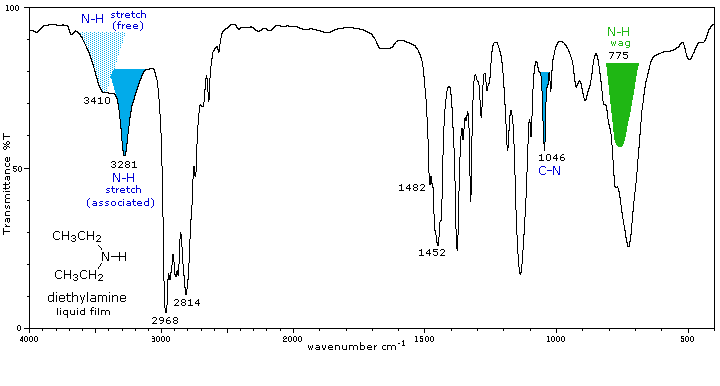
On an IR spectrum what are the characteristics of an Amine group (NH)
There will be a sharp peak at 3200-3500 cm-1 and a 2ndary amine (-NR2H) peak and two 1’ amine peaks (-NRH2)
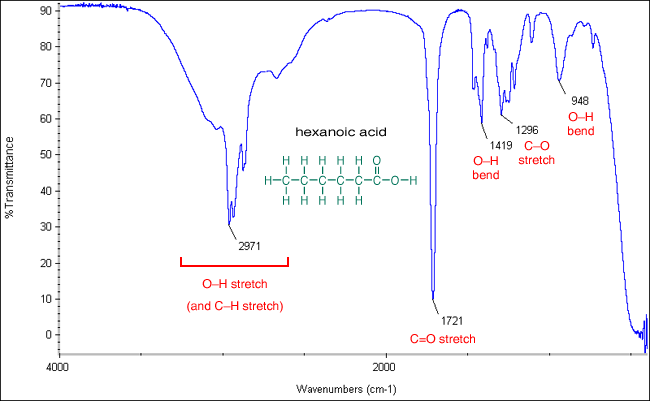
On an IR spectrum what are the characteristics of an Carboxylic acid group (-COOH)
2500-3500 cm-1 and has broad jagged peak
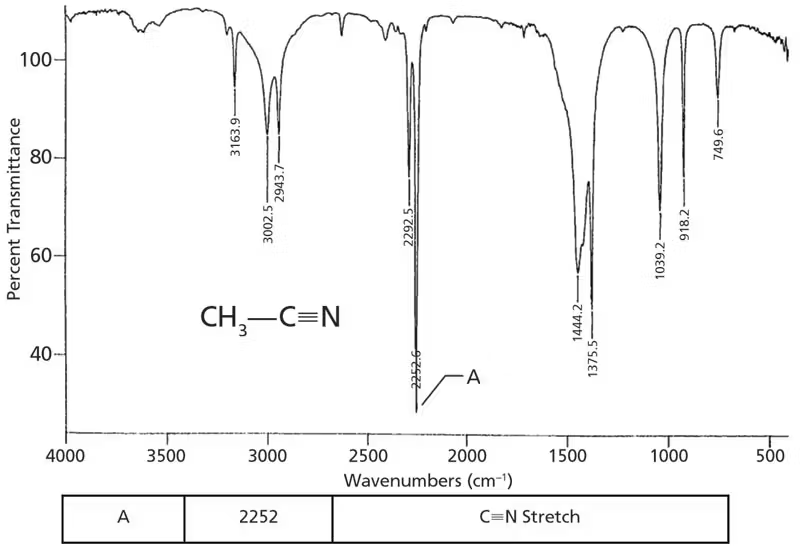
On an IR spectrum what are the characteristics of an Nitrile group (C≡N)
2200-2250 cm-1 and medium peak
On an IR spectrum what are the characteristics of an carbonyl group (C=O)
1700-1750 cm^-1 large sharp peak
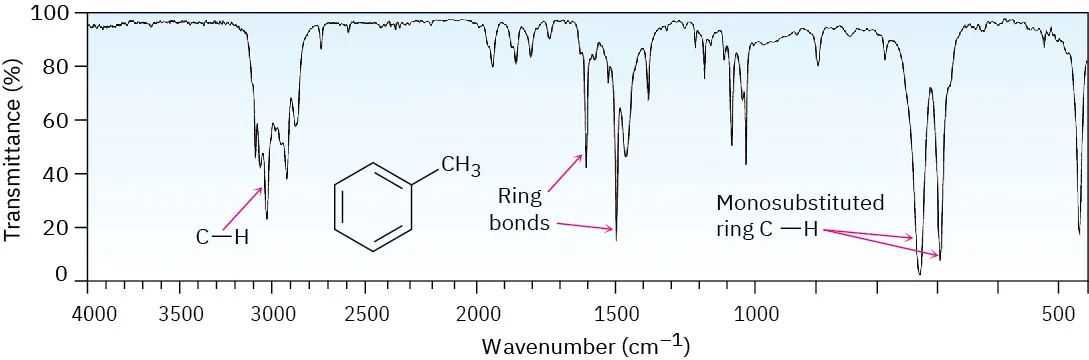
On an IR spectrum what are the characteristics of an aromatic group
1450-1600 cm-1 medium peak
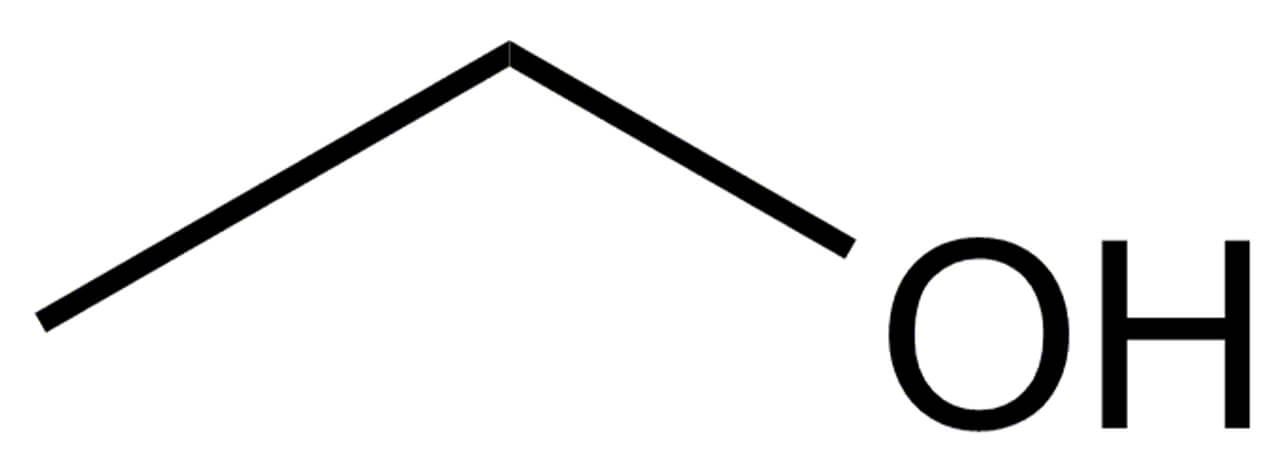
Ethanol
Ethanal

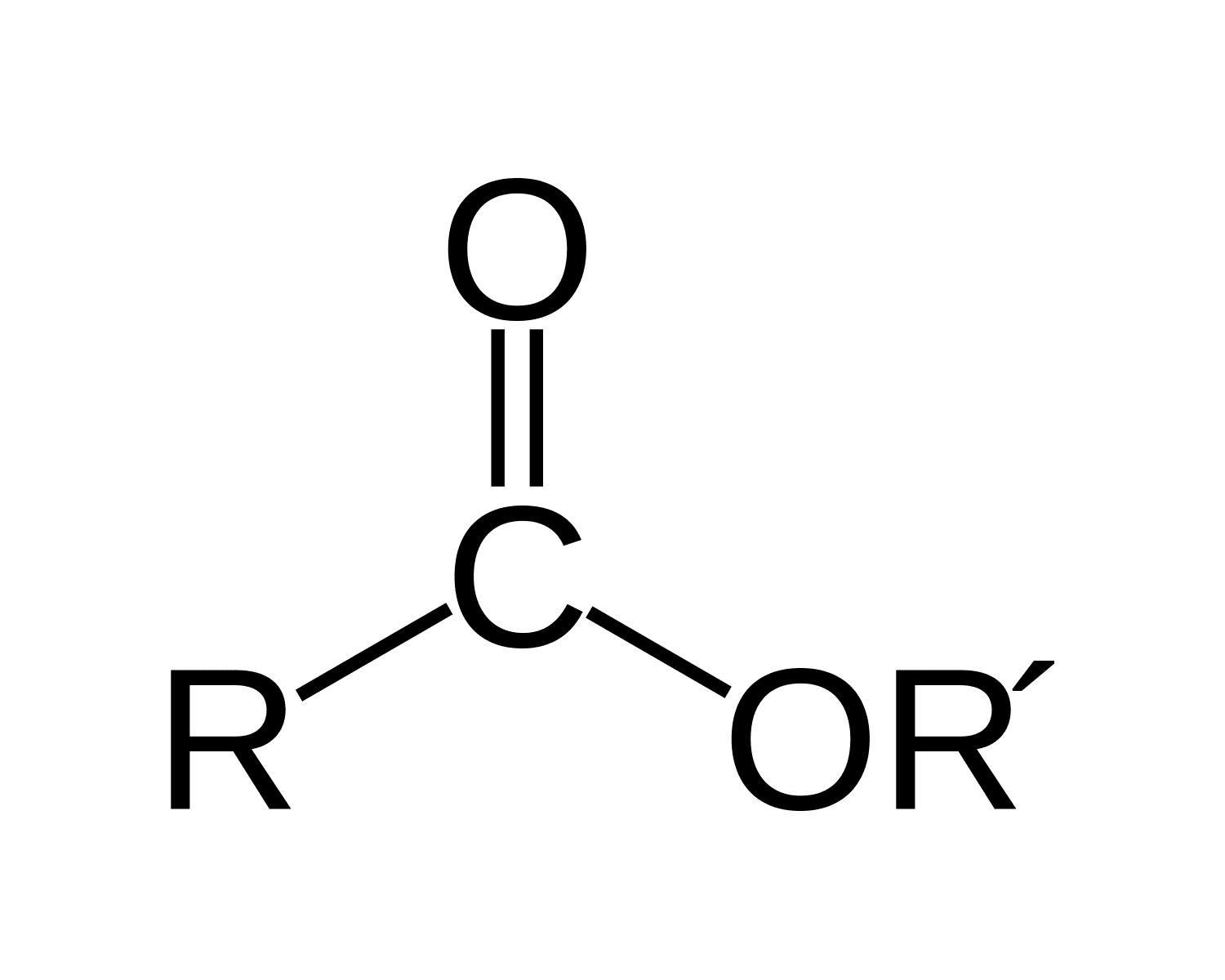
Ester
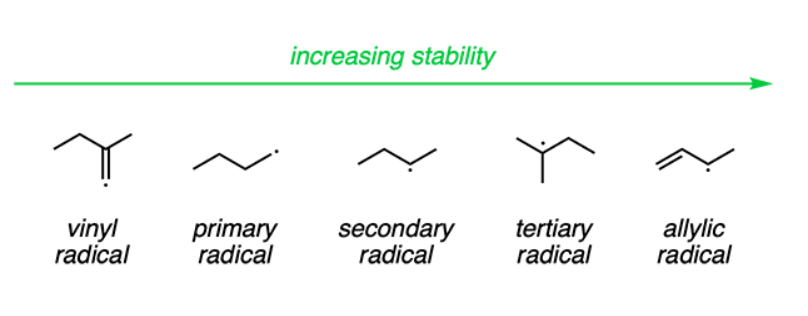
the more bonds you make to an atom
it becomes + charge
s orbital what is the s character and p character percentage
100% s character and 0% p character
sp orbital what is the s character and p character percentage
s character 50% and p character is 50%
sp2 orbital what is the s character and p character percentage
s character → 33%
p character → 66%
sp3 orbital what is the s character and p character percentage
s character → 25% and p character is 75%
what does the double bond do in terms of rotation of certain groups in molecule
restricts rotation around the bond
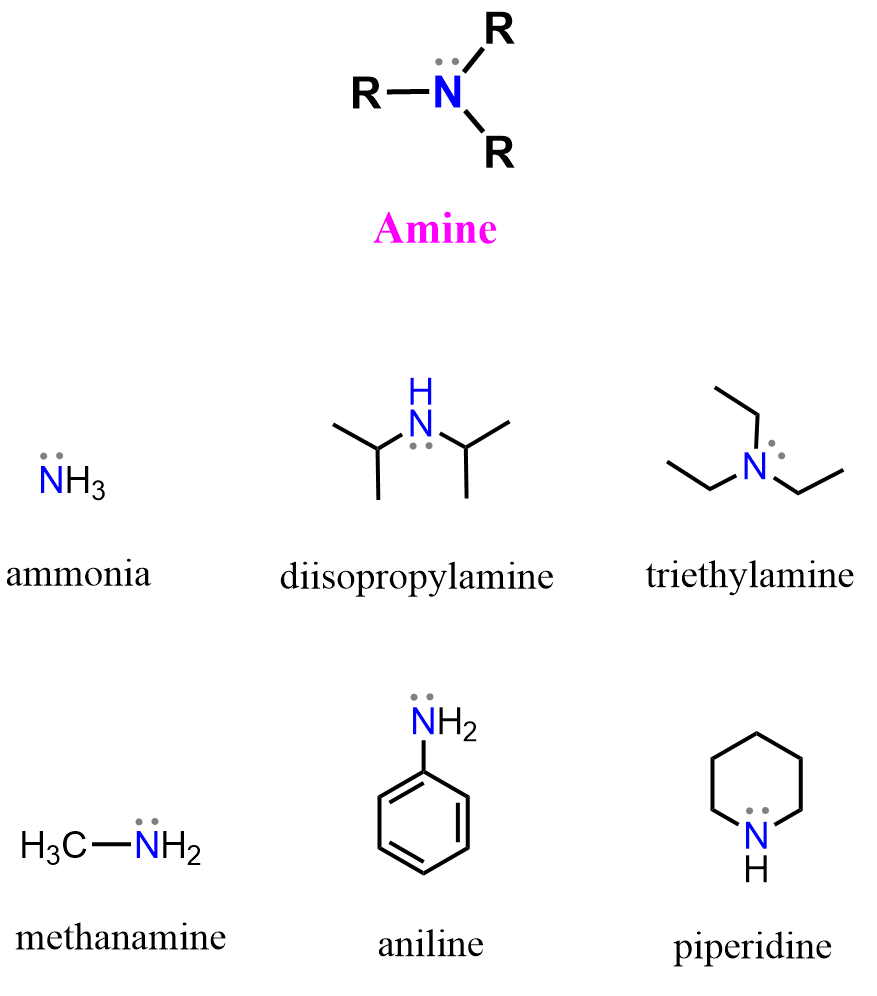
Amine
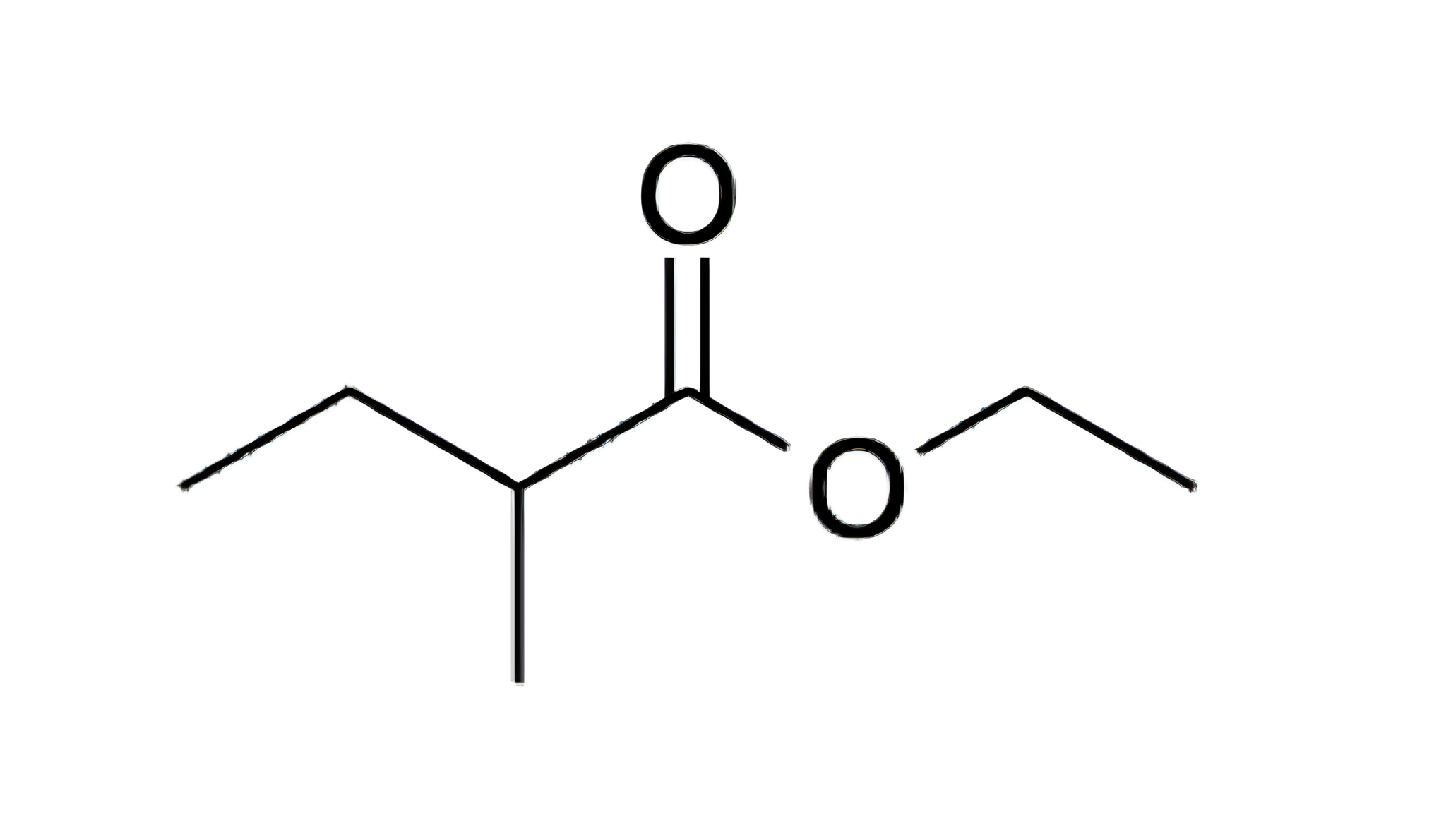
IUPAC ester naming
separate the acidic and alcoholic side
acidic side (other side of the ester group) ends in -oate
alcoholic side (carbon attached to O of the ester) is named 1st and ends in -yl
→ ethyl 2-methylbutanoate
Benzene parent name IUPAC ranking
-COOH > -CN > COH > OH > NH2 > CH3
benzoic acid > benzonitrile > benzaldehyde > phenol > aniline > toulene
highest priority to lowest
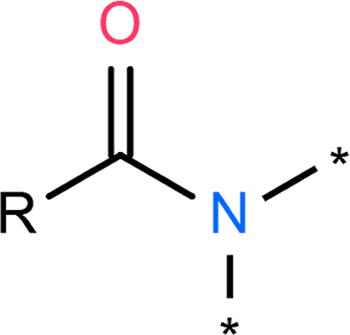
amide
undecane
11 carbons
dodecane
12 carbons
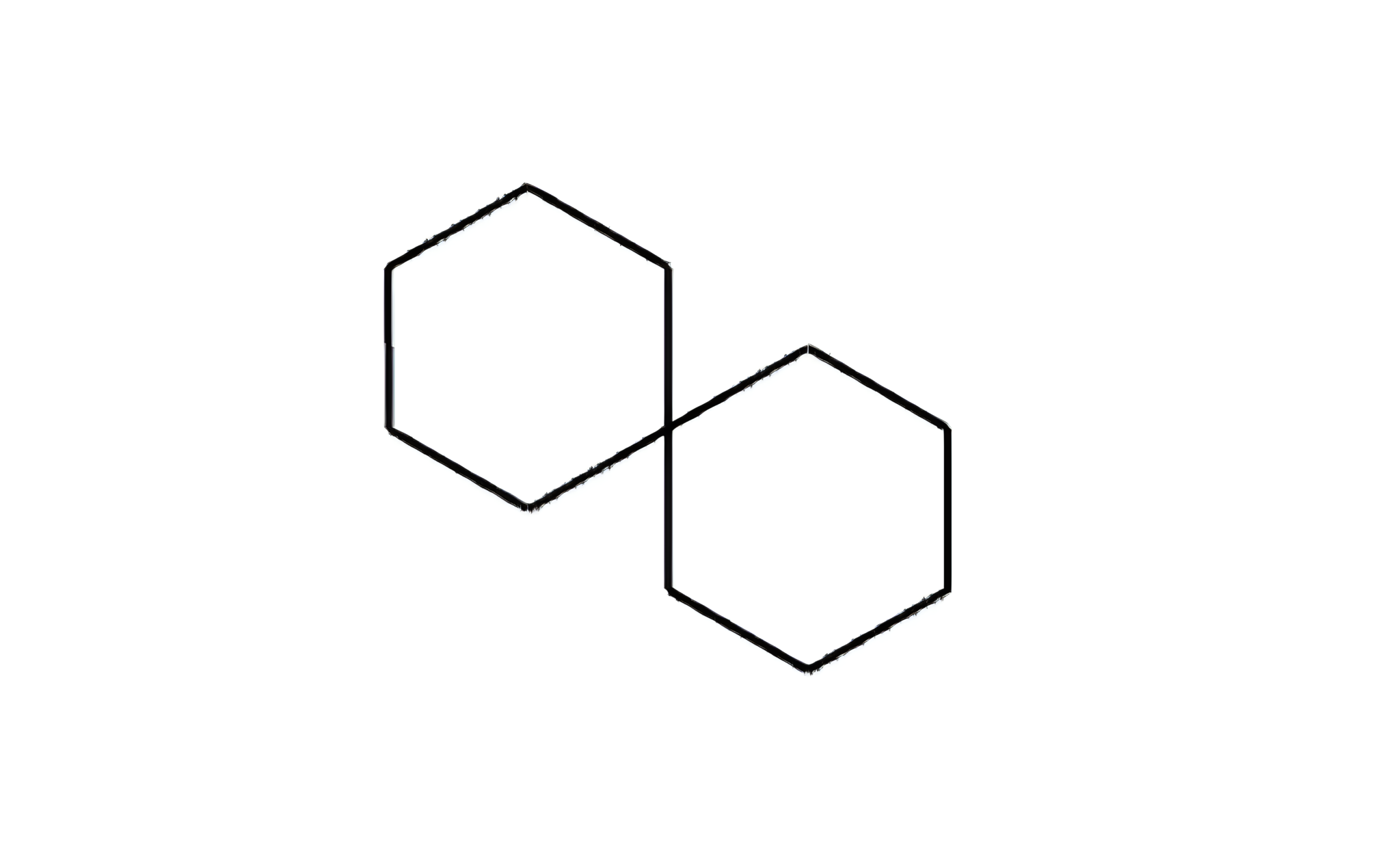
name this compound
spiro [5.5] undecane
count total carbons of entire molecule without counting same carbon twice
Then, list the number of carbons on each side that ISNT shared from lowest to highest inside brackets, separated by a period. In this case, both sides have five carbons, resulting in [5.5].

name this compound
bicyclo [3.2.1] octane
list the number of carbons in each bridge in descending order inside brackets, separated by periods. In this case, one bridge has three carbon atoms, another has two, and the third has one, resulting in [3.2.1].
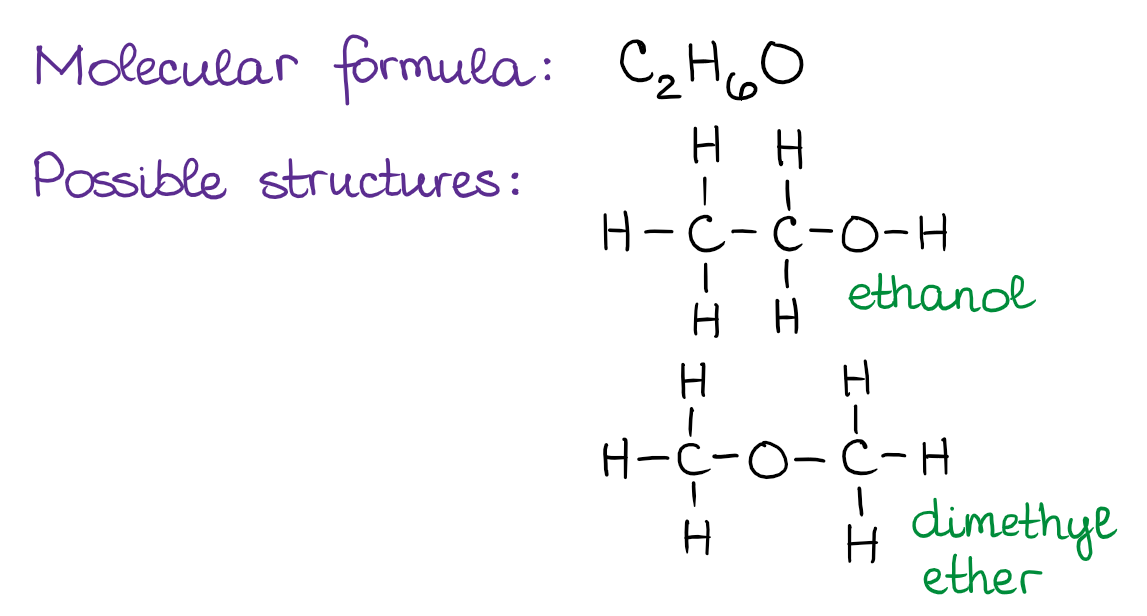
Constitutional isomers
molecules that share the exact same molecular formula but differ in how their atoms are connected.
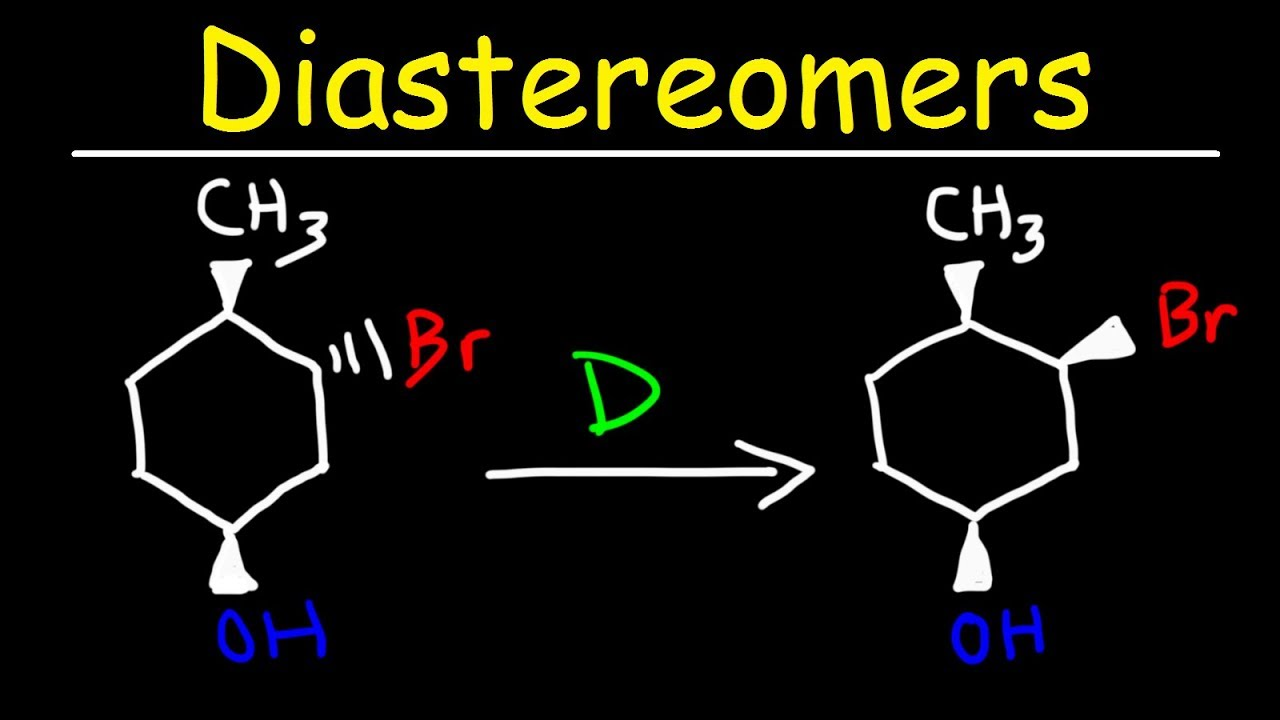
Diastereomer
that have the same molecular formula and atomic connectivity.
However, they are non-superimposable and are not mirror images of one another.
R/S stereocenter determine
Find carbon with four unique groups
prioritize each group 1→ most priority
following the 1… if
cw, R
if ccw, S
how to find total number of stereoisomers
2n where n→ # of stereocenters
Enantiomer
nonsuperimposable (cannot be stacked on top identically) mirror images of one another. 🪞🪞
A pair of enantiomers exhibits opposite R/S configurations at each chiral center.
same physical properties, such as
boiling point,
melting point,
solubility,
and density.
They rotate plane-polarized light 💡🔦by the same amount in opposite directions.
Which is more thermodynamically stable E or Z
E
Are chiral compounds optically inactive or active
optically active and can rotate plane-polarized light
Are Meso compounds optically active
optically inactive because of plane of symmetry
Are achiral compounds optically active
No they are inactive
How to know if a compound is chiral or achiral
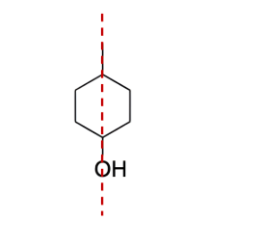
Chiral → at least one stereocenter: carbon bonded to 4 unique substituents and lacks internal plane of symmetry
Achiral → lack a stereocenter and contains internal plane of symmetry
internal plane of symmetry is a vertical line down the middle
Asymmetric carbon meaning
also called stereocenter where a carbon is bonded to 4 unique substituents
When finding R/S use the Cahn-Ingold Prelog system what are the general rules
identify stereocenter
prioritize 4 substituents
number them 1-4 based on priority
point the lowest priority group 3D AWAY from you
draw a circle from 1-4
CW → R
CCW → S
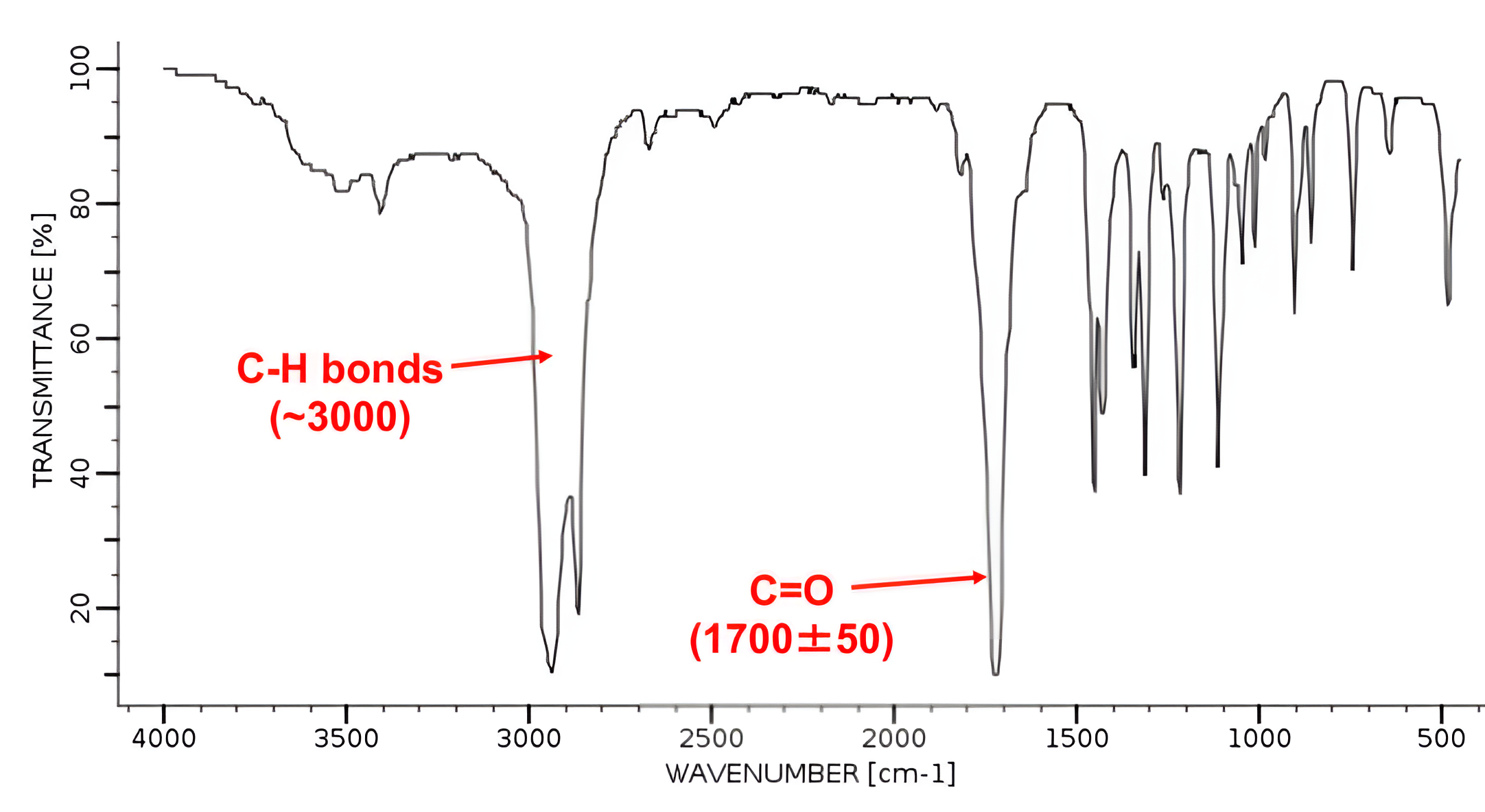
Cabonyl group C=O IR spectrum
big pointy peak at 1700 + or - 50 cm
C=C or C=N IR spectrum
Small to medium peak at 1600-1700 cm-1
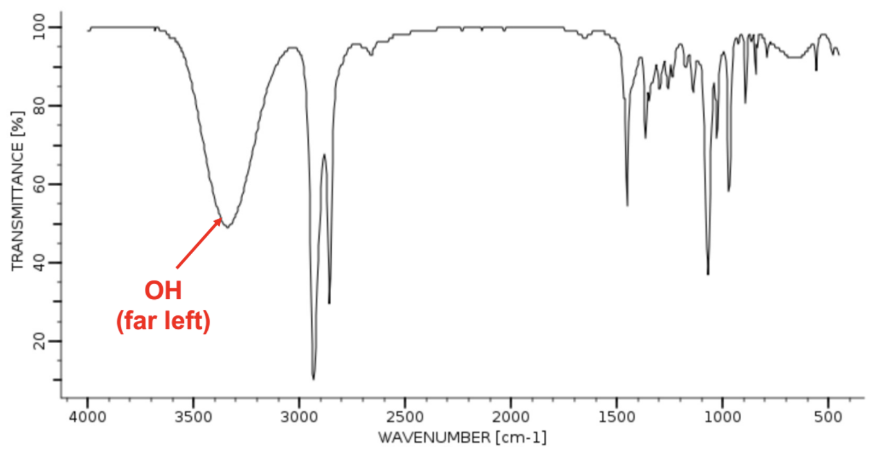
OH alcohol group IR spectrum
A LARGE, broad trough far to the left for alcohols and on top of 3000 cm-1
C-H IR spectrum
Big, pointy peaks coming straight down around 3000 cm-1
N-H IR spectrum
A sharp peak to the left of 3000 cm-1 (around 3200-3500 cm-1)
(one peak for –NH, two peaks for –NH2)
C≡N (a nitrile) IR spectrum
Medium-sized peak at ~2200 cm-1
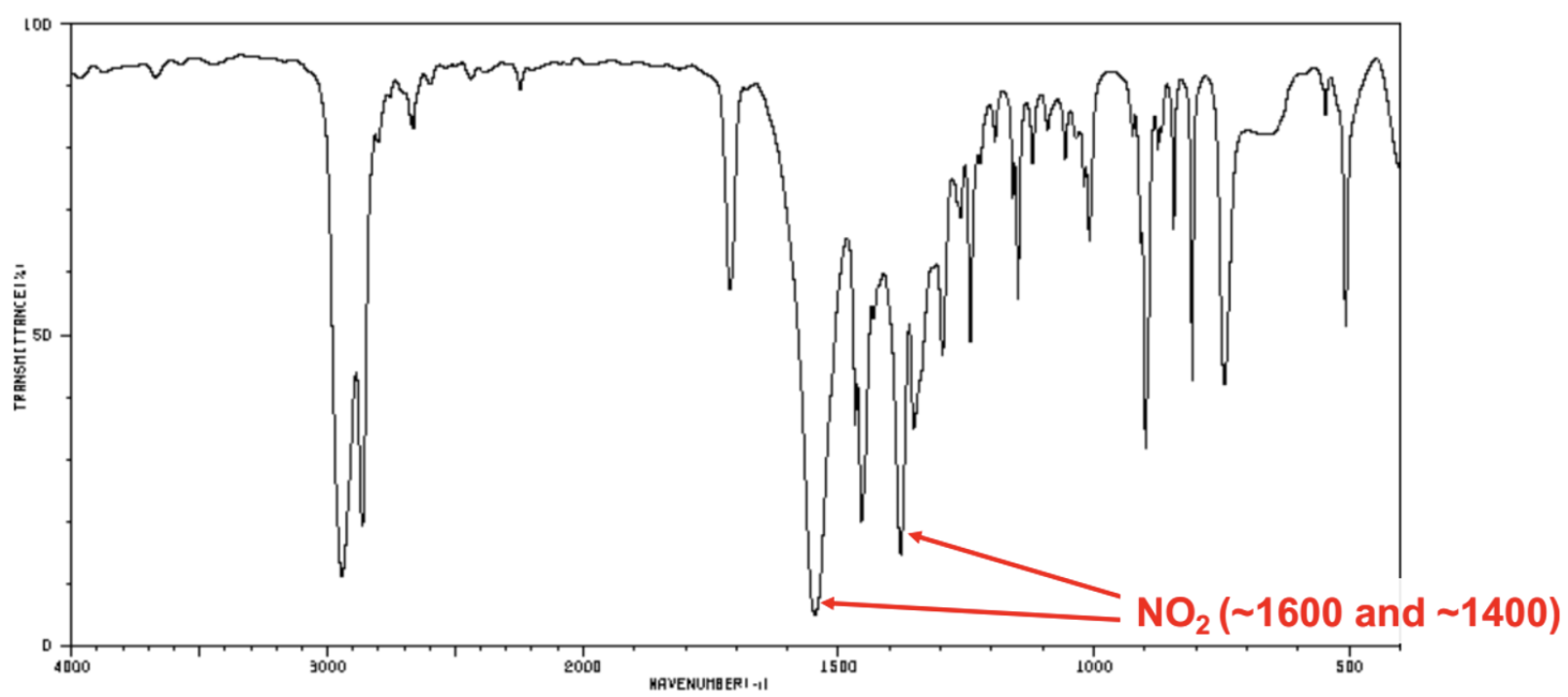
NO2 (nitro) IR spectrum
Vampire teeth 🦷🧛♀ at 1500-1600 cm-1 and 1300-1400 cm-1 |
degree of unsaturation
it is calculated by adding the number of pi bonds and the number of rings together:
Also calculated with this formula
where C represents the number of carbon atoms, H represents the number of hydrogen atoms, X represents the number of halogen atoms, and N represents the number of nitrogen atoms:

UV spectroscopy
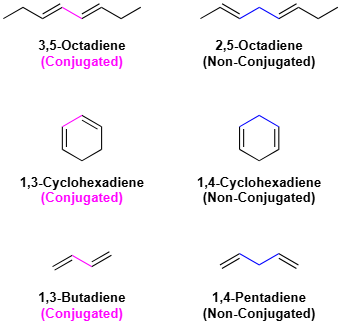
laboratory technique used to analyze compounds with conjugated alkenes.
Conjugated alkenes have alternating double and single bonds
What element when on a mass spectrometry shows distinct M and M+2 patterns with equal abundance
Bromine (Br)
naturally occurring isotope
has 2 isotopes where both produce peaks of M and M+2
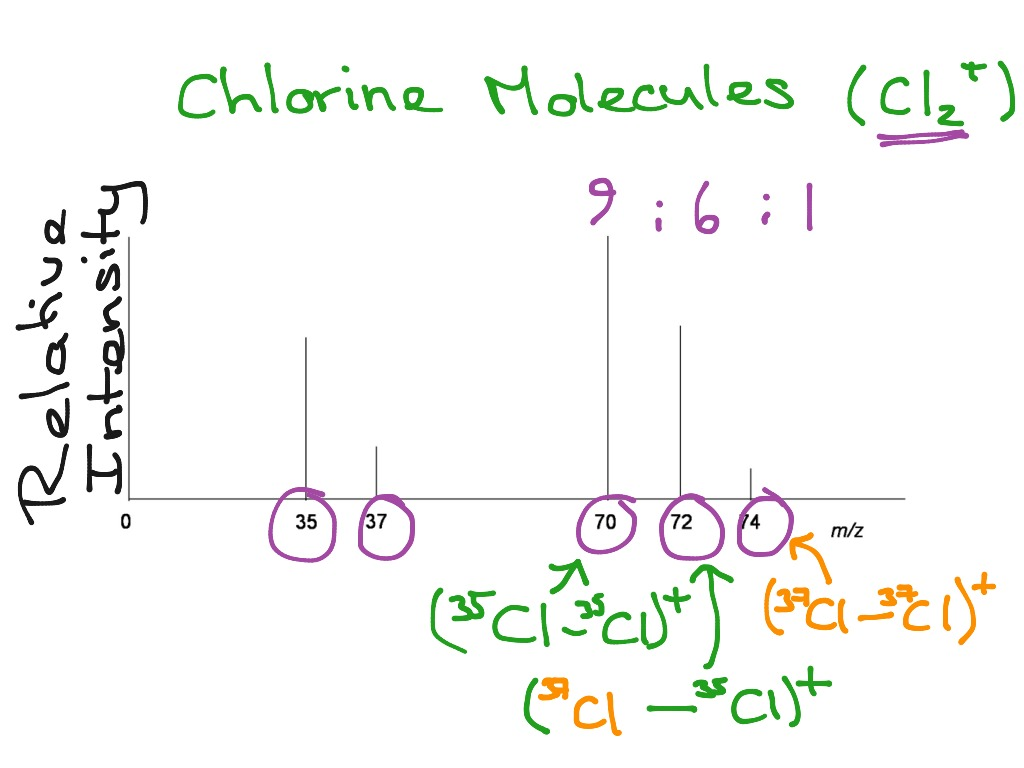
What element when on a mass spectrometry shows 9:6:1 ratio of M, M+2, and M+4 peaks.
presence of 2 Chlorine atoms Cl2
determining the number of 13C-NMR signals
count the number of distinct carbon atoms, as each unique carbon environment produces a separate peak in the spectrum.
remember planes of symmetry
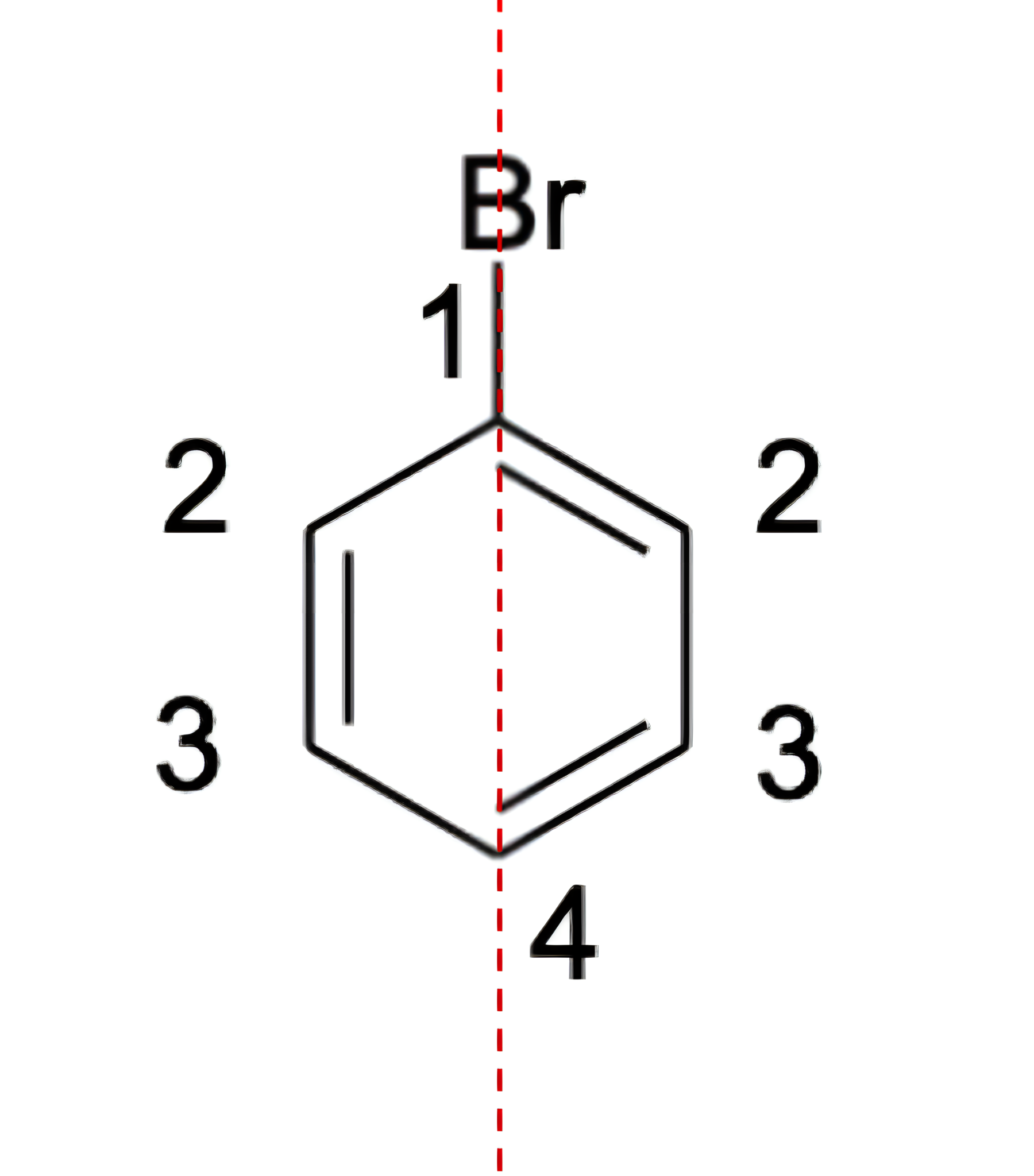
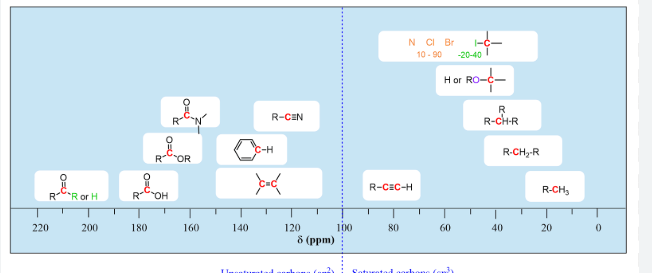
13C-NMR spectroscopy chemical shifts downfield (left) at what ppm values
higher ppm

13C-NMR spectroscopy chemical shifts up field (right) at what ppm values
lower ppm values

13C-NMR spectroscopy
Carbonyl (C=O) carbons
Esters, amides, and carboxylic acids
Aldehydes and ketones whats the chemical shift in ppm
160-180 ppm
> 200 ppm
H -NMR spectroscopy rules
the N + 1 rule, where N represents the number of neighboring hydrogens.
When no hydrogens are present on adjacent atoms, the signal appears as a singlet (n= 0 so 0 + 1 = 1)
doublet → one hydrogen is present on adjacent atoms N= 1 so 1 + 1 = 2 doublet
triplet → where 2 hydrogens next to primary hydrogen N = 2 2+1 = triplet 3
13C-NMR spectroscopy reading peaks. If there is a peak around down left with higher ppm numbers, what ppm is this and what group
higher ppm numbers, deshielded, more + charged
Aldehydes and ketones C-O-H or C=O >200 ppm