Biology - plant nutrition, leaf structure
 Call Kai
 Learn
Learn Practice Test
 Spaced Repetition
 Match
Match Flashcards
 Knowt Play
1/14

There's no tags or description
Looks like no tags are added yet.
Name | Mastery | Learn | Test | Matching | Spaced | Call with Kai |
|---|
No analytics yet
Send a link to your students to track their progress
15 Terms
What are some leaf adaptations?
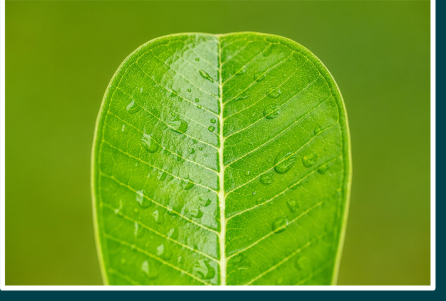
Larger surface area, leaves are thin and branching veins
Why do leaves adapt to have a larger surface area?
To maxmise carbon dioxide and water absorption
Why do leaves adapt to have thin leaves?
Reduces diffusion distance for carbon dioxide
Why do leaves adapt to have branching veins?
To bring water to leaf cells and carry away products of photosynthesis (e.g sucrose)
Cuticle
Thin, waxy layer. Secreted by epidermal cells. Limits water loss to evaporation
Upper epidermis
Protects against water loss and physical damage. No chloroplasts, transparent to allow light to reach cells below, covered by cuticle
Lower epidermis
Lines the lower surface of the leaf. Contains stomata. Protects against diseases and parasites.
Stomata
Tiny openings in the epidermis - for the diffusion of gases. Capable of closing to reduce water loss. Surrounded by pair of guard cells.
Guard cells
Control opening and closing of stomata. Water moves in, cells become rigid, pore opens. Water moves out, cells become limp, pore closes.
Palisade mesophyll
Long colummar cells. Many chloroplasts in the cytoplasm. Most photosynthesis occurs here
Spong mespophyll
Fewer chloroplasts, less photosynthesis. Lossely packed cells, has air paces. Focused on moving gases through intercelluar speaces.
Air spaces
Carbon dioxide and oxgyen diffuses into or out of leaf cells. Water vapour evaporates into air spaces from mesophyll cells
Vascular bundles
Makes up the veins of a leaf. Consist of xylem and phloem
Xylem
Transports water and mineral ions to leaf cells
Phloem (food)
Transports sugars made in the leaf to other parts of the plant.

