Bio B3A Exam 2
 Call Kai
 Learn
Learn Practice Test
 Spaced Repetition
 Match
Match Flashcards
 Knowt Play
1/146

There's no tags or description
Looks like no tags are added yet.
Name | Mastery | Learn | Test | Matching | Spaced | Call with Kai |
|---|
No analytics yet
Send a link to your students to track their progress
147 Terms
what are the general features of a prokaryote?
-unicellular
-lack nucleus
-small in size
-variety of shapes and arrangements
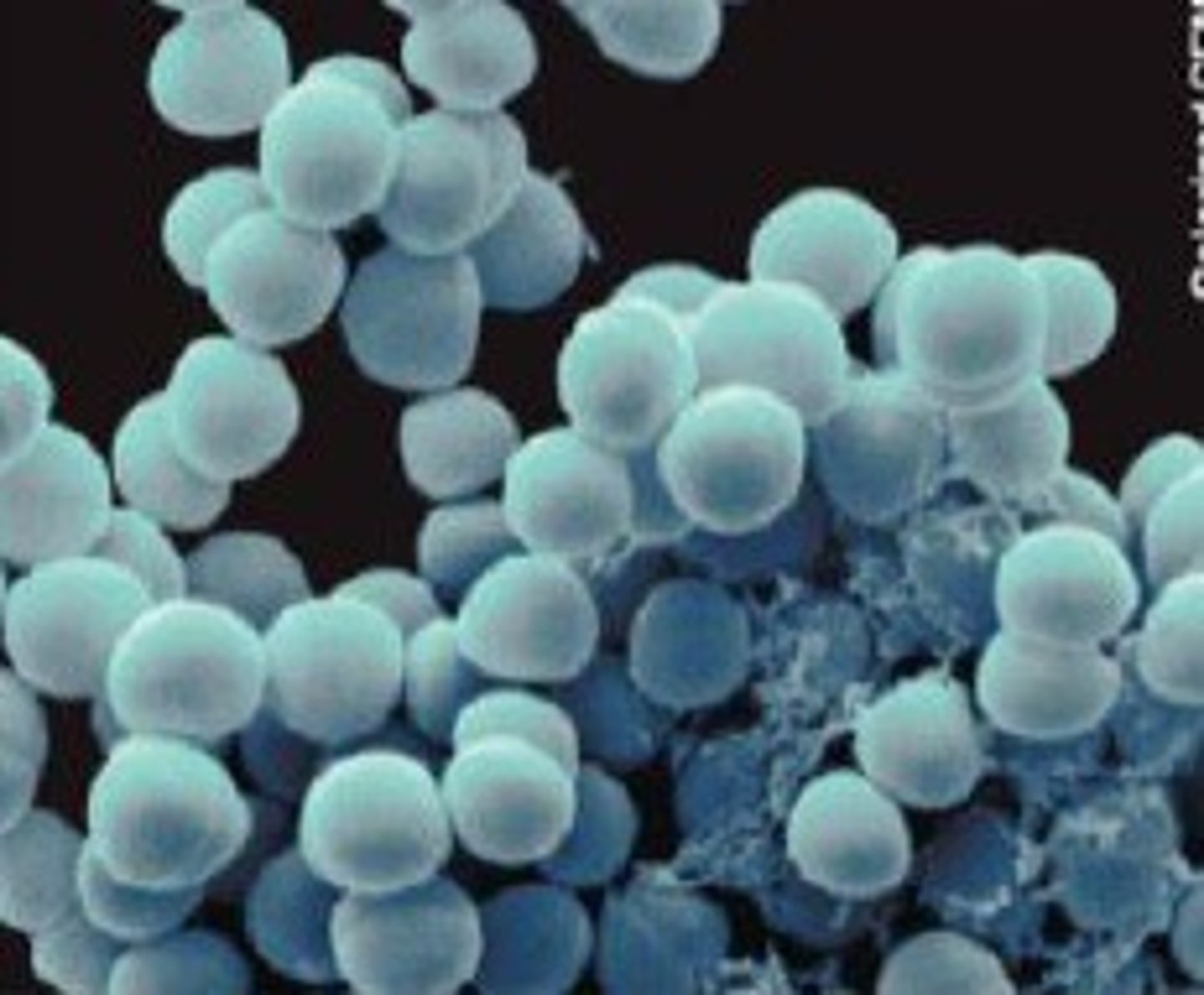
coccus
-circular shape
-equal width and height
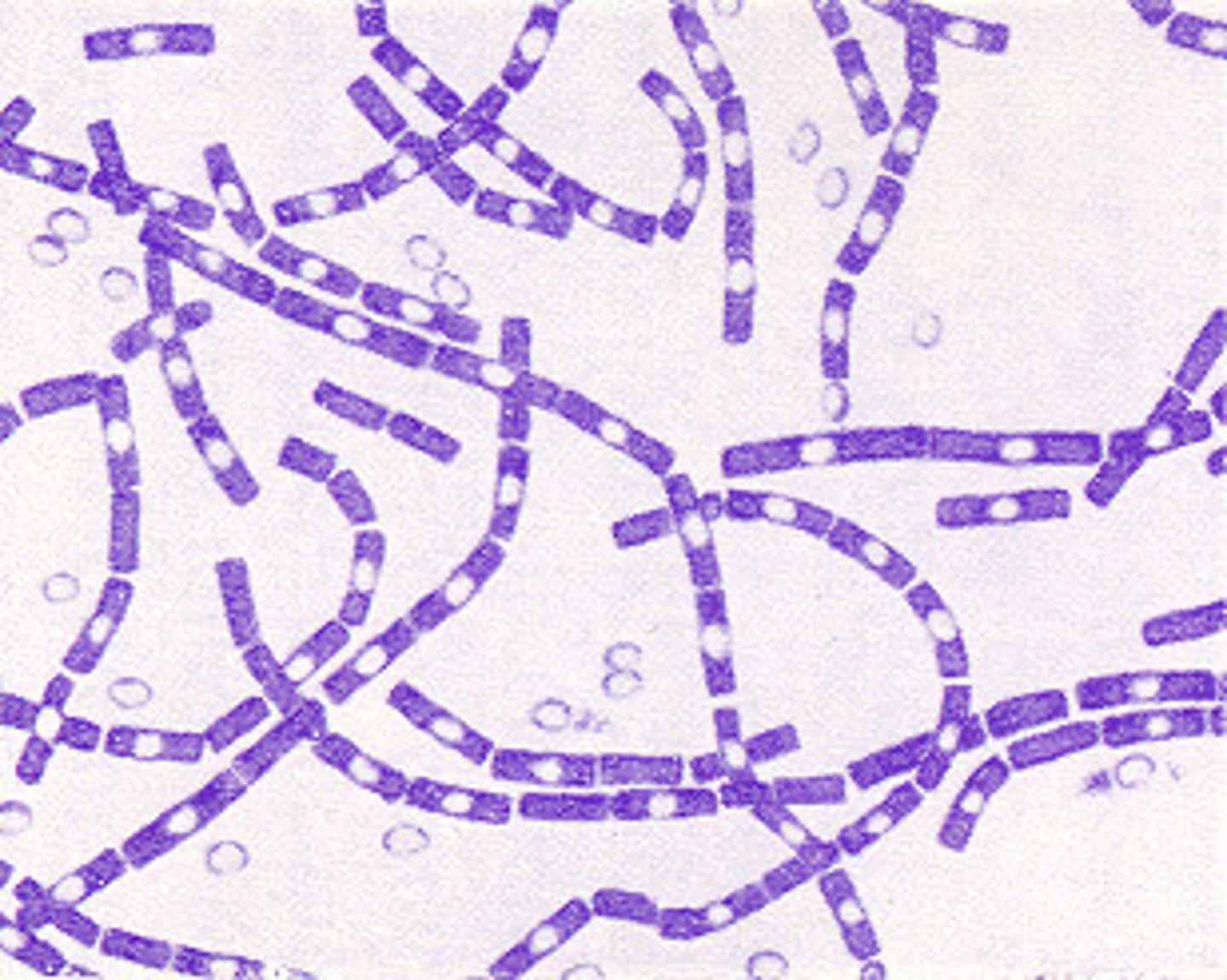
bacillus
longer than they are wide
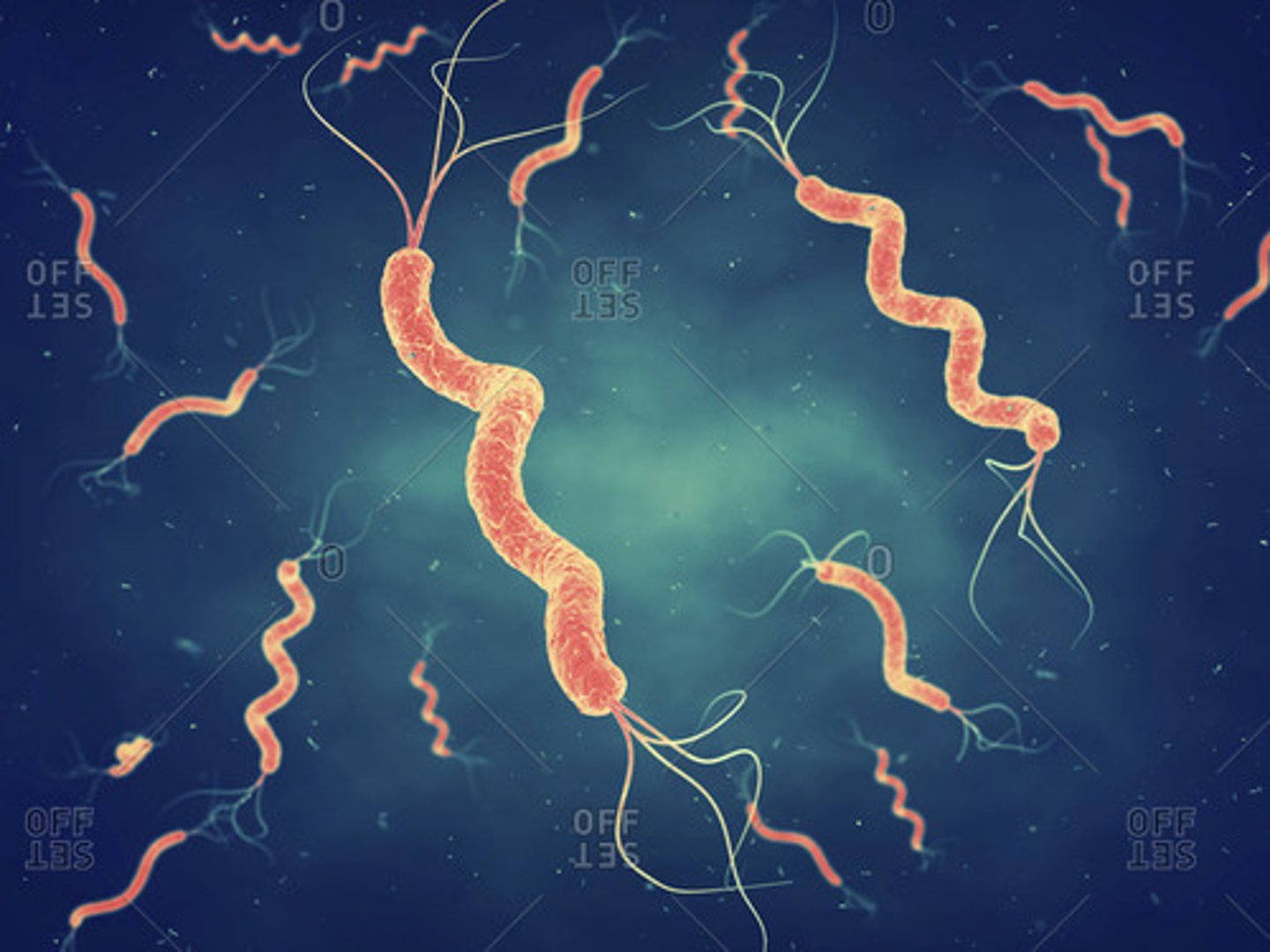
spirili
-vibrio
-wavy cell
what is the purpose of the plasma membrane?
regulates what goes in and out of the cell
what is the plasma membrane composed of?
phospholipid layer (hydrophilic head, hydrophobic tail)
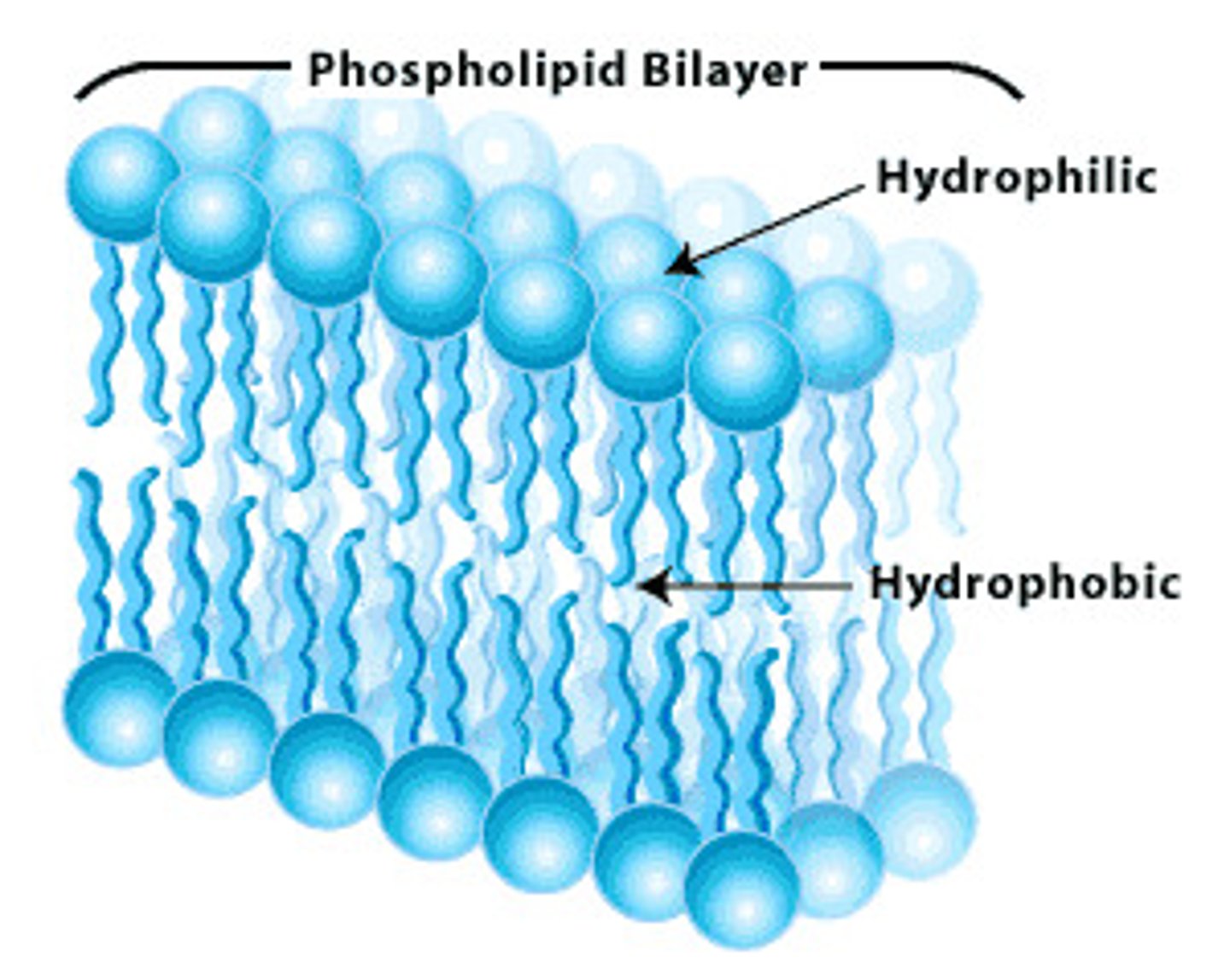
How would you describe the plasma membrane?
fluid and stretchable
What can flow freely through the plasma membrane?
cell particles, oxygen, and carbon dioxide
What is the purpose of the cell wall?
-to protect the plasma membrane
-provides structure and shape
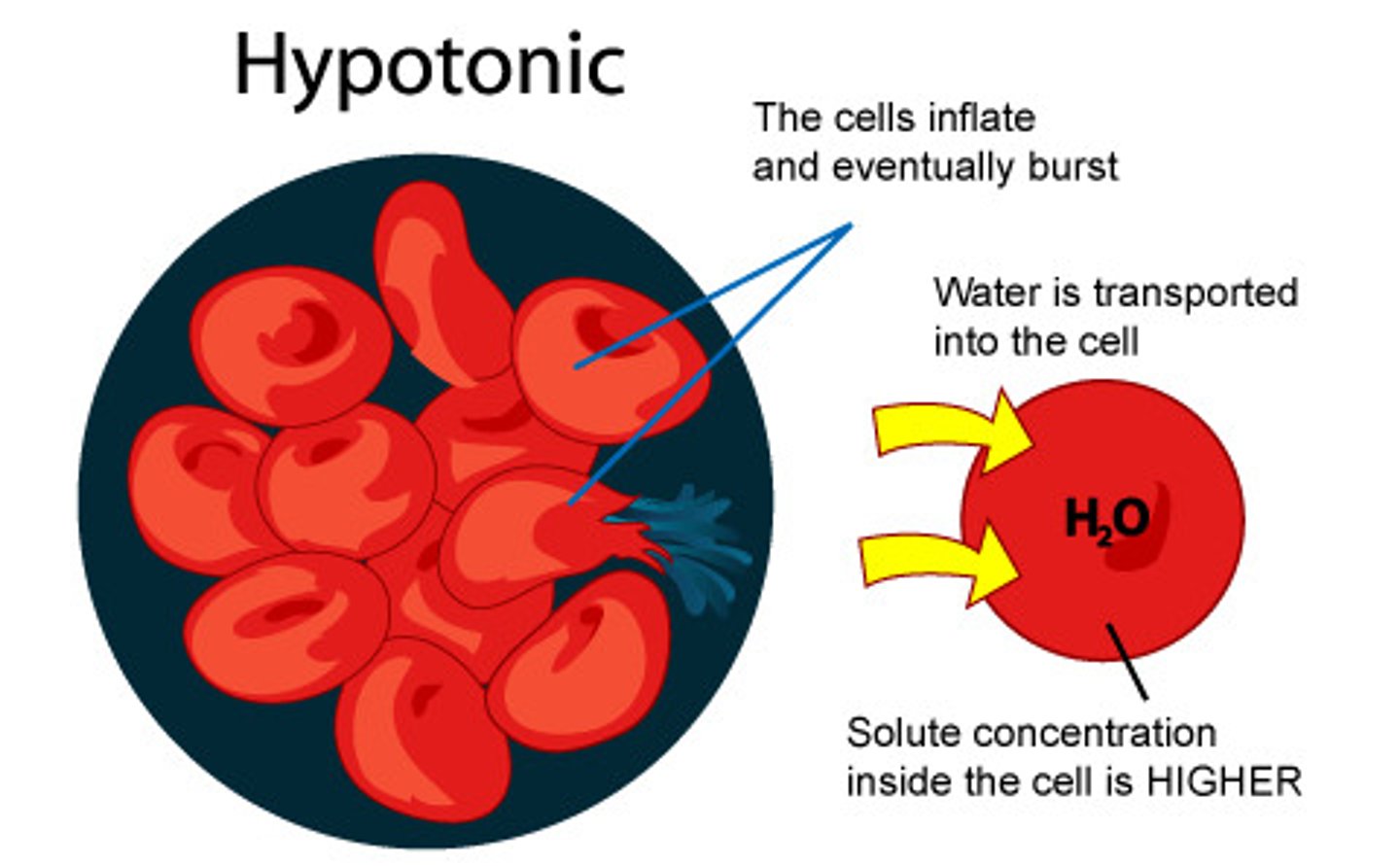
-prevents cell from rupturing in a hypotonic environment
hypotonic
having deficient tone or tension/lower concentration of solute compared to solute
What is the cell wall composed of?
peptidoglycan
What is the difference between gram positive and gram negative cells?
-gram positive has thick layer of peptidoglycan
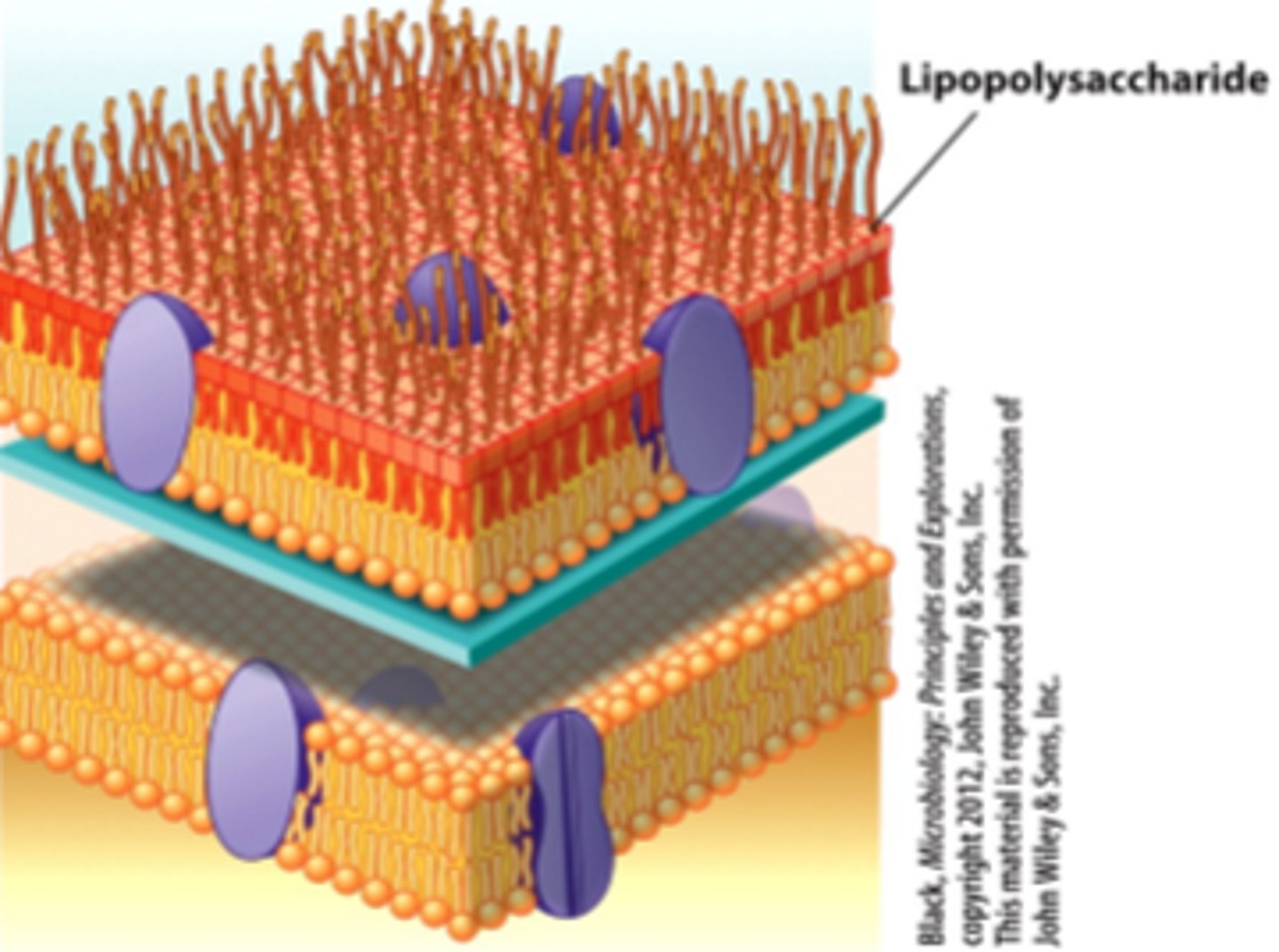
-gram negative has thin layer of peptidoglycan w/ second, thicker layer of lipopolysaccharide (outer membrane)
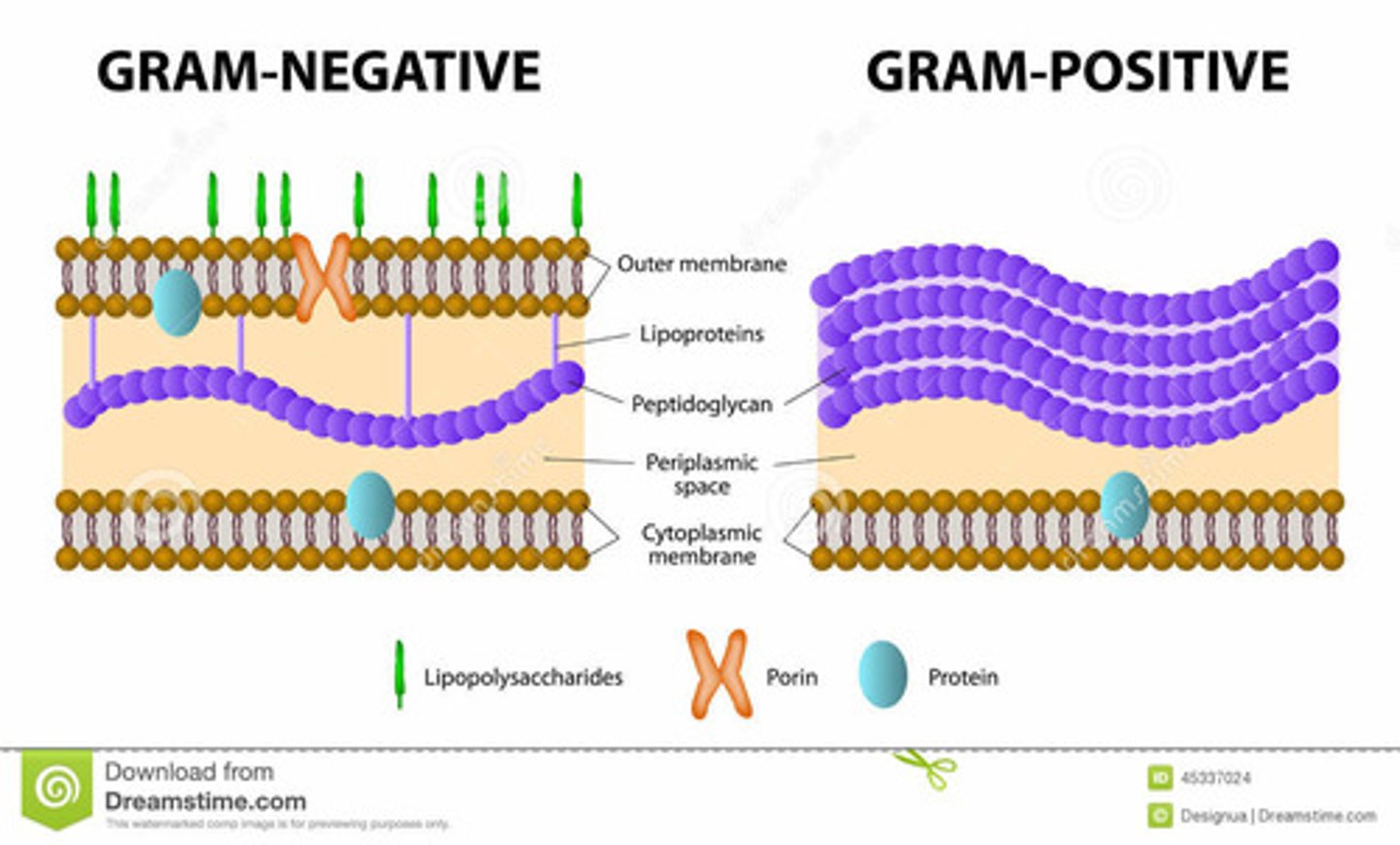
What does the outer membrane of a gram negative cell contain?
impermeable channels of porings which allow certain small molecules to pass through
What color will a gram stained gram positive cell be?
purple
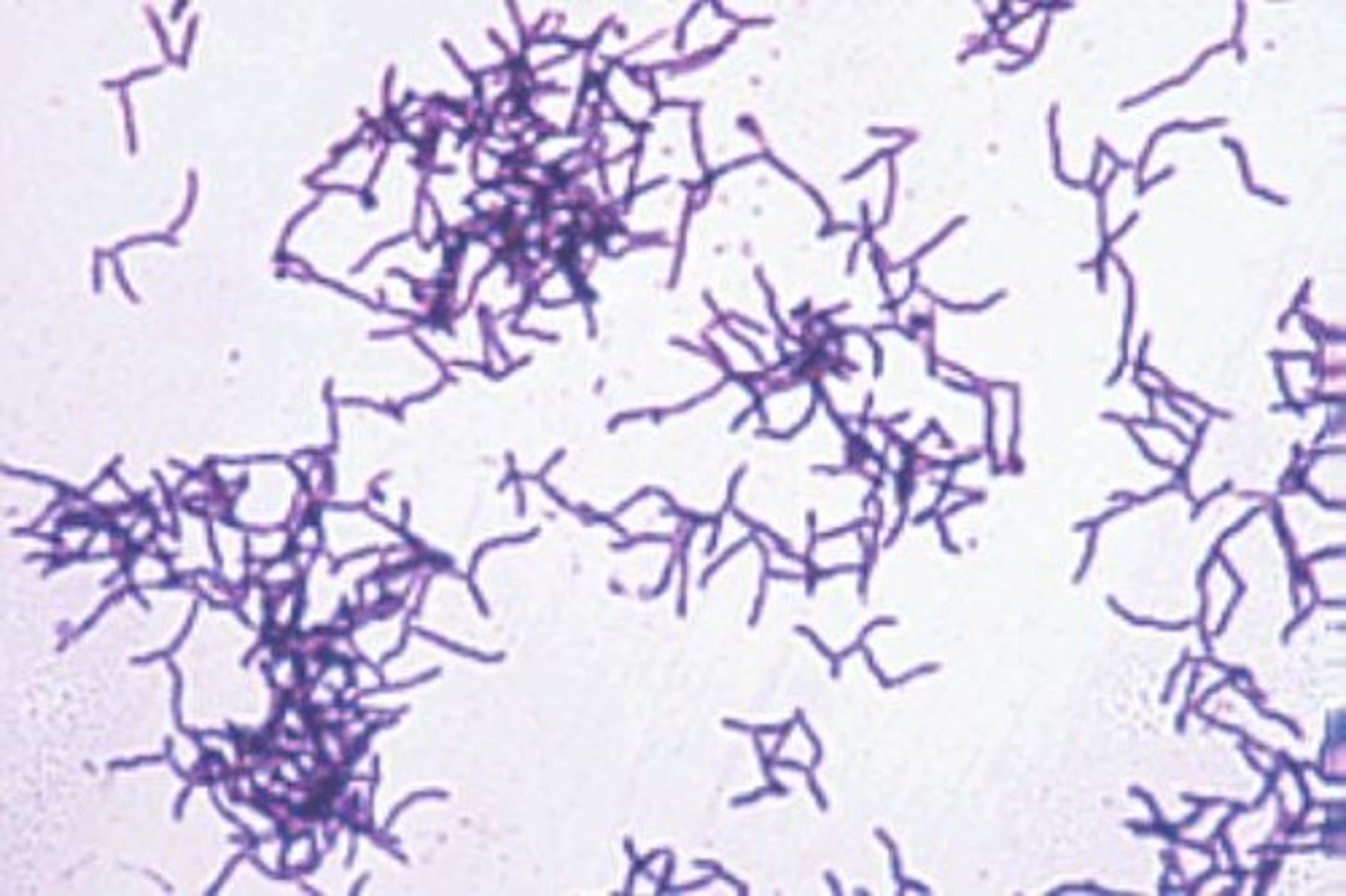
What color will a gram stained gram negative cell be?
pink
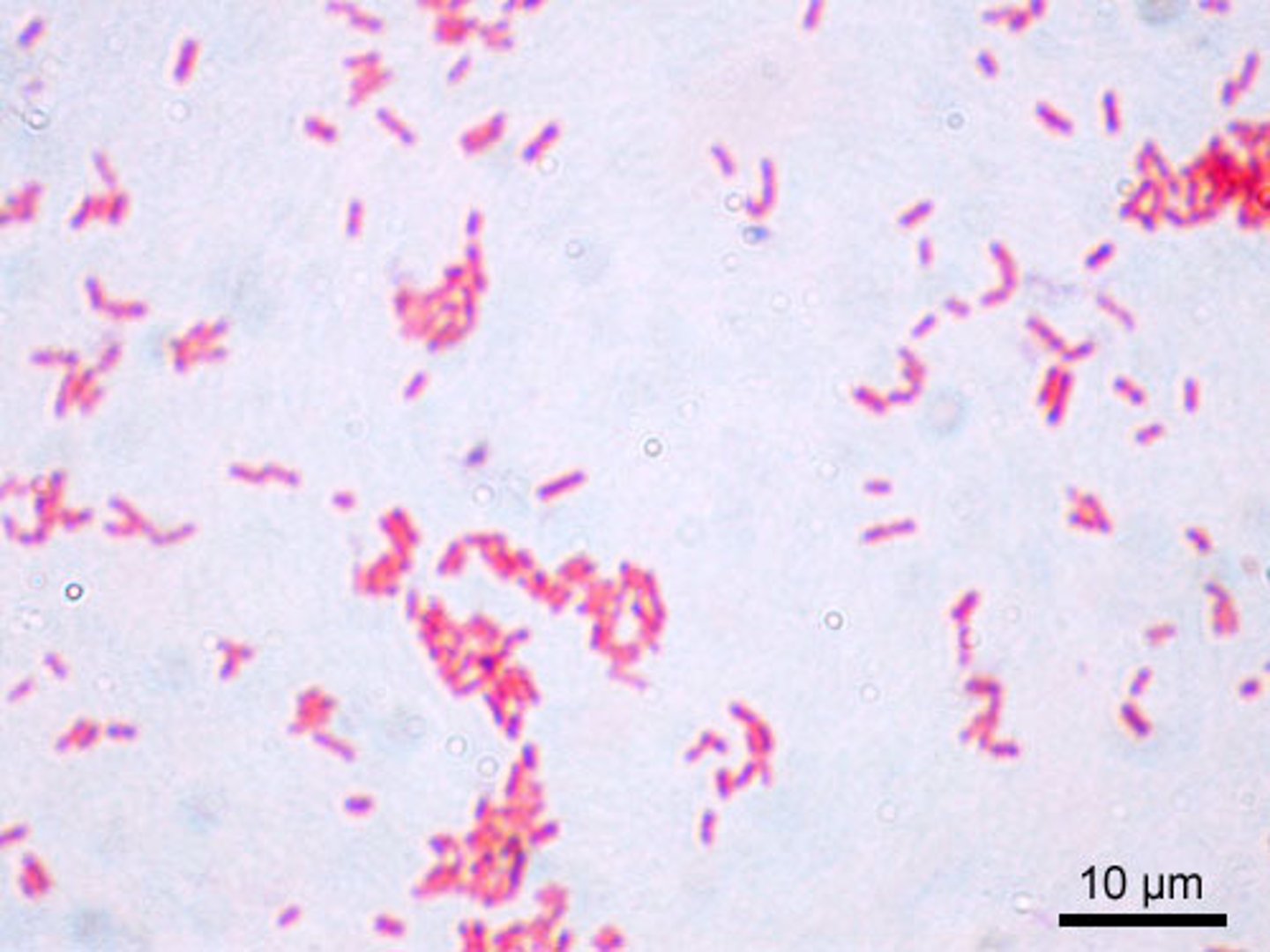
What are the steps for a gram stain?
1. Fixation
2. Crystal Violet
3. Iodine Treatment
4. Decolorization
5. Counterstain Safranin
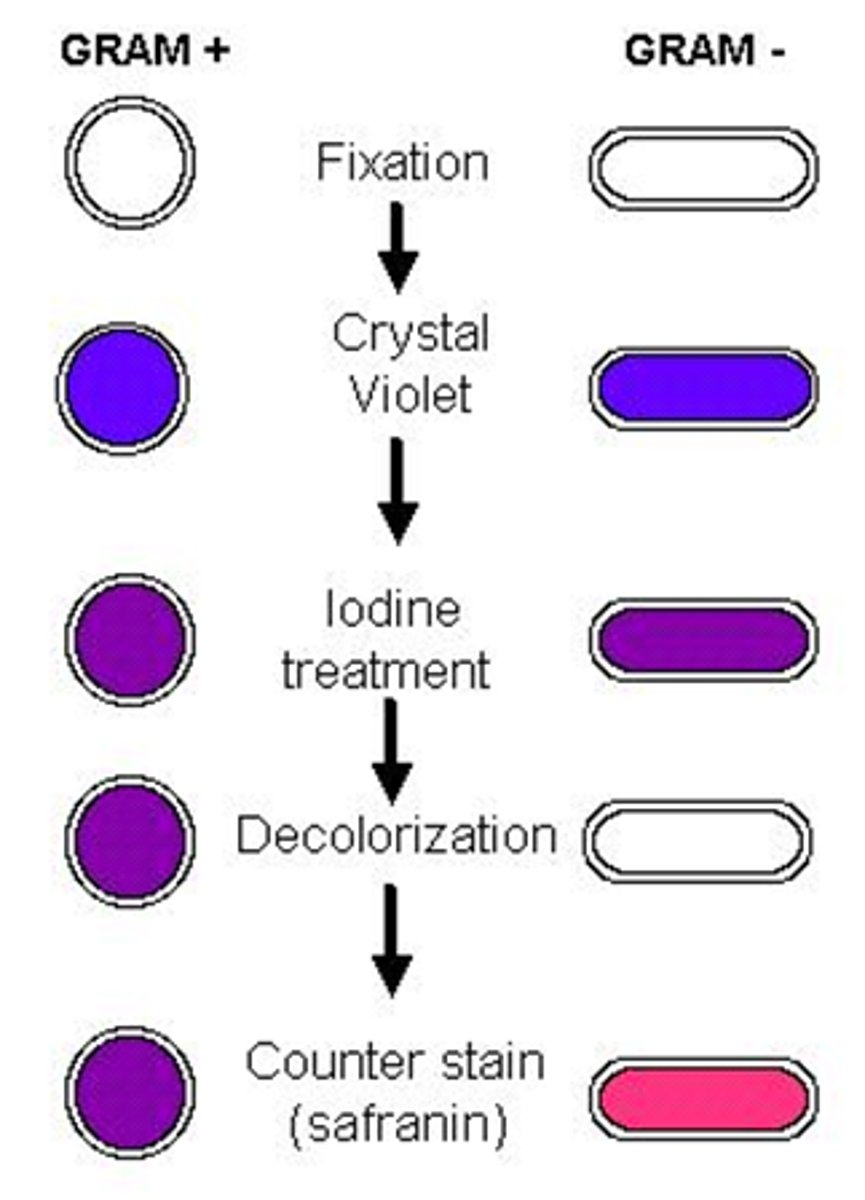
What color do cells start out before a gram stain?
clear
capsule
neatly organized and firmly attached
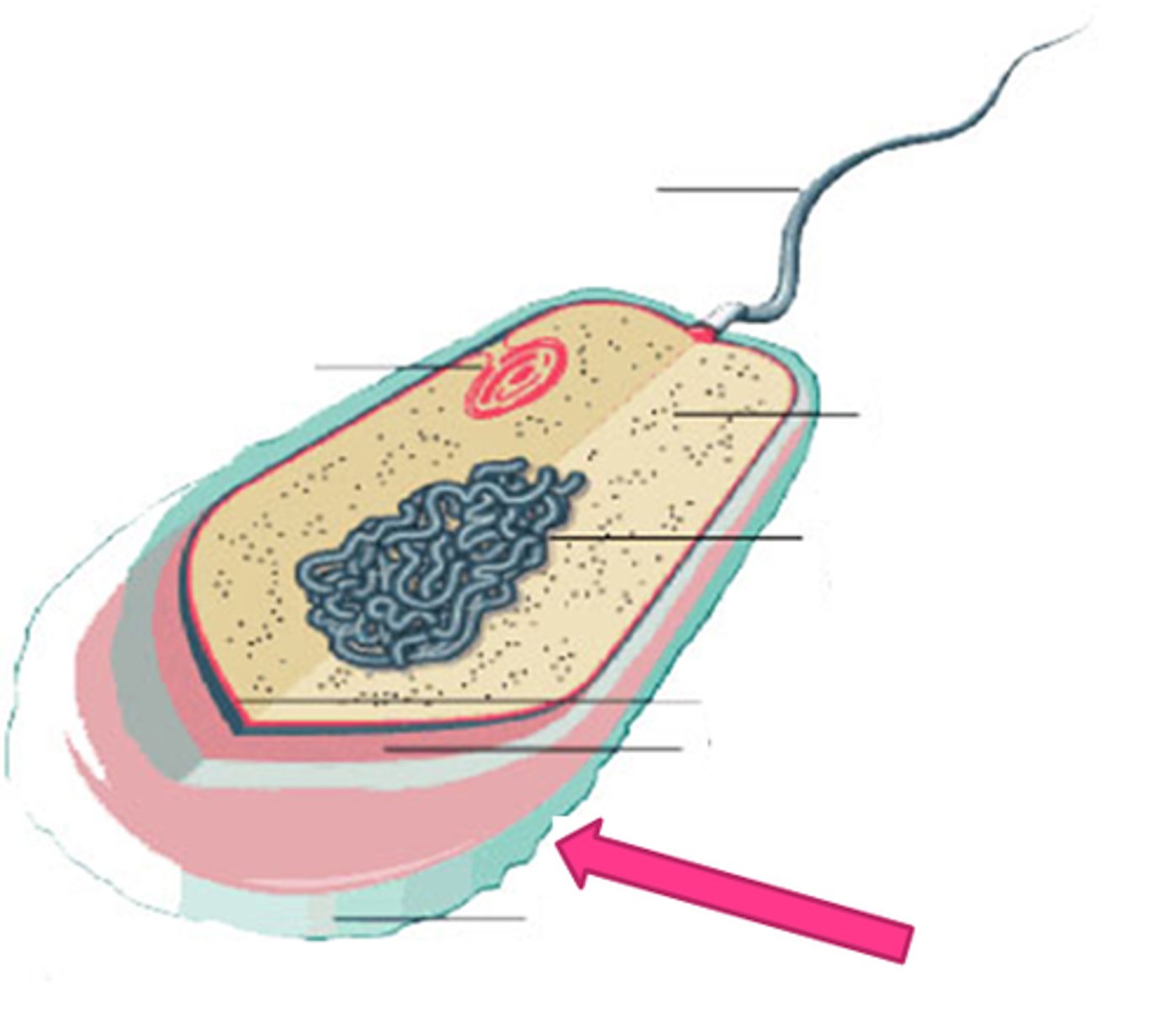
What does a capsule contribute to?
virulence (increases bacteria's ability to cause disease)
-ex: streptococcus pneumonia and klebsiella pneumonia
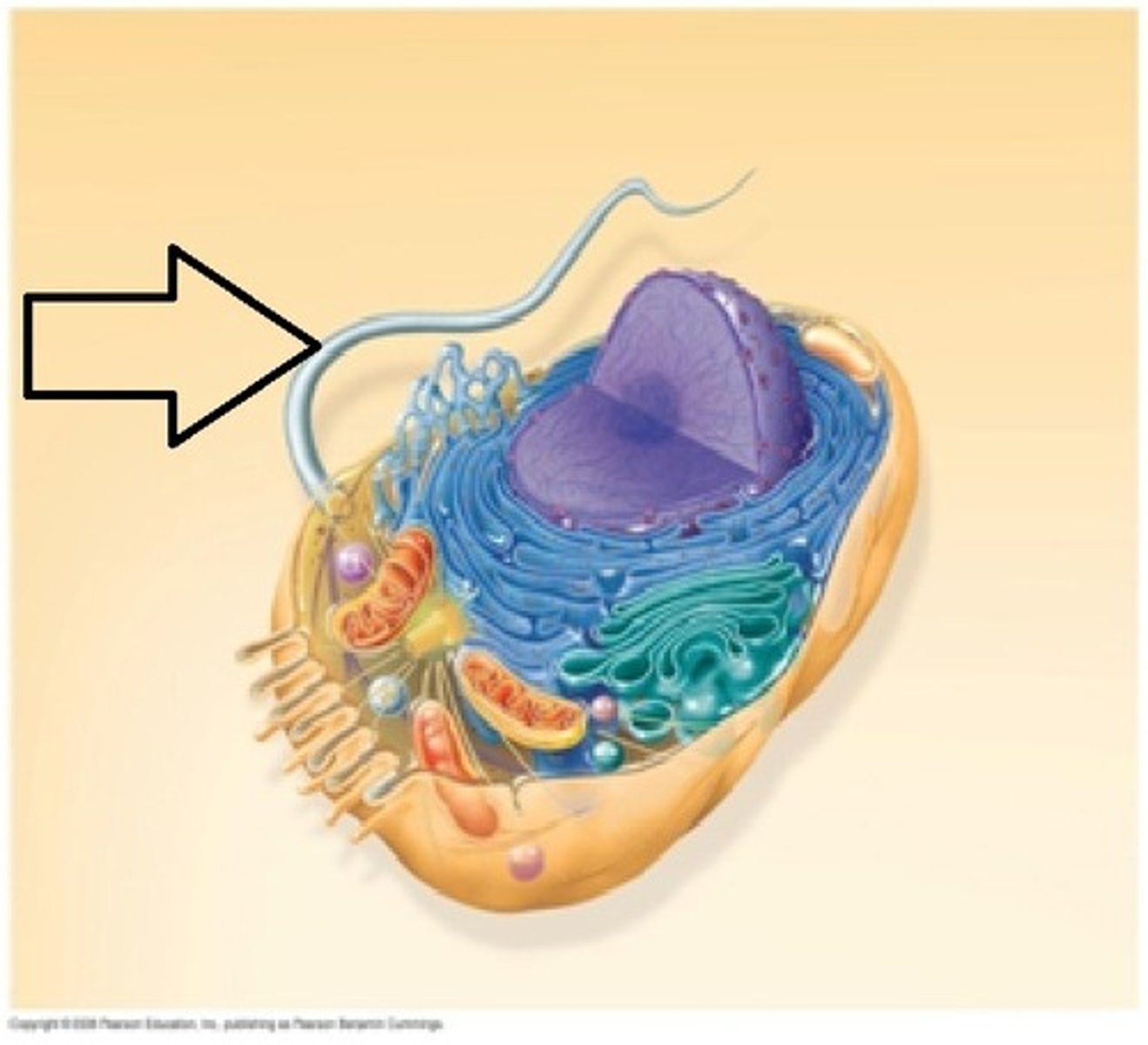
flagella
long filamentous appendage
-used for motility (locomotion)
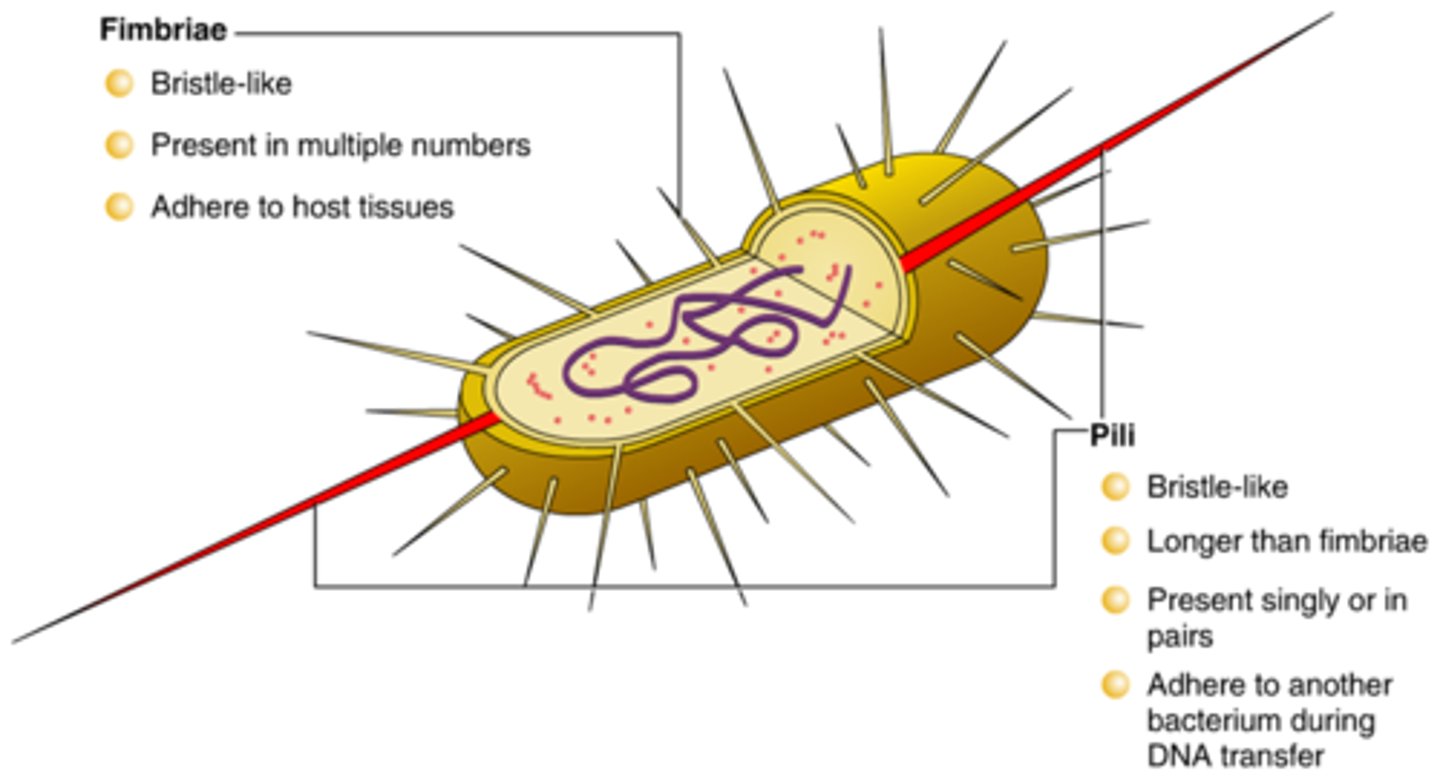
fimbriae
-shorter, straighter, and thinner than flagella
-allows attachment
-aids in forming biofilm
-help bacteria adhere to epithelial surfaces/mucous membranes
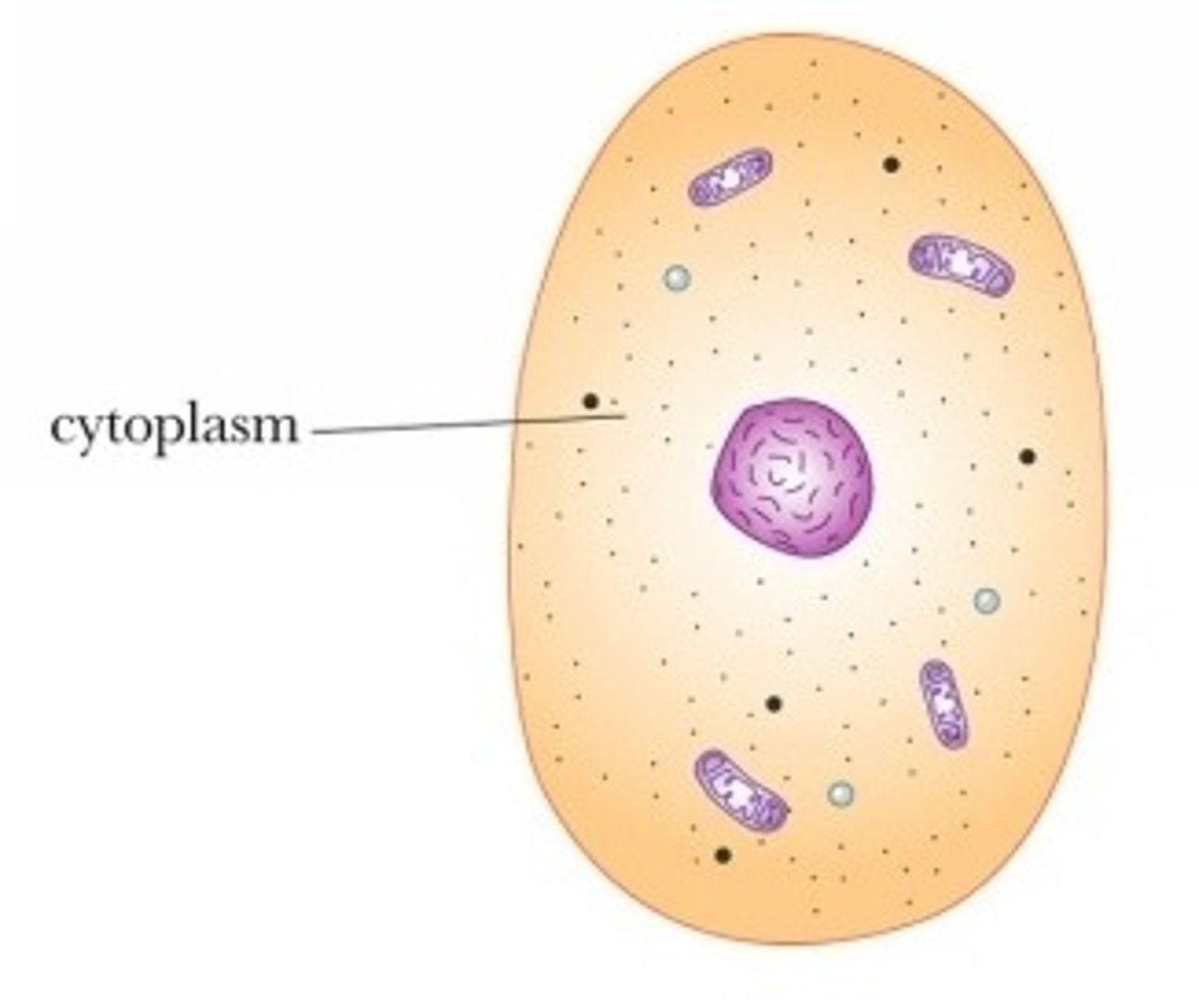
cytoplasm
-the substance inside the plasma membrane
What does cytoplasm consist of?
cytosol, nucleotide, plasmids
cytosol
water, ions, proteins, carbs, lipids, waste
nucleoid
contains bacterial chromosome
-single, continuous, circular, double stranded DNA
-no nuclear envelope
-attached to plasma membrane
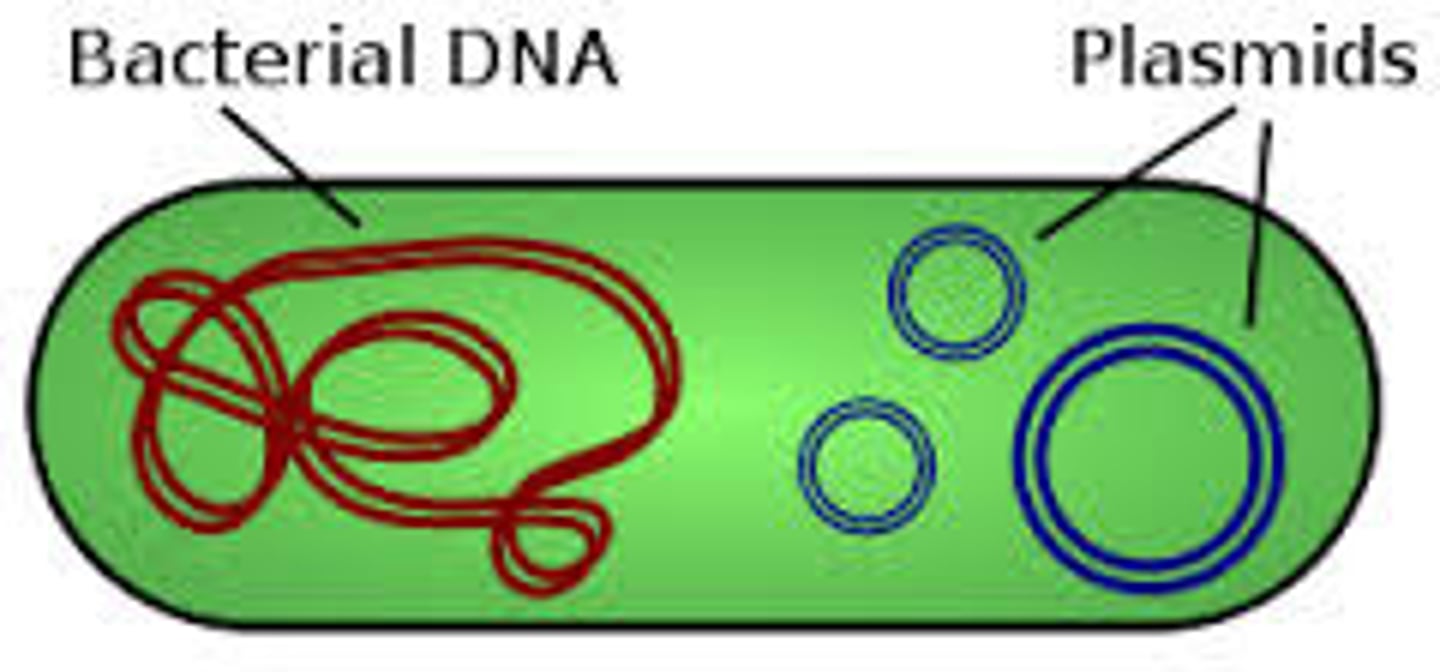
plasmids
small circular DNA molecules
-not connected to main chromosome
-replicate independently
-not crucial for survival under normal conditions
How are endospores formed?
when bacteria in prokaryotes become stressed and essential nutrients are depleted
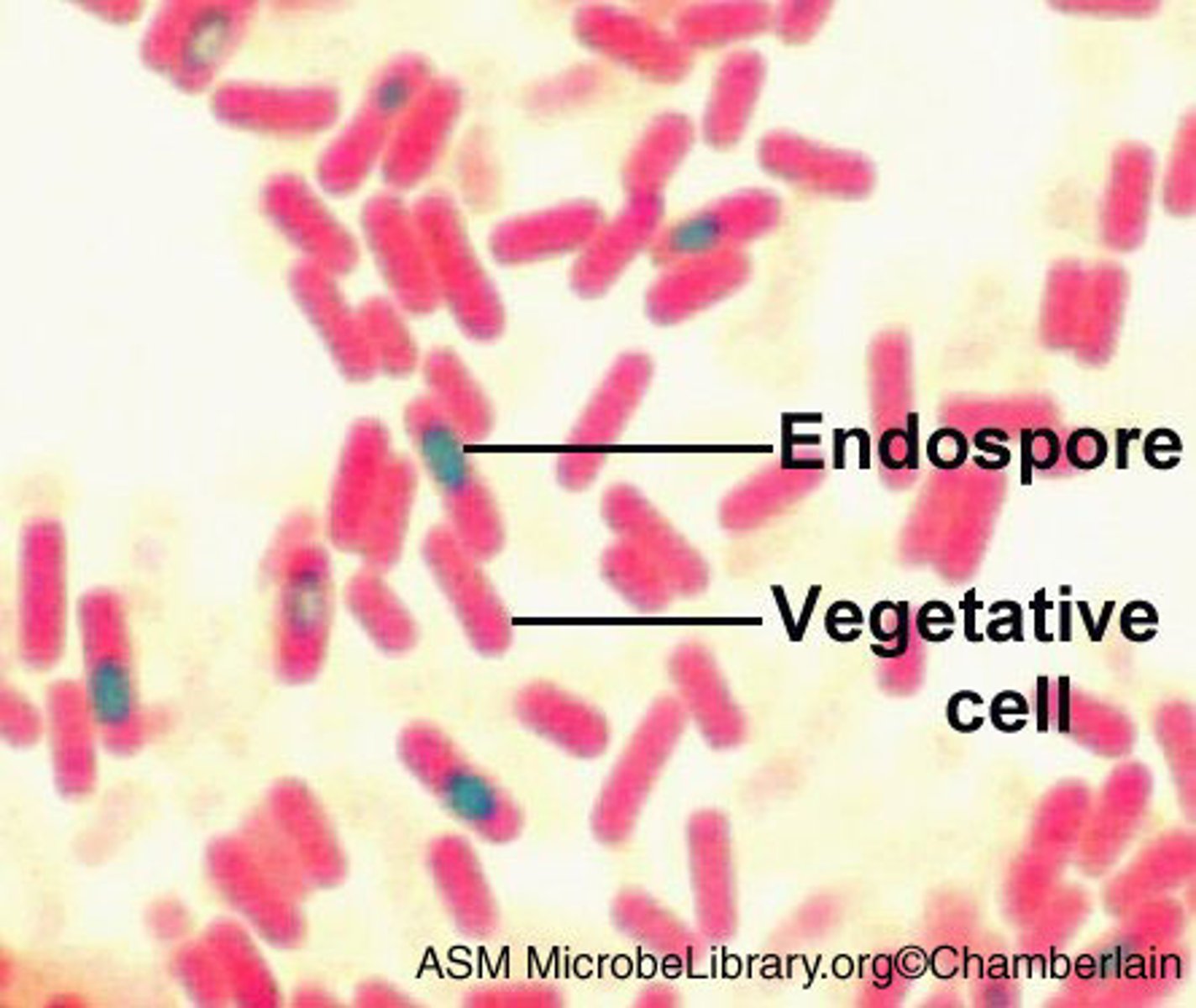
resting cells
dominant for centuries
What are endospores resistant to?
desiccation, heat, chemicals
How exactly do endospores work?
they germinate like a seed when environmental conditions increase, and they preserve DNA in the endospore
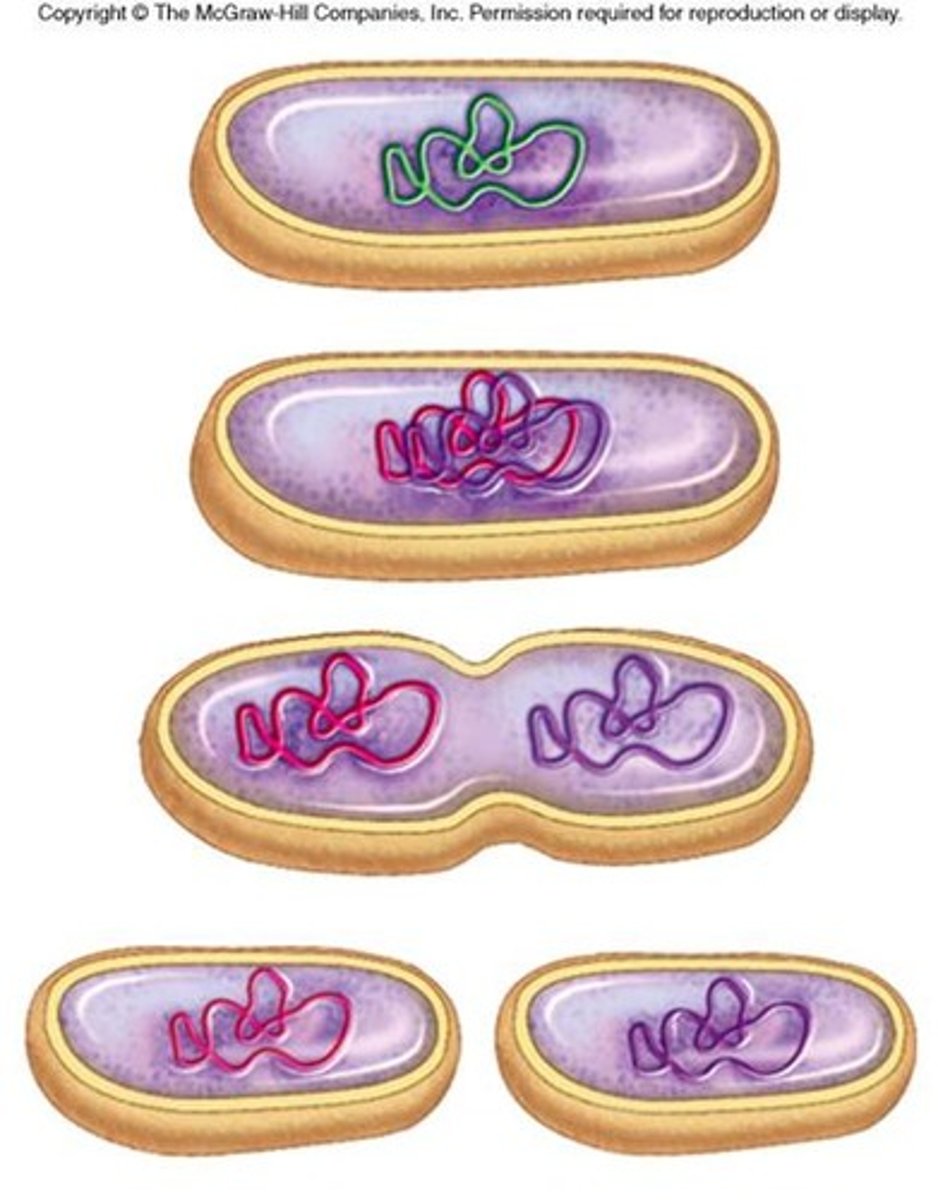
binary fission
a form of asexual reproduction in which an organism divides into two, each part carrying one copy of genetic material
importance of bacterial gene transfer
-increases genetic variation
-horizontal gene transfer
-donor cell contributes part of genome to recipient cell
horizontal gene transfer
from 1 individual to another individual of the same generation
What are the 3 types of bacterial gene transfer?
transformation, transduction, conjugation
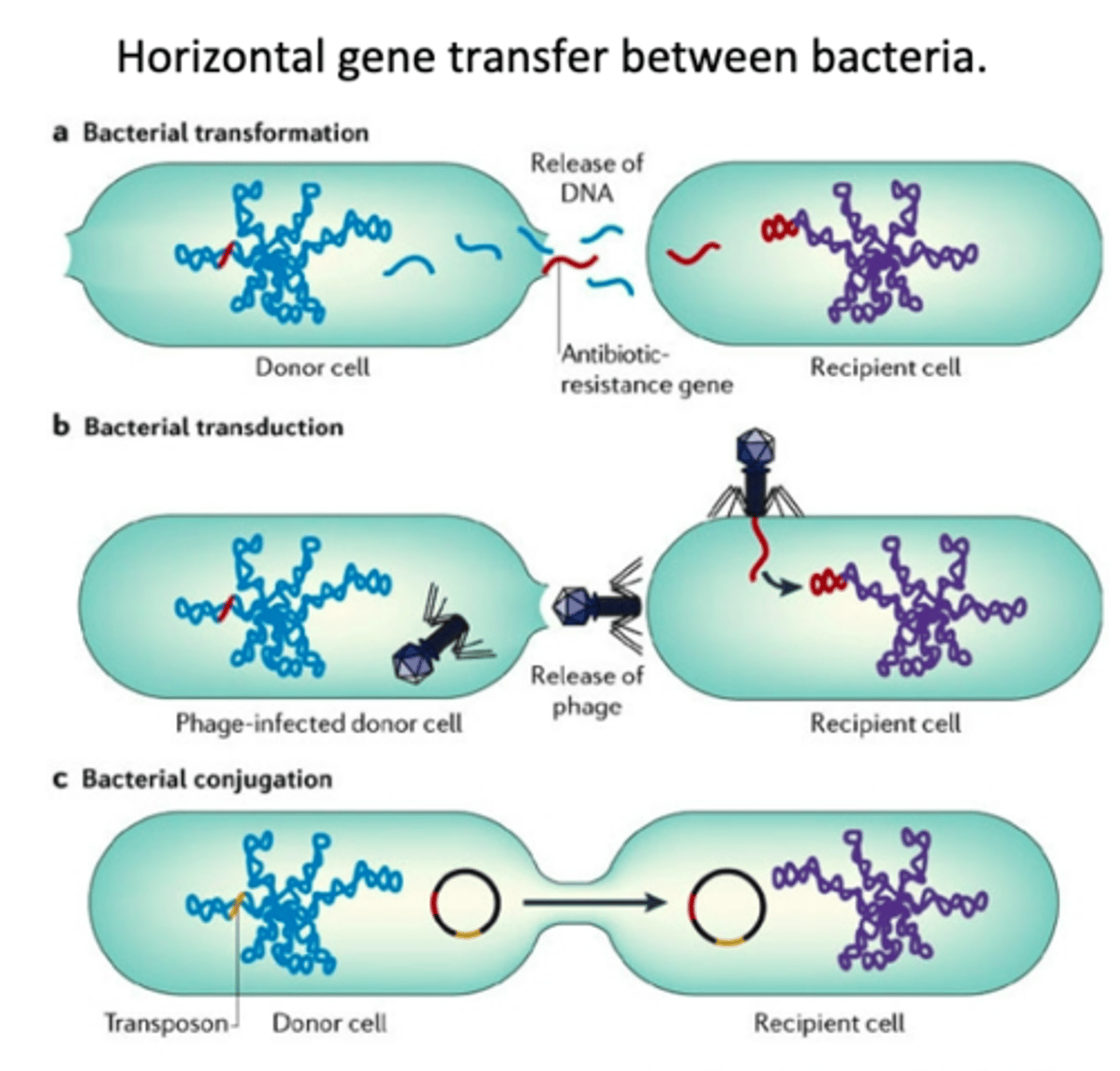
bacterial transformation
uptake of naked DNA from the environment
-competent bacteria
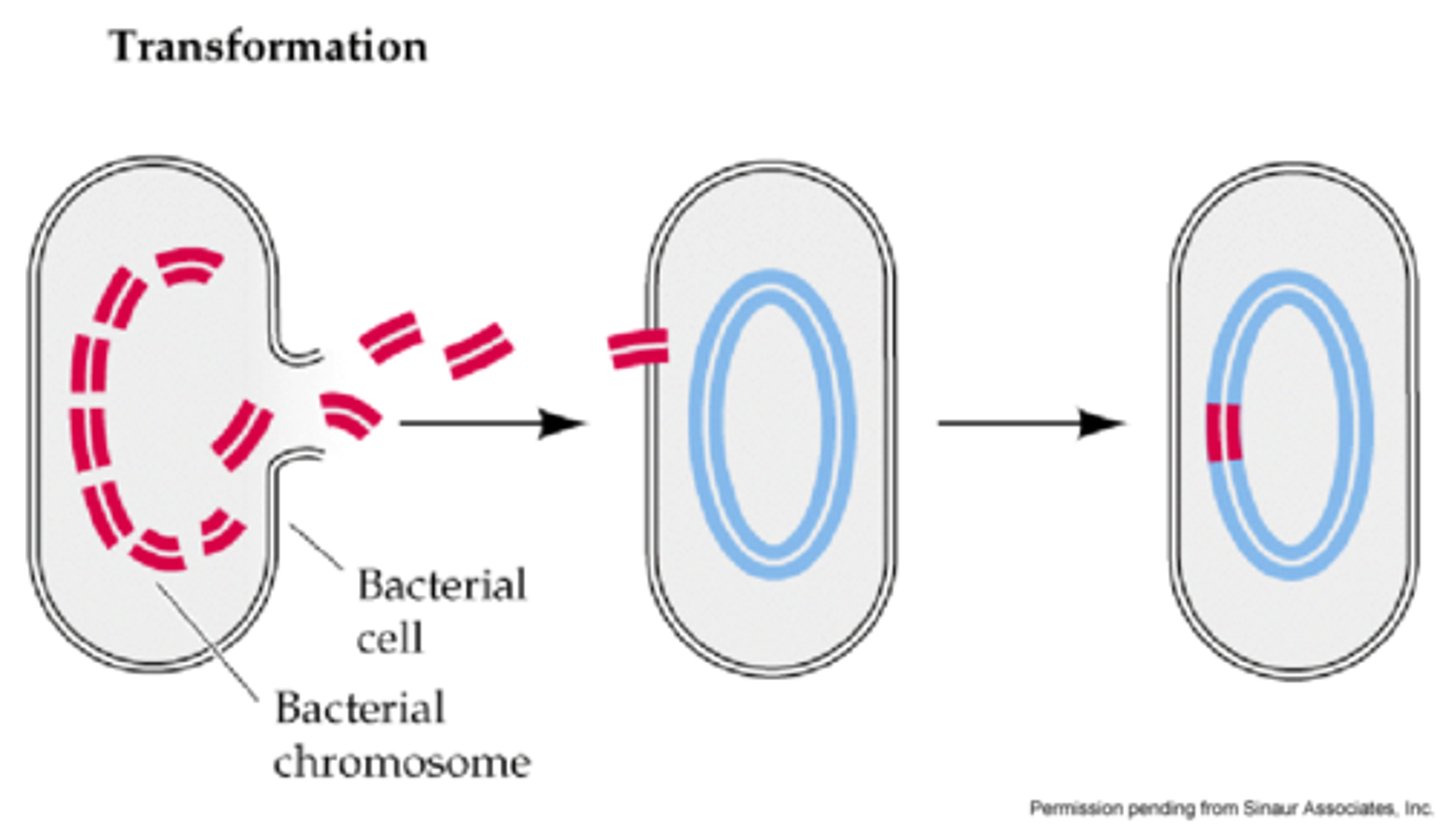
competent bacteria
can take naked DNA from environment
bacterial transduction
transfer of genetic material via a bacteriophage
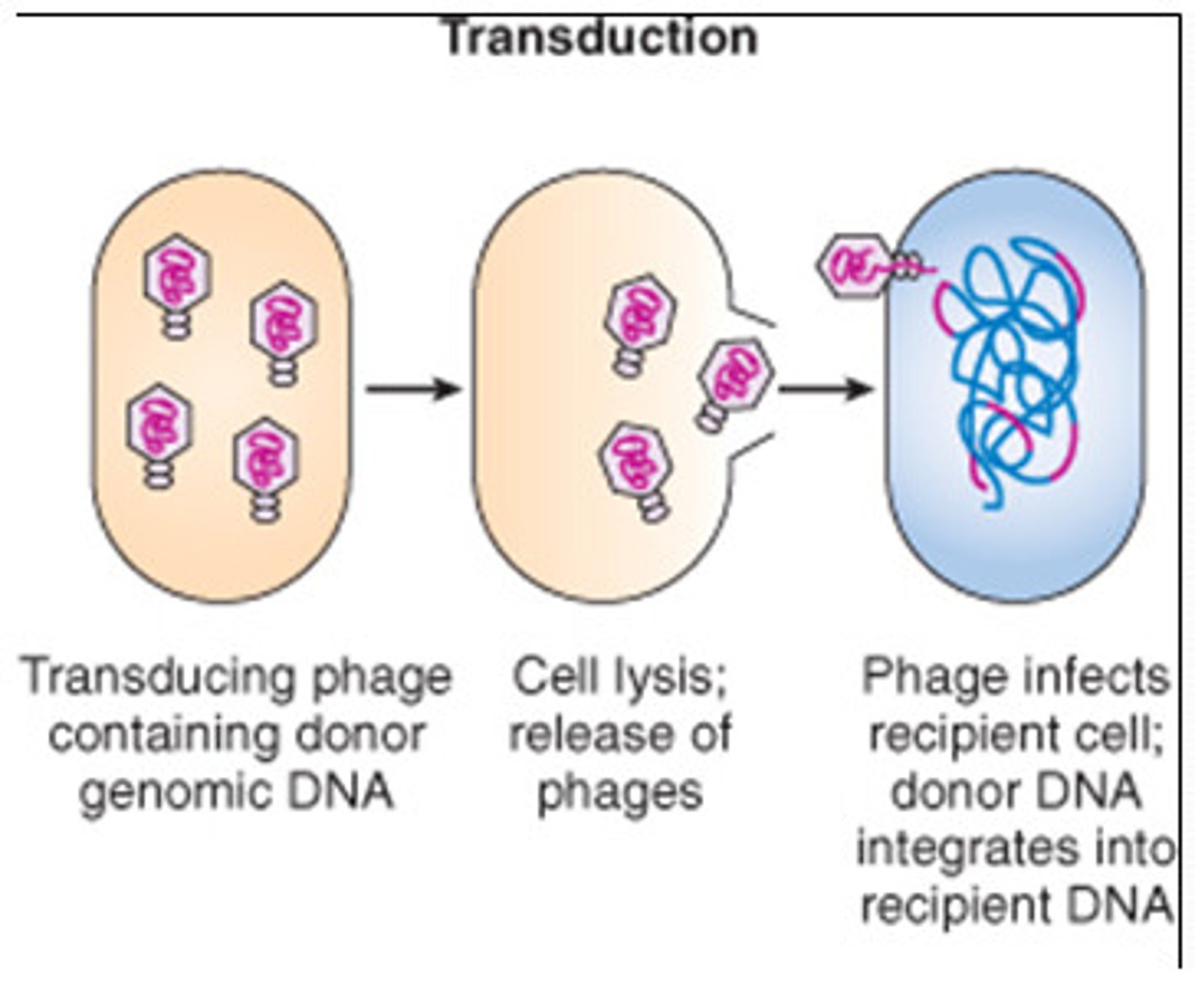
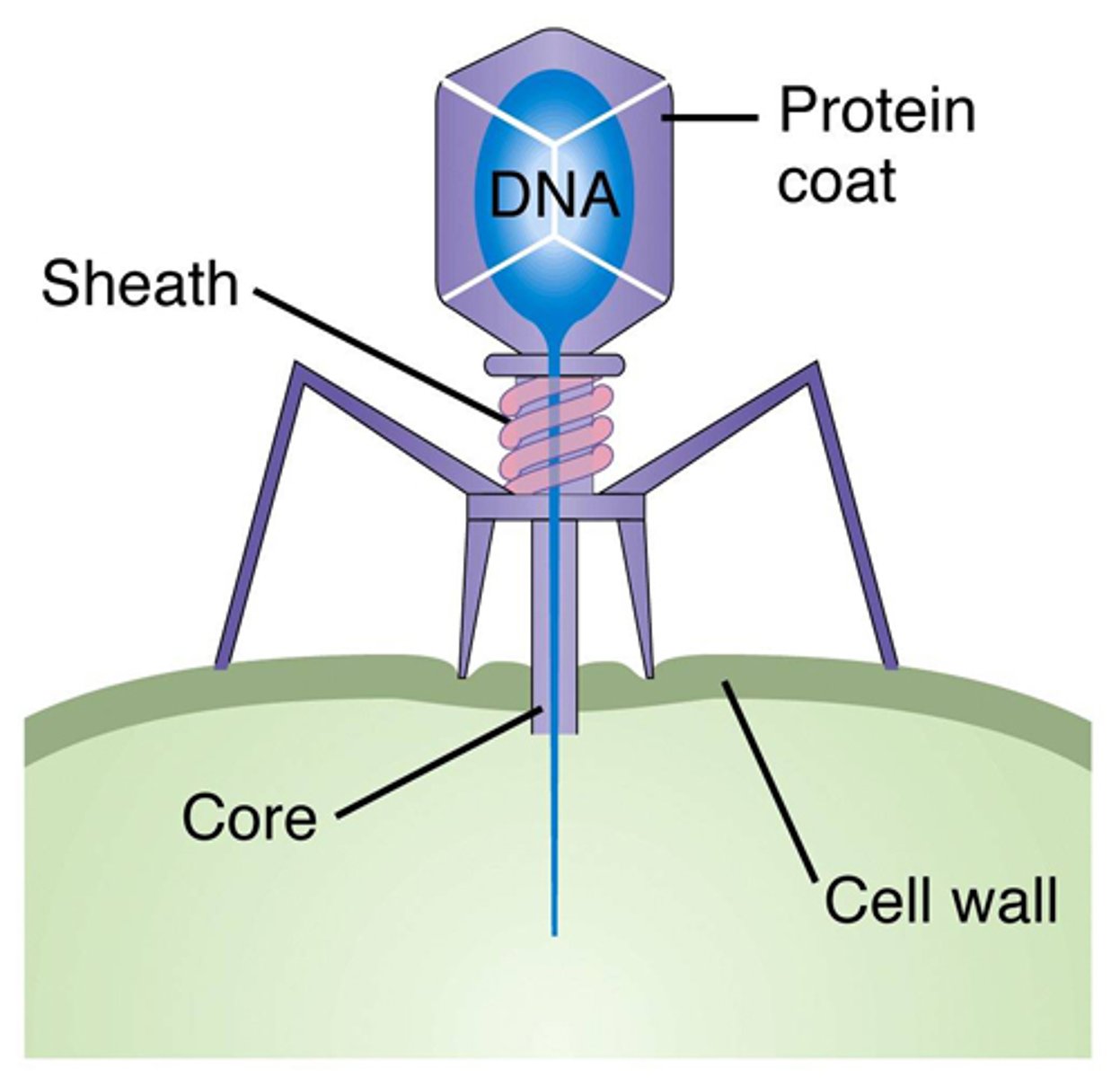
bacteriophage
a virus that parasitizes a bacterium by infecting it and reproducing inside it
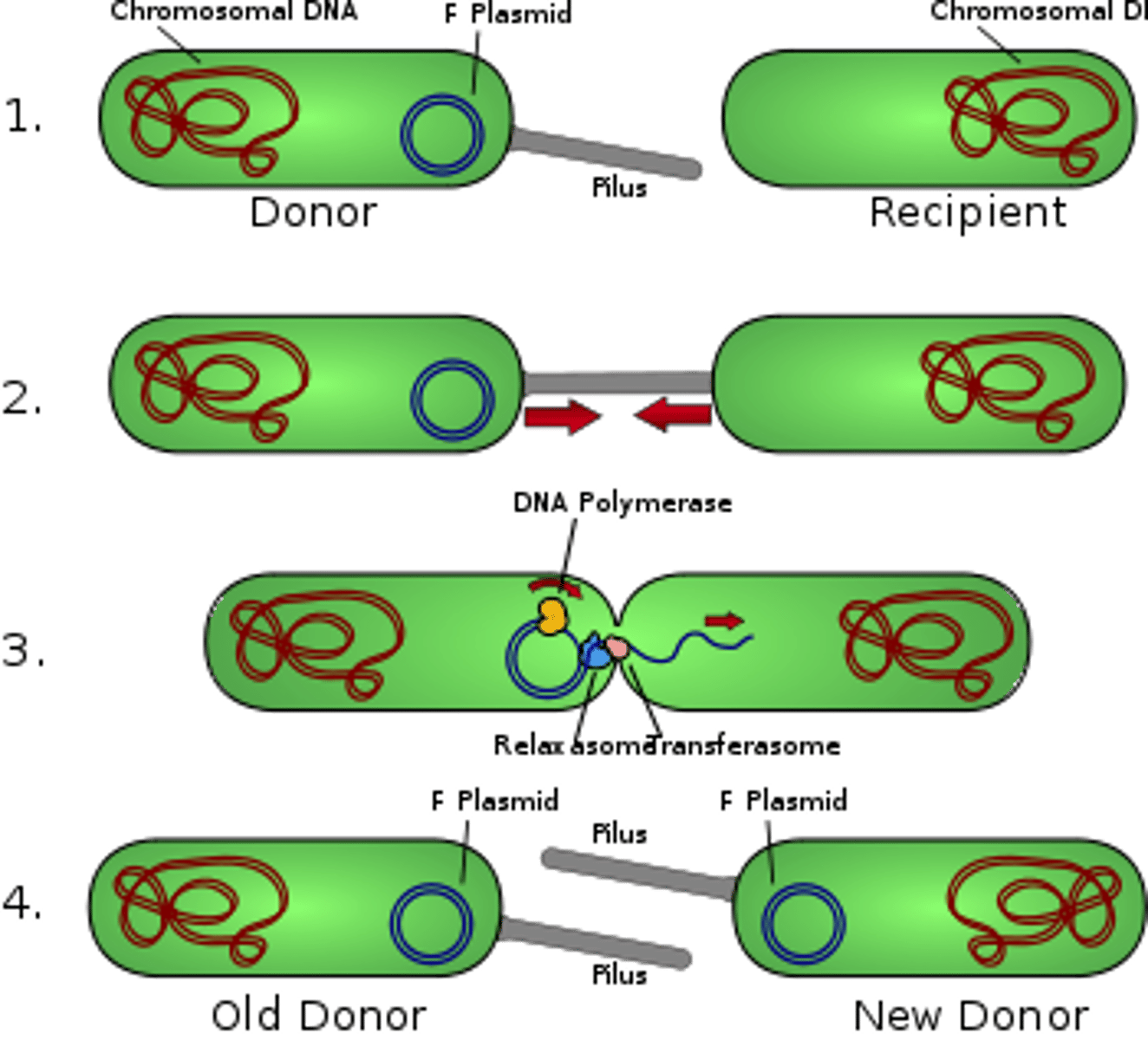
bacterial conjugation
involves sex pilus
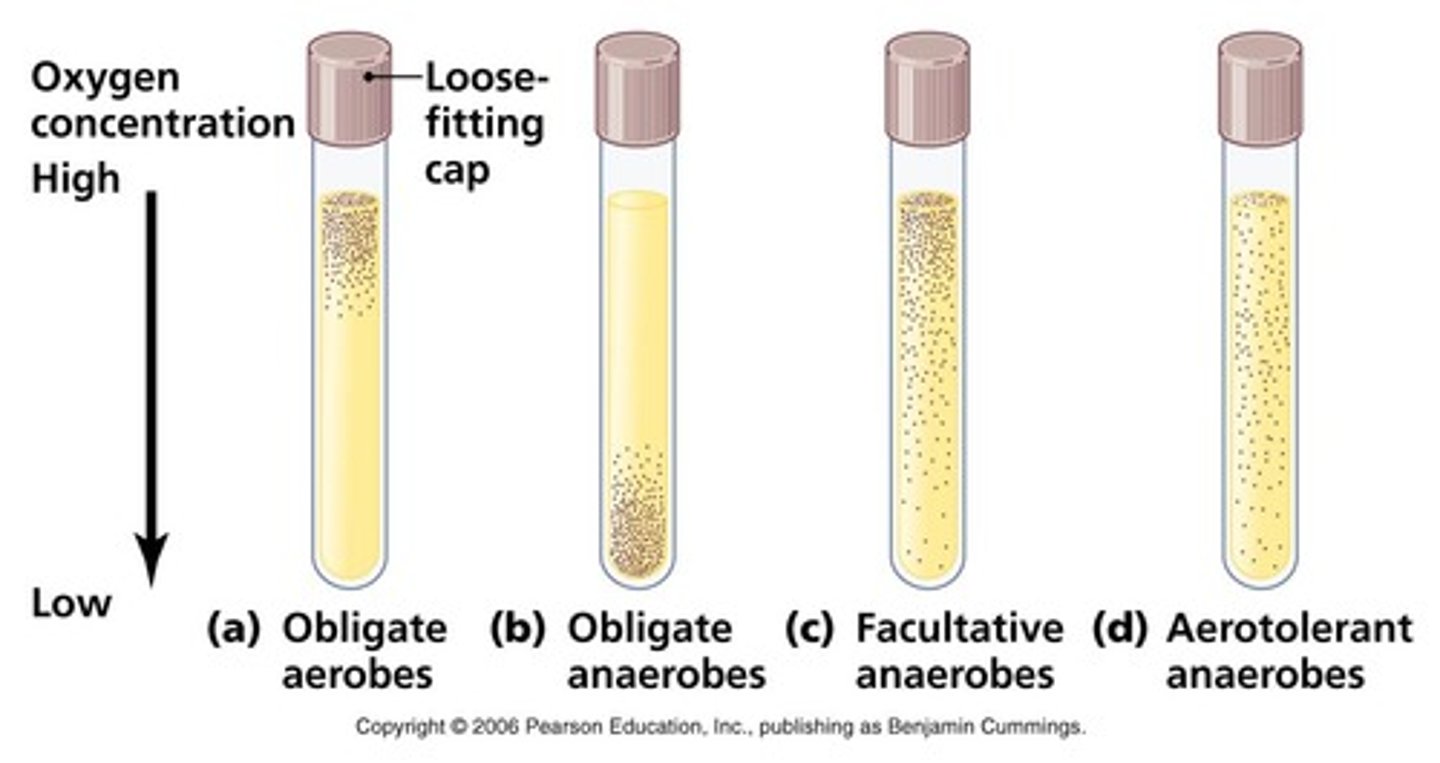
oxygen requirements for prokaryotes
obligate aerobes: must use oxygen for cellular respiration (cellular respiration)
obligate anaerobes: can't tolerate oxygen (fermentation)
facultative anaerobes: use oxygen if it's available to make ATP, if oxygen isn't available use fermentation or anaerobic respiration
What is nitrogen necessary for?
making amino acids and nucleic acids
heterocyst
nitrogen fixing cells possessed by the cyanobacterium Anabaena
cyanobacteria
-photoauthotrophs
-only prokaryotes that undergoes oxygen generating photosynthesis
-freshwater + marine ecosystems
-some have heterocysts for fixing nitrogen
What are the only prokaryotes that undergo oxygen generating photosynthesis?
cyanobacteria
What are the 3 parts of domain archaea?
extreme halophiles: live in high salt environments
extreme thermophiles: live in very hot environments
methanogens: release methane as a by-product of their metabolism
what is the role of pathogenic bacteria?
to control plant, animal, and bacteria populations
-not bad in natural communities
how can we treat bacterial disease?
selective toxicity, broad spectrum antibiotics, narrow spectrum antibiotics
selective toxicity
chemicals that harm bad bacteria, not specific parts of our cells
broad spectrum antibiotics
can kill both gram + and -
narrow spectrum antibiotics
can kill either gram + or -
How do you test for antibiotic resistance?
sensitivity testing
-agar plate w/ grown bacteria, test different antibiotics, measure zone of inhibition (cleared area around antibiotics)
-compare to known zones of inhibition
what are the steps for sensitivity testing?
1. culture bacteria
2. test against commonly used antibiotics (susceptible or resistant)
What are the different roles in research and technology?
CRISPR
production of useful medications
bioremediation
CRISPR
chops up viruses, used for DNA editing
bioremediation
using living organisms to cleanup environment
What is the most diverse of the 4 eukaryotic kingdoms?
kingdom Protista
Why are protists not fungi, plants, or animals?
because they lack the combinations of features to fit into those groups
What is the endosymbiotic theory?
a theory that tells the origin of the mitochondria and chloroplasts
-ancestral prokaryote -> infolding of plasma membrane (nucleus forming) -> endosymbiosis (cyanobacterium, aerobic bacterium) -> ancestral eukaryote
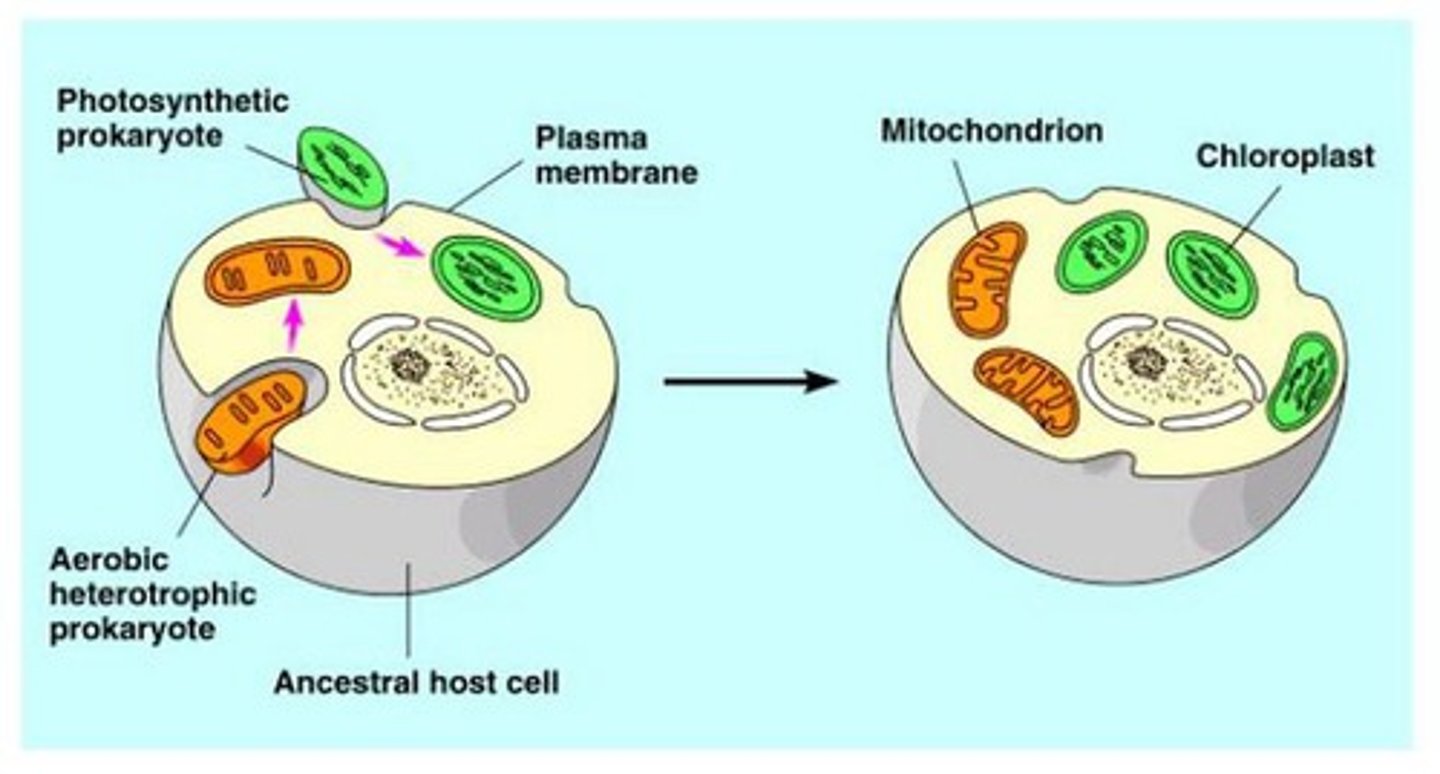
What are the general protist features?
-vary considerably in every other aspect
-unicellular, colonial, and multicellular groups
-most are microscopic, but some are huge
-all symmetries
-all types of nutrition
What are the different types of nutrition?
mixotrophic (heterotrophic + autotrophic), heterotrophic, and autotrophic
Protist Features - Cell Surface
-plasma membrane only (ex: amoeba)
-extracurricular (ECM) in some (ex: diatoms - silica shells)
Protist Features - Cysts
-environmentally resistant stage
1. dormant cell w/ resistant outer covering
2. used for disease transmission
Protists Features - Locomotion
1. Flagella
-long tail like structure
-one or more
2. Cilia
-shorter and more numerous than flagella
-propels protists through aquatic ecosystem
3. Pseudopodia ("false feet")
-extensions of cytoplasm
What are the complex life cycles that protists follow?
asexual reproduction, sexual reproduction, and alternation of generations
Asexual Reproduction
-typical mode of reproduction
-some species have an unusual mitosis:
mitosis - equal size daughter cells
budding - one daughter cell smaller
schizogony - cell division by several nuclear divisions; produces several individuals
What is mitosis?
a process of cell duplication, in which one cell divides into two genetically identical daughter cells
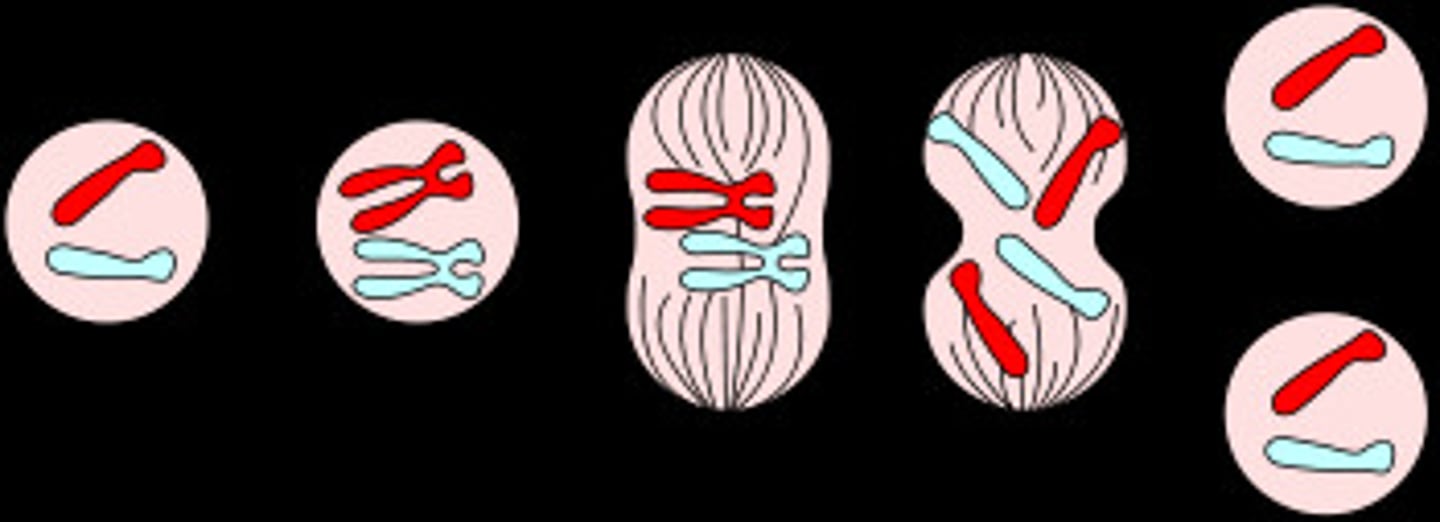
Sexual Reproduction
-meiosis is a major eukaryote innovation
-a type of cell division in sexually reproducing organisms that reduces the # of chromosomes in gametes (sex cells or egg and sperm)
-union of haploid gametes which are produced by meiosis
-advantage in allowing frequent genetic recombination
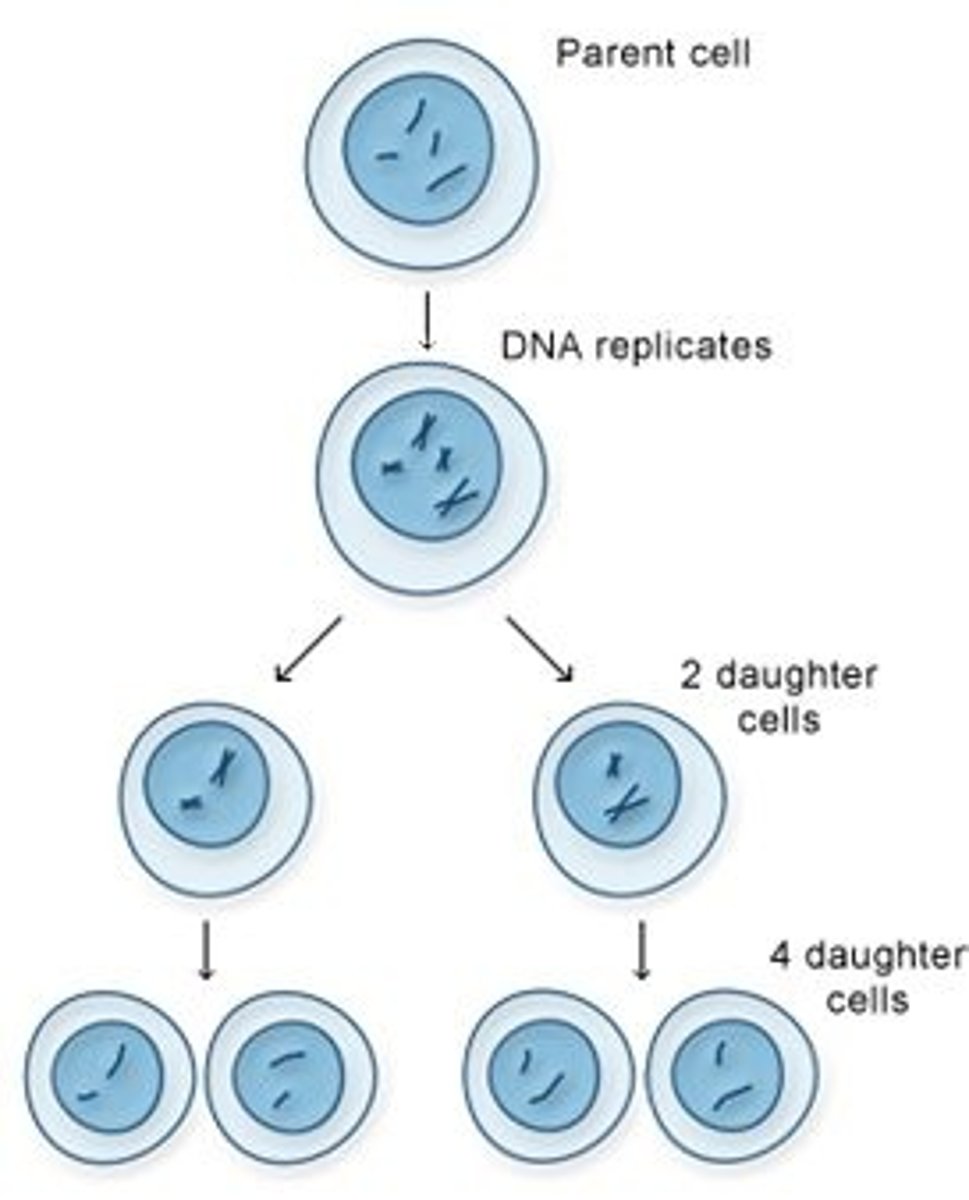
endosymbiosis
symbiosis in which one of the symbiotic organisms lives inside the other
Protists Classification and Phylogeny
1. Domain Eukarya
2. Kingdom Protista
3. Protists Supergroups
What are the different protist supergroups?
1. Supergroup Excavata
-Clade Diplompomonaddia
-Clade Parabasala
-Clade Euglenozoa
2. Supergroup Chromalveolata
-Subclade Phaeophyta
-Subclade Bacillariophyta
-Subclade Dinoflagellata
-Subclade Apicomplexa
-Subclade Ciliophora
3. Supergroup Rhizaria
-Subclade Foraminifera
-Subclade Radiolaria
4. Supergroup Archaeplastida
-Clade Rhodophyta
Clade Chlorphyta
5. Supergroup Amoebozoa
Supergroup Excavata
Clade Diplomonadida
Clade Parabasala
Clade Euglenozoa
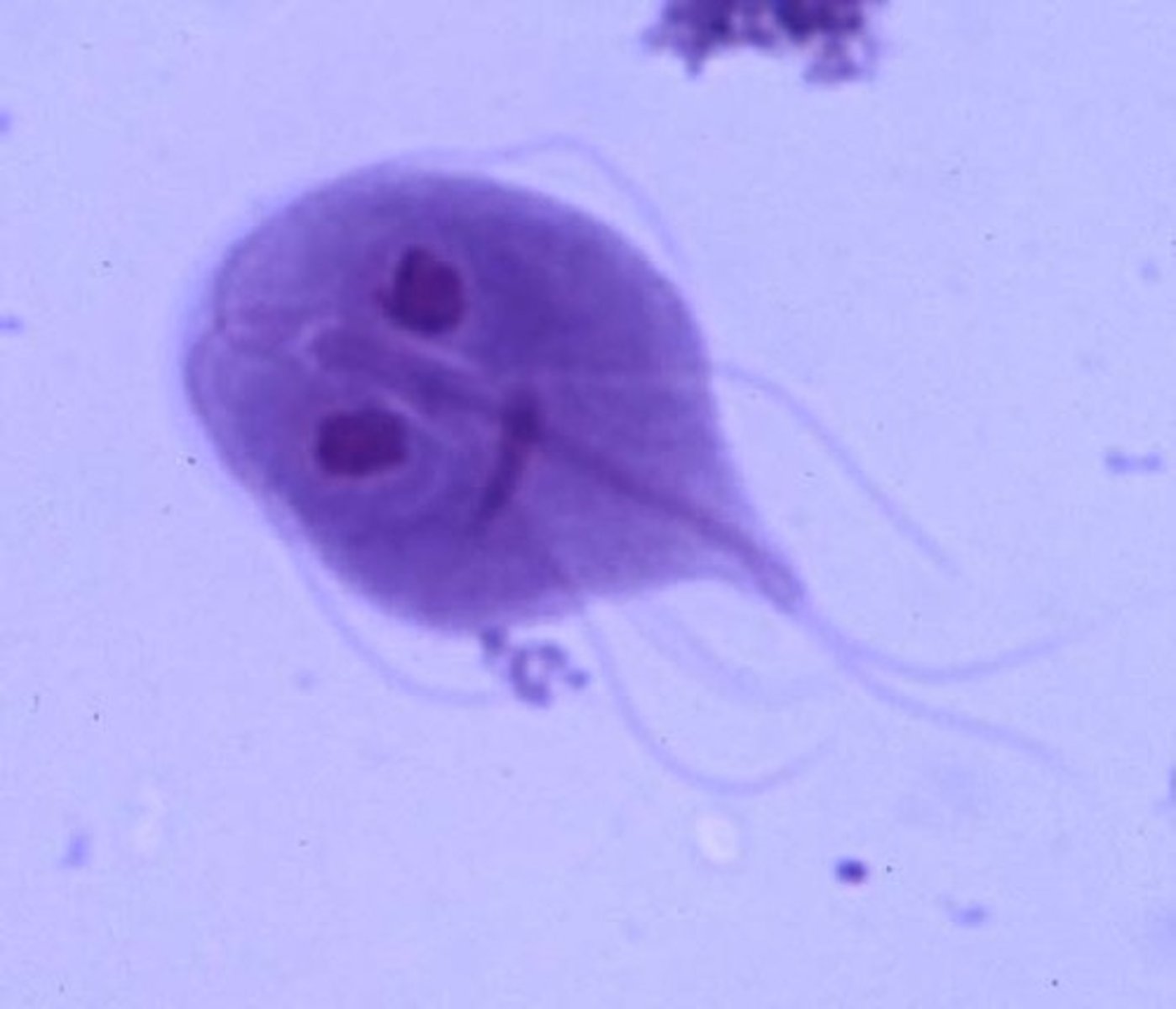
Supergroup Excavata - Clade Diplomonadida
-Unicellular
-Move with flagella
-2 nuclei
-Giardia
Pass via contaminated water (fecal oral contamination)
Cause diarrhea
Mitosome instead of mitochondria (anaerobic ATP generation)
Supergroup Excavata - Clade Euglenozoa
-Among the earliest eukaryotes to possess mitochondria
-⅓ have chloroplasts and are autotrophic
-May become heterotrophic in the dark
-Others lack chloroplasts and are heterotrophic
-All have a flexible pellicle
-Allow euglenoids to change shape
-No sexual reproduction
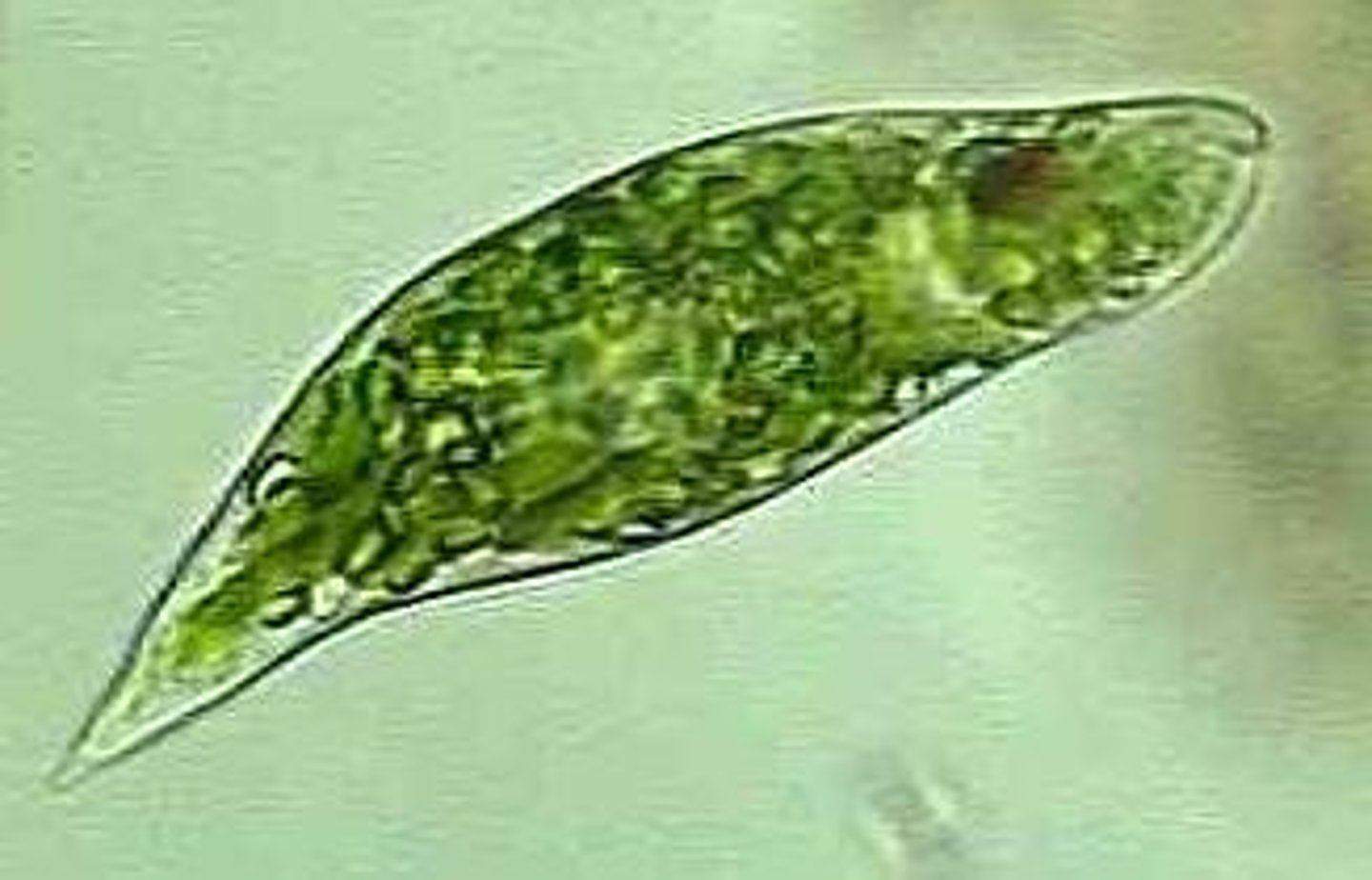
Euglena
-1 or 2 flagella
-Second very short
-Contractile vacuoles - collect excess water
-Some are mixotrophic
Trypanosoma
-Unique, single mitochondrion
-Kinetoplast - single mass of DNA
-Cause human diseases
-Can change protective coat to evade host immune system
Trypanosoma brucei (African Trypanosomiasis)
-Animal parasites
-Sleeping sickness
-Transmitted by tsetse fly (feeds off blood)
-Vector - disease transmitting organism
-Africa
Diagnosis: Trypanosomiasis by microscopic examination of blood
-Daytime sleepiness and confusion
Trypanosoma cruzii (Chagas' Disease)
-Transmitted by kissing bug (parasite present in fecal matter; rub/scratch wound on skin)
-Americas
-Usually asymptomatic (no symptoms)
-Chronic disease = heart rhythm abnormalities
-Diagnosis: microscopic examination of blood
Romana's sign
(swollen eye from parasite)
Supergroup Archaeplastida - Clade Rhodophyta
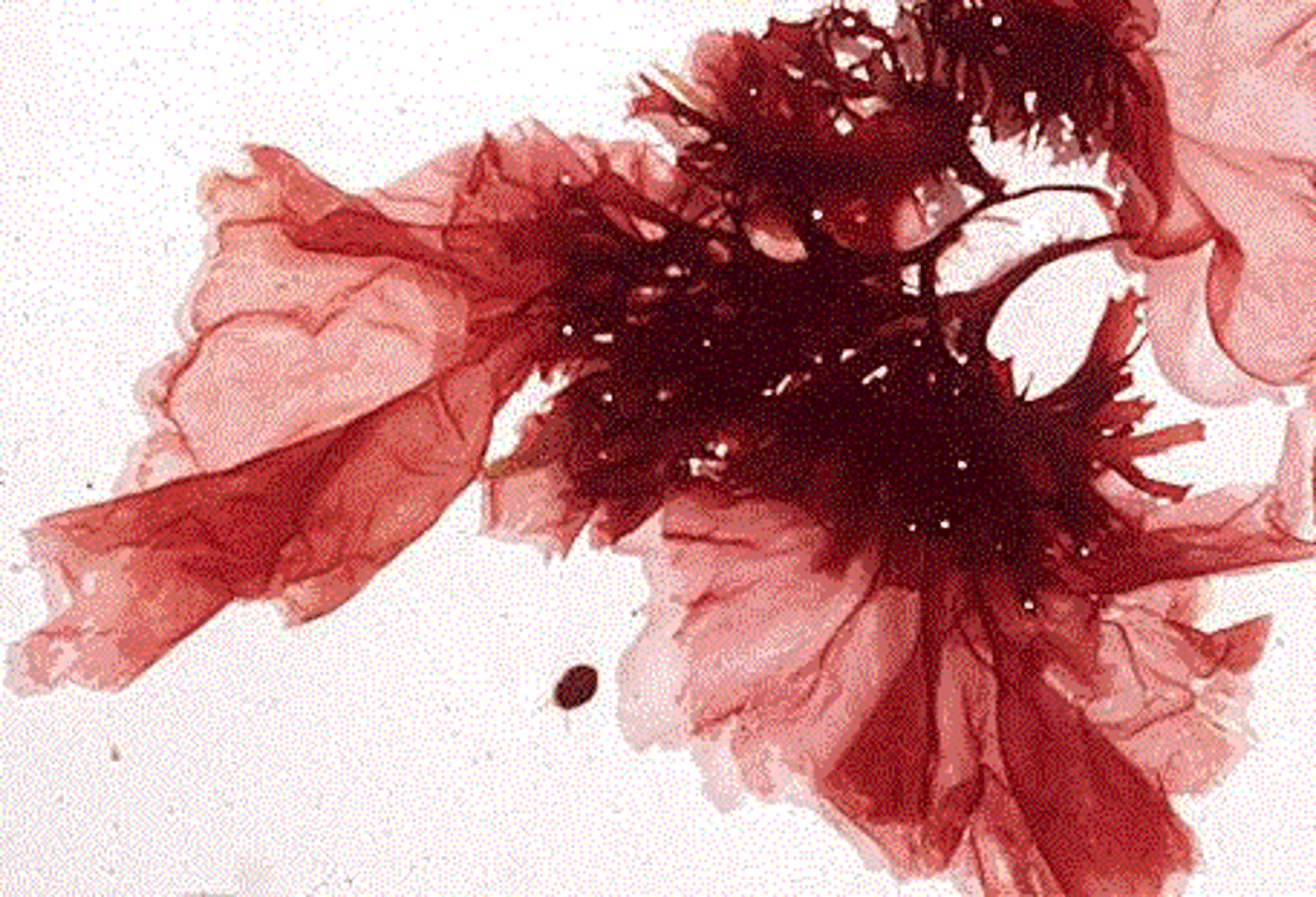
-Red algae range from microscopic to very large
-Many live in deep waters
-Accessory photosynthetic pigments
Phycoerythrin (red), phycocyanin
Absorb blue and green light
-Cellulose cell wall
-Multicellular
-Chlorophyll A + B
-Commercial Uses:
Sushi wrappers, icecream, cosmetic thickener
Supergroup Archaeplastida - Clade Chlorophyta
-Modern chlorophytes closely resemble land plants
-Chloroplasts are biochemically similar to those of the plants
-2 Groups:
Chlorophytes
Charophytes
-Early green algae probably resembled Chlamydomonas reinhardtii
Individuals are microscopic
2 anterior flagella
Most individuals are haploid
Reproduces asexually and sexually
Has a holdfast
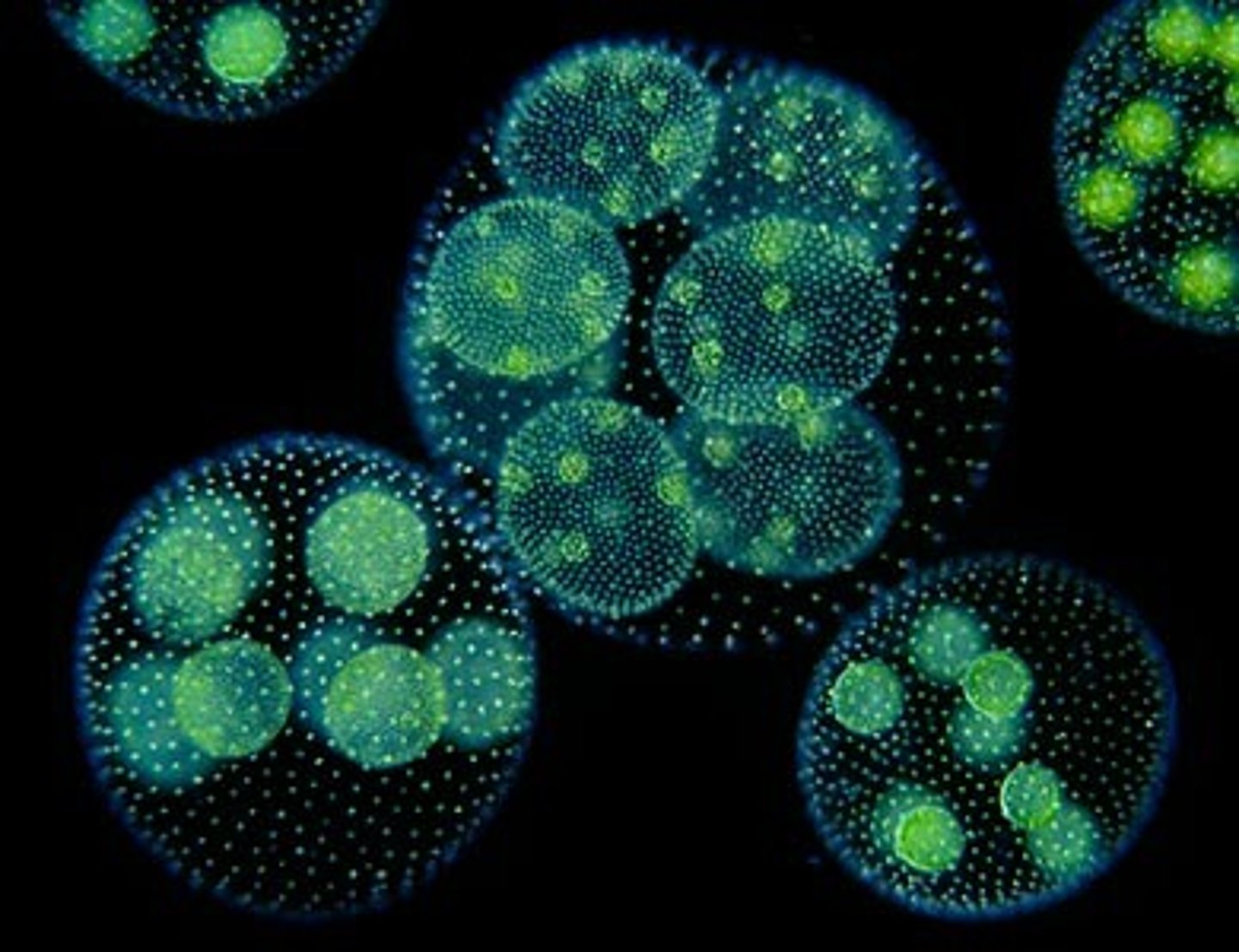
-Volvox
Multicellular chlorophyte
Hollow sphere
Biflagellated cells
--2 types of cells
Eyespot + flagella
2 flagella per cell
Forms colonies of cells
Ex: phytoplankton
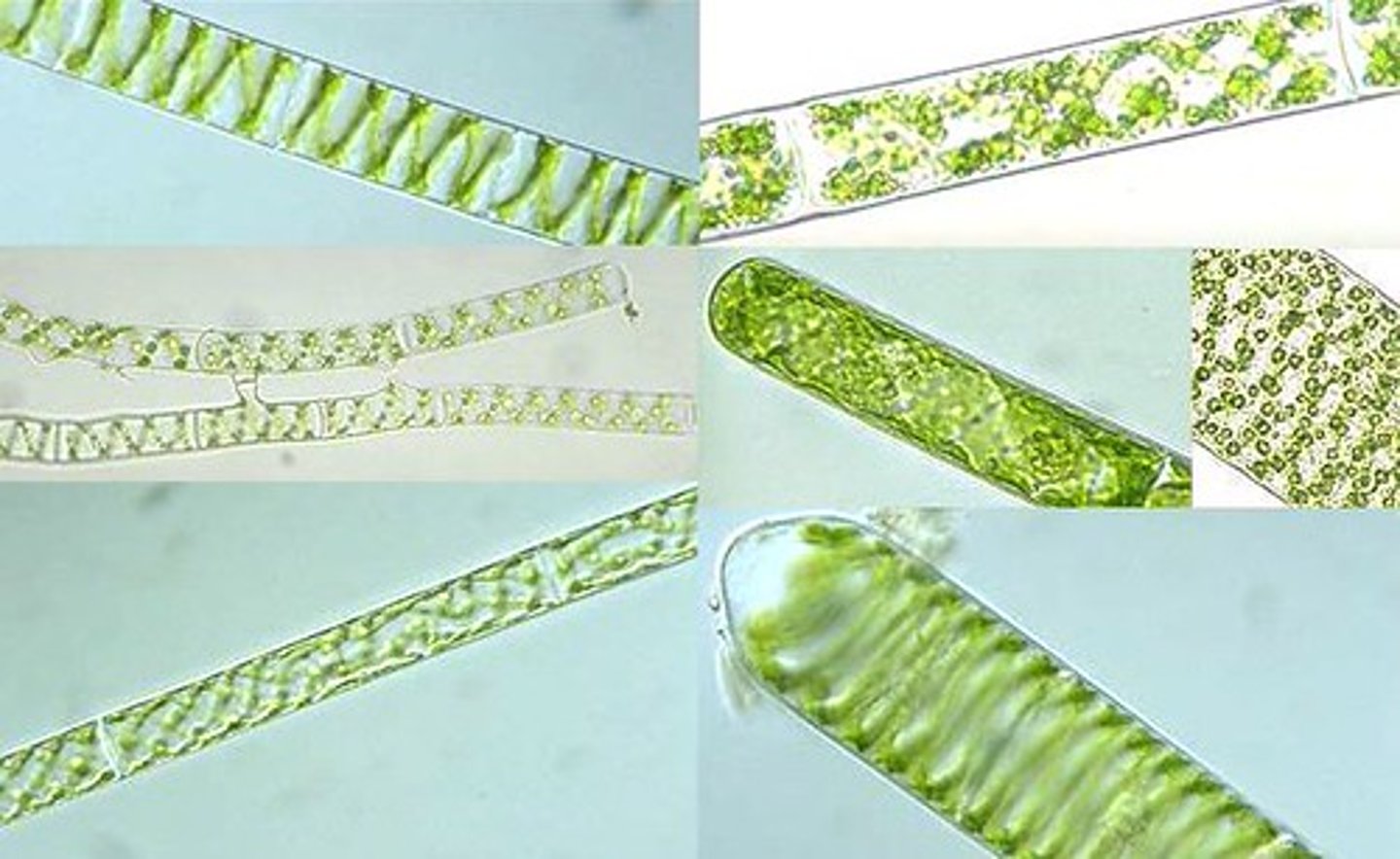
-Spirogyra
Multicellular freshwater green algae
Chloroplasts in spiral pattern
Vegetative and photosynthetic
--Spirogyra Conjugation
Sexual reproduction
Link up cells, merge cells (genetic diversity)
Creates a zygospore
Goes through process similar to germination
Leftover filament is decomposed back into environment
--Ulva
Sea lettuce
Multicellular chlorophyte
Marine green algae
Holdfast: attach to specific spot (in light of abiotic factors such as currents)
--Chara
Also green algae (freshwater)
Gave rise to land plants (closest relative)
Can survive dried out
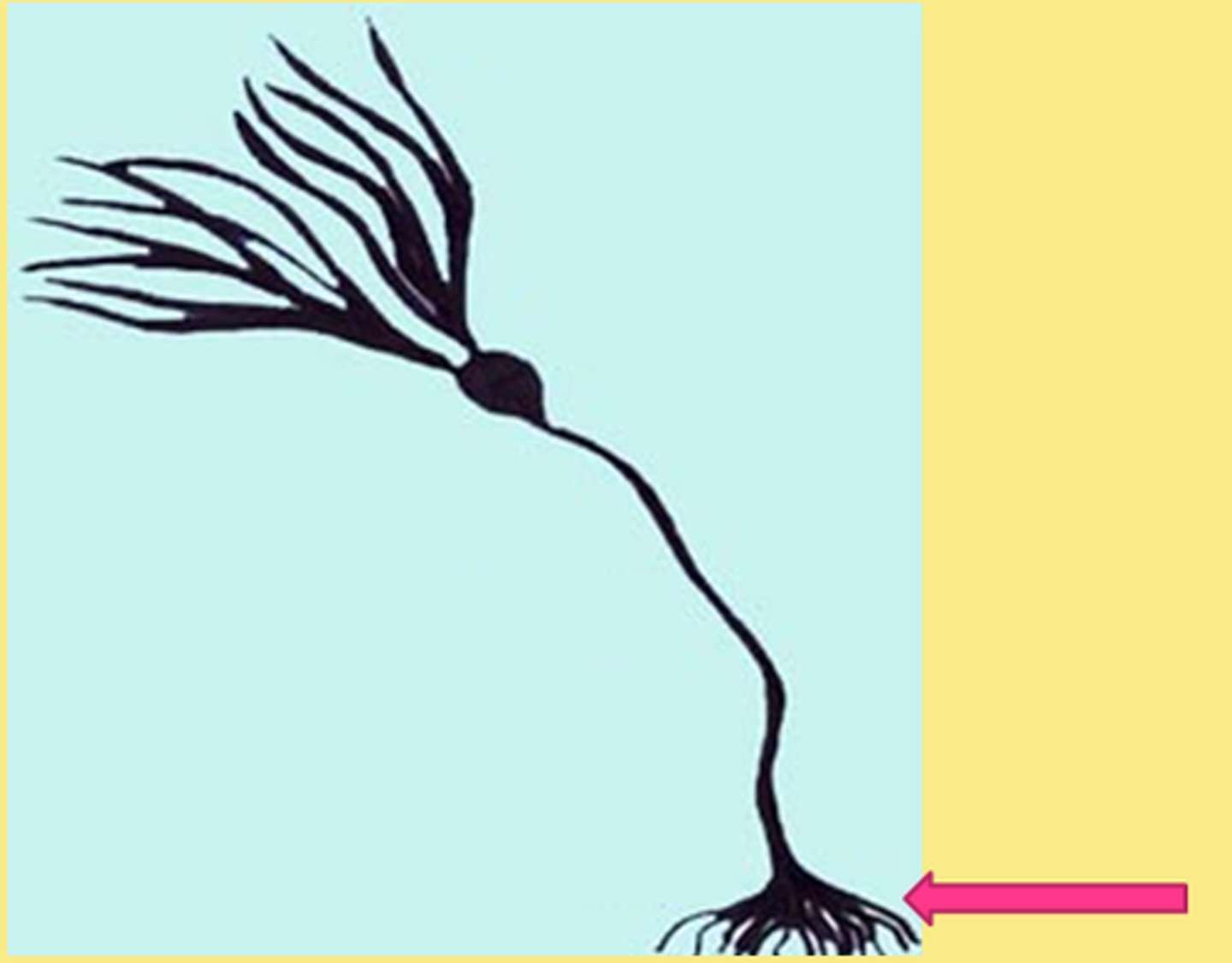
What have red, green, and brown algae adapted to attach to a specific area?
holdfast
Supergroup Amoebozoa
-Pseudopods
Extensions of plasma membrane to create "false feet" for feeding and movement
-Heterotrophic
Ex: zooplankton
-Unicellular
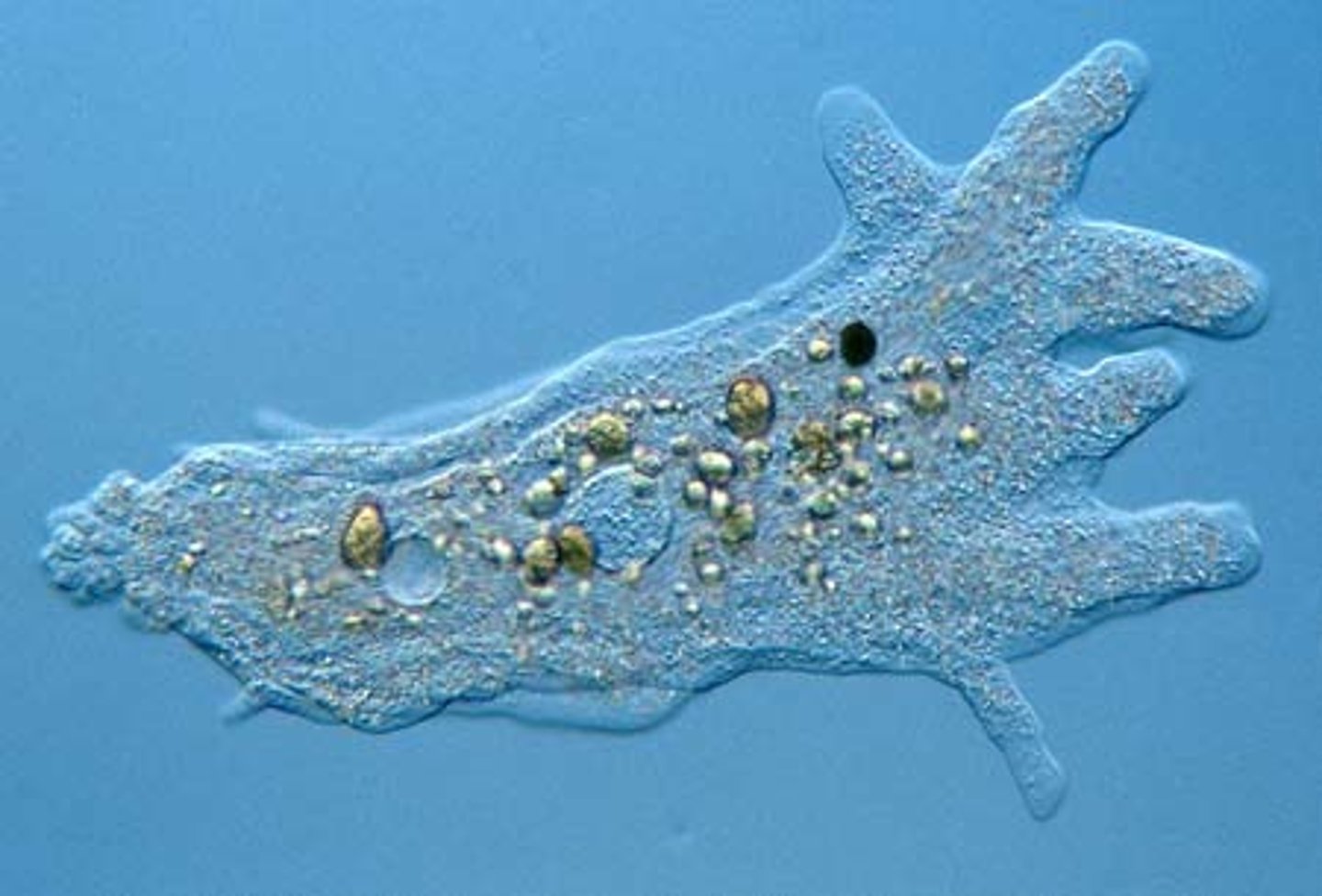
-Amoeba proteus
Feed on small living bacteria + protists
Free living amoeba (no host)
Marine and freshwater
Create storage areas called vesicles
-Entamoeba (Amoebic Dysentery)
Pathogenic
Human to human
Cysts excreted in feces
fecal/oral route
Amoebic dysentery
Diarrhea, abdominal pain, etc.
-Diagnosis: microscopic identification of cysts and trophozoites in the stool
Supergroup Chromalveolata - Clade Stramenopila; Subclade Phaeophyta; Subclade Bacillariophyta
-Brown algae, diatoms
-Very fine hairs on their flagella
-A few species have lost their hairs during evolution
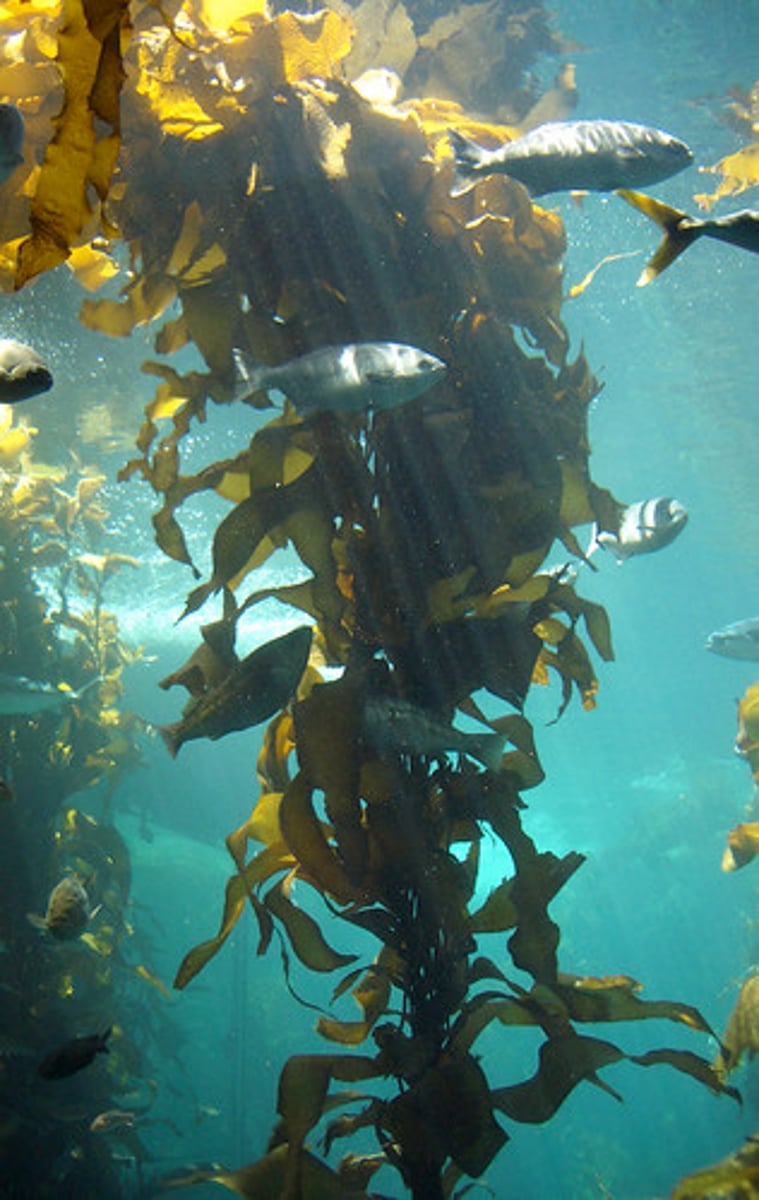
--Subclade Phaeophyta
Brown algae
Kelp
Seaweed
Have a holdfast
Intertidal + deep waters (prefer more light)
Accessory pigment: fucoxanthin
Grow 1 to 2 feet per day
Size = up to 172 feet
Autotrophic
Multicellular
Important to marine ecosystems
They contain:
Stipe - stem like structure
Blade - lead like structure that absorbs sunlight
Air bladder - filled w/ gas, allows them to float towards sunlight
2 stages: developing sporophyte and gametophytes (egg + sperm)
Alternation of generations
Alternate between sporophyte and gametophyte
--Subclade Bacillariophyta
Diatoms (phytoplankton)
Photosynthetic, unicellular organisms (chlorophyll)
Unique double shells made of silica
Some move using raphe
2 long grooves lined with vibrating fibrils
Commercial Use:
Toothpaste, insect killer, diatomaceous earth
Supergroup Chromalveolata - Clade Alveolata; Subclade Dinoflagellata; Subclade Apicomplexa; Subclade Cilliophora
-Flattened vesicles called alveoli
-Dinoflagellates
-Apicomplexans
-Ciliates
--Subclade Dinoflagellata
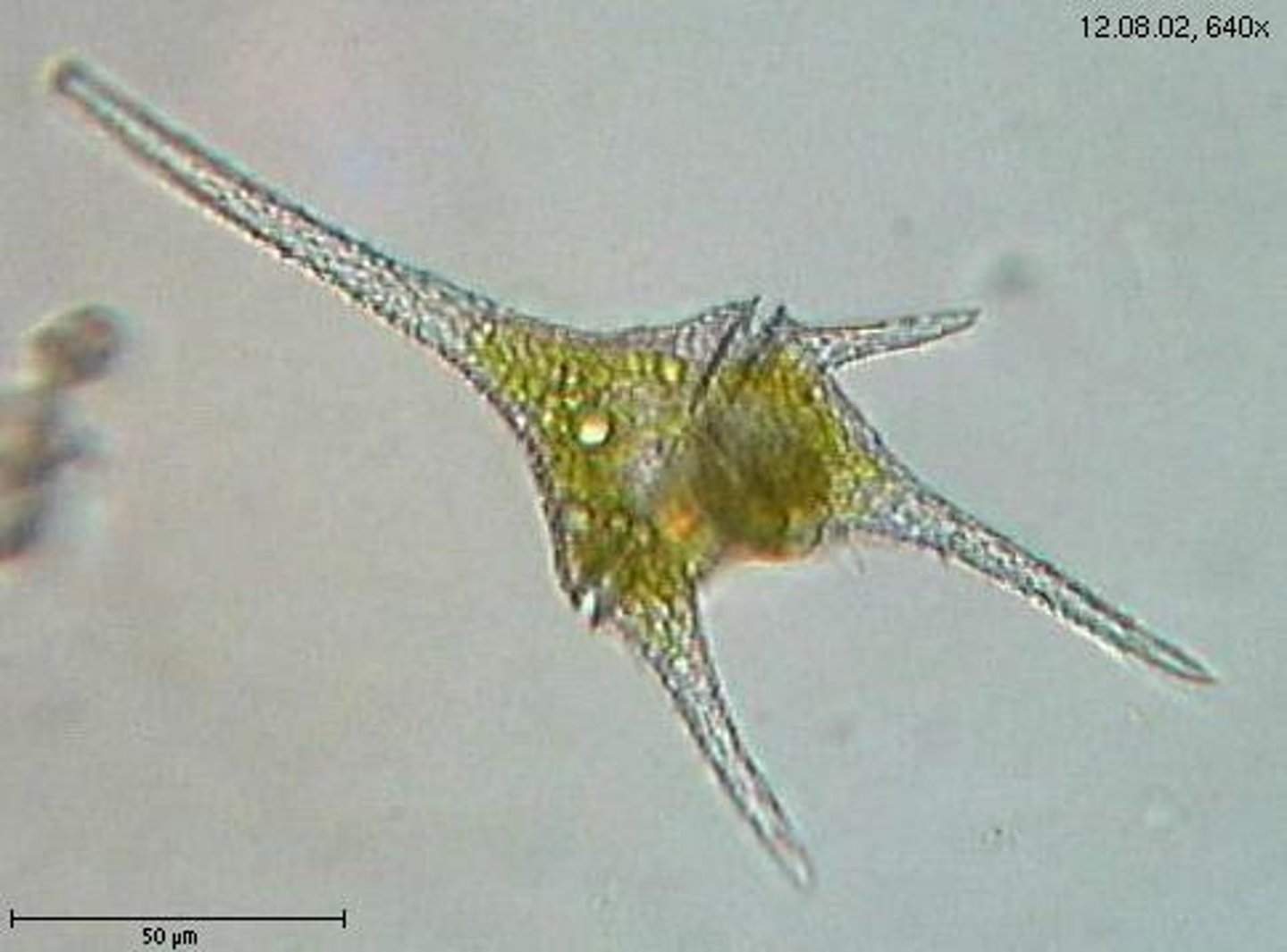
Dinoflagellates
Unicellular w/ flagella
photosynthetic , heterotrophic, or mixotrophic
Live in aquatic environment
Some are luminescent
Phyto and zooplankton
Red tide
Bloom of dinoflagellates
Excess nutrients or organic material
Bioluminescent
Can be toxic (produce toxins as they grow)
Cellulose plate/shell
Transverse flagellum
Longitudinal flagellum
--Subclade Apicomplexa
Parasites of animals
Non-motile
Complex of organelles for host penetration at apex of cell
Plasmodium (single cell)
Causes malaria
Complex life cycle - sexual, asexual, different hosts
Eradication focused on eliminating mosquito vector, drug development, vaccine
200 million people infected
600,000 deaths each year
Toxoplasma gondii
Spread through the feces of cats
--Subclade Cilliophora
Aquatic
Unicellular
Heterotrophic
Ex: zooplankton
Cilia
Use for locomotion
Arranged in longitudinal rows or spirals around the cell
Pellicle - tough but flexible outer covering
2 types of nuclei
Micronucleus - w/o will reproduce asexually
Macronucleus - essential for physiological function
Conjugation -> fission (reproduction)
Supergroup Rhizaria - Subclade Foraminifera
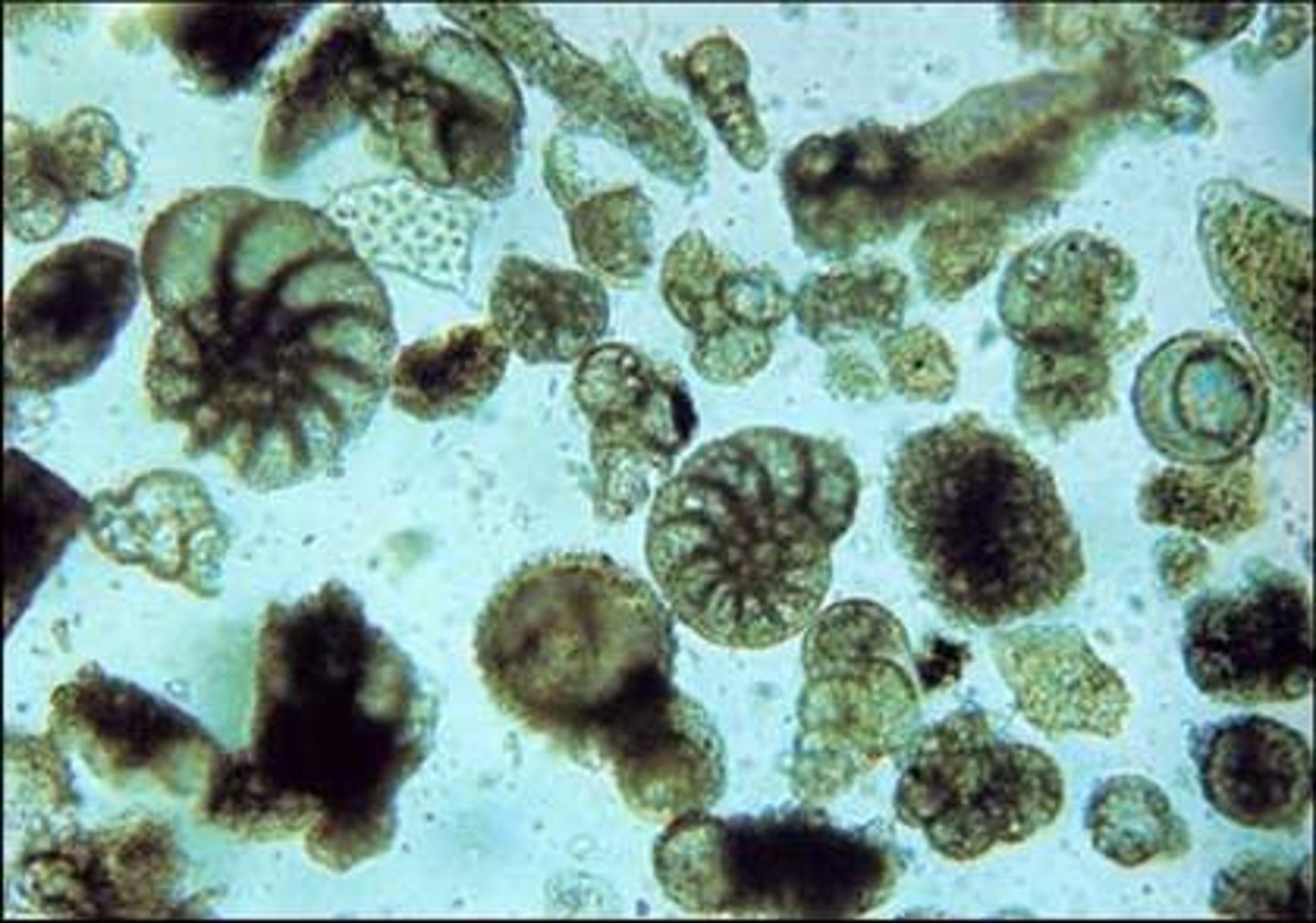
-Foraminiferans
-Heterotrophic marine protists
-Use pseudopodia (made through cytoplasm moved out of holes in test)
Swimming, gathering material for test, and feeding
-Symbiotic algae provide food
-Pore-studded shells called tests, through which thin podia emerge
-Tests hardened with calcium carbonate
Test - hard outer covering around cell
-Microscope: dense, less intricate
-When they die, they sink to bottom (white in color)
Supergroup Rhizaria - Subclade Radiolaria
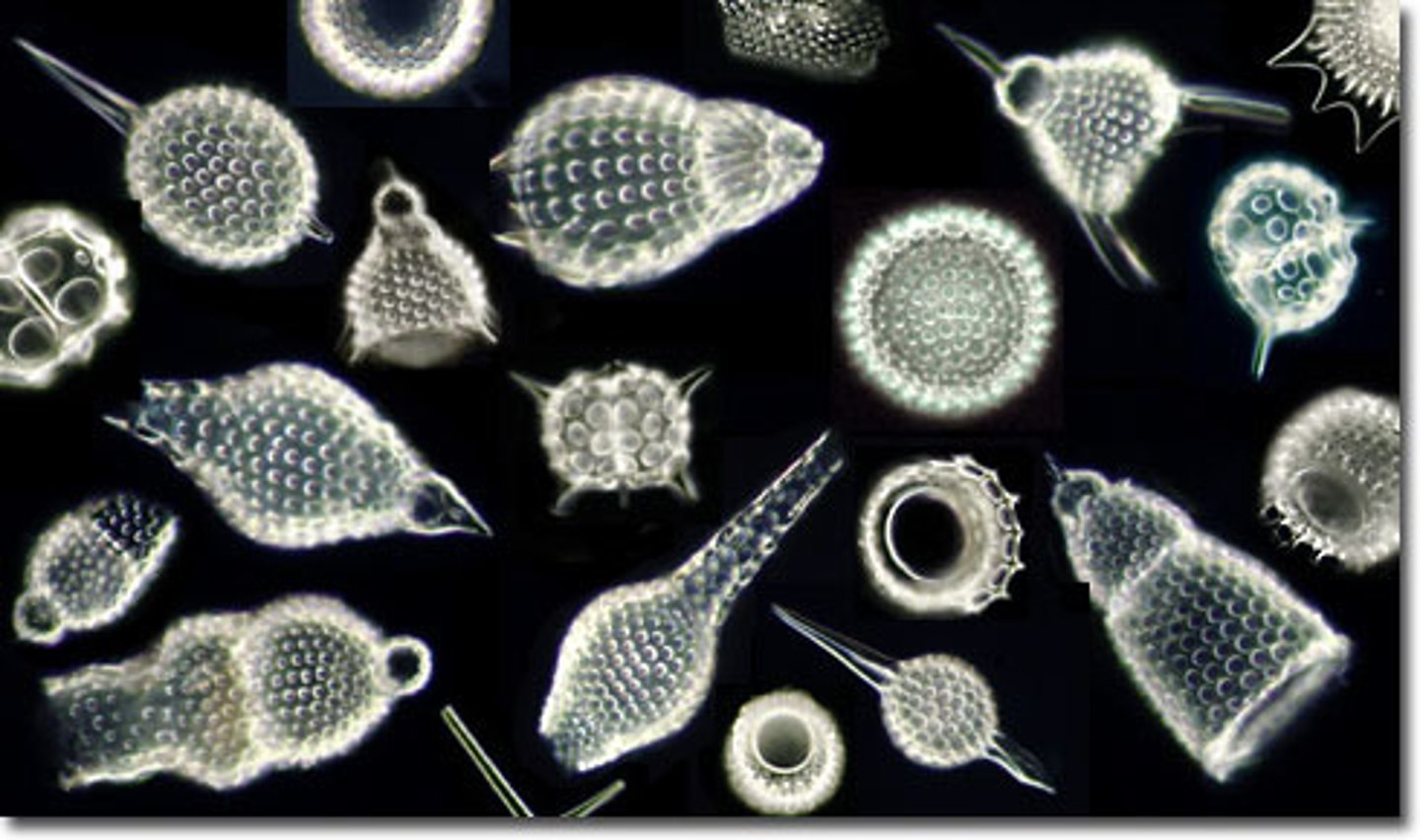
-Radiolarians
-Skeleton of silica
-Pseudopodia with microtubules
Used to filter microorganisms out of water
-Cytoplasmic streaming
-Also heterotrophic
-Microscope: more intricate, glass like, big holes
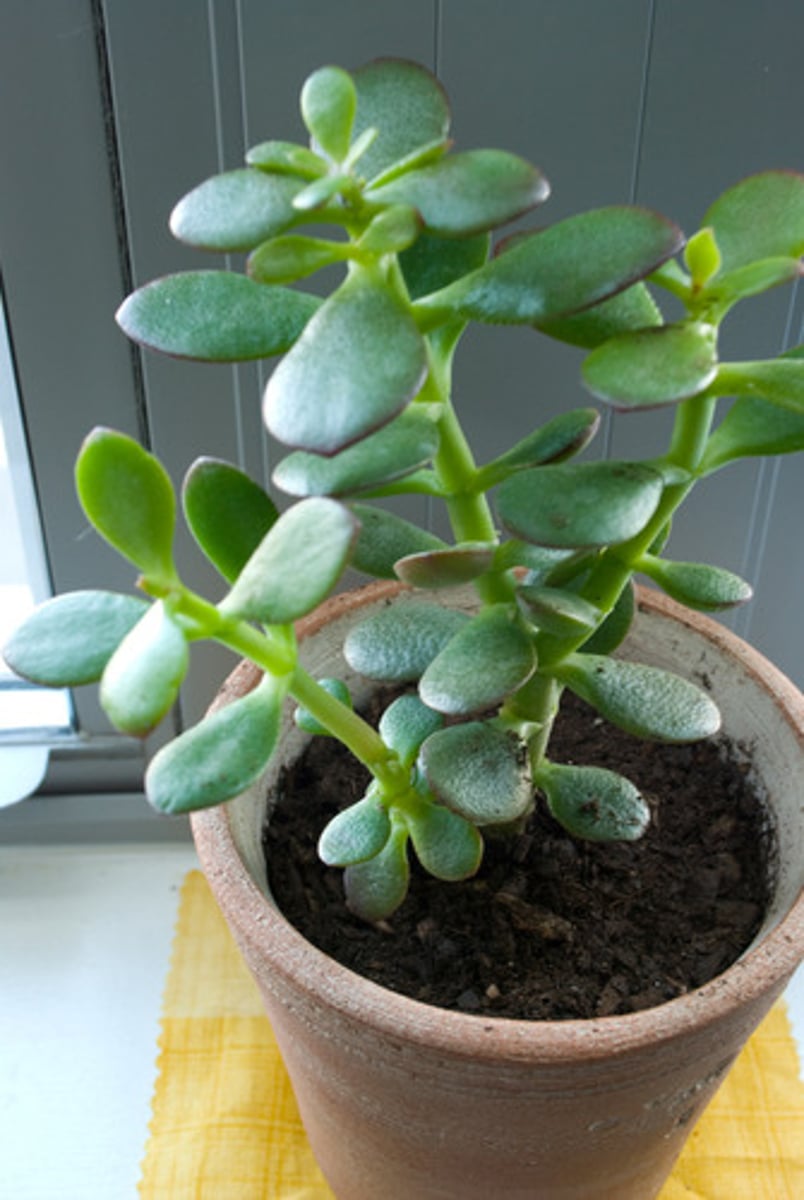
What is a plant?
-a multicellular autotrophic eukaryote
-cellulose cell walls
-waxy cuticle
Who do plants share a most recent common ancestor with?
green algae
What are the derived traits of plants?
alternation of generations, earliest land plants, more derived land plants (angiosperms), multicellular dependent embryos, and apical meristems
What is alternation of generations (plants)?
altering between gametophyte -> sporophyte
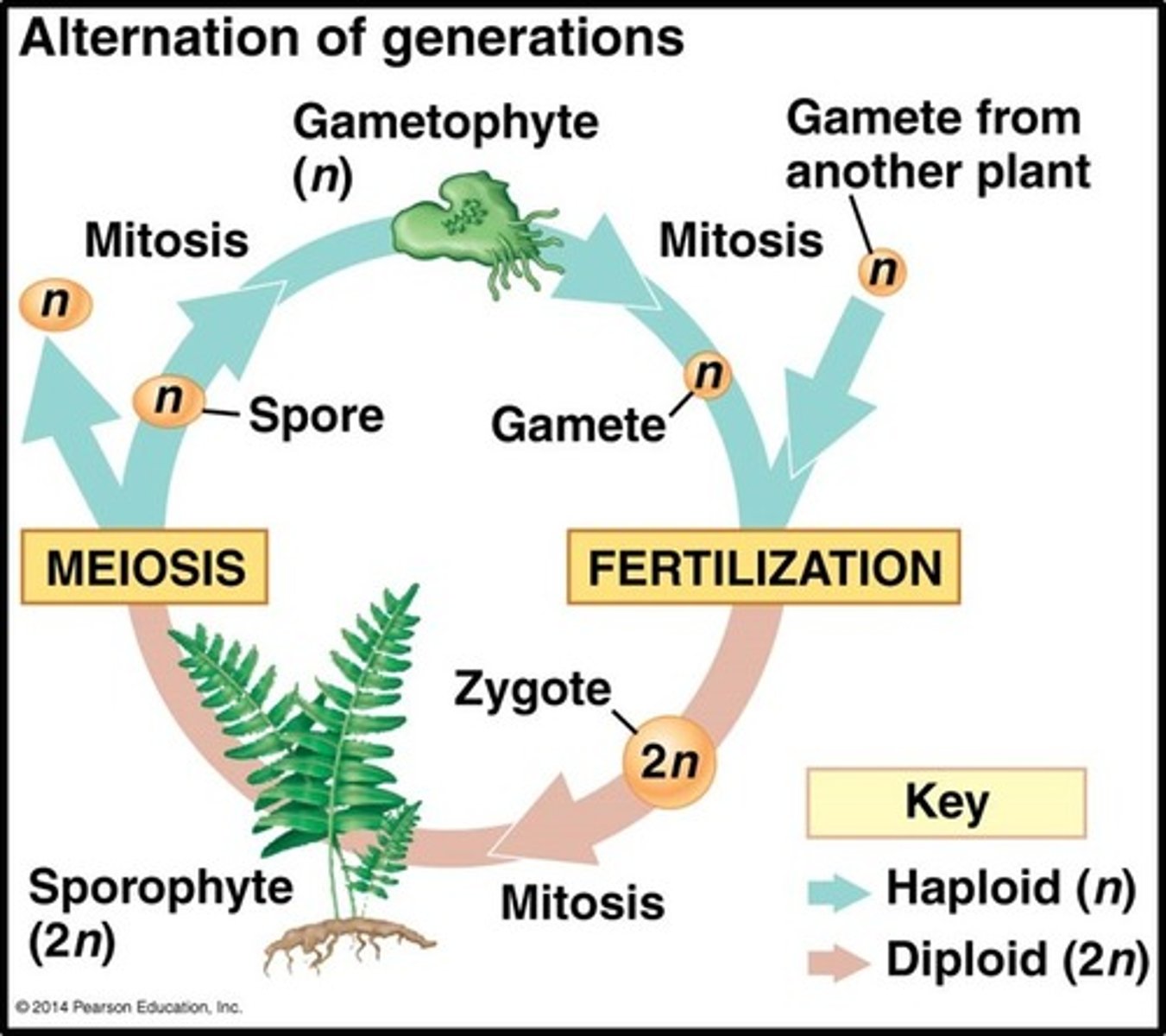
gametophyte stage is more commonly seen in ______ and sporophyte stage is more commonly seen in ______
seedless plants; seed plants
haploid (n)
1 copy of chromosomes
-essentially half the normal chromosome number found in a typical diploid plant, originating from a gamete (like a pollen grain or egg cell) and not undergoing fertilization; this means it has only one copy of each gene
diploid (2n)
2 copies of chromosomes
-plant body grows and eventually produces spores through meiosis
earliest land plants
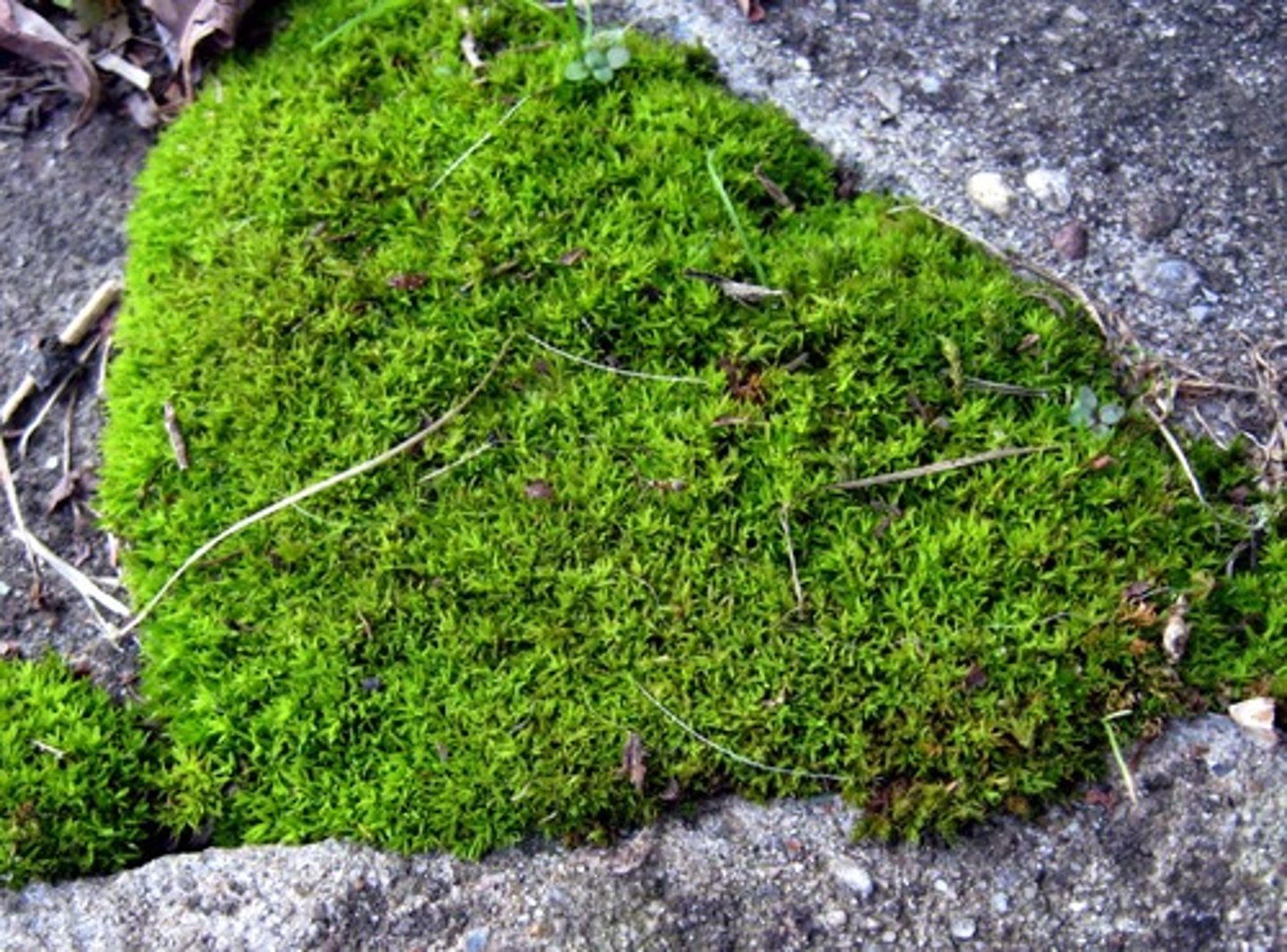
ex: mosses
-large gametophyte
-small, dependent sporophyte
more derived plants (angiosperms)
-small, dependent gametophyte
-large sporophyte
multicellular dependent embryos
-dependent on parental tissue
-embryo: developing individual (baby)
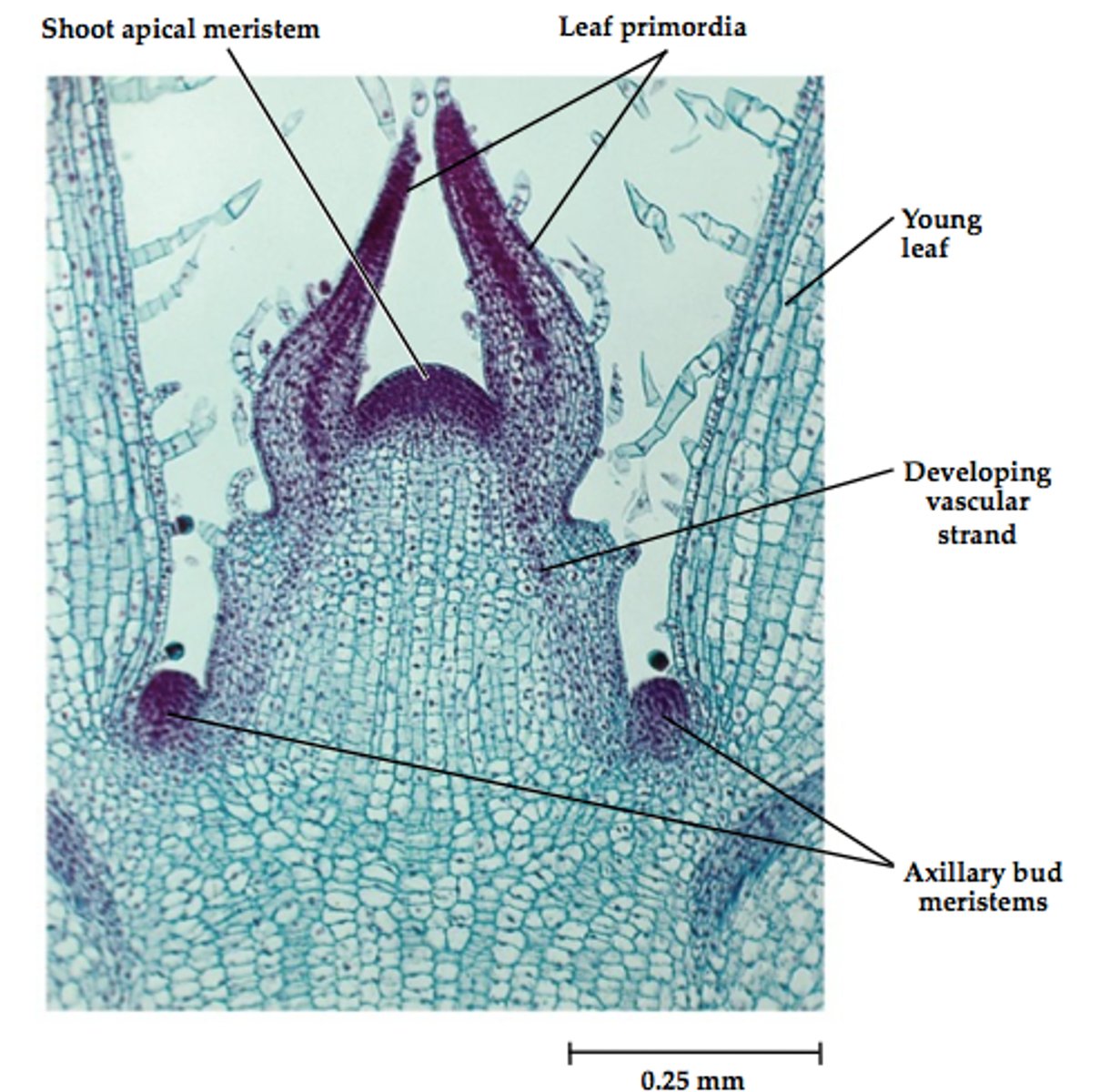
apical meristems
-where plants make a lot of cells (rapid cell division)
-found in tips of roots and tips of stems
benefits of plants invading land (earliest land plants)
less competition for resources (ex: sunlight)
challenges for plants living on land (earliest land plants)
-dehydration (no longer surrounded by water)
-rooting (attach to rocks/soil)
-ATP through different source (oxygen via air not water)
-must establish new adaptations in order to survive
What are the different challenges plants have adapted to with living on land?
maintaining moisture within cells, obtaining resources from soil and air, transporting nutrients throughout the plant, supporting body against the forces of gravity present on land, transporting sperm, and dispersing offspring
How have plants adapted to maintaining moisture within cells?
cuticle
-hydrophobic layer that keeps water in cell
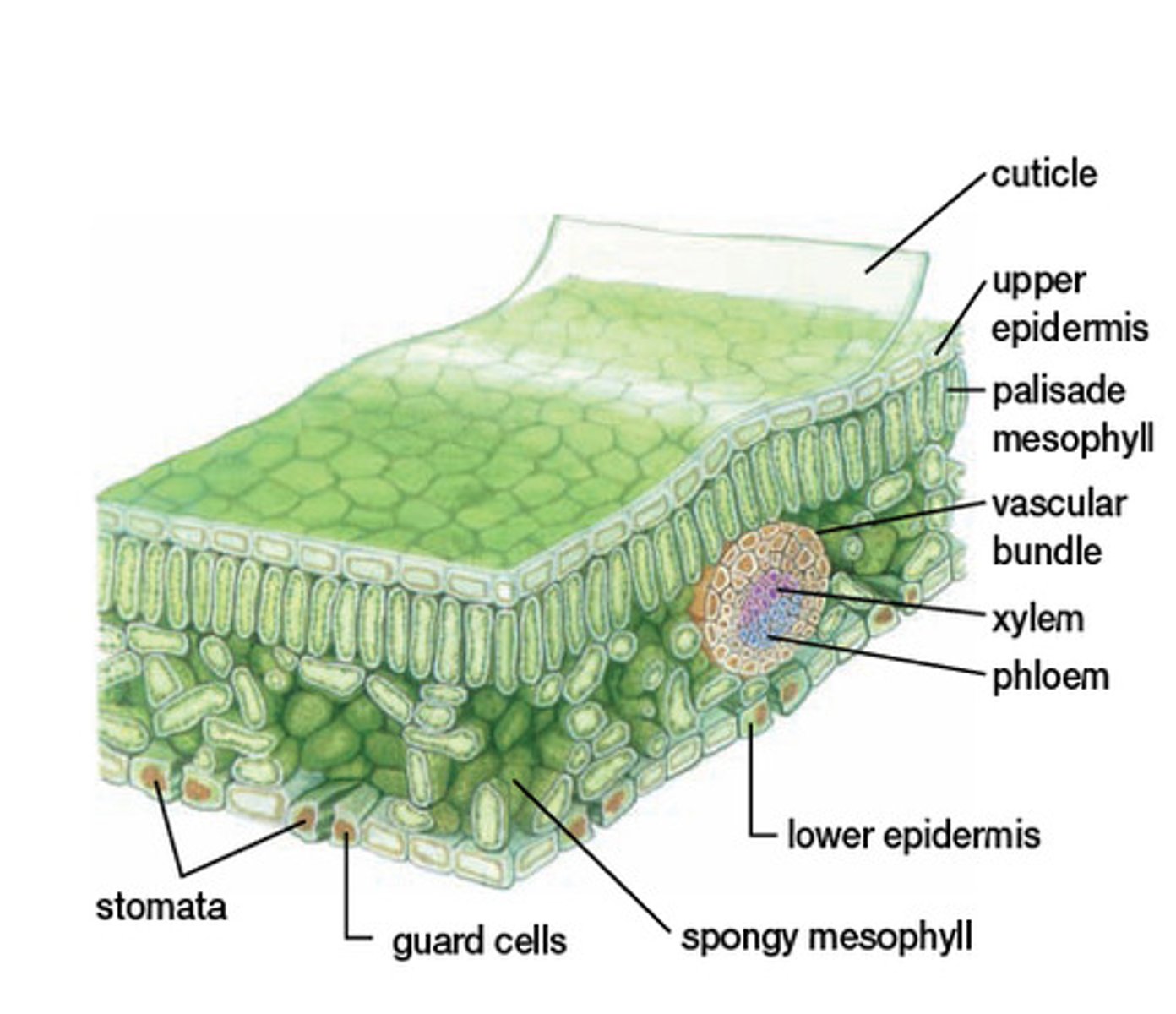
How have plants adapted to obtaining resources from soil and air?
need resources to carry out photosynthesis
-stomata
-leaves
-roots
stomata
allows for gas exchange
-carbon dioxide in and oxygen out
-guard cells regulate opening and closing of stoma
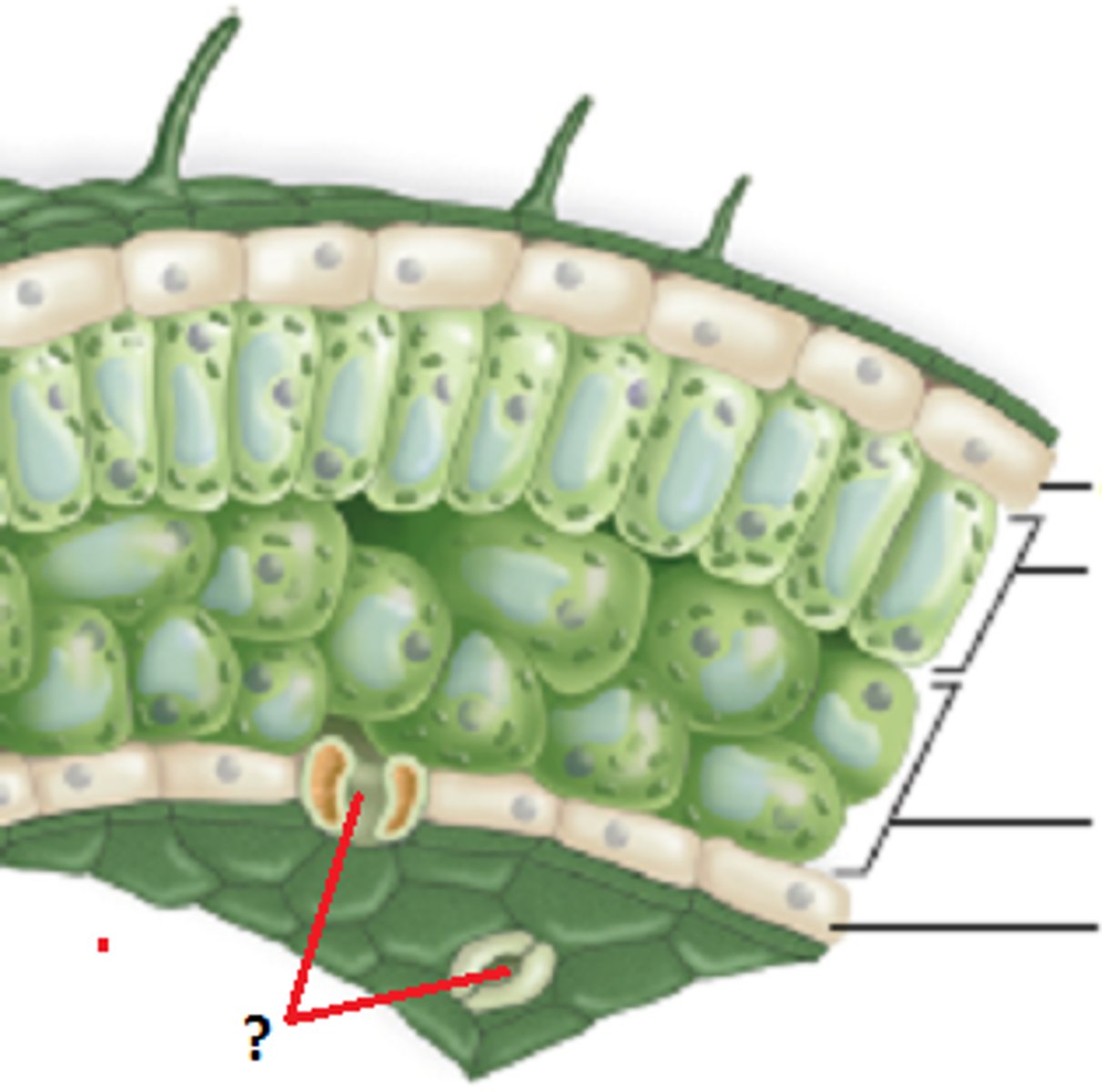
leaves
absorption of light energy by chloroplasts
-contain chlorophyll which is the dominant pigment in plants that absorbs light energy
-chlorophyll a and chlorophyll b
How have plants adapted to transporting nutrients throughout the plant?
through vascular tissue
-2 types: xylem and phloem