the relationship between nucleic acids and proteins
 Studied by 0 people
 Call Kai
 Learn
Learn Practice Test
 Spaced Repetition
 Match
Match Flashcards
 Knowt Play
1/37

Earn XP
Description and Tags
unit 3
Name | Mastery | Learn | Test | Matching | Spaced | Call with Kai |
|---|
No analytics yet
Send a link to your students to track their progress
38 Terms
eukaryotic cells
more complex, defined nucleus, DNA in nucleus, membrane-bound nucleus and other membrane-bound organelles
nucleic acid
two types: DNA and RNA
nucleotide monomers
CHONP = carbon, hydrogen, oxygen, nitrogen, phosphorous
organic polymers that store genetic information and provide the instructions for the synthesis of proteins produced within an organism.
organic = carbon and hydrogen bonded together.
In RNA, thymine nucleotide is replaced with uracil
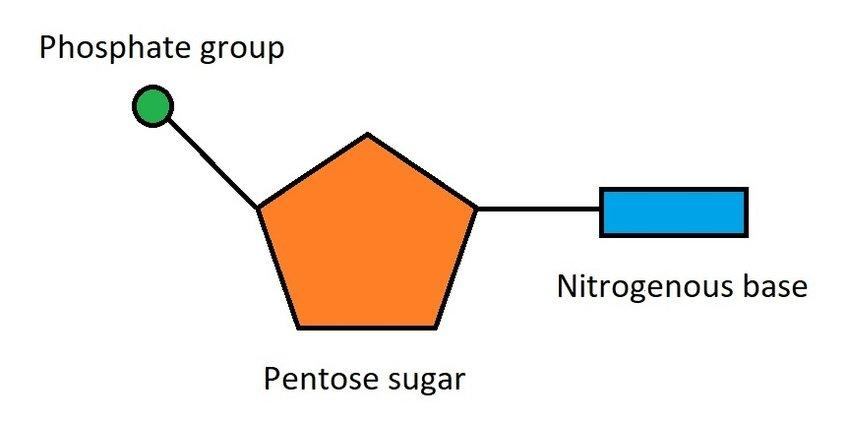
nucleotide
phosphate group
5 carbon pentose sugar (ribose in DNA)
a nitrogenous base (A, G, C, U = RNA | A, G, C, T = DNA)
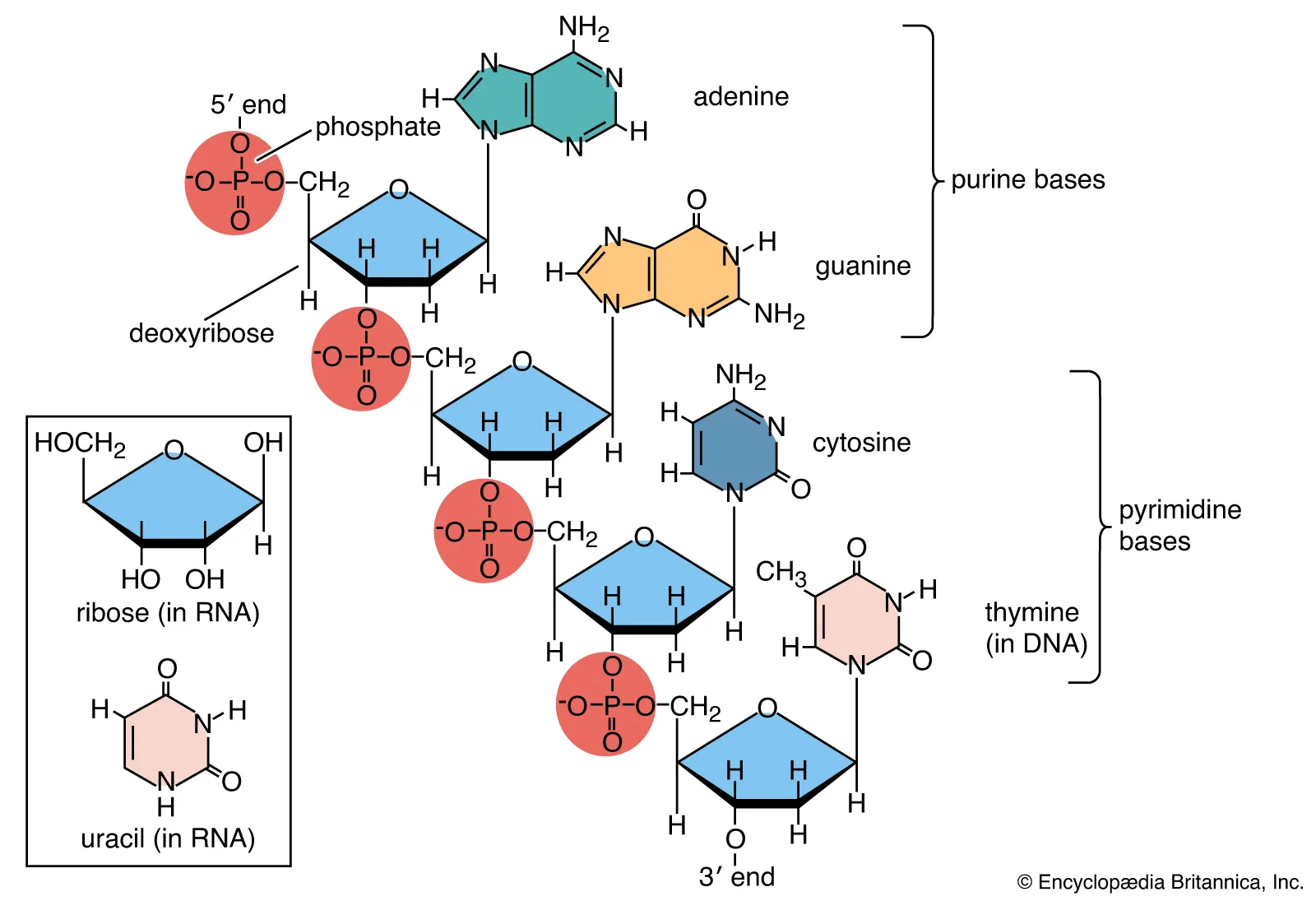
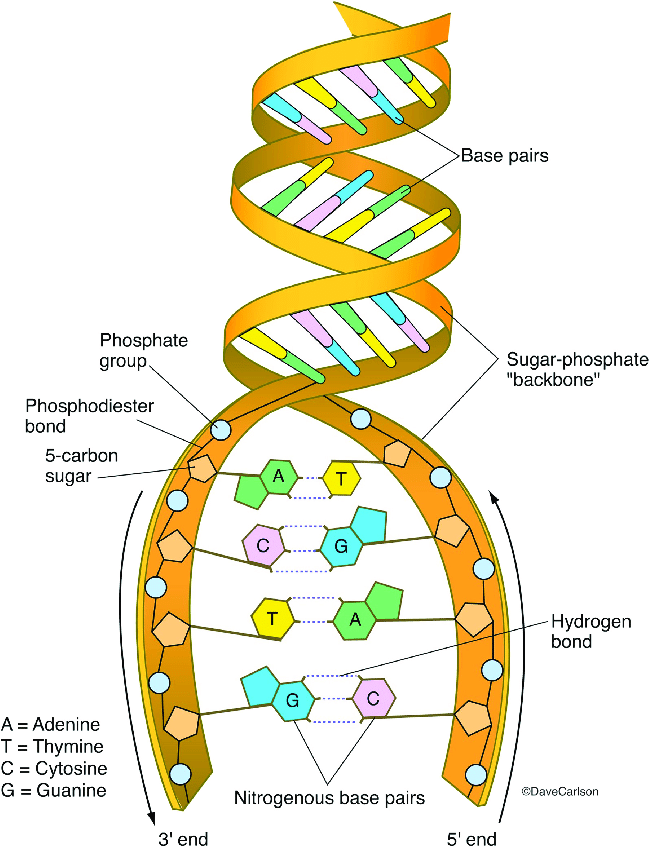
DNA
provides instructions for forming proteins, a polymer composed of two polynucleotide chains that coil around each other to form a polymer composed of two polynucleotide chains that coil around each other to form a double helix. deoxyribonucleic acid.
deoxyribose sugar
thymine + adenine
double helix
found in nucleus
triplet
DNA formation
nucleotides link together to form strands through condensation polymerisation.
nucleotides are joined together by phosphodiester bonds.
the linkage of sugar and the phosphate group creates the ‘sugar phosphate backbone’
two strands join together through complimentary based pairing.
made of two polynucleotide chains
RNA
protein synthesis. carries genetic information that is translated by ribosomes into various proteins necessary for cellular processes. mRNA, rRNA, and tRNA are the three main types of RNA involved in protein synthesis.
single stranded
ribose
uracil + adenine
delivers the message from DNA to the ribosome to produce proteins
origin molecule is nucleic acid
found in the ribosome (rRNA), nucleus and cytoplasm (mRNA, tRNA)
mRNA
messenger RNA
role is to carry genetic information from the DNA to the ribosomes for protein synthesis.
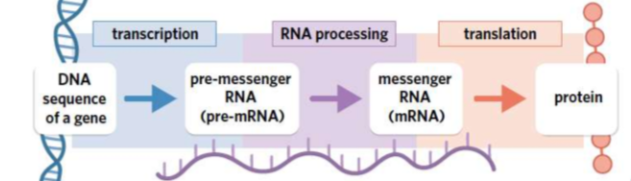
pre-mRNA is synthesised during transcription
codon
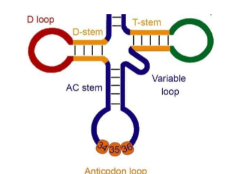
tRNA
transfer RNA
Delivers specific amino acids from the cytoplasm to the ribosome where they are joined to form a polypeptide chain.
Carries amino acids.
anticodon
rRNA
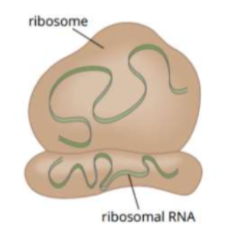
ribosomal RNA
rRNA + proteins = ribosomes
the main structural component of ribosomes in a cell
binding of mRNA and tRNA to accurate translation of codons.
ribosomes are where mRNA is translated to produce a chain of polypeptides.
the genetic code
protein production
transcribed and translated
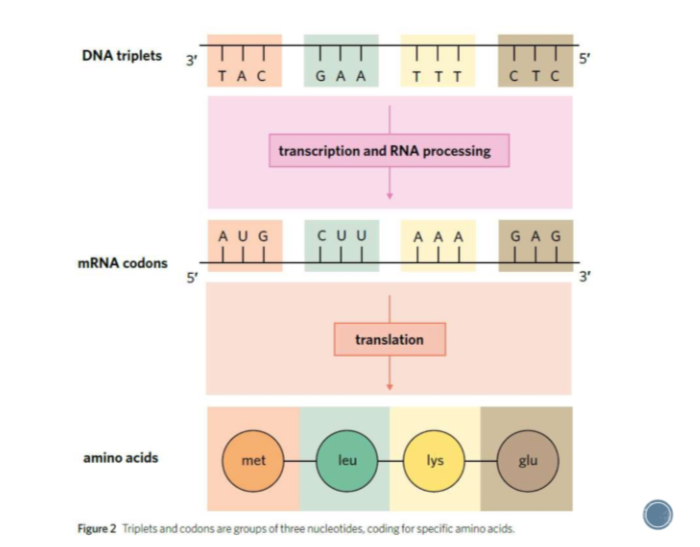
grouping adjacent nucleotides into threes called:
DNA → triplet
mRNA → codon
tRNA → anticodon
universal (genetic code property)
the same codon codes for the same amino acid, regardless of species
unambigious (genetic code property)
every codon can only code for one amino acid.
degenerate (genetic code property)
multiple codons code for the same amino acids
non-overlapping (genetic code property)
each triplet codon is read independently, without overlapping from adjacent triplets or codons.
genetic expression
a series of events which result in formation of functional gene products such as proteins or non-coding strands RNA
makes it possible for living organisms to produce proteins and products, making it crucial for maintaining life
protein synthesis process
transcription
occurs in the nucleus
DNA unwinds and unzips itself.
RNA polymerase attaches to upstream promotor region of DNA template strand
DNA template strand is transcribed by polymerase. RNA polymerase catalyses the addition of free nucleotides
Free RNA nucleotides pair with exposed complementary base pairs;
RNA: Guanine pairs with cytosine
RNA: Uracil pairs with Adenine
URACAL REPLACES THYMINE
New strand is joined (condensation polymerisation) to produce pre-mRNA
RNA processing
occurs in the nucleus
only eukaryotic cells experience this.
addition of a 5’ methyl cap
addition of a poly-A tail
removal of introns
exons spliced together
AFTER THIS PROCESS, mRNA IS NOW KNOWN AS MATURE mRNA
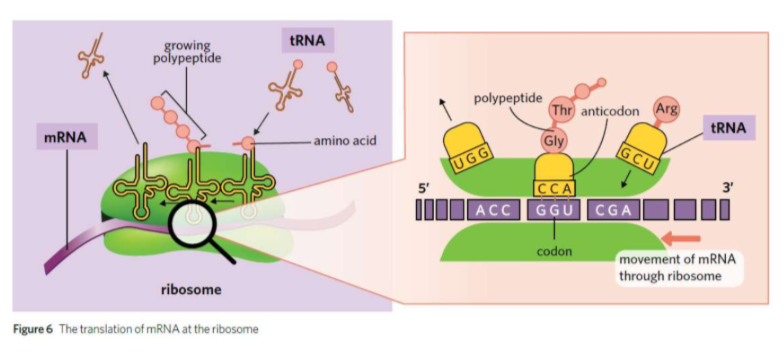
translation
translated into a sequence of amino acids, resulting in a polypeptide chain
occurs in the ribosome
mRNA binds to ribosome
tRNA with the complimentary anticodon to the mRNA codon carries a specific amino acid to the ribosome
tRNA anticodons attach to complementary mRNA codons allowing specific amino acids to detach
The amino acids are joined by condensation polymerisation, via peptide bond (requiring energy), producing a polypeptide chain.
Polypeptide chain is released when the ribosome reaches a STOP code on the mRNA **THE STOP CODE IS NOT AN AMINO ACID
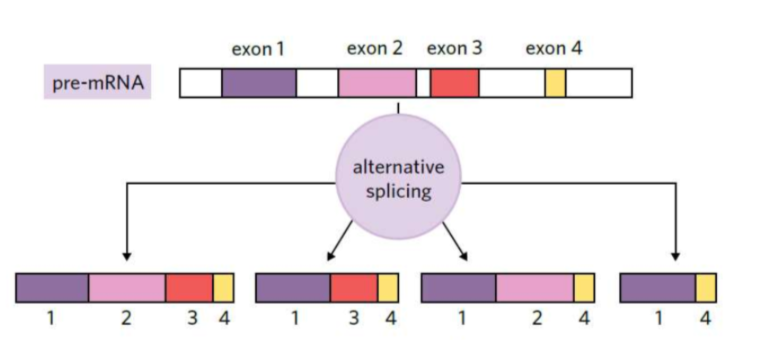
alternative splicing
allows for a single gene to code for multiple proteins
particular exons of a gene may be included within or excluded from the final mRNA produced from that gene
this means exons are joined in different combinations leading to different (alternative) mRNA strands.
allows human genome to synthesis many more proteins that would be expected.
promotor
it is a binding site for RNA polymerase (an enzyme responsible for transcription)
in eukaryotes, the promotor region has a sequence of bases known as the TATA box
termination sequence
represents a sequence of DNA that signals for the end of transcription.
operator
serves as a binding site for repressor proteins, which can inhibit gene expression
typically only found in prokaryotic cells
introns
regions of non-coding DNA that do not contribute to the final protein
removed during RNA processing
only eukaryotic genes contain introns.
exons
region of DNA coding which are transcribed and translated into the final protein
eukaryotic and prokaryotic
gene regulation → eukaryotes
gene expression is highly controlled and can be regulated at transcription (nucleus) RNA processing (nucleus) and translation (cytoplasm).
transcription factors are proteins that can bind to the promotor in DNA.
gene regulation → prokaryotes
gene expression consists of only transcription and translation only occurs in the cytoplasm.
transcription and translation occurs almost simultaneously.
operons
found in prokaryotes
the expression of multiple structural genes controlled by a single promotor and operator
these structural genes share a common purpose, therefore it is more efficient to translate and transcribe almost simultaneously for prokaryotic cells.
trp operon
ambiguous
only codes for one codon
so it doesn’t waste energy
a series of gene within a certain species of bacteria that code for the production of the amino acid tryptophan.
the structural genes each encode and enzyme to form the biochemical pathway that assembles the amino acid of tryptophan
repressor protein
binds to the operator to prevent transcription of structural genes when tryptophan is available
attentuation
terminates transcription through the formation of terminator hairpin loops in mRNA transcripts of the leader region
structural gene
codes for something used in the cell, enzyme, protein channels, etc.
regulatory gene
controls the expression of other genes.
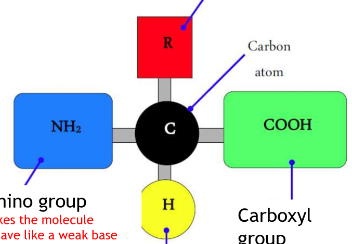
amino acids
all amino acids have a common structure with a central carbon atom bonded to 4 things:
a hydrogen
a carbolyx group
an amino acid
an R group
20 R groups.
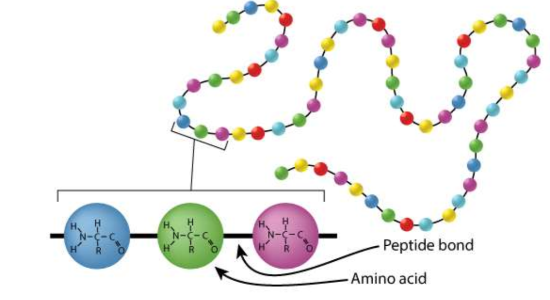
polypeptides
a polypeptide chain is formed when amino acids link together to form a peptide bond when adjourning amino acids.
this process requires energy
a polypeptide chain can be alone or connected to function.
primary structure
the sequence (or chain) of amino acids in a polypeptide chain
peptide bonds hold amino acids in the correct order
secondary structure
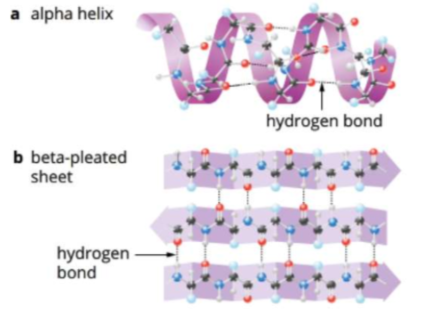
the shape of a polypeptide chain caused by folding and coiling
determined by hydrogen bonds between the amine and carboxyl groups of different amino acids.
ALPHA HELIX
BETA PLEATED SHEETS
teritiary structure
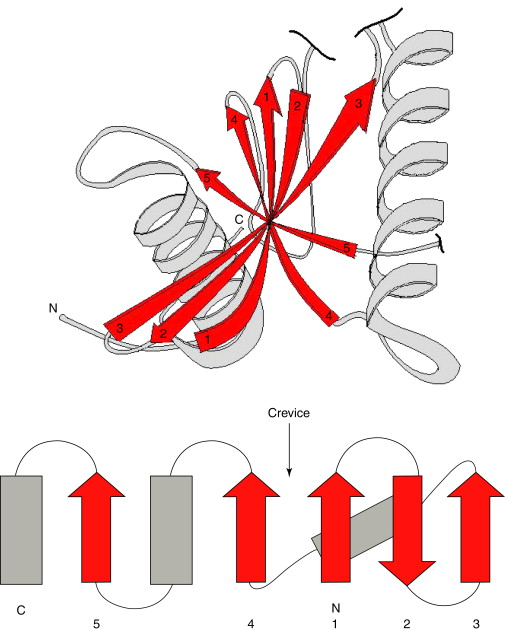
the overall 3D conformation/shape of the polypeptide held together by different bonds
disulfide bonding which is stronger
most proteins are fully functional at this level
quaternary structure
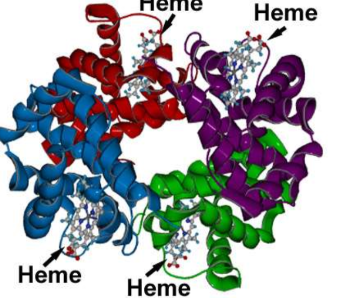
two or more polypeptide chains joined to form a functional protein
occurs when a protein is made up of two or more polypeptide chains joined together.
 Note
Note  Flashcards (31)