ORGAN FUNCTIONS - Lab Practical
 Studied by 0 people
 Call Kai
 Learn
Learn Practice Test
 Spaced Repetition
 Match
Match Flashcards
 Knowt Play
1/69

There's no tags or description
Looks like no tags are added yet.
Name | Mastery | Learn | Test | Matching | Spaced | Call with Kai |
|---|
No analytics yet
Send a link to your students to track their progress
70 Terms
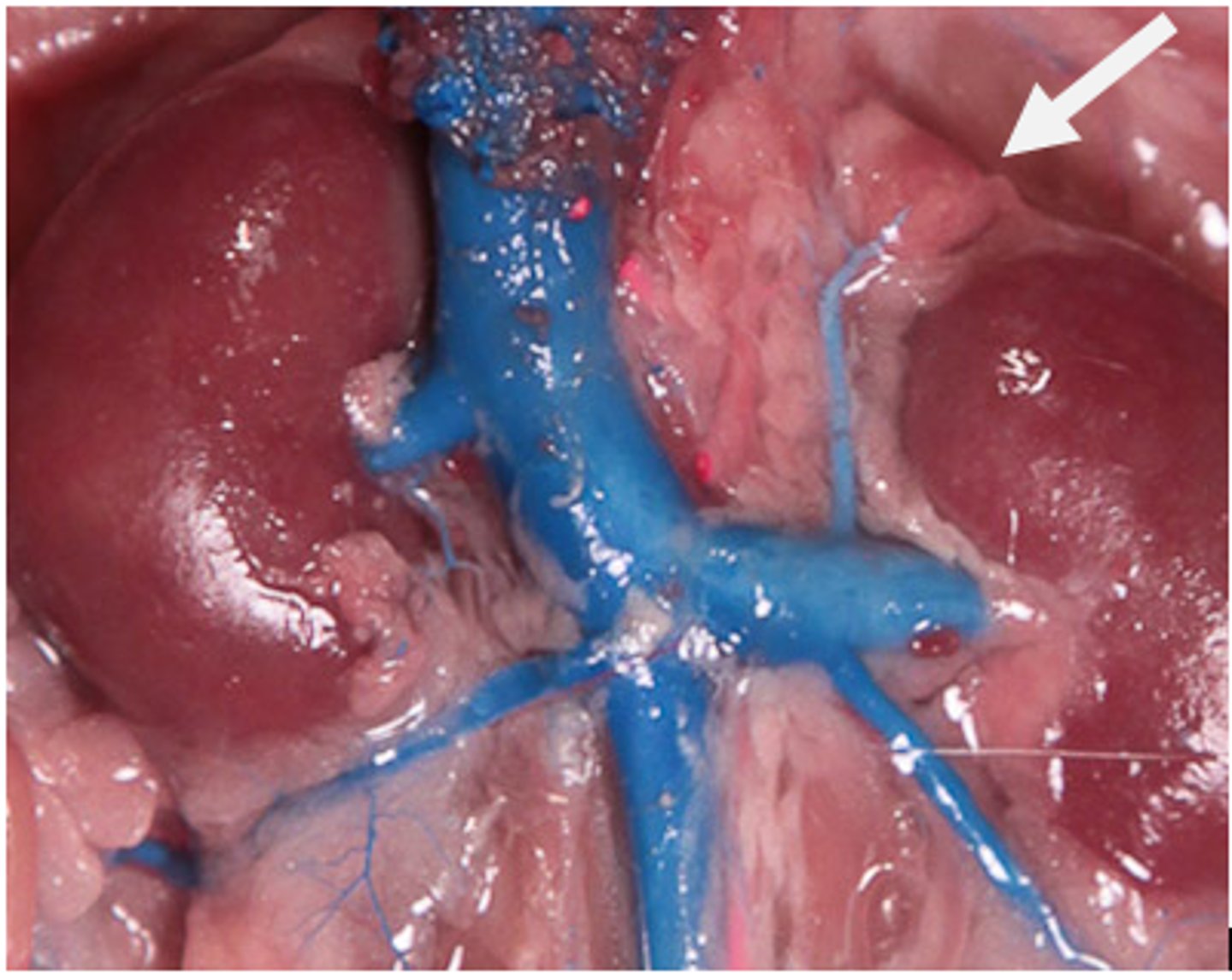
Secrete adrenaline and cortisol
Adrenal glands
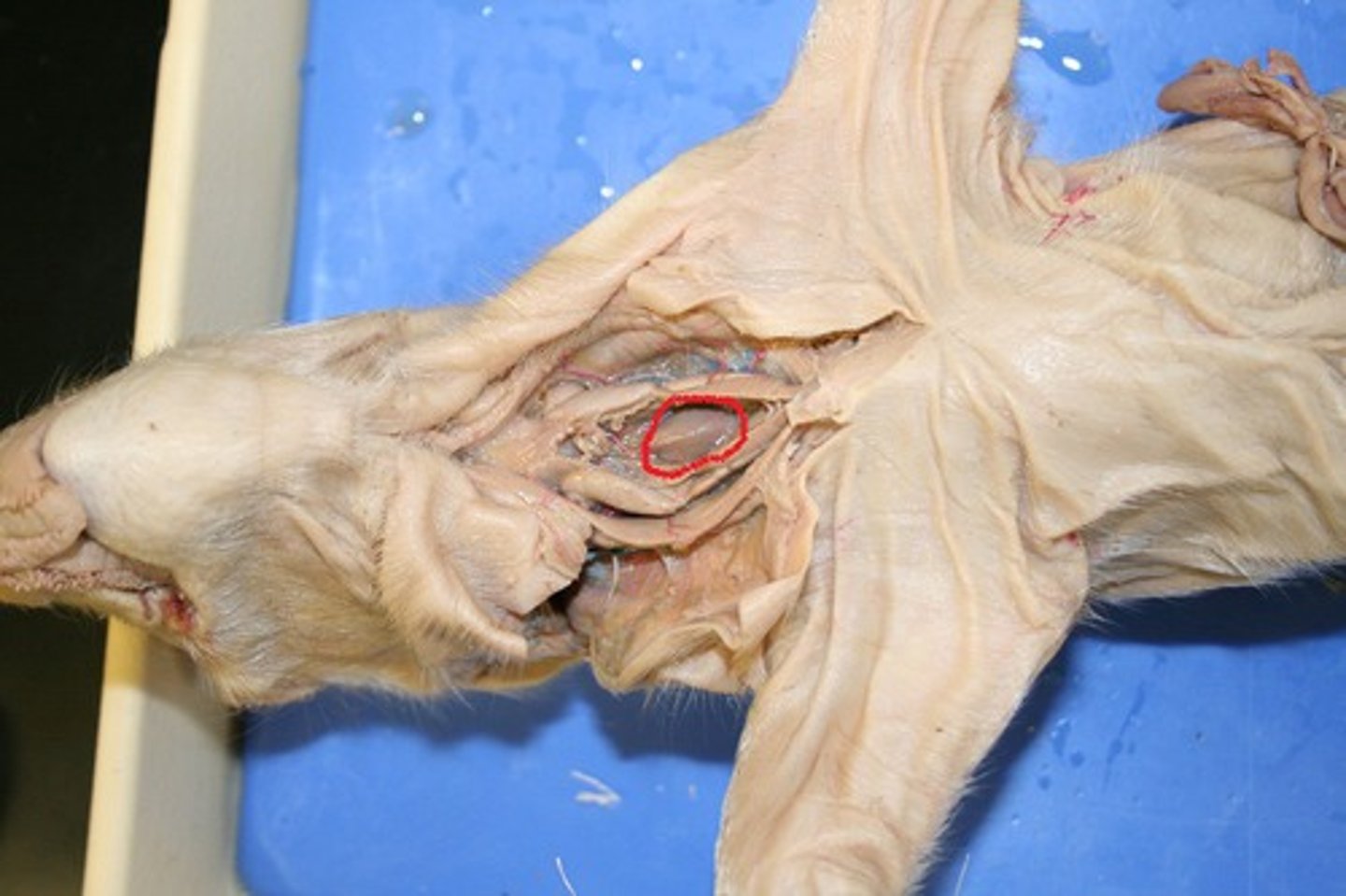
Regulates metabolism
Thyroid
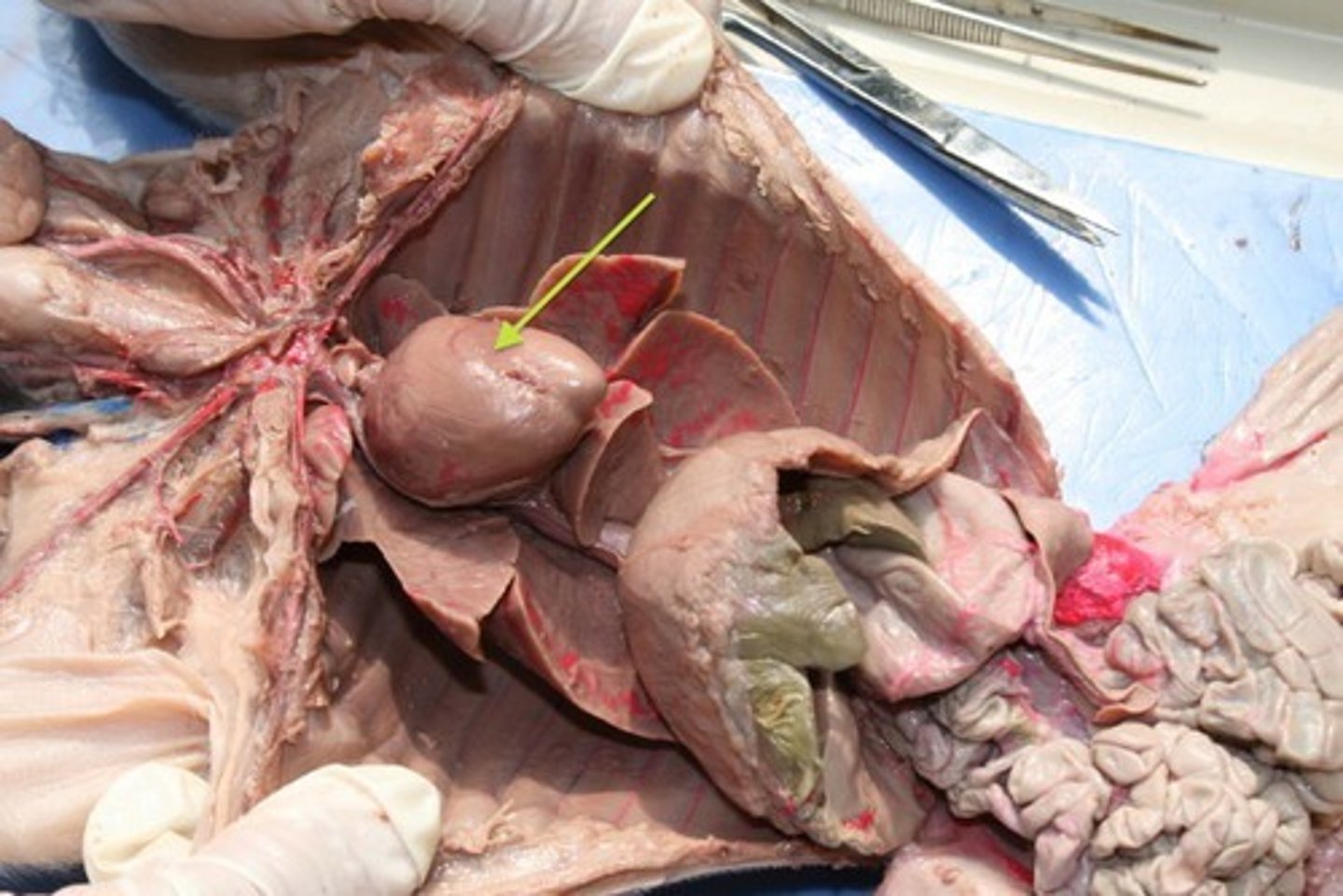
Pumps blood throughout the body
Heart
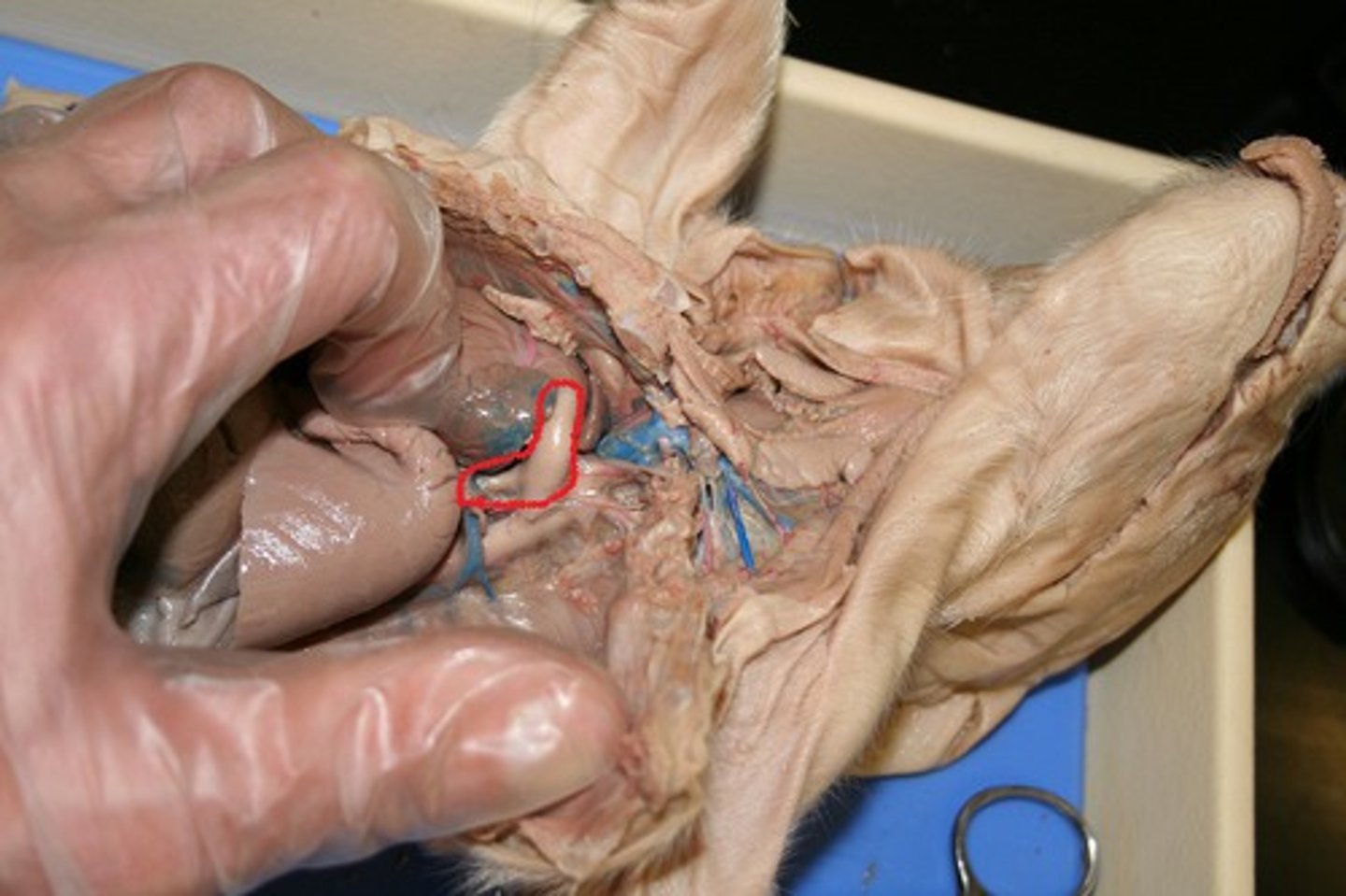
Carries deoxygenated blood from right ventricle to lungs
Pulmonary artery
Returns deoxygenated blood from upper body to heart
Superior vena cava
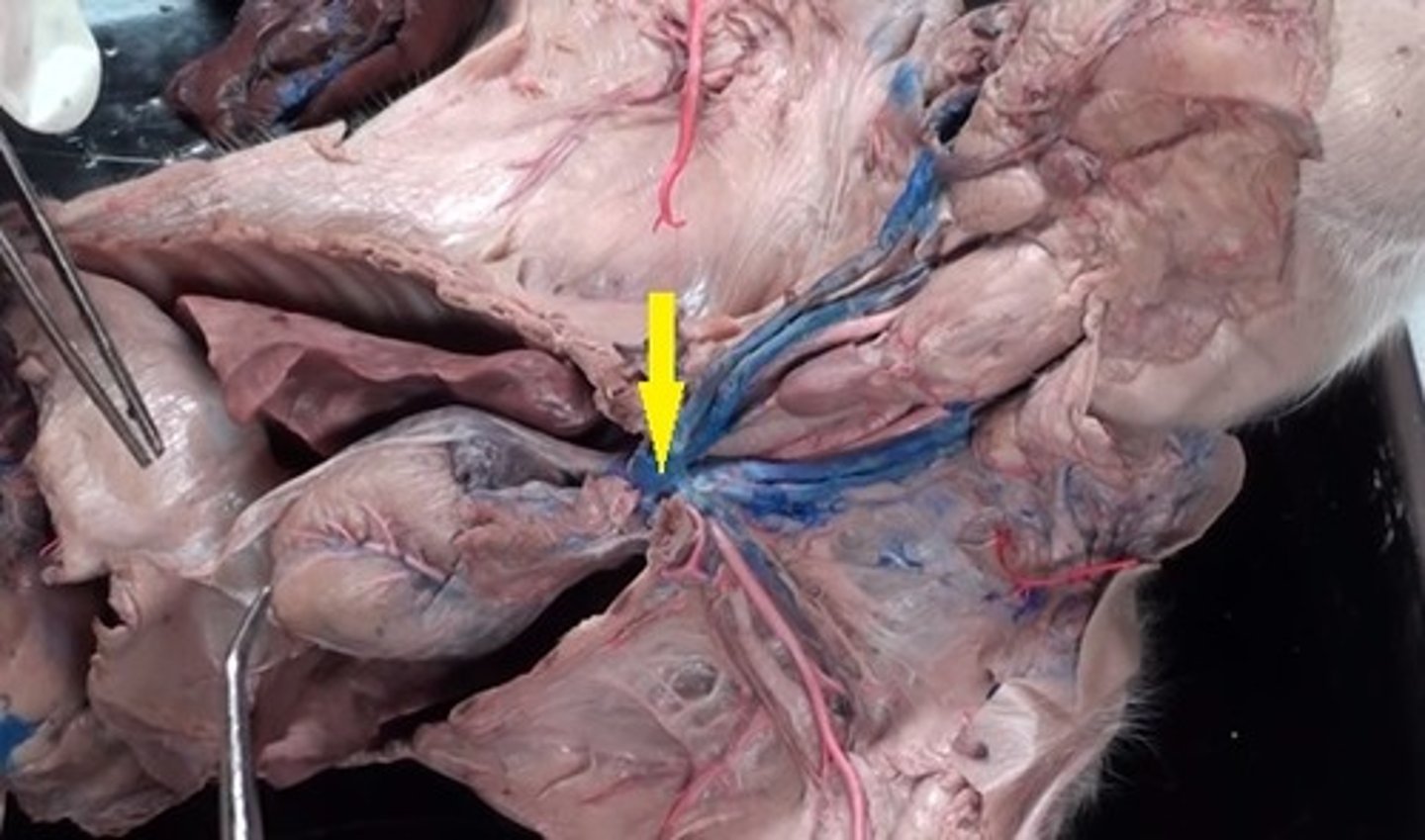
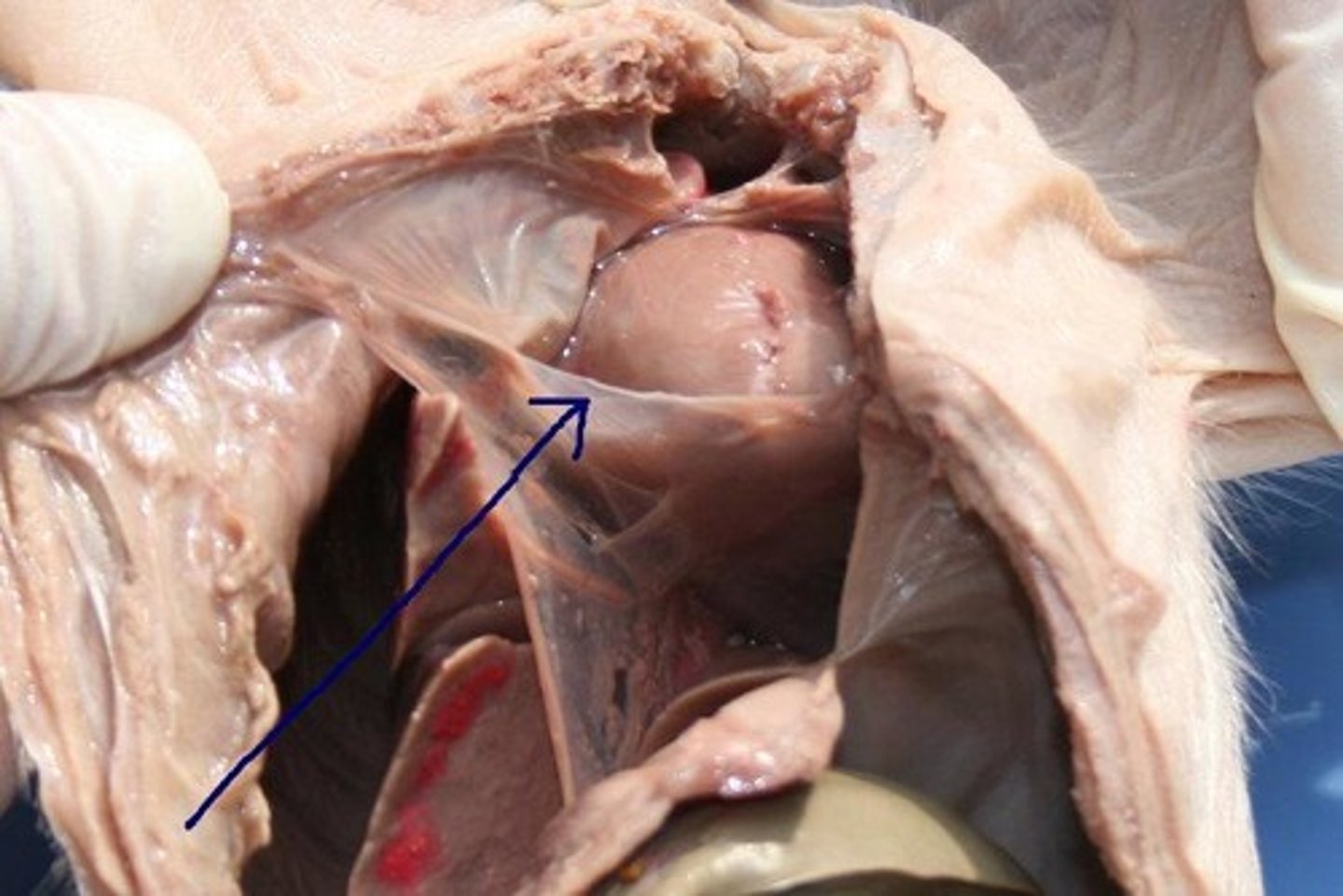
Surrounds and protects heart
Pericardium
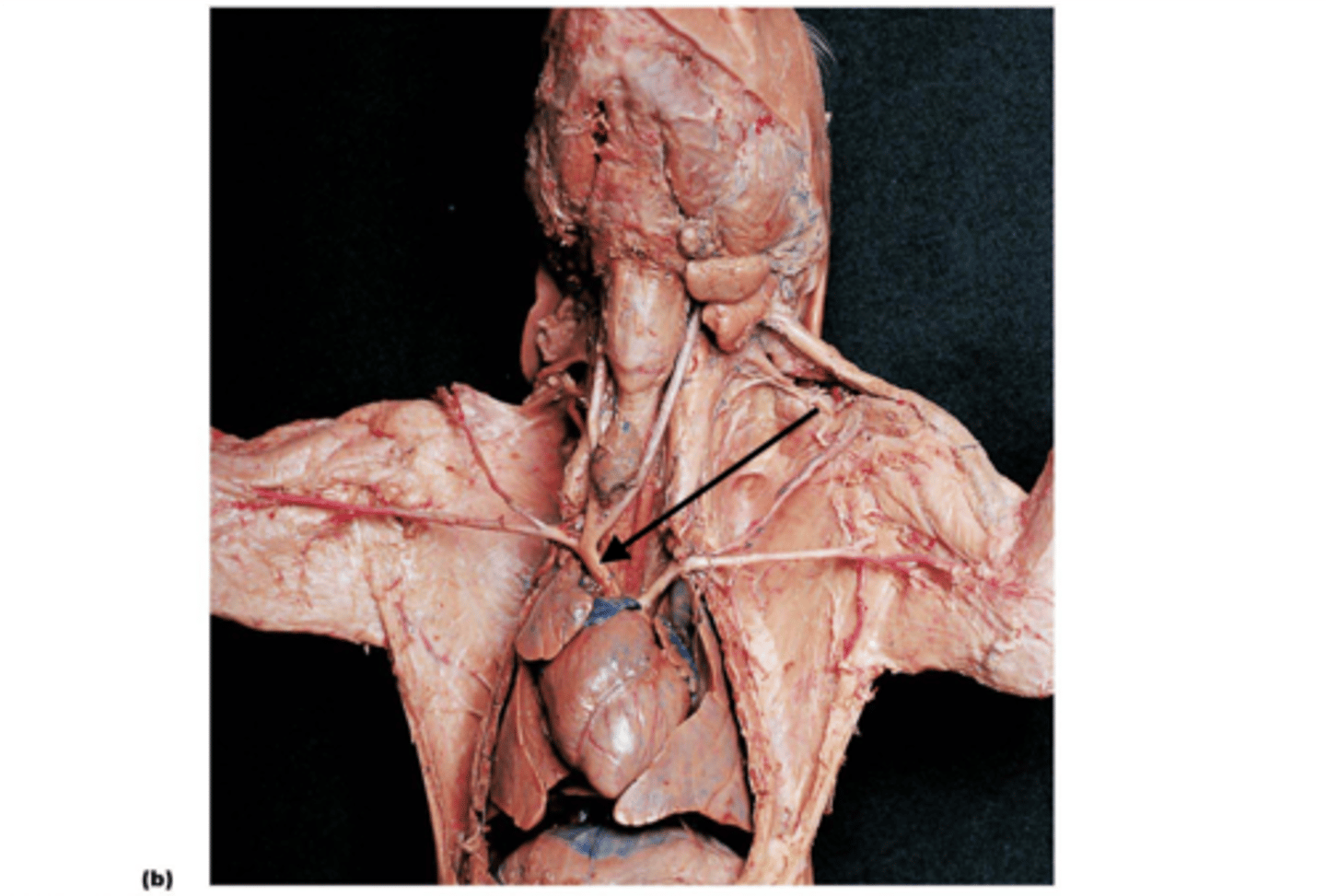
Supplies oxygenated blood to right arm and head
Brachiocephalic artery
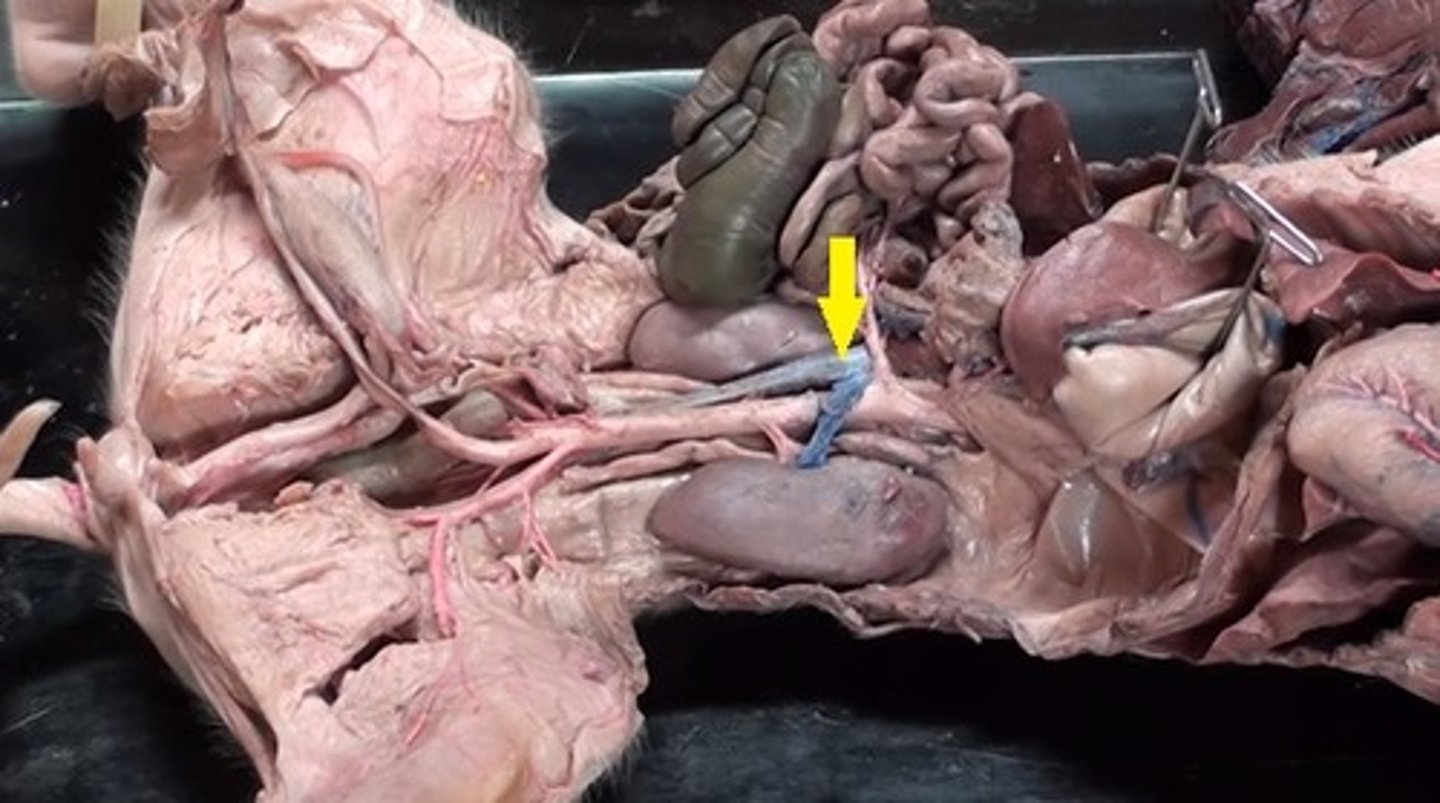
Returns deoxygenated blood from lower body to the heart
Inferior vena cava
Distributes oxygenated blood from heart to the upper body and head
Aortic arch
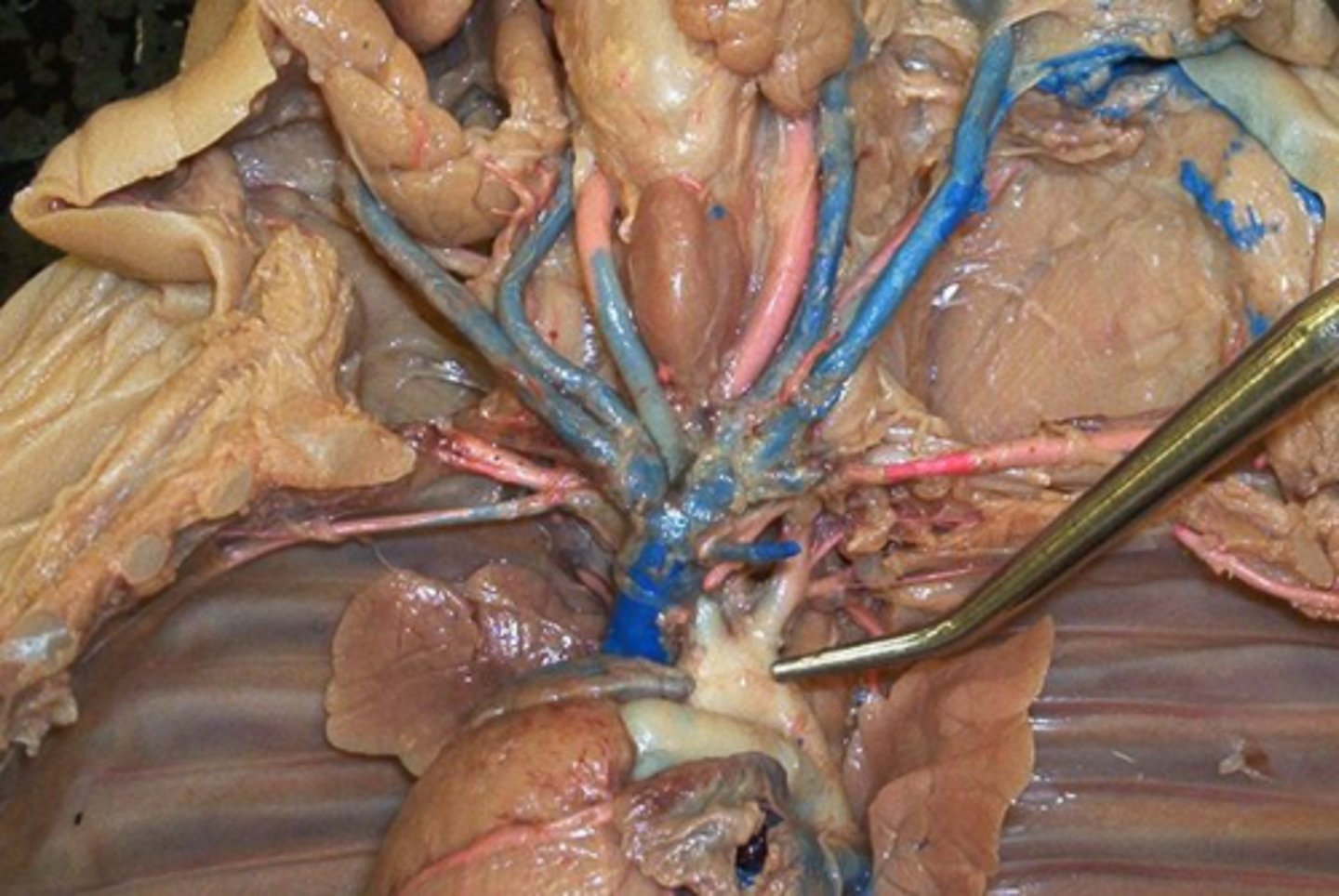
Supply oxygenated blood to head and brain
Common carotid arteries
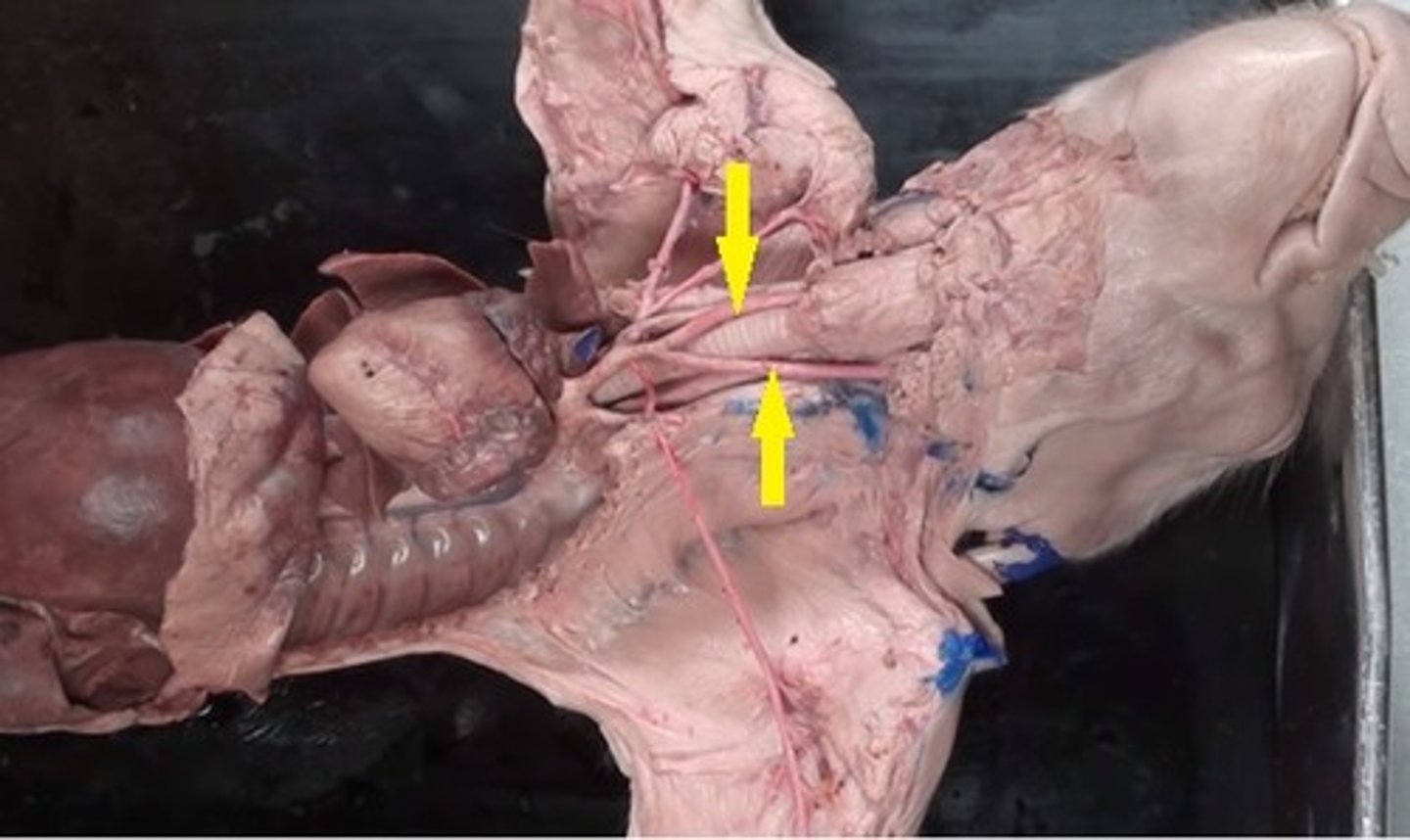
Drain deoxygenated blood from brain and head
Internal jugular veins
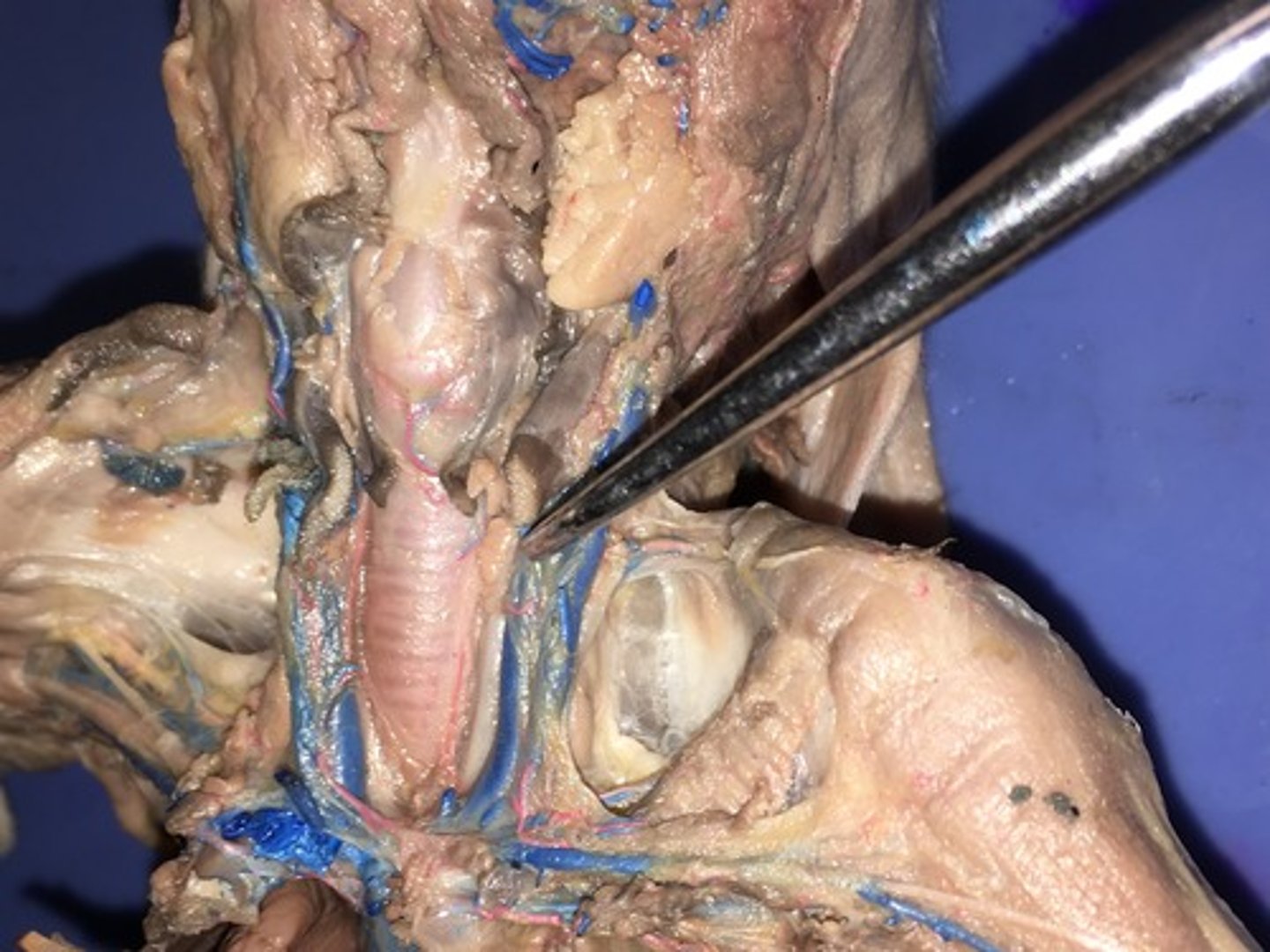
Carries oxygenated blood to lower body
Thoracic aorta
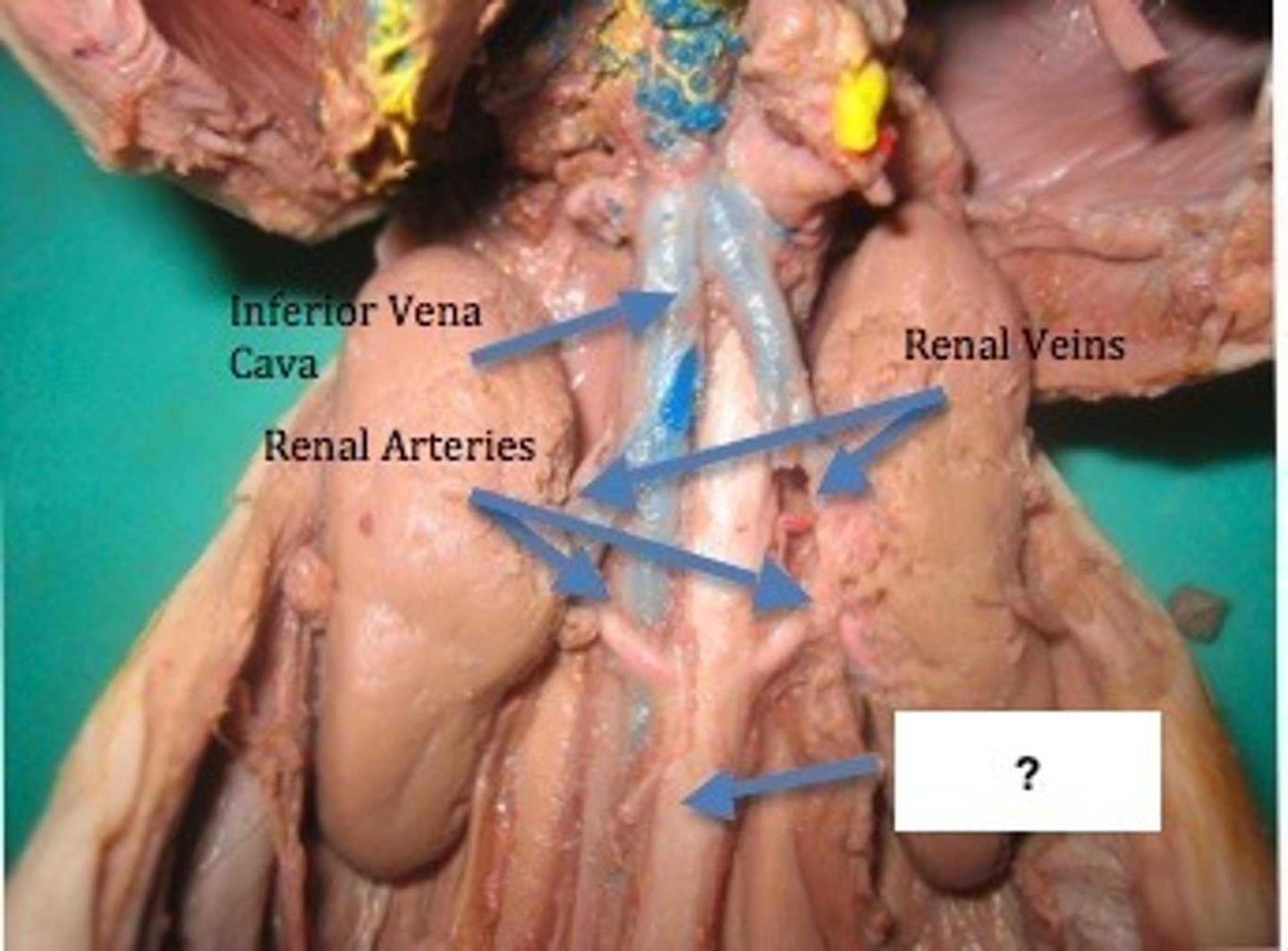
Supply blood to arms and brain
Subclavian arteries
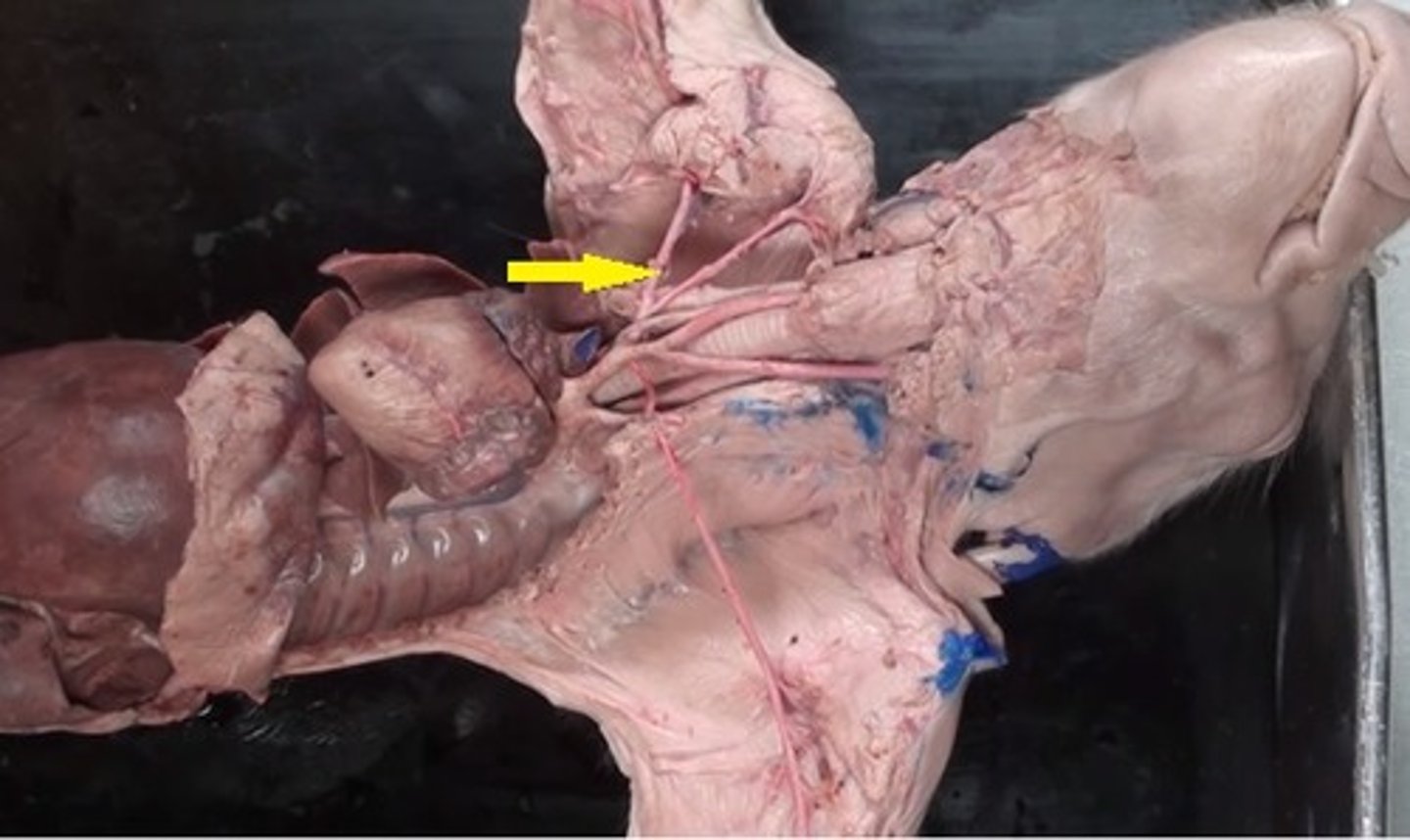
Drain blood from head and neck
External jugular veins
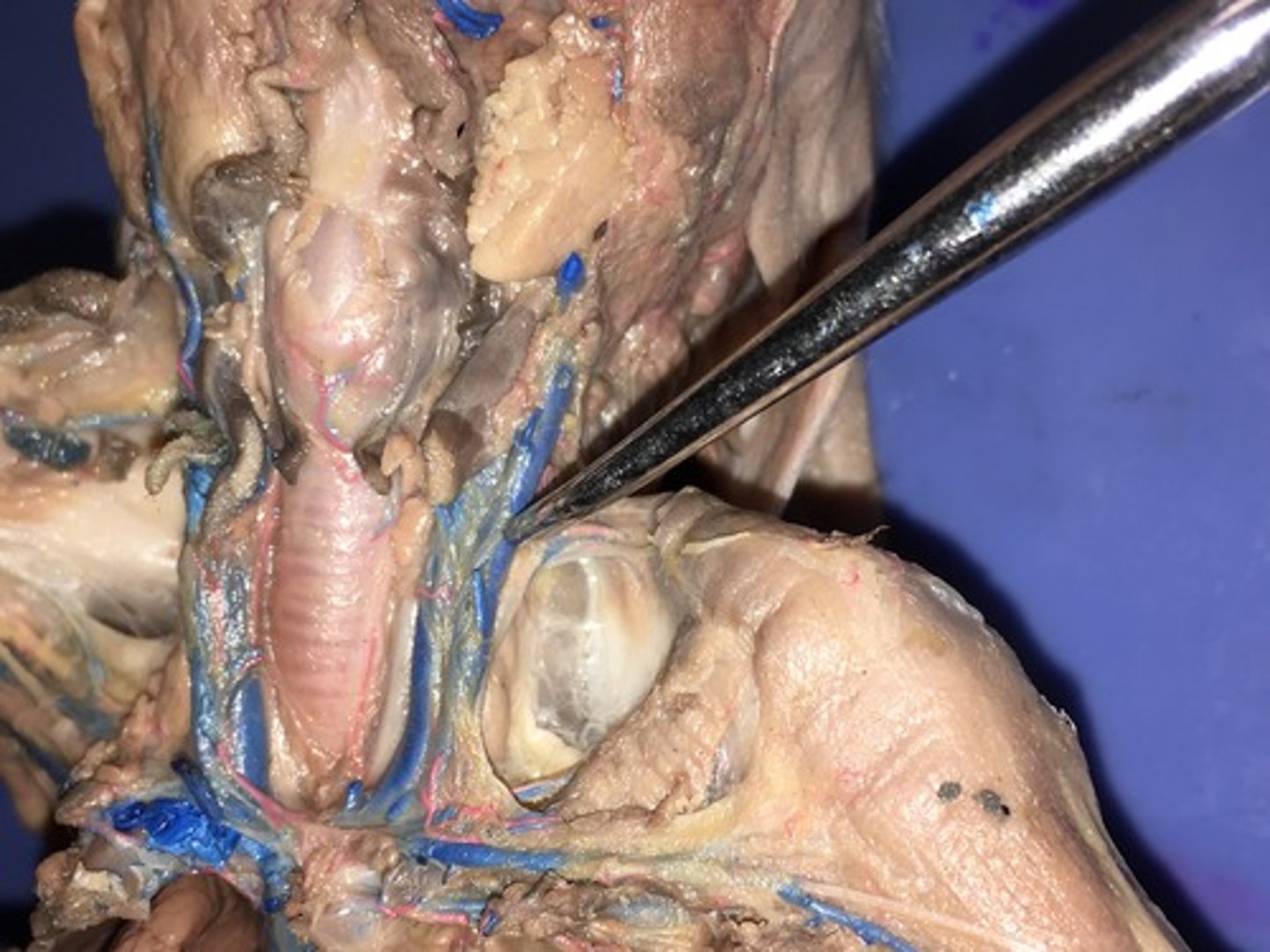
Supplies oxygenated blood to abdominal organs and lower body
Abdominal aorta
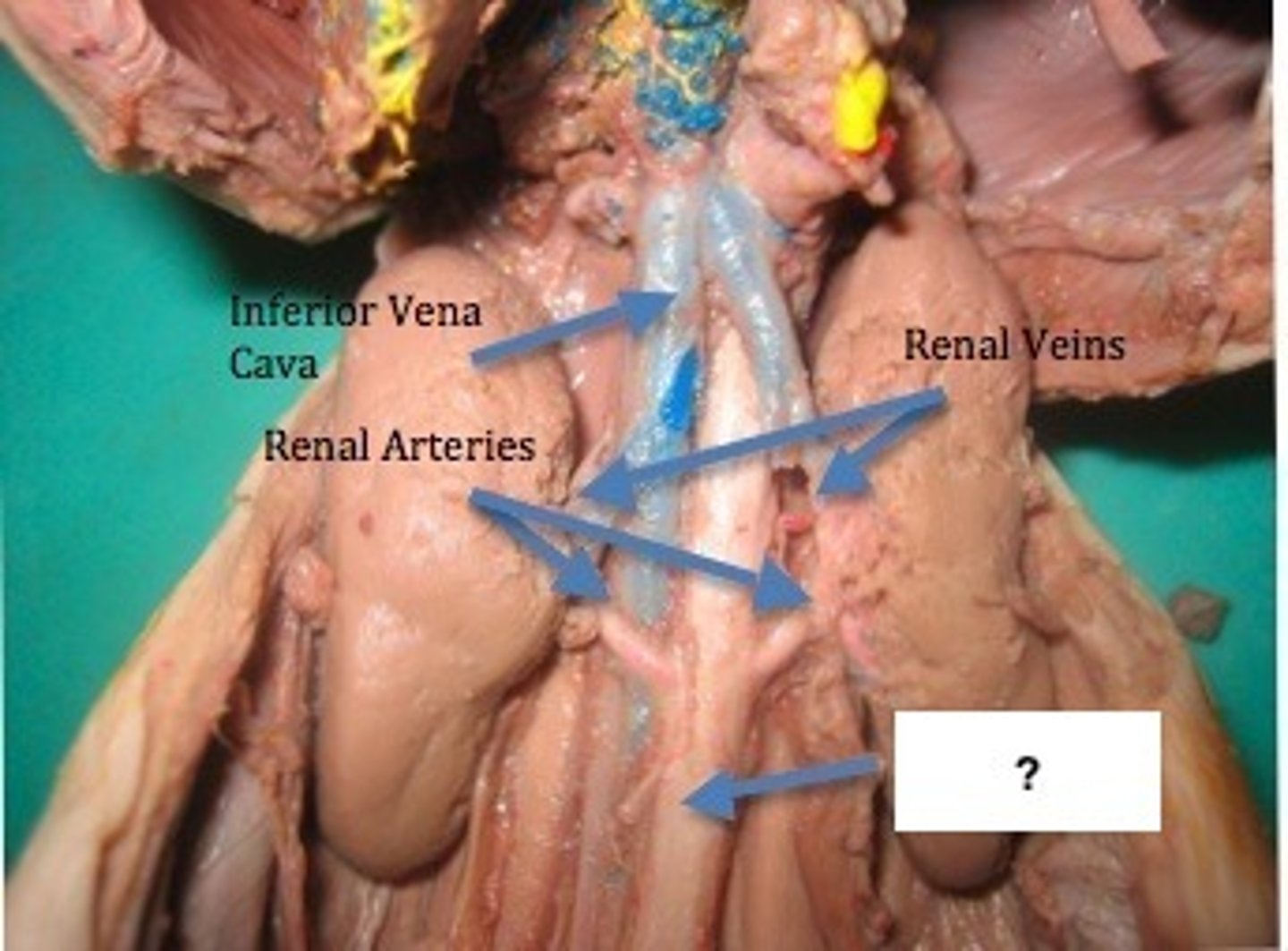
Deliver oxygenated blood to kidneys
Renal arteries
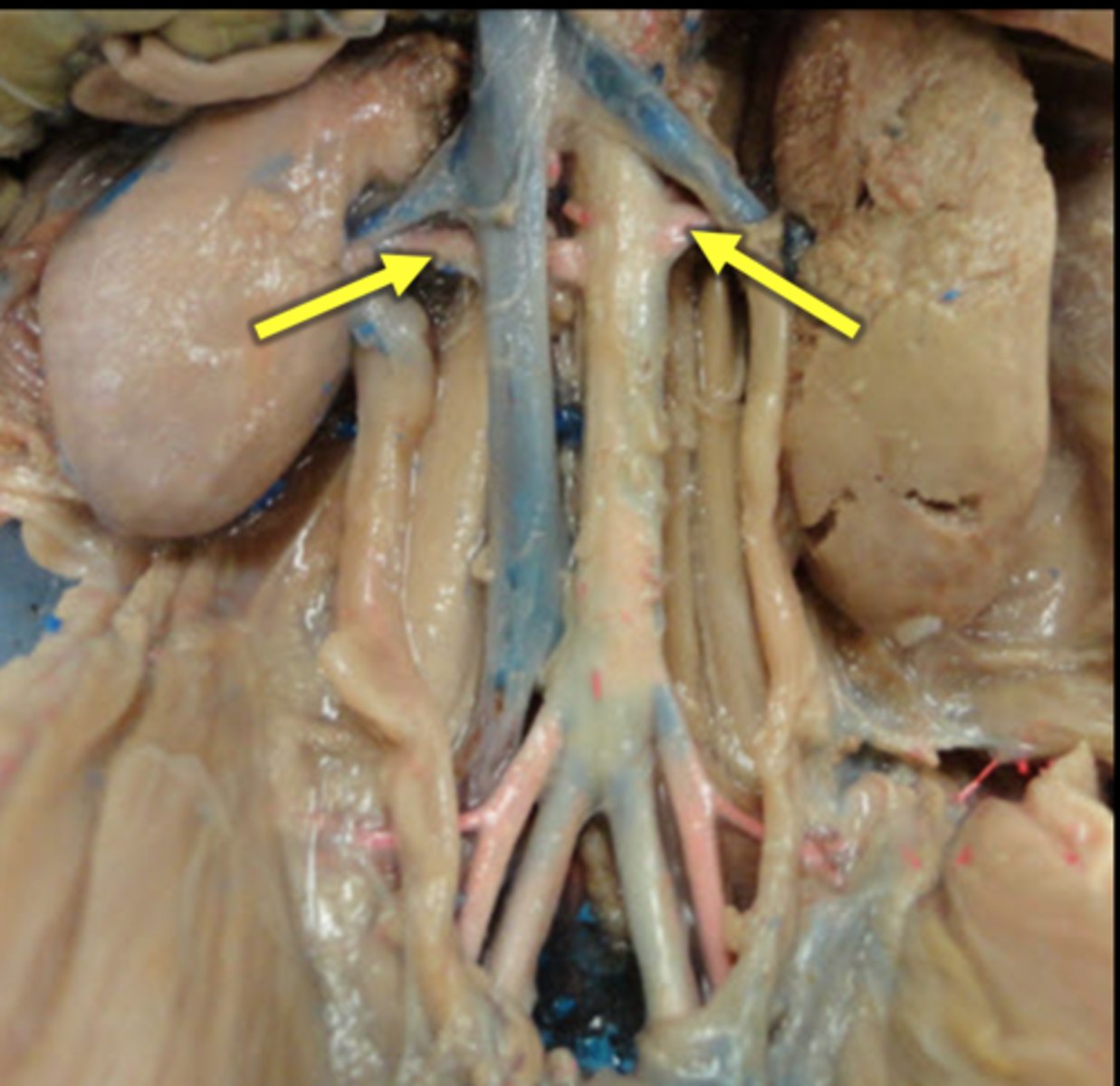
Carry deoxygenated blood away from kidneys
Renal veins
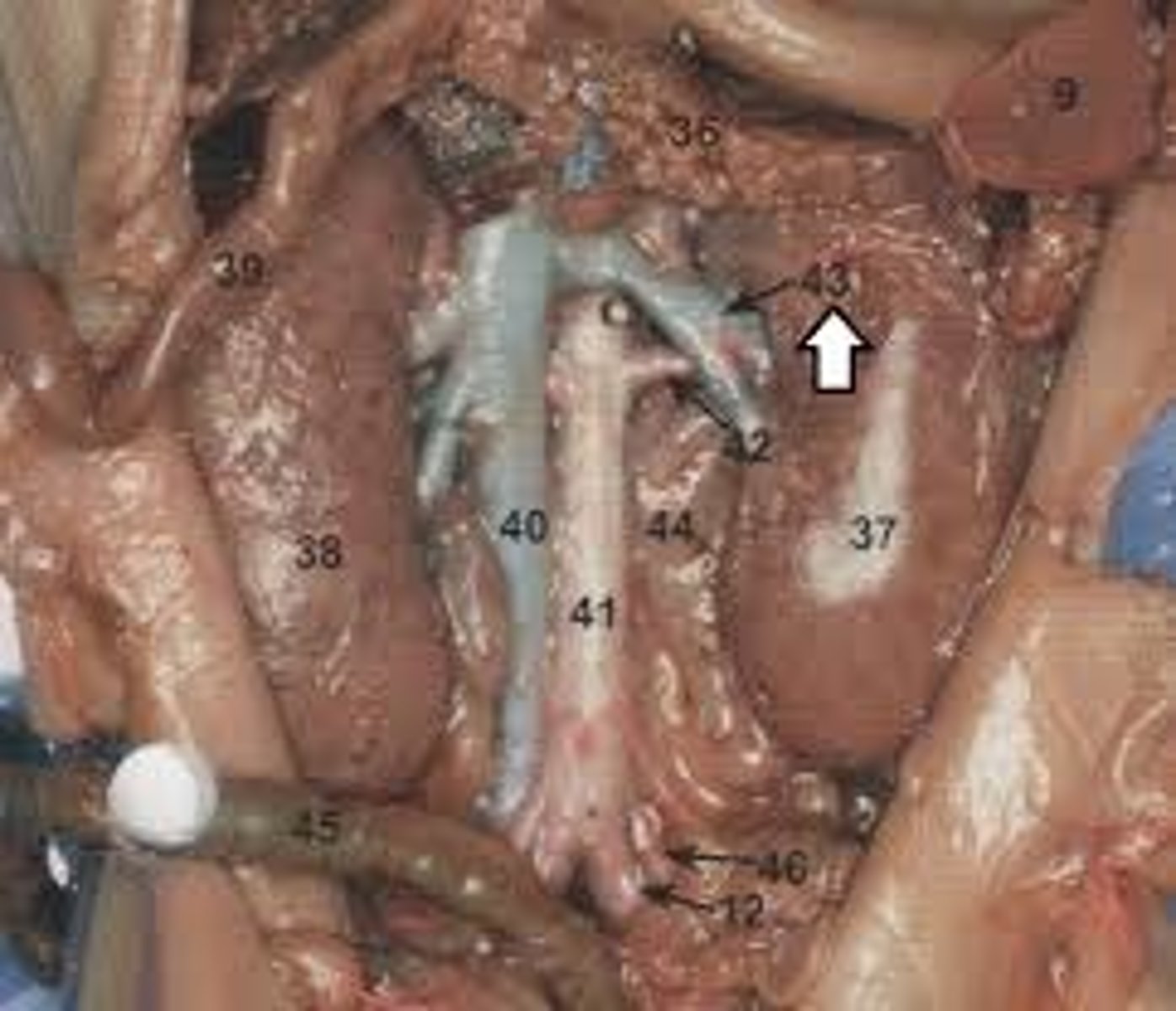
Carry deoxygenated blood from fetus to placenta
Umbilical arteries
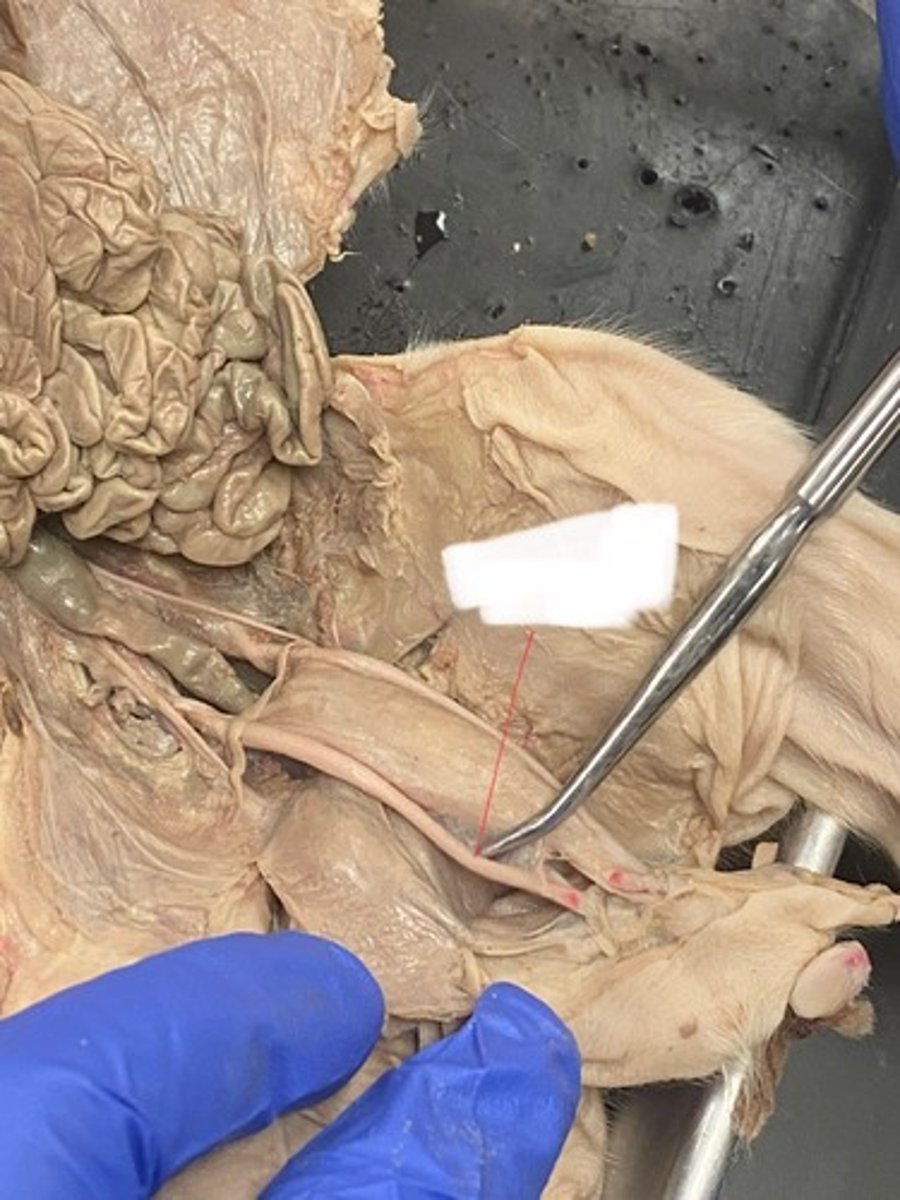
Delivers oxygenated blood to lower limbs
External iliac artery
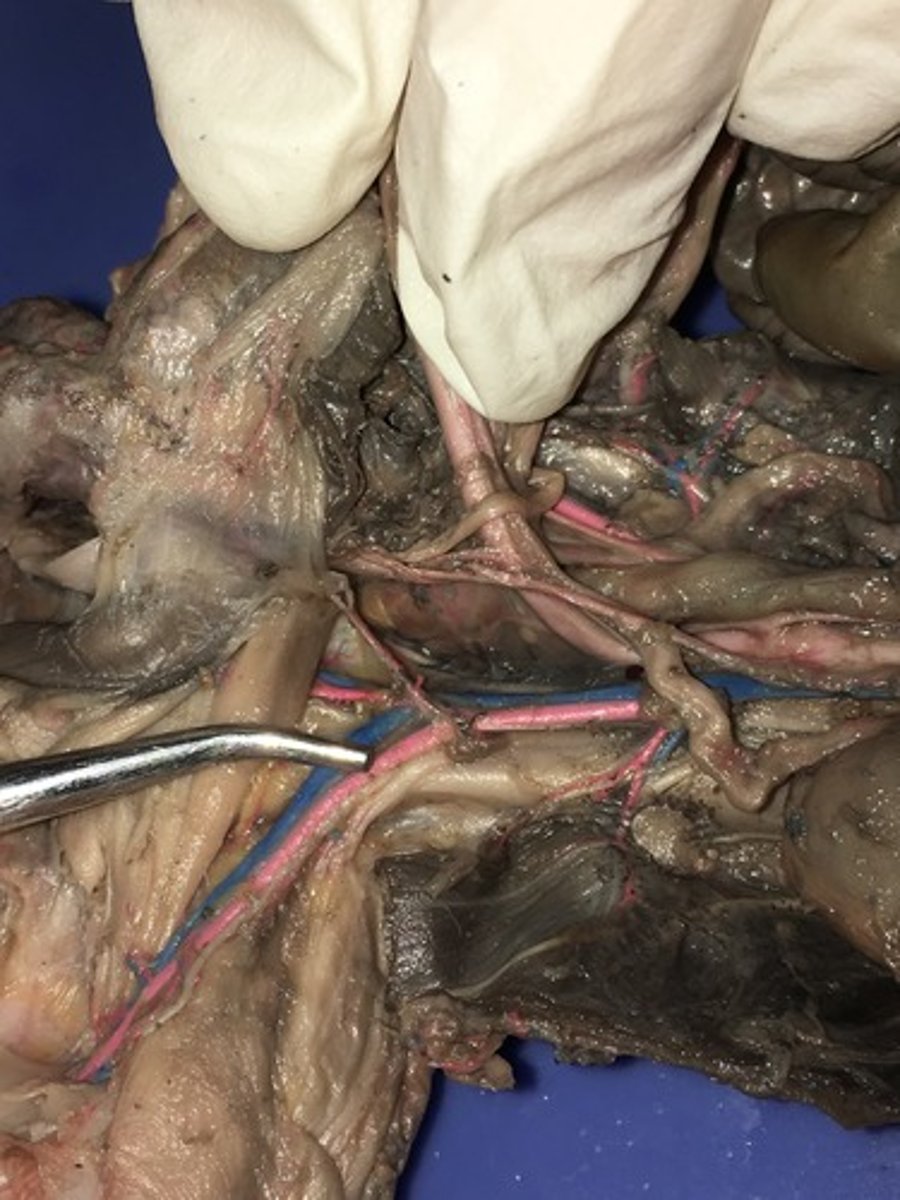
Carry deoxygenated blood from legs to the inferior vena cava
External iliac veins
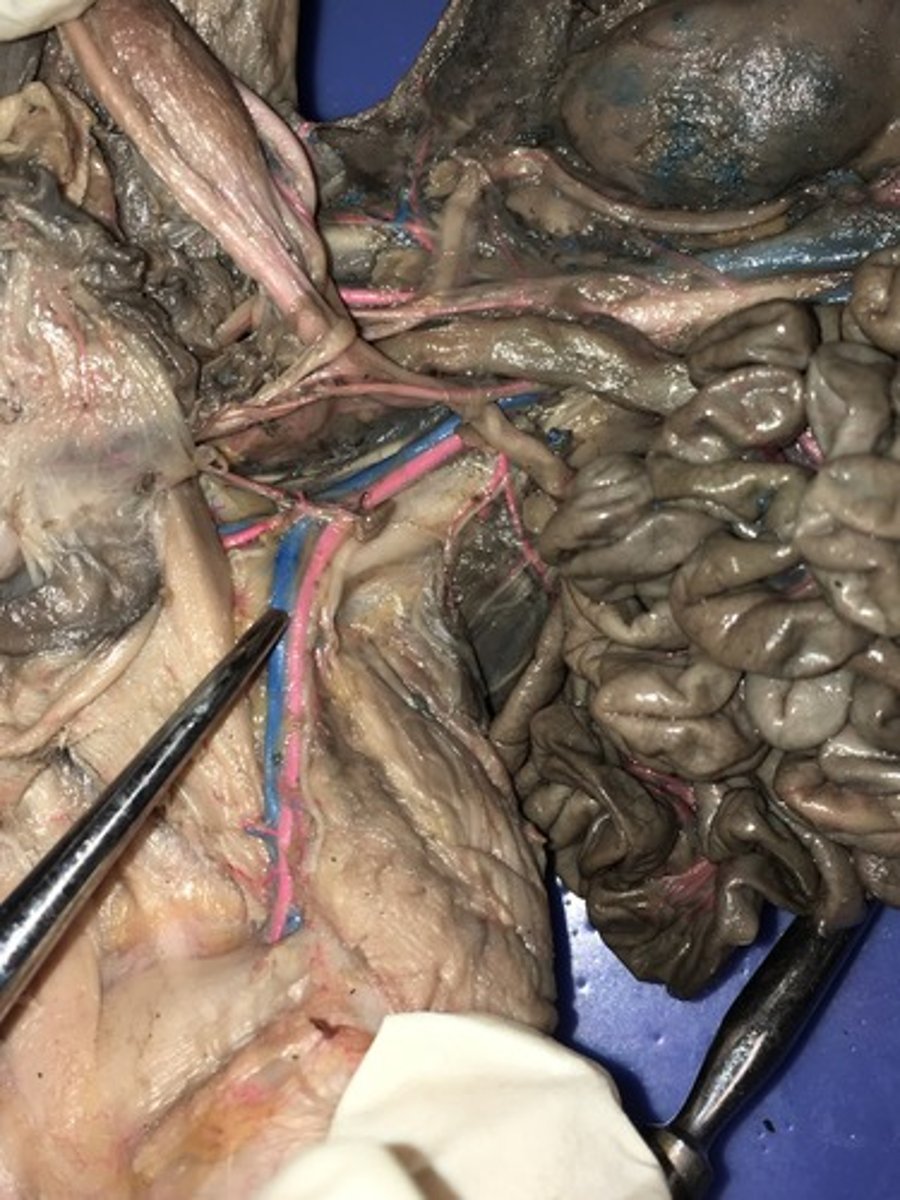
Carries oxygenated blood from placenta to the fetus
Umbilical vein
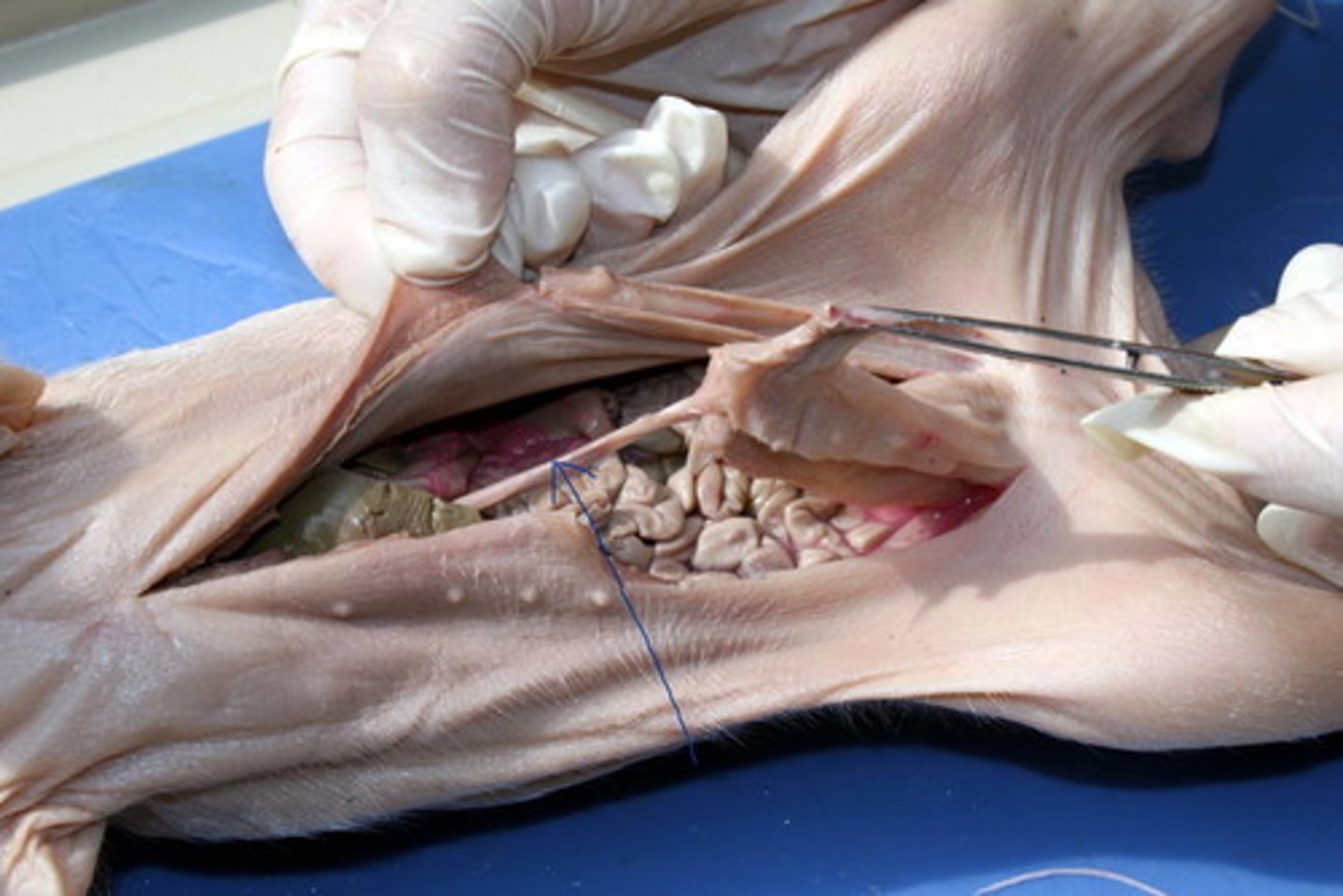
Filters blood and produces white blood cells
Spleen
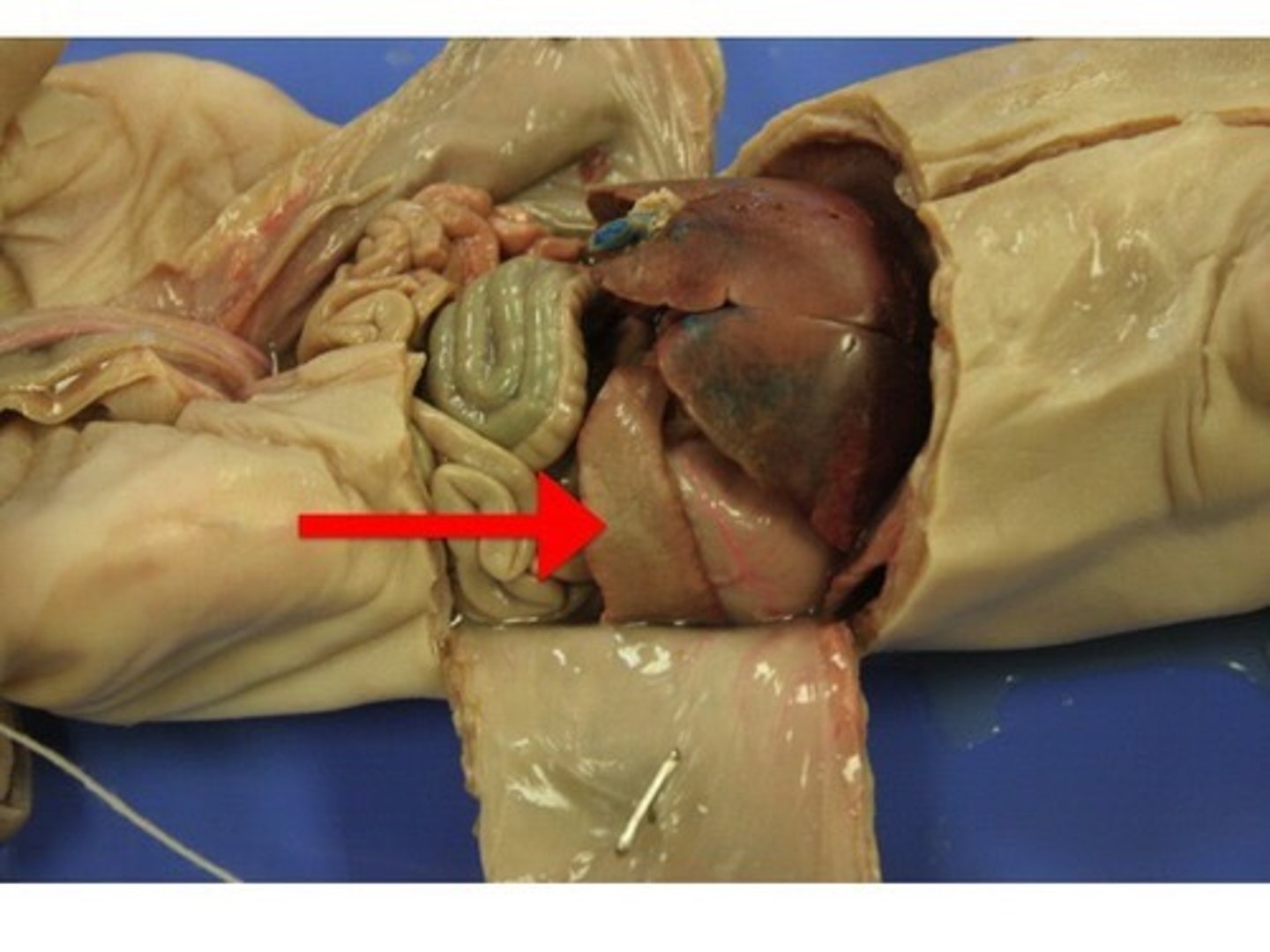
Stimulates development of T cells
Thymus
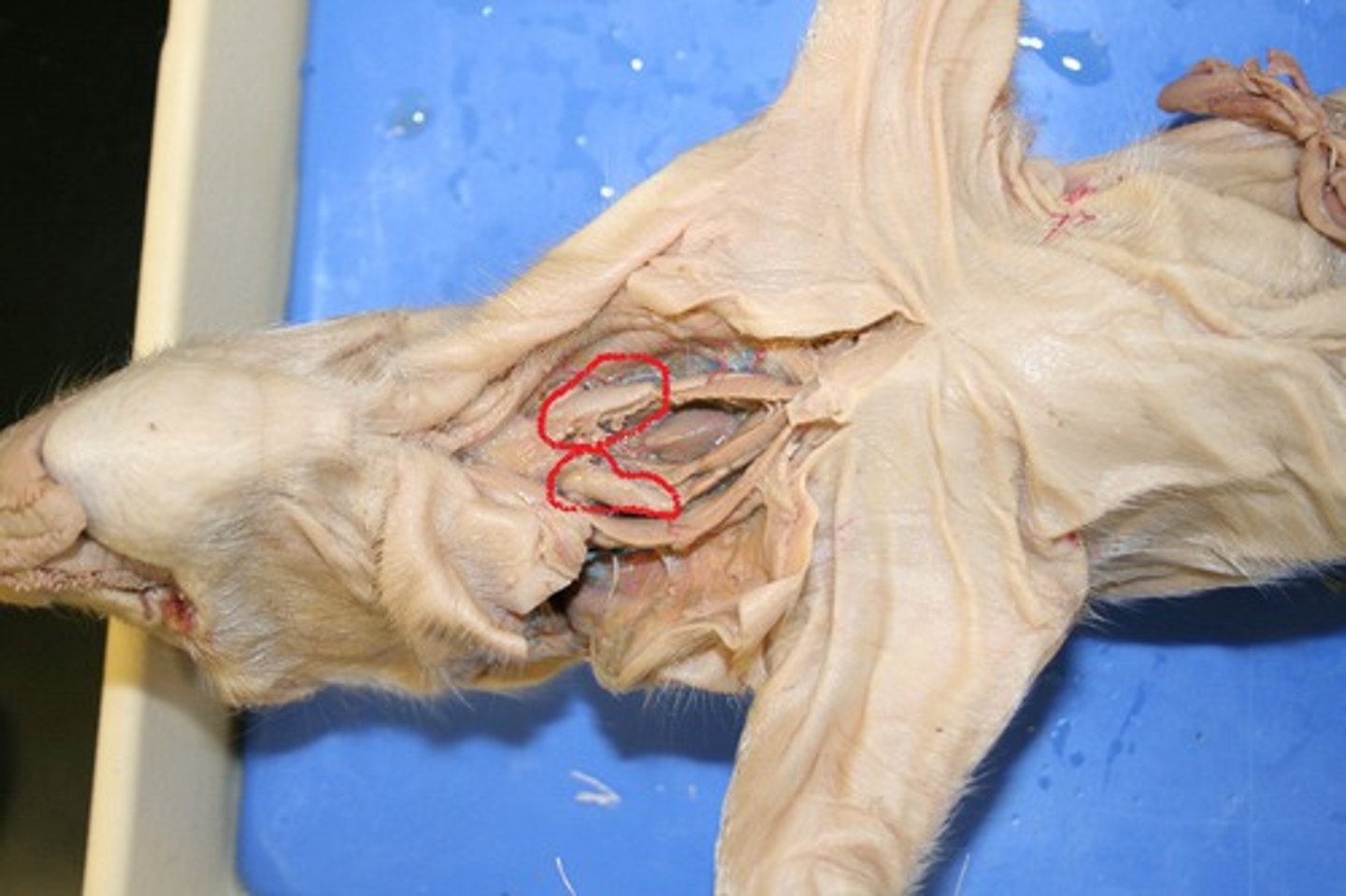
Secrete saliva
Salivary glands
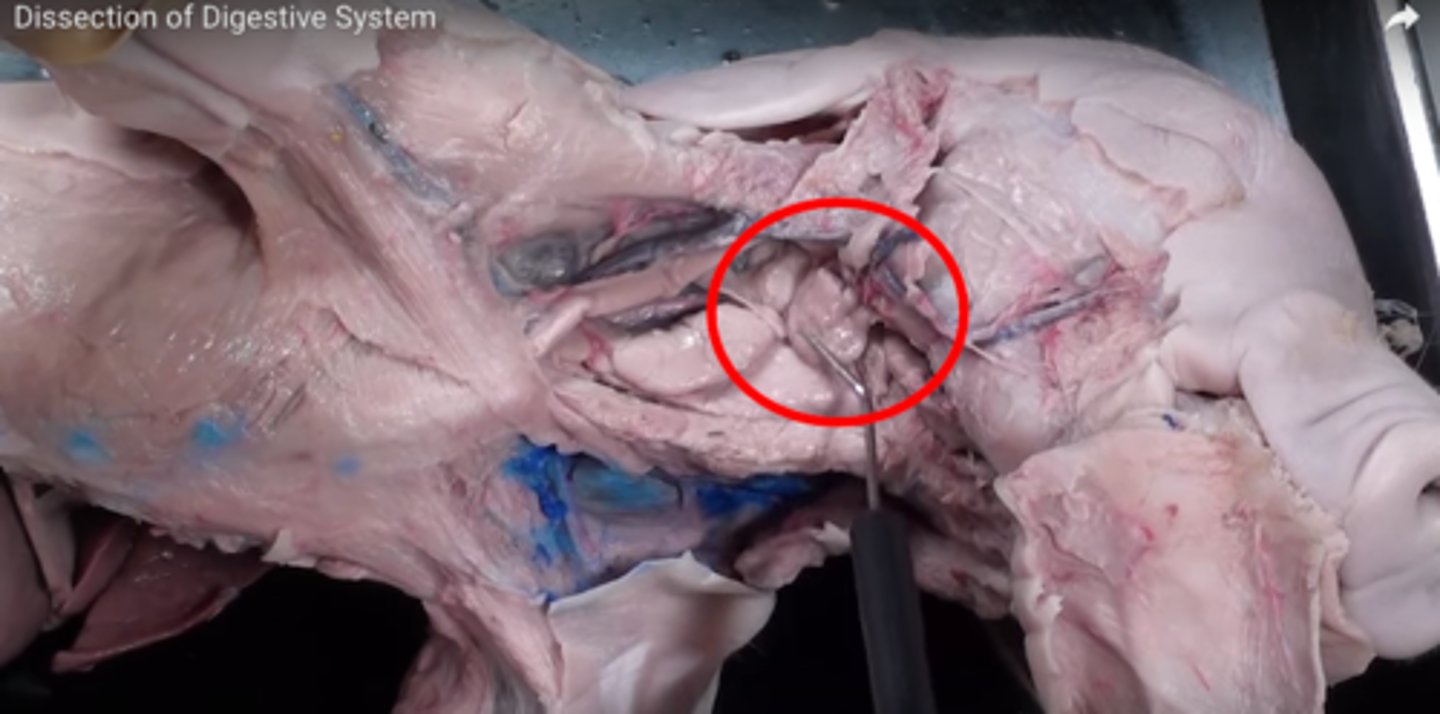
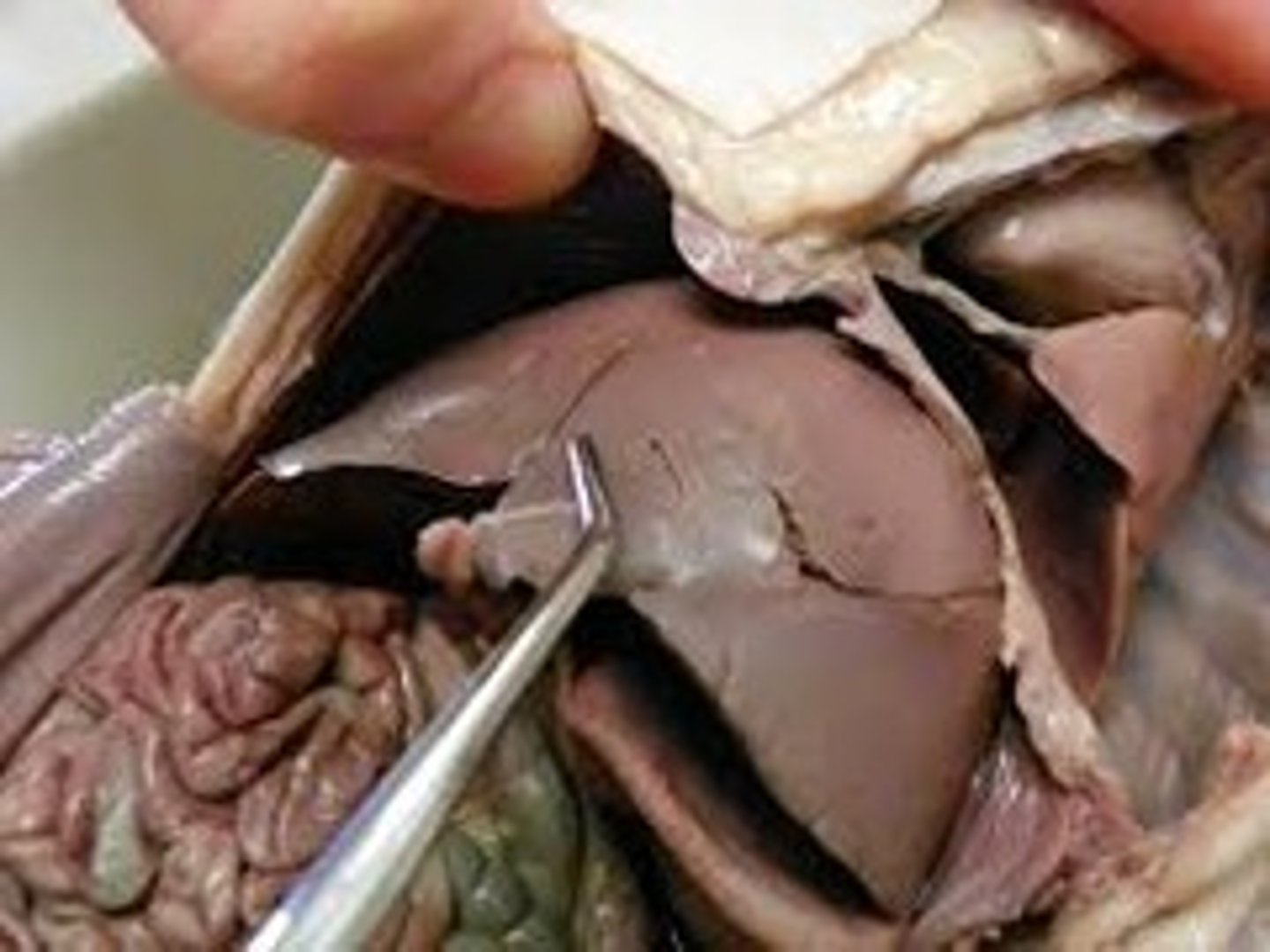
Produces bile
Liver
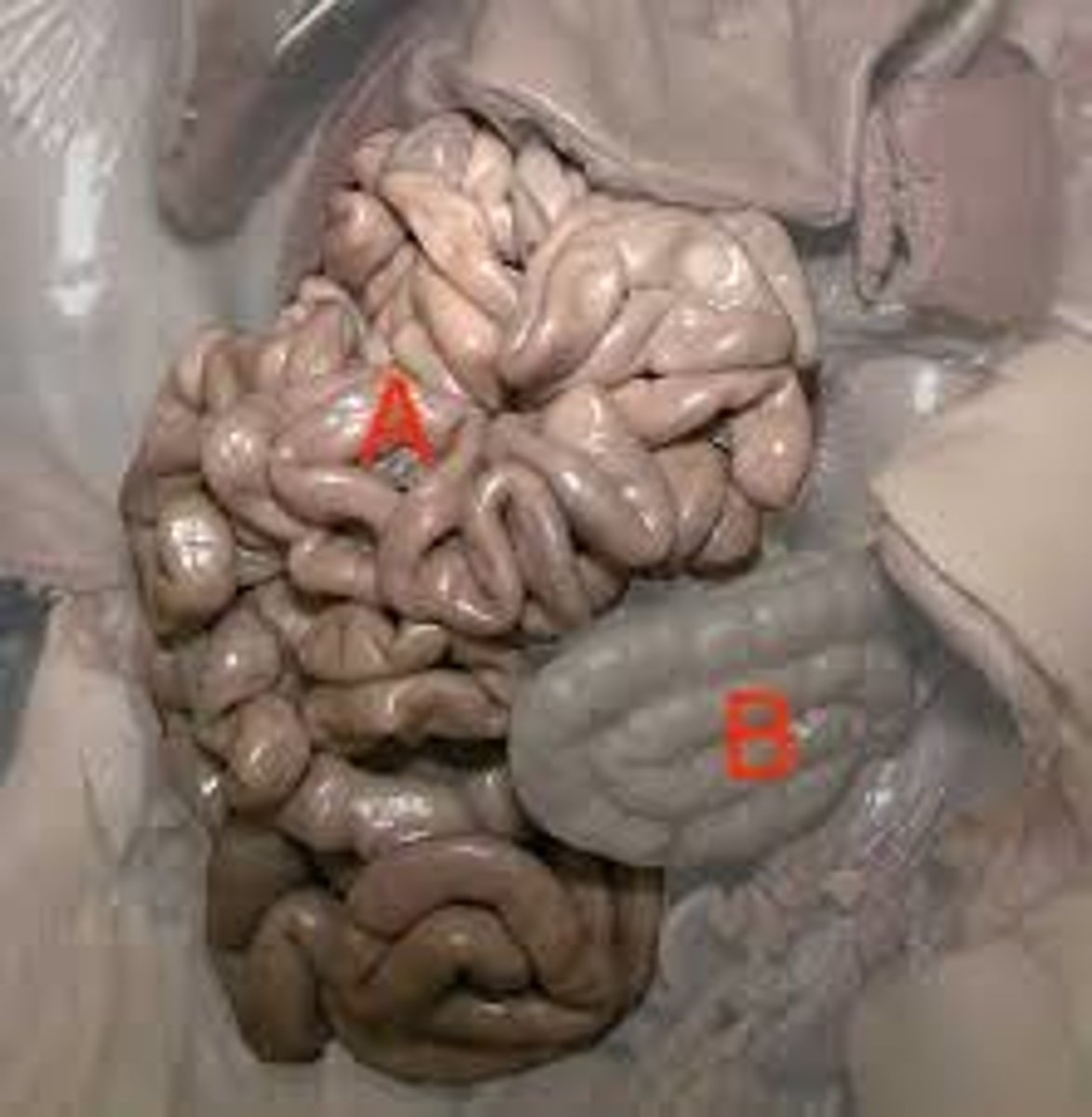
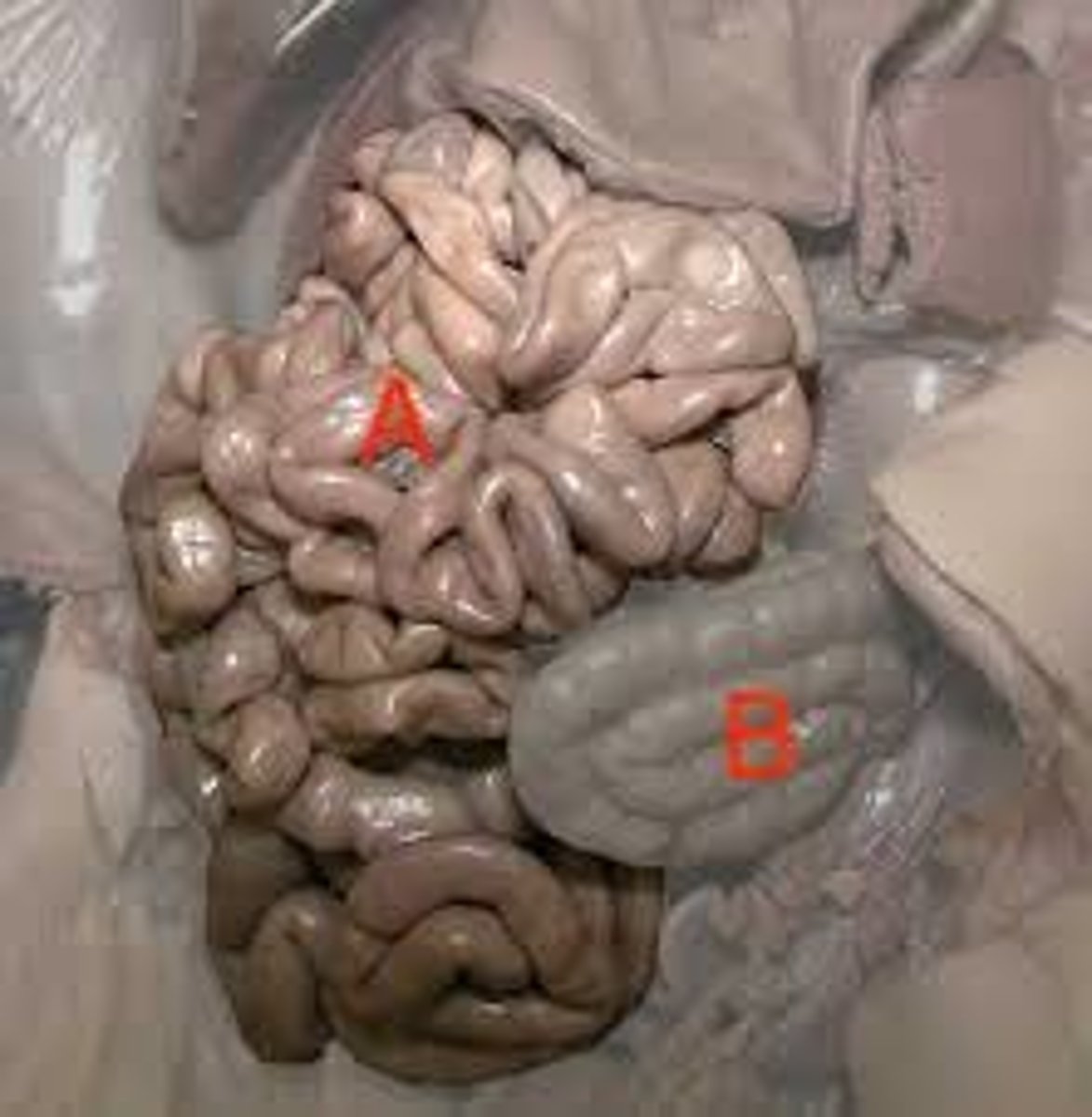
Forms and stores feces
Large intestine (B)
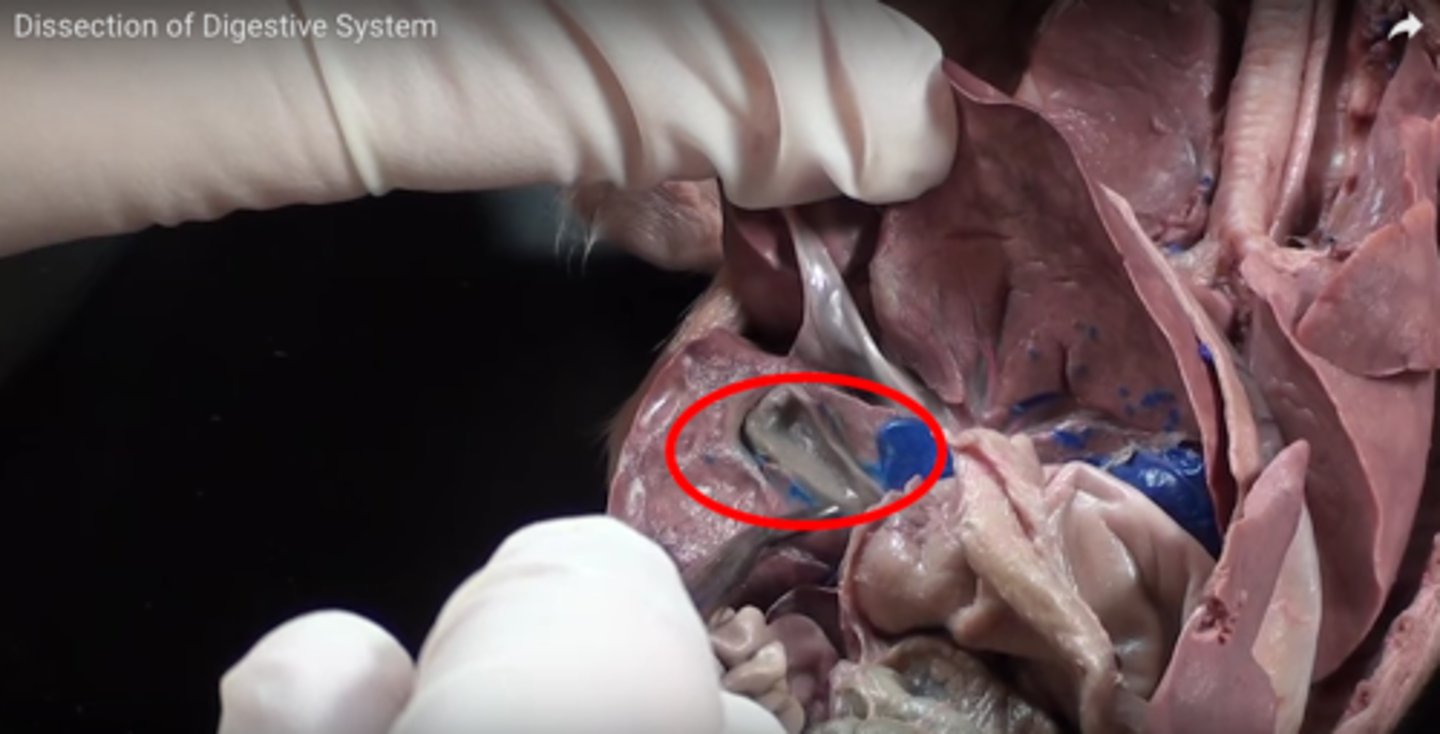
Stores and concentrates bile
Gallbladder
Separates oral and nasal cavities
Soft palate
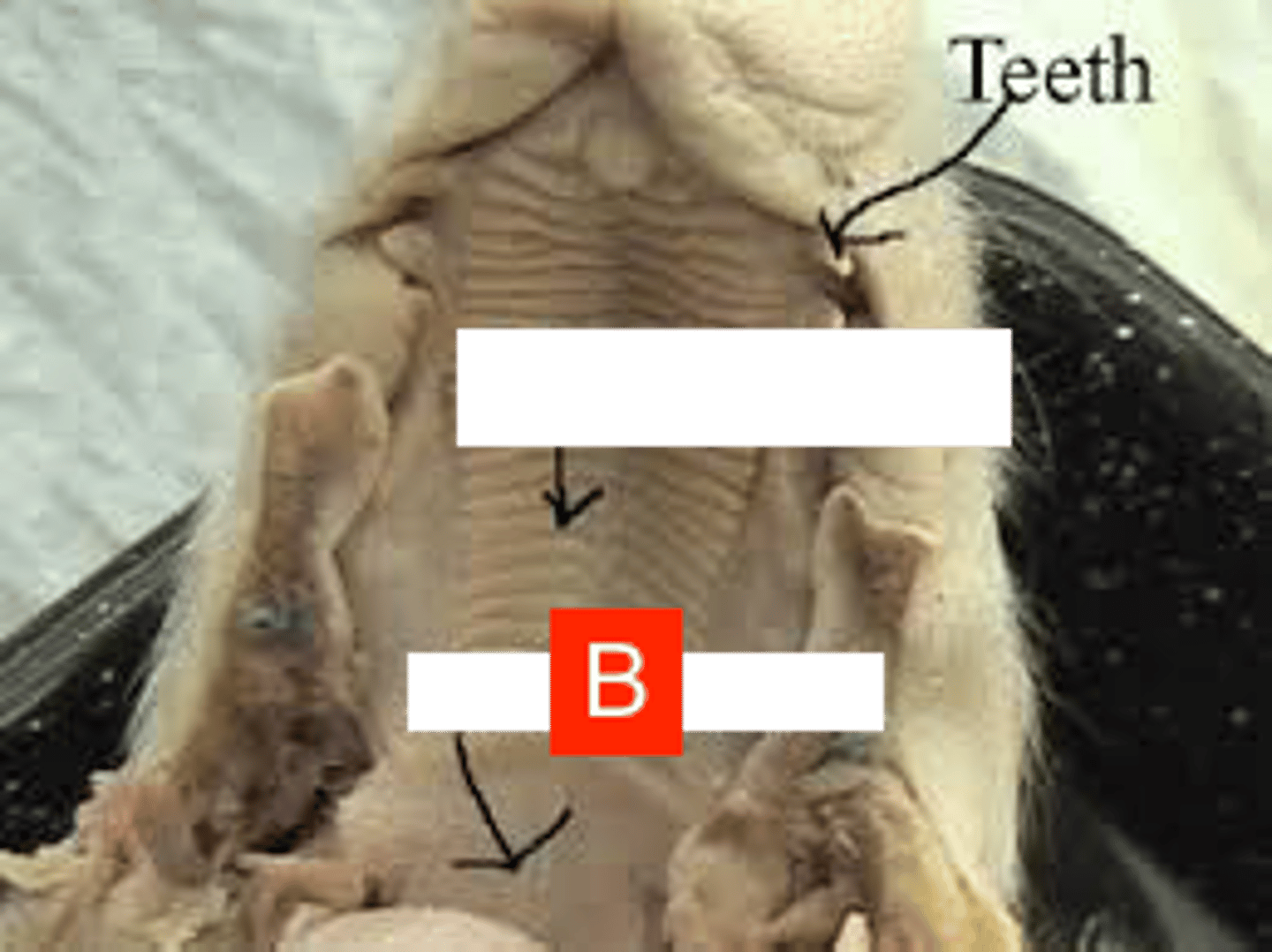
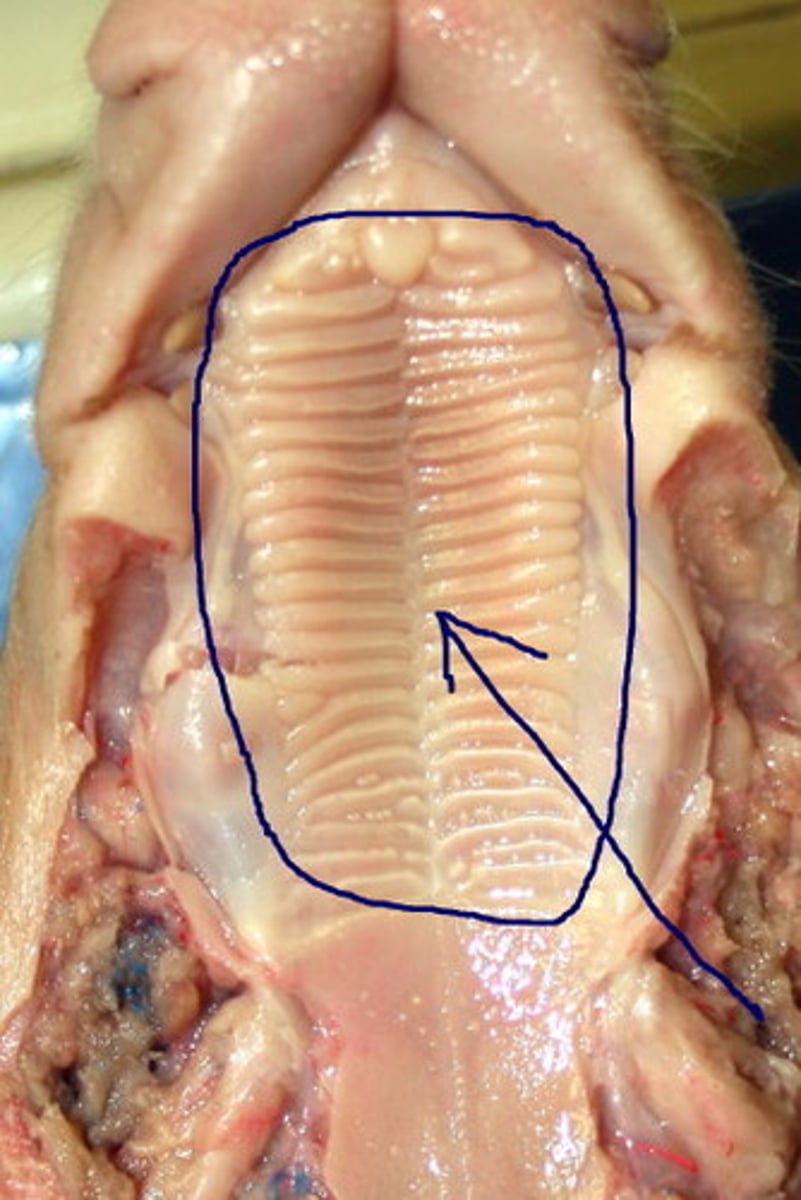
Forms the roof of the mouth
Hard palate
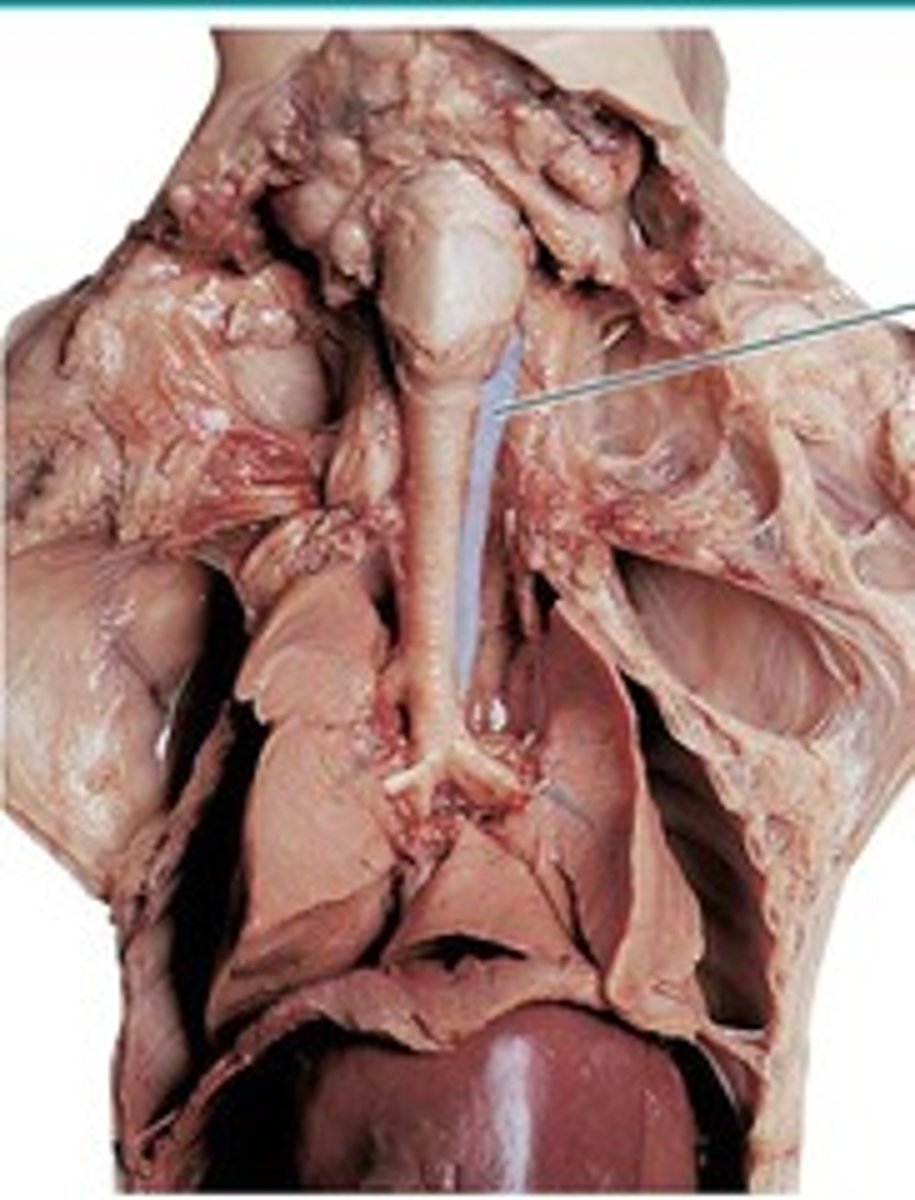
Transports food from pharynx to stomach
Esophagus
Absorbs nutrients from food
Small intestine (A)
Stores feces
Rectum
Lines abdominal cavity
Peritoneum
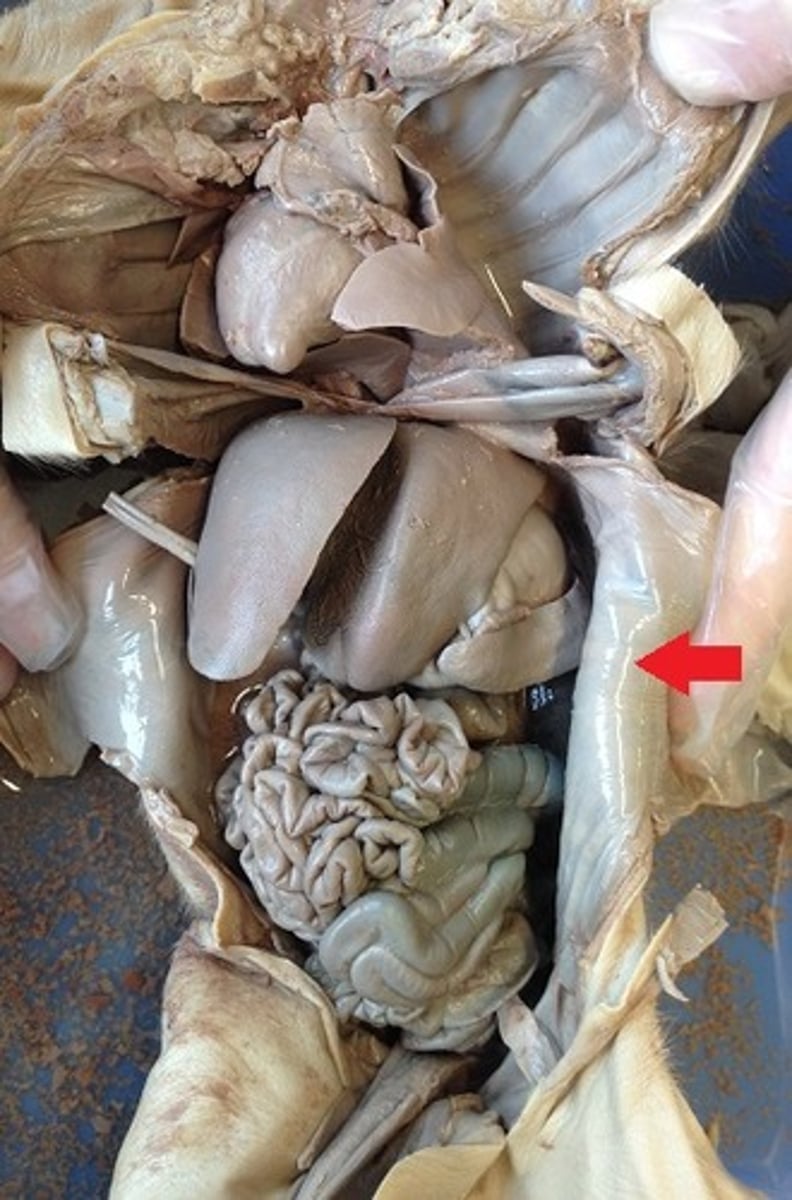
Secretes pepsin to digest proteins
Stomach
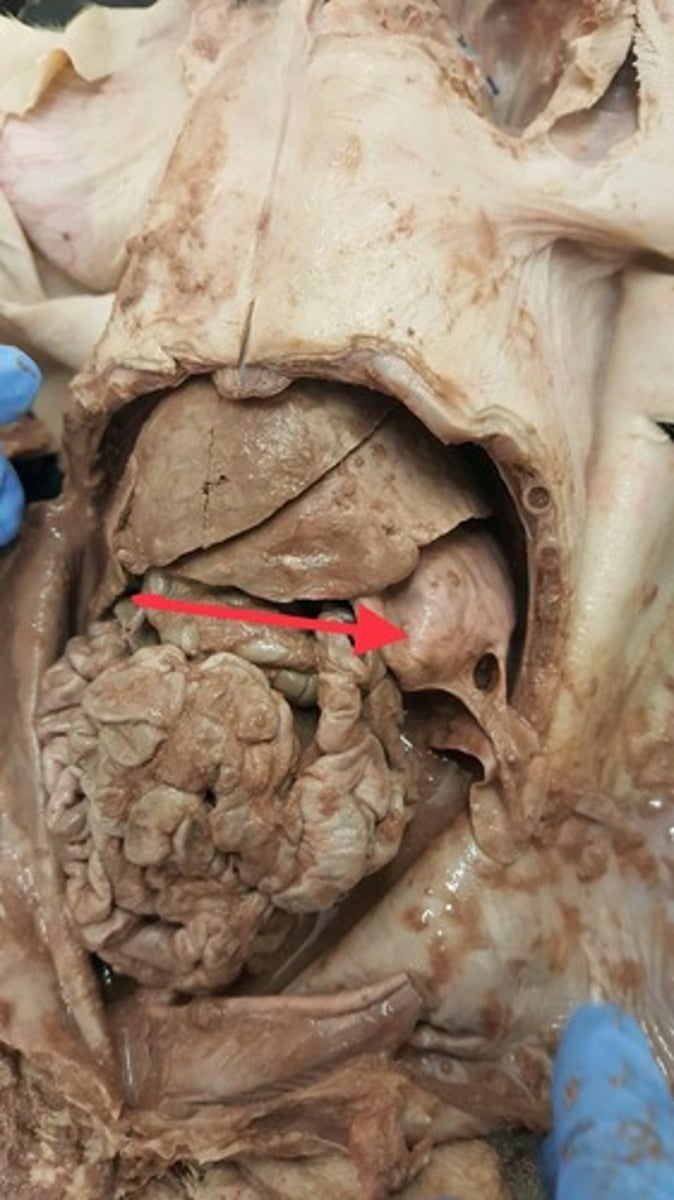
Secretes digestive enzymes into small intestine
Pancreas
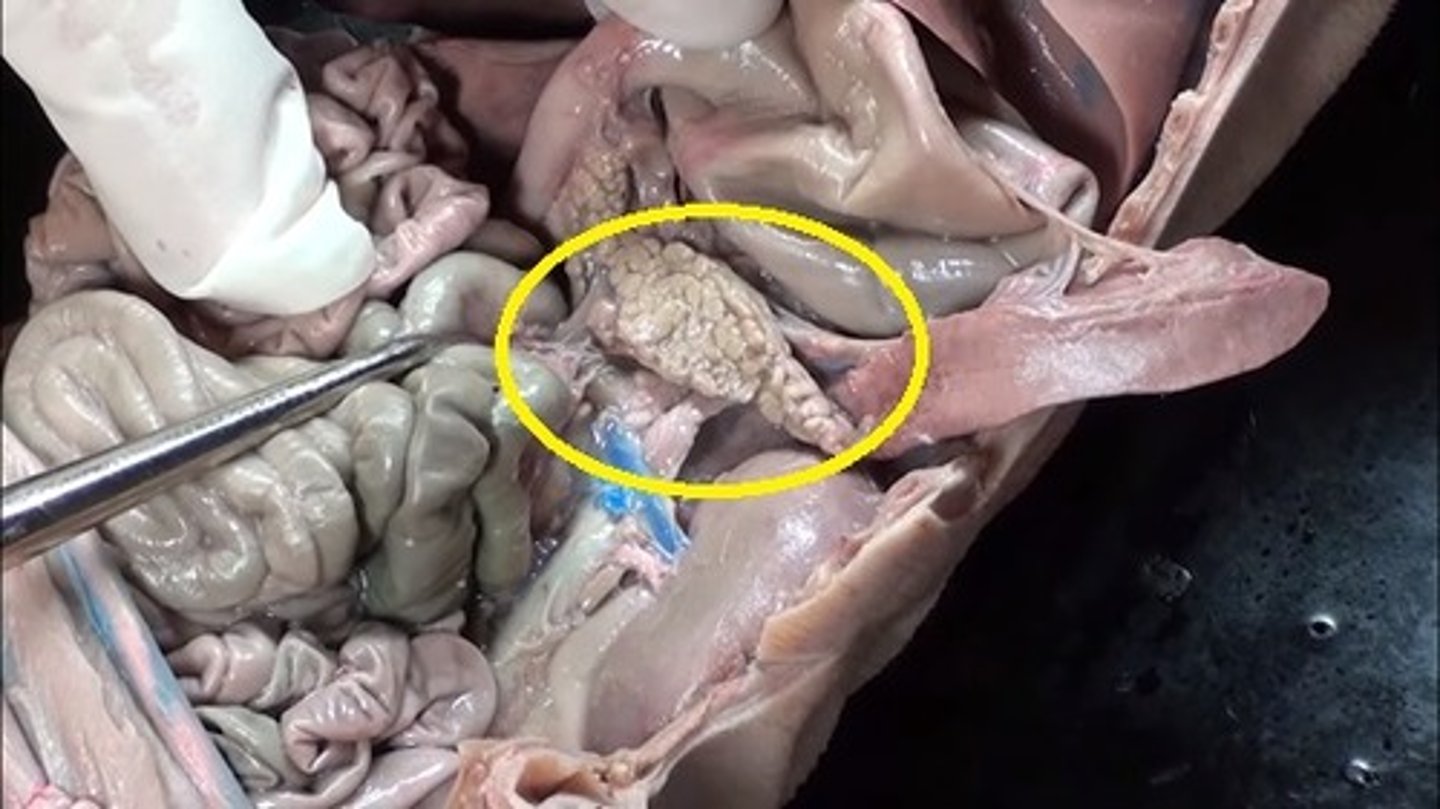
Regulates elimination of feces
Anus
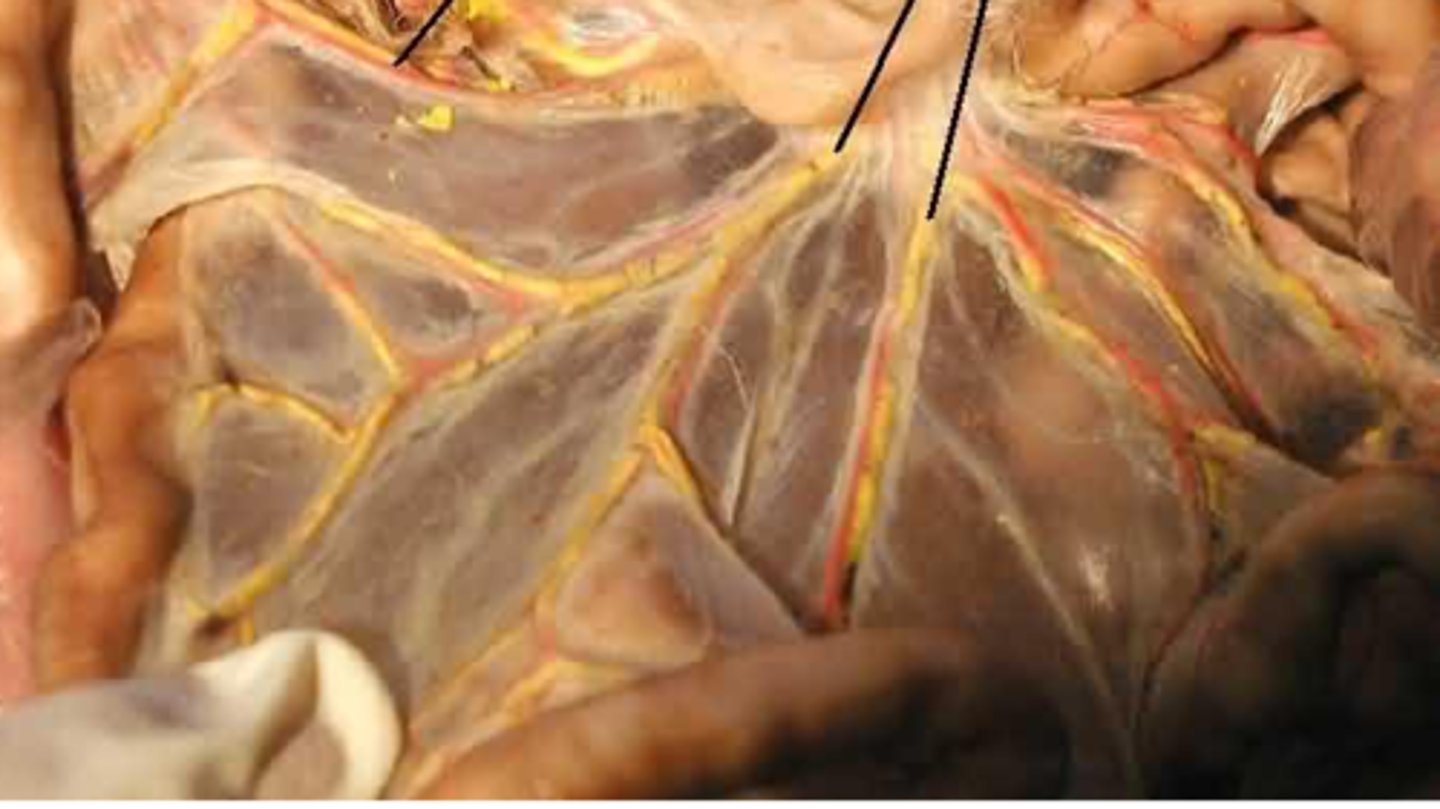
Anchors intestines
Mesentery
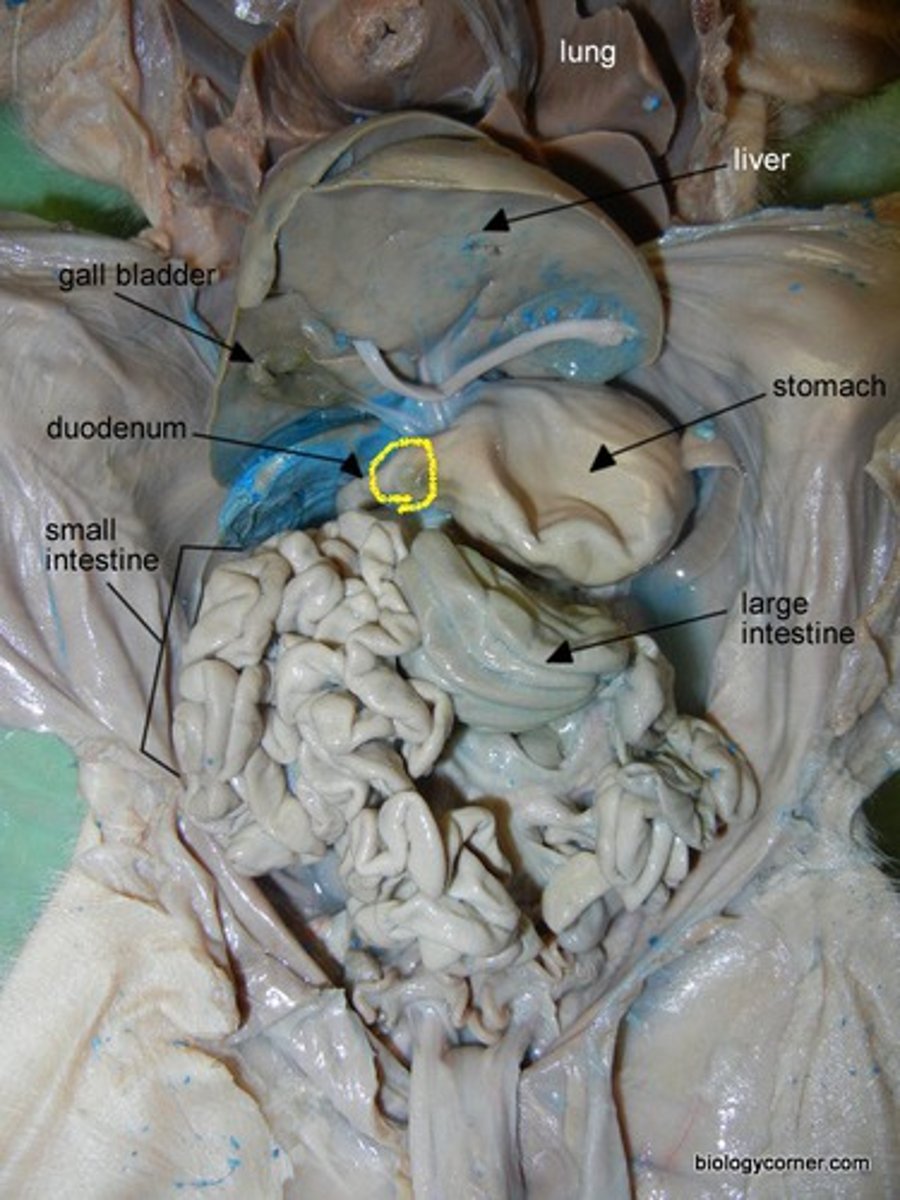
Controls movement of chyme
Pyloric sphincter
Controls facial muscles
Facial nerve
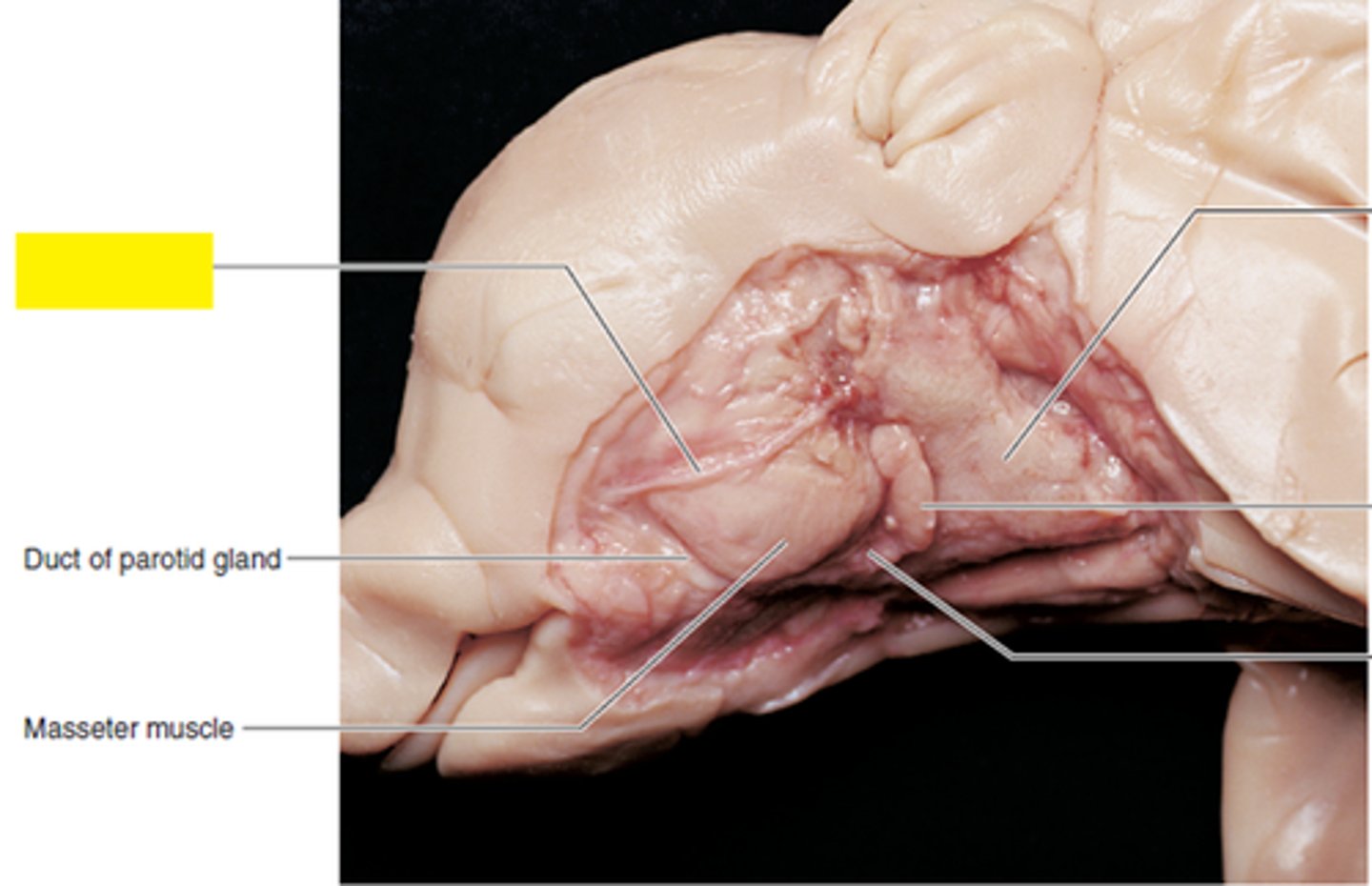
Stimulates diaphragm for breathing
Phrenic nerve
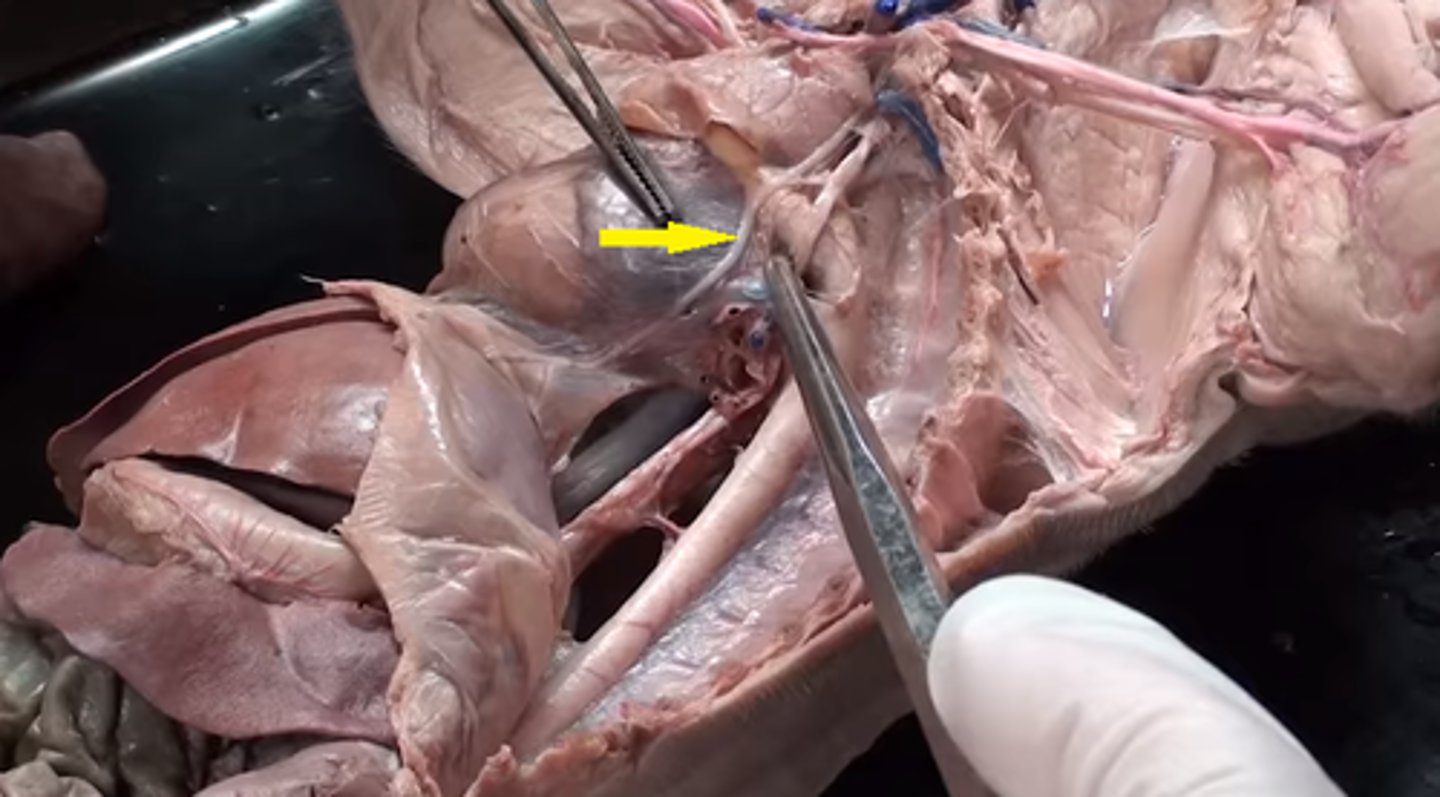
Regulates involuntary functions
Vagus nerve
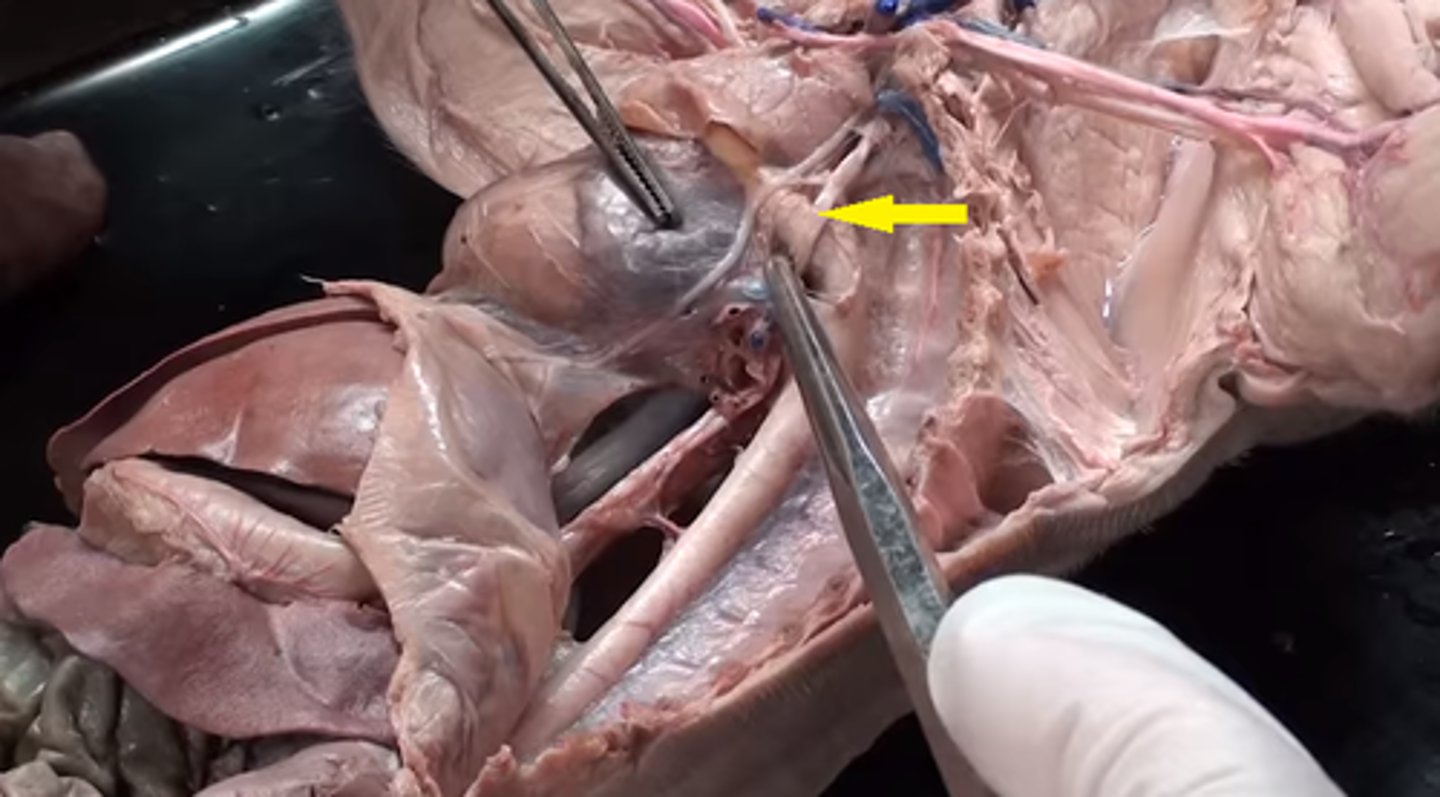
Assists in chewing, swallowing, and speech
Tongue
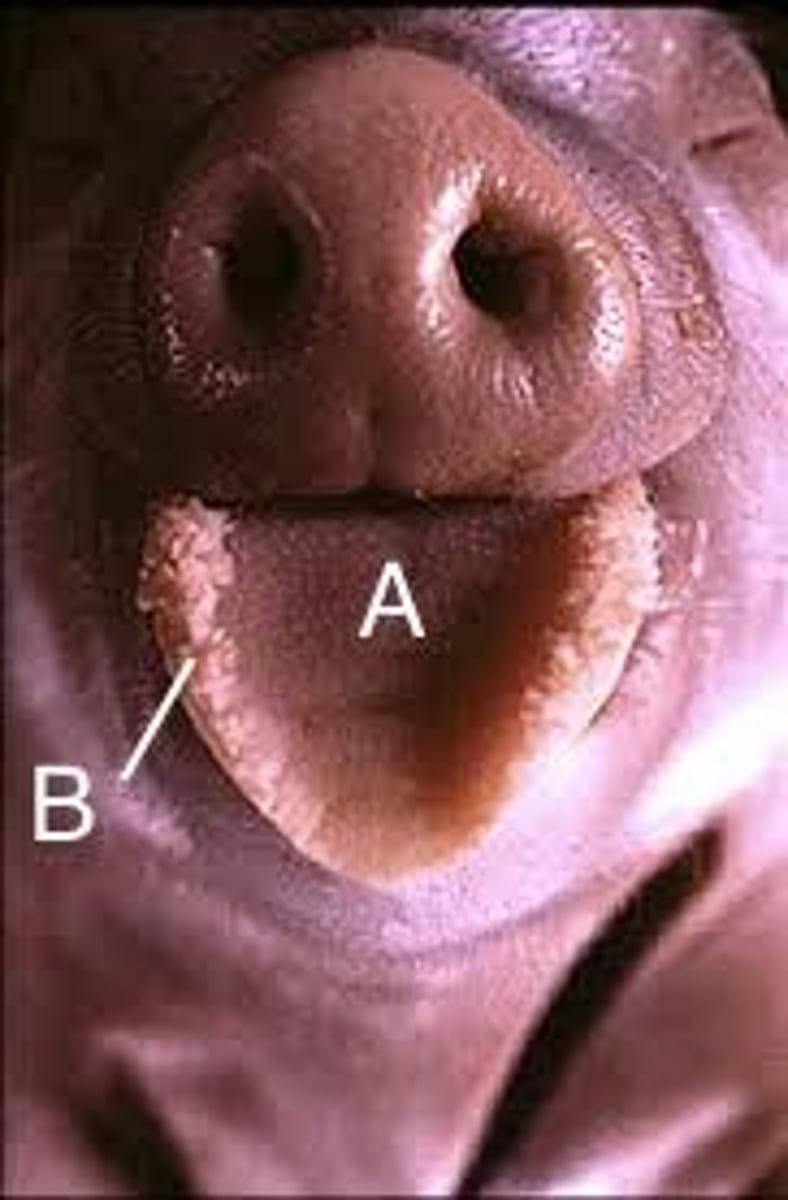
Contracts to bring air into lungs
Diaphragm
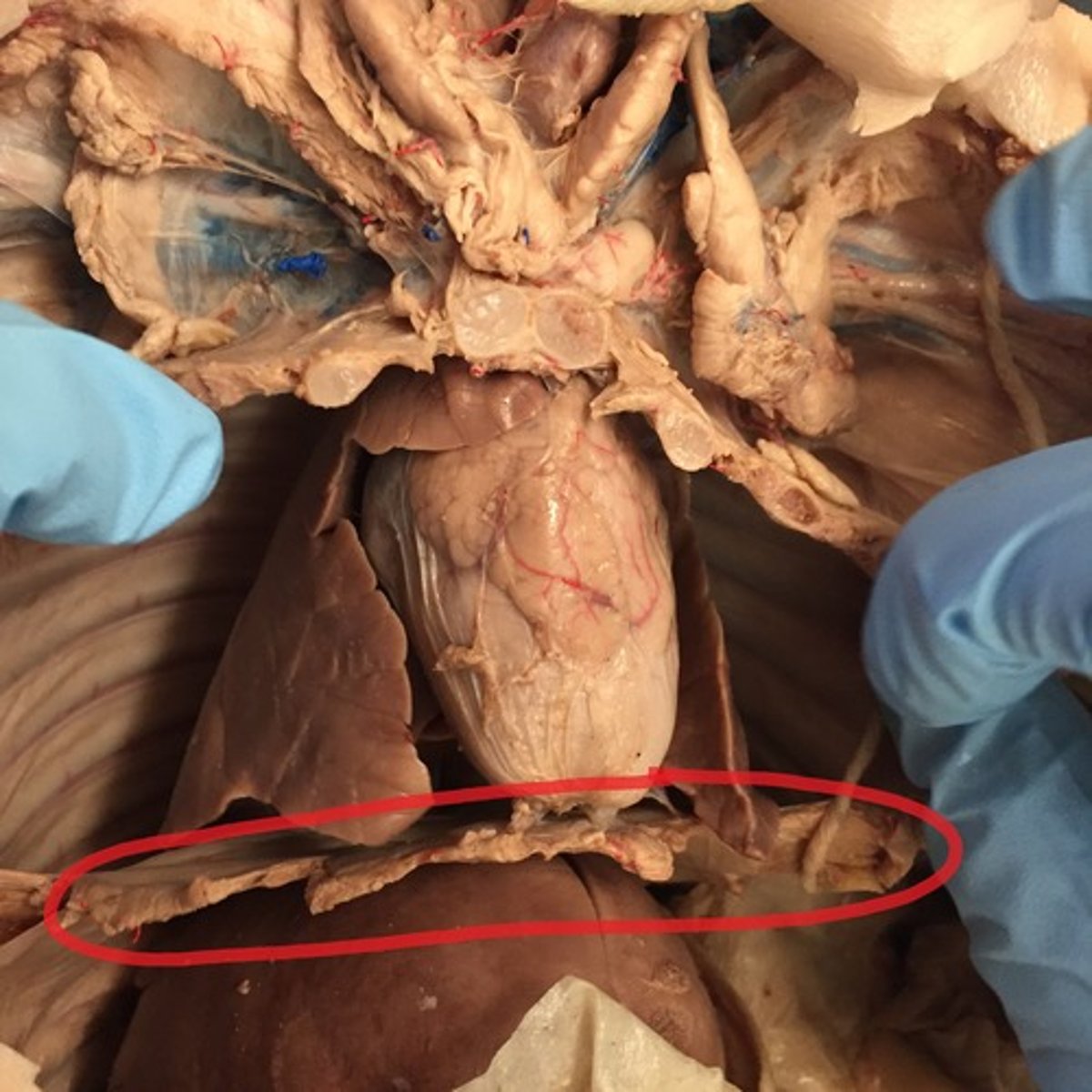
Elevates mandible for chewing
Masseter muscle
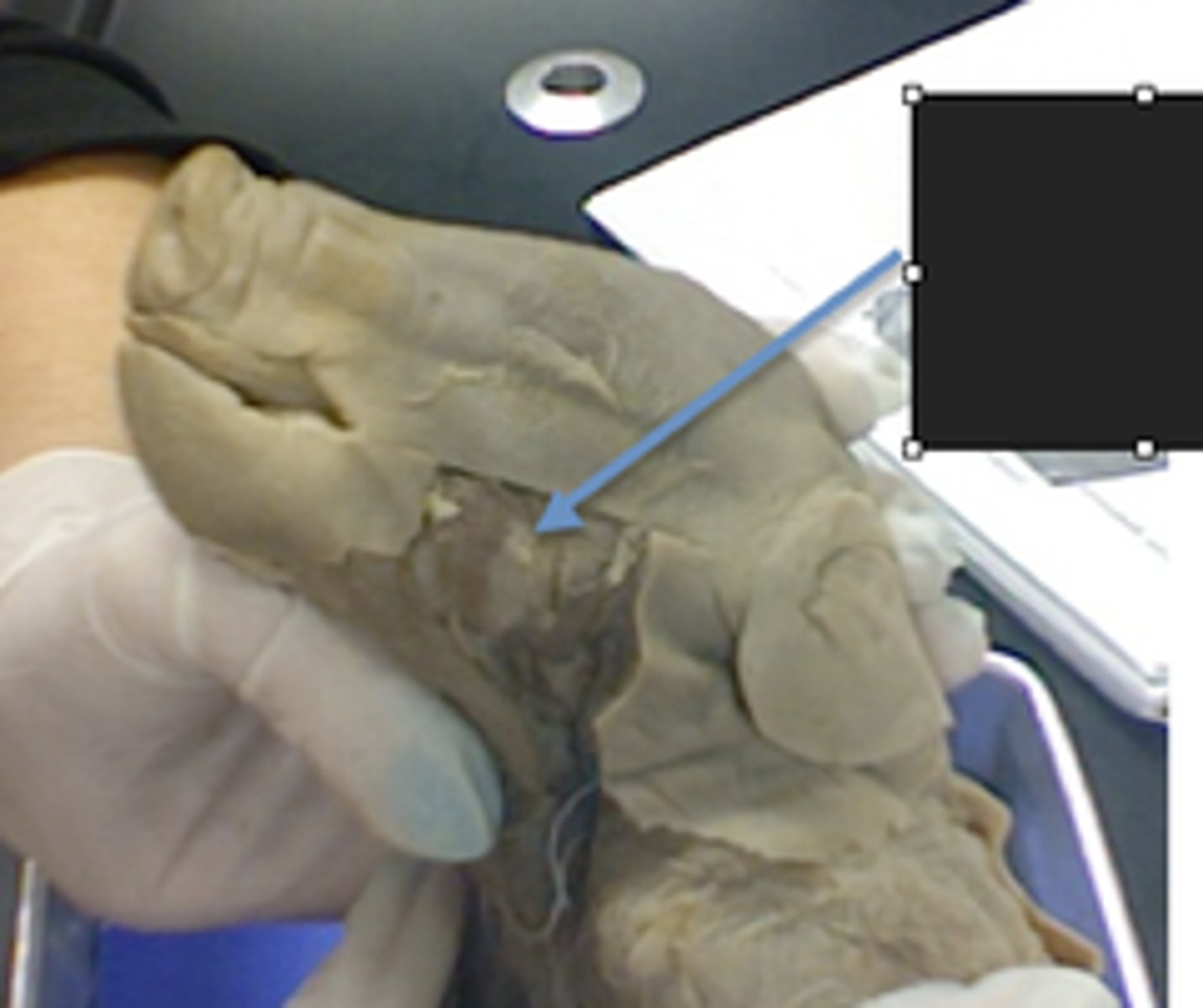
Passageway for air and food
Pharynx
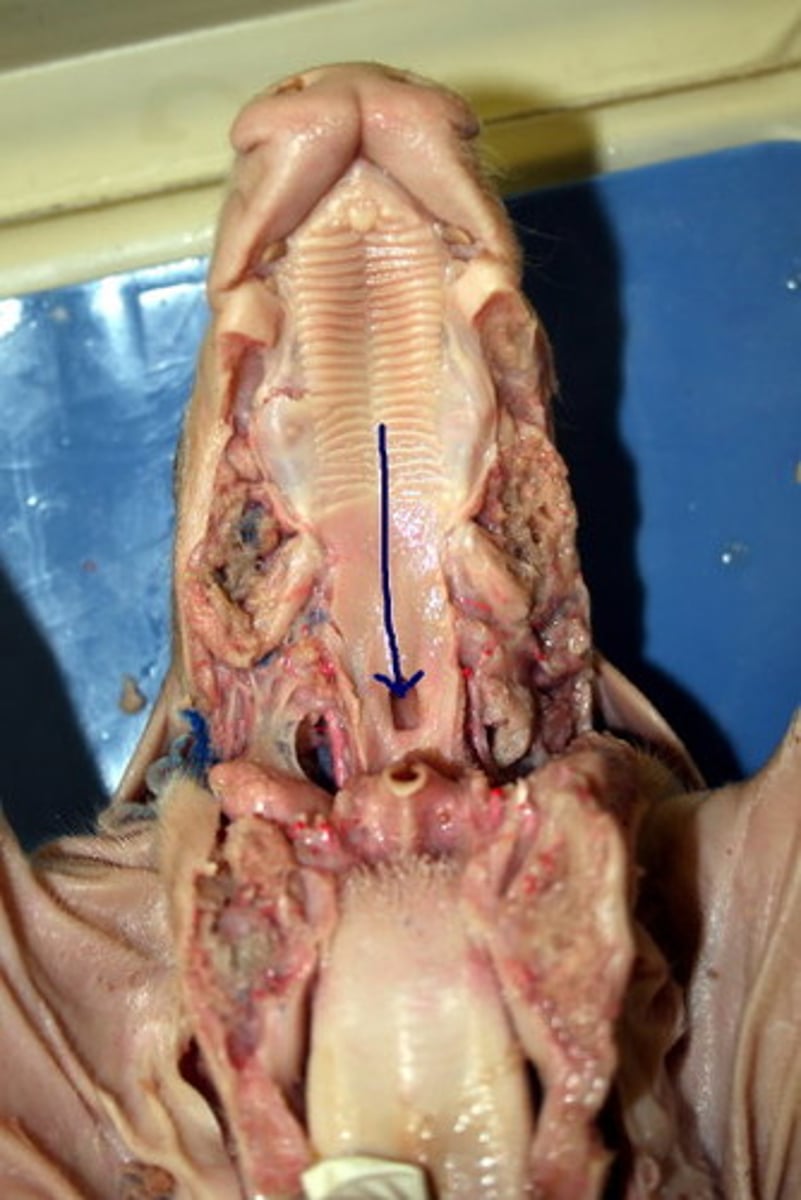
Conducts air from larynx to bronchi
Trachea
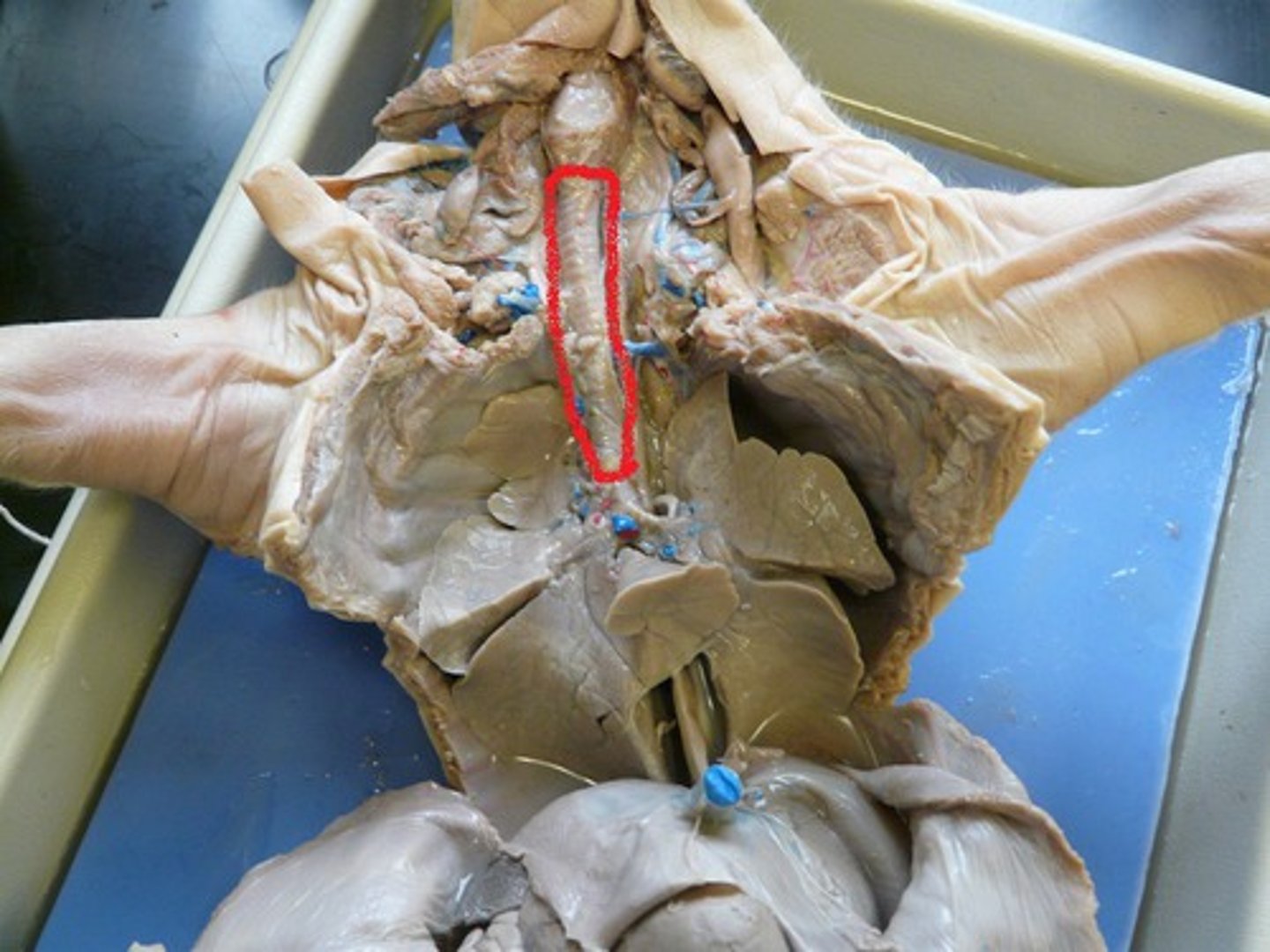
Conducts air to right lung
Apical bronchus
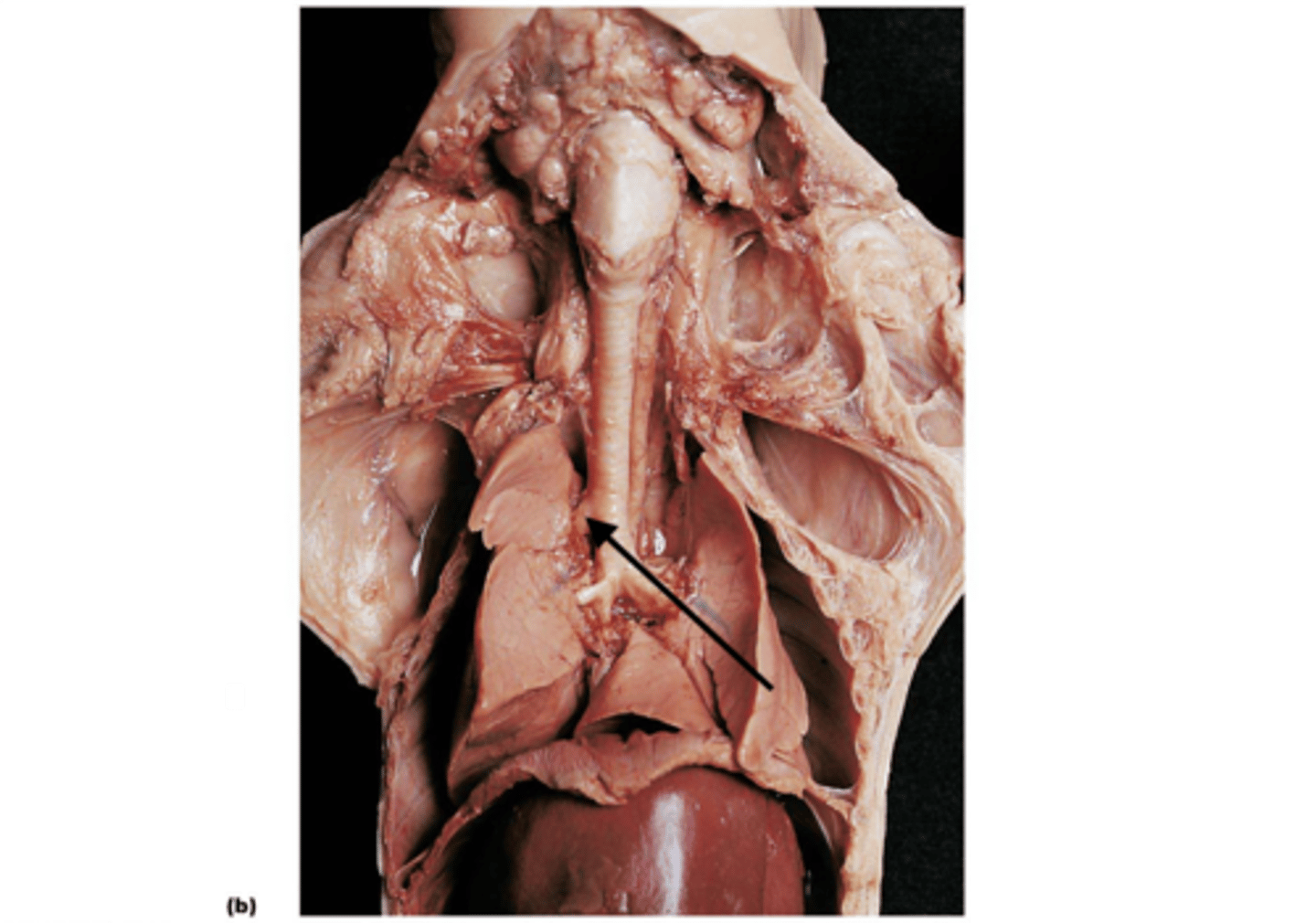
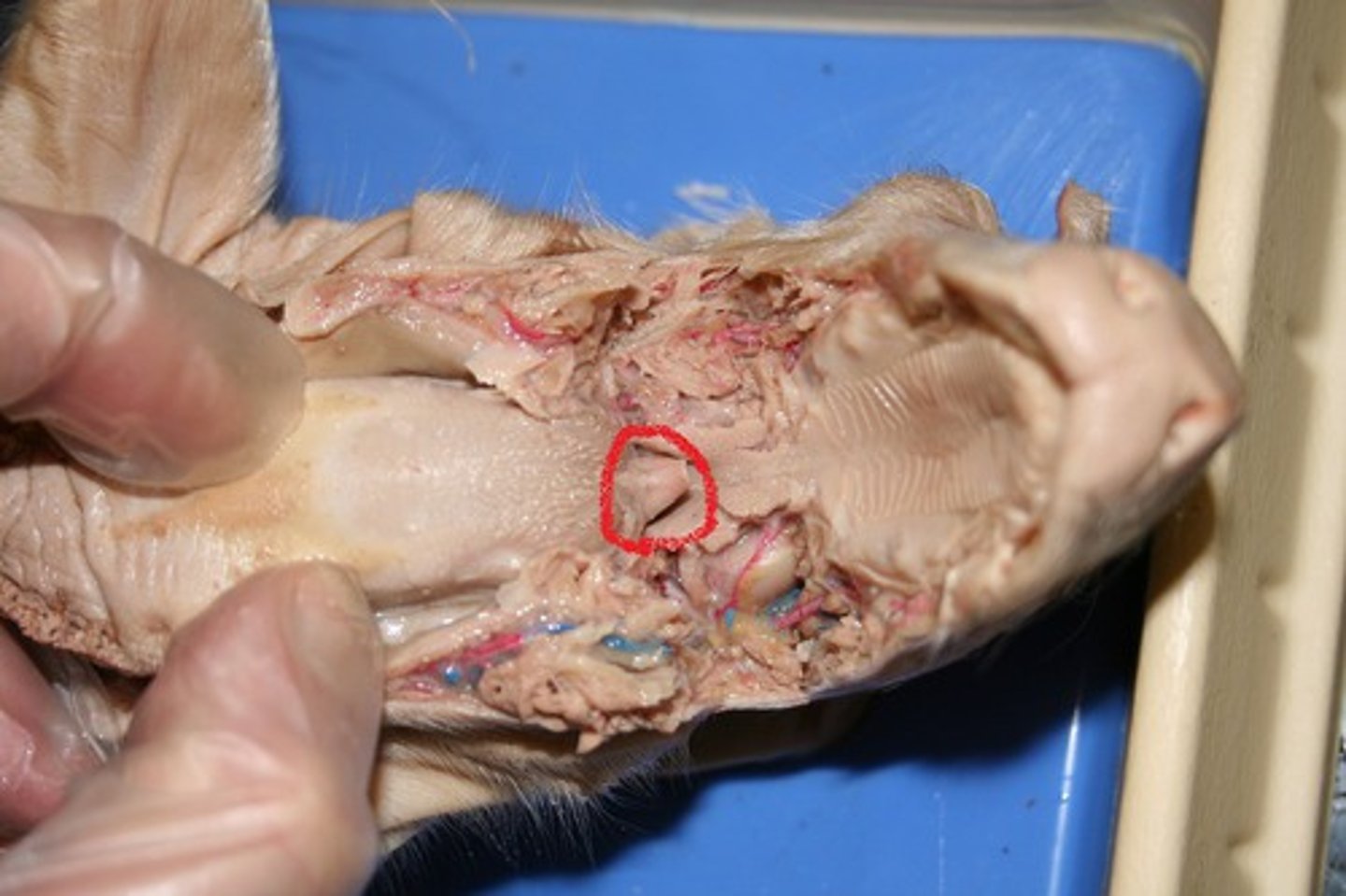
Covers the trachea during swallowing
Epiglottis
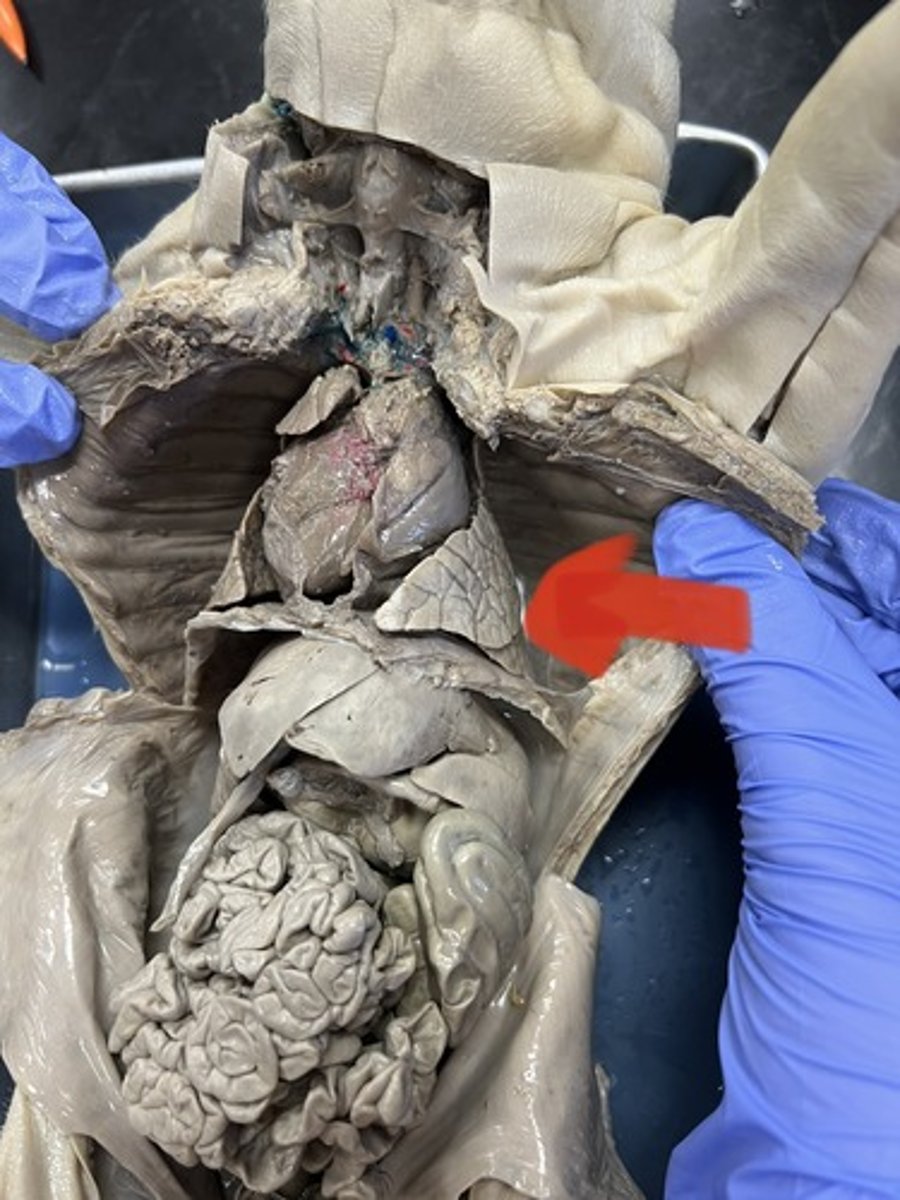
Site of gas exchange between air and blood
Lungs
Directs air into right lung
Right primary bronchus
Produces sounds through vibrations of vocal folds
Larynx
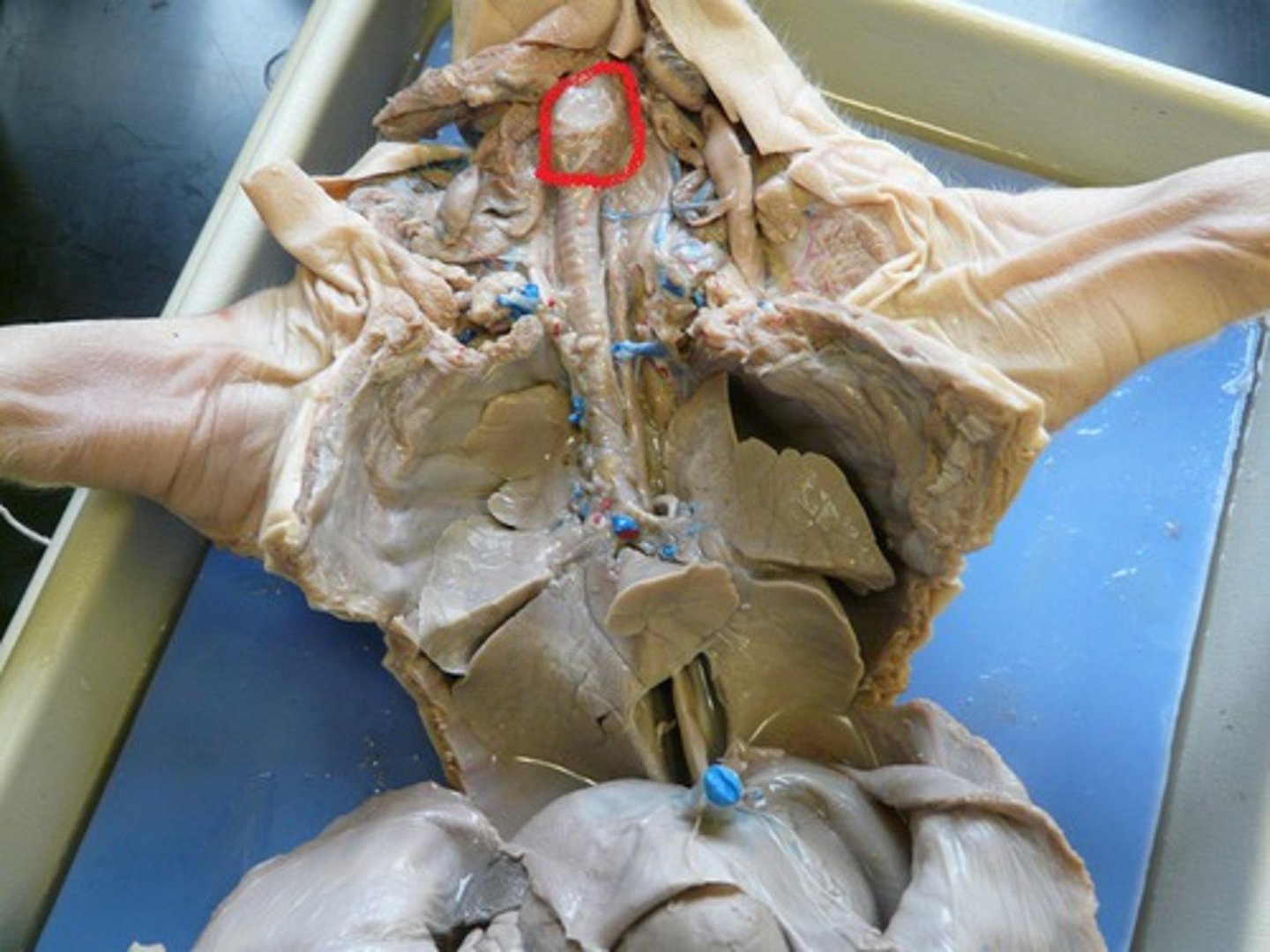
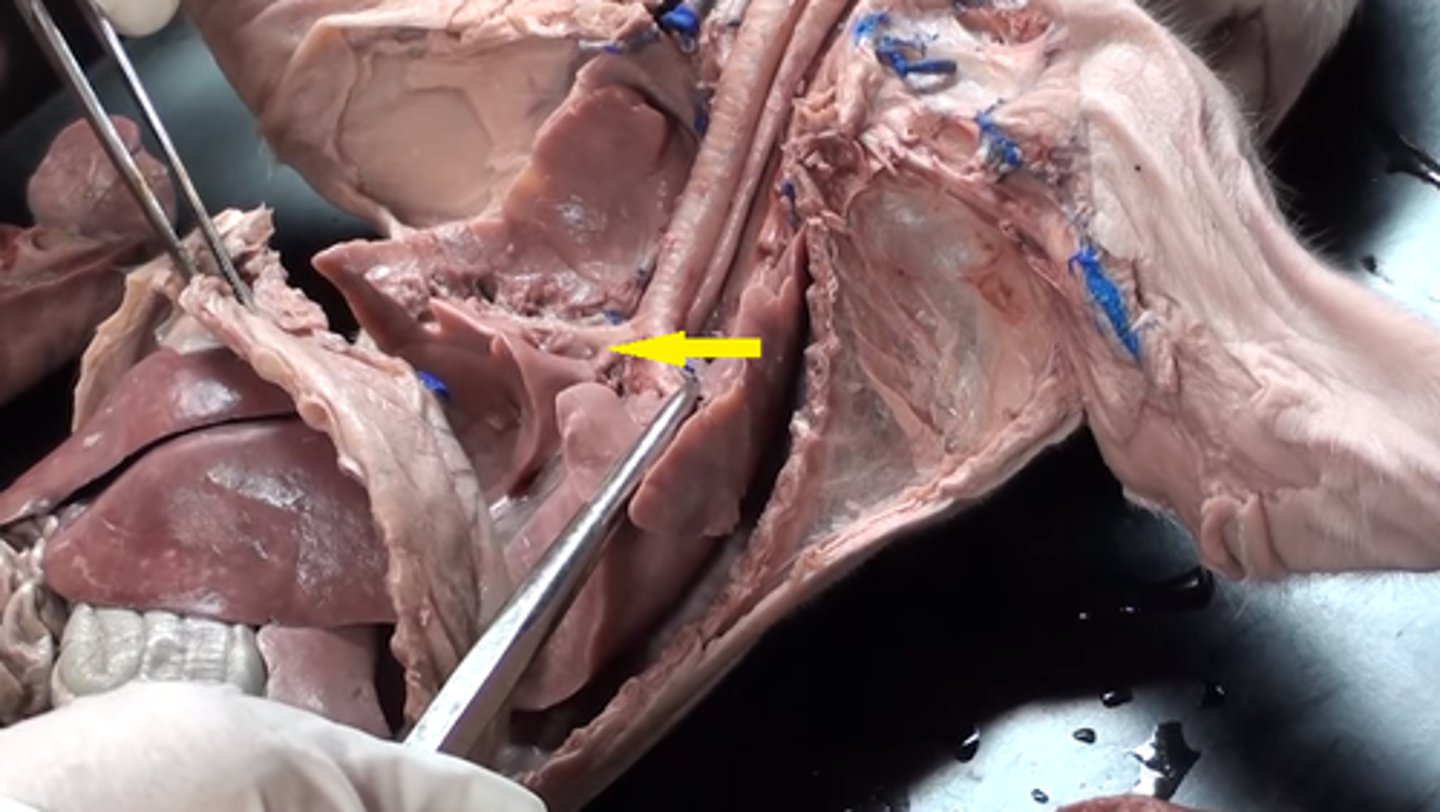
Directs air into left lung
Left primary bronchus
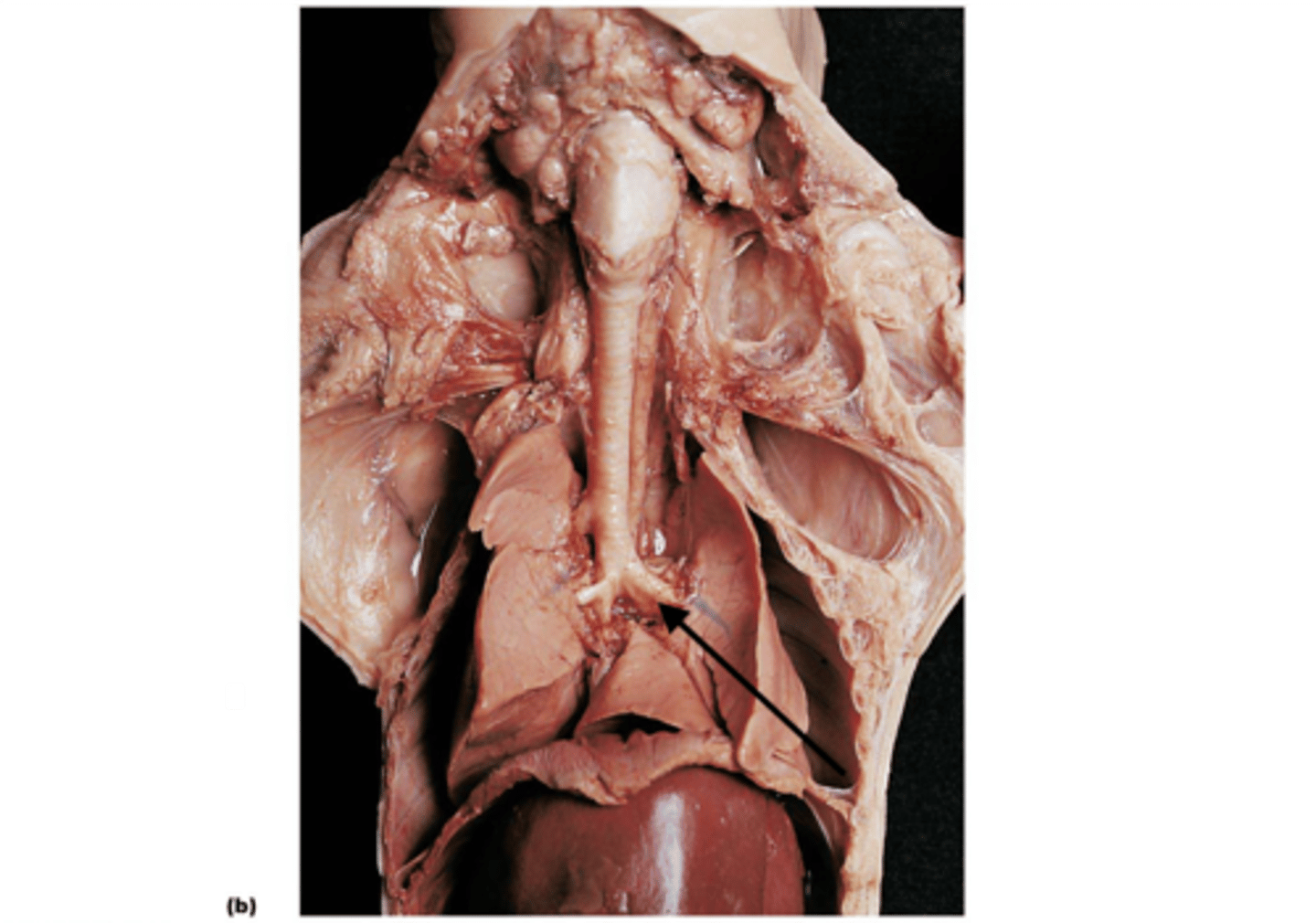
Deliver milk to offspring in females
Mammary papillae
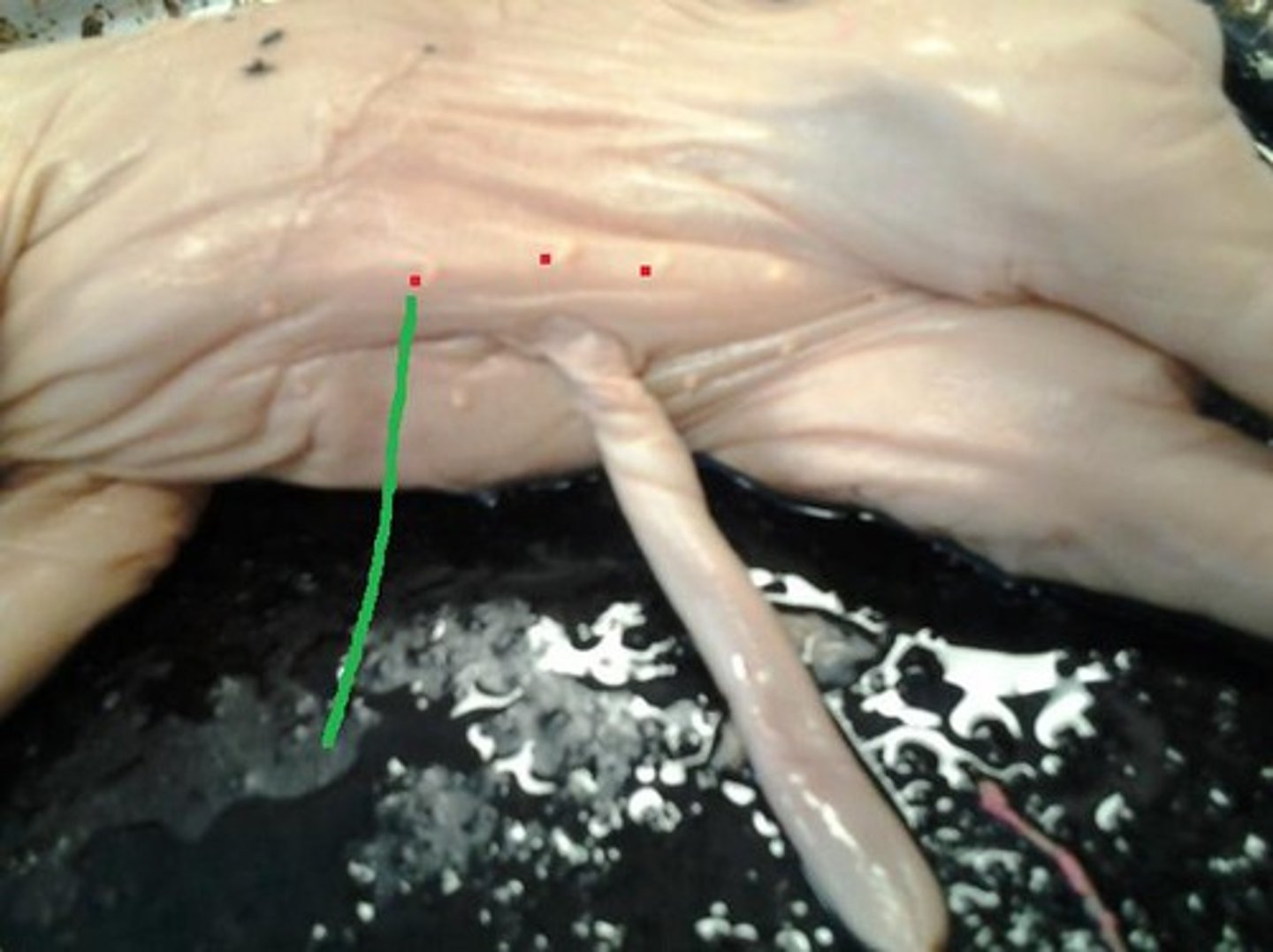
Covers opening of vagina and urinary tract
Genital papillae
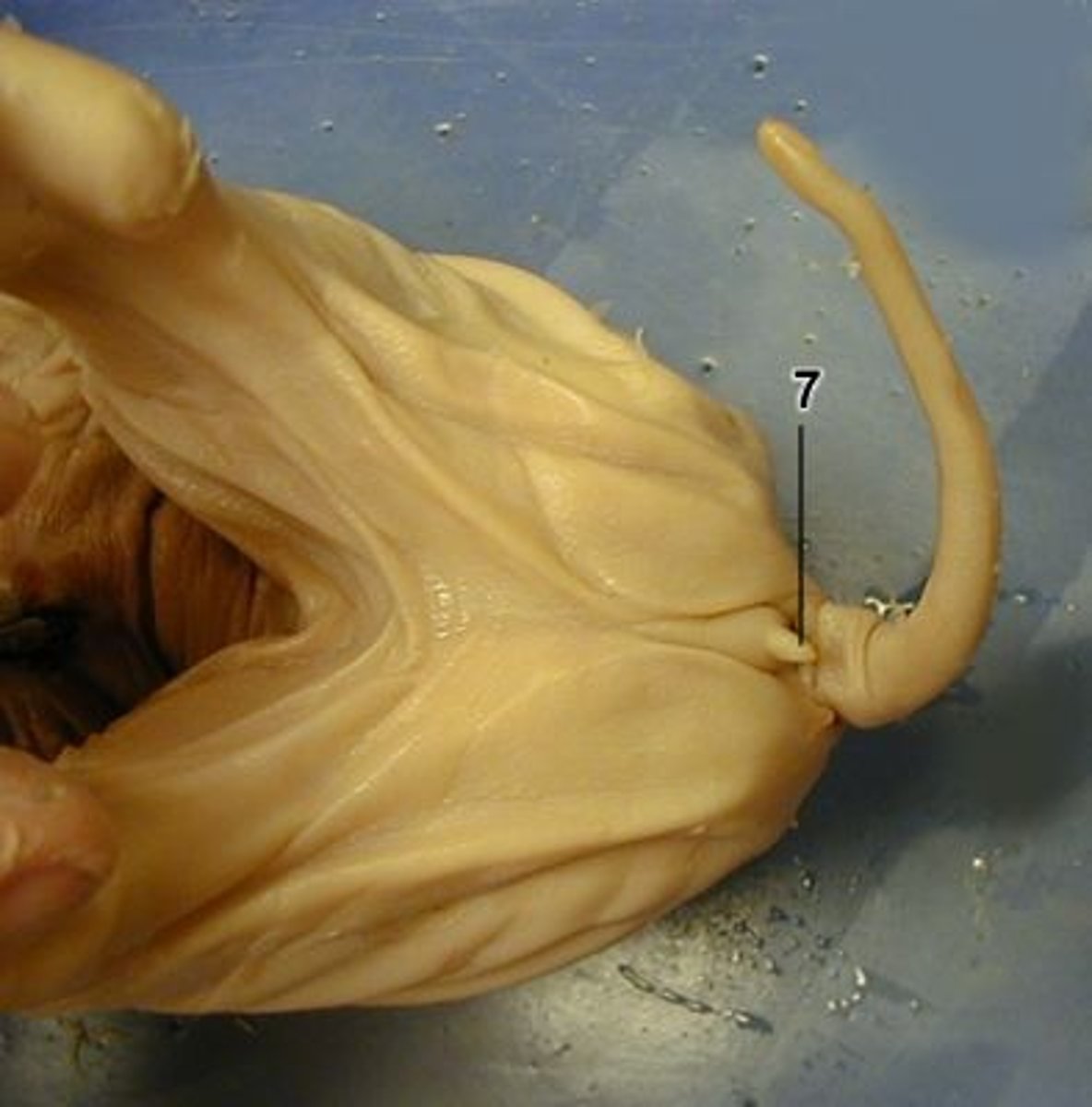
Regulates temperature of testes
Scrotum
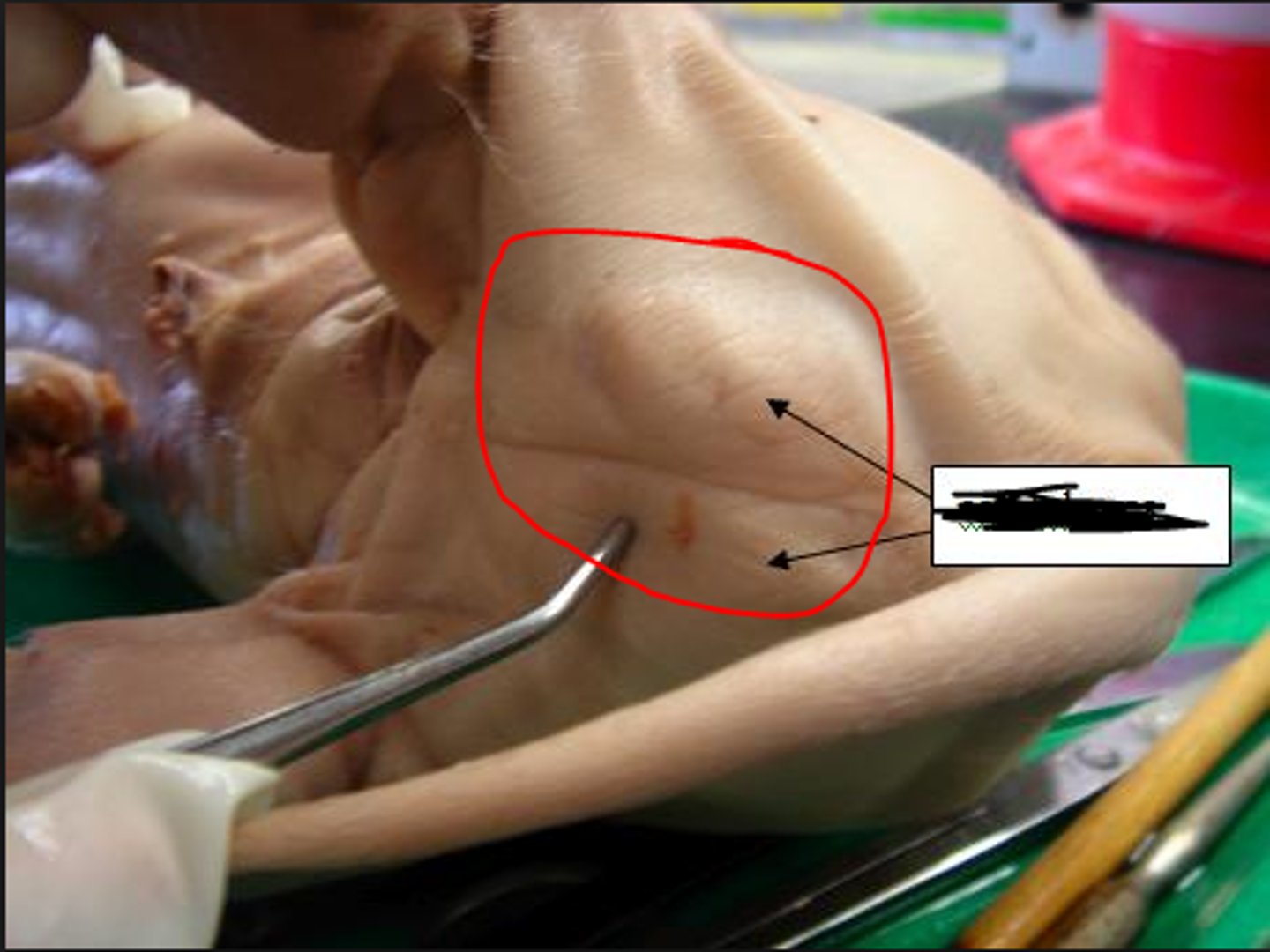
Filters blood and forms urine
Kidneys
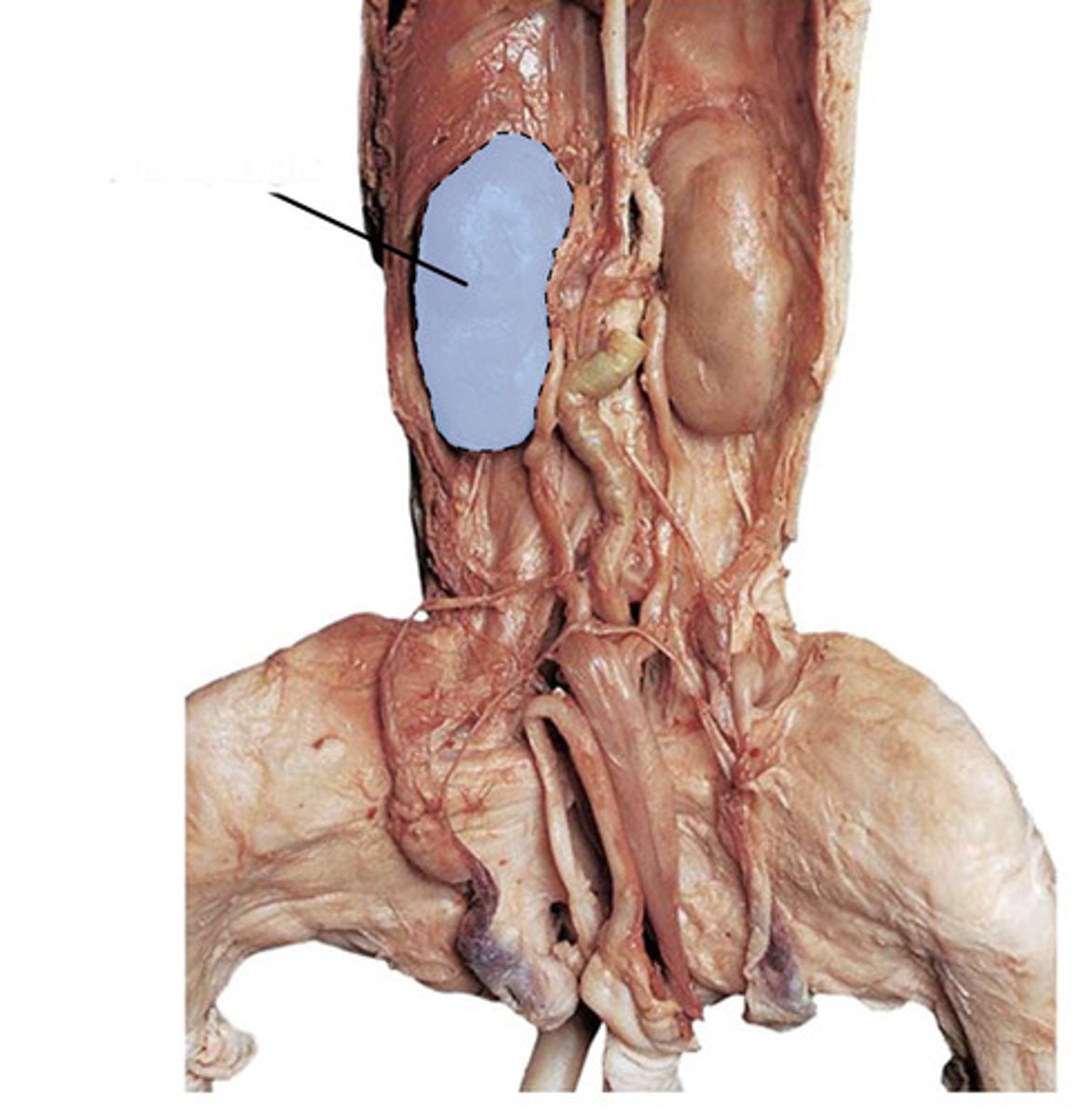
Transports urine from bladder to outside of the body
Urethra
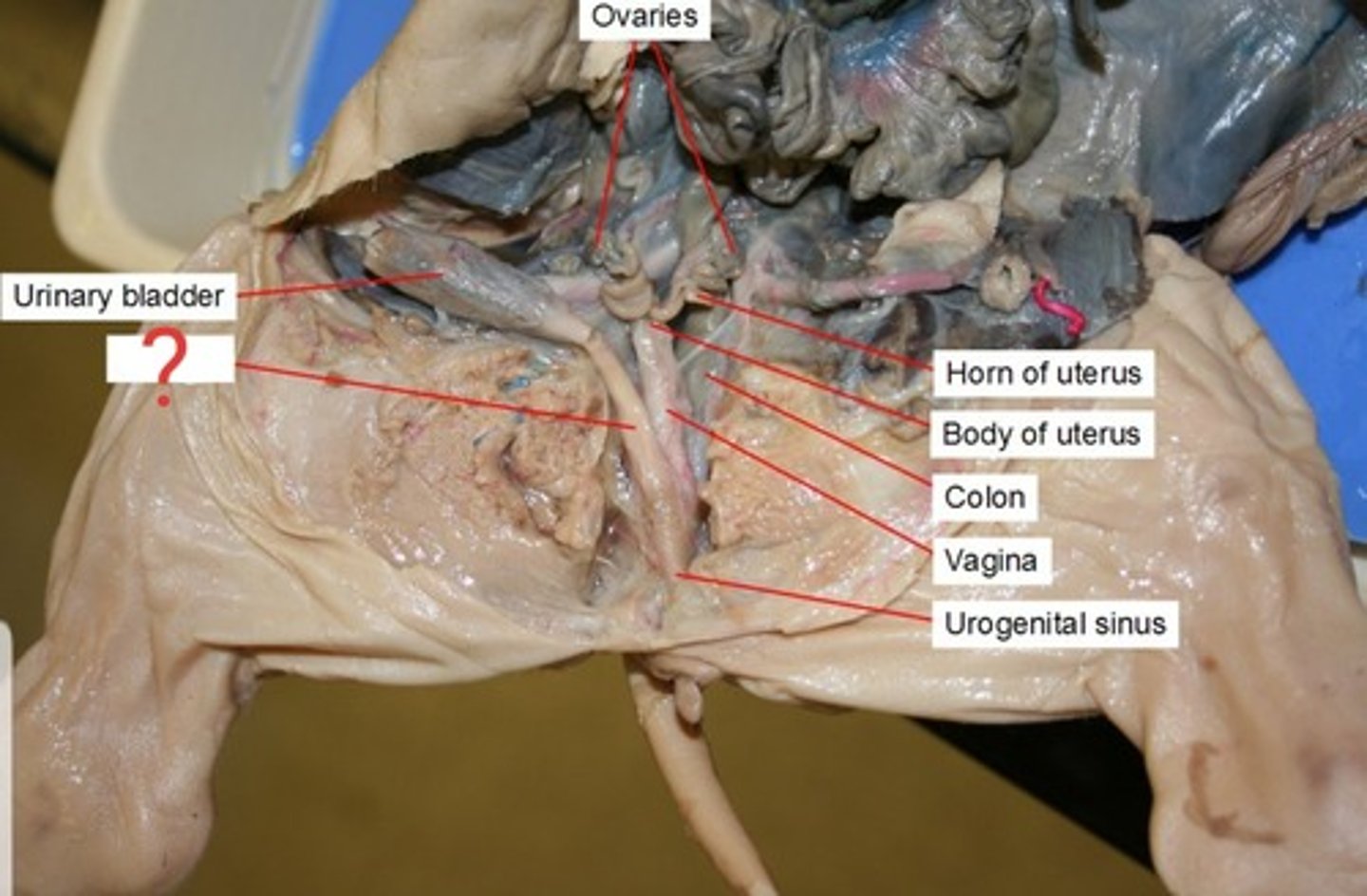
Stores urine
Urinary bladder
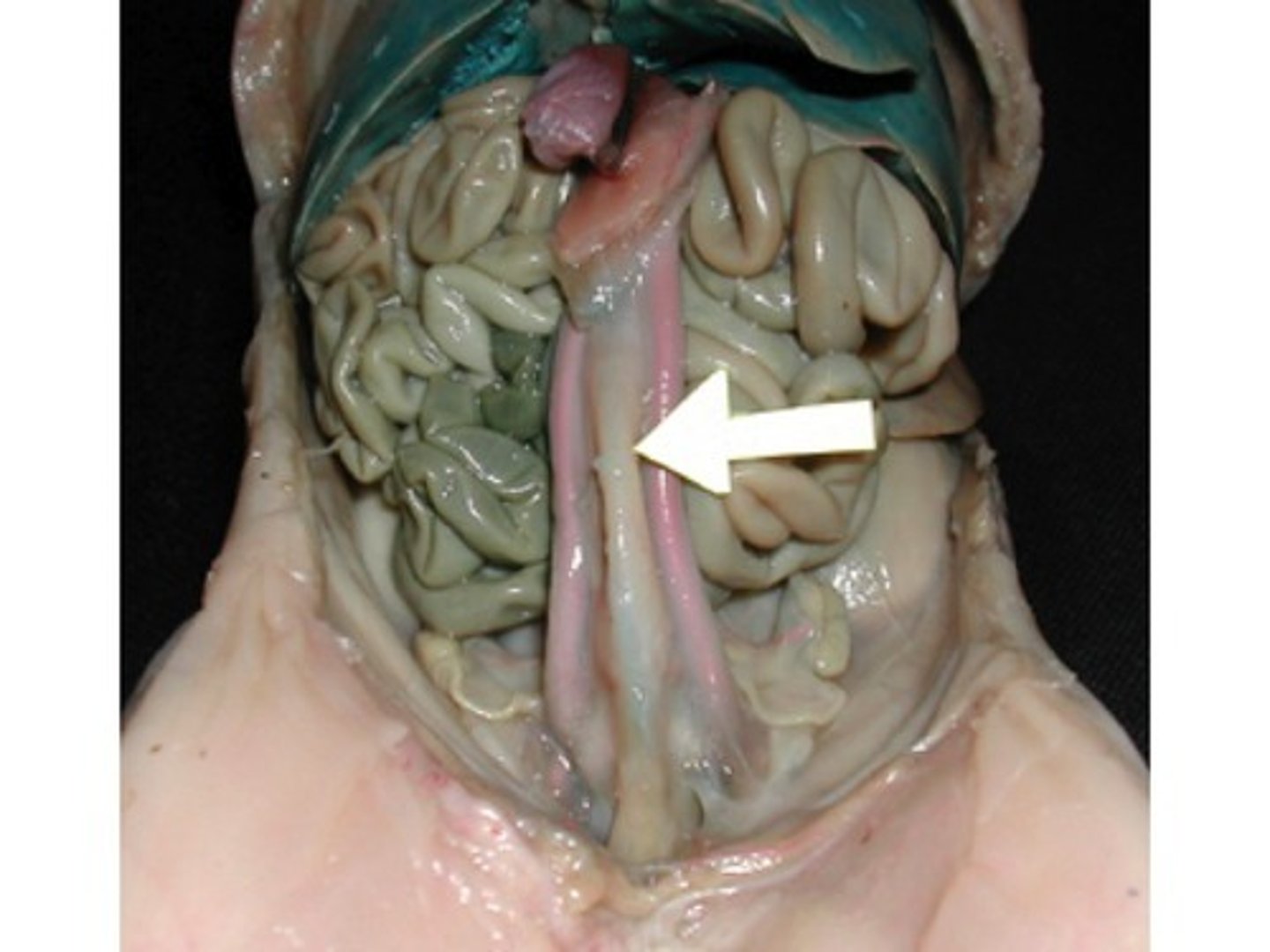
Transport urine from kidneys to bladder
Ureters
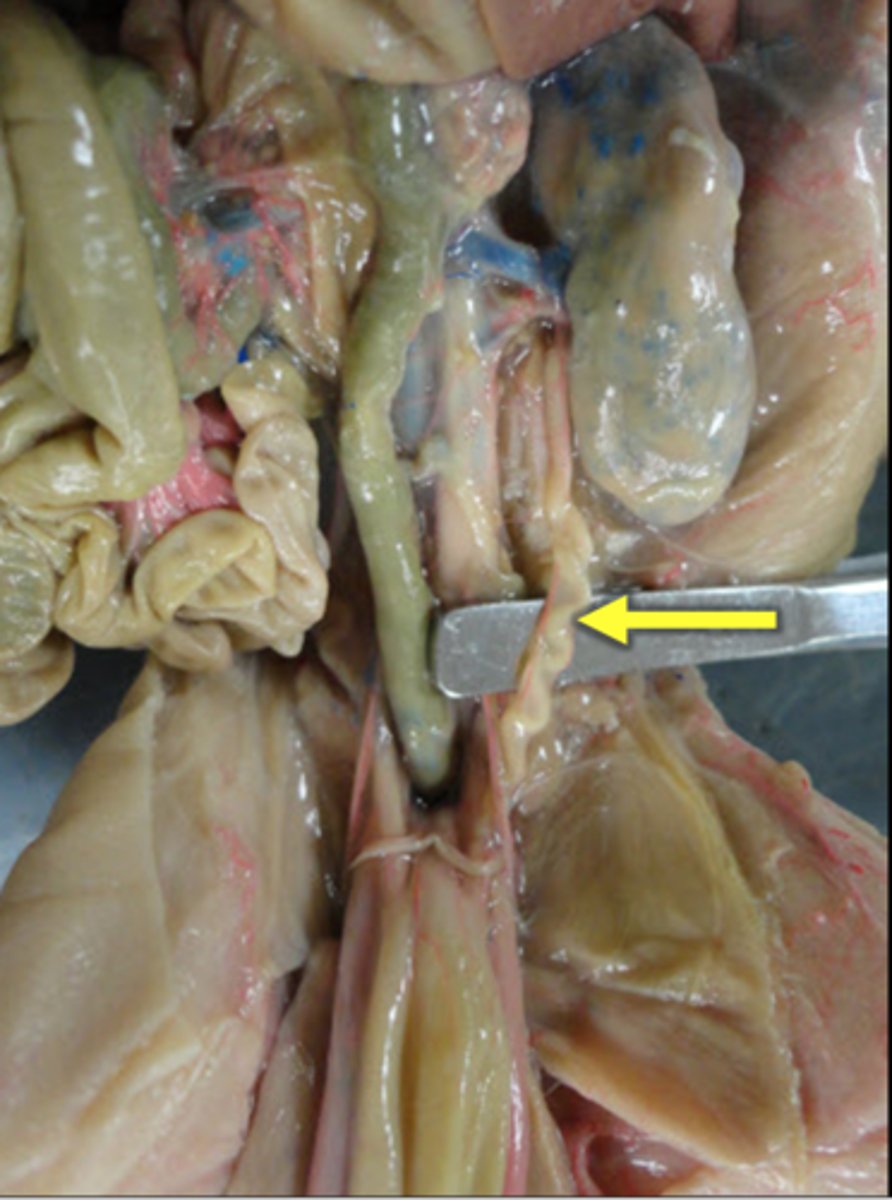
Produce eggs and female sex hormones
Ovaries
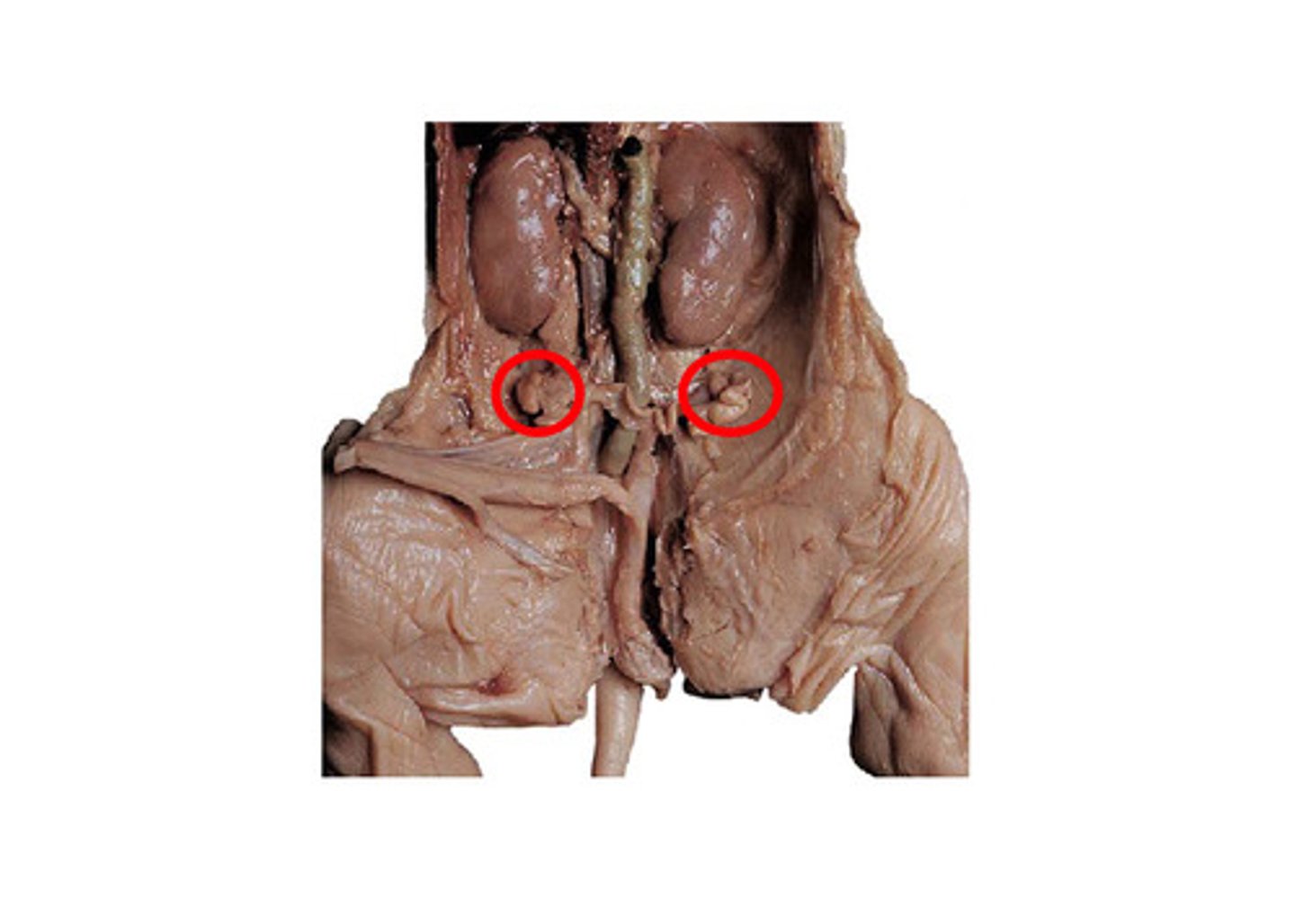
Receives penis and serves as birth canal
Vagina
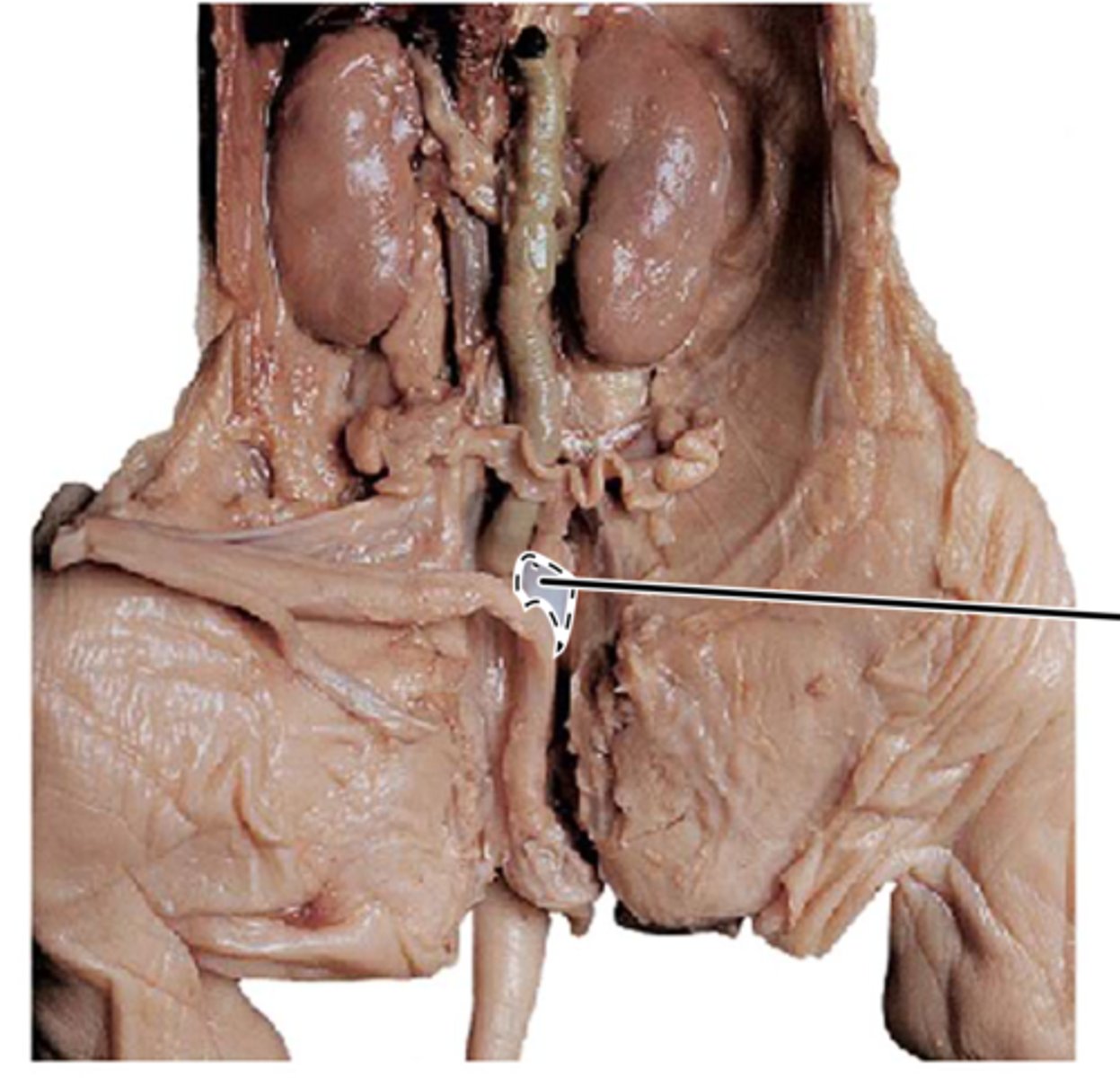
Delivers sperm
Penis
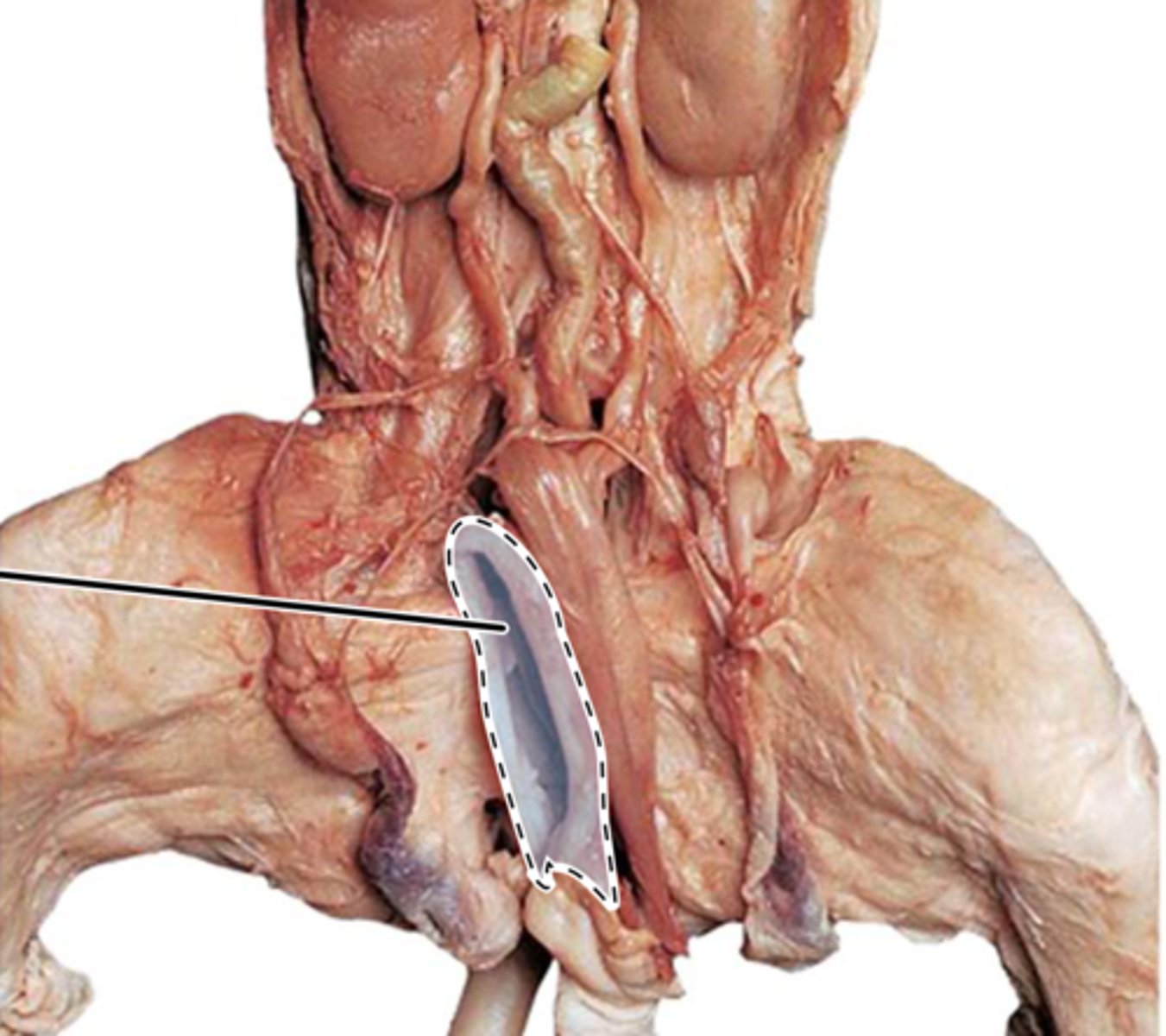
Produce sperm and testosterone
Testes
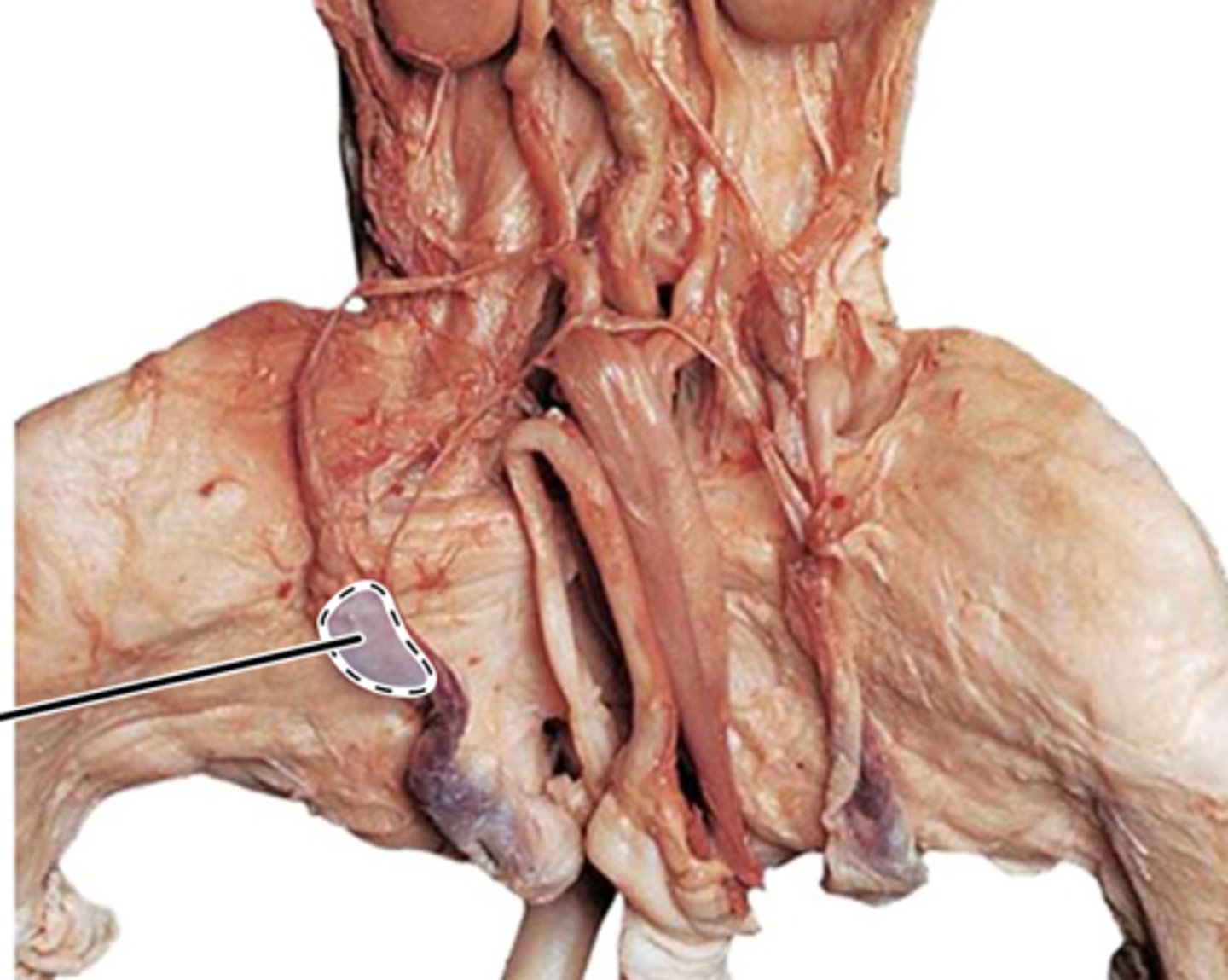
Nourish and houses fertilized egg
Uterus
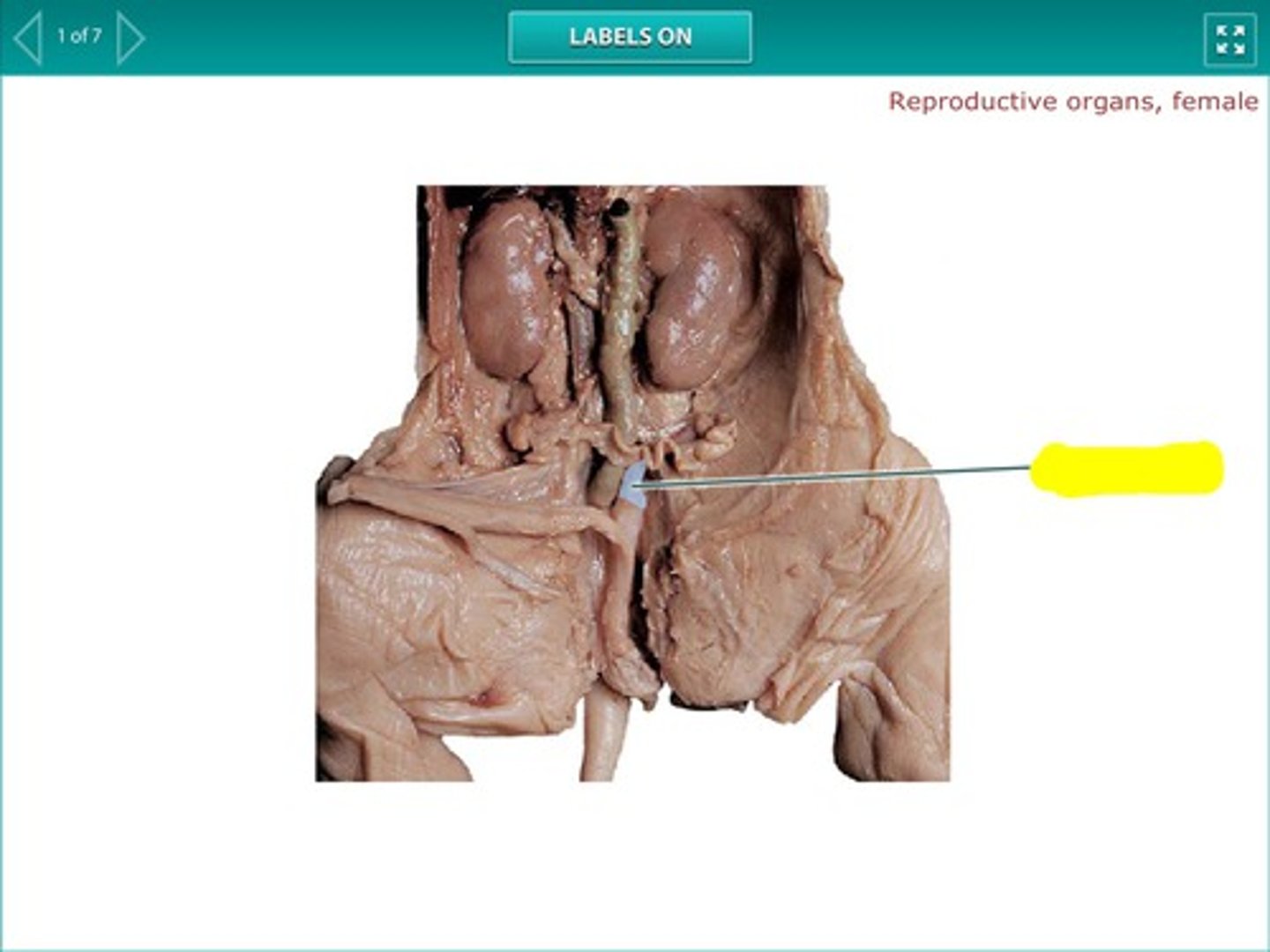
Passage for urinary and reproductive tracts in females
Urogenital sinus
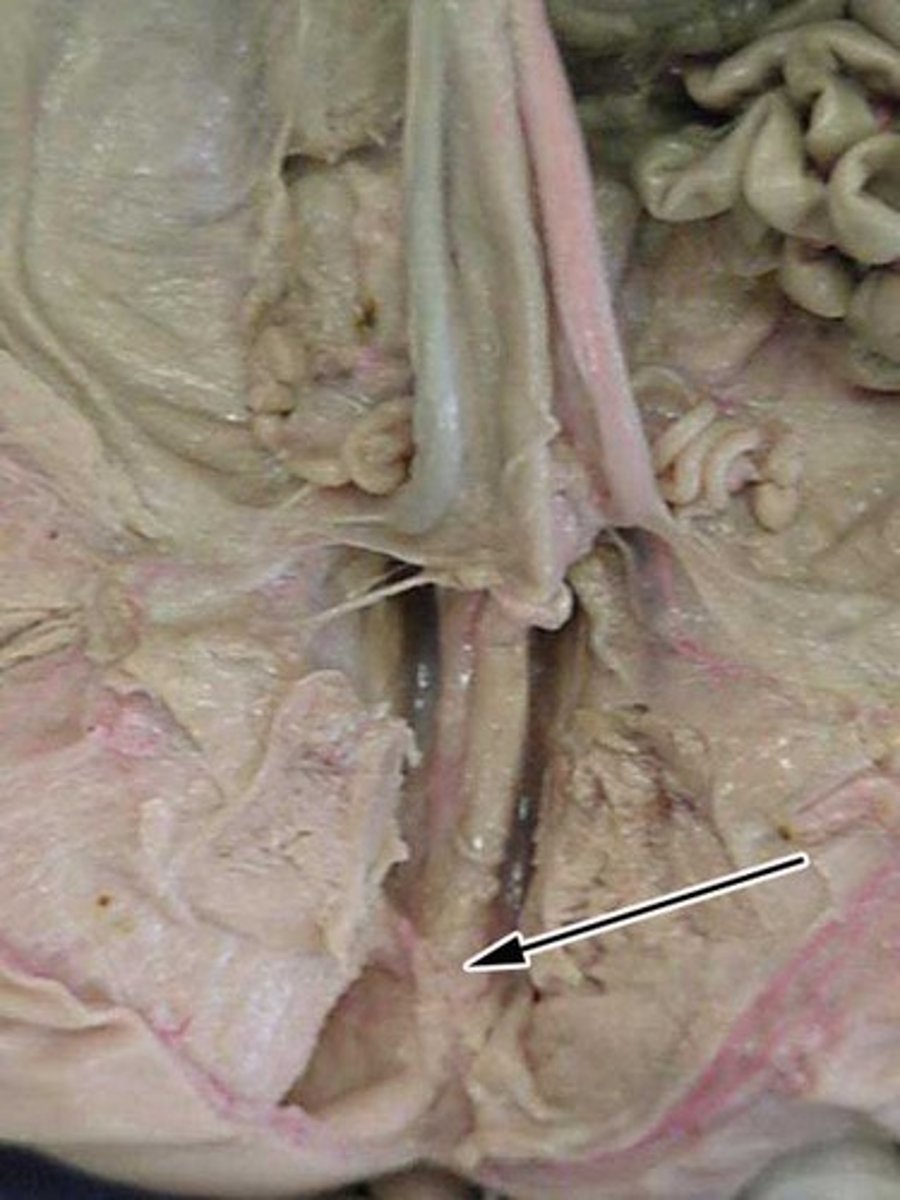
Secrete mucus to lubricate urethra
Bulbourethral glands
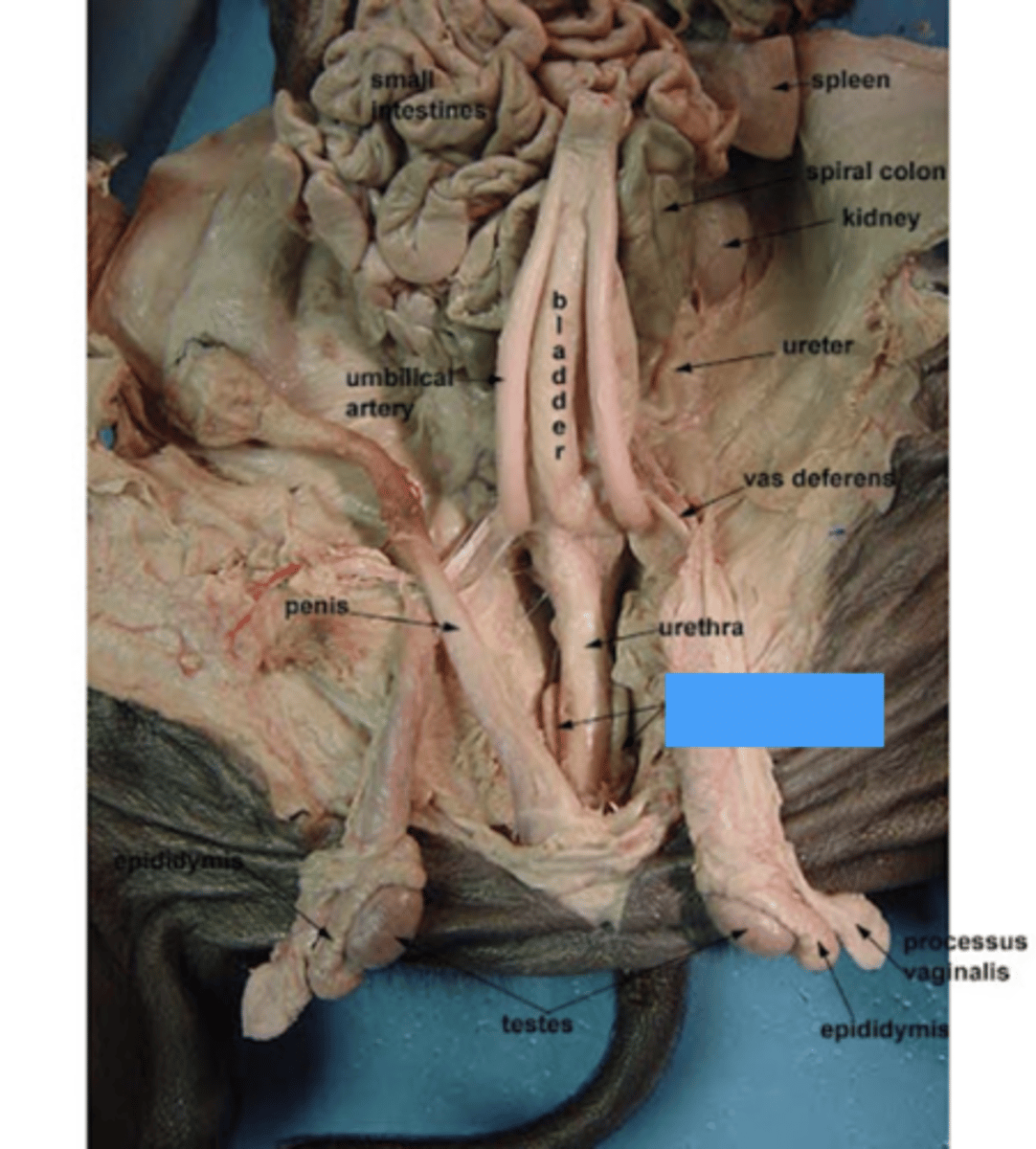
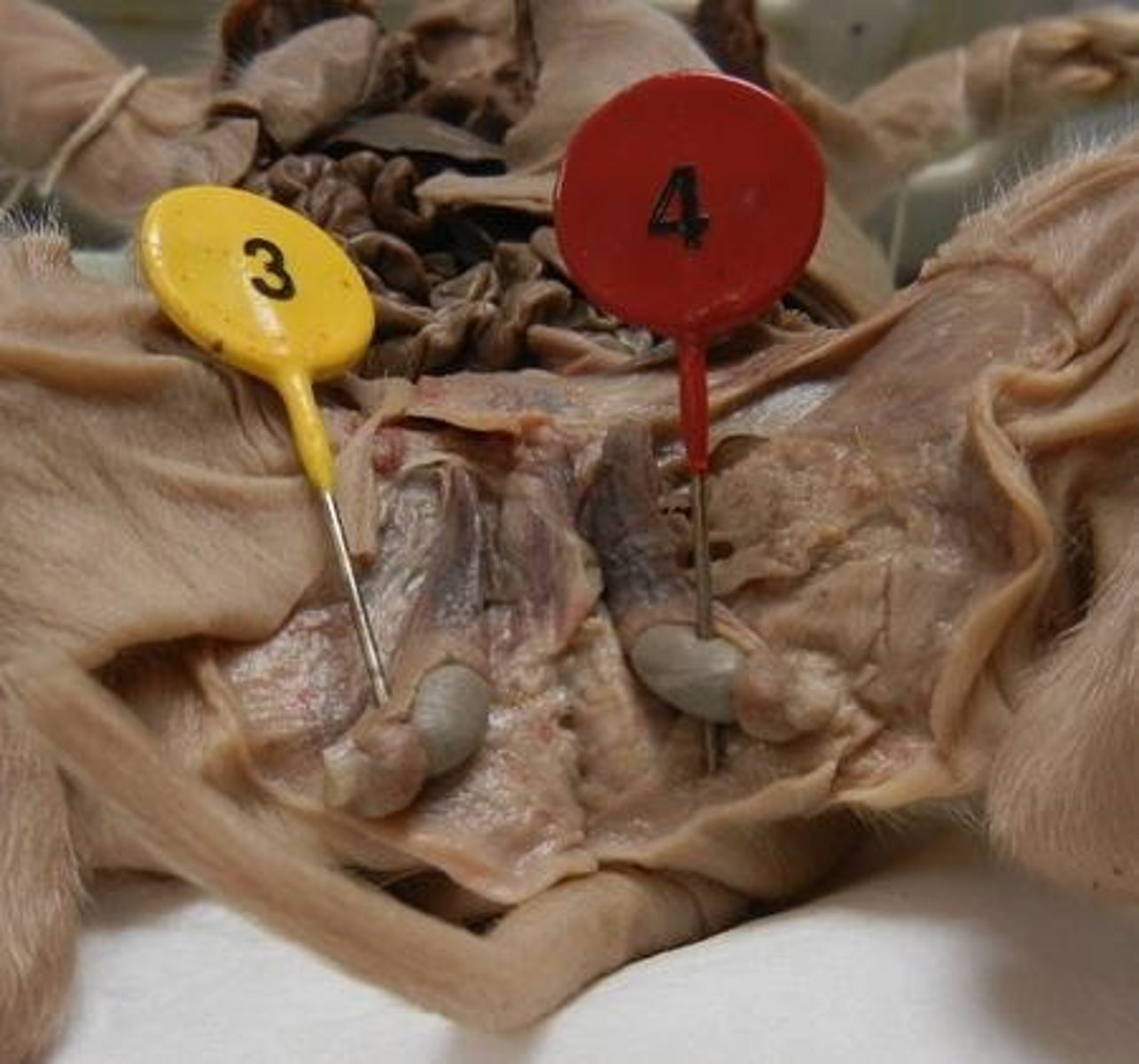
Stores and matures sperm
Epididymis (3)
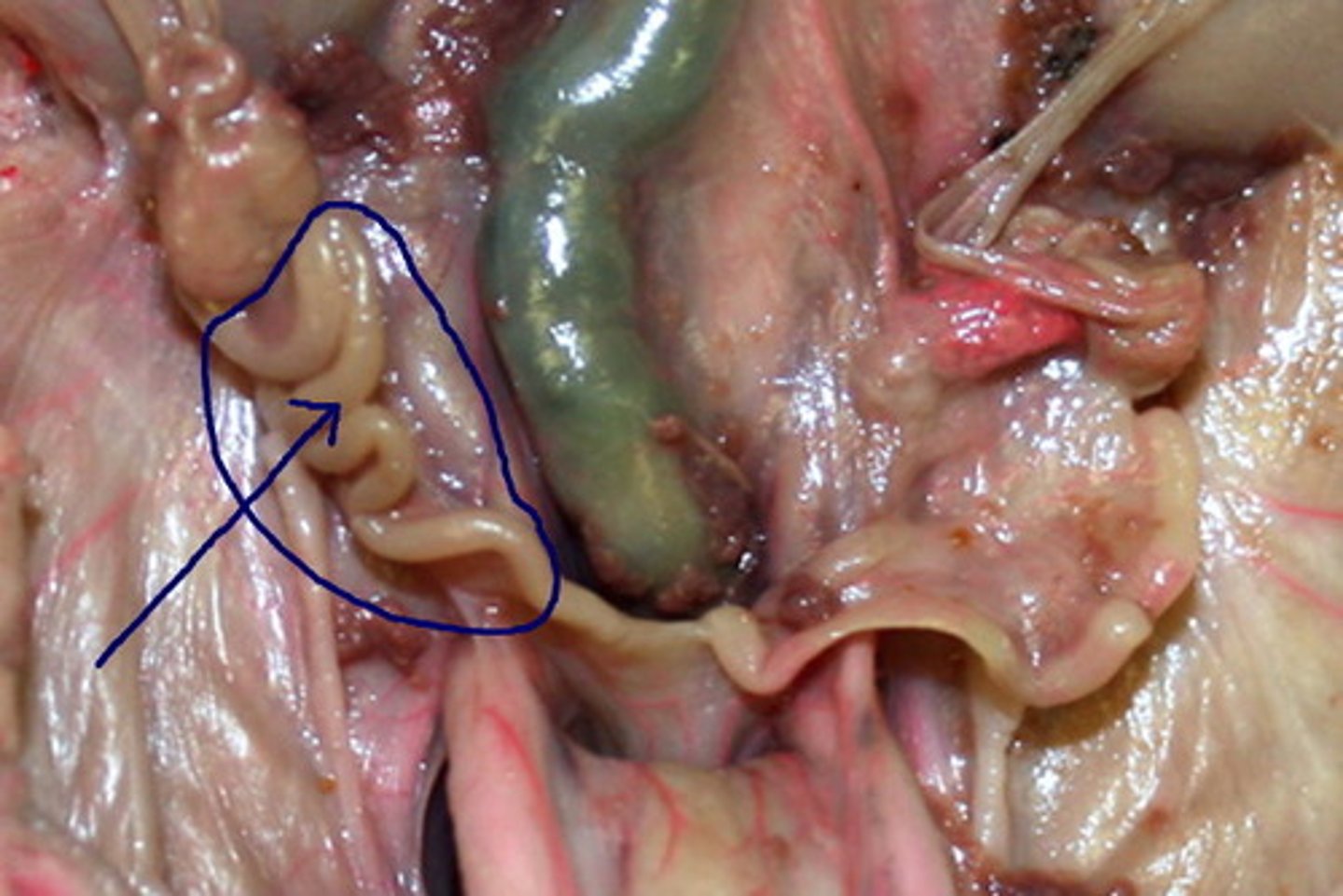
Transport eggs and site of fertilization
Uterine tube
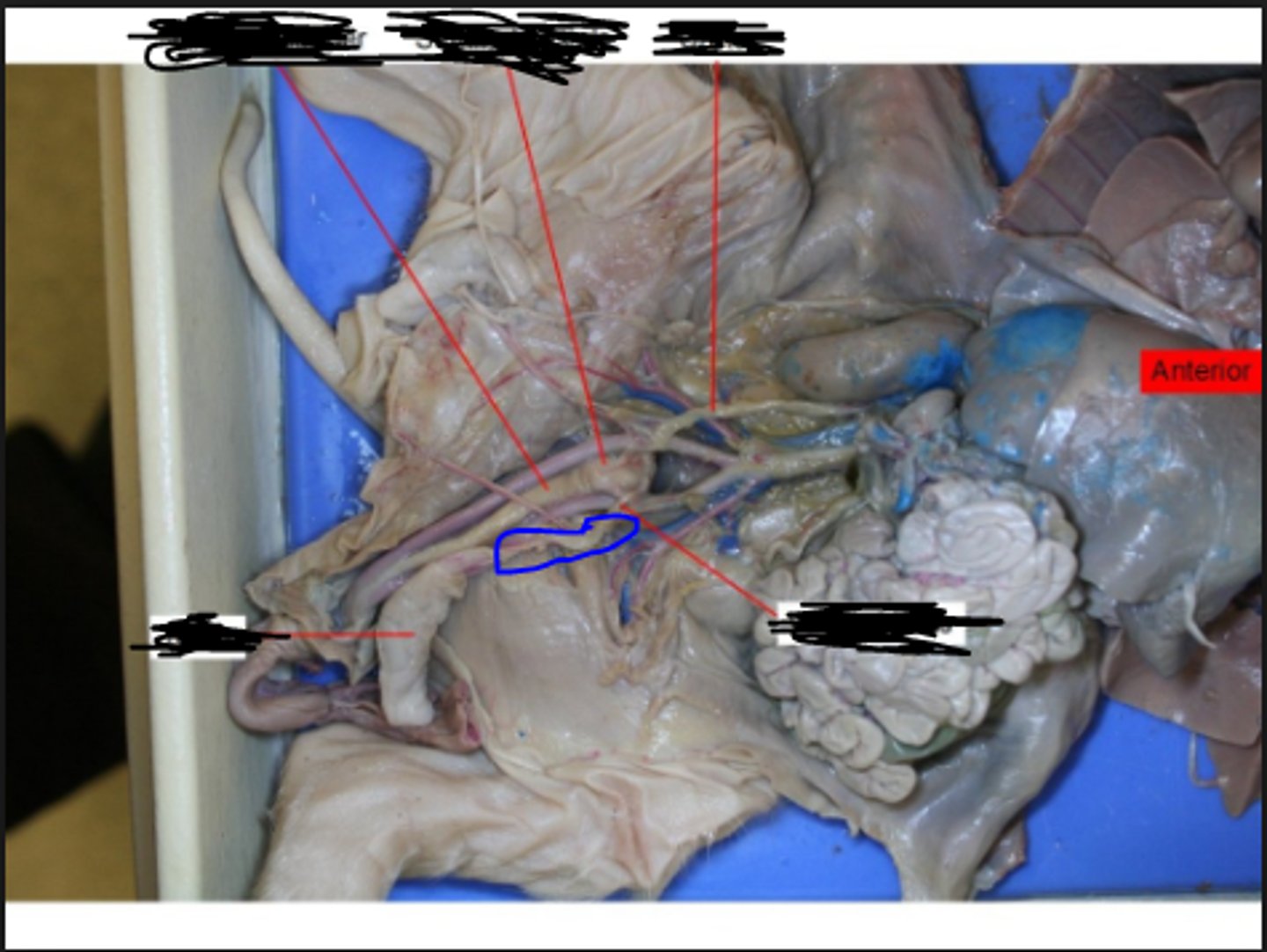
Transports sperm to urethra
Vas deferens
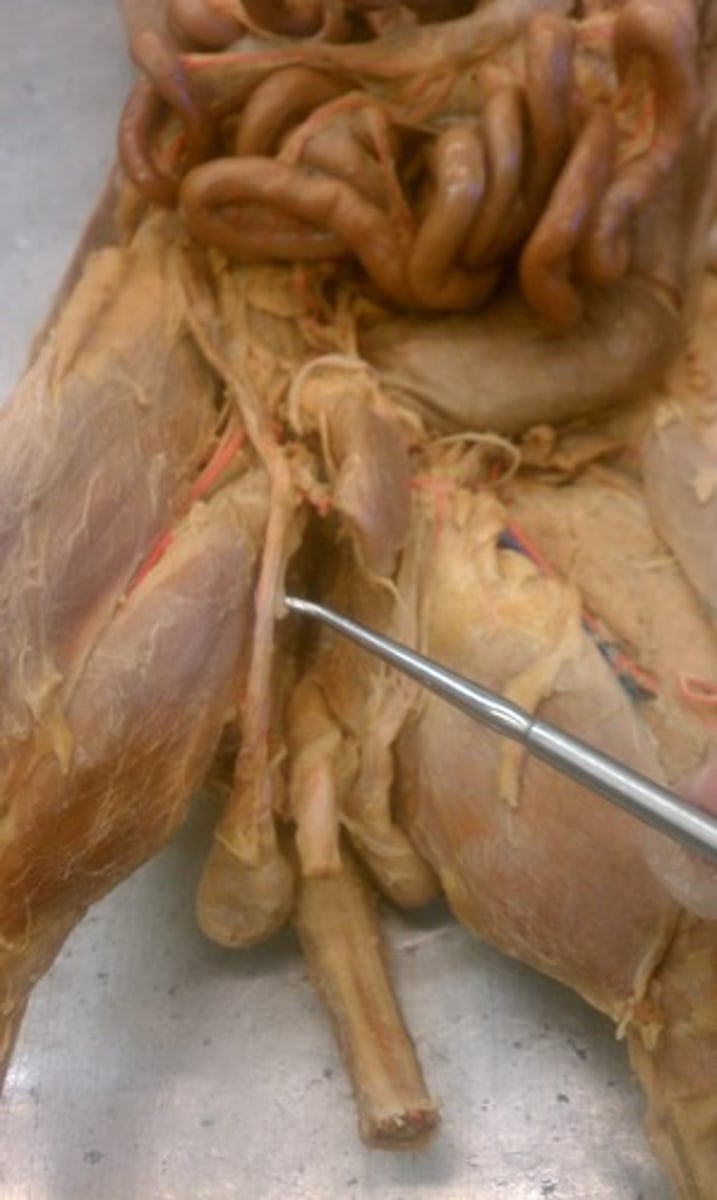
Conduit between abdominal cavity and testis
Spermatic cord
 Note
Note  Flashcards (31)