[mini exam 5] comparative animal
 Call Kai
 Learn
Learn Practice Test
 Spaced Repetition
 Match
Match Flashcards
 Knowt Play
1/17

There's no tags or description
Looks like no tags are added yet.
Name | Mastery | Learn | Test | Matching | Spaced | Call with Kai |
|---|
No analytics yet
Send a link to your students to track their progress
18 Terms
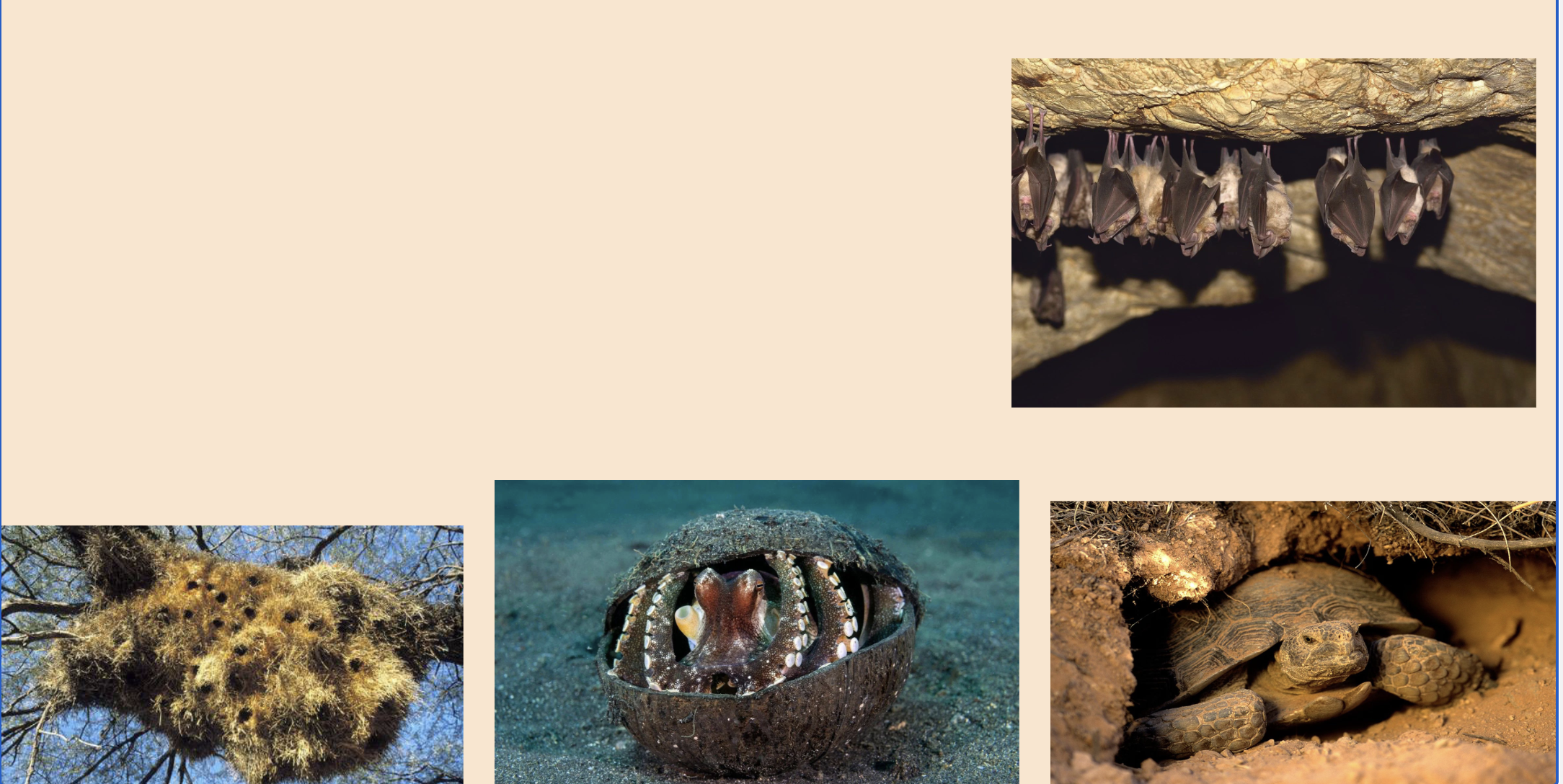
What is Shelter?
• Protection from __.
• Maintains ?.
• Reduces __.
environment.
stability.
stressors.
something outside of the body that is going to help manage homeostasis. it is a strategy to survival. diversity of shelter types (constructed or found and utilized at different times of the year).
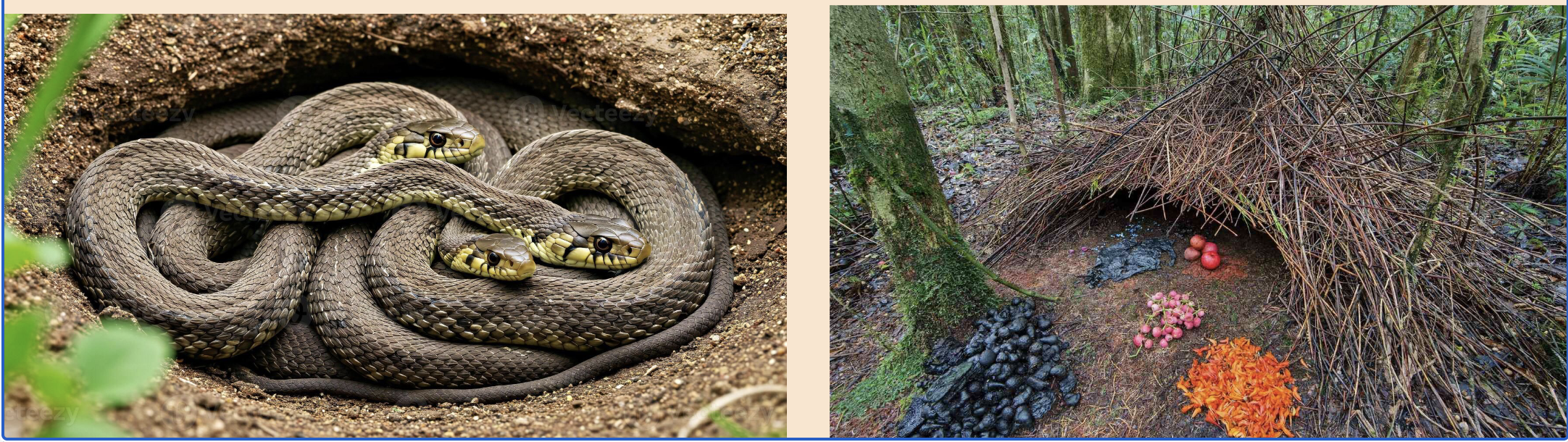
Why It Matters
• Supports __.
• Improves ?.
• Affects __.
homeostasis.
survival.
reproduction.
in managing internal conditions, organisms can function properly.
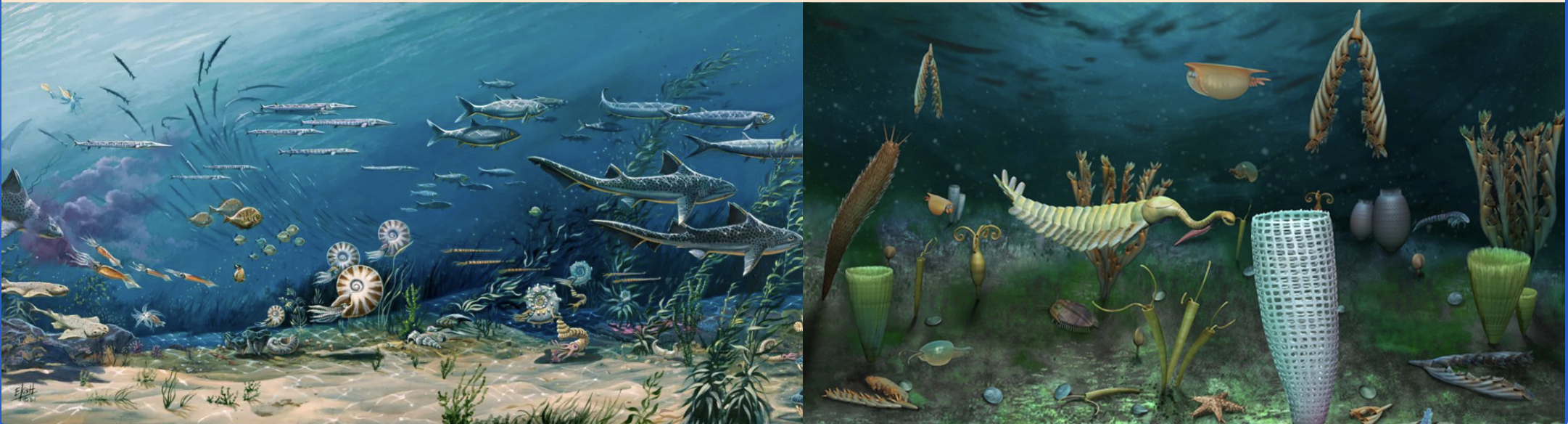
Early Animals
• Used environment
• No construction
• Marine stability
earth is dynamic. early organisms did not build shelter, they depended on their own body. aquatic environments are dynamic but stable (insulating so temp changes slowly, water provides a lot of support and protection). there was not a physiological need to build shelter. these organisms used to exist in protected environments, but later on complex shelters were made.
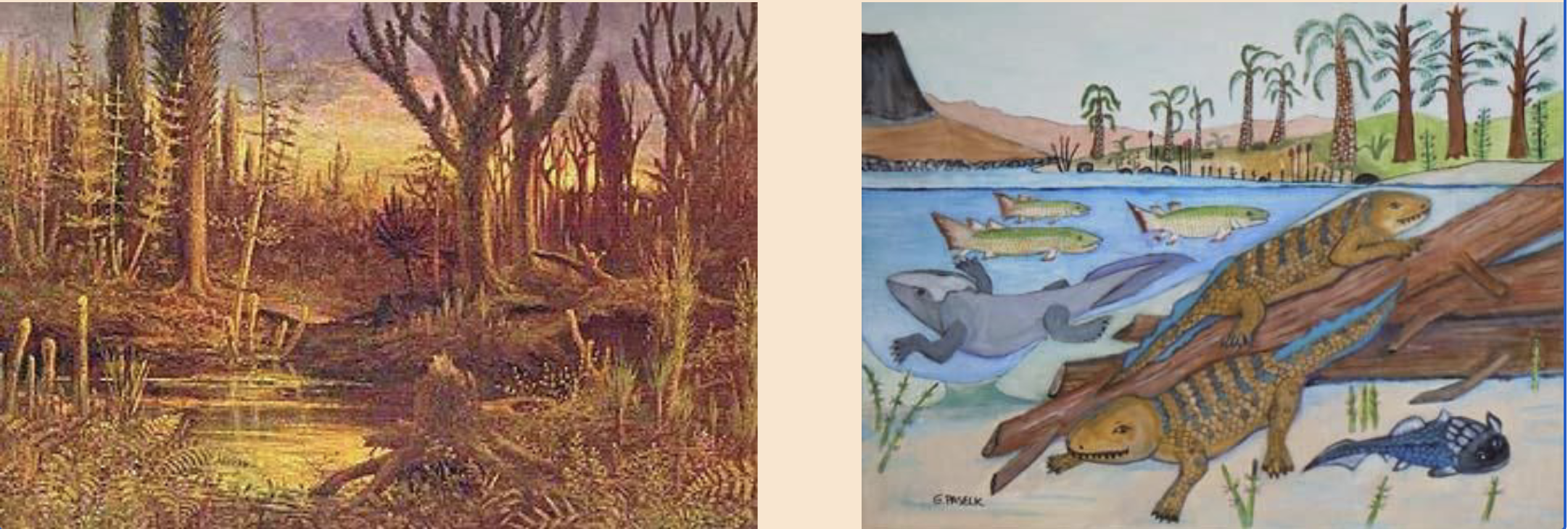
Natural Selection
• Predators
• Temperature
• UV radiation
as time goes on and earth continues to shift, we see an increase in variable environments. shift from water to land.
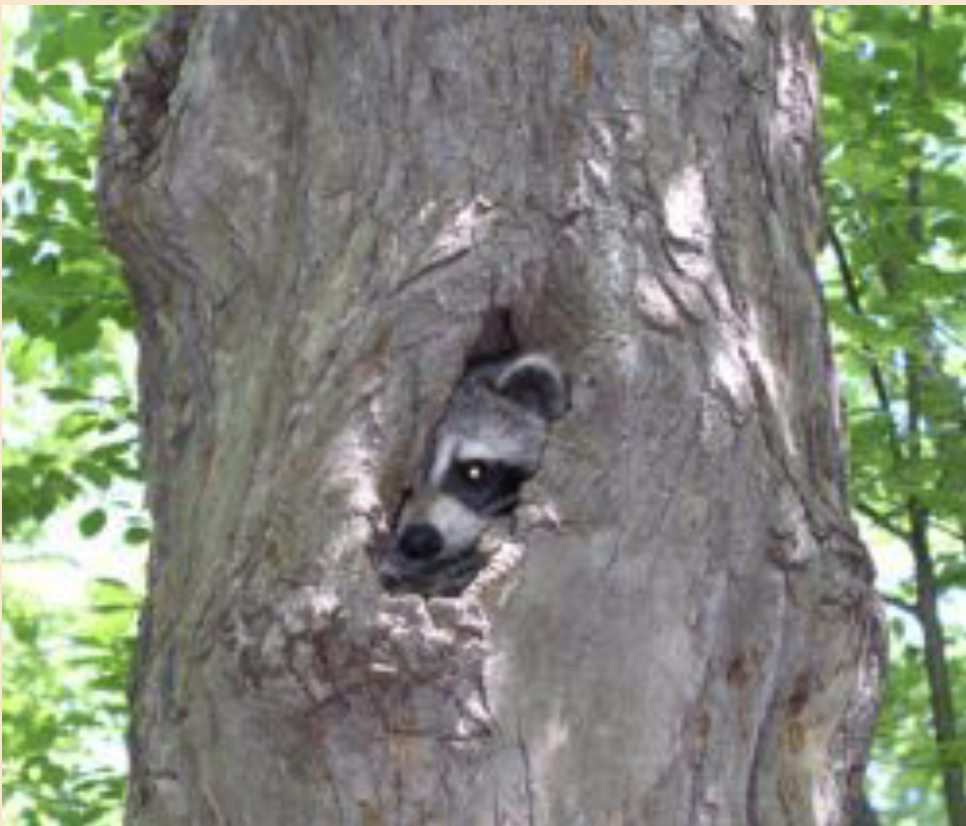
Behavioral Shelter
Name 3
• Hiding
• Burrowing
• Shade-seeking
we see a lot of animals managing their physiology by taking advantage of what is already there.
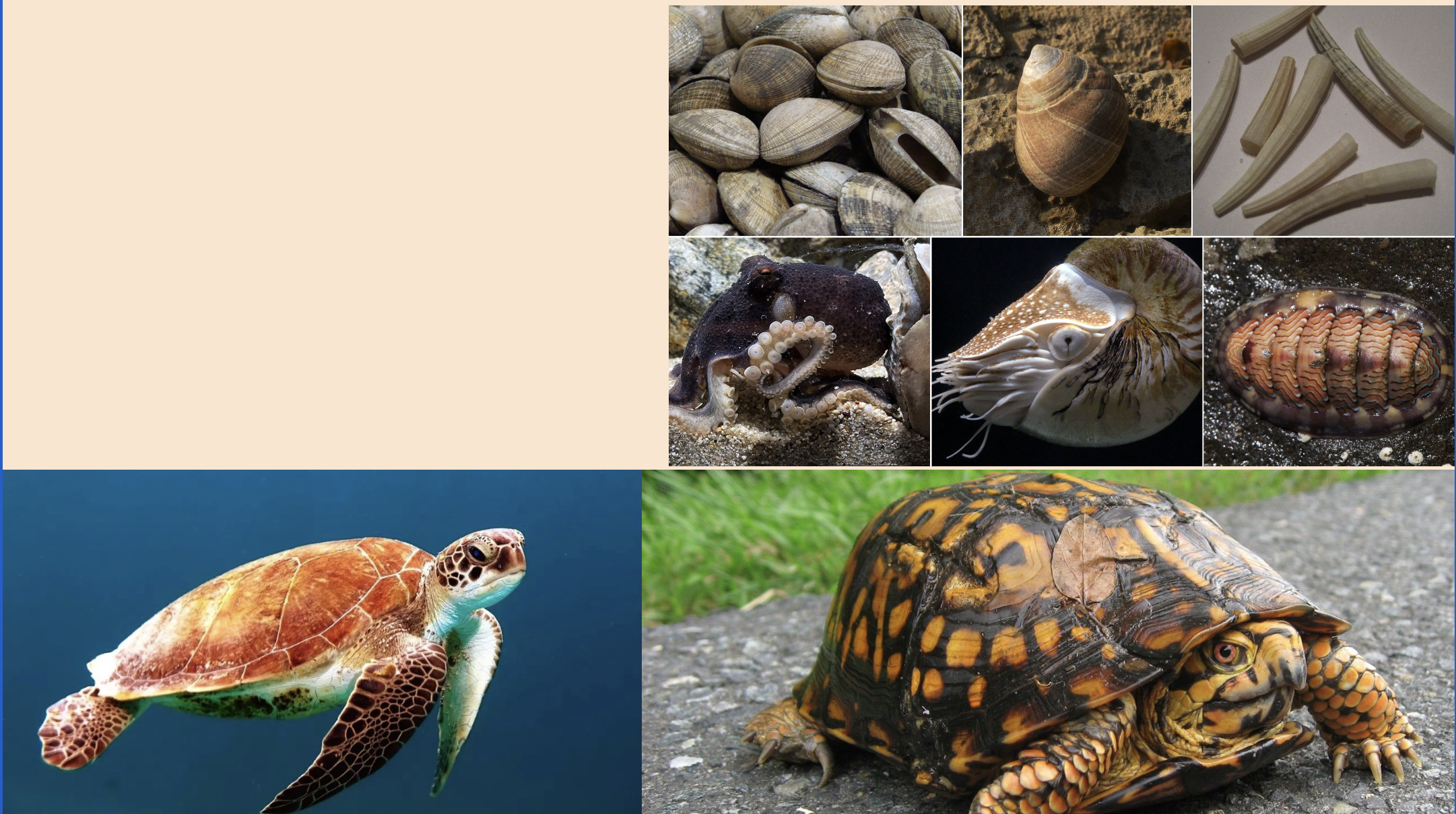
Structural Adaptations
• Shells
• Exoskeletons
• Built-in protection
we start to see built in shelter structure. turtles have modified ribs that provide them shelter.
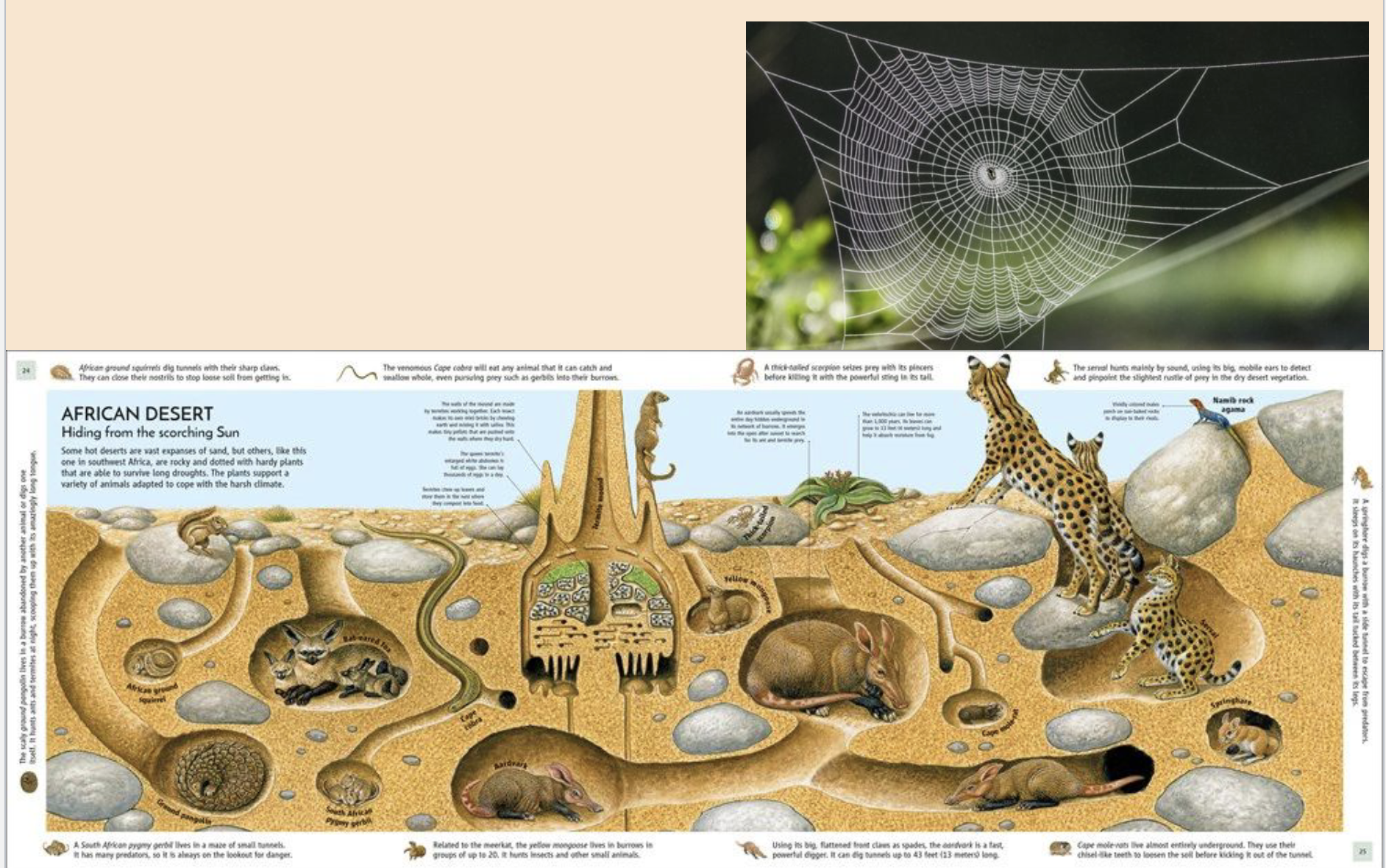
Constructed Shelter
Name 3
• Burrows
• Nests
• Webs
a lot of planning, learning and energy usage. shift in physiology here. shift in sensory structures (spiders get spider web and what attachment of web works the best for their shelter). allows animals to customize. high energy input for high customization for that animal’s needs. getting a shelter home from other animals might not be best fit.
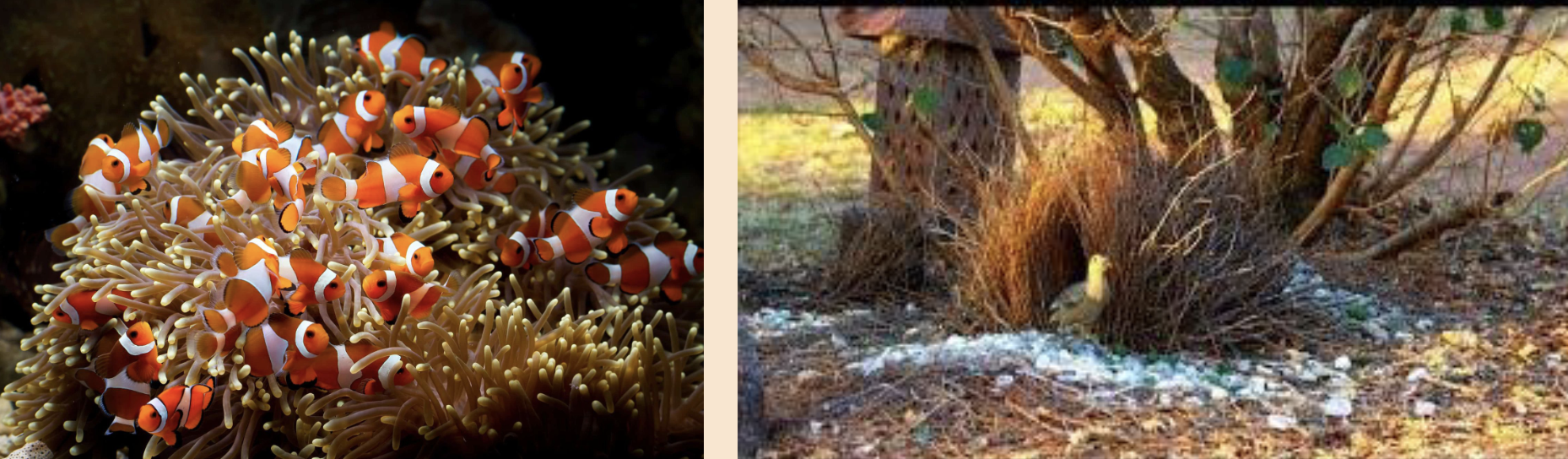
Trade-offs
• __ cost
• __ investment
• __ benefit
Energy.
Time.
Survival.
it is going to take much more energy to make a burrow then getting one from another. the more time spent building a structure, the more at risk an organism is (more exposed to predation) but overall benefit of survival is increased.
Thermoregulation
• __ buffering
• Stable __
Temperature.
microclimates.
shelters help buffer and create microclimates that are more stable. in deserts, underneath the soil the temp is much cooler. temperatures have a lower variability in these constructed structures. there is water vapor excreted from respiration. also creates environment for microbial life. there is specific architecture that goes in to managing the temperature.
Water Balance
• Prevents __
• __ environments
dehydration.
Humid.
Stress Reduction
• Lower __
• Reduced __
predation.
hormones.
the ultimate stressor is predation. shelter lowers stress.
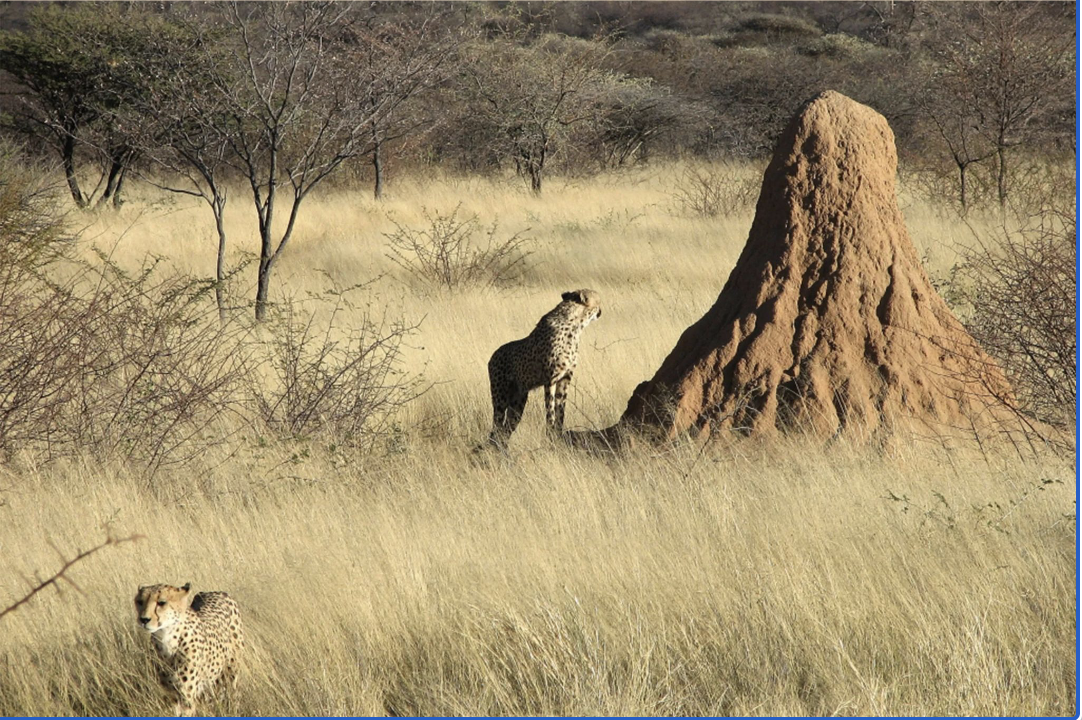
Social Shelter
Name 3
• Bee hives
• Ant colonies
• Termite mounds
there is a division of labor that allows for more complex shelter construction. termites are highly socialized. there are workers, king and queens, individuals that are reproductives. there is a caste system.
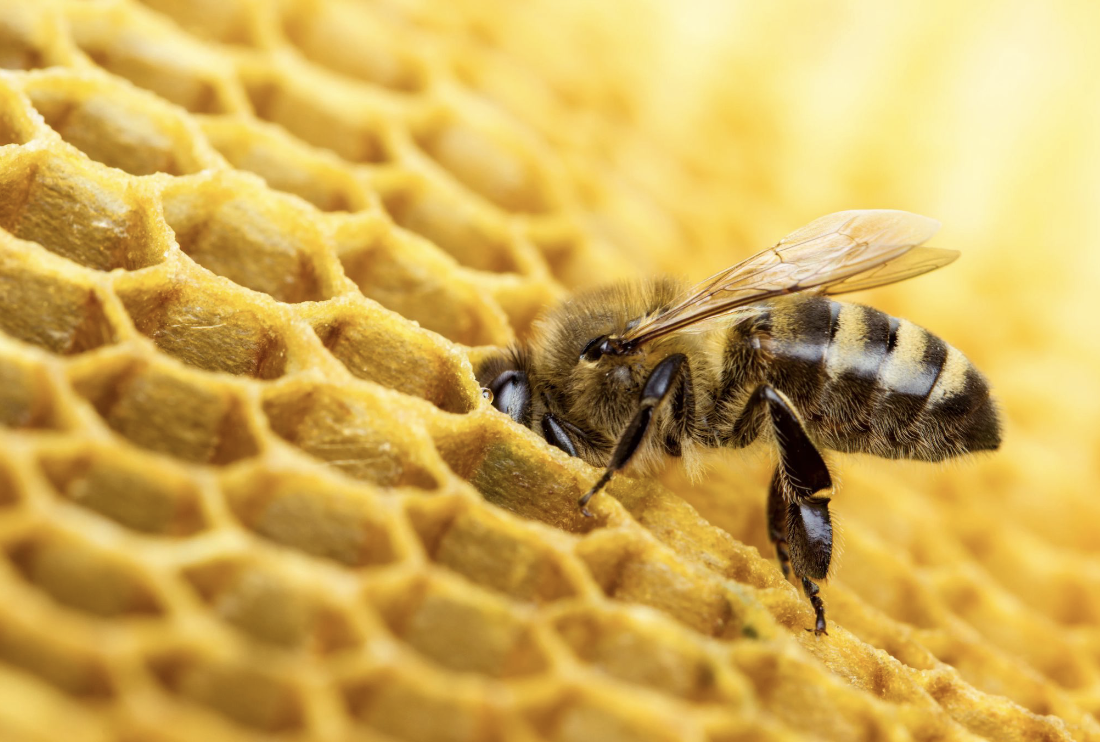
Division of Labor
• __ build
• Others __
• Efficiency
Workers.
defend.
in bees there are really clear jobs. there are workers who build hives, soldiers who defend the hive, others for reproduction.
Case Studies
• Hermit crabs
• Bird nests
• Mammal dens
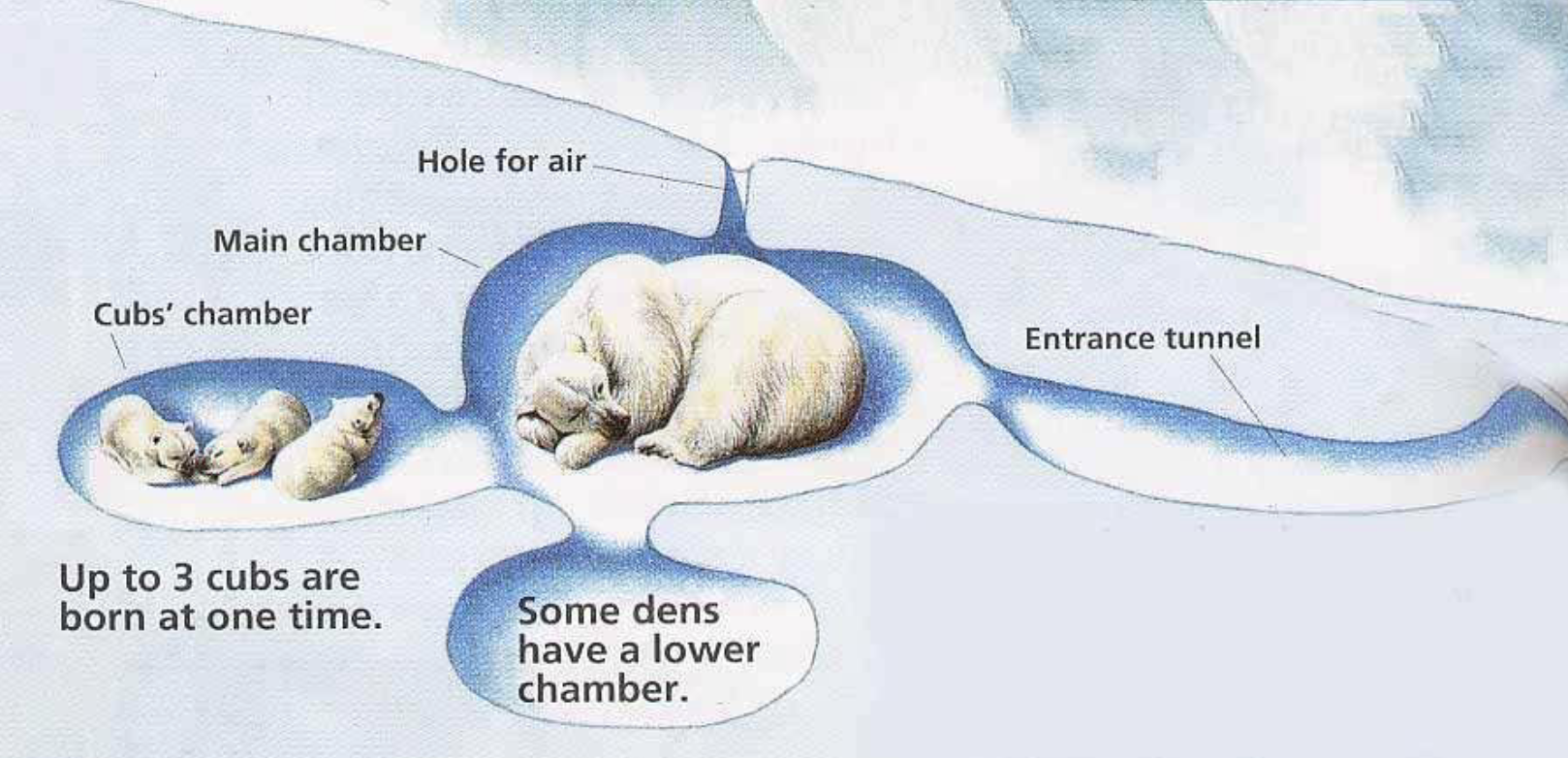
Extreme Environments
• __ dens
• __ burrows
Arctic.
Desert.
Need a good environment for mother and offspring specifically.
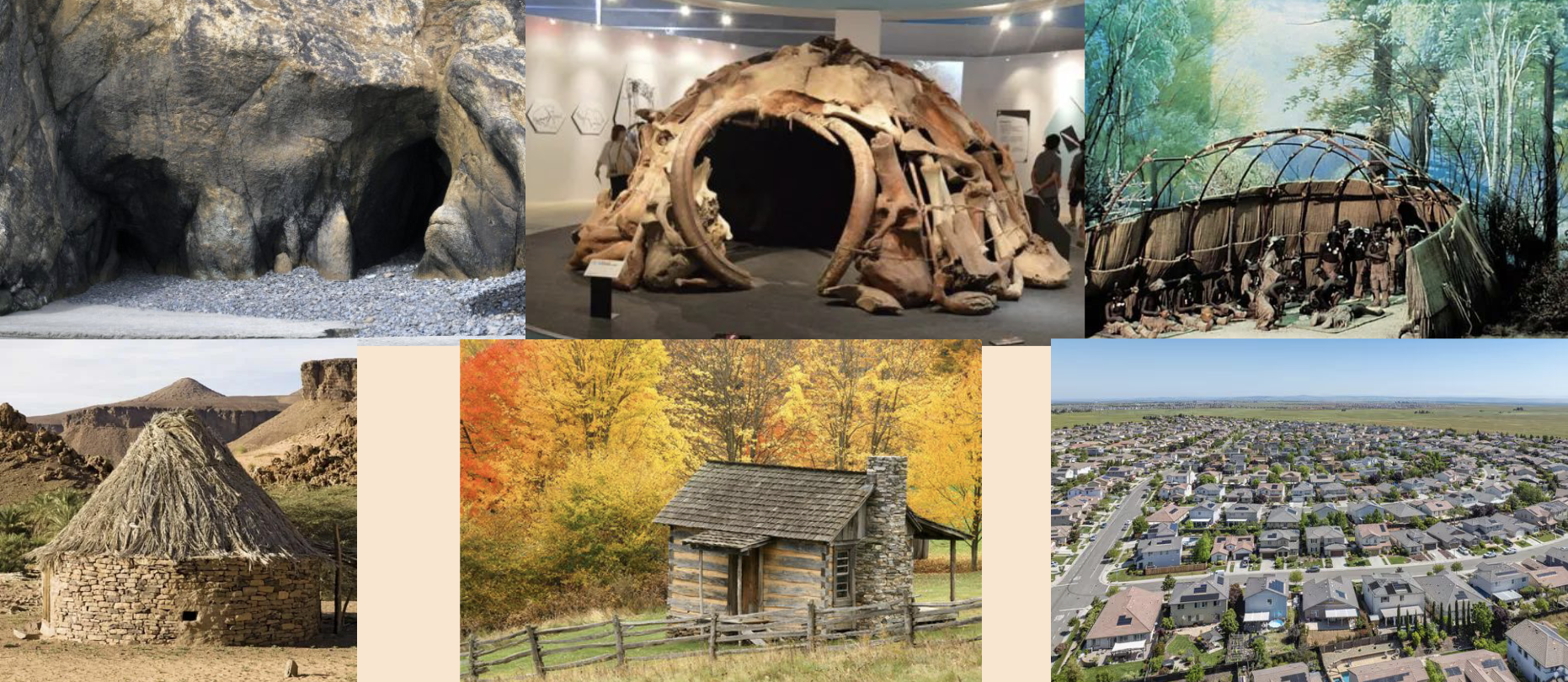
Humans
• __ to cities
• Same __ need
Caves.
biological.
Key Takeaways
• __ is essential
• __ over time
• Supports __
Shelter.
Evolved.
physiology.
at its core, shelter is a biological need.
Discussion
• Can animals survive without shelter?
• Climate change impacts?

