Exam 3 Study Guide Questions
 Call Kai
 Learn
Learn Practice Test
 Spaced Repetition
 Match
Match Flashcards
 Knowt Play
1/28

There's no tags or description
Looks like no tags are added yet.
Name | Mastery | Learn | Test | Matching | Spaced | Call with Kai |
|---|
No analytics yet
Send a link to your students to track their progress
29 Terms
What are the three potential states we are in following a meal?
Fed State
Postabsorptive State
Fasting State
Fed State
occurs 0 - 4 hours after a meal was consumed
insulin levels are high, promoting energy storage
blood glucose levels are elevated
glucose is used as the primary energy source
Postabsorptive State
occurs 4 - 24 hours after a meal was consumed
insulin levels decrease and glucagon levels increase
blood glucose levels are low
liver glycogen and FAs are broken down for energy
What are some of the benefits of moderate caloric restriction that occurs in the postabsorptive state?
reduce LDL levels
improve insulin sensitivity / diabetes
improve muscle quality
improve blood pressure
Fasting State
occurs 24 hours or more after a meal
glucagon levels are high, insulin levels are low
liver glycogen stores are depleted
Gluconeogenesis supplies the body with glucose for energy
FAs are mobilized
What are the four stages of ATP production?
macromolecules are broken down into monomers
monomers are converted into intermediate products
they enter the Citric Acid Cycle
and then the electron transport chain
Liver converts ammonia to _____ because of its toxicity.
urea
Coenzyme
an organic substance typically derived from vitamins that are not a part of an enzyme’s structure
What is gout caused by?
an accumulation of uric acid crystals in the joints, leading to inflammation and pain
Gluconeogenesis
the synthesis of glucose from non-carbohydrate sources
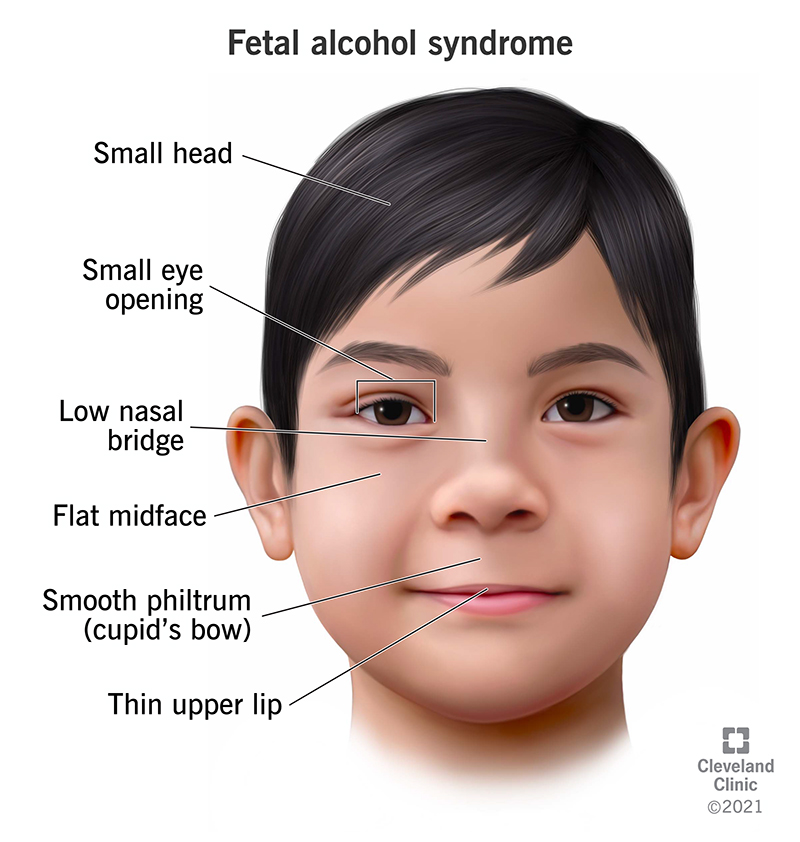
What are the physical signs of Fetal Alcohol Syndrome?
small head and eye openings
smooth philtrum
a thin upper lip
a short nose
Substrate
a molecule that enters a chemical reaction
Where do substrates bind on an enzyme?
the active site
What is an end product?
the resulting substance from a chemical reaction
When excess glucose and AAs are present in the liver and ATP does not need to be synthesized, what are these nutrients converted to?
fatty acids
Hydrolases
enzymes that break bonds between molecules by adding water
What hormone stimulates glycogen breakdown?
glucagon
Hypertrophic growth
when adipocytes increase in size
Hyperplastic growth
when adipocytes increase in number
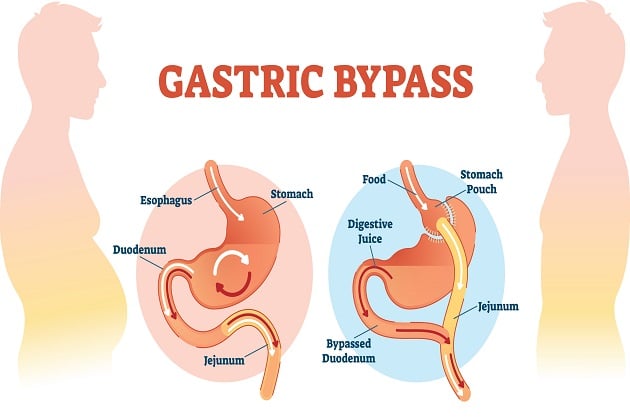
Gastric Bypass surgery
reducing the size of the stomach and bypassing parts of the small intestine to limit food intake and nutrient absorption
Obesogens
chemicals in the environment that disrupt hormones, promote weight gain, and metabolic problems
Obesogenic environment
a setting that promotes unhealthy food choices and physical inactivity (ex: neighborhoods with a lot of fast food options and liquor stores, and little public transportation)
The thermic effect of food accounts for ___ percent of our total energy usage.
10%
GLP-1 medications trigger ____ release from your pancreas and blocks ___ secretion.
insulin; glucagon
Hunger
the physiological drive to consume food
Appetite
one’s desire or preference to eat a particular food (ex: ice cream)
What percentage of weight does one lose post gastric-bypass surgery?
60-80% of their excess body weight within 1-2 years
Ghrelin
a GI hormone that stimulates hunger
What are the three primary ways we use energy?
basal metabolism
physical activity
thermic effect of food (TEF)

