Anatomy Test 1
 Call Kai
 Learn
Learn Practice Test
 Spaced Repetition
 Match
Match Flashcards
 Knowt Play
1/86

There's no tags or description
Looks like no tags are added yet.
Name | Mastery | Learn | Test | Matching | Spaced | Call with Kai |
|---|
No analytics yet
Send a link to your students to track their progress
87 Terms
Articular surfaces
Facet; tubercle; condyle
Sulcus
Smaller groove/fissure
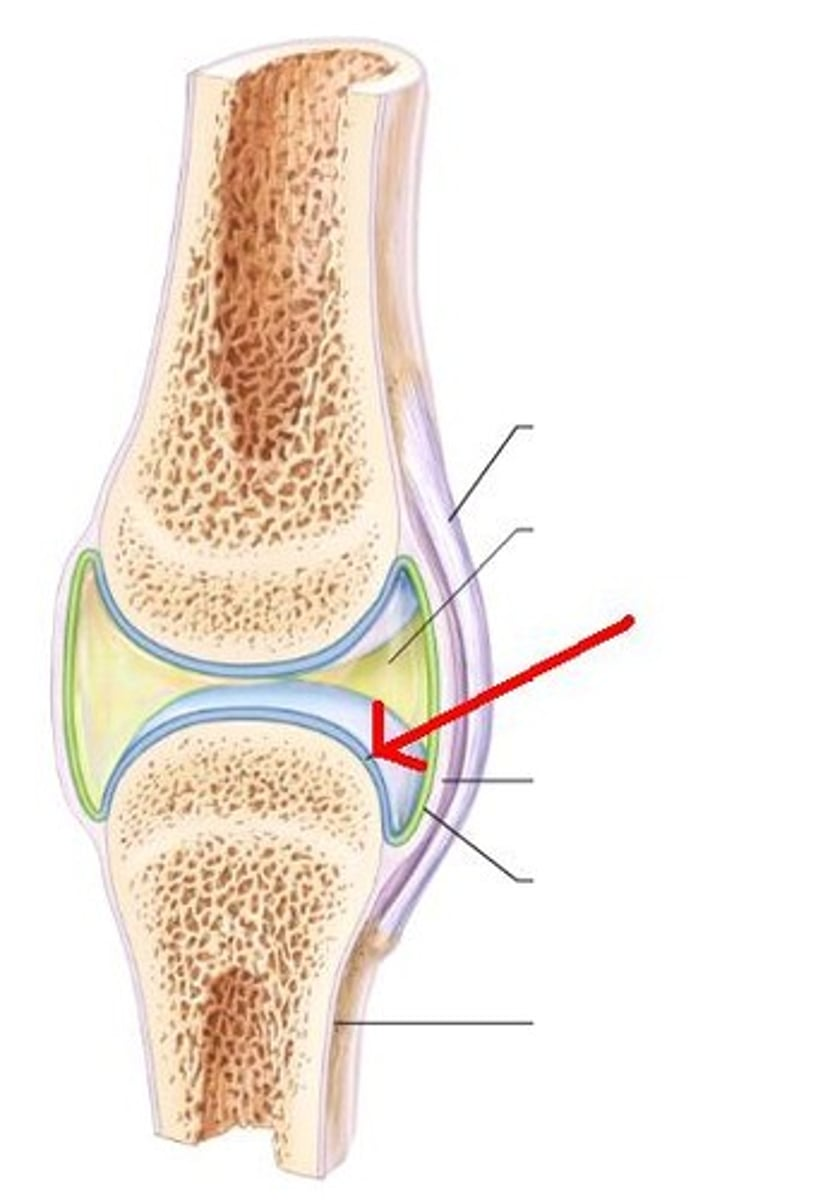
Hyaline cartilage
White, very strong, weight bearing, covers the articular surfaces
Somatic
A motor message that you can feel; voluntary
Ligaments
Connect one bone to another
Tendons
Attach skeletal muscles to bones
Medullary cavity
Cavity within the bone
Foramen
Opening
Sinus
Chamber within bone
Cardiac muscle
Regulated by the heart's pacemaker; involuntary
Smooth muscle
Found in arteries, digestive and urinary tracts; involuntary
Skeletal muscle
Produces skeletal movement; voluntary
Insertion
The point of the muscle that moves during contraction
Prime mover/agonist
Muscle that performs the intended motion in a contraction
Antagonist
The muscle that performs the opposite motion in a contraction
Concentric muscle
Gets shorter as it moves the body part
Isometric muscle
Stays the same length when a body part is moved
Afferent neurons
Nerve cells that carry information from peripheral receptors to the CNS
Efferent neurons
Motor signals from CNS to the peripheral system
How many pairs of spinal nerves
31
Features of bones that describe 'bumps
Tuberosity; spine; crest
Cancellous bone
Spongy part of the bone; produces compact bone
Compact bone
More outer part of the bone; hard and dense
Joint capsule
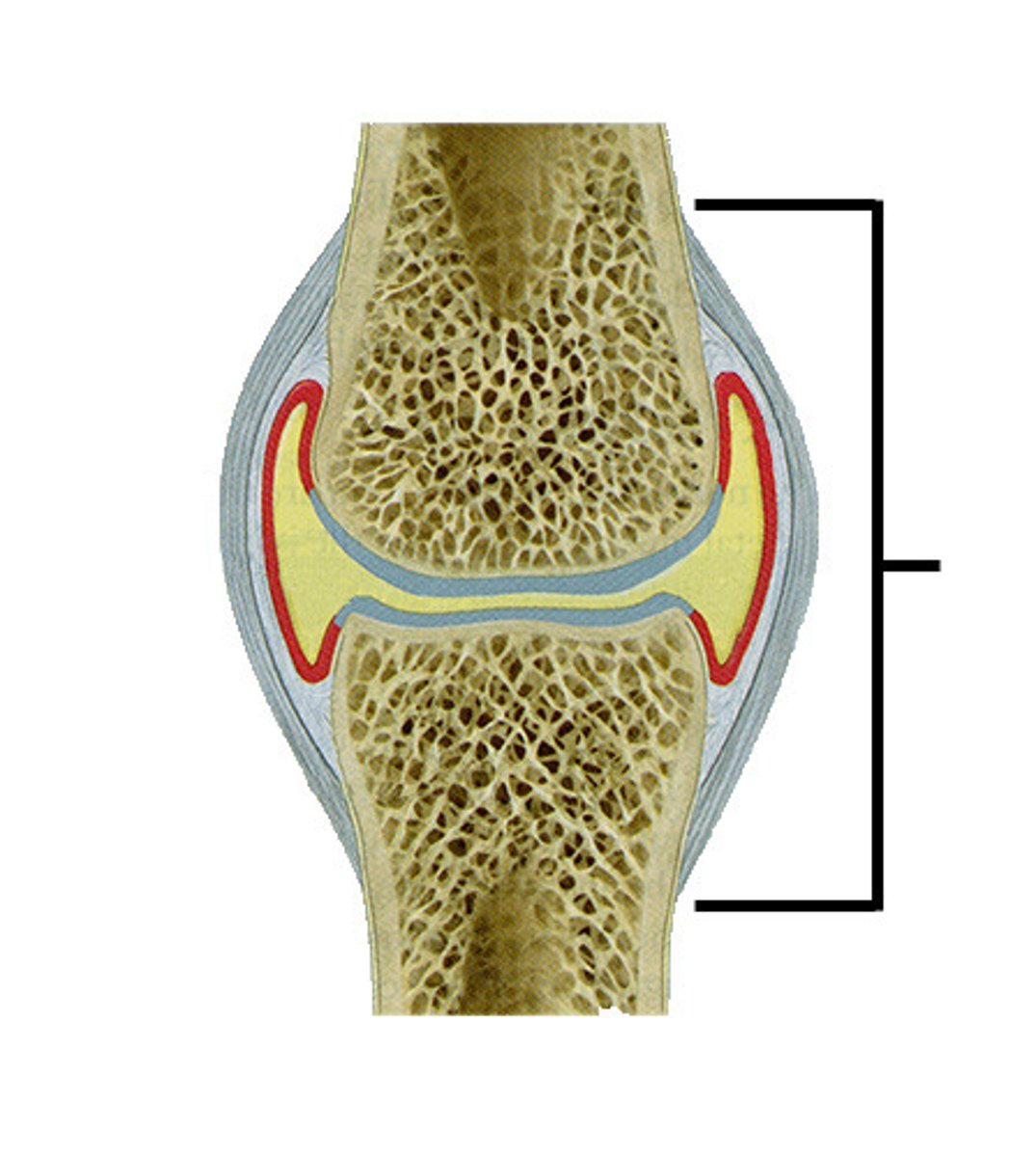
Periosteum
Membrane lining around the bone
Hyaline cartilage
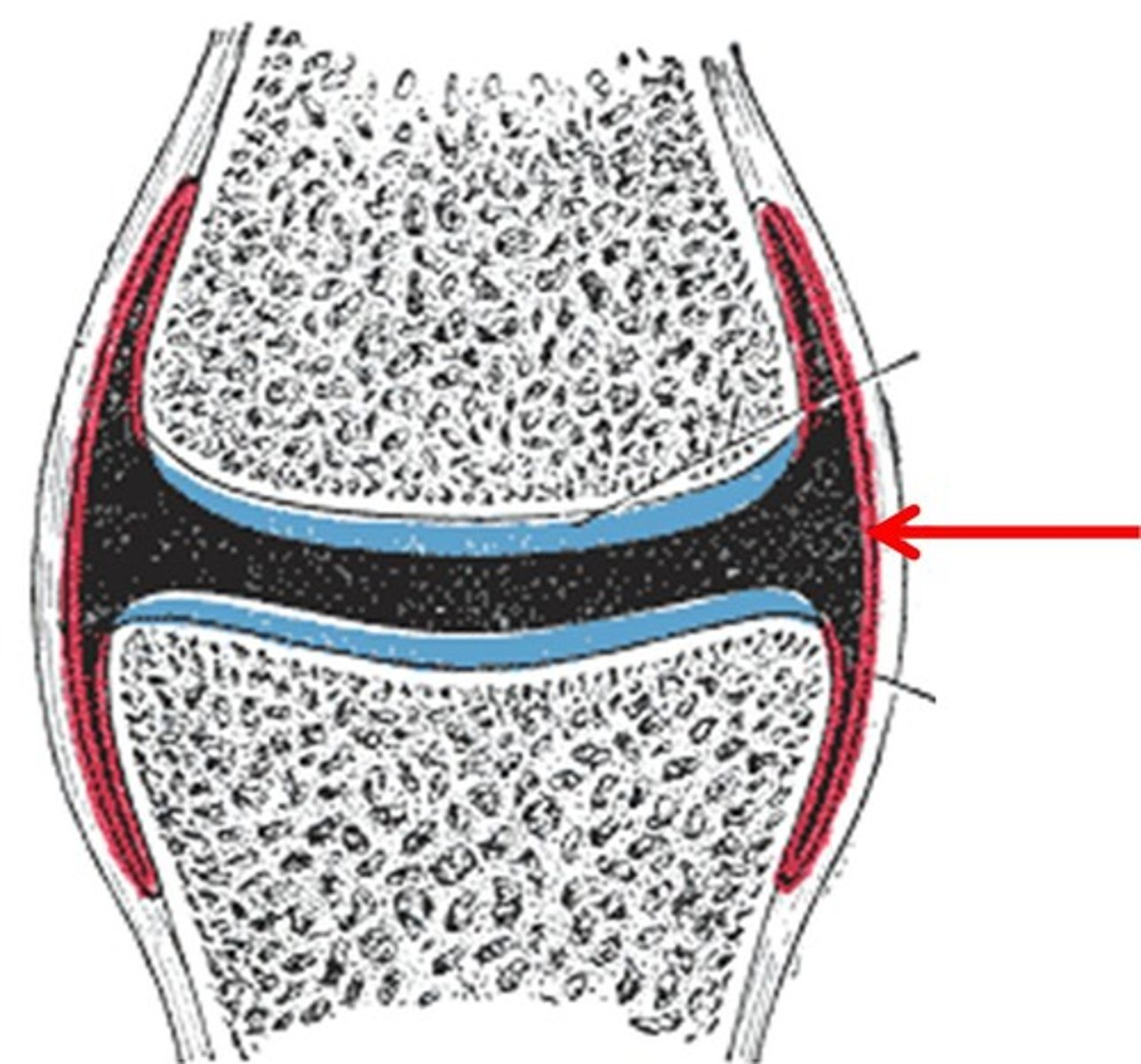
Synovial membrane
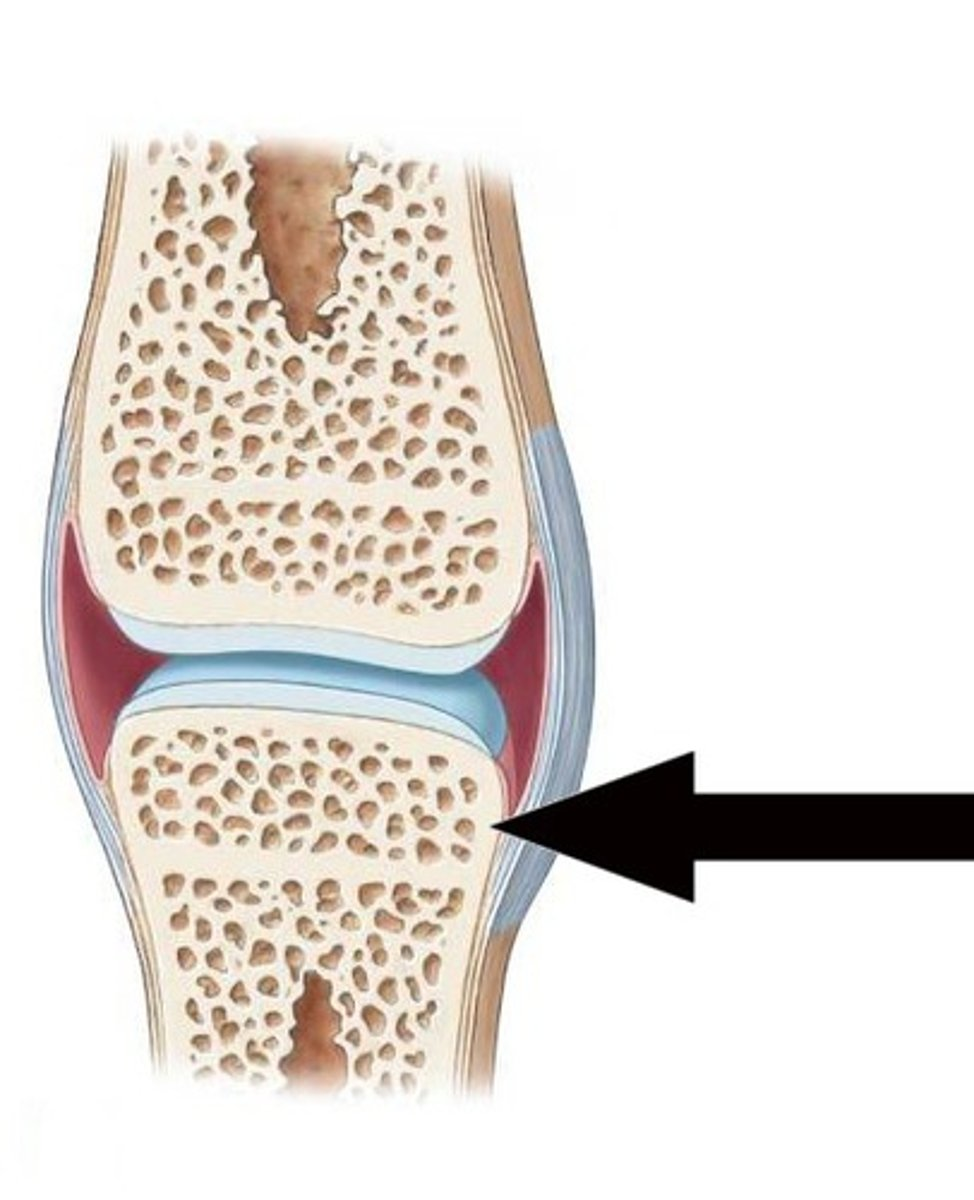
Compact bone (label)
Cortical bone
Dense outer layer of bone
Trabecular bone
struts and plates
Synarthrosis
No movement
Amphiarthrosis
Little movement
Diarthrosis
Free movement
Joint capsule
FIbrous sac that encloses a joint
Synovial membrane function
Produces a lubricant called synovial fluid
Eccentric muscle
Allows itself to get long to move the body part
Central nervous system
Brain and spinal cord
Peripheral nervous system
Nerves outside the central nervous system
Automatic
A function that you can't feel/didn't notice; involuntary
Marrow bone
Very inner part of the bone, contains fat and red blood cells.
Pelvis function
Withstand weight bearing and locomotion; protect organs of reproduction, digestive and urination; link the trunk and lower limbs
What is the sacrum made up of?
5 sacral vertebrae
What is the bone inferior to the sacrum?
Coccyx
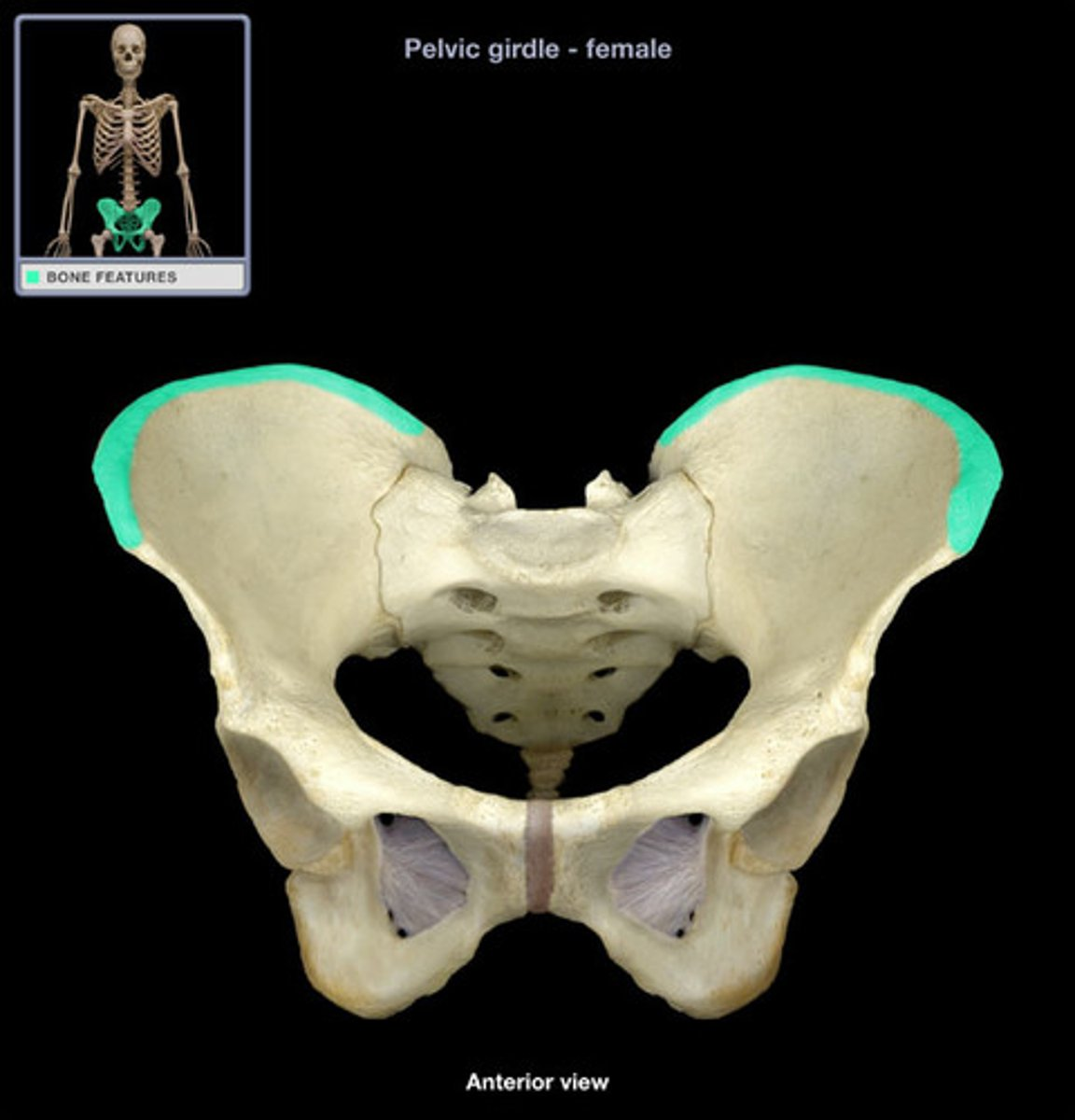
Iliac crest
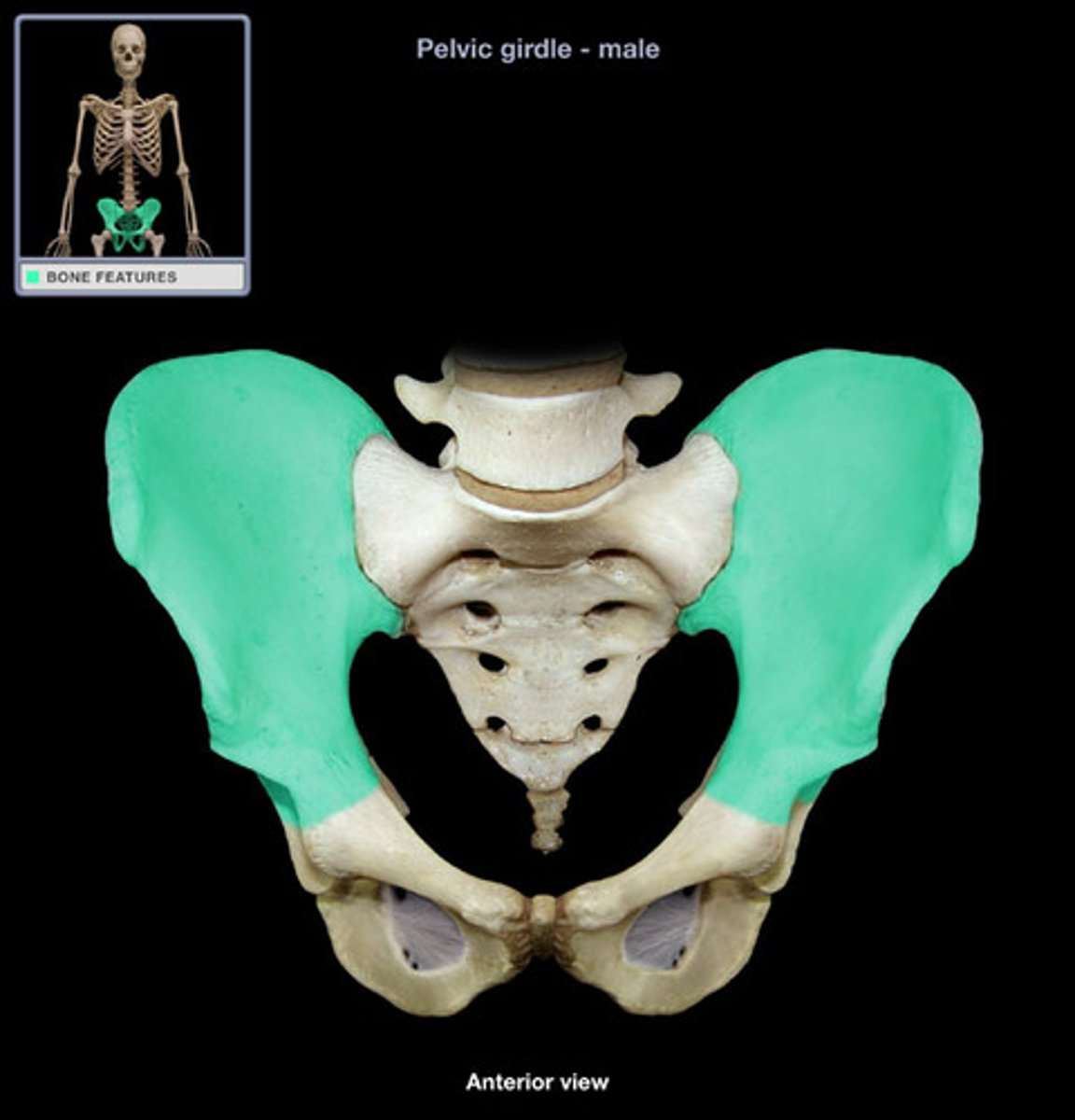
Ilium
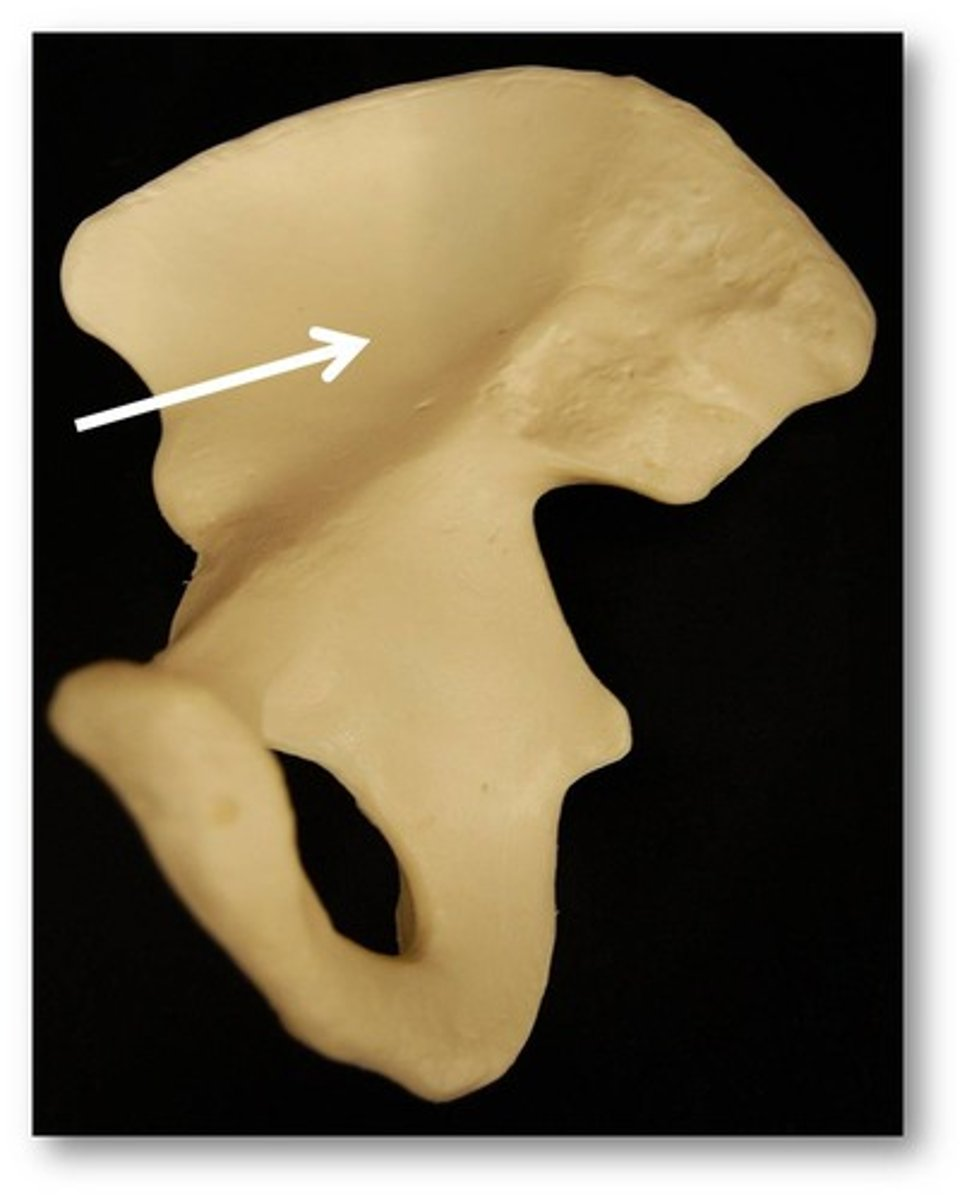
Iliac fossa
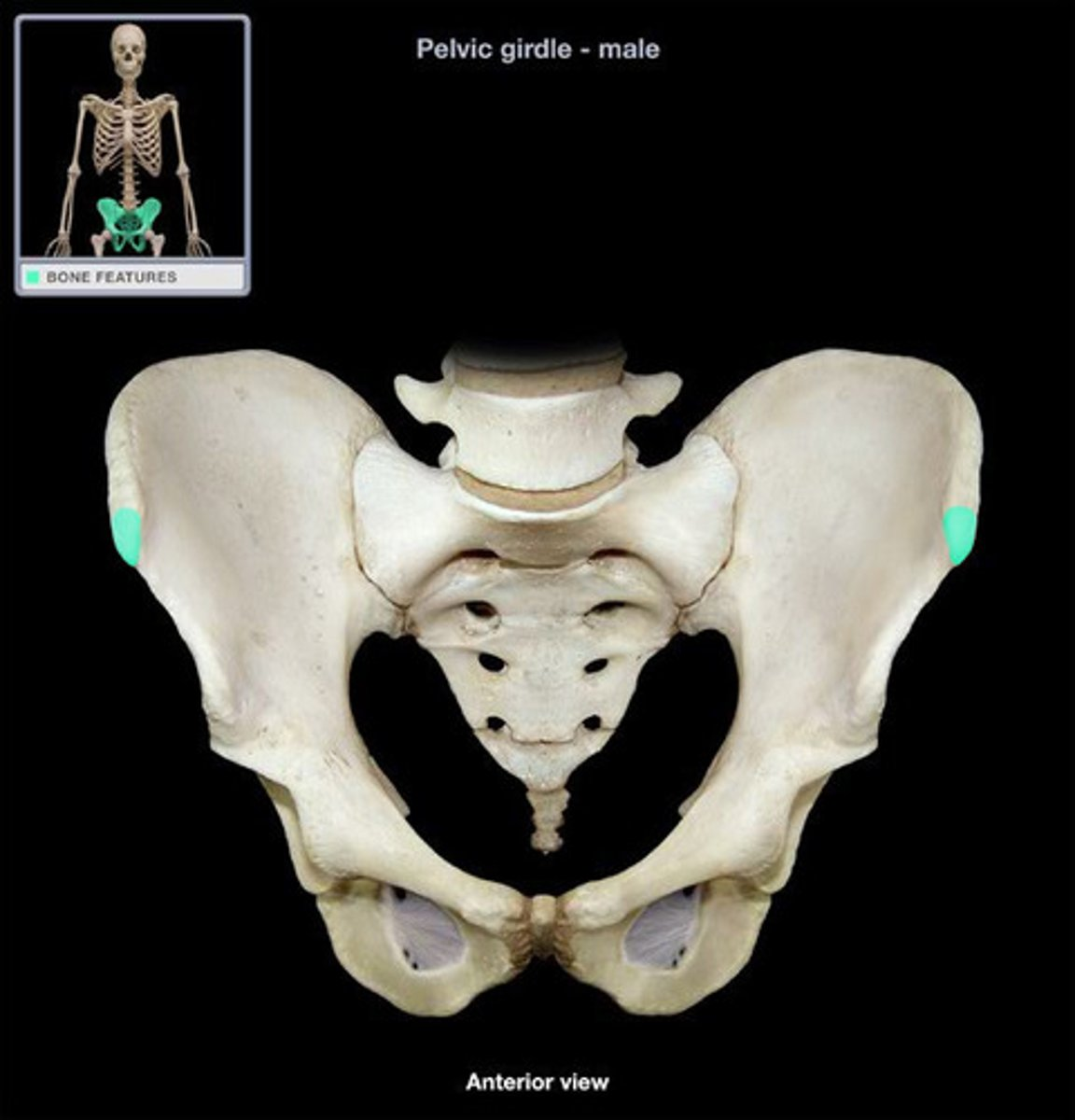
Anterior superior iliac spine
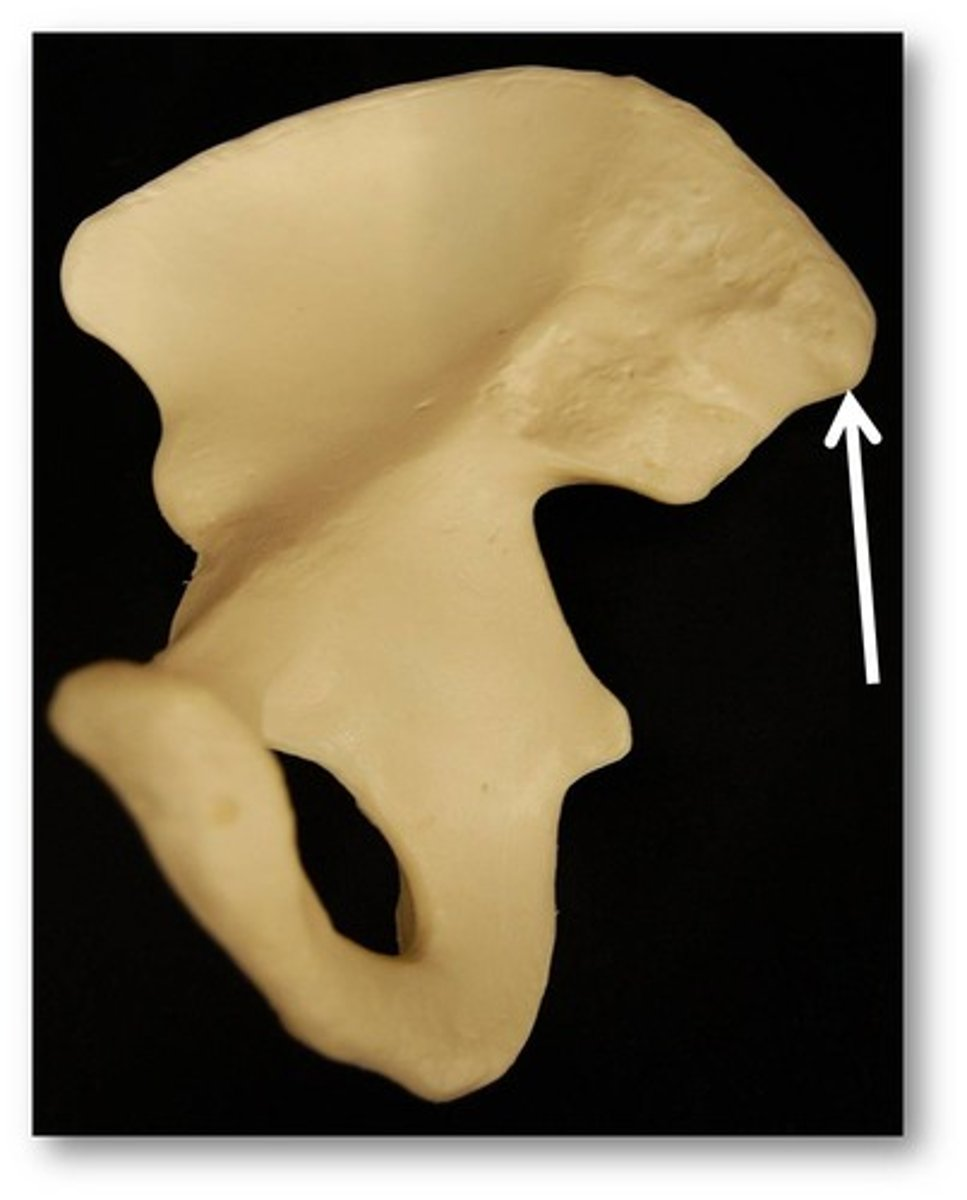
Posterior superior iliac spine (butt dimples)
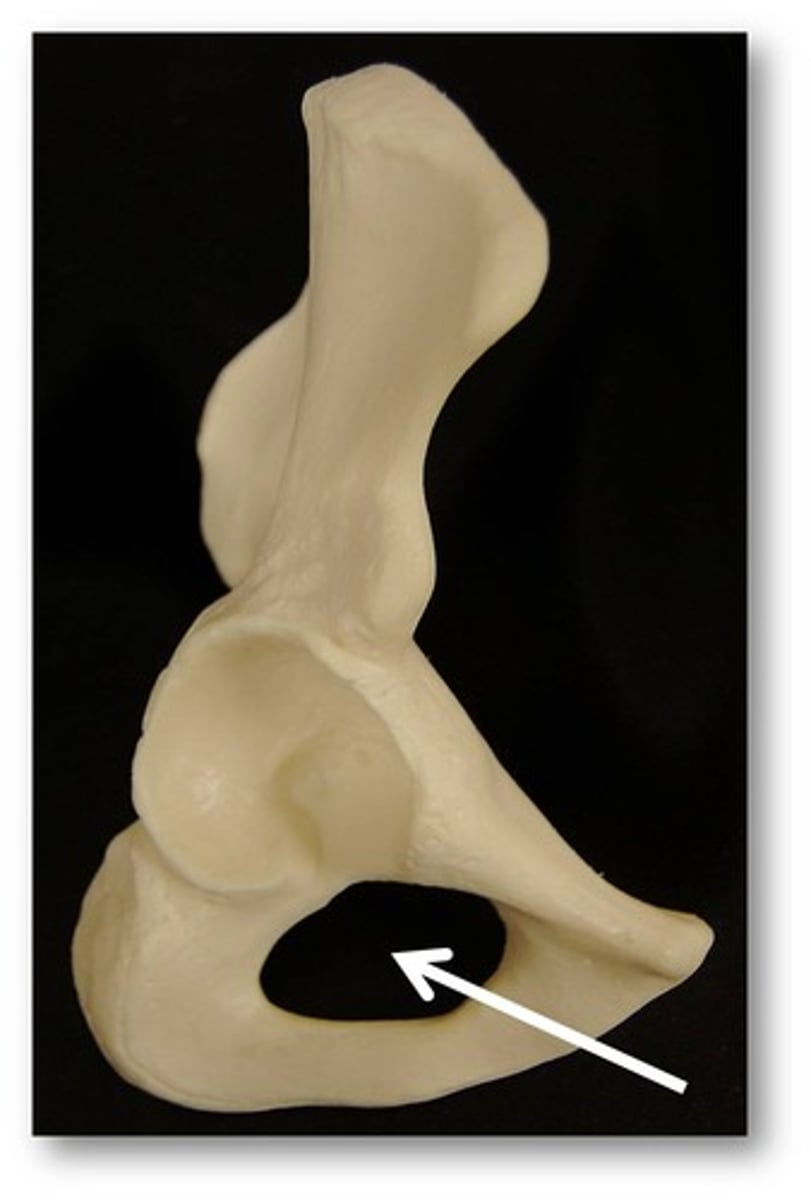
Obturator foramen
Ureter
Takes urine from the kidneys to the bladder
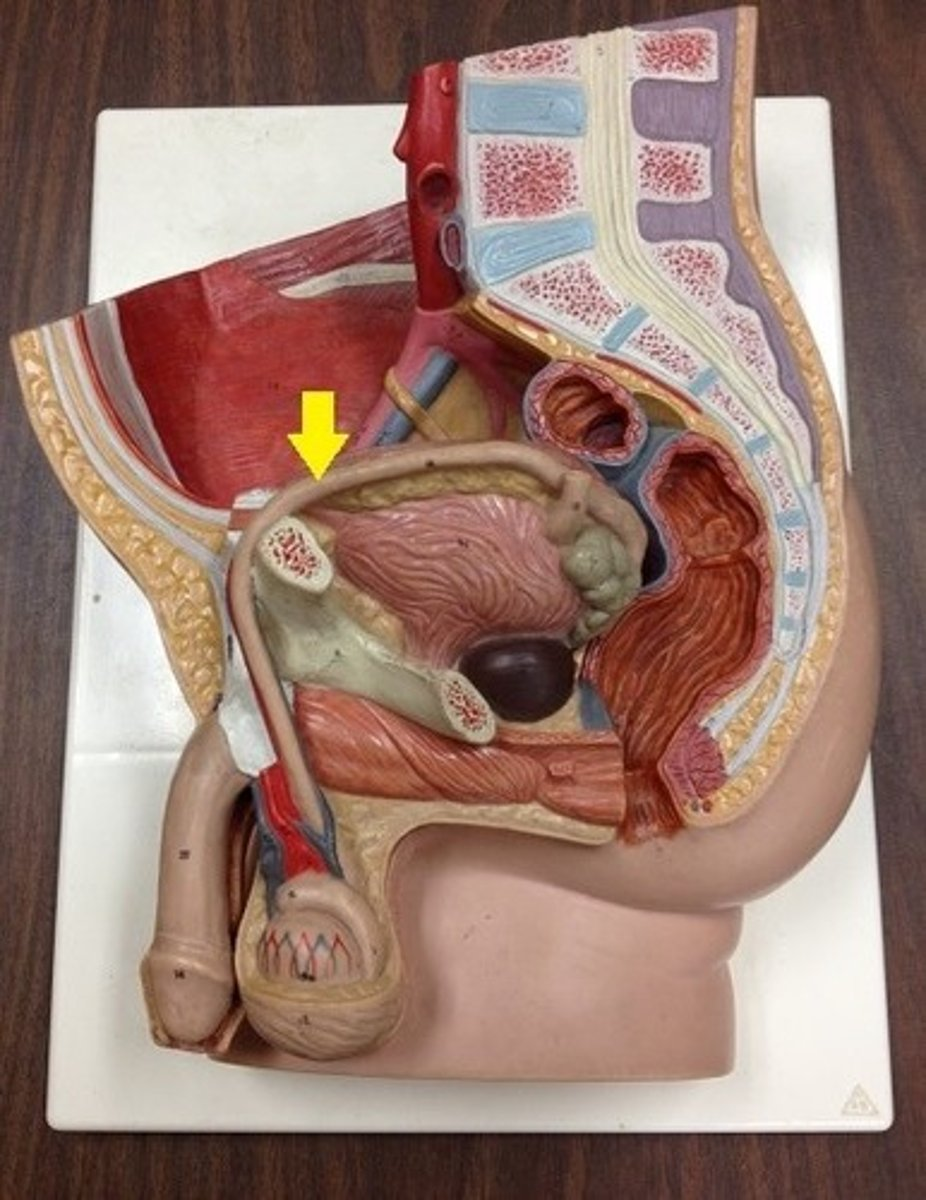
Ductus/vas deferens
Where is sperm produced
Testes
Pelvic floor function
Resists increase in intra-abdominal pressure
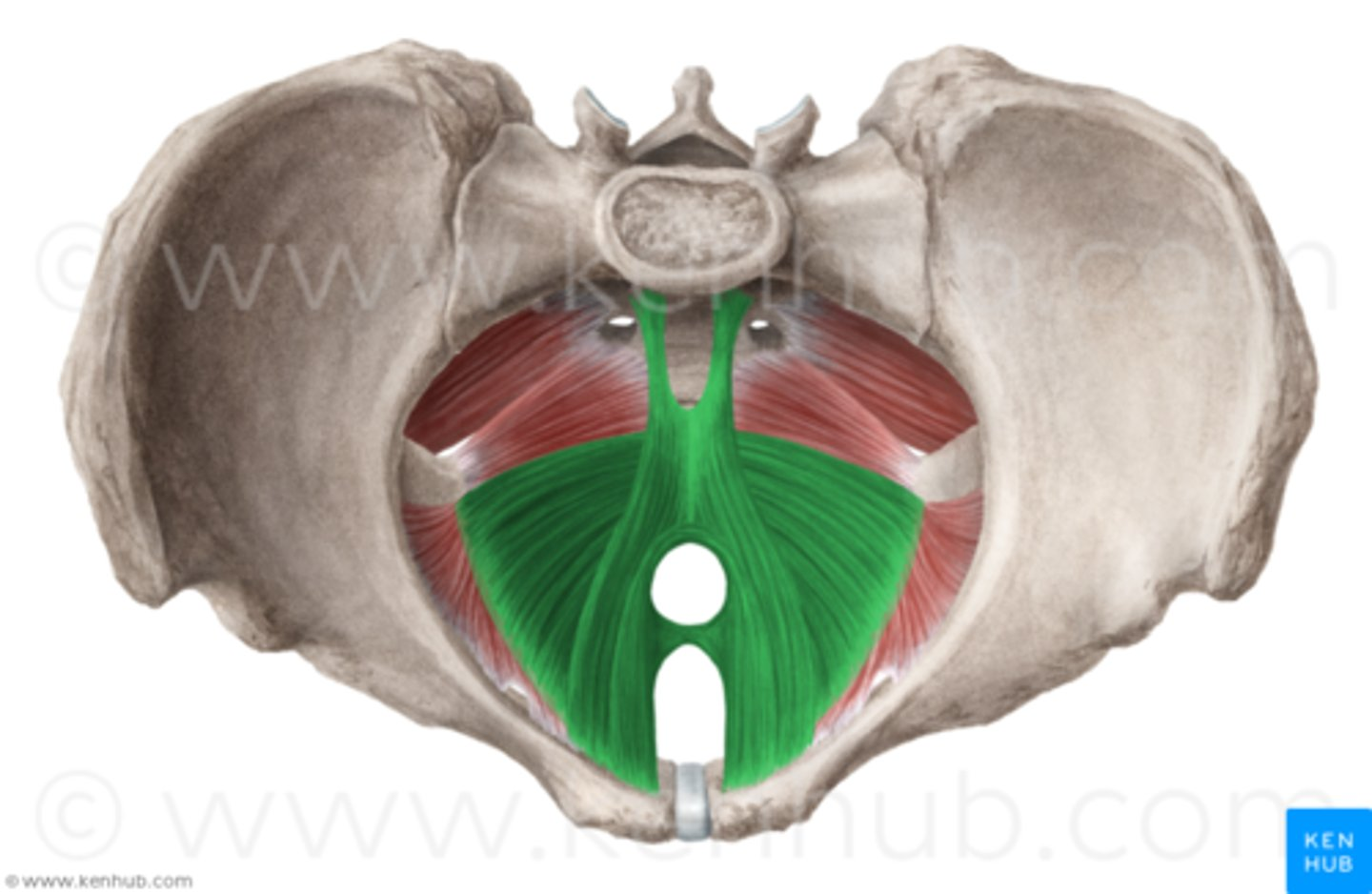
:evator Ani
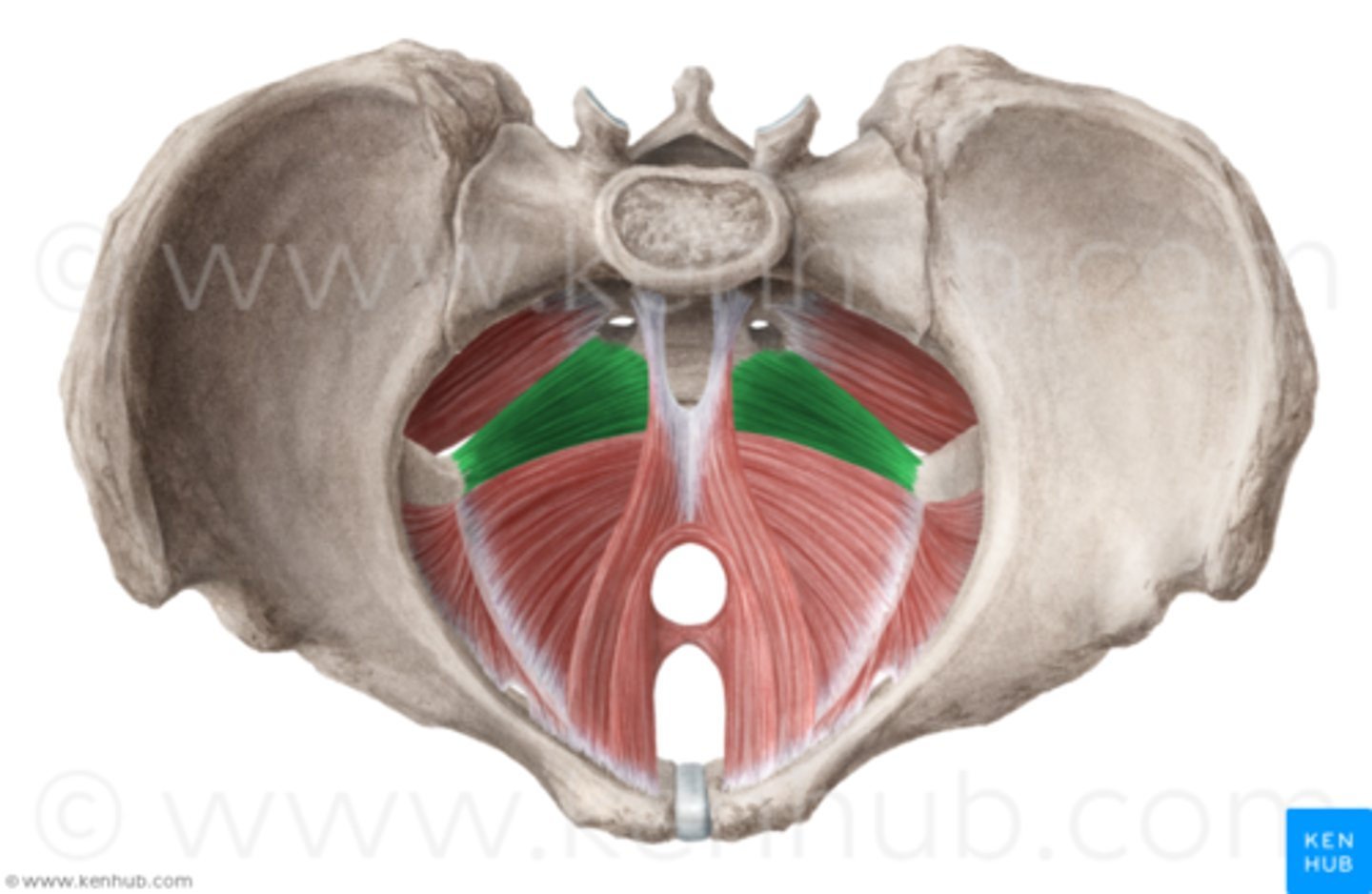
Coccygeus
Path of semen
2 testicles, 2 epididymus, 2 ductus, into one prostate, into one urethra
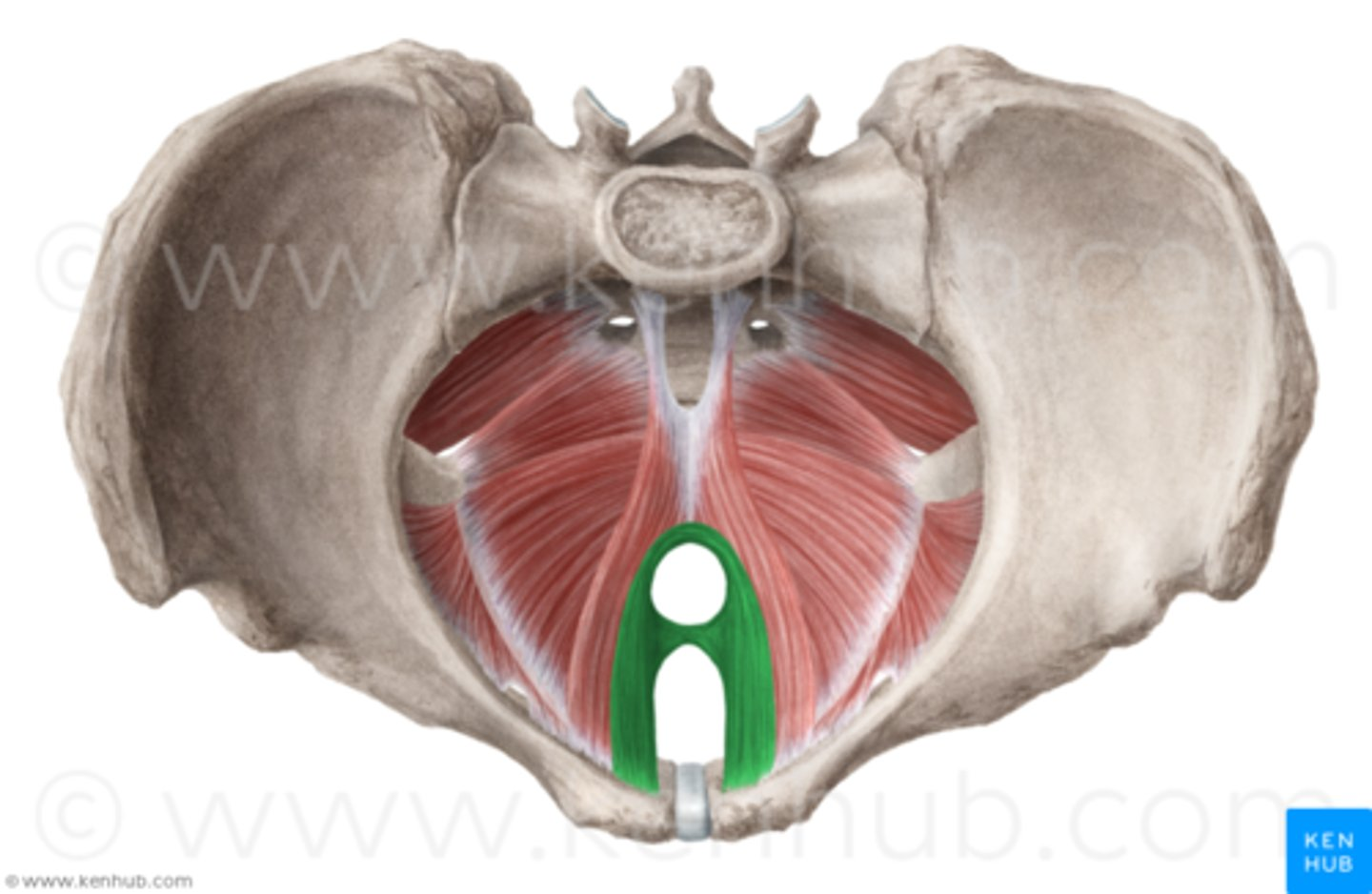
Pubo rectalis
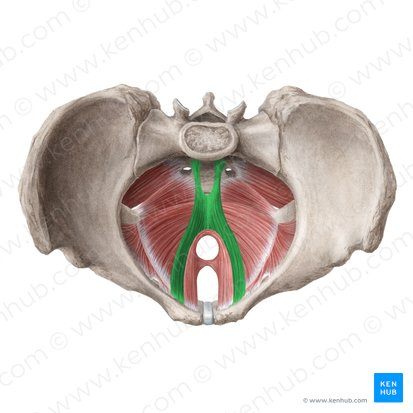
Pubococcygeus
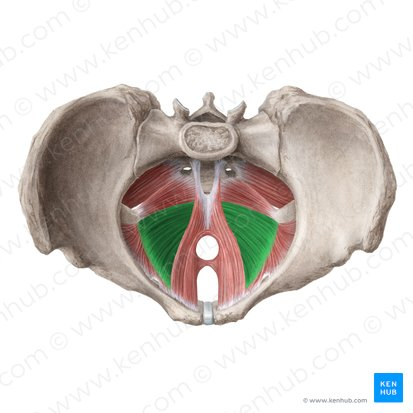
Iliococcygeus
Inferior vena cava
carries blood to heart
renal artery
carries blood to the kidneys
Renal pelvis
Collects urine from the kidneys before transportation
Adrenal gland
produces hormones that regulate bodily functions
internal iliac artery
carries blood to the sacrum
Internal iliac vein
Carries blood from the sacrum
External iliac artery
Carries blood to the lower leg
External iliac vein
carries blood from the leg
Detrosor muscle
protects bladder, contracts to release urine, and relaxes to store urine
Hilum of the kidney
area where structures enter and exit the kidney (a depression)
structure of the hip joint
Synovial joint
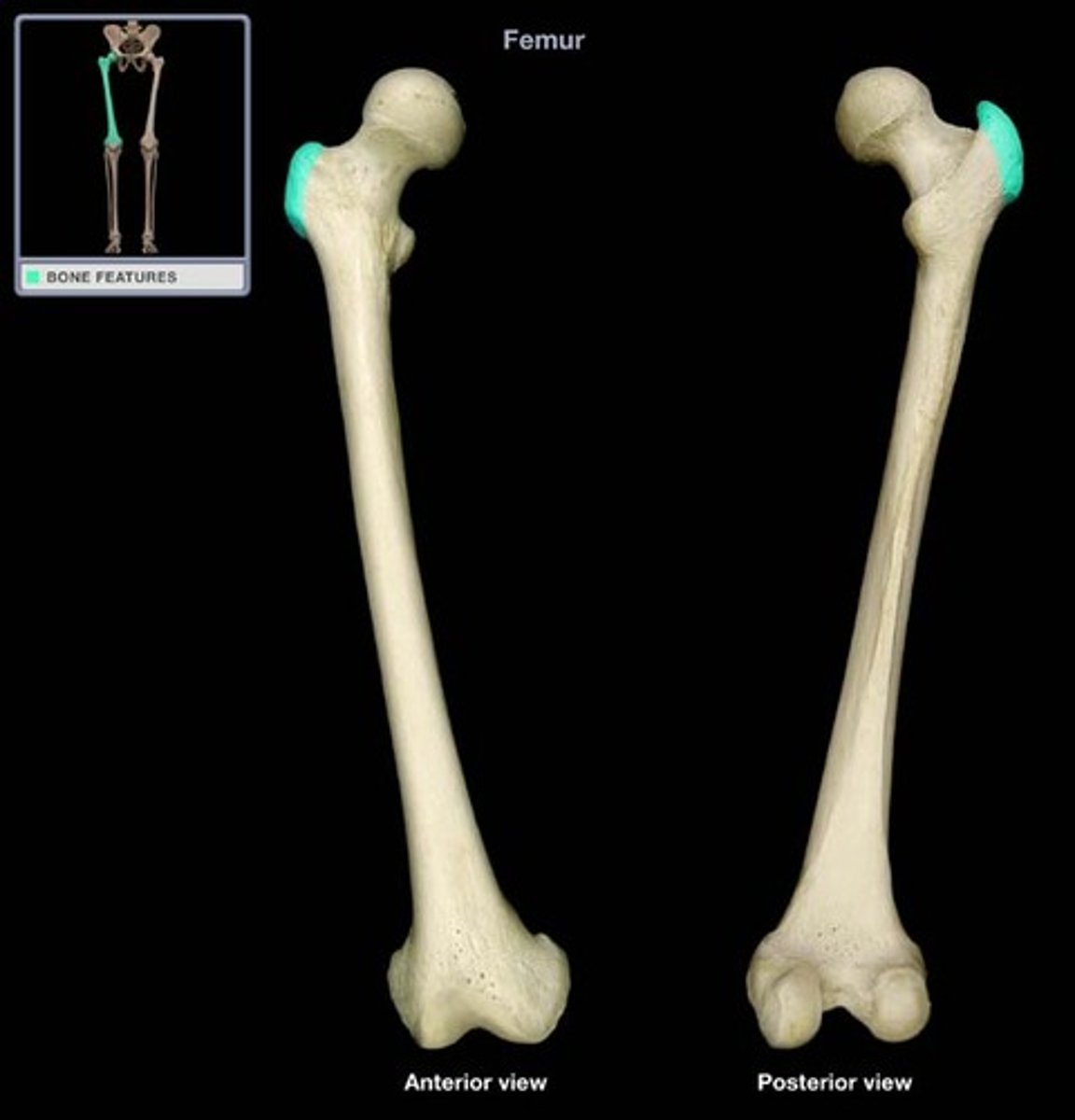
Greater trochanter
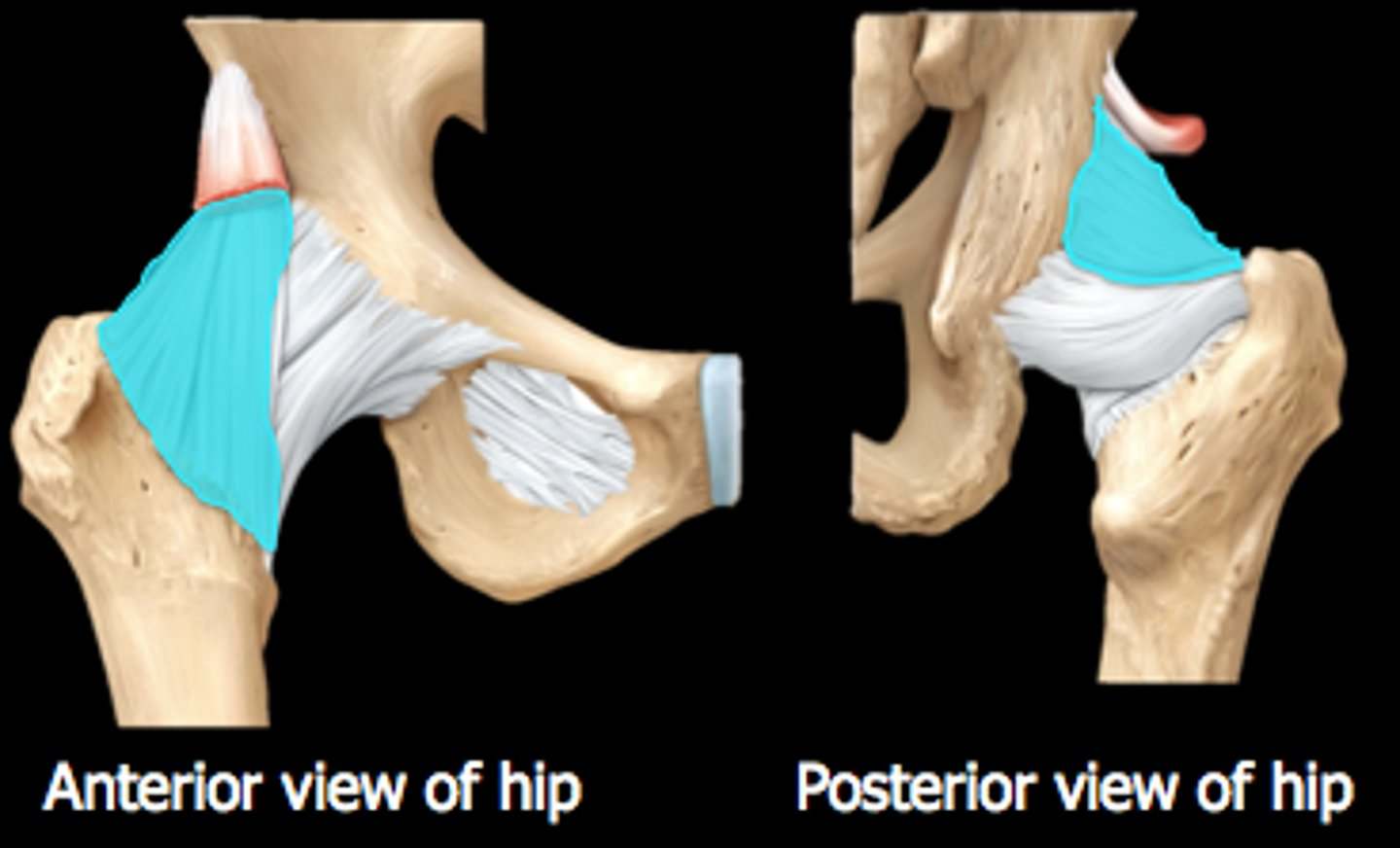
iliofemoral ligament
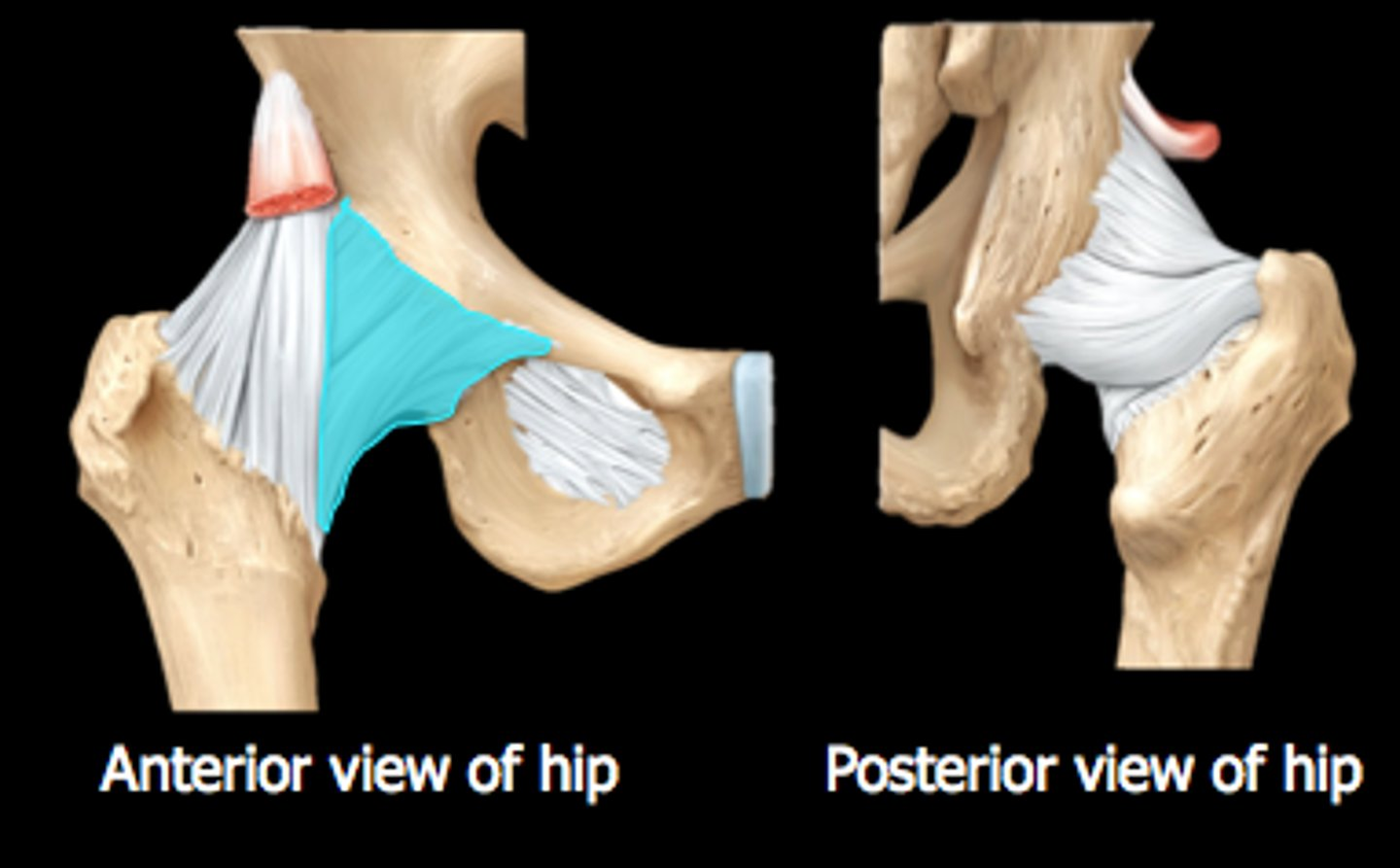
Pubofemoral ligament
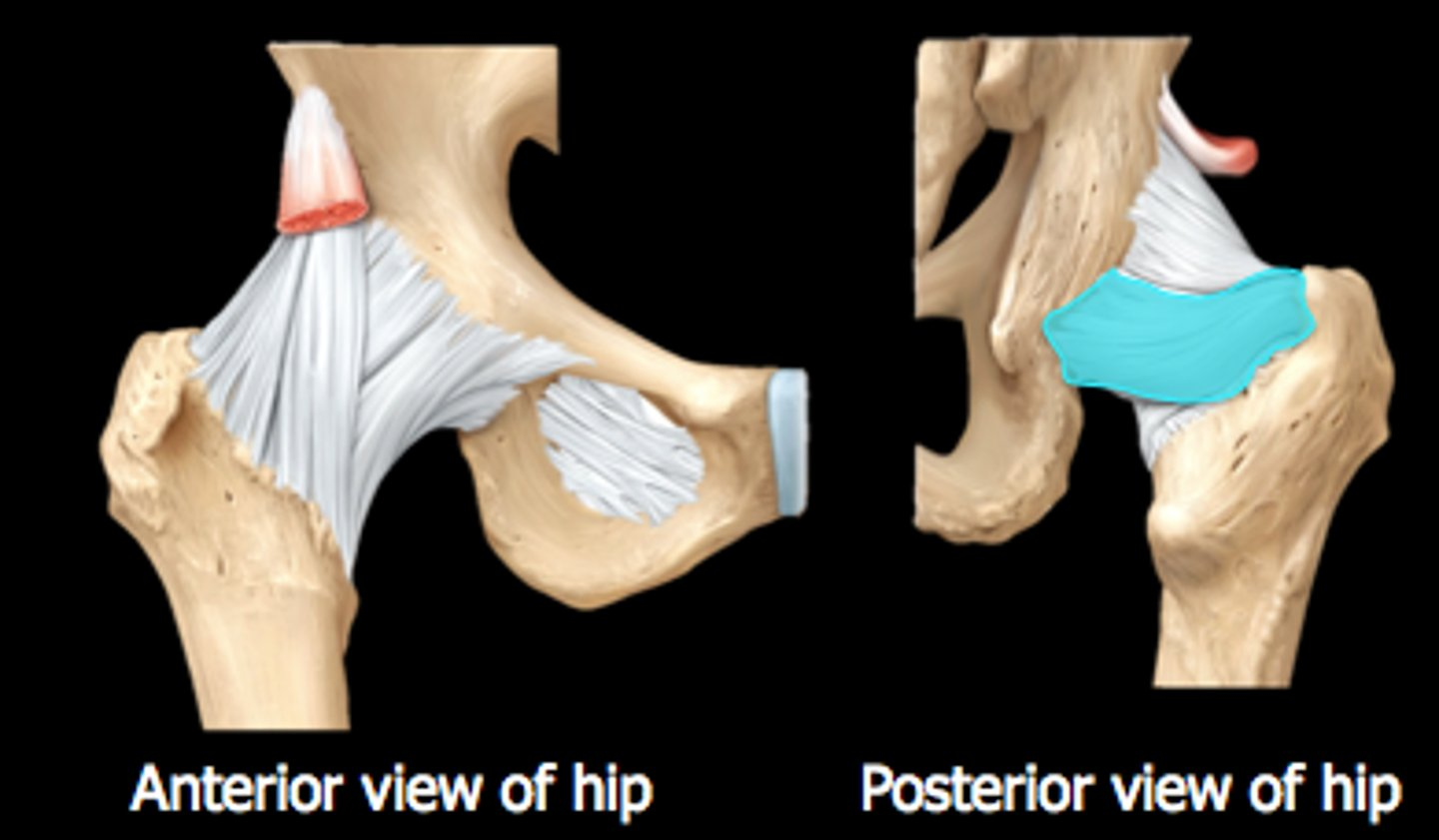
Ischiofemoral ligament
Why is the hip so stable?
Lots of bone-to-bone contact; very thick ligaments
inguinal ligament
superior border of the femoral triangle
Flexion and extension (plane)
sagittal
Adduction and abduction (plane)
Frontal plane
Internal and external rotation (plane)
Transverse
Hip extensors
Gluteus maximus, hamstrings: biceps femoris, semimembranosus, semitendinosus
Hip abductors
Gluteus medius, minimus, tensor fascia latae, sartorius
Lateral/external rotation
Lateral rotation group: PGOGOQ
Hip flexors
Iliacus, psoas major
Hip adductors
Adductors magnus, longus, and brevis, pectineus, and gracilis
Knee flexors
Rectus femorus, vastus lateralis, intermedius, and medius, and sartorius
What is the pelvic floor and what muscles are in it?
it is made of two skeletal muscles 0.5 levator ani and coccygeus 0.5 Levator ani: pubococcygeus, puborectalis, and ischiococcygeus
Where does it attached to the bones of the pelvis?
Anterior attachment to the inside of the pubis and ilium. Posterior attachment to the sacrum, coccyx and ischial spines.

