Indi Diff - W4L2 - Identity and Values
 Studied by 0 people
 Call with Kai
 Learn
Learn Practice Test
 Spaced Repetition
 Match
Match Flashcards
 Knowt Play
1/19

There's no tags or description
Looks like no tags are added yet.
Name | Mastery | Learn | Test | Matching | Spaced | Call with Kai |
|---|
No analytics yet
Send a link to your students to track their progress
20 Terms
What point was Marcus Aurelius trying to make
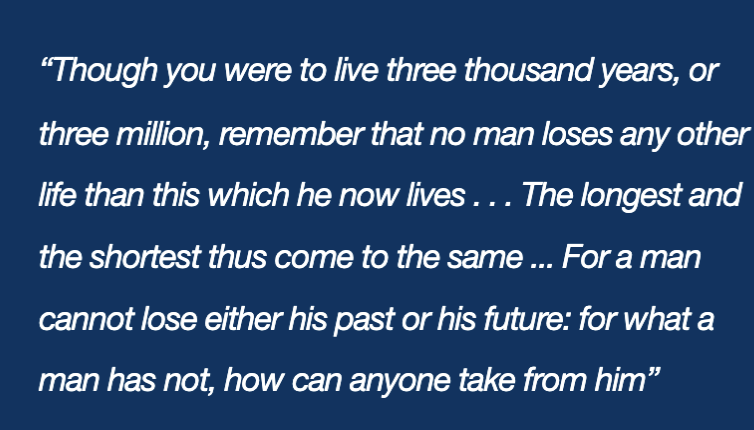
Present self is all there is
He stated that more time on earth doesn’t represent more self. Self doesn’t accumulate (for example like property does)
he also states that we need to know where we’ve been and where we’re going
Self-continuity supports social accountability (ex. promises)
Future oriented contnuity (without future, then there is little purose and goals and striving)
Explain what Berzonsky says about identity as a self-theory
FILL IN
Explain the constructivist view of identity
our identity is actively constructed through, experience, introspection/reflection and social learning
we respond to our interpretations of experience rather than the experiences themselves
social learning has an impact as well, it isn’t just what we experience directly but also what we engage with
Explain how self-construction works
-identity isn’t just “anything that you want”
ex. if you claim to be a 7 ft body builder but in reality your a 5’2 small kid
Explain how Berzonsky explains identity formation as a process
He states that it’s the process of identity formation that differs and that is wher ther emphasis should be placed rather than the results of a choice (ex. choosing a major, the actual choice matters less than HOW they came to that choice)
What are the three identity-processing styles
informational
diffuse-avoidant
normative
Explain the informal identity-processing style
they actively relftec on their own identity
they’re open to new ideas and willing to delay judgement and engage in reflection
very open to thinking about identity
Explain the ad-hoc identity-processing style
they don’t want to engage with identity conflicts
choices are driven by situational pressure and short-term rewards
they have low-commitment to their self and they are concerned with impression management
Explain the normative identity-processing style
they look for a prototype,
“Here’s how I should be”
ex. they might model their identity on somoene else (ex. celebrity, family, friends)
Explain the Identity Style Inventory
it uses scales that measure the different types of identity processing styles
it generalizes well to other cultures
Explain the dual process model: intuition vs reason
fill in
How do the dual process match onto the identity processing styles
Infomational style → uses reason/rational style
Diffuse-avoidant → uses intuition/automatic
Normative → uses inuition/automatic
FILL IN IDENITY CONTENT
Explain the introspection
Identity formation requires looking inward.
FILL IN
Explain how informational identity formation style is usually the best but not always
Potential cons:
not effective under low resource
FILL IN
END OF IDENTITY SECTION
PLACEHOLDER
Explain the mechanism of cognitive control model
Explain how people with similar traits do'n’t always act the same
 Note
Note  Flashcards (72)