SNC2D Biology terms
 Call Kai
 Learn
Learn Practice Test
 Spaced Repetition
 Match
Match Flashcards
 Knowt Play
1/31

There's no tags or description
Looks like no tags are added yet.
Name | Mastery | Learn | Test | Matching | Spaced | Call with Kai |
|---|
No analytics yet
Send a link to your students to track their progress
32 Terms
organs
Groups of tissues that work together to perform a specific function or related functions
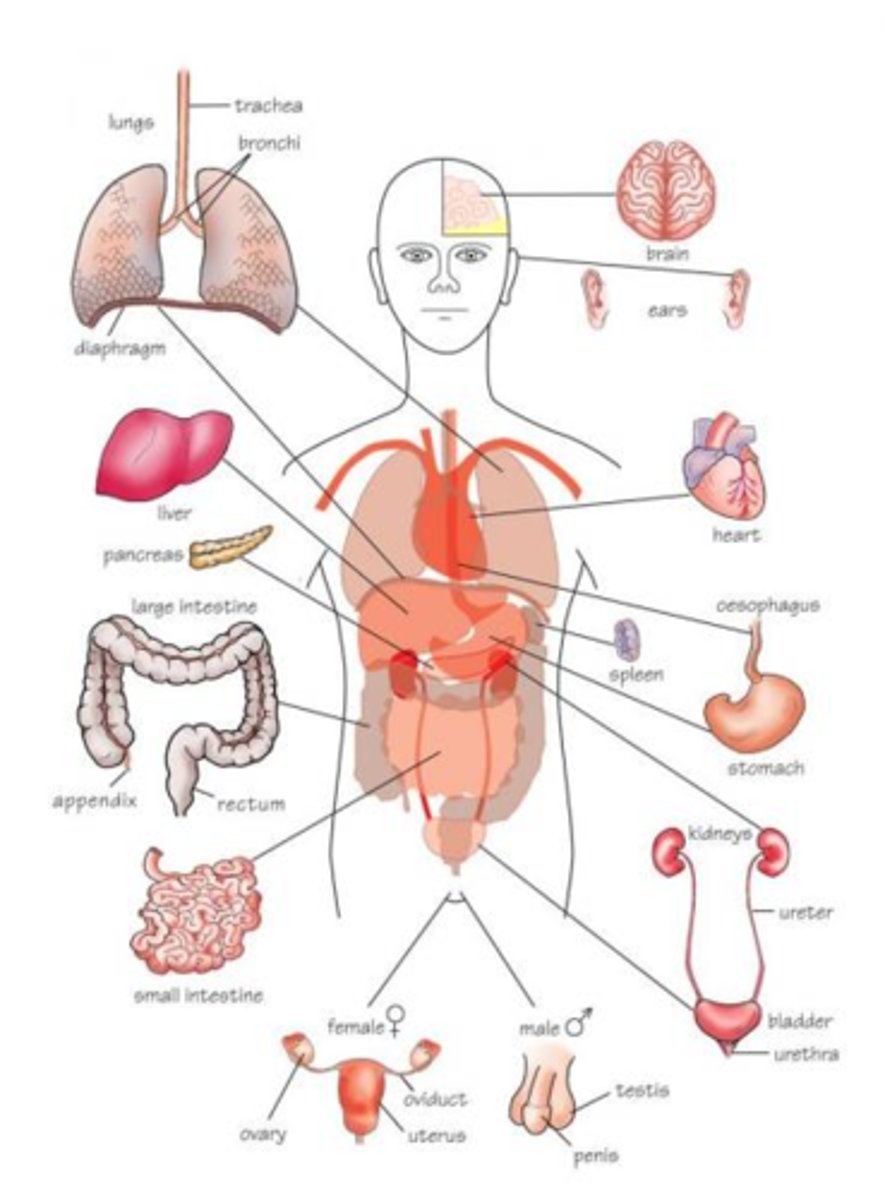
stomach
large muscular sac that continues the mechanical and chemical digestion of food
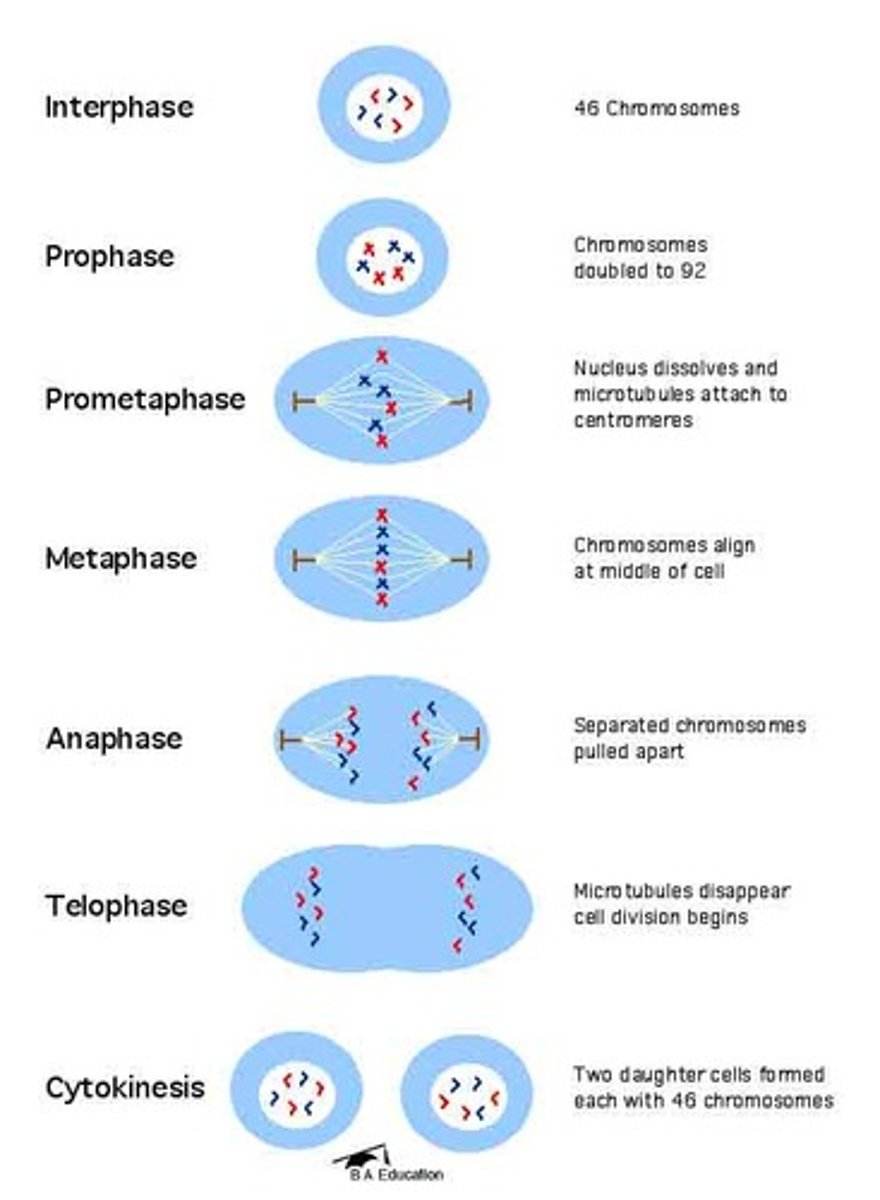
Interphase
Cell grows, performs its normal functions, and prepares for division; consists of G1, S, and G2 phases
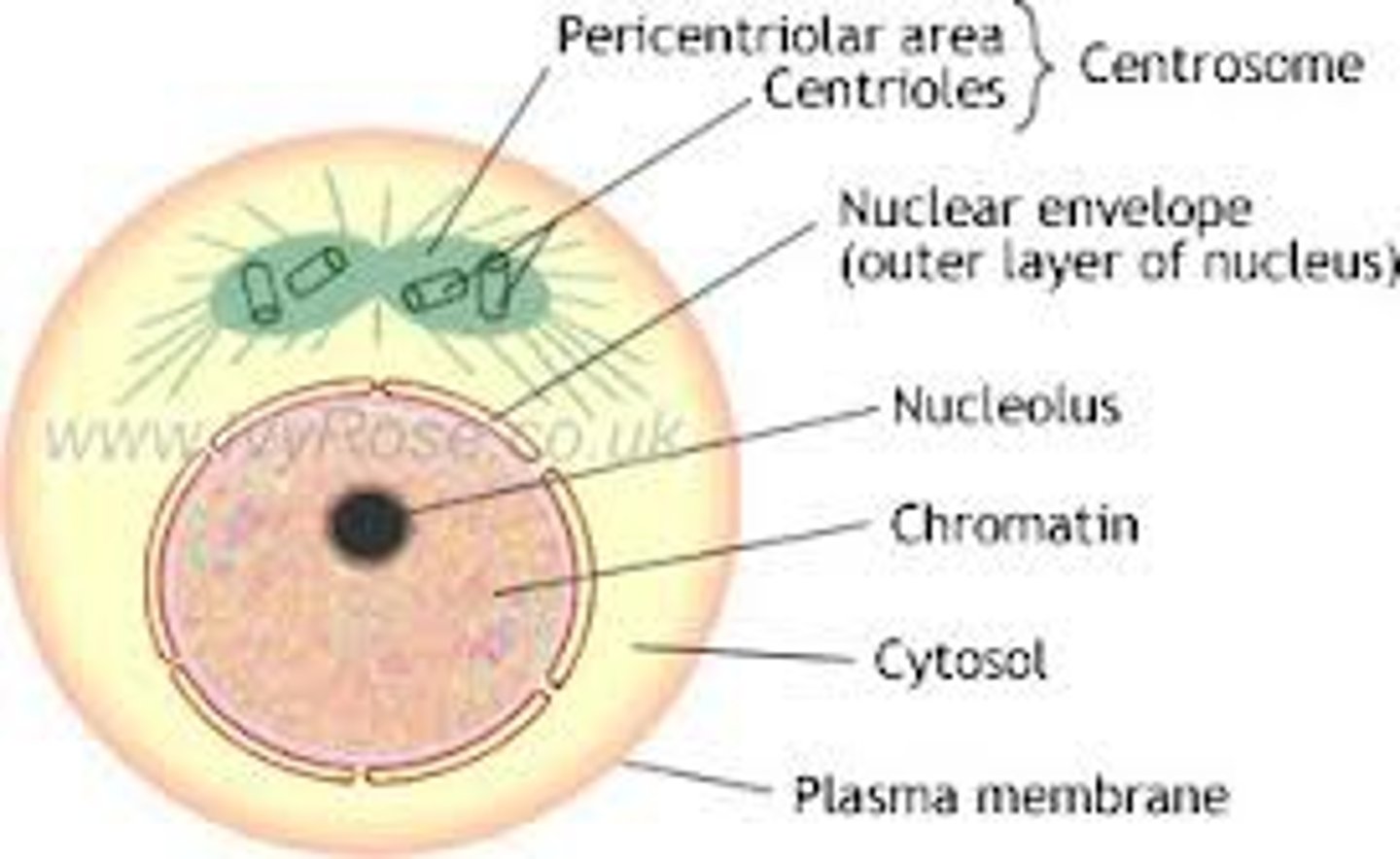
Prophase
Chromosomes become visable, nuclear envelop dissolves, spindle forms
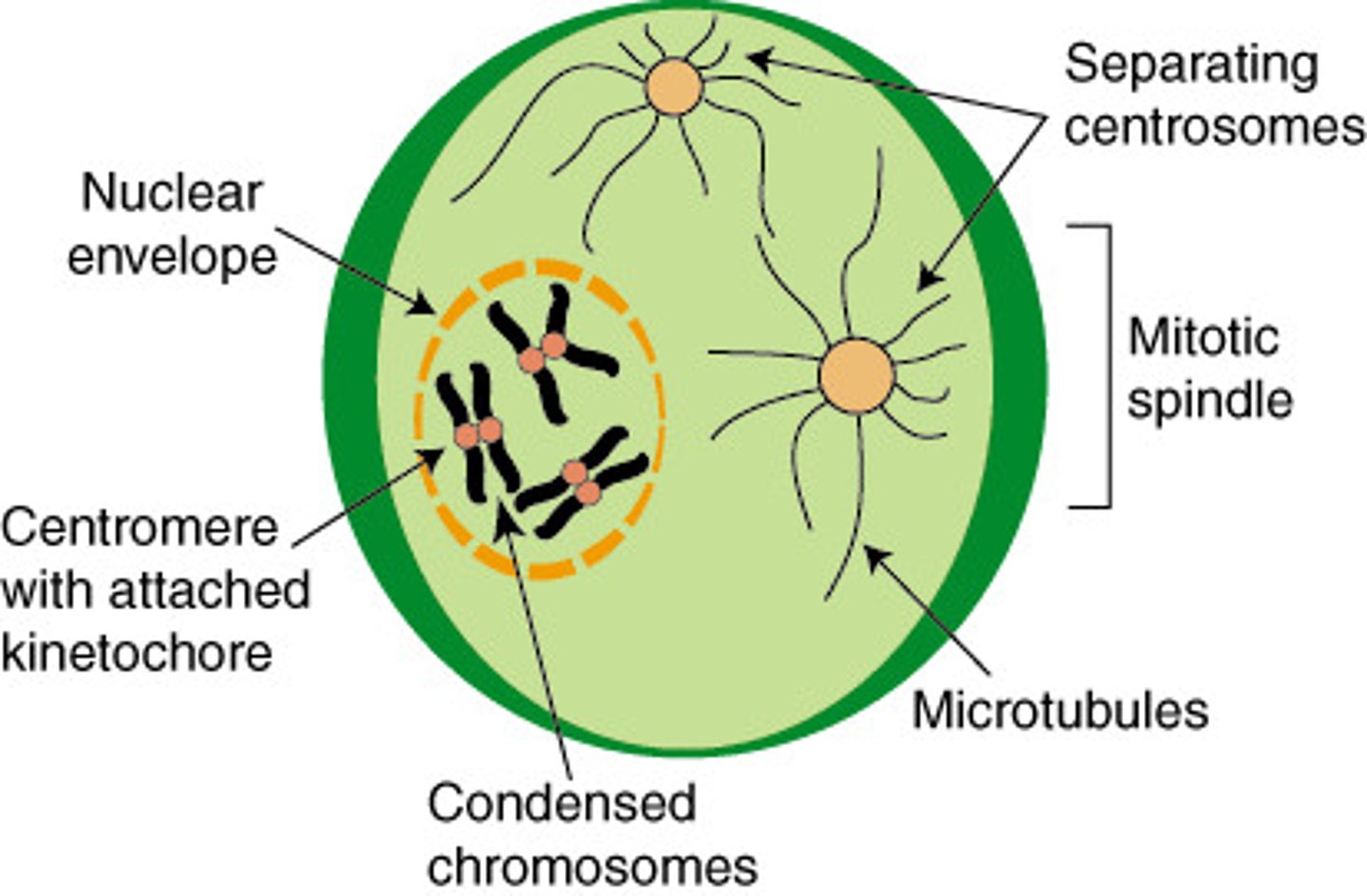
Metaphase
second phase of mitosis, during which the chromosomes line up across the center of the cell
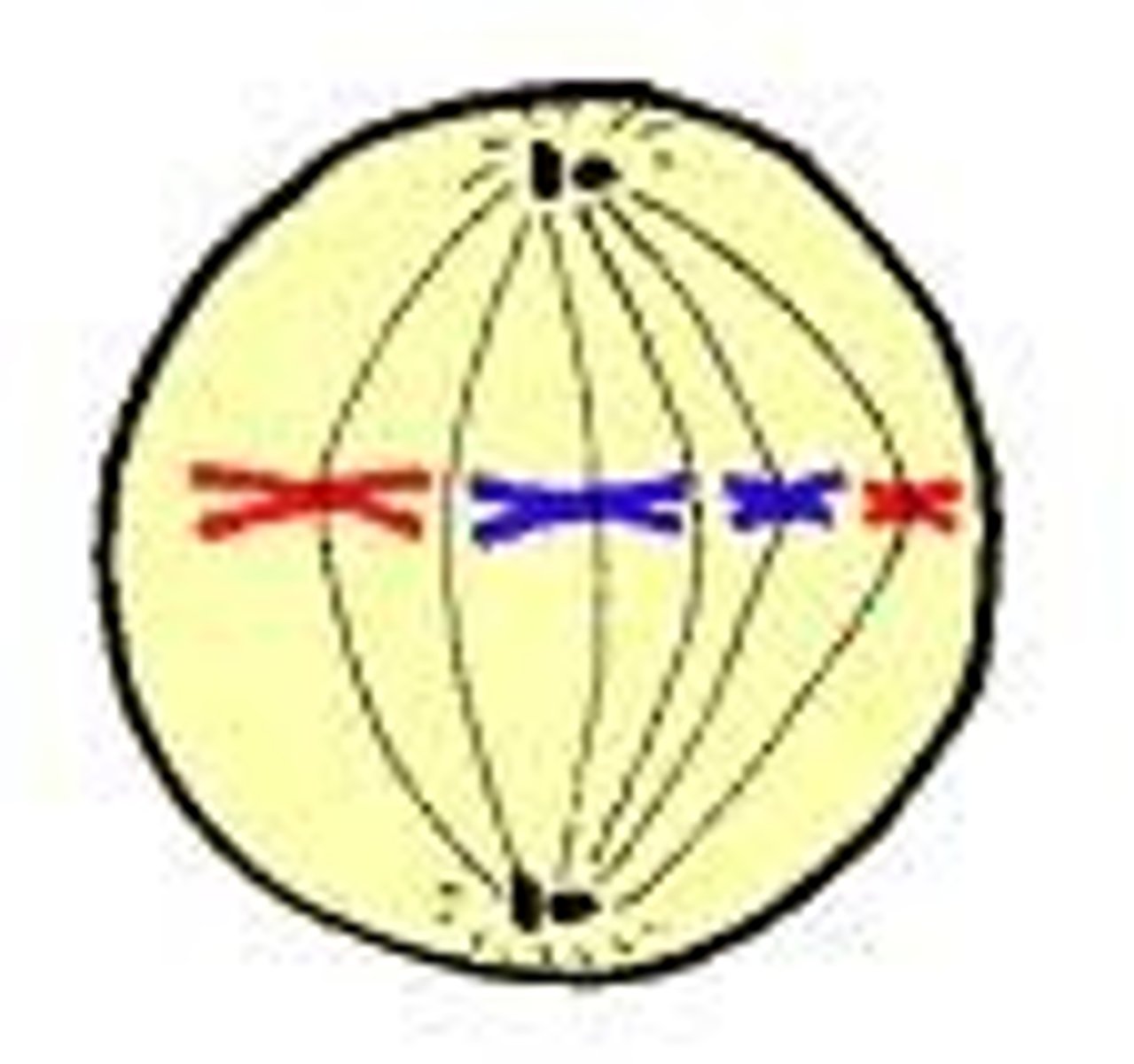
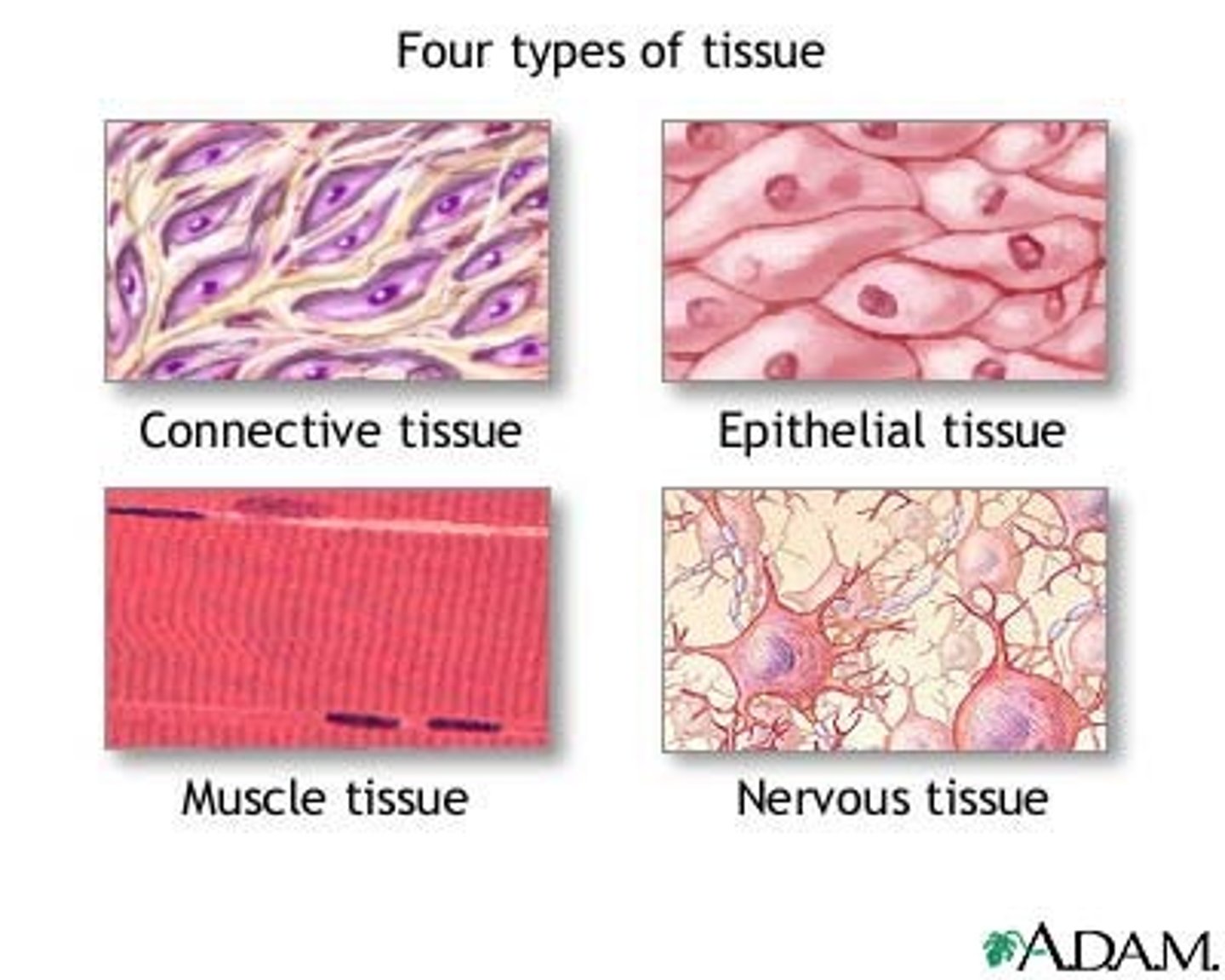
animal tissues
epithelial, connective, muscle, nervous
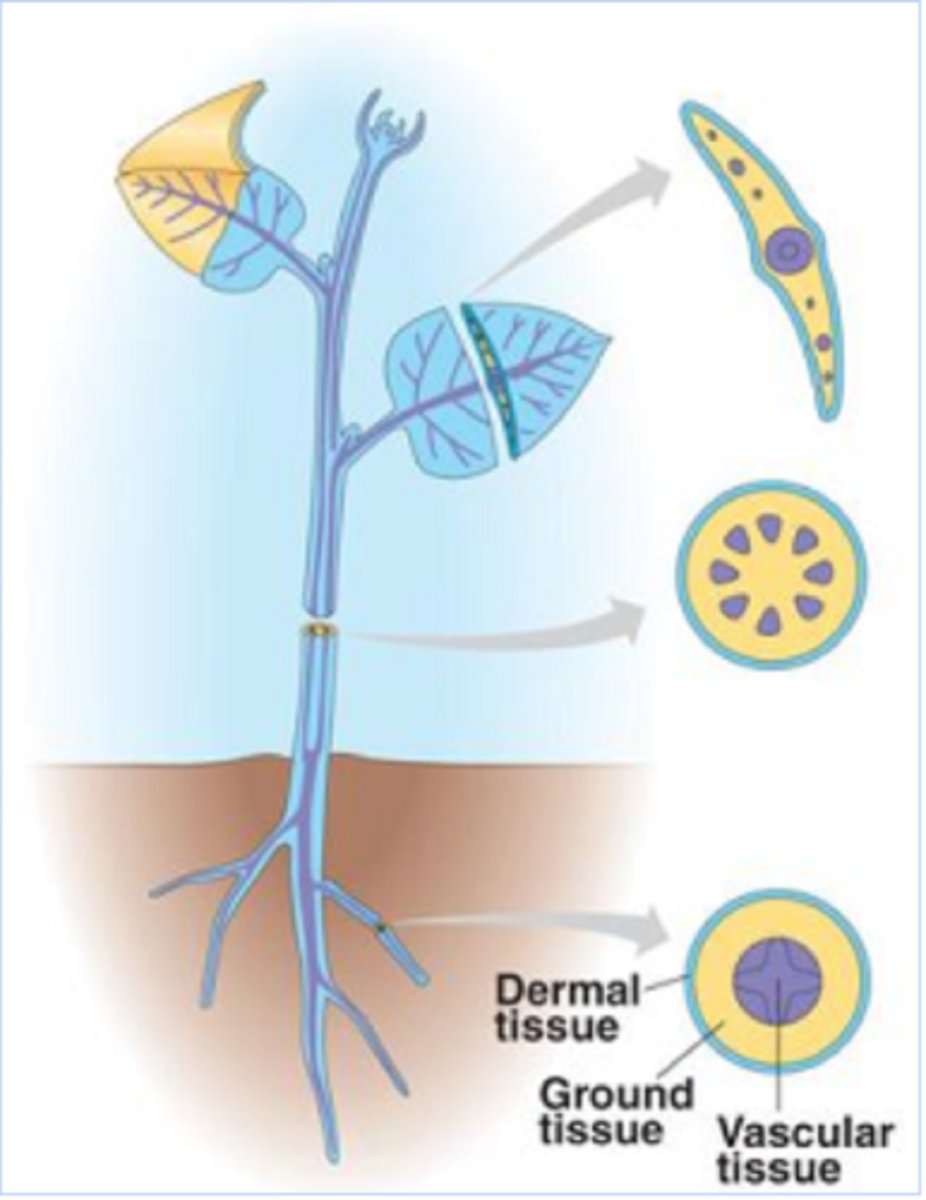
plant tissues
Meristematic Tissue, Dermal Tissue, Vascular Tissue, Ground Tissue
Adult stem cells
undifferentiated cells found among differentiated cells in a tissue or organ
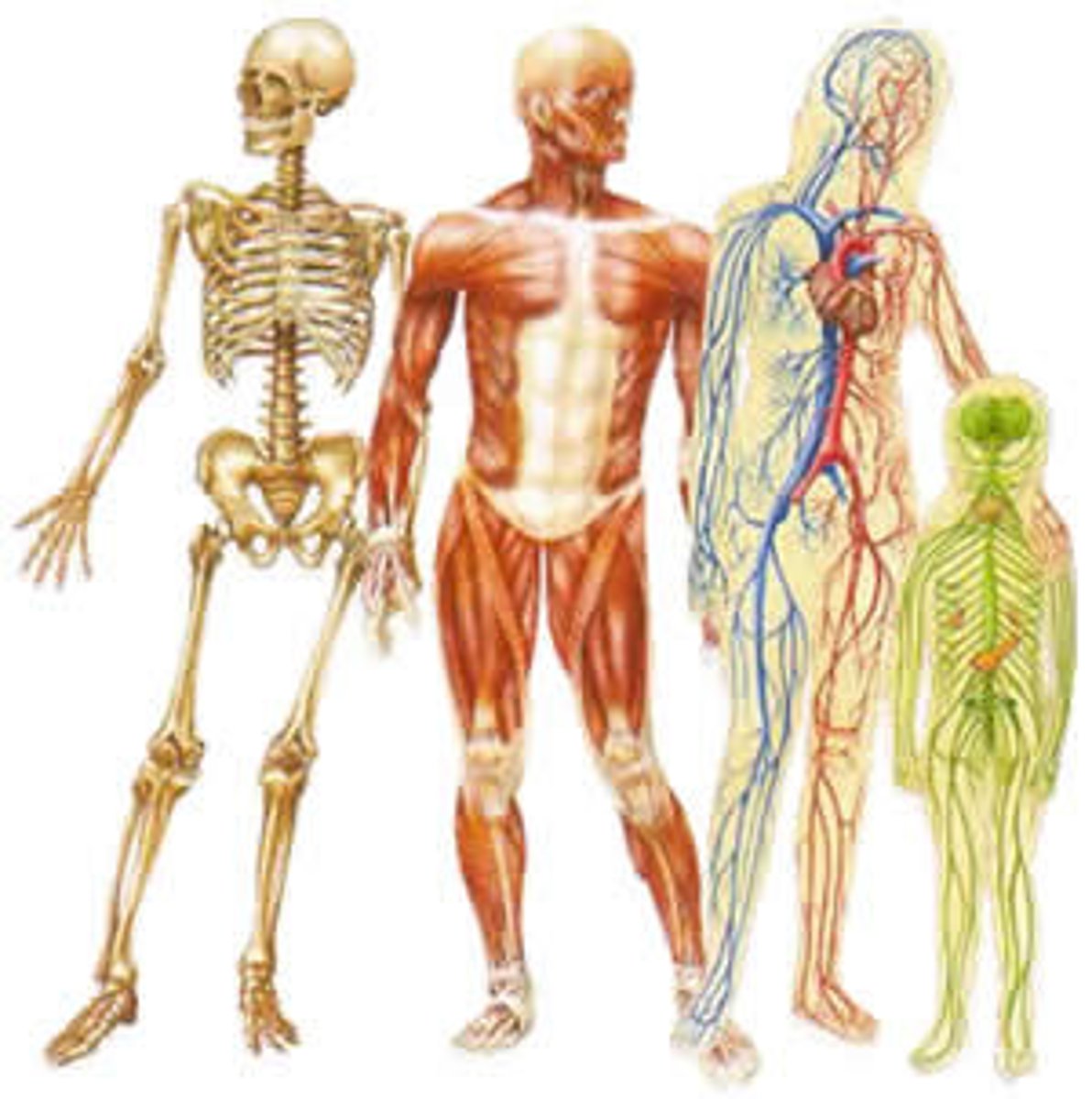
organ systems
A group of organs that work together in performing vital body functions.
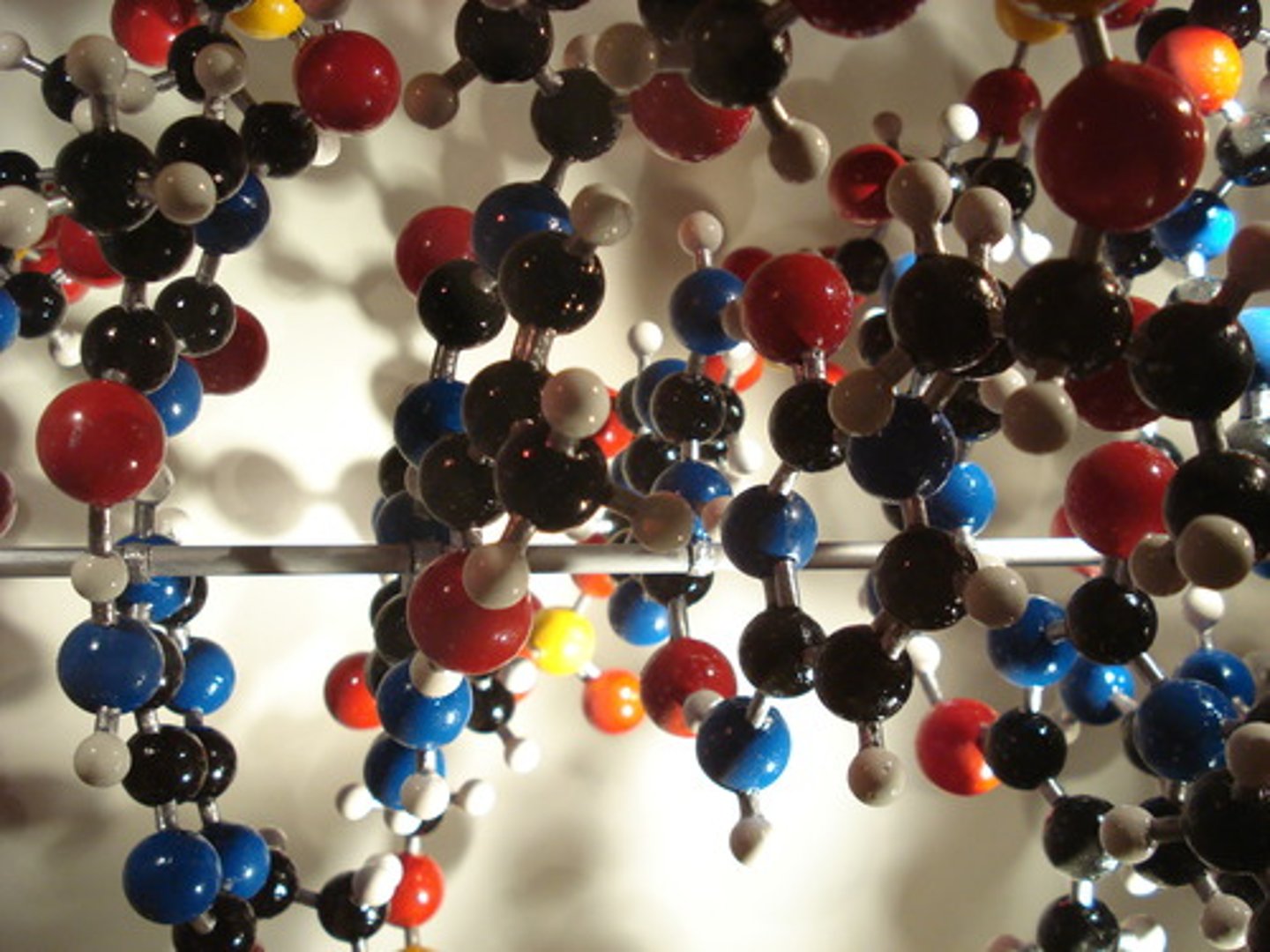
level of organization
atom, molecule, macromolecule, organelle, cell, tissue, organ, organ system, organism
circulatory system
Transports oxygen, waste, nutrients, hormones, heat, etc... around the body
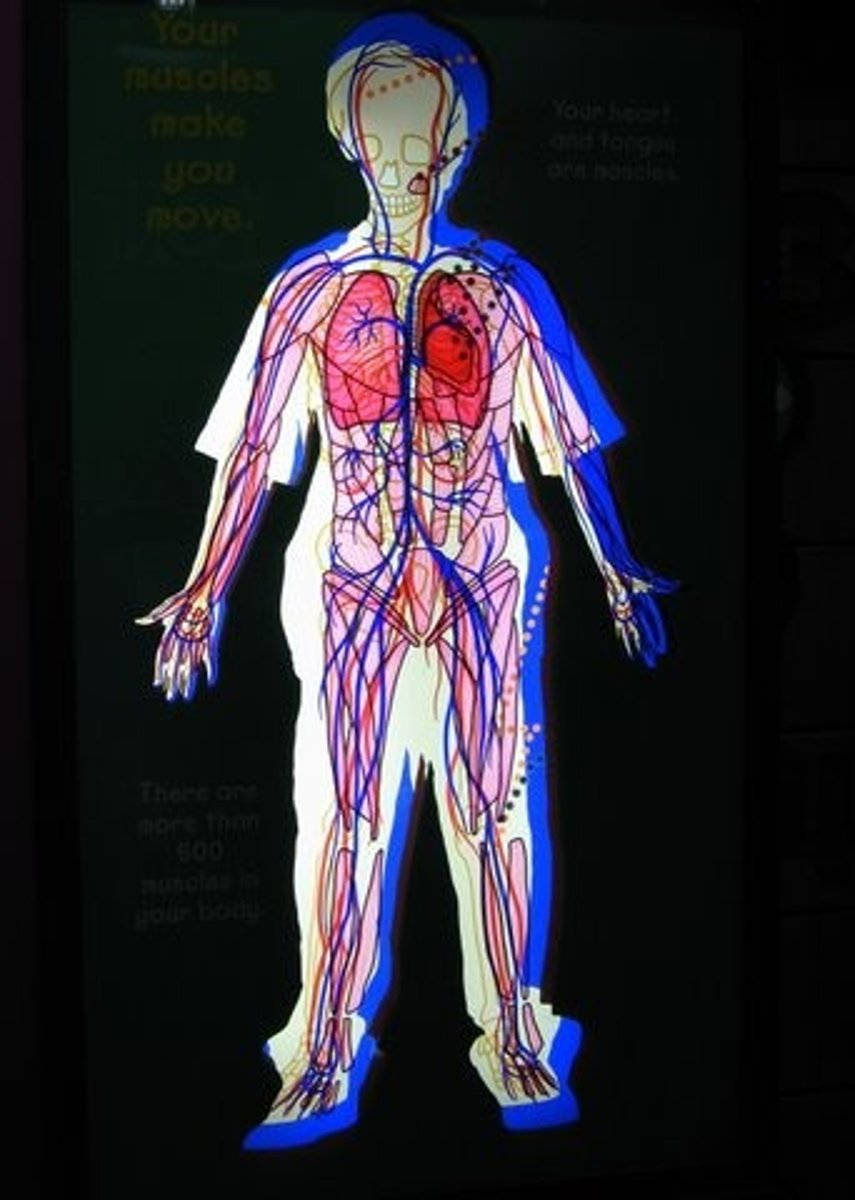
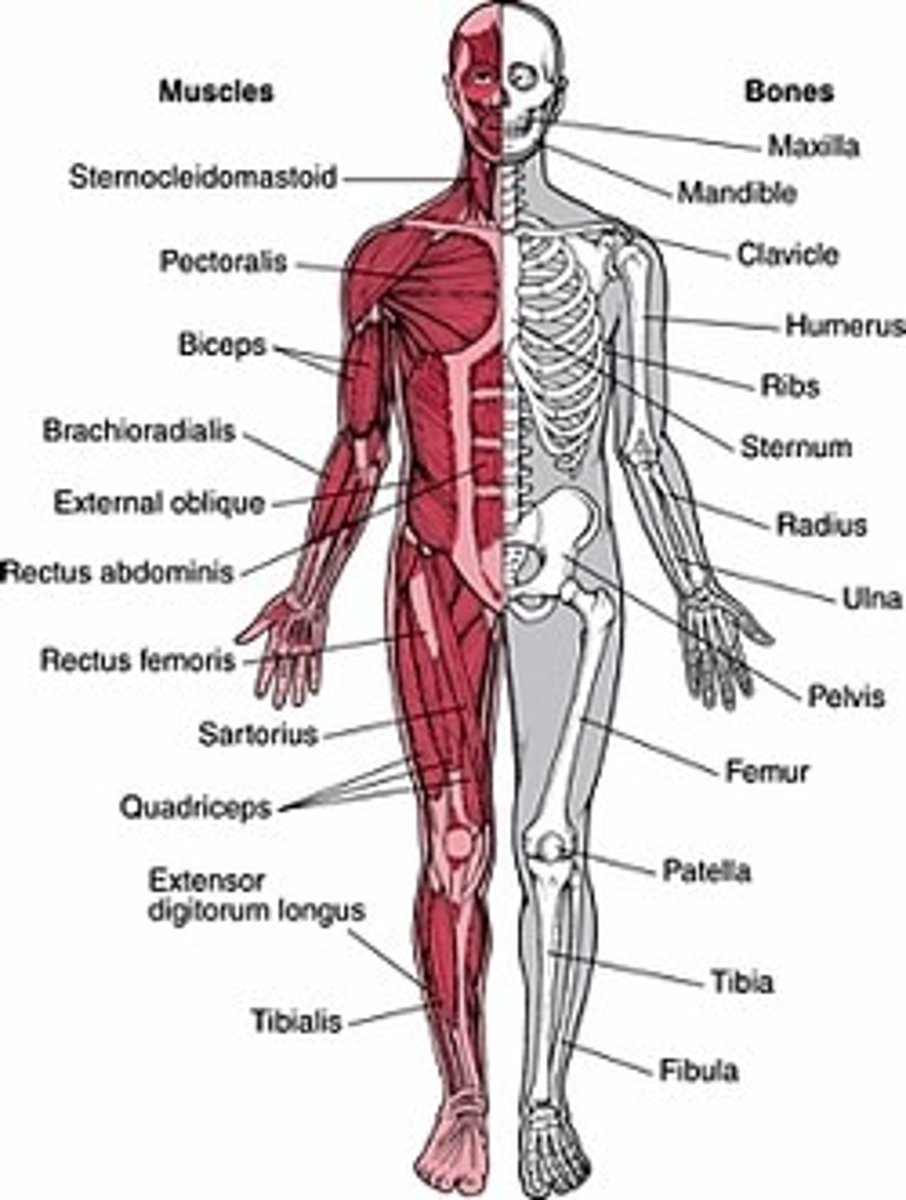
muscular-skeletal system
The muscles, bones, tendons, ligaments. Provides structures/support so that our bodies aren't a squished up blob. Muscles allow us to have movement.
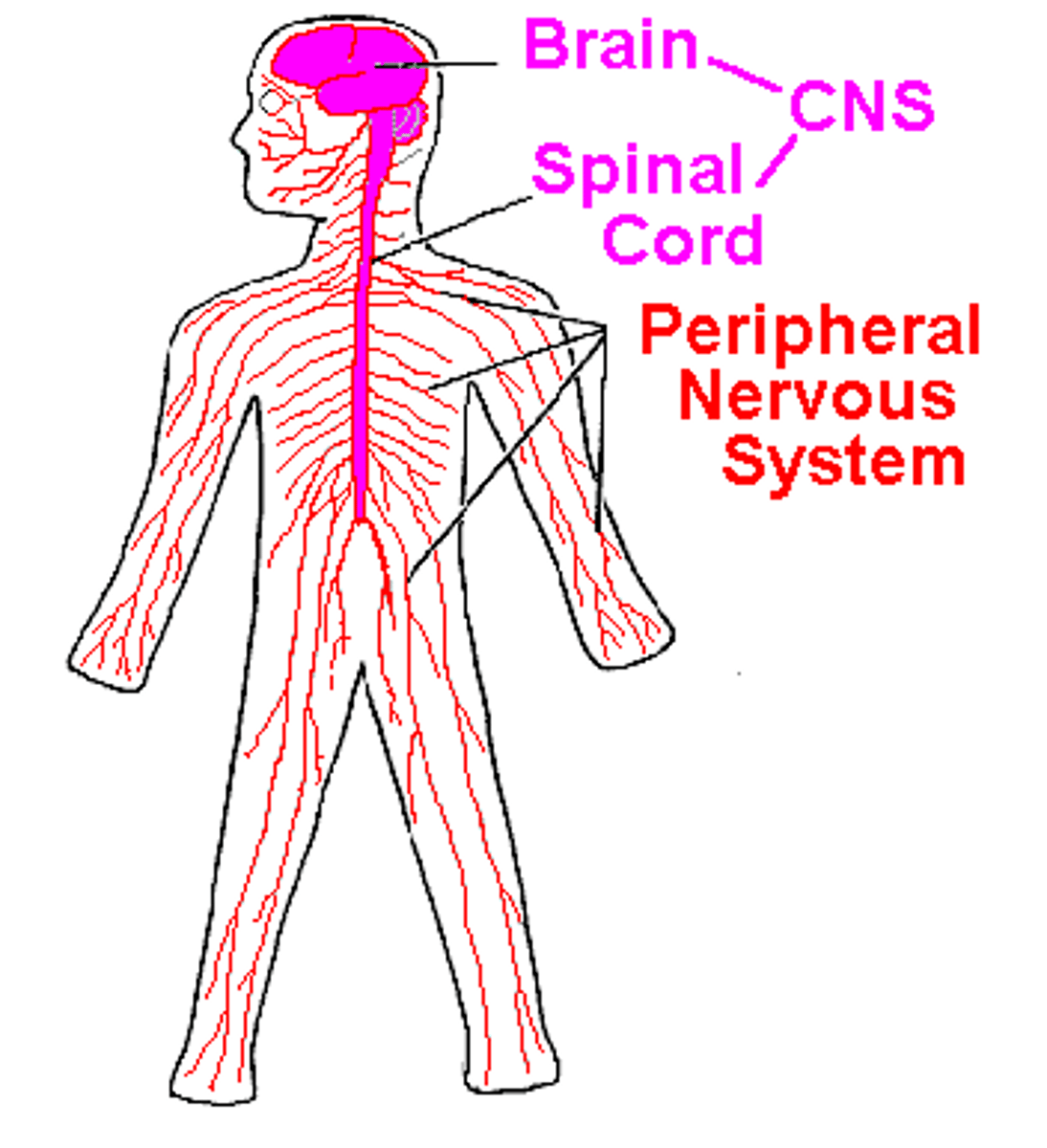
nervous system
the body's speedy, electrochemical communication network, consisting of all the nerve cells of the peripheral and central nervous systems
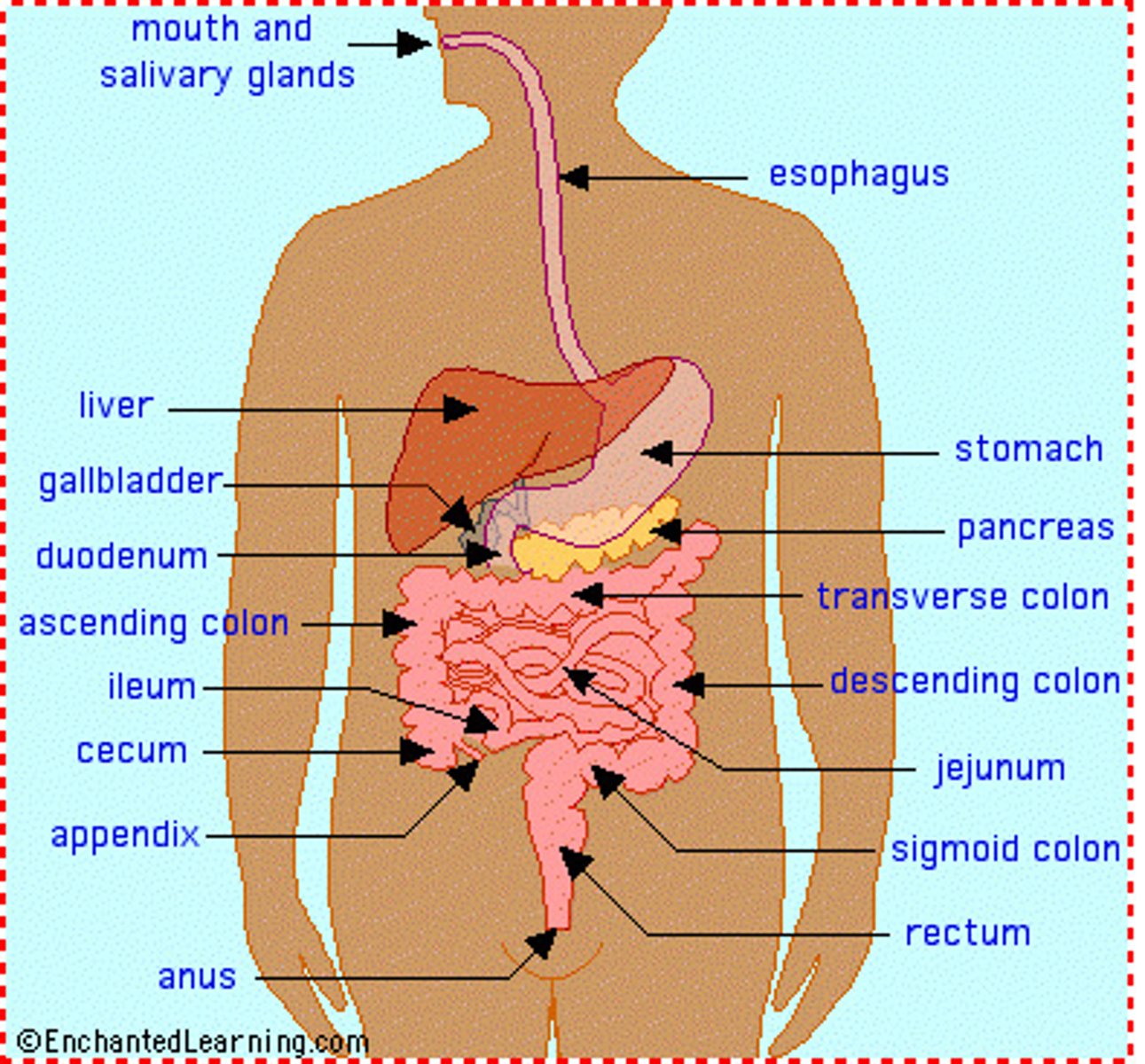
digestive system
Breaks down food into absorbable units that enter the blood for distribution to body cells.
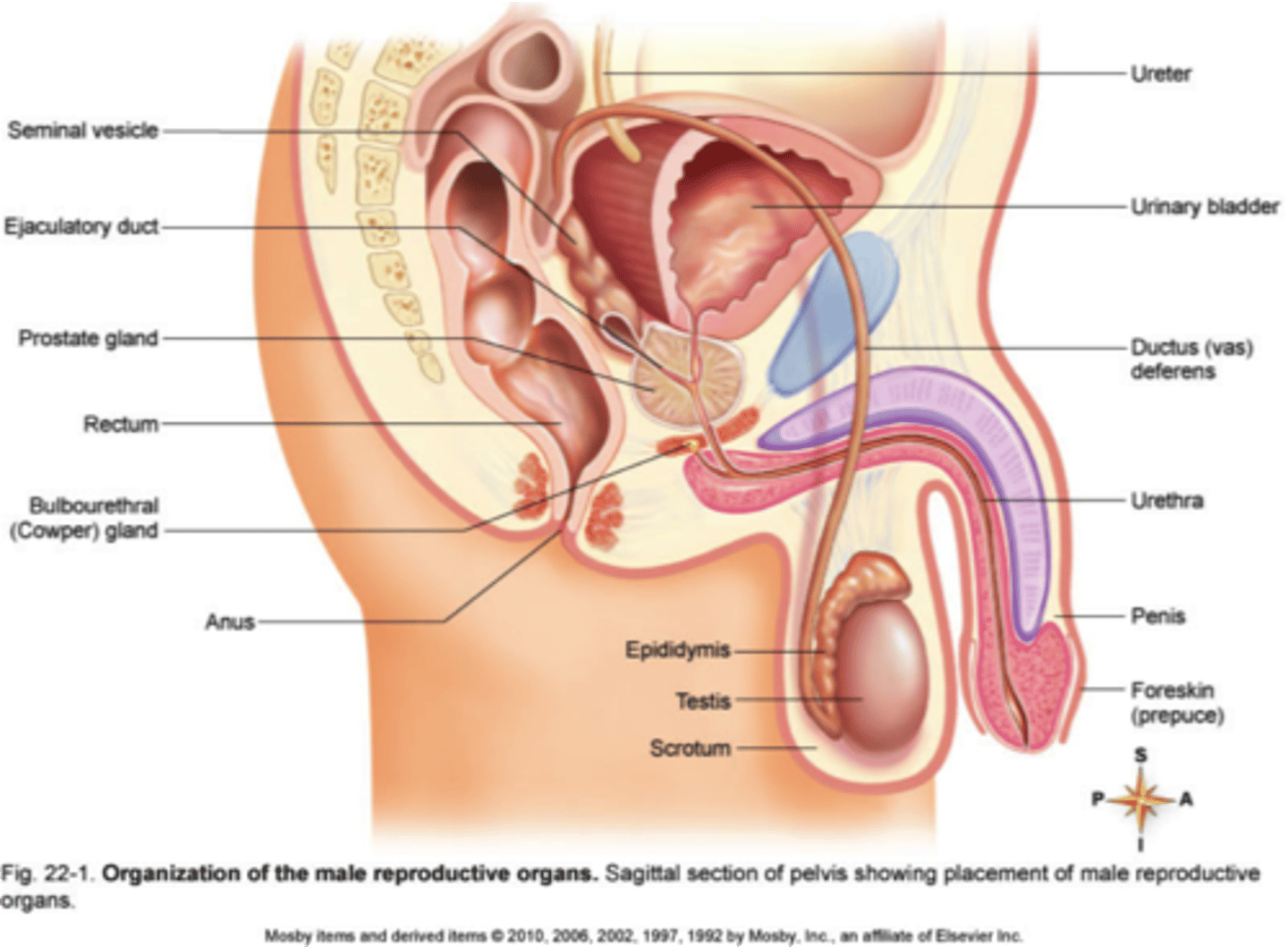
reproductive system
Reproduce offspring- produce male sex cells (sperm) and female sex cells (oocytes)
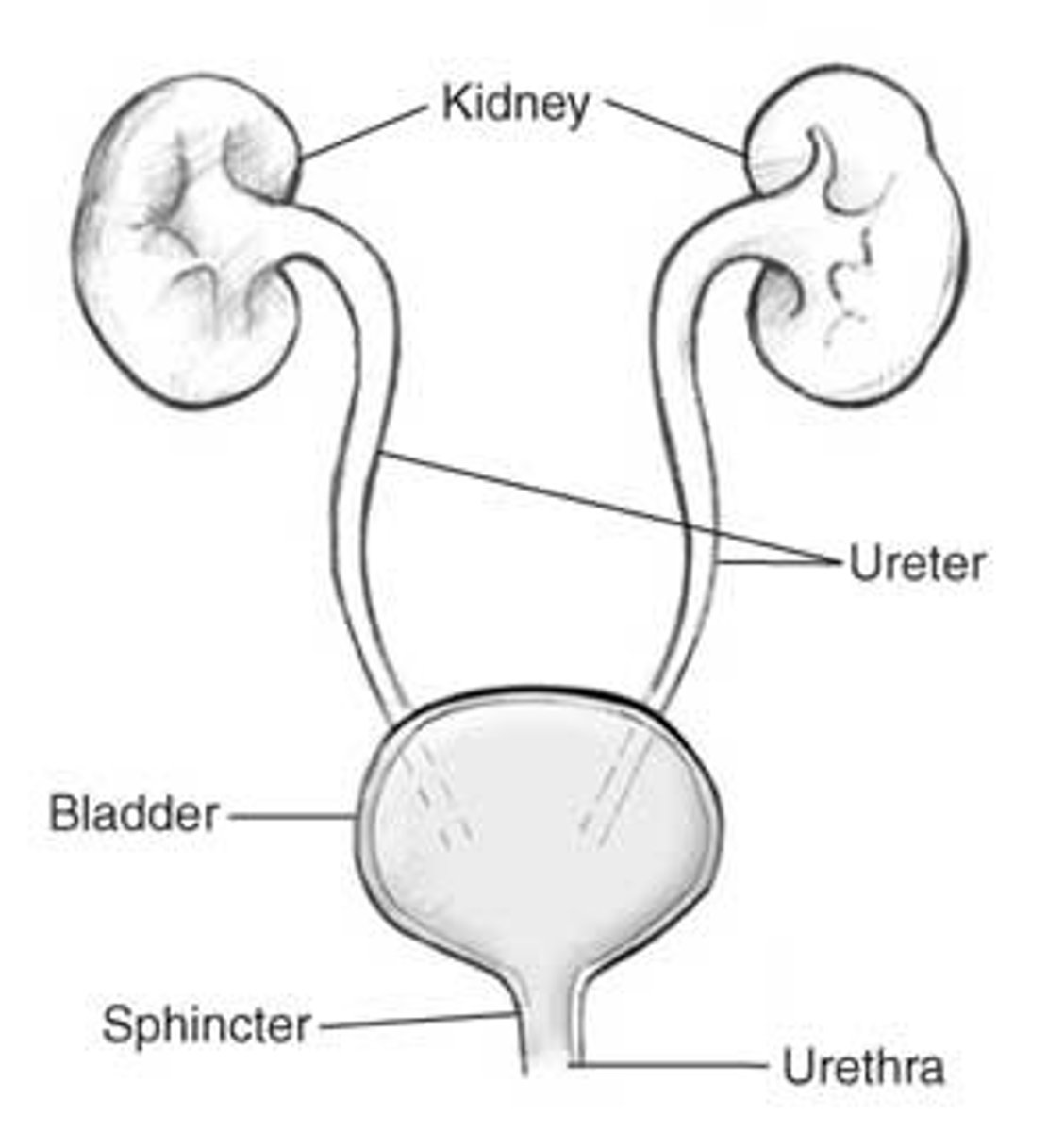
urinary system
Eliminates nitrogenous wastes from the body. Regulates water, electrolyte and acid-base balance of the blood.
cell division
Process by which a cell divides into two new daughter cells
apoptosis
programmed cell death
mitosis
part of eukaryotic cell division during which the cell nucleus divides
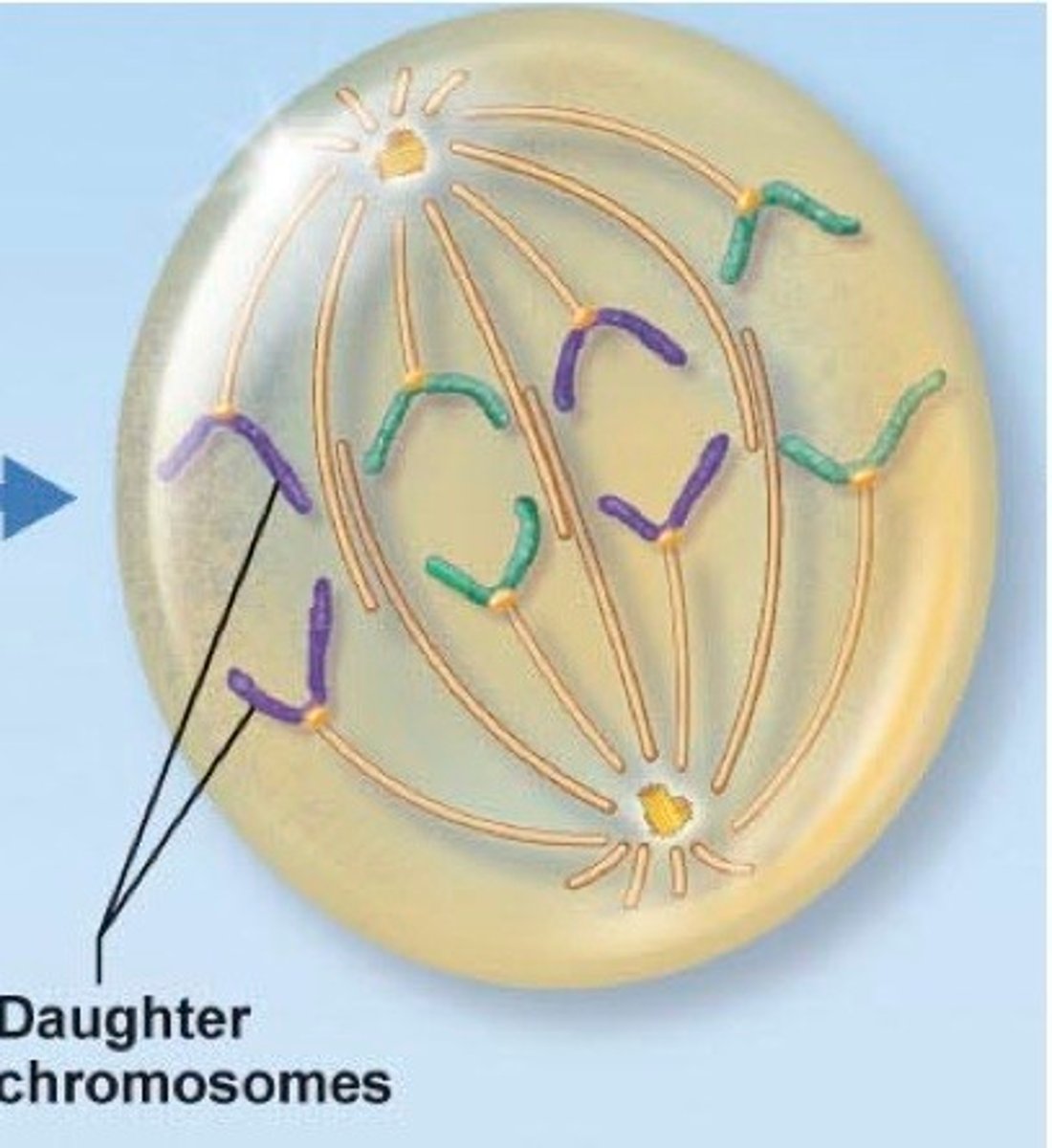
Anaphase
Phase of mitosis in which the chromosomes separate and move to opposite ends of the cell
telophase
After the chromosome seperates, the cell seals off, Final Phase of Mitosis.
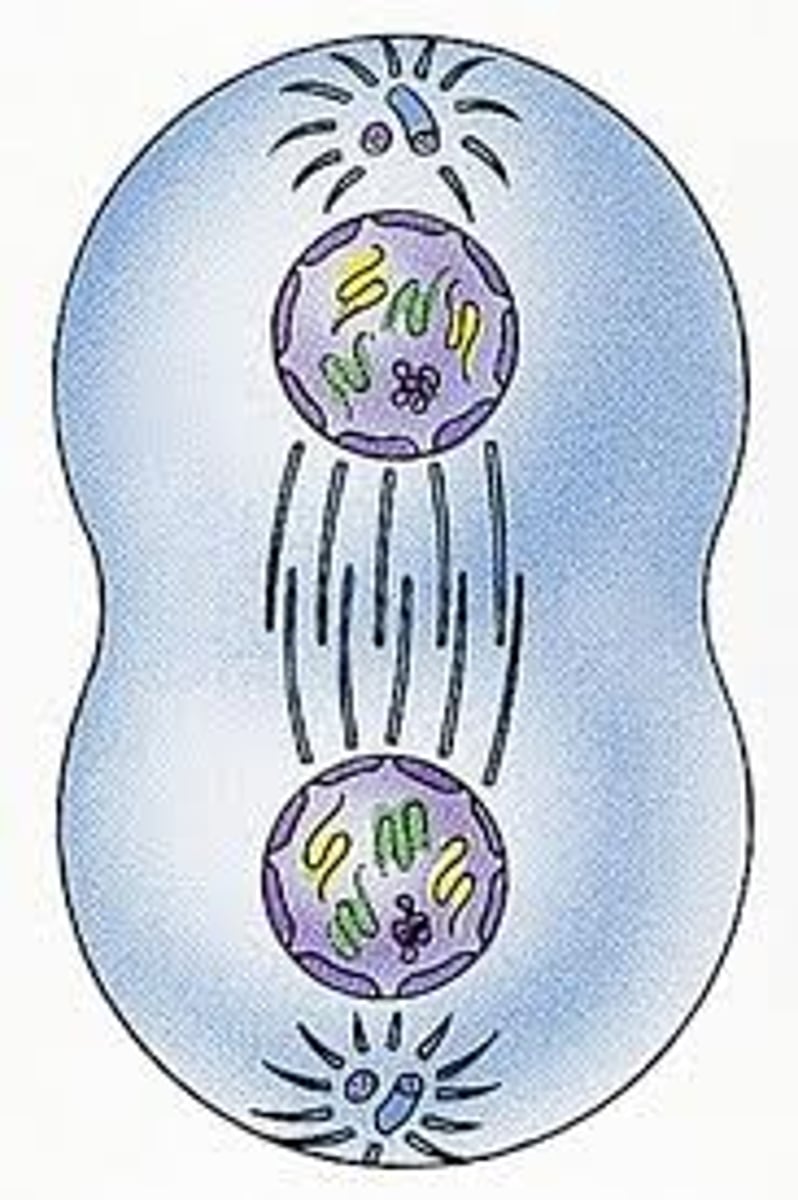
Cancer Cell
Cell that divides uncontrollably.
stem cells
unspecialized cells that are able to renew themselves for long periods of time by cell division
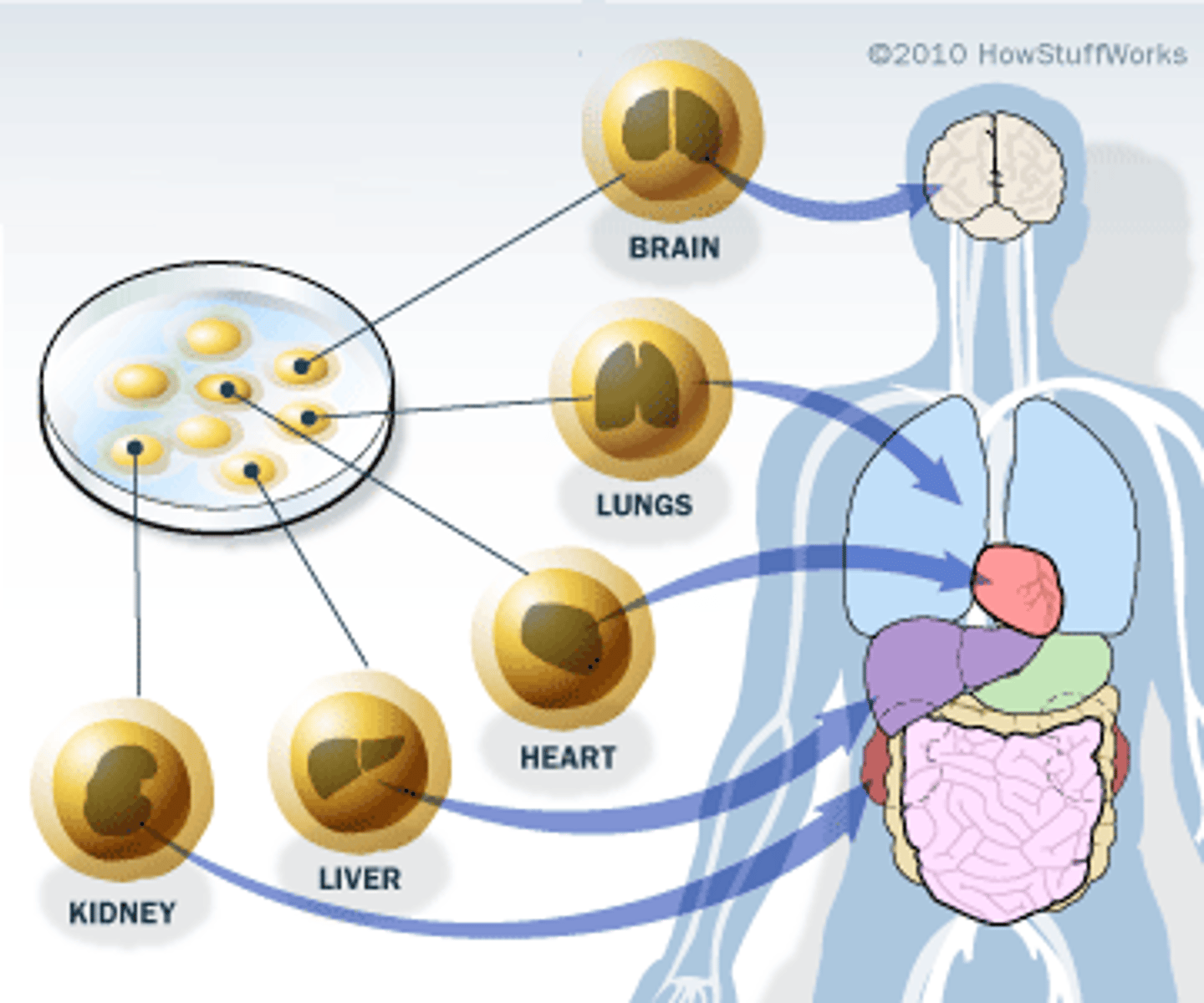
embryonic stem cells
embryonic cells, which can develop into any type of body cell
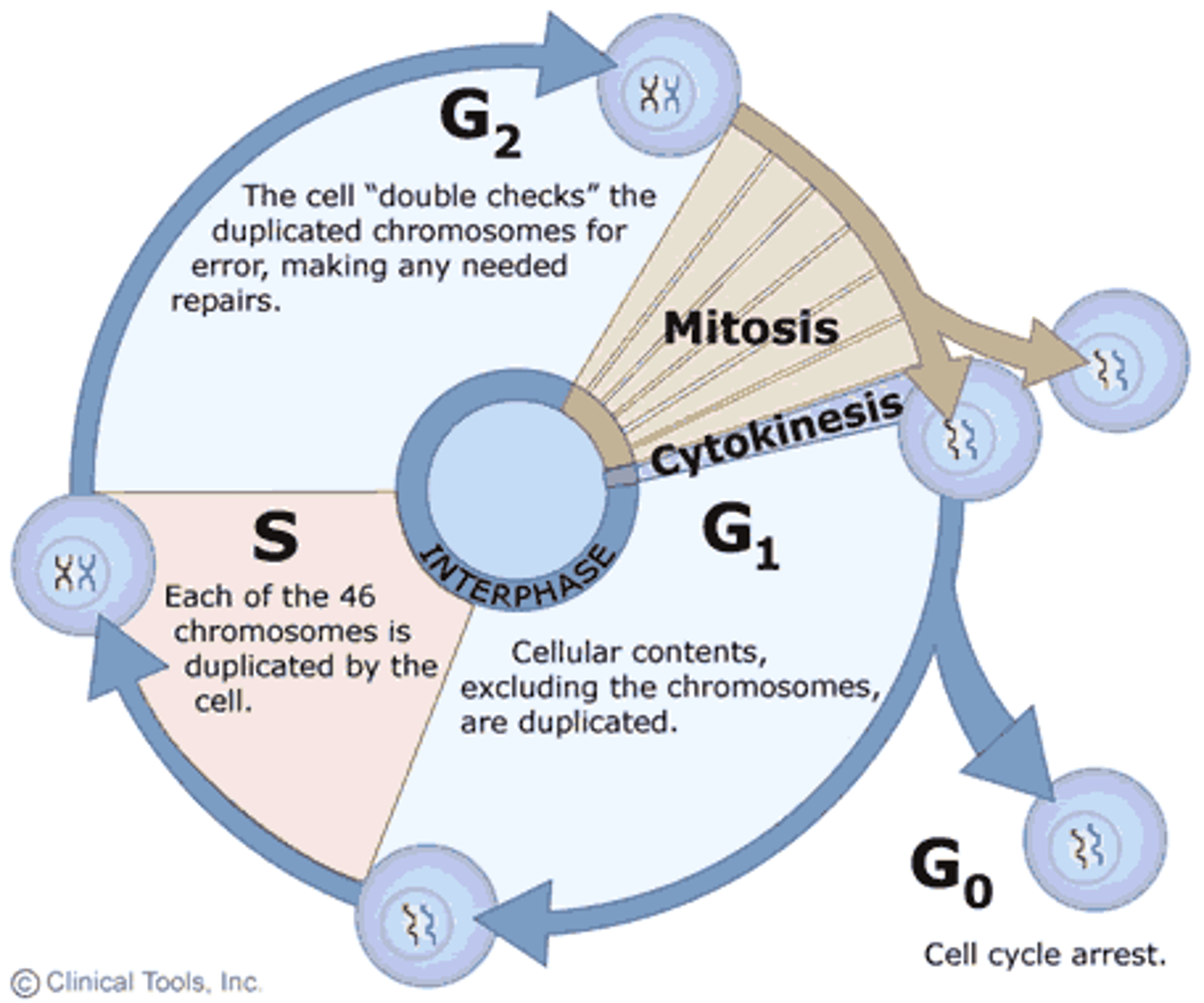
cell cycle
series of events in which a cell grows, prepares for division, and divides to form two daughter cells
cytoskeletonis
a network of protein filaments and tubules that provide structure, shape, and support to the cell, and plays a key role in intracellular transport and cell division.
vascular tissues
complex tissues responsible for the transport of water, nutrients, and food in plants, including xylem and phloem.
An onion root tip cell
cell under a microscope and notice a 'cell plate' forming in the centre
Differentiation
is the process by which unspecialized cells develop into specialized cells with distinct structures and functions, enabling the formation of different tissues and organs.
epithelial tissue
Groups of tissues that work together to perform a specific function or related functions, often forming a distinct structure in the body.
Mesophyll
Groups of tissues that work together to perform a specific function or related functions are essential for the overall operation of living organisms.

