Bio 1300 - Exam 3
 Call Kai
 Learn
Learn Practice Test
 Spaced Repetition
 Match
Match Flashcards
 Knowt Play
1/75

Earn XP
Description and Tags
chpts 33,34,35, covering invertebrate animals, chordates and vertebrates,
Name | Mastery | Learn | Test | Matching | Spaced | Call with Kai |
|---|
No analytics yet
Send a link to your students to track their progress
76 Terms
protostomes
the zygote cleavage is spiral and determinate, develops into mouth
apical (primary) meristems
on tips of roots and shoots
lateral (secondary) meristems
along the sides of roots and shoots
primary plant growth
produces primary plant body; dermal, vascular, grand tissue
allows for extension of roots + shoots
secondary plant growth
increase in diameter
produces key constituents of wood + bark
deuterostomes
the zygote cleavage is radial and indeterminate, develops into anus
asymmetry
no plane of symmetry
ex - sponges
radial symmetry
ALL aquatic
often circular or tubular
ex - jellyfish and comb jellies
can be divided evenly by a longitudinal plane passing thru their central axis
bilateral symmetry
top/bottom
left/right
two-sided
head and tail end
tend to concentrate sensory organs in their anterior end
ectoderm
outermost of the three germ layers that develop in embryo
endoderm
innermost of the three germ layers that develop in embryo
mesoderm
middle layer of the three germ layers that develop in embryo
make diff cards for each phyla + taxa of invertebrates
hermaphrodites
individuals with both male and female reproductive organs, asexually produce by themselves
complete digestive tract
both mouth and anus
open circulatory system
blood (hemolymph) directly touching organs
closed circulatory system
blood contained in blood vessels
acoelomates
solid body with no cavities
ex - flatworms
pseudocoelomates
cavity between endoderm and mesoderm
coelomates
body cavity surrounded by mesoderm
arthropods
jointed feet
hard exoskeleton
segmentation
several million, at least 1 million named
exoskeleton (made of chitin + protein) = cuticle (provides protection, water resistance, smth for muscles to work against)
have to molt in order to grow (limits their growth)
sensor organs concentrated on head
open circulatory system
complete digestive system
brain
chordate characteristics
ALL chordates have these characteristics at SOME POINT during development
dorsal hollow nerve chord (spinal chord)
notochord - flexible and between nerve chord and digestive system
pharyngeal slits
segmented muscles
postanal tail
subphylum cephalochordata
looks like small fish
ALL marine
filter feeders
No brain (minimal)
ex - lancelets
NOT a vertebrate
subphylum urochordata
the tunicates
includes sea squirts and salps
adults are filter feeding bags
the larvae look like tadpoles and have ALL of the chordate characteristics
ALL marine
subphylum vertebrata
around 60,000 known species
vertebrate characteristics
vertebral column
cranium
living endoskeleton made of bone or cartilage
closed circulatory system
2-4 chambered heart
variety of internal organs (ex paired kidneys)
an advanced, adaptive immune system
neural crest
the cyclostomes
class
“circle mouth”
jawless vertebrates
no vertebral column (degenerative anatomy)
hagfish/slime eels
jawless (“circle mouth”)
marine scavengers or predators to invertebrates (more known for scavenging)
secrete mucus/slime for defense (blows up with sea water)
lampreys
marine and freshwater
they have eyes
jawless vertebrate (“circle mouth)
larvae are filter feeders
some adults are parasitic/predators to fish while others don’t feed
sea lampreys (harmful) have become a big problem to the great lakes
sea lampreys breed in fresh water and adapt
gnathostomes - jawed fish
jaw mouth
vertebrates with jaws
paired appendages
jaws may have evolved from gill supports, the hard supports for gill arches
class chondrichthyes - cartilaginous fish
sharks, rays, and ratfish
cartilaginous skeletons
have electric field detectors
oviparous
egg layer
ovoviviparous
eggs develop internally
viviparous
the young develop in a uterus nourished by a placenta
bony fish characteristics
gills covered with operculum
many have swim bladder to control buoyancy
amphibians
frogs, toads, salamanders, and caecilians
partly terrestrial, eggs must stay in water (larval stage aquatic)
evolved legs
ectotherms - take on the temp of their surroundings “cold blooded”
reptiles (traditional)
traditional was known as class reptilia and included turtles, lizards, snakes, crocodiles, and many extinct taxa
most are completely terrestrial
evolved amniotic egg that can survive on land
ectotherms
keratinized, waterproof skin
reptiles (new classifications)
class - testudines
turtles
no teeth
have a shell
class - squamata
lizards and snakes
birds - class aves
have feathers for flying, insulation, and display
endothermic, generate body heat aka “warm-blooded”
4 chambered heart, but different from the one humans have
very efficient lungs (for flying, duh)
features of birds
hollow bones
no teeth
short tail
one ovary (gotta be as compact + aerodynamic as possible)
atrophied reproductive organs outside of breeding season
incredibly strong breast muscles
reptiles (original classifications) - class reptilia + features
turtles, lizards, snakes, and crocodiles
most are completely terrestrial
evolved amniotic egg that can survive on land
ectotherms
waterproof skin (keratinized, dry/leathery)
features of mammals
have hair
nurse their young
anucleate (no nucleus) red blood cells
viviparous
4 chambered hearts
enlarged brains
endothermic
one piece lower jaw
variety of teeth
horns + antlers
large herbivores
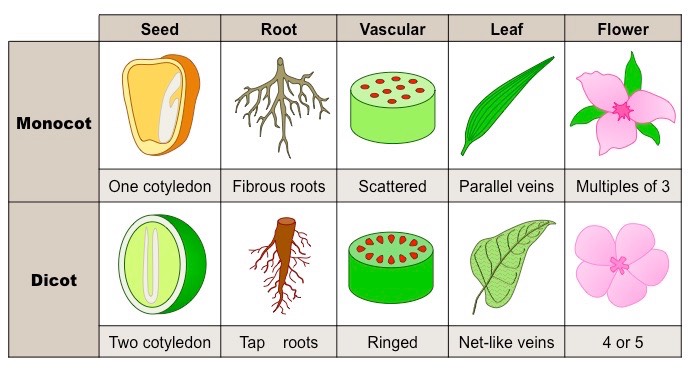
monocots (2nd largest class)
one seed leaf
parallel veins in leaf (xylem and phloem)
scattered vascular bundles in stems
usually fibrous root system
flower parts in 3’s
eudicots (1st largest class)
two seed leaves
net-like veins
vascular bundles arranged in a ring
taproot usually present
flower parts usually in 4’s or 5’s
differences between monocots and eudicots
fibrous root system
an extensive network of roots that DO NOT penetrate very deeply into the ground
adventitious roots
prop roots
extend above ground
give additional support
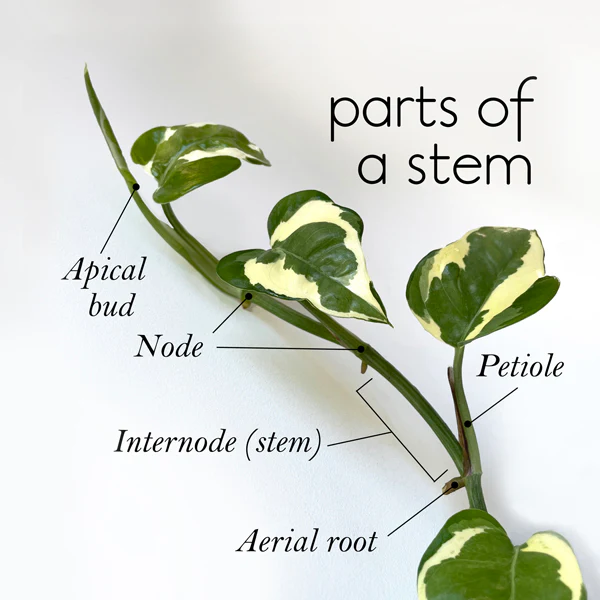
parts of a stem
nodes - leaves are attached
internodes - between nodes
axiliary buds - intersection of stem + leaves
terminal (apical) buds - located at the tip of a growing stem
stolons (modified stem)
horizontal stems that allow plants to spread (above ground)
rhizomes (modified stem)
horizontal underground stems
tubers (modified stem)
ends of rhizomes modified for food storage ex. potatoes
bulbs (modified stem)
vertical underground stems ex. tulips
corms (modified stem)
short, swollen stems
thorns (modified stem)
ex. hawthorns
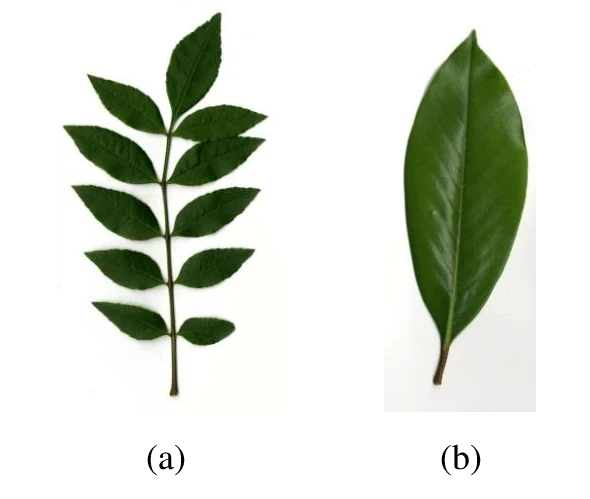
simple leaves
a single induvial leaf
compound leaves
divided into many leaflets
modified leaves
tendrils, cactus spines, succulent leaves, bracts (poinsettia), bud scales, flower ports
parenchyma
relatively undifferentiated
involved in metabolic functions (photosynthesis)
collenchyma
provides support for the growing portion of a plant
sclerenchyma cells
provide support
lignin
xylem
two types of cells; tracheid’s and vessel elements
dead when fully functional, consists of fibers
grows inward
phloem
grows outward
living sieve-tube elements
biennials
live 2 years, growth first year, flower second
perennials
plants that live more than 1 year
annuals
live 1 year
meristems
growing tissue
cambium
cork -
secondary tissue that replaces epidermis on a stem
forms outer layer of bark (the cork)
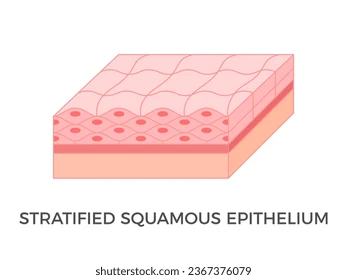
what kind of epithelial tissue is this?
stratified squamous
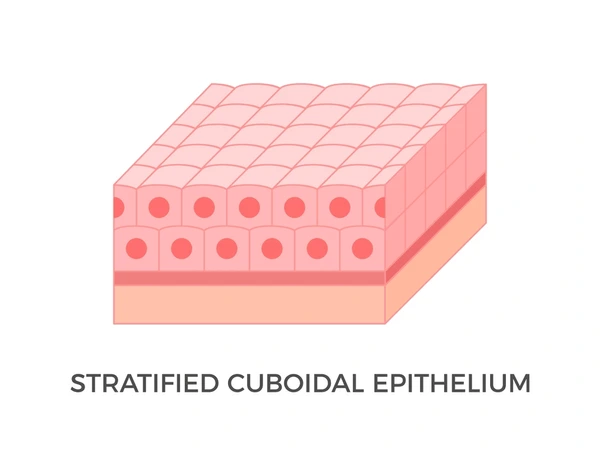
what kind of epithelial tissue is this?
stratified cuboidal
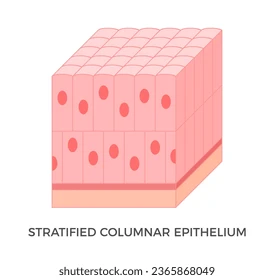
what kind of epithelial tissue is this?
stratified columnar
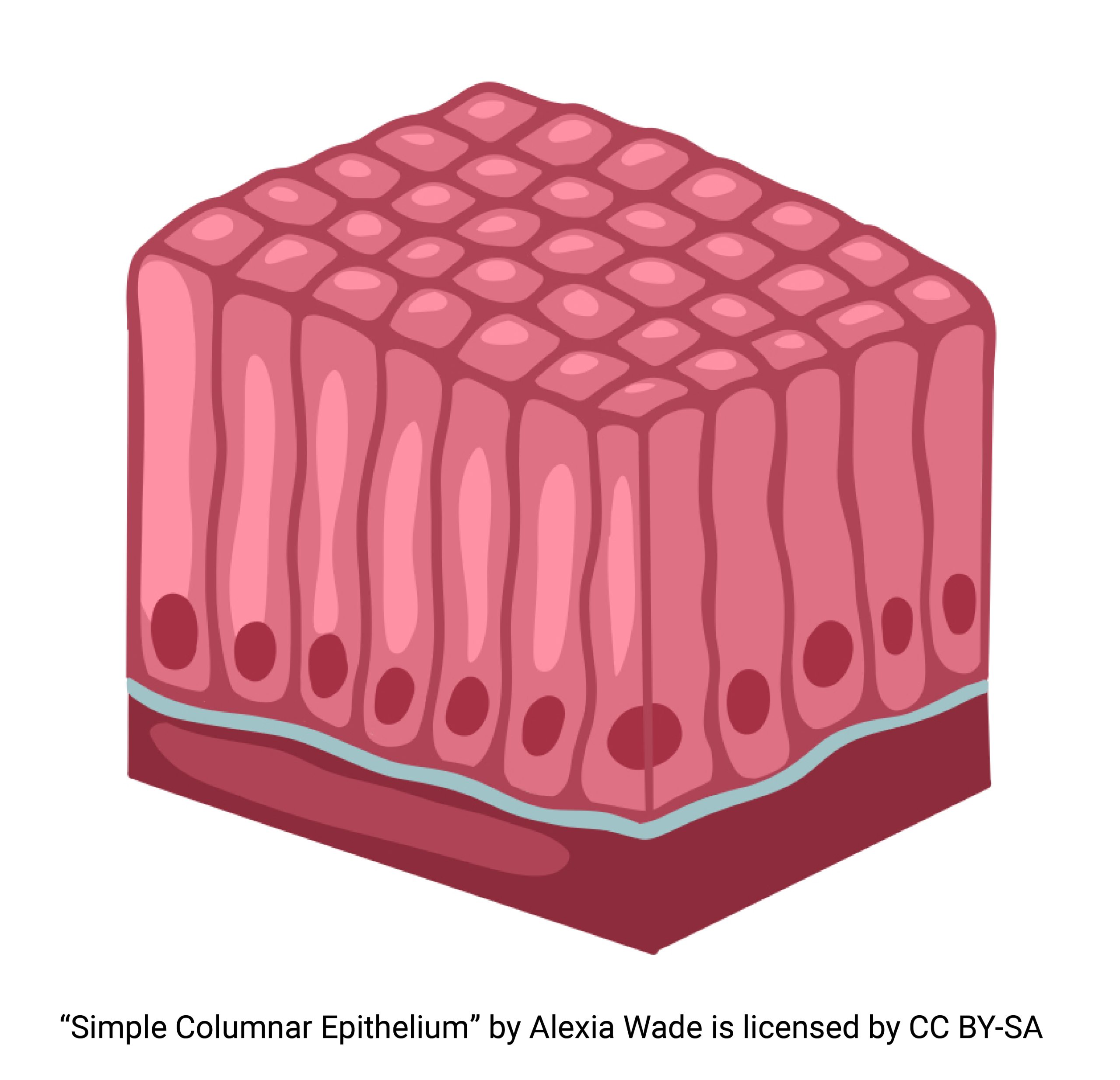
what kind of epithelial tissue is this?
simple columnar
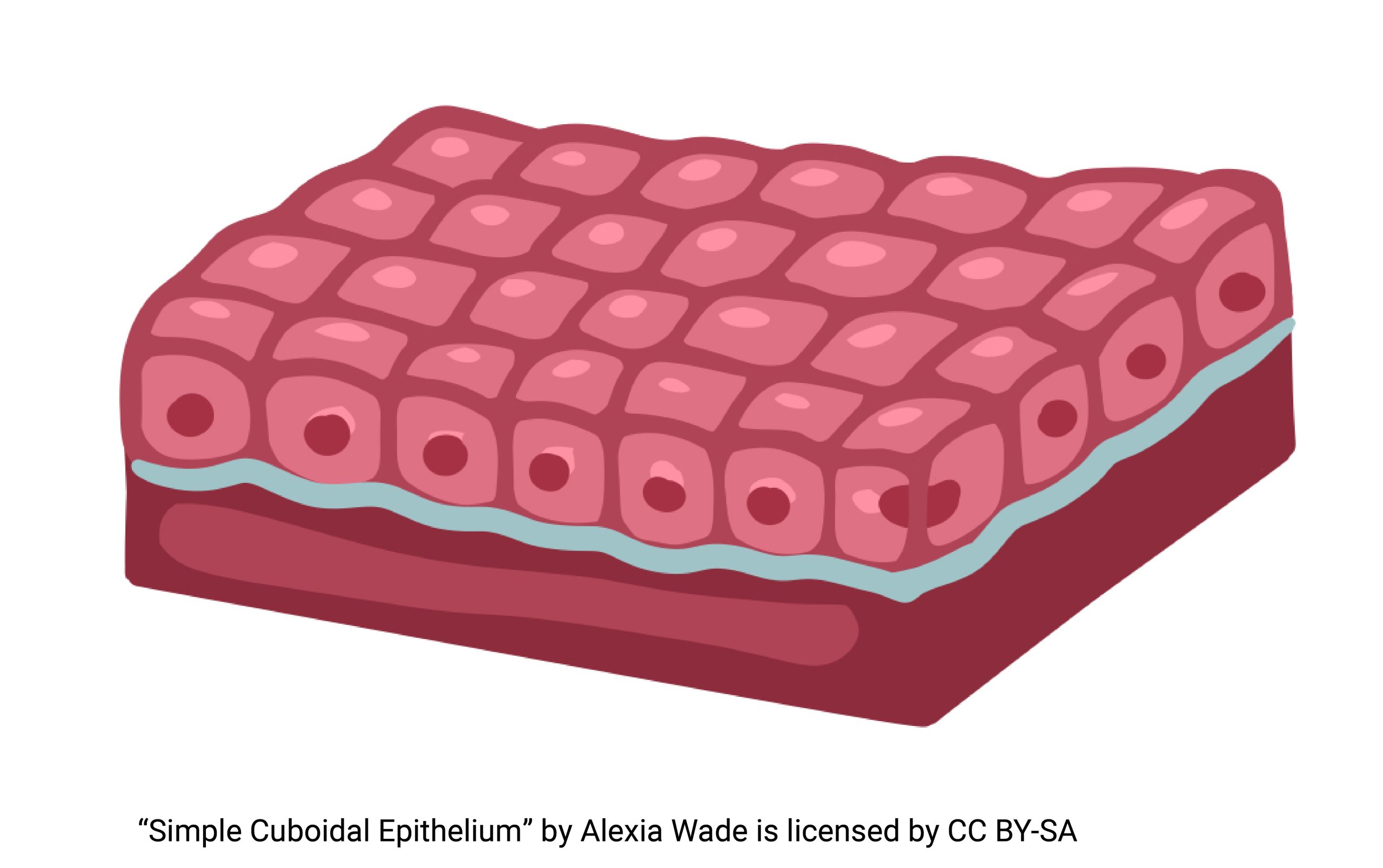
what kind of epithelial tissue is this?
simple cuboidal
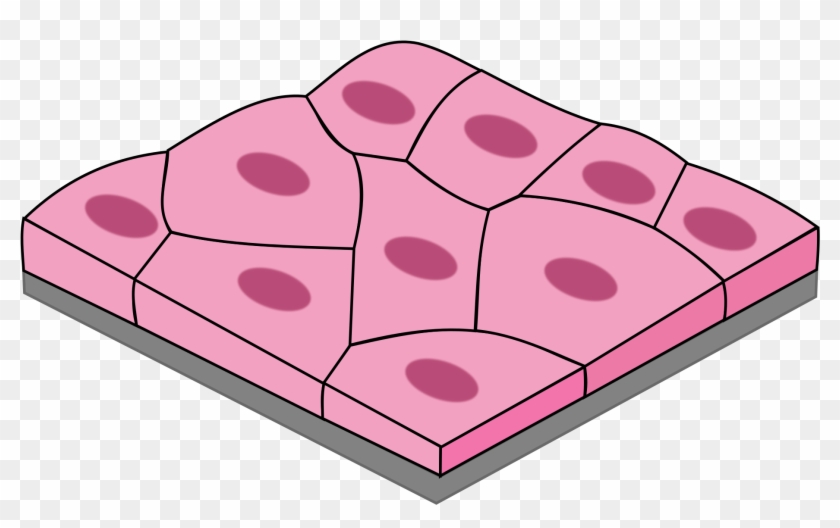
what kind of epithelial tissue is this?
simple squamous
negative feedback
ex. sweating
positive feedback
ex. contractions
animal metabolism
standard and basal
basal - endotherms at rest

