Human Dentition Lesson No. 4
 Studied by 2 people
 Call Kai
 Learn
Learn Practice Test
 Spaced Repetition
 Match
Match Flashcards
 Knowt Play
1/28

There's no tags or description
Looks like no tags are added yet.
Name | Mastery | Learn | Test | Matching | Spaced | Call with Kai |
|---|
No analytics yet
Send a link to your students to track their progress
29 Terms
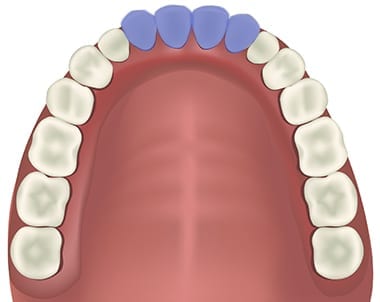
Incisors
Single rooted teeth, located in the front of the mouth and designed to cut food
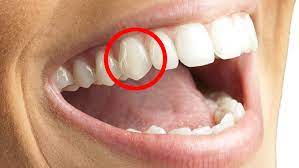
Canines (also known as “cuspids”)
Single rooted teeth, located at the “corner” of the arch, designed for tearing and cutting food. It has the longest root of the human teeth. It is also the most stable tooth in the mouth and usually last to be lost
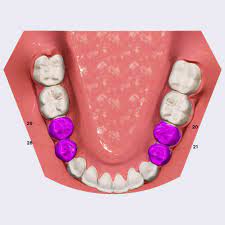
Premolars (also known as “biscuspids”)
Have cusps for grasping and tearing food. It has a somewhat broad surface for grinding food
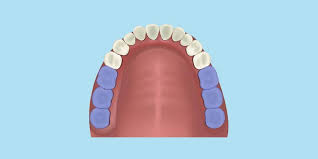
Molars
Have more cusps than other teeth in the mouth. Broad and short cusps translate into a wider chewing surface used for grinding hard masses of food
Mandibular Arch
Lower Arch- Movable
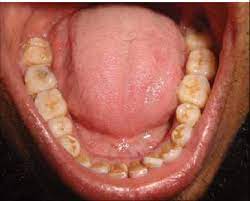
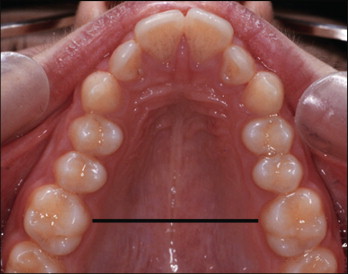
Maxillary Arch
Upper Arch- Not capable of movement and fixed to the skull
Occlusion
The contact between maxillary and mandibular teeth during function
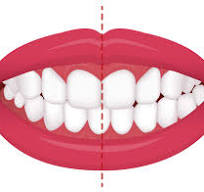
Midline
An imaginary line which divides which divides wach arch into mirrored halves
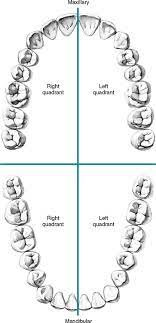
Quadrants
Two arches that are divided into halves create four quadrants
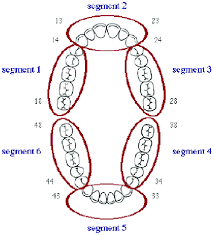
Sextants
The dentition is sometimes divided into six parts
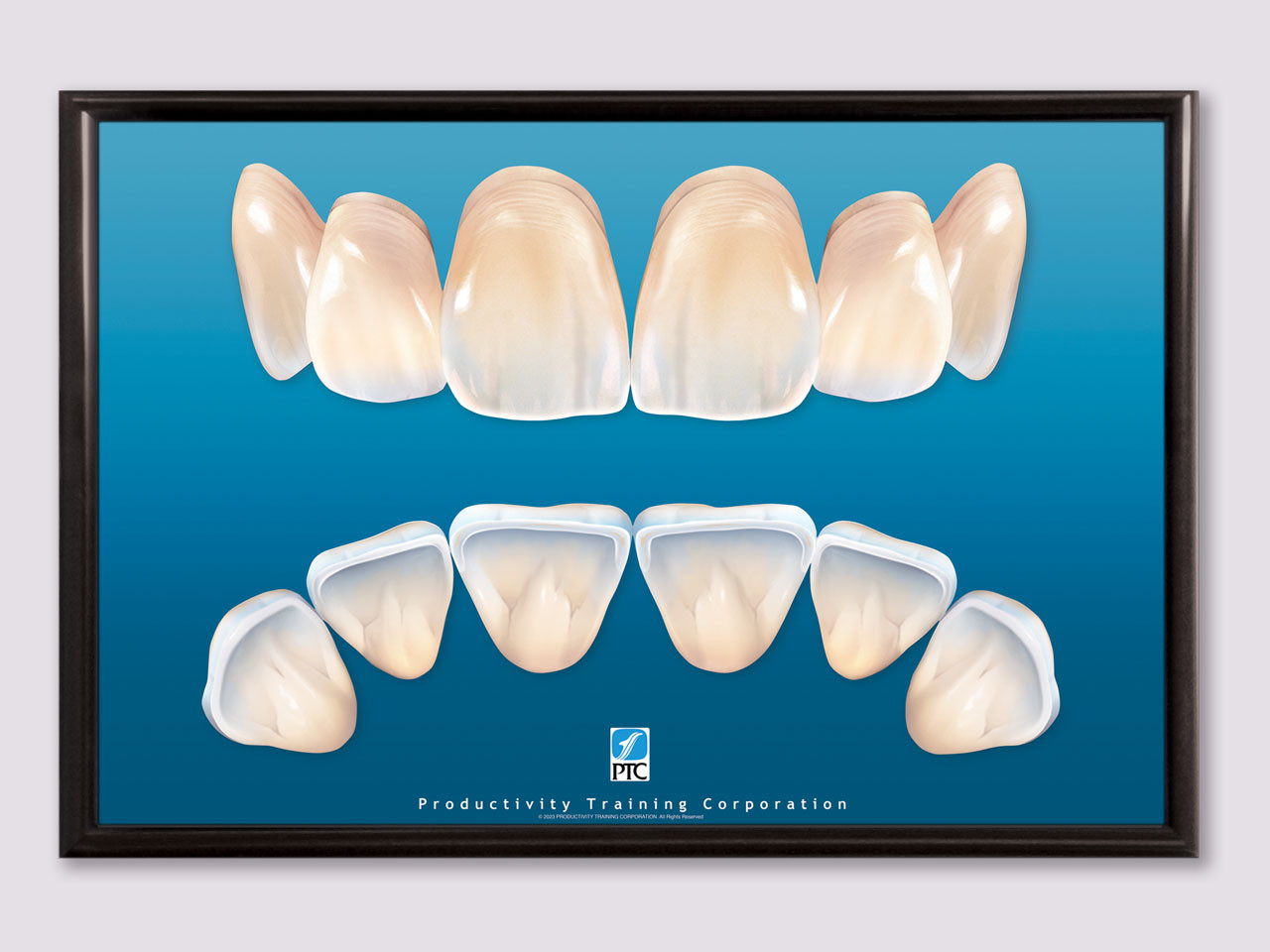
Anterior
Incisors and Canines
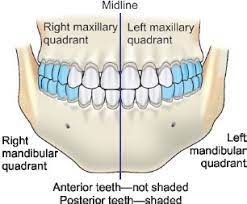
Posterior
Premolars and Molars
Labial Surface
Facial surface of anterior teeth closest to the lips
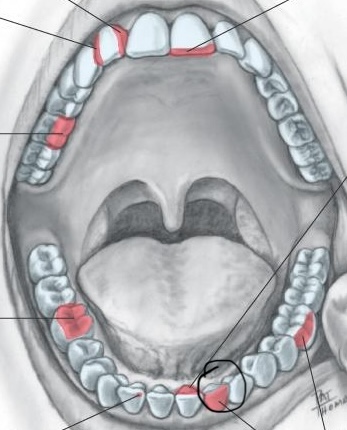
Buccal Surface
Facial surface of posterior teeth closest to the cheeks
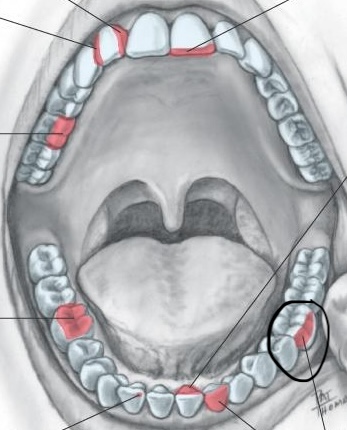
Masticatory surface
Chewing Surface
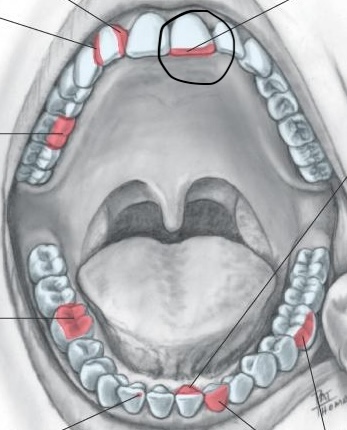
Incisal Surface
Chewing surface of anterior teeth
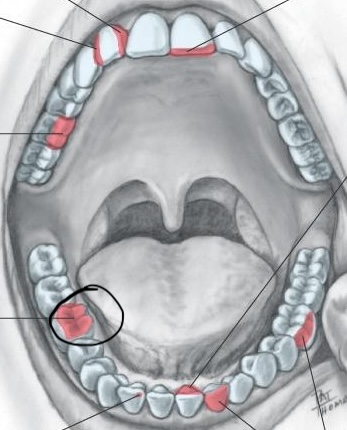
Occlusal Surface
Chewing surface for posterior teeth
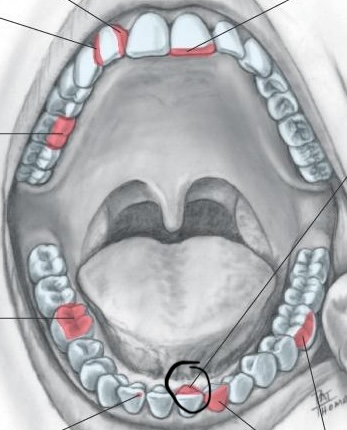
Lingual Surface
Surface closest to the tongue
Mesial Surface
Surface closest to the midline
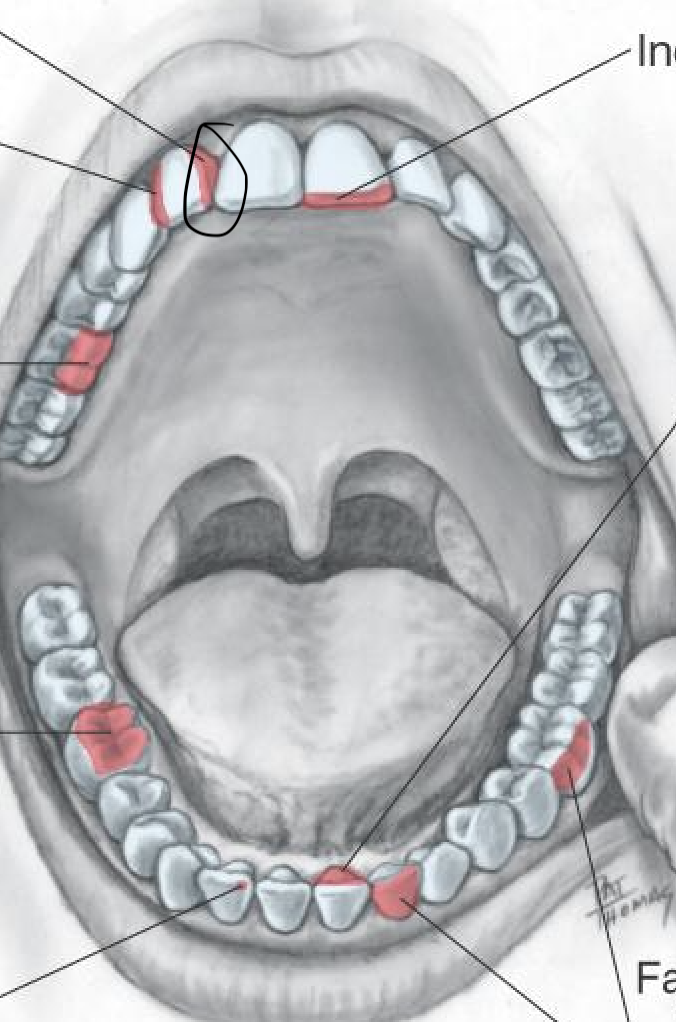
Distal Surface
Surface farthest from the midline
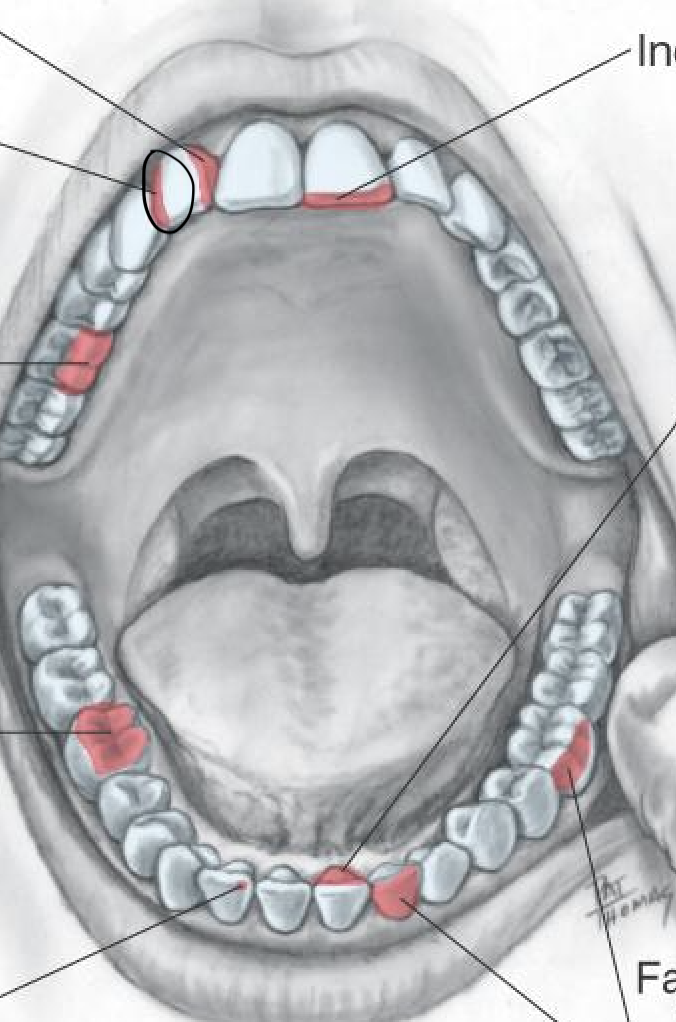
Proximal Surface
Surface of a tooth facing the adjacent tooth
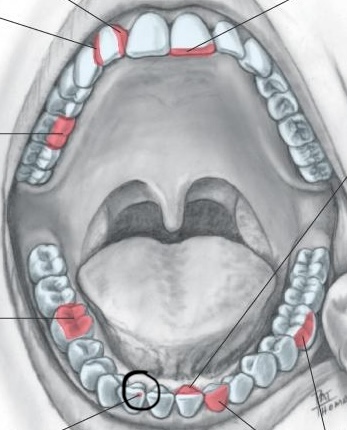
Interproximal Space
The area between adjacent tooth surfaces
Apical Third
Closest to the apex of the tooth
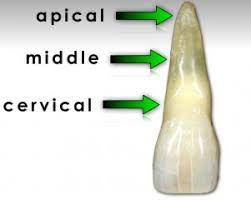
Apex
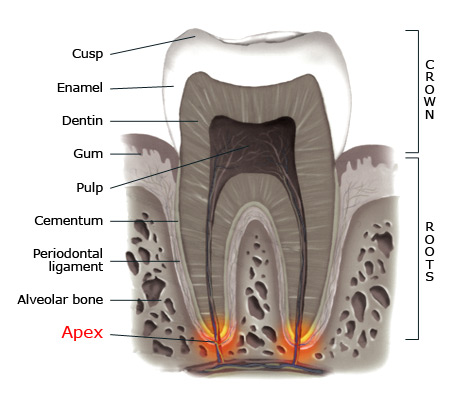
Middle third
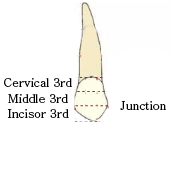
Cervical Third
Closest to the Cervix (neck of the tooth)
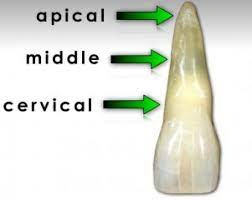
Occlusocervical Division
Division parallel to the chewing surface of the tooth
Mesiodistal Division
Division lengthwise in a mesial-distal(front to back) direction
Buccolingual Division
Lengthwise division in facial-lingual direction
 Note
Note  Flashcards (87)