Roman Art and Archaeology: Week 13
5.0(2)
Studied by 5 people Call Kai
 Learn
Learn Practice Test
 Spaced Repetition
 Match
Match Flashcards
 Knowt Play
Card Sorting
1/22

Earn XP
Description and Tags
Last updated 4:49 PM on 5/2/23
Name | Mastery | Learn | Test | Matching | Spaced | Call with Kai | Chat |
|---|
No analytics yet
Send a link to your students to track their progress
23 Terms
1
New cards
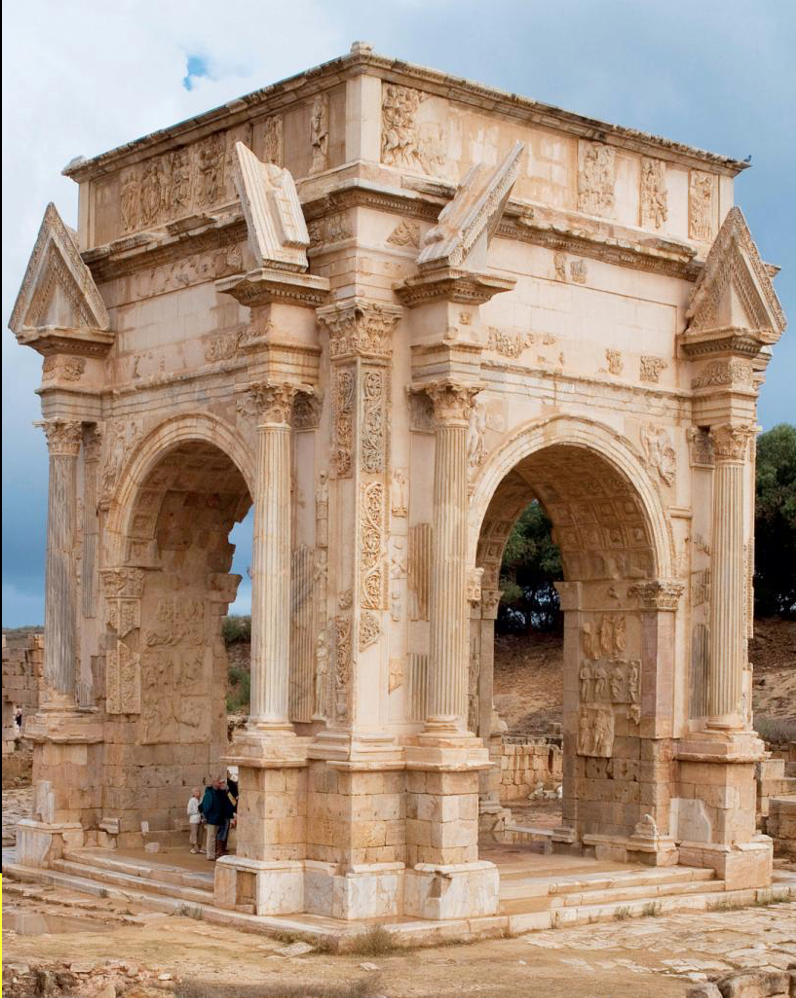
Fig. 18-1 Arch of Septimius Severus (looking southeast), Lepcis Magna, Libya, 203
2
New cards
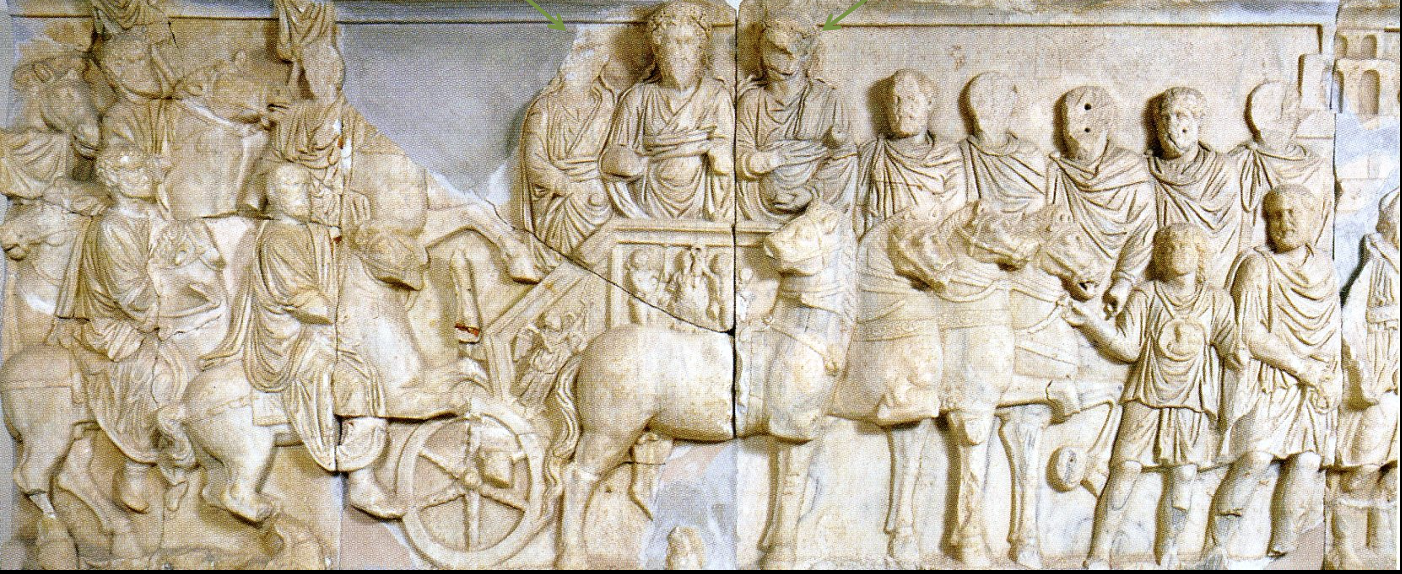
Fig. 18-8 Chariot procession, northeast attic relief (“Frieze A”), Arch of Septimius Severus, Lepcis Magna, Libya, 203. Marble.
3
New cards
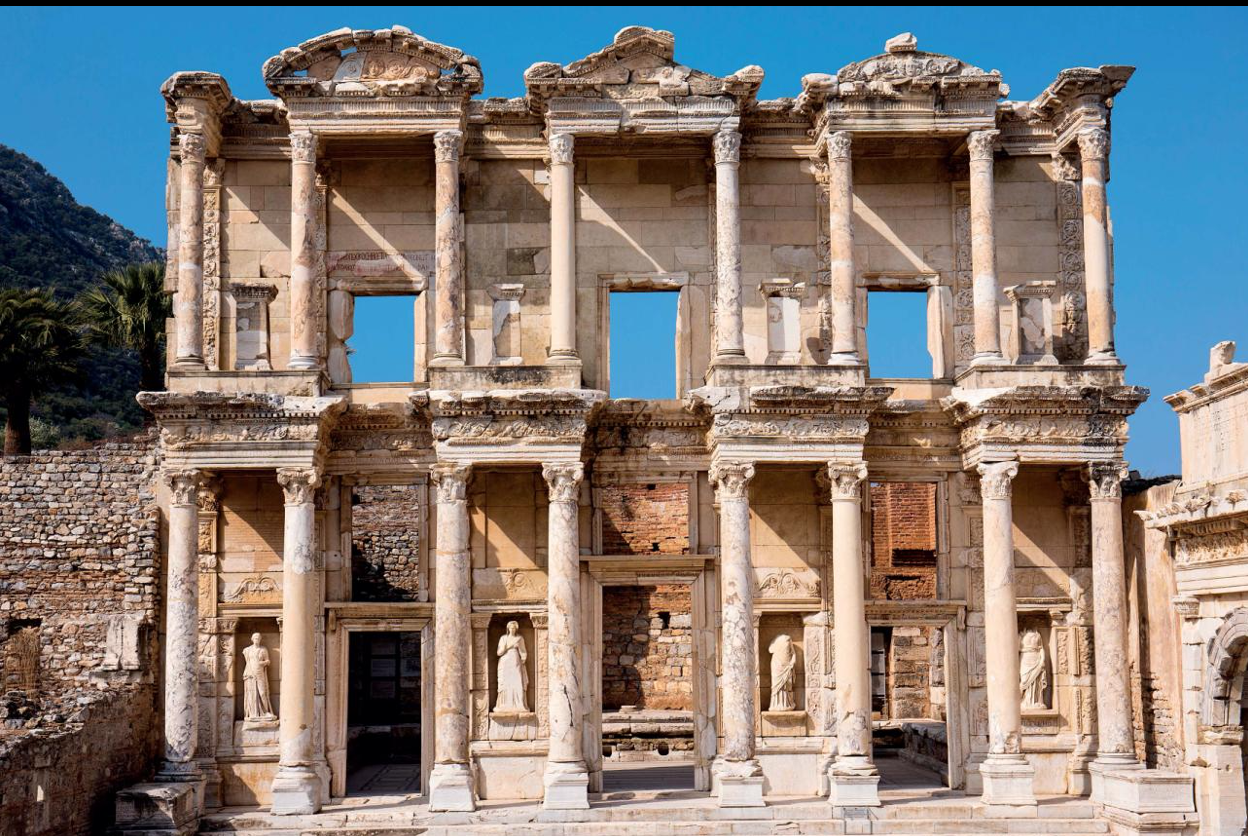
Fig. 18-10 Library of Celsus (looking west), Ephesus, Turkey, ca. 117–120
4
New cards
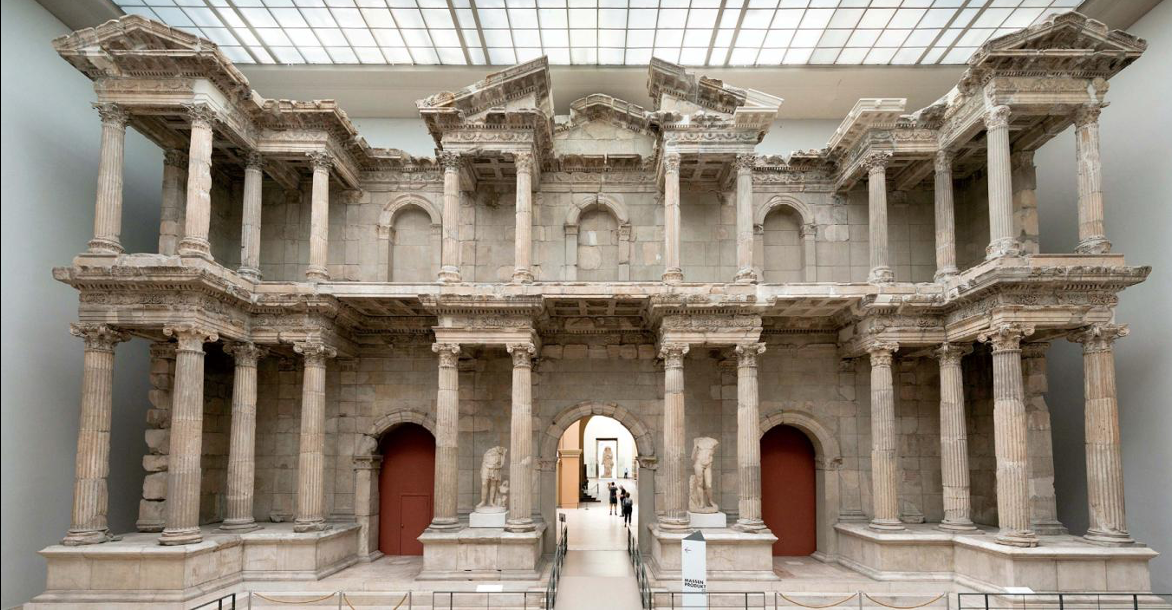
Fig. 18-12 South agora gate, Miletus, Turkey, ca. 165
5
New cards
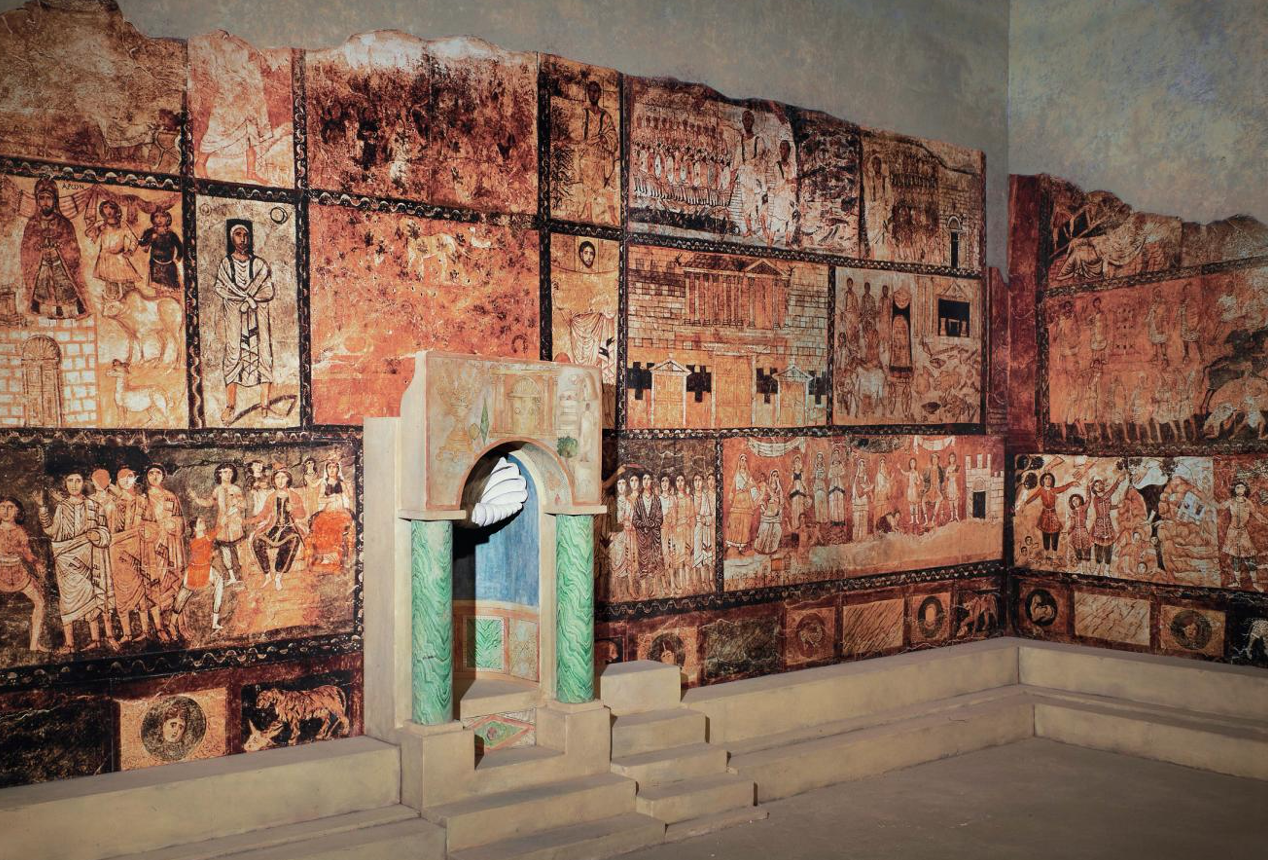
Fig. 18-20 Interior of the synagogue, Dura-Europos, Syria, with mural paintings of Old Testament themes, ca. 245–256. Tempera on plaster
6
New cards
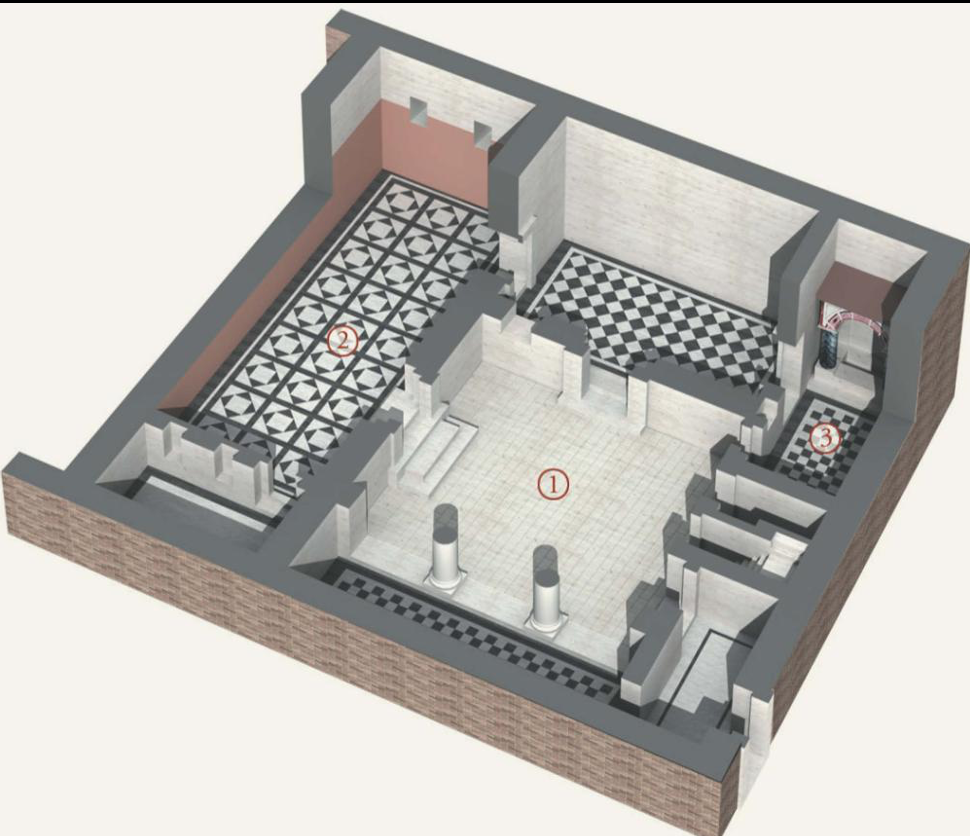
Fig. 18-19 Restored cutaway view of the Christian community house, Dura-Europos, Syria, ca. 240–256
7
New cards
Quadrifrons arch
A triumphal arch with four walls/posts instead of two
8
New cards
Julia Domna
Wife of Septimus Severus, from Syria, very distinctive image
9
New cards
mater castronum
feminine form of the title Augustus, translates to “mother of the camps/senate”
10
New cards
Geta
Second son of Septimus Severus, killed and had his image erased by his older brother after the death of their father
11
New cards
Caracalla
(r. 211-217) first son and heir of Septimus Severus
12
New cards
broken pediment
an unfinished president (top of the arch) on architectural arches
13
New cards
argentarii
group of private Roman silversmiths who funded public monuments
14
New cards
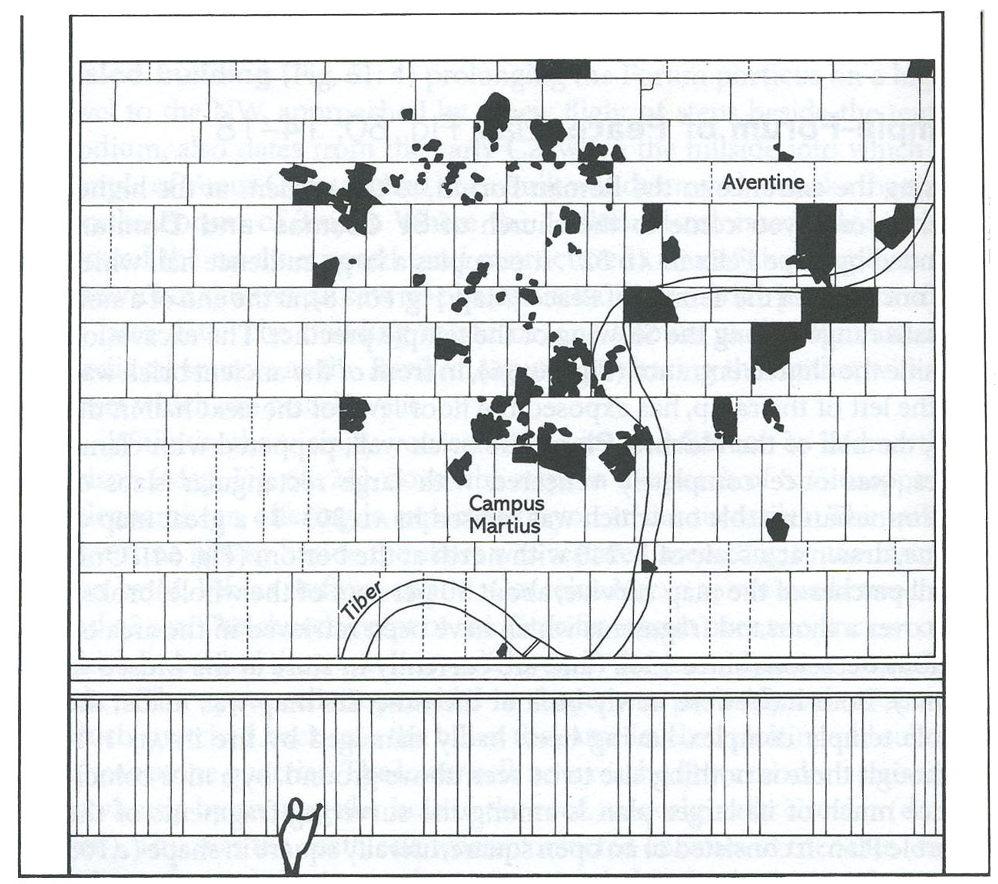
Forma Urbis Romae
A 2D “portrait” of the city of Rome built under Septimus Severus
15
New cards
Dura-Europus
garrison town in modern day East Syria under Roman occupation from 165-256
16
New cards
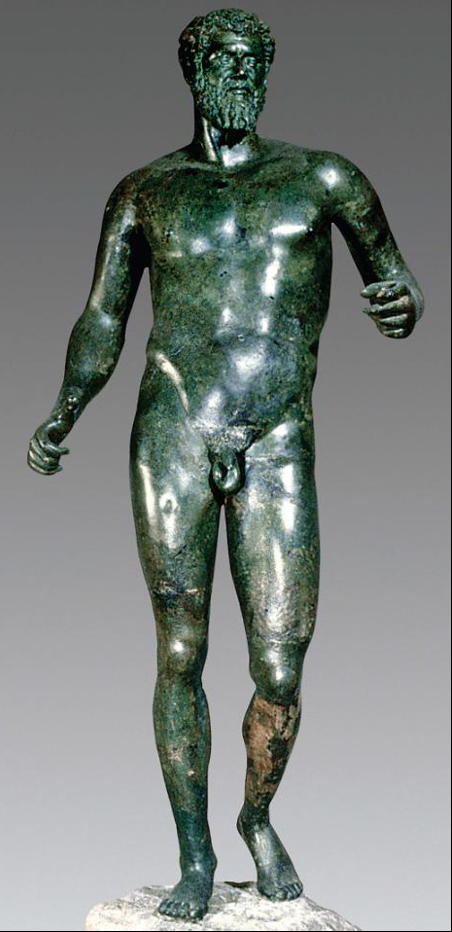
Fig. 17-3 Heroic statue of Septimius Severus, from Nicosia, Cyprus, ca. 197. Bronze
17
New cards
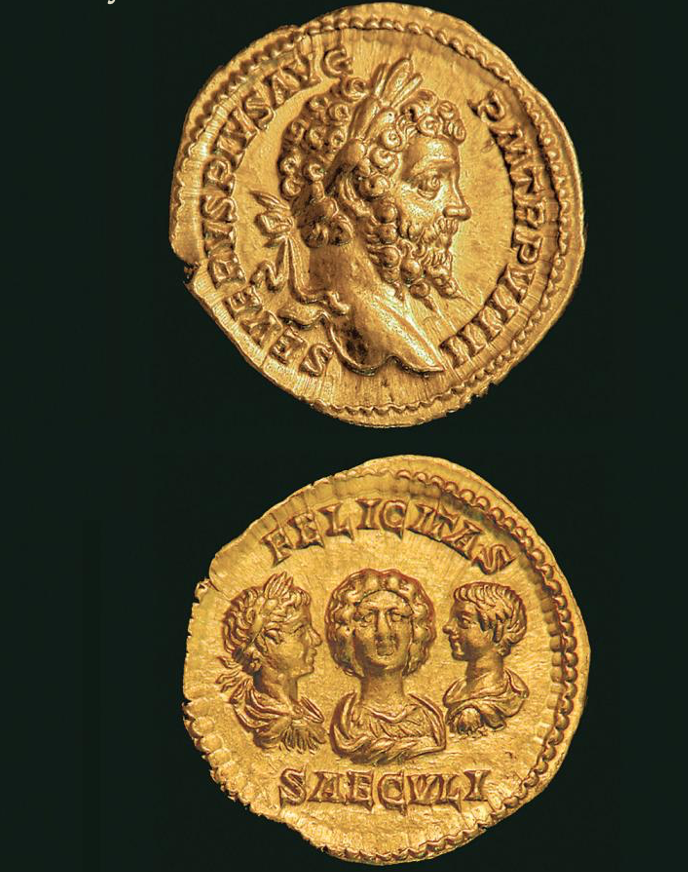
Fig. 17-1 Aureus of Septimius Severus, mint of Rome, 202. *Obverse*: Septimius Severus. *Reverse*: Julia Domna (*center*), Caracalla (*left*), and Geta (*right*). Gold
18
New cards
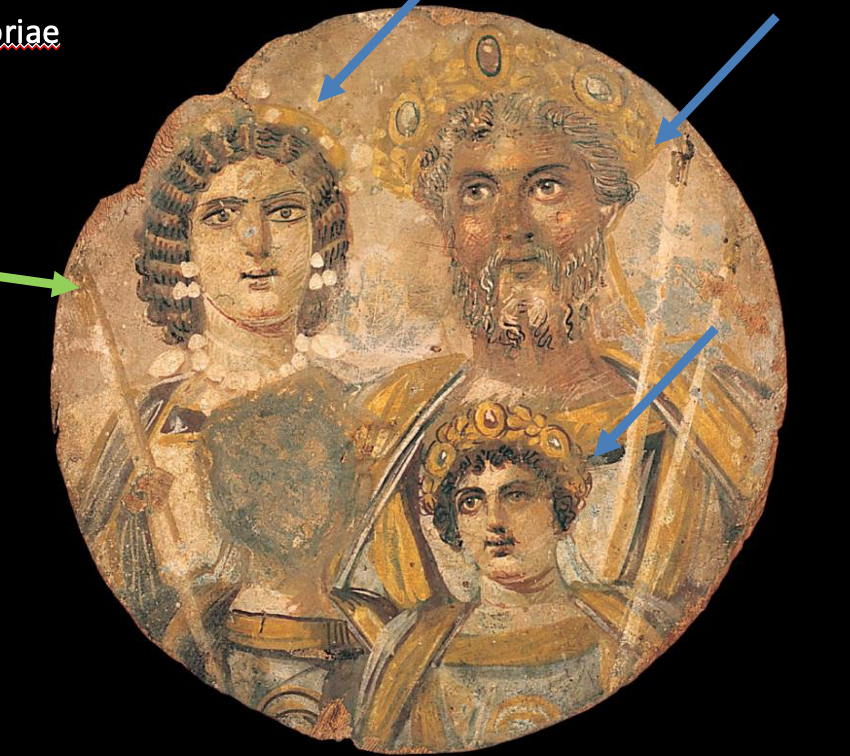
Fig. 17-2 Group portrait of Septimius Severus (*top right*), Julia Domna (*top left*), Caracalla (*bottom right*), and Geta (*bottom left*; erased), from Egypt, ca. 200. Tempera on wood
19
New cards
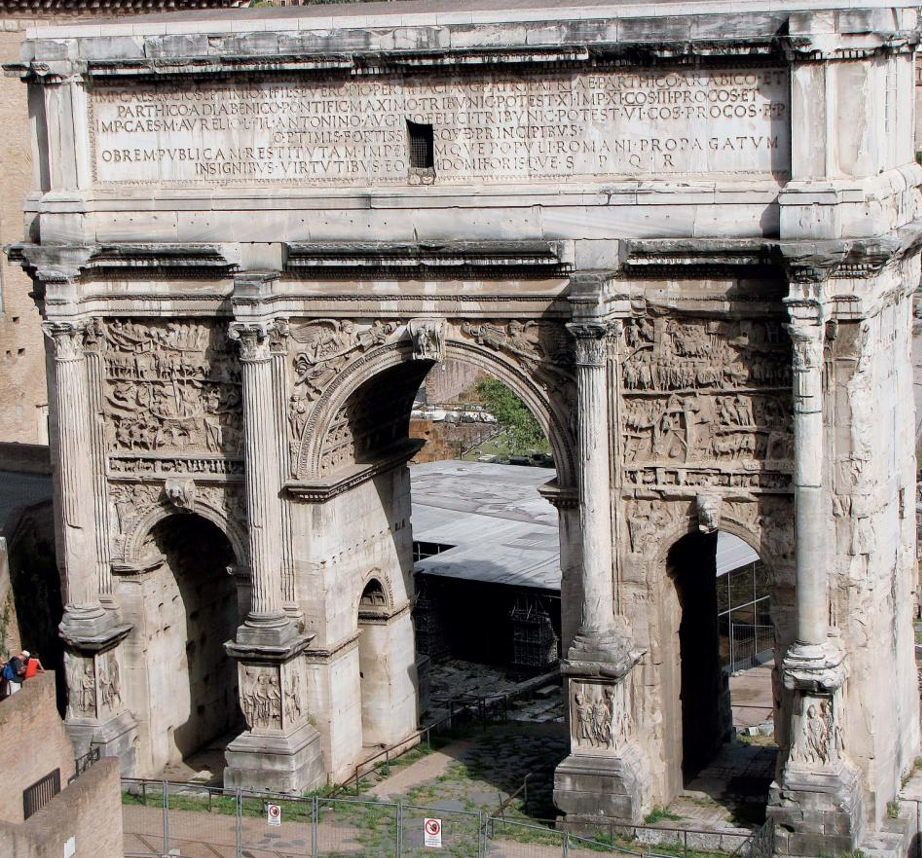
Fig. 17-12 West side of the Arch of Septimius Severus, Forum Romanum, Rome, 203. Marble
20
New cards
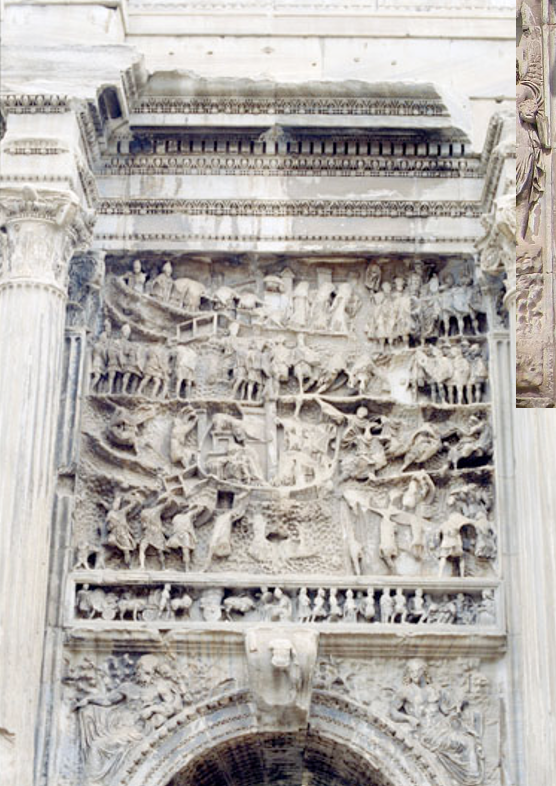
Fig. 17-14 War against the Parthians, northeastern panel relief on the Arch of Septimius Severus, Forum Romanum, Rome, 203
21
New cards
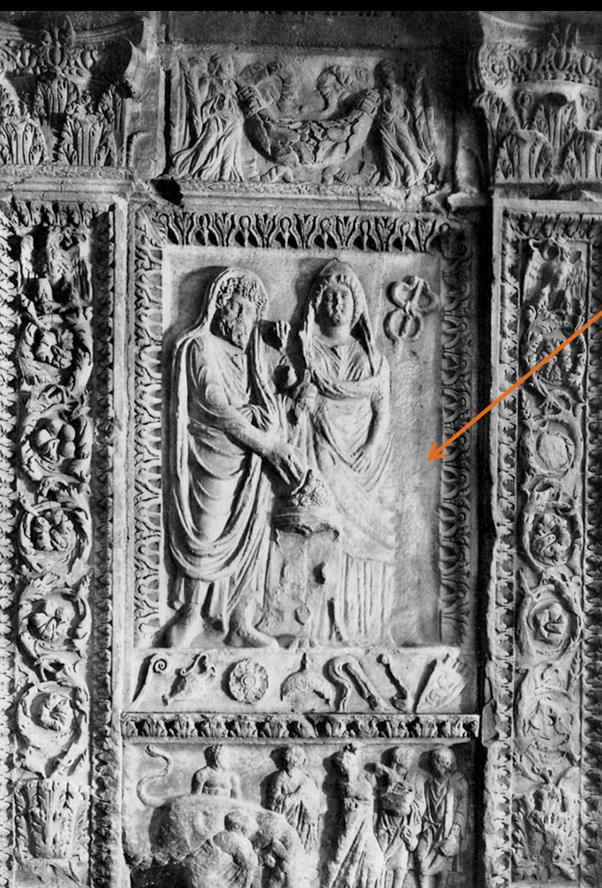
Fig. 17-16 Septimius Severus, Julia Domna, and Geta (erased) sacrificing, relief panel on the east side of the passageway of the Arch of the Argentarii, Forum Boarium, Rome, 204
22
New cards
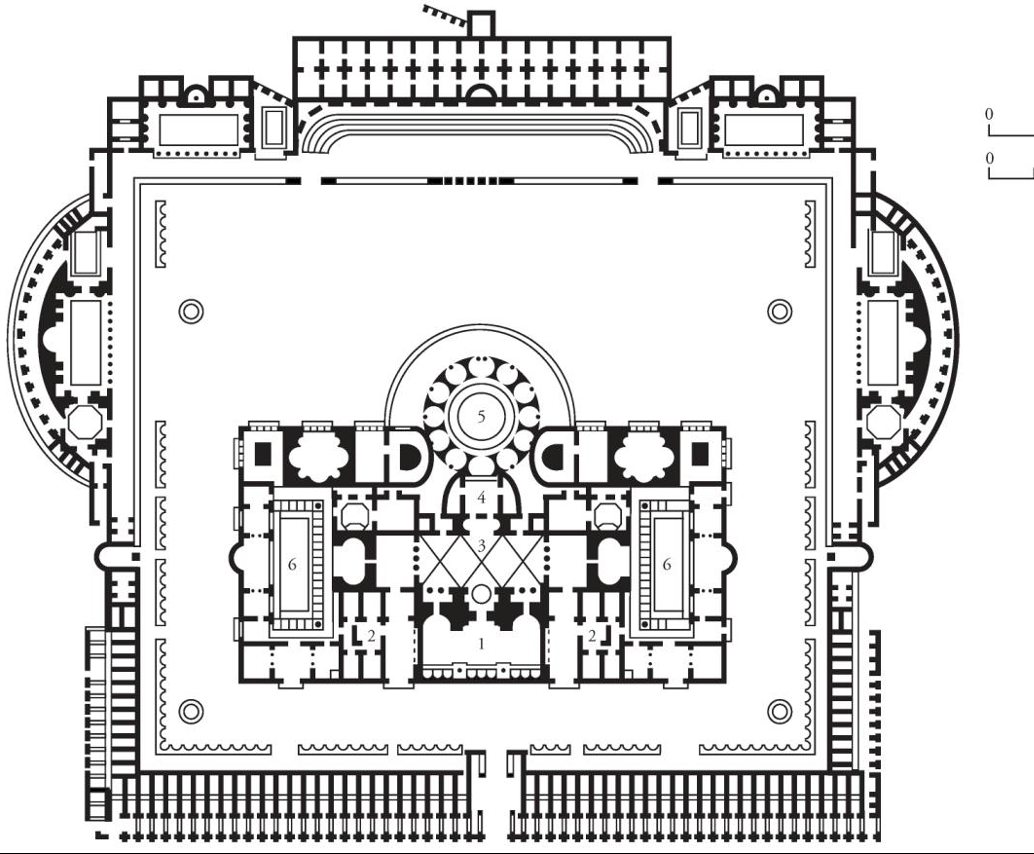
Fig. 17-19 Plan of the Baths of Caracalla, Rome, dedicated 216
23
New cards
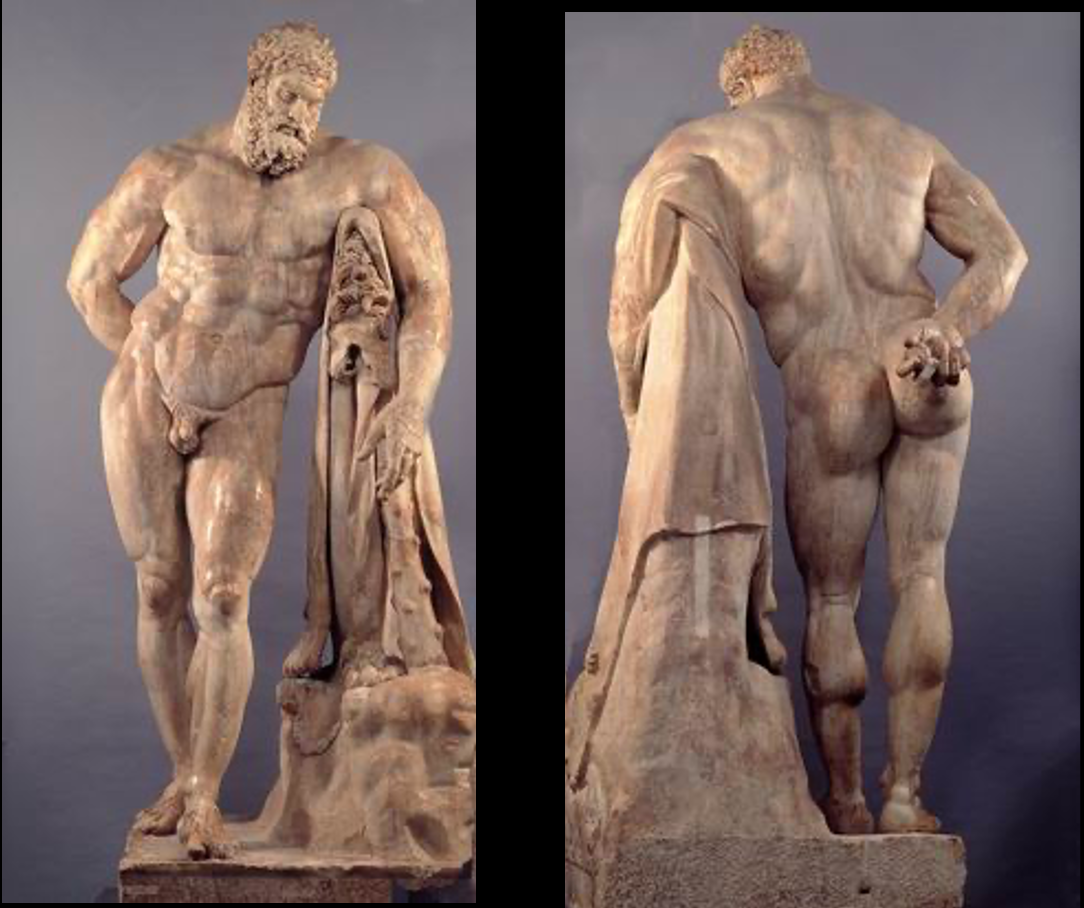
Fig. 17-22 Glykon of Athens: *Farnese Hercules*, early-third-century statue based on the *Weary Herakles* by Lysippos, ca. 320 BCE, from the Baths of Caracalla, Rome. Marble