Skeletal System - Bones
 Studied by 0 people
 Call Kai
 Learn
Learn Practice Test
 Spaced Repetition
 Match
Match Flashcards
 Knowt Play
1/25

There's no tags or description
Looks like no tags are added yet.
Name | Mastery | Learn | Test | Matching | Spaced | Call with Kai |
|---|
No analytics yet
Send a link to your students to track their progress
26 Terms
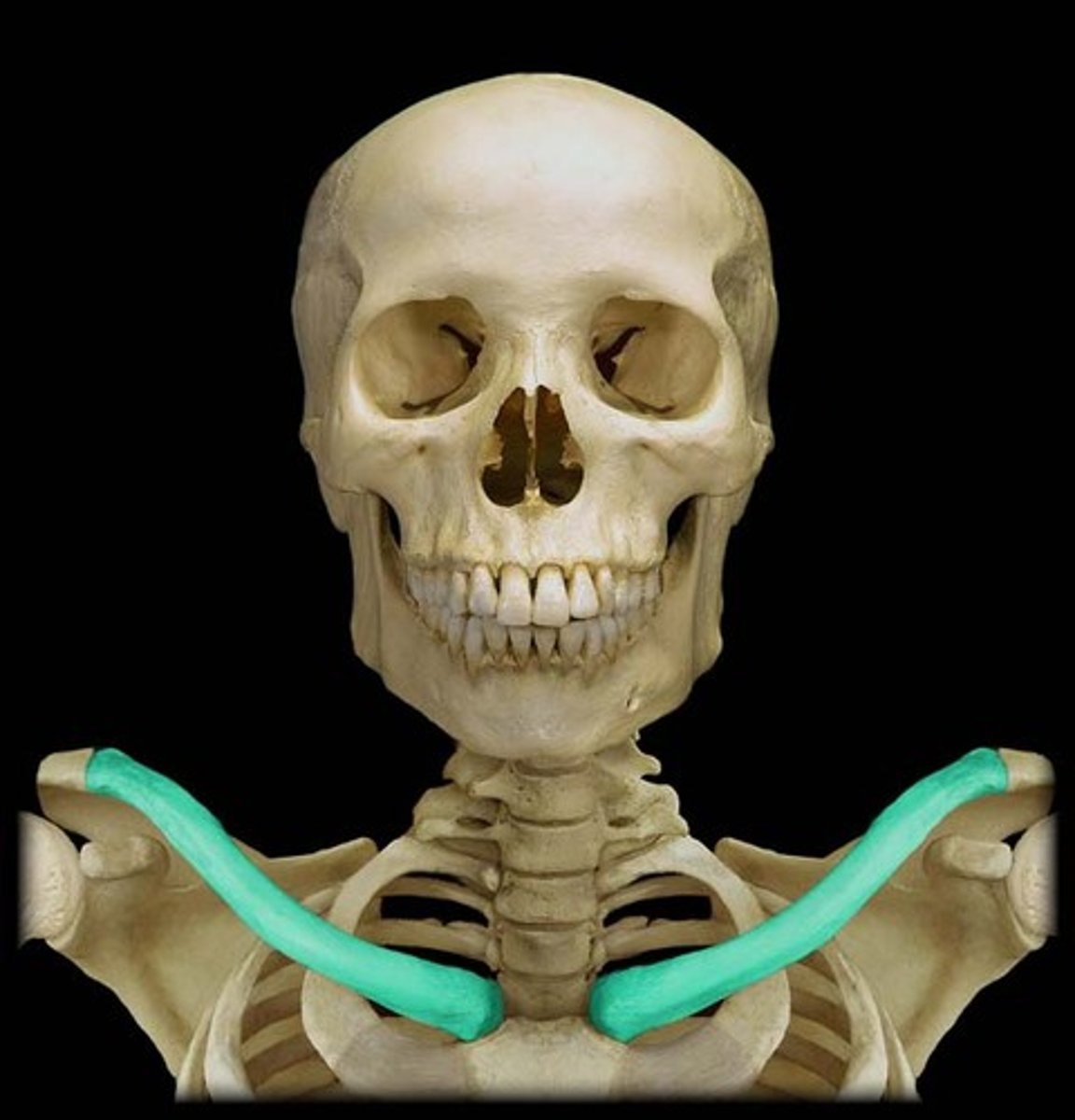
Clavicle
Collar bone; Connects sternum to shoulder blades.
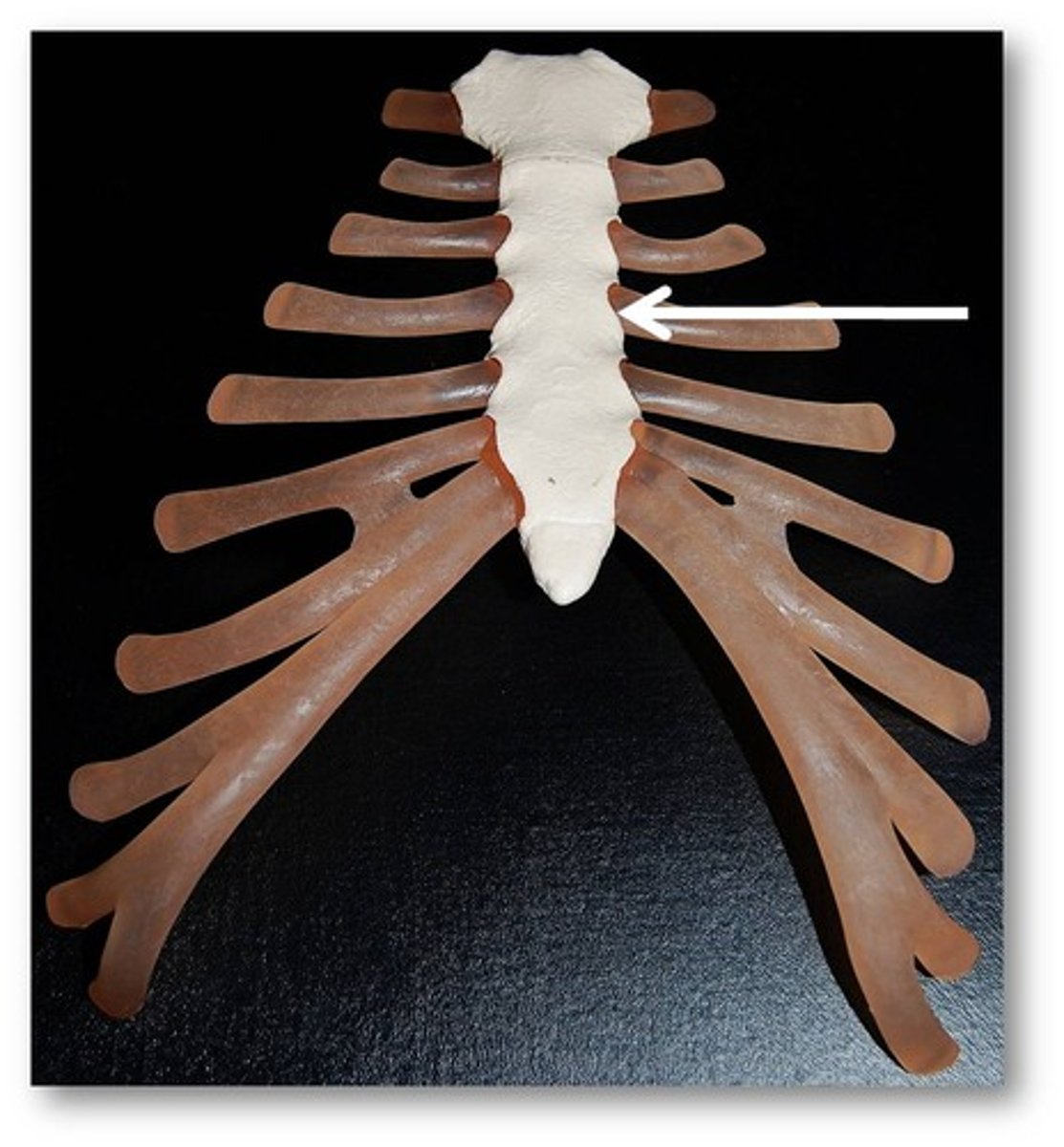
Sternum
Thick bone in the center of the chest; Connects ribs.
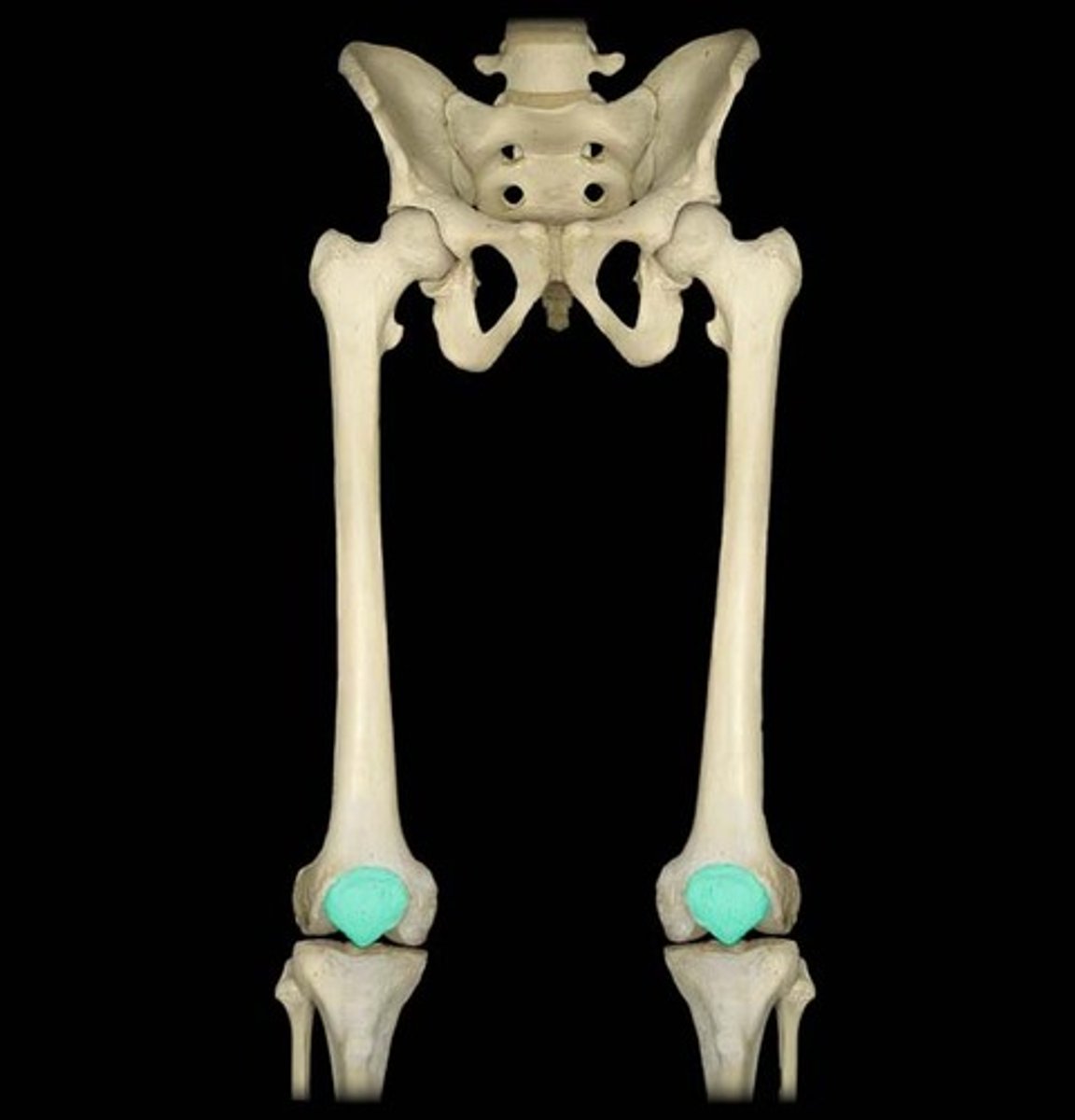
Patella
The bone in front of the knee joint; Knee Cap
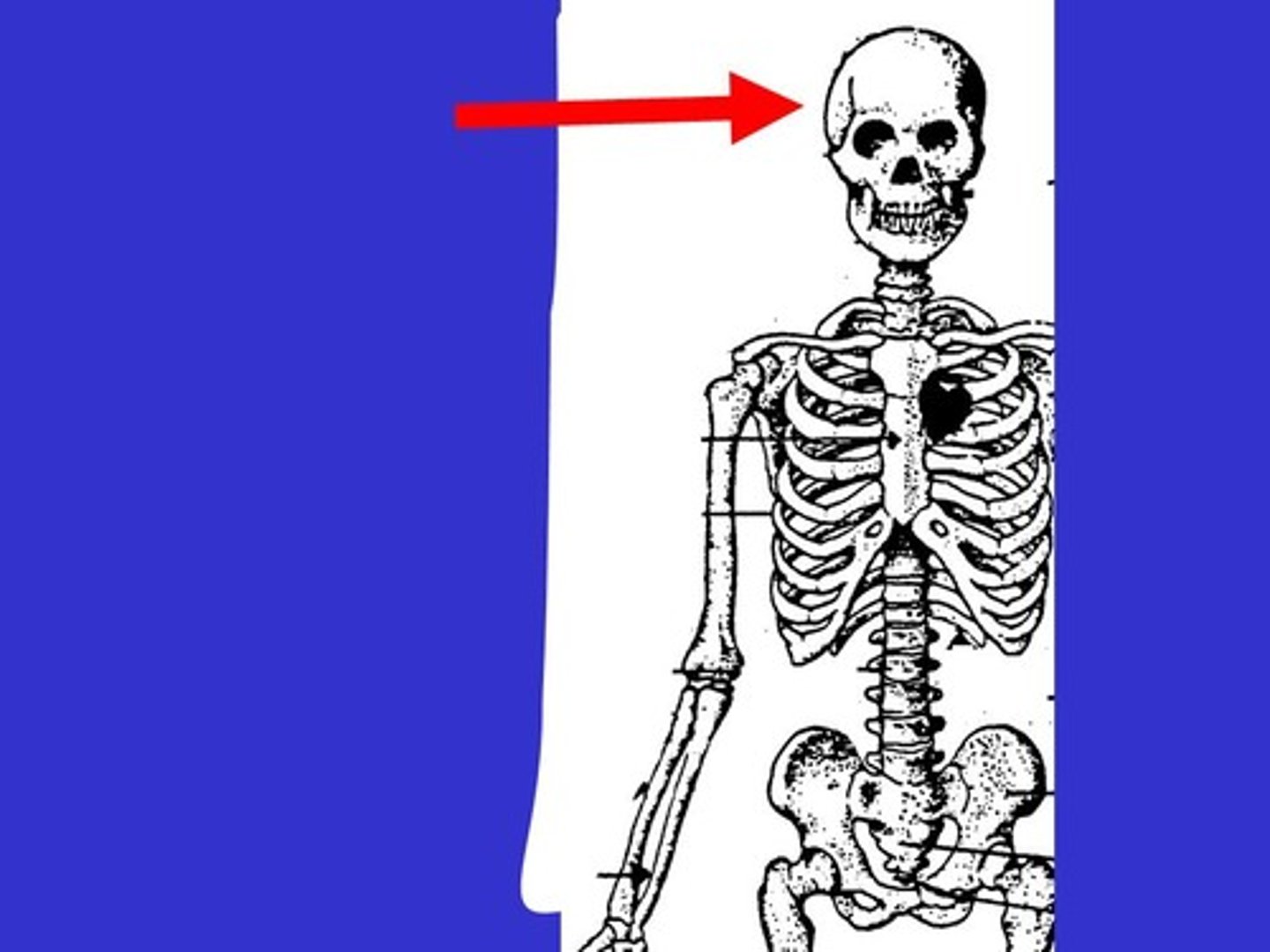
Cranium
Protects brain; Upper section of the skull
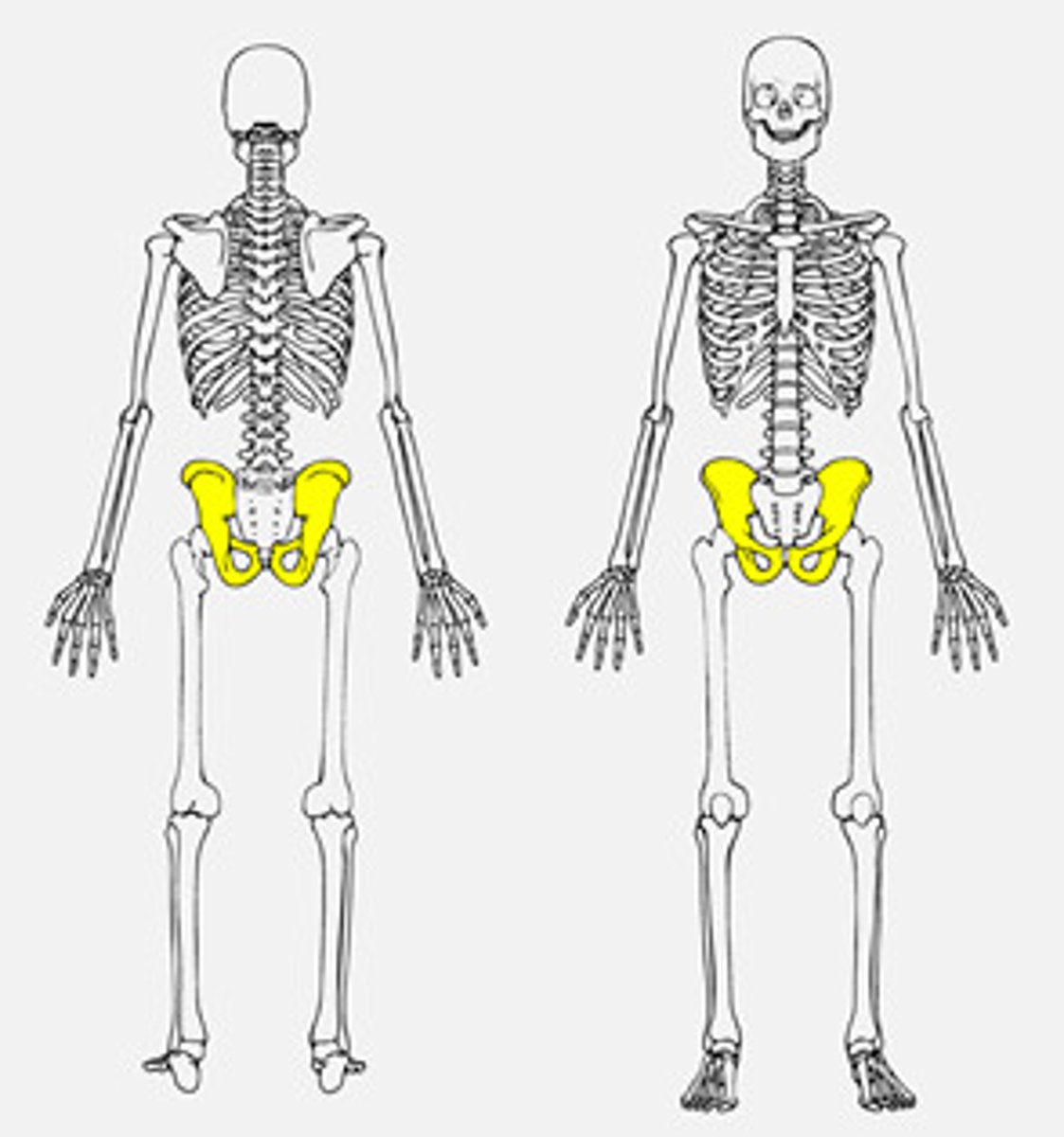
Pelvis
The large bony structure near the base of the spine to which legs are attached
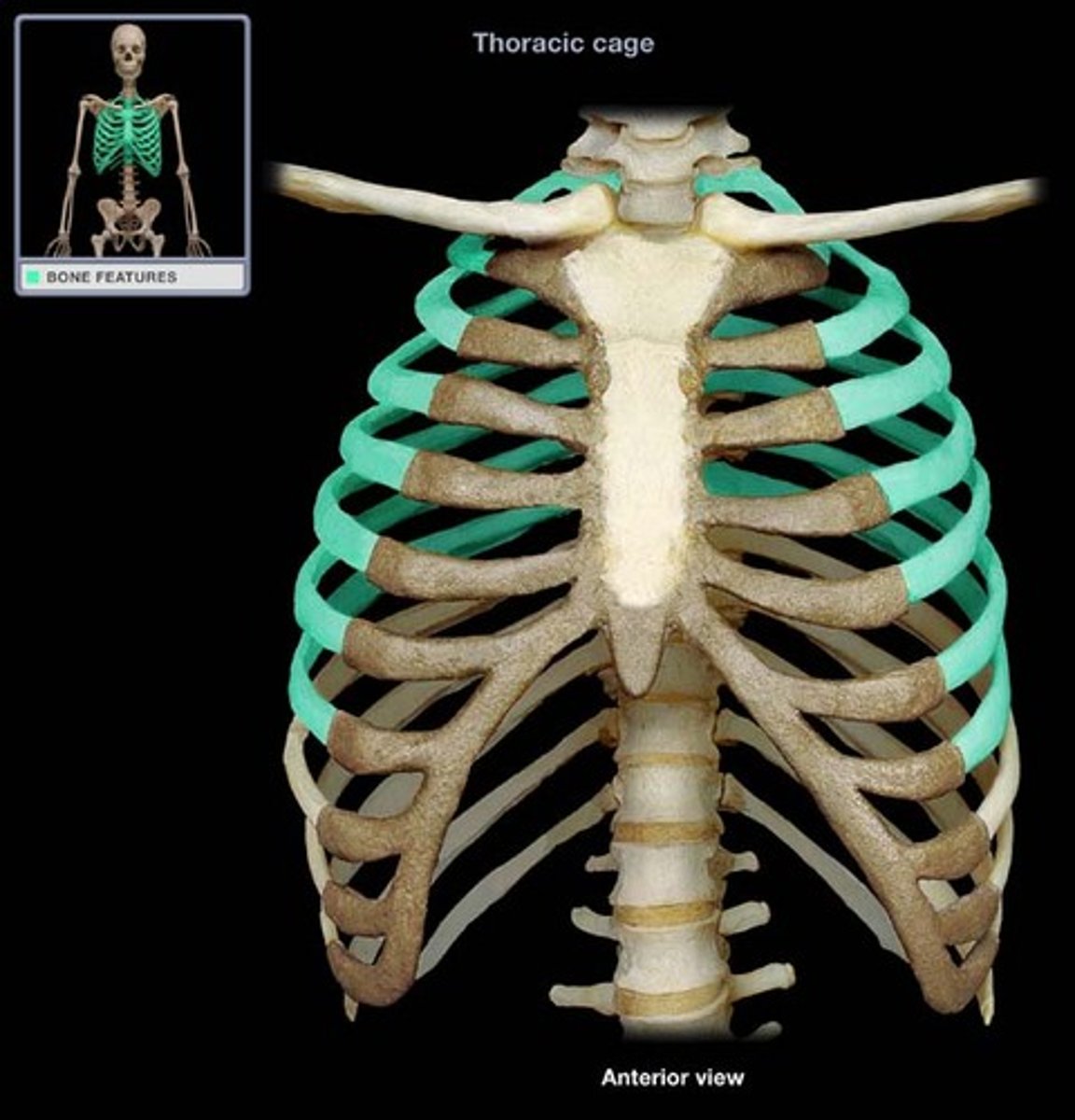
Ribs
Protects lungs and heart
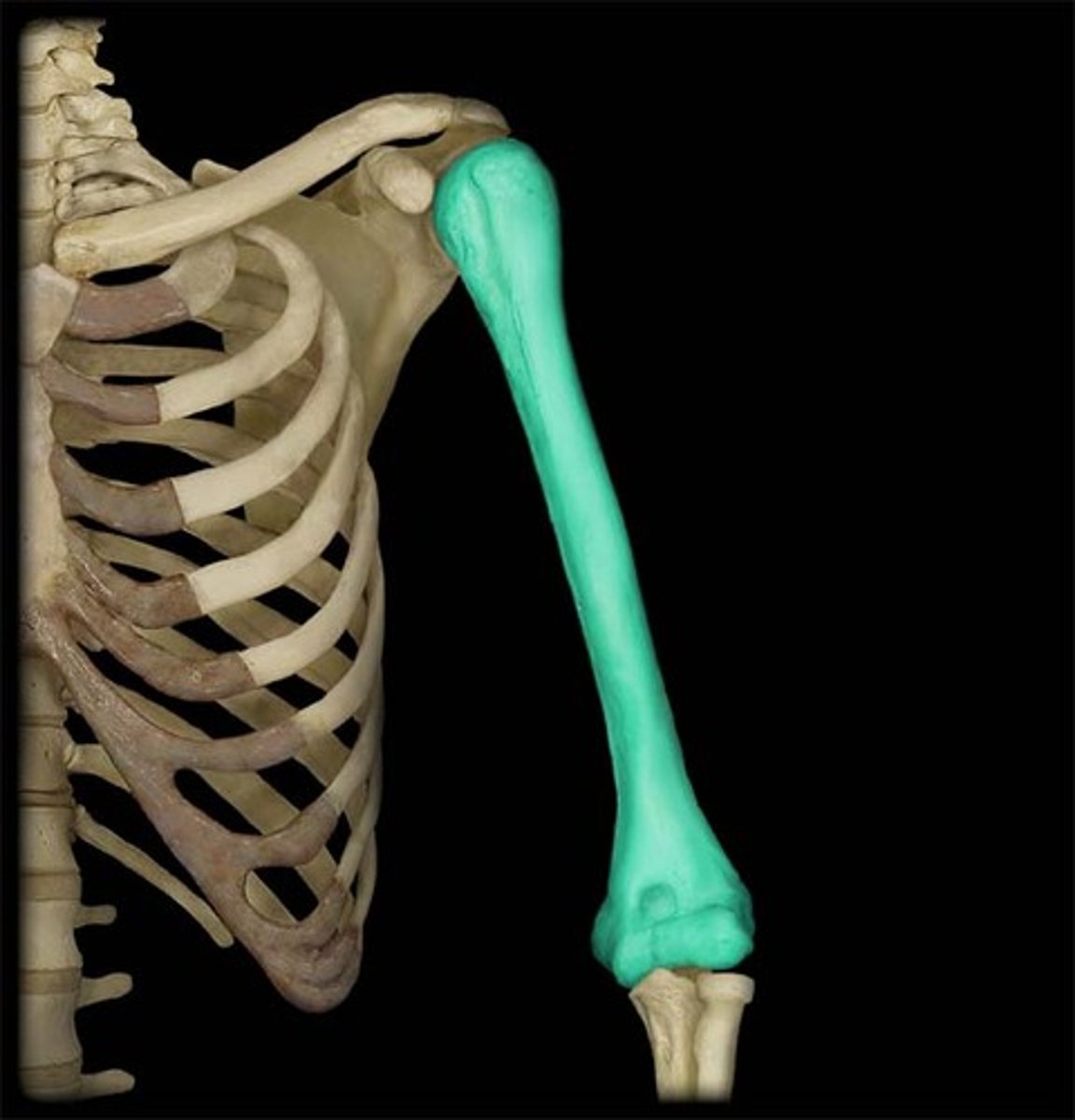
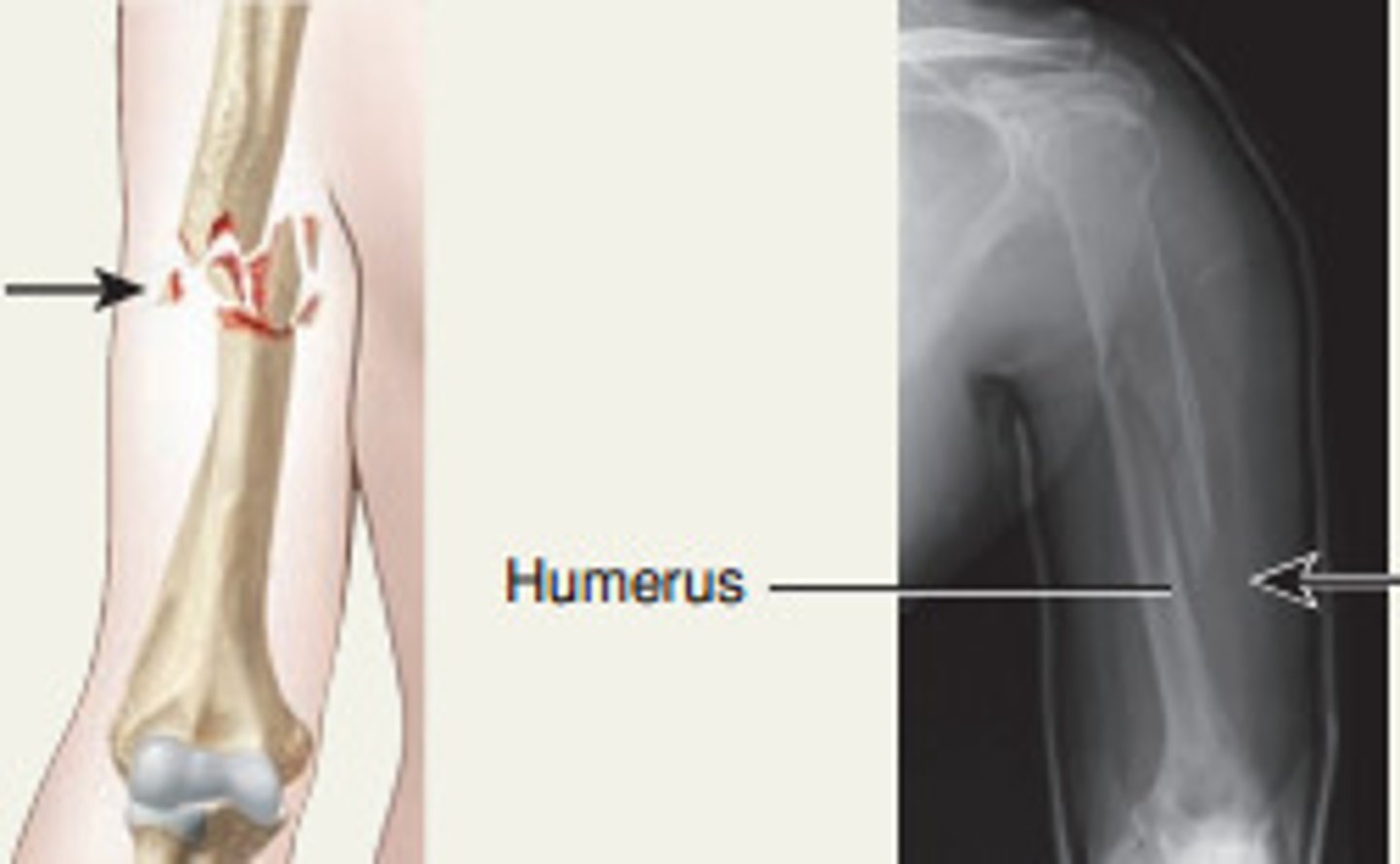
Humerus
The bone of the upper arm
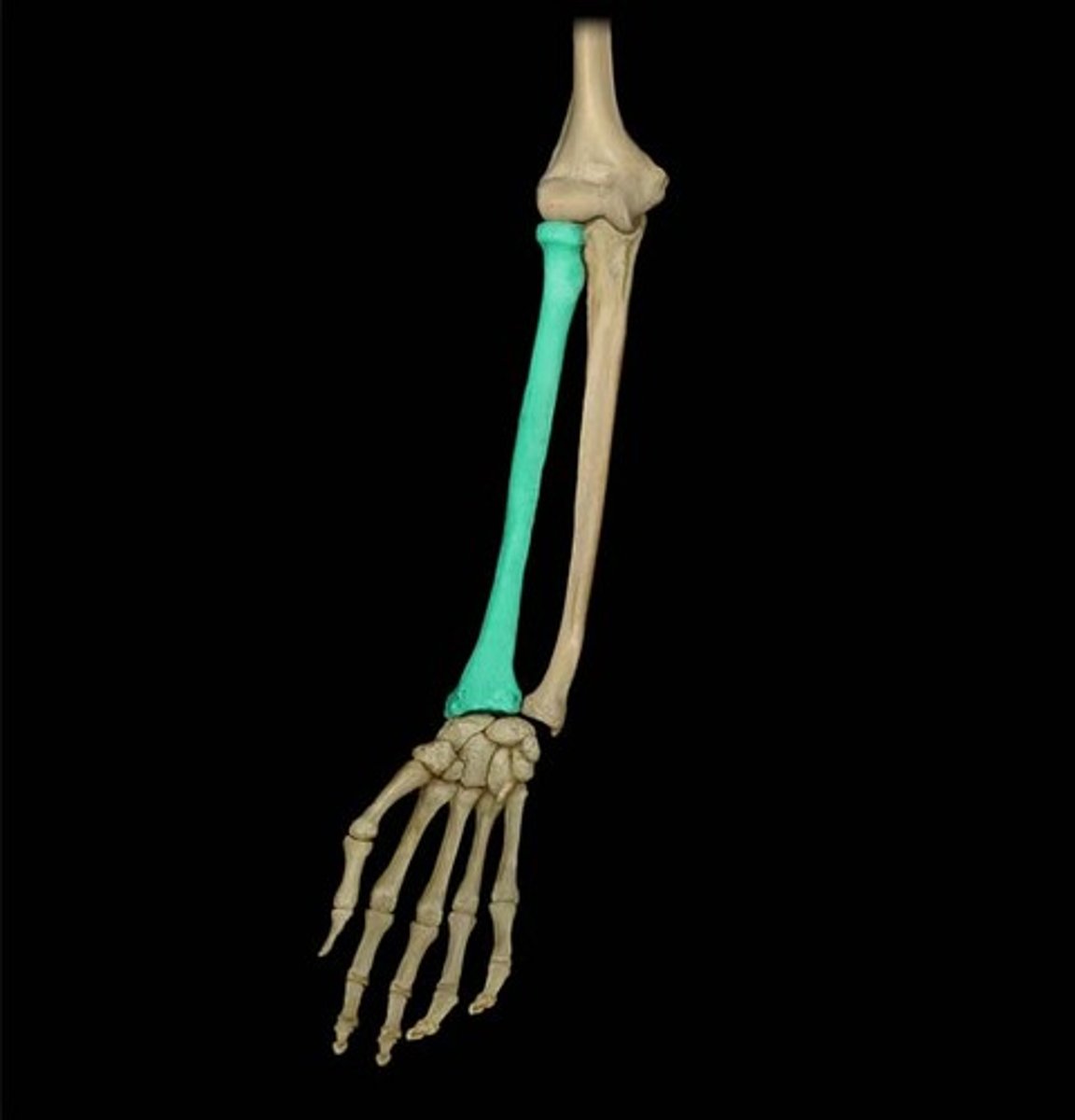
Radius
The longer of two bones, connecting to the thumb side of the arm
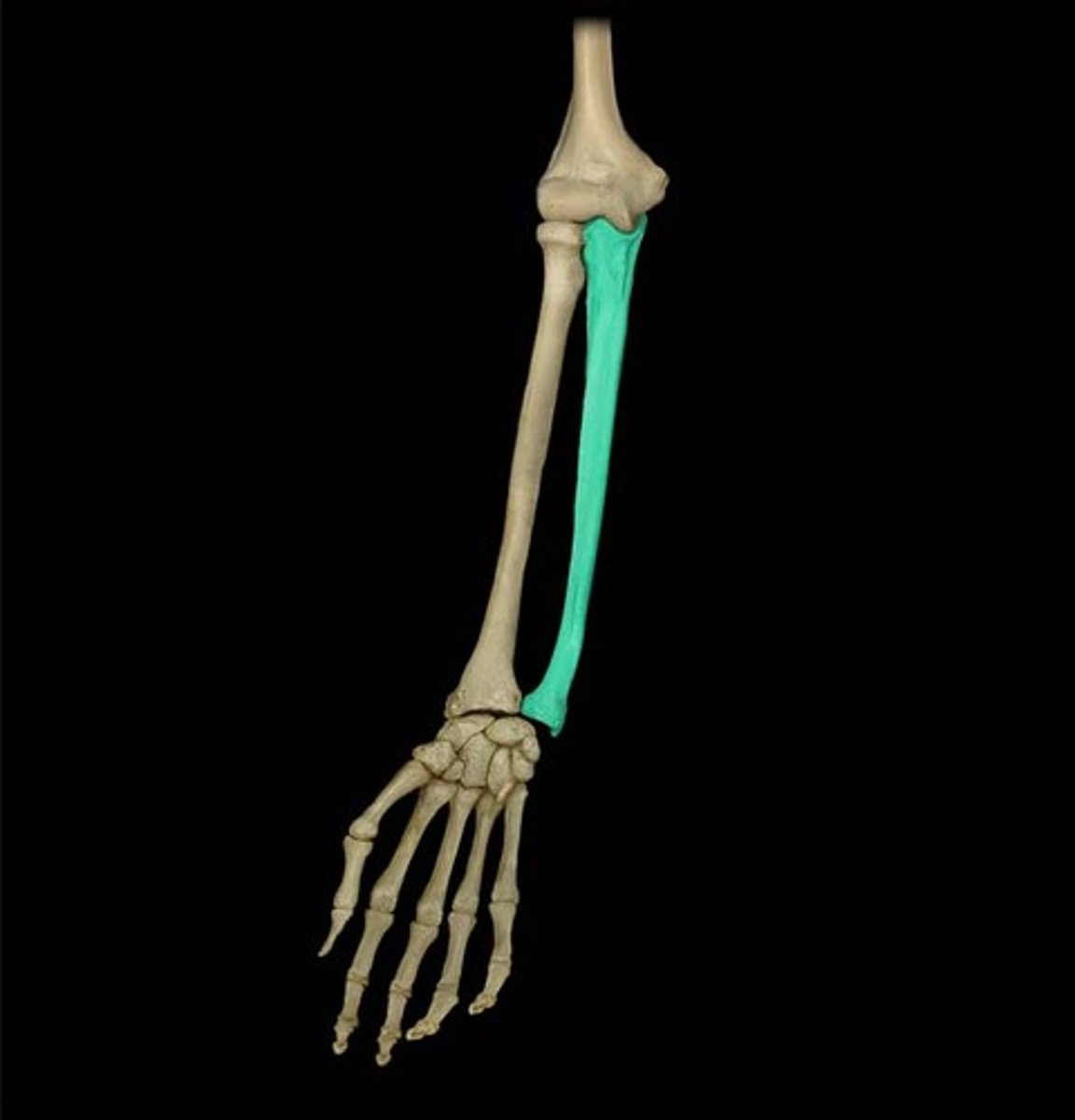
Ulna
The shorter of two bones, connecting to the side closest to the body
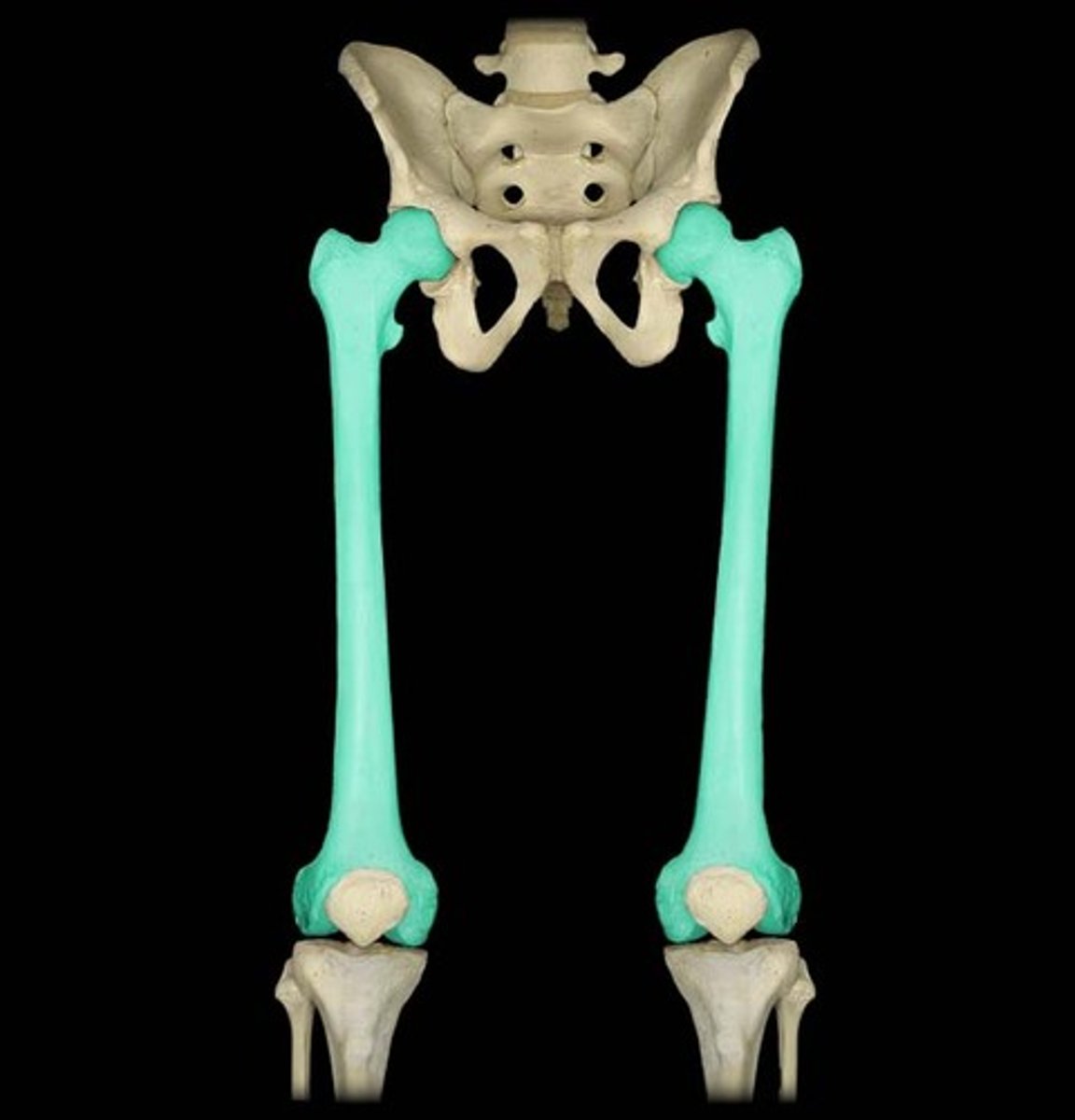
Femur
Strongest and longest bone in the body; Found in the thigh.
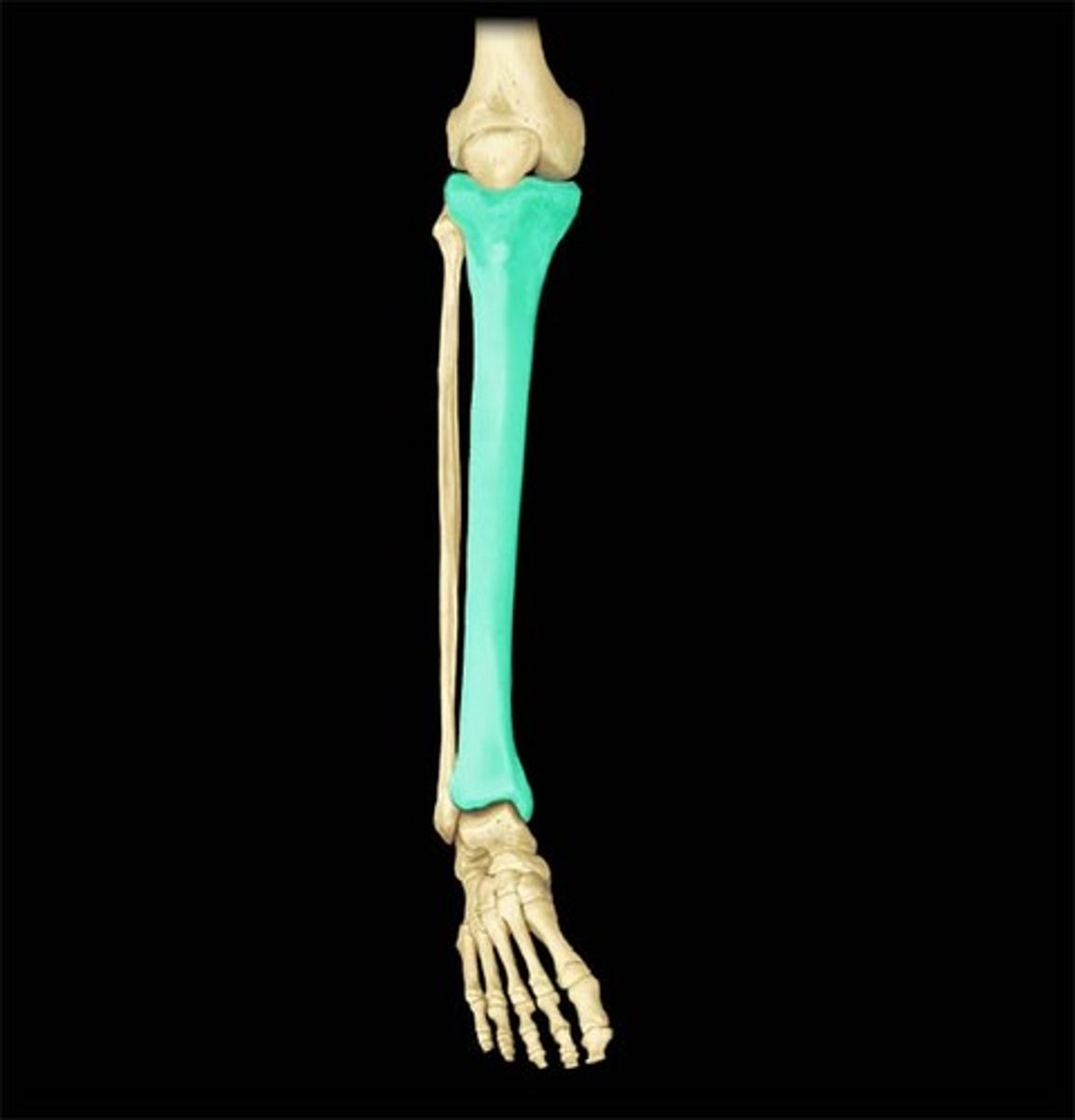
Tibia
Larger bone in shin that is weight bearing.
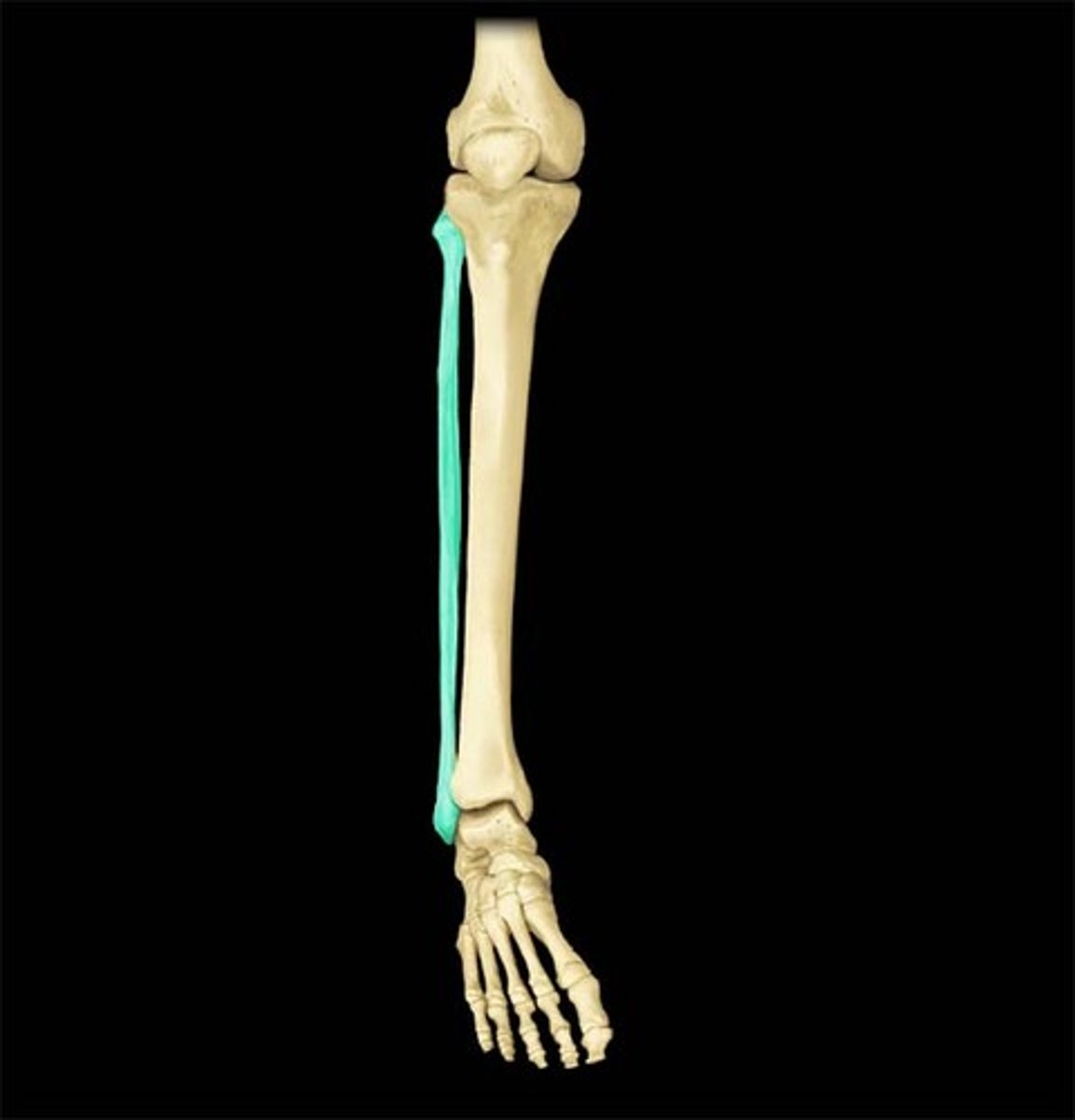
Fibula
Located in the shin, smaller of the two bones. Function is for balance and movement of the ankle joint.
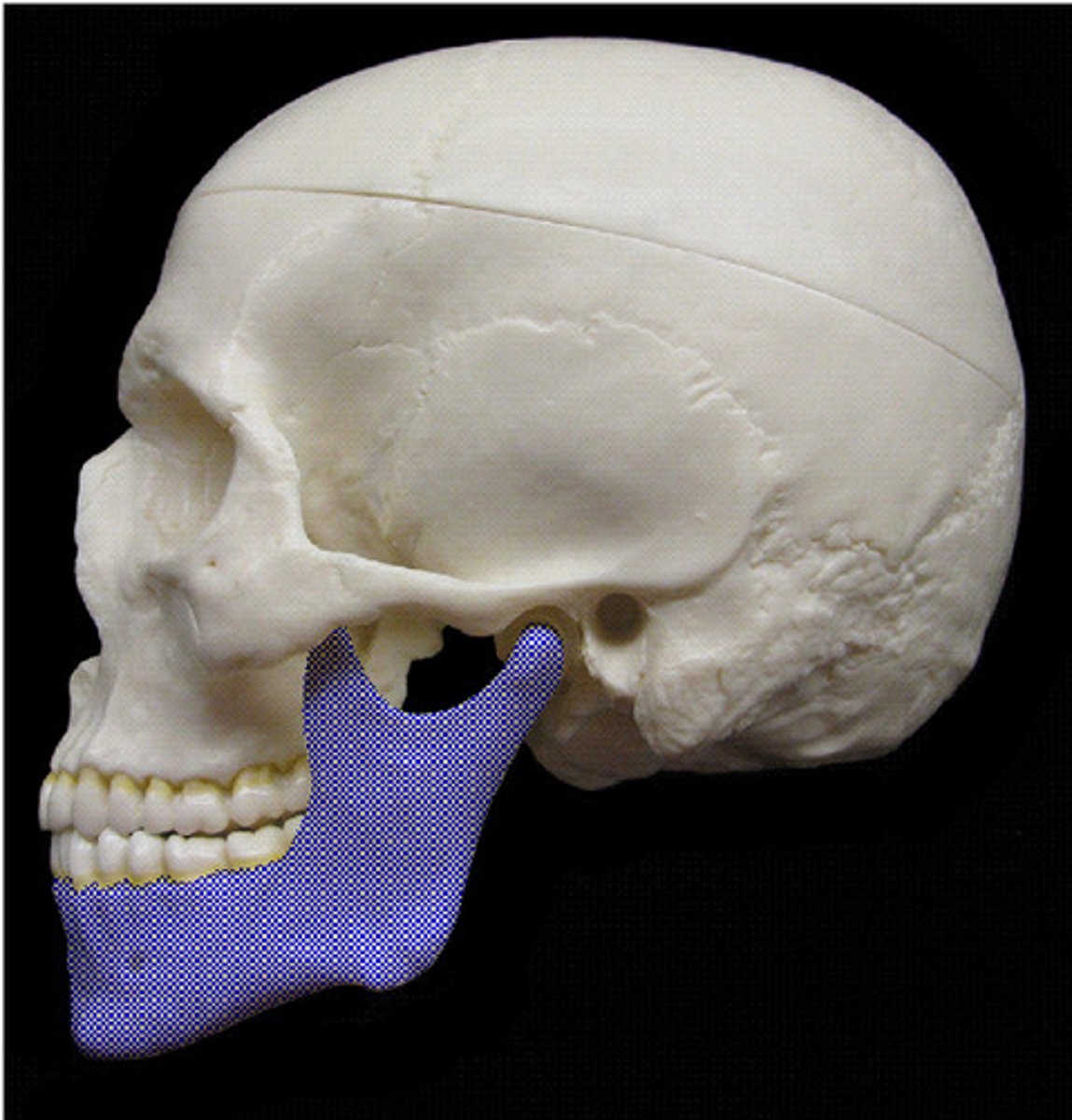
Mandible
The lower jaw; Holds teeth, moves to chew and speak
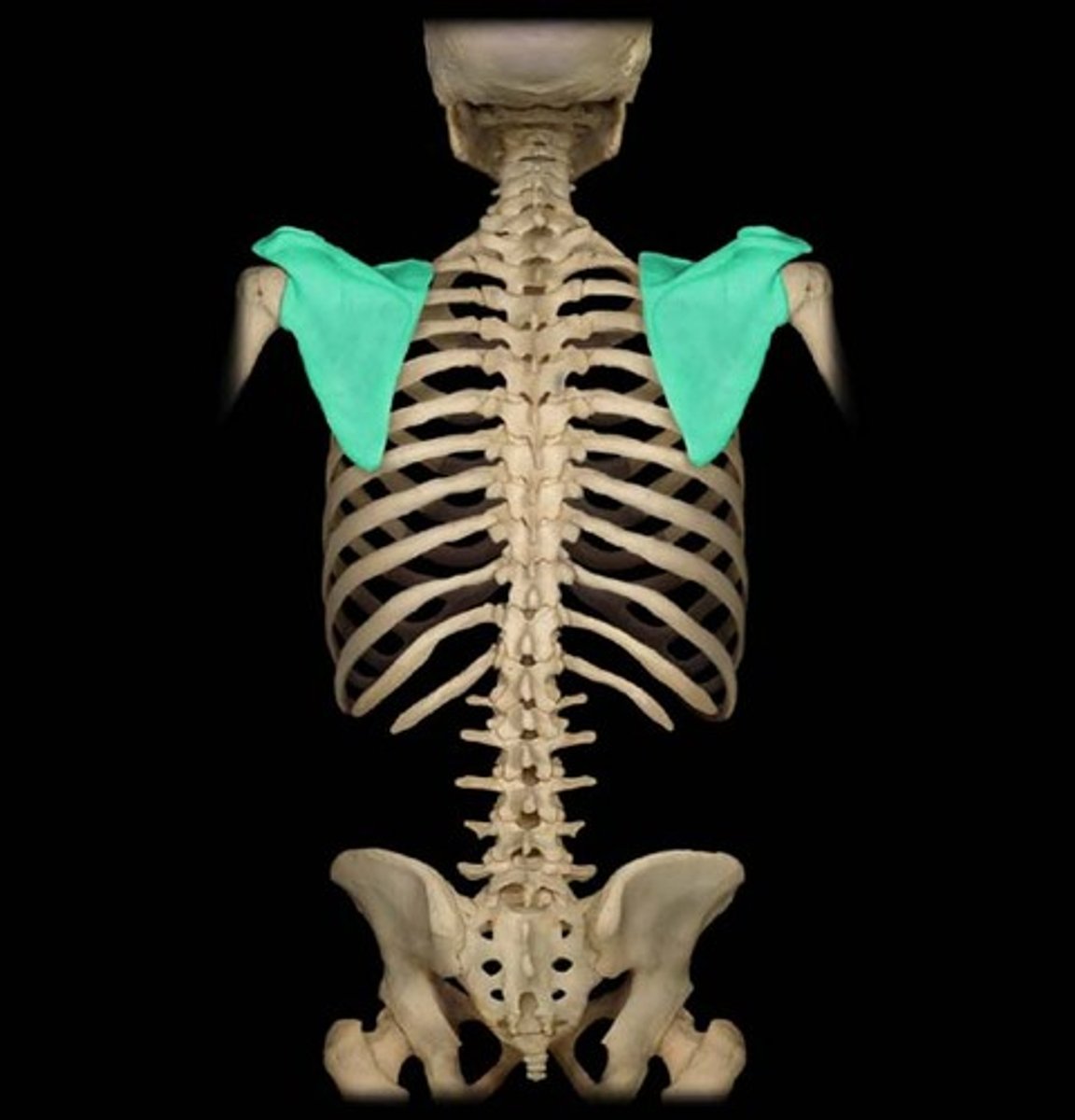
Scapula
Flat triangular bones that lie flat against the ribs in the upper back. Shoulder Blades. Allow movement of the shoulders and upper arm at shoulder joint.
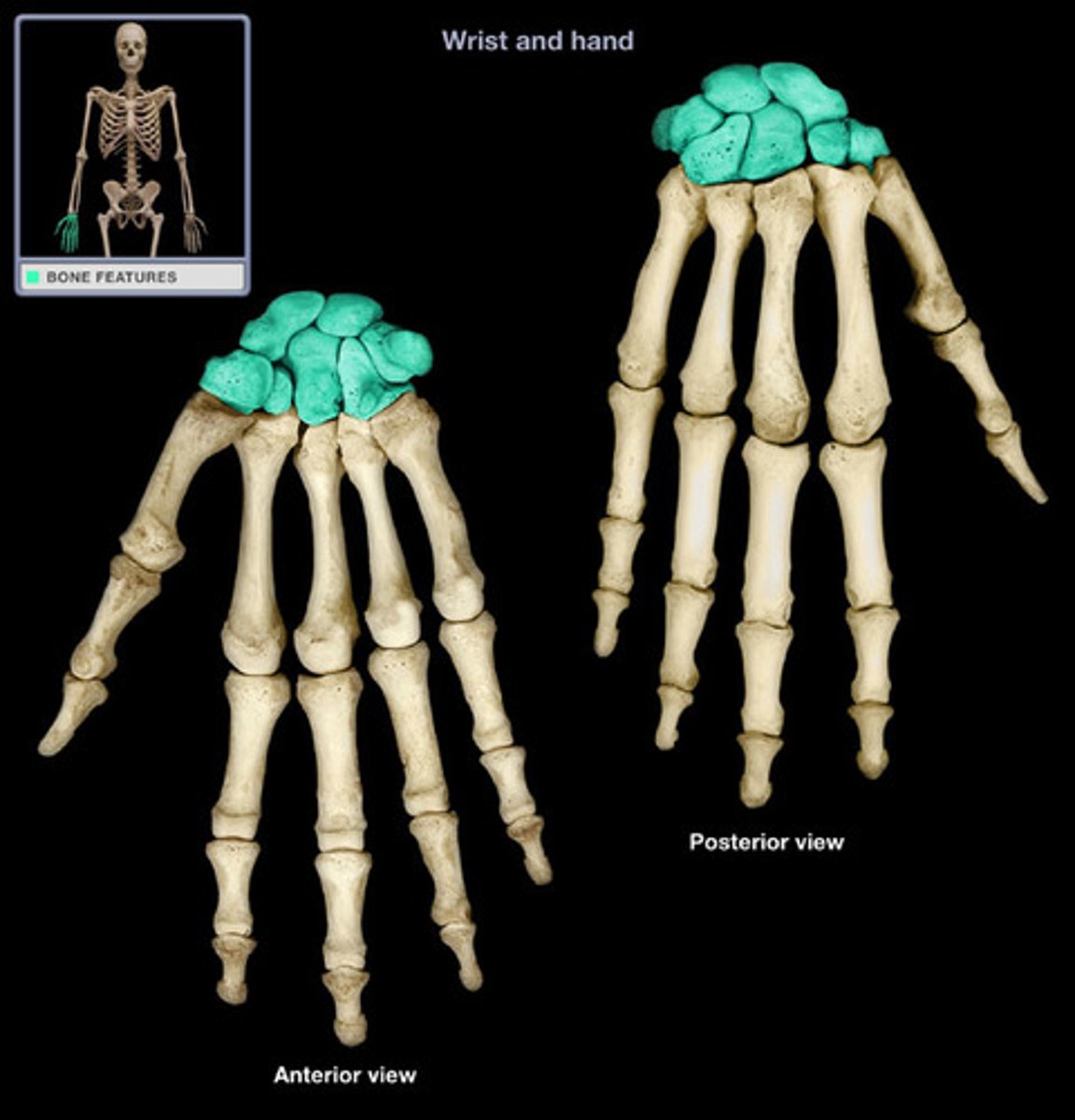
Carpals
There are eight of these in each wrist
Function is movement of the wrist
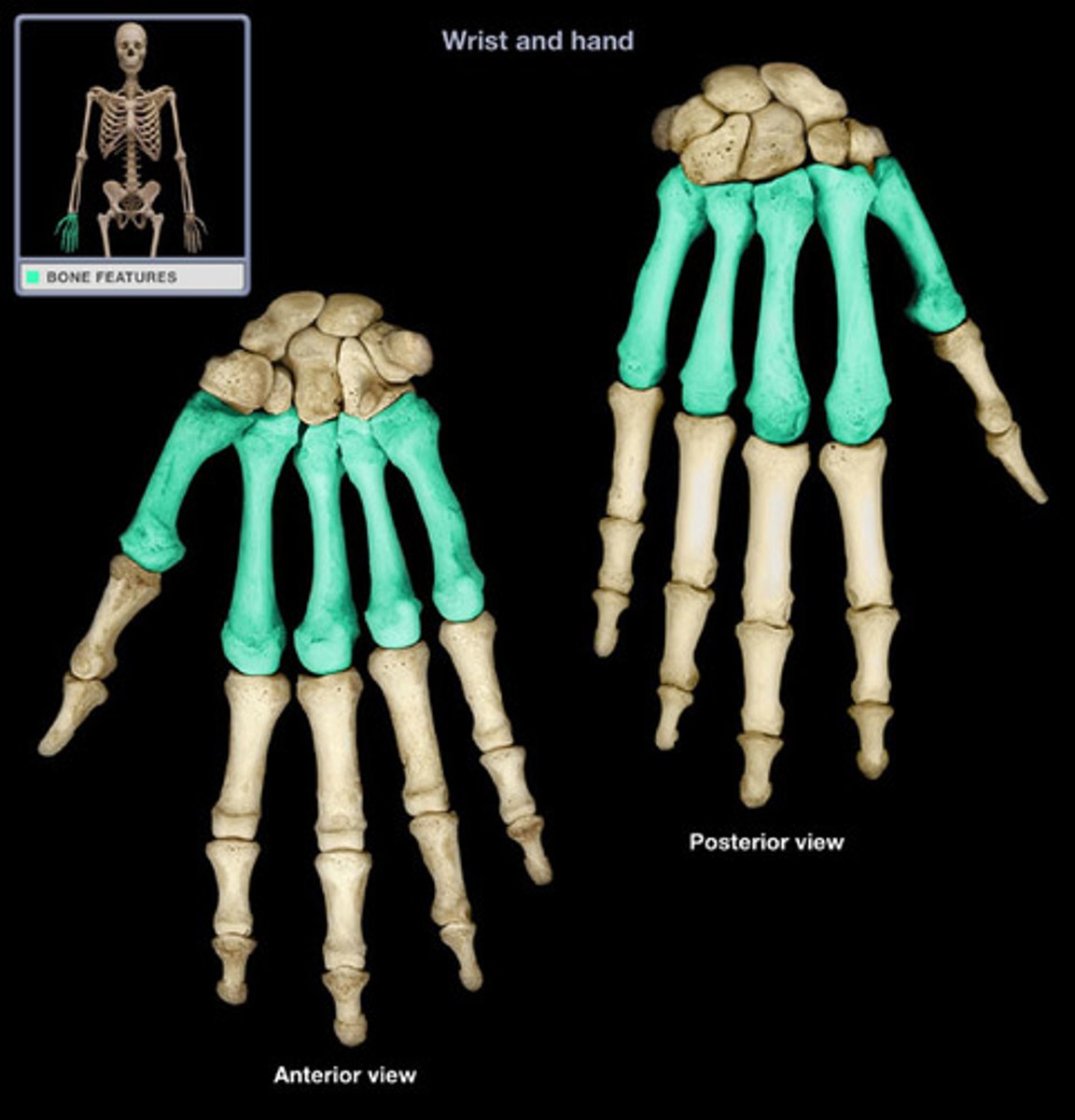
Metacarpals
Bones in the hand that are connected to the carpals and phalanges
Function is movement of the hand to grasp.
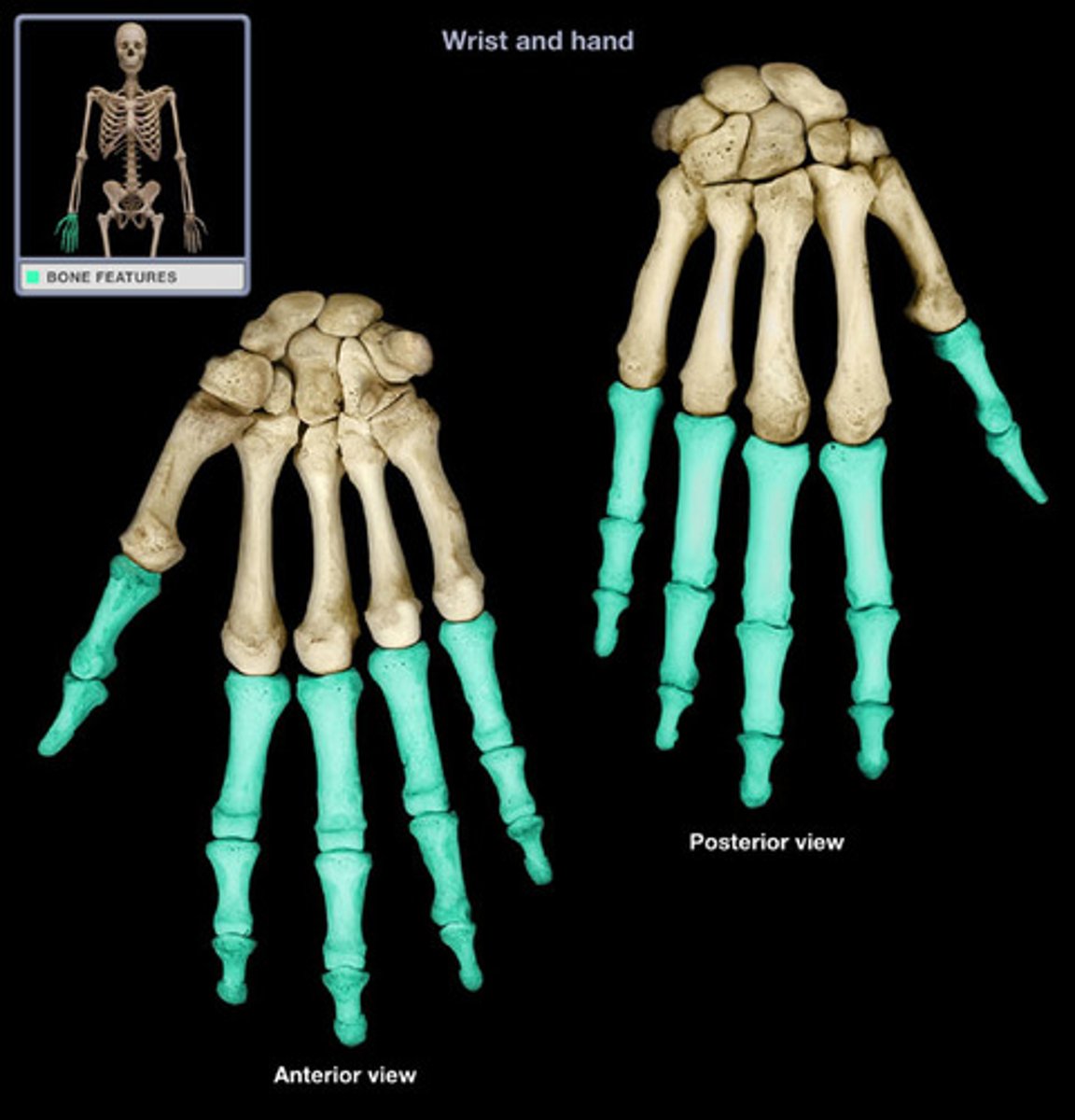
Phalanges
Fingers and toes
Function is movement and balance (for in the pedals)
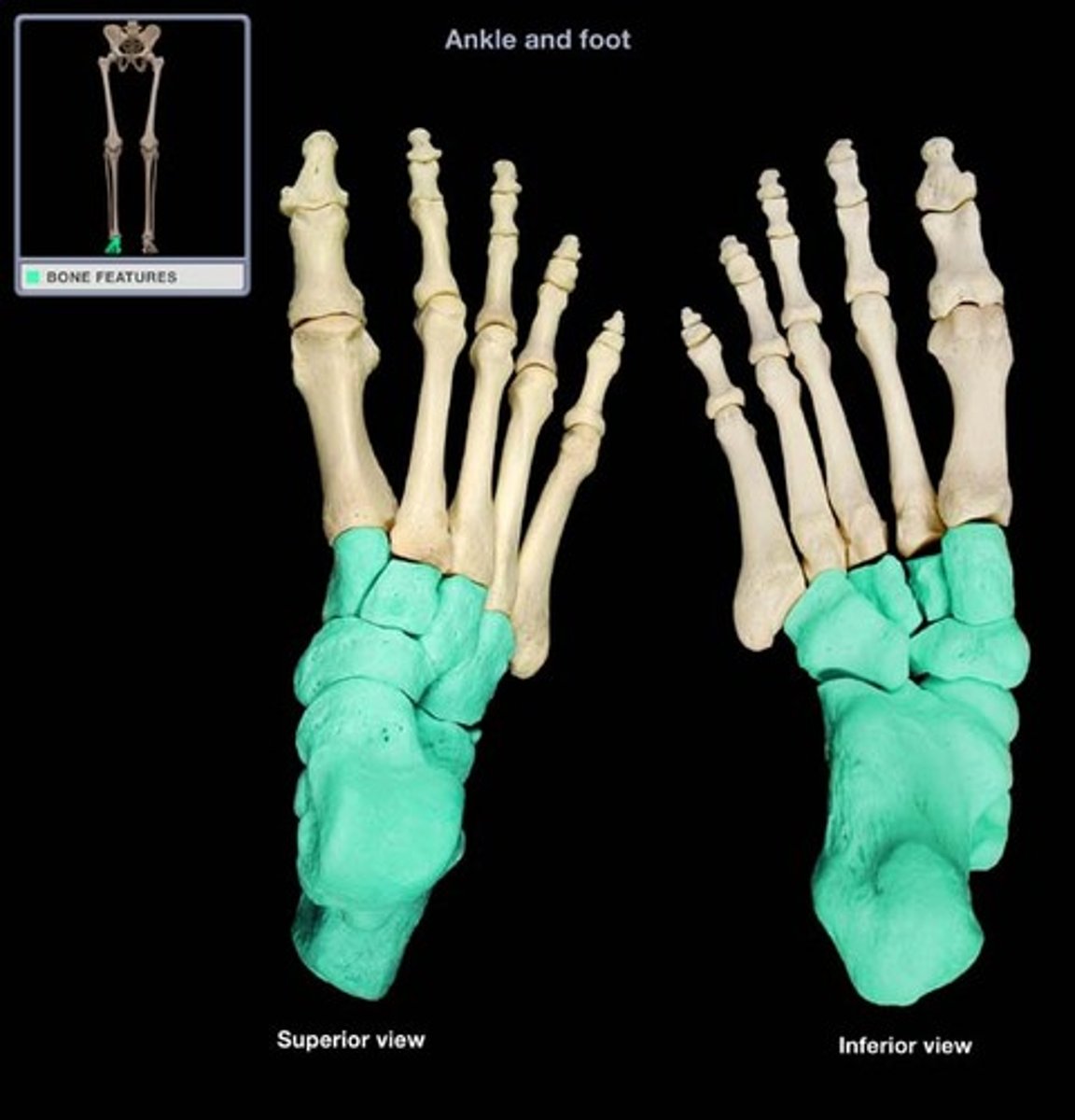
Tarsals
7 bones in each foot including the heel, make up the ankle
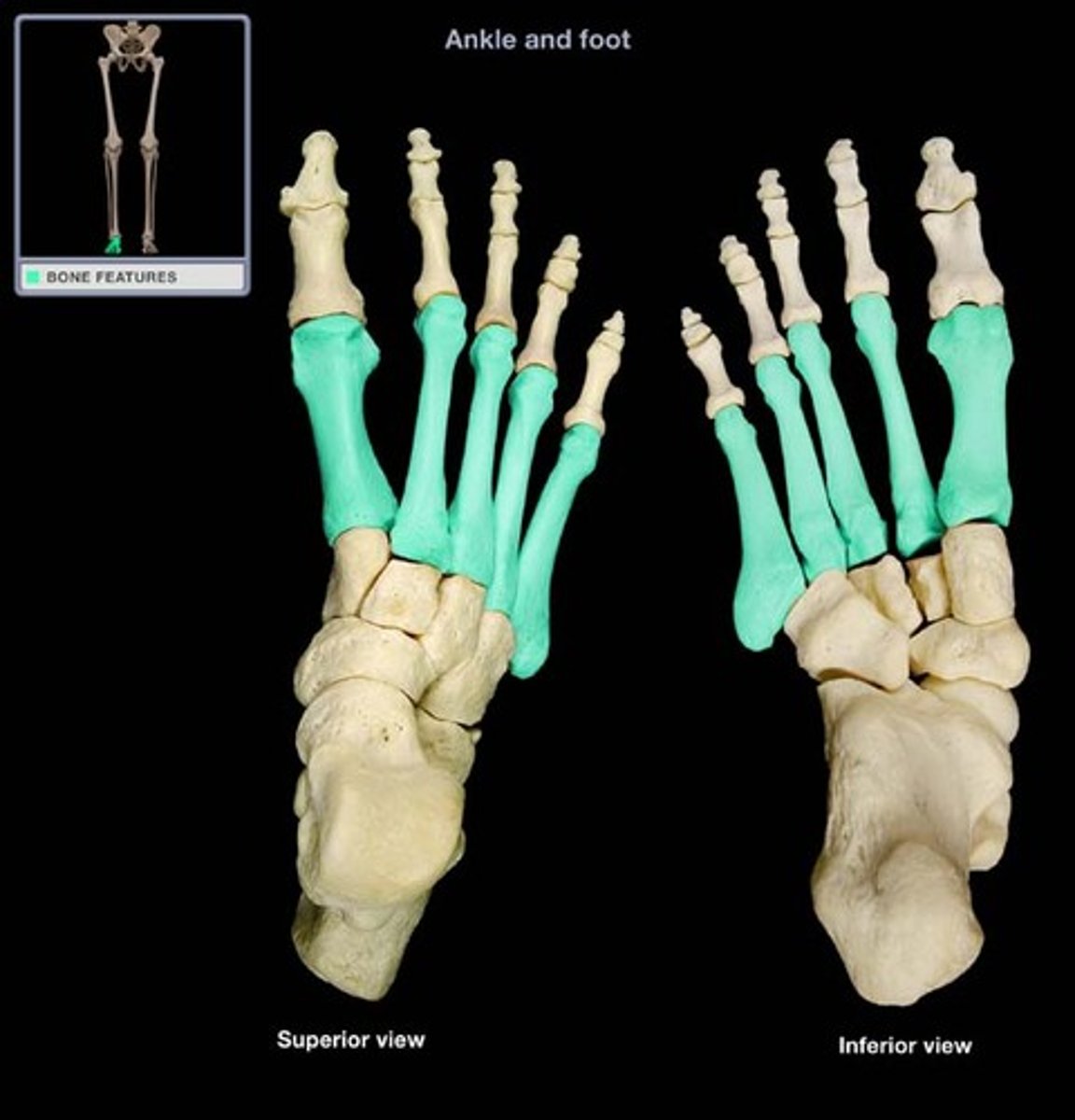
Metatarsals
Bones connected to the tarsals and the phalanges of the feet
Function is balance.
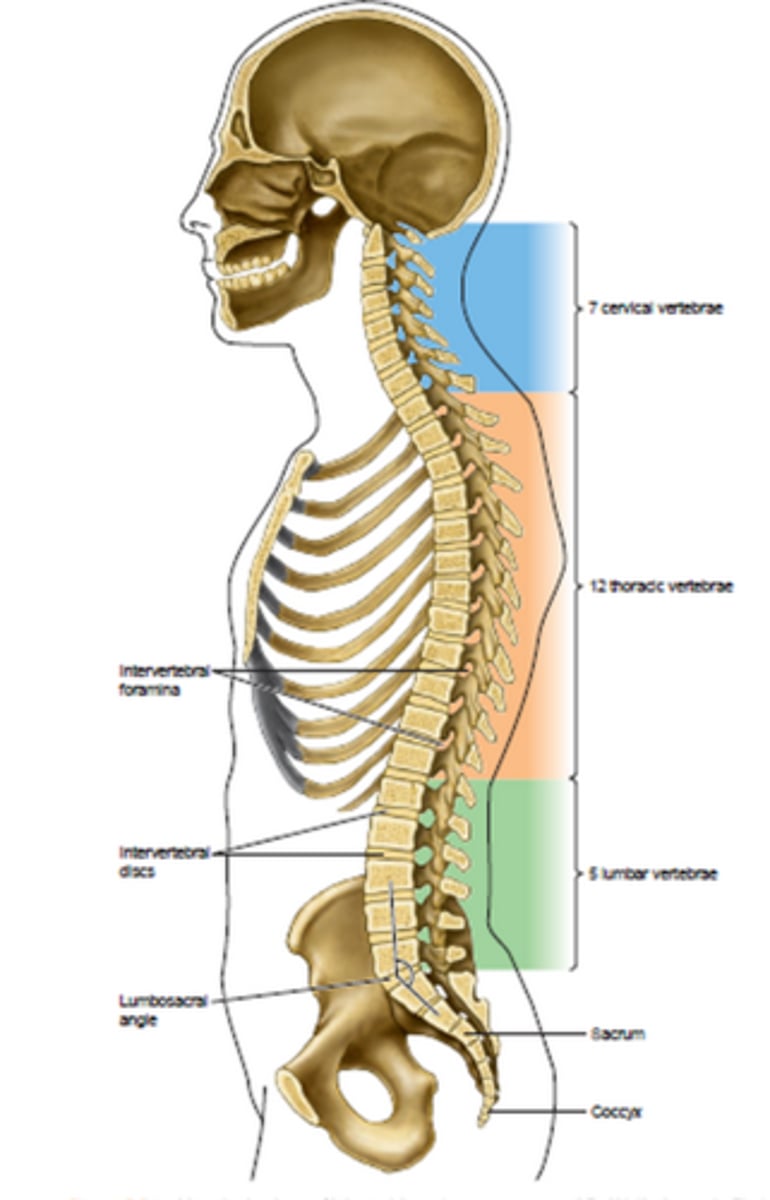
Vertebrae
26 small bones that make up your spine
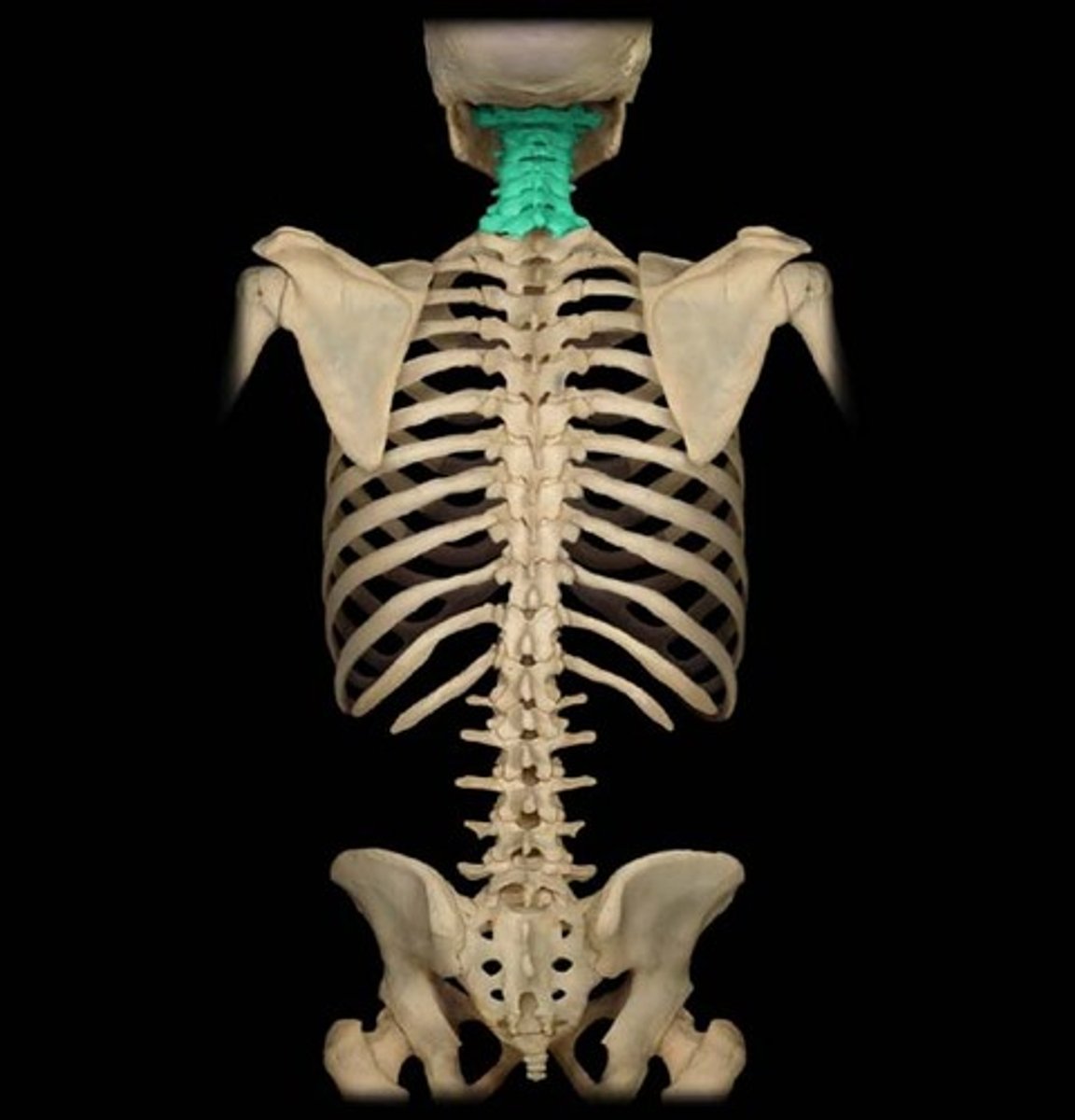
cervical vertebrae
7 vertebrae of the neck
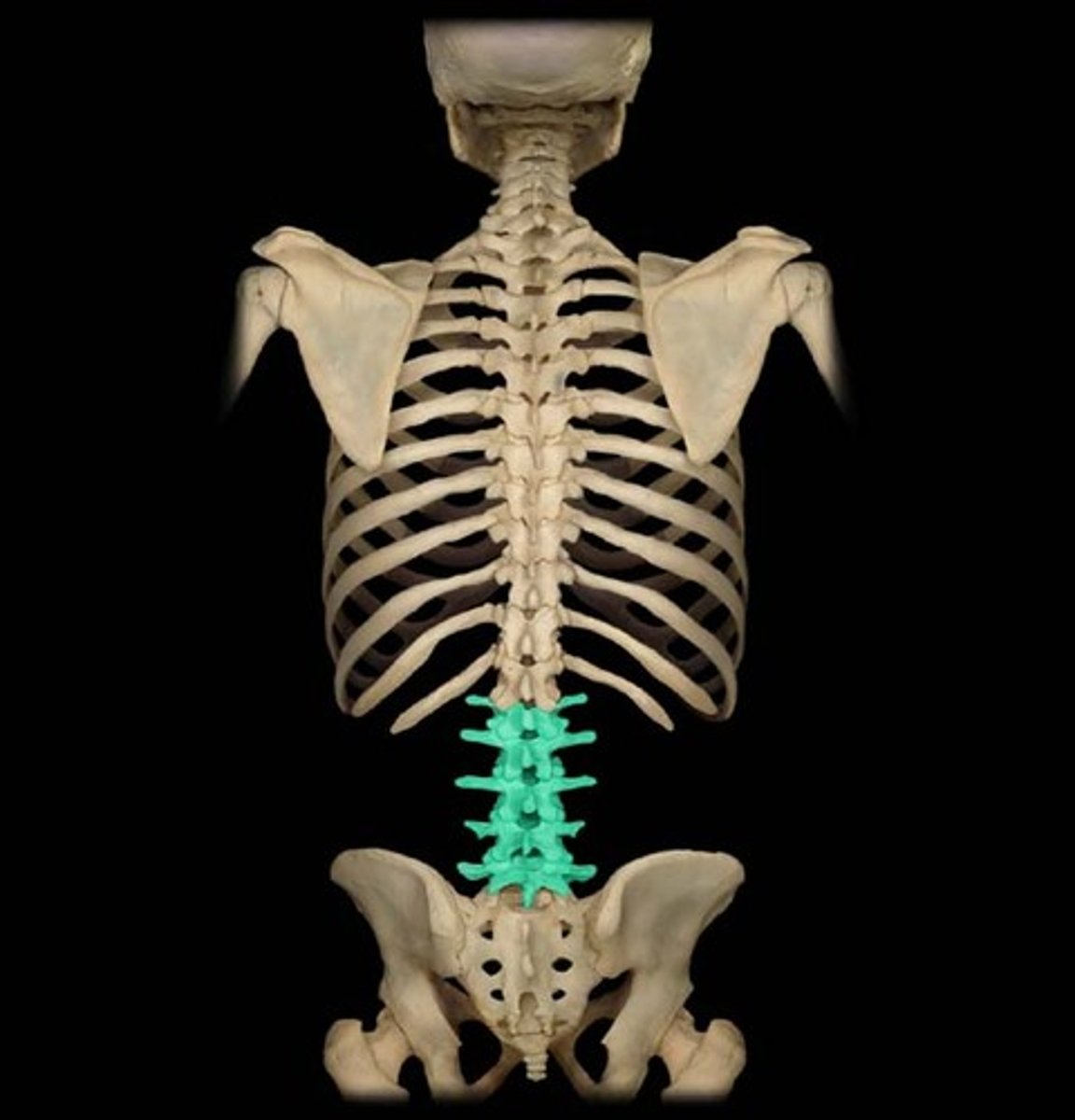
lumbar vertebrae
5 vertebrae in lower back
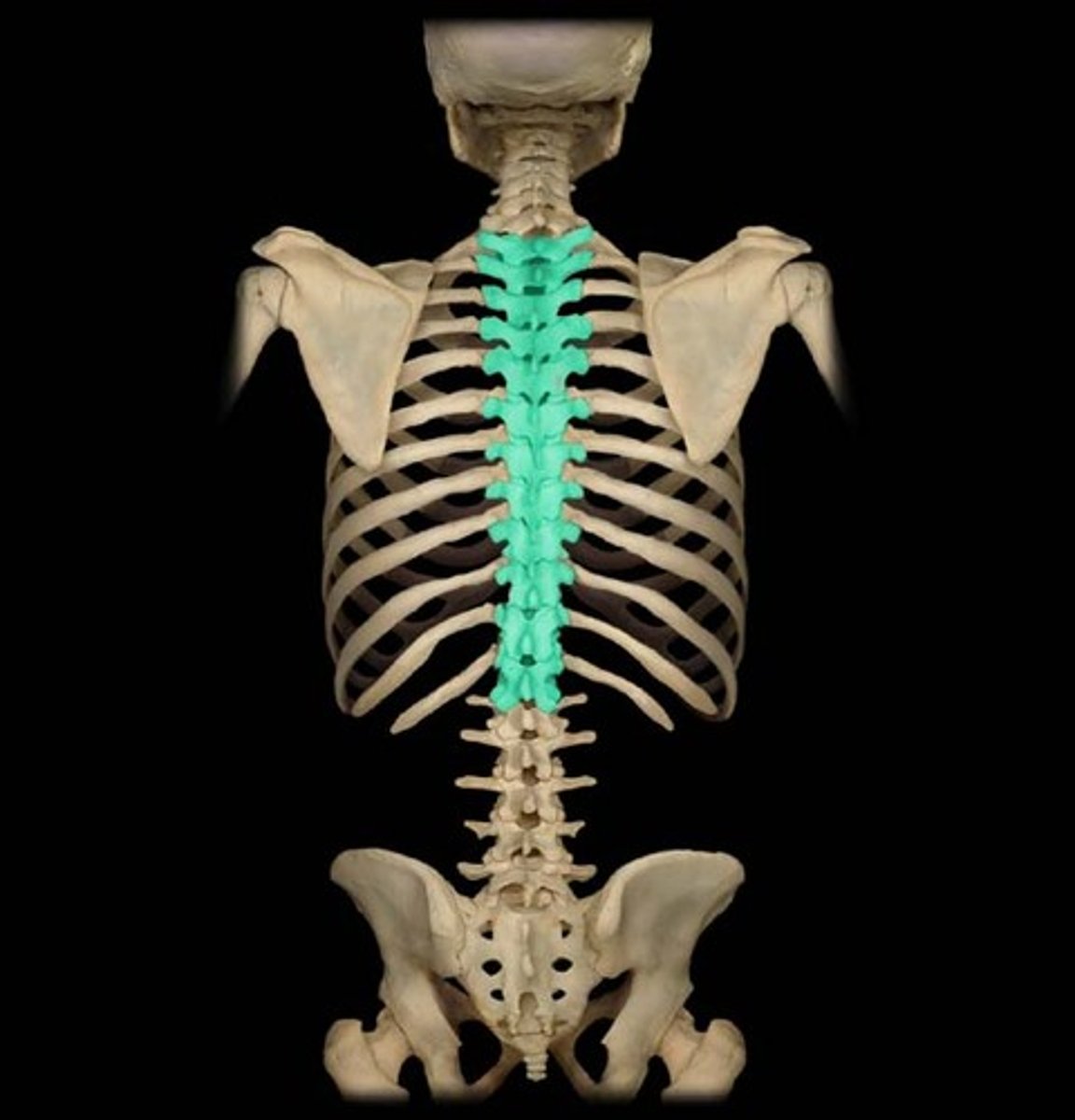
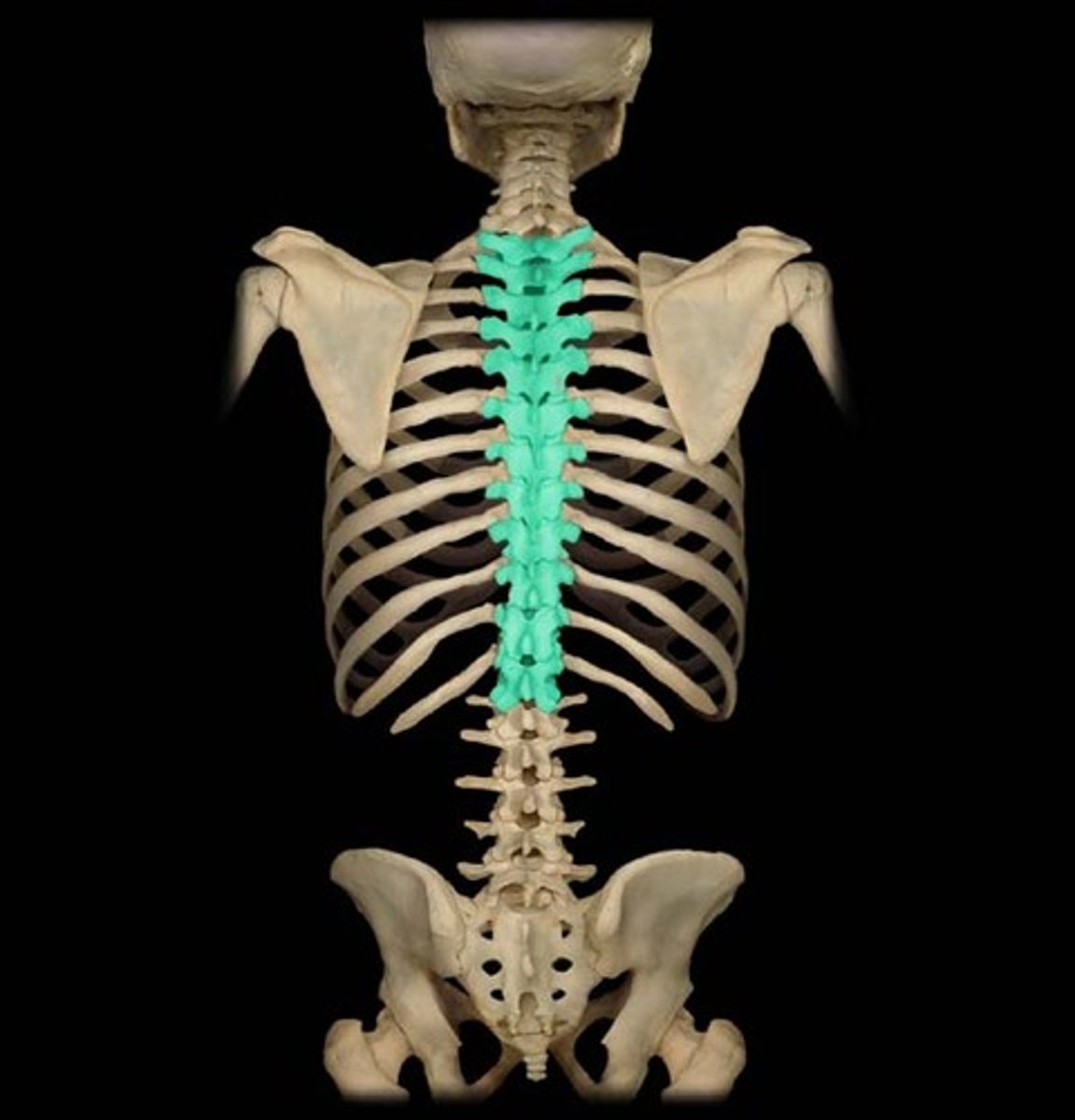
thoracic vertebrae
12 vertebrae of chest
Function of the spinal column
Protect spinal cord
Mobility of upper body
Support of upper body
Fracture
broken bone
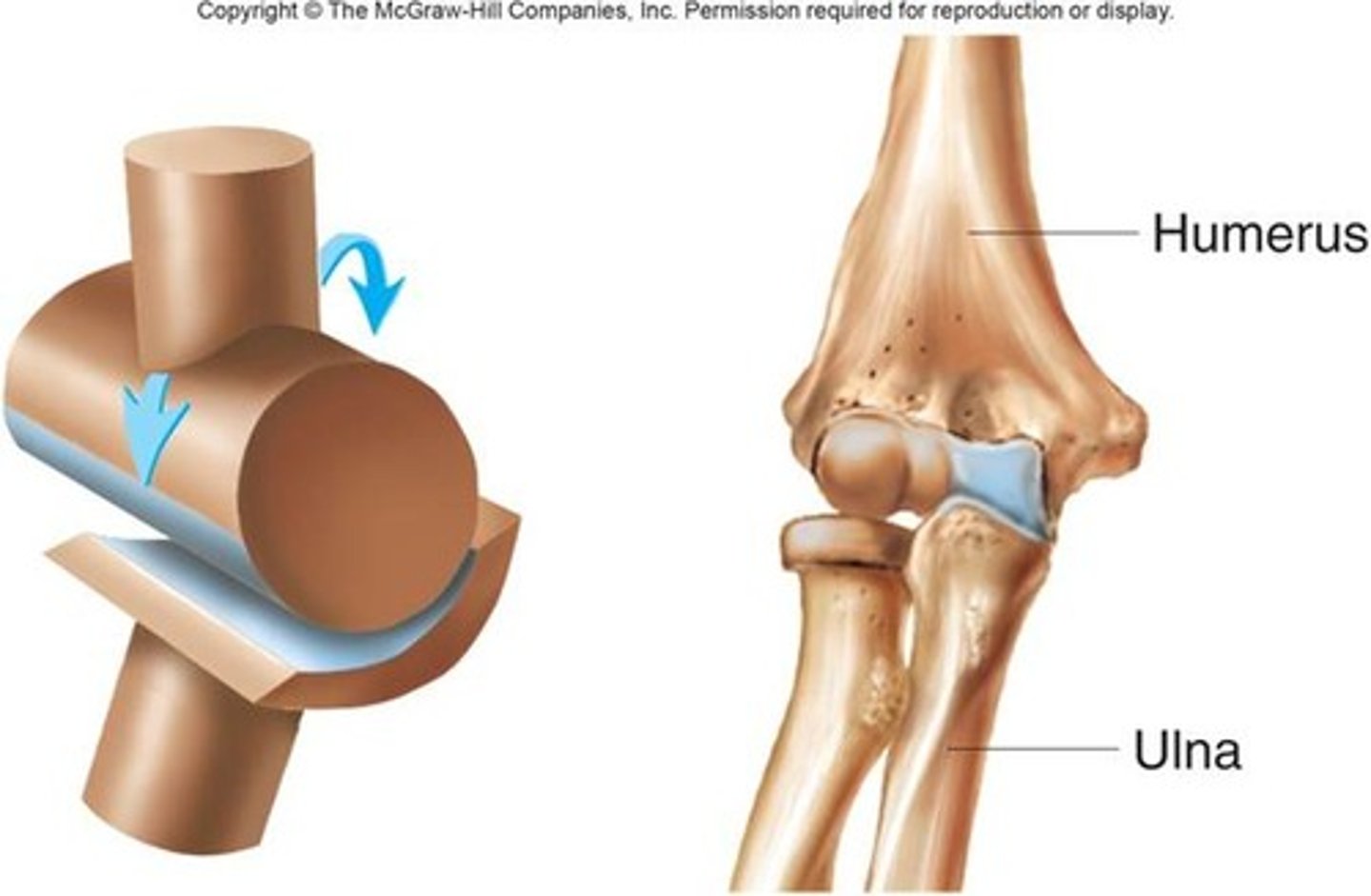
Joints
Areas where two or more bones join together
 Note
Note  Flashcards (25)