Ap Art history Unit 3 (ID quiz)
 Studied by 1 person
 Call Kai
 Learn
Learn Practice Test
 Spaced Repetition
 Match
Match Flashcards
 Knowt Play
1/18

There's no tags or description
Looks like no tags are added yet.
Name | Mastery | Learn | Test | Matching | Spaced | Call with Kai |
|---|
No analytics yet
Send a link to your students to track their progress
19 Terms
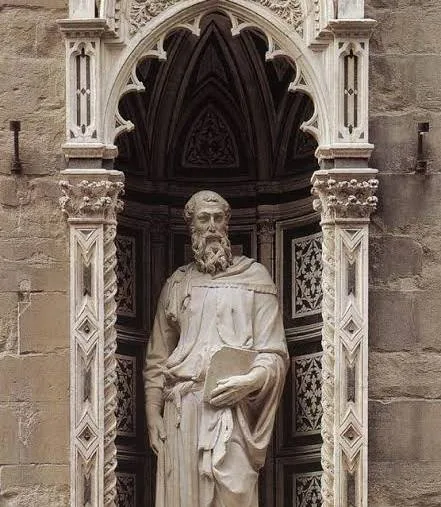
Saint Mark, Donatelllo
Donatello, Saint Mark (ITALY) (1411-1413)Materials:
Marble, demonstrates mastery
Weight shift of body garment, recognized contraposto
First appears under commission of linen drapers, stands on pillow made out of linen, heavy veins
Gothic aspects
Background/ purpose:
To glorify and guild st. mark, with rich fabric folds advertising guilds products
Commissioned by Arte dei Linaioli
Part of larger project in florentine guilds decorate their niches guilds to show wealth and penalty
Other info:
Intended for exterior niche high above street so viewed from below
St mark is a historical figure in gospel
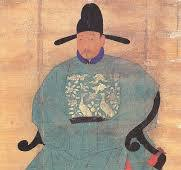
Portrait of Sin Sukju
Portrait of Sin Sukju (KOREA) (15th CE)
Materials:
Medium ink, colored on Silk, large hanging scroll
Physical features of eminent scholar official but also personal character: Face wrinkles around eyes, deep groves, mustache meets chin
Artistic style: Achieved realism while adhering court painting conventions
Background/ purpose:
Honoring merit: (Portrait of Sin sukju) Key political figure in his time, rose to position of prime minister, served 6 kings
Spiritual/Ritual: Served sacred object for his family, used in ancestral worship to guide family generations
Status symbol: Symbolized rank, projecting power and authority
Propaganda: displayed an ideal of government dominance and exceptional service
Joseon Dynasty (neo-confusianistic)
Unknown painter
Other info:
Rank badge used from peers to local officials.
Gold embroidered insignia crafted in sets worn on front and back of over court
Designed clouds wild good and peacocks
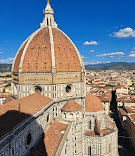
Dome of florence cathedral
Dome of florence cathedral, Filippo Brunelleschi (ITALY) (1420-1436)
Materials:
Double shell: inner thicker dome, thinner shell connected by 24 vertical ribs, 8 important most visible on exterior
Bricks: Laid in fishbone
Iron wood chian: embedded in shells contracted outwards
Lifting machines (machenery): to be able to paint and build he design special hoist to lift structure
Interior of unmatched spaciousness, soaring arches, stained glass windows, beautiful frescoes makes it gothic
Background/ purpose:
Challenger: designed by Alforno di Cambio, nobody knew how to build it, especially without gothic buttress
Renaissance symbol: Makers break form gothic style, embraced roman forms, florentine power and humanism
Competition: Won the comp with design, presented model and demonstrated skills
Created by Filippo Brunellechi
Other info:
Begun 1417, 82 years to complete, planned to fit entire population (huge investment from people)
Linear perspective attributed to brunelleschi. After loosing door competition, he spent his tome studying roman ruins and buildings, then drawing them.
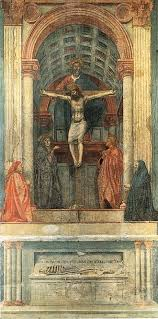
Holy trinity
Holy trinity, Masaccio (ITALY) (1428)
Materials:
Fresco painting (painted directly on wet plaster)
first surviving painting using Brunnochelli's Linear Perspective, creating illusions of depth (barrel vaulted space)
Many roman depictions: triumph arch, historical weight, barrel vault
Life size figures
Background/ purpose:
Patronage: Commissioned by Lenzi family (donor portrait included), served as personal devotion and commemorated death
Focuses on the Holy Trinity: emphasizing christs sacrifice towards eternal life, presented by human realism
Renaissance Era
Create by Massaiccio
Other info:
Below tomb contain skeleton, representing adam, make a virtual church
—-----
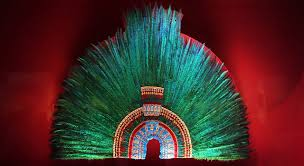
Rulers feather headdress
Rulers feather headdress (MEXICO) (1428-1520 CE)
Materials:
Feathers: vivant green Quetzal feathers, prize w beauty and rareness, colorful
More than 3 feet tall, wearing would have made any ruler 9 ft tall
Metals: gold elements signify wealth/diviny
Base: wood and vegetable fibers
Background/ purpose:
May have been worn by Aztec Emperor Moctezuma II
Symbolism: feather represented fertility, power, connections between ruler and the divine
Ritual Use: Common use in priest/gov for rituals and religious ceremonies (impersonated gods)
Showed conquistadors power and projected authority
Created by aztecs, peak of mexica
Other info:
Highly fragile, damaged by age, requiring care
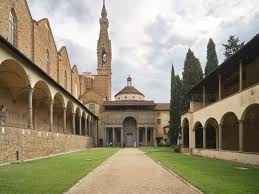
Pazzi chapel
Pazzi chapel (ITALY)(1429-1461CE)
Materials:
Stone: extensive use of grey pilasters, arches, walls
Some: Central of the oculus, windows, ribbed structure
12 windows for the 12 apostles
Decorations: Blue glazed terracotta roundels depicting apostles
Pietra serena (a blue /grey sandstone form tuscan) typical renaissance colors, simplicity, mathematical harmony
Arches, pillasters, barrel vaults
Background/ purpose:
Commission: Commissioned by wealthy Pazzi Family
Function: served as a chapter house (meeting room) and classroom for monks, plus funeral services
Renaissance ideals: shows ideals of renaissance architecture, mathematical harmony, gothic structure
Designed by Filippo Brunellechi
Other info:
Dome = top
Tonfo circle windows
Chapel bottom rows
logia= entrance
Altar
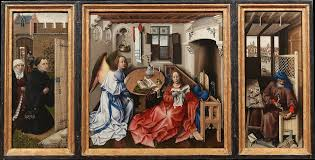
Annunciation Triptych
Annunciation Triptych (NETHERLANDS)(1427-1432 CE)
Materials:
Oil pastels and tempura oak panels
Early Netherlandish, northern renaissance, known for realism and detailism
Humanizing religious themes: character without halos
Triptych: three panels
Background/ purpose:
Artist: attributed to Robert camping
Purpose: created for private devotions, allowing viewers to contemplate the mystery of the incarnation
Setting: biblical scene in contemporary, Flemish middle class domestic interior making it look relatable
Other info:
Lilies (purity), extinguished candle (Holy spirits presence), mousetrap (Christ trapping sin), Tiny christ figure (foreshadowing crucifixion)
left panel: Donors, Man peers form courtyards with woman trying to overhear
Center panel: Gabriel the angel announces to army; she sits on the floor
Right panel: Saint joseph the carpenter, working with tools (mousetrap)
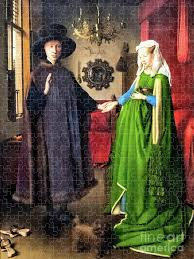
The Amolfini Portrait
The Amolfini Portrait (BELGIUM) (1434)
Materials:
Oil paint, Oak panel (made out of three boards)
Oils capture light, texture, perspective, realism
Western art
Background/ purpose:
Subjects: Giovanni Di Nicolao Arnolfini, wealthy italian merchant i the flanders, and his wife (giovanna Cenami)
Setting: Wealthy flemish domestic interior in bruges
Purpose: Traditionally seen as a wedding portrait or engagement, btu could be legal agreement, memorial (deceased wife after childbirth) or affirmation of their status. (Van Eyck Witness)
On back wall elaborate signature of work “Jan Van Eyk was here”
Other info:
Mirror: reflects couple and Van Eyk in mirror, linking to the divine from the scenes from christ passion
Dog: loyalty, or companionship in afterlife
Single candle: daytime, gods presence or sanctity of event
Bedroom & Oranges: expensive imports, showcase wealthy family (red, green, fur)
Womans pose: Holding fabric to her stomach, pose pregnancy wise
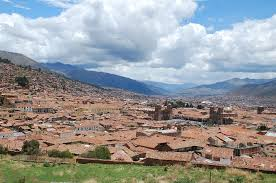
City of cusco
City of cusco (PERU) (1440 CE)
Materials:
Stonework, gold and silver, textiles and pottery
Background/ purpose:
Inca capital: Cusco (center) of the inca empire
All cities radiating out from hub of cusco
Religious Hub: Home to the temple of the sun, Sun ceremonies dedicated to the sun god Inti
Imperial control: Served as a political hear, conquered rulers held there
Other info:
No written language but system record kept using khipu (colored ribbon knots)
Silver and gold very abundant in trading
Plan of cusco based on laying puma, main plaza belly, river forming spine, sundial as eye
A garden made from gold, silver, jewels. Items represented life-size people, food, animal from 4 quarters of empire
Walls covered in sheers of gold to signify dedication to Inti
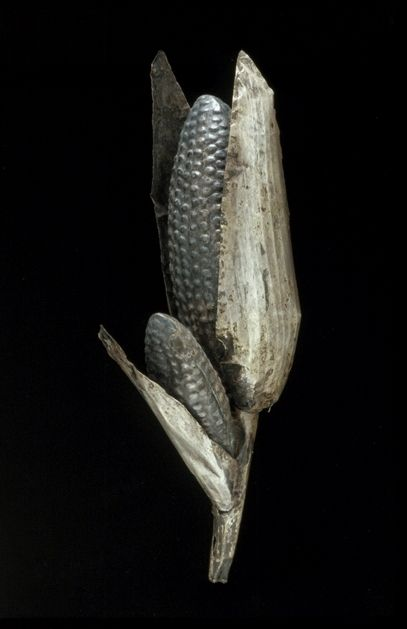
Maize cob, inca
Maize cob, inca (PERU) (1440-1533 CE)
Materials:
Metals, copper, silver, 3D sculptures, Naturalism
Made from pound metal sheets (abstract inca art)
Background/ purpose:
Sacred/political: MAize was the food of the gods, Linking inca state to power/fertility
Ritual use: Displayed during festivals and harvests
Symbolized the maize to brew chicha, for important feasts and offerings
Asserted dominion over resources and agricultural systems
Other info:
Most were melted down from conquistadors and some sent to spain
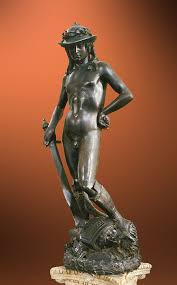
David, Dontellos
David, Dontellos (ITALY) (1440-1460 CE)
Materials:
Bronze (primary material), realism sculpture, 3D, stance contrapposto, rich surface textures, gilded elements like hair, naked
Background/ purpose:
Commissioned by Medici: placed in garden to be visible for people passing
Symbol of florence: Represented florences defiance against powerful enemies, embodying biblical story of david defeating goliath.
Humanism: Depicts many human ideals like youth, naturalistic figure, divine victory not just physical might.
Made by Dontello
Early Italian renaissance
Other info:
Nudity: Sows nude male of antiquity, vulnerability and naturalism (Greek method)
Post victory scene: David seem to be relaxed after battle, food on goliaths head and holding his sword, he also has that greek archaic smile but more relaxed
Stance contrapposto
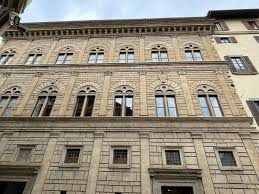
Palazzo Rucellai
Palazzo Rucellai, Leon Bassita Alberti, (ITALY) (1450 CE)
Materials:
Large stones, columns not outwards but rathe flat like colosseum, Multiple Arches
Each story with flat Pilasters, distinct capitals (different order on each story → like colosseum)
Background/ purpose:
Commissioned bu: Giovvani di Paolo Rucellai, Wealthy wool merchant
Symbolism: Declaration to the family's status, wealth, and education, humanist taste
Function: Private residence with distinct levels for public business formal reception, private family quarters, public statement of wealth
Italian renaissance
Created by Leon Bassita Alberti
Other info:
Full entablatures filled with decorative patterns: lowest diamond ring with three feathers (on Medici symbol), second floor sail billowing in wings (rucellai)
Interior square courtyard brings inlight and air, renaissance mathematical harmony of height of columns/ distance between columns/depth form interior walls all equal dimension. Typical renaissance colors and materials
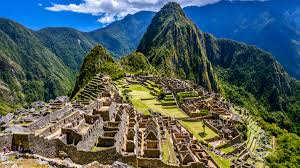
Machu Picchu
Machu Picchu (PERU) (1405-1540 CE)
Materials:
Stones (primary material), dense of volcanic rock, cut into mortar, wood beams
Buildings of Machu Picchu show social divisions of the site
Increased usable surface by creating steps, could then be farmed for food
Temple of the sun “observatory”
2 windows: sun shines through left at sunrise on winter solstice and right on summer solstice
Background/ purpose:
Constructed by Incas, Abandoned after inca fell to the spanish
Function: Royal retreat, religious sanctuary, astronomical observatory, agricultural center
Other info:
Water management crucial
Integuatana stone: “tie up the sun” → priest tie the sun with a special cord to track the passage of the sun throughout the year, reckoning of time when religious events should take place
Carved boulder: located at the highest point of sacred precinct
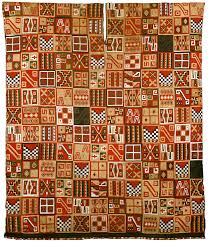
All- T’oqapu Tunic
All- T’oqapu Tunic (PERU) (1450-1540)
Materials:
Fibers: Alpaca/llama wool, vibrant color, cotton, many dyes, dense durable cloth
Technique: Warp faced tapestry weaving on looms, geometric patterns
Background/ purpose:
Symbol of power: Reserved for elite, controlled social aspects of the empire, has many cosmological ideas
Form of visual communication like the knotted Kippu (strands)
Creator: usually Incan women
Other info:
One long rectangle of cloth, neck slit in middle, folded in half and sides sewn up to arm holes
Covering a single tunic with large variety of t'oqapu likely make sit a royal tunic
Worn by inca army
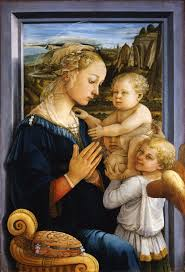
Madonna and child with two angels, Fra Filippo Lippi
Madonna and child with two angels,Fra Filippo Lippi, (ITALY) (1465 CE)
Materials:
Tempera wood panel rather than 2D, gold leafs for halos, fabrics, linear perspective
Background/ purpose:
Humanism: Moved away form the byzantine depictions, presented mary as realistic young woman
Devotional: Private devotion, offering intimate human motherhood and faith contemplation
Symbolism: Christ child reaches for carnation (purity) while a rock falls on christ tomb (forshadowing)
Made by Fra Fillipo Lippi, wife lucia could have been model
Other info:
Atmospheric perspective - forms in distance are less clear and appear paler and bluer
Shows shadows on frame of window
Inspired many artist like Sandro Bocelli
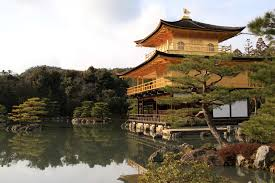
Ryoan-Ji
Ryoan-Ji (JAPAN) (1480 CE)
Materials:
Rocks: 15 stones in varying sizes, some resting on moss islands
Layout designed so one rock is hidden from view (makes viewer stay longer)
Gravel, walls, wood
Background/ purpose:
Goal: To facilitate depp meditation, introspection and contemplation, encouraging views to find personal meaning
Symbolism: Islands in the sea, mountains above clouds, tigres cubs crossing the river
Ryoan ji (temple of the peaceful dragon) estate of member of powerful family, Eventually passed into the family of famous general, later converted in a Zen Buddhist temple
Other info:
Climb up stairs and arrive at Hoko: abbots study, residence/monks quarters and tearoom in the main building of monastery
Rock garden to the south side/in the front of the hojo viewed from either wooden veranda embracing the building or from inside fo the room
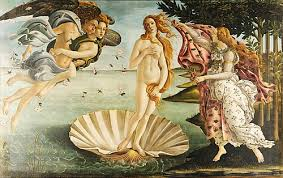
Birth of venus, Sandro Bottichelli
Birth of venus, Sandro Bottichelli, (ITALY) (1484-1486 CE)
Materials:
Tempera on canvas, Egg tempera, mixed pigments, realism, gold leafs, wings, bright colors, great linearity
Background/ purpose:
Commissioned: Medici family, for their country villa
Theme: Represent the birth of spiritually beauty and love where Venus embodies divine love, leafing soul towards god
Inspiration from ancient sculpture like venus de medici
Made by Sandro Bocelli
Italian Renaissance
Other info:
Venus: famous pose, stands on scallop shell ( symbolizing female genitals and birth)
Zephyr & Chloris (Aura): wind gods blowing venus ashore
Hora of spring: A Nymph awaiting to cloak venus, symbolizing spring and rebirth
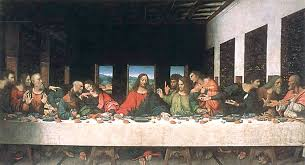
The last supper, Leonardo Davianchi
The last supper, Leonardo Davianchi, (ITALY) (1494-1498)
Materials:
Experimental mix: Used tempera and oil instead of fresco to the wall (prevented paint form adhering well and flaked off through years), realism
Composition: Jesus is central, linear perspective spotlight on him and the apostles create dramatic facials features form the message
Background/ purpose:
Commissions: Ludovico sforza, duke of milan
Subject: Depicts biblical scene where jesus reveals that one of his apostles will betray him
Goal: Show human expression, through realistic gestures from calm to static, figures hands reveal personalities (thomases fingers, peter knife)
Made by Leonardo Davianchi
Other info:
Judas: in the shadow with salt nearby (bad omen)
One f the most famous paintings due to psychological depth and renaissance humanism
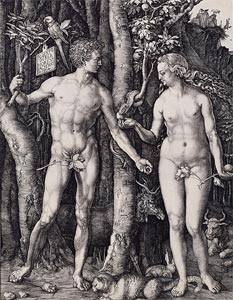
Adam and Eve, Albrecht Durer
Adam and Eve, Albrecht Durer, (GERMANY) (1504 CE)
Materials:
Engravings: lines carved into copper plate and then inked, black and white print
Realistic skin, texture, and fine line of burin work
Background/purpose:
Created after Durer's trip to italy, synthesizing northern detail with italian renaissance humanism
Shows adam and eve lushed, foreshadowing before eating the forbidden fruit
Hellenistic Poses, Based on Vitruvian proportions, Adams pose echoes apollos Belvedere and Eve Venus.
First documented use of ideal canon of proportion greek sculptures
Nearly symmetrical, fit, stance Contrapostto (greek/roman ideal)
Northern renaissance
Albrecht Durer
Other info:
Animals: 4 animals represent 4 humors (Cat/mouse tension, rabbit, ox , moose (satan)
 Note
Note  Flashcards (96)