Ivory carving - Homeric World
 Studied by 3 people
 Call Kai
 Learn
Learn Practice Test
 Spaced Repetition
 Match
Match Flashcards
 Knowt Play
1/13

Earn XP
Description and Tags
Name | Mastery | Learn | Test | Matching | Spaced | Call with Kai |
|---|
No analytics yet
Send a link to your students to track their progress
14 Terms
where did the Mycenaeans get their ivory ?
elephants, hippopotami, boars
ivory was often from Africa/Egypt and obtained through trade.
What was ivory used for ?
armour
art - sculptures
some everyday objects - but not all
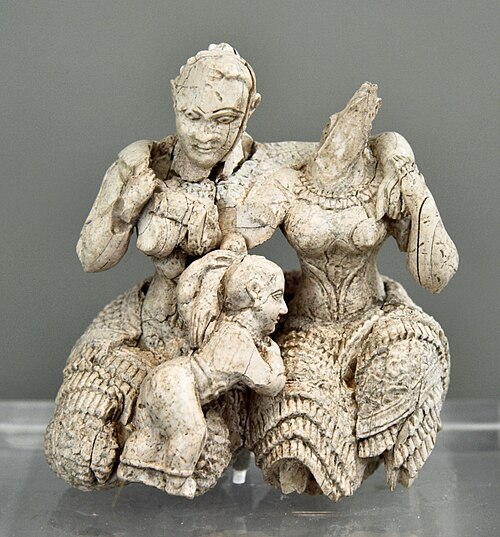
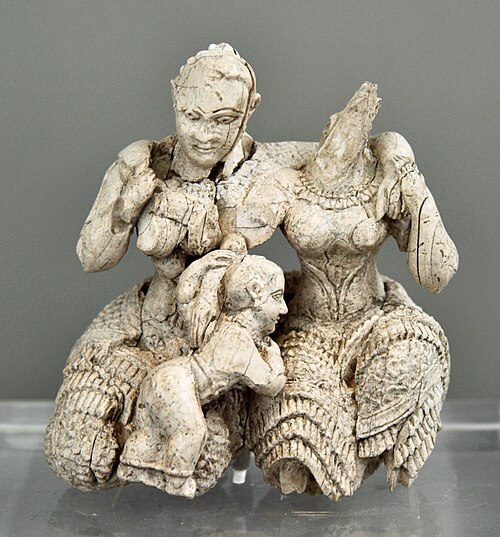
Sculpture of a child ( god ?) with two bare-breasted women
Date : 14th - 15th century BC
Location : Mycenae
Material : Ivory
Significance :
evidence of trade ( imported ivory from Africa, Egypt )
evidence of religion - child or women could be god/goddesses
evidence of skilled craftsmanship - carving:
folds on dress - realistic
tiered skirt - many layers
Evidence of clothing :
tiered skirt - typical Mycenaean female clothing
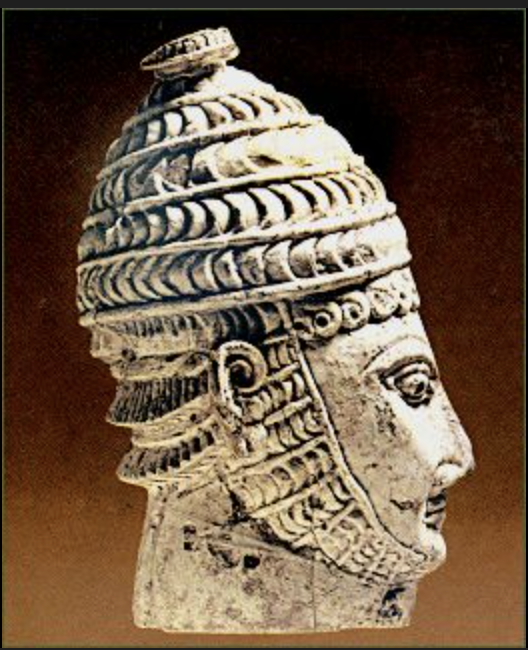
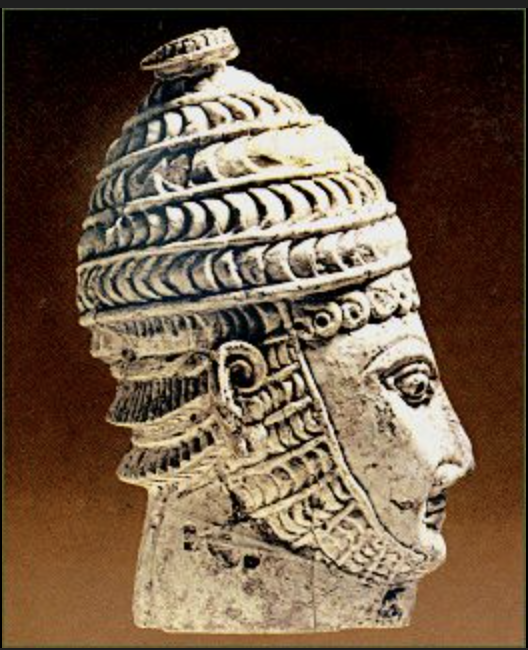
Warrior’s head
Location : Mycenaean tomb
Material : Ivory
Significance :
Evidence of trade - ivory imported
it’s an ivory statue in a tomb
evidence of burial customs :
protection in the afterlife ?
deceased was a soldier themselves and this is how they looked when alive.
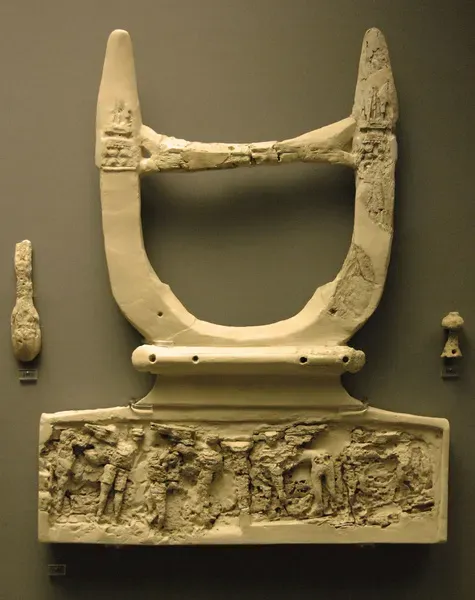
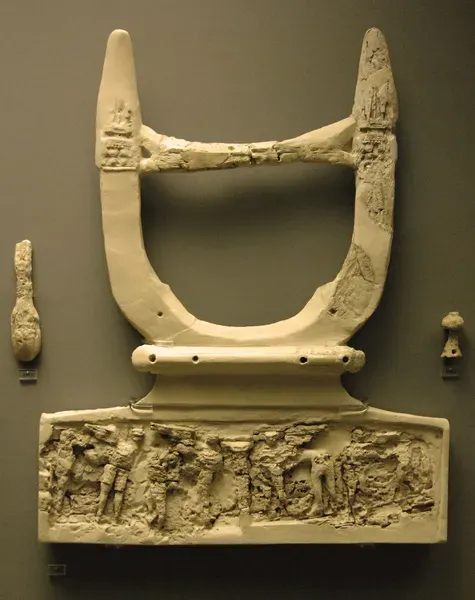
Ivory Lyre
Musical instrument ( similar to a harp ) - strings would have been attached.
Significance :
evidence of trade - ivory imported
evidence of culture - music - mythical creatures ( sphinxes on the bottom part )
Evidence of good craftsmanship, skill :
sphinxes carved into the bottom area.
carve and smooth out curved, lyre shape.
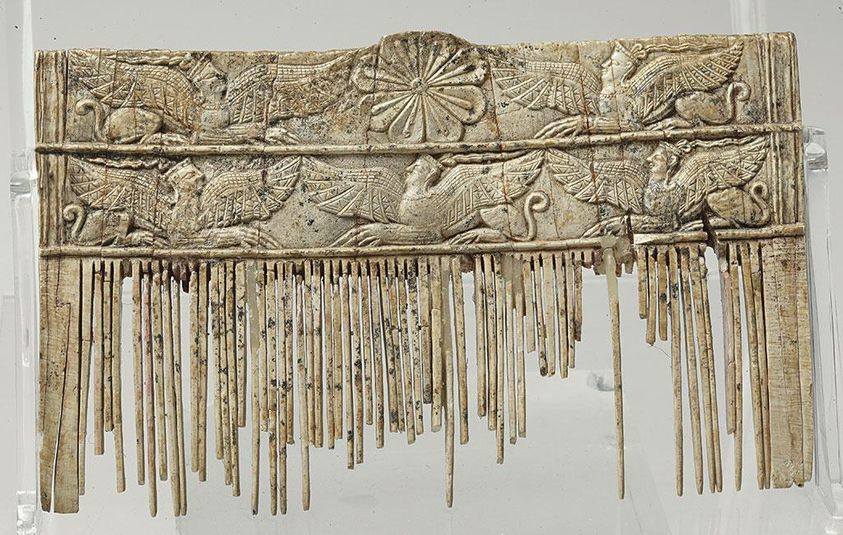
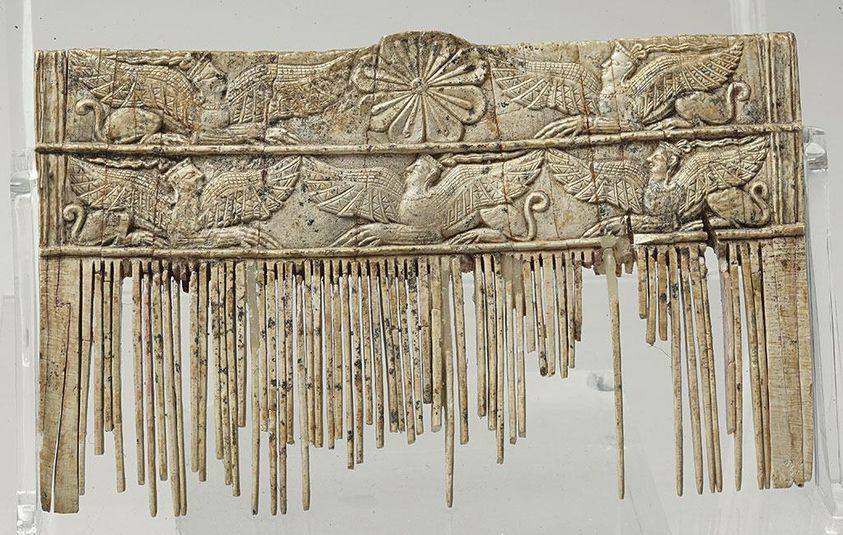
Comb with rosettes and sphinxes
Date : 14th - 13th century BC
Location : Found in Attica ( Mycenaean craftmsmanship )
Material : Ivory
Significance :
evidence of trade ( Mycenaean work is sought after - impressive )
Impressive craftsmanship :
detailed carving - small object
comb needles very brittle - impressive to be able to carve out individual one.
elaborately carved sphinxes and rosettes
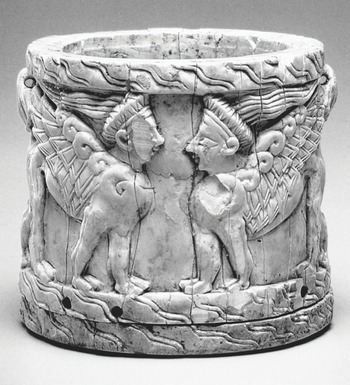
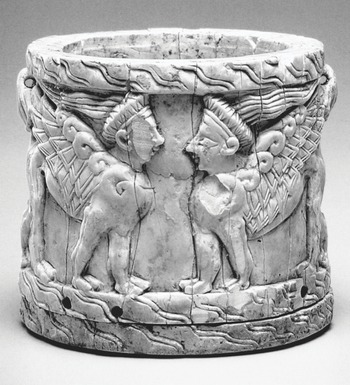
Pyxis with sphinxes
Date : 14th - 13th century BC
Location : Found in Thebes ( Mycenaean workmanship )
Material : Ivory
Significance :
evidence of trade - Mycenaean work in Thebes
Wealth - ivory jewellery box
Impressive ivory carving - great craftsmanship - very detailed and intricate
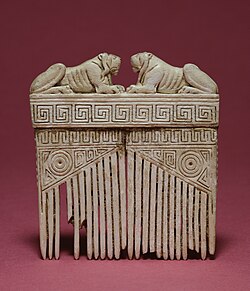
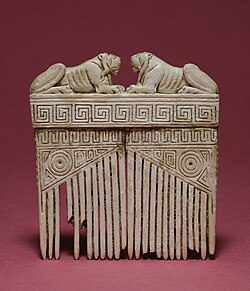
Ivory comb with lions on top
evidence of good craftsmanship
intricately carved lions on top - very small and brittle - impressive
geometric patterns throughout the entire comb - detailed
evidence of trade - ivory imported
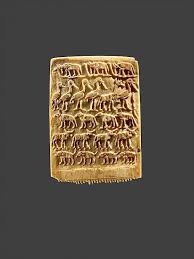
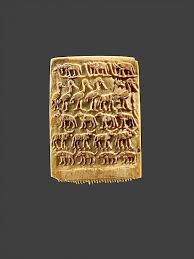
Comb with animal procession
evidence of good craftsmanship, skilled :
intricately carved animals on comb body.
evidence of trade - ivory imported
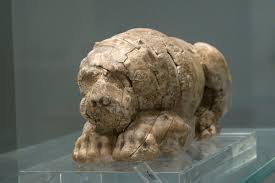
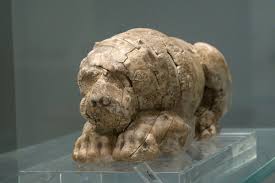
Reclining Lion
evidence of trade - ivory imported
evidence of good craftsmanship :
carved out - very small
Lions were a symbol of power in the ancient world - evidence of culture, royalty ?
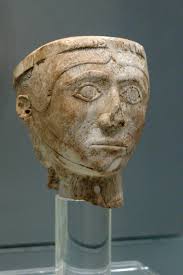
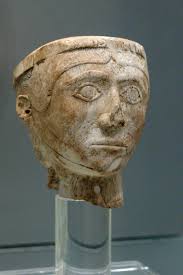
Head of a youth
Location : House of the Fresco in Mycenae
significance :
skilled craftsmanship :
it would have been painted
human features are relatively realistic for ancient times - carved out.
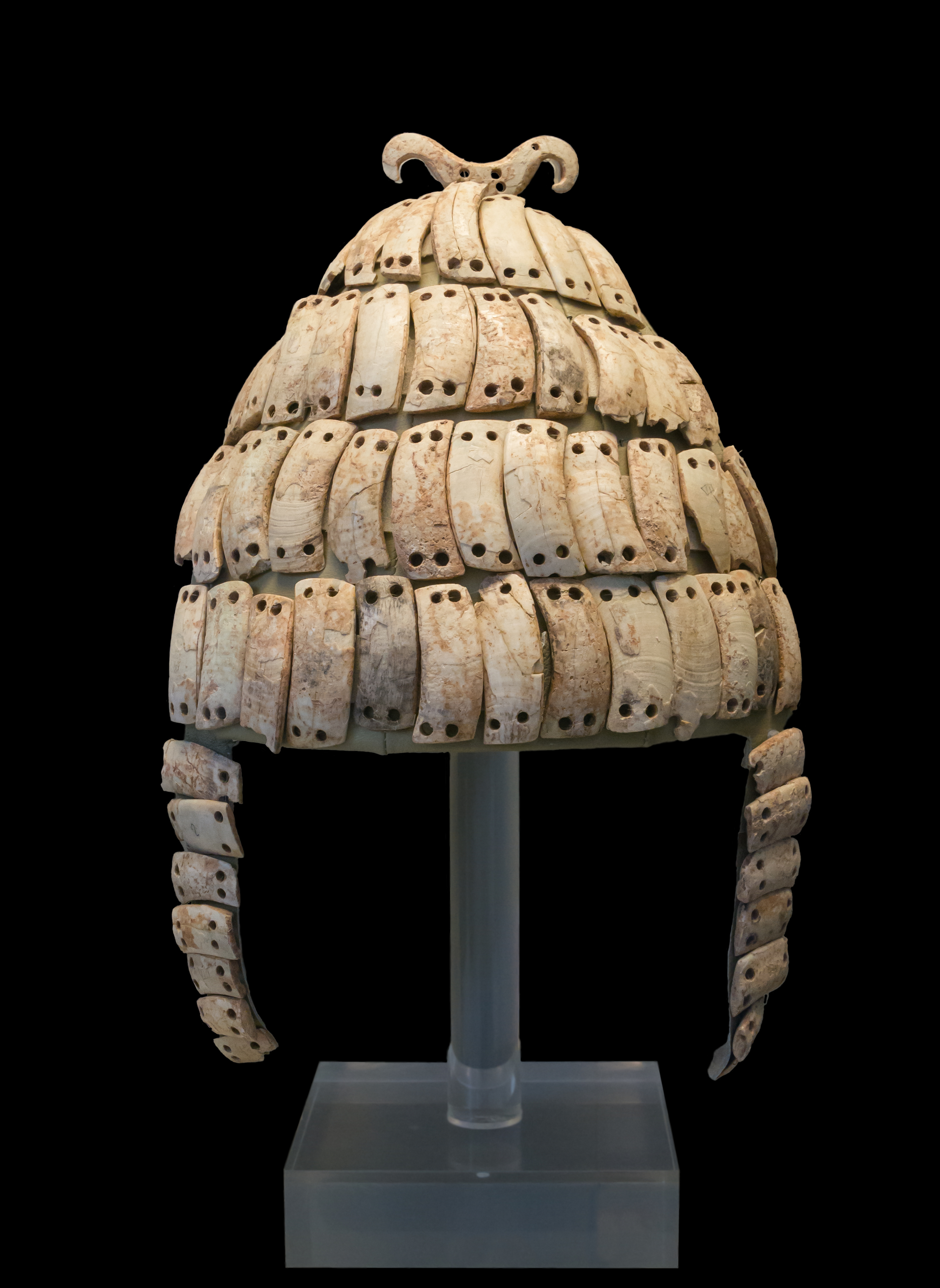
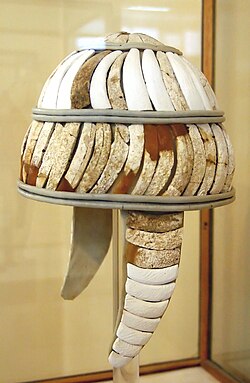
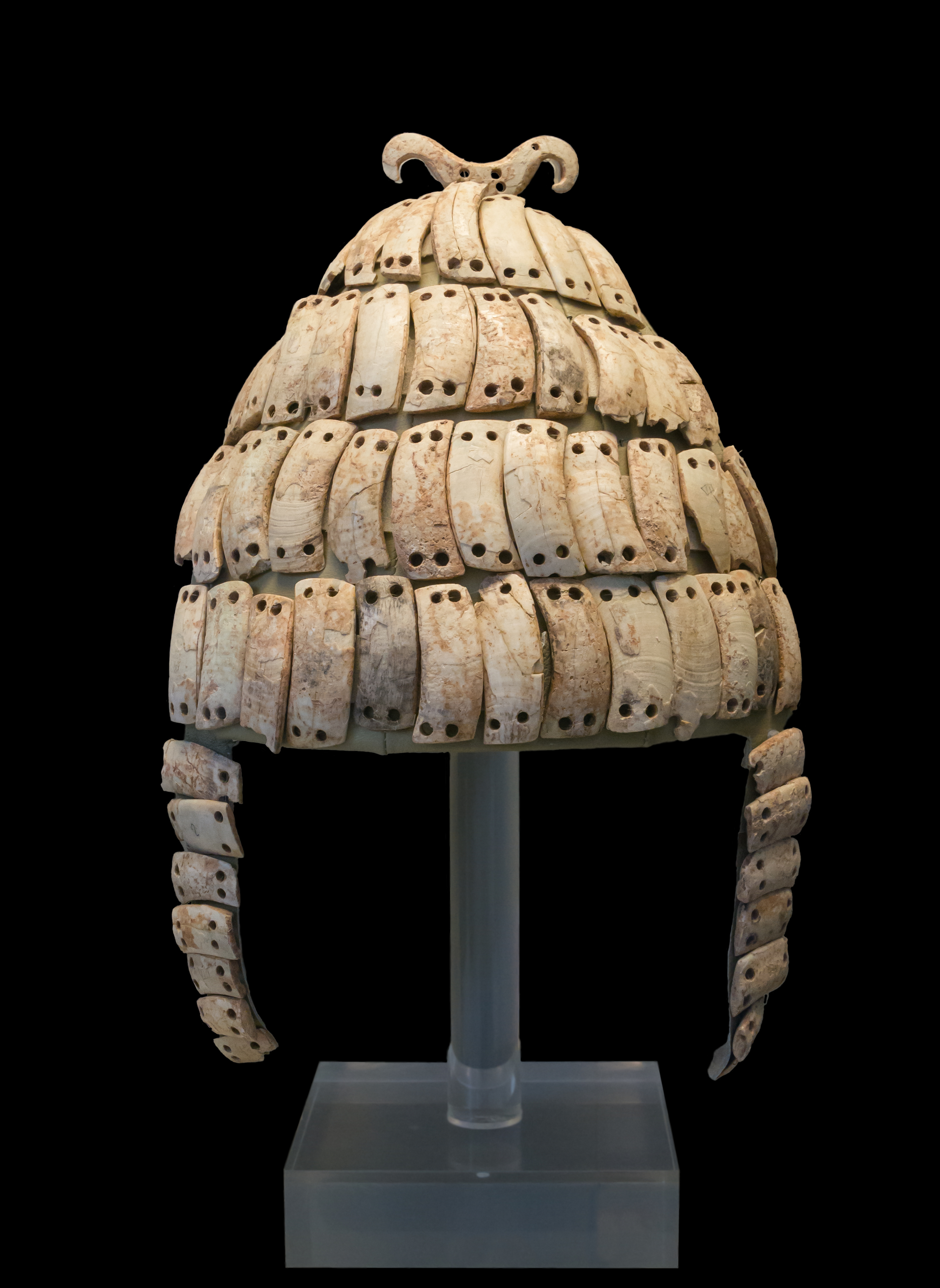
Boar tusk helmet 1
Date: 17th century BC
Location : Mycenae
Material : Boar ivory
Significance :
evidence for armour and warfare in Mycenaean Age
ear protection, shape of helmet
materials used for armour
skilled craftsmanship :
carving and smoothing out each piece of boar ivory
sewing it onto a felt cap with string, creating a mosaic pattern
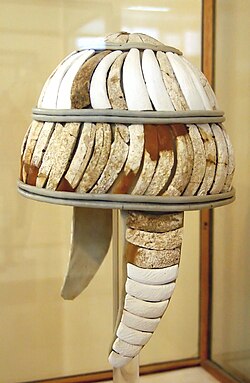
Boar tusk helmet 2
Date : 17th century BC
Location : Mycenae
Material : Boar Ivory
Significance :
evidence of armour and war in Mycenaean Age
ear protection, shape of helmet
evidence of variation in helmets :
this one has a metal frame and bands underneath
boar tusk plates are laid on.