Gen Path- Exam 2- TQs
 Call Kai
 Learn
Learn Practice Test
 Spaced Repetition
 Match
Match Flashcards
 Knowt Play
1/179

There's no tags or description
Looks like no tags are added yet.
Name | Mastery | Learn | Test | Matching | Spaced | Call with Kai |
|---|
No analytics yet
Send a link to your students to track their progress
180 Terms
What is the number 1 leading cause of death in the United states (as of 2016-17)
heart disease
what is the process which causes bleeding to stop? (keeps blood in a damaged blood vessel)
hemostasis
what is localized increase in blood within a particular body part, organ or tissue (caused by impaired venous return from a particular area)
congestion
what is hyperemia
normal increased blood flow
hyperemia (normal blood flow) is active or passive?
active
Erythema (redness) is present in ____________ due to arteriole dilation (TQ)
hyperemia
Is congestion active or passive? Pathological or no?
passive, pathological
Hyperemia is ______________ dilation, whereas congestion is decrease in _____________ outflow.
arteriole; venous
Reduced venous outflow and/or venous obstruction in congestion can result in _____________ (TQ)
Cyanosis
What are the two examples of congestion mentioned in class?
Congestive Heart Failure
Deep Vein Thrombosis (DVT)
Congestion leads to increased _____________ pressure.
Increase of this pressure leads to liquid blood (plasma/water) being squeezed into extracellular space. This liquid is called ____________
hydrostatic ; transudate
Transudate is protein _______, and leads to ______________ edema
poor; pitting
What is the difference between edema from a DVT as from edema from inflammation? (transudate vs exudate edema)
Transudate is pitting edema and non-inflammatory, where as exudate is non-pitting and inflammatory
When the center of a lobule (of the liver) undergoes necrosis due to congestive hepatopathy, what is this referred to? NBQ/TQ
nutmeg liver
What is abnormal accumulation of interstitial fluid?
edema
Localized edema can be seen in the peritoneal cavity, known as ______________ and in the pleural cavity known as ___________
ascites; hydrothorax
generalized edema in the subcutaneous tissue is known as what?
(hint: due to a severe protein deficiency)
anasarca
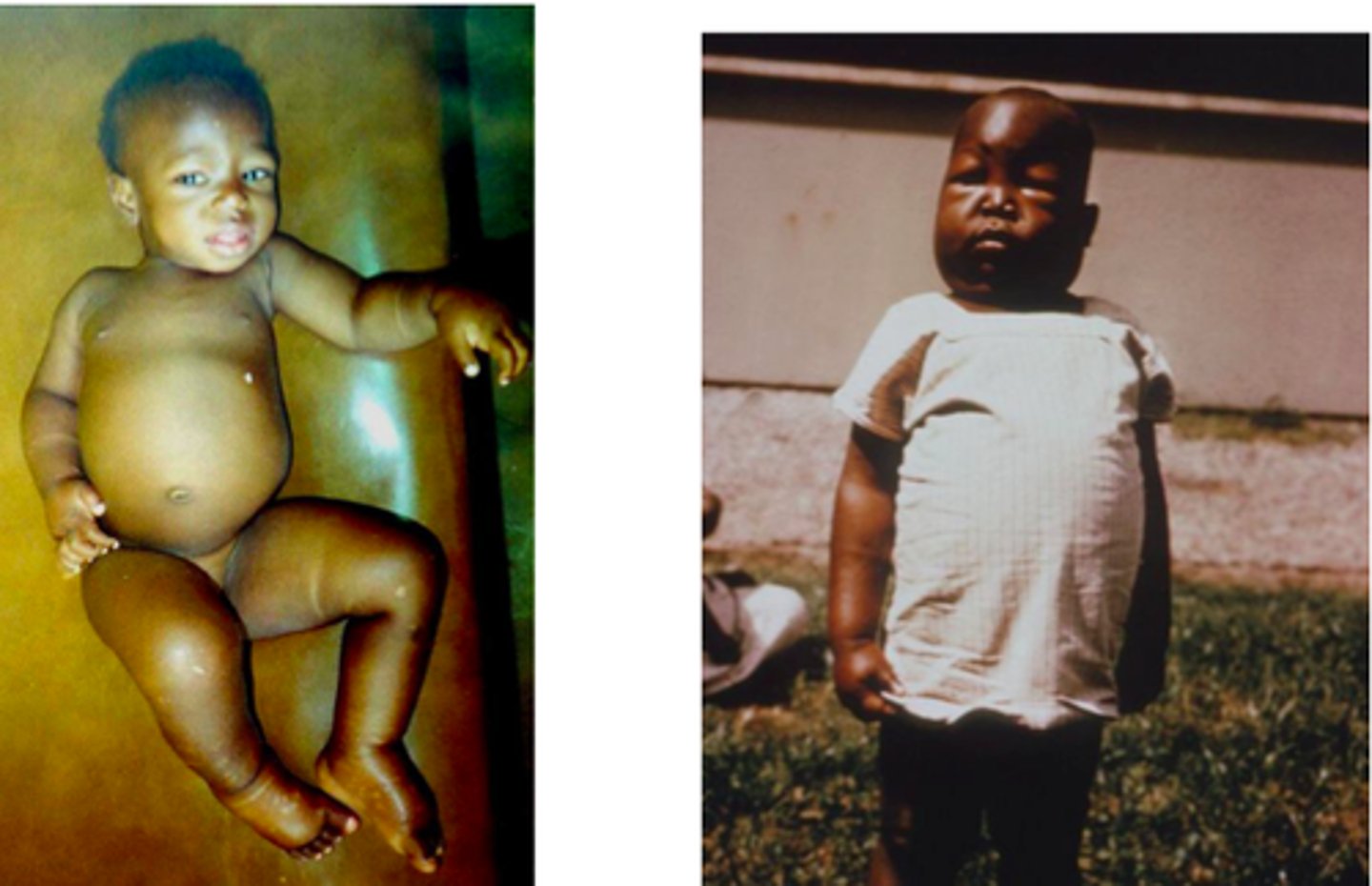
Which pressure is known as the pushing force where fluid is exerted outward from a vessel lumen towards the vessel wall? 100% TQ
Hydrostatic Pressure
Which pressure is what we know as "blood pressure"
hydrostatic pressure
increased blood pressure is due to increased _______________ pressure
hydrostatic
The "pulling force" of fluid balance within vessels that is maintained by plasma proteins is known as what type of pressure? 100% TQ
Colloid Osmotic pressure (oncotic)
What is the main plasma protein that helps maintain oncotic pressure?
albumin
DVT is considered ____________ impaired venous return and increased hydrostatic pressure, whereas congestive heart failure is considered ____________.
localized; generalized
Reduced oncotic pressure is due to too few of what plasma proteins? What is the clinical name for this?
albumin
hypoalbuminemia
What are two ways (and examples) that hypoalbuminemia could occur?
Reduced production (hepatitis, cirrhosis, liver failure)
Increased loss (nephrotic syndrome)
How does liver failure lead to edema? (TQ)
Lack of albumin/plasma proteins decreases oncotic pressure, disrupting the balance between oncotic and hydrostatic pressure.
Hydrostatic pressure increases causing edema
How does heart failure lead to edema? (TQ)
Congestion of the heart. Heart can't keep up with pumping blood.
Not getting blood out of vessels fast enough increases pressure and the blood accumulates in vascular tissues until edema occurs
How does high sodium impact water retention within a vessel?
Water follows sodium, therefore high sodium in vessel causes increase of fluid and hydrostatic pressure
An elderly patient enters your office with 2 swollen ankles. What is your first concern as their primary care provider?
Congestive Heart Failure
You patient drinks excessively and it has resulted in their liver failing. Your concered with the patients oncotic blood pressure, but why?
Liver damage can lead to decrease of albumin and plasma proteins, decreasing oncotic pressure, causing potential edema from hydrostatic pressure.
A patient enters your clinic with their right ankle swollen and red and their left ankle normal. They have NOT done anything physically to injure the ankle. You palpate the ankle and notice pitting edema. What is your first concern as their primary care doctor?
Blood clot (indicated with pitting edema)
Dependent edema is mostly seen in what areas of the body (100% TQ)
ankles or sacrum
What are examples of clinical features that cause pathologic edema? (TQ)
-inflammation
-heart failure
-renal failure
-malnutrition
Increased in intracranial pressure results in what kind of edema?
What can cause this?
100% TQ
cerebral edema
- abnormal BBB, tumors, infection, trauma, cell membrane injury
T/F: Pitting edema is non-inflammatory and caused by an increase of hydrostatic pressure.
TRUE
Edema as a result of congestive heart failure, liver failure and/or kidney failure is _____________ edema (TQ- need to know causes)
Transudate/pitting edema
Causes of Non-pitting edema include what? (TQ)
inflammation
T/F: Non-pitting edema is protein poor
FALSE: non-pitting=exudate, meaning protein rich
What ate the causes of lymphatic obstruction discussed in class (6)
- infection
-surgery
-ionizing radiation
- filariasis (parasitic infection spread by mosquitos)
-tumors
-inactivity
What is a mosquito born parasitic infection that obstructs lymphatics, causing edema to be restricted from returning from the lower extremities (elephantiasis)
Filariasis
What is an example of as surgery (discussed in class) that causes lymphatic obstruction
mastectomy
What is the term for extravasation of blood from vessels
hemmorrhage
How much blood is typically lost resulting in hypovolemic shock> TQ
rapid loss of > 20% of blood volume (1 liter of blood)
A ____________ is a large accumulation of blood within tissues and often presents as a large contusion/ecchymosis
hematoma
A unique pattern of hematoma that is 1-2 mm in size and is present in the skin and mucosa.
Caused by decreased platelets, vitamin C and K
100% TQ
petechiae
What causes petechiae (TQ)
decreased platelets, vitamin C and vitamin K
What is a unique pattern of hematoma that is 3-5 mm in size and is a result of vasculitis or fragile vessels? TQ
Purapura
what causes purpura hematoma? TQ
vitamin C deficiency
Contusion is also known as?
eccymosis
What is the color pattern of contusion/ecchymosis (100% TQ)
red/blue->green->yellow->brown
What compounds are the colors of ecchymosis/contusion caused by? (100% TQ)
hemoglobin-> bilirubin-> hemosiderin
(HBH)
What are the steps of normal hemostasis? TQ
1. Vessel injury (endothelial injury)
2. Primary Hemostasis (platelet plug)
3. Secondary Hemostasis (Coagulation Cascade)
Primary hemostasis (the second step of normal hemostasis) starts with exposure to _____________________ (vWF) that activates platelets and forms a _____________ _____. TQ
subendothelial ECM; platelet plug
Activation of platelets to form a platelet plug is which step of normal hemostasis?
Primary hemostasis (2nd step)
A cut, autoimmune, pathogen, chemicals (smoking) are all examples of ________ _________ in which step of normal hemostasis? TQ
Vessel injury
Step 1 of hemostasis
The coagulation cascade is a multiple step process that ultimately leads to the activation of ________________. This then converts ____________ to ___________ allowing clot to form. (step 3 of hemostasis)
thrombin; fibrinogen; fibrin
what is the end product of the steps of normal hemostasis (100% TQ)
fibrin.
thrombin converting fibrinogen to fibrin
T/F: normal cells in circulation should not come into contact with collagen. If they do, there is injury and the area needs clotting.
TRUE
What is an example of an antiplatelet drug?
example of anticoagulant drug?
aspirin
Coumadin (warfarin) and Heparin
What are the three parts of virchow's triad ( factors that would increase likelihood of thrombus formation)
1. Endothelial injury
2. Abnormal Blood Flow
3. Hypercoagulability
what are examples of endothelial injury that could cause thrombosis (100% TQ, need to memorize)
(7)
-atherosclerotic plaques
- inside of heart post myocardial infaction
- hypertension
- high cholesterol
- vaculitis
- septic infection
- tabaco smoke products
T/F: endothelial activation is inflammatory (TQ)
TRUE
Abnormal blood flow is caused by ___________ or ______________
turbulence or stasis
examples of abnormal blood flow that could lead to thrombosis include : (4)
- aneurysm
- arrhythmia
-immobility/sedentary people
- heart valve stenosis
abnormal blood flow promotes ____________ ______________
endothelial activation
Excessivly viscous blood results in ______, which makes the blood excessively prone to clotting.
Which two disorders discussed can cause cause this, potentially leading to thrombosis
stasis
sickle cell anemia disease; polycythemia
What is the most common mutation that leads to hypercoagulability, increasing risk of thrombosis (100% TQ)
How much greater is the increased risk of thrombosis for those with this mutation
-Factor V (factor V Leiden thrombophilia)
5x high risk
What three things discussed lead to an increase in hypercoagulability therefor increasing risk of thrombosis?
1. Mutations (ex: Factor V)
2. Lifestyle (sedentery)
3. Increased estrogen
increase in estrogen increases what? This leads to an increased risk of thrombosis
clotting factors
What are the 4 fates of a thrombus and what is the most common?
1. Dissolve (Most Common!!!)
2. Enlarge (propagate)
3. Embolize
4. Organization (reformation)
What is the difference between venous embolism and arterial embolism?
100% TQ NEED TO KNOW
venous- slower movement, more common, congestion, tenderness, pitting edema, systemic
Arterial- faster pressure, higher chance of infarction, localized, inflammation, cell injury
venous thrombi grow along ___________ venous blood flow (anterograde).
Common locations include?
with
popliteal or femoral regions
arterial thrombi grow _________ arterial blood flow (retrograde)
common locations include?
against
coronary, cerebral, femoral area
Which direction do thrombi enlarge toward, regardless or arterial or venous?
TQ
TOWARD the heart
-Thrombi with alternating layers of platelets and red blood cells that create a line pattern are what?
-what sites are these seen in?
-What do these indicate
100% TQ
Lines of Zahn
seen in sites of high blood pressure
indicate patient was ALIVE when the clot formed-autopsy
What does DIC stand for and what is it?
Disseminated intravascular Coagulation
widespread thrombosis seen from severe trauma
What types of severe trauma cause disseminated intravascular coagulation (DIC) (widespread thrombosis) TQ
-crush injuries
-sepsis
-obstetric (child birth) complications
What are the three potential forms of an emboli? give examples
1. Solid- thrombus, fat, plaque
2. Liquid- amniotic fluid,
3. Gas- nitrogen (caisson disease), needle injection
What are the warning signs of a pulmonary embolism (TQ)
- dyspnea
- tachypenea
- cough
- chest pain
- cyanosis
- possible cor pulmonale
What is cor pulmonale
right sided heart failure due to lung issue (likely pulmonary embolism)
95% of pulmonary embolisms originate from what?
DVTs
80% of pulmonary embolisms are clinically _____________
silent
Systemic thromboembolism is a clot originating in the heart and is found within the ______________ system (TQ)
arterial
Paradoxical embolism crosses from __________ to the _____________ system. TQ
venous; arterial
What three defects discussed in class can cause paradoxical embolism (crossing of emboli from venous to arterial system)
Which is most common?
1. Atrial Septal Defect
2. Ventricular Septal Defect
3. Patent Foramen Ovale ((MC)
Where would you see red( hemorrhagic) infarction?
tissues that fills back in with blood after infarct
(lungs)
Where would you see white (pale/anemic) infarction?
infarct that does NOT fill back in with blood, dense tissues
Heart, kidney, spleen
What are some clinical signs and symptoms of shock?
weak rapid pulse ***
pale clammy skin
profuse sweating
confusion/dizziness
What are the types of shock discussed in class?
- Cardiogenic
- Hypovolemic
- Septic
- Neurogenic
- Anaphylactic
What type of shock is due to heart pump failure, leading to decreased output of blood?
(heart is not pumping and blood is not getting where it needs to go)
cardiogenic shock
What type of shock is due to loss of blood/plasma volume leading to a rapid drop in blood pressure.
(caused usually by hemorrhage, burns, dehydration)
Hypovolemic shock
what type of shock is a severe systemic inflammatory response that causes massive vasodilation and vessel permeability. (rapid decrease in BP)
septic shock
What type of shock is caused by CNS trauma, spinal anesthesia or ADRs causing bradycardia and low BP?
(sudden loss of sympathetic tone)
Neurogenic shock
What type of shock is due to severe allergy causing vasodilation and bronchoconstriction?
anaphalactic shock
What two types of shock have similar vascular mechanisms? (extreme vasodilation)
septic and anaphylactic shock
How do you treat shock quickly? (TQ)
elevate legs, increase fluid volume, vasoconstrictive medication
what can cause septic shock?
severe bacterial infection
what can cause anaphylactic shock
nuts, shellfish, venom, latex, ADRs etc
what is a fast treatment for anaphylactic shock that activated Beta-2 adrenergic receptors on mast cells?
How do the mast cells respond?
Epinephrine (Epi-pen)
mast cells respond by decreasing histamine release
What are the three stages of shock?
1. Nonprogressive (compensated by SNS)
2. Progressive (acidosis from lactic acid accumulation)
3. Irreversible- membrane/issue damage (lethal)