NPTE: Convex-Concave
 Studied by 0 people
 Call with Kai
 Learn
Learn Practice Test
 Spaced Repetition
 Match
Match Flashcards
 Knowt Play
1/22

There's no tags or description
Looks like no tags are added yet.
Name | Mastery | Learn | Test | Matching | Spaced | Call with Kai |
|---|
No study sessions yet.
23 Terms
Convex-Concave Rule
Describes the relationship between arthrokinematics (movement between joint surfaces: roll, spin, glide) and osteokinematics (movement between two bones). When a CONVEX surface moves on a fixed CONCAVE surface, the convex surface moves OPPOSITE to the direction of the shaft of the bony lever. When a CONCAVE surface moves on a fixed CONVEX surface, the concave surface moves in the SAME direction of the shaft of the bony lever.
IP joints of the fingers: flexion/extension
Moving component: distal phalanx, concave moving on convex, osteo/arthrokinematic motion occurs in the same direction

Metacarpal-phalangeal joints: ab-adduction
Moving component: proximal phalanx, concave moving on convex, osteo/arthrokinematic motion occurs in the same direction
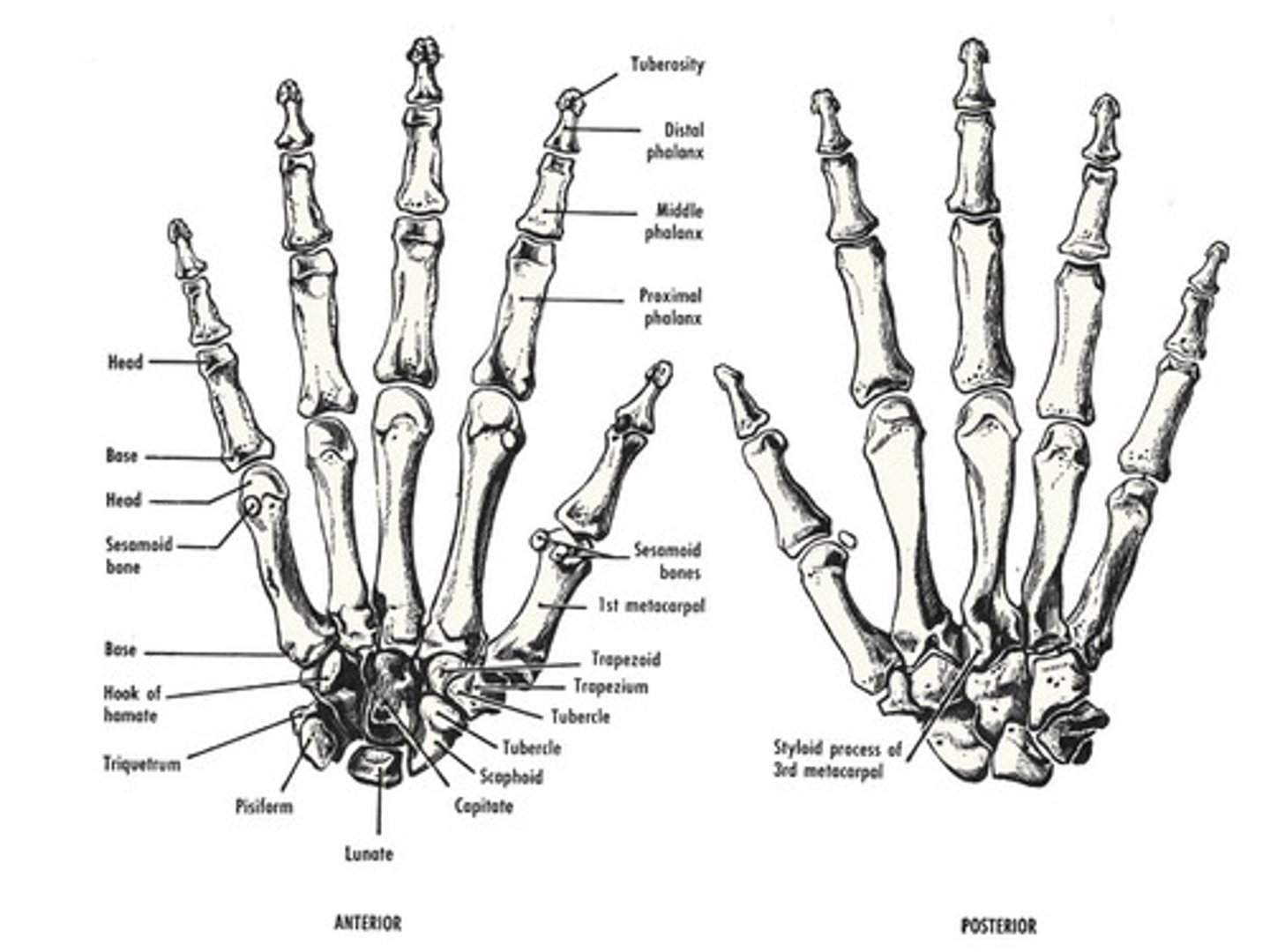
Radiocarpal joint: flexion/extension
Moving component: capitate, scaphoid, lunate, triquetrum,trapezoid, convex moving on concave (except for the trapezoid which is concave moving on convex), osteo/arthrokinematic motion occurs in the opposite direction
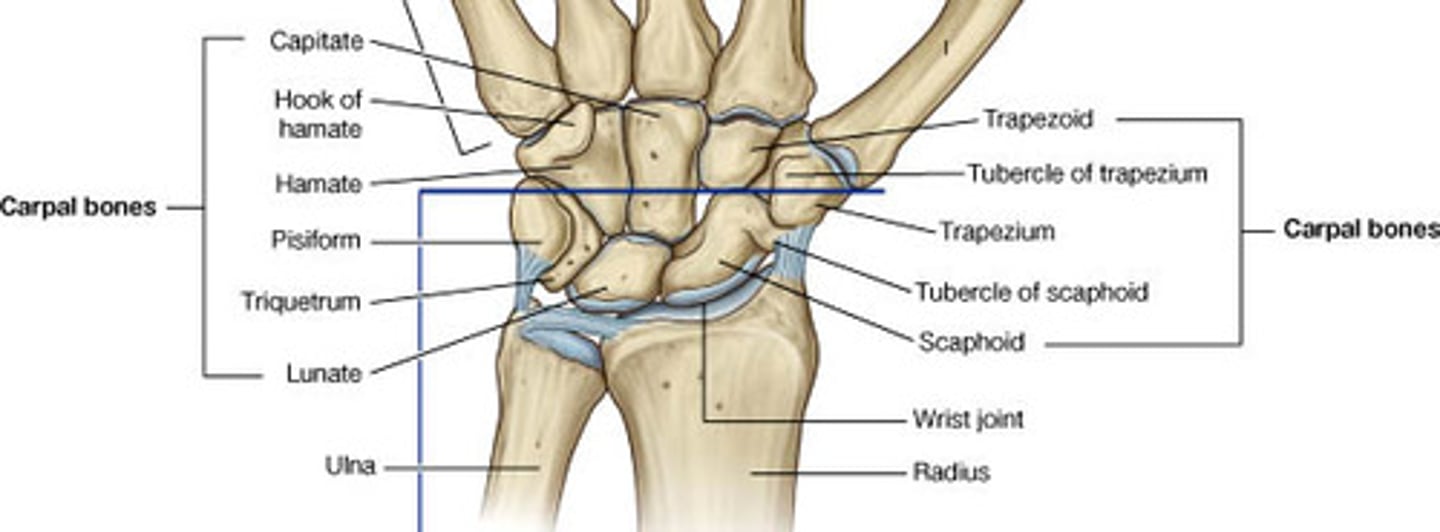
Distal radioulnar joint: pronation/supination
Moving component: radius, concave moving on convex, osteo/arthrokinematic motion occurs in the same direction
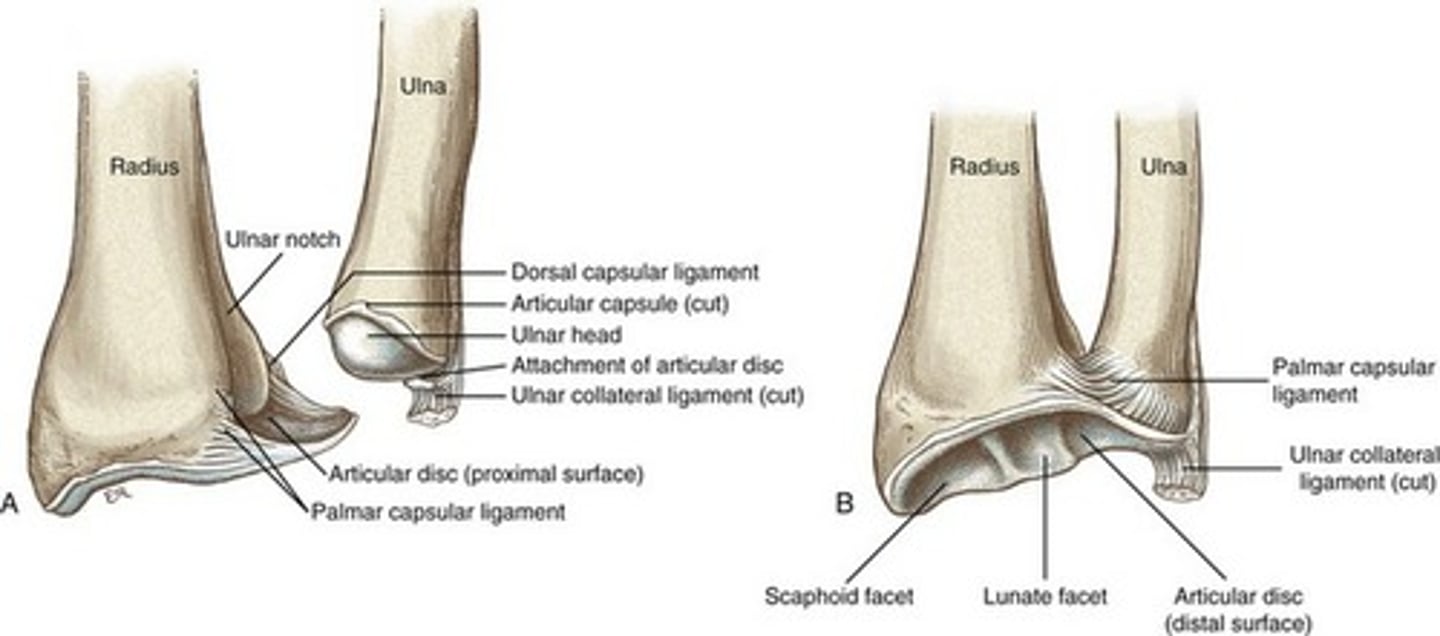
Proximal radioulnar joint: pronation/supination
Moving component: radius, convex moving on concave, osteo/arthrokinematic motion occurs in opposite directions
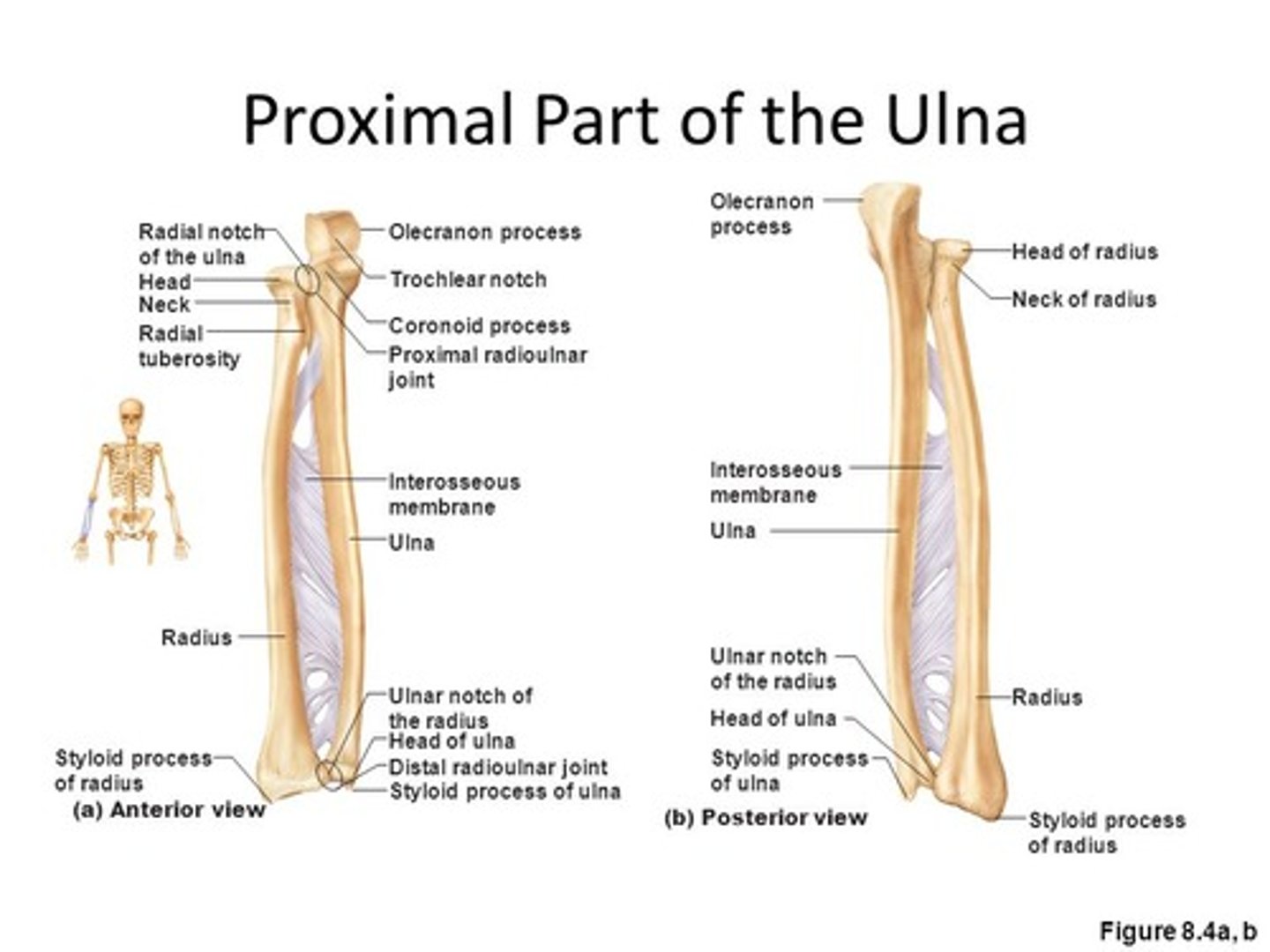
Humeroradial joint: flexion/extension
Moving component: radius, concave moving on convex, osteo/arthrokinematic motion occurs in the same direction
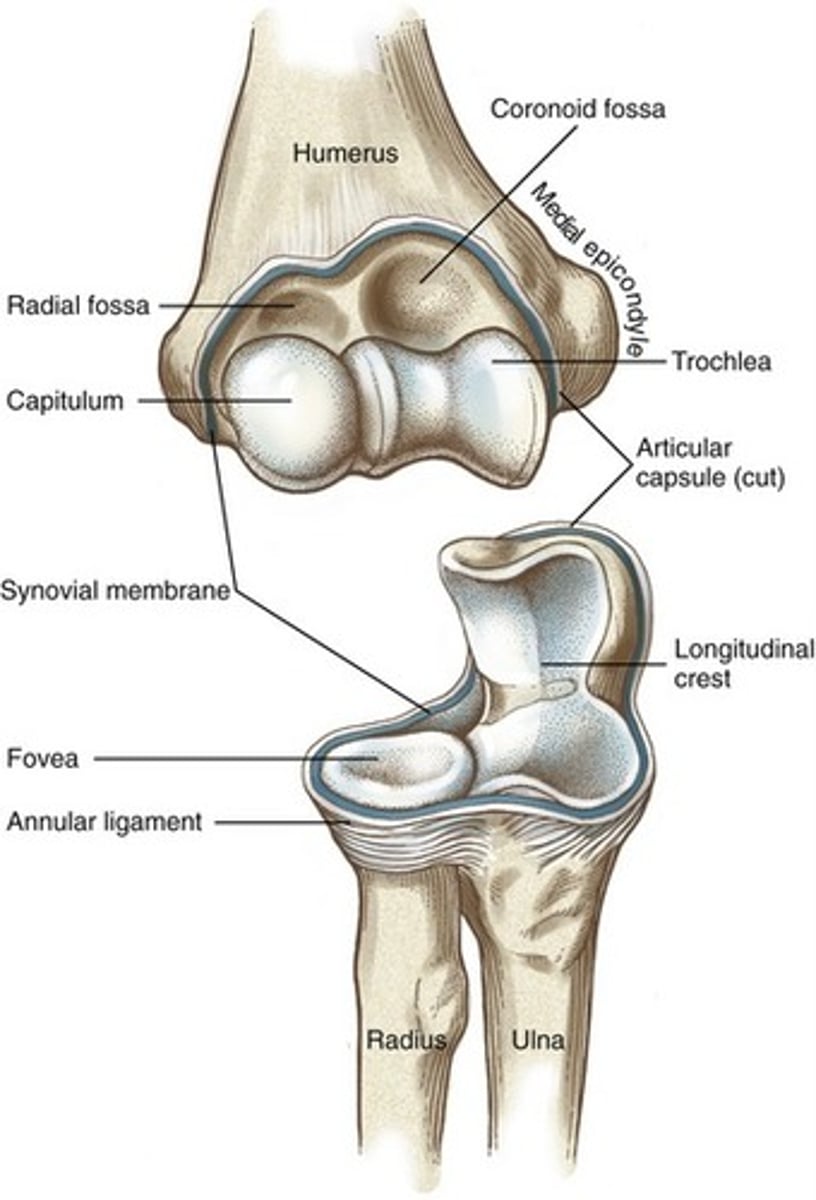
Humeroulnar joint: flexion/extension
Moving component: ulna, concave moving on convex, osteo/arthrokinematic motion occurs in the same direction

Glenohumeral joint: all movements
Moving component: humerus, convex moving on concave, osteo/arthrokinematic motion occurs in opposite directions
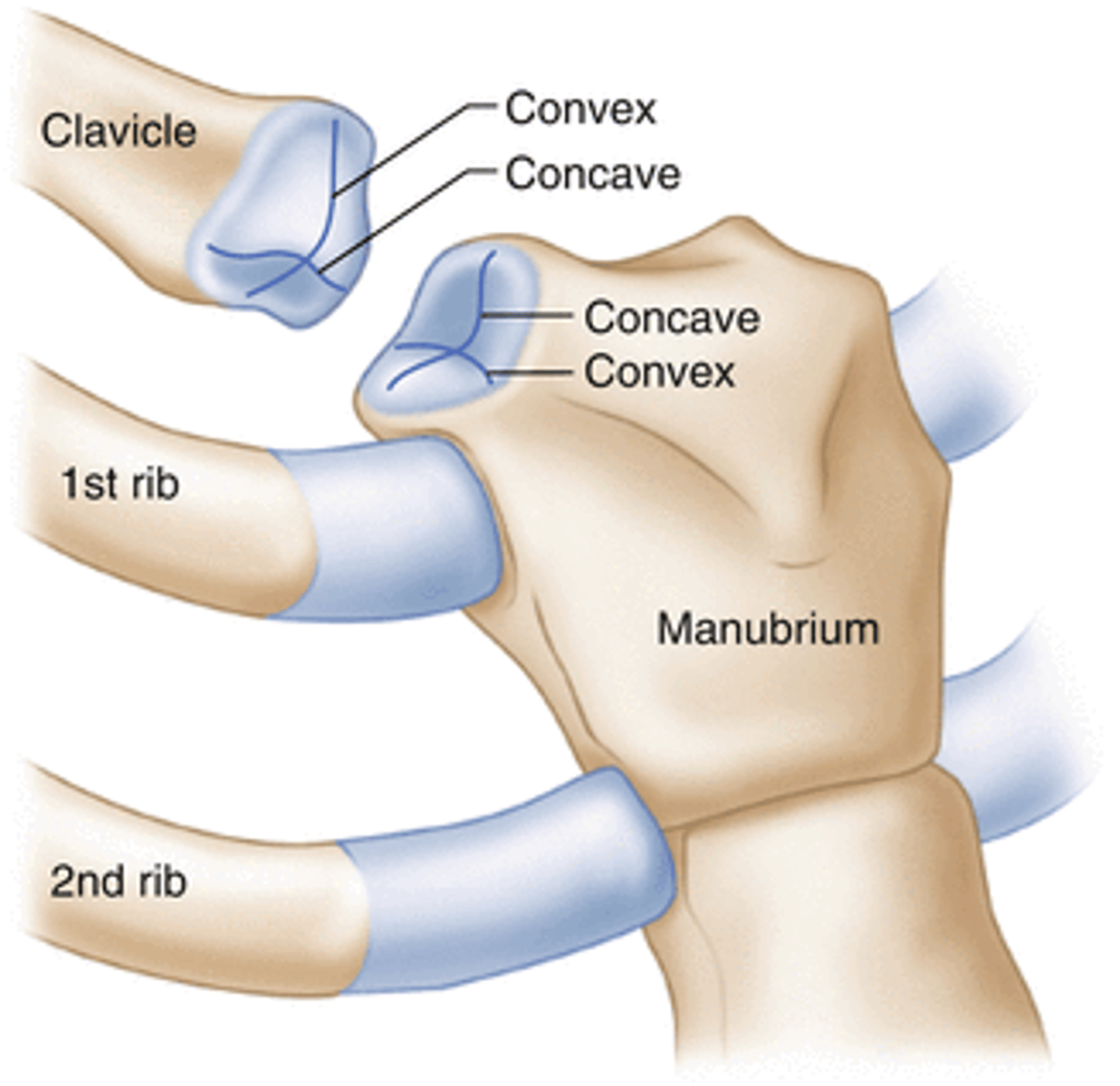
Sternoclavicular joint: elevation/depression
Moving component: clavicle, convex moving on concave, osteo/arthrokinematic motion occurs in opposite directions
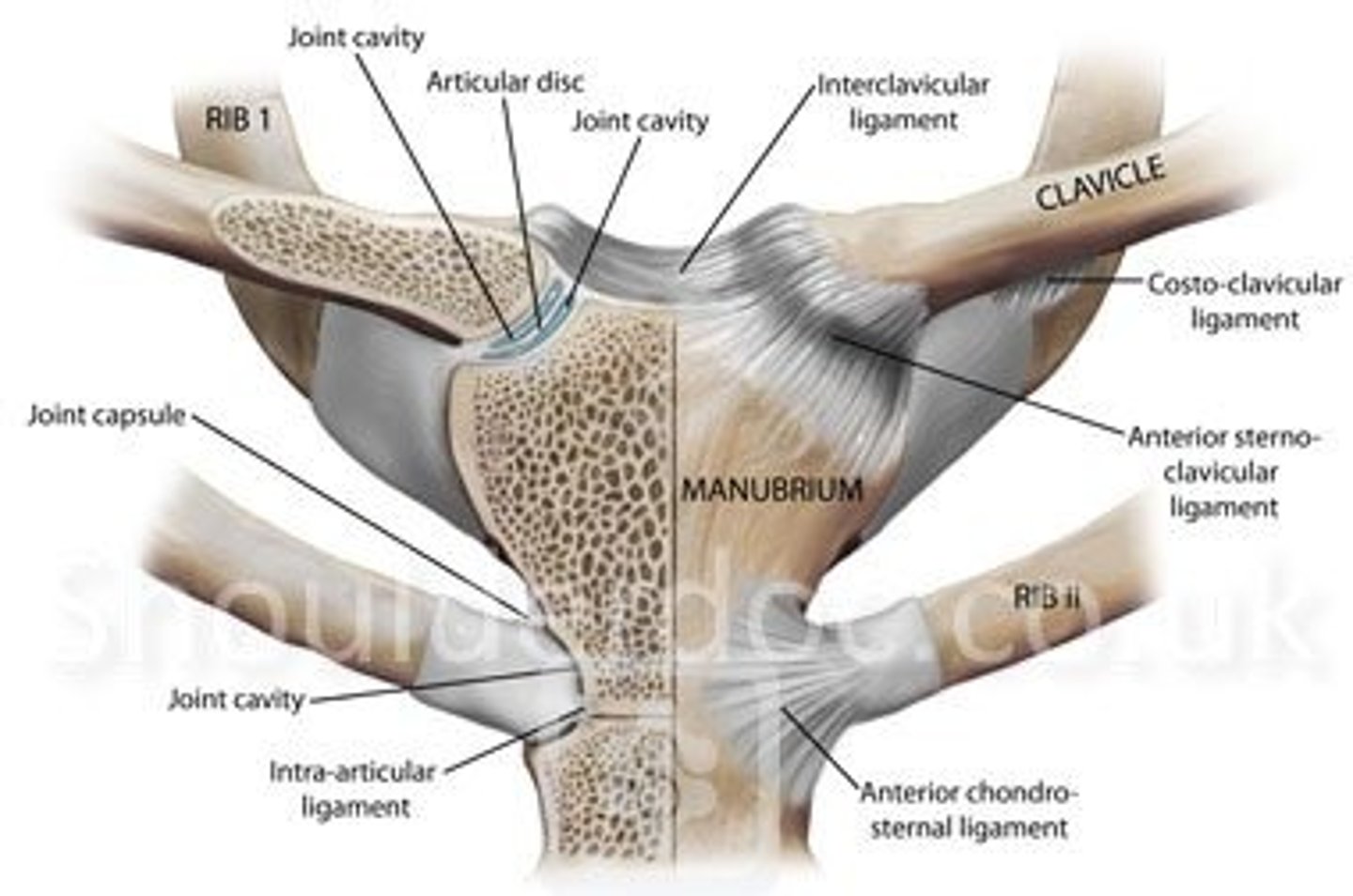
Sternoclavicular joint: protraction/retraction
Moving component: clavicle, concave moving on convex, osteo/arthrokinematic motion occurs in the same direction
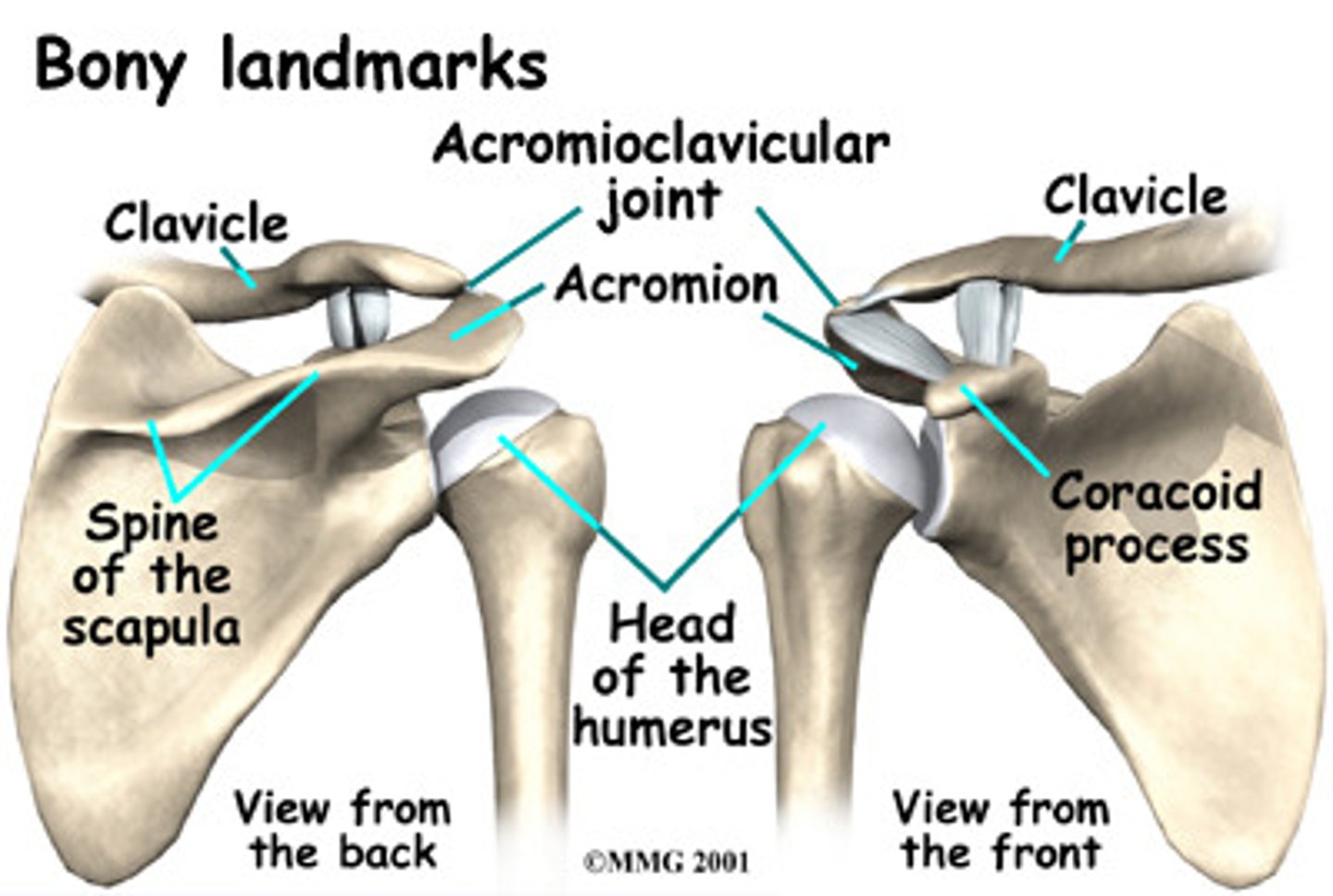
Acromioclavicular joint: all movements
Moving component: scapula (acromion), concave moving on convex, osteo/arthrokinematic motion occurs in the same direction
IP joints of the toes: flexion/extension
Moving component: distal phalanx, concave moving on convex, osteo/arthrokinematic motion occurs in the same direction
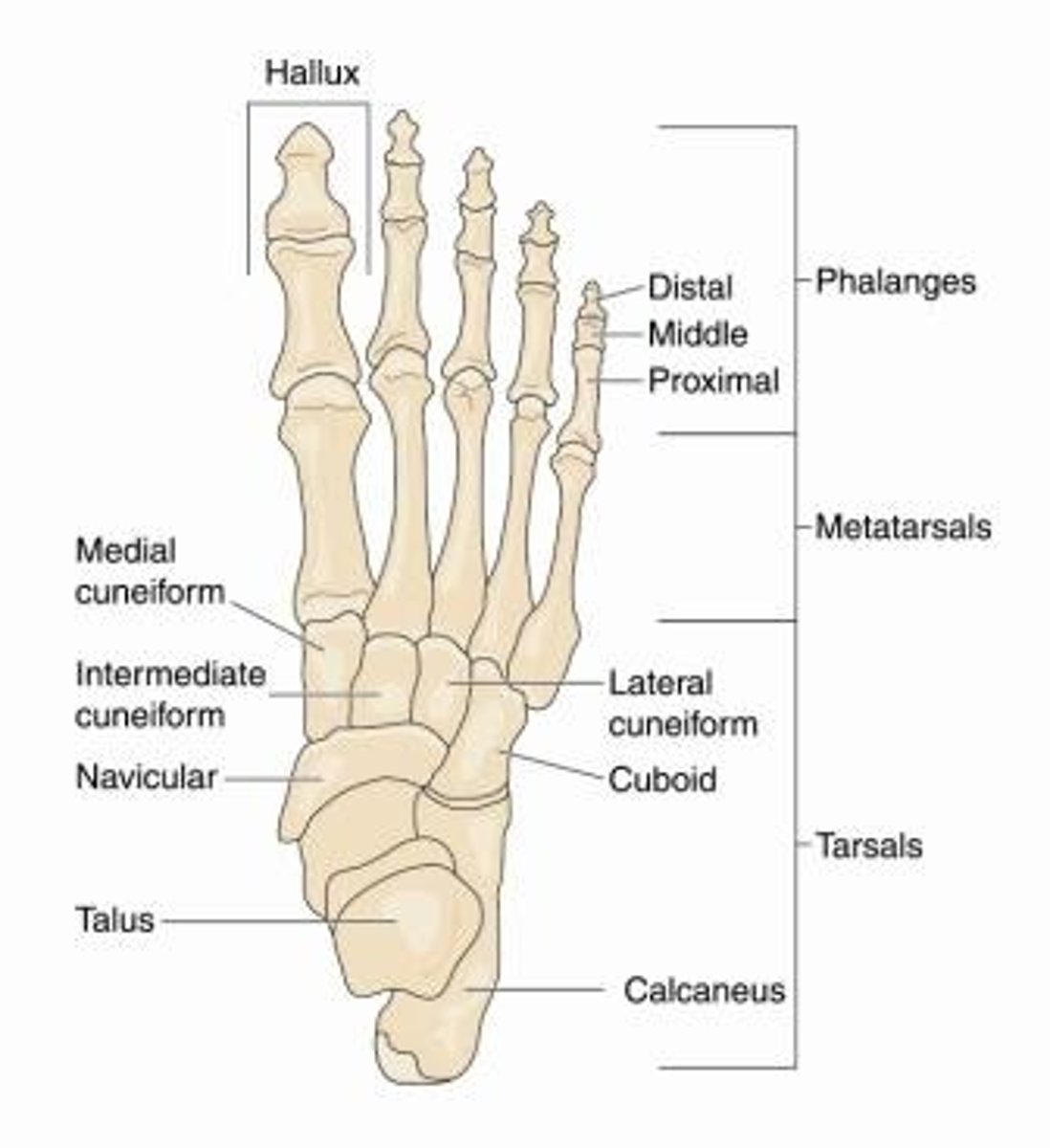
Metatarsophalangeal joints: ab/adduction
Moving component: proximal phalanx, concave moving on convex, osteo/arthrokinematic motion occurs in the same direction
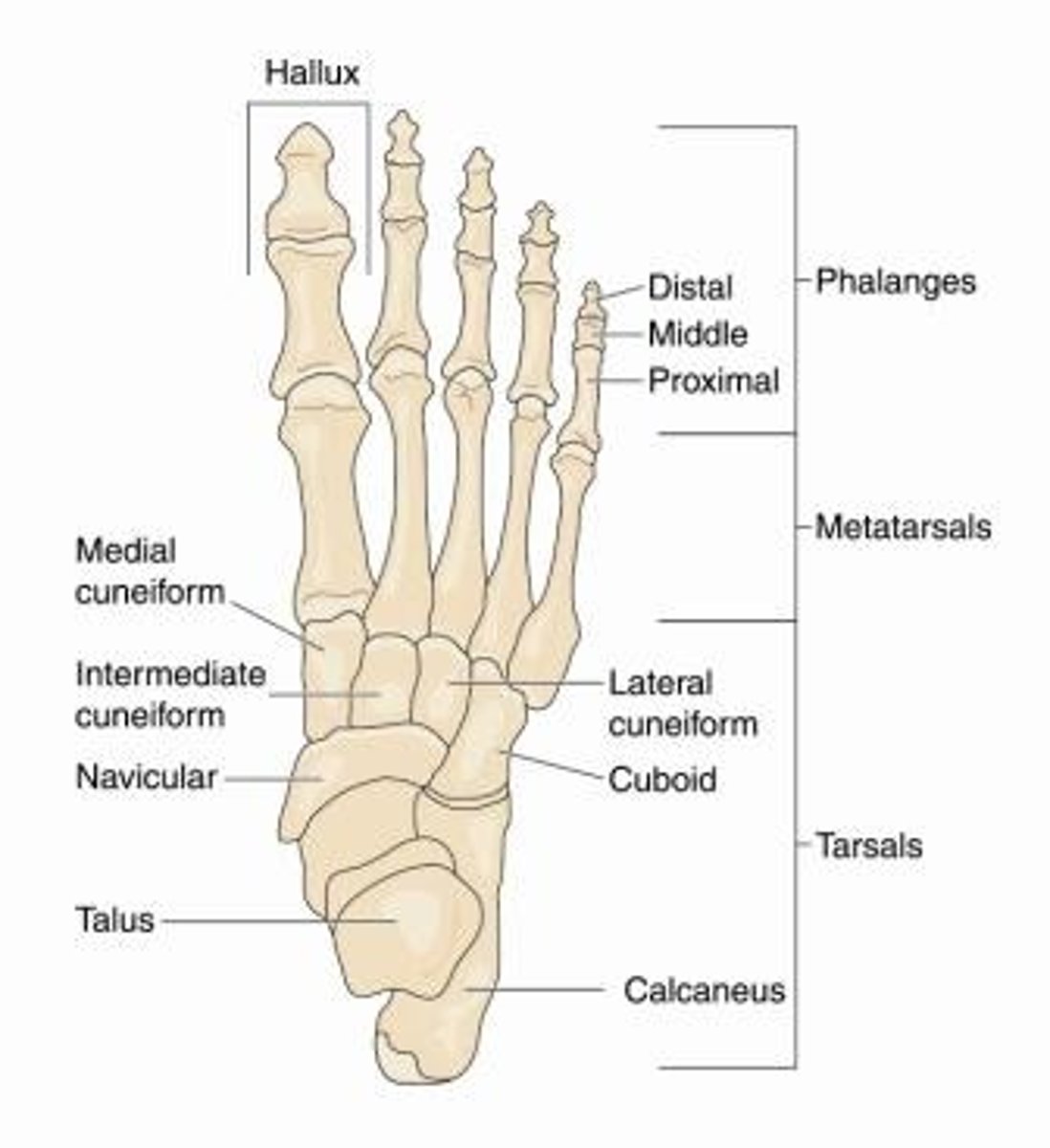
Temporomandibular joint: all motions
Moving component: mandible, convex moving on concave, osteo/arthrokinematic motion occurs in opposite directions
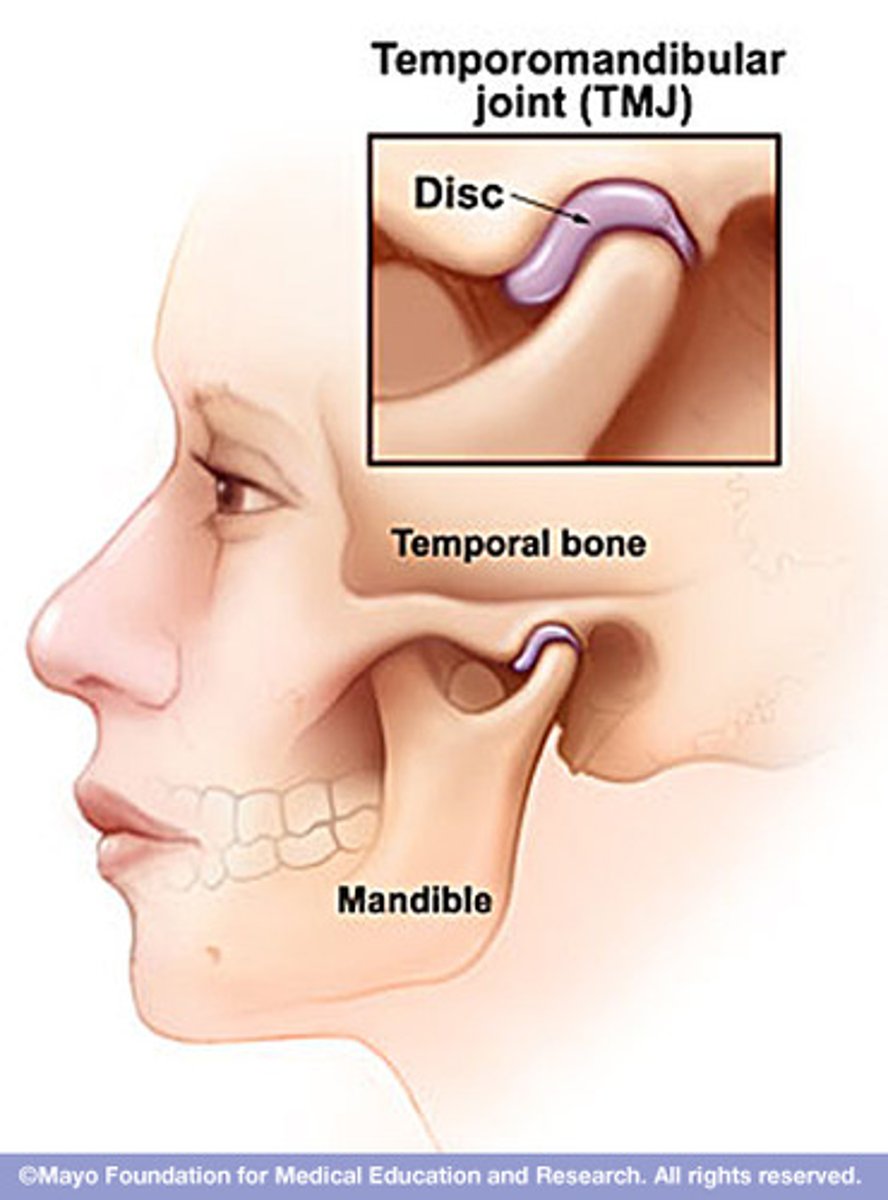
Atlanto-occipital joint
Convex rule, C2 and below = concave rule
Hip joint: all movements
Moving component: femur, convex moving on concave, osteo/arthrokinematic motion occurs in opposite directions
Tibiofemoral joint: all movements
Moving component: tibia, concave moving on convex, osteo/arthrokinematic motion occurs in the same direction
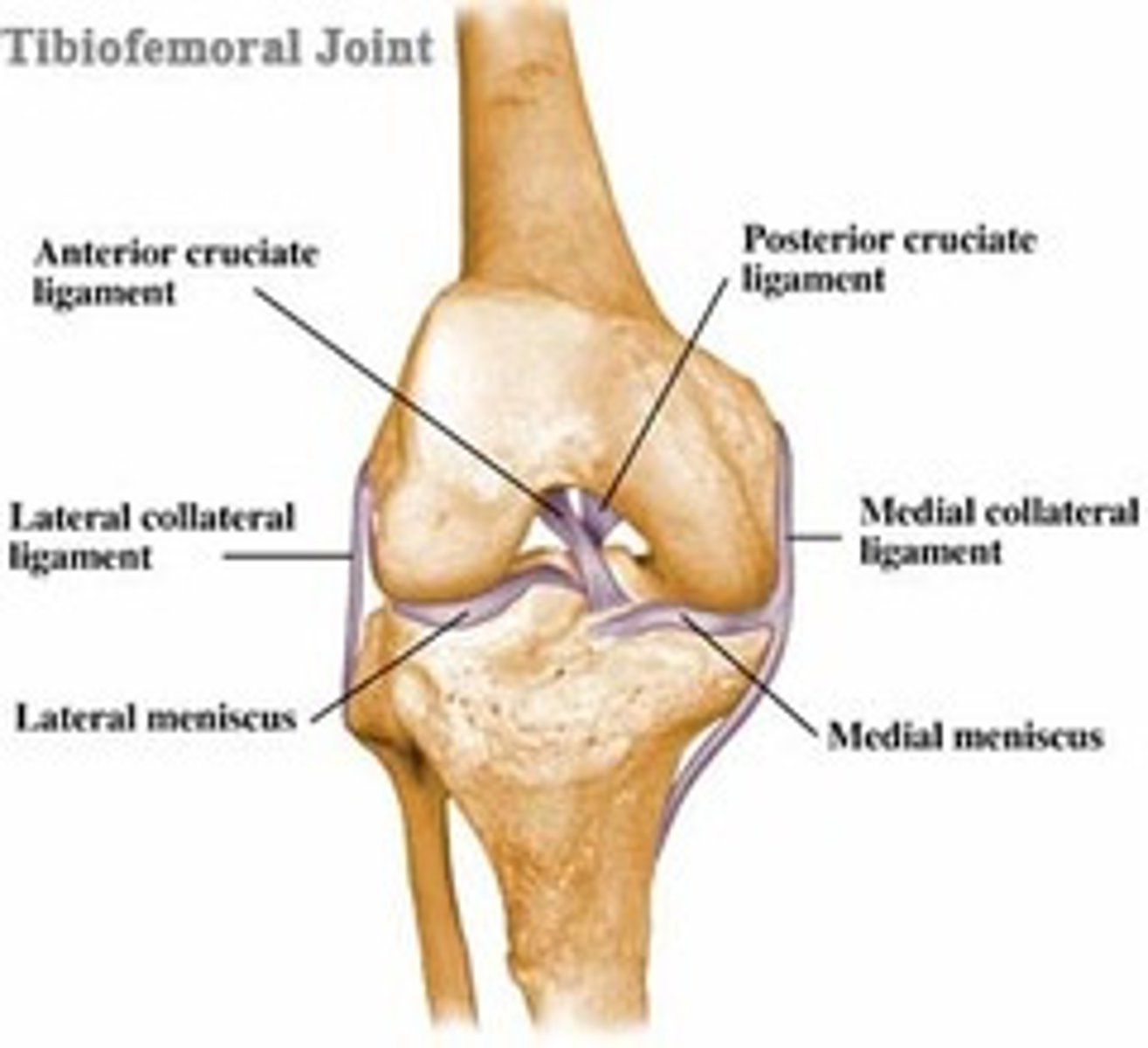
Patellofemoral joint
Moving component: patella, convex moving on concave, osteo/arthrokinematic motion occurs in opposite directions
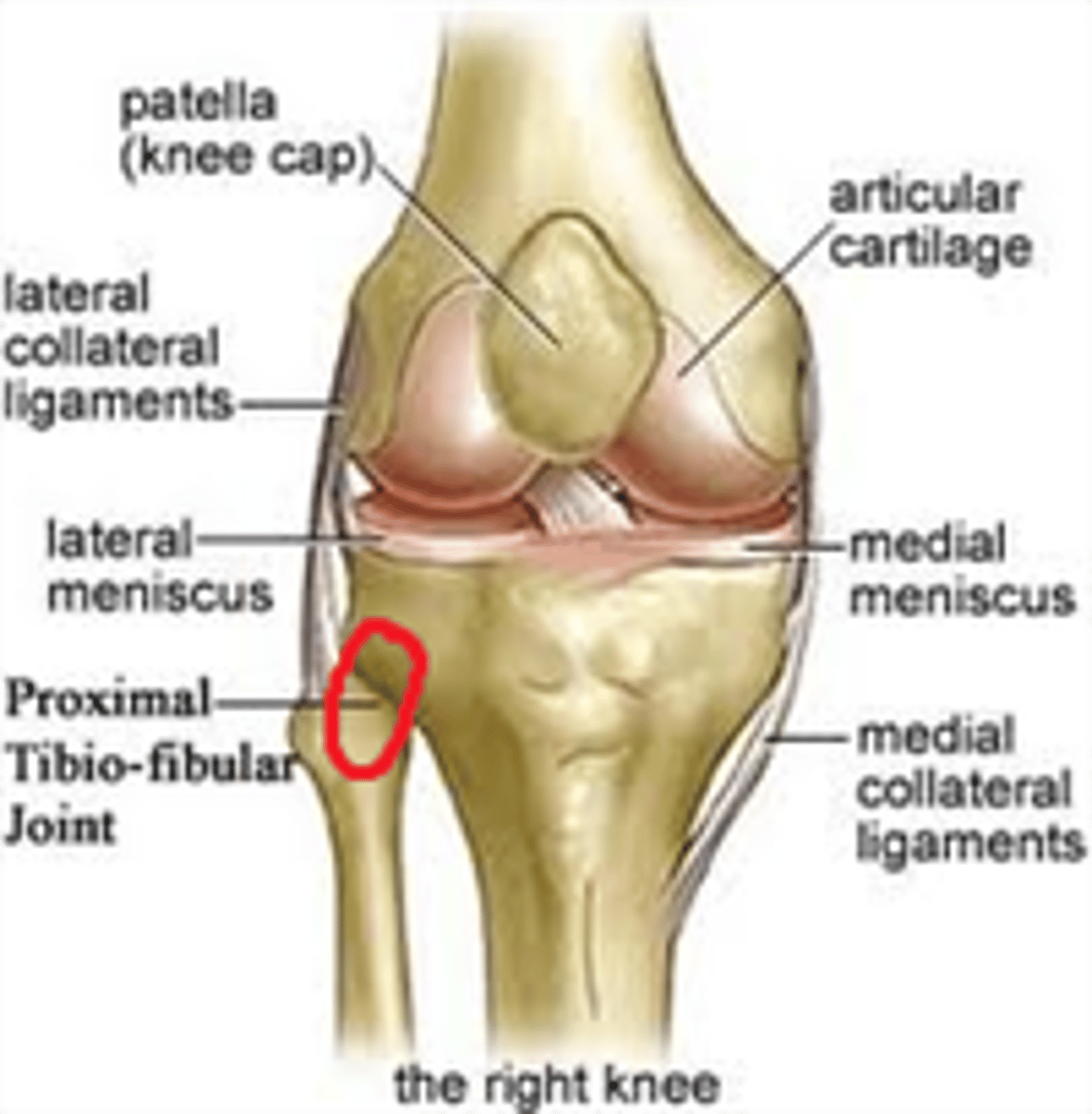
Proximal tibiofibular joint
Moving component: fibula, concave moving on convex, osteo/arthrokinematic motion occurs in the same direction
Distal tibiofibular joint
Moving component: fibula, convex moving on concave, osteo/arthrokinematic motion occurs in opposite directions
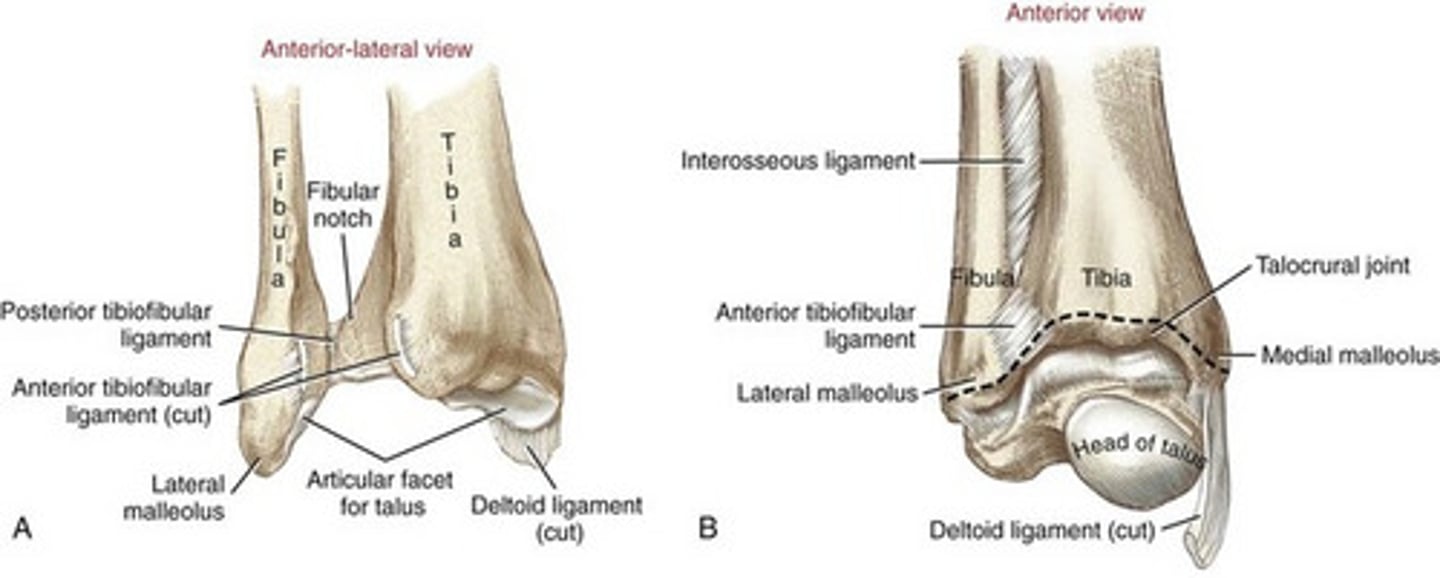
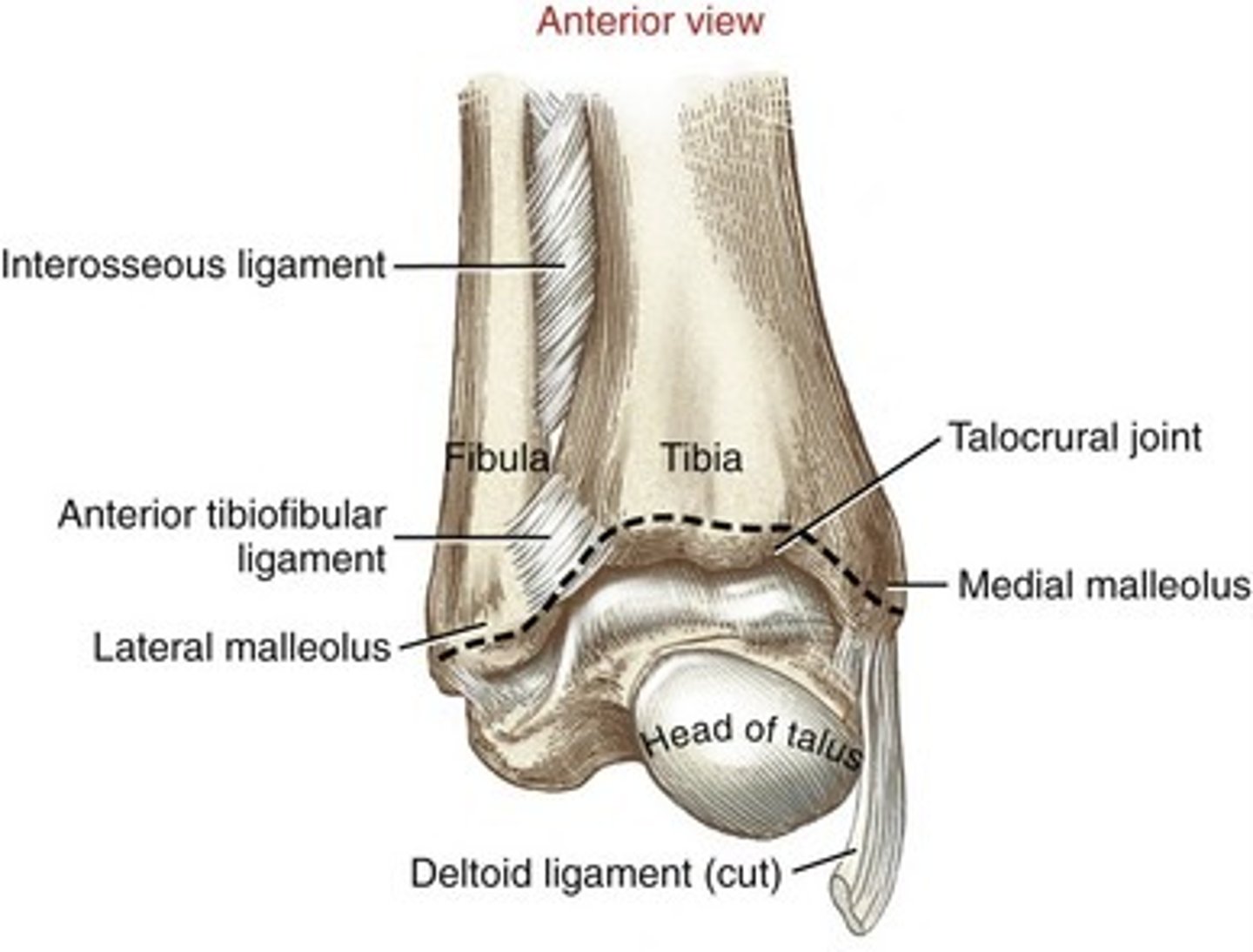
Talocrural joint: DF/PF
Moving component: talus, convex (talus) moving on concave (tibia and fibula), osteo/arthrokinematic motion occurs in opposite directions
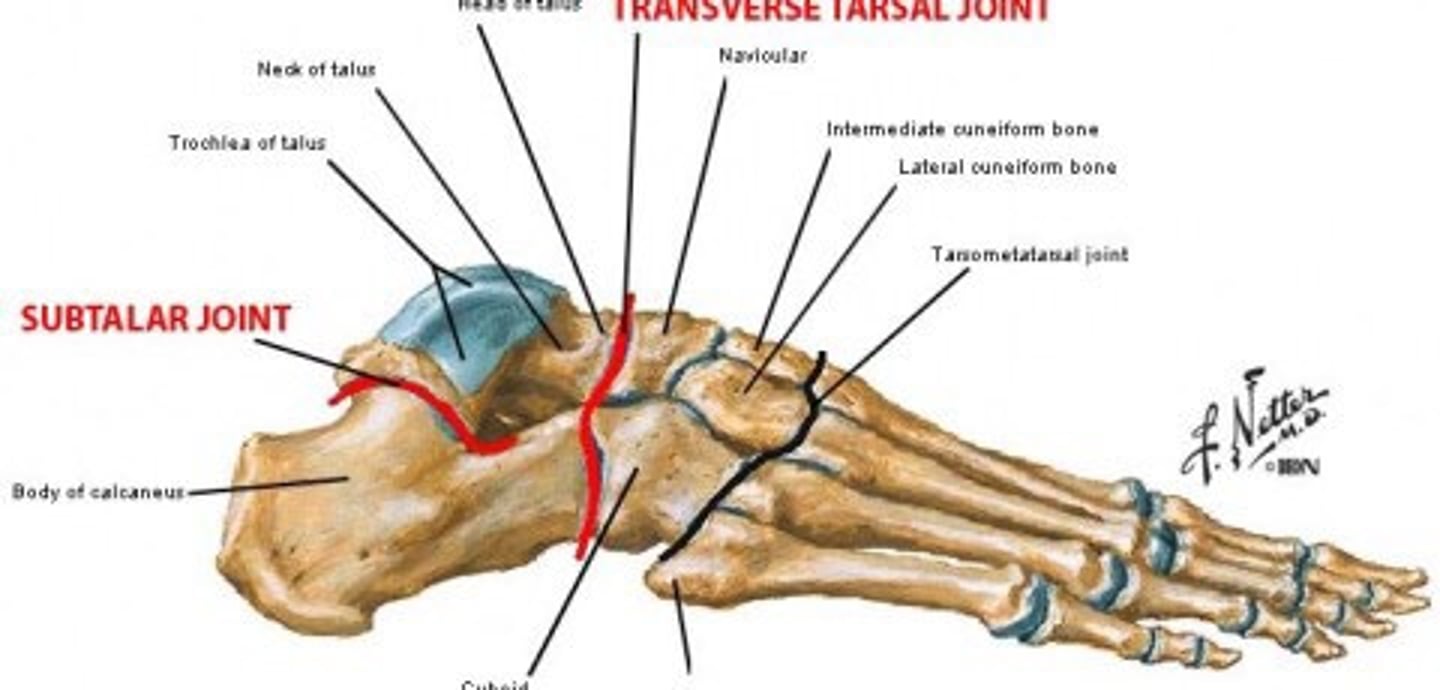
Subtalar joint (meeting point of talus and calcaneus)
Moving component: navicular, cuneiform concave moving on convex, osteo/arthrokinematic motion occurs in the same direction *For inversion/eversion - Moving component: cuboid, calcaneus, convex moving on concave, osteo/arthrokinematic motion occurs in opposite directions
 Note
Note  Flashcards (22)