5 AP Art History: Unit 2 Ancient Mesopotamia Cultural Context
 Call Kai
 Learn
Learn Practice Test
 Spaced Repetition
 Match
Match Flashcards
1/5

There's no tags or description
Looks like no tags are added yet.
Name | Mastery | Learn | Test | Matching | Spaced | Call with Kai |
|---|

6 Terms
Material Culture: flood plain & agriculture, domesticated animals and wild game, monumental ziggurats, some of the earliest cities/city-states, trade up & down the T&E, Zagros mountains and environs, plenty of mud & reeds for sturdy bricks, and bitumen, agricultural surplus enough for...(see political economy)
Political Economy/Culture: Surplus and both specialized and corveé labor in service of an elite Theocracy of Anu!
Interactions Within and Across Cultures/Neighbors
Egypt, Akkadia, Elam, Media, Parthia, Babylon, Assyria, Persia
Syncretism, Cuneiform Writing (at least 8 languages), urbanization, techniques for imperial expansion, Monumental architecture (esp. pyramidal)
Pottery and trade reflect sophisticated and extensive trade networks
Syncretism “Most scholars agree that the Epic of Gilgamesh exerted substantial influence on the Iliad and the Odyssey
The Anu Ziggurat, (on top of which) The White Temple: 3500 -3000BCE (Late Uruk/Uruk III), mud brick, bitumen, whitewash: Purpose Let’s connect the earth and sky visually as a visual metaphor for connection between city, its rulers and deities, esp. An/AnuLegitimating rule, organizing attention; Audience
Deities, Whole House Freeze (everyone stop and look!) elite, everyday folk, neighbors (friend or foe)
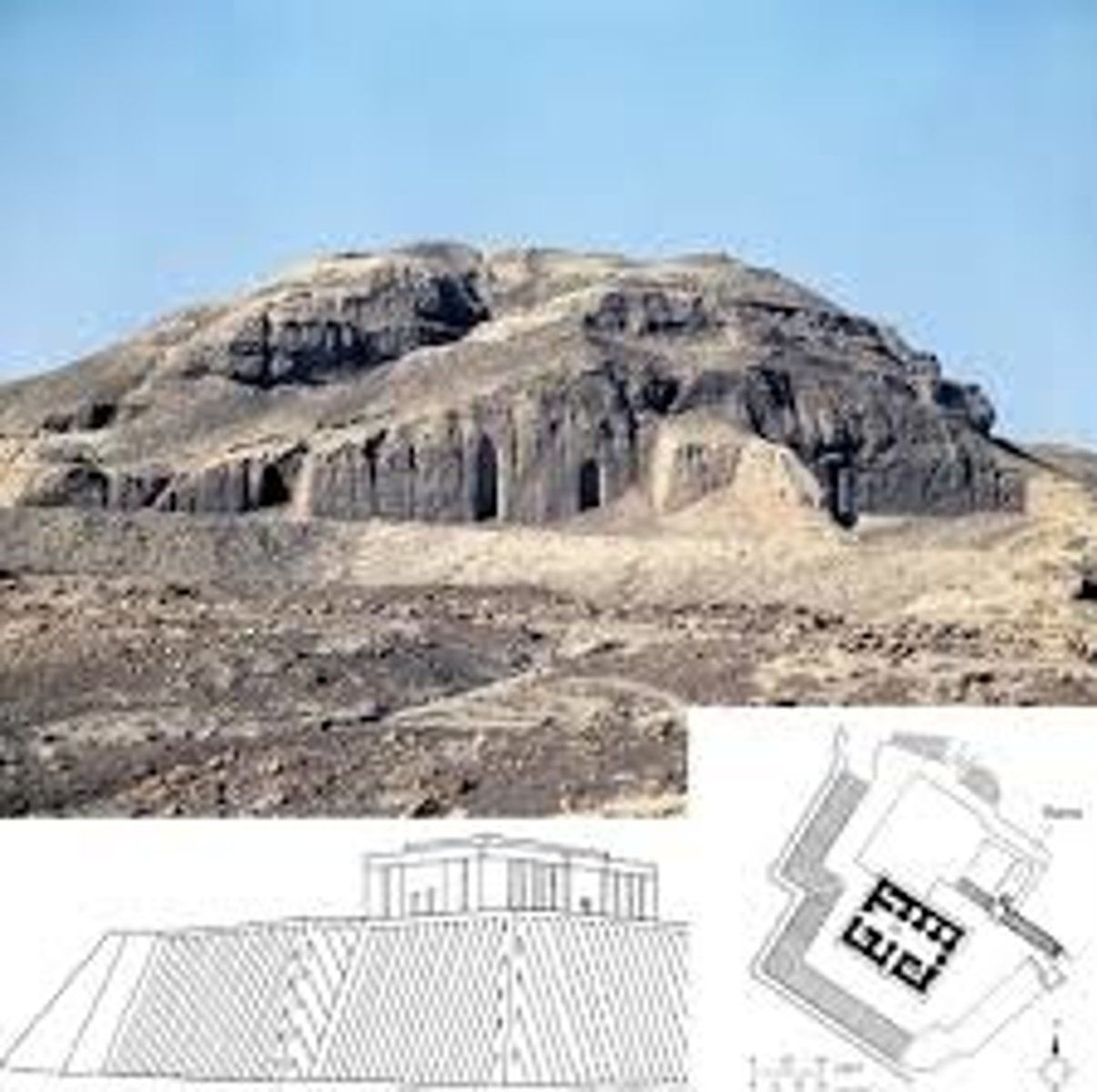
Material Culture
Eshnunna -City, Northwest Sumer, flood & food, Tishpak (warrior deity)Monumental architecture, some of the earliest examples of engineered sewers, including toilets in private homes!
Rich agricultural, animal husbandry, gaming lands, and fishing throughout the region
Eshnunna’s rulers were likely vassal governors of the rulers of Ur. Theocratic rule; Extensive bureaucracy & Expansive trade networks.
Religion- flood & food, polytheistic (~3600!),) Abu (father of plants)? Enlil (the wild bull/bringer of storms, most powerful)?,melammu, cult & cities (Tishpak @ Eshunna), Elite commissioned votive figures
Interactions Within and Across Cultures/Neighbors-Egypt, Akkadia, Elam, Media, Parthia, Babylon, Assyria, Persia
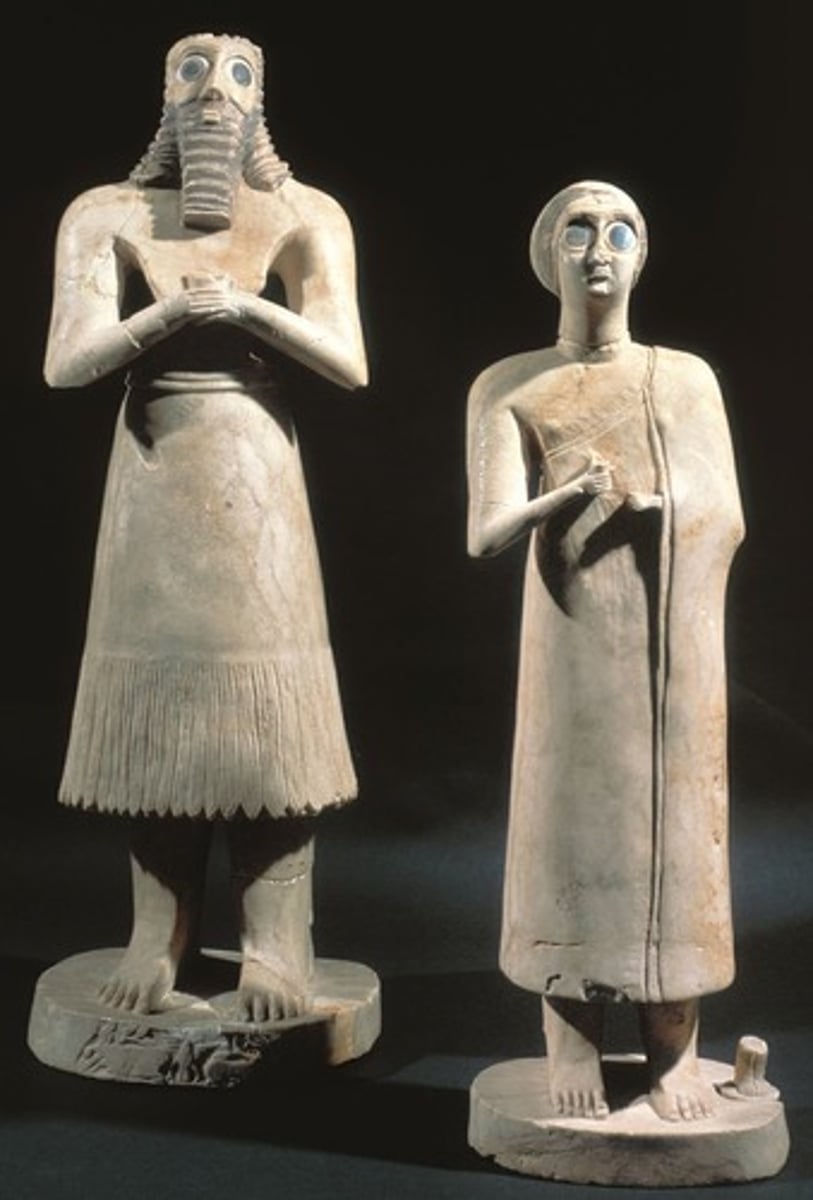
melammu/sublime via stylized human figures (curly hair beards, belted) Left foot forward, static, hands clasped in devotion
Statue of Votive Figures, from the Square Temple at Eshnunna. 2700BCE (Early Dynastic Period II), Gypsum alabaster, inlaid with shell and black limestone, bitumen: Purpose and Audience Abu’s (or Enlil’s) temple ergo frontal composition
Votive figures, Priests only? (ergo a stan-in), Vessel for devotee’s essence
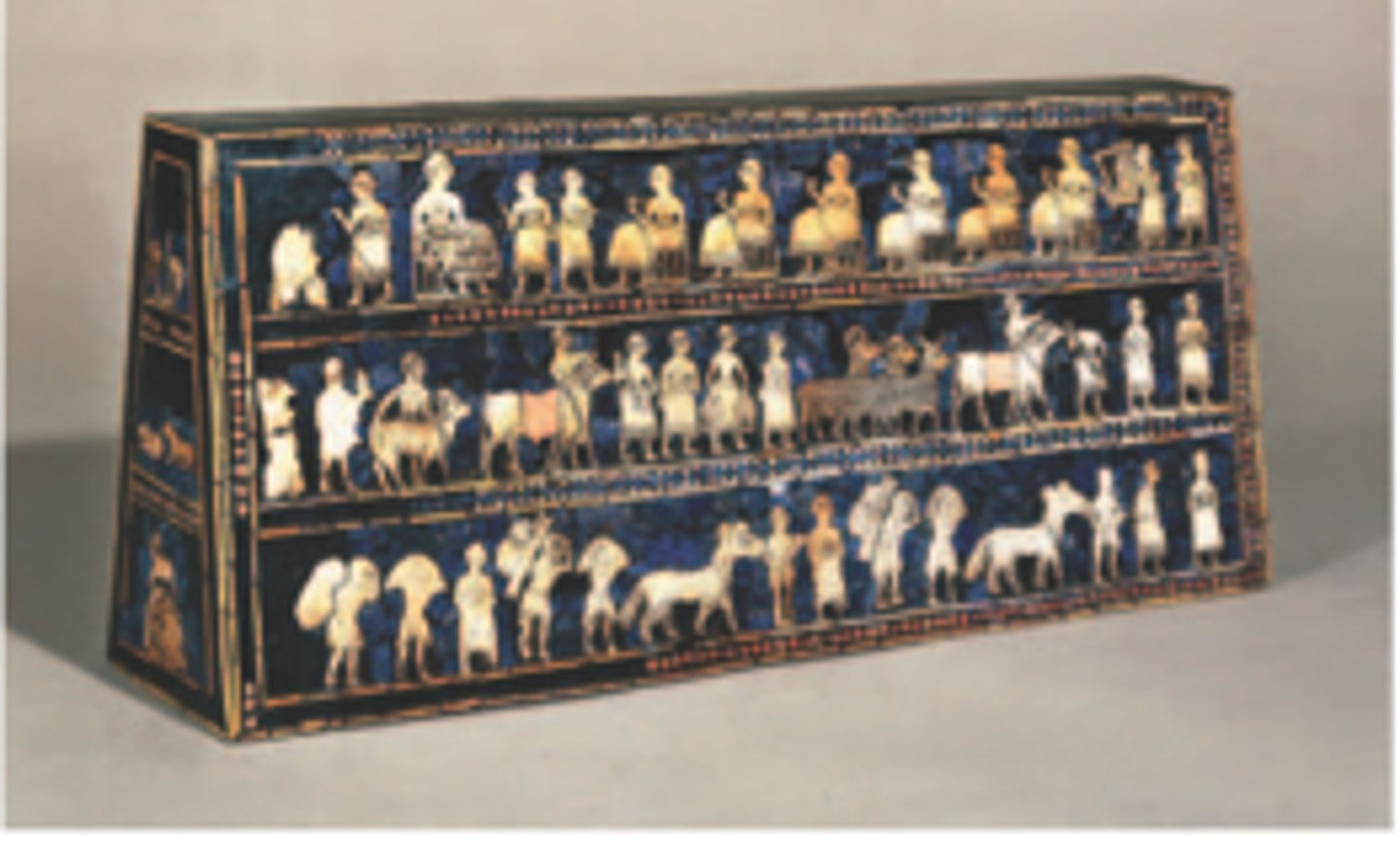
Material Culture: mud brick temple complex (near the central burial district where the standard was discovered); shaft burial; the wheel and super pottery; math and agriculture; alluvium and mud (stone = rare); traded extensively; bronze smelting; lapis lazuli -Afghanistan; red stone-India;
Political Economy-Laborers, soldiers, ruler depicted in hierarchical order (by register and scale), artisanal class (depiction of musician on lyre)
Religion- flood & food, polytheistic (~3600!), anthropomorphism, melammu, cult & cities
Interactions & Neighbors-Egypt, Akkadia, Elam, Media, Parthia, Babylon, Assyria, Persia
Ziggurat @Ur; Materials: lapis lazuli, bitumen, shell: the technique of inlaying
Hierarchical scale, registers, the exploits of rulers & specialized labor
Burial of elite with (sacrificed) attendants and treasures; Pictographic representations, Composite view of figure
Standard of Ur, from the Royal Tombs @ Ur, 2600-2400BCE (Early Dynastic Period), Wood, inlaid shell, lapis lazuli, bitumen, red limestone: Purpose & Audience: You Are Now Rocking With the Best! Just (peace) and powerful (war) a military standard aka ceremonial flag; OR IT”S A MUSICAL INSTRUMENT! Or it’s a treasure chest…or, for whole entire armies (home team & visitors), or private concert audiences? or...
Material Culture: City-state to empire, Extensive trade network, T&E (flood & food), extensive and sophisticated agriculture (hence a bunch of these laws)
Political Economy: Divinely inspired ruler, and a promotion for Marduk, Susa, Babylon, Babylonia, Hammurabi oversees greatest ancient expanse of ancient Mesopotamian region
Religion- Shamash (sun god and god of justice, flood & food, polytheistic (~300), An (Marduk over Anu/Enlil) et al, anthropomorphism, cult & cities and Marduk is the patron deity of Babylon and king of the gods after Hammurabi expands Babylon the city-state to Babylonia the empire
Interactions Within and Across Cultures
Neighbors-Egypt, Akkadia, Elam, Media, Parthia, Babylon, Assyria, Persia
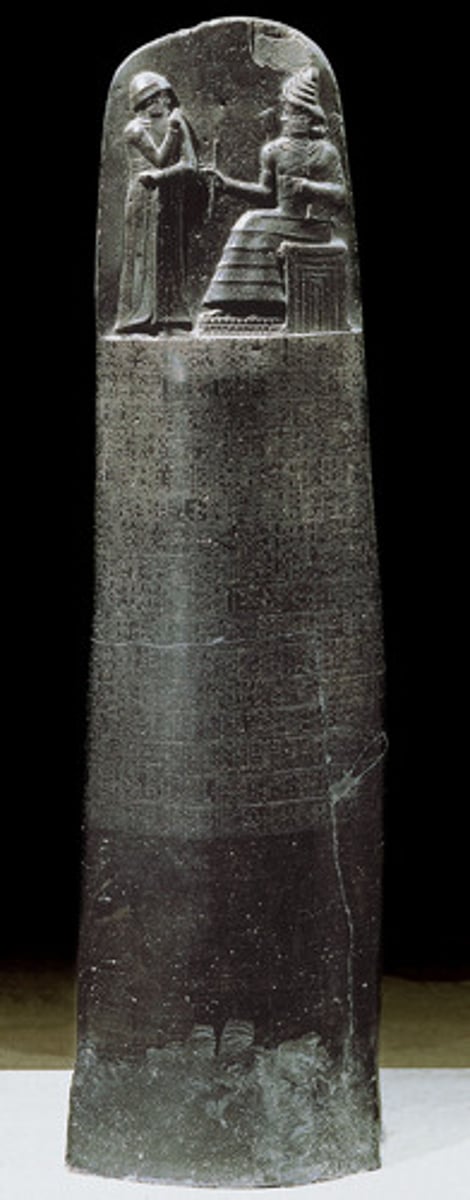
Investiture of Hammurabi Divinely ordained rulers
Carve it in stone to make it last
Hierarchical scale & registers
Stylized figuration: curly beards!
Horned crown (divinity)!
Composite view of figure
Law Code Stele of Hammurabi, 1792-1750BCE, basalt: Purpose & Audience: Lay Down the Law! & so copies in clay etc. & distributed for wide awareness, also to clarify that Hammurabi’s authority for establishing the code is divinely ordained: Sharmush, the Whole Team, i.e. all in the empire, as the code was distributed via stele and clay tablets
Material Culture-Extensive trade network, massive empire, first army to deploy iron weapons, specialized labor, frequent warfare, but this Iron Age economy has a distinct advantage over bronze age neighbors (think there were tech spies??! Ashurbinapal!)
Political Economy: Theocracy, strong central government, highly skilled army (the first w/ engineers), Schools & libraries
Religion- Mesopotamian traditional religion. Sargon was killed in battle 705bce, and his body was not recovered, leaving him a restless ghost, upsetting his successor to no end.
Interactions Within and Across Cultures
Neighbors-Egypt, Aramea, Elam, Media, Parthia, Babylon, Assyria, Persia
Divinely ordained rulers
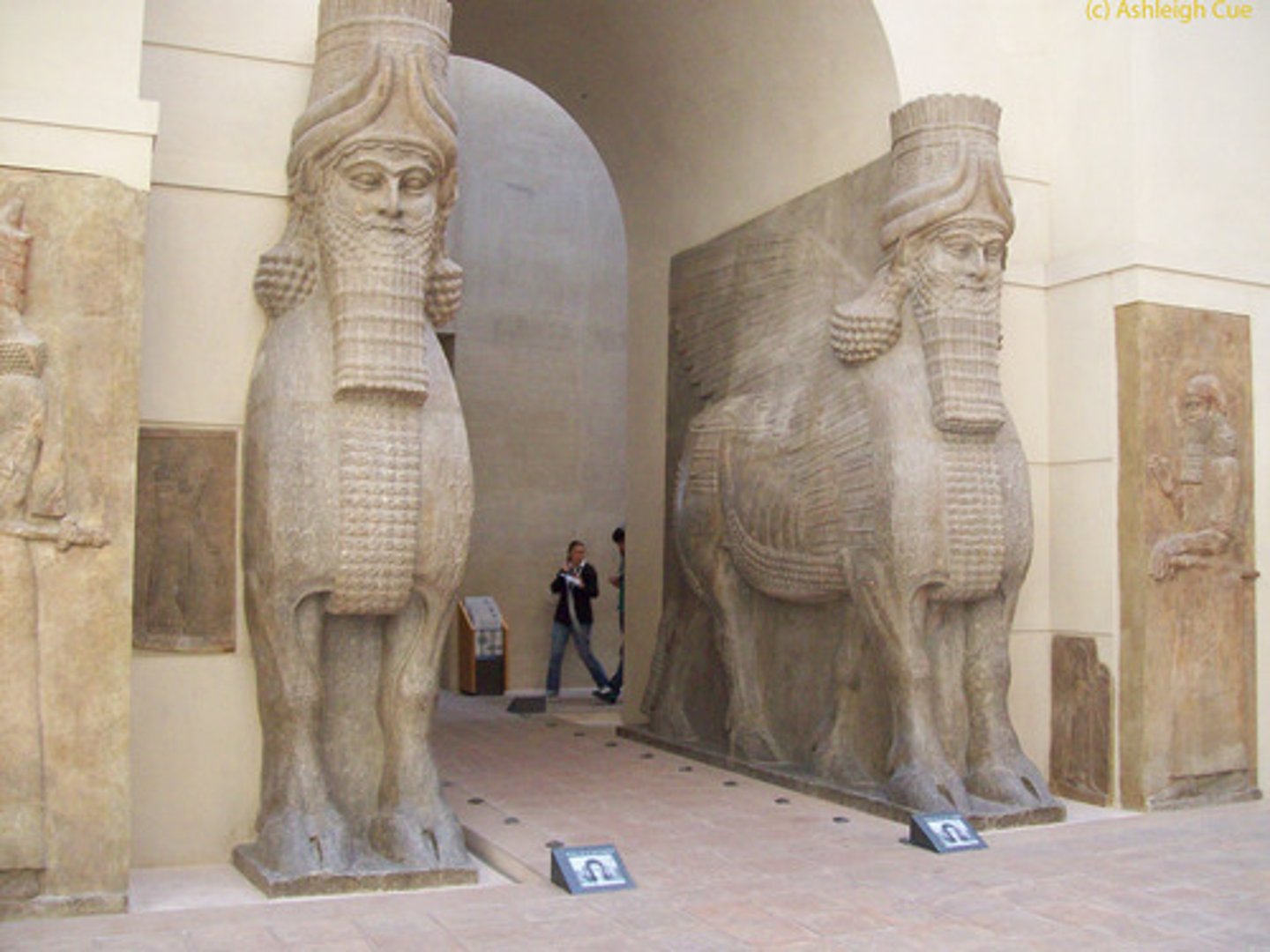
Carve it in stone to make it last; lamassu reappear at the Gate of All Nations.
Hierarchical scale & registers, Stylized figuration Horned crown (divinity)!; your descendant Ashurbinapal
Lamassu from the Citadel of Sargon II, 720-705BCE, gypsum-alabaster: Purpose and Audience
Stand Back!, Declare the divinity of yet another ruler
Apotropaic, Static/guarding from the front and active upon entrance (wow!), Chimera of meaning (what might wings, lions, bulls, & curly bearded human heads communicate?)
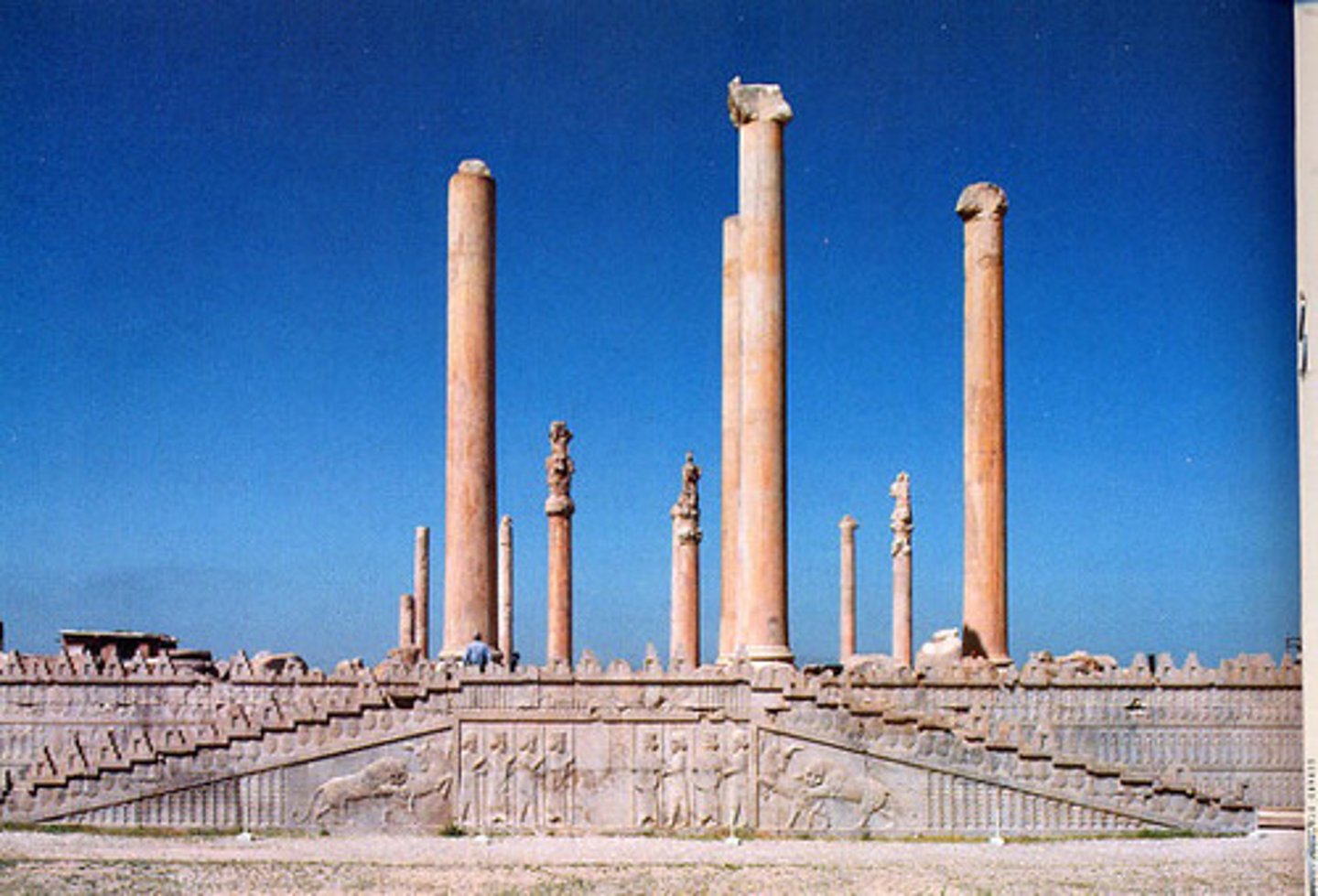
Material Culture-Extensive trade network, Marv Dasht flood plain, Persepolis was well protected and largely unknown until Alexander’s sack of Persepolis, steel! Persepolis stored great Achaemenid treasury, highly skilled artisans.
Political Economy- Achaemenid Empire -550-330 BCE. By the early fifth century BCE, the Achaemenid (Persian) Empire ruled an estimated 44% of the human population of planet Earth. Through regional administrators, Persians controlled a vast territory they constantly sought to expand. Monumental architecture, repeated wars with Greek city-states, it would fall to Alexander the Great in 330bce.
Late Iron Age-a tech advantage over remaining Bronze Age civilizations, conflict, wealth
Neighbors-Egypt, Mauryan Indian Empire, Greece, Lydia (their enemy King Croesus invented money!!!), Media, Persia…so big
Religion- ‘Scholars contest Achaemenid religion. Zoroastrianism?
Apadana (Audience Hall) of Darius and Xerxes, 520-465BCE, limestone, brick: Purpose & Audience Persian kings established numerous monumental centers, among those is Persepolis (today, in Iran). The great audience hall of the Persian kings Darius and Xerxes presents a visual microcosm of the Achaemenid empire—making clear, through sculptural decoration, that the Persian king ruled over all of the subjugated ambassadors and vassals (who are shown bringing tribute in an endless, eternal procession).2
 Note
Note  Flashcards (20)