VPHM 142
 Studied by 53 people
 Call Kai
 Learn
Learn Practice Test
 Spaced Repetition
 Match
Match Flashcards
 Knowt Play
1/104

Earn XP
Name | Mastery | Learn | Test | Matching | Spaced | Call with Kai |
|---|
No analytics yet
Send a link to your students to track their progress
105 Terms
Main pain medications for Degenerative Joint Disease (DJD)/ Osteoarthritis (OA)
NSAIDs
GCCs
Common drug of choice for Degenerative Joint Disease (DJD)
COX-2 preferential NSAID
Has analgesic, antipyretic, anti-inflammatory effect
Meloxicam
Prostanoids that Meloxcam inhibits
Series-2 PGs
TXAs (predominantly TXA2)
TRUE OR FALSE
Meloxicam is relatively highly bound to feline plasma proteins (97%) and volume of distribution is about 0.27 L/kg
TRUE
Common adverse effect of Meloxicam
Gastrointestinal
Renal
Hematological
Give at least 2 non-surgery, non-drug treatment for DJD
Weight management
Diet modulation
- Type, amount
Exercise
Physical rehabilitation and physical modalities
Environmental modification
Nutritional supplements
Acupuncture
TRUE OR FALSE
GCCs has an analgesic effect like NSAIDs
FALSE
TRUE OR FALSE
Low-dose meloxicam in cats has an adverse effect in renal excretory function
FALSE
Effects of low-dose Meloxicam treatment in cats with Chronic Kidney Disease (CKD)
Gastrointestinal
Proteinuria
Surgery treatment for Degenerative Joint Disease (DJD)/ Osteoarthritis (OA)
Joint replacement - Hip, elbow, knee
Excision arthroplast - Removal of portion of a joint
Arthrodesis - Fusing 2 bones together to create one big bone
Joint dennervation
Stem cell therapies
Give at least 1 base analgesics for Degenerative Joint Disease (DJD)/ Osteoarthritis (OA)
NSAIDs - Paracetamol (acetaminophen; not in cats)
Corticosteroids (for underlying immune-mediated diseasing resulting in polyarthritis)
Adjunctive analgesics - Tramadol, amantadine, gabapentin, tricyclic antidepressants
Postulated disease modifying drug - Polysulfated glycosaminoglycan
Neuroablative procedures
TRUE OR FALSE
Degenerative Joint Disease (DJD)/Osteoarthritis (OA) or in case of cats (Feline arthritis) is most common in all ages of animals (young/senior animals)
FALSE
Most common in senior/elderly animals probably with other chronic conditions, complications, drug interactions
Main uses of GCCs
Anti-inflammatory
Immunosuppressive
Replacement
Considerations before using GCC
Benefits over risk
Condition of the patient
Predisposition to adverse effects
Set starting dose, length of treatment, adjustments
Choose preparation which would minimize adverse effects
“Are there any other drugs to combine with it to minimize adverse effects?”
TRUE OR FALSE
One factor to consider during the use of GCC is by adjusting the dose according to the needs of individual patient
TRUE
Choose appropriate starting dose
Adjust dose according to needs of individual
patient
Drugs used in the early 1900’s which were not totally efficient and they were mostly toxic to the animals.
Mineral, alkaloids
Discovered in 1938
Paved the way for the development of newer broad-spectrum drugs.
Pioneer dewormer
Phenothiazine
Give at least 2 IDEAL drug properties
Broad spectrum of activity
Reach the proper site of the GI tract to come in contact with the specific worm
Be effective in killing /removing the worm
Wide safety margin (high selectivity)
Easy to administer
Minimal changes in animal routine (fasting, removal of water...)
Minimal side-effects (diarrhea, loss of appetite...)
Economical especially for the livestock producer
Common Roundworms, Hookworms, Whipworms, Pinworms
Toxocara sp.
Trichuris sp.
Baylisascaris sp.
Ascaris sp.
Ancylostoma sp.
Common Flatworms (Tapeworms)
Dipylidium sp.
Taenia sp.
Echinococcus sp.
Systemically administered antiparasitic drug
ivermectin, milbemycin; parenteral, topical w/systemic absorption
Endectocides
MOA of anthelmintic agents
Starve worm
Paralyze worm
Dosage form of anthelmintic agents
Tablet
Drench
Paste
Pour-on
Spot-on
Injectable
In-feed
Sustained-release boluses (continued - release, pulse-release)
USES of this anthelmintic drug
Dogs and cats - for hookworms, roundworms
Sheep and goats - for Strongyles
Cattle - for Strongyles
Horses - for Strongyles, pinworms and Ascarids
Swine - for roundworms, strongyles
TETRAHYDROPYRIMIDINES
Parasite receptor of TETRAHYDROPYRIMIDINES
Nicotinic acetylcholine receptor
Sample drugs of TETRAHYDROPYRIMIDINES
Pyrantel pamoate or tartrate
N subtype: oxantel
Morantel
This particular TETRAHYDROPYRIMIDINES is not effective against whipworms.
N subtype: oxantel
Mode of action of TETRAHYDROPYRIMIDINES
Act as agonist
Depolarization of parasite NM membrane leading to spastic paralysis
TRUE OR FALSE
Morantel, a TETRAHYDROPYRIMIDINES, has low systemic absorption therefore it is considered as poorly larvicidal.
TRUE
This anthelmintic has a side effect of salivation, and horses are more sensitive to toxic effects.
TETRAHYDROPYRIMIDINES
This anthelmintic:
has no activity against cestodes and trematodes
is for nematodes.
affects ectoparasites if given parenterally
AVERMECTIN
Parasite receptor of AVERMECTIN
Glutamate-gated chloride channel
Sample drugs of AVERMECTIN
Ivermectin
Selamectin
Moxidectin
Milbemycin
Mode of action of AVERMECTIN
Acts as an agonist
Opens chloride channels leading to hyperpolarization and flaccid paralysis
Route of administration of Avermectin
Oral or parenteral (larvicidal if parenteral route)
TRUE OR FALSE
Glutamate-gated chloride channels (a receptor) is present in mammals
FALSE - it is not present in mammals
TRUE OR FALSE
Ivermectin toxicity is observed in Collie dogs, and Murray Grey Cattle breeds
TRUE
Parasite receptor for Praziquantel
Voltage-gated calcium channel
Drug of choice for Cestodes and Trematode
Praziquantel
Epsiprantel
This anthelmintic drug:
Acts as an agonist
Increases calcium influx resulting in rapid and
sustained muscle contraction
Praziquantel
TRUE OR FALSE
Praziquantel has a high bioavailability.
TRUE
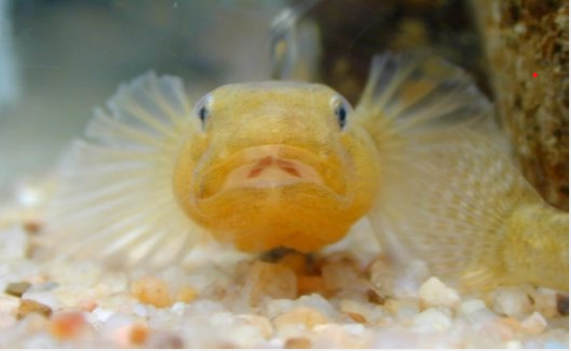
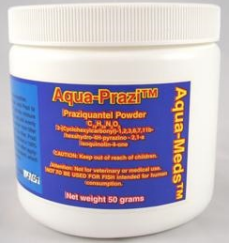
HOW DO YOU DEWORM A FISH?
Praziquantel powder
CAPC/CDC and AAHA/AVMA preventive healthcare guidelines
Year-round control of intestinal parasites
Perform routine fecal examination for intestinal parasites
Year-round heartworm preventive
Year-round flea and tick control
Perform routine examination for fleas and ticks
Drugs for intestinal helminths of dogs
Fenbendazole
Milbemycin oxime
Praziquantel + pyrantel pamoate + febantel
Dosage and route of administration of Fenbendazole
50 mg/kg for 3 days, PO
Dosage and route of administration of Milbemycin oxime
0.5 mg/kg, PO
Dosage and route of administration of Praziquantel + pyrantel pamoate + febantel
5mg/5mg/25mg/kg, PO
Helminths targeted by Fenbendazole
Toxocara canis
Toxocara leonina
Ancylostoma caninum
Uncinaria stenocephala
Trichuris vulpis
Trichuris pisiformis
Helminths targeted by Milbemycin oxime
Toxocara canis
Toxocara leonina
Ancylostoma caninum
Trichuris vulpis
Helminths targeted by Praziquantel + pyrantel pamoate + febantel
Toxocara canis
Toxocara leonina
Ancylostoma caninum
Uncinaria stenocephala
Trichuris vulpis
Trichuris pisiformis
Echinococcus granulosus
Echinococcus multilocularis
What family does Fenbendazole/Febantel belong to?
Benzimidazole
What family does Milbemycin oxime belong to?
Macrocyclic lactone-milbemycin group
This drug has an adverse effect of:
Occasional vomiting
Allergic reactions due to sudden death of worms
Fenbendazole/Febantel
This drug, at high doses, has an adverse effect of tremors, ataxia; may be safer in breeds with mdr1 mutation (AE occur at higher dose), complications may occur in microfilaria positive dogs
Milbemycin oxime
Below are the possible things that can happen after administration of anthelmintic drugs:
a. Vomiting or diarrhea due to death of worms in the gut; should be resolved within 24-48 hours
b. Adverse effects that depend upon the condition of the animal and the worm burden.
c. Animal must be monitored, and supportive treatment given as the need arises.
d. All of the above
d. All of the above
Only way of detecting anthelmintic drug resistance in vivo in dogs and cats
Fecal egg count reduction test
Things to consider to avoid drug resistance
Avoid overuse
Diagnose first before administration
Anthelmintic resistance in USA
Dirofilaria immitis larvae
Toxocara canis
Dipylidium caninum
Other term for Feline Lower Airway Disease (FLAD)
Asthmatic bronchitis
Bronchial asthma
Allergic bronchitis
Factors leading to respiratory difficulty
Hypersensitivity
Inflammation + Bronchoconstriction
Mucus production
Cough/wheezing
Pathology of FLAD
cells lining the lower respiratory tract
(bronchioles) become sensitized to a particular
inhaled allergen
the allergen when inhaled, triggers an
inflammatory response, causing constriction of
the lower airways, recruitment of inflammatory
cells to these airways, and mucus accumulation.
Management of FLAD
Bronchodilation
Reducing inflammation
Restoring normal mucus clearance
Treatment of FLAD
Use of:
Bronchodilator
Anti-inflammatory agent
Treatment protocol for intermittent Acute Bronchial Asthma
Albuterol sulfate inhaler
Treatment protocol for mild to moderate Acute Bronchial Asthma
Supplemental oxygen therapy
Albuterol sulfate inhaler or terbutaline sulfate (0.325-0.625 mg total dose/cat, PO)
Theophylline (25 mg/kg, PO in the evening) or Aminophylline (6.6 mg/kg, PO)
Prednisolone
Fluticasone propionate inhaler
Initial treatment for severe clinical signs of Acute Bronchial Asthma
Supplemental oxygen therapy
Albuterol sulfate inhaler or terbutaline sulfate
Dexamethasone sodium phosphate (1 mg/kg IV or IM)
Consider adjuvant magnesium administration
Treatment after stabilization of acute bronchial asthma
Prednisolone
Fluticasone propionate inhaler (wean to lowest possible dose)
Albuterol sulfate inhaler
Administered before inhaled GCC’s for maximum lung distribution of the steroid
Rescue medication
Bronchodilators
TRUE OR FALSE
Bronchodilators are usually administered concurrently with inhaled GCCs for maximum lung distribution of the steroid
FALSE
Bronchodilators are administered before inhaled GCC
TRUE OR FALSE
Short acting like terbutaline, albuterol/salbutamol are preferred for acute attacks of bronchial asthma
TRUE
For acute attacks:
short acting
systemic preparation like injectable preparation (terbutaline)
Anti-inflammatory agent/drug for bronchial asthma
Glucocorticoid
This may cause insulin resistance, polyuria, cystitis, and inappropriate urination in cats.
Oral GCC
Prednisone
Prednisolone
Dexamethasone
What is the most preferred GCC for treatment of FLAD?
Inhaled GCC
Fluticasone
Beclomethasone
Budesonide
TRUE OR FALSE
GCC must be avoided in cats with concurrent diabetes mellitus, heart disease, or chronic FHV-1 infection
TRUE
GCC are classified as:
leukotriene receptor antagonists
These drugs are not suitable for acute episodes of bronchial asthma
Zafirlukast
Montelukast
Other medication/treatment for bronchial asthma
Diet modification
Environment medication
Ways in preventing feline asthma
Avoid triggers
Normalize health
Pharmacological intervention
Alternative medicine
Nutritional
Acupuncture
Immunotherapy
Stem cell therapy
Ways on monitoring feline asthma
The client should report efficiency, inefficiency, or any changes in the cat.
The schedule for monitoring will depend on the severity of the case
Signs of Urinary Tract Infection (UTI)
Excessive water consumption (but there are some controversy about this)
Urinating only small amounts at a time
Urinating frequently and in multiple spots
Inability to hold urine for the normal amount of time
Bloody urine
Animals that have experienced three or more episodes of clinical cystitis within the preceding 12 months
Recurrent bacterial cystitis
Animals with bacteriuria in the absence of clinical signs
Subclinical Bacteriuria
A single recurrence of sporadic cystitis within the preceding 3 months can be classified as?
Recurrent bacterial cystitis
Drug recommendations for bacterial urinary tract infection
Fluoroquinolones
Marbofloxacin
Orbifloxacin
Pradofloxain
TRUE OR FALSE
Treatment with analgesics alone (e.g. NSAIDs) could be considered while awaiting for urine culture results
TRUE
TRUE OR FALSE
If bacterial strains isolated are reported to be susceptible to the antimicrobial drug selected, no change in the treatment plan is required.
TRUE
TRUE OR FALSE
If empirical antimicrobials are initially prescribed, antimicrobial choice should be re-assessed when culture results are available.
TRUE
What bacteria is the most frequent isolated but has lower frequency of antimicrobial susceptibility compared to other bacterial species?
Escherichia coli
Good first-line option for sporadic bacterial cystitis but not recommended for pyelonephritis or prostatitis.
Amoxicillin (not drug of choice)
Reserved for infections caused by pathogens that are resistant to drugs that are actively excreted in urine in active form.
Doxycycline (not drug of choice)
Reserve for documented resistant infections but good first line choice for pyelonephritis
Considered first line of choice for infections that involve the prostate.
Not recommended for Enterococcus sp.
Marbofloxacin 2.7-5.5 mg/kg PO every 24 hours
Reserved for documented resistant infections but good first line choice for pyelonephritis.
Considered first line of choice for infections that involve the prostate.
Not recommended for Enterococcus sp.
Orbifloxacin
Tablets: 2.5 - 7.5 mg/kg PO every 24 hours
Suspension (cats): 7.5 mg/kg every 24 hours
Evidence is published regarding efficacy for treating bacterial cystitis in dogs and cats.
Greater activity against some bacteria than older fluoroquinolones (enterofloxacin, marbofloxacin, orbifloxacin)
Theoretically a good first line choice for pyelonephritis, especially in CATS
Not recommended for Enterococcus sp.
Pradoflixacin
Dogs: 3-5 mg/kg PO every 24 h
Cats: 3-5 mg/kg once daily (tablets) or 5-7.5 mg/kg every 24 h (suspension)
Comorbidities that should be considered in a dog or cat with bacterial cystitis
Endocrinopathy
Kidney disease
Obesity
Abnormal vulvar conformation
Congenital abnormalities of the urogenital tract
Prostatic disease
Bladder tumor
Polypoid cystitis
Urolithiasis immunosuppressive therapy
Rectal fistula
Urinary incontinence/retention
Below are indications of what stage of kidney disease?
Normal blood creatinine or normal or mild increase blood SDMA
Other renal abnormality present
inadequate urinary concentrating ability
abnormal renal palpation or renal imaging findings
proteinuria
abnormal renal biopsy
Stage 1 Kidney Disease
Dogs
Creatinine - < 1.4 mg/dl
SDMA - <18
Cats
Creatinine - <1.6 mg/dl
SDMA - <18
Below are indications of what stage of kidney disease?
Normal or mildly increased creatinine
Mild renal azotemia
Mildly increased SDMA
Clinical signs usually mild or absent
Stage 2 Kidney Disease
Dogs
Creatinine - 1.4 - 2.8 mg/dl
SDMA - 18-35
Cats
Creatinine - 1.6 - 2.8 mg/dl
SDMA - 18-25
Below are indications of what stage of kidney disease?
Moderate renal azotemia
Extrarenal signs present
Stage 3 Kidney Disease
Dogs
Creatinine - 2.9 - 5.0 mg/dl
SDMA - 36-54
Cats
Creatinine - 2.9-5.0 mg/dl
SDMA - 26-38
Presence of many or marked systemic signs might justify classification as what specific stage of kidney disease?
Late Stage 3 Kidney Disease
Increasing risk of systemic clinical signs and uremic crises are signs of what stage of kidney disease?
Stage 4 Kidney Disease
Dogs
Creatinine - > 5.0 mg/dl
SDMA - >54
Cats
Creatinine - >5.0 mg/dl
SDMA - >38
Give at least 3 symptoms of Chronic Kidney Disease (CKD)
Increased thirst and urination
Weight loss
Vomiting and diarrhea
Weakness
Poor coat appearance
Seizures
Constipation
Blood in the urine
Decreased appetite
Bad breath
Sore mouth or mouth ulcers
Lack of energy and increased sleeping
Depression
Acute blindness
Uncoordinated gait
Swelling of bone structure
 Note
Note  Flashcards (117)