10. Morality and Antisocial Behavior
 Call Kai
 Learn
Learn Practice Test
 Spaced Repetition
 Match
Match Flashcards
 Knowt Play
1/20

There's no tags or description
Looks like no tags are added yet.
Name | Mastery | Learn | Test | Matching | Spaced | Call with Kai |
|---|
No analytics yet
Send a link to your students to track their progress
21 Terms
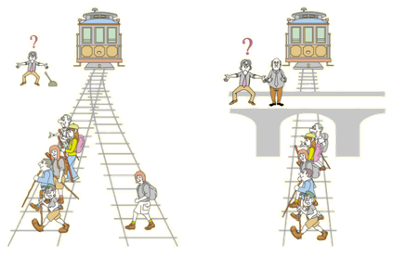
Trolley vs Footbridge Problem
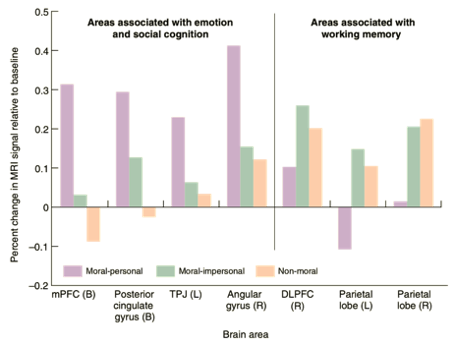
Personal dilemmas activate emotion and ToM regions while impersonal activate lateral PFC
Moral Emotions
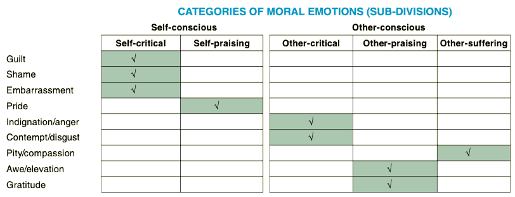
Emotions from comparing behavior to a norm/standard
Guilt (self-focused)
Anger (other-focused)
Moral disgust (character judgment)
Greene Dual-Process Model
Competition between emotional and cognitive systems in moral decisions
Orbitofrontal / vmPFC Damage
Patients show increased utilitarian decisions due to reduced emotional input
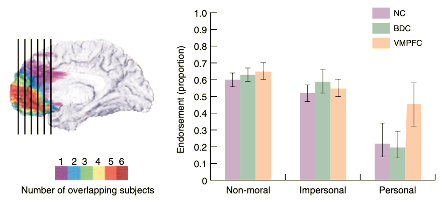
Moral Brain Network
Amygdala and insula for emotion, OFC and mPFC for evaluation, TPJ for mentalizing
Intentions vs Outcomes
TPJ involvement shows importance of mentalizing in moral judgment
Autism Moral Judgment
Greater reliance on outcomes due to reduced integration of intentions
Instrumental aggression
Goal-directed (e.g. psychopathy)
Reactive aggression
Response to threat/frustration
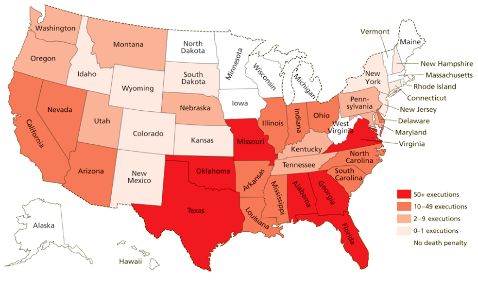
Culture of Honor
Norm violence is justified to defend reputation or respond to insult
Linked to higher acceptance of:
Retaliation (support of capital punishment)
Aggressive responses to provocation
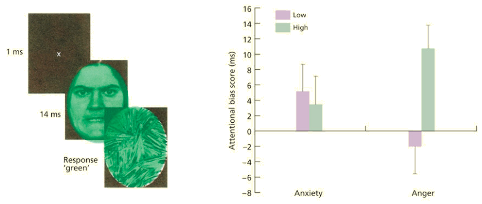
Frustration–Aggression Model
Frustration triggers anger which biases attention toward threat and increases aggression
Amygdala Role in Aggression
Detects threat and modulates aggressive responses
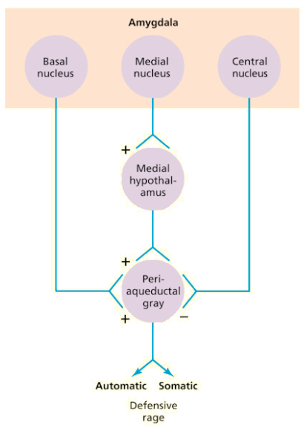
PAG Function
Generates defensive rage responses via subcortical pathways
OFC Damage
Impaired impulse control leads to reactive aggression
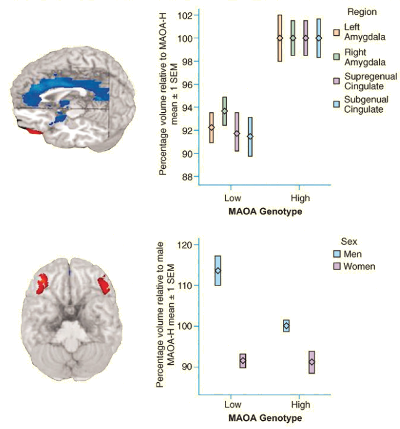
MAOA (“Warrior”) Gene
Low activity variant increases aggression especially under maltreatment conditions
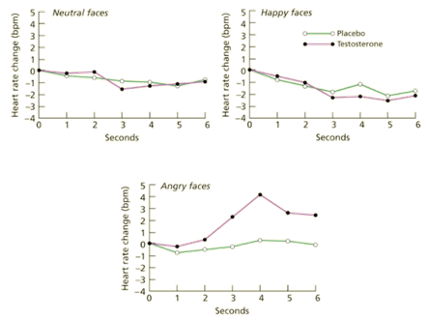
Testosterone Mechanism
Biases behavior toward dominance and aggression depending on context
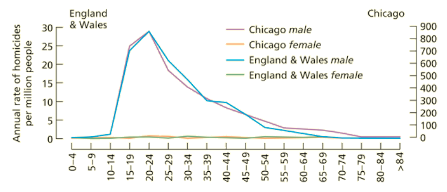
Culture and Aggression
BMoral Reasoning in Psychopathsiology sets baseline and culture modulates
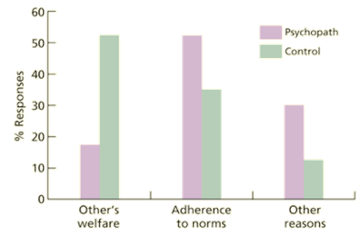
Moral Reasoning of Psychopaths
Know right vs wrong BUT justifications based on rules, not harm
Fear Deficit Theory
Psychopathy linked to reduced amygdala activity and weak response to others’ distress
Conduct Disorder
Normal ToM but reduced empathy and possible reward response to others’ pain
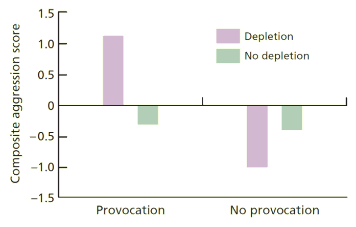
Cognitive Depletion
Reduced self-control leads to stronger aggressive responses after prior effort