Chapter 8 Cell division Study guide
 AP Practice
 Call Kai
1/27

Earn XP
Description and Tags
Study guide for BIO-110
Name | Mastery | Learn | Test | Matching | Spaced | Call with Kai | Chat |
|---|
No analytics yet
Send a link to your students to track their progress
28 Terms
Define chromosome
a singular or circular strand of dna.
How many individual and pair of chromosomes do humans have?
Humans have 46 individual chromosomes and 23 pairs.
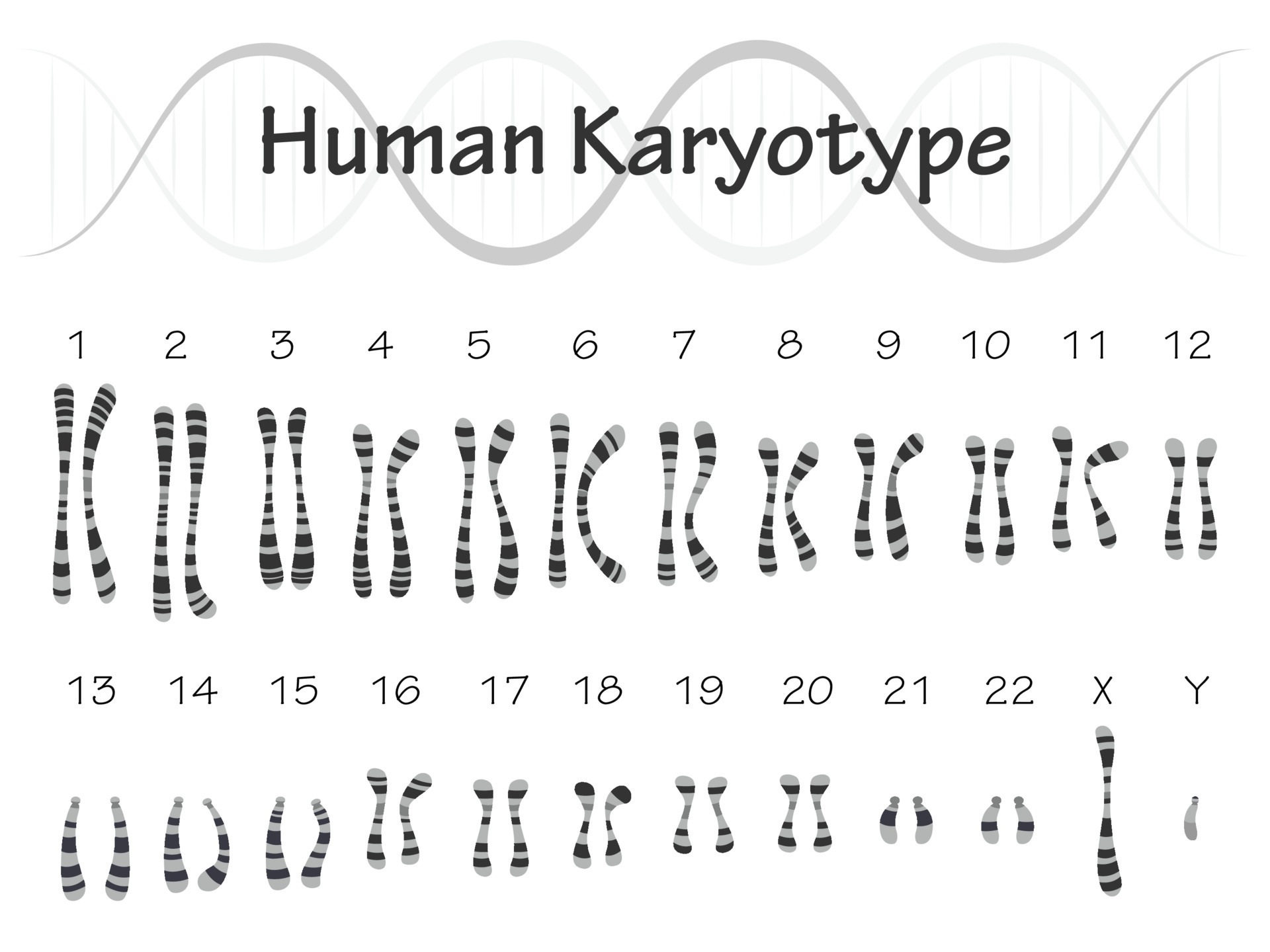
Define a karyotype
A visual set of an organisms full set of chromosomes. Humans have 46 individual chromosomes. 
What are homologous chromosomes? (homologs)
The maternal and paternal copies of a chromosome that join together to form a diploid organism.
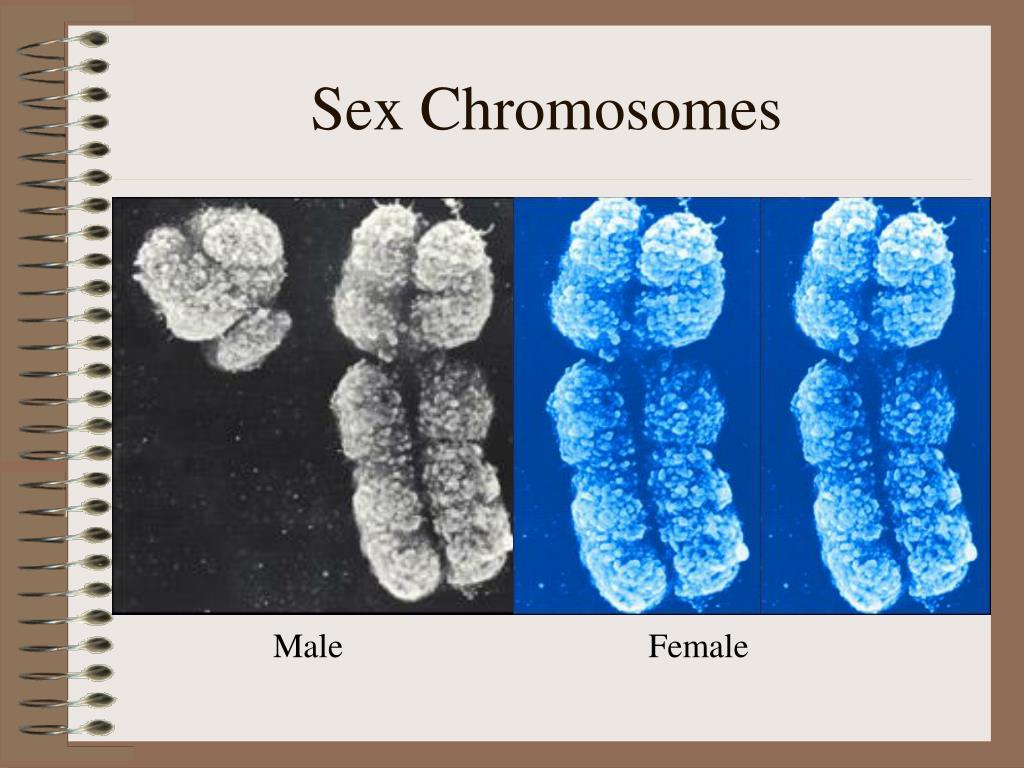
What are sex chromosomes?
The chromosomes that determine an individual’s biological gender. X and Y in humans
What are autosomes? How many pairs are there in humans?
The non-sex chromosomes. There are 22 pairs in humans. 44 individual chromosomes.
How does gender work in terms of sex chromosome pair? Differentiate in male and female.
Female maternal gamete contains the x chromosome and male paternal gamete contains the x or y chromosome.
together:
x,x female
x,y male.
List two reasons why cells divide.
To grow the organism.
To replace dead cells.
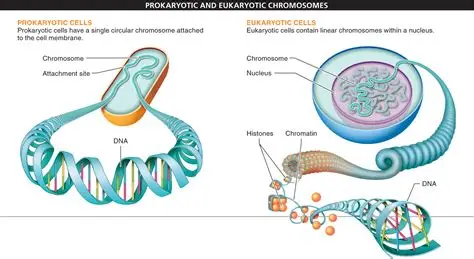
Know the structural difference between prokaryotic chromosomes and eukaryotic chromosomes.
Which cell has histone proteins and what is their function.
Which cell divides by binary fission, and which one divides by mitosis?
Eukaryotic cells contain histone proteins, which serve to keep DNA untangled and allows for tight/efficient packaging. Chromosome is made of protein and chromatin.
Prokaryotic cells divide by fission; eukaryotic cells divide by mitosis.
What are somatic cells? Diploid or haploid?
Somatic cells form the body of the organism, form the diploid.
What are gamete cells? Diploid or haploid.
Gamete cells are reproductive, sperm/egg. Hiploid.
What is a parent cell?
Parent cell is the original cell, then cell divides to form new cells (daughter cells)
what are daughter cells?
Cells produced by the division of the parent cell.
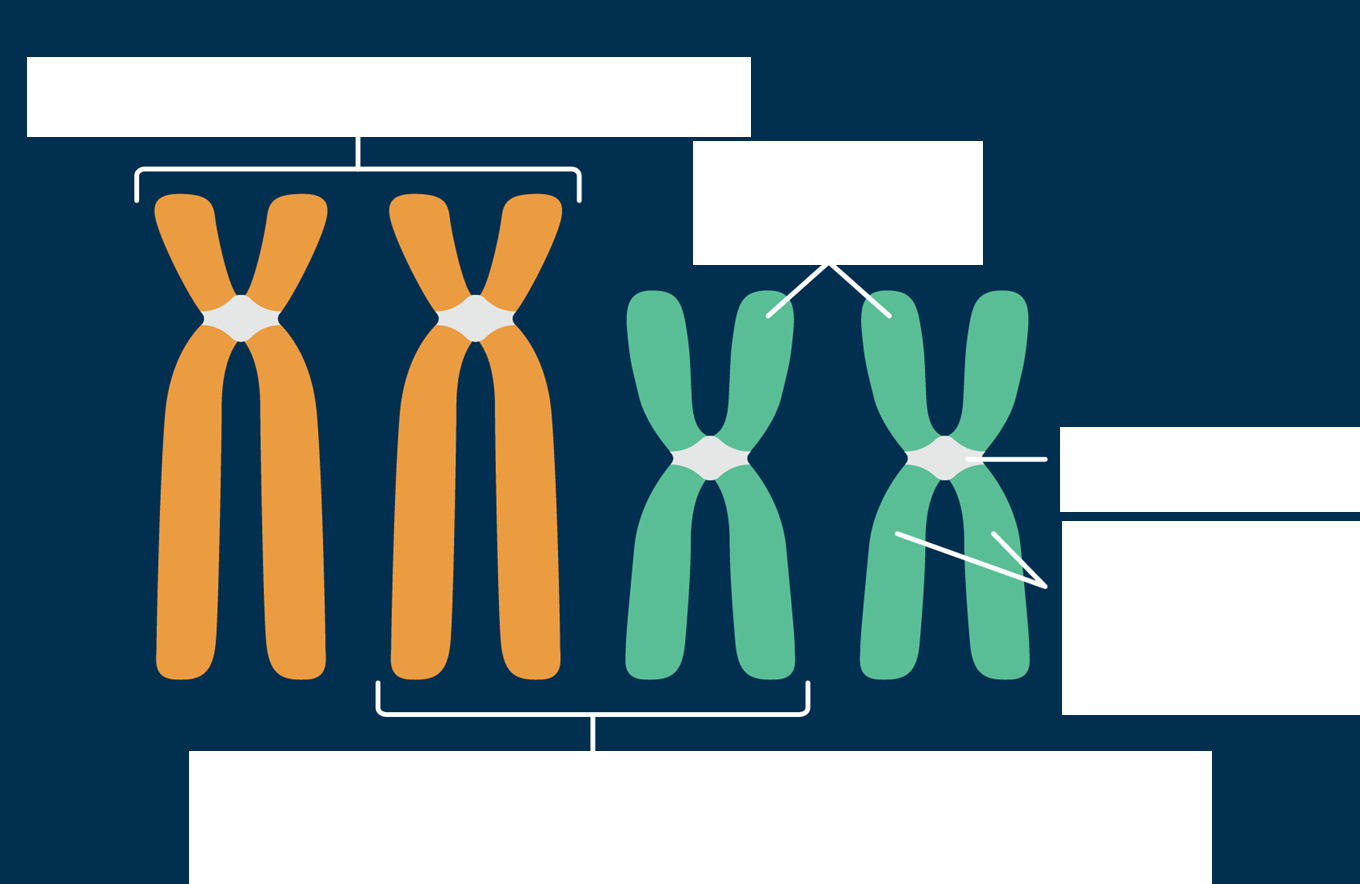
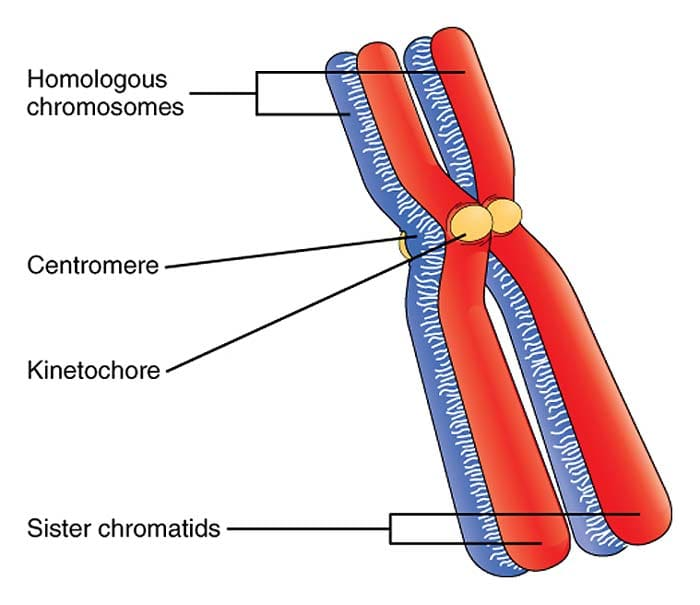
Define centromere and sister chromatids. Be able to identify them from a description or illustration.
Chromatid: represents one half of a replicated chromosome
Centromere, the region of contact between sister chromatids
Sister chromatids: two identical strands of a replicated chromosome connected by the centromere.
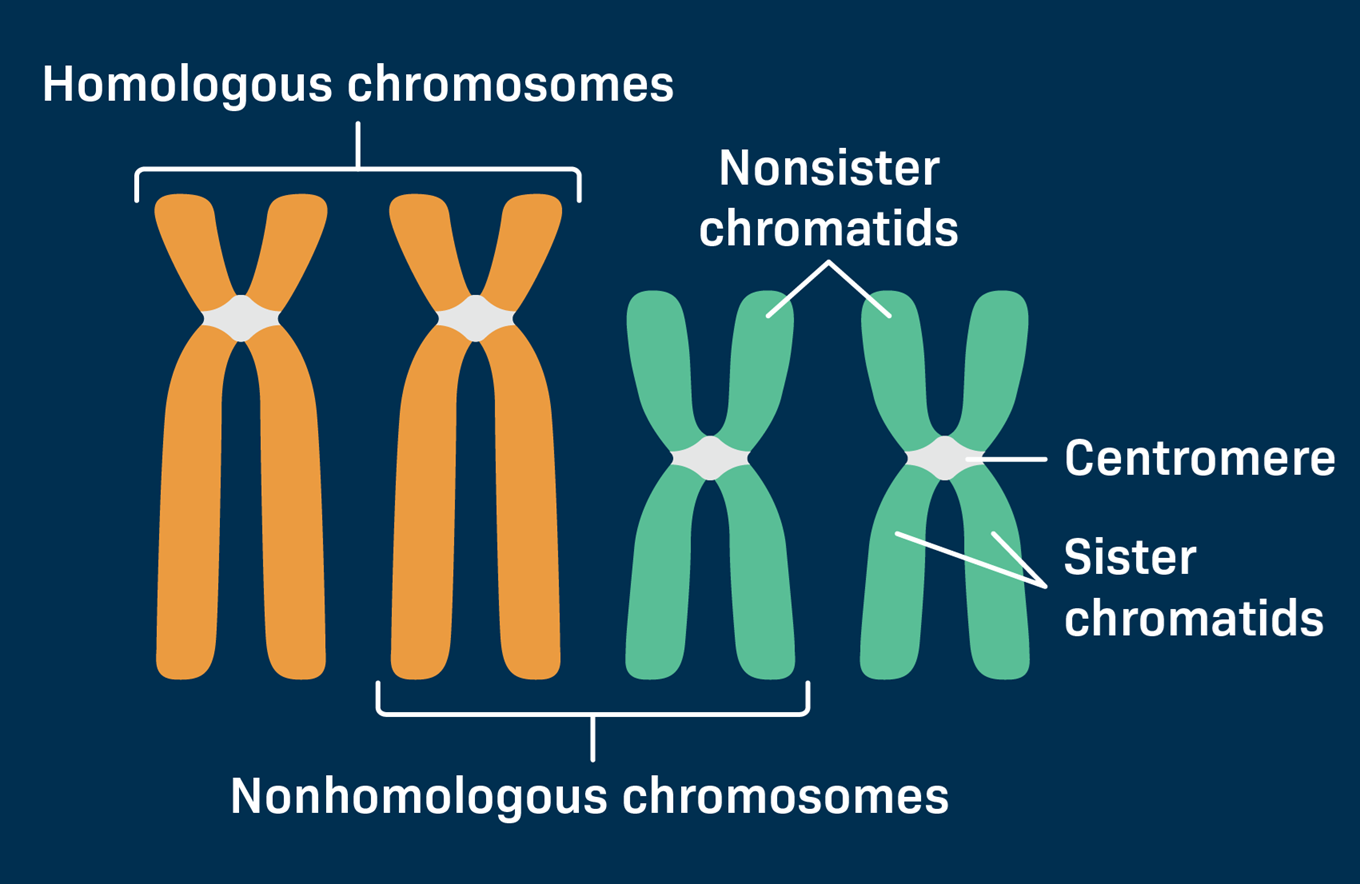
Cell cycle: Interphase, what occurs at G1 phase, S phase, and G2 phase.
G1: primary growth phase, normal cell activities. (2n= two sets of chromosomes)
S phase: prepares for cell division, (replicates dna), replication.
G2 phase: Second period of growth, prepares to divide. In animal cells, centrioles duplicate. (2N:diploid)
Cell cycle: miotic phase what occurs at mitosis, and after. Hint: four phases.
Prophase: Diploid, chromosomes condense and makes sister chromatids visible, spindles form from cytoskeleton from opposite sides of cell, nuclear membrane breaks down.
Metaphase: Diploid, sister chromatids, meet at the middle, spindle fibers attach to centromere.
Anaphase: haploid, spindle fibers shorten and pull apart sister chromatids. The set of chromosomes double in number.
Telophase: Nuclear membrane forms, chromosomes uncoil, spindle fiber breaks down, cytokinesis starts to pinch the membrane in two. Diploid.
Cytokinesis: Diploid, cell physically divides, cycles back to G1 phase.
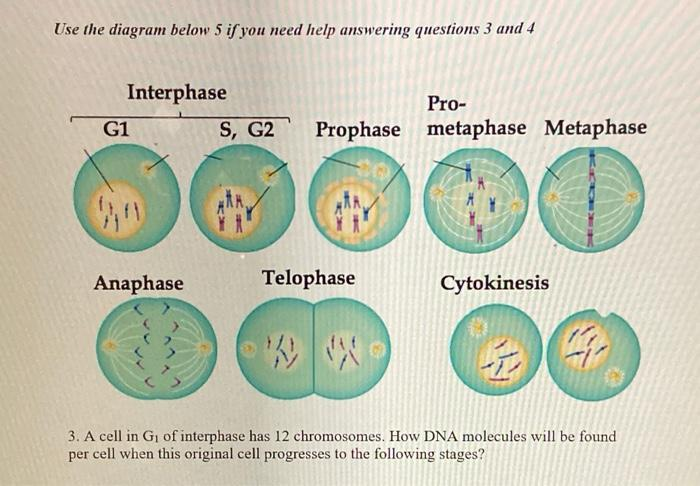
Calculate the number of chromosomes during one phase in the cell cycle if given the number in
another phase.
The number of chromosomes = count the functional centromere.
What is the role of DNA Helicase and DNA Polymerase in DNA replication?
During S phase, DNA helicase separates the DNA strand, DNA polymerase rebuilds the DNA with matching nucleotides.
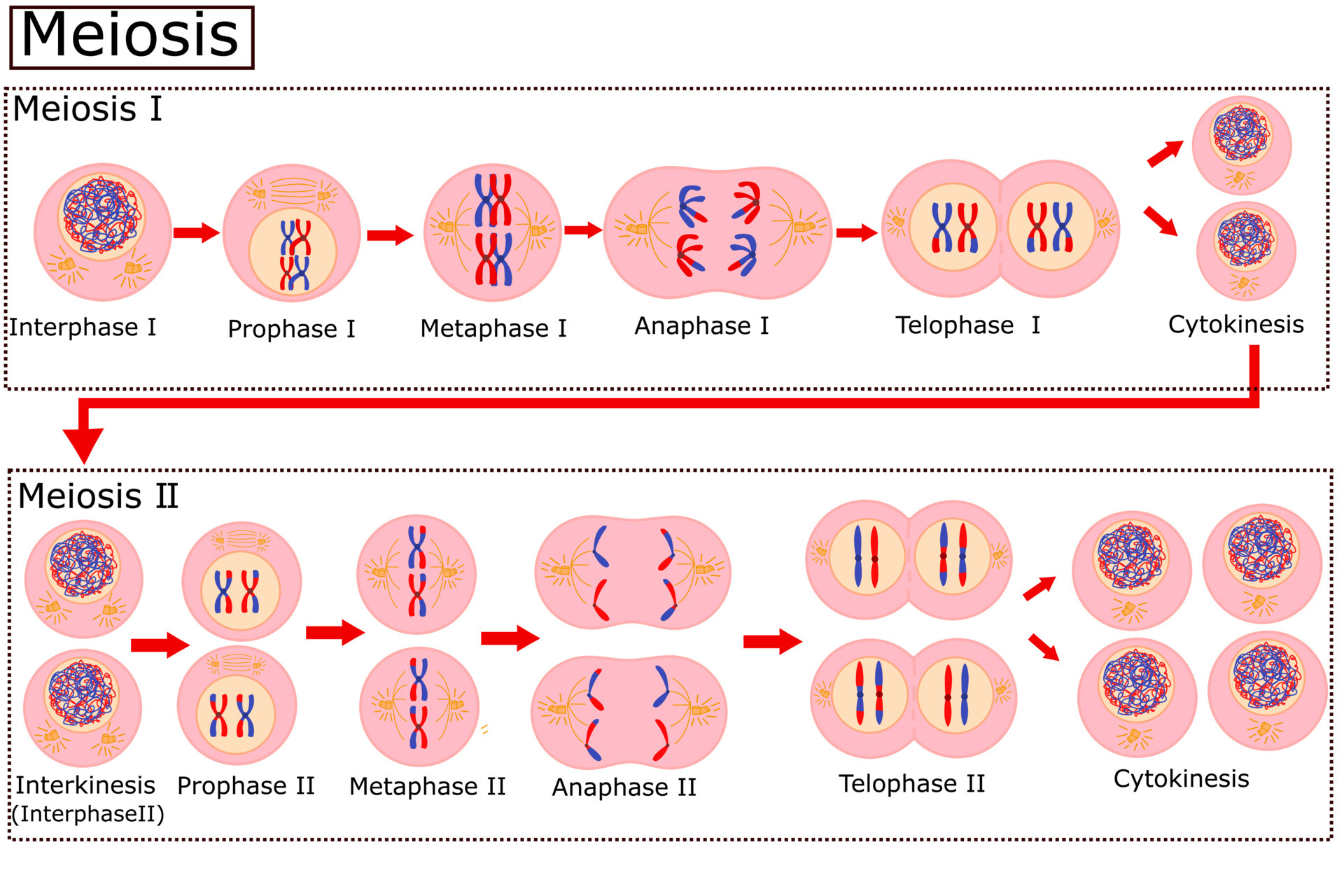
Broadly outline the steps of Meiosis 1 and Meiosis 2.
Interphase:
Metaphase 1: replicated chromosomes condense become sister chromatids. Spindle forms, membrane breaks. Diploid
Crossover (genetic recombination) occurs: sister chromatids overlap and become homologous chromosomes and exchanges segments of dna, same gene different allele (different version of the same gene.)
Metaphase 1: Maternal and paternal homologs line up at the metaphase plate at random fashion, called random assortment. Diploid
Anaphase 1: Homologs are pulled to either side, the split up make them sister chromatids.
Telophase 1 and cytokinesis 1: nuclear membrane assembles around the sister chromatid pairs, and two daughter cells form. Becomes haploid
Brief interphase: pairs slightly uncoil.
Prophase 2: chromosomes condense, nuclear membrane disintegrates, spindle forms. haploid.
Metaphase 2: sister chromatids line up at the center, spindle fibers attach at the centromere. Haploid
Anaphase 2: Spindle fibers pull apart sister chromatids.
Telophase 2: Nuclear membrane forms, spindle fibers shorten, chromatids. haploid.
Cytokinesis 2: Two daughter cells pinch into four haploid gametes.
Compare mitosis with meiosis in terms of:
a. ploidy number (haploid or diploid),
b. number of daughter cells,
c. number of replication events,
d. number of division events,
e. number of chromosomes,
f. variation between the daughter cells.
a. Mitosis stays a diploid cell; meiosis becomes a haploid cell after anaphase 1.
b. mitosis= 2 daughter cells, meiosis= 4 daughter cells
c. mitosis= 1 replication event, meiosis= 1 replication event
d. mitosis= 1 division event, meiosis= 2 division events.
e. mitosis 46 chromosomes each cell, meiosis 23 chromosomes each cell.
f. mitosis, without crossover produce identical daughter cells. meiosis with crossover produces genetically unique daughter cells.
What is crossing over, when does it occur and how does it affect variation?
Crossing over or gene recombination, is when homologs switch segments of dna, this occurs during prophase 1, two sister chromatids swap segments of dna, it makes each daughter cell genetically unique.
What are the functional daughter cells of meiosis called? How do they relate to a zygote?
Functional daughter cells are called gametes (sex cells), a zygote is a fertilized egg, the female and male gametes come together to form a zygote.
How is meiosis in males different from meiosis in females in terms of:
a. location in the body
b. the cells that are involved
c. the number of gametes that are produced
female gametes are located in the ovaries, male gametes are located in the testes.
b. germ cell!
c male reproduces 4 gametes. female reproduces 1 big gamete and 3 small polar bodies.
Know the location and function of telomeres and their relationship to aging.
Telomeres are non-coding DNA at the end of a eukaryotic chromosome, they shorten after every cell division, and once it reaches functional dna, the cell dies. As the telomere gets shorter, the cell gets older, most cells can divide up to 40-70 times, between the 60 range.
What is cancer?
a. Differentiate between benign and malignant tumors.
b. Which one is associated with metastasis?
Cancer is when cells fail a “checkpoint” during division and continue to divide.
Benign is not cancer, does not spread, has little branches. Malignant tumors are cancer, spreads easily.
Metastasis is when the tumor spreads to many parts of the body, malignant tumors are associated with metastasis.
How do the terms slash, burn, and poison relate to cancer treatment?
Slash is surgery.
Burn is radiation.
Poison is chemotherapy.
What is nondisjunction and how would nondisjunction result in abnormal number of
chromosomes like in Down Syndrome?
Nondisjunction is “failed separation”.
Down syndrome is revealed by an extra copy of the chromosome 21.
Tends to occur to chromosomes with fewer genes.
in terms of cell division, nondisjunction can occur at 2 different phases in meiosis:
during meiosis 1 when homologs fail to separate.
during meiosis 2 when sister chromatids fail to separate.
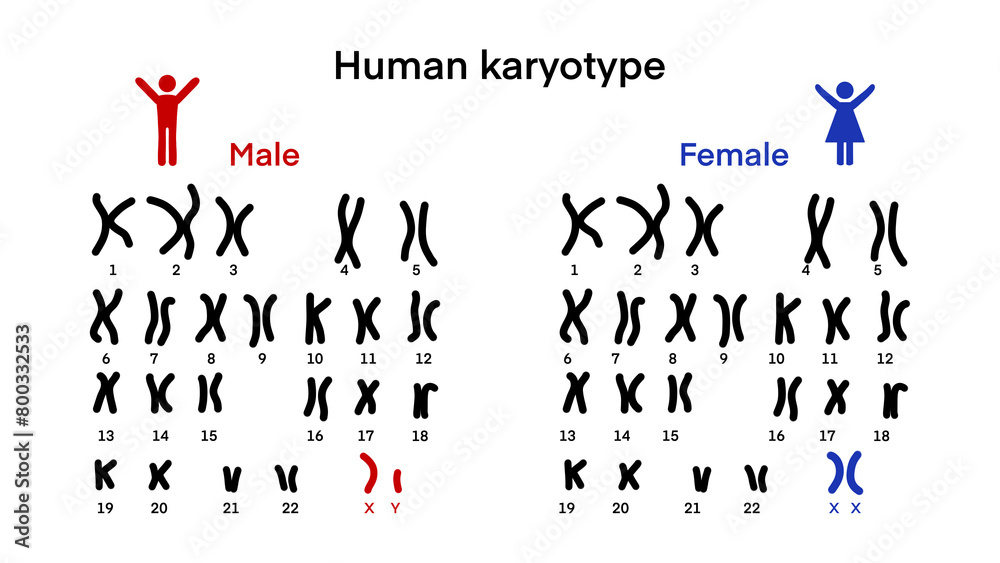
Why do we only see extra or missing chromosomes for the higher numbered pairs of chromosomes?
In a karyotype, the chromosomes with more genes have important dna, and when a trisomy (an extra copy of a chromosome) occurs, this results in a miscarriage.