Animal Physiology Exam 4 Part 2
 Call Kai
 Learn
Learn Practice Test
 Spaced Repetition
 Match
Match Flashcards
 Knowt Play
1/62

There's no tags or description
Looks like no tags are added yet.
Name | Mastery | Learn | Test | Matching | Spaced | Call with Kai |
|---|
No analytics yet
Send a link to your students to track their progress
63 Terms
answer for slow oxidative muscle fibers:
primary mechanism of ATP production
number of mitochondria
myoglobin
phosphagen activity
amount of lactate dehydrogenase
diameter
number of surrounding capillaries
maximal force production
aerobic / many / yes / low / low / small / many / low
answer for fast glycolytic muscle fibers:
primary mechanism of ATP production
number of mitochondria
myoglobin
phosphagen activity
amount of lactate dehydrogenase
diameter
number of surrounding capillaries
maximal force production
anaerobic / few / no / high / high / large / few / high
answer for fast oxidative glycolytic fibers:
primary mechanism of ATP production
number of mitochondria
amount of lactate dehydrogenase
diameter
number of surrounding capillaries
maximal force production
resistance to fatigue and duration of muscle twitches
mixed / many / intermediate / intermediate / many / intermediate / intermediate
why are fast glycolytic fibers called type 2x
they have type 2x isoform of myosin heavy-chain
rank speeds of myosin heavy-chain isoforms from fastest to slowest
types 2x, type 2a, type 1
how do different protein isoforms differ
how quickly they can hydrolyze ATP and release ADP (how quickly they can do cross bridge cycle)
which type of muscle fiber has the lowest shortening velocity
type 1
what type of muscle fibers found in soleus and why? what happened when inactive?
lot of type 1 and little type 2x / active all the time but not for explosive activity / had more type 2x and 2a
what type of muscle fibers found in tibialis anterior and why? what happened when stimulated consistently?
more type 2x and type 2a but little type 1 / more type 1 than before
What allows muscles to relax faster and ready it for the next contraction
faster calcium ATPase pumps
which type of muscle fiber do you think would benefit most from being able to perform multiple contractions in quick succession?
fast glycolytic (type 2x)
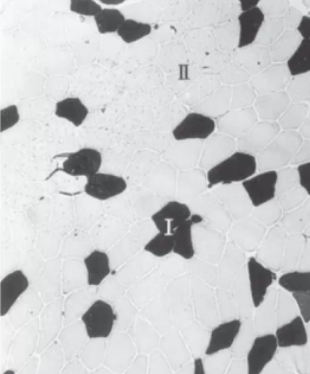
what types of sport does this person likely play
something with short, explosive movements, sprinter
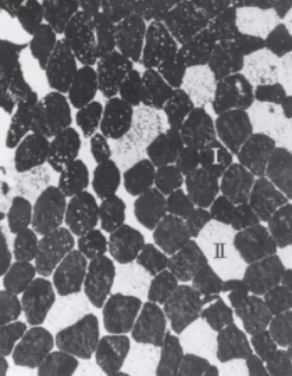
what types of sport does this person likely play
something that requires long term endurance
the quads of extreme endurance athlete would have what types of muscle fibers?
lot of type 1 and some 2a
compare the muscles of average couch potato and average active person. explain the reason for the difference in 2x
active person has more type 1 and 2a but less 2x / 2x is easier to maintain when inactive
the muscles of a person with a spinal injury would have what fibers?
lot of 2a and 2x and barely any type 1
how did the muscle fibers change after endurance training
increase in type 2a, decrease in 2x, increase in capillary density, no change in type 1
explain how type 2x fibers became 2a fibers after endurance training
changed gene expression (no evidence of cell death and replacement)
how did capillaries increase after endurance training
vascular endothelial growth factor (VEGF) promotes new branches of blood vessels to form and increases in just a few days (process called angiogenesis)
the volume of what two things changed during endurance training within muscle cells. what effect does this have on muscle strength?
increase in mitochondria and lipid droplet volume (produce more energy and greater source of energy) / decreases strength (less room for contractile elements)
what changes do you expect to see in muscle fiber composition with strength training
increase in 2x because that gives explosive movement (doesn’t happen tho)
what are the muscle fiber changes after strength training
no change in type 1, increase in 2a, decrease in 2x
what are the muscle fiber changes after strength training but then 90 days post-detraining
no change in type 1, decrease in 2a, large increase in 2x called overshoot phenomenon (double)
why does strength training and endurance training have the same affect on fibers
to sustain physical activity
if you are a world class sprinter for the Olympics and have a competition in a few months. should you training with even more intensity than before or decrease intensity of training
decrease so that your body overshoots type 2x explosive fibers
in general, what happens to muscle fibers during strength training
they grow by hypertrophy
explain in more detail the process of muscle fibers growing by hypertrophy during strength training
resistance training creates small tears in myofibrils that stimulate production of more myofibrils in each muscle fiber. insulin-like growth factor is secreted and stimulates protein synthesis (myostatin is downregulated). fibers get larger in diamtere which increases force potential. VEGF and mitochondria are not upregulated
during hypertrophy, what specifically allows for new growth in muscle fibers
satellite cells usually dormant but then get added into muscle fibers and forms new nuclei to allow for more gene expression and make more protein
as fiber cross sectional area increases, (__) increases in frequency. why?
nuclei / diffusion distance is larger so need greater concentration of genetic material to increase that rate they will diffuse
does the addition of satellite cells or hypertrophy come first
addition of satellite cells
when muscles are not used or strength training stops, they (__). what happens to muscle nuclei
atrophy and diameter gets smaller / remain constant
when a person lifts weights for a long period of time and then stops, their muscles will atrophy from their hypertrophic state. if that person then begins a weight training program a few months later, how do you think the speed of their strength/muscle mass gains will compare with the first time they began a program? why?
will be faster because already have nuclei to code for the proteins instead of having to wait for satellite cells
what is the difference in atrophy after being immobilized in animals that estivate or hibernate vs. animals that don’t
estivating/hibernating animals had no atrophy
atrophy response is related to (__). how?
mass specific metabolic rate / linearly, a greater mass specific MR (smaller animals) has higher atrophy
explain why higher mass specific MR has greater atrophy
aerobic metabolism produces reactive oxygen species that damage cells and a tachymetabolic animal is more active and immobolization would lead to a greater disuse stimulus and thus atrophy
other than MR, what also affects atrophy? explain
muscle fiber type / slow oxidative fibers make a lot of ATP by oxidative phosphorylation and thus produce a lot of ROS. they are also regularly used and would have a greater disuse stimulus compared to the fast fibers that are only occasionally used
some estivating frogs prevent atrophy especially in jumping muscles. what is a potential mechanistic explanation why they dont atrophy compared to the other muscles
has more fast glycolytic fibers that have less of a disuse stimulus and less ROS produced
after estivation, would slow oxidative or fast glycolytic fibers be smaller
slow oxidative
what happens to levels of superoxide dismutase during estivation and why? what about other antioxidants like catalase and glutathione peroxidase?
goes down because metabolic rate is lower / go up to neutralize free radicals to prevent atrophy
loss of muscle mass with age
sarcopenia
peak running speed age for a sprint? peak running speed age for a marathon?
early 20s / late 20s-early 30s

