Boop
 Studied by 0 people
 Call Kai
 Learn
Learn Practice Test
 Spaced Repetition
 Match
Match Flashcards
 Knowt Play
1/139

There's no tags or description
Looks like no tags are added yet.
Name | Mastery | Learn | Test | Matching | Spaced | Call with Kai |
|---|
No analytics yet
Send a link to your students to track their progress
140 Terms
abstract noun
a noun which refers to ideas and concepts that only exist in the mind rather than a tangible thing
active sentence
a sentence where the subject/agent of the verb is foregrounded
adjective
a word that modifies a noun
adverb
a word that modifies a verb, telling you how, where, when and how frequently an action takes place; can also modify an adjective
adverbial phrase
more than one word that functions as a adverb in a sentence
agent
the person or thing which enacts the verb in the sentence; the subject
auxiliary verb
assists the main verb; primary ones 'do', 'have' and 'be' denote changes of tense
clause
a complete grammatical unit which makes sense, made up of words and phrases, same as a simple sentence
collective noun
a word that refers to a group or collection of things; often of animals
comparative adjective
form of an adjective that designates comparison between two things, generally made by adding the suffix '-er'
complex sentence
has two or more clauses, one of which is a subordinate clause
concrete noun
refer to tangible things we can experience with the 5 senses: touch, taste, see, hear, smell etc
conjunction
words that join individual words and phrases
declarative sentence
a statement - a type of sentence which gives information, where the subject typically comes in front of the verb
definite article
a determiner that indicate a specific noun 'the'
demonstrative pronoun
a pronoun that is used to point to something specific within a sentence; it replaces a noun, eg: this, that, these, those
morphological derviation
creating a new word which has a new meaning out of an old word or affix (prefix or suffix) eg: 'nicely' from 'nice'
deontic modal auxiliary verb
modal verb use relating to obligation and permission (should)
determiner
these give an idea of number or status (eg posession) of nouns
dynamic verb
sometimes referred to as "action verbs"; usually describe actions we can take, or things that happen; suggest a change takes place; material verb processes
epistemtic modal auxiliary verb
modal verb use relating to belief and knowledge (will, might)
exclamative sentence
makes a statement (just like a declarative sentence), but it also conveys excitement or emotion; ends with an exclamation mark (!)
first person
I (singular) or we (plural) in subject position
grammar
the building blocks of sentences (words, phrases, clauses etc) and how they go together to mean something to the reader or listener
grammatical word class
word classes that convey little meaning but instead glue the words together in a grammatical unit: prepositions, determiners, conjunctions, pronouns
head word
the main word in a phrase
imperative sentence
a command - a type of sentence where the subject is usually left out and which functions as an order
indefinite article
'a' or 'an'
indefinite pronoun
replace nouns without specifying which noun they replace. Singular: another, anybody, anyone, anything, each, either, everybody, everyone, everything, little, much, neither, nobody, no one, nothing, one, other, somebody, someone, something. Plural: both, few, many, others, several.
inflectional morphology
the study of processes that distinguish forms of words in certain word classes such as verbs, nouns; focuses on inflections
interrogative sentence
a question - a type of sentence indicated by the swapping round of subject and verb or by the use of question words or simply by the use of a question makr
intensifier
an adverb that modifies an adjective such as 'really' or 'very'
interrogative pronoun
used to make asking questions easy: wh- question words: who, what, where, why, when, whose, how
irregular verb
change their form when changing from present to past tense
lexical word class
word classes that convey the meaning (semantics) in a sentence
modal auxiliary verb
a sub-category of auxiliary verb that expresses degrees of possibility, probability, necessity or obligation
modifier
a word that describes a noun or verb (can be an adjective, adverb or noun)
morpheme
smallest unit of meaning; can be a word or part of a word
morphology
the study of the structure of words
noun
words which name people, places, things, ideas and concepts
noun phrase
a group of words with a noun as the head word
object of a sentence
the thing acted upon by the verb; receives the action of the verb and usually comes after it, except in a passive sentence
passive sentence
a sentence when the object of the verb is foregrounded rather than the subject (which may be omitted altogether)
phrase
made up of usually more than one word but not a complete grammatical unit unlike a clause
plural
more than one of something
possessive pronoun
a pronoun which indicates who the object belongs to
prefix
a morpheme or unit of meaning that is added to the start of a word to create a new word
preposition
words that indicate place or relationship of one thing to another in a sentence
pronoun
a word that stands in for a noun
proper noun
names; words for specific people, places or things
reflexive pronoun
pronouns that refer back to the subject of the sentence or clause. They either end in -self, in the singular form, or -selves, in the plural form.
regular verb
take a regular '-ed' inflection when changing from present to past tense
relative pronoun
used to connect a clause or phrase to a noun or pronoun; the most common are: who, whom, which, whoever, whomever, whichever, and that.
second person
you (singular) or you (plural) in subject position
simple sentence
has only one clause
singular
one of something
subject of a sentence
this normally performs the action (verb) of a sentence and can be a single word or a phrase
suffix
a word ending which is placed after the stem of a word; usually shows tense or person of verb or number of noun
superlative adjective
expresses the highest level of the quality represented by the adjective; generally made by adding'-est' to the base adjective
third person
he/she/it (singular); they (plural) in subject position
verb
describes an action or state; a' doing' or 'being' word
verb phrase
a syntactic unit composed of at least one verb, any auxiliaries and its dependents—objects, complements and other modifiers—but not always including the subject.
free morpheme
part of a word that has a meaning and can stand alone and has a dictionary definition
bound morpheme
part of a word that has a meaning but cannon stand alone (eg the prefix 'un-')
sentence
a complete grammatical unit which makes sense and can stand on its own
mental verb process
verbs that describe perception thought or speech ; a type of stative verb
relational verb process
verbs that describe states of being or are used to identify; a type of stative verb
pre-modified
modification that comes before the head noun (or before a phrase or clause)
post-modified
modification that comes after the head noun (or after a phrase or clause)
modification
description in the form of words, phrases or whole clauses that alters our understanding of the thing described
main verb
the verb that carries the main meaning or process in a verb phrase (and therefore in a clause/sentence)
perfect tense
where the action describes the verb is complete or has been completed
progressive tense
where the action described by the verb is continuous
complement
a clause element that tells you more about the subject or the object
compound sentence
two or more clauses usually joined to the main clause by the coordinating conjunctions 'and' or 'but'
subordinate clause
a clause that depends on the main clause to exist; cannot stand alone
main clause
a clause that can stand on its own grammatically
syntax
the order in which the elements of the sentence are placed
minor sentence
a sentence that has some missing elements, such as the subject of the verb, making it technically ungrammatical
compound-complex sentence
a sentence which has three or more clauses, one of which is a subordinate clause and one is a coordinate clause
coordinate clause
a clause beginning with a coordinating conjunction
tag question
an interrogative clause added to the end of a sentence to make it into a question, eg: isn't it?; didn't we?
material verb processes
describe actions or events; dynamic verbs
copular verb
a verb that takes a complement (such as 'seems', 'appears' or a form of the verb to be 'is', 'was', 'are' etc
possessive determiner
determiner which shows who the noun belongs to, eg: her, their, my, our etc
primary auxiliary verbs
be, have, do
subordinating conjunctions
these signal the start of a subordinate clause
coordinating conjunctions
these signal the start of a coordinate clause (essentially a main clause joined to another main clause)
the three articles
a, an, and the; a type of adjective
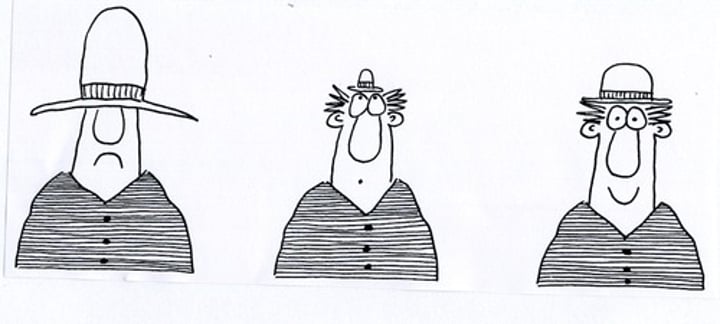
analogy
a comparison of two pairs that have the same relationship.
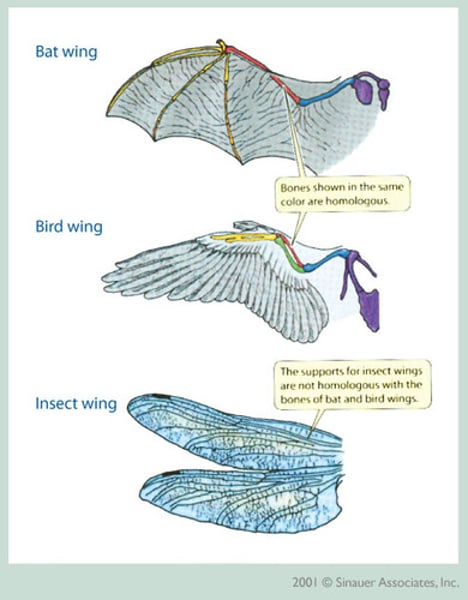
subject
what the sentence is about, who or what is doing the action.

compound subject
a subject that contains two or more nouns or pronouns joined by the words: and, or, or nor.
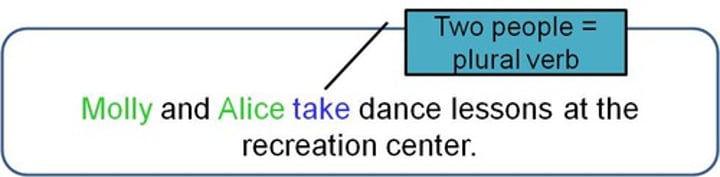
predicate
tells what the subject does, is, has, or feels.
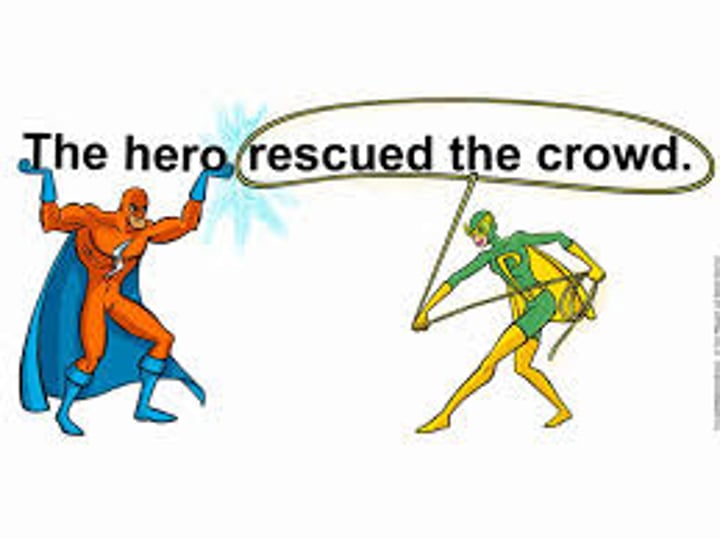
compound predicate
has two or more simple predicates, or verbs, that have the same subject and are joined by the words: and, or, or nor.
setting
when and where

character
who or what the story is about

noun
the name of a person, place, thing, or idea

adjective
modifies a noun; put in front of cat
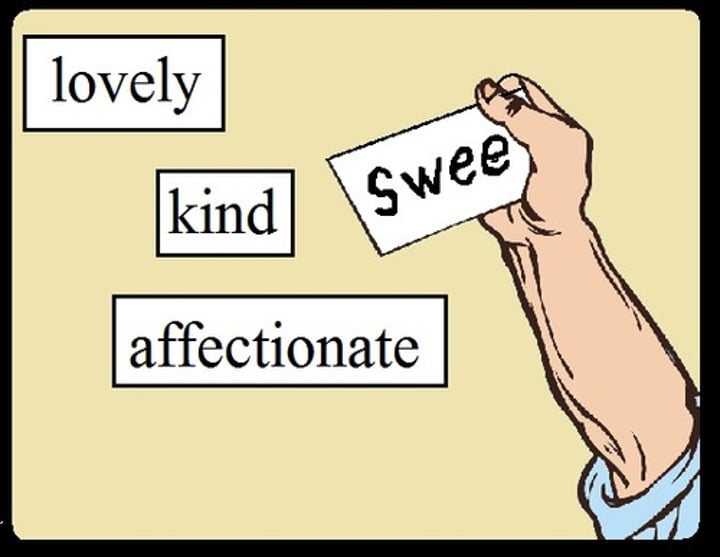
conflict
a struggle between persons that creates a tension that must be resolved
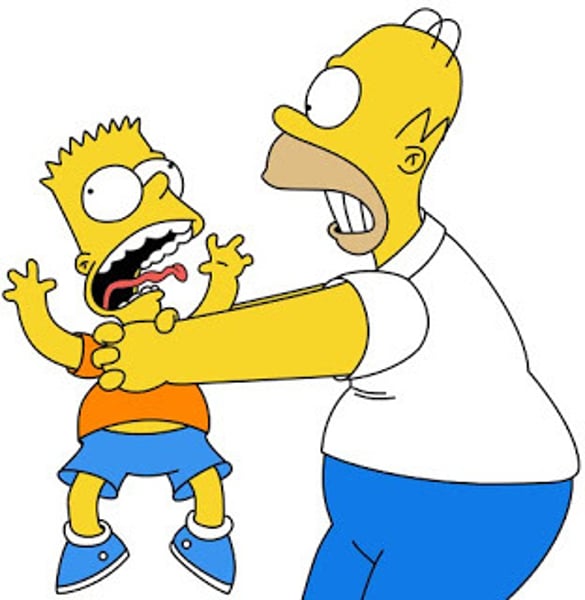
action verb
expresses, physical, or mental action
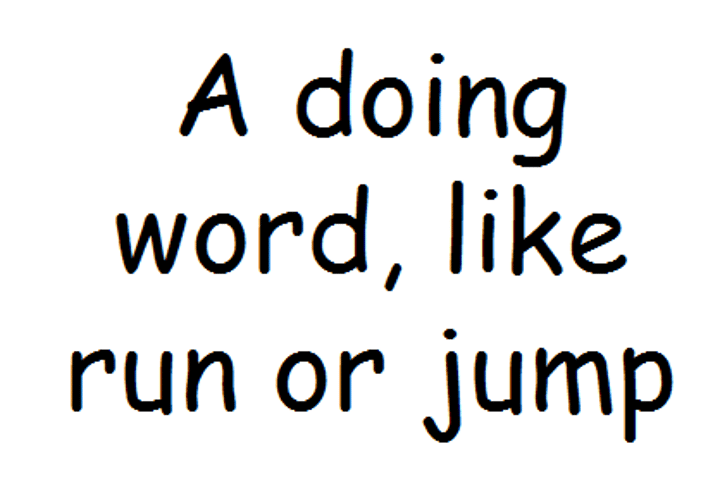
 Note
Note  Flashcards (24)