BIO 417 - Reptile Lecture Exam
 Call Kai
 Learn
Learn Practice Test
 Spaced Repetition
 Match
Match Flashcards
 Knowt Play
1/116

There's no tags or description
Looks like no tags are added yet.
Name | Mastery | Learn | Test | Matching | Spaced | Call with Kai |
|---|
No analytics yet
Send a link to your students to track their progress
117 Terms
reptilian anatomy
diverse
primitive crocodilians
derived: turtles, lizards, snakes (most derived), and amphisbaenids (worm lizards)
turtles are primitive and derived (changed greatly and then not much, Devonian)
reptile skin
rough
folded epidermis
rough epidermal skin
horny layer
become scales
lose glandular nature, no longer slimy
aglandular
tubercles
epidermis
dermis
claws
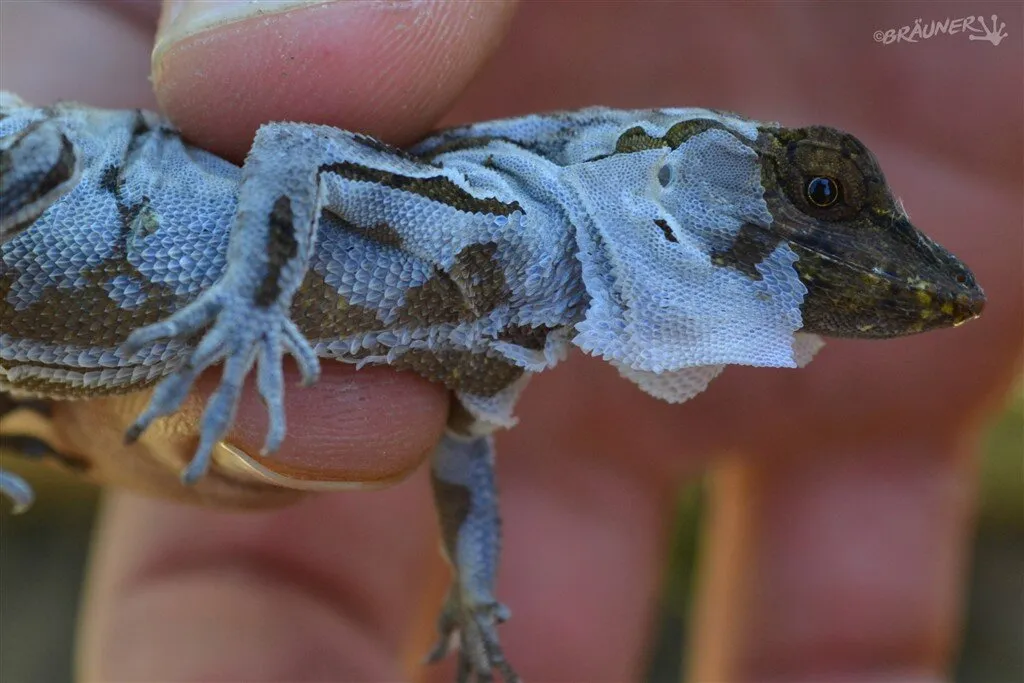
ecdysis
“molting”
over time replaces skin
done by epidermis, aided by dermis
several ways they can shed:
synchronous
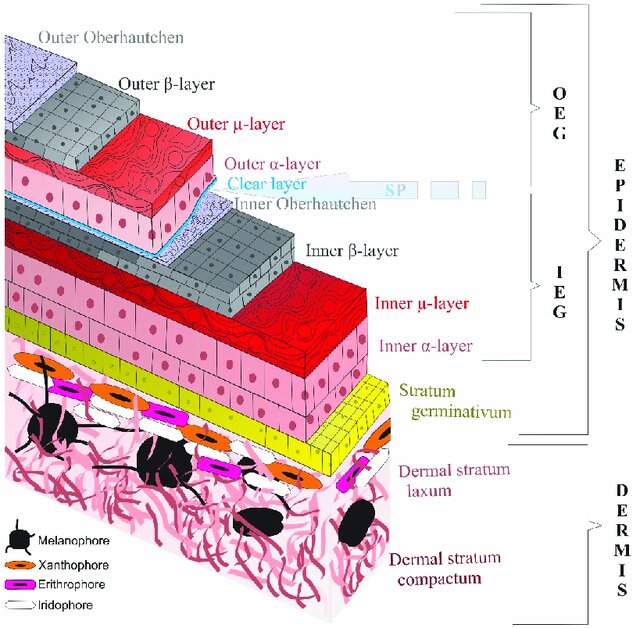
inner generation layer
outer generation layer
oberhautchen (between old and new skin)
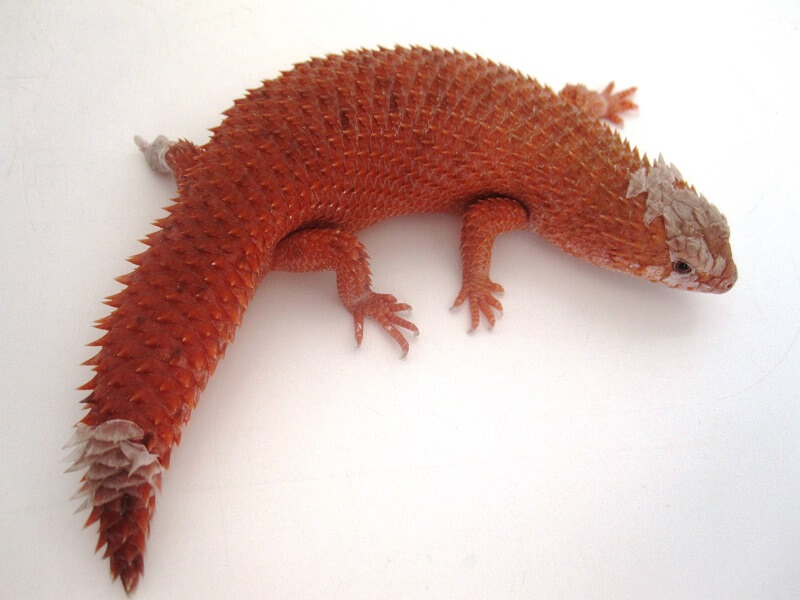
synchronous shedding
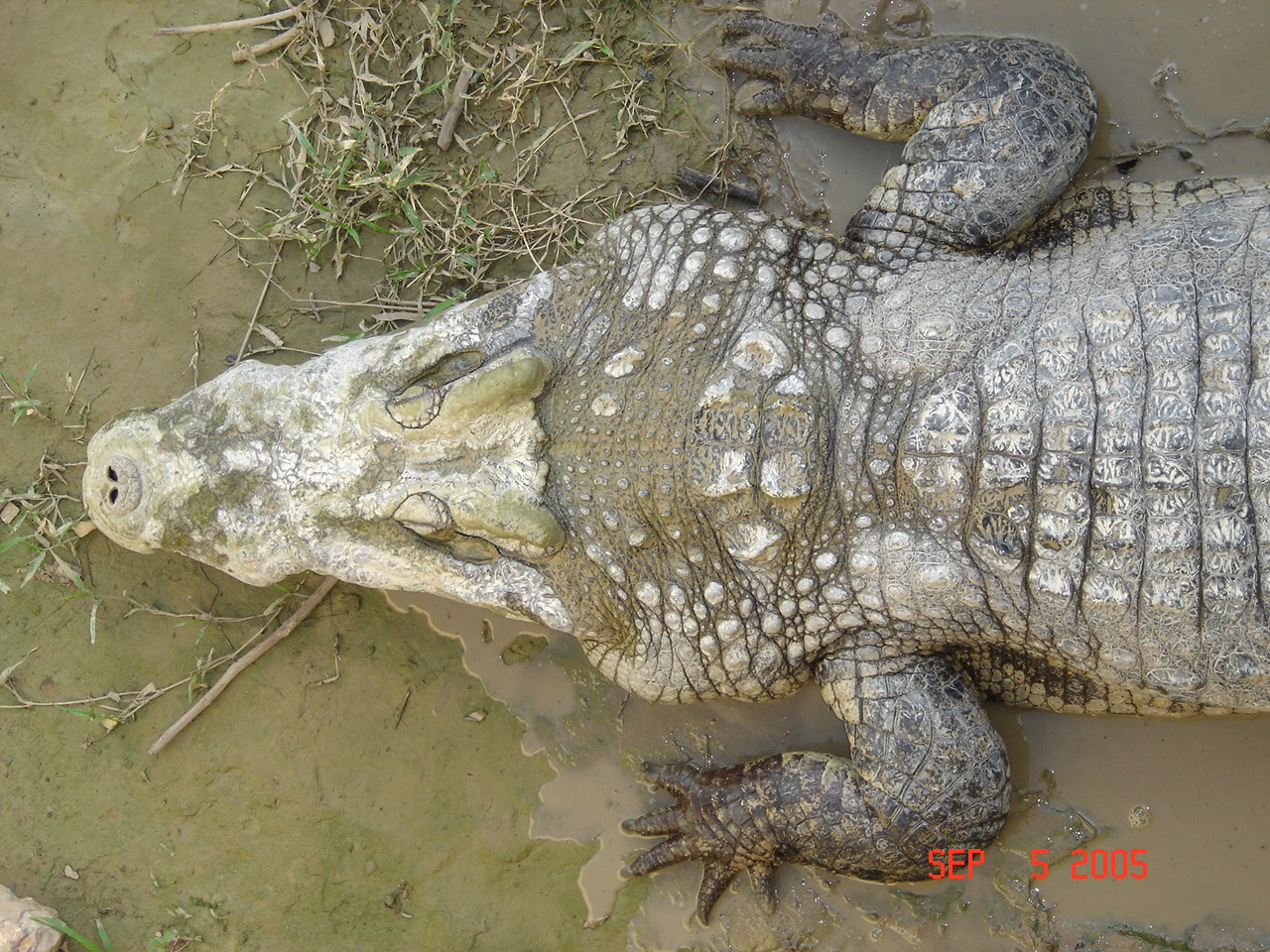
the entire outer generation is cast off in one synchronous event. This is in contrast to "patchy" shedding seen in chelonians (turtles) or crocodilians, where scales may flake off individually
inner generation layer shedding
this is the "replacement suit" grown underneath. It is a complete duplicate of the epidermis, built cell-by-cell from the stratum germinativum before the old skin is even removed
separated from outer layer by Oberhäutchen
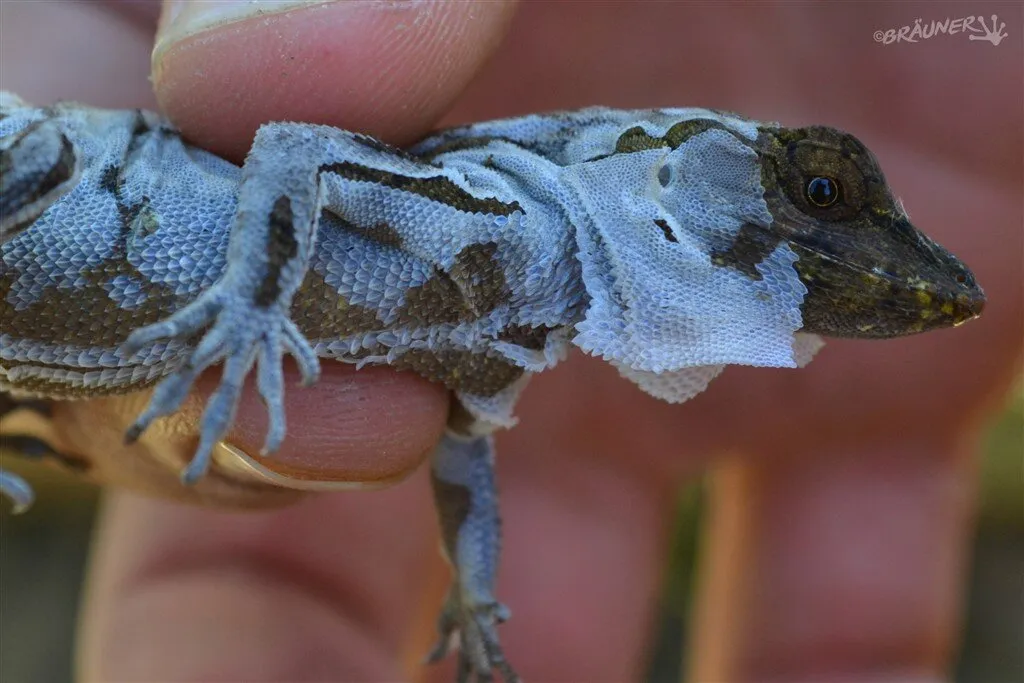
outer generation layer shedding
this is the current, mature skin exposed to the environment. During ecdysis, it becomes a dead, translucent husk
separated from inner layer by Oberhäutchen
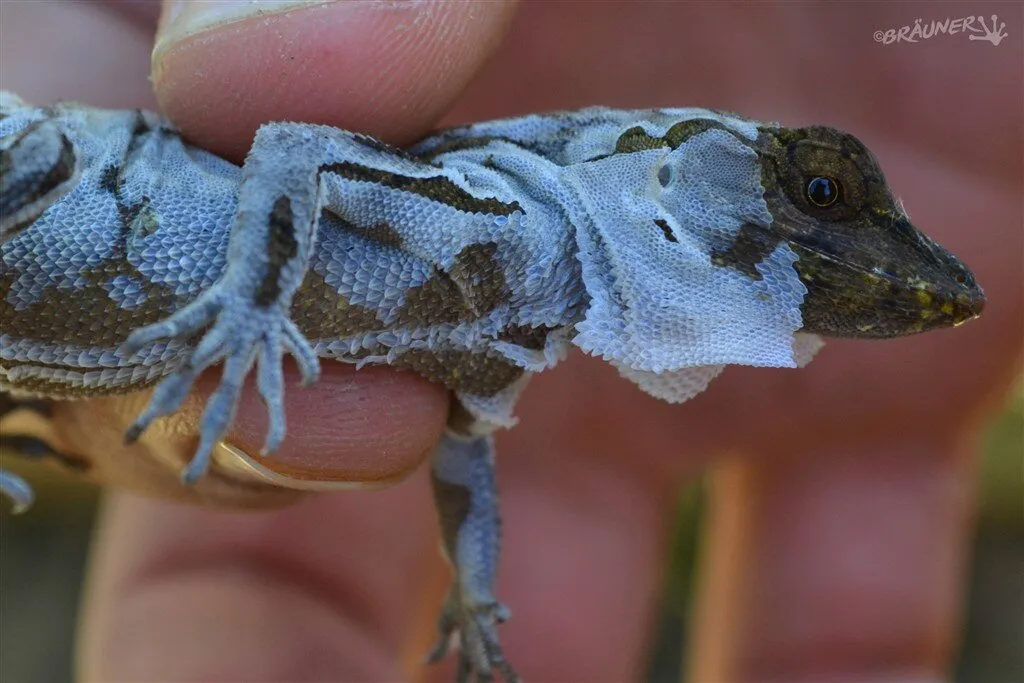
Oberhäutchen
the outermost sub-layer of both generations. It is arguably the most important part of the shedding process:
The Blueprint: It contains the microscopic patterns (spines, ridges, or pits) that give the reptile its texture and color.
The Separation Point: During ecdysis, a "shedding complex" forms between the alpha-keratin of the old Outer Generation and the ________ of the new Inner Generation. This ensures the old skin peels away cleanly without damaging the delicate new surface
skin color
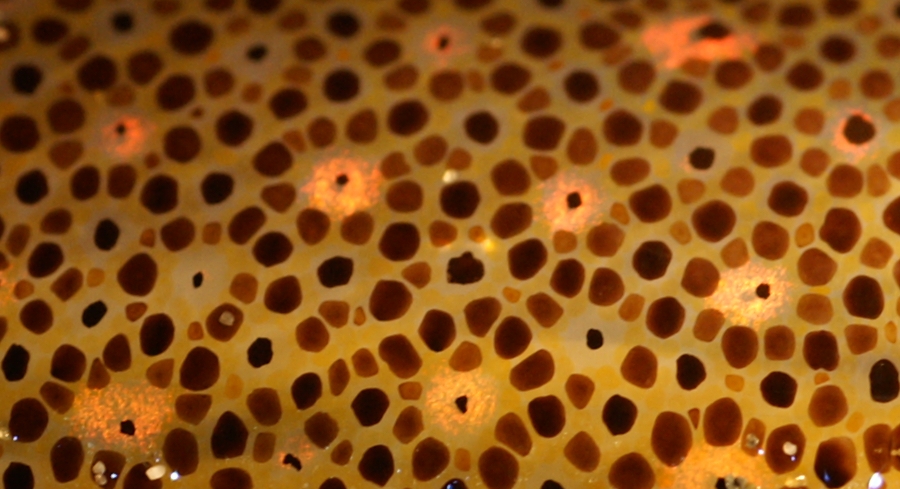
chromatophores
iridiphore
xanthophores
melanophores
chromatophores
pigmented cells
primarily responsible for skin and eye coloration, as well as rapid physiological color changes used for camouflage, thermoregulation, and social signaling
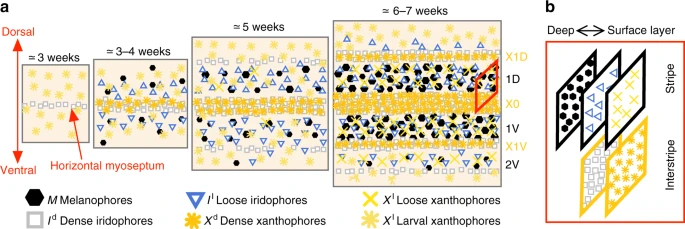
iridiphore
dermal k mosaic chromatophores
unlike other chromatophores that use pigments to absorb light, iridophores produce structural coloration by reflecting and scattering specific wavelengths of light
no pigment → crystals that act as prisms → deflection → various colors → iridescence
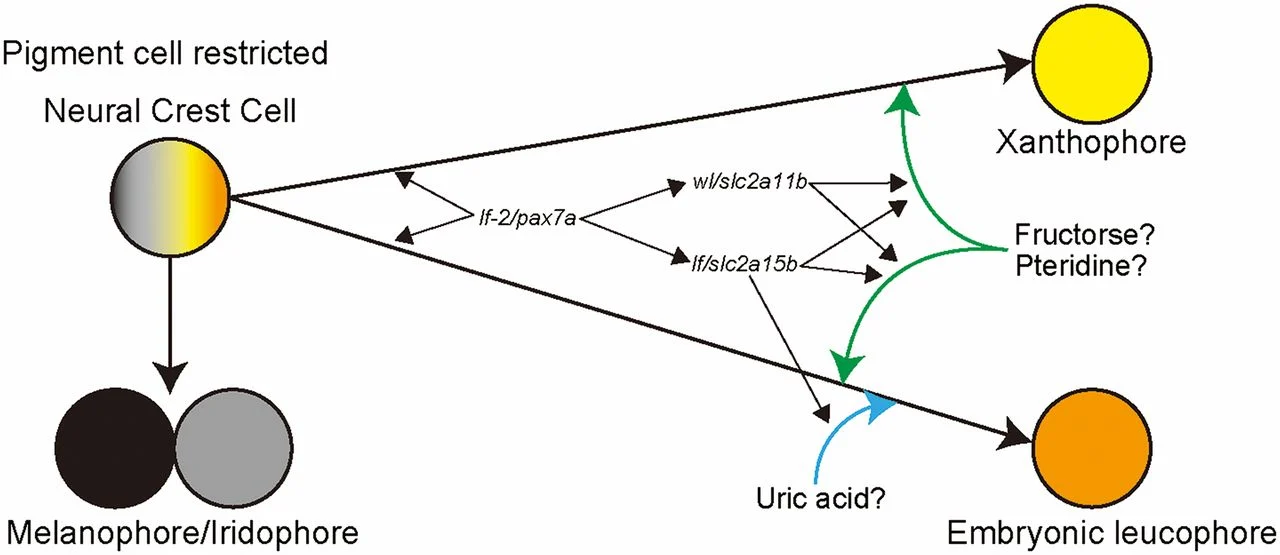
xanthophores
specialized, pigment-containing cells (a type of chromatophore) responsible for the yellow to orange coloration in ectothermic animals
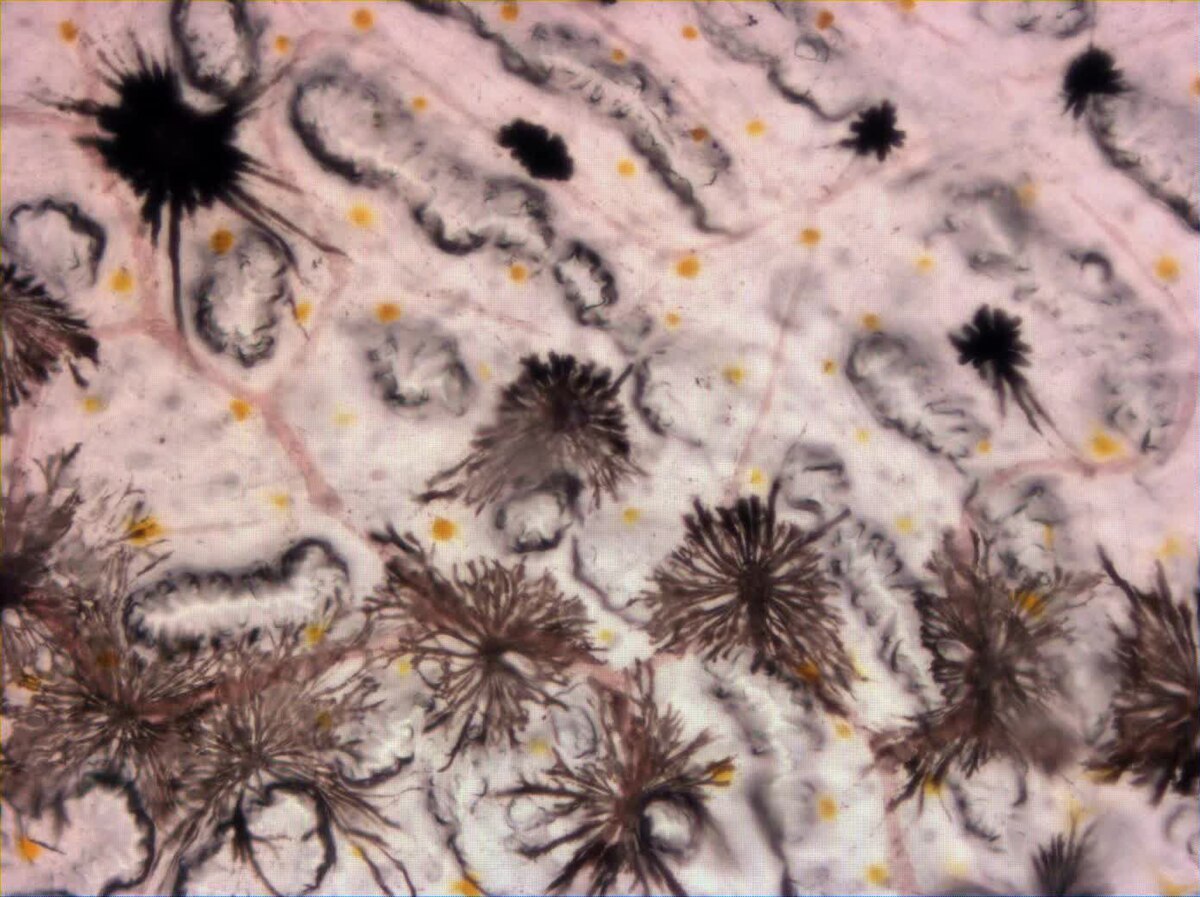
melanophores
the "dark" pigment cells in the skin of reptiles, amphibians, and fish that are primarily responsible for physiological color change
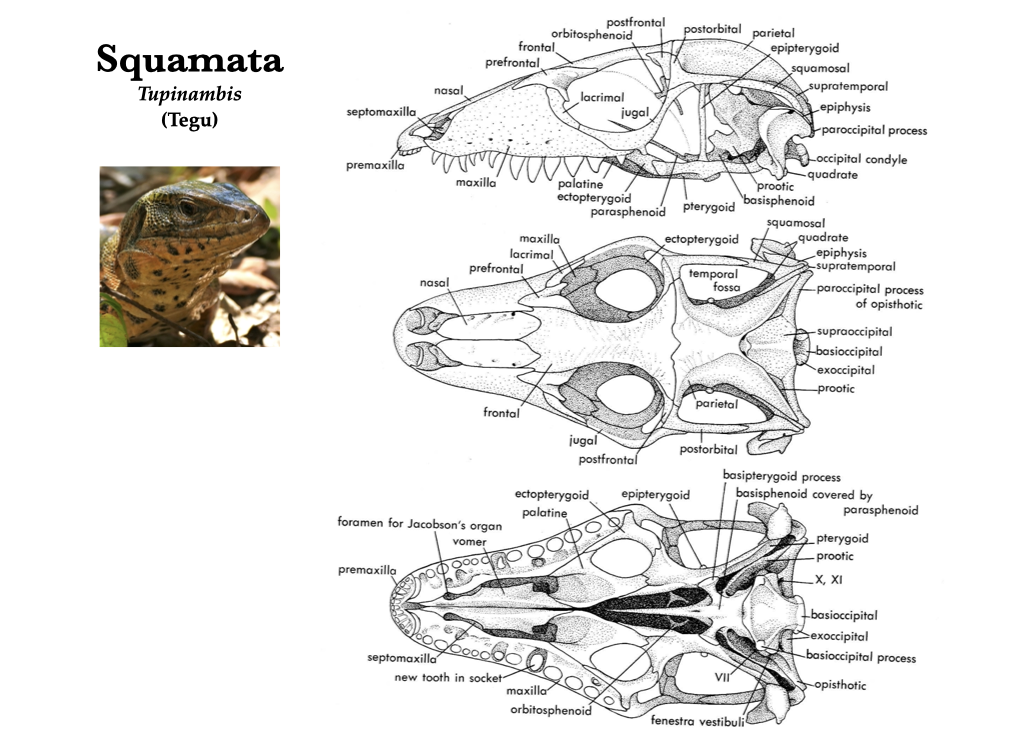
reptile skull
deep (stretches up → height, allows for more openings)
two openings: bilateral symmetric (primitive)
orbit: eye opening in skull
external choana: nasal opening (not naris)
single occipital condyle (primitive)
new skull openings
temporal region
evolutionary conditions (number and location)
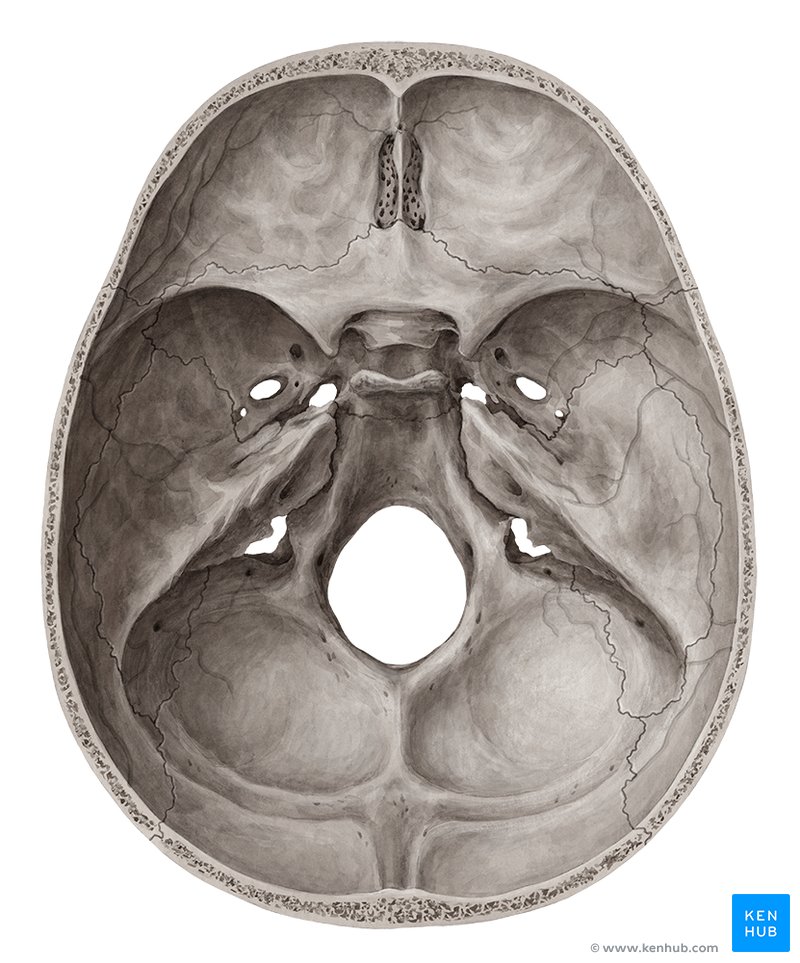
foramen
bone opening, through a bone or a membranous partition
fenestra/fenestrum
"window" or opening, often within a bone or a cellular membrane
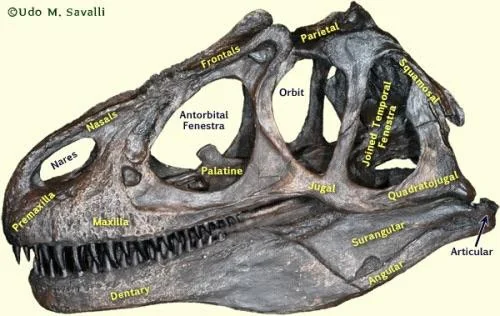
anapsid
characterized by the absence of temporal fenestrae (openings) behind the eye sockets, considered the ancestral or primitive (plesiomorphic) condition for all amniotes
first reptile group
primitive
turtles
euryapsid
characterized by having a single temporal fenestra (opening) located high on the skull behind the eye socket. This opening is bordered by the postorbital and squamosal bones
extinct large aquatic reptiles (Ichthyosaurs)
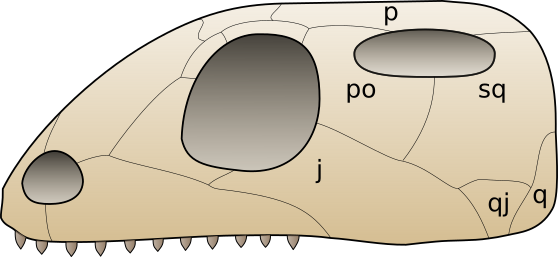
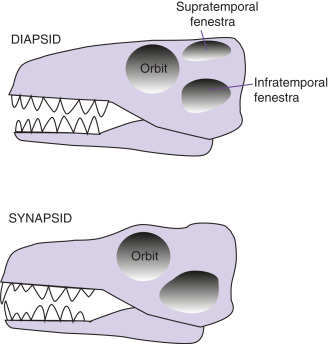
diapsid
defined by the presence of two temporal fenestrae (openings) on each side, located behind the eye socket. These ancestral openings, traditionally referred to as "two arches," provide critical space for larger jaw muscles to expand, resulting in a more powerful bite and greater jaw mobility
ancestral to turtles
dinosaurs
birds
squamates
crocodilians
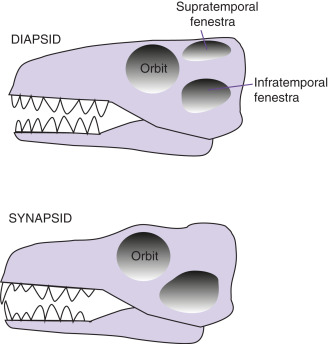
synapsid
defined by a single temporal fenestra (opening) on each side, located behind the eye orbit and low on the skull. This structure is the defining characteristic of the clade Synapsida, which includes modern mammals and their extinct "proto-mammal" ancestors
ancestral to mammals
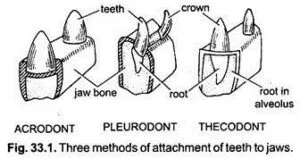
acrodont tooth
tooth on top of edge of jaw, small root
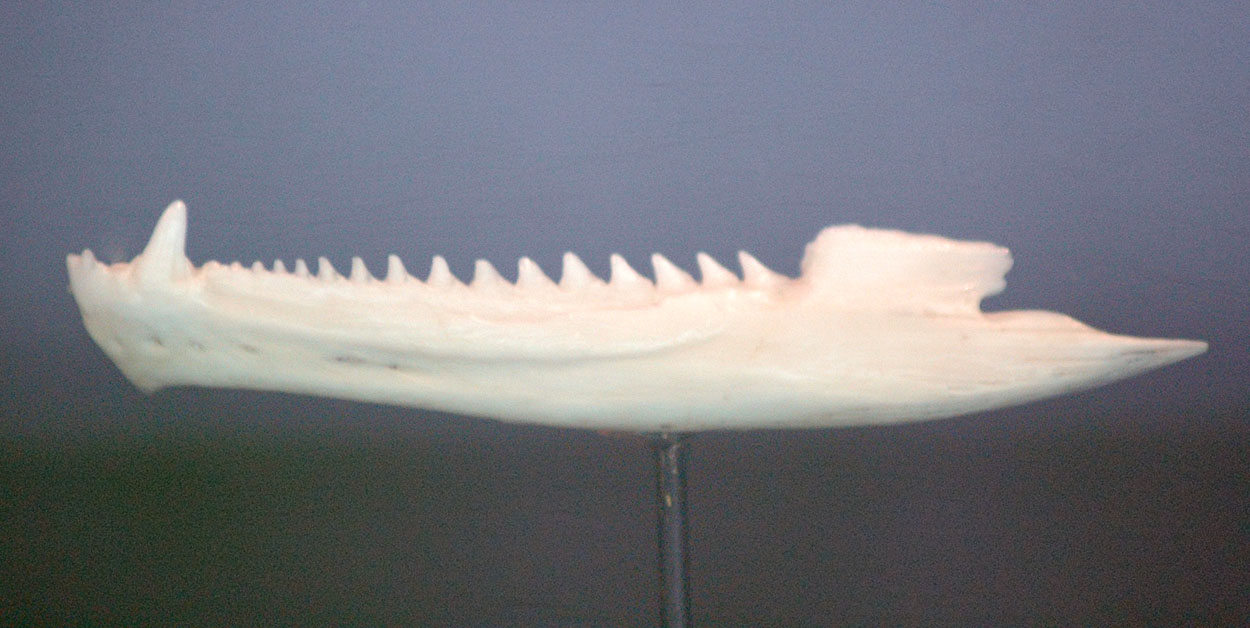
thecodont tooth
most sophisticated, large root embedded in jaw
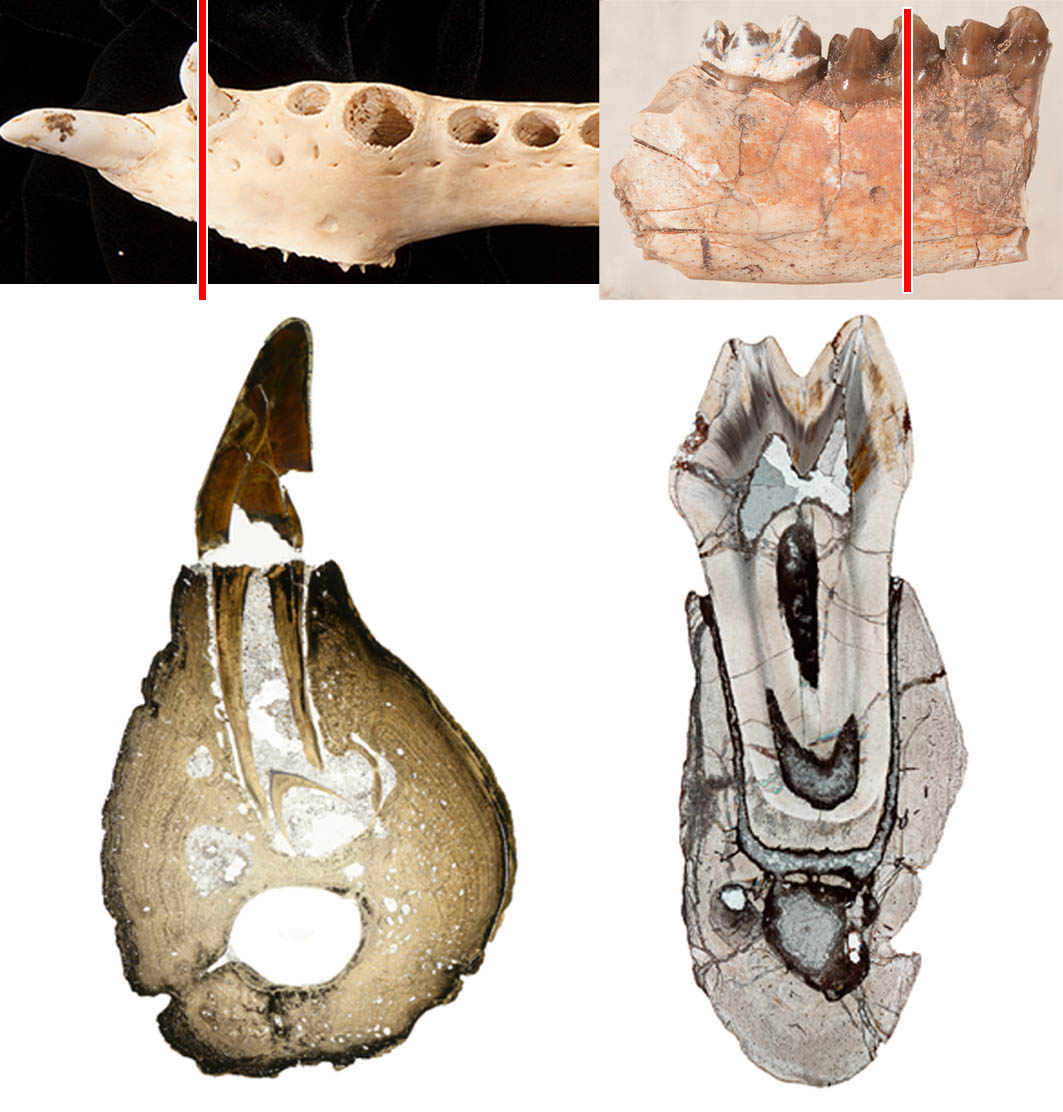
pleurodont tooth
primitive, larger root attached to inside of jaw
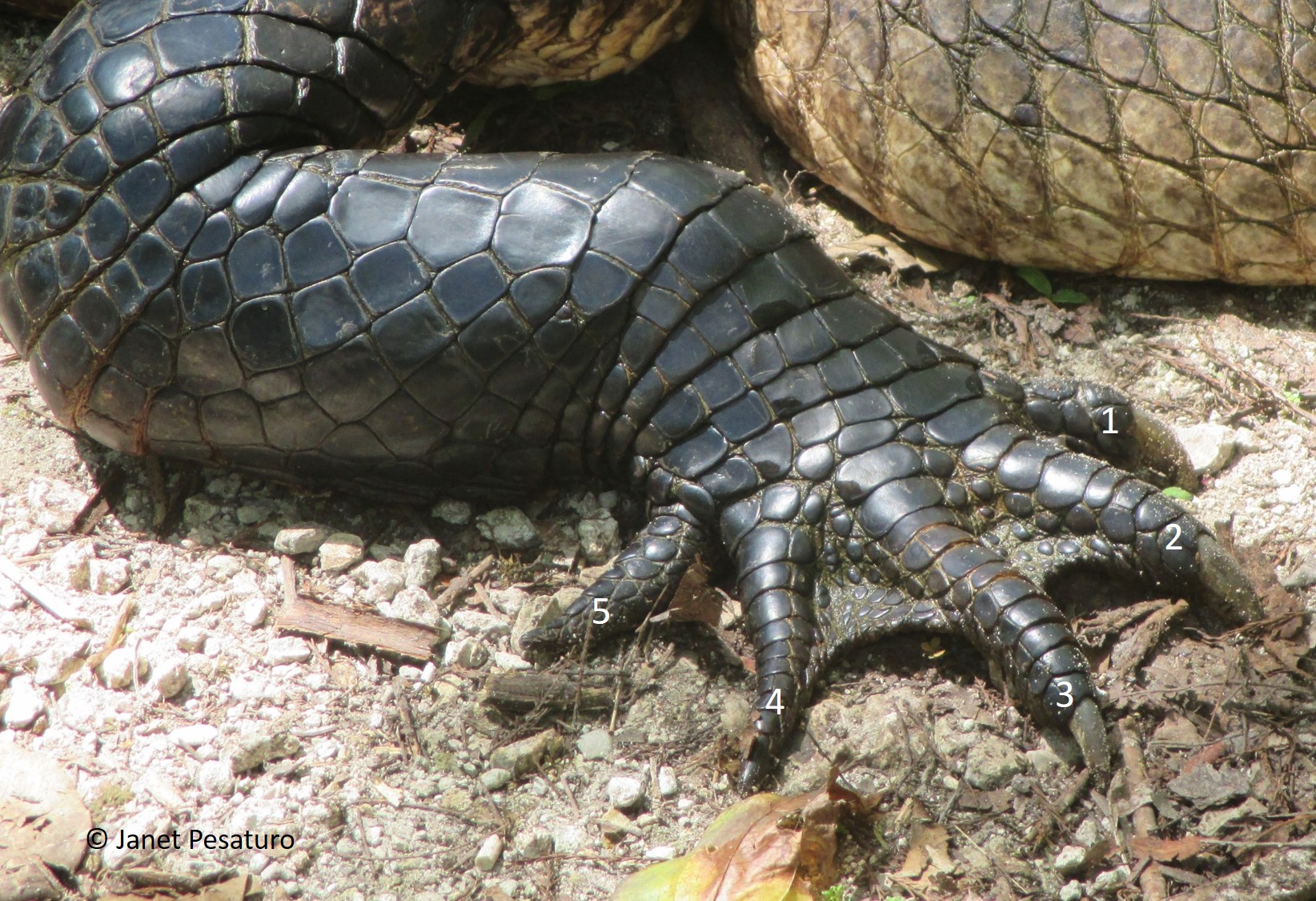
basic external reptile anatomy
head
neck
tail
trunk
limbs (mostly)
eyes
eyelid (mostly)
nictitating membrane
external naris (opening)
eardrum
teeth in both jaws (minus turtles)
crocs have
webbed feet
reptile vent
perpendicular
total length
less important than SVL
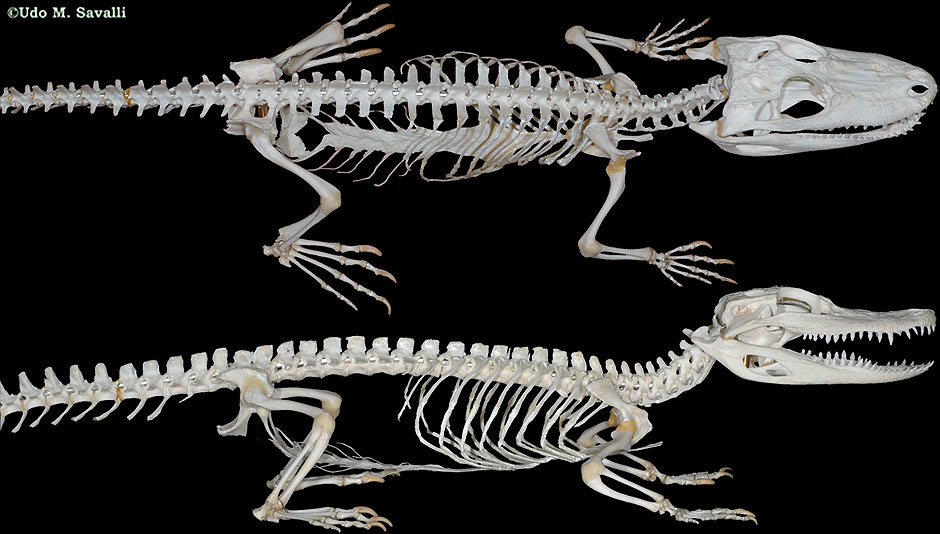
croc skeleton
axial
cervical vertebrae (ribs on them)
diapsid skull
ribs circle around body (have sternum for more support)
gastralia: abdominal ribs
more sacral vertebrae (2-3)
thoracic region (2 ribs)
many caudal
appendicular
4-5 toes
variation
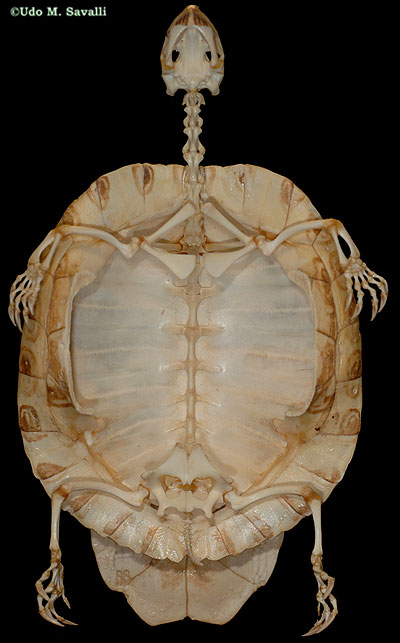
turtle skeleton
derived
shell
dermal elements
epidermal elements - scale
two halves:
carapace: dorsal end (back)
plastron: flat ventral side (flat, “stomach”)
vertebrae column fused to carapace (dermal bone)
only non-fused → cervical and caudal
scutes: outermost layer of shell on top
appendicular
girdle
limb bones
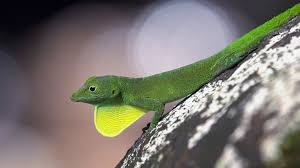
dewlap
in lizards, flexible skin connected to hyoid apparatus
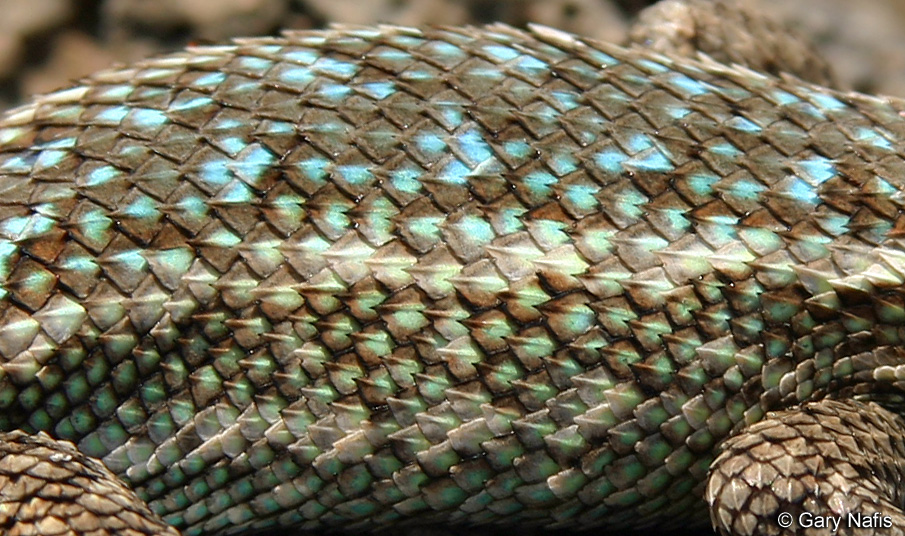
lizard scales
overlap
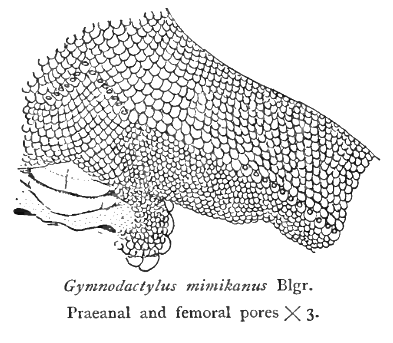
lizard cloaca/vent
localized glands in males for pheromones
femoral
cloacal
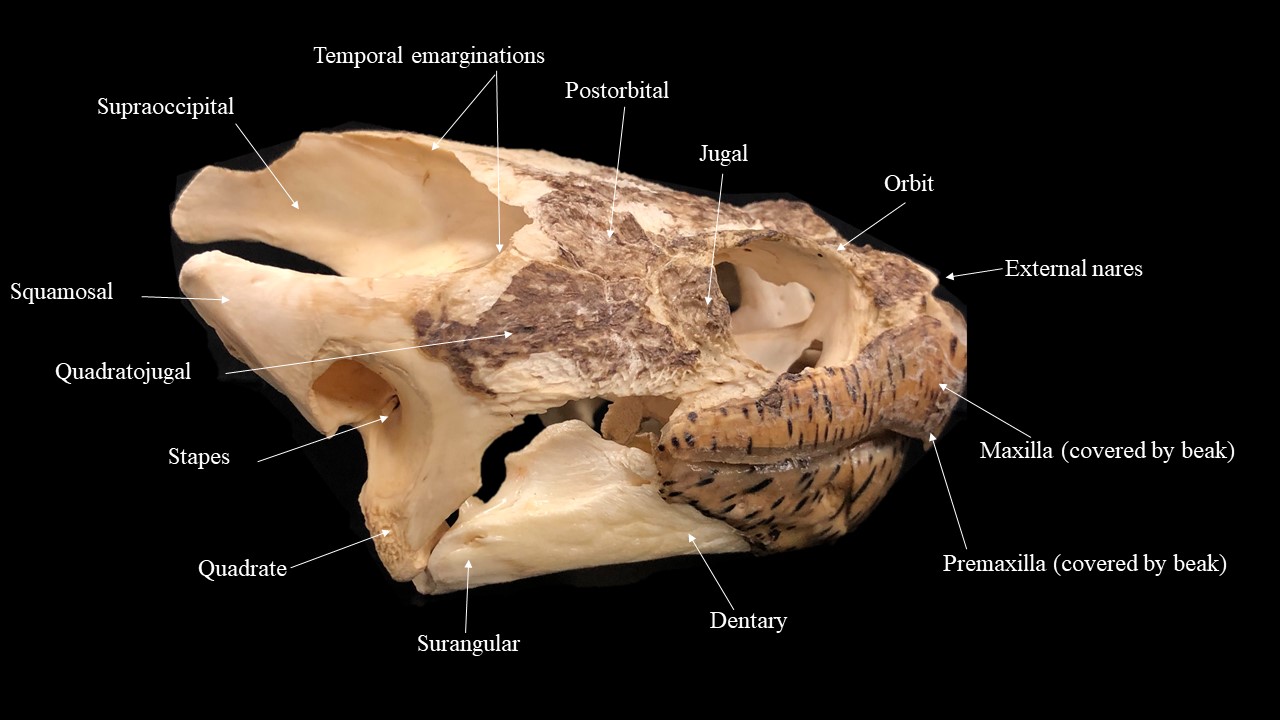
turtle skull
anapsid skull (lost fenestra)
eyes and nose hole
beak
temporal region
scutes
bony epidermal
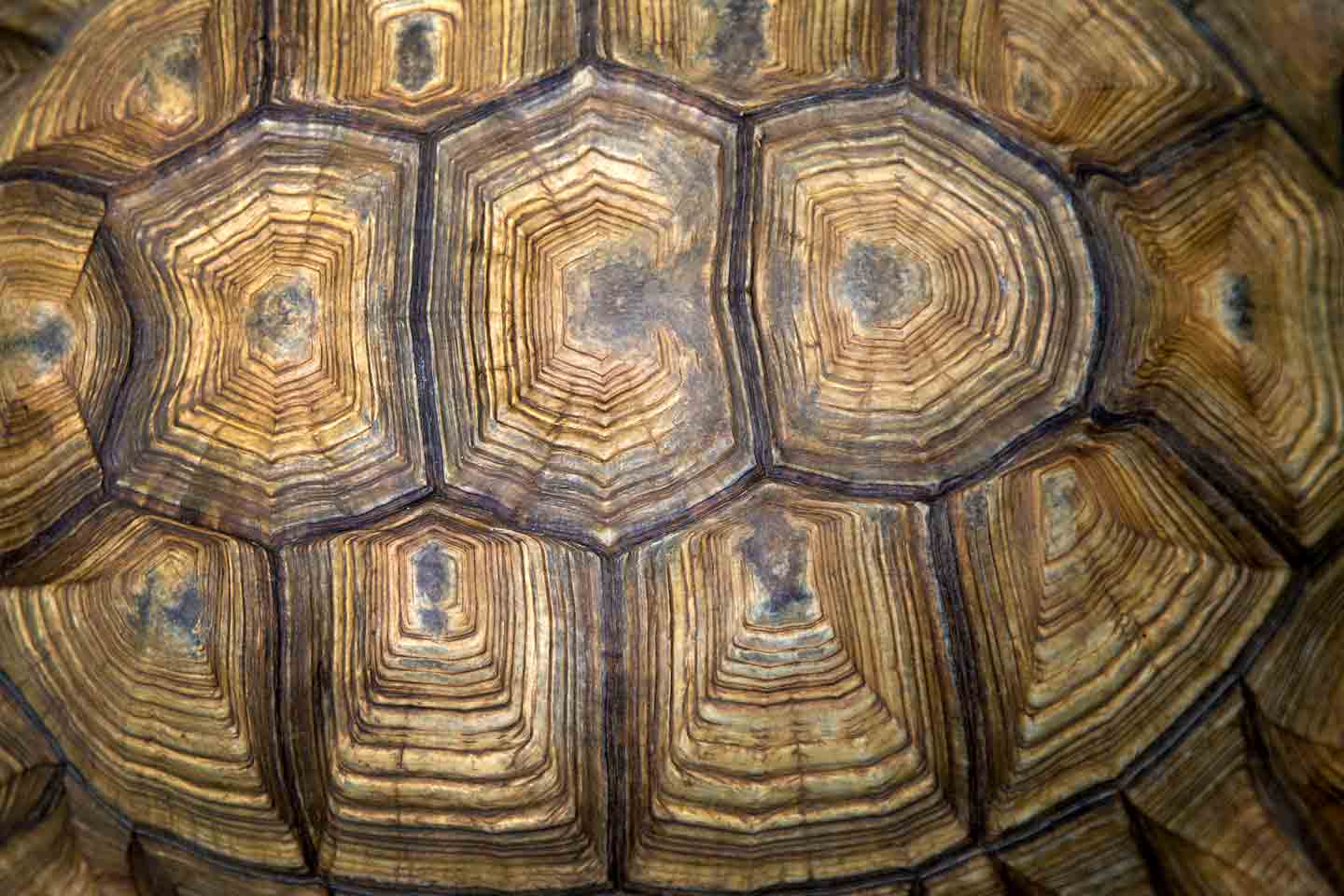
osteoderms
bony dermal
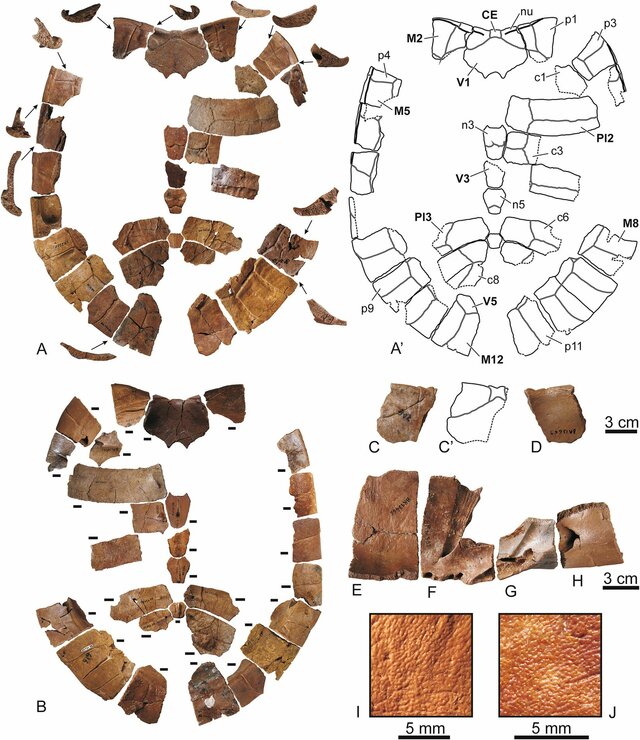
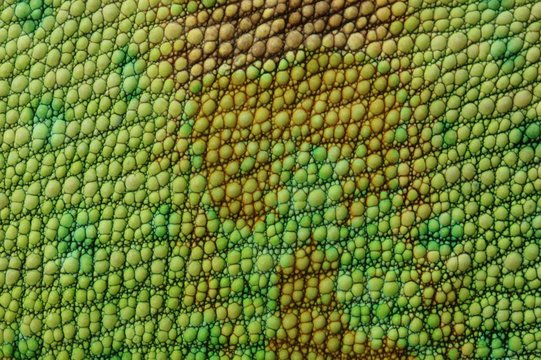
lizard skin
skin and modified ribs
spines
gular pouch (can be folded back, not a dewlap)
claws
thorns
crest
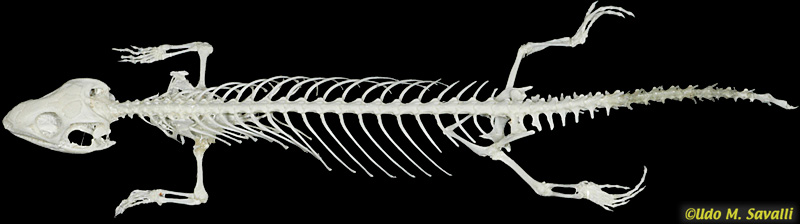
lizard skeleton
similar to crocs
snake external anatomy
head
tail (starts after cloaca)
trunk (no limbs)
no eyelid
lack tympanum
heat pits
external naries
forked tongue (cylindrical)
snake hind limbs
vestigial, primitive
snake scale names
dorsal: triangular
ventral: rectangular
tail ventrally: divided scales
keeled scale: not smooth
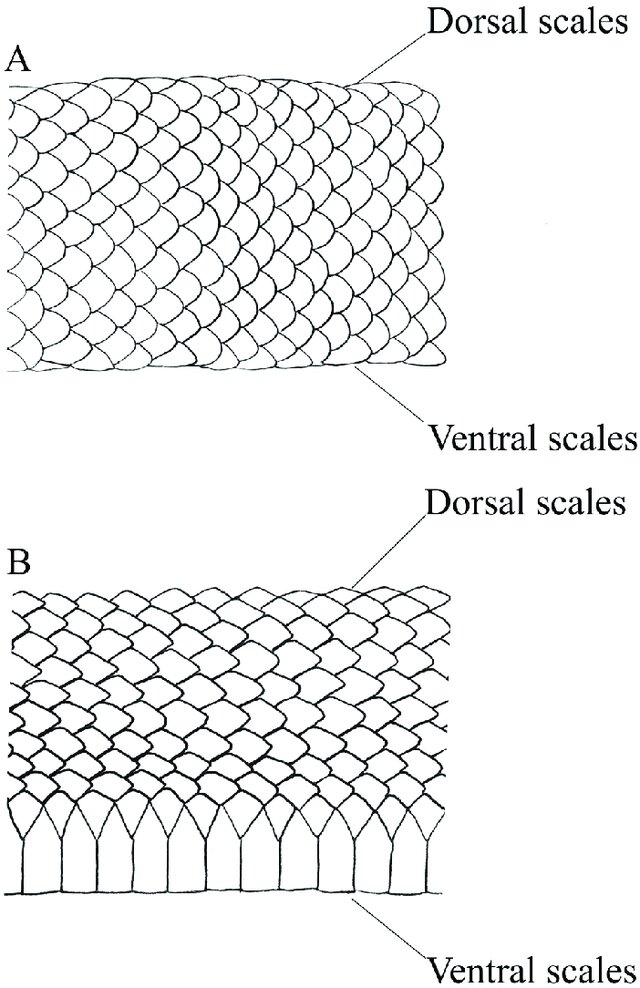
snake skeleton
large number of vertebrae and ribs
highly modified skull
cranial kinesis
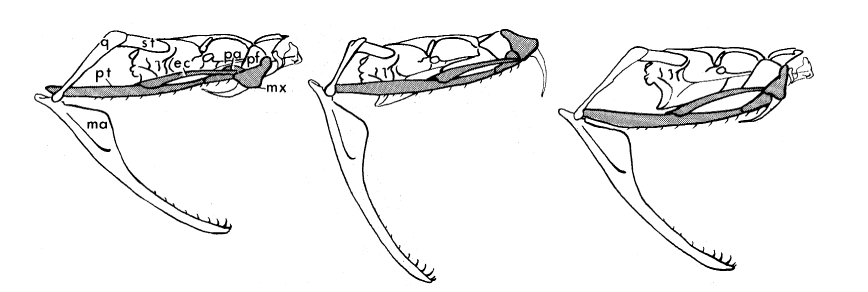
snake venom
salivary → venom
teeth → injection
reptile heart
3 chambers (crocs 4 chambers)
2 atria (2 atria)
1 ventricle (2 ventricles)
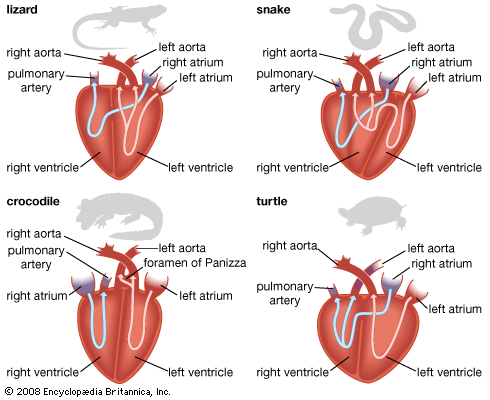
reptile evolution
from stem Tetrapoda, end of Paleozoic (370 mya, right after the first true amphibians)
then Reptilomorpha
early amphibians
first group in line to reptiles
reptile radiation
very quick “adaptive radiation”
ancient reptiles dominated during Mesozoic, Jurassic, and Cretaceous
punctuated equilibrium
Mesozoic
age of reptiles
includes Triassic, Jurassic, Cretaceous
Jurassic and Cretaceous
age of dinosaurs
Reptilomorpha to reptiles
primitive to derived:
Anthracosaurs
Captorhinomorph
Cotylosauria
Anthracosaurs
an extinct group of reptile-like amphibians that flourished during the Carboniferous and early Permian periods (roughly 345 to 245 million years ago). They are considered the "ancestral stock" that eventually gave rise to amniotes (reptiles, mammals, and birds)
first group after Reptilomorpha
anapsid
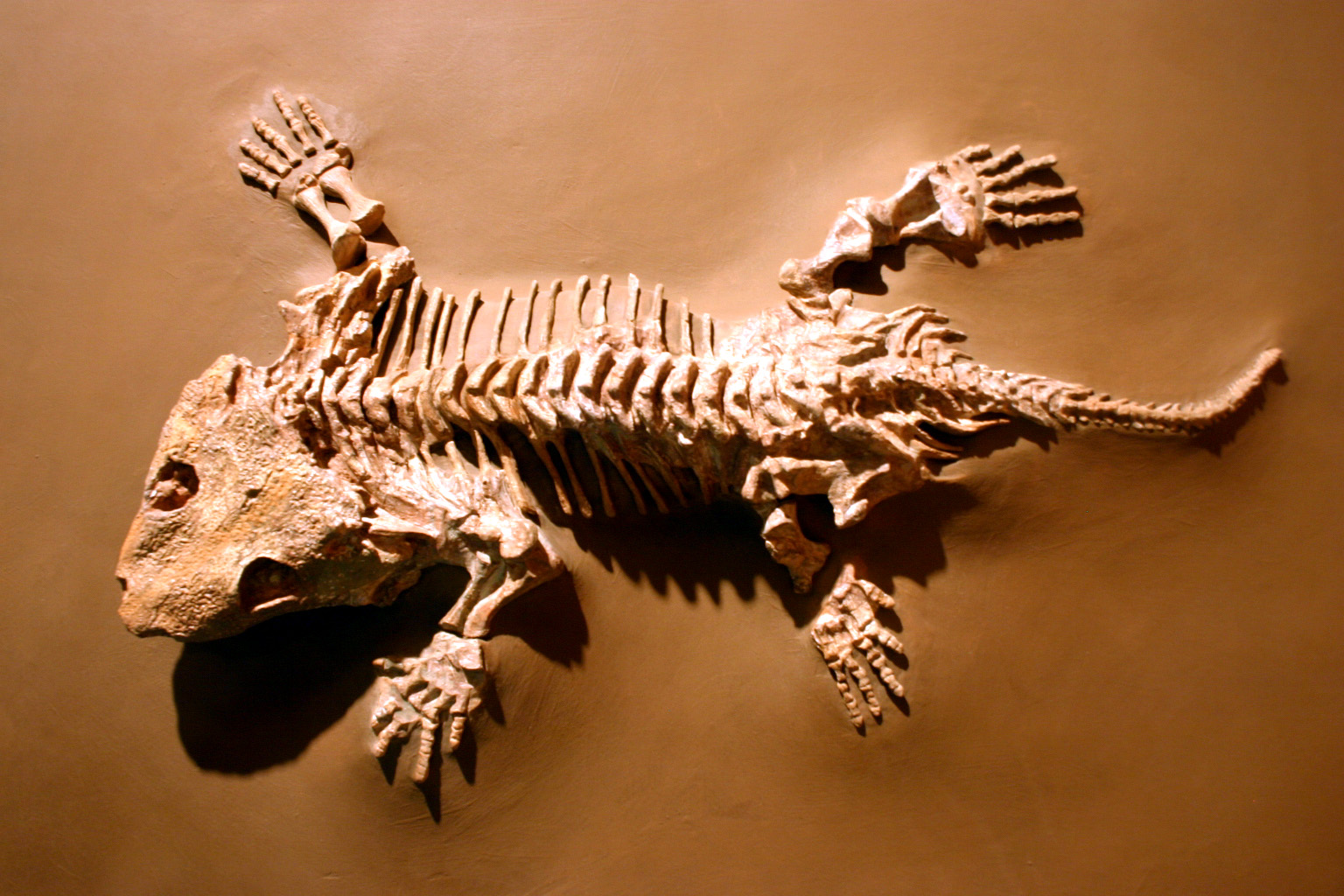
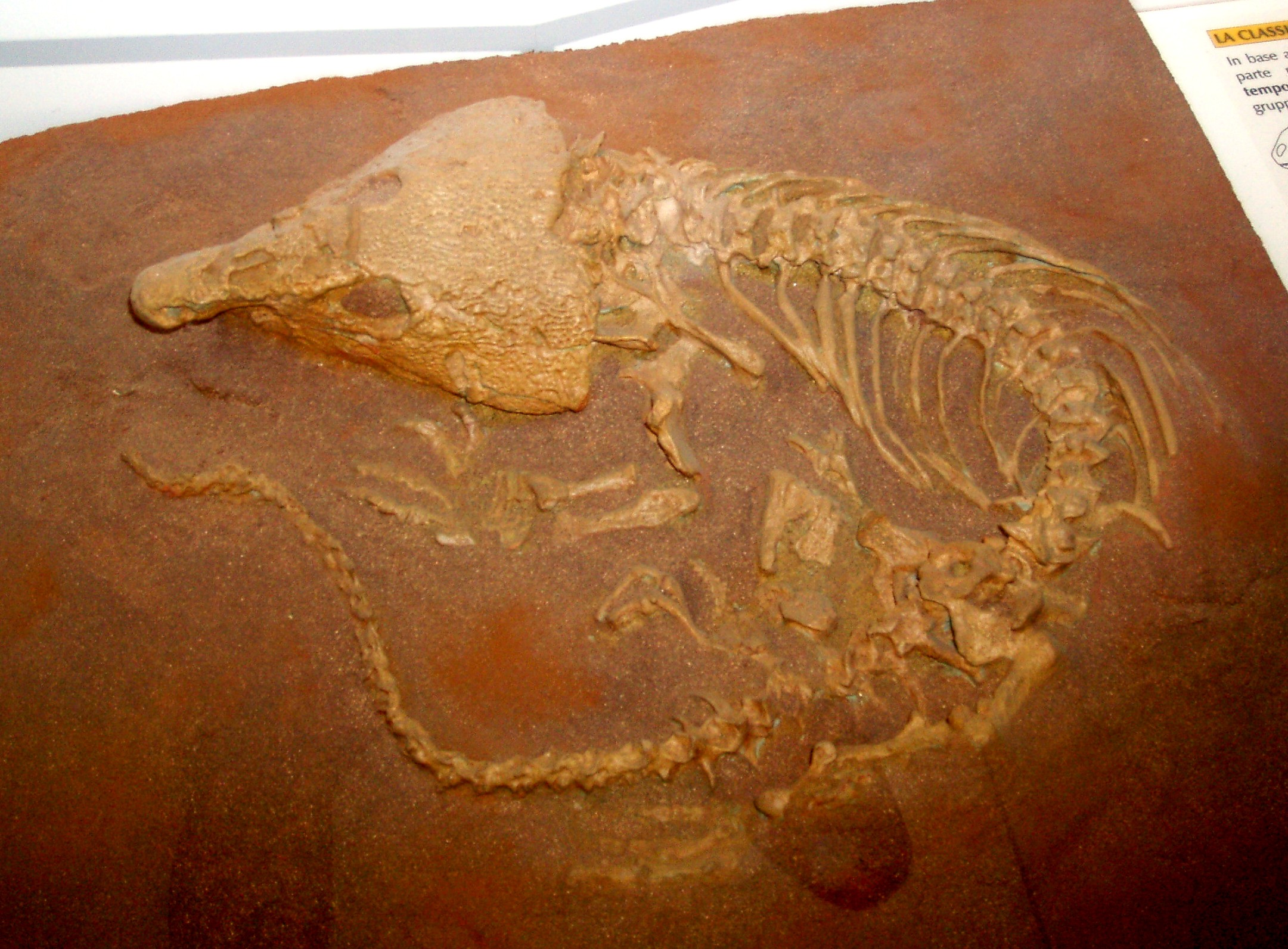
Captorhinomorph
primitive group of extinct "stem reptiles" (early amniotes) that lived during the Late Carboniferous and Permian periods. Historically classified under the order Cotylosauria, they are traditionally considered the basal stock from which most other reptile lineages evolved
anapsid
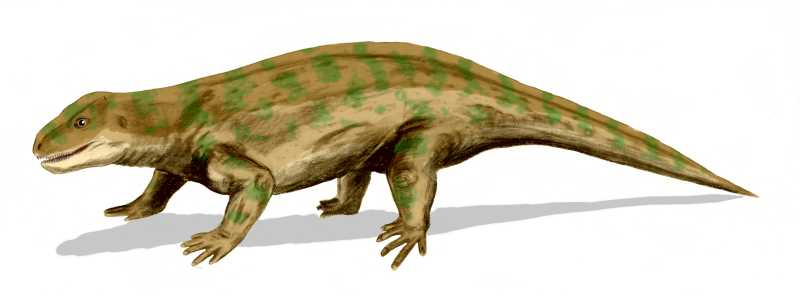
Cotylosauria
a group of extinct, primitive tetrapods historically known as "stem reptiles." They flourished from the Late Carboniferous to the Triassic periods and were traditionally considered the ancestral stock for all later amniotes (reptiles, birds, and mammals)
reptile key adaptations
skeletal
deeper skull
one occipital condyle
integumentary
thicker skin
reproductive
internal fertilization (copulatory organ)
dehydration resistant egg (Cleidoic egg)
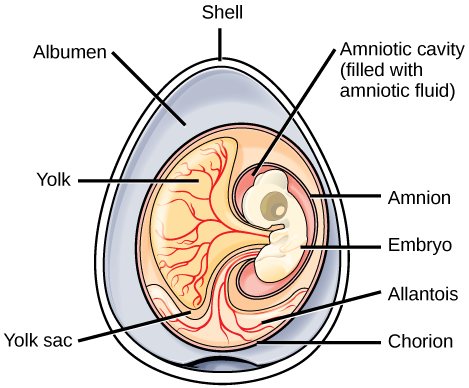
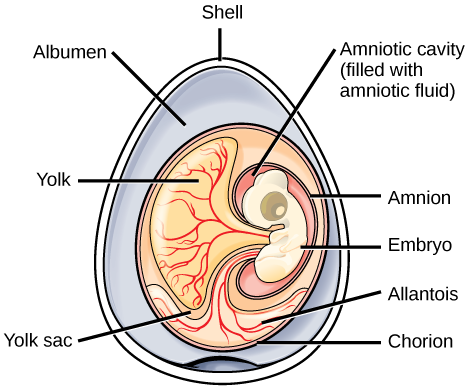
reptile egg
Extraembryonic layers:
yolk sac
allantois
chorion
amnion
shell
Embryonic layers:
ectoderm
mesoderm
endoderm
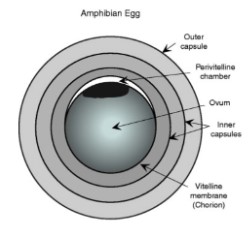
fish and amphibian eggs have
yolk sac
allantois
chorion
NO amnion or shell!
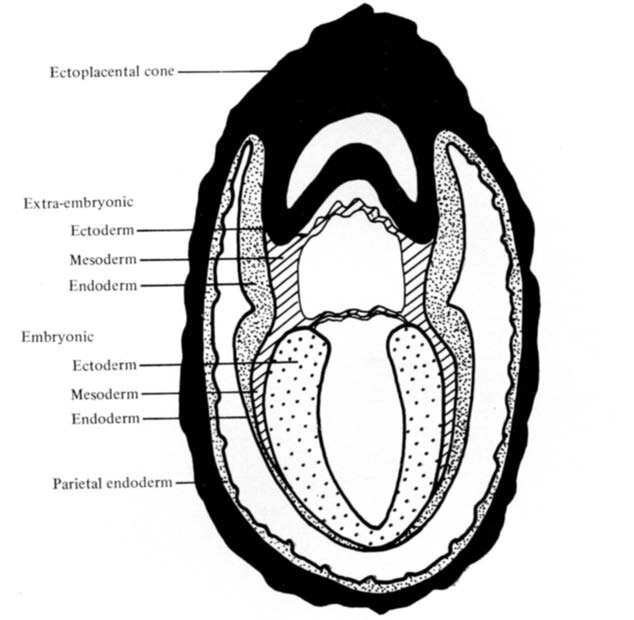
ectoderm
form the skin and nervous system
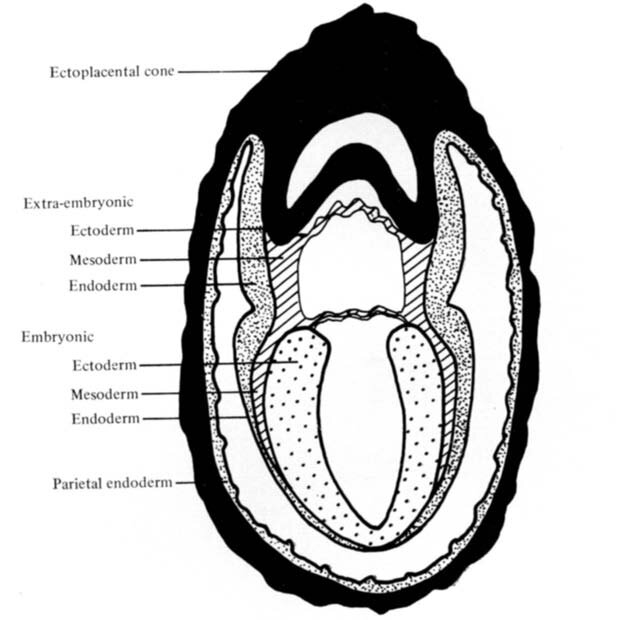
mesoderm
form the muscles and bone
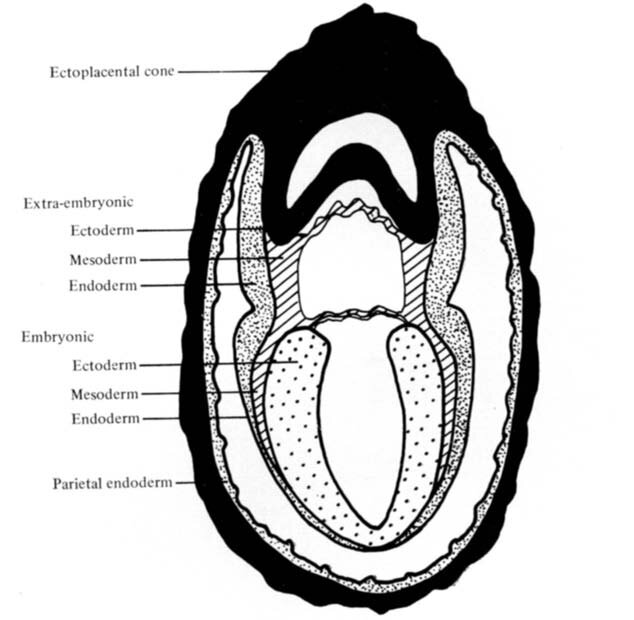
endoderm
forms the linings of digestive tract and some organs
allantois
acting as both a respiratory organ and a storage site for metabolic waste
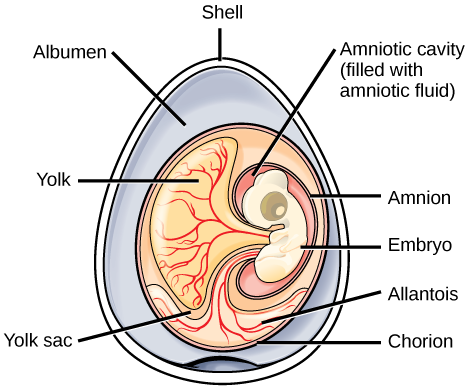
yolk sac
acting as the embryo's primary fuel tank and nutrient delivery system
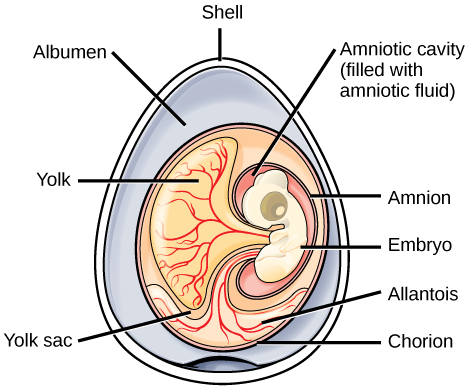
leathery egg shell
a semi-permeable protective barrier that was the key evolutionary "invention" allowing vertebrates to transition from water to land
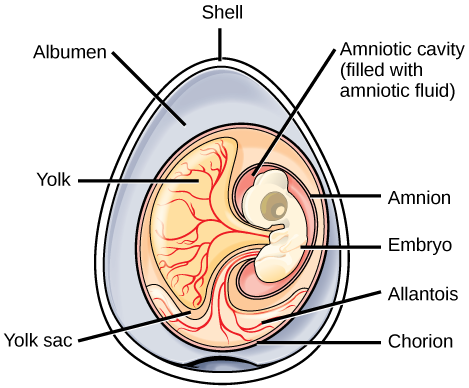
chorion
outermost extraembryonic membrane, acting as the "protective envelope" that encases the embryo and all other internal membranes (amnion, yolk sac, and allantois)
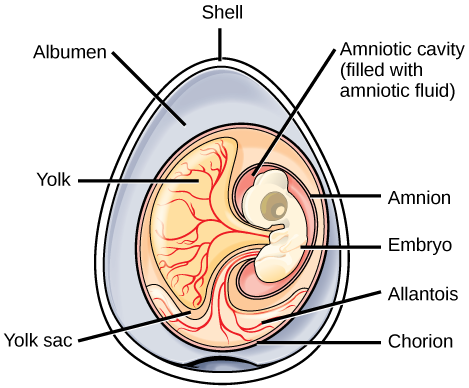
amnion
innermost extraembryonic membrane that directly surrounds the developing embryo, creating a private "aquatic environment" that is essential for survival on dry land, insulation
classifying reptiles
controversial
classified by number and location of skull openings
possibly 4 clades:
1) Anapsida (turtles)?
2) Synapsida (mammals)
clade Diapsida
3) Archosauria (primitive diapsida)
4) Lepidosauria (derived diapsida)
Anapsida
ancestral condition from Reptilomorphs?
no temporal fenestra
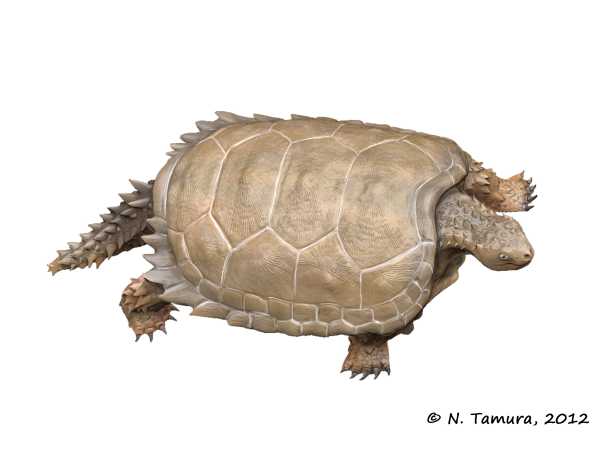
produced turtles
oldest fossil turtles: Triassic
Proanochelys quenstedti
most ancient turtle in Germany
lower (earlier) Triassic
Synapsida
Captorhinomorpha (no temporal fenestra)
primitive reptiles
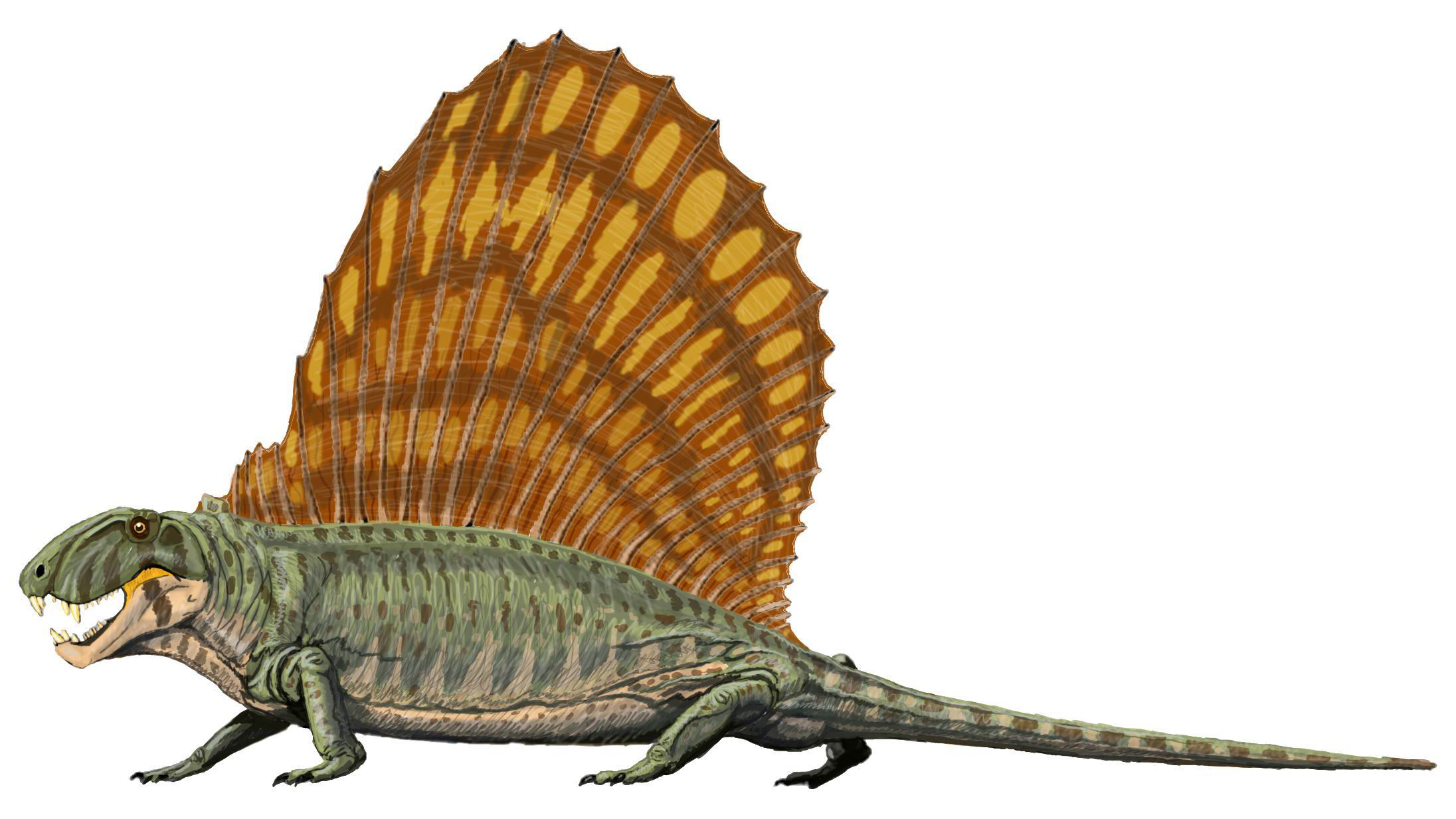
Pelycosauria (synapsida)
one lower temporal fenestrum
eventually lead to mammals
Dimetrodon
Euryapsida
originally misinterpreted
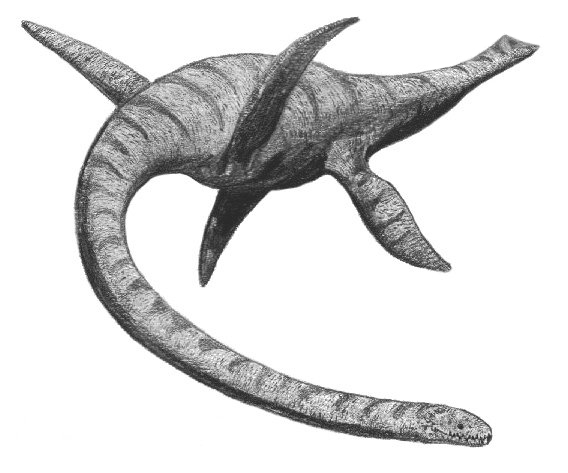
derived diapsida
no living descendants, extinct Cretaceous end
marine carnivores
Ichthyosauria, plesiosaurs
very successful
not dinosaurs
dolphin/seal-like
Diapsida
2 temporal openings
Archosauria (ancient reptiles)
Lepidosauria (scaly reptiles)
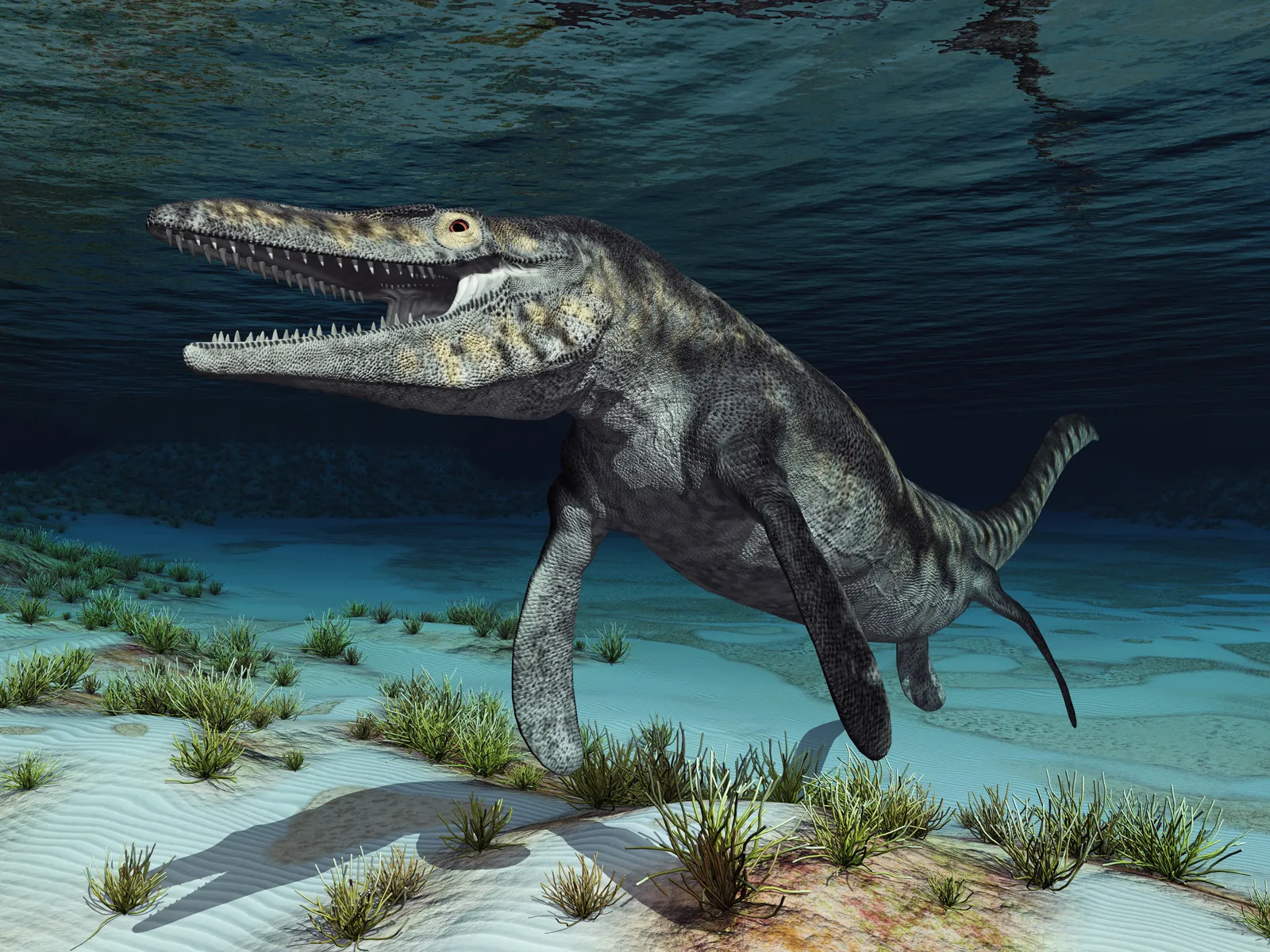
Mosasaurus: looks like Euryapsida but not, not true dinosaurs
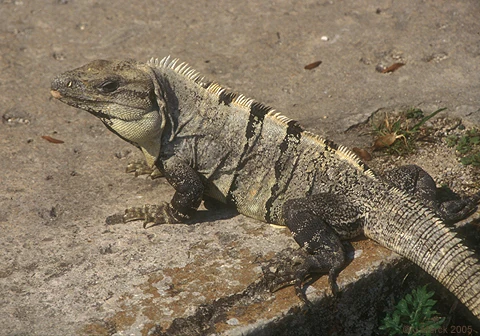
Lepidosauria
diapsid
likely from Archosauria
appeared early Mesozoic
Squamata: most derived
squamous: “scaly/shingled”
Archosauria
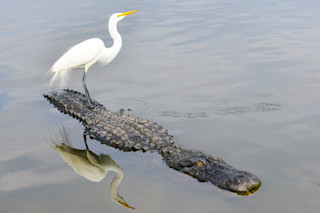
diapsid
dinosaurs, crocodilians, birds
extinct Diapsida
dinosaurs = terrestrial
Pterosaurs: flying reptiles (not dinosaurs)
extinct diapsida
Archosauria (4 clades)
Crocodylia
Pterosauria
Ornithischians*
Saurischians *
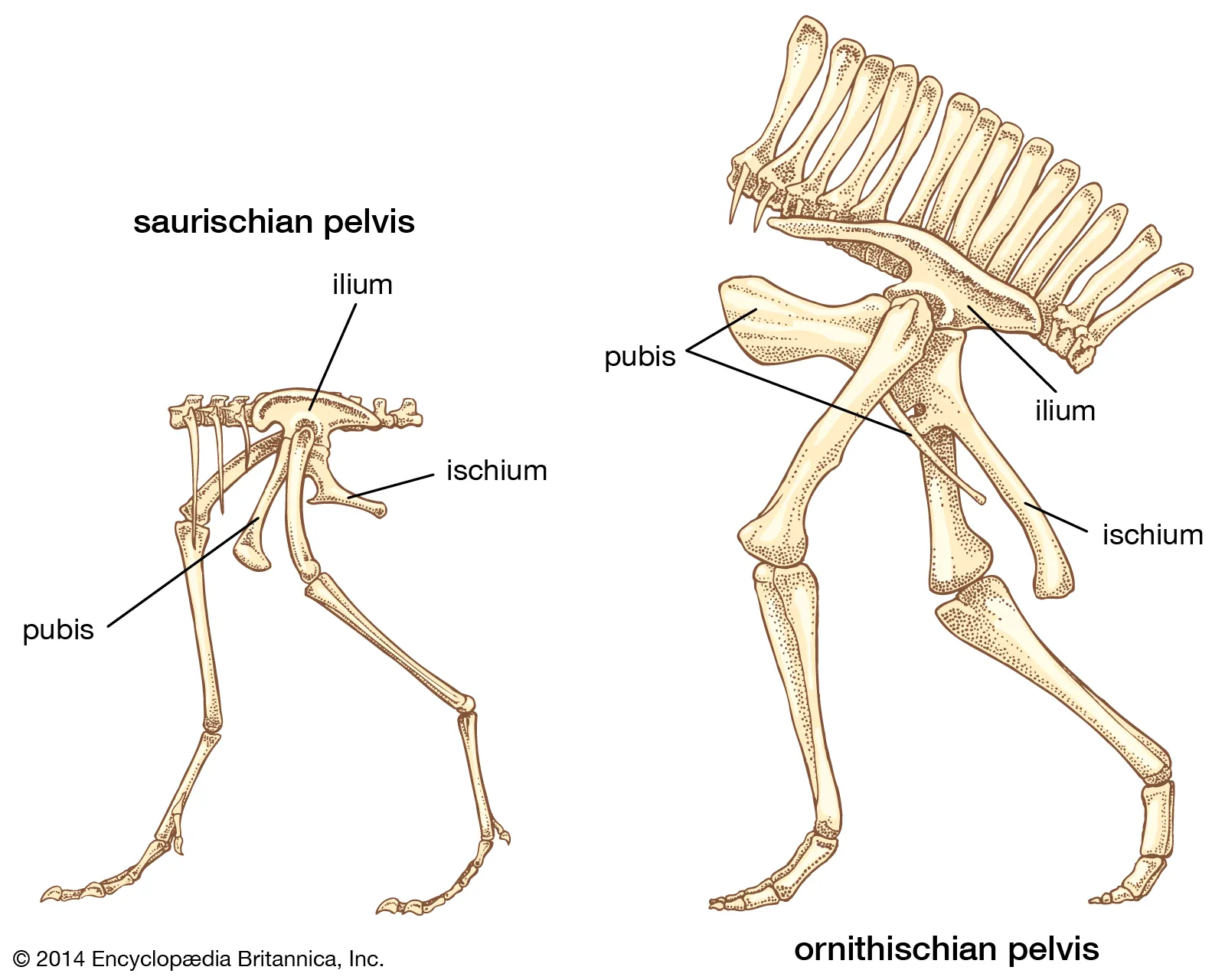
Ornithischians
“bird-like hip bones”
true dinos → didn’t lead to birds
no descendants
appeared in Triassic, extinct at end of Cretaceous
small and large diverse forms
ischium towards tail
herd forming, cooperative hunting, vocalization, parental care, homeothermia?
examples:
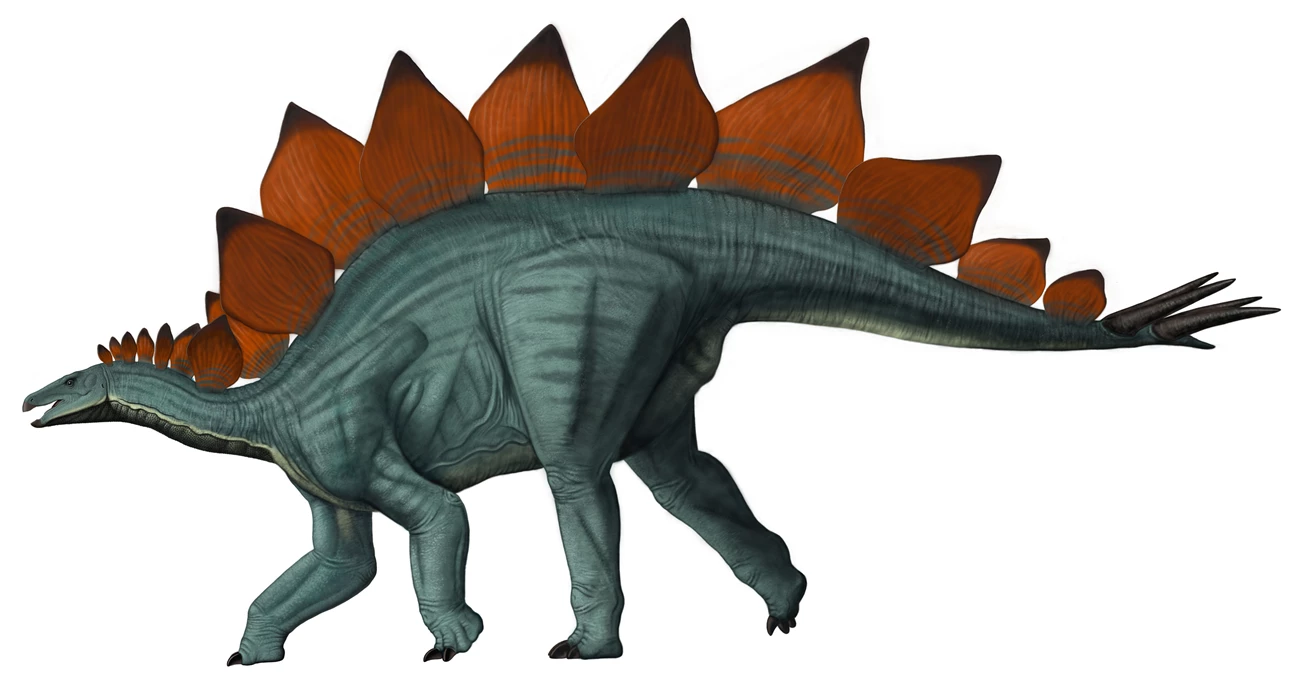
Stegosaurus
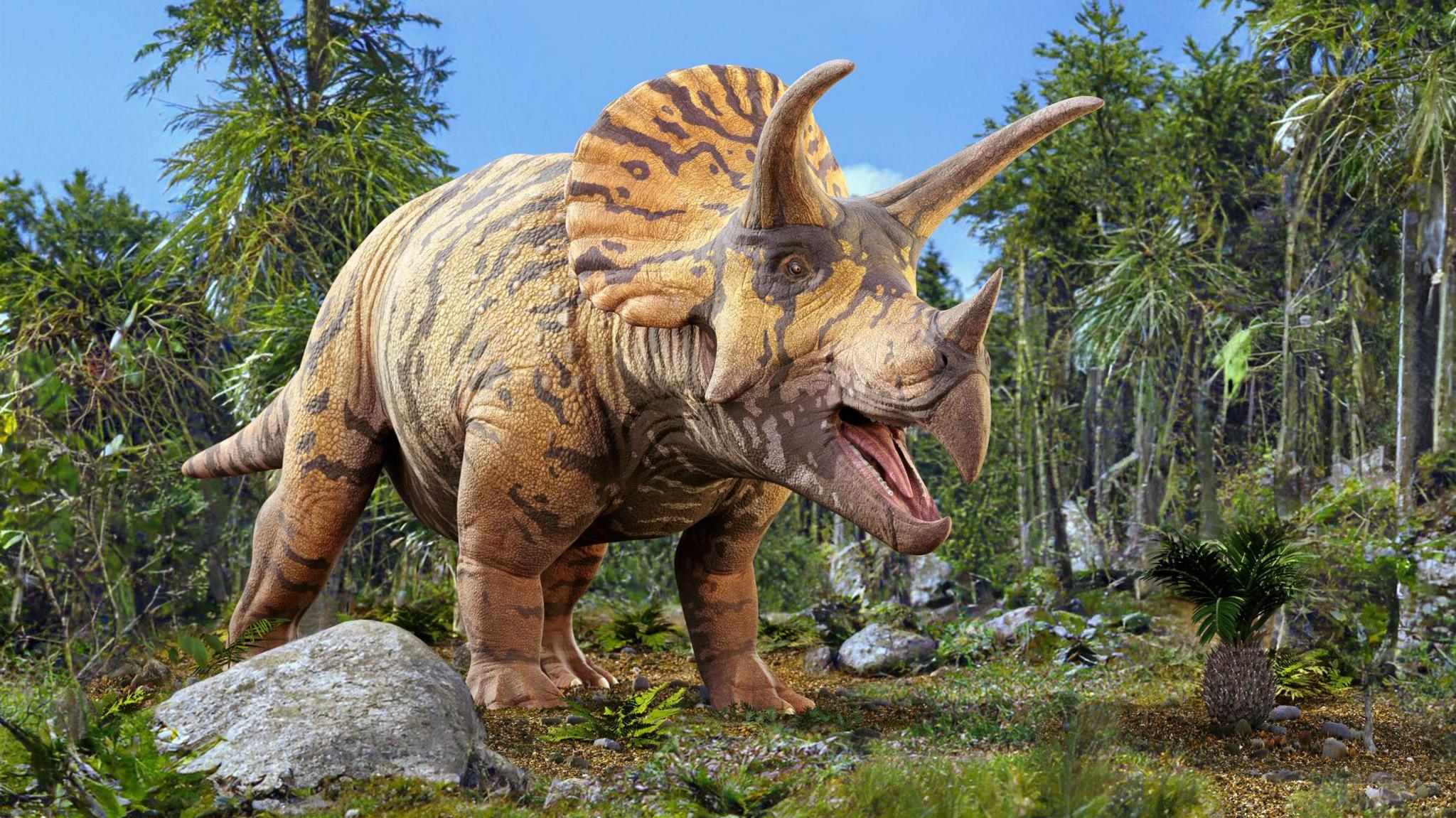
Triceratops
Ankylosaurus
Pachycephalosaurus
Parasaurlophus
Saurischians
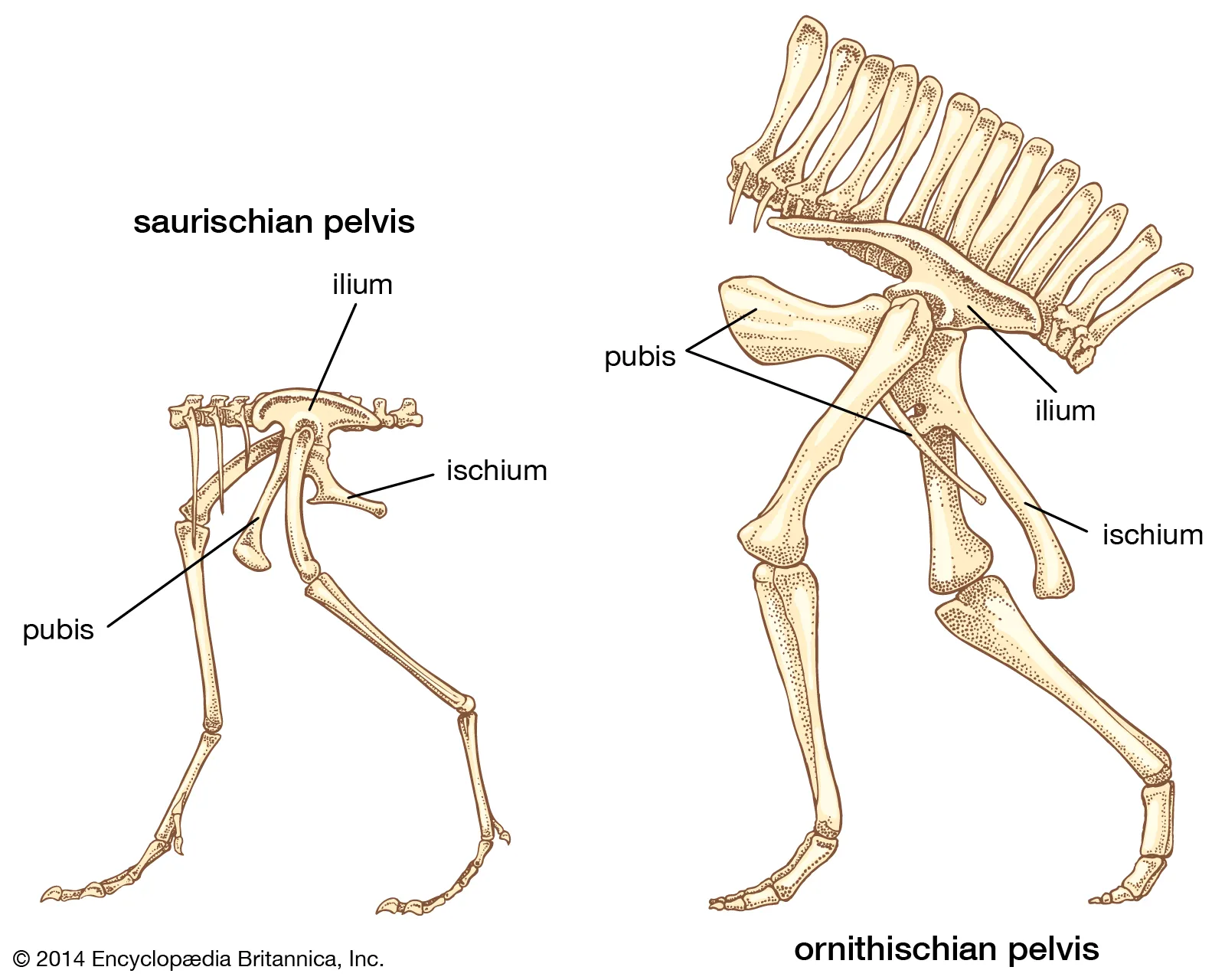
“lizard-like hip bones”
true dinos → lead to aves
appeared in Triassic, extinct at end of Cretaceous
small and large diverse forms
bird hips evolved to look more like Ornithischia
ischium towards tail
herd forming, cooperative hunting, vocalization, parental care, homeothermia?
examples:
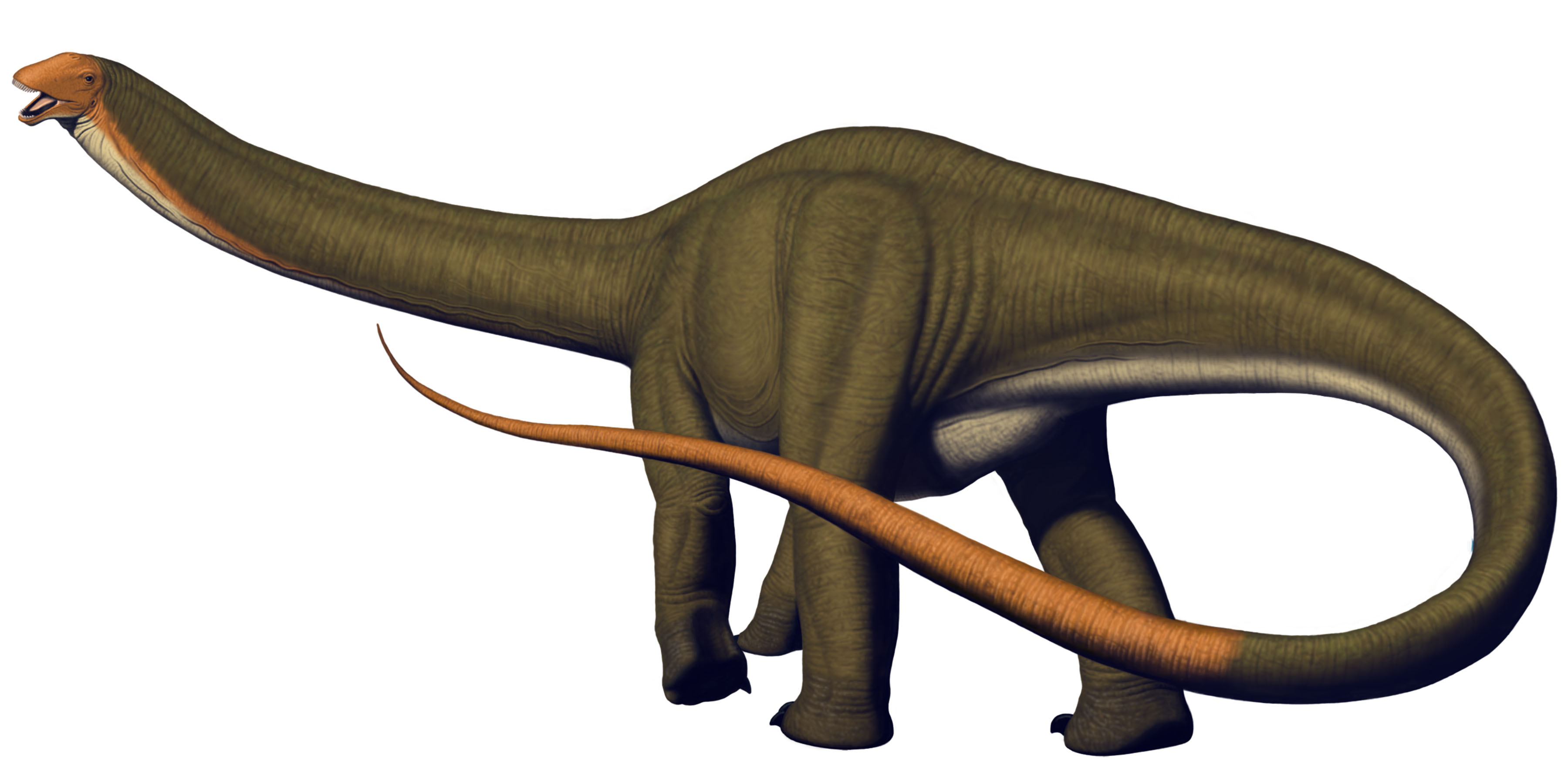
Apatosaurus
Velociraptor
Tyrannosaurus Rex
dinosaurs
“giant lizard”
most famous fossils
largest animals known
quadra or bipedal
first to develop bipedal locomotion
Stegosaurus
Ornithischians
from the Late Jurassic period, roughly 155 to 145 million years ago. It is famous for the two rows of upright, kite-shaped plates along its back and the four formidable spikes on its tail
Triceratops
Ornithischians
lived during the Late Cretaceous Period, approximately 68 to 66 million years ago. It was one of the last non-avian dinosaurs to walk the Earth before the Cretaceous-Paleogene (K-Pg) mass extinction
Apatosaurus
Saurischians
lived during the Late Jurassic period
Velociraptor
Saurischians
lived during the Late Cretaceous period
homeothermia
maintaining body temperature in narrow limits under normal conditions
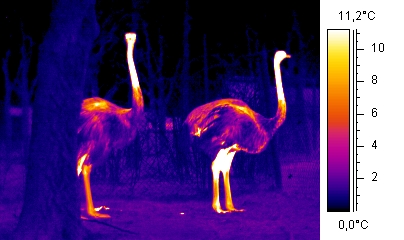
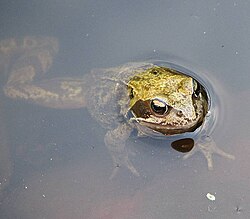
poikilothermic
body temperature can significantly fluctuate throughout life
bats and bears when hibernating
dinosaur extinction
mass extinction, asteroid impact
geologic continental changes with unusually active volcanic activity
climactic changes
mammalian competition
likely combo of all
Mesozoic to Cenozoic transition
Extant Reptilia
reptiles and birds
Testudines, Crocodylia, Rhynchocephalia, Squamata
Order Testudines
Monophyletic
unique body plan (strongly conserved)
Anapsida
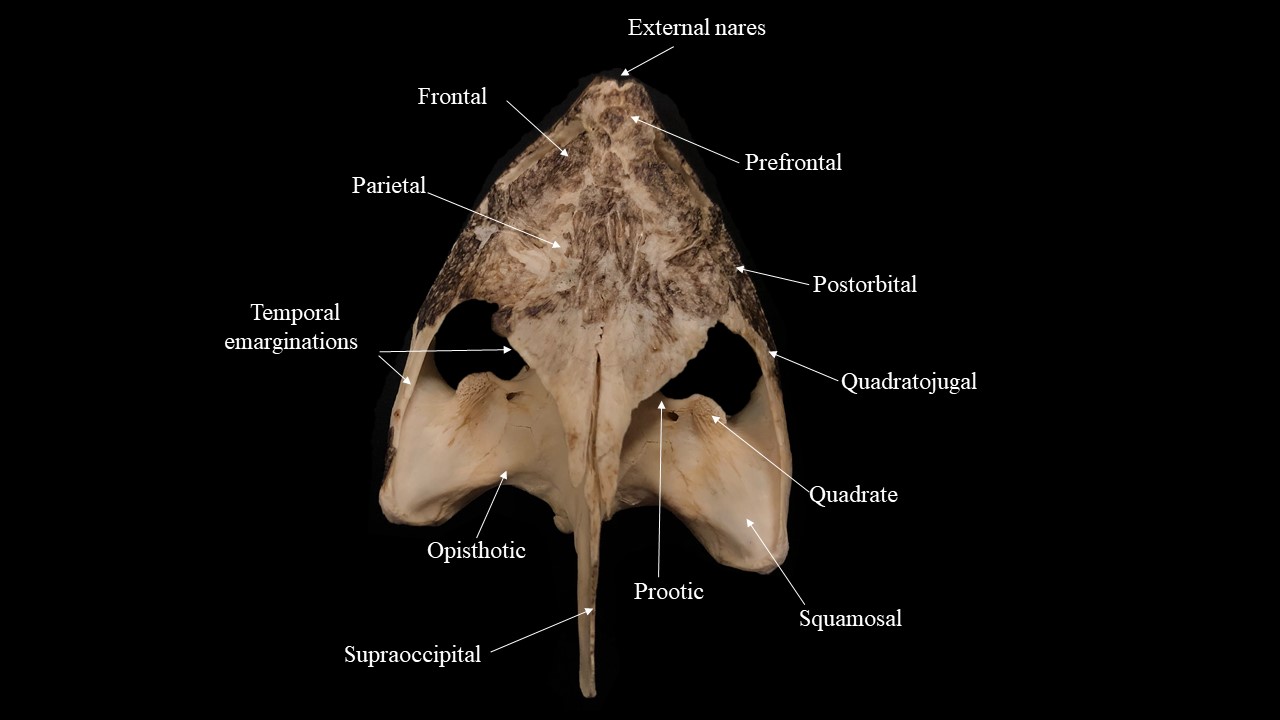
supraoccipital crest
jaws without teeth (serrated, sheer-like)
Turtle supraoccipital crest
“Pointed” part on back of skull sticking out
Testudines history
changed little in ~210 million years
Triassic origin
extensive fossils
Thoracic skeleton fused
8 vertebra, ribs, sternum
form protective shell
pull limbs, head, and tail inside
some reduced skeletons (Softshell turtles)
some heavy elaborated (Box turtles)
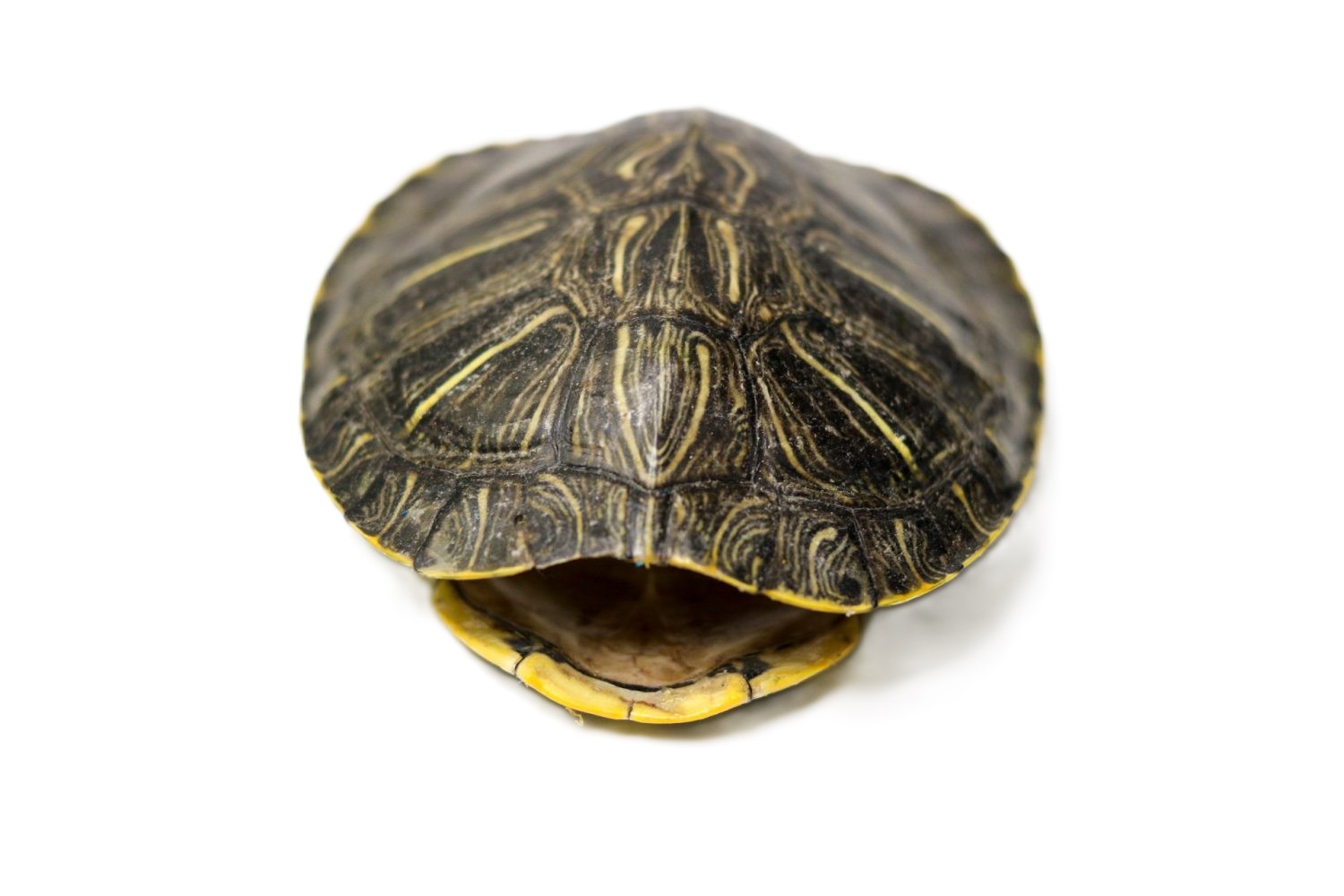
Turtle shell
Carapace (dorsal)
Plastron (ventral)
Bridge (connects carapace and plastron)
Scutes (superficial keratinous plates)
Osteoderms (deeper dermal, bony plates, differ in # and shape)
Fused vertebrae (thoracic, lumbar, sacral)
Free vertebrae (cervical (8), caudal)
Fused ribs and sternum
Long necks
4 well-developed limbs
Turtle shell implications/tradeoffs
Protection
Limited radiation
Added weight
Breathing constraints
Limited movement
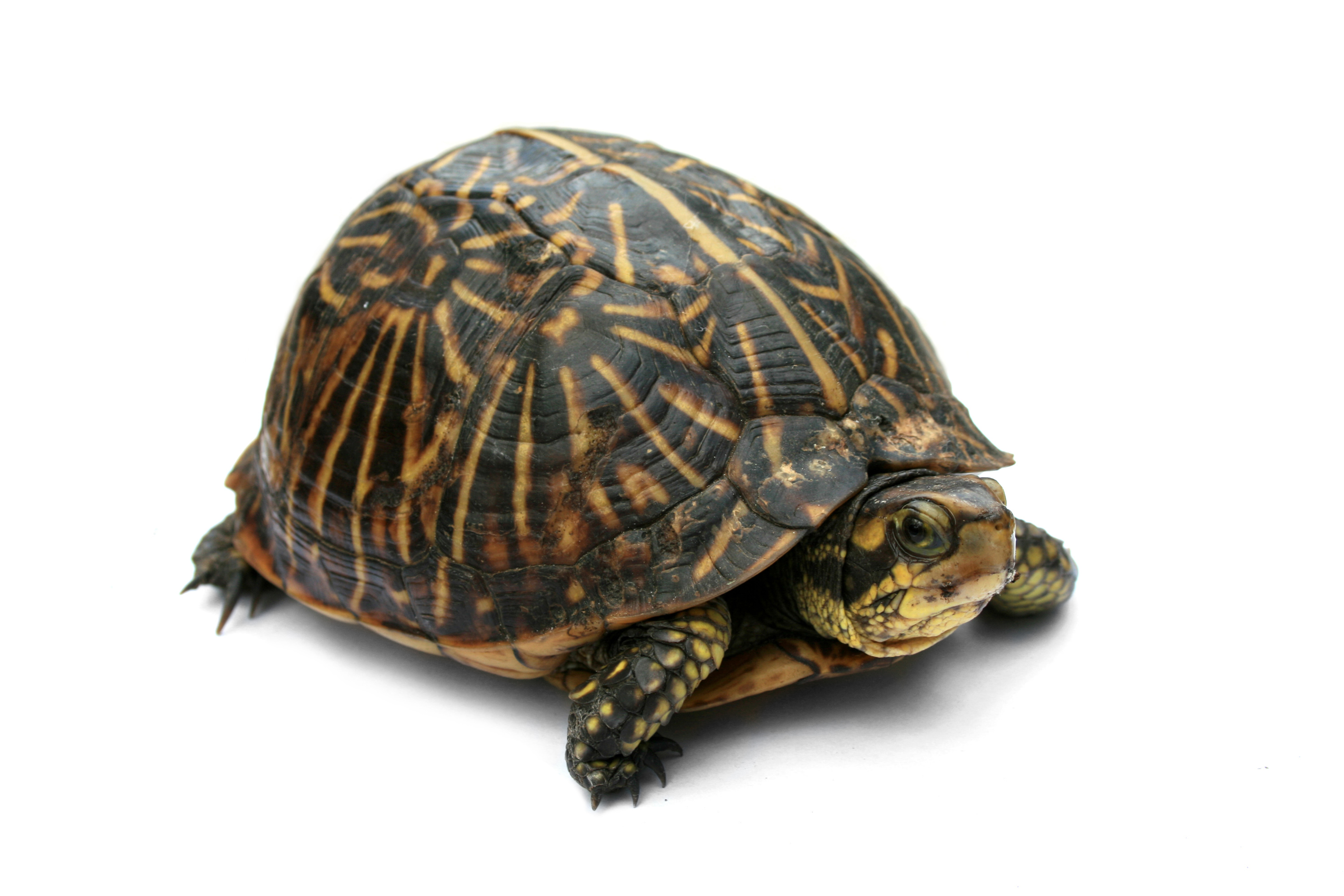
Domed turtle shell
Terrestrial
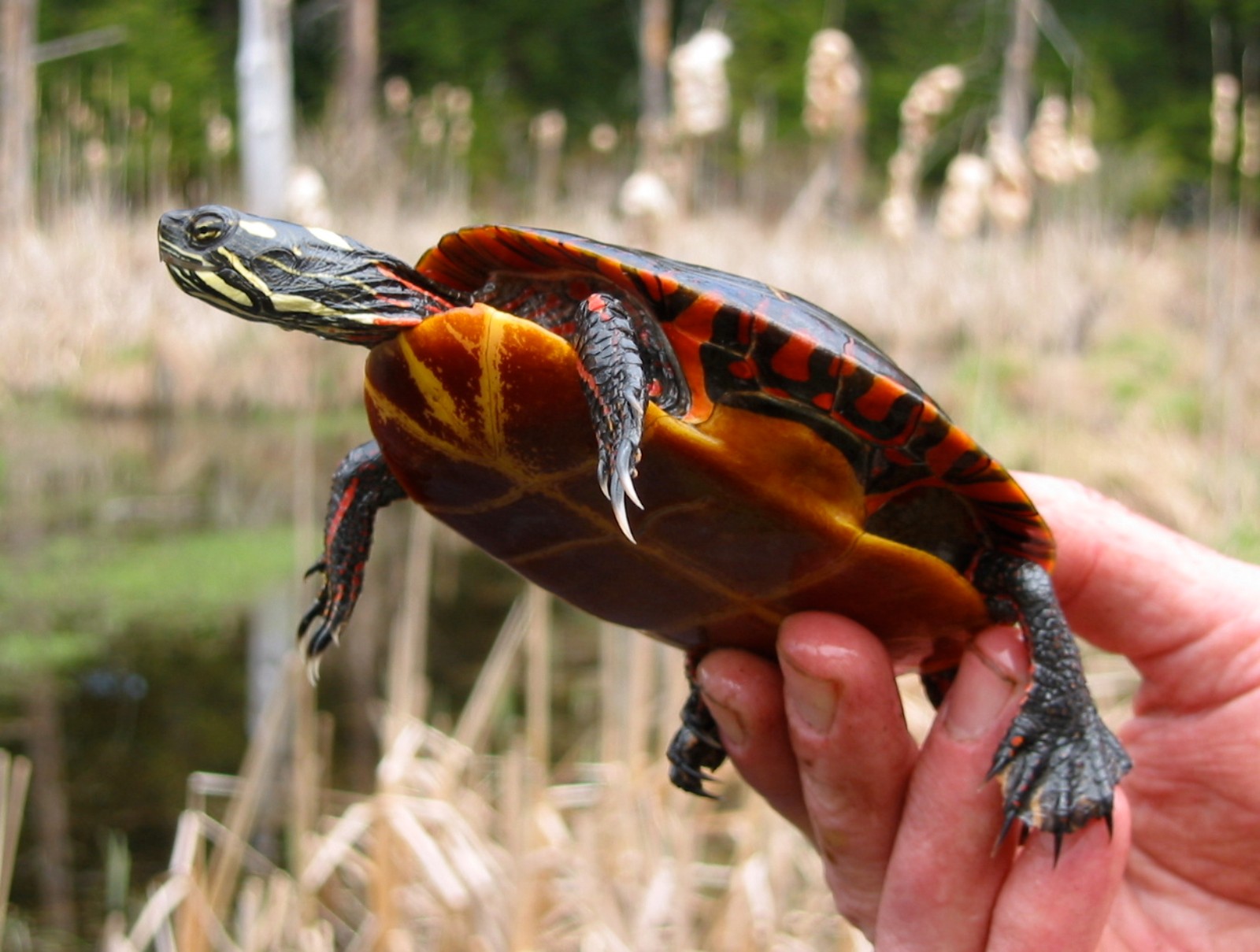
Flat turtle shell
Aquatic
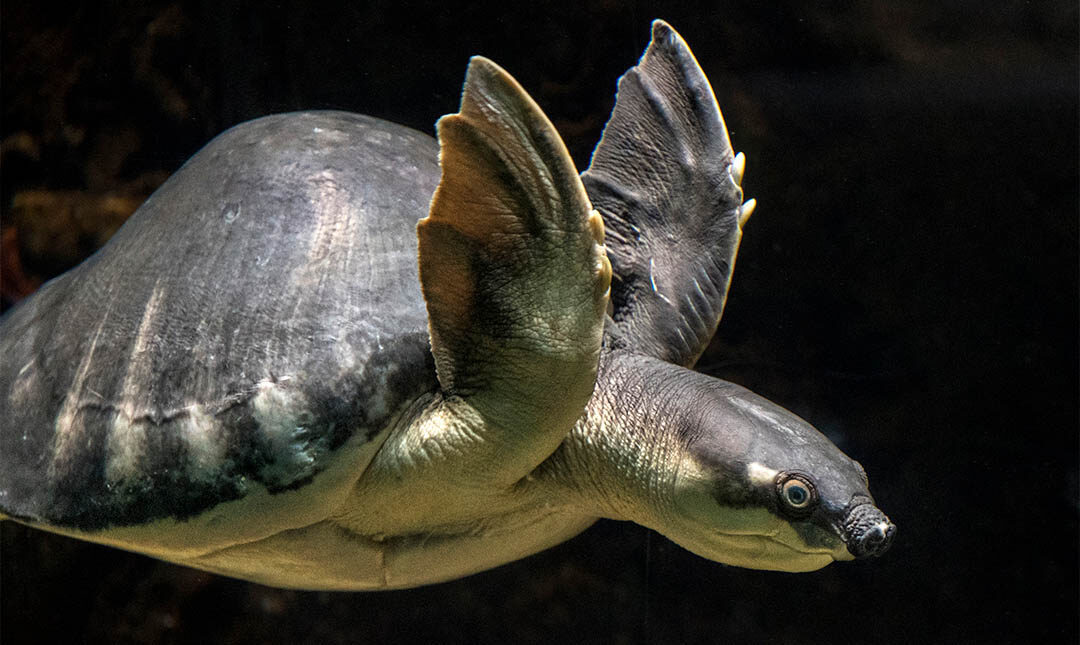
Turtle limb types
Stump-like (elephantine)
Webbed (fresh water)
Flipper-like (marine)
Turtle ecology
cosmopolitan (minus poles)
high density in SE US and SE Asia
many terrestrial (tortoises)
some burrow (gophers)
aquatic (mud, pond, snapping, sliders)
Turtle feeding
mostly omnivorous
carnivorous
herbivorous
many scavengers
some specialists (some feed exclusively on jellyfish)
Turtle reproduction
internal fertilization
oviparous (1-100+) only (rare in other animals)
sexual dimorphism
size (generally females bigger)
plastral shape (many terrestrial males concave)
plastral spurs (near face, males use to fight other males)
tail length
claws
males compete for females
courtship may be elaborated
“dances”, caressing, head shaking
copulatory organ
females make nests
temperature sex determination (TSD)
no parental care
Turtle classification
330+ spp, 99 genera, 14 families, 2 suborders
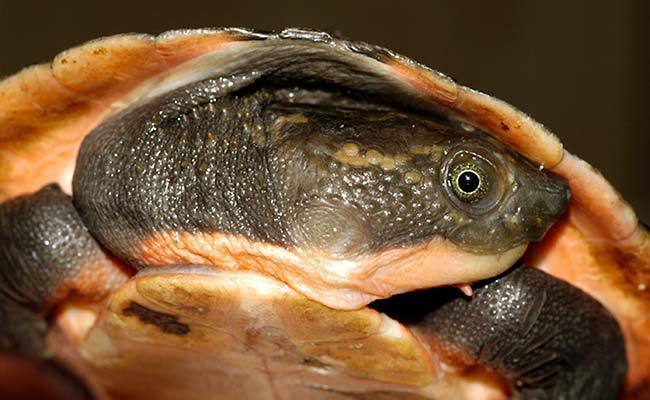
Pleurodira
suborder of turtles
pleuro = thorax, folding neck
3 families, 21 genera, ~90 species
most primitive
side-necked turtles
primitive
13 plastral scutes
9-11 plastral bones
pelvic bones fused to skull
exotic
Africa, Madagascar
SA
Australia
all aquatic, freshwater
Cryptodira
suborder of turtles
crypto = hidden
11 families, 80+ genera, ~203 species
“hidden”, “S-vertical neck”
complete head retraction
more diverse
morphologies
all environments
vertical-necked turtles
S-shape neck folding
advanced
11-12 plastral scutes
8-9 plastral bones
pelvic bones free inside shell
familiar
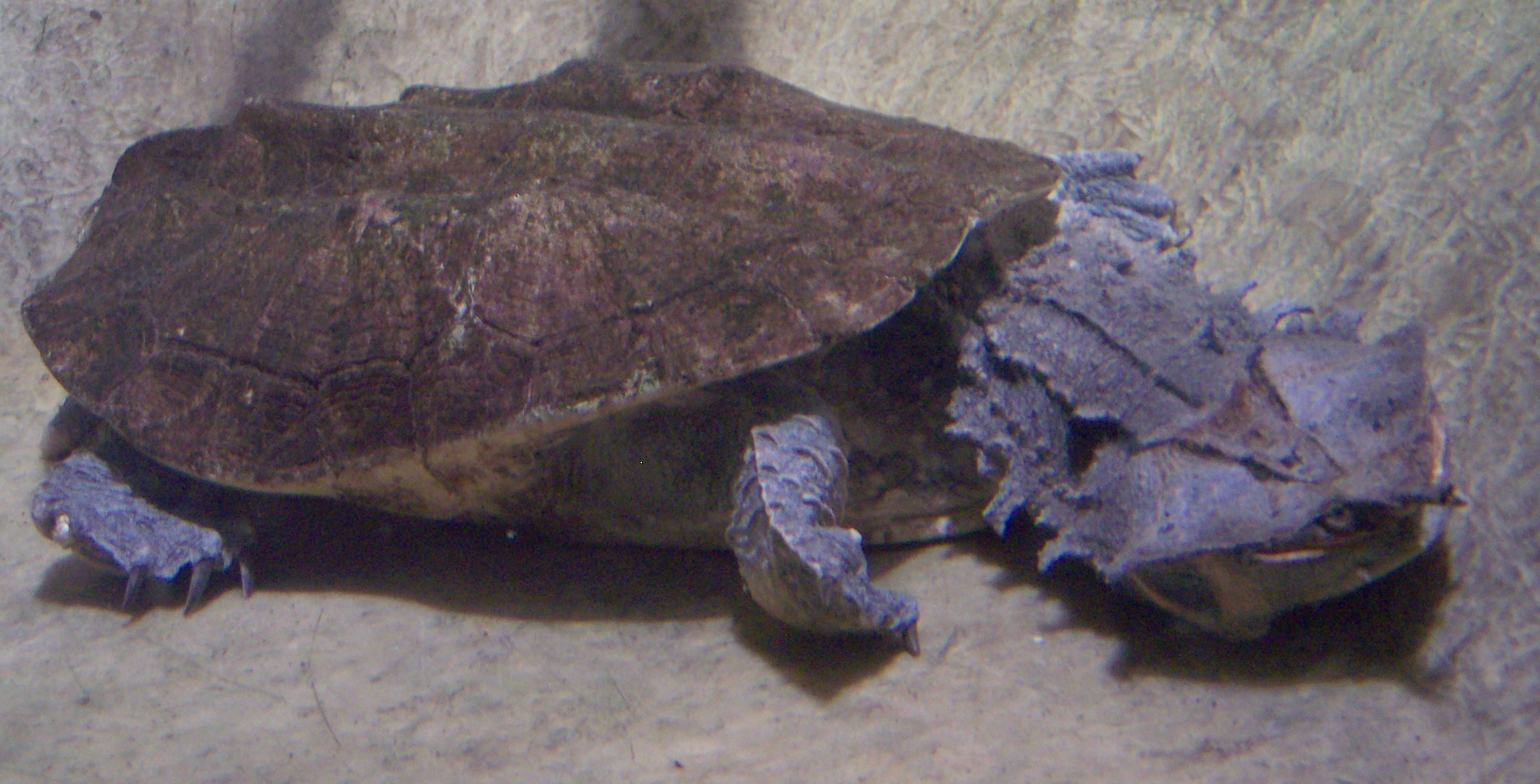
Family Chelidae
Suborder Pleurodira
14 genera, 61 species
medium to small (12-50 cm)
flattened, large emarginated skull
wide cheek bones
flattened shells
webbed feet
GSD*
freshwater
bottom walker
omnivorous, opportunistic carnivores
Chelus suction feeds (Mata mata)
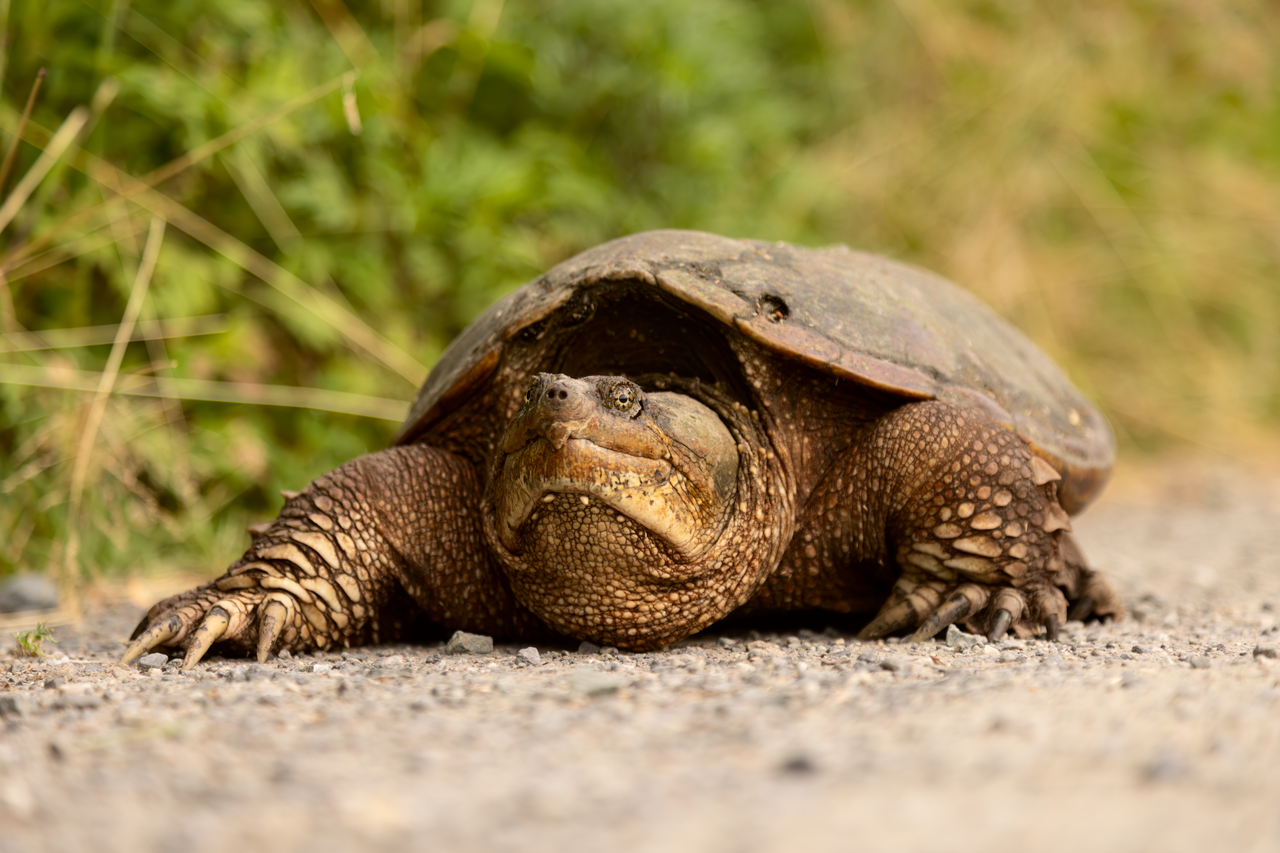
Family Chelydridae
Suborder Cryptodira
mostly E US, some central America + northern SA
2 genera, 4 species
second smallest turtle family
large size + heads
cannot fully retract head
bottom dwellers
freshwater
opportunistic carnivores
contains largest turtle in NA
tongue adaptation
TSD Type II
trimodal
low incubation temps = all females
high incubation temps = all females
mid incubation temps = all males
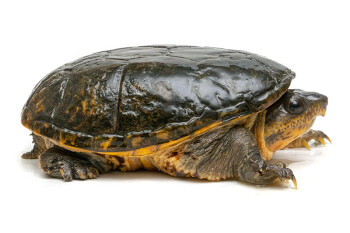
Family Kinosternidae
Suborder Cryptodira
NA to N SA
4 genera, 25 species
mud and musk turtles
small turtles
elongated shells (egg shaped, unusual for aquatic)
plastron may be reduced
singly or double hinged
musk glands in cloaca
aquatic
carnivorous
GSD (also TSD)
2 hinges in Kinosternon genus
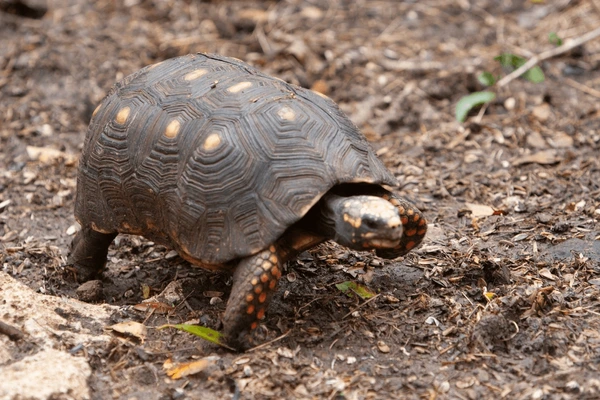
Family Testudinidae
Suborder Cryptodira
super widespread
Africa, Asia, S NA, SA
tortoises
15 genera, 60 species
largest on land
temperate and tropical
high domed shells
head and limbs fully withdrawn
stout limbs
herbivorous/omnivorous
kinixys: hinged carapace genus
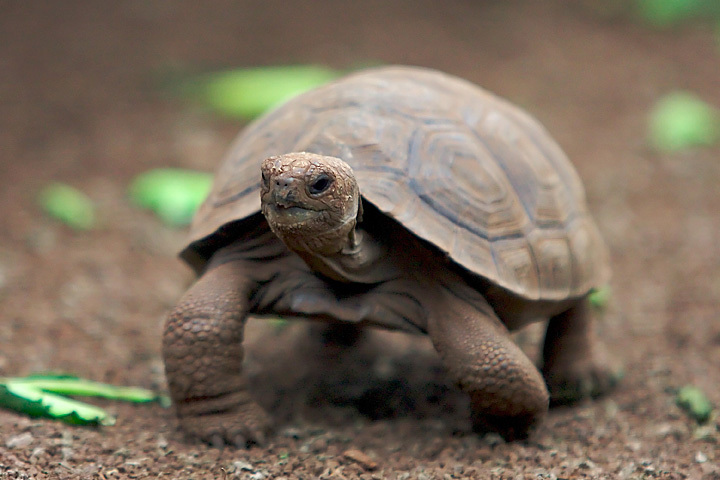
Island Gigantism
Gopher tortoise: keystone species, many species use their burrows, SE US