Era 2: 1450-1750 (Unit 3 and 4)
 Call Kai
 Learn
Learn Practice Test
 Spaced Repetition
 Match
Match Flashcards
 Knowt Play
1/31

There's no tags or description
Looks like no tags are added yet.
Name | Mastery | Learn | Test | Matching | Spaced | Call with Kai |
|---|
No analytics yet
Send a link to your students to track their progress
32 Terms
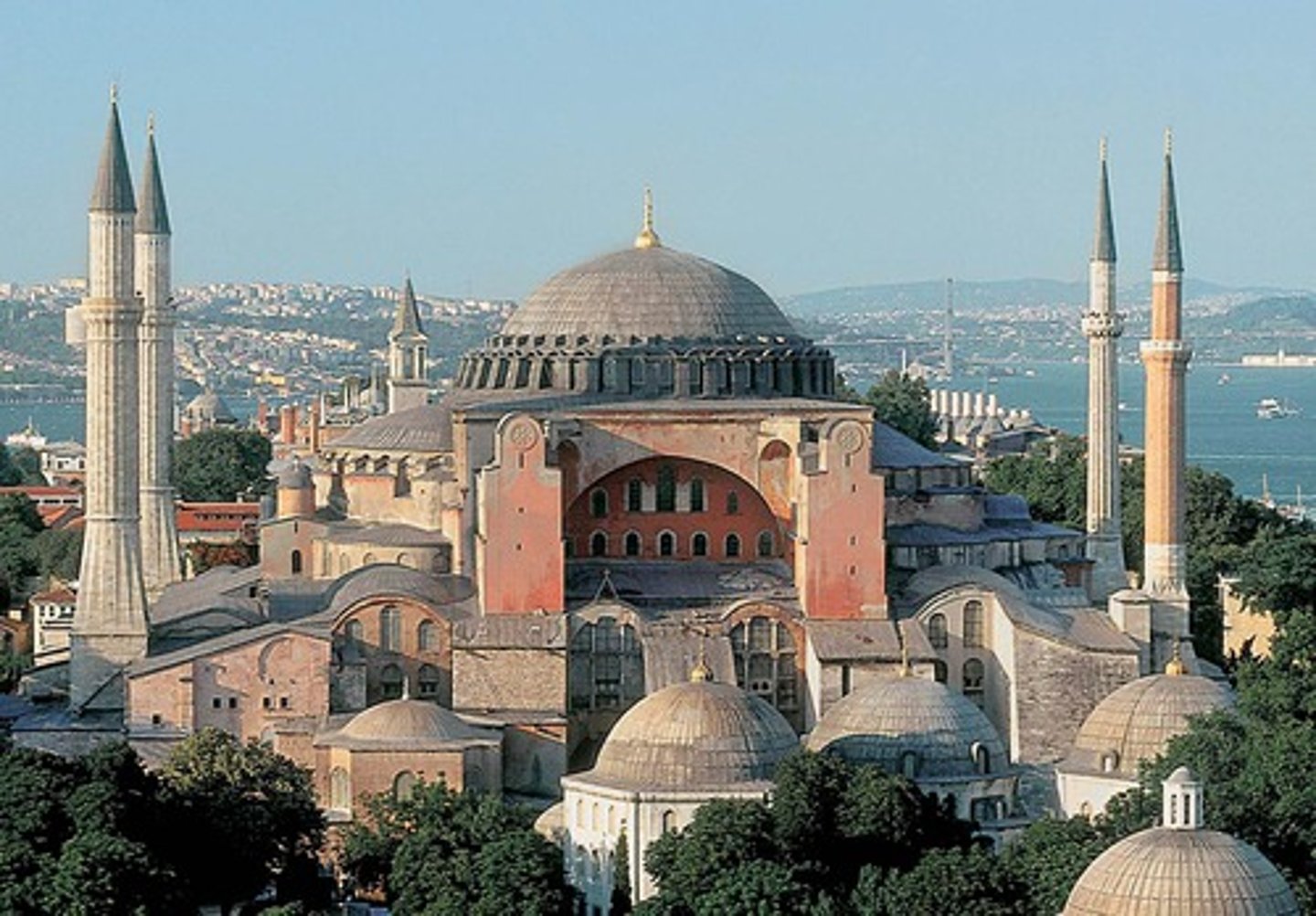
Constantinople
the capital and almost the only outpost left of the Byzantine Empire, fell to the army of the Ottoman sultan Mehmed II "the Conqueror" in 1453, an event
that marked the end of Christian Byzantium.
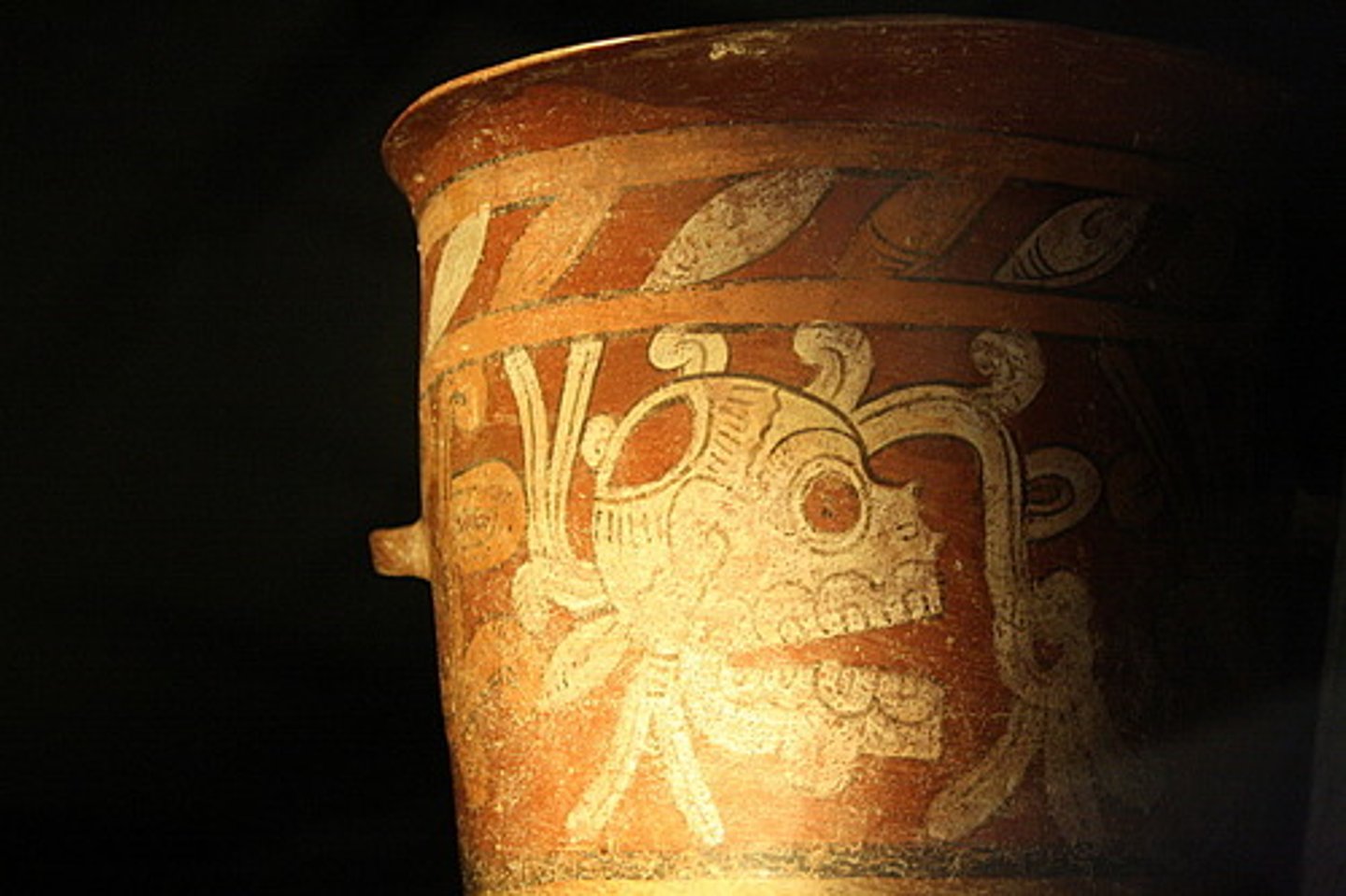
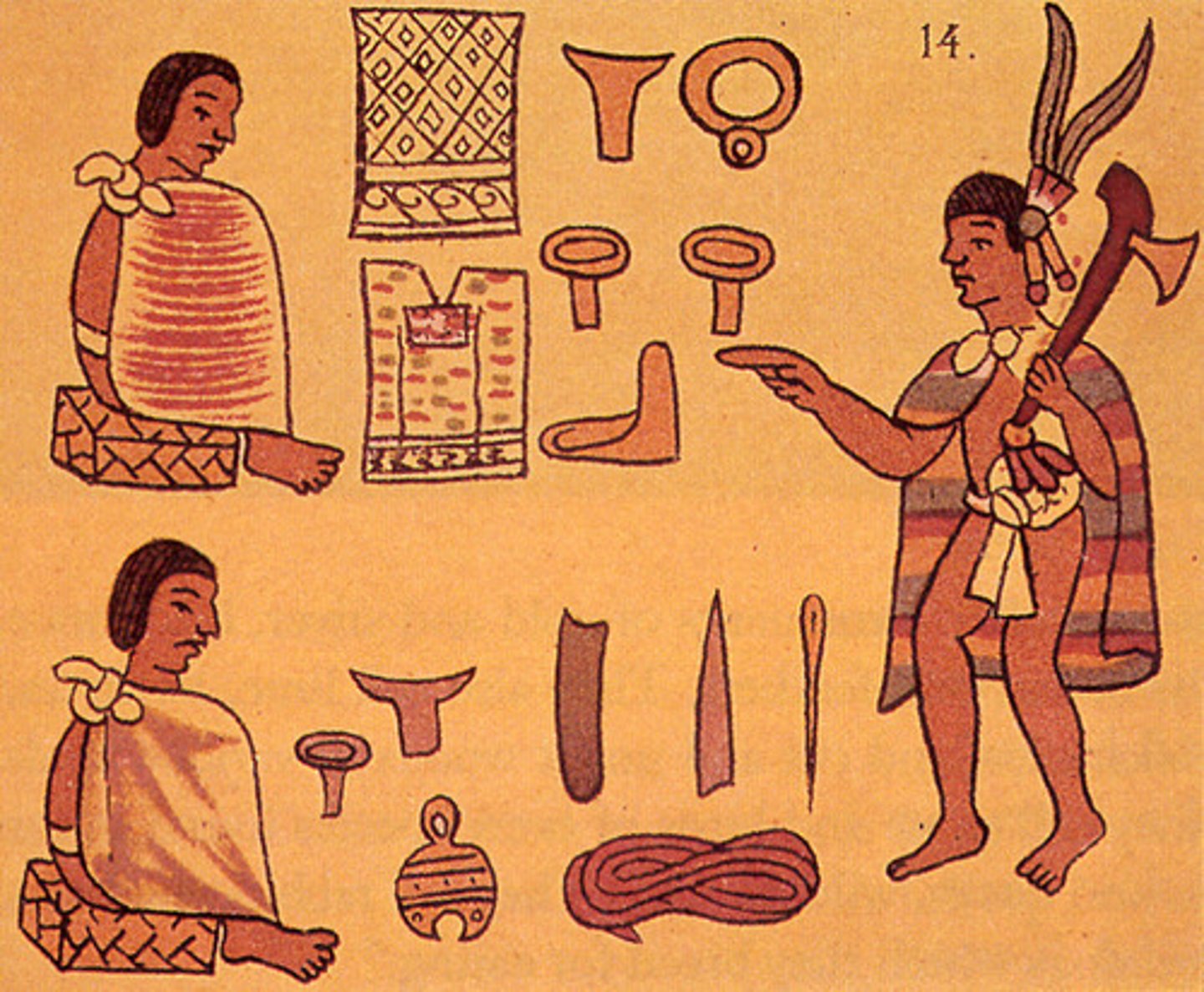
Aztecs
Major state that developed in what is
now Mexico in the fourteenth and fifteenth
centuries; dominated by the semi-nomadic
Mexica, who had migrated into the region from
northern Mexico
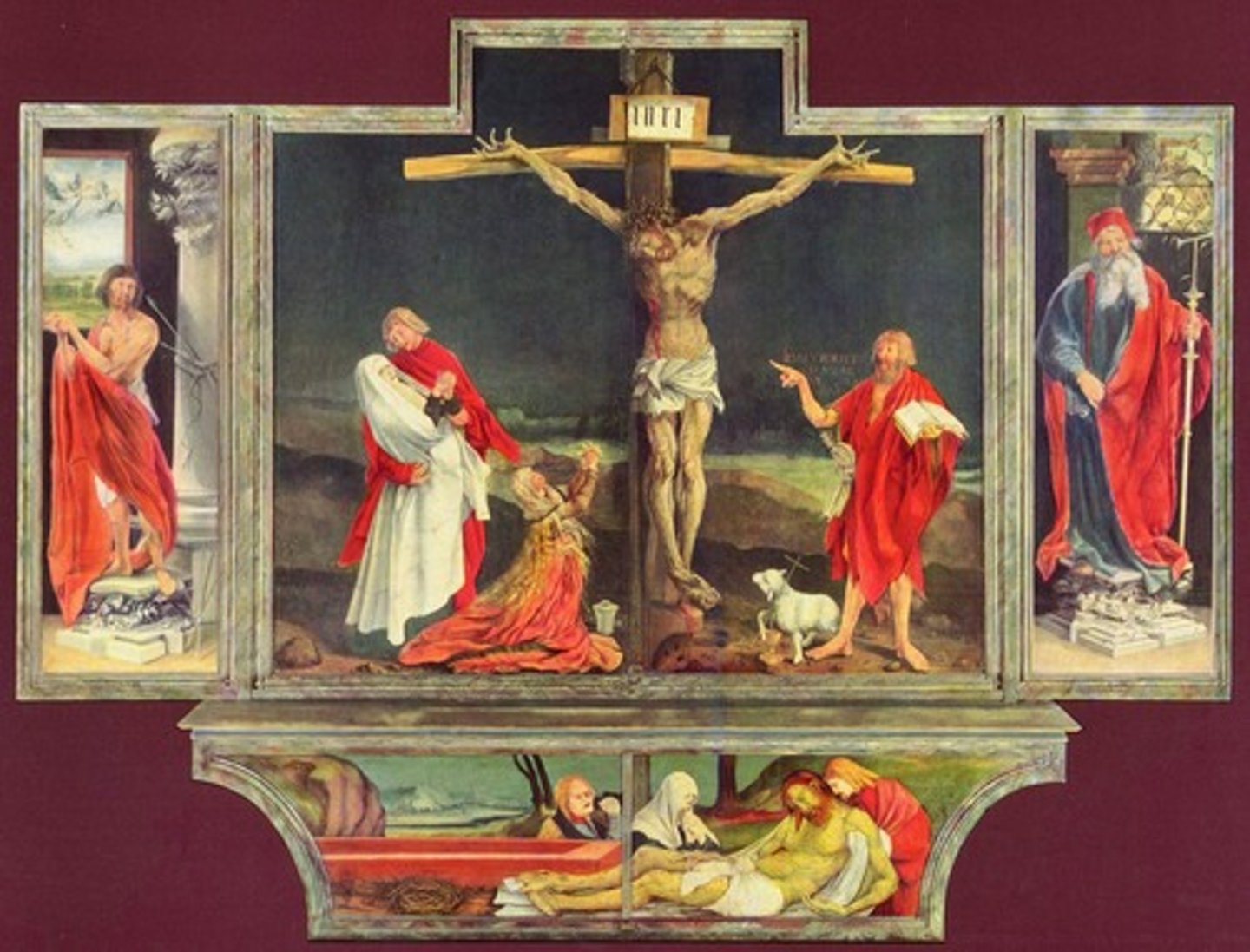
European Renaissance
A "rebirth" of classical learning that is most often associated with the cultural blossoming of Italy in the period 1350-1500 and that included not just a rediscovery of Greek learning but also major developments in
art, as well as growing secularism in society.
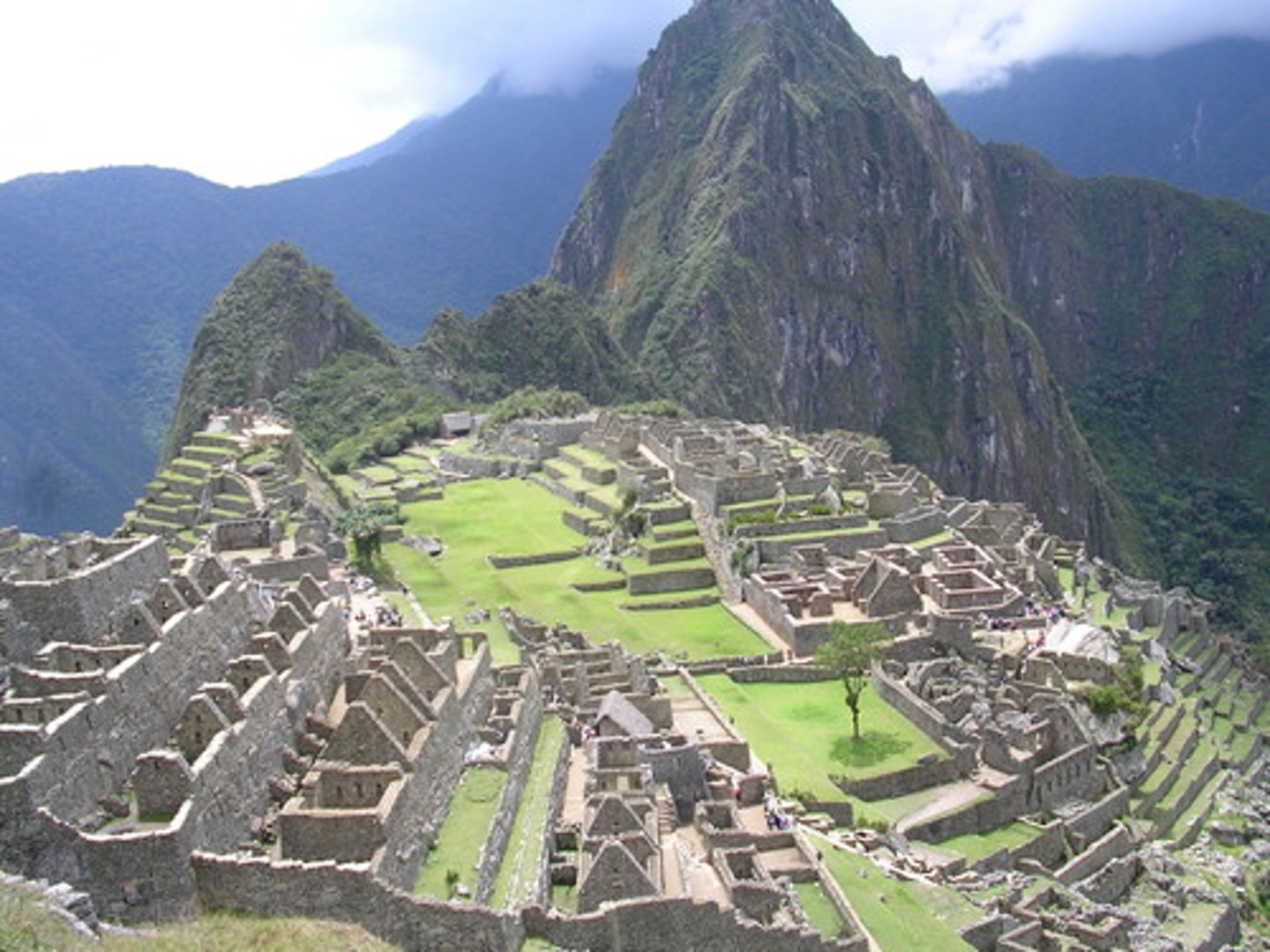
Inca
The Western Hemisphere's largest
imperial state in the fifteenth and early sixteenth
centuries; built by a relatively small community
of Quechua-speaking people, the empire stretched some 2,500 miles along the Andes Mountains, which run nearly the entire length of the west coast of South America, and contained perhaps 10 million subjects.
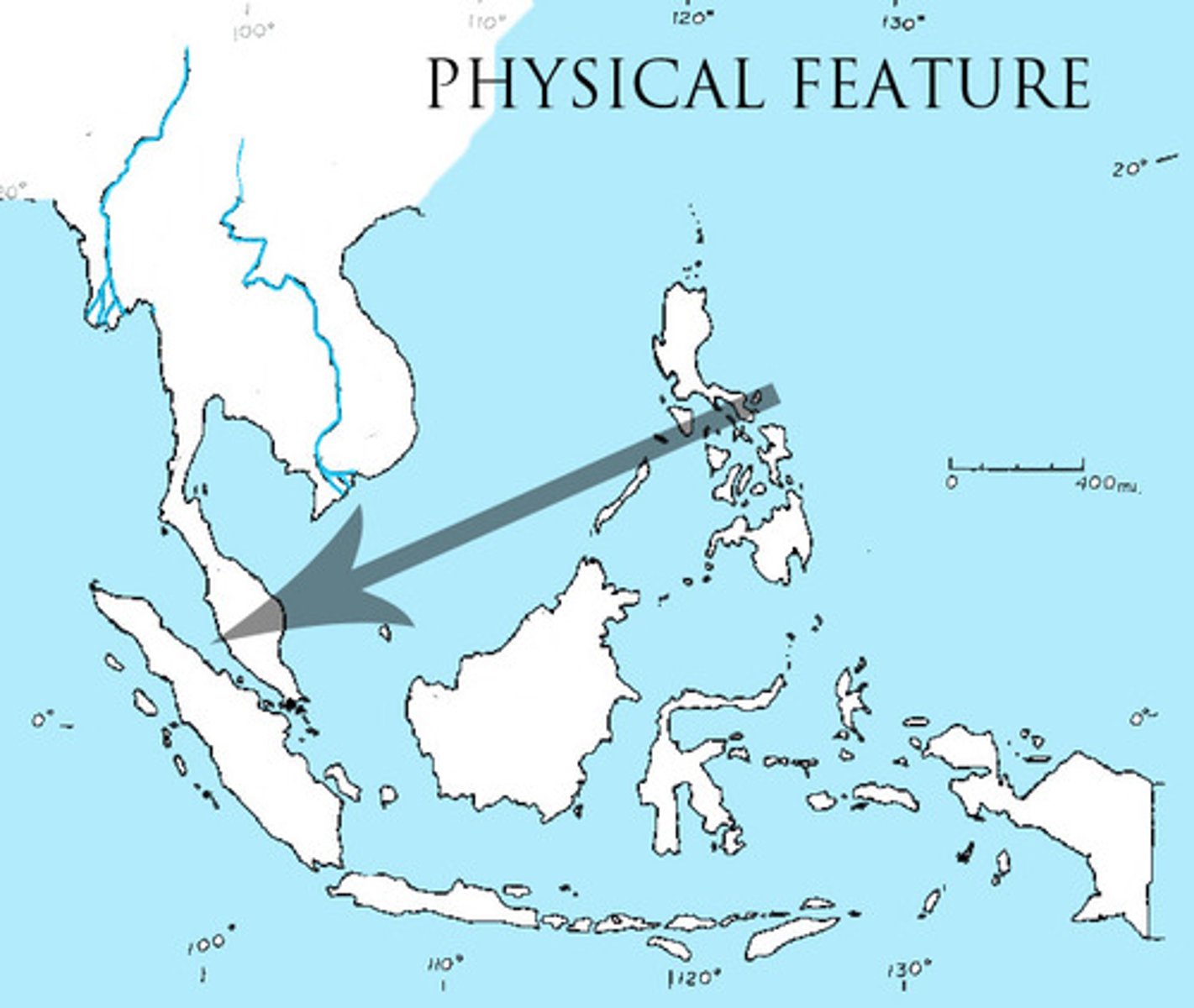
Malacca
Muslim port city that came to prominence
on the waterway between Sumatra and Malaya
in the fifteenth century C.E.; it was the
springboard for the spread of a syncretic form of
Islam throughout the region
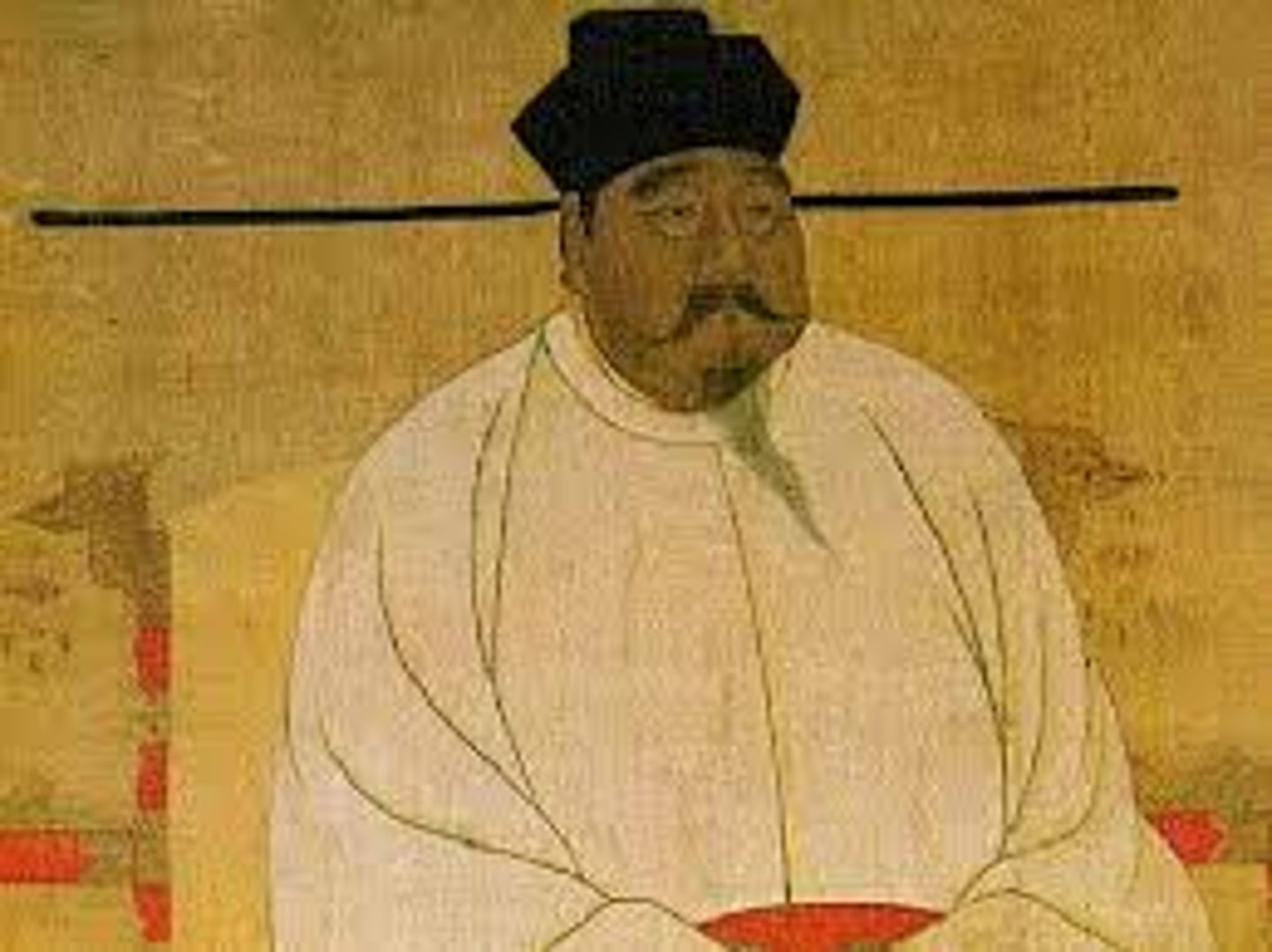
Ming
Chinese dynasty (1368-1644) that
succeeded the Yuan dynasty of the Mongols;
noted for its return to traditional Chinese ways
and restoration of the land after the
destructiveness of the Mongols.
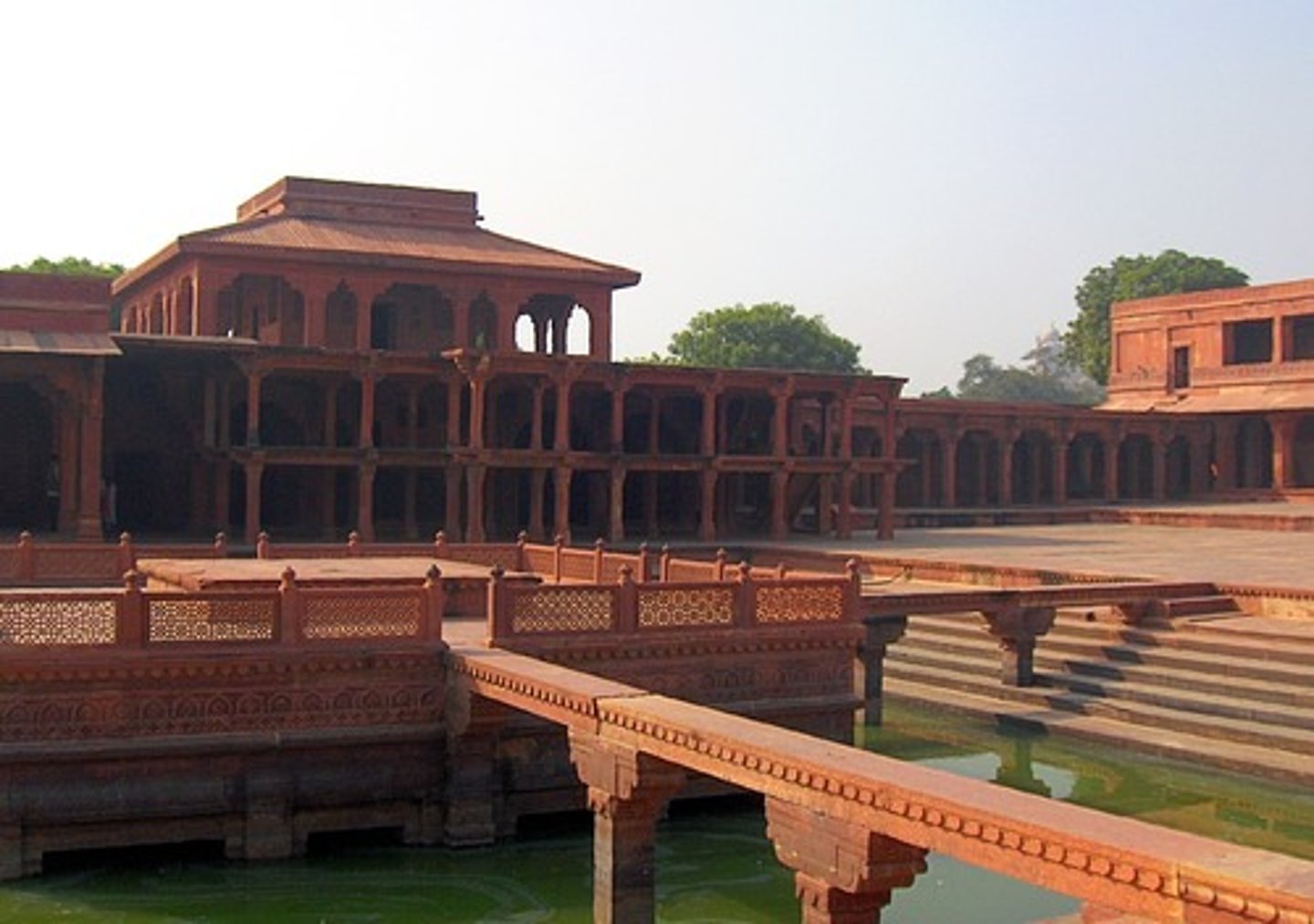
Mughal
One of the most successful
empires of India, a state founded by an Islamized
Turkic group that invaded India in 1526; the
Mughals' rule was noted for their efforts to
create partnerships between Hindus and
Muslims.
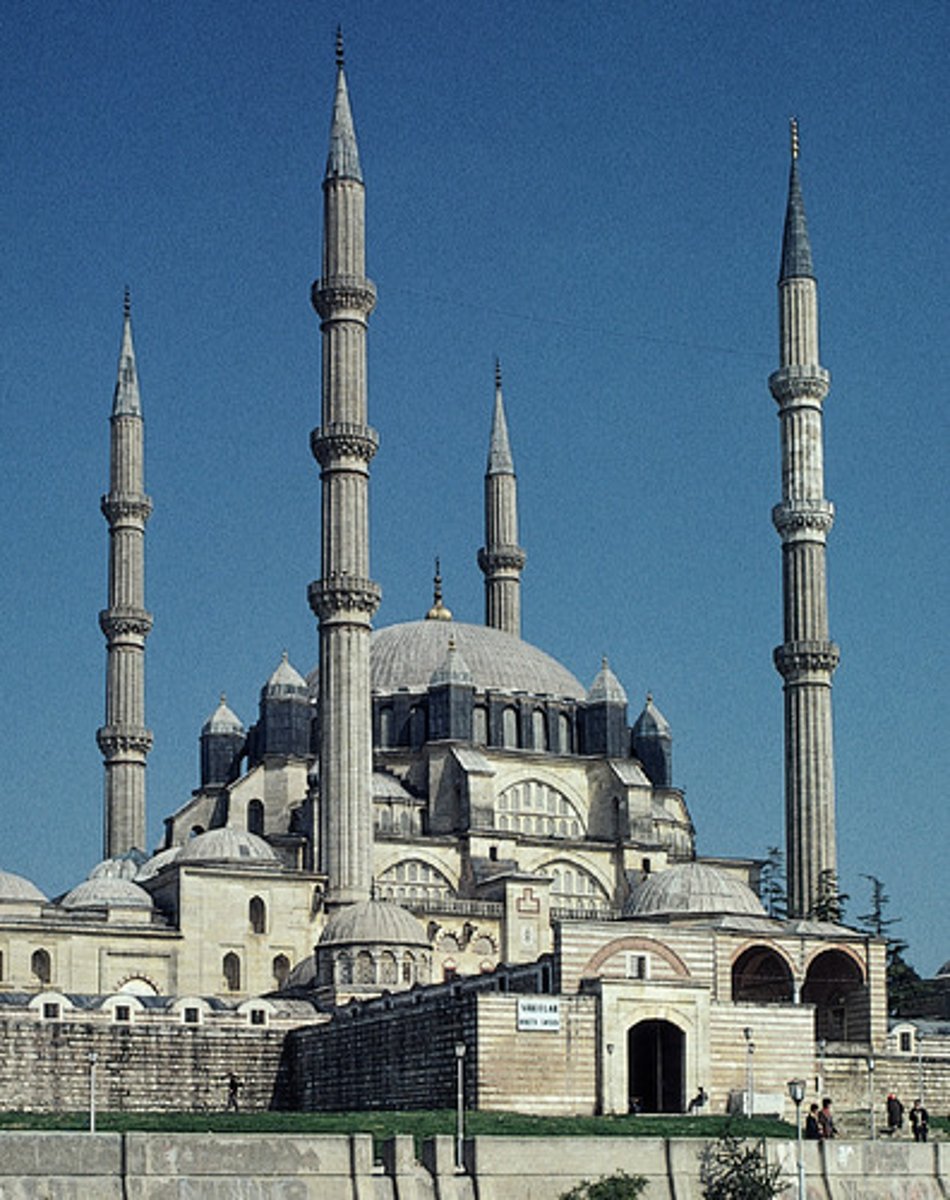
Ottoman Empire
Major Islamic state centered on
Anatolia that came to include the Balkans, the
Near East, and much of North Africa.
Pochteca
Professional merchants in the Aztec
Empire whose wealth often elevated them to
elite status.
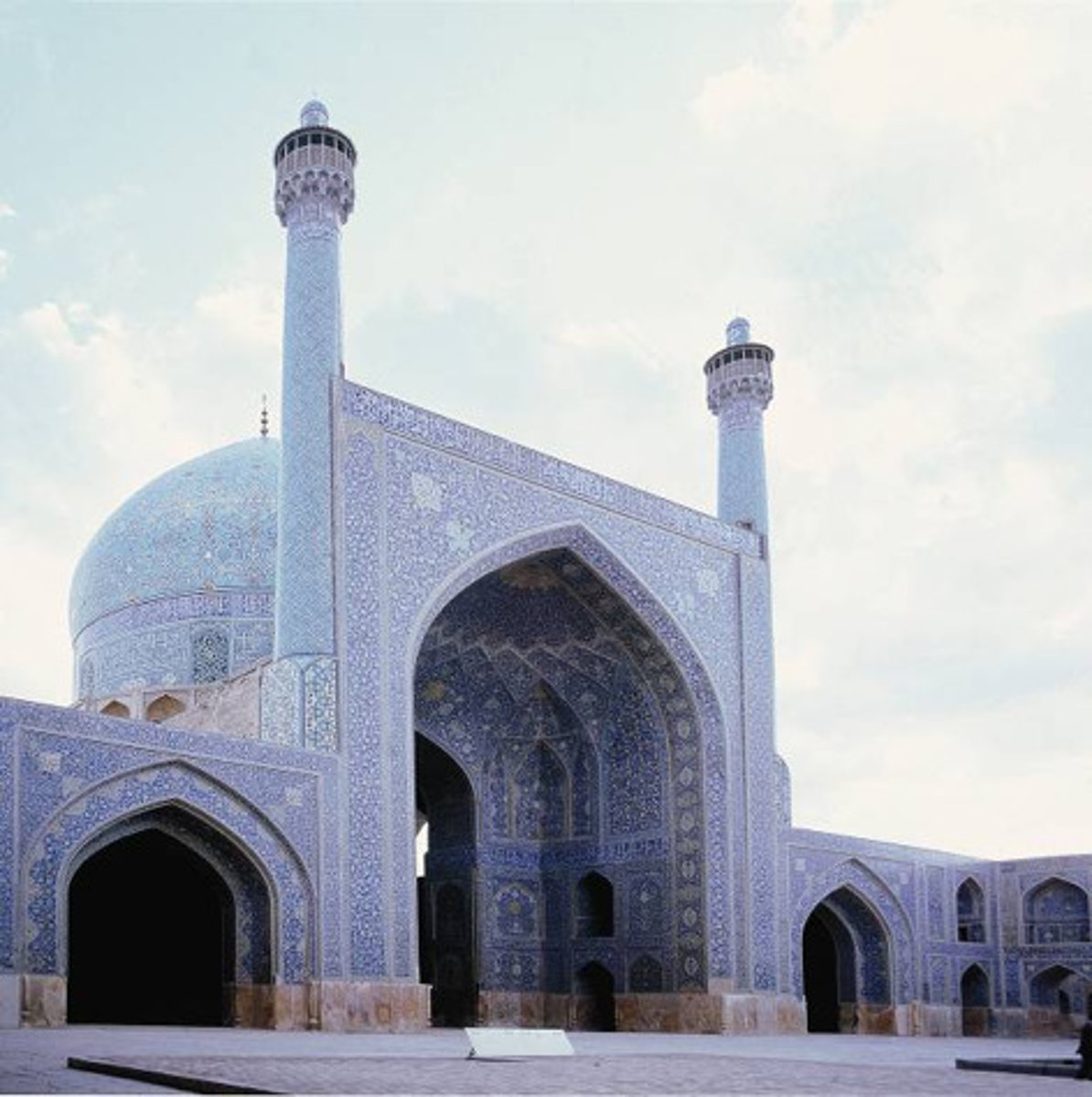
Safavid
Major Turkic empire of Persia
founded in the early sixteenth century, notable
for its efforts to convert its populace to Shia
Islam.
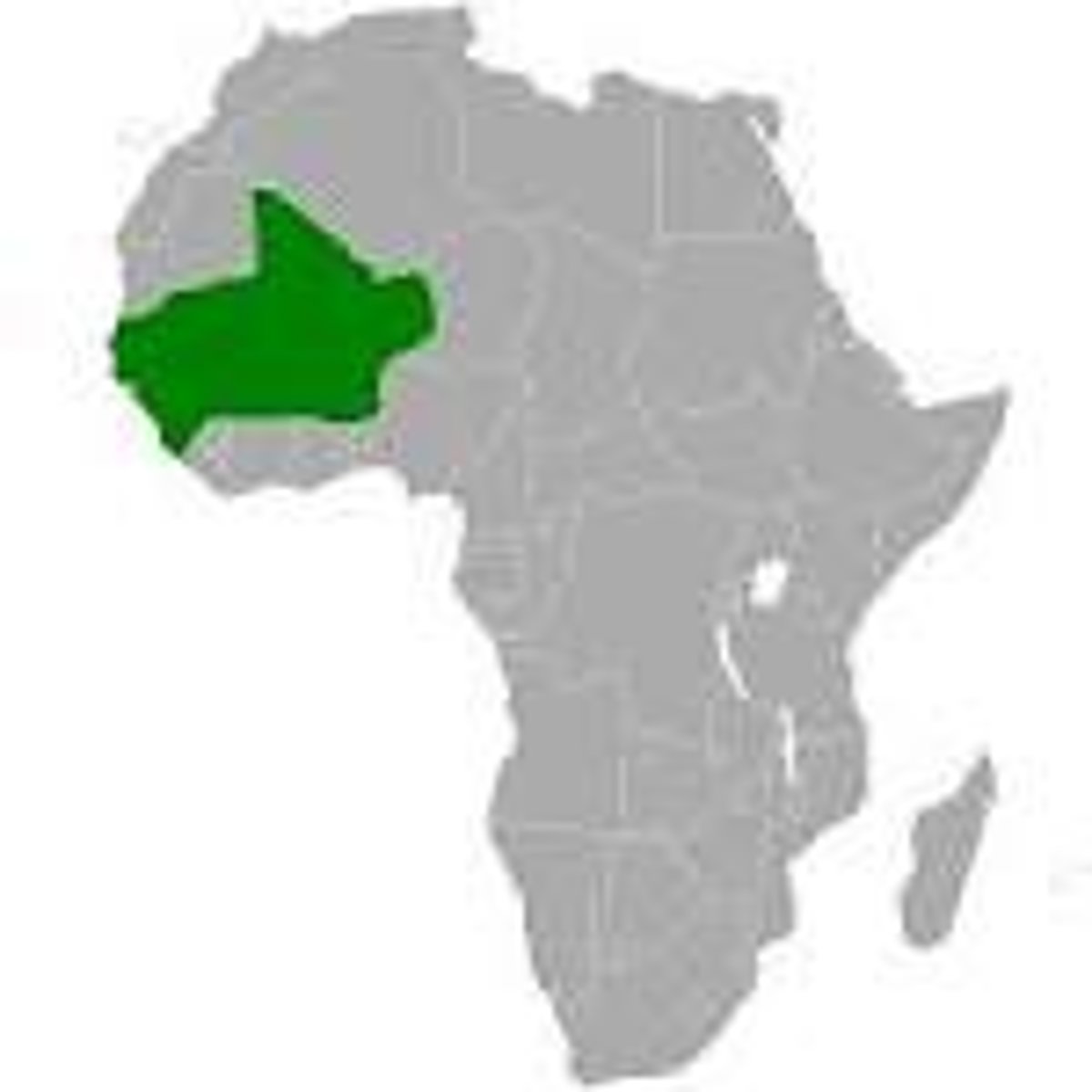
Songhai (or Songhay)
Major Islamic state of West Africa that formed in the second half of the fifteenth century.
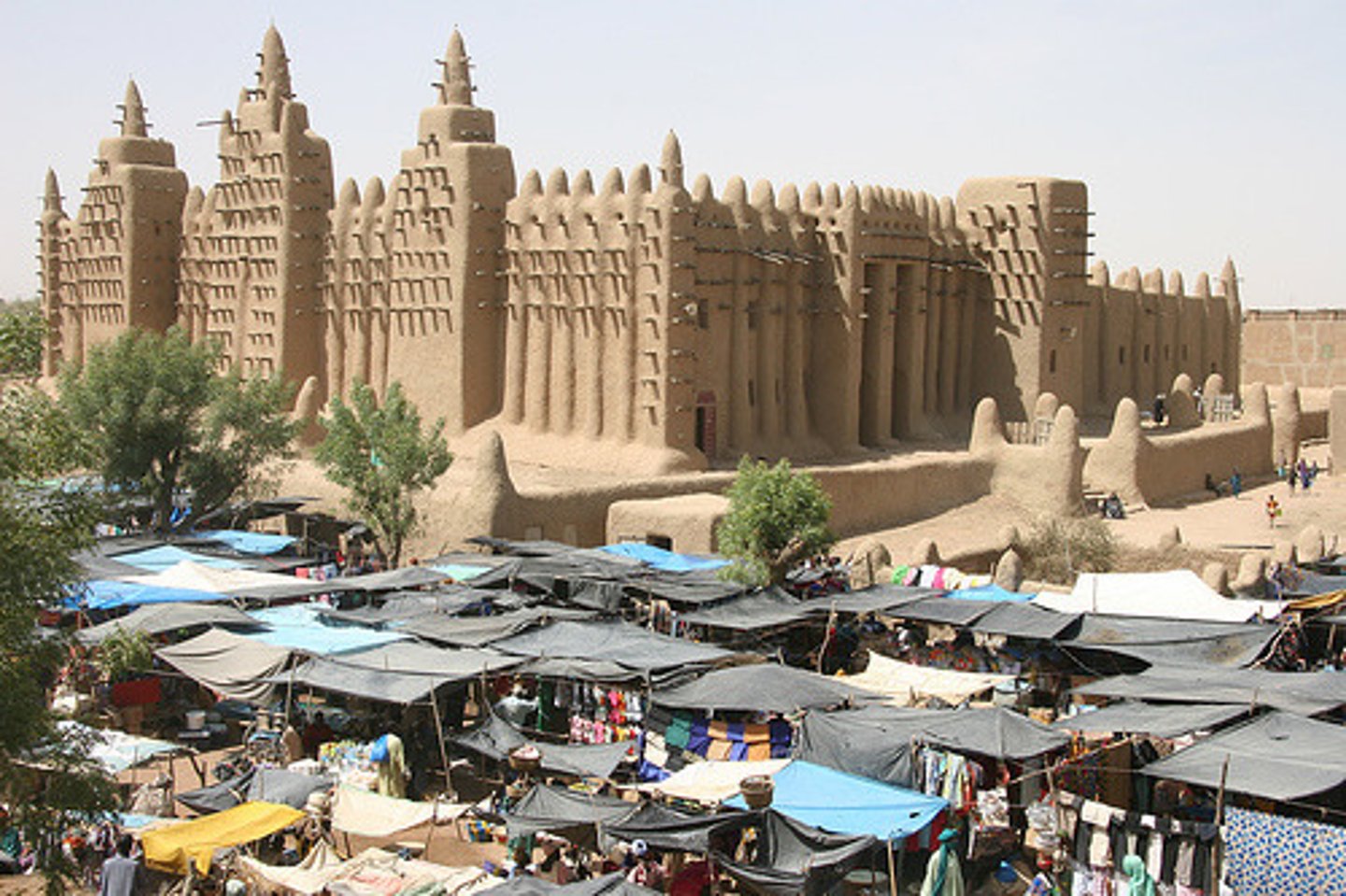
Timbuktu
Great city of West Africa, noted in the
fourteenth-sixteenth centuries as a center of
Islamic scholarship.
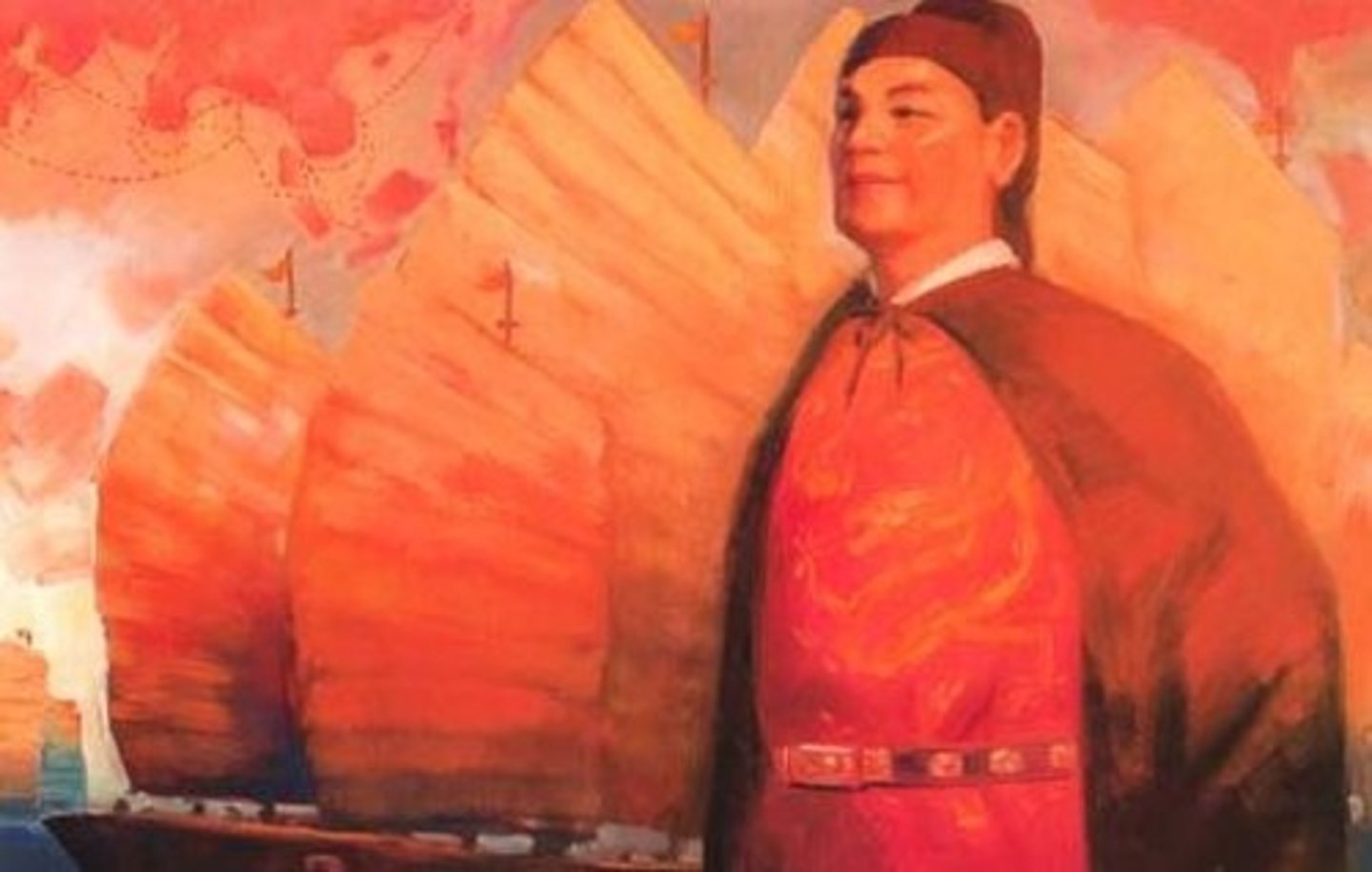
Zheng He
Great Chinese admiral (1371-1433) who commanded a fleet of more than 300 ships in a
series of voyages of contact and exploration that
began in 1405.
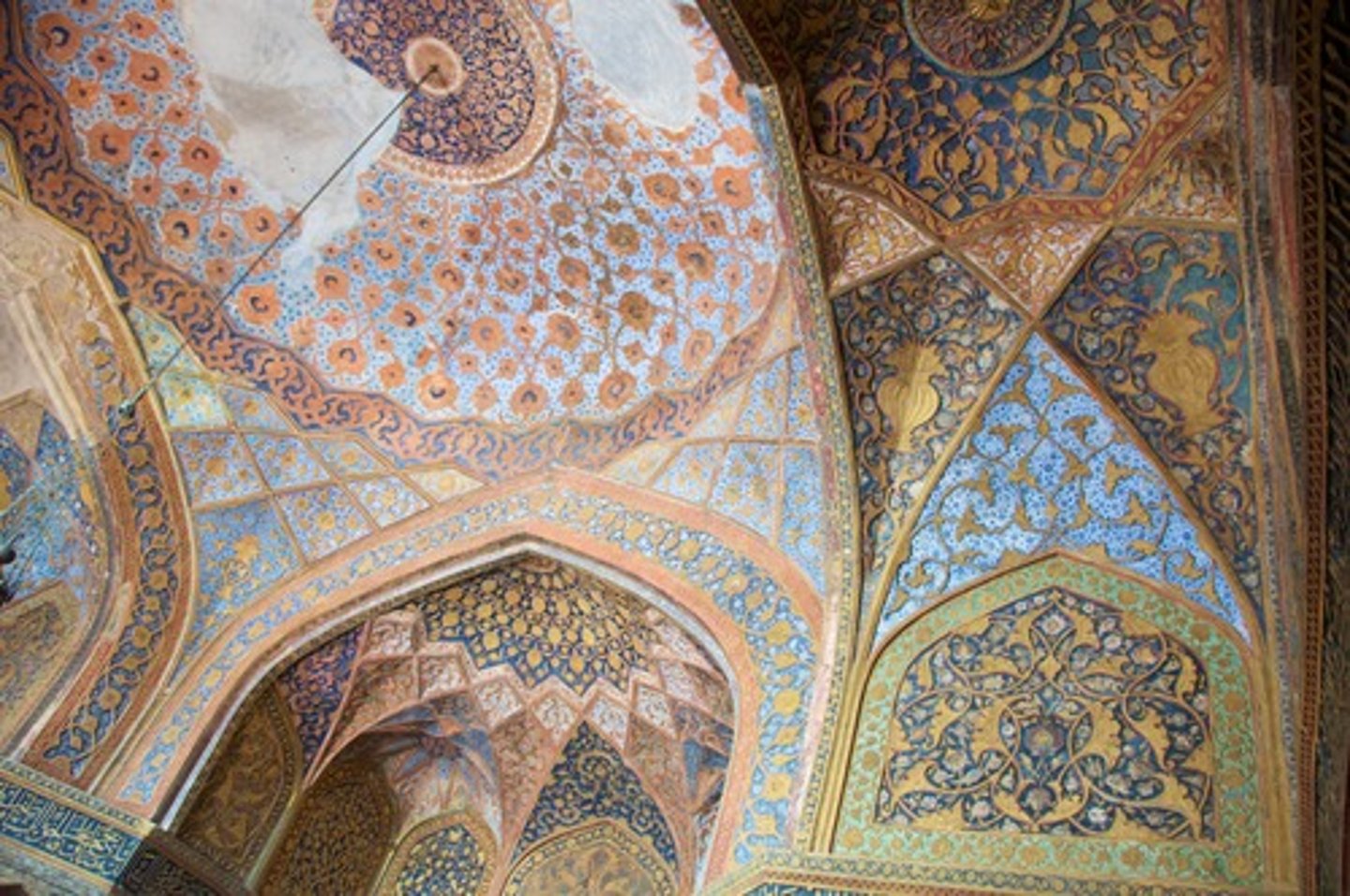
Akbar the Great
The most famous emperor of India's Mughal
Empire (r. 1556-1605); his policies are noted for
their efforts at religious tolerance and inclusion.
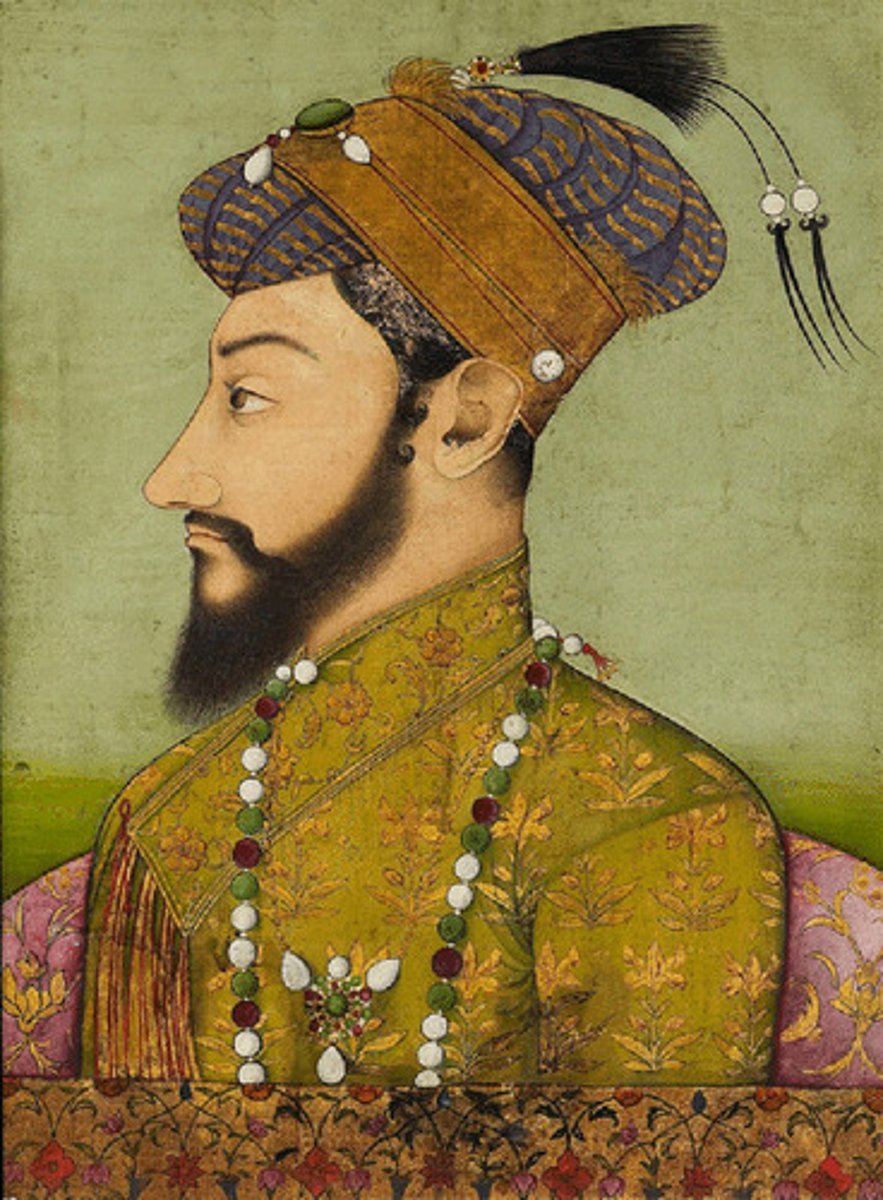
Aurangzeb
Mughal emperor (r. 1658-1707) who
reversed his predecessors' policies of religious
tolerance and attempted to impose Islamic
supremacy
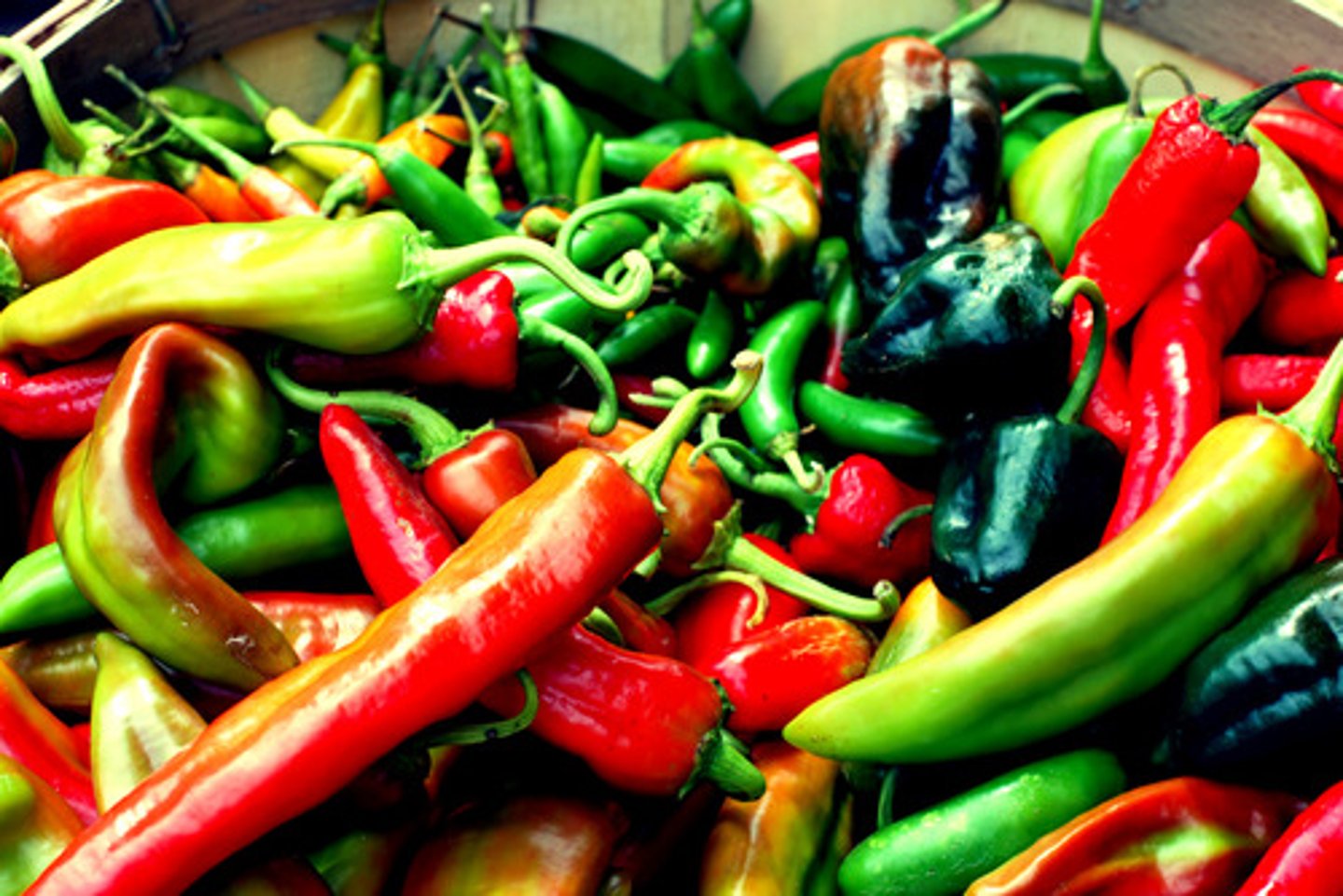
Columbian exchange
The massive transatlantic interaction and exchange between the Americas and Afro-Eurasia that began in the period of European exploration and colonization.
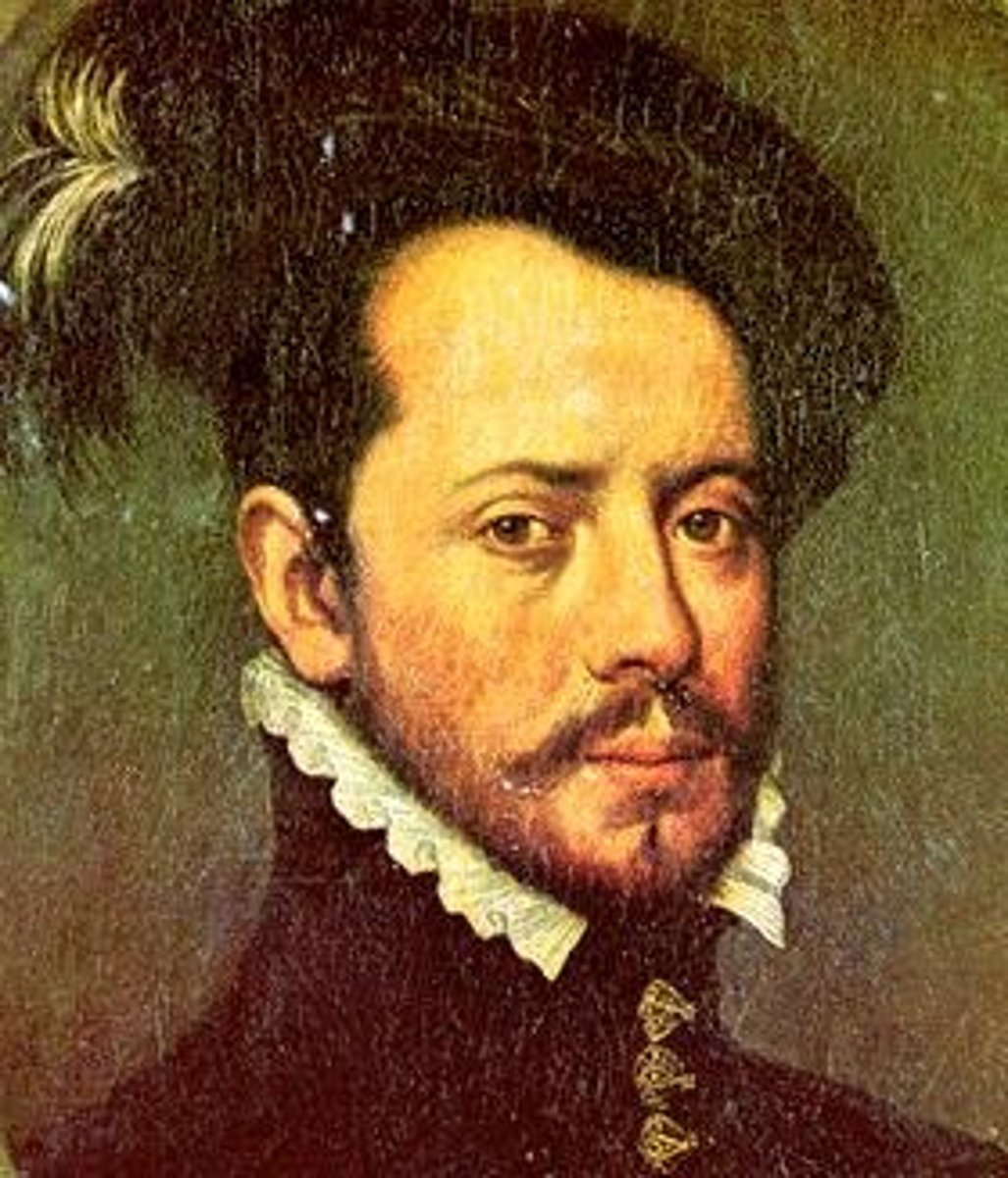
Hernan Cortés (ca. 1485-1547)
Spanish conquistador (1485-1547)
who led the expedition that conquered the Aztec
Empire in modern Mexico
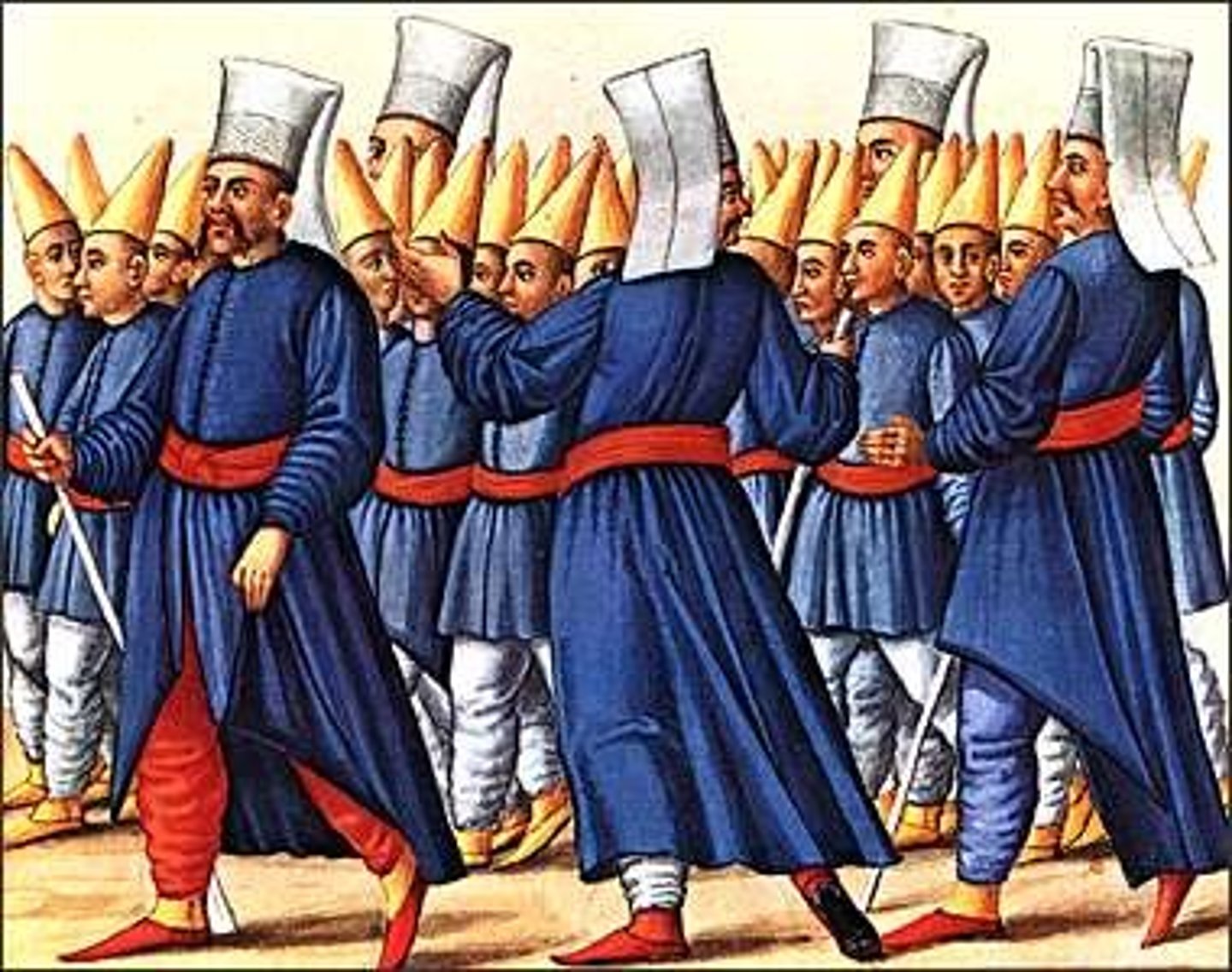
devshirme
The tribute of boy children that the Ottoman Turks levied from their Christian subjects in the Balkans; the Ottomans raised the boys for service in the civil administration or in the elite Janissary infantry corps.
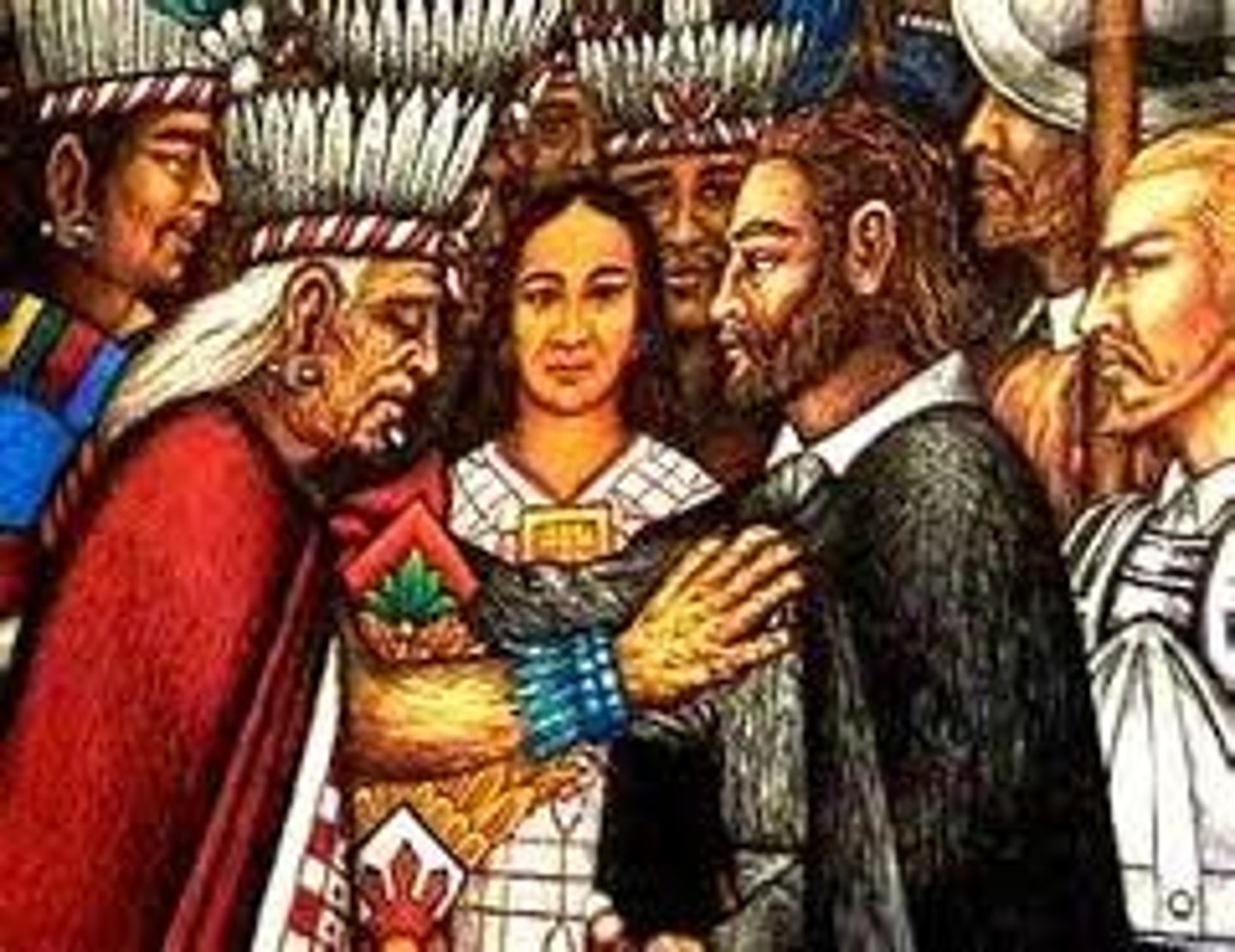
Dona Marina (La Malinche)
Native American slave from an elite
background who in 1519 became Cortés
indispensable interpreter and strategist. She
accompanied him during his conquest of the
Aztec Empire and bore him a son. After the conquest she was married off to another conquistador, dying around 1530 C.E.
Land Based Empire
They built larger empires by controlling large tracts of continental territory; among these are China, Japan, Ottoman, Safavid, Mughul, and Korea.
European Explorations
Seeking an increase in the trade of spices, silk, and other goods from East and Southeast Asia, kings from new European nations sent ships around Africa into the Indian Ocean and also across the Atlantic Ocean. Led by Portugal, then Spain, France, England, and Holland, these explorers initiated the first truly global contacts and ushered in the rise of European influence around the world.
Atlantic World
history of the interactions among the peoples and empires bordering the Atlantic Ocean rim from the 1450s at the beginning of the Age of Exploration to the early 21st century.
Mercantilism
An economic policy (Europe in 18th C) to increase a nation's wealth and power by by obtaining large amounts of gold and silver, government regulation of all of the nation's commercial interests, and selling more goods than they bought.
Atlantic Slave Trade
Trade of African peoples from Western Africa to the Americas that lasted from 16th century until the 19th century. One part of a three-part economical system known as the Middle Passage of the Triangular Trade.
Encomienda
a grant by the Spanish Crown to a colonist in America conferring the right to demand tribute and forced labor from the Indian inhabitants of an area.
Mita System
economic system in Incan society where people paid taxes with their labor and what they produced
Printing Press
15th century invention which revolutionized the ability to print information which in turn affected the speed of the spread of information itself.
Diasporic cultures
Ethnic, racial, and national population concentrations of people displaced and geographically scattered from their homelands. Such displaced groups often maintain strong social and economic ties to their homelands.
Indigenous cultures
the cultures of the original inhabitants of a particular geographic area
Urbanization
Movement of people from rural areas to cities
Tokugawa Shogunate
a dynasty of shoguns that ruled a unified Japan from 1603 to 1867
Karl Marx
1818-1883. 19th century philosopher, political economist, sociologist, humanist, political theorist, and revolutionary. Often recognized as the father of communism. Analysis of history led to his belief that communism would replace capitalism as it replaced feudalism. Believed in a classless society.

