Biological Psychology EXAM 3 (Ch 10-15)
 Call Kai
 Learn
Learn Practice Test
 Spaced Repetition
 Match
Match Flashcards
 Knowt Play
1/340

There's no tags or description
Looks like no tags are added yet.
Name | Mastery | Learn | Test | Matching | Spaced | Call with Kai |
|---|
No analytics yet
Send a link to your students to track their progress
341 Terms
Psychoactive drug
A substance that alters mood, perception, mental functioning, or behavior
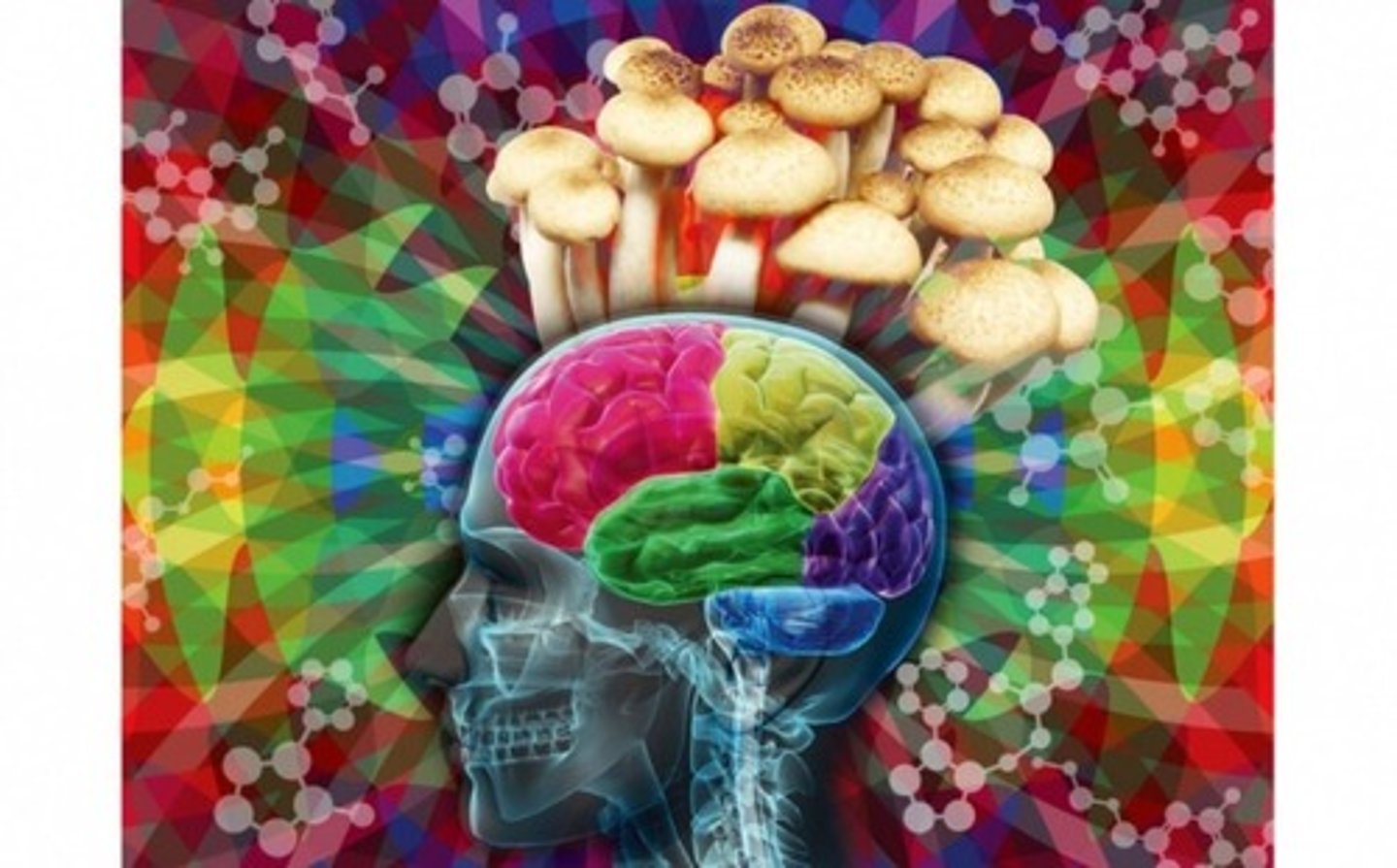
Addiction
A pattern of drug use that impairs ability to fulfill responsibilities. leads to risky behavior, dangerous situations, and causes legal or social problems
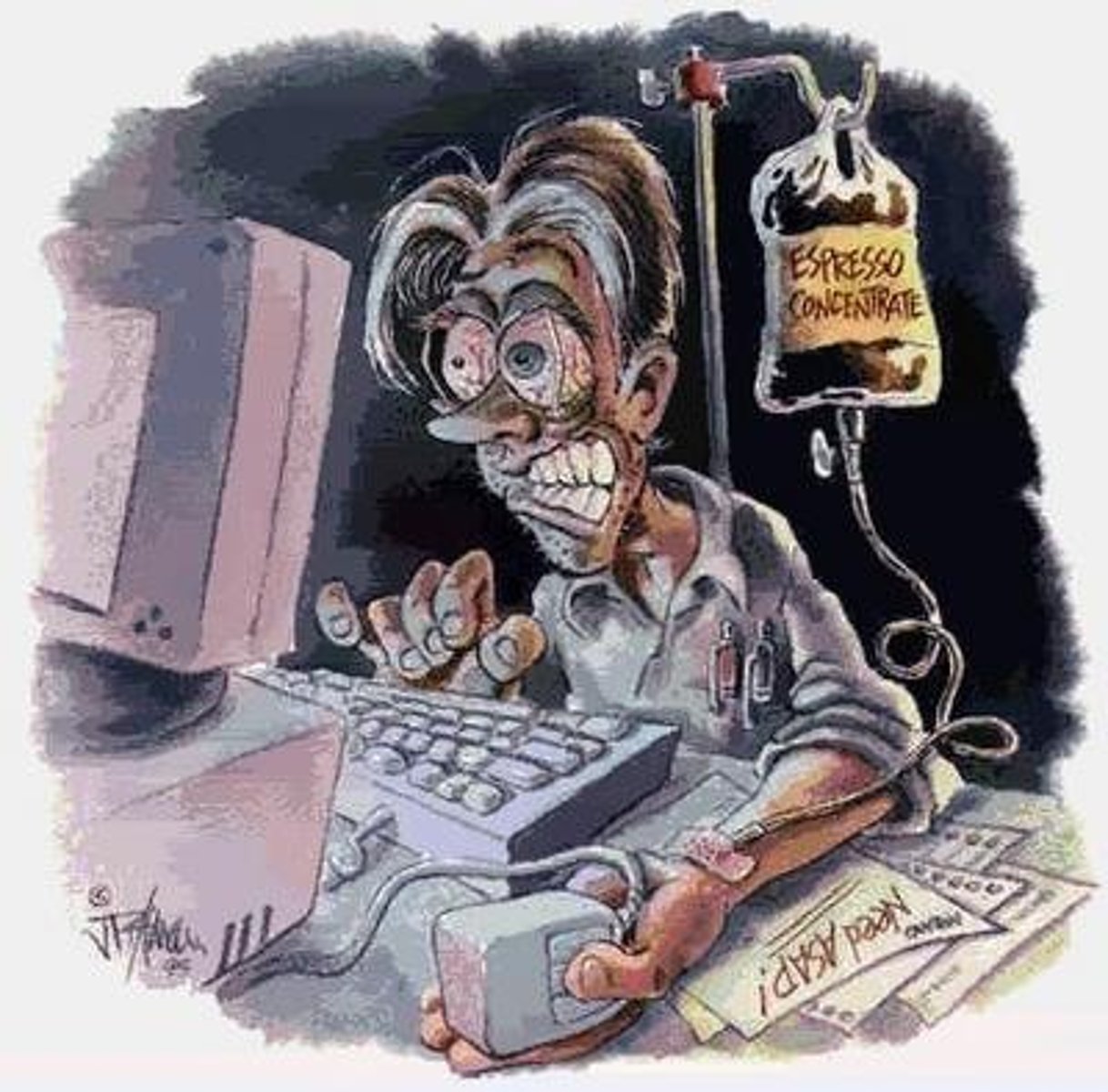
Addiction (Koob & Volkow definition)
A chronic, relapsing disorder involving compulsive drug seeking, loss of control in limiting intake, and withdrawal symptoms when access is prevented
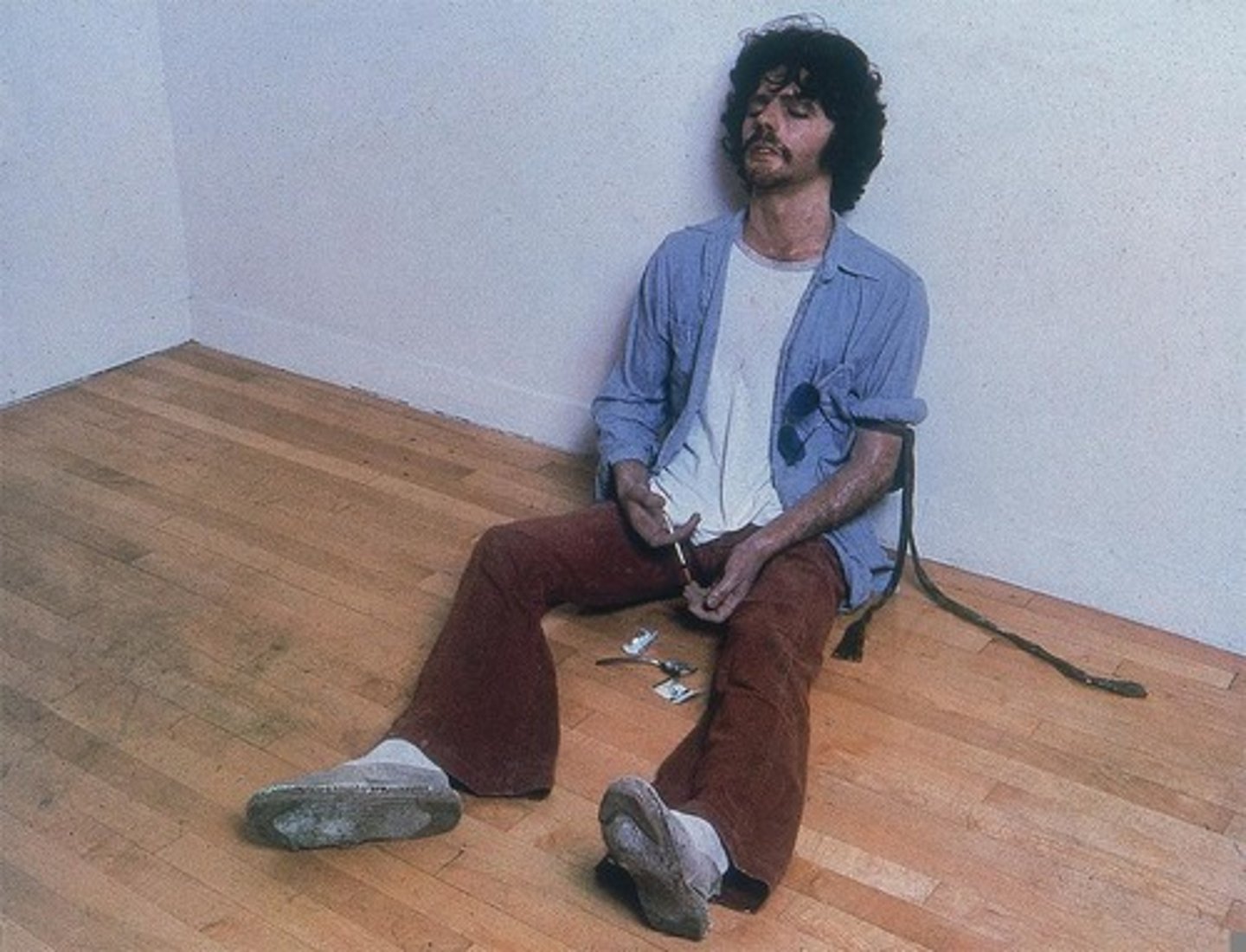
escalation in frequency and intensity of use over time
Core features of addiction are-
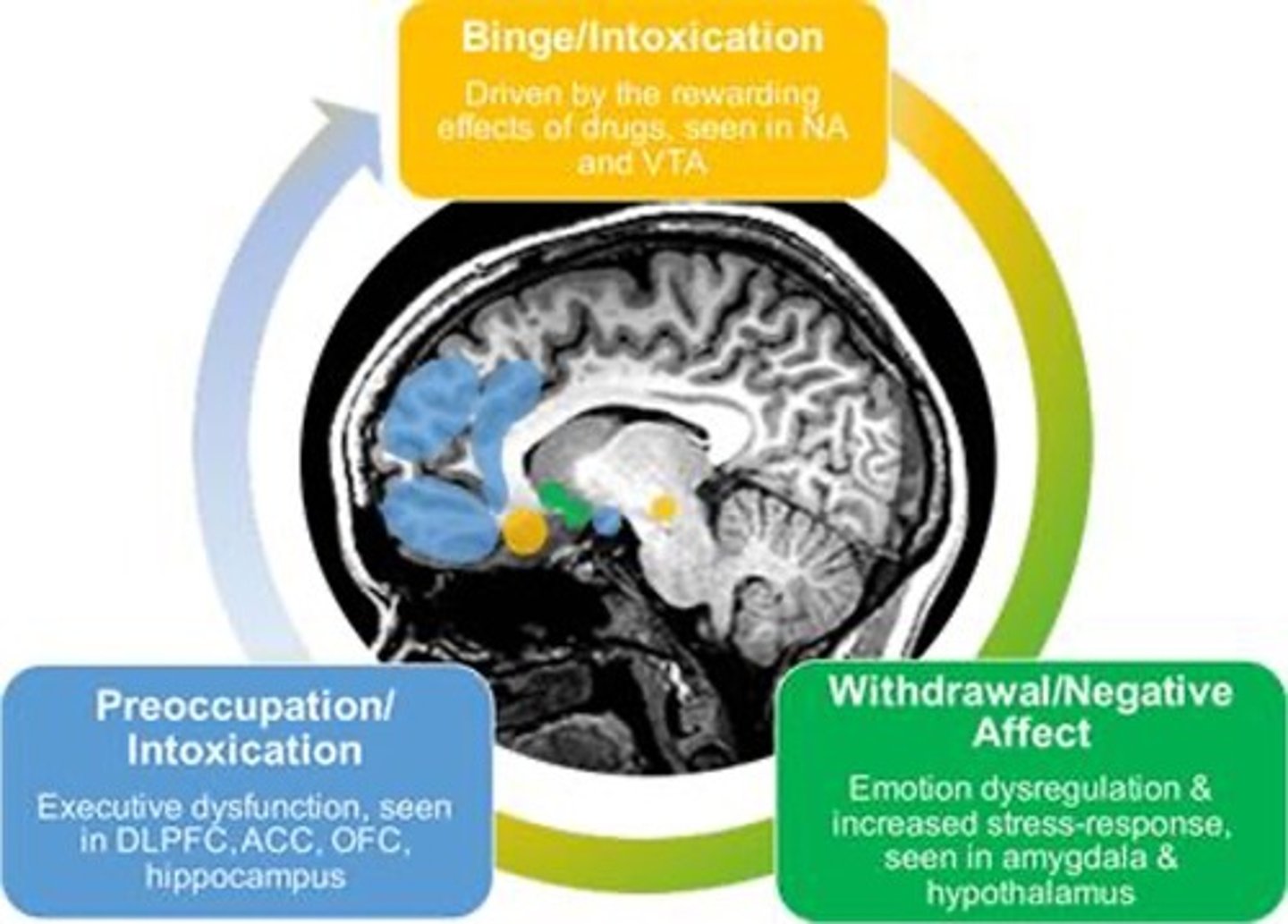
Binge/intoxication stage
Drug use driven by pleasure (hedonic effects) and social influences (pressure/norms)
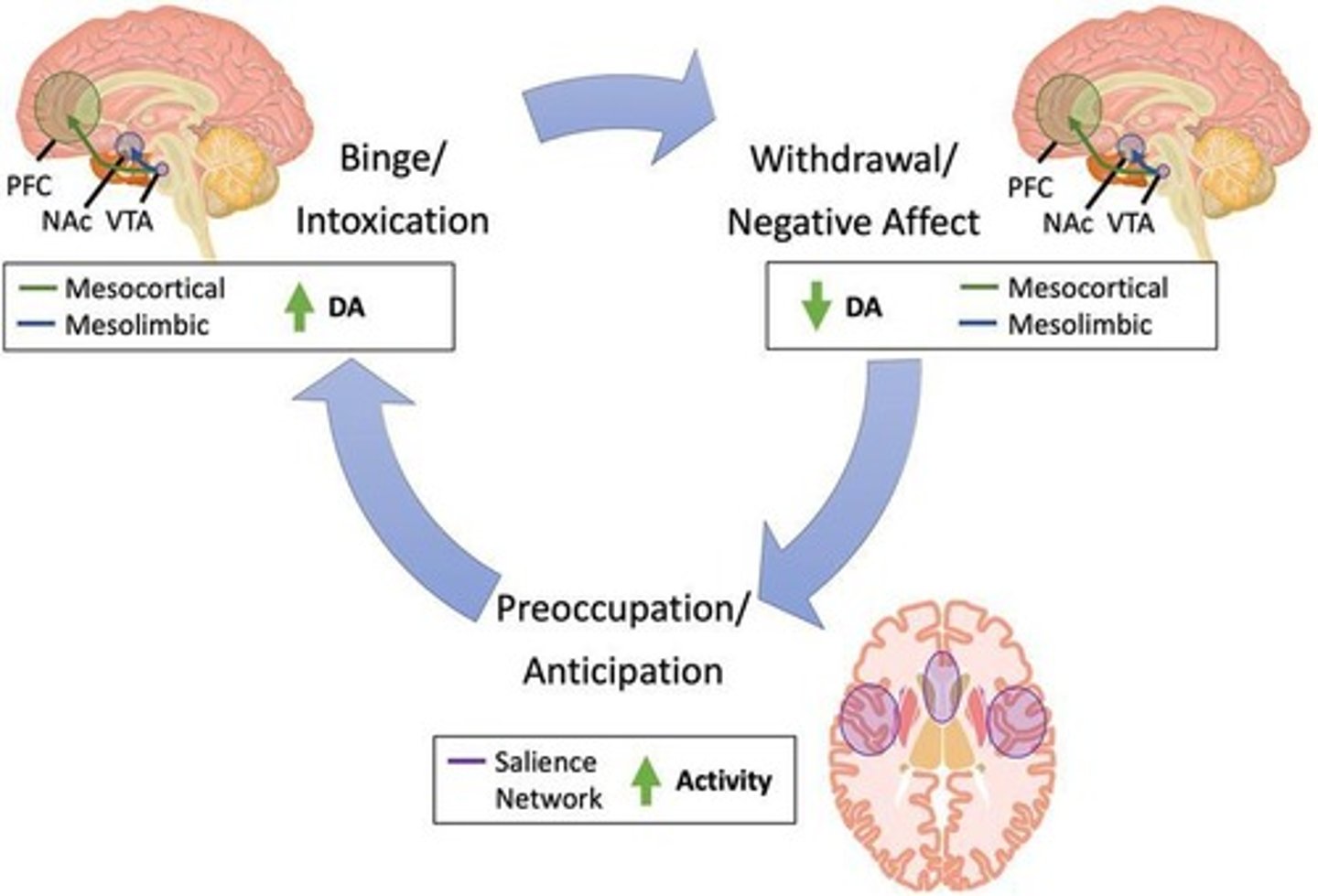
Withdrawal/negative affect stage
Characterized by physical & motivational ________, dysphoria, irritability, and emotional distress
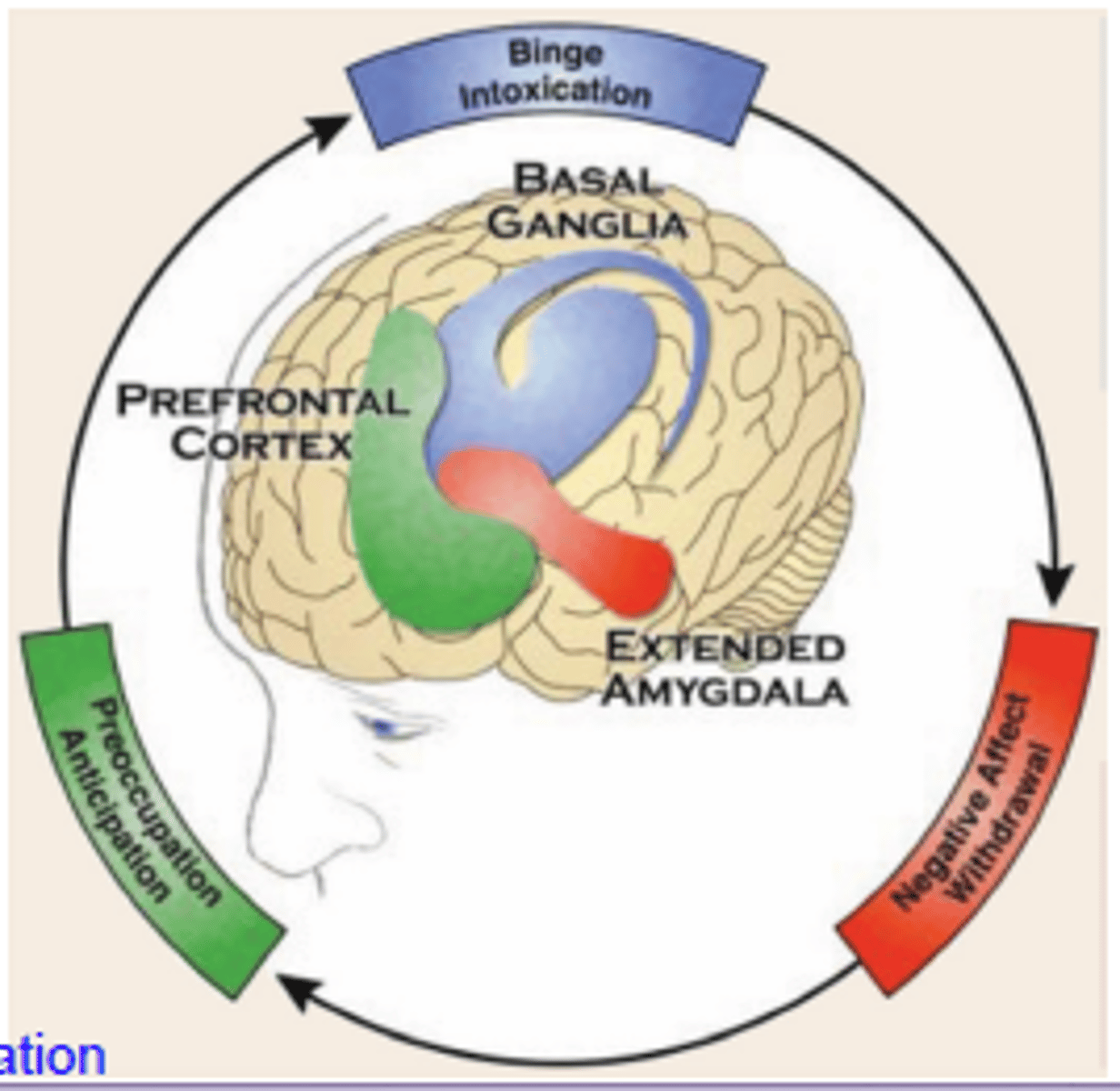
Preoccupation/anticipation stage
Compulsive drug seeking and craving at the expense of other rewards
positive reinforcement (pleasure) to negative reinforcement (relief of withdrawal)
Transition to addiction is the shift from- ( ___ to ___ )
Positive reinforcement
Drug use increases because it produces rewarding effects
Negative reinforcement
Drug use increases because it removes unpleasant withdrawal symptoms
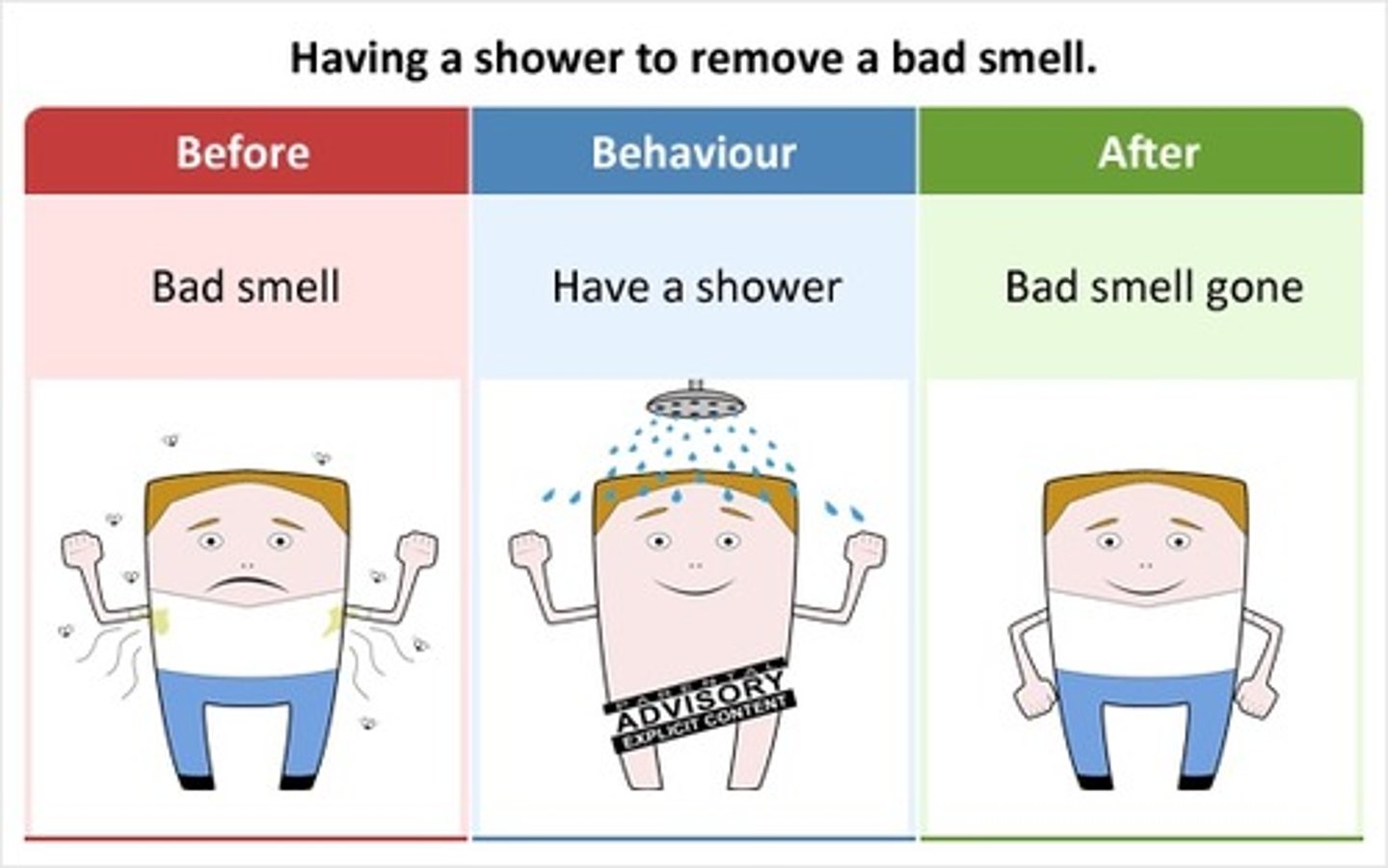
Human drug research methods
Double-blind studies, Drug vs Placebo, self-reports, physiological measures (BP), neuroimaging
Animal drug research
Self-administration and behavioral models
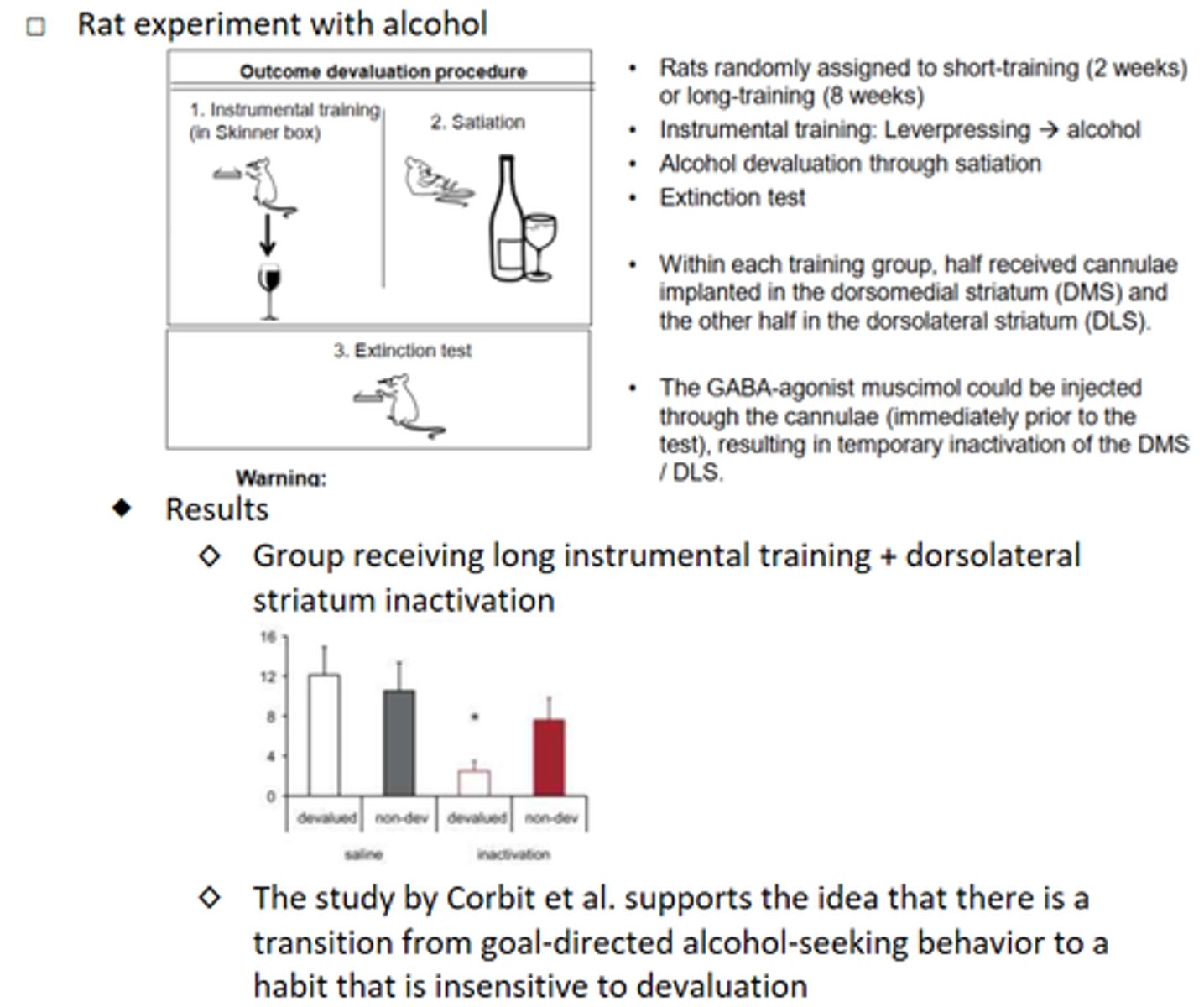
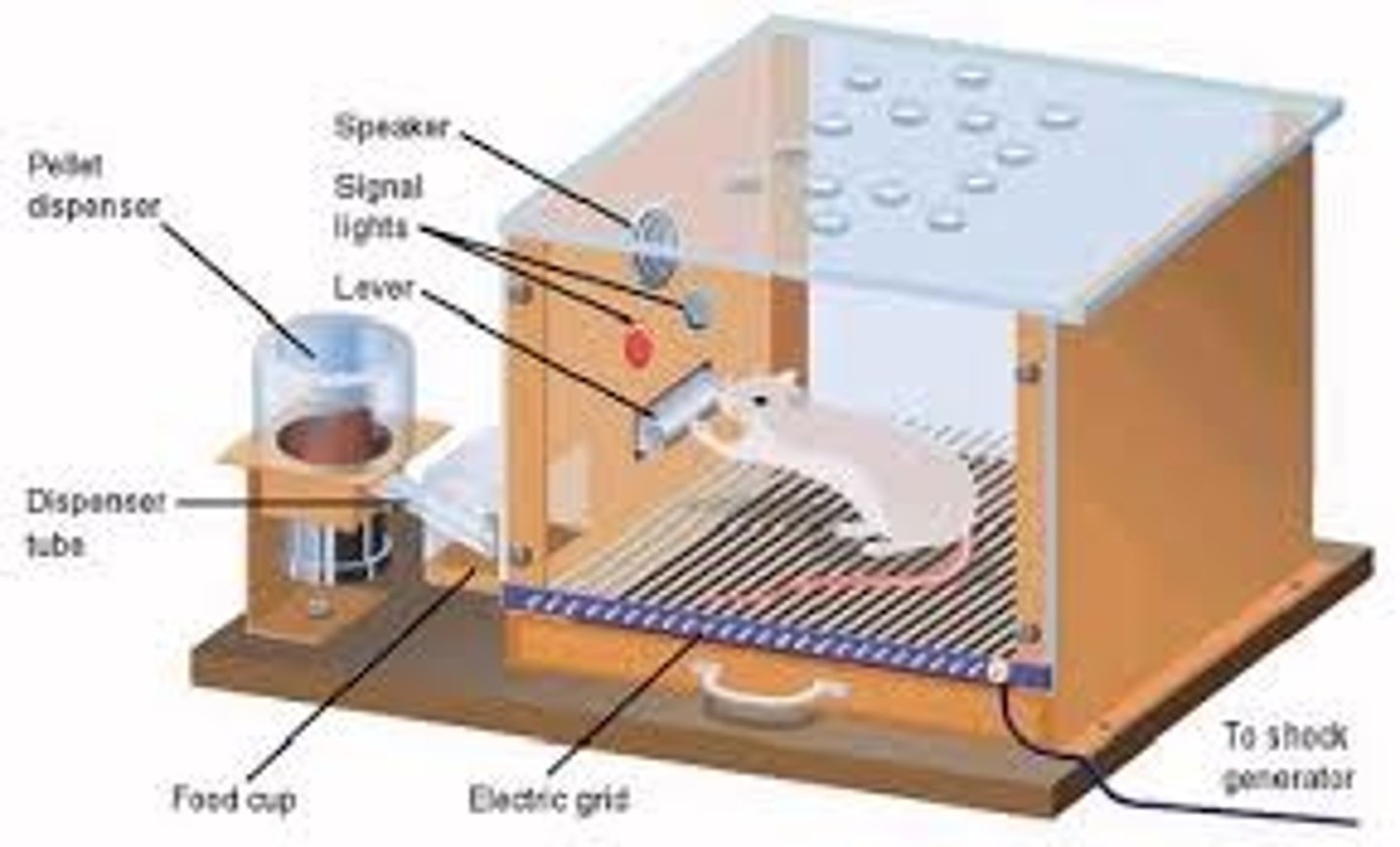
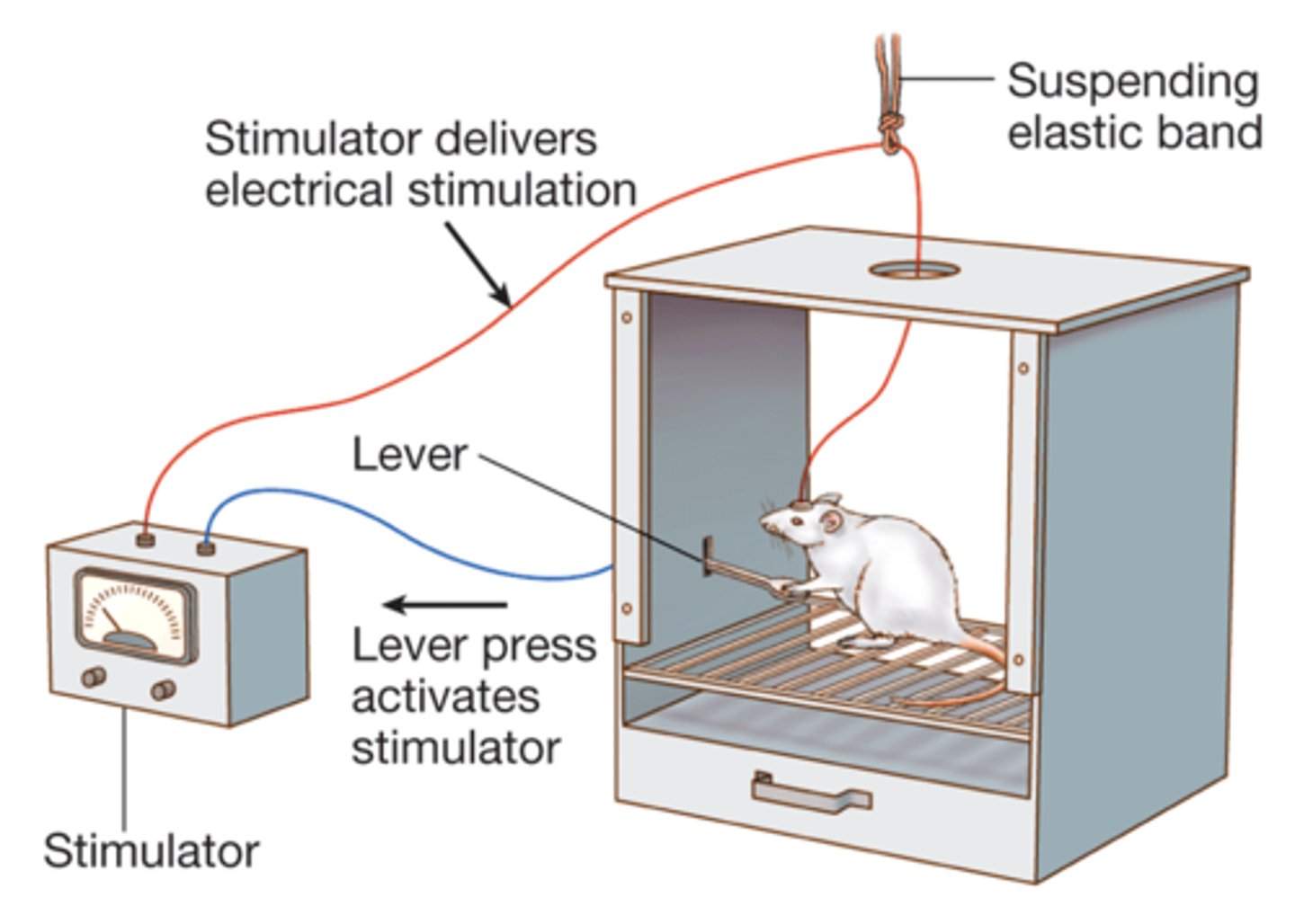
Operant self-administration
Behavior (e.g., lever pressing) leads to drug delivery
- Presumptive rewarding effects of drug increase occurrence of this behavior in the future
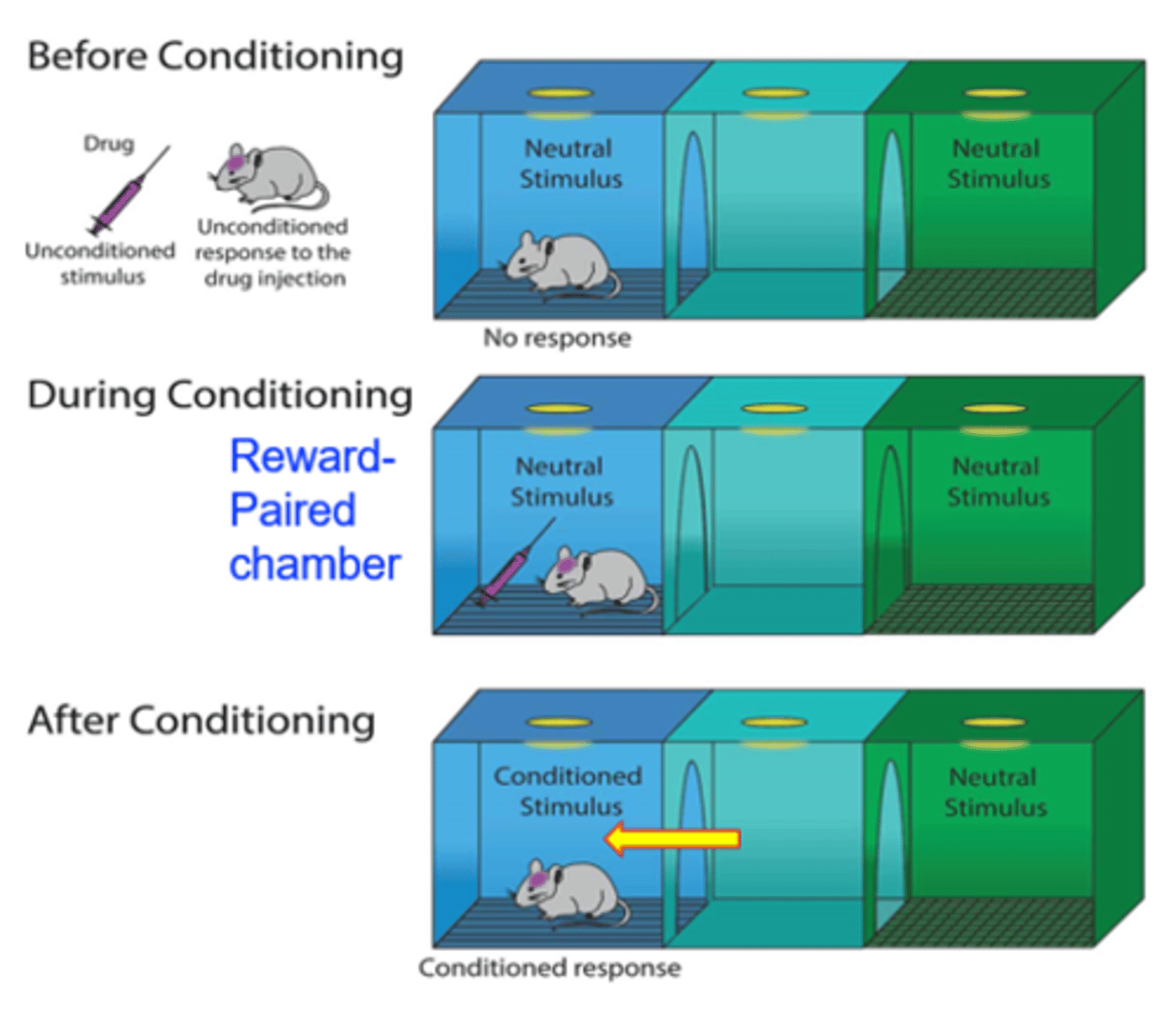
Conditioned place preference (CPP)
Preference for environment associated with drug reward
Two-bottle preference test
Measures voluntary drug consumption
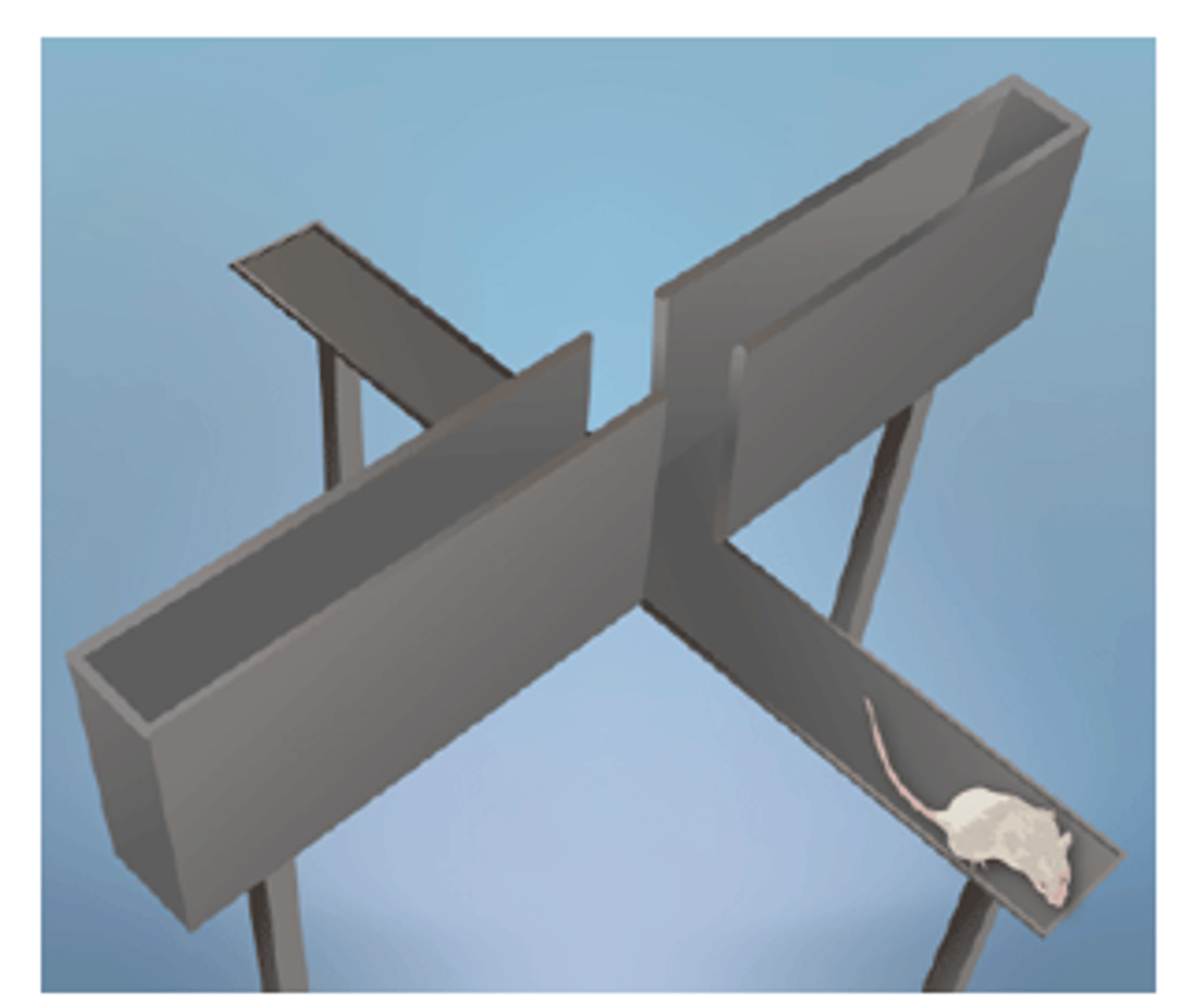
Elevated plus maze
Assesses anxiety during withdrawal
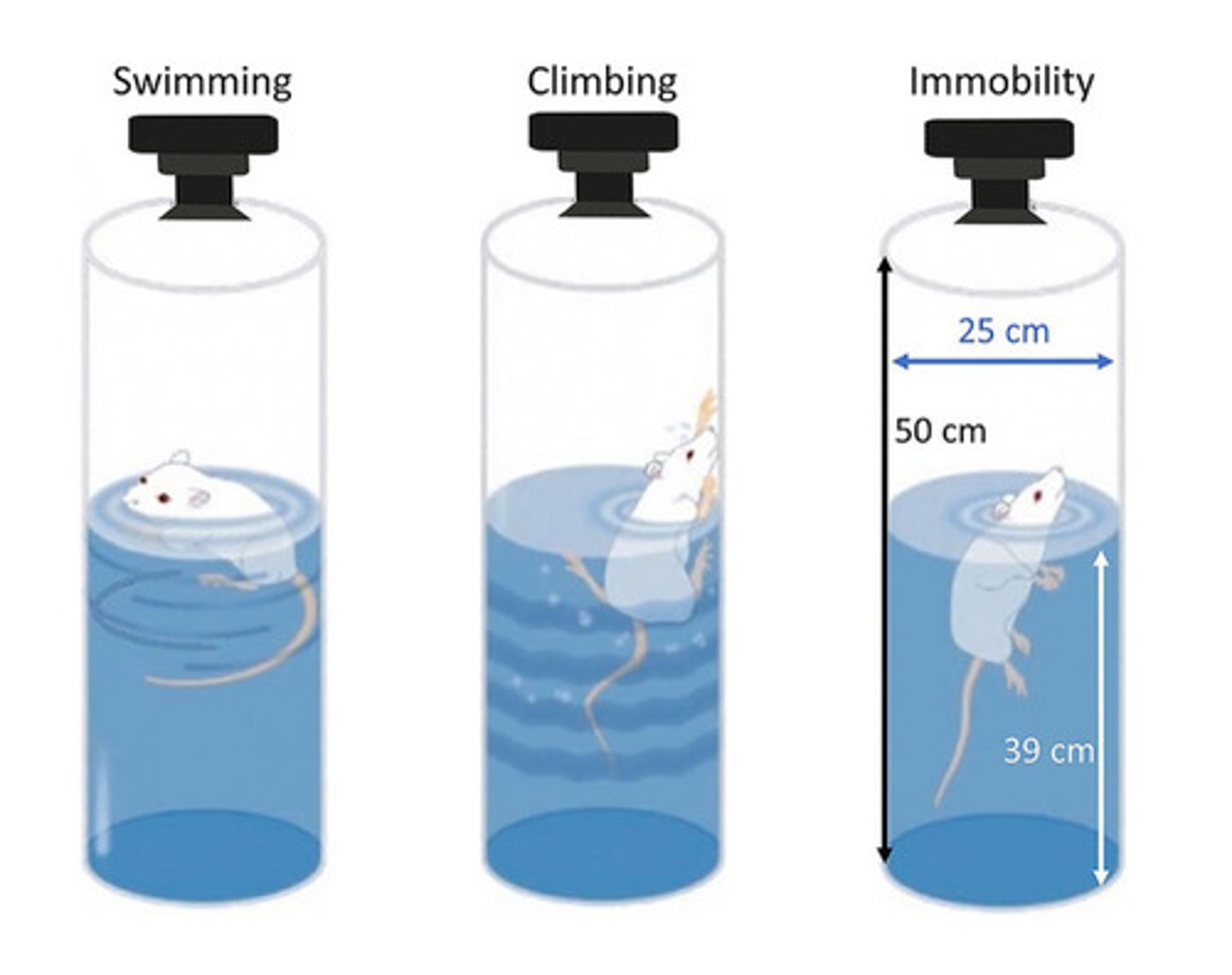
Forced swim test
Measures depressive-like behavior
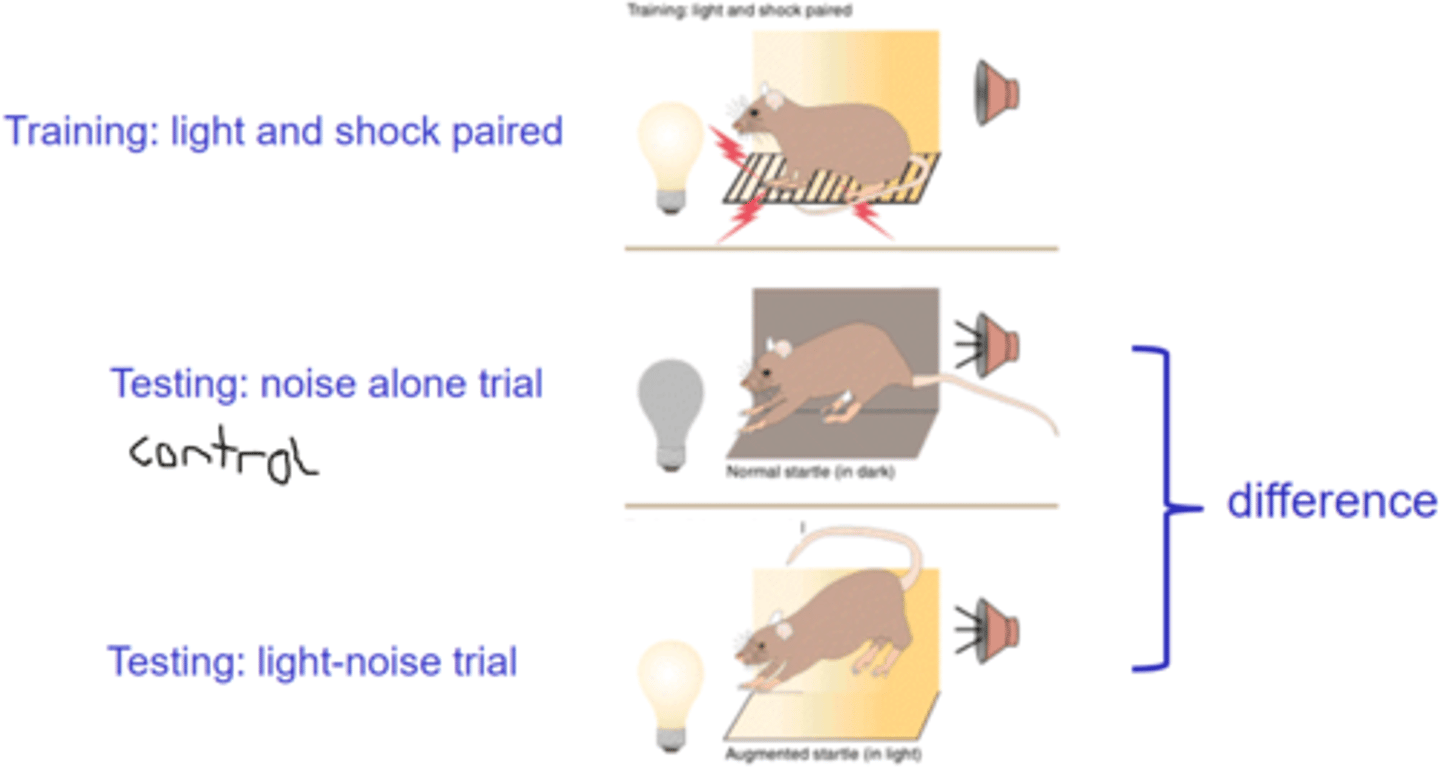
Startle response
Measures withdrawal-related sensitivity
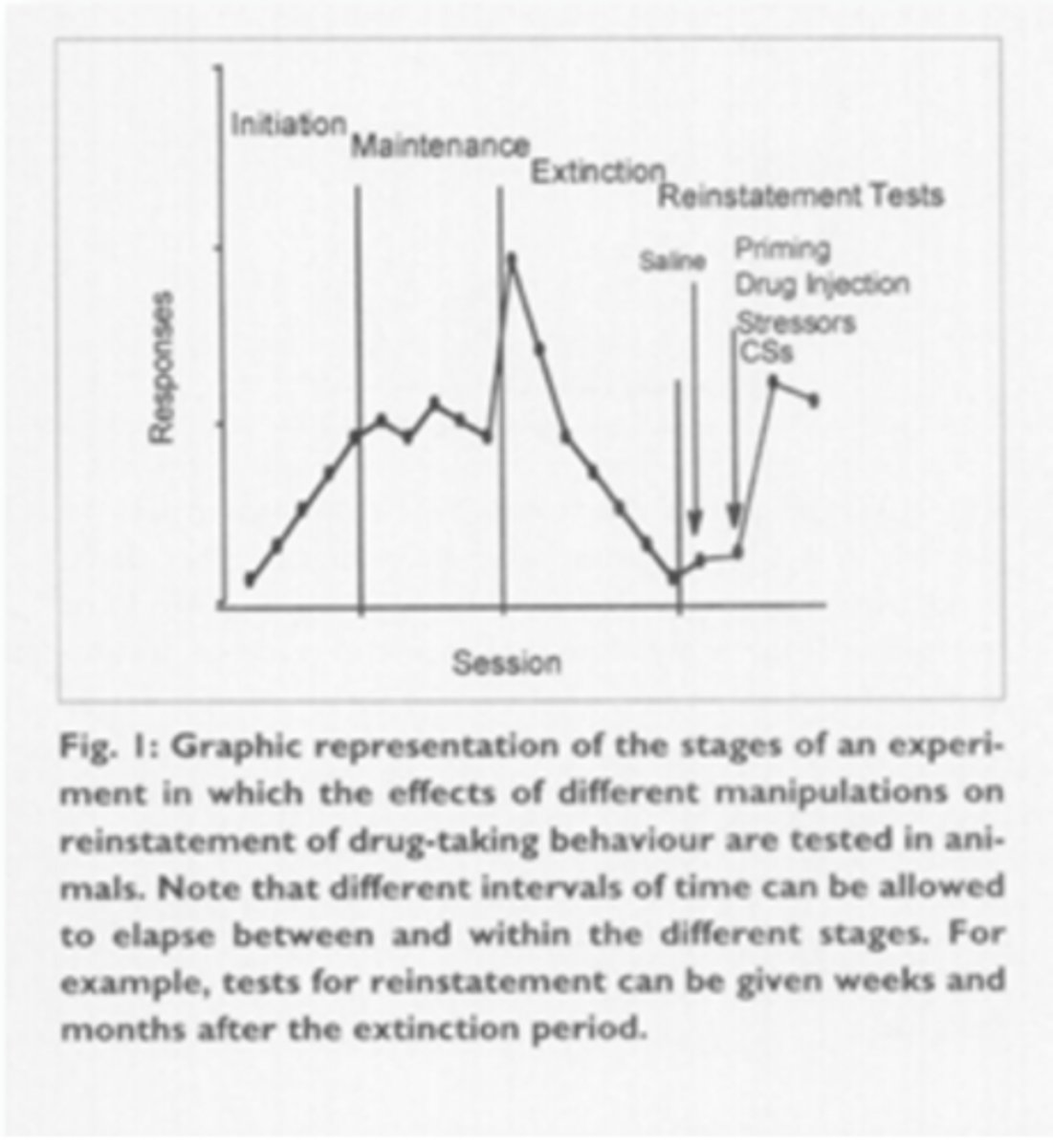
Acquisition (self-administration)
Learning drug-taking behavior/ operant-reinforce contingency (model of vulnerability)
Maintenance
Stable drug use with ongoing reinforcement
- Well-trained animals presented with pharmacological or
behavioral challenges
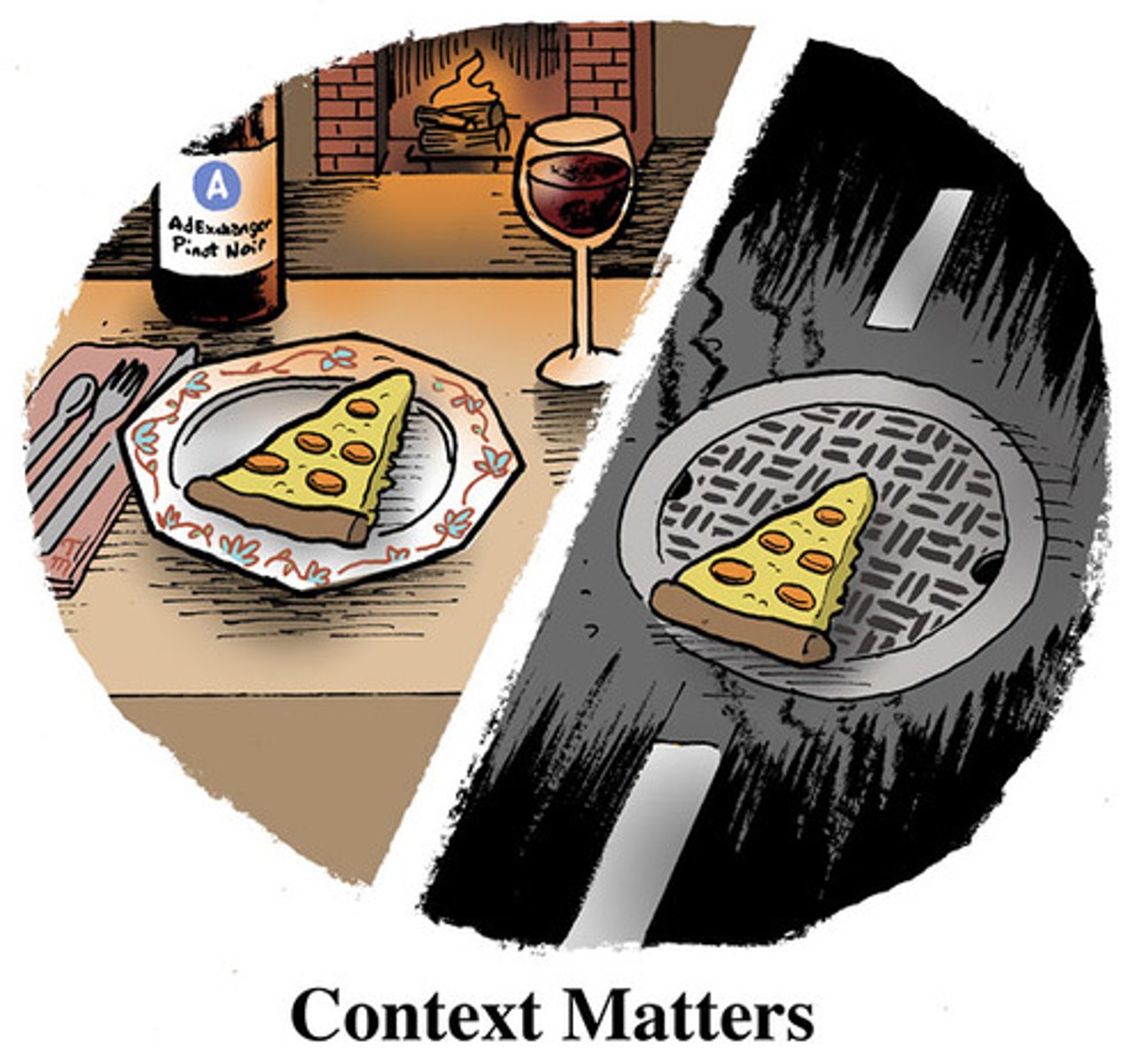
Reinstatement
Return of drug-seeking after extinction, or removal of operant-reinforcer contingency
- Behavior can be reinstated by drug, cues, stress
- model of relapse 😢
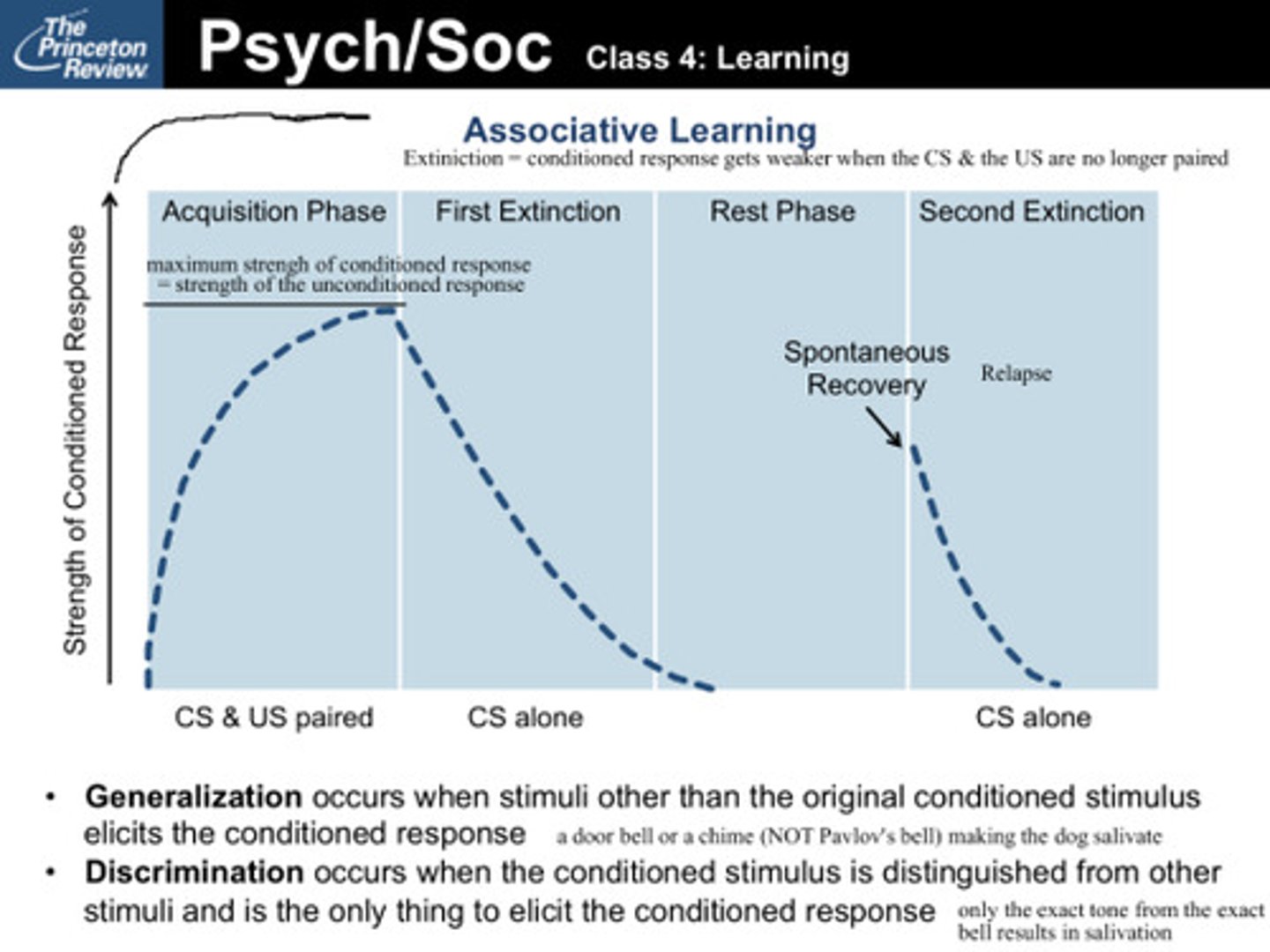
Extinction
Removal of drug reinforcement reduces behavior
Acquisition, Maintenance, Reinstatement, (extinction)
phases of Self-administration are-
Relapse triggers
Drug exposure, cues, stress are-
Classical conditioning in addiction
Environmental cues become associated with drug effects
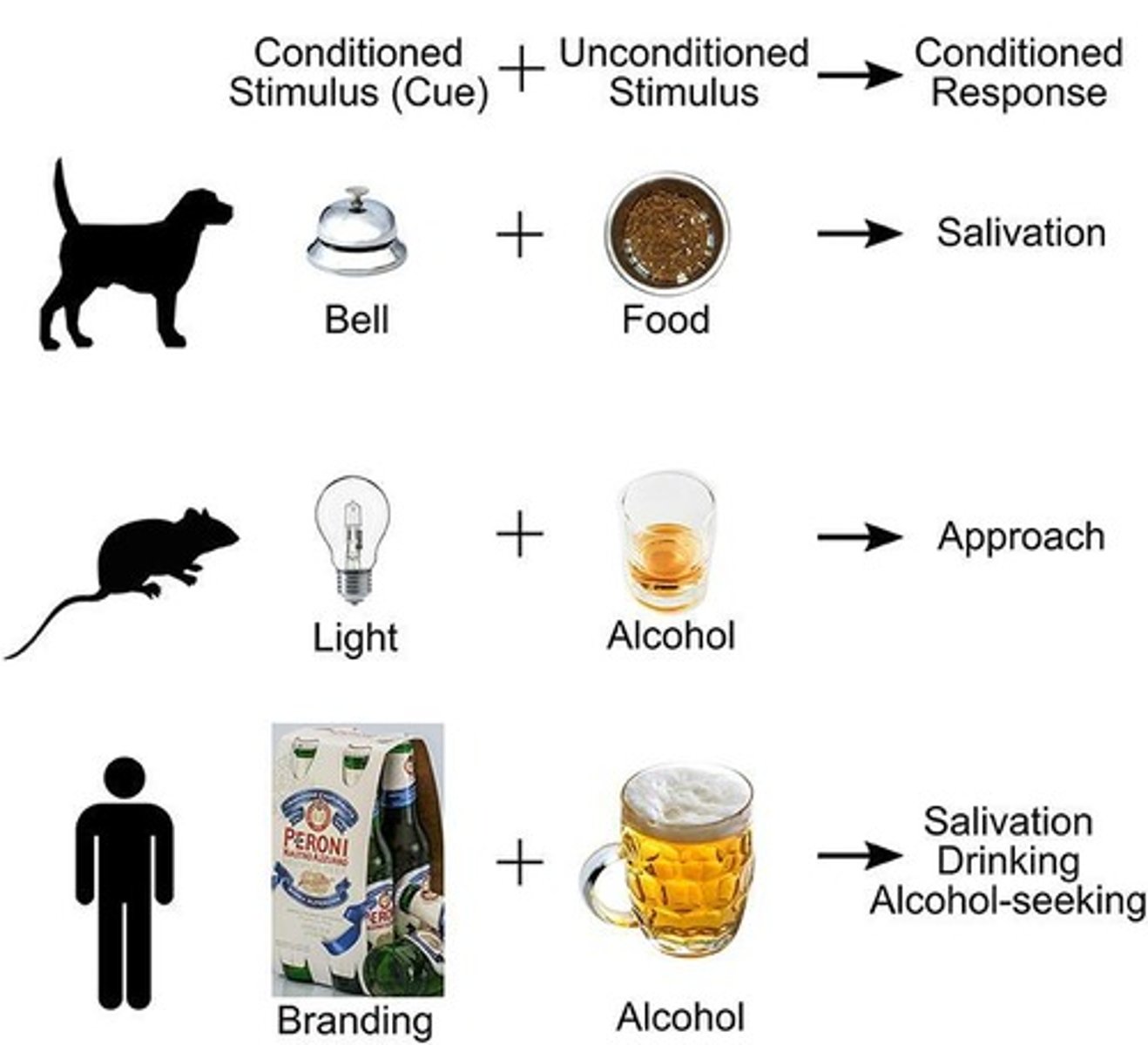
in a different setting
When a drug is taken ____, it is more likely to result in an overdose

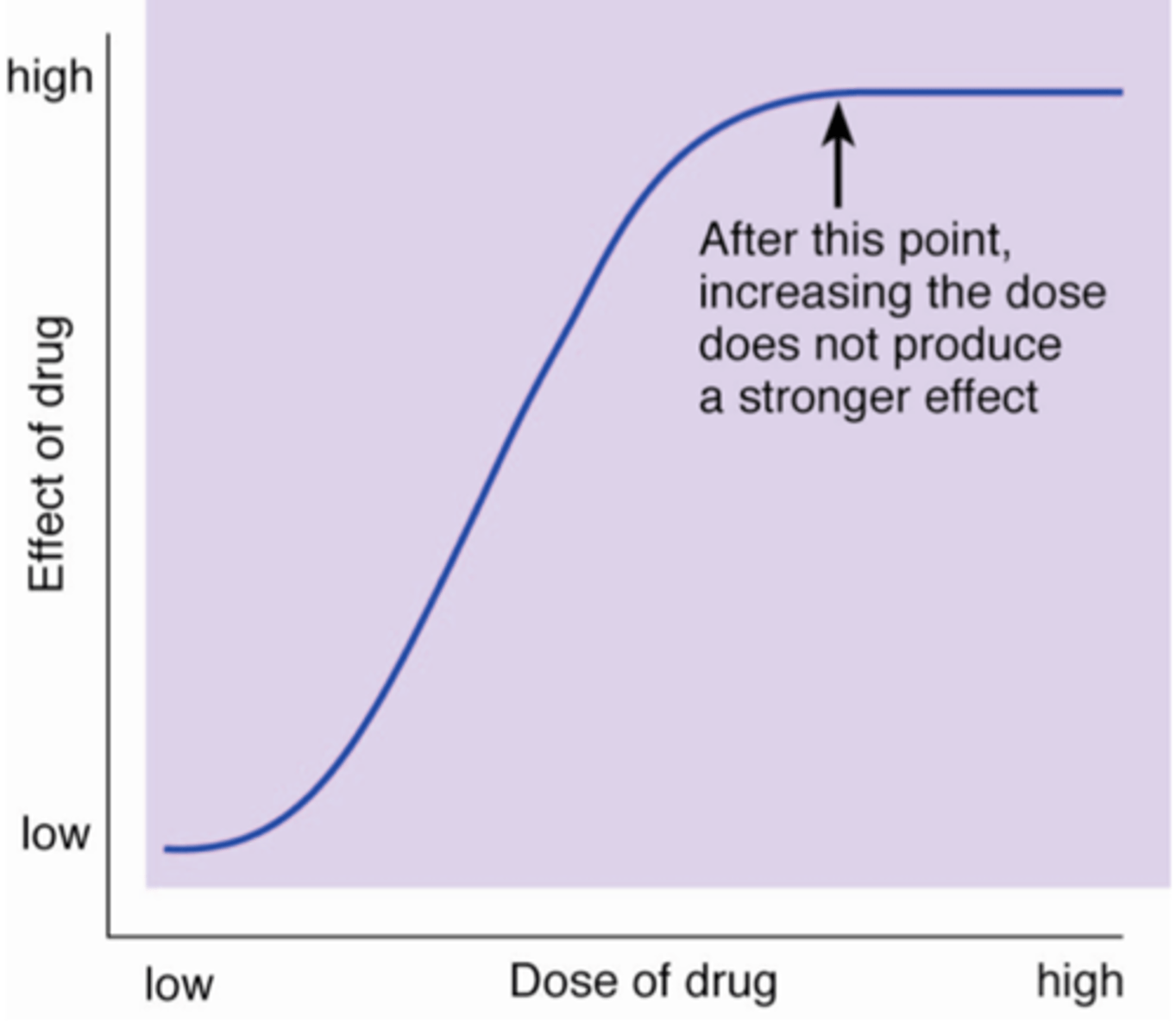
Learned tolerance
linked to environment; overdose risk increases in new settings
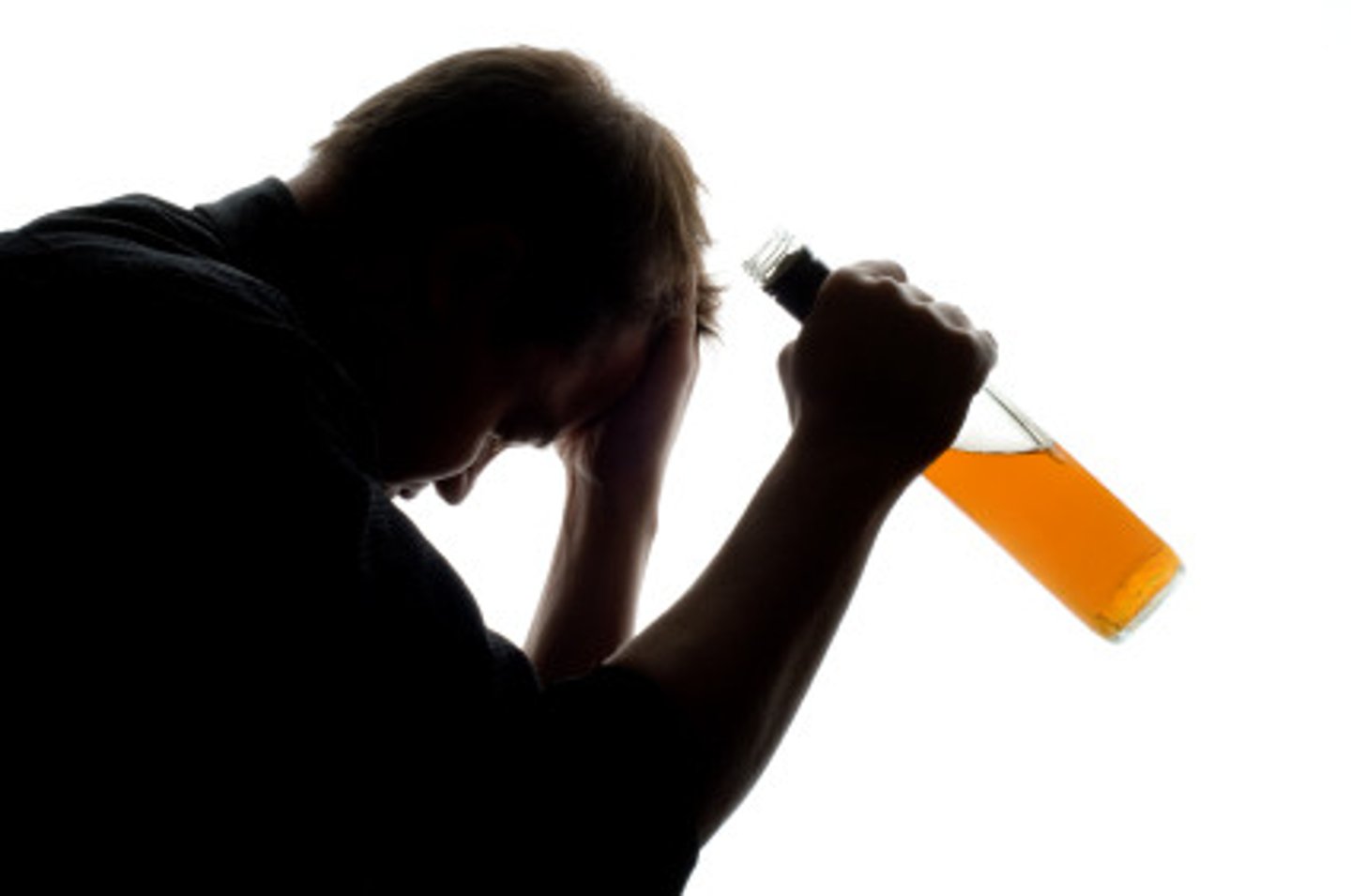
Sensitization
Increased response to drug after repeated exposure
- in humans is reflected in craving or wanting drug
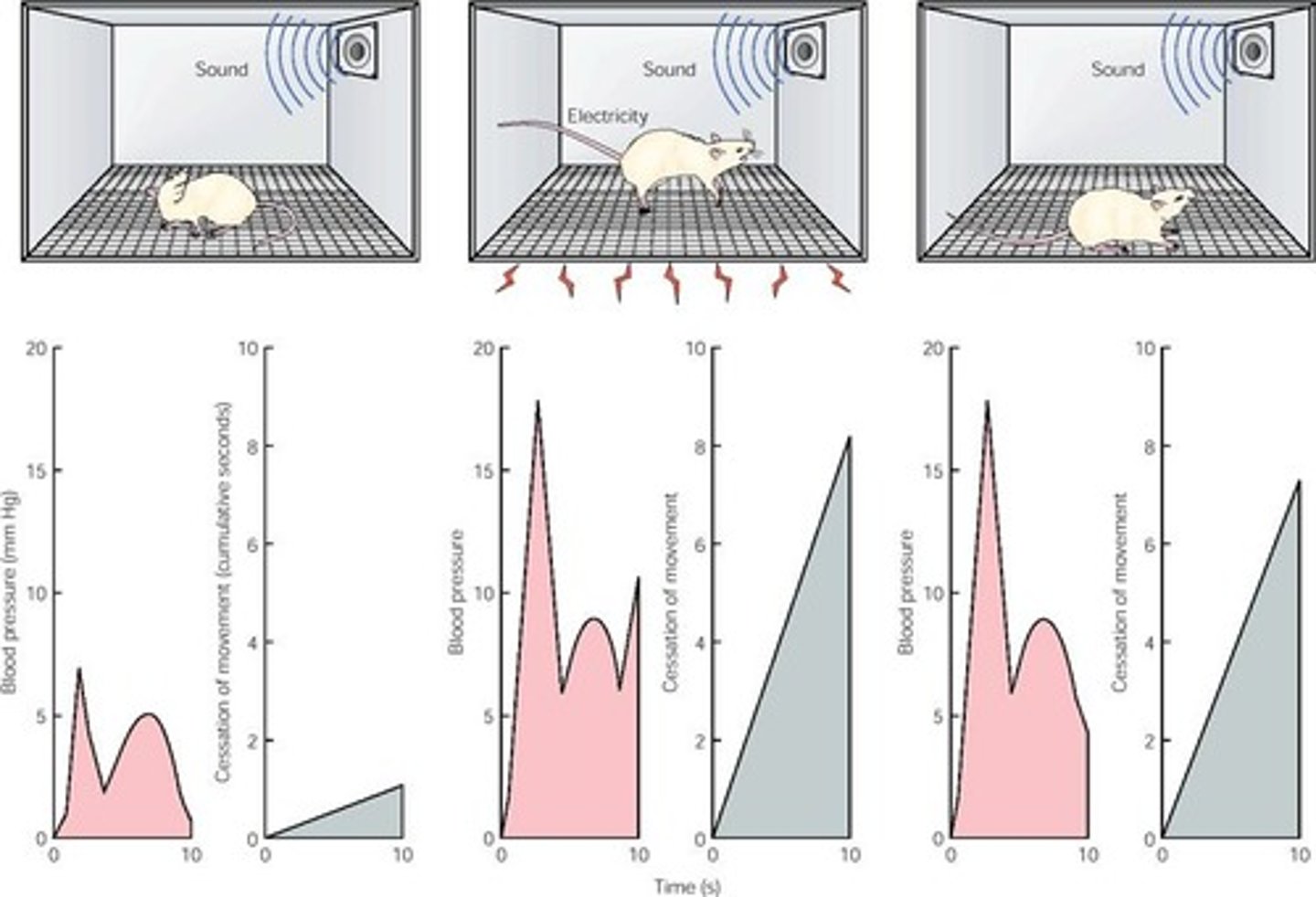
Conditioned physiological responses
Body prepares for drug effects in familiar contexts
Craving
Conditioned response to drug-related cues

Negative Reinforcement
Drug use removes unpleasant effects of withdrawal
- Increases the proclivity to use drugs again
Mesolimbocortical dopamine system
Primary reward pathway in the brain
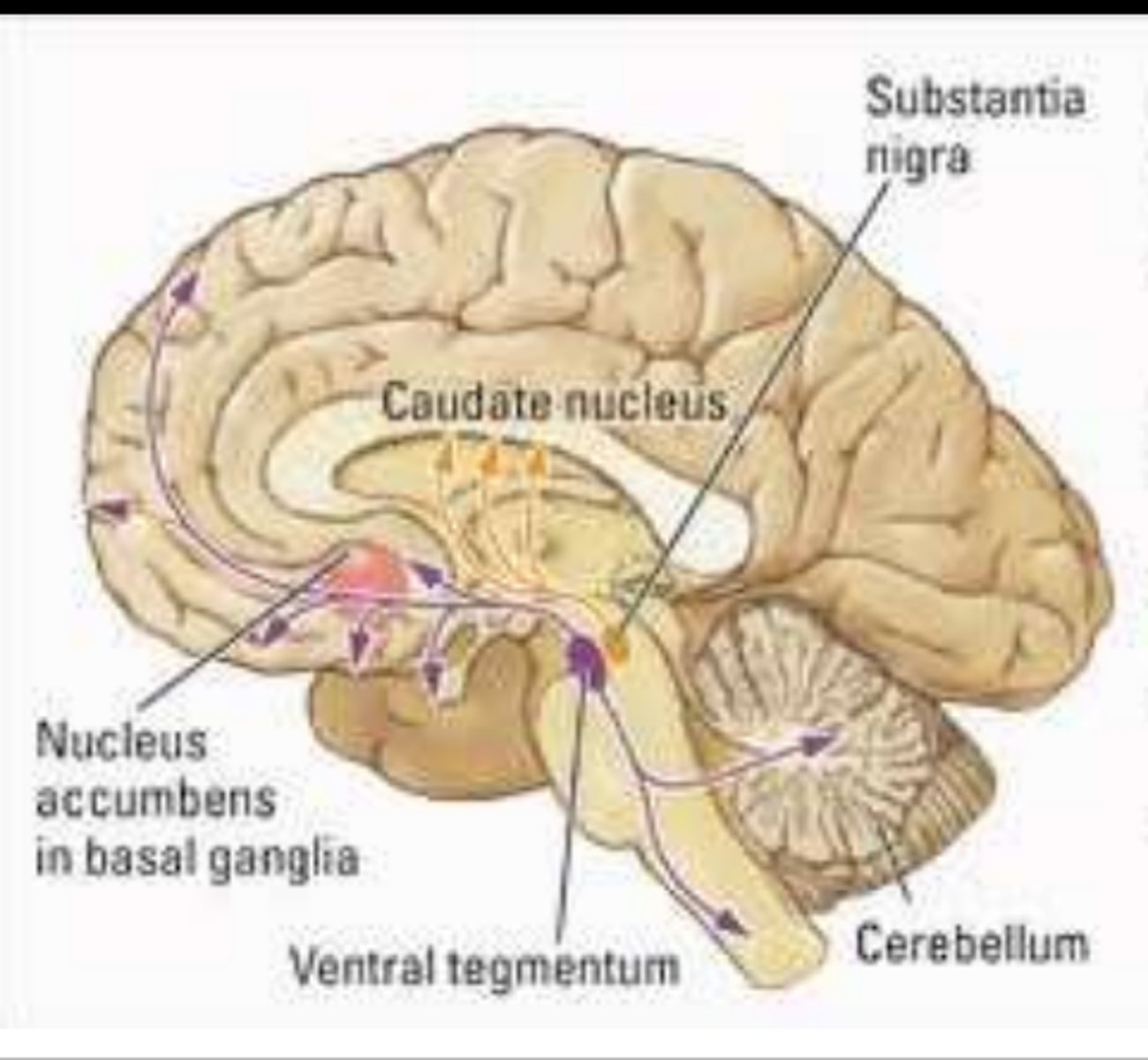
Nucleus accumbens (NAc), medial forebrain bundle, ventral tegmental area (VTA)
Key structures in reward system (mesolimbocortical DA)
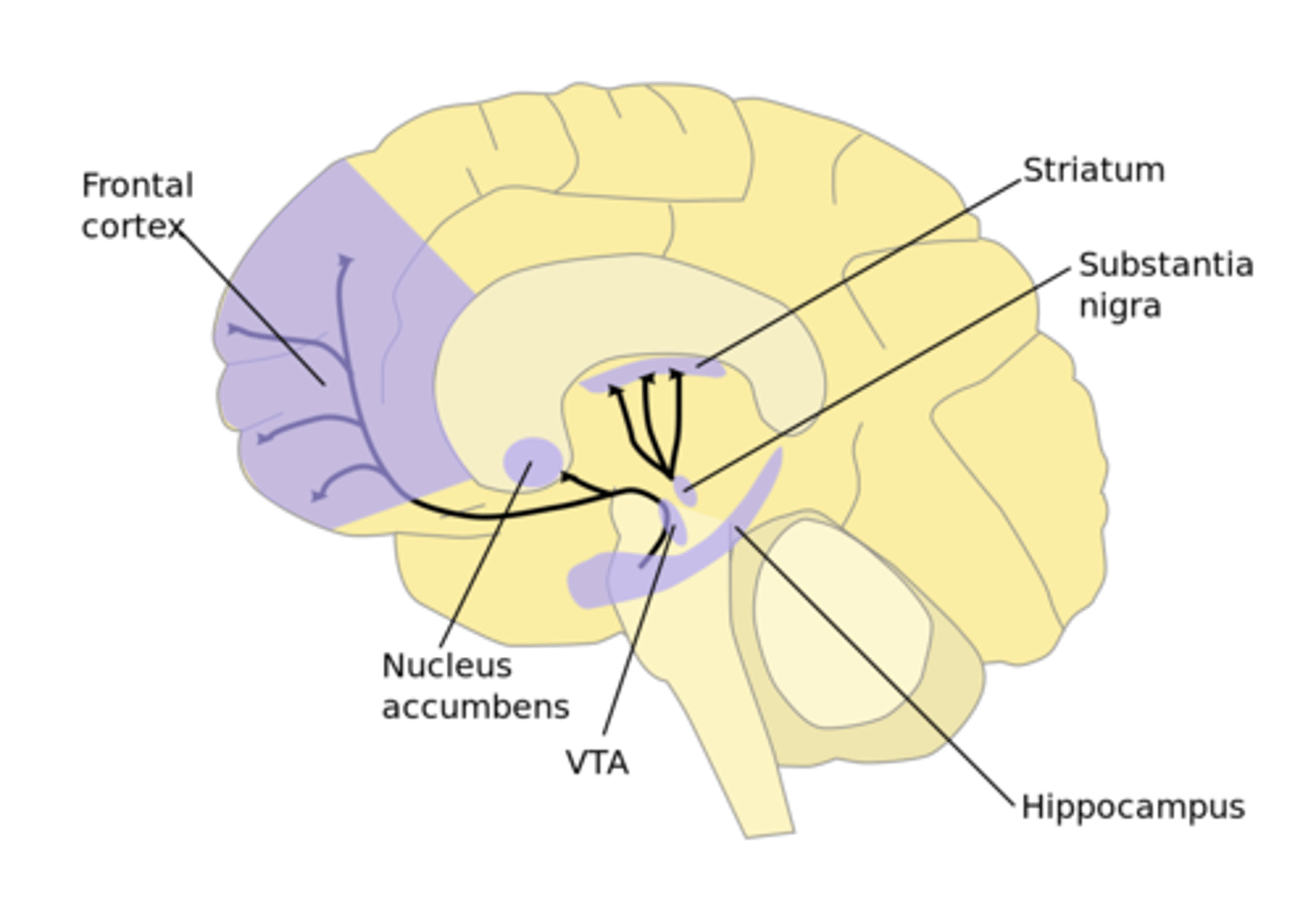
Role of dopamine (DA)
Signals reward and prediction errors
- implicated in the rewarding effects of drugs, food, sex, and electrical stimulation.
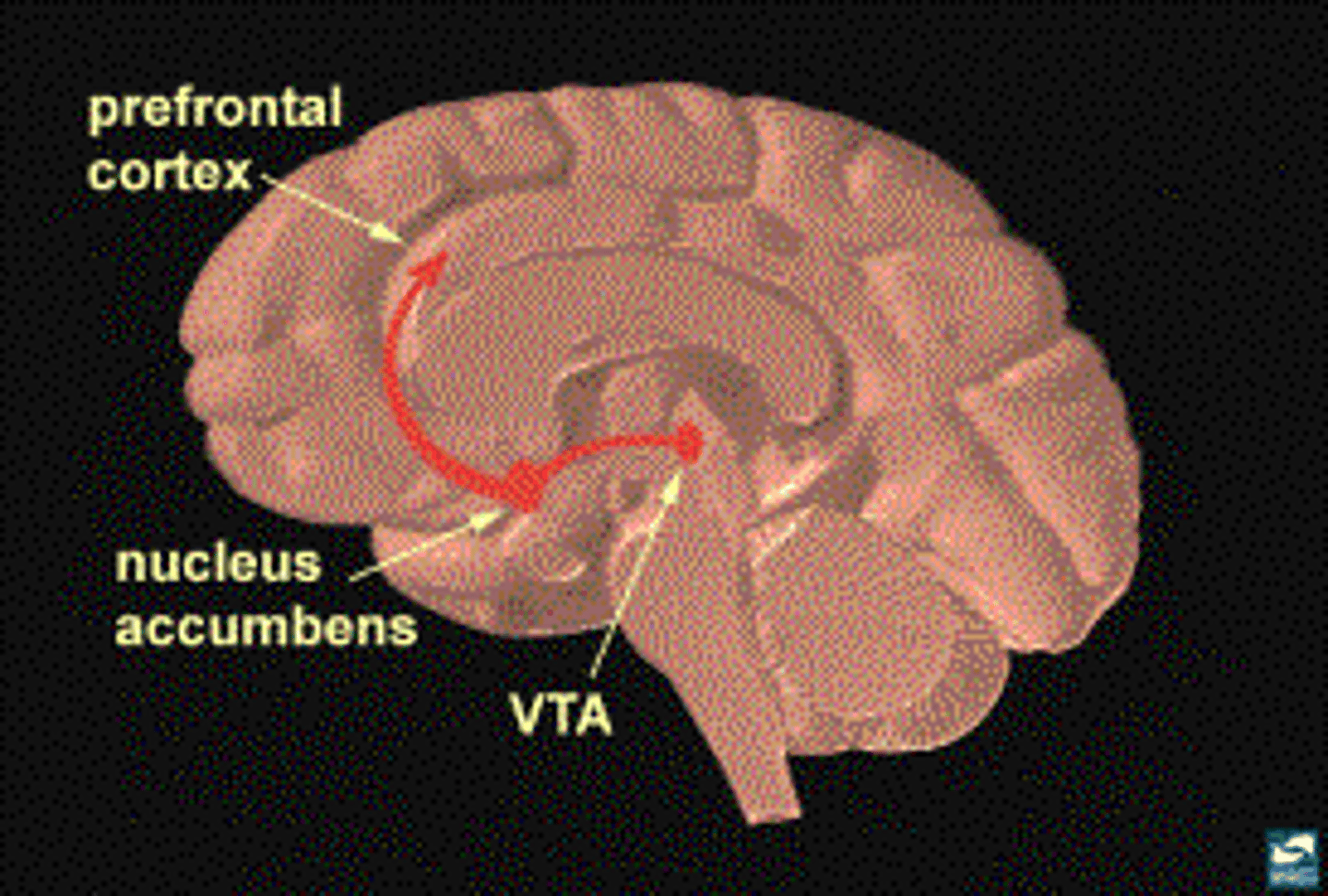
ventral tegmental area (VTA) and Nucleus accumbens (NAc)
Most drugs increase dopamine in the-
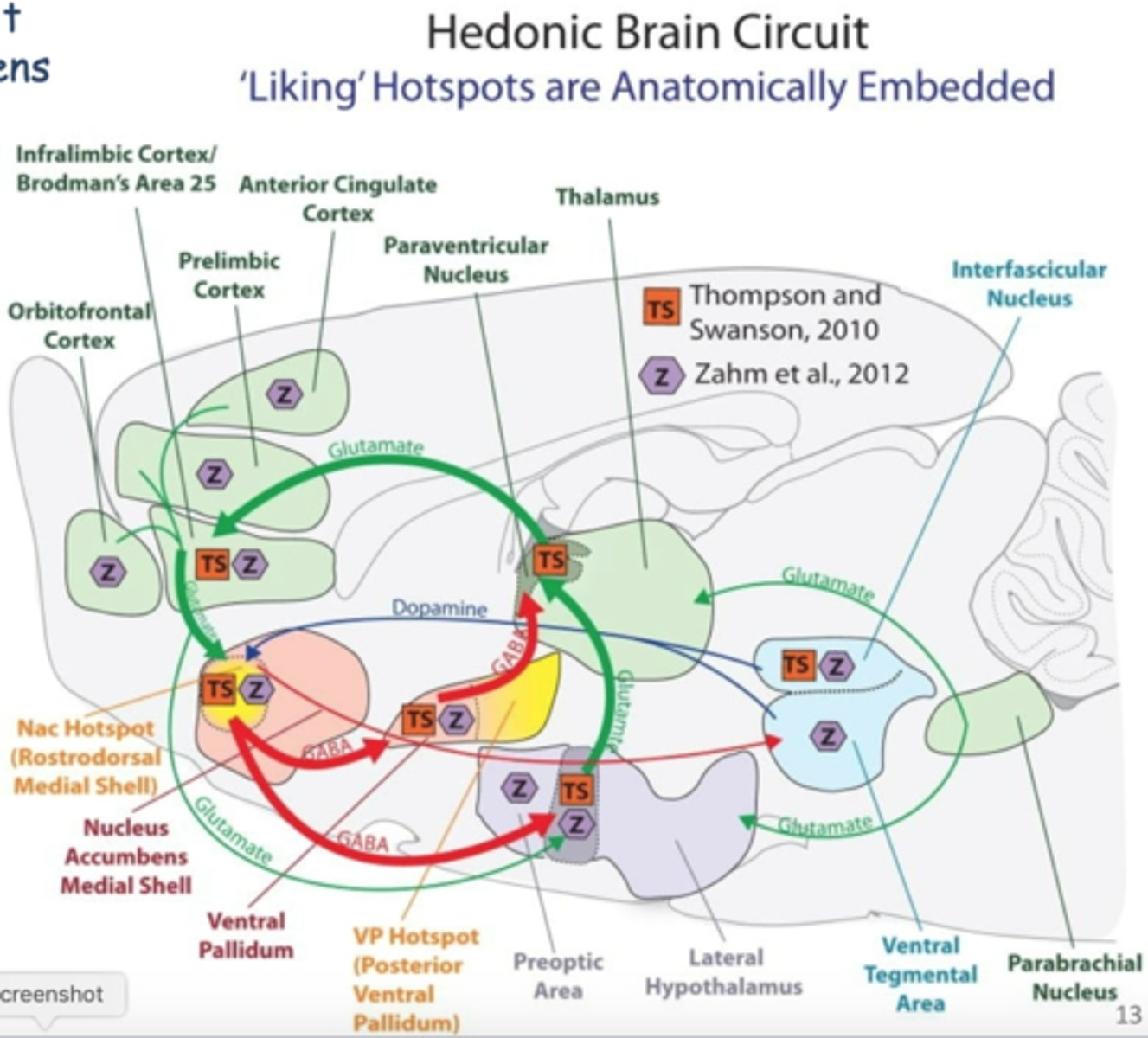
ventral tegmental area (VTA)
midbrain structure where dopamine is produced: associated with mood, reward, and addiction
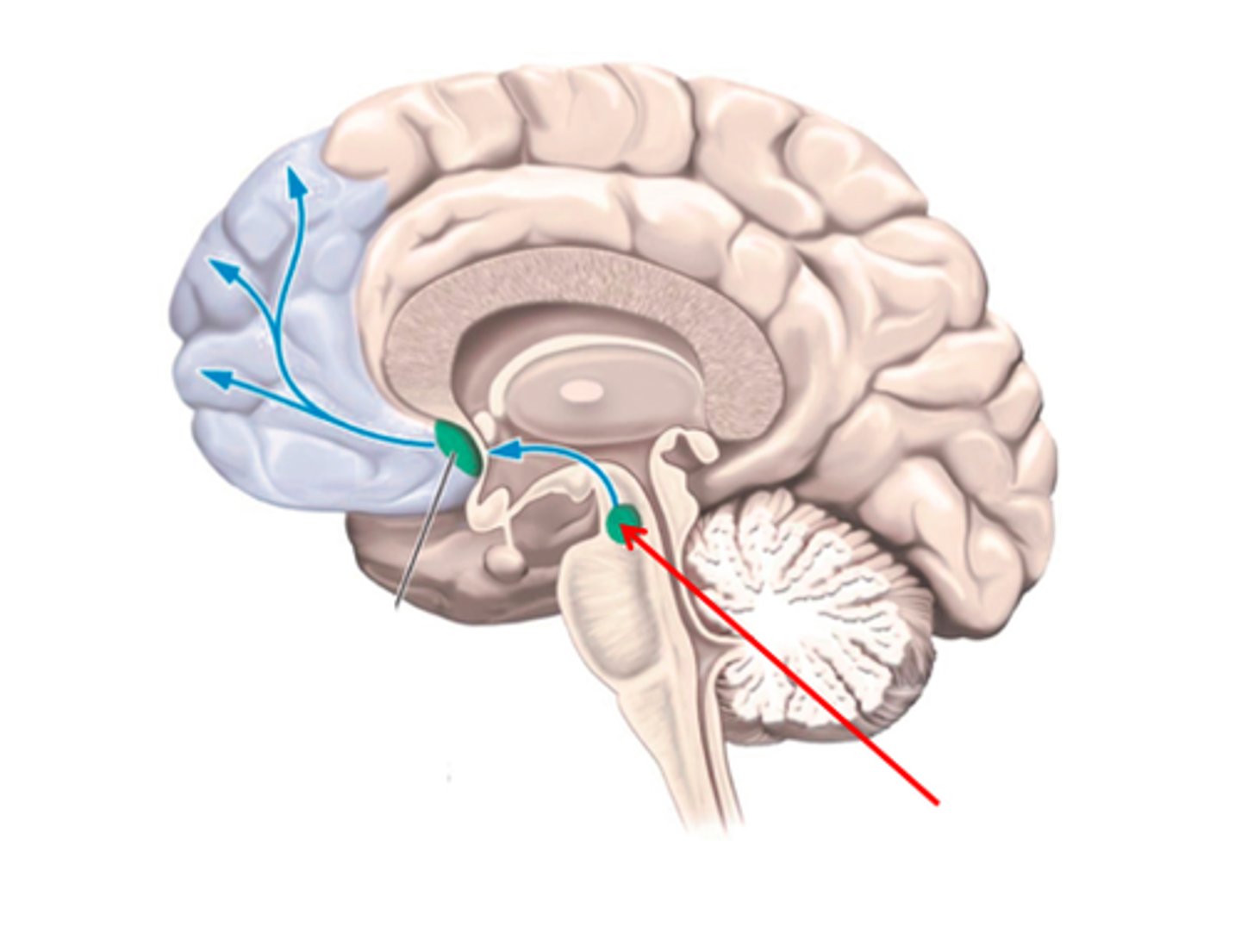
Nucleus Accumbens (NAc)
structure receives dopamine from ventral tegmental area and is thought to be involved in reinforcement and attention
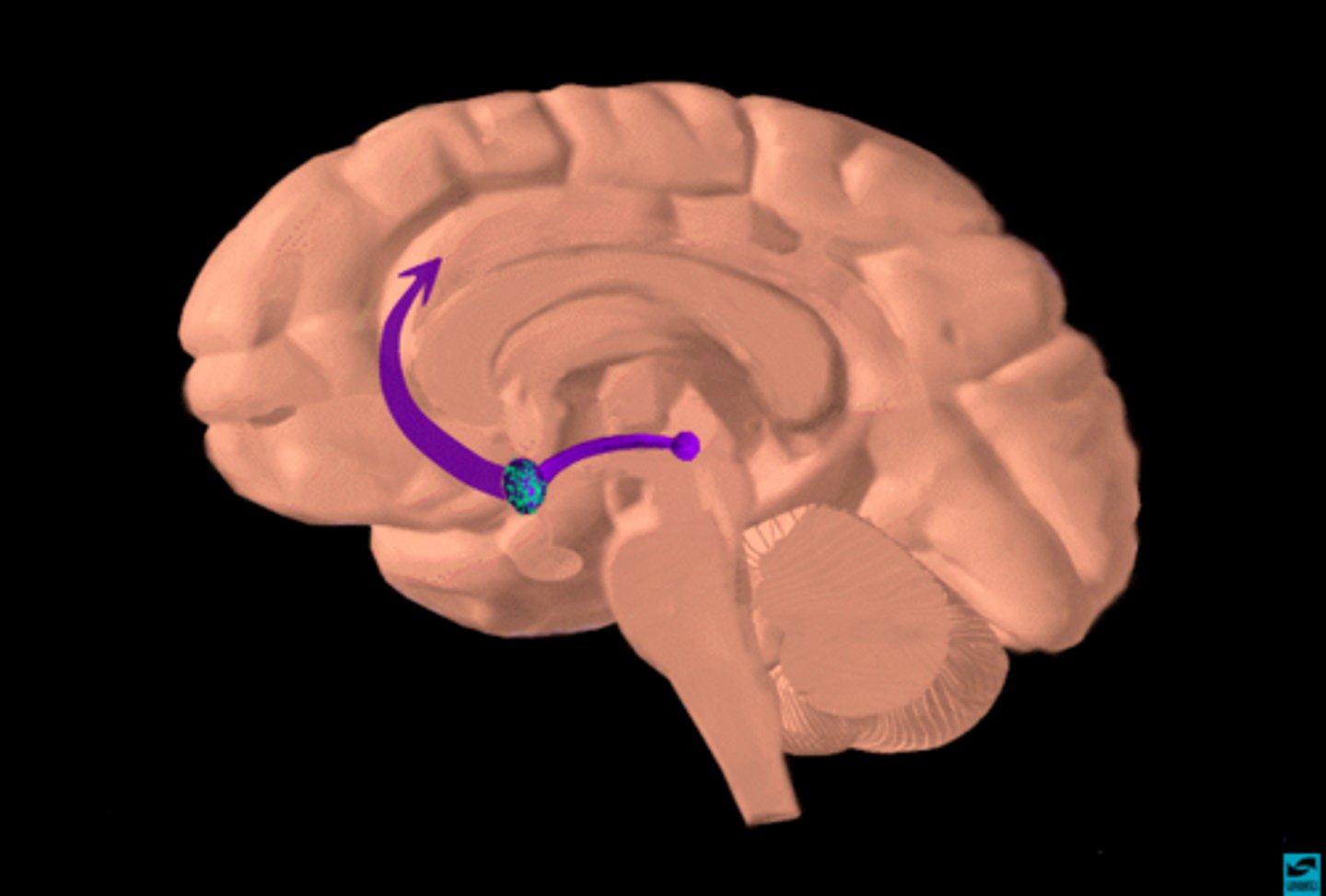
Cocaine and amphetamines
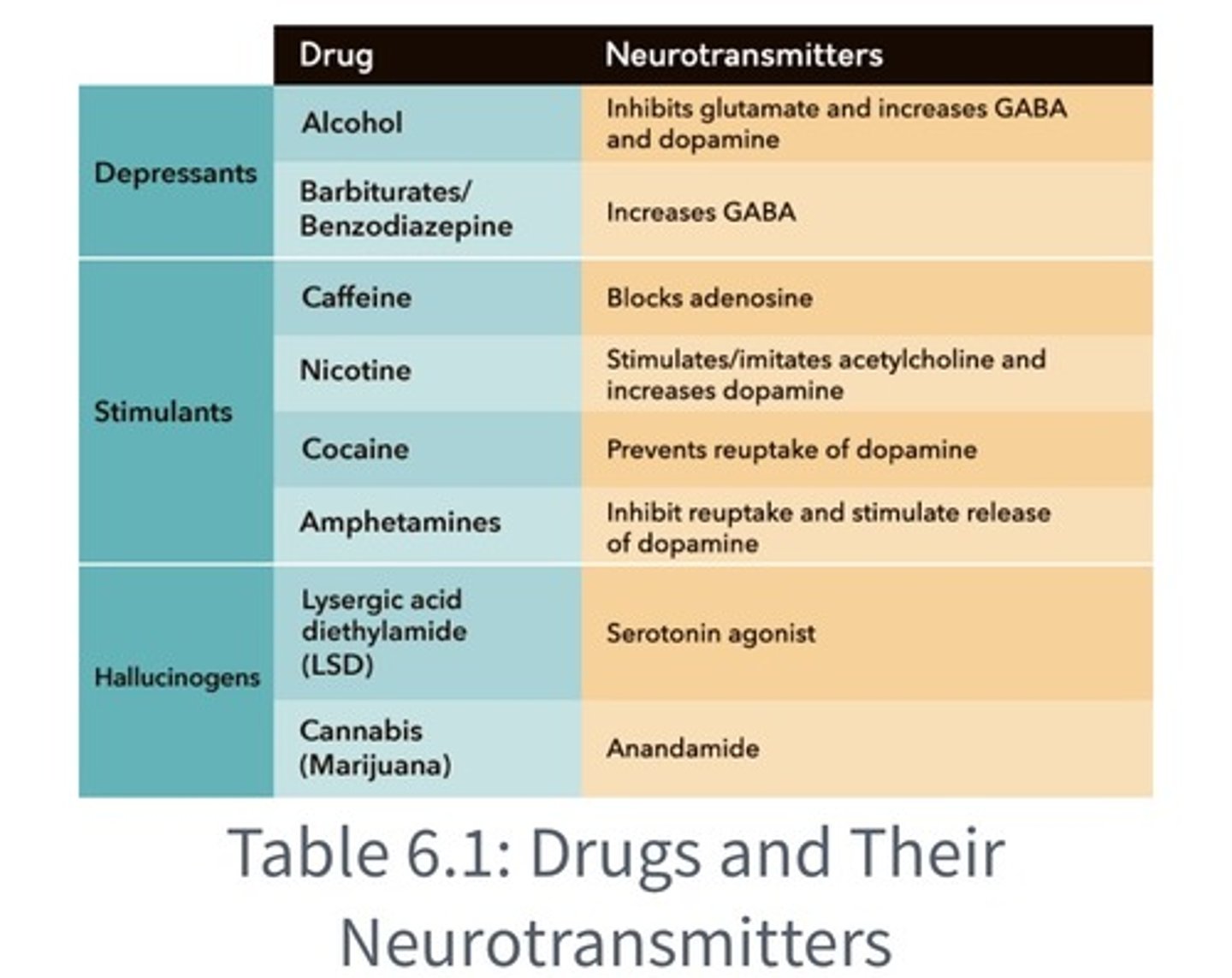
drugs that increase dopamine by blocking reuptake or stimulating release
Opioids
Increase dopamine indirectly by reducing GABA inhibition from VTA
- Activate _______ receptors in VTA, NAc
PCP
drug that blocks glutamate receptors (excitatory neurotransmitter)
Alcohol
drug that enhances GABA, increases dopamine, releases opioid peptides
Nicotine
drug that activates acetylcholine receptors directly or indirectly through interneurons
Role of nucleus accumbens
Integrates emotional and motivational input into action
(-receives input from amygdala, frontal cortex, and hippocampus)
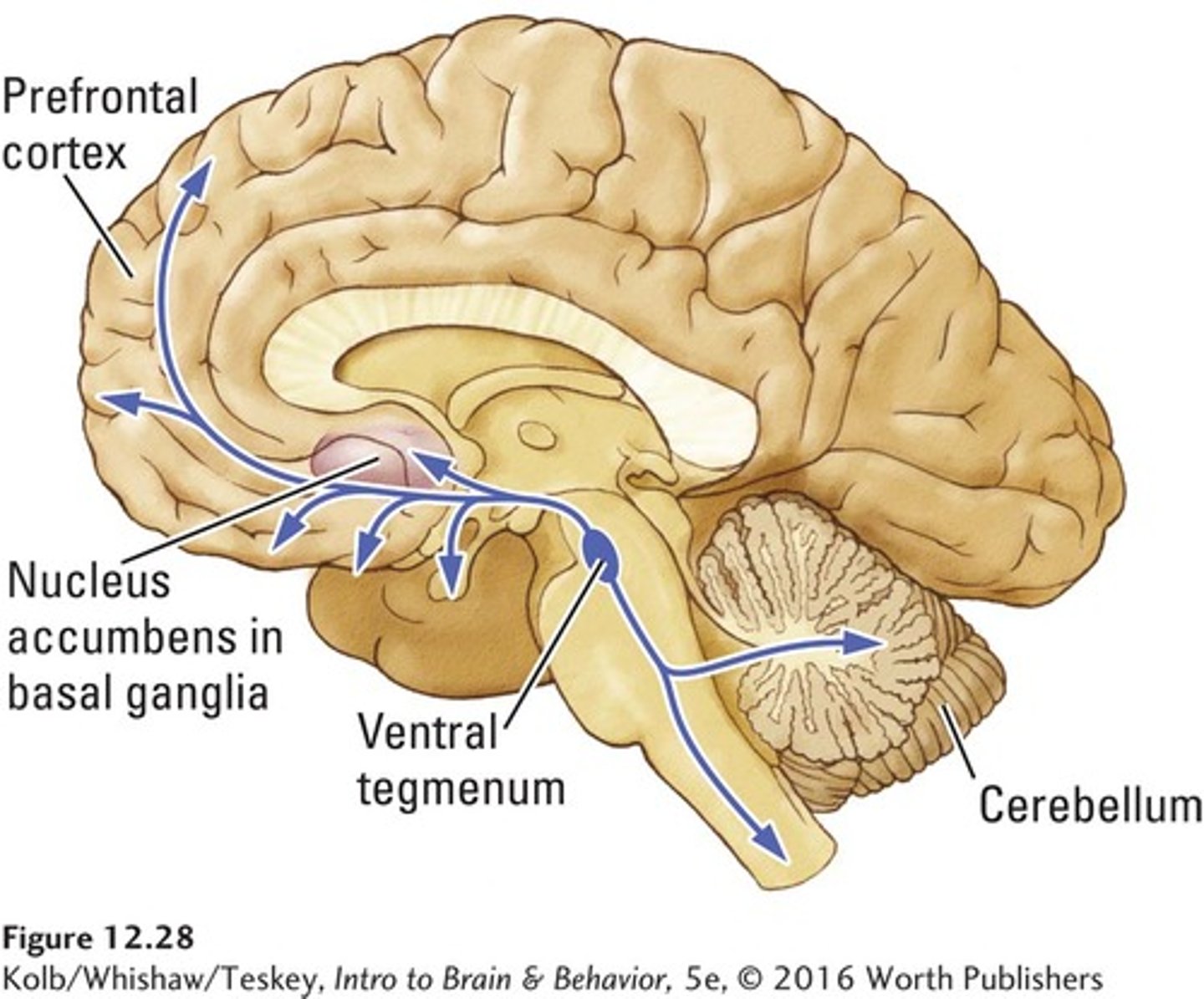
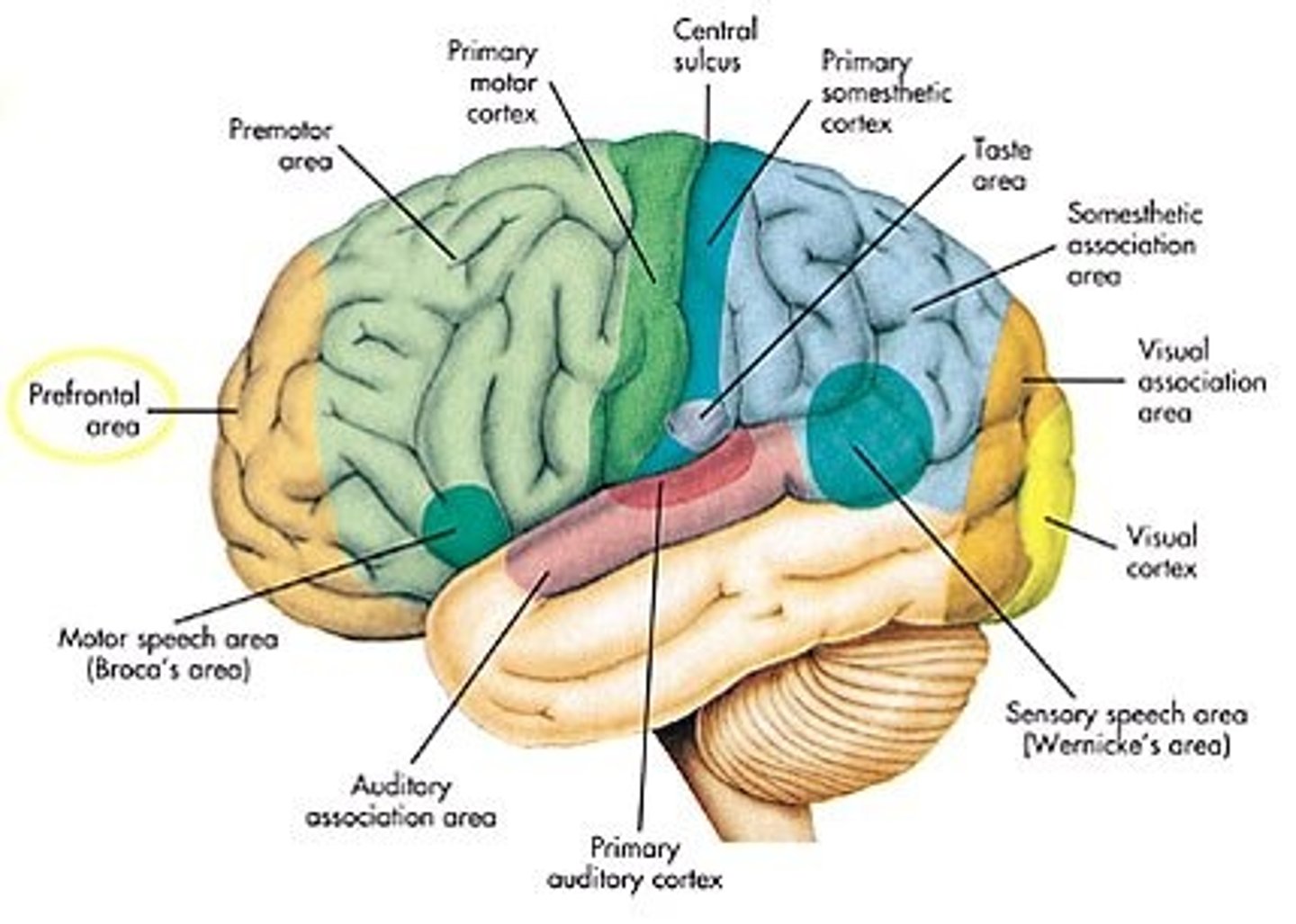
Prefrontal cortex
Involved in compulsive drug use and decision-making
- Compulsive use may be due to glutamatergic projections from ______ to NAc
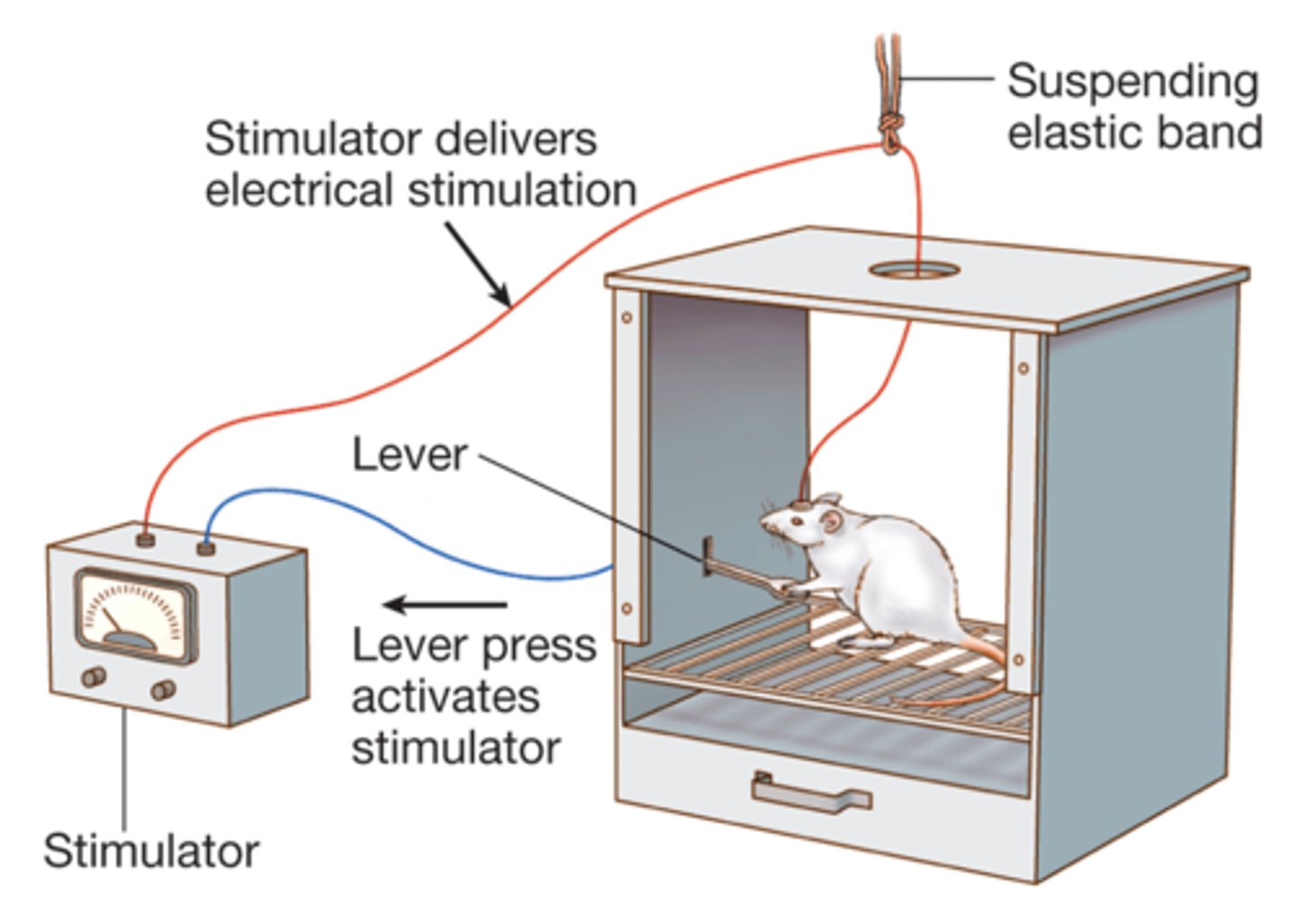
Intracranial self-stimulation
Animals learn to press a lever to stimulate reward brain areas (over food and safety!! 😱)
- Most sensitive areas contain DA neurons, such as medial forebrain bundle
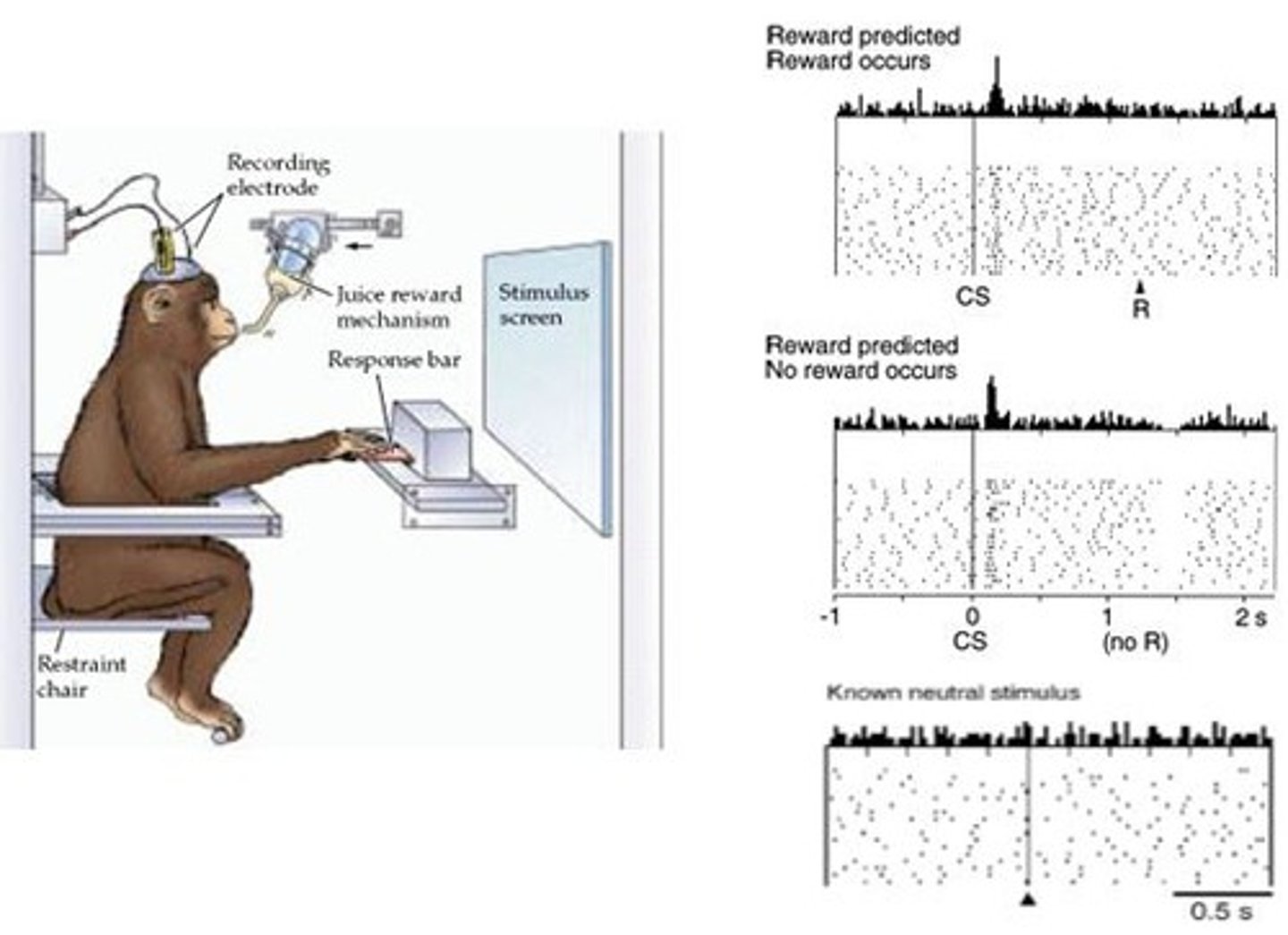
Prediction error (dopamine theory)
Dopamine signals respond to unexpected or missing expected rewards
dendritic complexity
Neuroplasticity in addiction Increases ________ in nucleus accumbens
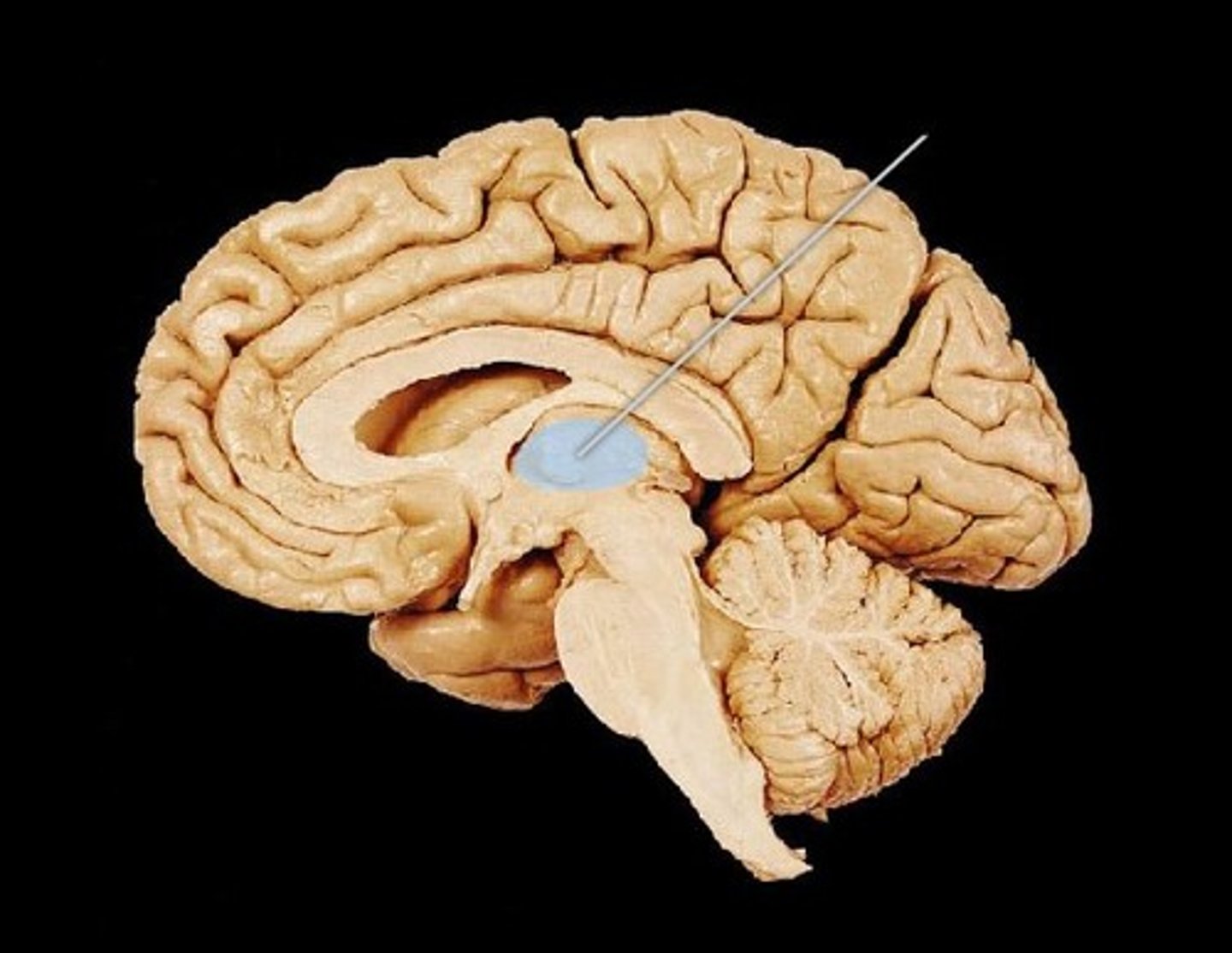
emotion and learning areas
Craving brain activity include hyperactivity in-
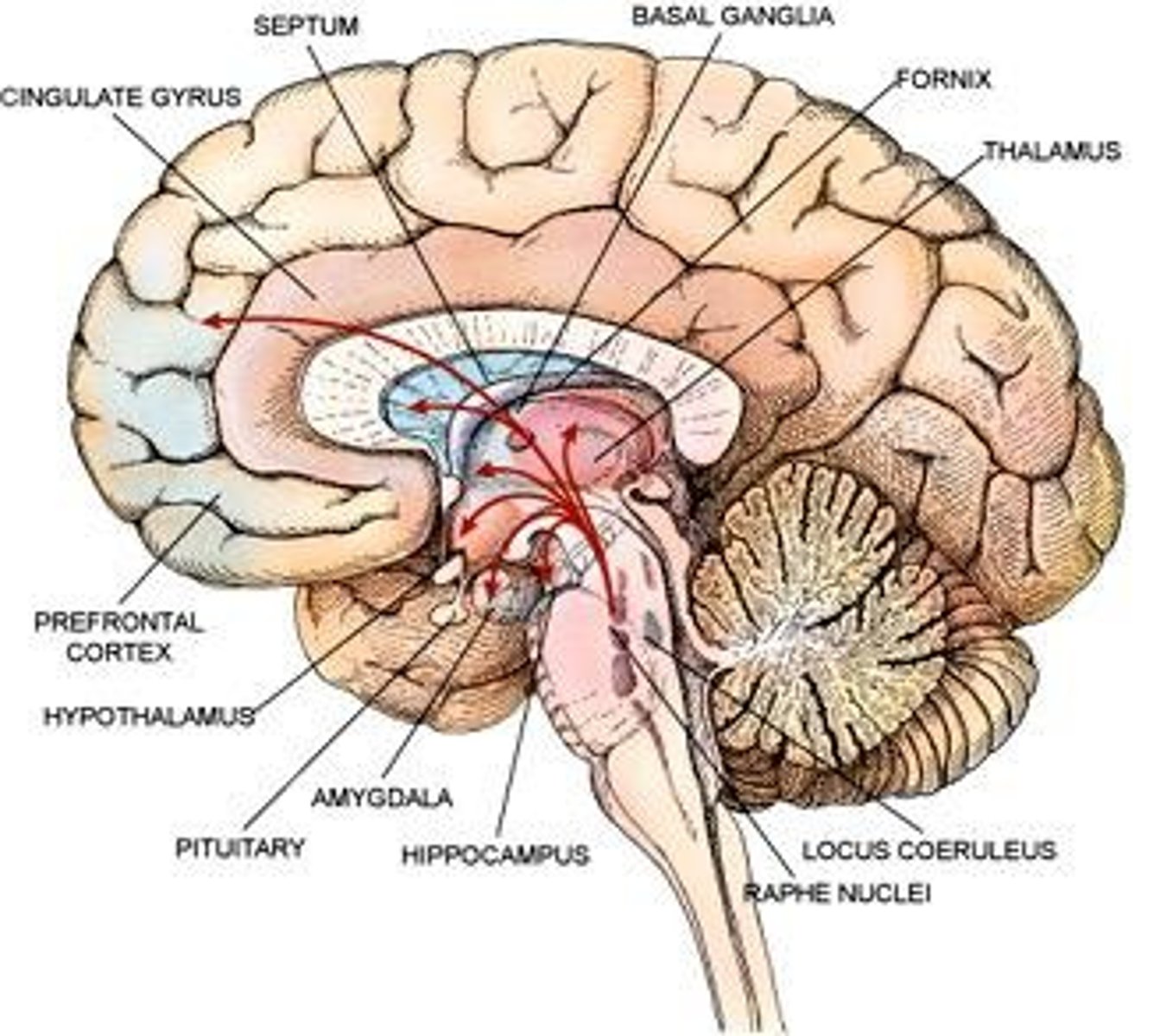
frontal lobe dysfunction
Pathologically, addiction brain changes include malformed dendrites and-
Eliminate negative reinforcement
Withdrawal treatment goal is to-
Cue avoidance
Avoid triggers associated with drug use
Extinction therapy
Reduce conditioned responses to drugs
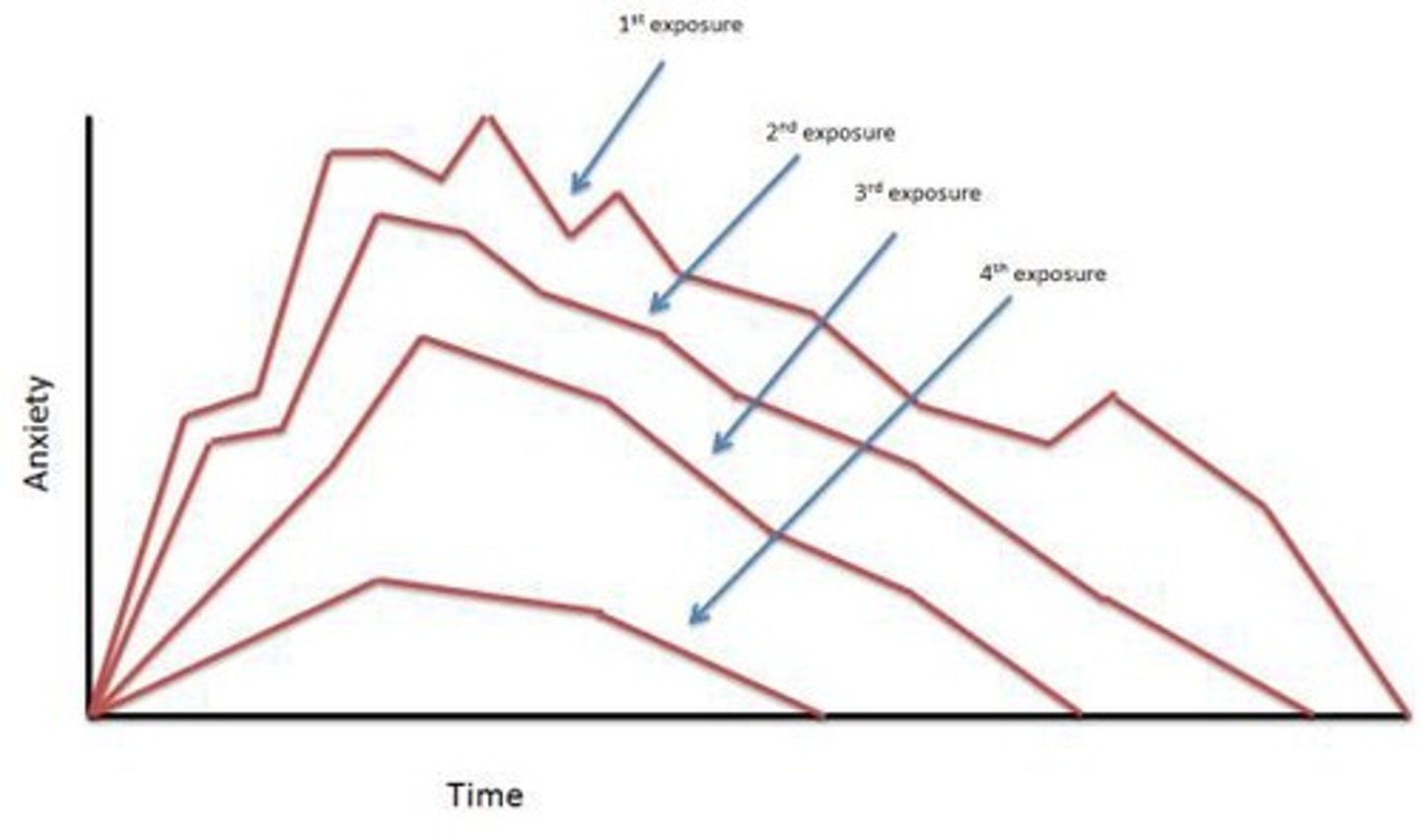
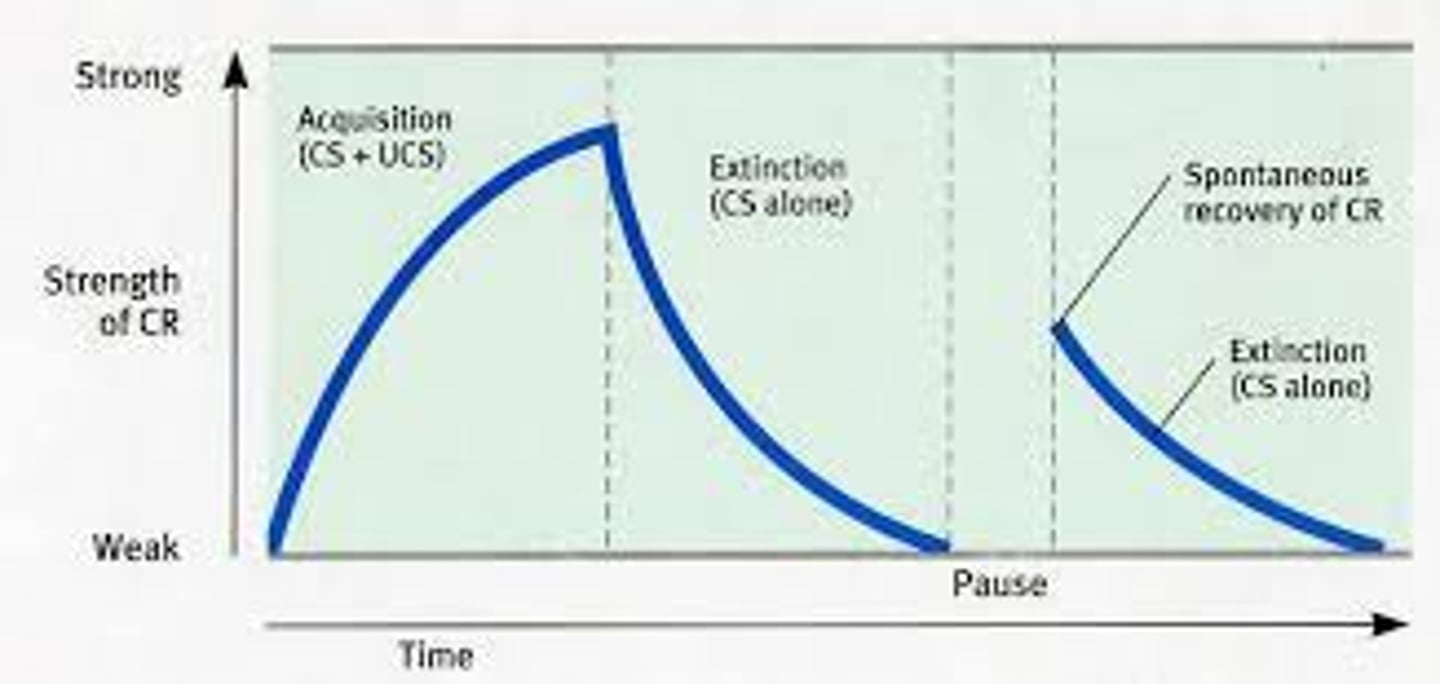
Spontaneous recovery
Extinguishing drug responses can have risk of relapse in drug-seeking behavior
Agonist treatment
Mimics drug effects (e.g., methadone for opiate addiction, nicotine patch)
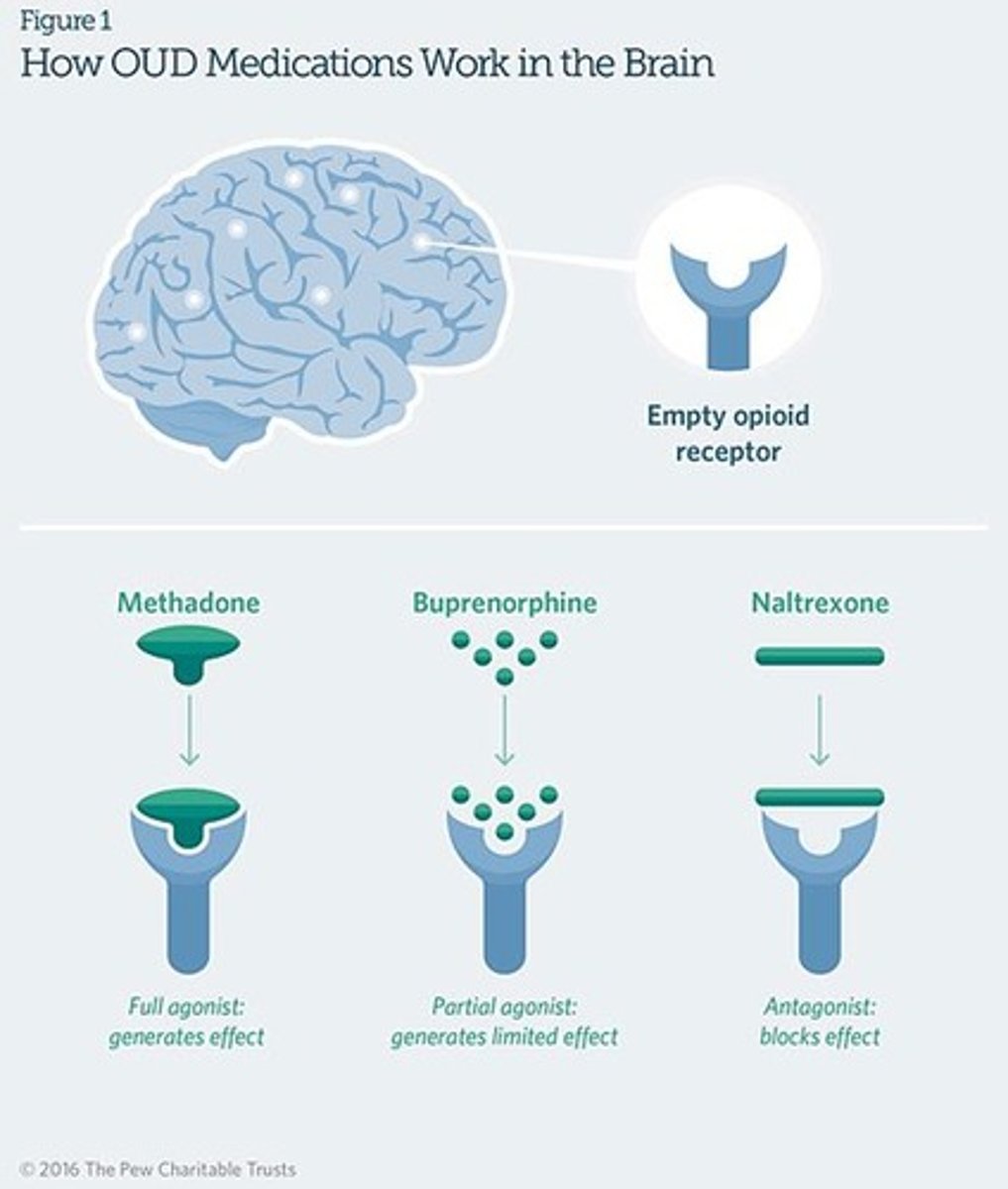
Antagonist treatment
Blocks drug effects (e.g., naltrexone for opiate and alcohol)
- don't replace the drug, so compliance depends on the addict's motivation to quit
Aversive treatment
Produces unpleasant reaction to drug (e.g., Antabuse for alcohol addiction)
- Treatment compliance depends on the addict's
motivation to quit.
Anti-drug vaccines
stimulate the immune system to make antibodies that decrease the rate of into the brain
Cognitive Behavioral Therapy (CBT) and contingency management
Psychological treatments for addiction include
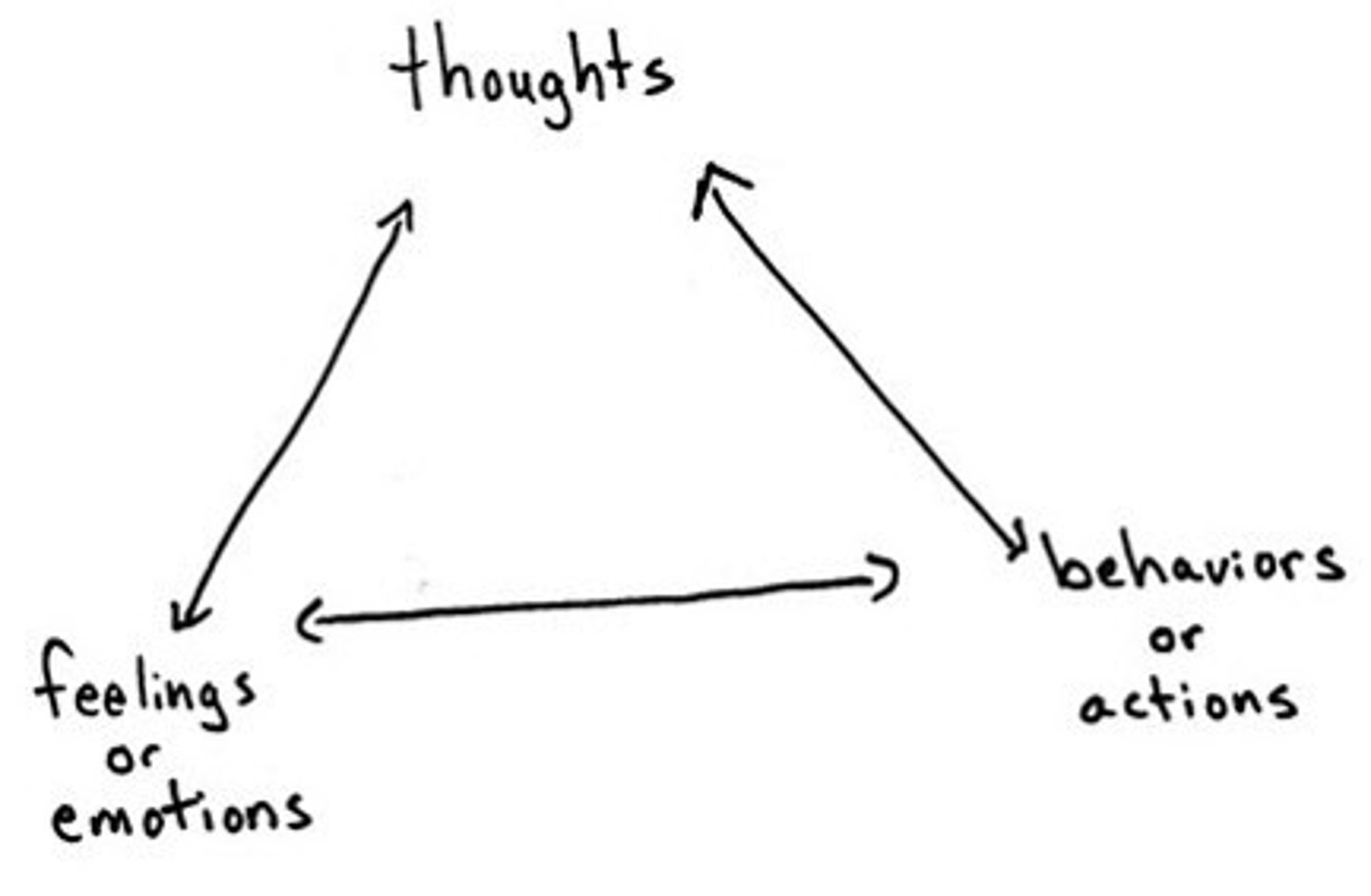
Cognitive Behavioral Therapy (CBT)
a popular integrative therapy that combines changing self-defeating thinking with changing behavior)
contingency management
undesirable behavior is not reinforced, while desirable behavior is reinforced

Pharmacological treatment
is controversial due to belief that recovery should involve the exercise of will and that it is wrong to give an addict another drug, such as methadone.
combining behavioral and pharmacological approaches
Addiction treatment had higher success when-
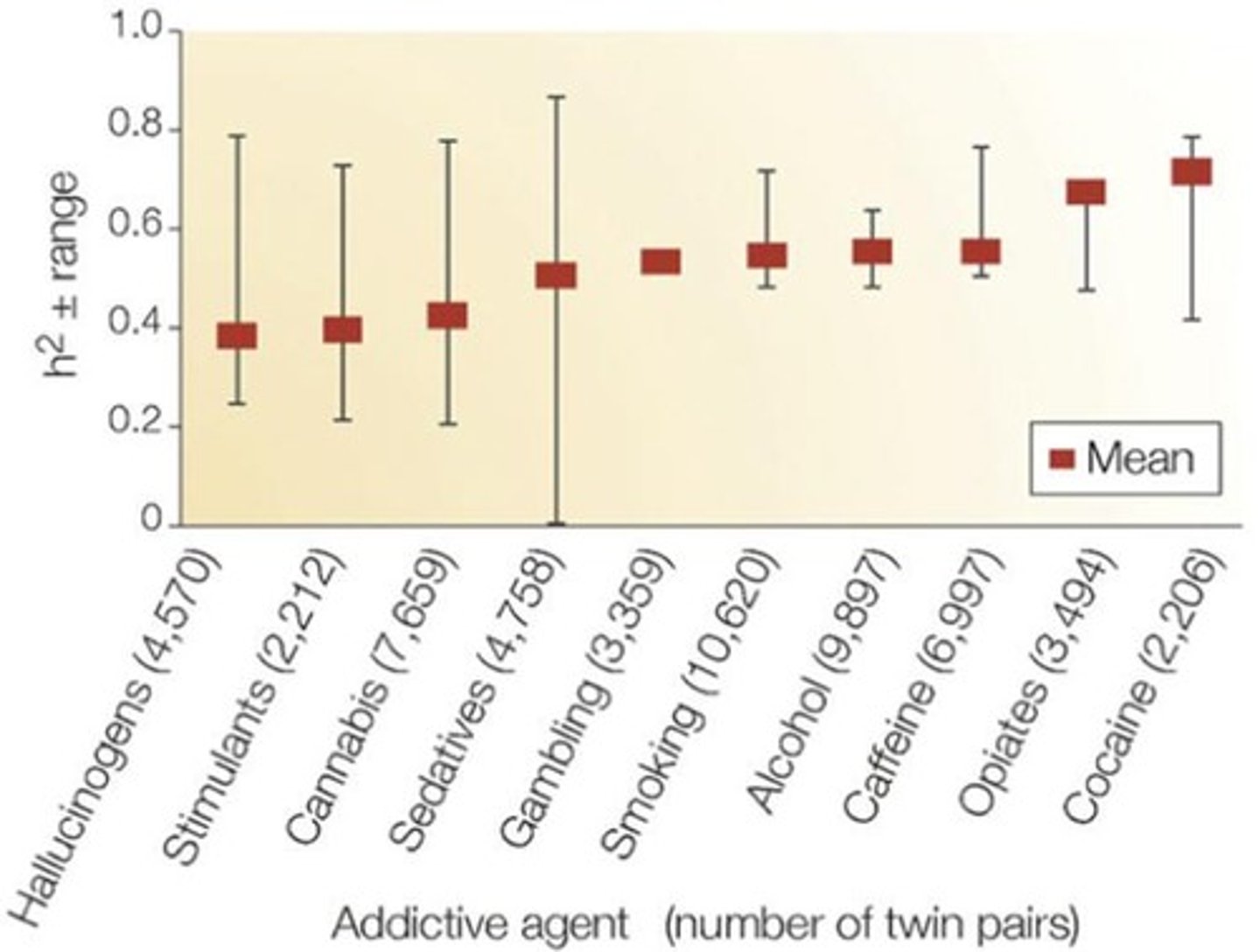
Heritability of addiction
Genetic contribution varies by drug (e.g., alcohol 50-60%, cocaine ~72%)
Type 1 alcoholism
Late-onset, influenced by environment
Type 2 alcoholism
Early-onset, largely genetic
Genes
Often affect neurotransmitter systems or drug sensitivity
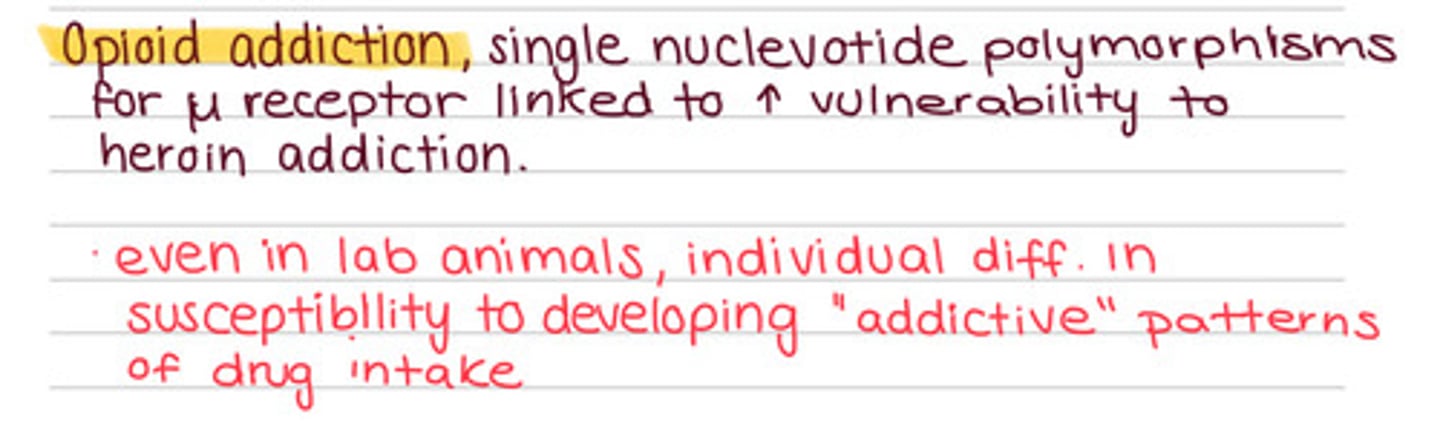
Homer gene (glutamate regulation)
Knockout mice lacking either of two ________, which regulate glutamate activity, are more susceptible to cocaine
- Absence increases cocaine vulnerability
Clock gene
Mice lacking ________ release more dopamine in reward areas of the brain and are more vulnerable to cocaine's effects.
- Increases dopamine release and addiction risk
Opioid receptor gene (G allele)
Individuals report greater intoxication and are 3x more likely to have a history of alcoholism.
Low sensitivity to alcohol
People who do not respond to the negative effects of alcohol, such as motor impairment, are 4x more likely to become alcoholic later

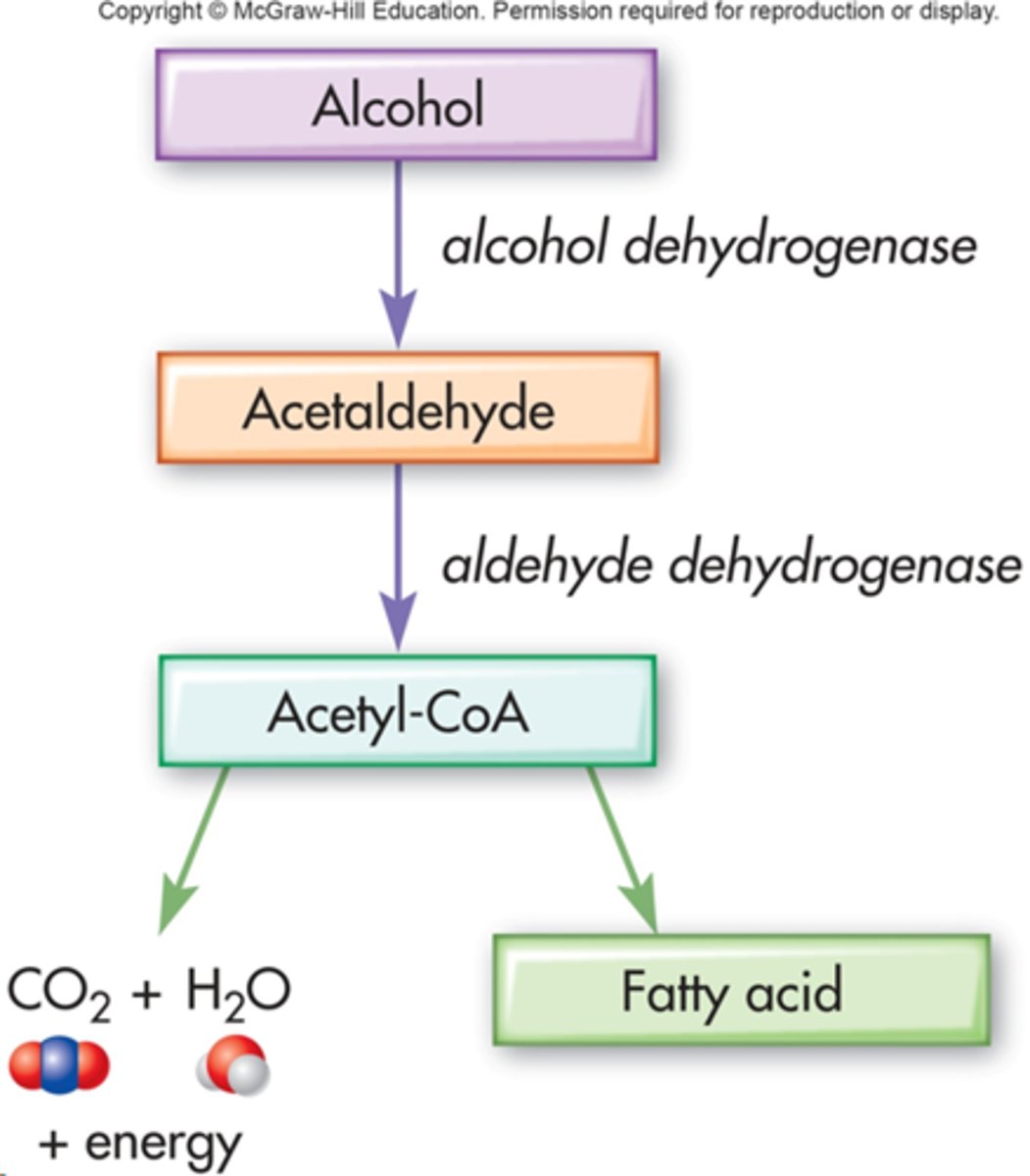
ALDH deficiency
causes a defect in metabolizing alcohol and decreases risk of alcoholism
Nicotine metabolism deficiency
causes a defect in metabolizing nicotine a protects some people from nicotine addiction
Personality traits linked to addiction
Impulsivity, risk-taking, novelty-seeking, stress sensitivity

high frequency
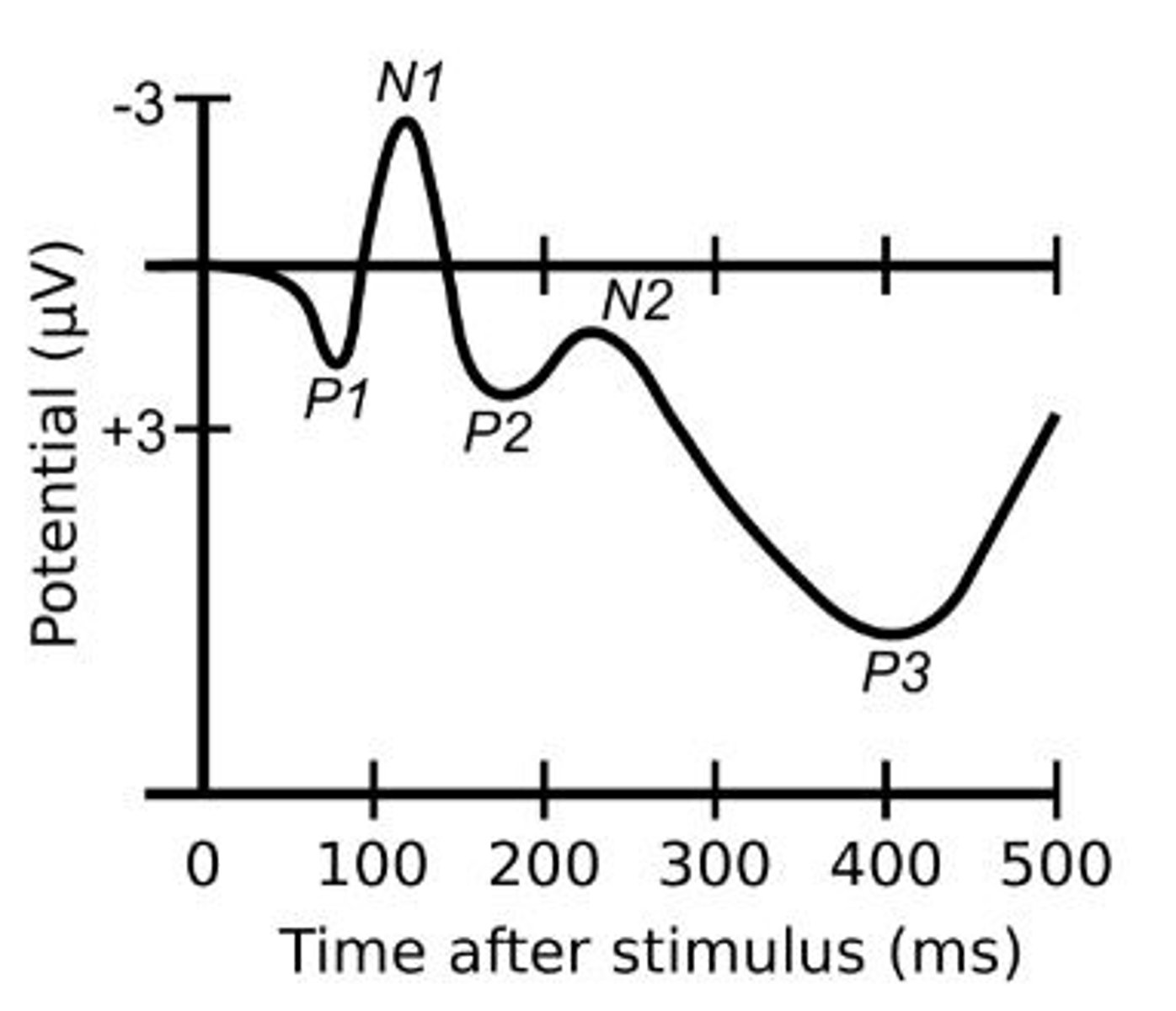
Increased ________ EEG occurs in alcoholics and their offspring.
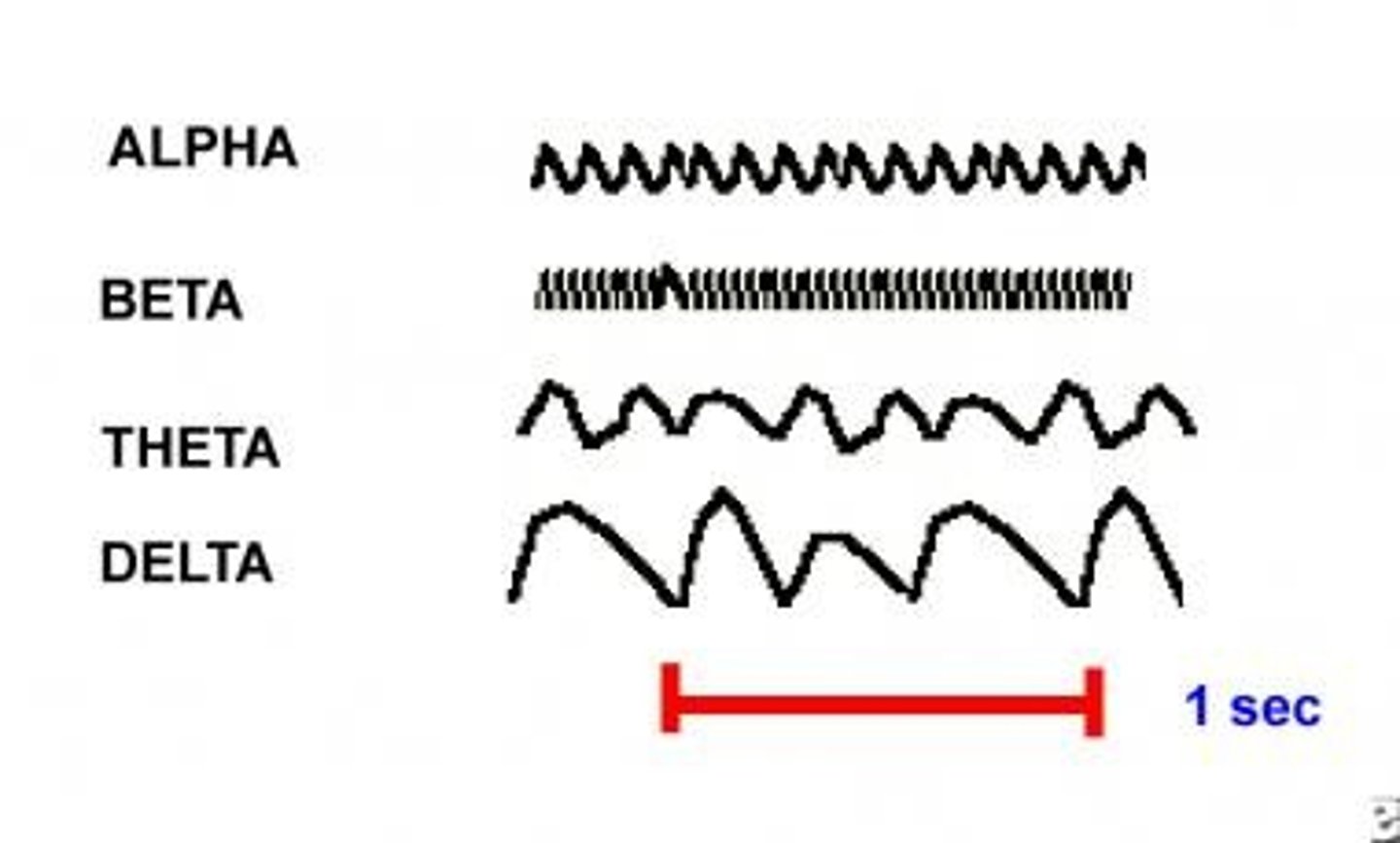
P300 wave abnormality
Alcoholics and their offspring also show a reduction in the
normal "dip" in the _______
- Reduced response to stimuli in high-risk individuals
genetics and environment
addiction behavior results from interaction between-
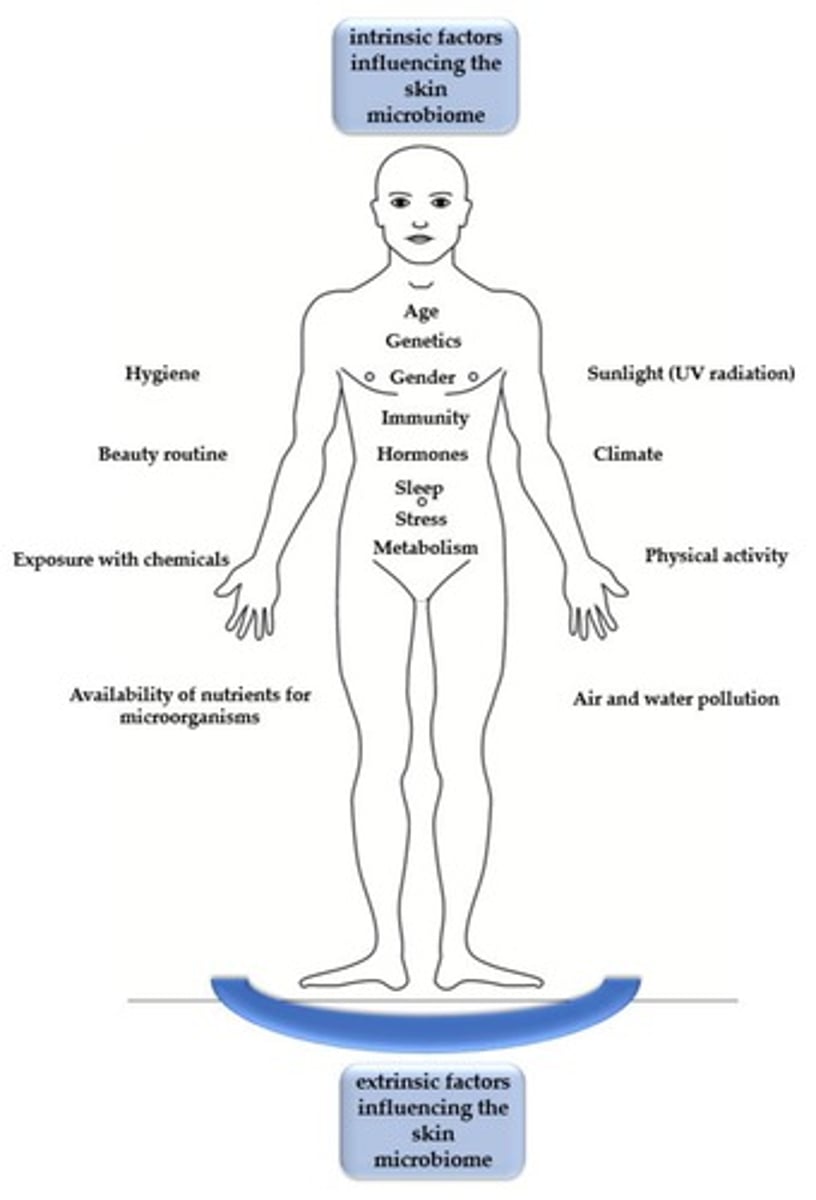
willpower
Addiction cannot be explained by ________ alone

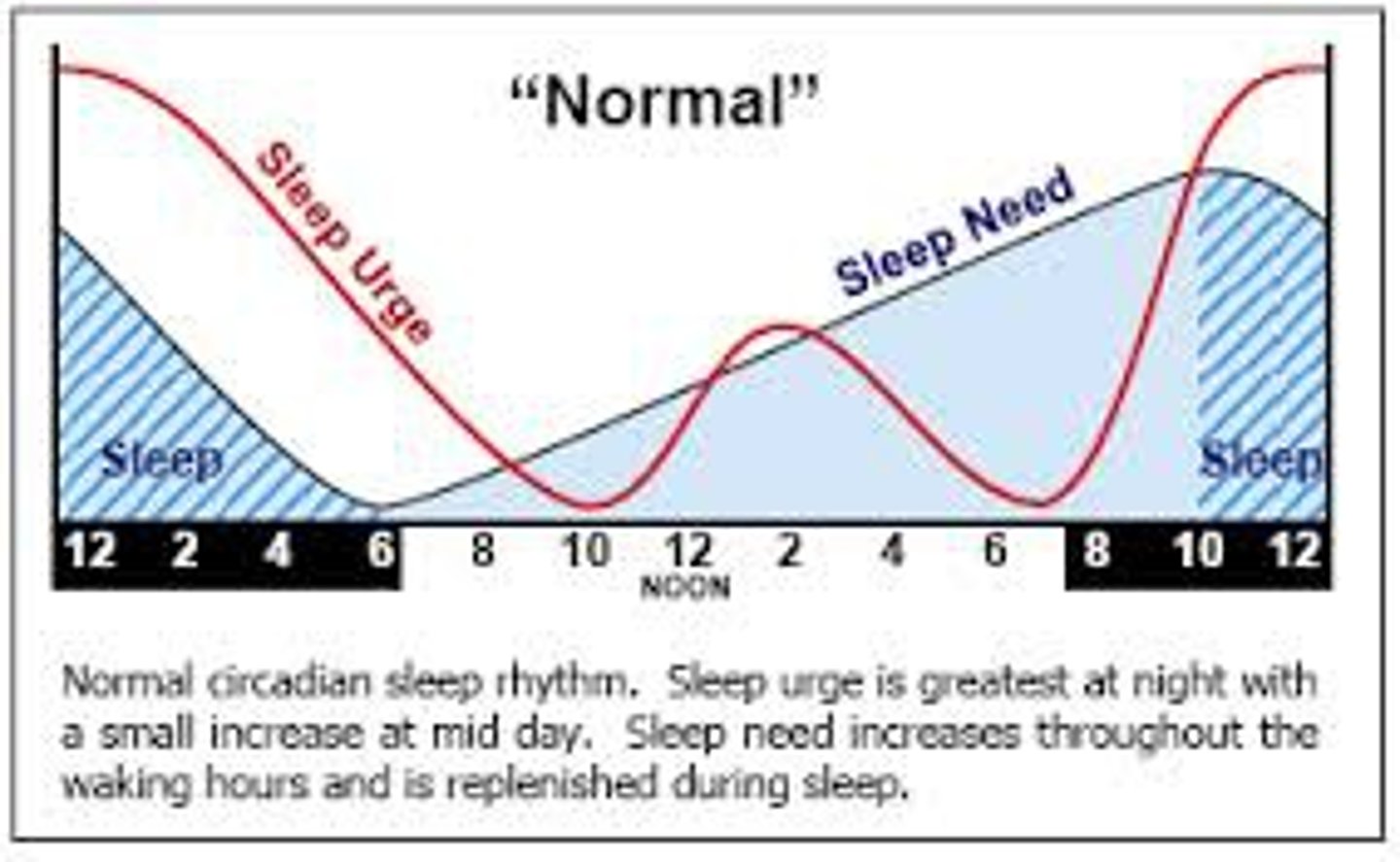
Circadian rhythm
A biological rhythm that lasts about 24 hours
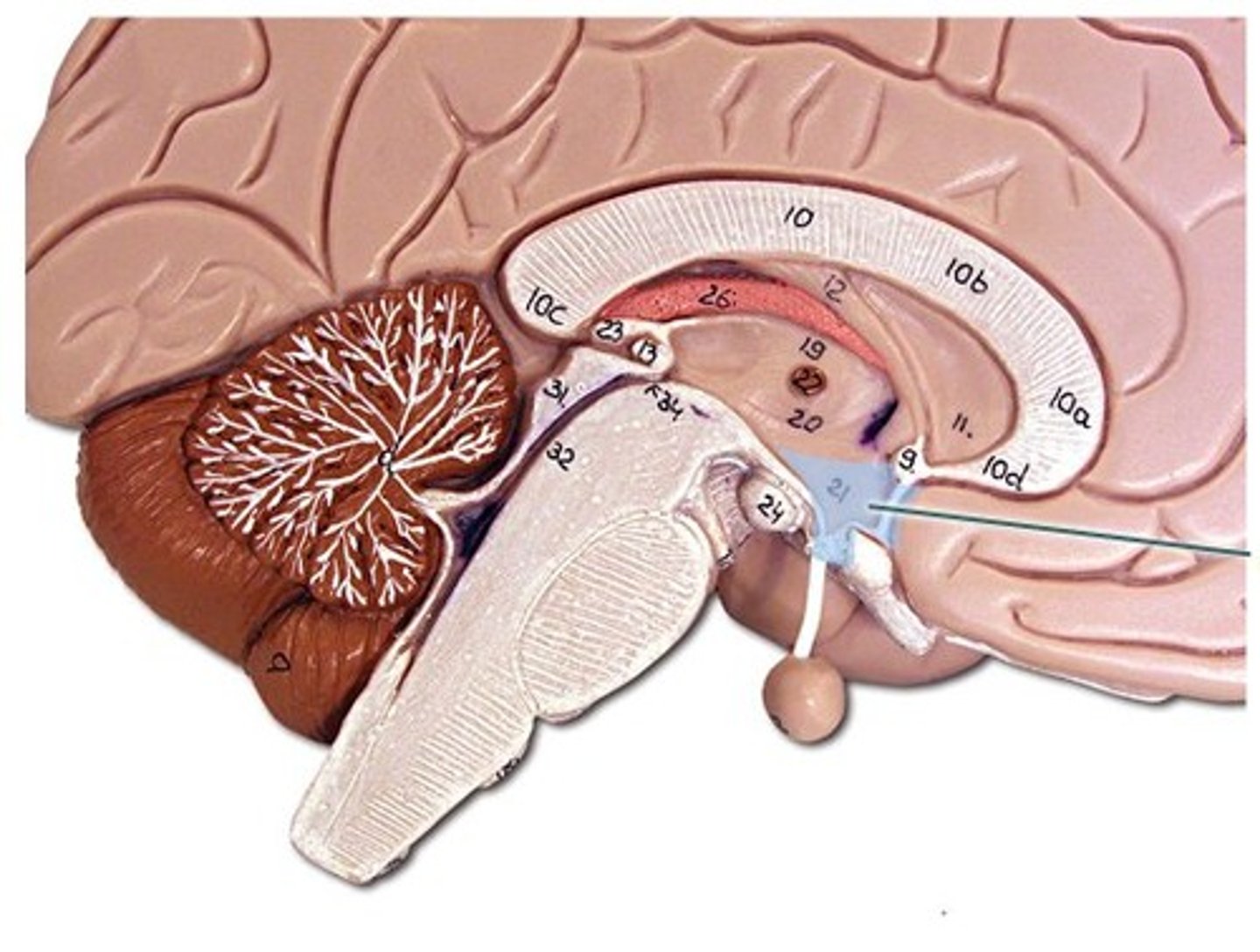
Suprachiasmatic nucleus (SCN)
The main biological clock in mammals located in the hypothalamus
- regulates the pineal gland's melatonin secretion
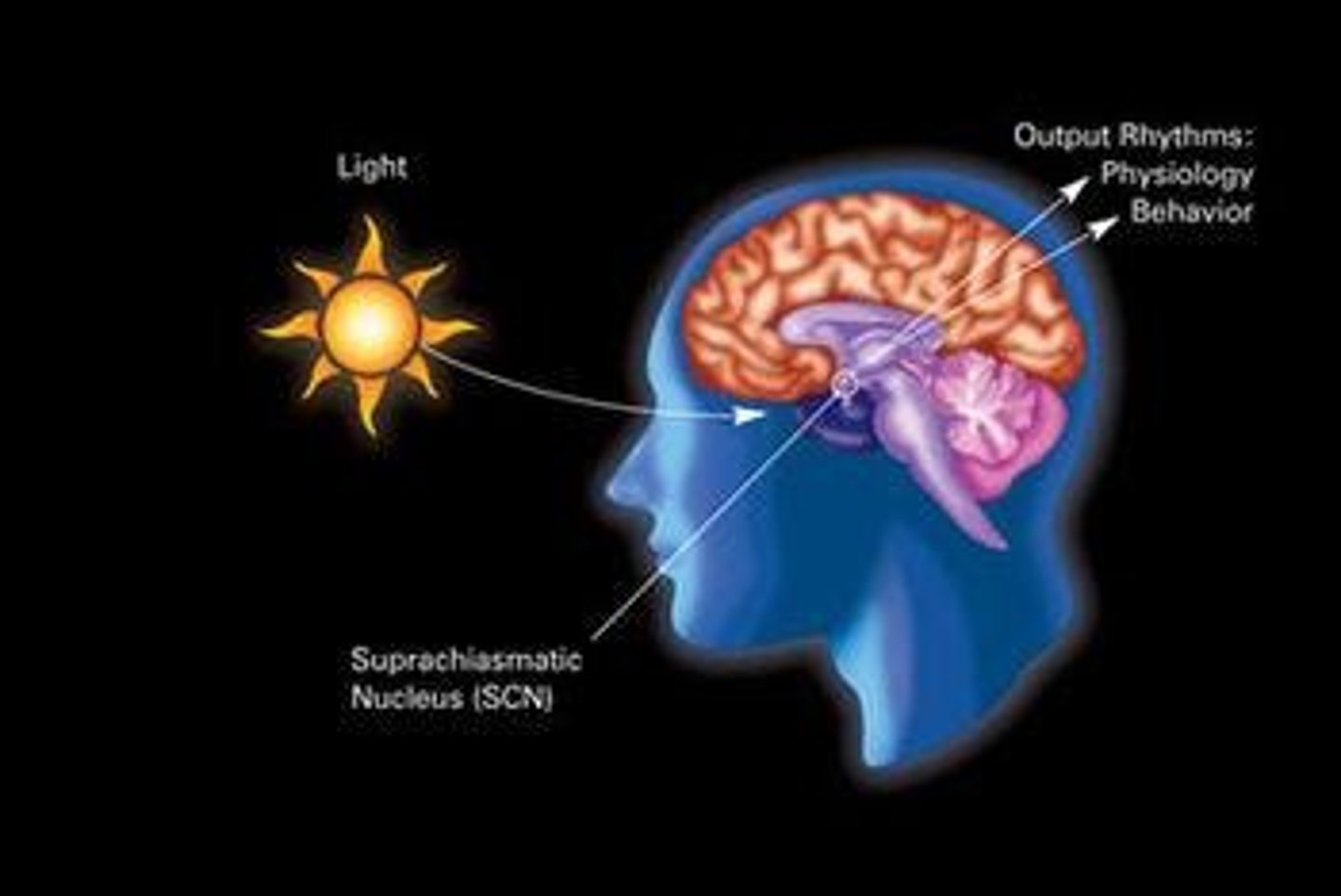
Regulates sleep-wake cycles, hormone release, body temperature, and other circadian rhythms
What are the function of the suprachiasmatic nucleus?
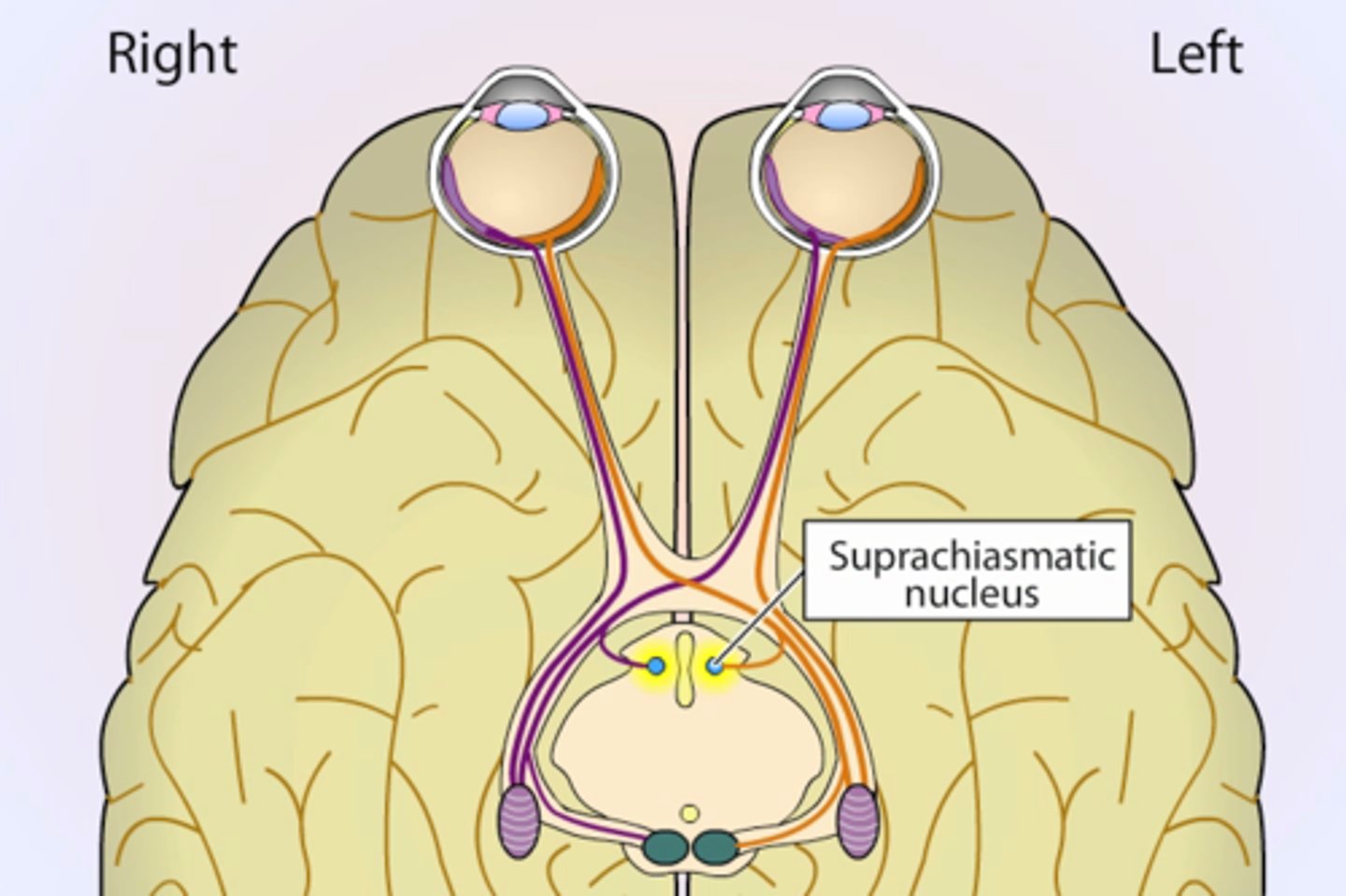
Eliminates normal 24-hour rhythms (sleep, activity, temperature, etc.)
What is the effect of SCN lesion on rats?
Zeitgebers
External cues that synchronize circadian rhythms (e.g., light)
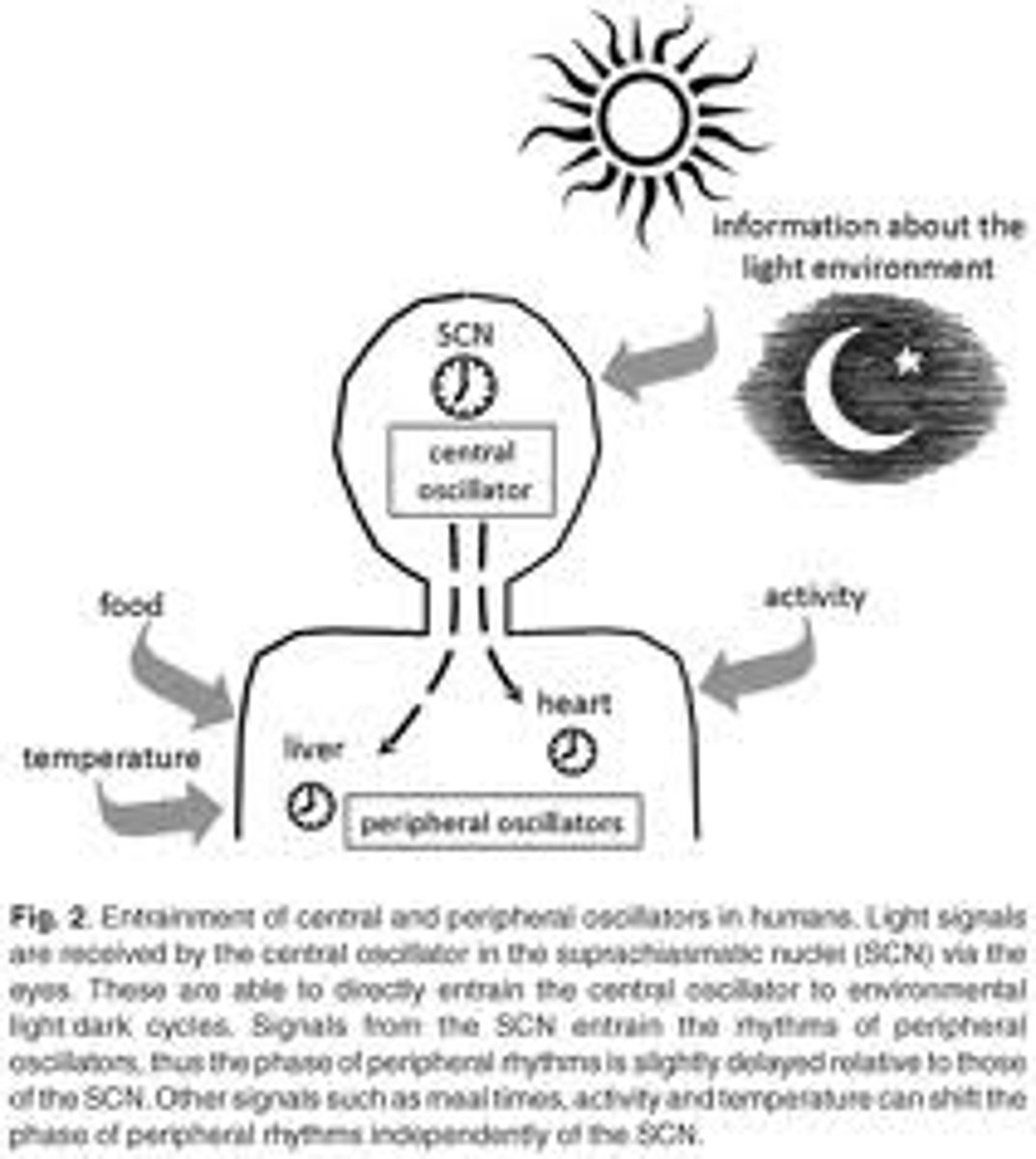
Light
Most important zeitgeber that supresses melatonin secretion
Pineal gland
Brain structure that releases melatonin
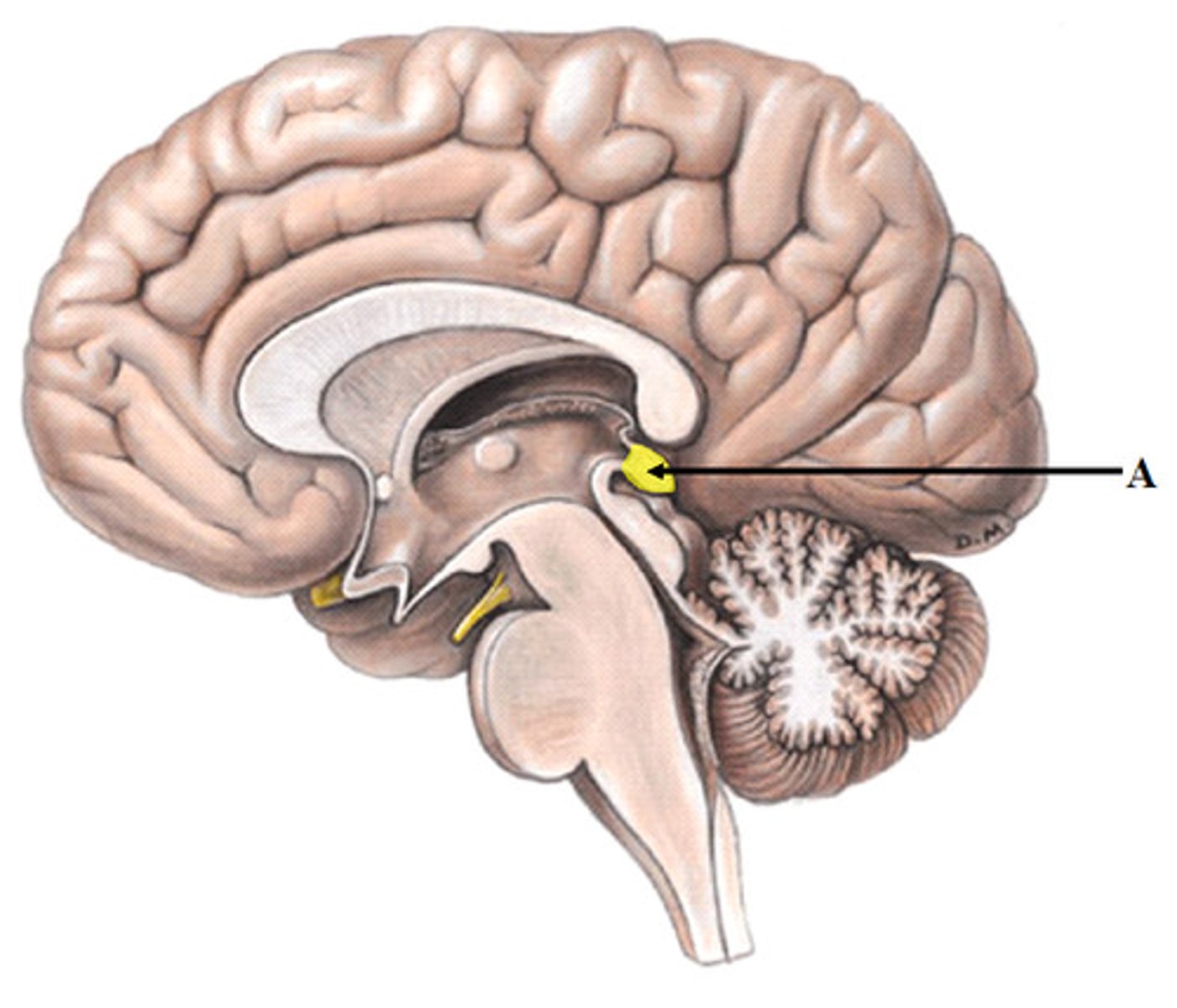
Melatonin
Hormone that promotes sleep and regulates circadian rhythms
Effect of light on melatonin
Suppresses melatonin secretion
Body temperature, metabolism, blood pressure, hormone levels, and hunger
Examples of bodily function circadian rhythms are....
High, low
Cortisol and Epinephrine circadian patterns are ______ after waking, _____ before sleep
Ultradian rhythms
Biological rhythms shorter than 24 hours
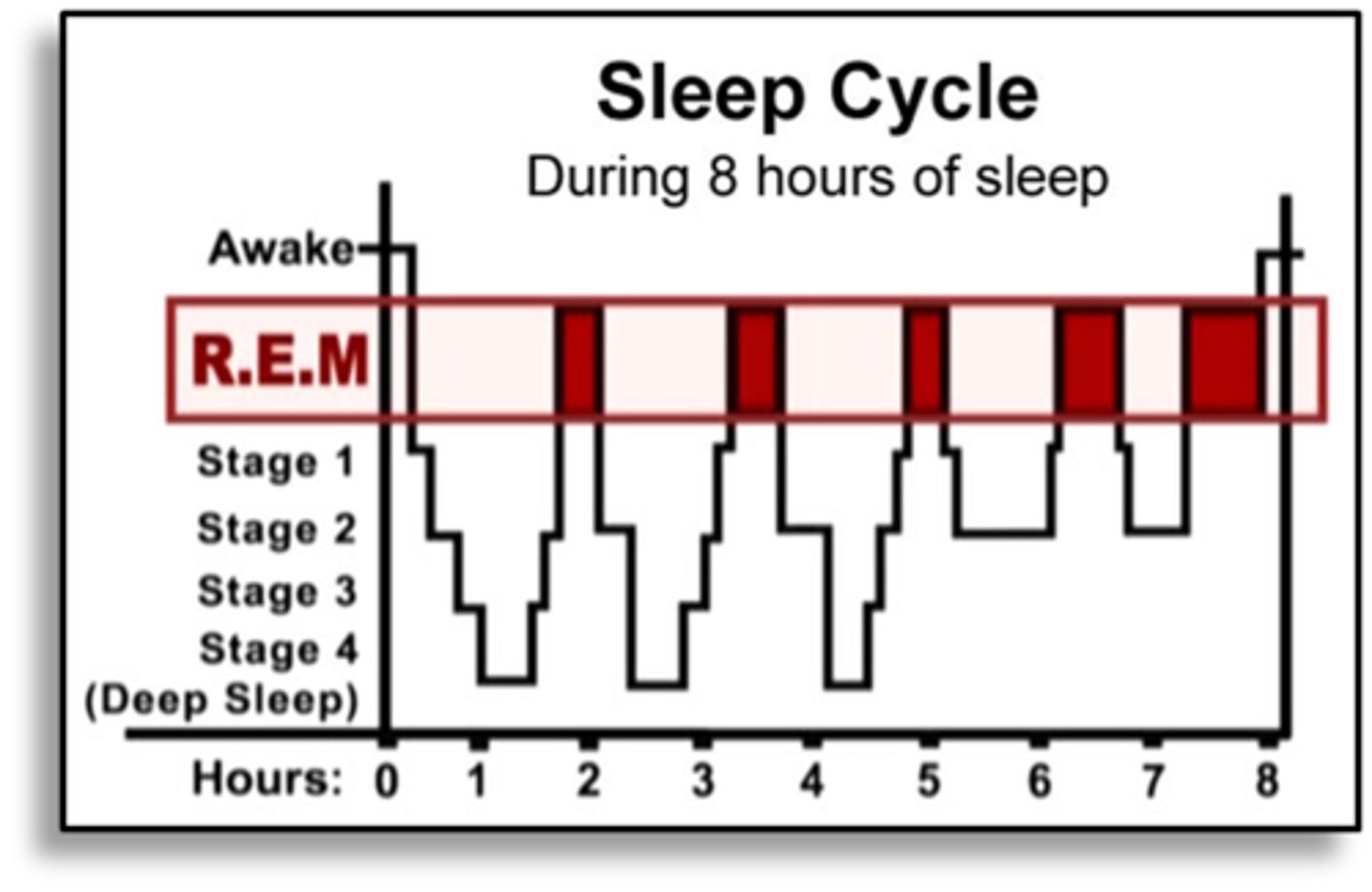
Basic rest-activity cycle (BRAC)
90-100 minute cycle of alertness and fatigue
- This cycle also extends into sleep, with 90-minute
variations in arousal
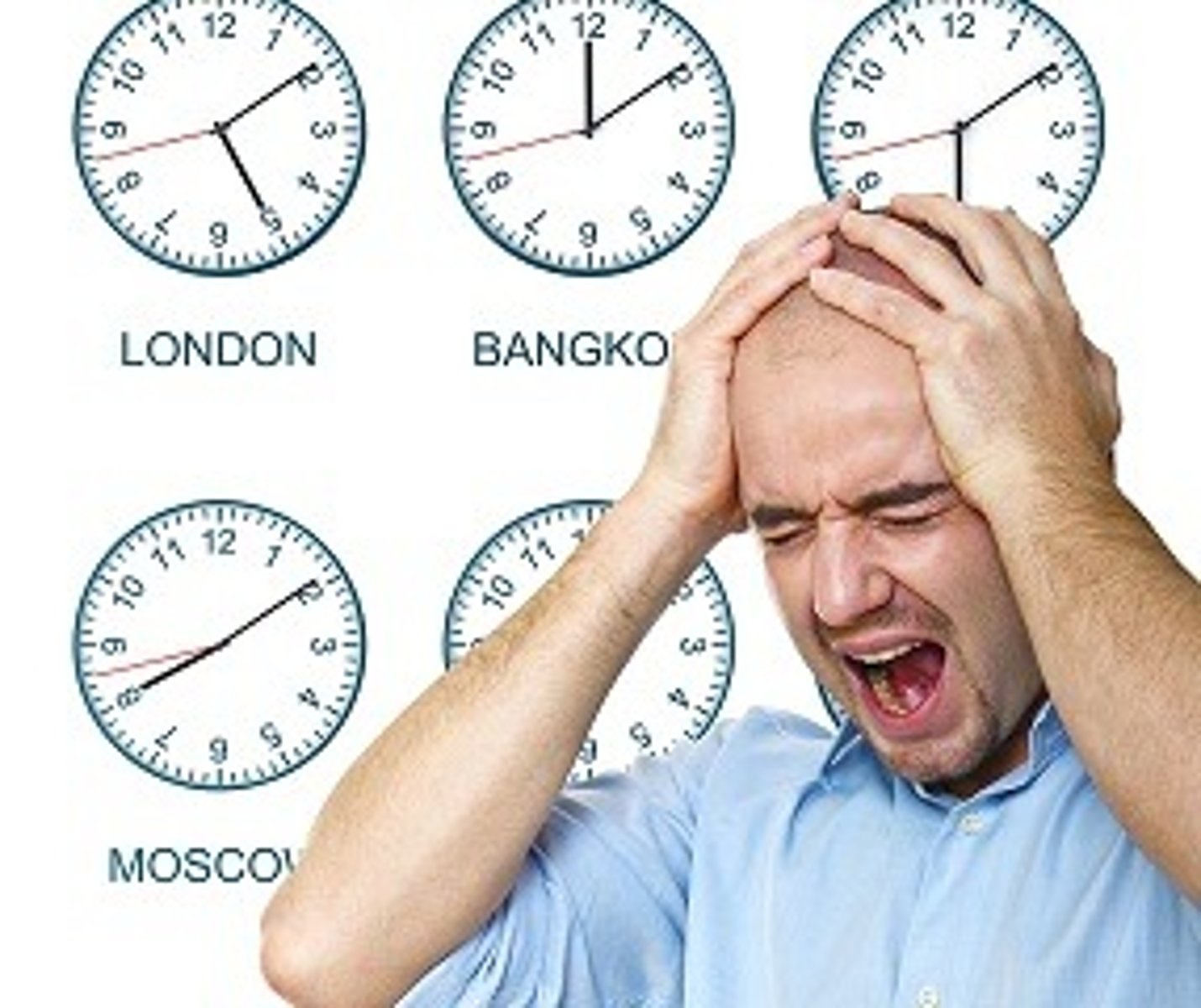
Jet lag
Disruption and desynchronization of circadian rhythms due to time zone changes
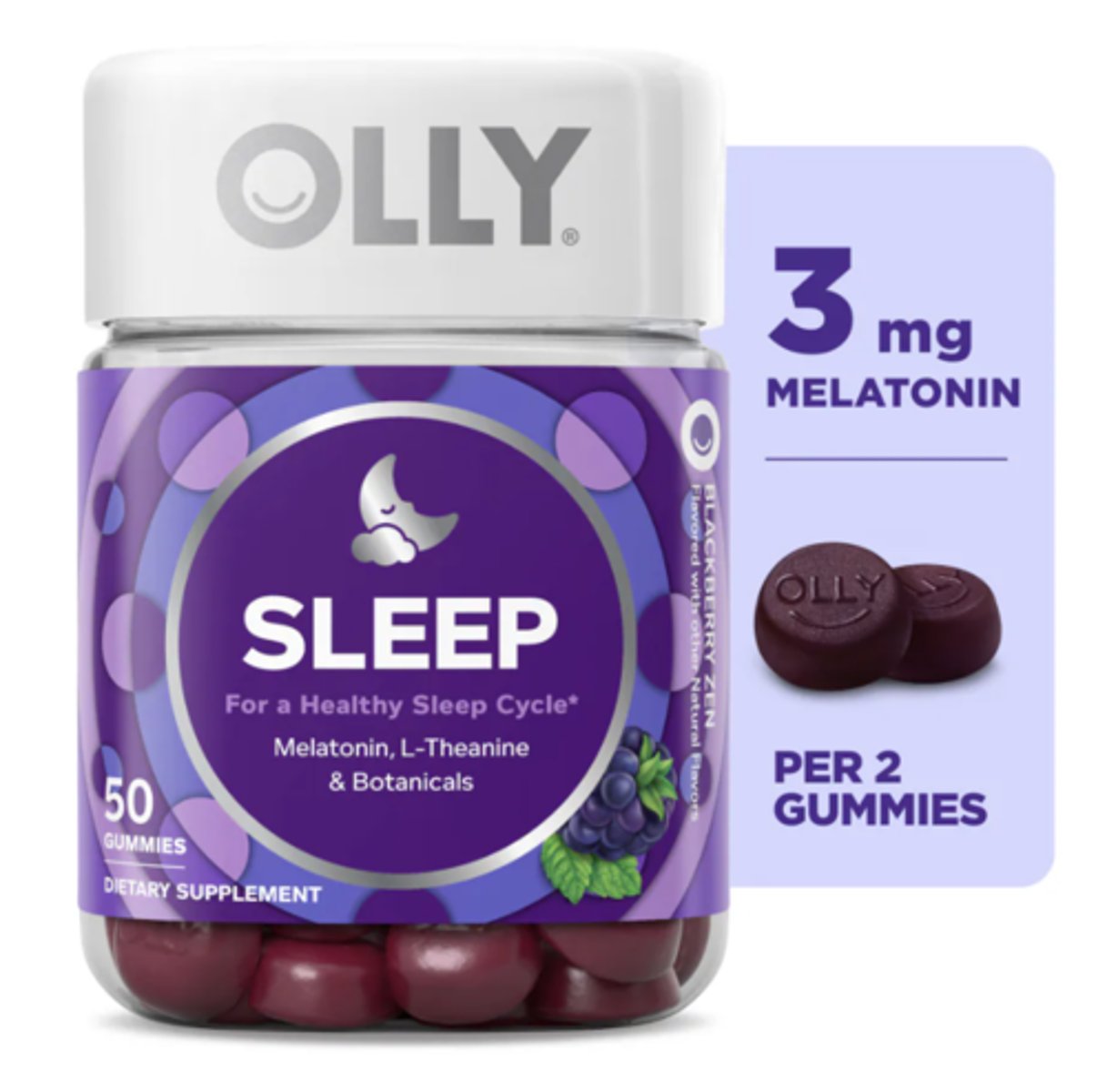
- melatonin can "reset" the biological clock to aide with this
jet lag, insomnia, night shift work, blindness
Melatonin helps reset biological clock for those with.....
Retinohypothalamic pathway
Pathway through which light information travels from retina to SCN
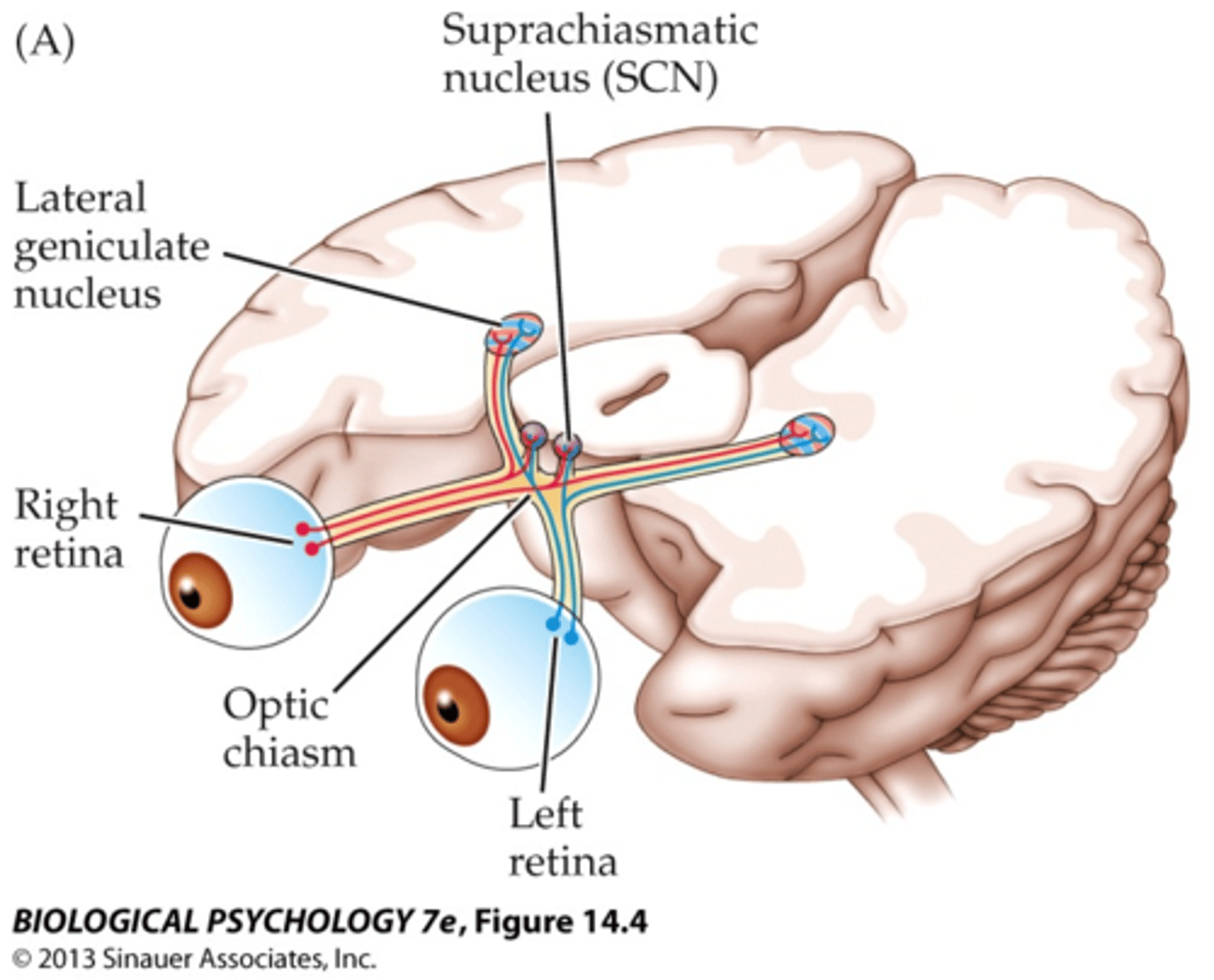
Melanopsin
Light-sensitive photopigment in retinal ganglion cells
- explains why some blind individuals entrain to light
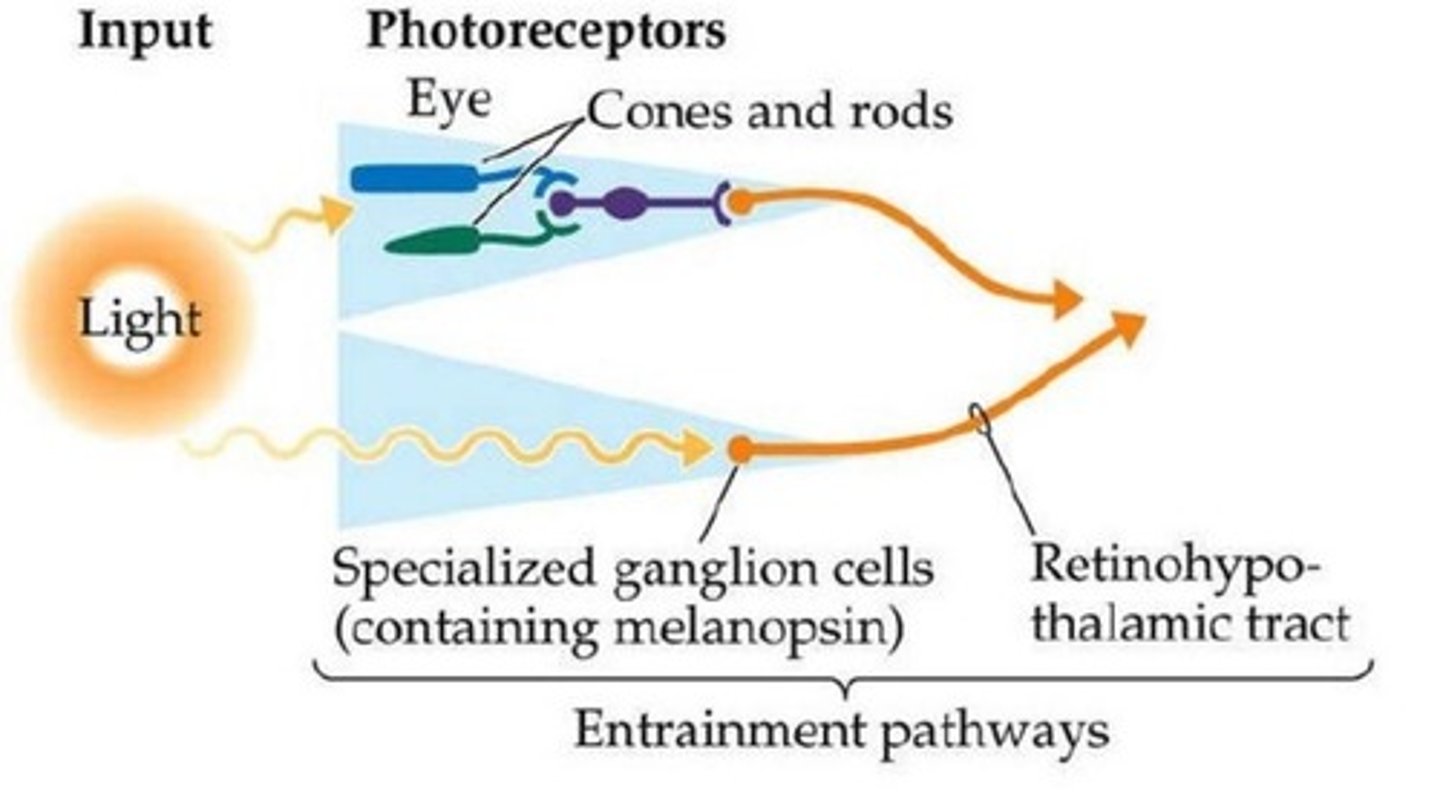
light cues
Circadian cycles are self-sustaining and can function in the absence of _________.
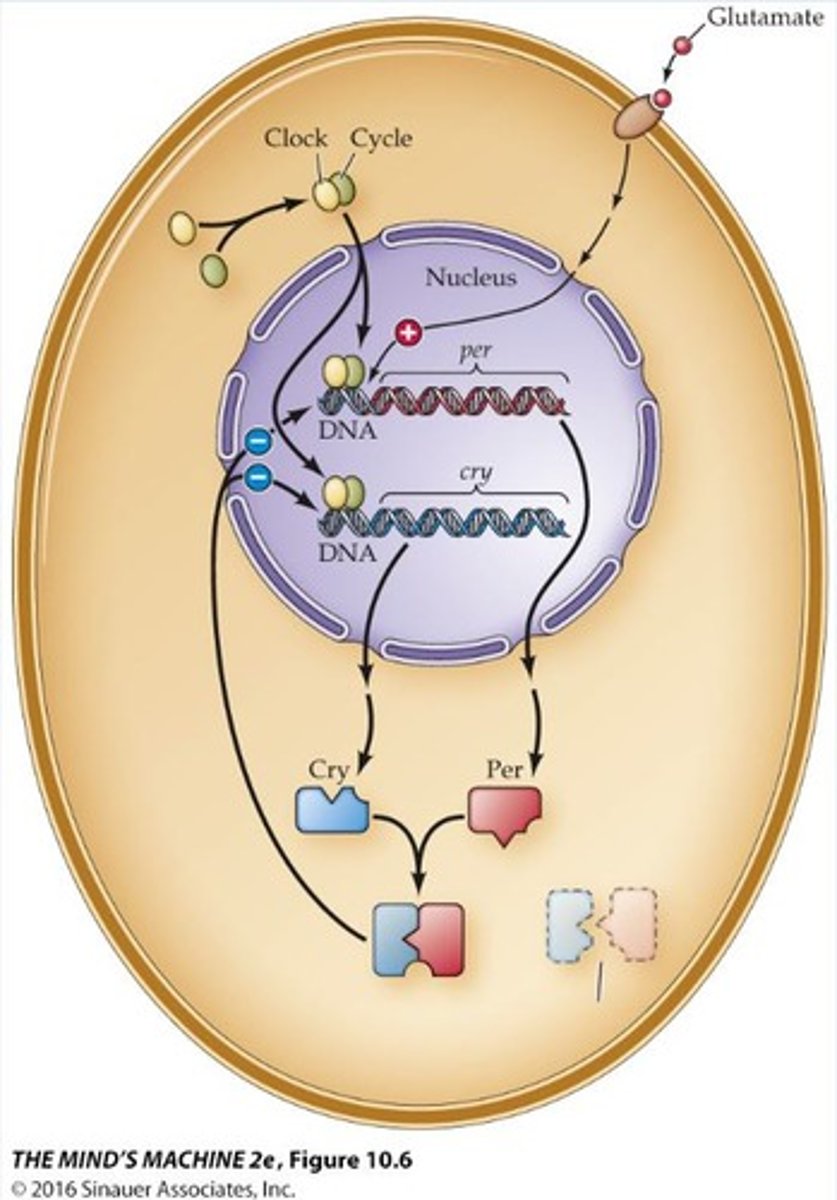
Clock genes
Genes that regulate circadian rhythms within the SCN
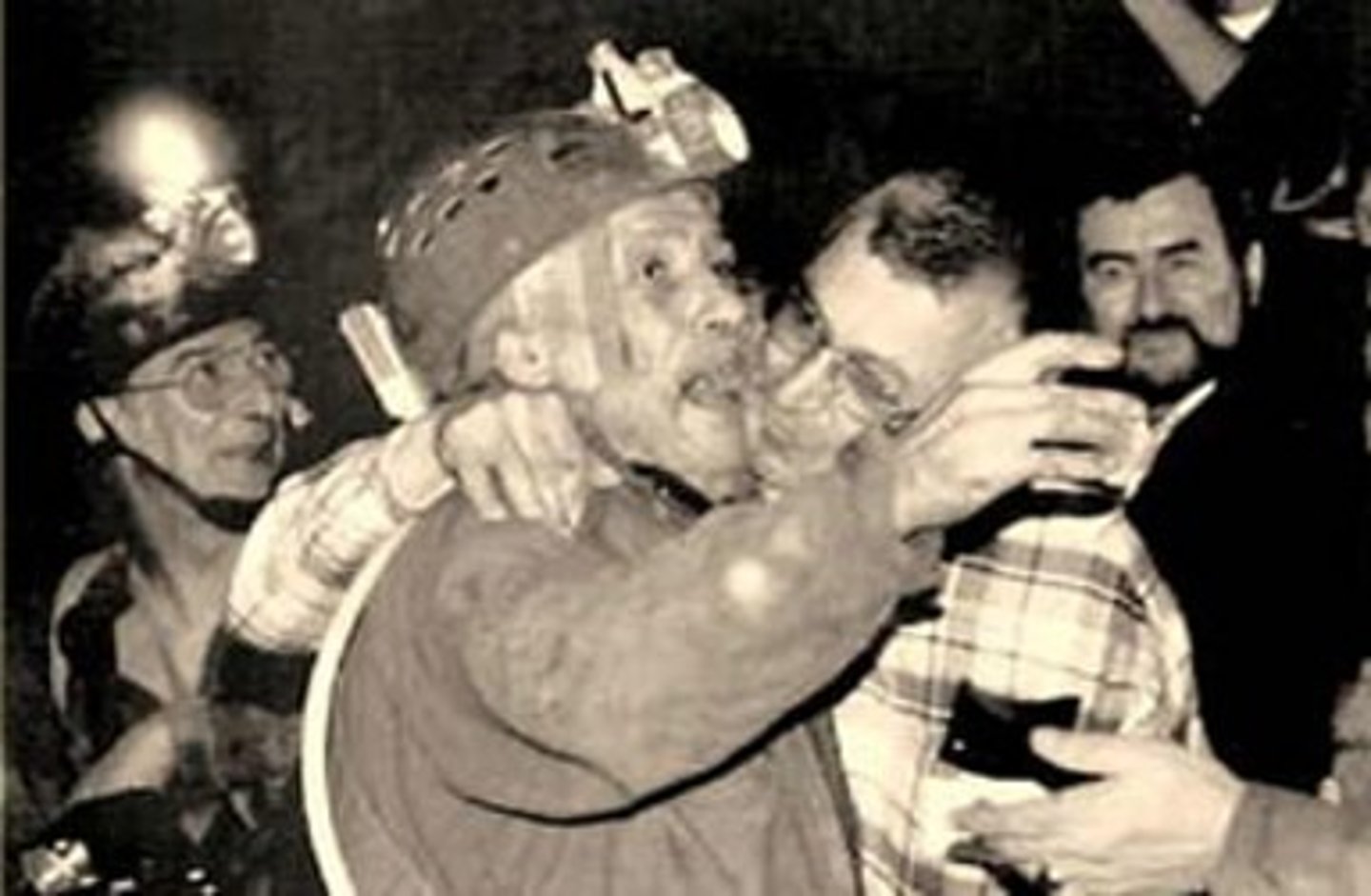
slightly longer than 24-hour cycles (~24.18 hours)
Isolation study found that Humans naturally follow-
- ex: michel siffre cave experiment
Restorative hypothesis of sleep
Sleep replaces energy and repairs the body

sleep more
Evidence for restorative hypothesis is that animals with higher metabolism-
Adaptive hypothesis of sleep
animal sleep patterns evolved for survival (safety + food access)