Biology: Coenzymes, Redox Reactions, ATP, and Cellular Respiration Overview
 Call Kai
 Learn
Learn Practice Test
 Spaced Repetition
 Match
Match Flashcards
 Knowt Play
1/27

There's no tags or description
Looks like no tags are added yet.
Name | Mastery | Learn | Test | Matching | Spaced | Call with Kai | Chat |
|---|
No analytics yet
Send a link to your students to track their progress
28 Terms
What are coenzymes?
Non-protein molecules that assist enzymes in lowering activation energy and are essential for enzyme function.
What role does NAD+ play in cellular metabolism?
NAD+ acts as an electron carrier, accepting electrons during redox reactions.
Define oxidation in a chemical reaction.
Oxidation is the loss of electrons from a substance.
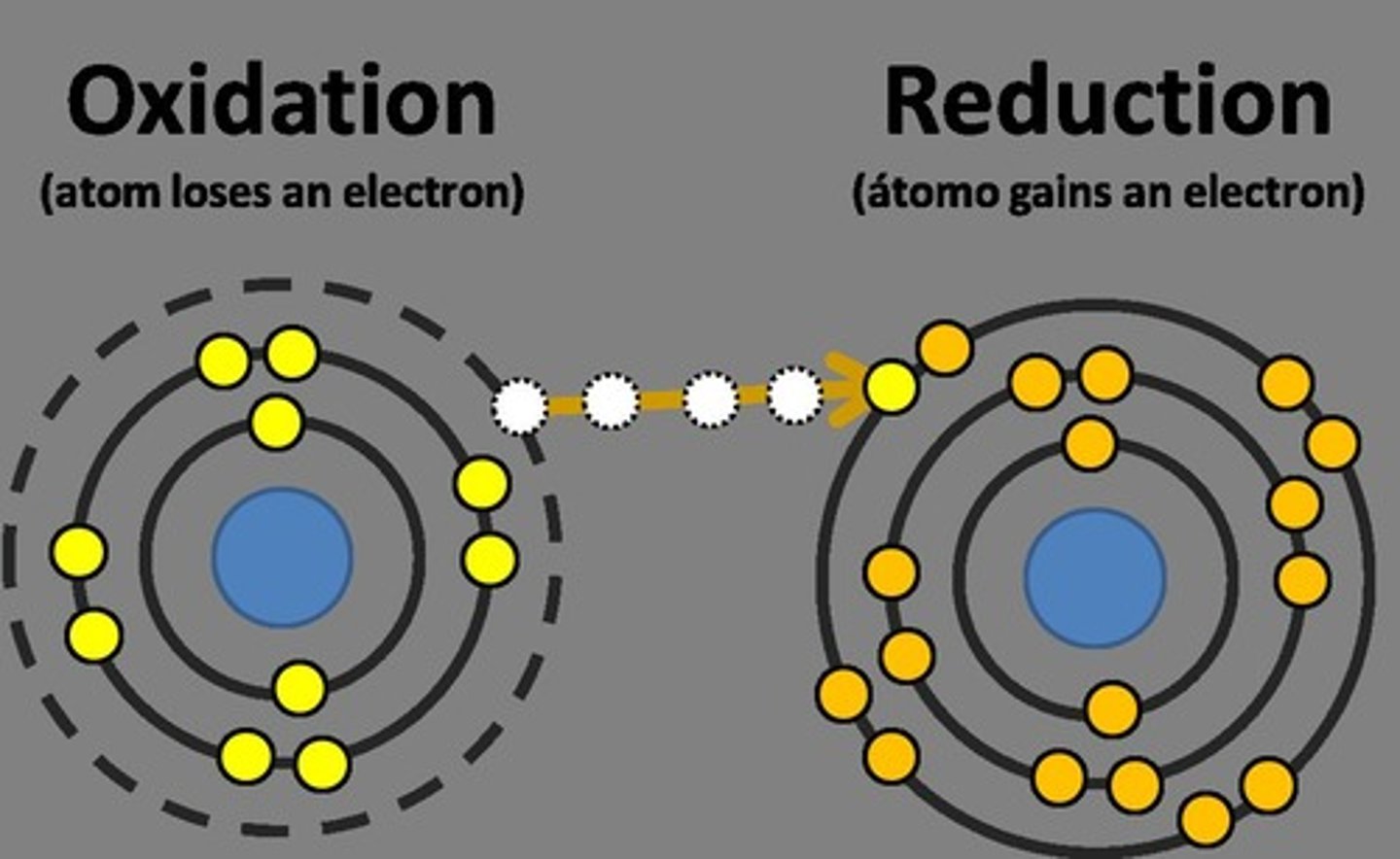
Define reduction in a chemical reaction.
Reduction is the gain of electrons by a substance.
What is a redox reaction?
A chemical reaction where electrons are lost from one substance (oxidation) and added to another (reduction).
What is the main function of ATP?
ATP serves as the primary energy source for cells, transferring energy between reactions.
What happens during the hydrolysis of ATP?
Energy is released when the bond between the phosphate groups is broken.
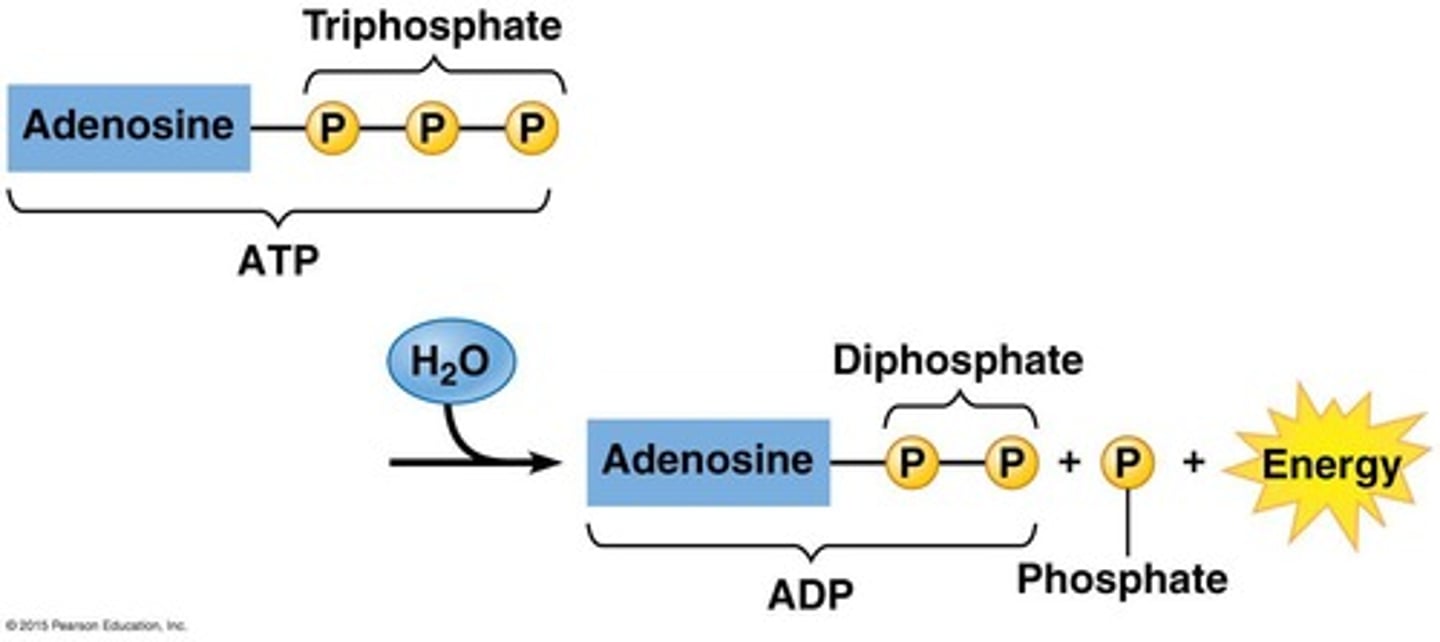
What is phosphorylation?
The transfer of a phosphate group from ATP to another molecule, energizing that molecule.
What is substrate-level phosphorylation?
The direct phosphorylation of a molecule by an enzyme during glycolysis or the Krebs cycle.
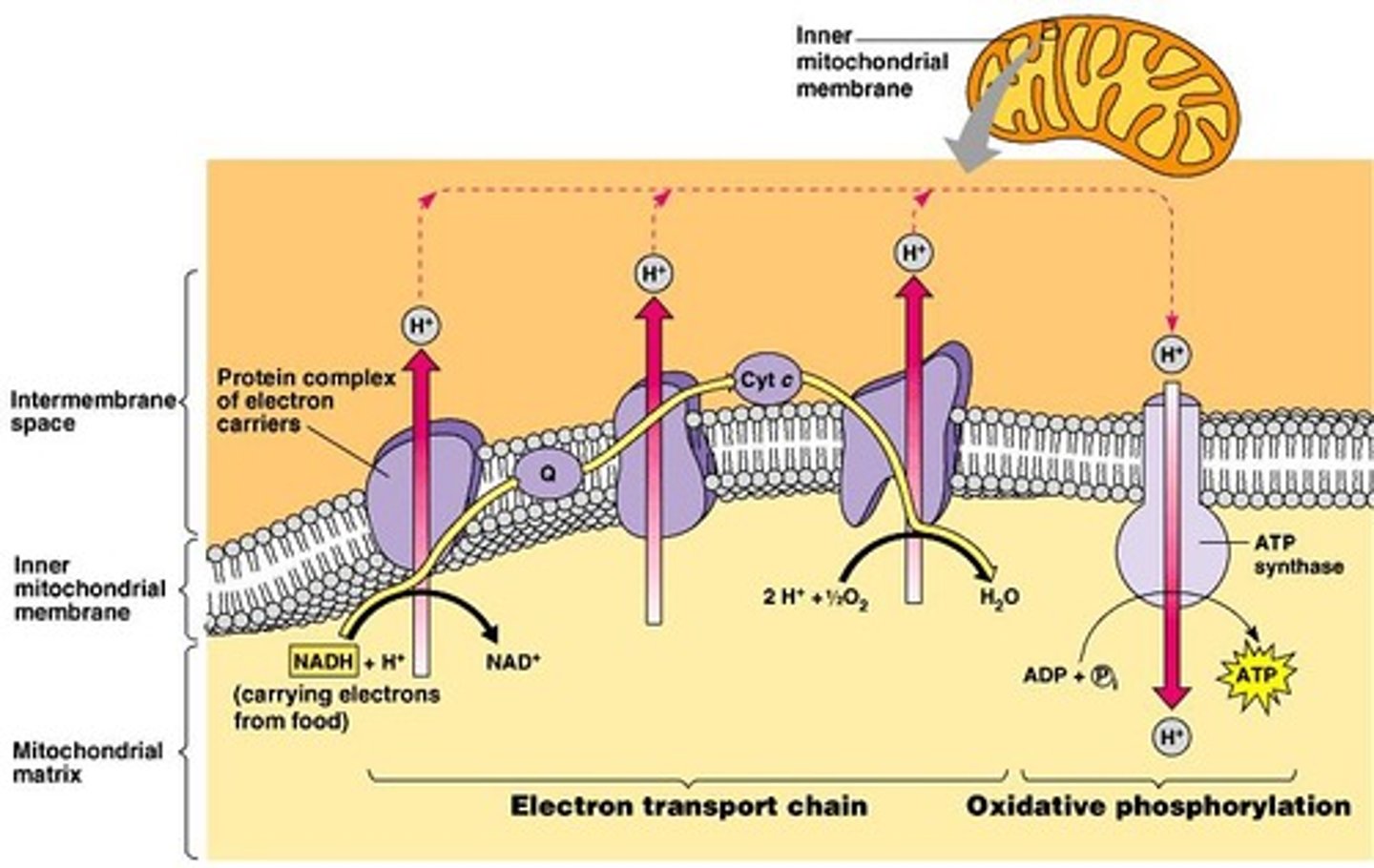
What is oxidative phosphorylation?
The process by which ATP is produced using the electron transport chain and chemiosmosis.
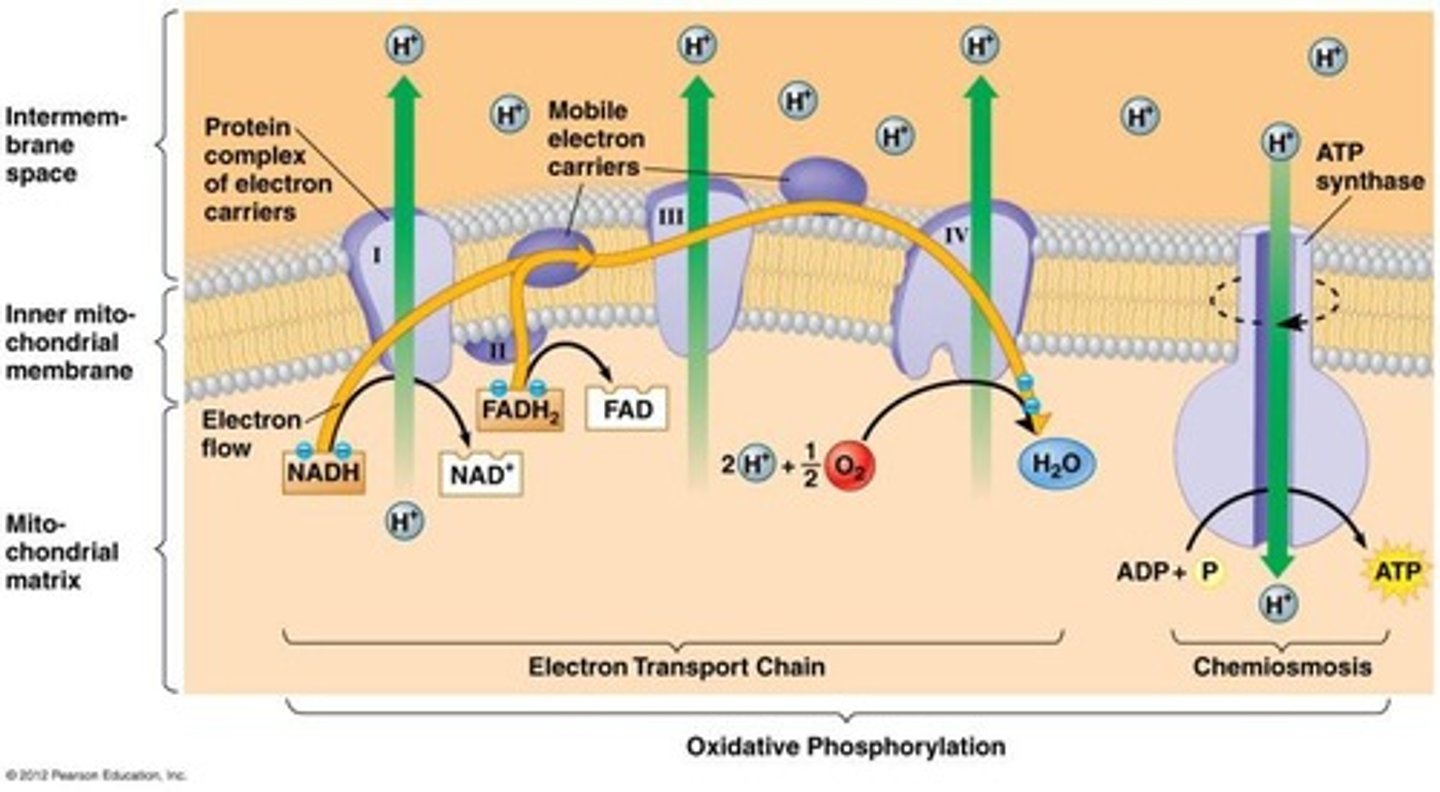
What is the Electron Transport Chain (ETC)?
A series of proteins that shuttle electrons through redox reactions to generate ATP.
What are the two main types of autotrophs?
Photoautotrophs and chemoautotrophs.
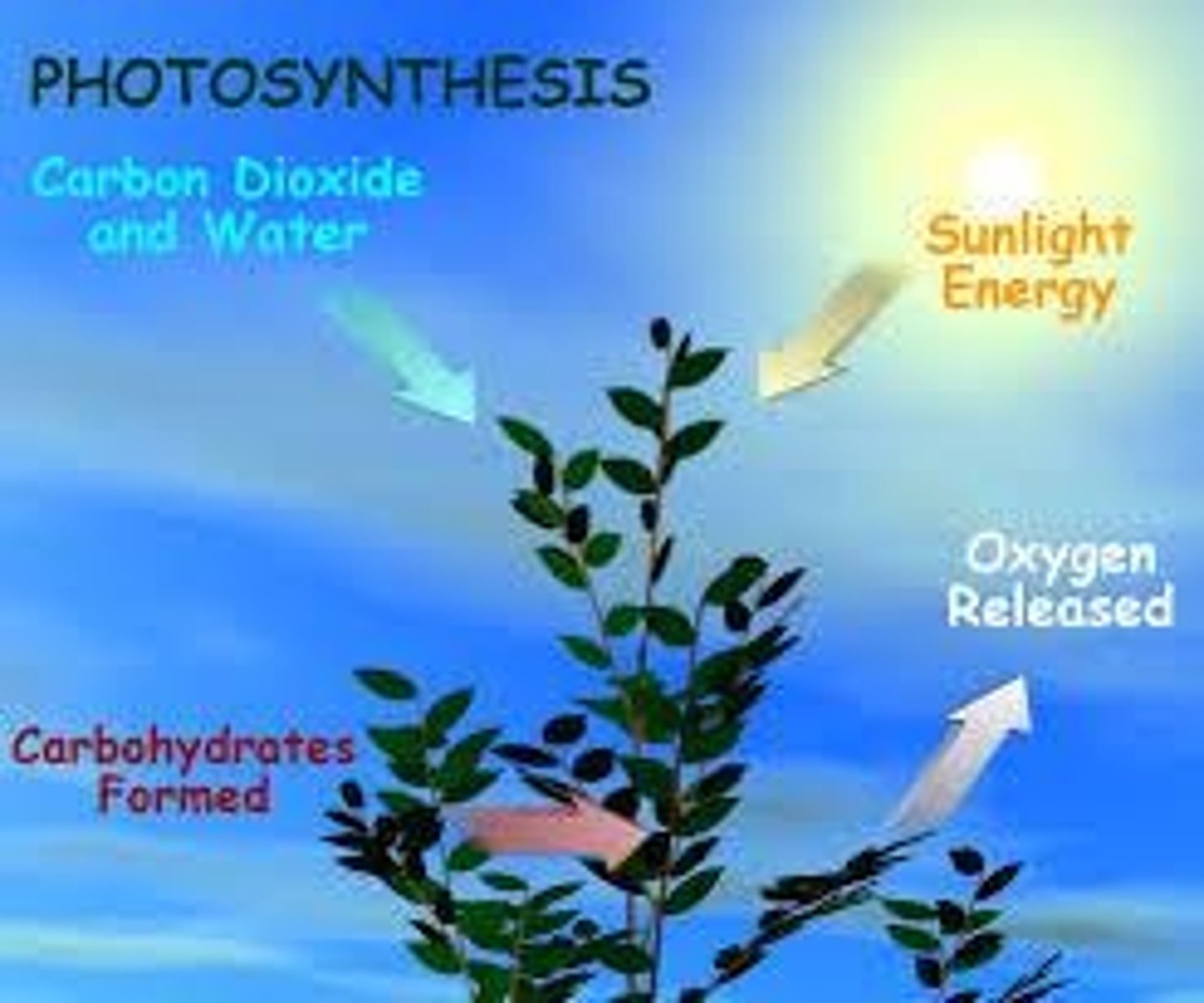
What is the equation for photosynthesis?
6 CO2 + 6H2O + Light Energy → C6H12O6 + 6O2.
What do heterotrophs do?
Heterotrophs consume other organisms for food, obtaining energy from organic molecules.
What are the three types of consumers?
Herbivores, carnivores, and omnivores.
What is glycolysis?
The first stage of cellular respiration where glucose is broken down to produce energy.
What is the Krebs cycle?
A series of reactions that produce energy through the oxidation of acetyl-CoA derived from carbohydrates, fats, and proteins.
What is fermentation?
An anaerobic process that occurs in the cytoplasm, producing energy without oxygen.
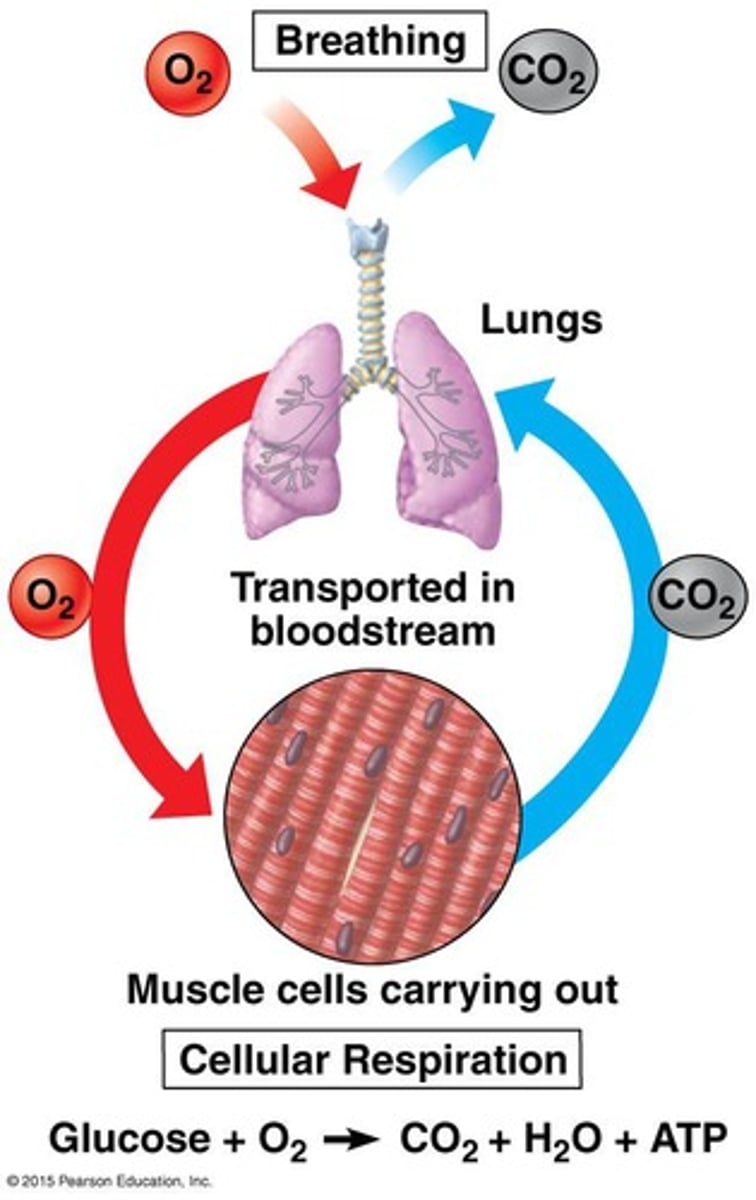
What is the primary byproduct of cellular respiration?
Carbon dioxide (CO2) and water (H2O).
What is the significance of the H+ gradient in ATP synthesis?
The H+ gradient drives ATP synthesis during oxidative phosphorylation.
What is the role of oxygen in cellular respiration?
Oxygen acts as the final electron acceptor in the electron transport chain.
What is the relationship between photosynthesis and cellular respiration?
Photosynthesis converts light energy into glucose, which is then used in cellular respiration to produce ATP.
What adaptations do herbivores have for their diet?
Herbivores have mouthparts adapted for rasping or grinding plant material.
What adaptations do carnivores have for their diet?
Carnivores have sharp teeth for ripping and tearing animal tissue.
What adaptations do omnivores have for their diet?
Omnivores have teeth and digestive systems that allow them to consume a variety of food sources.
What is the main energy currency of the cell?
ATP (Adenosine Triphosphate).
How many ATP molecules can be produced through oxidative phosphorylation?
Approximately 90% of a cell's ATP is produced through oxidative phosphorylation.
What is the significance of NADH and FADH2 in cellular respiration?
They are electron carriers that transfer electrons to the electron transport chain.