Tenochtitlán and Cuzco- Lecture 2
 Call Kai
 Learn
Learn Practice Test
 Spaced Repetition
 Match
Match Flashcards
 Knowt Play
1/12

There's no tags or description
Looks like no tags are added yet.
Name | Mastery | Learn | Test | Matching | Spaced | Call with Kai | Chat |
|---|
No analytics yet
Send a link to your students to track their progress
13 Terms
The Mexica Overview
More commonly known as the Aztecs
part of a larger ethnic group, the Nahua, who spoke Nahuatl
Site/ Location
Tenochtitlan
Mexico City, Mexico
chinampa
A Mexican artificial meadow or garden reclaimed from a lake or pond by piling soil dredged from the bottom onto a mat of twigs and planting thereon
The Inka (Inca) overview
expanded by “more or less peacefully assimilating” neighboring areas into their regime, offering stability and inclusion in exchange for services.
ruler was divine
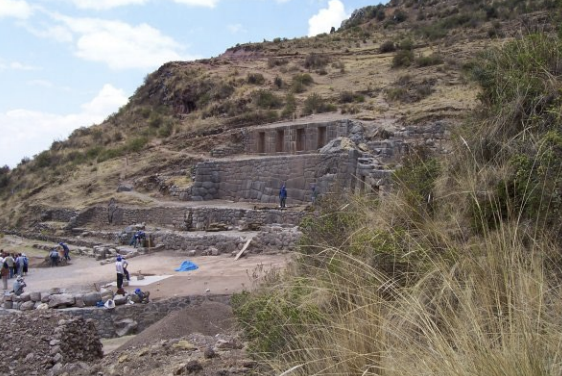
tambo
Inca structure built for administrative and military purposes
chaskiz
short-distance relay runners who delivered official messages
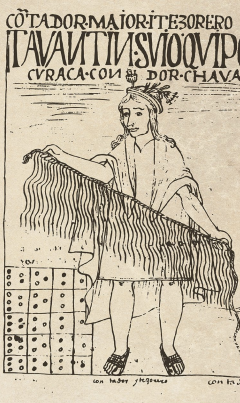
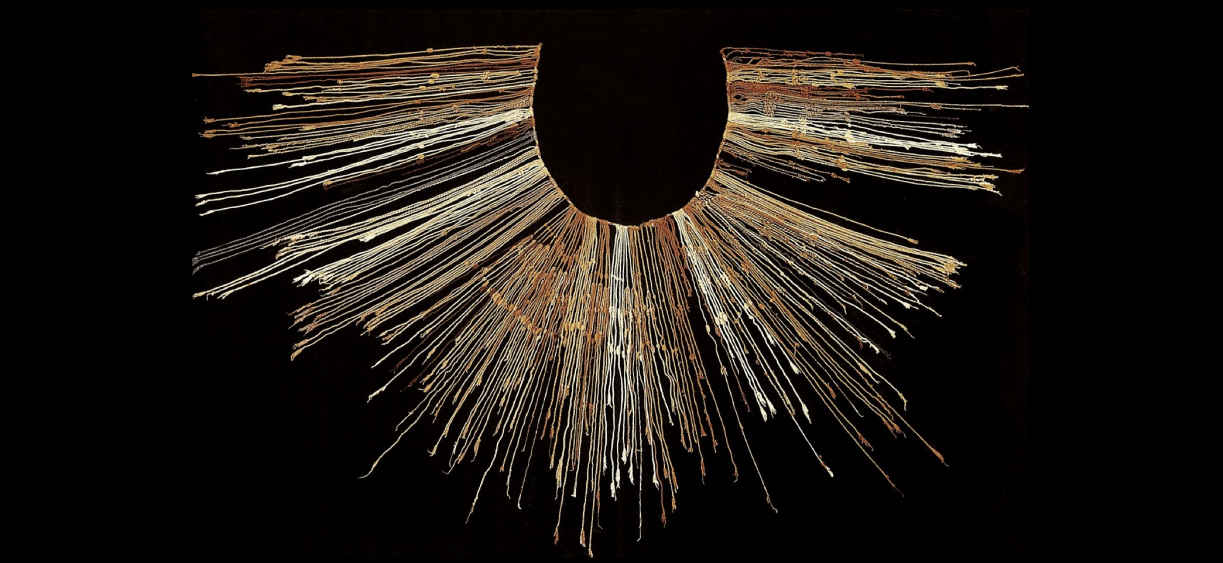
quipu
system of recordkeeping consisting of knotted cotton and alpaca fiber twisted into strings, which hung vertically from a single horizontal string or wooden bar
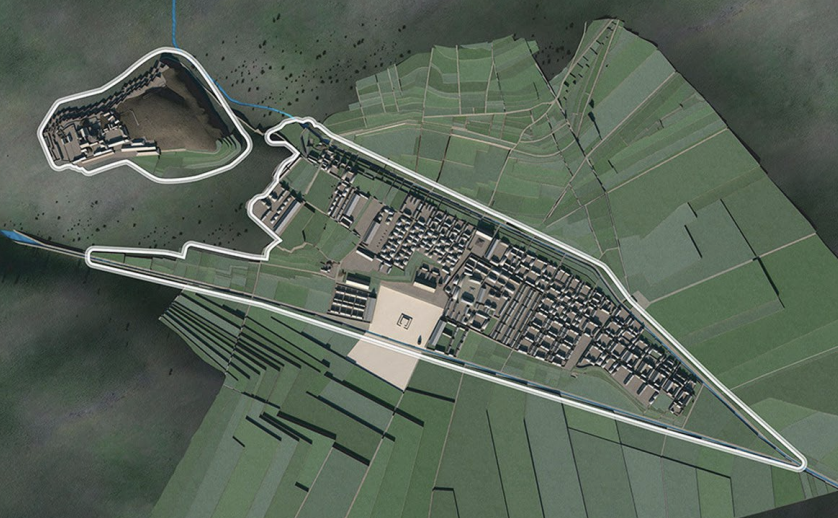
Site/ Location
Cuzco (Qosqo)
Cuzco, Peru
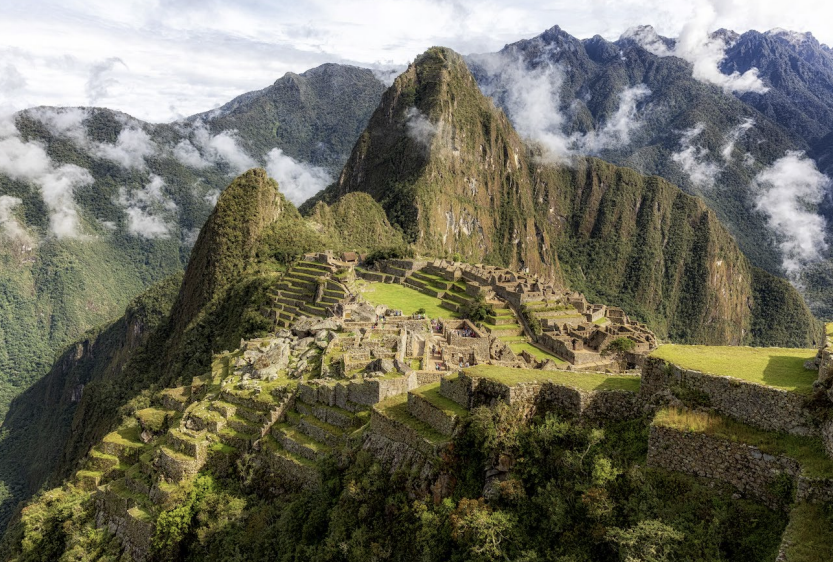
Site/ Location
Manchu Pichu
Cuzco, Peru
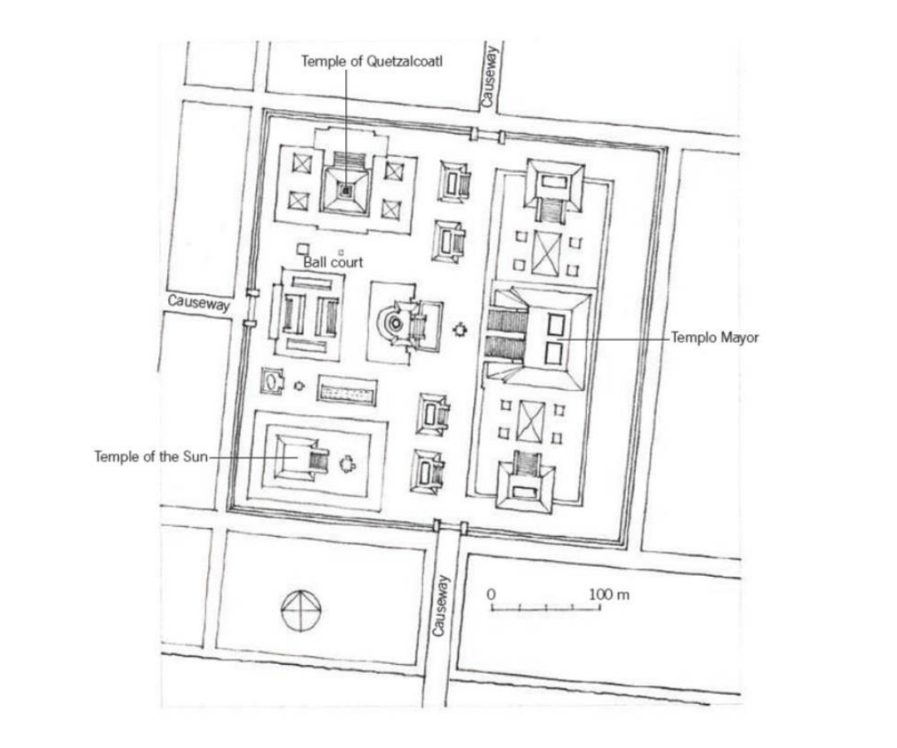
Identify the Image+ Image Caption
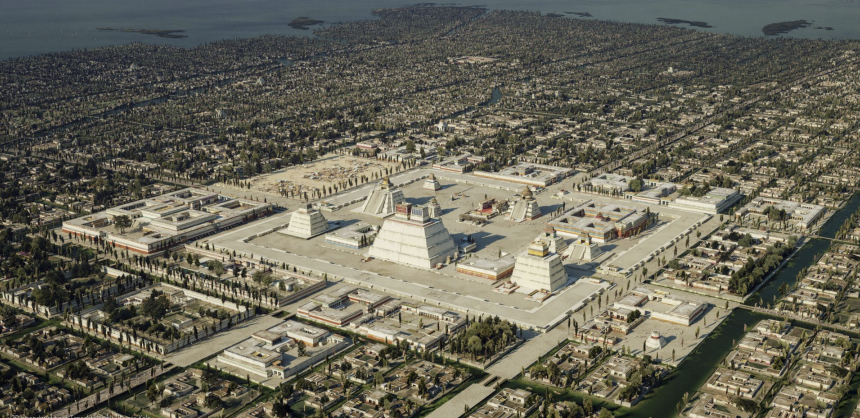
Templo Mayor Complex, Tenochtitlan
The complex served as the religious center of the Aztec capital. The main temple was Temple Mayor, where offerings would be received. It was raised in four platforms to represent celestial levels of the cosmos. There are two temples on top one for Tlaloc a god of rain, lightning and agriculture and the other for Huitzilopochtli the Aztec deity go sun, war, and conquest. The Temple of Quetzalcoatl almost across from it was used for ritual and sacrificial ceremonies.
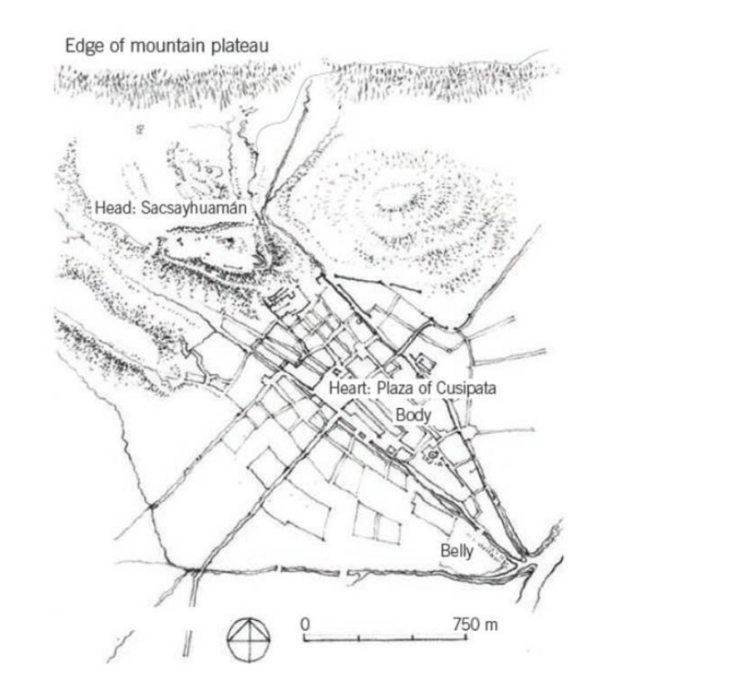
Identify the Image+ Image Caption
Cuzco (Qosqo), Peru
The image depicts the historical capital of the Inca Empire. The city forms the body of a puma or jaguar; main features depicted are the heart (Plaza of Cusipata, the tail by the two rivers. The shape symbolizes strength and power according to Inca mythology. The city had no defensive wall but the head seems to imply the existence of a fortress. Water features and drainage were formed with great care to create a ceremonial series of waterspouts and channels. The structure is an atonement to the Inca’s advanced engineering skills and planification.
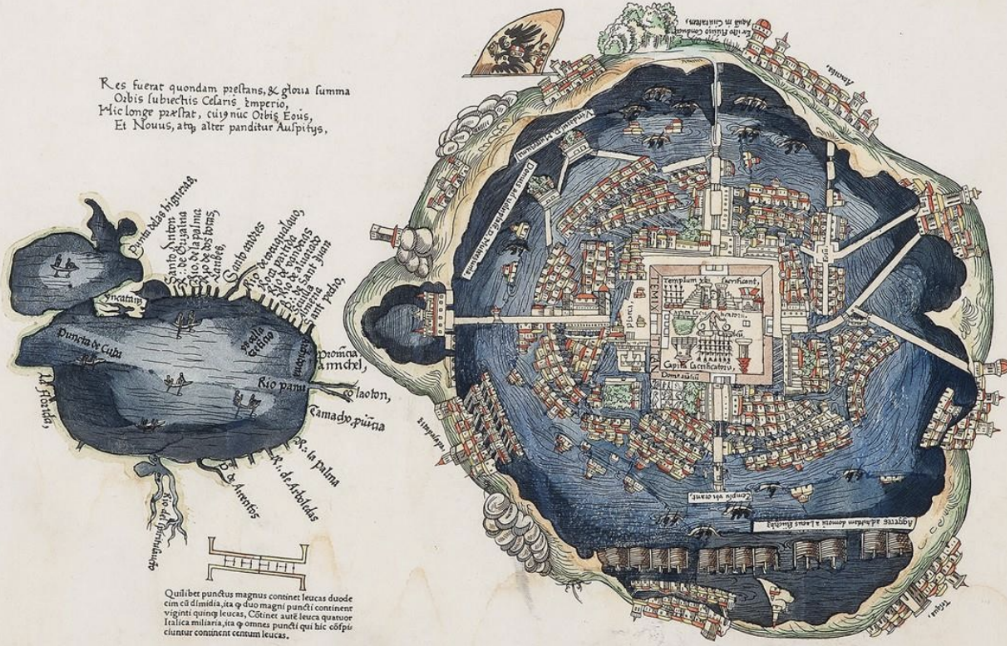
Identify the Image+ Image Caption
Tenochtitlan
The city was founded by the Mexica who lived in the western swamps of Lake Texcoco. The people developed a system of canals for transportation and aqueducts for fresh water. They were also known for the chinampas, an artificial form of agriculture used to feed the people on a large scale. In the center of the city Templo Mayor was placed to honor their gods. This city was the Aztec's’ successful attempt at establishing a great empire.
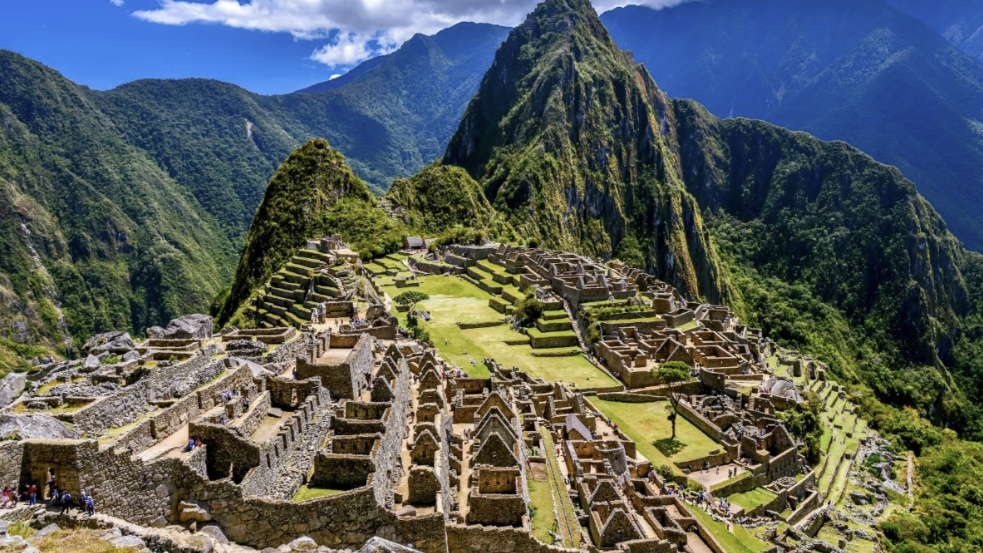
Identify the Image+ Image Caption
The site is known for its history of self-sustainment as it contained an artesian spring that supplied the inhabitants with water in abundance. It also contained a sector for cultivation that had a complex system of irrigation. In the east were the main buildings and single-room dwellings. The structure is renowned for its stone masonry and careful construction planning along the existing landscape’s plains. There were also existing temples to the southwestern edge of the saddle, one dedicated to the sun. The site is the only well-preserved Inca architectural structure that suggests the spiritual, royal and scared history of those who built then settled it.