IRP presentation bullet points and answers
 Call Kai
 Learn
Learn Practice Test
 Spaced Repetition
 Match
Match Flashcards
 Knowt Play
1/4

There's no tags or description
Looks like no tags are added yet.
Name | Mastery | Learn | Test | Matching | Spaced | Call with Kai |
|---|
No analytics yet
Send a link to your students to track their progress
5 Terms
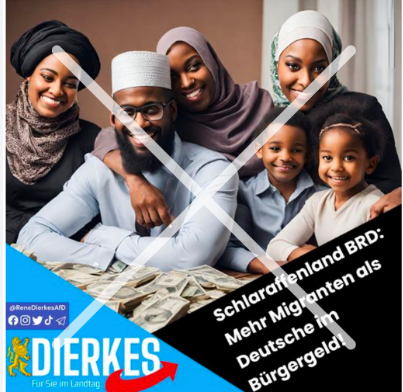
HOW DID THE REFUGEE CRISIS OF 2015 BEGIN AFDS ONLINE RISE
KEY POINTS:
intro: refugee crisis provider an emotional trigger online, and social media was the amplifer of these emotional messages, structurally suited to polarising, divisive themes like this; refugee crisis started the fire - but social media fanned the flames (die fluechtlingskrise war der Ausloeser
refugee crisis - give history and background abt the decision of angela merkel and the general reaction
key event used by afd: the assualts in cologne - to justify warnings abt immigration - beatrix von storch accused thee polizei of appeasing „barbarische, gruppenvergewaltigende muslimische Männerhorden“.
key evidence of online success - fear based content abt refugees had many interactions; slogans like “merkel muss weg”
new academic study has found a direct correlation between social media posts by the far-right Alternative for Germany (AfD) party and hate crime in Germany
Refugee Crisis (2015) | Social Media Reaction |
|---|---|
Mass influx of refugees | Alarmist posts, memes about “invasion” |
Cologne assaults → fear of crime | Viral videos accusing media/police cover-ups (e.g. in Koeln) |
Merkel’s liberal policy | Facebook groups labelling her a “traitor”; Reddit Gruppe heisst “Angela for Prison” wurde gefoerdert durch die AFD - (the community states that no migrants are allowed there) |
Public unease over integration | Comments sections filled with Islamophobic content |
historical context: merkel adopted a relatively open door policy in response to conflicts in areas in the middle east - leading to over a million asylum seekers entering germany
merkels famous statement: “wir schaffen das” was sehr polarisierend in DL
this crisis gave the afd the opportunity to rebrand itself as the “protector” of german culture and the opposition to mass immigration; the crisis gave the afd an emottionally charged narrative to mobilise discontent
a study in 2016 from the university of leipzig showed that 40% of germans believed the country was being infilitrated by islam - a narrative pushed by the AfD
public anxiety was fueled by incidents like the cologne new years eve assualts 2015-2016, where groups of north african or arab men where involved in mass sexual assaults ; the afd capitalised on this event in its rhetoric - led to afd leaders like beatrix von storch tweeting things like “barbaric gang raping muslim hordes of men”
social media as AMPLIFIER - emotionally connecting with disatisified citizens; afd generates more facebook interactions than other parties, 30% of political content shared on facebook in 2017 was afd - partically relating to islam and national identity
social media STRUCTURALLY is suited to content of a divisive nature - like the AfD - due to focus on emotional content - this is what other parties need
alice weidel and byoern hoecke frequently used visual language and memes to show refugees as invadors - creating urgency and panic - and inciting unverified stories and information sites
afd posts that invoke fear had 3 times the engagement of neutral posts
die Flüchtlingskrise wirkte als Katalysator für den Aufstieg der AfD, insbesondere in Verbindung mit den sozialen Medien
in 2017 hat die afd 13% der stimmen bekommen - dreimal so viel wie 2013
die afd hat die Gefahren davon betont - naemlich eine islamisierung von Deutschland; die afd organisiete woechentlich Demos gegen die entscheidung
sie nutzten die Furcht vor wirtschaftlichem Schaden und dem Verlust der deutschen Kultur aus
Ihre Kampagne konzentrierte sich auf die "Islamisierung Deutschlands", Kriminalität und Sicherheitsbedrohungen.
Viele Parteien scheuten vor diesen kontroverseren Themen zurück
The AfD’s anti-migrant, anti-Islam message resonated with voters who, in the words of senior party official Alexander Gauland, are concerned that “they are gradually losing their homeland.” - die fluechtlinge in 2015 lebten manchmal in sehr laendlichen gebieten - was einige einheimische nicht mochten
Germany's Constitutional Court dismissed three complaints initiated by the far-right Alternative for Germany (AfD) challenging German Chancellor Angela Merkel's refugee policies in 2015
das thema war SEHR umstritten, deswegen haben sie viele aufmerksamkeit auf den plattformen bekommen, wegen der algorithmen
HOW DO THE AFD USE ARTIFICIAL INTELLIGENCE TO INCREASE THEIR REACH ONLINE AND SPREAD THEIR MESSAGE
AI is not only a tool of efficiency for the AfD, but a powerful amplifier of the emotional narratives that have defined its populist brand.
1) usage in personalising propoganda - via ai powered data analytics, the party can target users based on their online behaviour, interests and activity - therefore tailoring messages to provoke specific feelings
examples: in 2017 elections afd used lookalike audience tools on facebook - powered by AI to catergorise current users and target those who have similar online behaviour to AfD users; they bypass traditional media targeting those who are likely to agree with their messages - maximising economic profit
2) in content creation + bots - using AI generated social media posts (e.g. making memes) to match the tone of trending political conversations; using semi automated accounts that post pro AfD content, amplify disinformation and attack political opponents: e.g. Larissa Wagner - also is cheaper to spread propoganda quickly this way
examples: in 2021: during peak political events there was a huge number of pro afd accounts showed automation; AI enhanced photos of political leaders - e.g. of Angela Merkel und Friedrich Merz on insta to cause backlash
3) AI in algorithmic manipulation
use of AI to understand how content spreads and increase engagment
examples: posting at algorithm optimised times - based on user activity, using formats that ai recommends, testing content for the most interaction; the AFD is the most tactically effective party on TikTok and TG with a very high engagement per follower ratio
Social Media (2015–2018) | AI-Augmented Social Media (2019–Present) |
|---|---|
Refugee crisis content goes viral | Content is tested, personalized, and automated |
Generic emotional posts | Psychographically targeted, AI-enhanced content |
Followers built organically | AI tools grow and segment digital audiences |
Message pushed by humans | Bots and AI-driven pages spread messages 24/7 |
much cheaper today - to engineer this divisive content
COMPARISON WITH DIE LINKE - WHAT COULD THEY DO BETTER/HOW DO THEY COMPETE
DIE LINKE:
die linke partei hat fast 9% der stimmen bekommen, dreimal so viel als am anfang des jahres
among young and first time voters the left party became the strongest force
25% 18-24 year olds voted for die linke und 20% fuer die AfD
Heidi Reichinnek hat 600k+ follower auf Insta
die AfD und die linke haben fast die gleiche interaktionen auf den sozialen medien - aber die linke sind erfolgreicher auf Tiktok; im grossen und ganzen ist bekommt die AfD mehr Reaktionen auf allen Platformen
die linke wurde beliebter - after a video of heidi reichinneck wurde gepostet am anfang des jahres - she was reprimanding Merz for making a pact with right wing extremists in the bundestag
die AfD postet viermal so viel als die linke
Ihre Strategien:
im vergleich zu der AfD bringen die Linke positive Botschaften auf ihren sozialen Medien; z.b. die linke benutzen schluesselwoerter wie soziale Sicherheit, Frieden & Klimagerechtigkeit, Offentsichlich nehmen sie eine positive position, im vergleich zu der AfD- die Posts mit furchterregenden Botschaften posten
Content Focus: Die Linke emphasizes social issues and policies aimed at improving citizens' daily lives, using relatable and culturally resonant content. In contrast, the AfD focuses on polarizing topics, employing sensationalist narratives to elicit strong emotional reactions
auch viele Linke Politiker wie Heidi Reichinnek machen Videos um die Politik zu erklaeren - mit dem Finanzpaket
Die AfD konzentriert sich auch auf Themen wie die Wohnungskrise und KIimakrise, themen die die Jugendliche sich interessieren
in the last month of tthe campaign bekommt die AfD 30,000 mehr mitglieder
DIE CDU
nur 13% der 18-24 year olds hat fuer die CDU gewaehlt.
die CDU hat halb so viel Interaktionen als die linke und AFD bekommen
How has Germany’s NetzDG law affected the AfD’s online presence?
es wurde in 2017 eingefuehrt, um hassrede, gefaelschte nachrichten illegale Inhalte auf sozialen medien platformen zu reduzieren - das gesetz reagiert zu der steigenden online Rassismus.
These include causing or intending harm, and inciting discrimination or violence, but the most essential element is targeting someone based on membership in a protected group. These groups typically include core personal identity characteristics associated with discrimination, such as race, religion and gender. : crimes motivated by prejudice against nationality, ethnicity, skin colour, religion, social status, disability, gender, sexuality, or appearance
Empirical literature shows that many platform features actively encourage hate speech. Algorithmic recommendations have attracted particular criticism. Many authors suggest that algorithms designed to maximise engagement systematically favour content provoking strong reactions, including hate and extremism - which is content of the AfD
German YouTube recommends progressively further-right videos to users watching right-wing content
Key Aspects:
Plattformen muuessen jetzt Inhalte loeschen, die diese Regeln brechen. Unternehmen bekommen Geldstrafen, wenn sie diese regeln ignorieren.
Das Gesetz gilt nur fuer Platformen mit ueber 2 millionen Benutzer
types of content that can be removed
Hate Speech Volksverhetzung
Defamation
Threats
Glorification of Violence
Dissemination of Unconstitutional Symbols or Propaganda
Publicly Approving Criminal Offenses
Religious or Ideological Hate Speech
examples of `when its been effective:
Beatrix von Storch's Anti-Immigrant Posts: Beatrix von Storch, deputy leader of the far-right Alternative for Germany (AfD) party, had her Twitter and Facebook accounts temporarily suspended after she criticized Cologne police for sending a New Year's greeting in Arabic, referring to "barbaric, gang-raping Muslim hordes of men." This was one of the first high-profile cases under NetzDG.
Would the AfD still be as successful without social media?
NO:
modern right wing populism works by weaponising real world events and amplifying them thru digital realm
fundamental role - delivers to right auidence and amplifies it
without DSM, growth would be less intense and slower - reaching less people
The success of the Alternative für Deutschland (AfD) in reshaping the German political landscape since 2015 is undeniable. From its early beginnings as a Eurosceptic fringe group to becoming the official opposition in the Bundestag in 2017, its rise has been rapid and disruptive. However, when asking whether the AfD would still be as successful without social media, the answer requires a nuanced but firm conclusion: no—without social media, the AfD’s rise would have been significantly hindered, if not outright impossible at its current scale and speed.
This conclusion rests on three interconnected foundations: (1) the party’s structural dependence on social media to bypass traditional media filters, (2) the central role of emotional and viral content in mobilising voters, and (3) the digital culture of outrage and echo chambers that sustains its messaging. Each of these reflects how deeply embedded social media is in the AfD’s core political strategy, making its role not only significant but essential.
1. Bypassing Mainstream Media: The AfD’s Digital Advantage
Unlike established German parties with long-standing media relationships and institutional infrastructure, the AfD emerged as an outsider—often framed in a negative or dismissive light by traditional broadcasters and newspapers. Social media provided the AfD with a direct channel to voters, allowing it to control its own narrative without editorial intervention.
Evidence:
The AfD’s leadership has consistently criticised mainstream media as “Lügenpresse” (“lying press”), reinforcing the idea that only their digital platforms offer ‘truth’.
A 2019 study by the Oxford Internet Institute revealed that the AfD generated more Facebook engagement per post than any other German party, despite lower overall followers—demonstrating its ability to cut through the noise.
Journalisten haben oft widerspruechliche Ansichten ueber wie sie mit der AfD umgehen sollten, ob sie ihre Ausserungen ignorieren sollten oder kritisieren?
Without social media, the AfD would have remained largely dependent on traditional media coverage—coverage that has historically been critical or limited in scope, especially regarding controversial or far-right narratives. This lack of media gatekeeping online was crucial to the AfD’s early growth.
2. Emotional Mobilisation and Viral Content
The AfD’s political brand thrives on emotionally charged, provocative themes: immigration, Islam, crime, identity, and distrust of elites. Social media platforms are built to reward exactly this type of emotionally driven content, especially fear, anger, and moral outrage. Die Algorithmen profitieren von diesen Inhalten
Key point:
The 2015 refugee crisis gave the AfD content; social media made that content contagious. - die krise war der Ausloeser dafuer
A 2018 study by the University of Zurich found that AfD posts with emotional language (e.g., words evoking fear or threat) received over 300% more engagement than neutral posts.
On platforms like Facebook and X, these posts were often shared by users outside the party, extending reach far beyond core supporters.
Without social media’s emotional amplification mechanisms—especially the algorithmic prioritisation of controversial or polarising posts—the AfD would have struggled to generate the national visibility and outrage that fuelled its success.
3. Echo Chambers, Memes, and Youth Engagement
A major driver of the AfD’s sustained support lies in its creation of digital echo chambers—spaces where supporters consume only pro-AfD narratives and where radical ideas can become normalized. Telegram channels, Facebook groups, and increasingly, TikTok and YouTube, are not just used to share content—they create online communities of like-minded users.
Cultural insight:
These online spaces have allowed memes and jokes to serve as political tools—wrapping far-right ideology in humour to reach younger audiences.
A 2023 report by Der Spiegel showed that the AfD’s TikTok content had become especially influential among first-time voters, using short-form video to blend populist rhetoric with relatable or comic visuals.
Without these online echo chambers and youth-focused platforms, the AfD would likely lose its grip on younger, digitally native audiences—a demographic that mainstream parties often struggle to mobilise.
4. Would the AfD Still Rise Without Social Media? A Counterfactual Analysis
To fully evaluate the question, we must consider a counterfactual scenario: what if the AfD had to rely solely on traditional political methods—TV debates, newspaper ads, rallies, and leaflets?
The party would likely face institutional resistance from legacy media unwilling to platform radical or xenophobic views.
It would struggle to build grassroots momentum, as traditional campaigning lacks the scalability, anonymity, and low-cost amplification that social media offers.
In short, the AfD’s populist message would have remained marginal, reaching far fewer people, especially the politically disengaged and those in rural or eastern regions where digital channels now dominate political communication.
Conclusion: Social Media as the Engine of AfD’s Success
While social media alone cannot create a political movement, in the case of the AfD, it has served as the central nervous system of its rise. Without social media, the party’s message would have lacked visibility, emotional resonance, and viral power. It would have faced greater resistance from mainstream institutions, reached fewer young voters, and lacked the data-driven precision to microtarget and radicalise users.
Thus, to answer the question directly: No, the AfD would not be as successful without social media. The platforms did not merely support its rise; they enabled and accelerated it—structurally, emotionally, and culturally.
ON the other hand - the AfD has been known for spreading plakards + ads in person; the bikinis statt burkas ad - to reach those off social media - aber es ist billiger und effektiver, wenn sie soziale medien dafuer nutzen. auch ein ad war" “der islam? passt nicht zu unser Kueche”

