Days 8 to 9 - Small Wonders: Early Medieval Art in Western and Northern Europe I-II
 Studied by 4 people
 Call Kai
 Learn
Learn Practice Test
 Spaced Repetition
 Match
Match Flashcards
 Knowt Play
1/14

There's no tags or description
Looks like no tags are added yet.
Name | Mastery | Learn | Test | Matching | Spaced | Call with Kai |
|---|
No analytics yet
Send a link to your students to track their progress
15 Terms
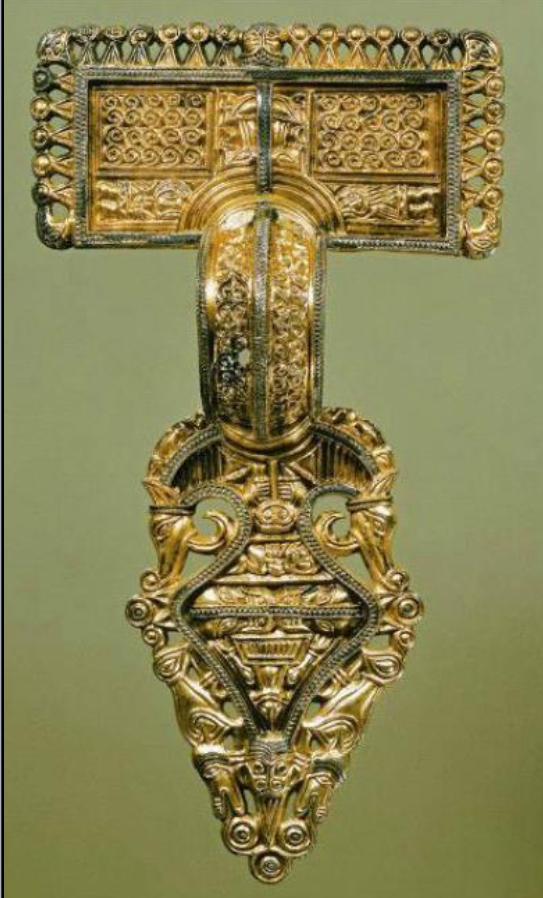
Gummersmark Brooch
artist unknown, 6th century, silver gilt w/ chip-carving
key example of Germanic animal style and ornament
chip-carving produces shimmering surface
shows abstract, intertwined beasts used as protective symbols
reflects portable wealth culture of Migration-era Scandinavia
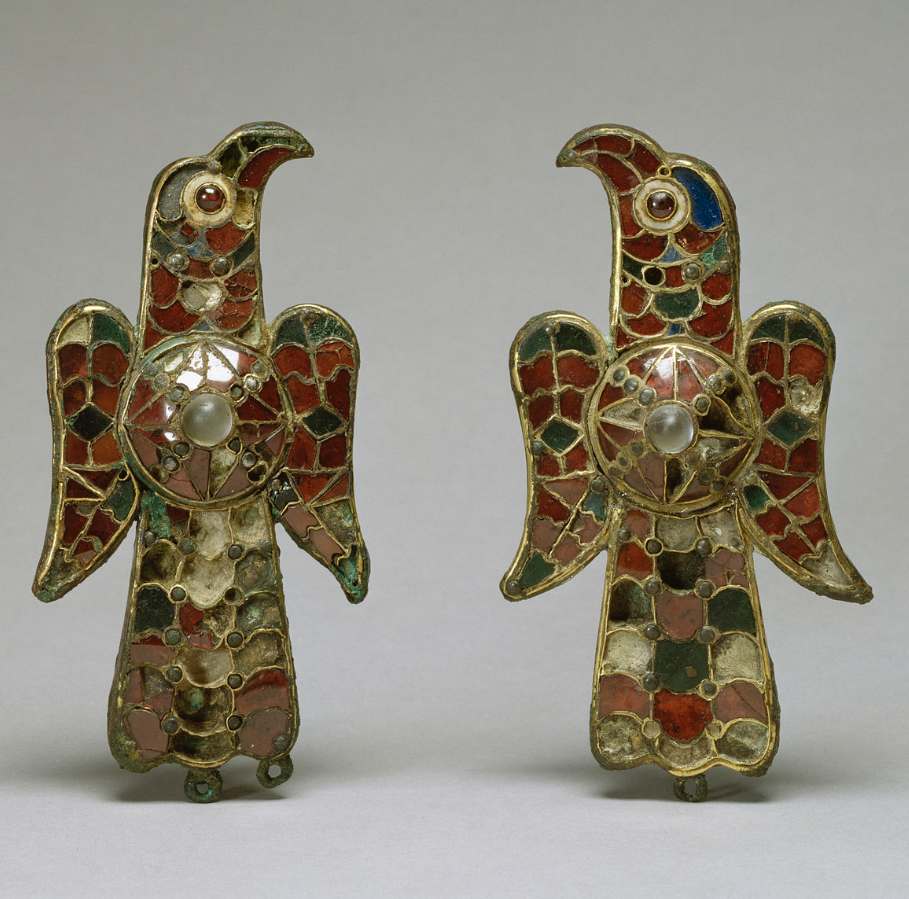
Eagle-shaped Fibulae
artist unknown, 6th century, gilded bronze, cloisonné with garnet inlay
worn in pairs to fasten cloaks, both functional and a status-display
eagle motif references Roman imperial iconography
the Visigoths adapted Byzantine cloisonné techniques
marks the merging of Germanic and Mediterranean court cultures
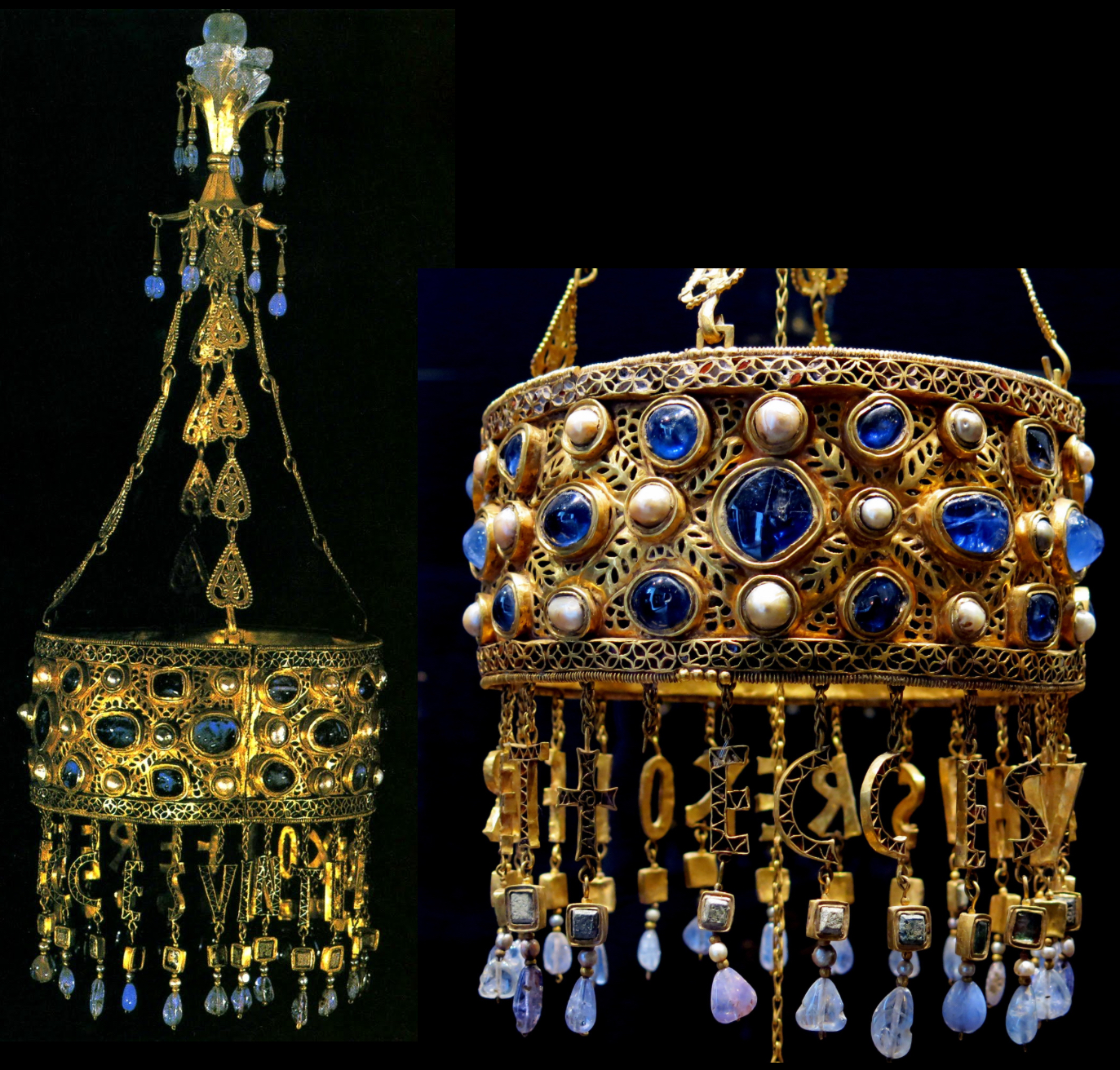
Votive Crown of King Recceswinth
artist unknown, 653-672 CE, gold, sapphires, pearls, rock crystals
hung above an altar as a votive offering, not worn
demonstrates long-distance luxury trade (pearls from East, gems imported
exemplifies the enormous wealth of Visigoth Spain
part of a tradition of royal Christian patronage influenced by Byzantine court rituals
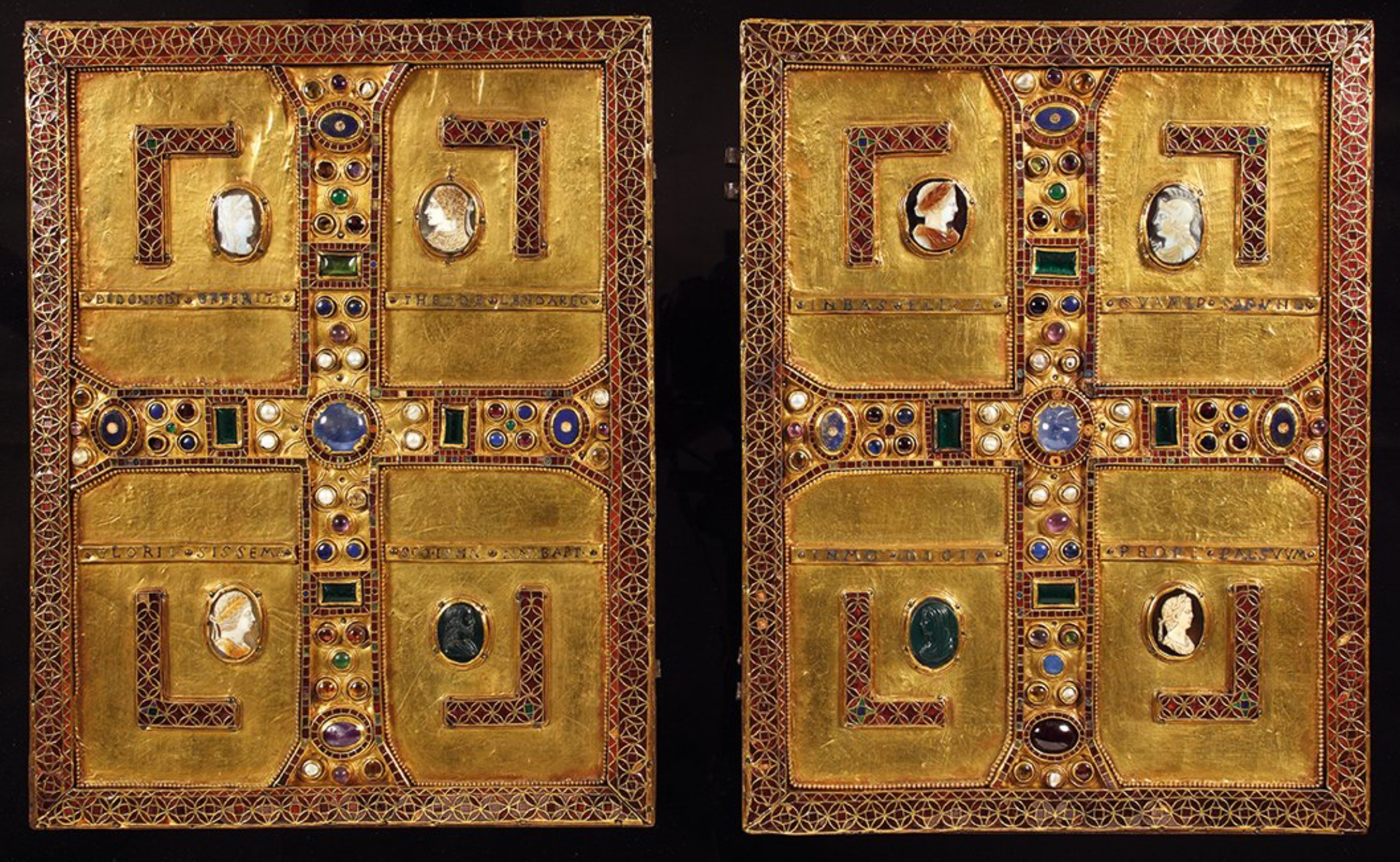
Covers of the Gospel of Theodelinda
artist unknown, late 6th-early 7th century, gold, gems antique cameos and stones
commissioned for Queen Theodelinda, major Lombard Christian patroness
combines newly made metalwork with collected antique Roman gems
reflects the Lombard court’s desire to link itself to the Roman imperial past
demonstrated early medieval fascination with precious stones as spiritual light
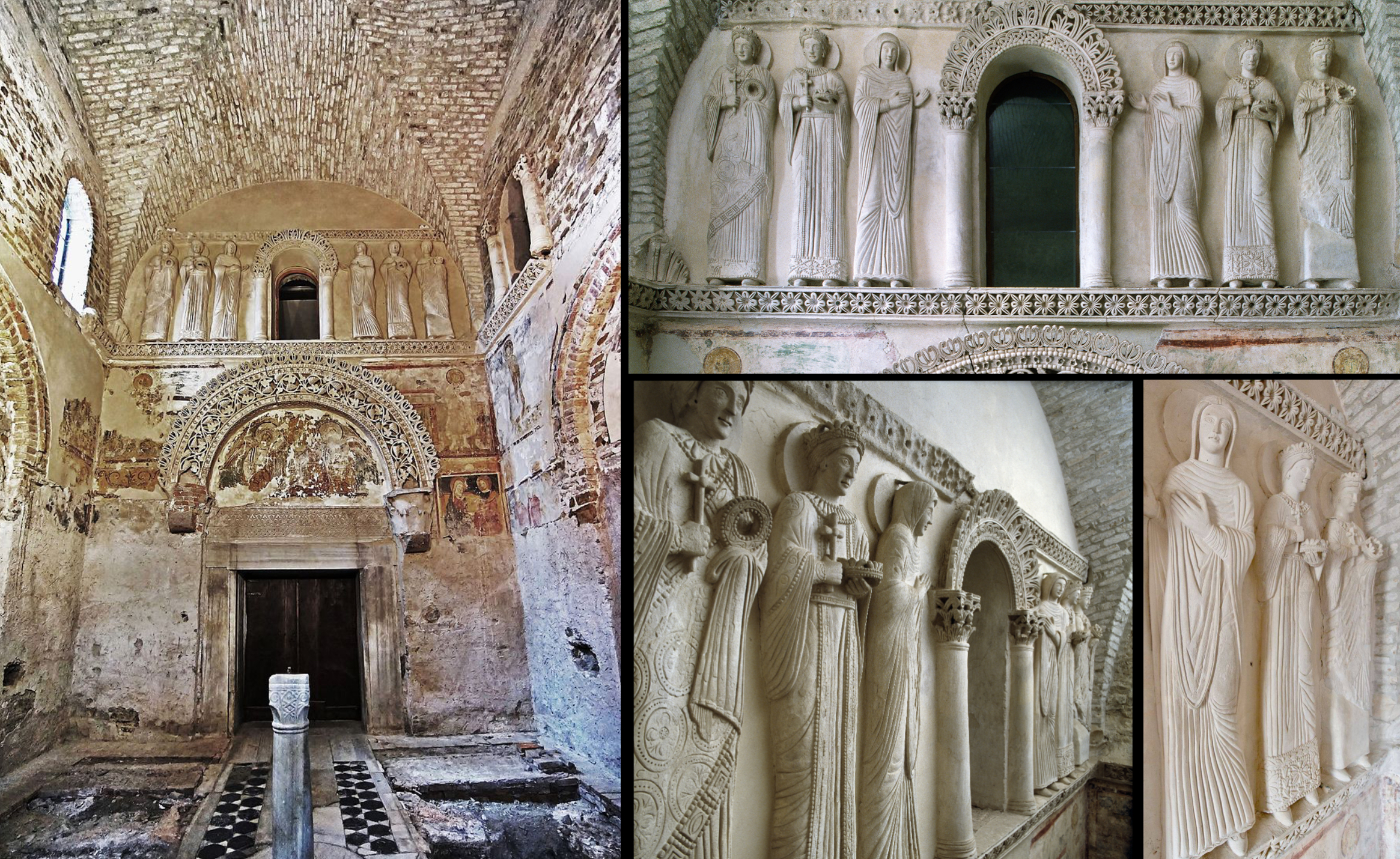
Oratorio di Sta. Maria-in-Valle
artist unknown, 8th century, stucco figural relief
among the best-preserved examples of Lombard religious architecture
uses Byzantine-influenced elongated stucco figures
Combines ZRoman spoliation, Byzantine aesthetics, and Lombard decorative forms
Represents the multicultural reality of 8th-century northern Italy
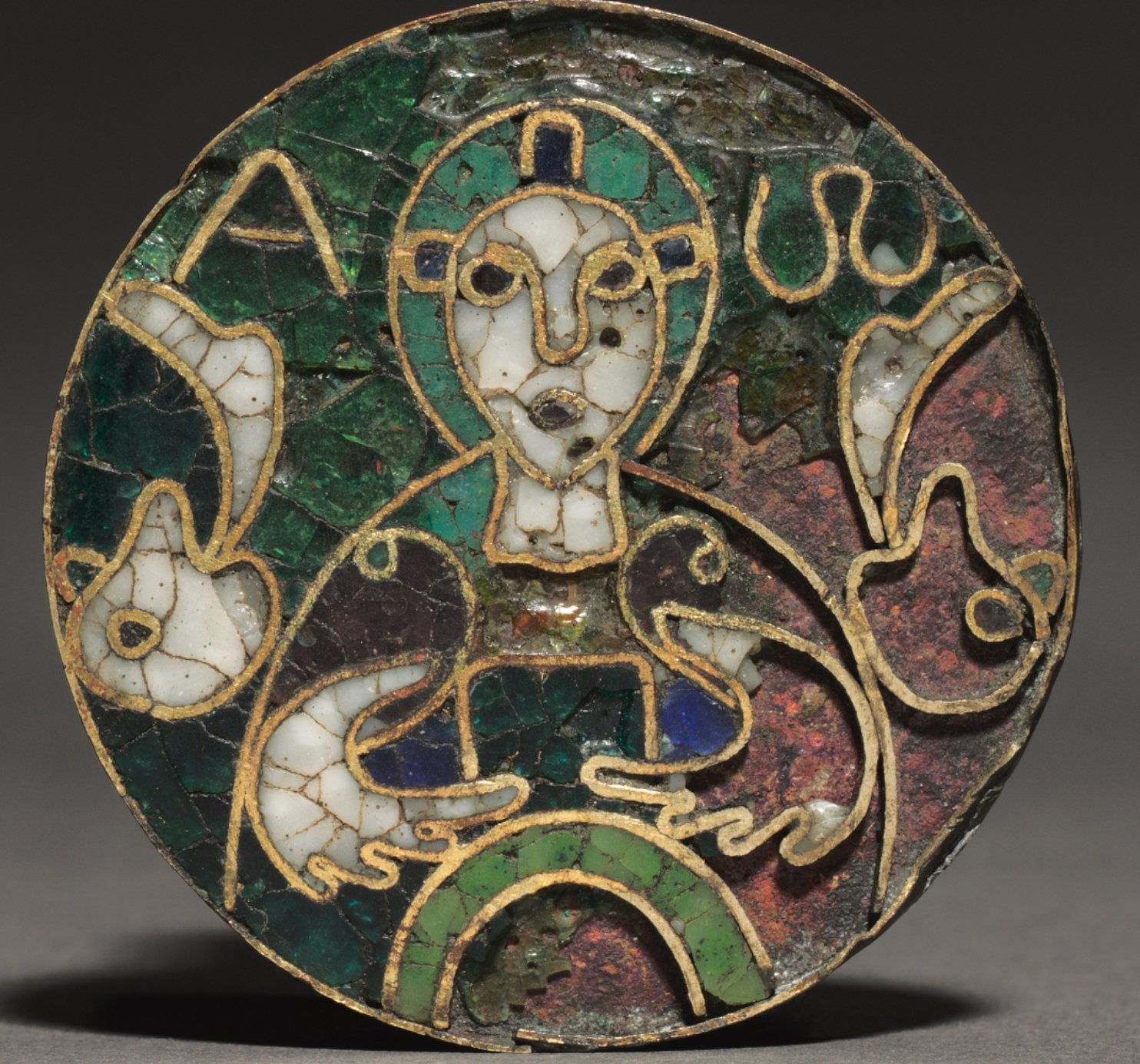
Medallion with Bust of Christ
artist unknown, 7th century, gold cloisonné with gems
uses imperial portrait conventions to depict Christ as cosmic ruler
cloisonné bounded areas, polychrome style, Byzantine influence
shows widespread exchange of Christian iconography across Germanic and Mediterranean worlds
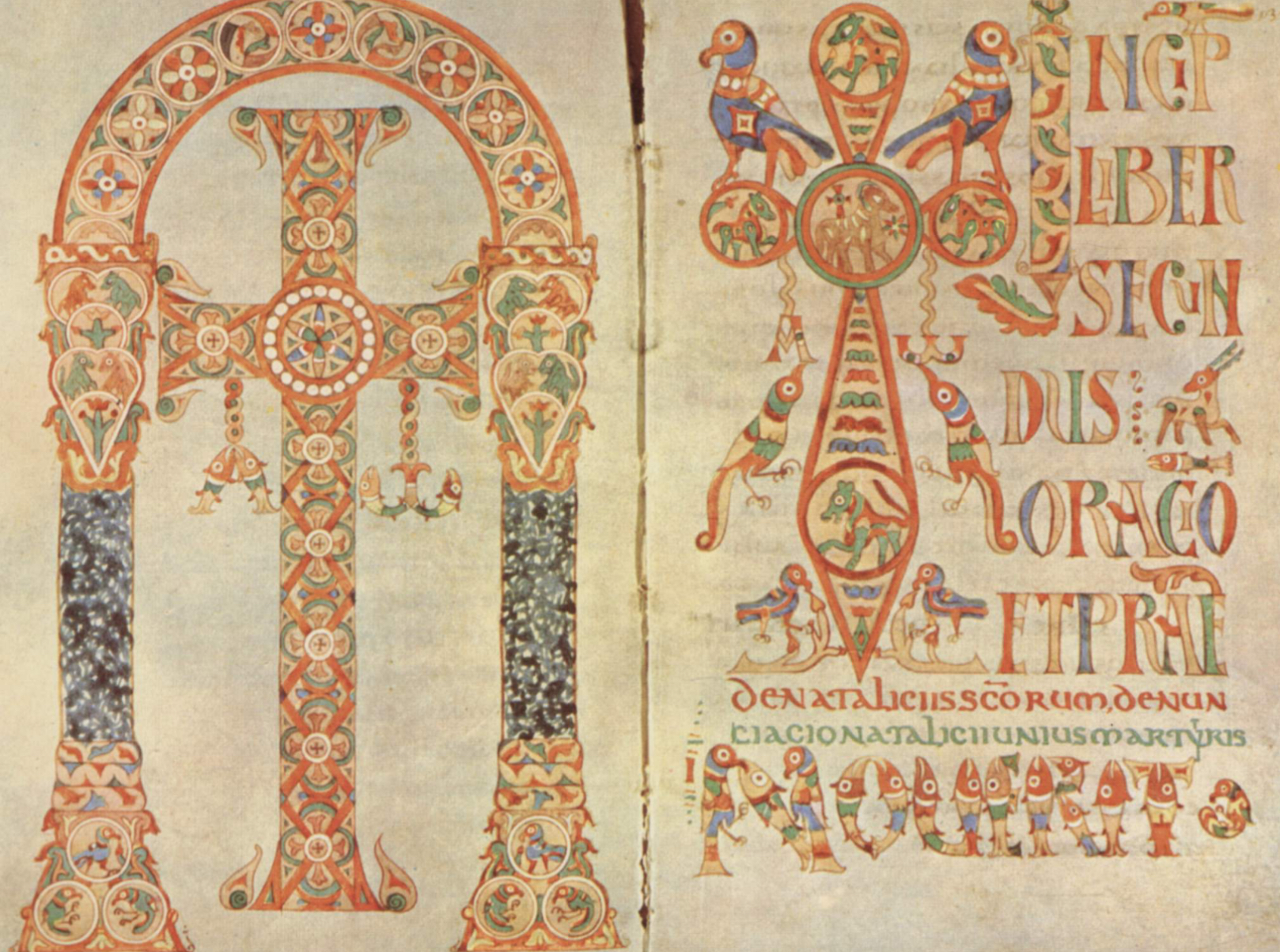
Sacramentarte of Gelasius
artist unknown, late 8th century, illuminated manuscript on parchment
key example of pre-Carolingian luxury liturgical manuscripts
typographic innovation, fish symbolism, geometric forms resembling jewelry
demonstrates the merging of Merovingian graphic styles into the Carolingian Renaissance
important for showing how textual design became a sacred art form
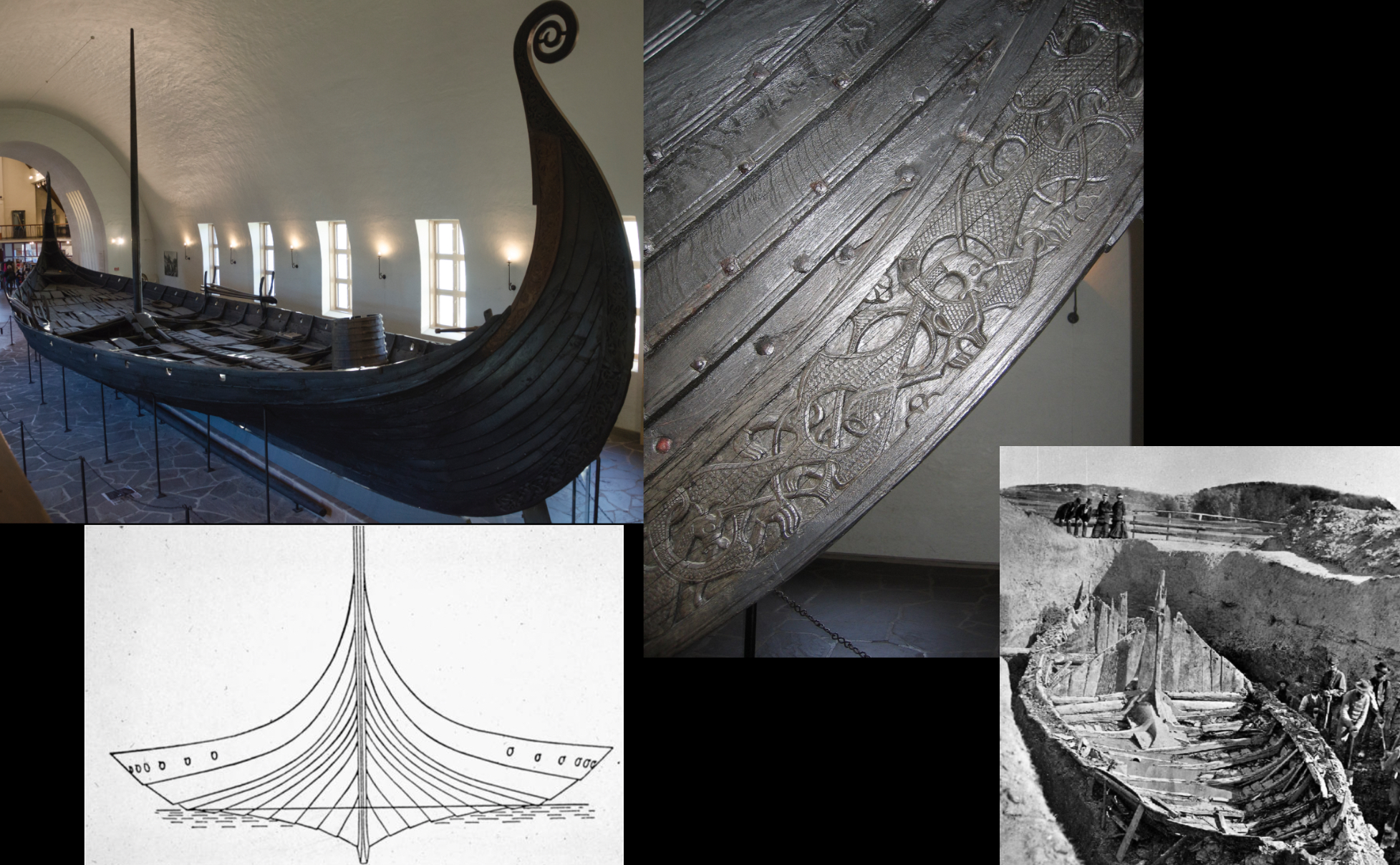
Oseberg Karve (Ship)
artist unknown, 820 CE, oak, clinker-built, carved wood ornament
one of the best-preserved Viking ships, found in the burial of two elite women
shallow hull designed for coastal mobility, not ocean voyaging
carved serpent imagery integrates Norse mythic identity with naval engineering
symbol of status, ritual, and the connection between seafaring and spirituality
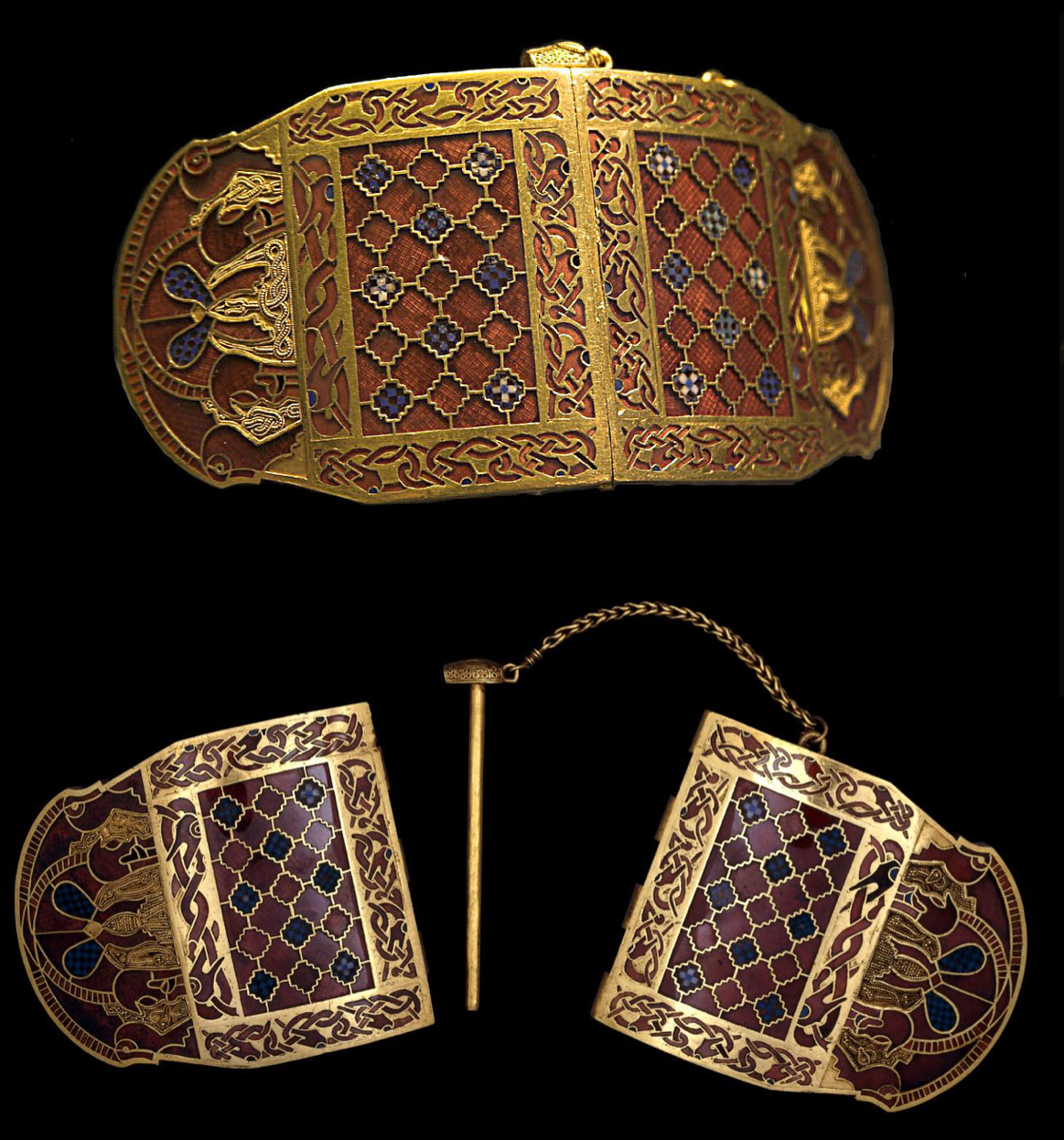
Shoulder Clasp
artist unknown, early 7th century, gold, garnet cloisonné, colored glass
inspired by Roman military armor
combines Germanic animal interlace and Byzantine-inspired cloisonné techniques
demonstrates elite Anglo-Saxon status and connections across Europe
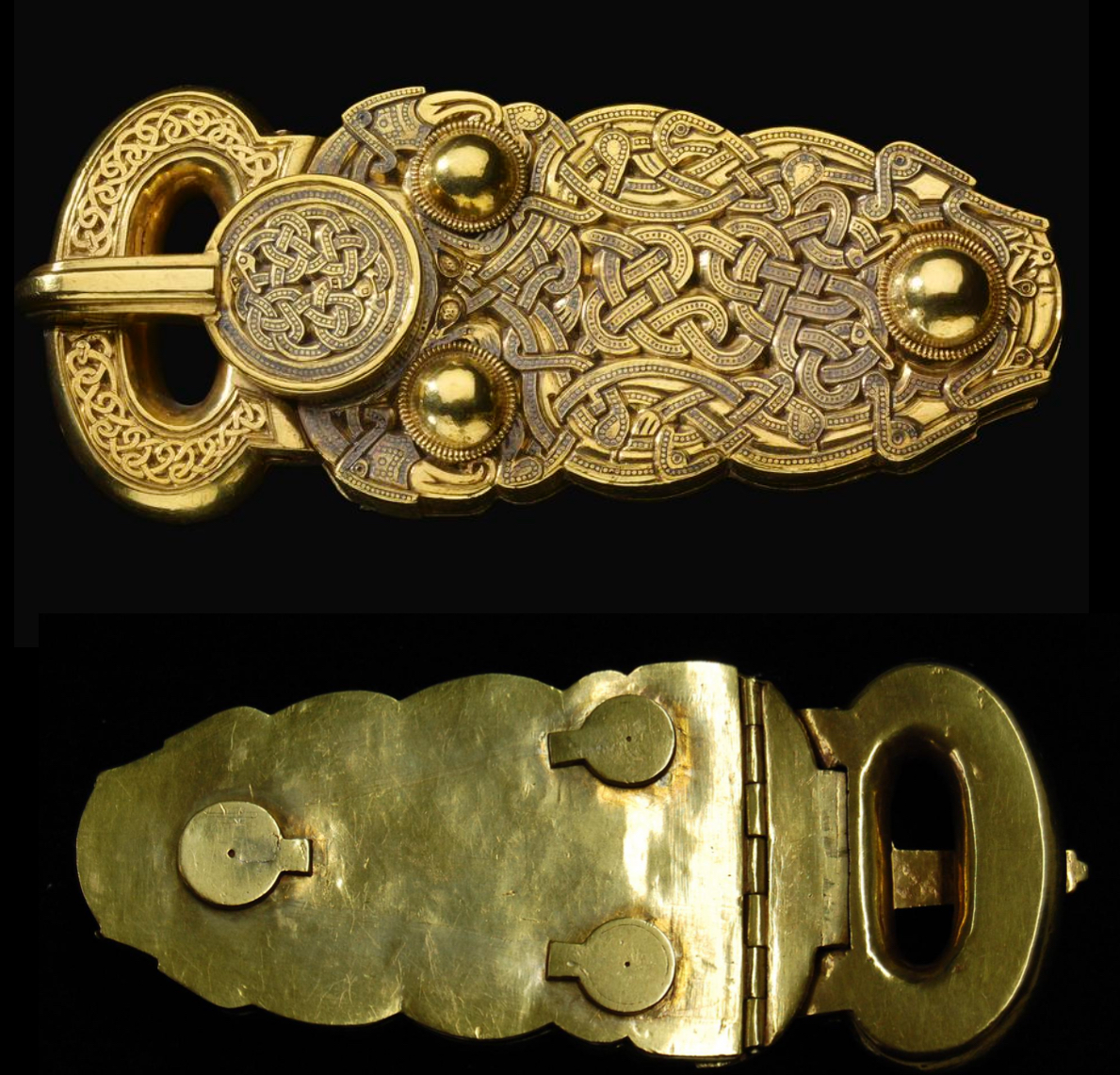
Belt Buckle
artist unknown, early 7th century, gold with niello
contains densely intertwined animals in a nearly abstract pattern
emphasize knowledge of bronze/copper alloys and representational animals forms
functions as both everyday object and royal insignia
one of the finest surviving examples and Anglo-Saxon goldwork
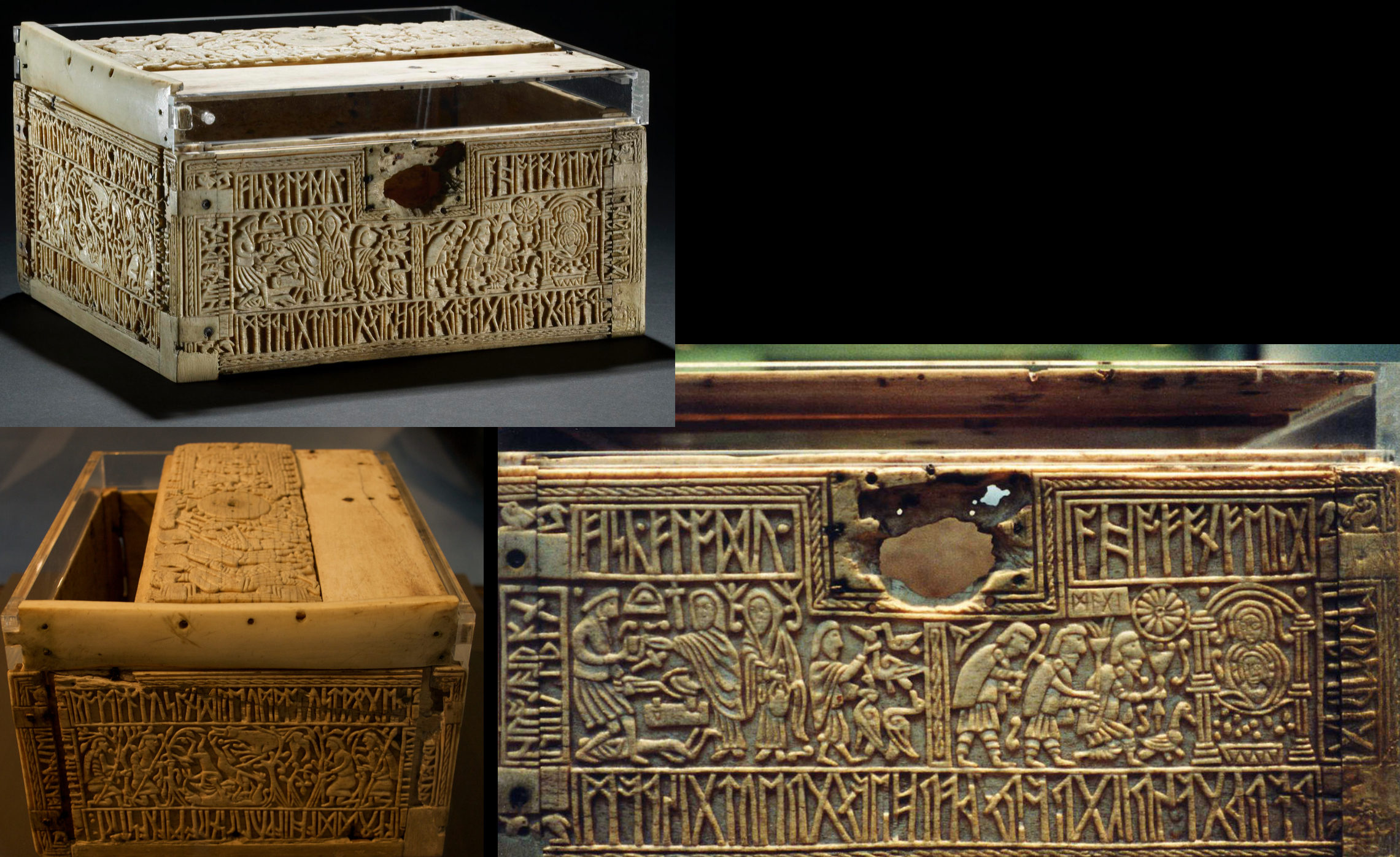
Franks Casket
artist unknown, 700-750 CE, carved whale bone
rare mix of Christian, Germanic, Roman, and even Jewish stories
imagery is non-logical, carved like a puzzle, includes riddles and references to the used whale bone
reflects multilingual world of early medieval Britain
demonstrates the blending of pagan and Christian identities
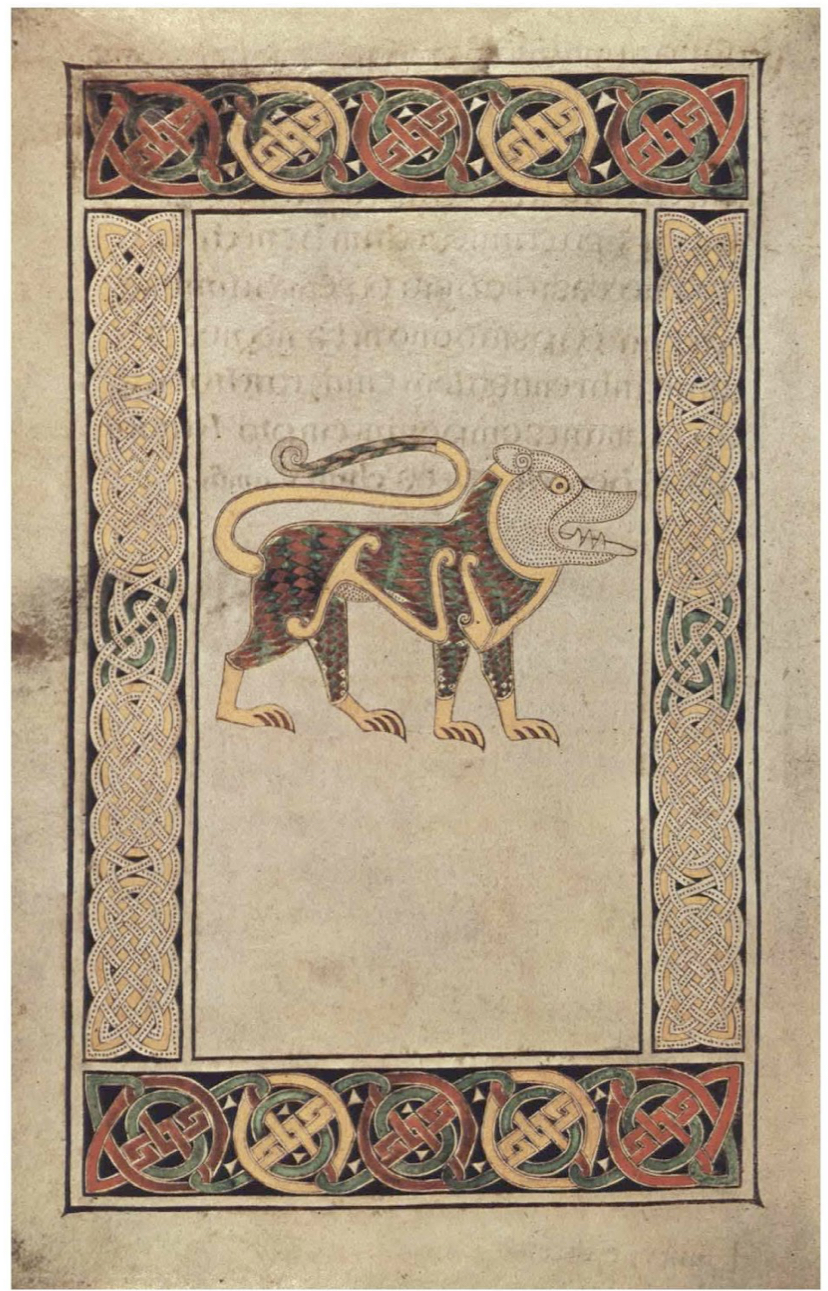
Lion of John, from the Book of Durrow
artist unknown, 650-680 CE, tempura on parchment
one of the earliest Gospel books produced in the British Isles
highly abstract, flat, decorative
derived from mental work and Germanic animal interlace
begins the tradition that will culminate Lindisfarne and Kells
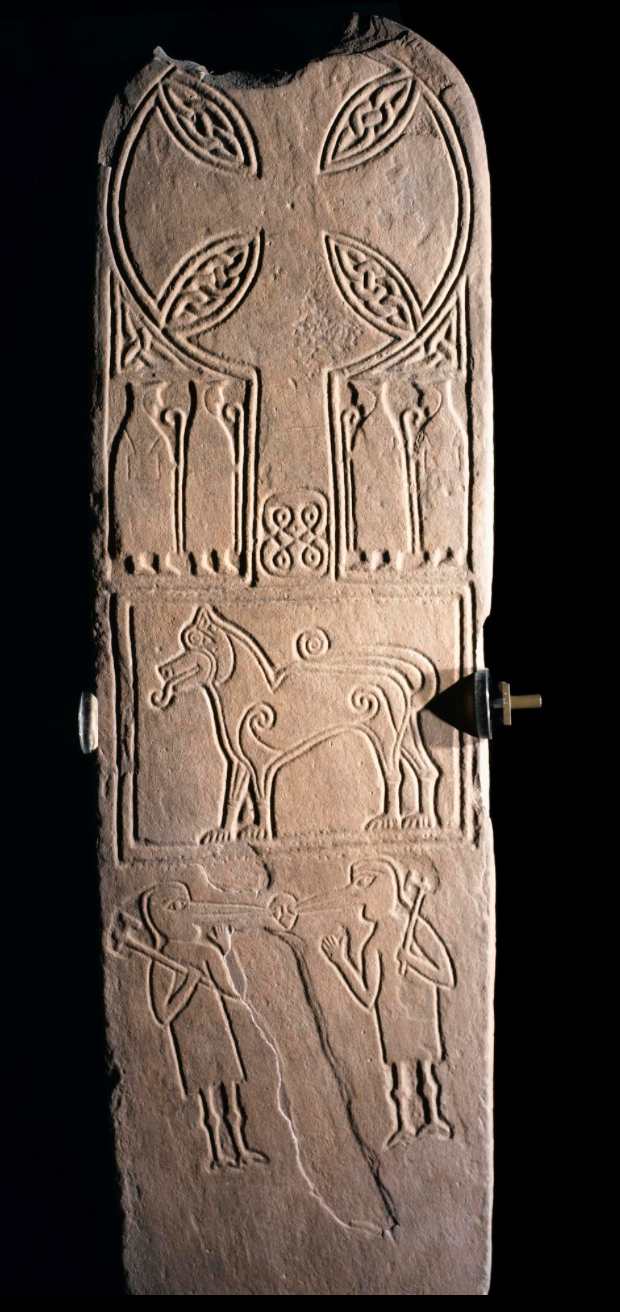
Papil Stone
artist unknown, 8th century, carved sandstone
combines classic Pictish symbols with Christian imagery
likely used in a monastic mission context
shows how Christianity adapted to local norther visual languages
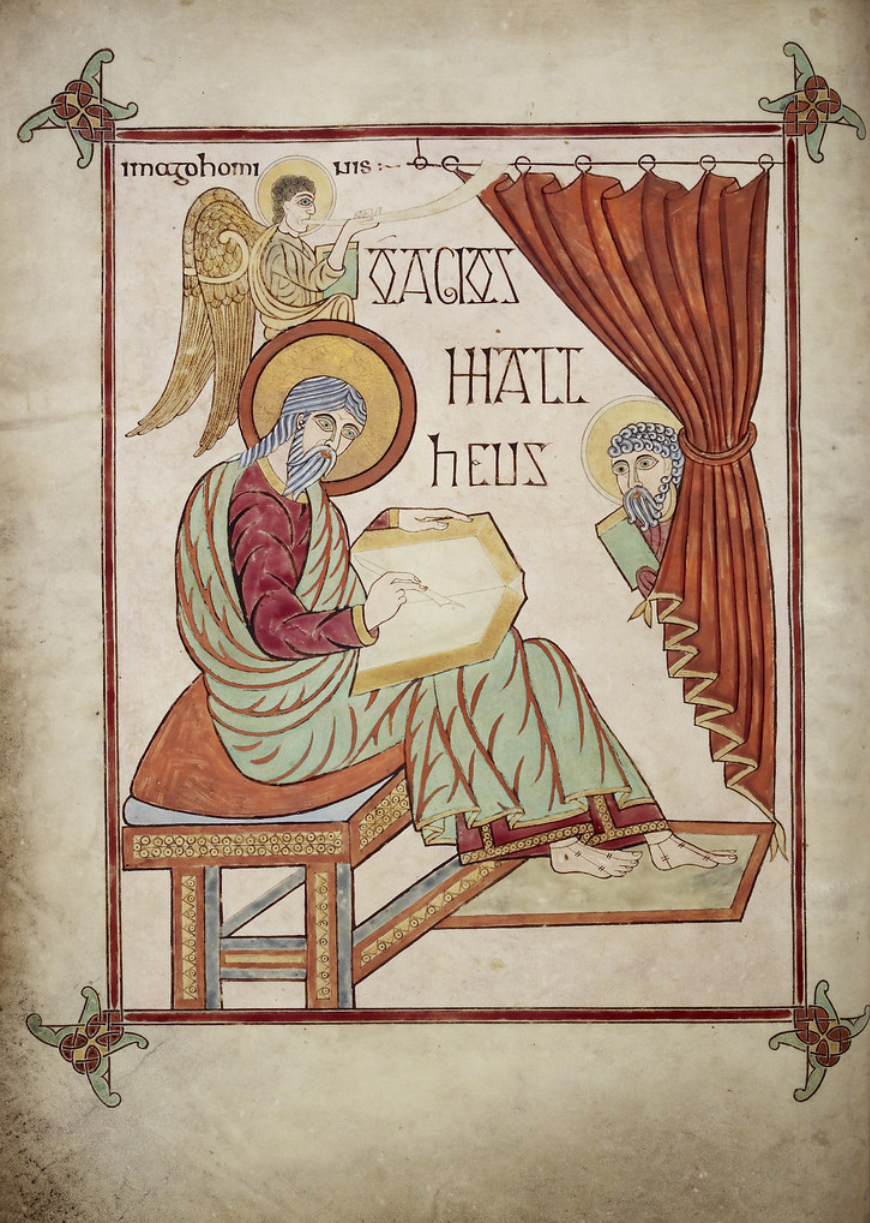
St. Matthew, from the Lindisfarne Gospels
EADFRITH, BISHOP OF LINDISFARNE, 715-720 CE, tempura on vellum
roman compositional model
insular abstraction, “carpet page-like” surface density
represents one of the high points of Insular Christian art
bridges Mediterranean naturalism with norther pattern-based aesthetics
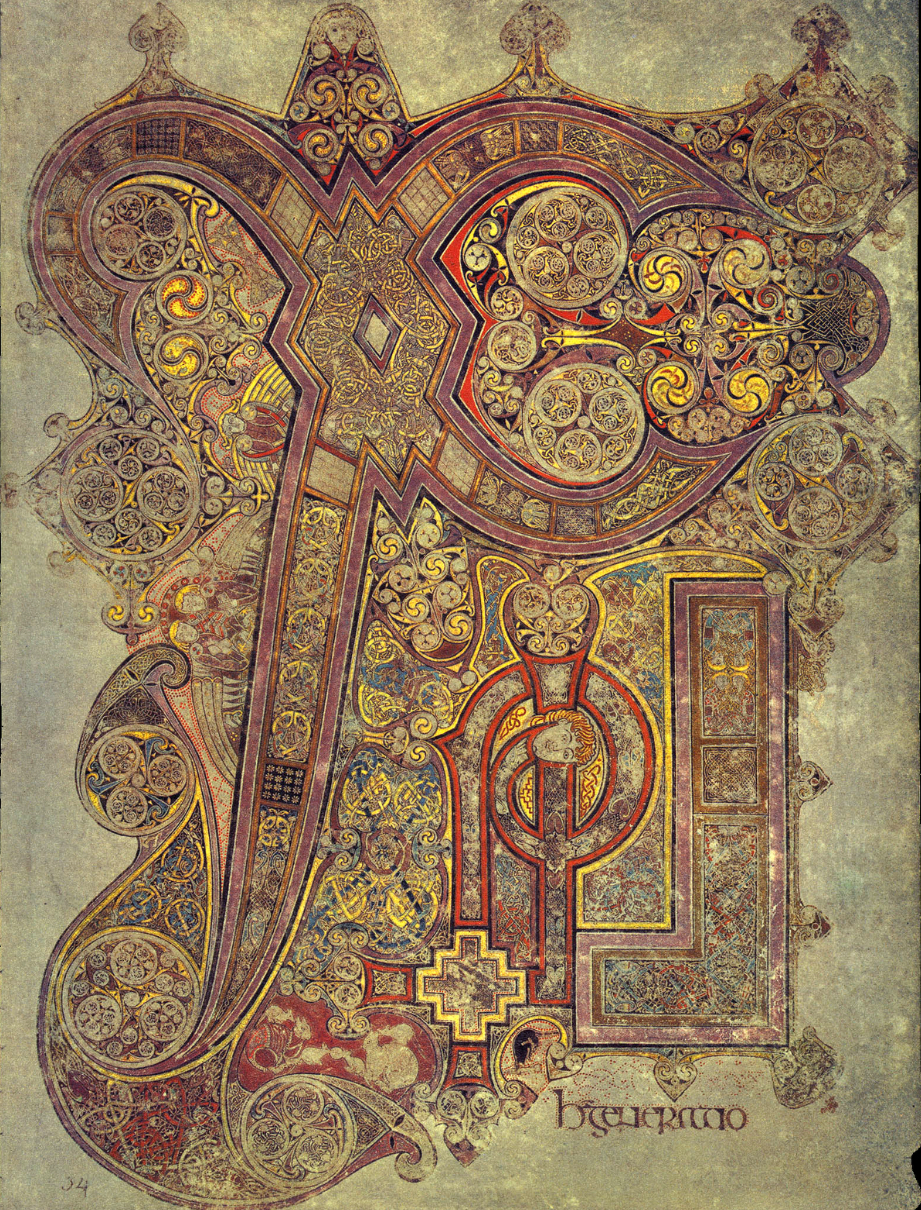
Monogram of Christ, from the Book of Kells
artist unknown, 800 CE, ink of vellum
perhaps the most famous page of medieval manuscripts illumination
turns the name of Christ into a monumental mystical image
swirling interlace, microscopic animals, brilliant color
represents the climax of Insular manuscript tradition in terms of complexity and symbolism
 Note
Note  Flashcards (35)