Archaeology in Britain Images
 Call Kai
 Learn
Learn Practice Test
 Spaced Repetition
 Match
Match Flashcards
 Knowt Play
1/165

There's no tags or description
Looks like no tags are added yet.
Name | Mastery | Learn | Test | Matching | Spaced | Call with Kai |
|---|
No analytics yet
Send a link to your students to track their progress
166 Terms
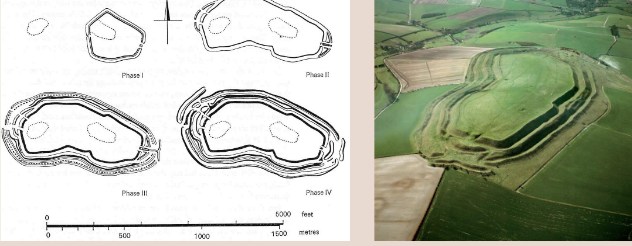
Maiden castle, hill fort
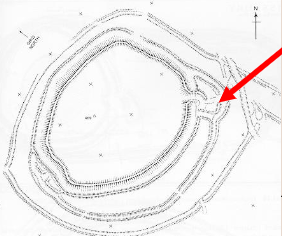
Danebury hillfort and the development of elaborate entrances
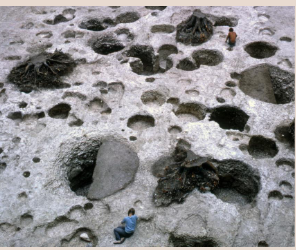
Danebury, Hampshire iron age granary pits
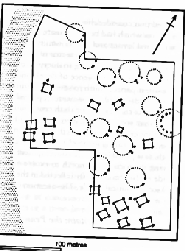
Moel y Gaer, Wales rounhouses and granary pits. Symbolism of roundhouse entrances facing south east
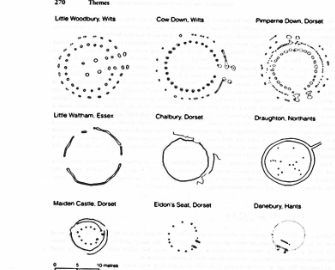
variation of round house form/structure
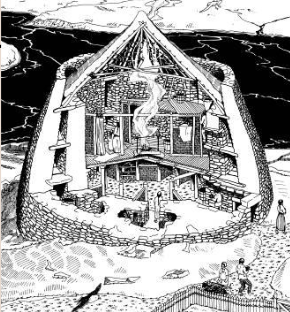
reconstruction of MIA-LIA broch (dun vulam)
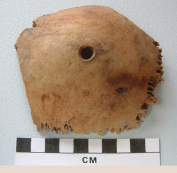
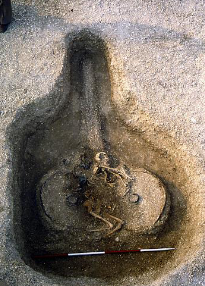
iron age chariot burrials
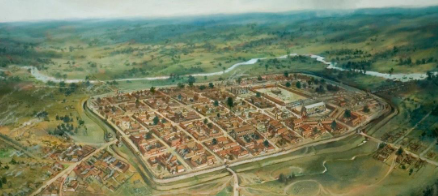
reconstruction of roman colchester
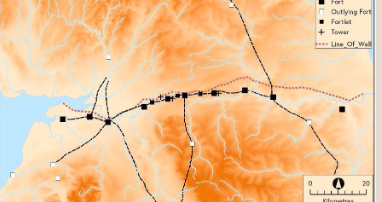
map of the stanegate - roman road garrisoned with forts/fortlets from corbridge to carlisle
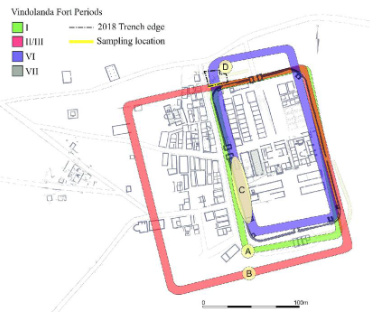
plan of vindolanda - original fort built in timber before being replaced by a stone fort in 2nd cent. reoccupied continuously with a large civillian population around the fort
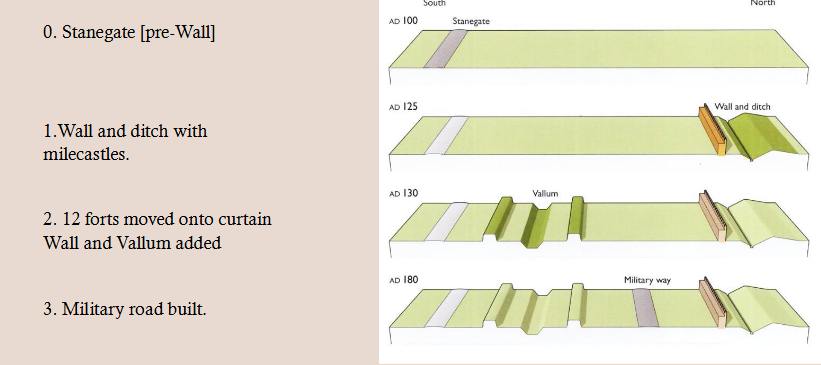
phases of contustruction of hadrians wall
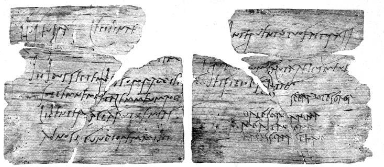
letters from vindolanda - famous birthday invitation
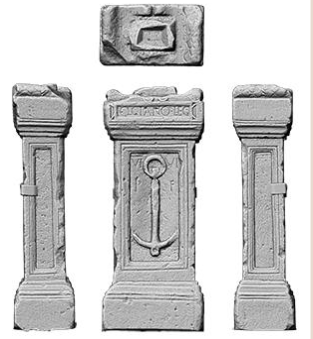
alters from pons aleius (newcastle) commemorate the contruction of the brige over the type
Milecastles - built along the curtain wall at every roman mile. they many have housed around 30 soldiers and would have originally been the only troops on the wall
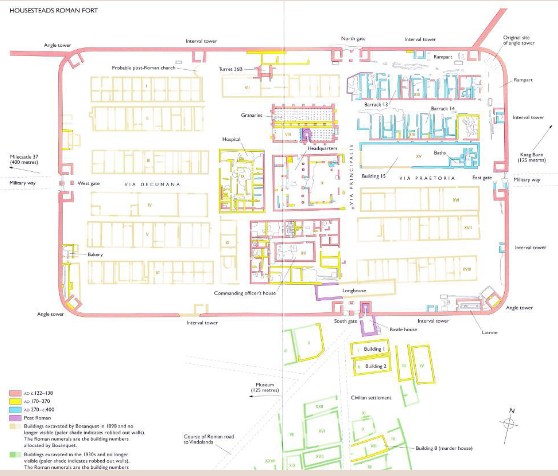
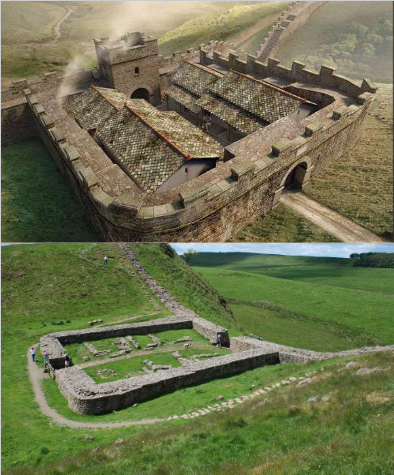
housestead roman fort
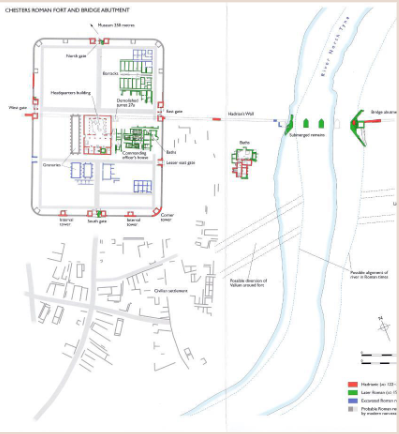
Chesters fort - similar to housesteads bur located nect to the river north tyne. Roman bridge carried the curtain wall across the river
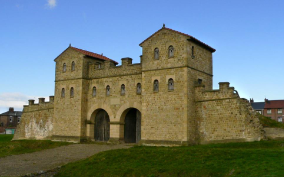
south shields reconstruction of a fort gate. Likely that regular gates were to control movemnt of people
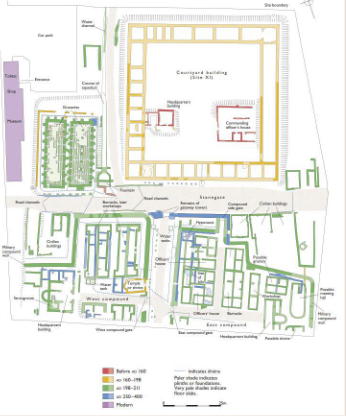
roman town of corbridge. civillian town, many o which developed close to the wall
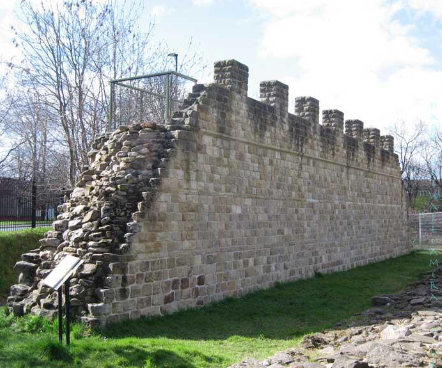
reconstruction of hadrian’s wall at wallsend with crinolations - denfensive structure?
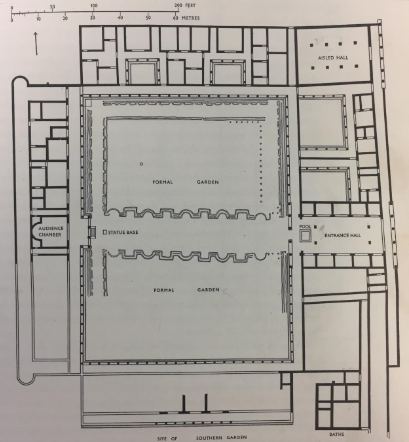
Plan of fourth phase of fishbourne (the palace) added at some point during the 1st century ad. abundance of mosaics and fundamentally a very roman design
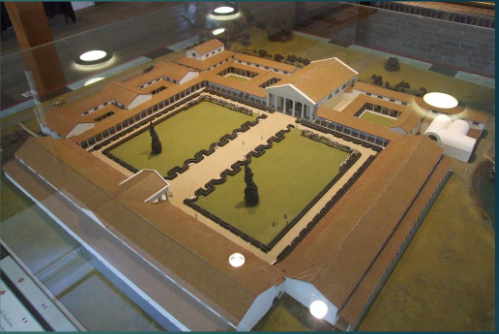
reconstruction of fishbourne
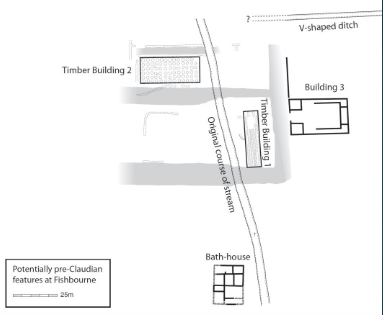
plan of the first phase of fishborune - military phase of the site, possibly before the claudian invasion, possibly power center from client king
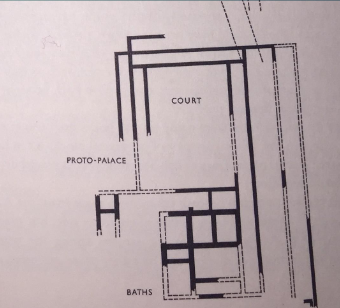
plan of third phase at fishbourne, timber building replaced with a roman style stone building - suggestion of crafts people from the continent = wealth
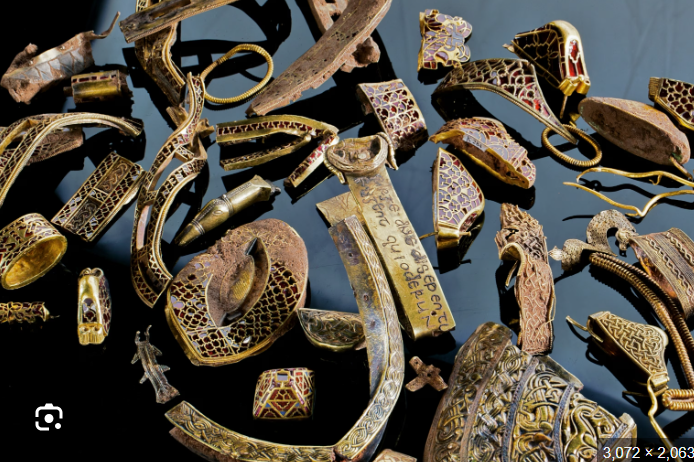
staffordshire gold hoard - symbols of wealth in the early medieval, portable wealth, personal ornamentation
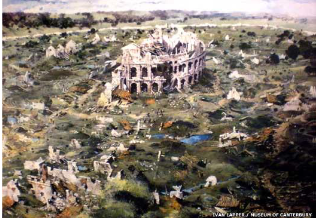
recontruction of 5th century canterbury in the style of the belief of a cataclysmic end to the roman period and a cessation of activity. However this is not foudned in early arcaheology and likley there was continuity of many places through using organic material. Bump and slide model - slow transformation of places
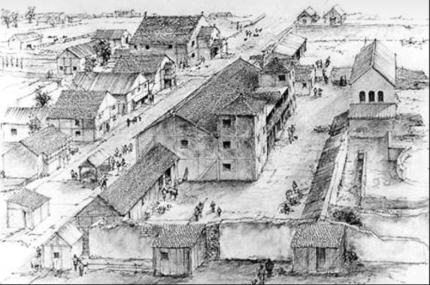
Wroxeter - medium of building has changed to something more organic - use of timber structures, transformation of roman sites
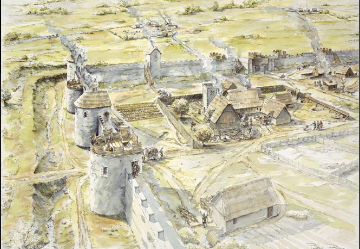
loss of stone/cermaic technology for buildings - reduction of scale and shift of technology. Focus on timber technologies
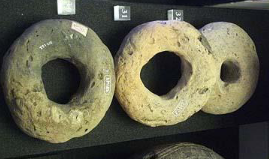
early medeival loom weight
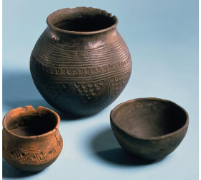
early medieval pottery - shift from roman ceramic industries to handmade wares. shows the shift in production scale
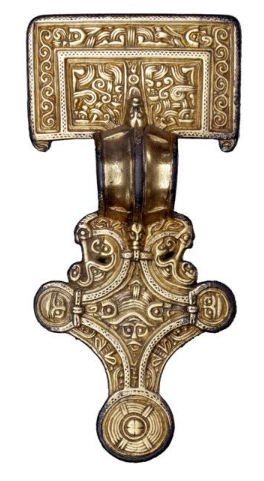
5th-6th century square headed brooch in salin style 1 - imported style from Jutland/Norway, shift in focus on dress and identity in burial
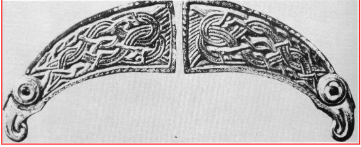
6th century salin style 2 raptor lyre mounts - male aristocrats, zoomorphic designs
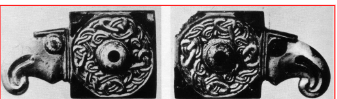
6th century salin style 2 raptor lyre mounts (sutton hoo)
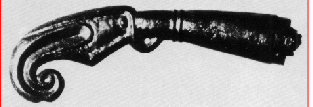
6th century salin style 2 raptor drinking horn terminal (loveden hill, lincolnshire)
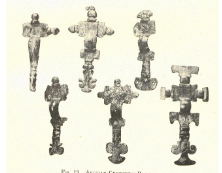
early medieval curciform brooch
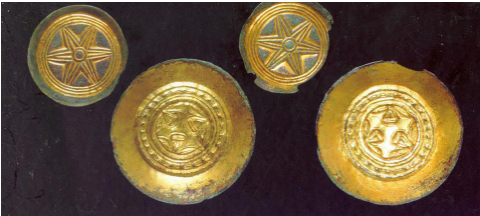
early medeival saucer brooch
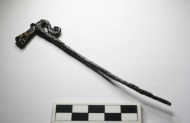
rhynie votive axe - cattle slaughter and suggestion of non christian ritual practice
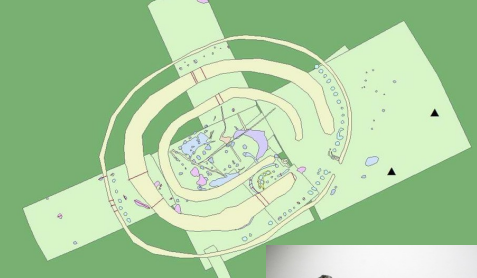
Plan of Rhynie Aberdeenshire - major settlement site suggests an emerging elite identity
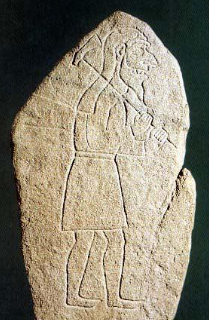
rhynie man - pictish symbol stones, possibly signally status or conrolling acess?
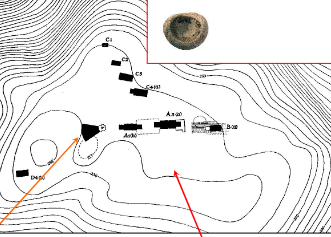
plan of 7th century yeavering - palatial complex on evelated plateau, suggests elites
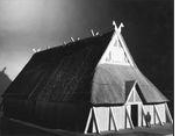
reconstruction of the large timber halls at yeavering - built in alignmnet with the theatre meaning some degree of planning (elites)
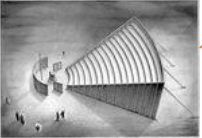
7th century yeavering theatre - reference to the roman world (elites?) and suggests the assembly/gathering of people
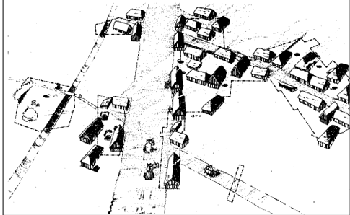
reconstruction of six dials 7th century commercial settlemets (wics) - mercantile gateway communities for trade and exchange with the continent
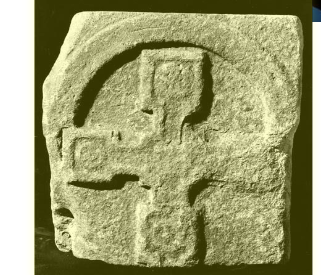
7-8th century stone sculpture (Jarrow) - reemergence of stonemasonary/stone technology in religious settings/monestaries - becoming places of industry and craft specialisation
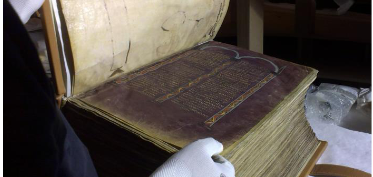
8th cent codex amiatinus - rise of literacy, particularly in monastic settings
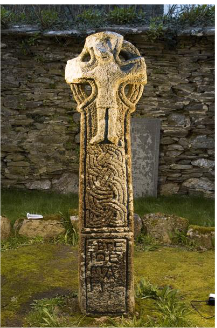
Gwinear - rise of stone technologies, large free stading crosses (often funeral imagery)
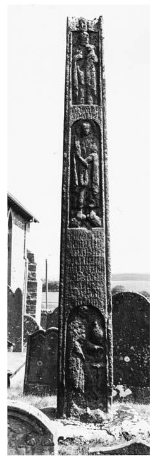
Bewcastle (cumbria) - rise of stone technologies, large free stading crosses (often funeral imagery)
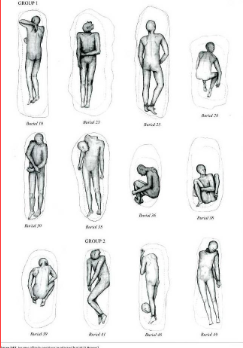
diviant burial (7-8th cent) - emergence of specific places in the landscape for people who deviated from the norm, rise of law and expression of power over people
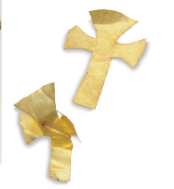
7th cent prittlewell foil crosses - possibly placed on the eyes, merging of religion/cultures
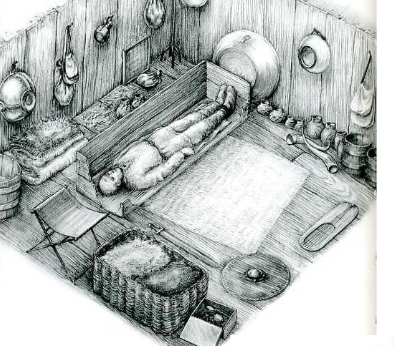
prittlewell, essex 7th cent - christian and anglo-saxon chamber burial, funished burrial which is associated with non christian practices
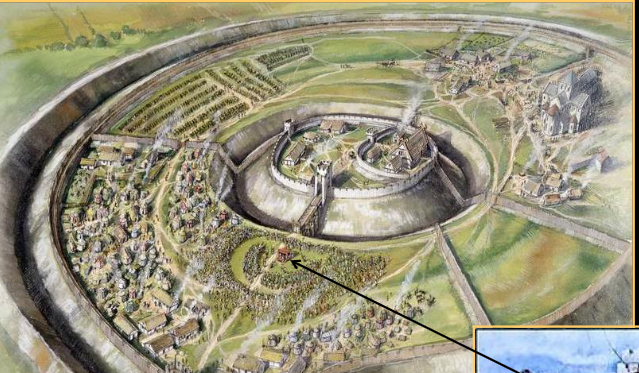
reconstruction of old sarum, wiltshire - mot and bailey castle built on top of an original iron age hillfort - expression of power and site of royal administraiton
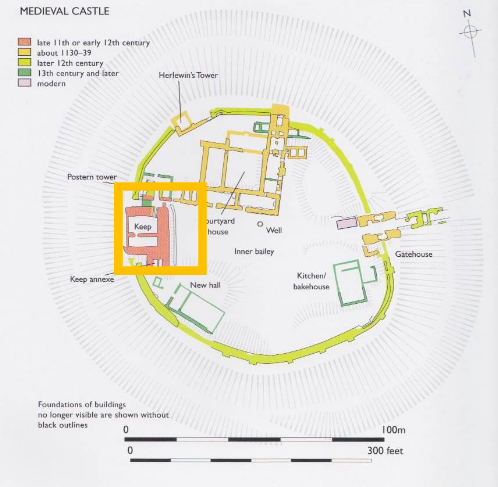
plan of the castle at old sarum
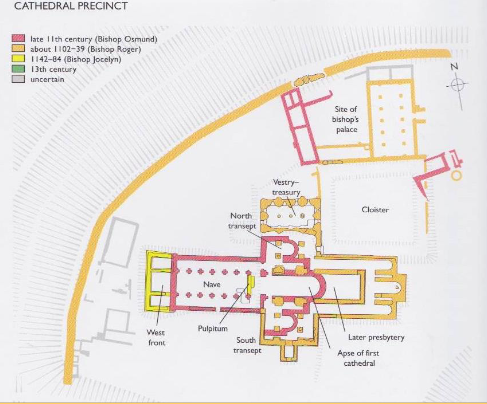
plan of cathedral precinct at old sarum
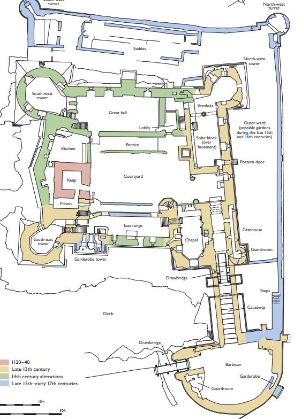
plan of goodrich castle, herefordshire - ran and controlled by countess Joan Valence
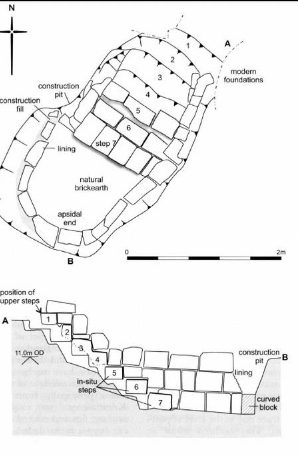
plan of 12th? century Mikveh ritual bath
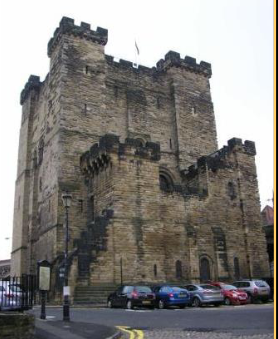
newcastle 12th century stone keep - crenellations added in the C19th
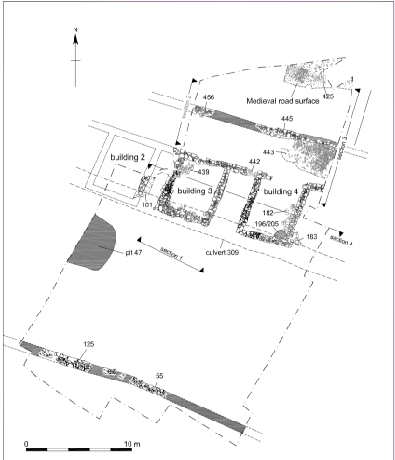
plam of gallowgate c13-14th. repeated small single room buildings for everyday worksmen
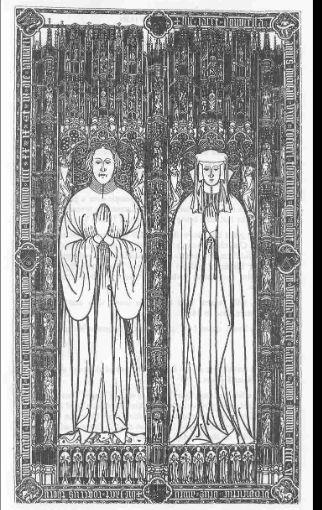
brass of wool merchant roger Thornton and his wife - wealth and status of merchants, and significance of there place in medeival society
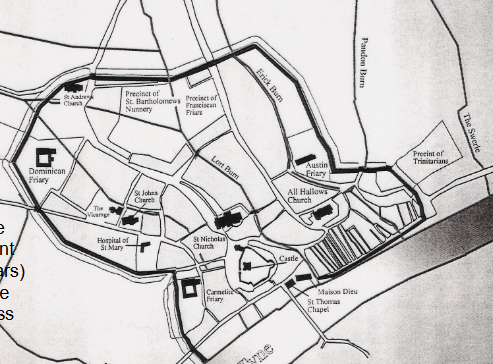
Plan of later medieval newcastle - major religious institutions, artificial waterfront, weathy merchant housing on the riverfront
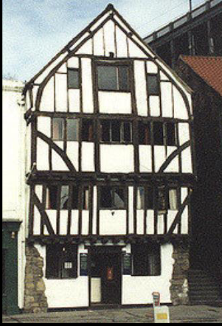
cooperage - 15th cent stone granfloor, mid 16th cent timber framing, several storeys for storage/warehouse space and winches to allow access to upper floors
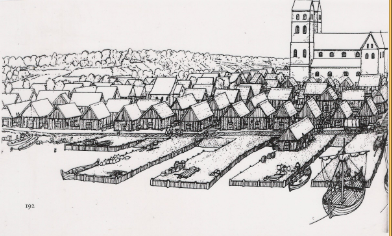
c12th newcastle waterfront reclamtion - timber and wattle revetments packed with domestic and industrial waste to create a higher/artificial groundsurfcase/river edge
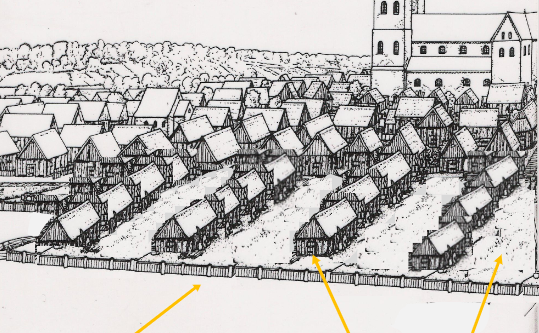
c12th newcastle waterfront reclamation - filling-in of inlets and slipways to create a new unified frontage. Buildings built on former jetties
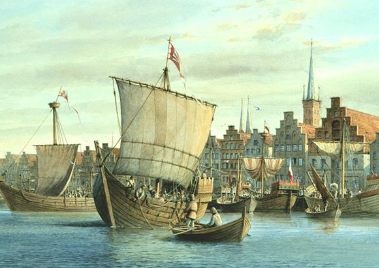
c12th waterfront reclamation allowed deeper kelled boats to be accesses - facillitated the accomofation of larger vessels and therefore larger cargo
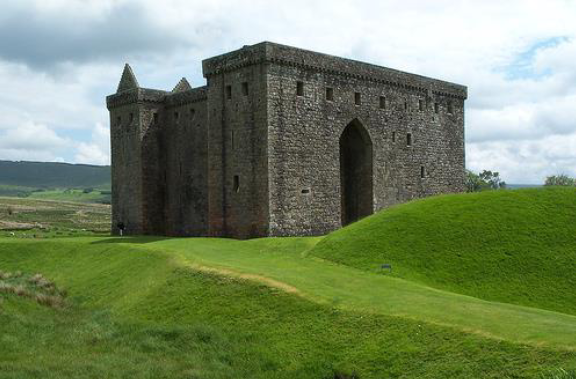
hermitage casle with earth works to help prodect against artillery - decline of castles due to the chnaging patterns of warfare
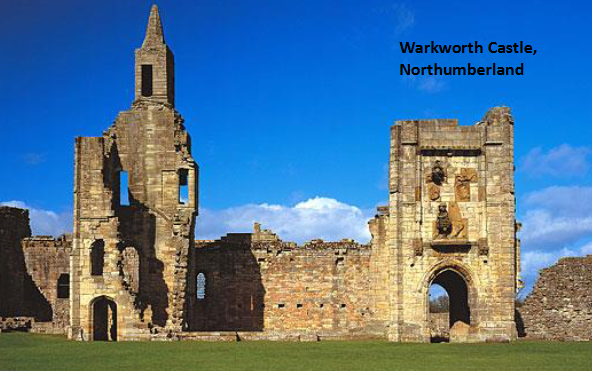
warkworth castle, destroyed 17th cent during the english civil war
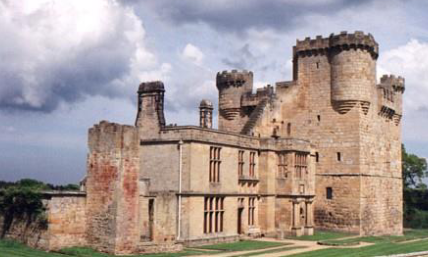
belsay castle, 14th century tower and 17th century house - contruction of major houses driven by distribution of church land after the dissolution and rapidly expanding middle class
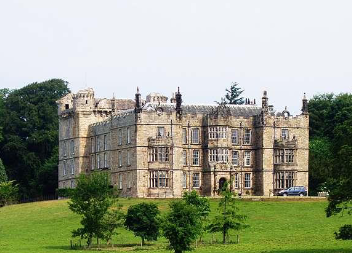
Chipchase castle - 14th cent tower and 16th cent house - contruction of major houses driven by distribution of church land after the dissolution and rapidly expanding middle class
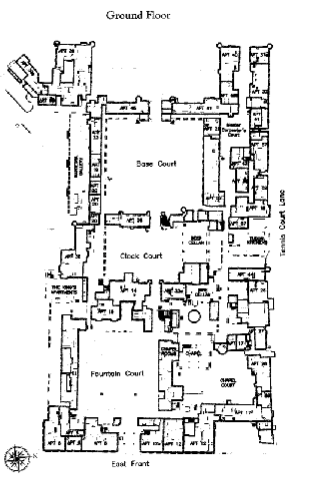
plan of hampton court palace - specialisation of rooms, away from great halls and shared spaces of the medieval period
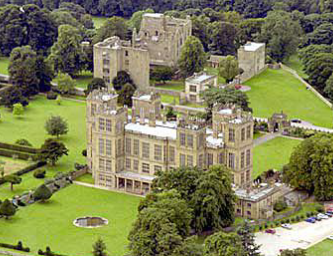
hardwick hall - greta house build on the site of medeival castel? use of glass - expensive and no longer defensive
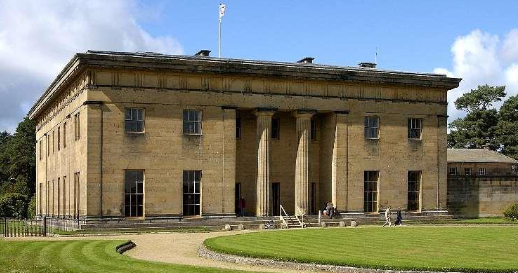
belsay hall 19th cent - the ris eof neoclassical design - with the increase of leisure travel
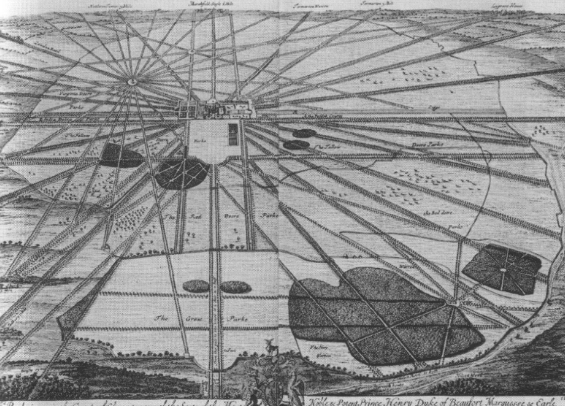
badminton 18th cent - geometric gardens merging on the house, formal gardens/landscape
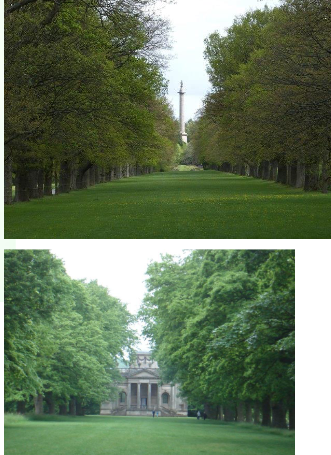
use of classically designed monument/builings - signal of wealth and also political affiliations
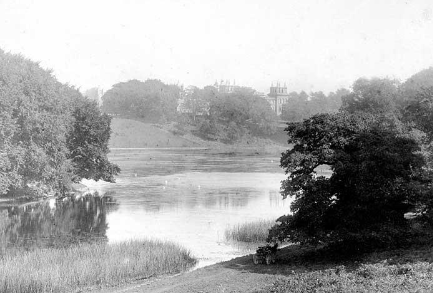
blenheim - designed by capability brown - rise of romantic naturalism, artificially ‘natural’ landscapes
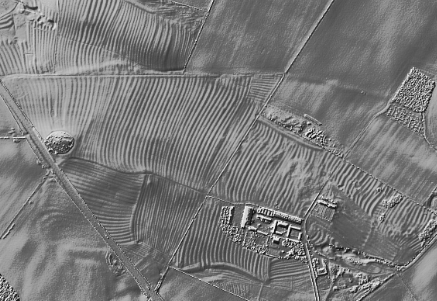
fenwich stead - enclosure landscape cutting across earlier medeival ridge and furrow
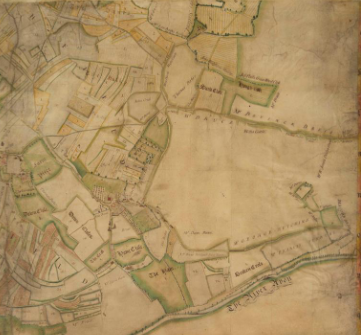
manor of winsley map 18th cent - partial enclosure (piecemeal enclosure)
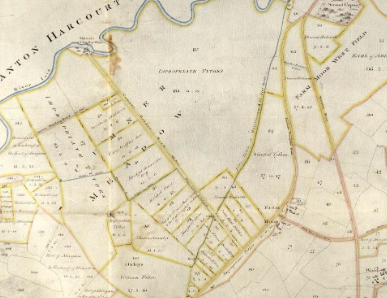
1820 enclosure map - enclosure of traditionally common land, enforced by law (inclosures act)
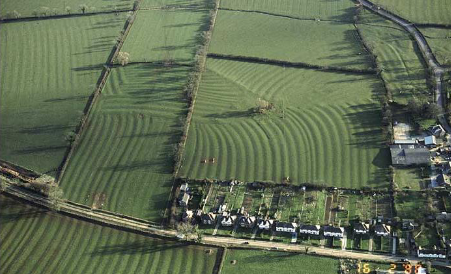
mursley - enclosure landscape cutting across earlier medeival ridge and furrow
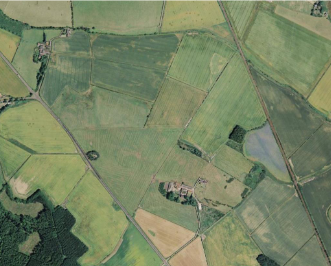
Fenwick steads - enclosure landscape cutting across earlier medeival ridge and furrow
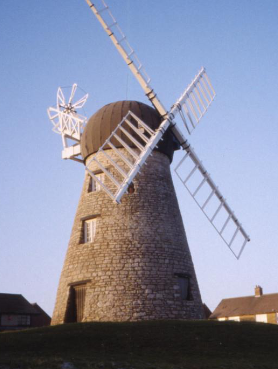
harnessing of windpower - windmills for grinding corn
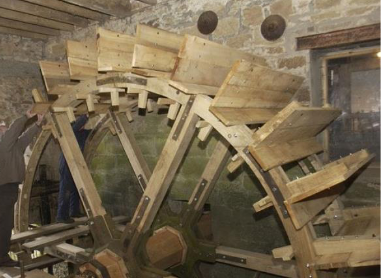
watermills - used in grinding corn etc
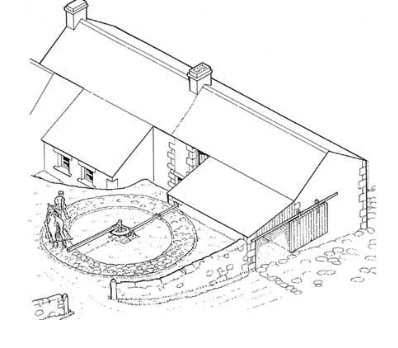
gin-gang - early attempts to mechagnise agriculture/agricultural processing (winnowing)
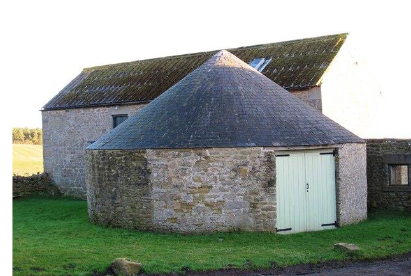
gin-gang - early attempts to mechagnise agriculture/agricultural processing (winnowing)
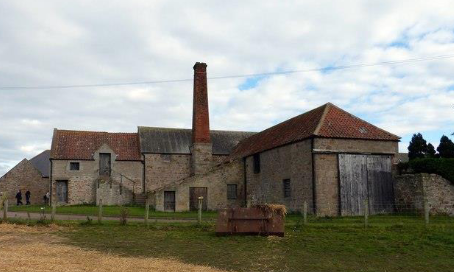
hay farm engine house - use of steam power to power agricultural processing/ploughing
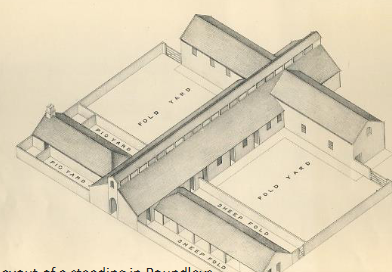
plan of a steading 19th cent - model farms based on maximum efficiency
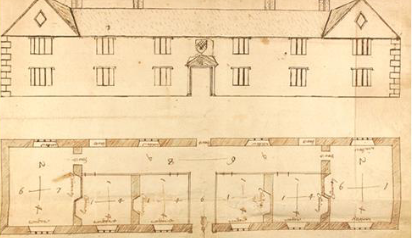
Cosin’s almshouse - end of monastries/chantries - shifting pattern of benefaction, dedication for poor people to live in but run by wealthy individuals
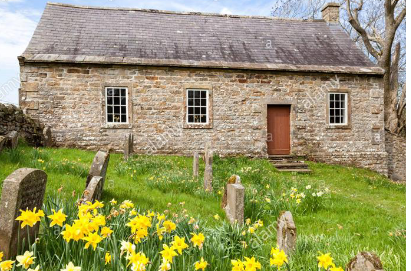
quaker meeting house - change in religion around mid 17th cent, religious access with rising populations
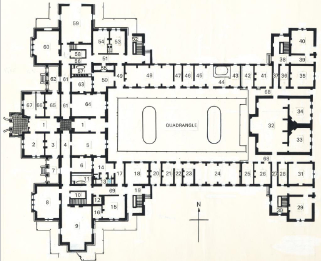
glenside asylum - control of the body and mind, mass control
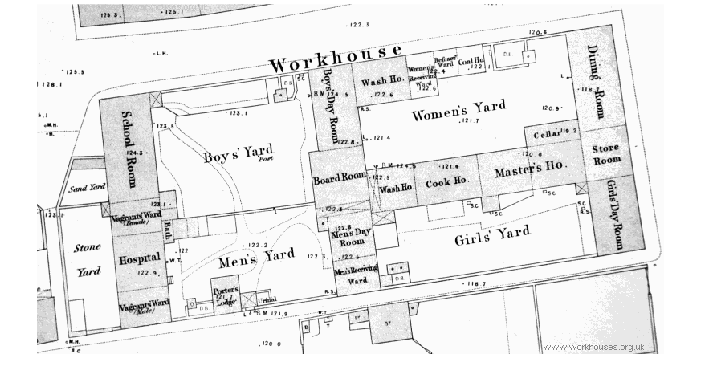
berwick-upon tweed workhouse 19th cent - mass control
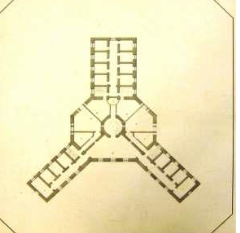
abingdon prison - panopticism and mass control
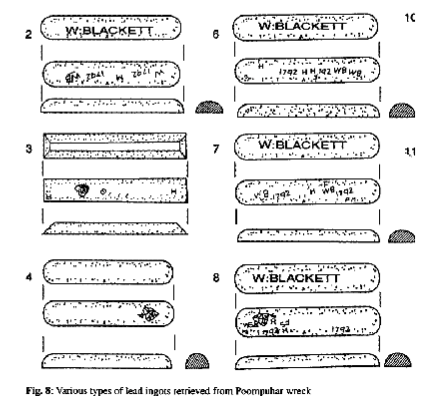
18th cent lead ingots found in a ship wreck off the east coast of india - expansion of colonialism
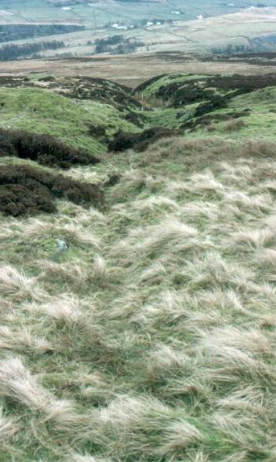
small scale hush likely fromthe 17th cent
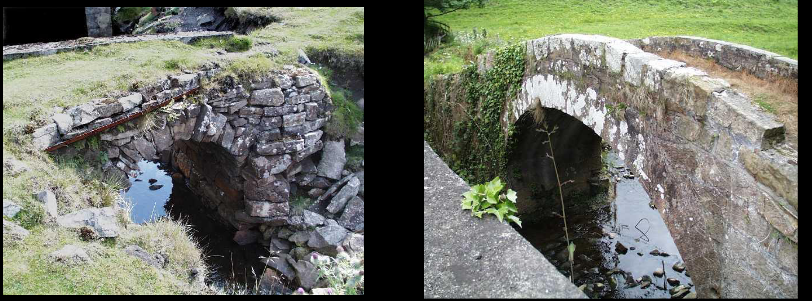
pack horse bridge 17-18th cent for horses to carry lead
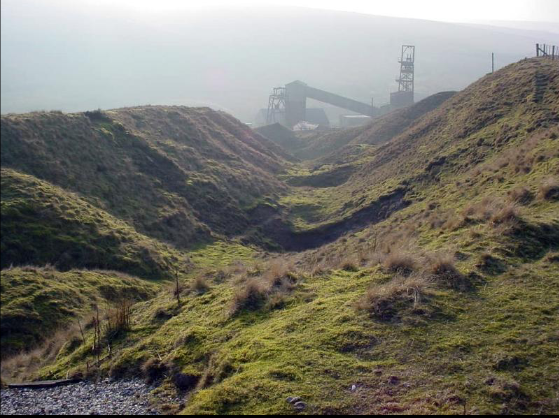
19th cent hush groves rake - continued technique but at a much larger scale
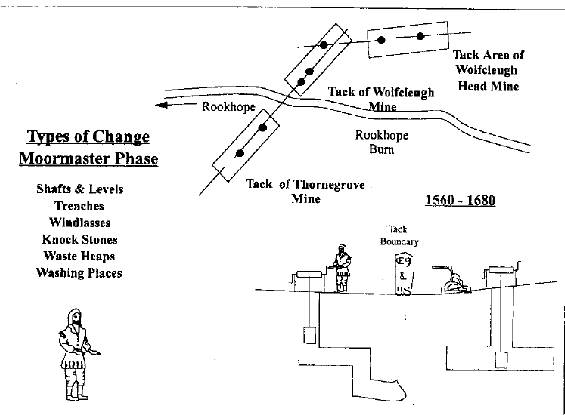
early lead mining carried out under moor masters, simple technology and non-mechanical
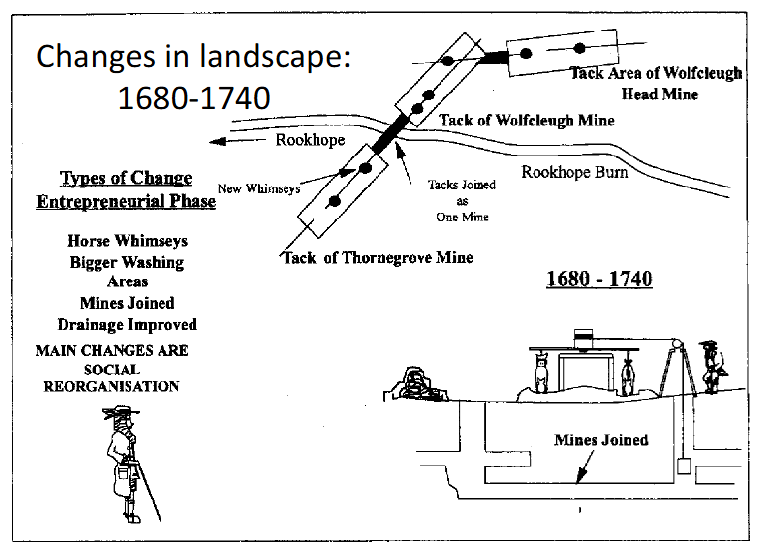
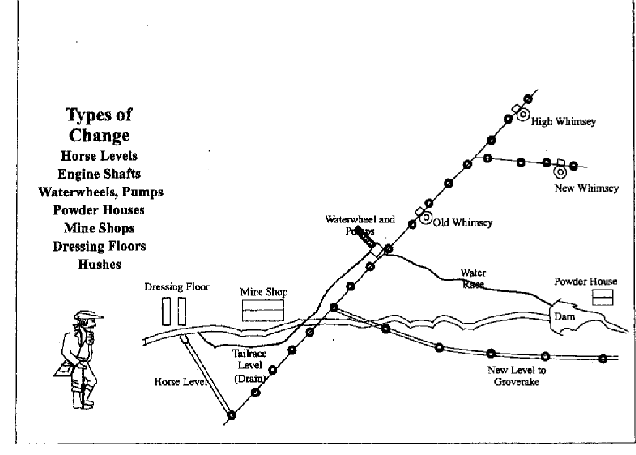
lead mining taken over by companines (e.g. london lead company)
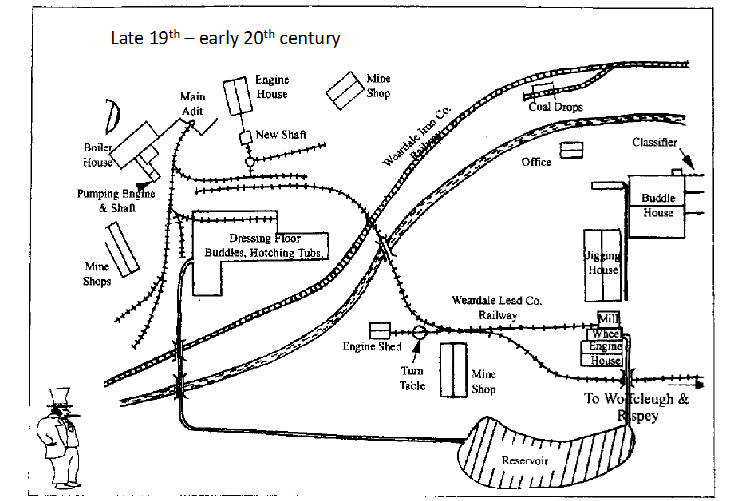
lead companies increasingly mechanised
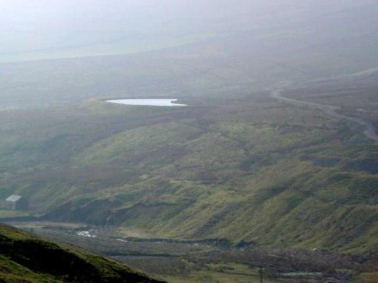
grove rake reservior - large scale harnessing of water for mining
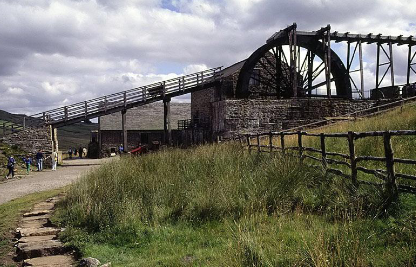
killhope water wheel - large scale harnessing of water, water wheels drove large hammers to grind ores
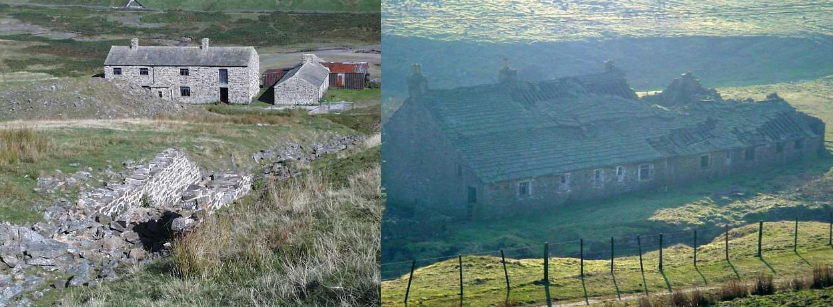
mine ‘shops’ - remote hostels for miners during the week

