Flexibility and Low Back Health: Key Concepts and Exercise Strategies
 Call Kai
 Learn
Learn Practice Test
 Spaced Repetition
 Match
Match Flashcards
 Knowt Play
1/47

There's no tags or description
Looks like no tags are added yet.
Name | Mastery | Learn | Test | Matching | Spaced | Call with Kai |
|---|
No analytics yet
Send a link to your students to track their progress
48 Terms
What is flexibility?
The ability of a joint to move through its full range of motion (ROM).
What are the two types of flexibility?
Static flexibility and dynamic flexibility.
Define static flexibility.
The ability to hold an extended position at one end of a joint's range of motion.
Define dynamic flexibility.
The ability to move a joint through its range of motion with little resistance.
What factors determine flexibility?
Joint structures, muscle elasticity and length, nervous system regulation, genetics, age, body type, activity level, and health status.
How do joint structures affect flexibility?
The nature and structure of a joint affect the range of motion allowed.
What role does muscle elasticity play in flexibility?
Soft tissues like muscles and connective tissues affect flexibility and can be influenced by age, disuse, and temperature.
What is the role of the nervous system in flexibility?
It stimulates muscle contraction and triggers muscle relaxation through proprioceptors.
What is the Golgi Tendon Organ (GTO)?
A proprioceptor that helps reduce the stretch reflex and allows muscles to relax and elongate.
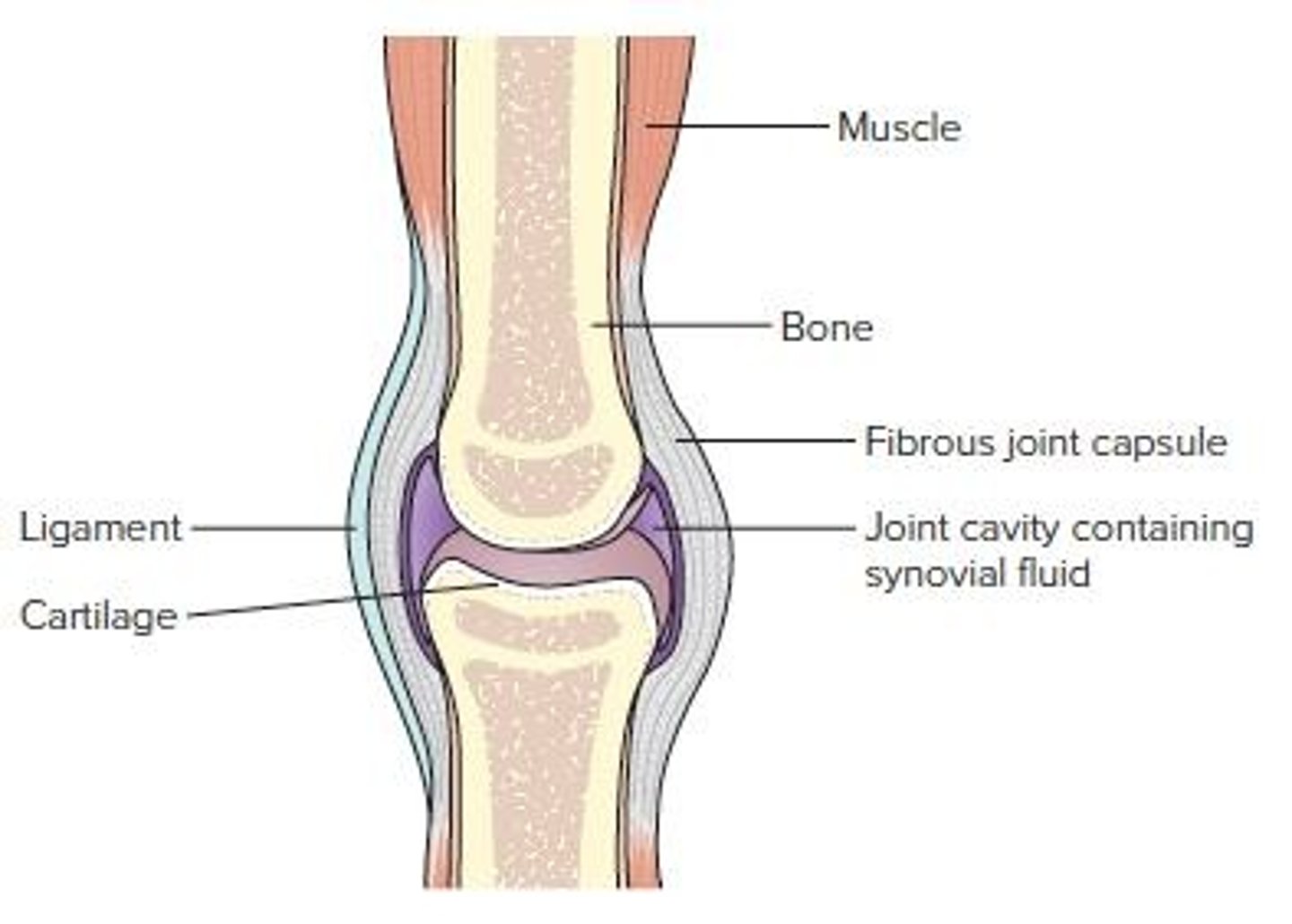
What are the benefits of flexibility?
Improved joint health, posture, mobility, balance, pain management, decreased low-back pain, and relief of muscle cramps.
What is the Sit-and-Reach Test used for?
To assess flexibility of the lower back and hamstrings.
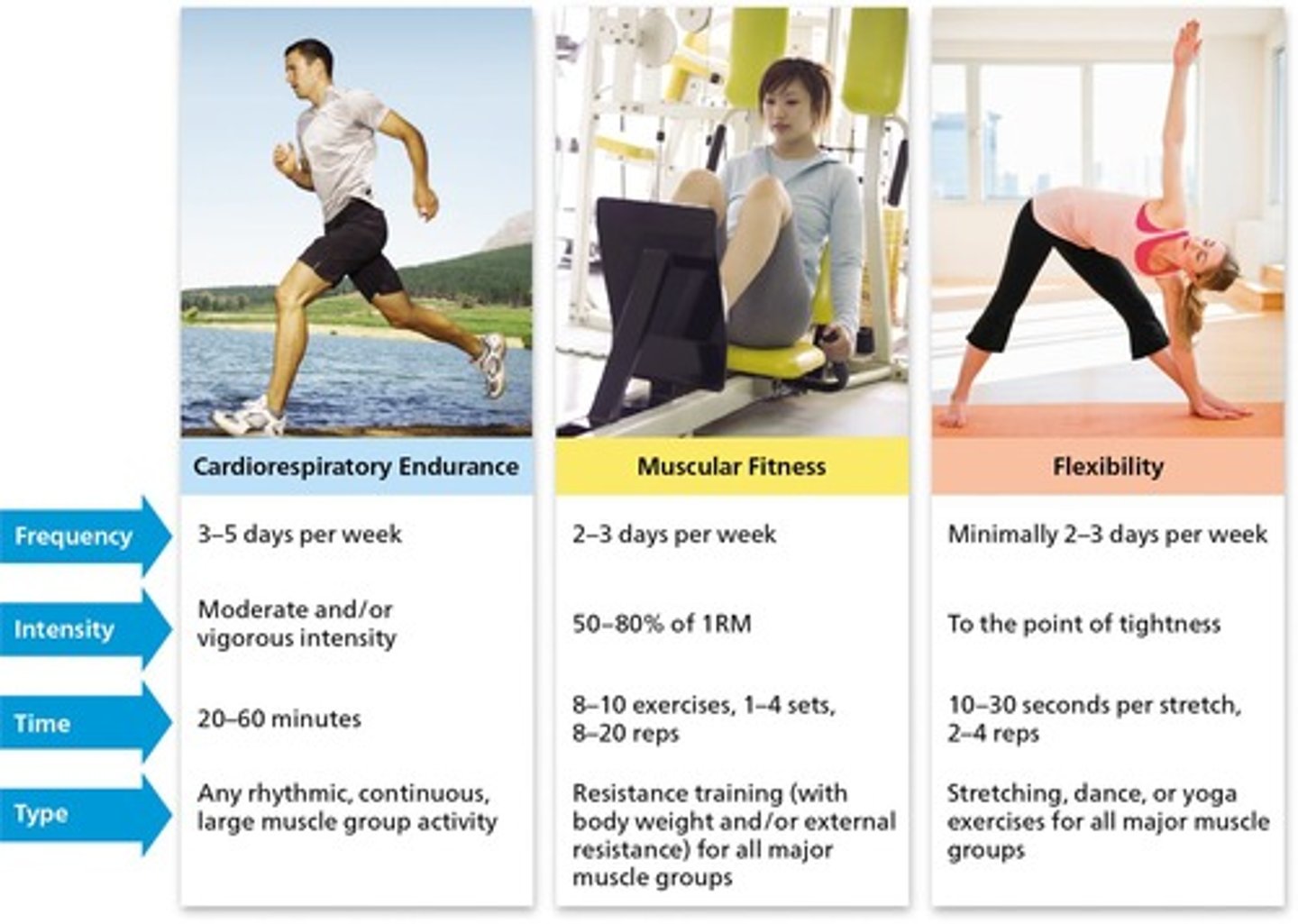
What does the FITT-VP formula stand for in creating a flexibility program?
Frequency, Intensity, Time, Type, Volume, Progression.
What is static stretching?
A technique where a muscle is slowly and gently stretched and then held in the stretched position.
What is dynamic stretching?
A technique where muscles are stretched by moving joints slowly and fluidly through their range of motion.
What is ballistic stretching?
A technique where muscles are stretched by bouncing or jerking movements, which can be risky.
What is Proprioceptive Neuromuscular Facilitation (PNF)?
A stretching technique that contracts target muscle groups to encourage relaxation, often requiring a partner.
What is the most common cause of low-back pain?
Weak and inflexible muscles, poor posture, and poor body mechanics.
What are the primary components of the spinal structure?
7 cervical, 12 thoracic, 5 lumbar vertebrae, and 9 sacrum and coccyx vertebrae.
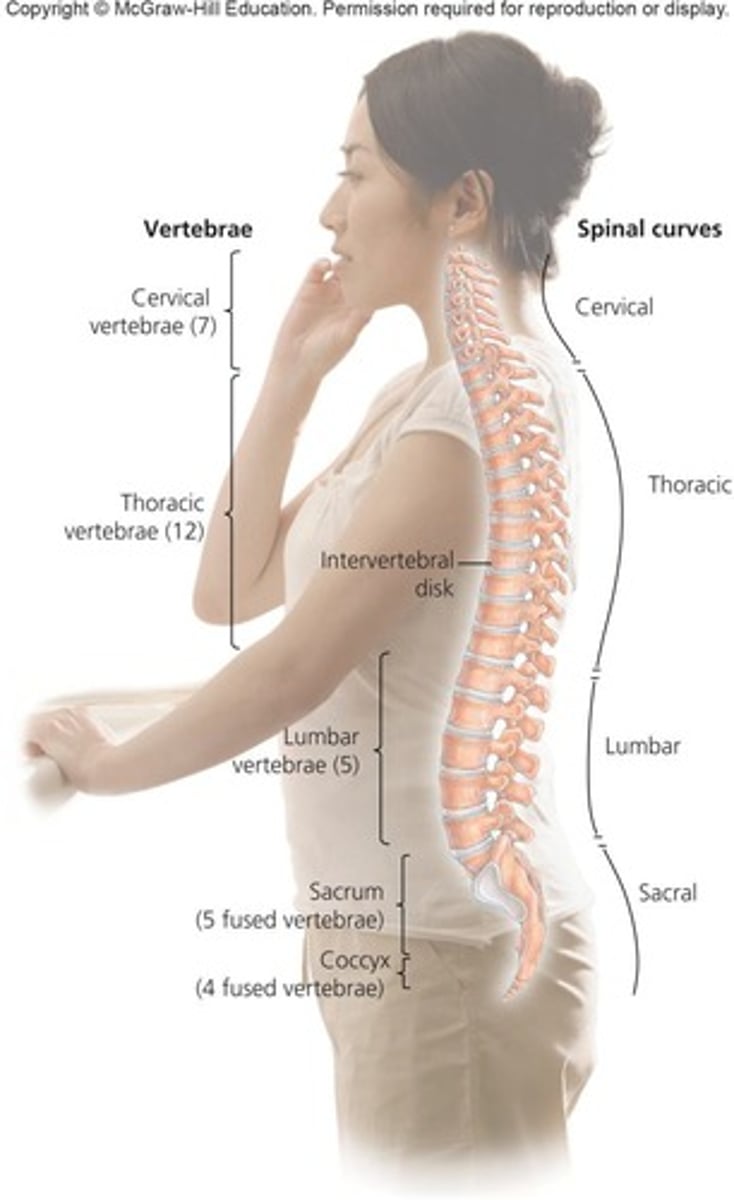
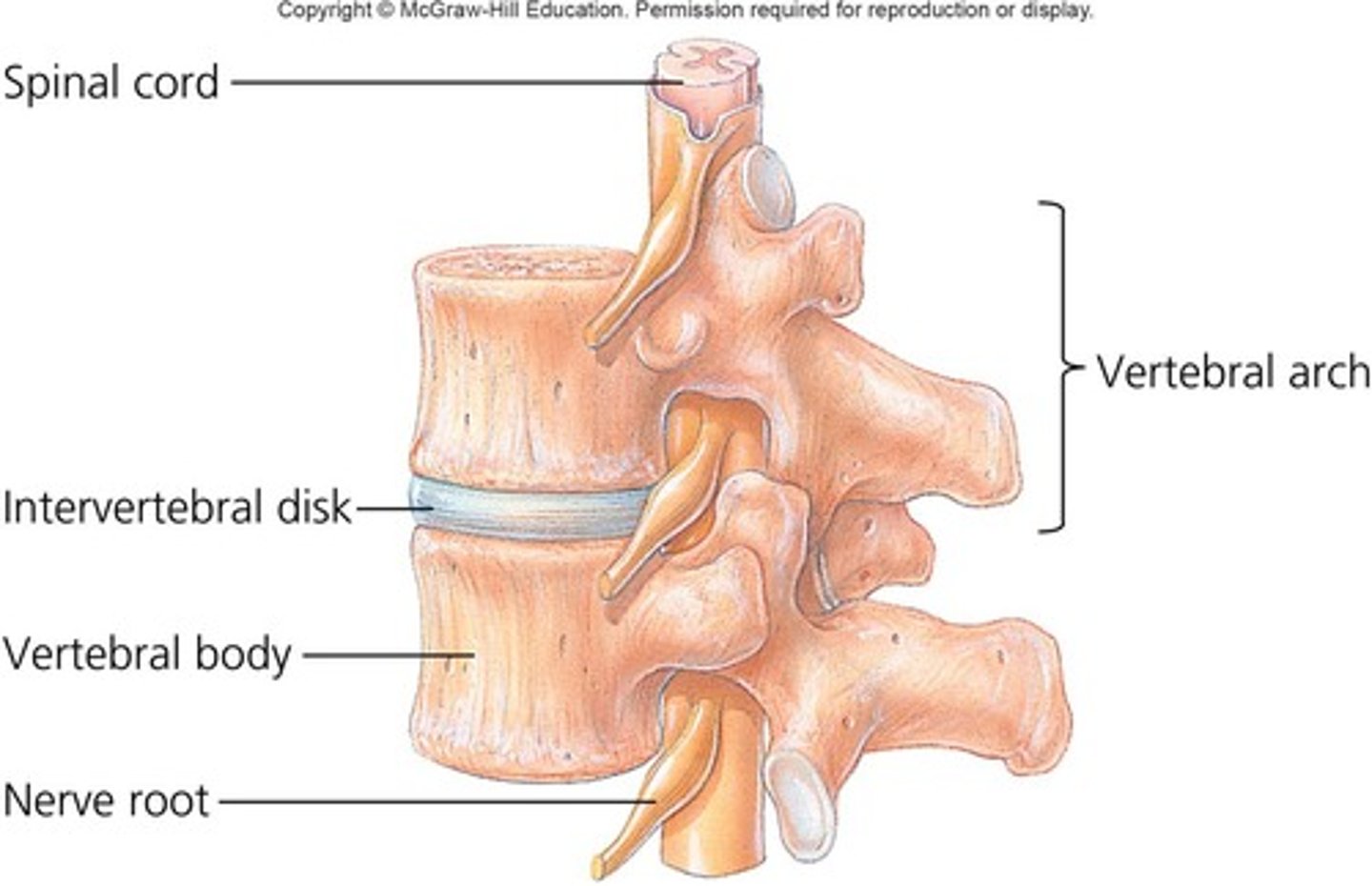
What is the function of intervertebral disks?
They serve as shock absorbers for the spinal column.
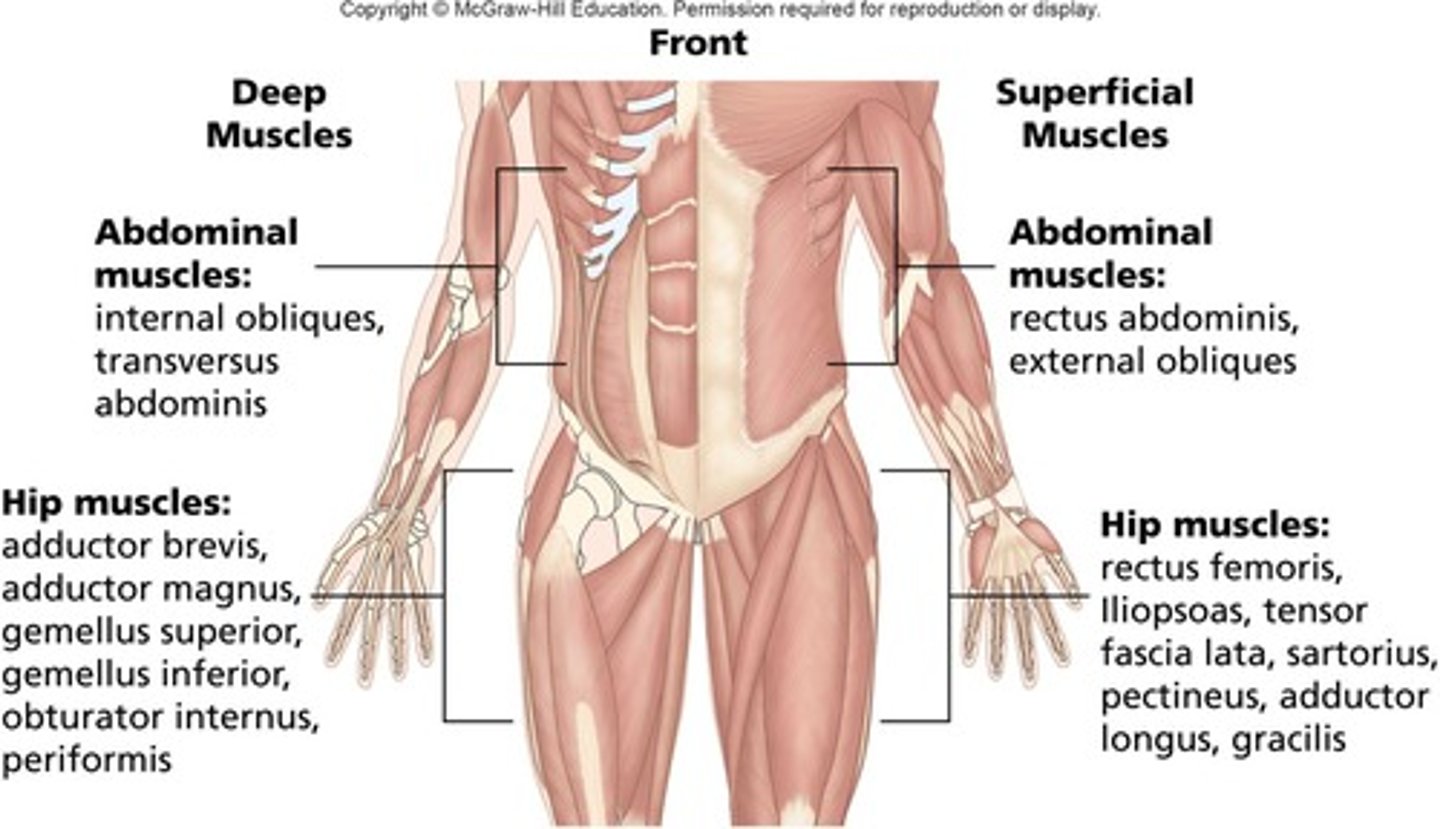
What are core trunk muscles responsible for?
They stabilize the spine and help transfer force between the upper and lower body.
What is the difference between acute and chronic back pain?
Acute pain is sudden and often involves tissue injury, while chronic pain lasts more than three months.
What are some strategies for managing acute back pain?
Applying cold and heat, bed rest, and seeing a physician if pain persists.
What lifestyle changes can help prevent low-back pain?
Maintaining a healthy weight, strengthening key muscles, and avoiding prolonged positions.
What is the overarching goal of a flexibility program?
To attain normal flexibility in major joints.
How long does it typically take to see improvements in flexibility?
Some improvement can be seen after two to three weeks of stretching.
What is the role of genetics in flexibility?
Genetics accounts for differences in body structures and tissue elasticity.
How does age affect flexibility?
Physical changes related to aging can reduce the body's ability to move.
What is the relationship between physical activity and health?
Almost any kind of physical activity promotes health.
Can short periods of intense exercise compensate for inactivity?
No, short periods of intense exercise do not make up for hours of inactivity.
What is the recommended amount of moderate-intensity physical activity for adults per week?
At least 150 minutes.
What is the recommended amount of vigorous-intensity physical activity for adults per week?
At least 75 minutes.
What are the five health-related components of physical fitness?
Cardiorespiratory Endurance, Muscular Strength, Muscular Endurance, Flexibility, Body Composition.
What are the six skill-related components of physical fitness?
Speed, Power, Reaction and Movement Time, Agility, Balance, Coordination.
What does the principle of specificity in physical training refer to?
The principle that training should be specific to the goals and demands of the activity.
What is the principle of progressive overload?
To see gains in fitness, the amount of training should exceed what your body is used to.
What is the principle of reversibility in physical training?
If a person stops exercising, 50% of fitness improvements are lost within two months.
What does the principle of individual differences indicate?
There are limits on adaptability influenced by specific genes affecting body fat, strength, and endurance.
What is the FITT-VP principle in progressive overload?
It stands for Frequency, Intensity, Time, Type, Volume, and Progression.
What is the role of heredity in skill-related fitness?
Heredity largely determines skill-related fitness, but it can also be trained.
What is cardiorespiratory endurance?
The ability of the heart and lungs to supply oxygen during sustained physical activity.
What is muscular strength?
The maximum amount of force a muscle can produce in a single effort.
What is muscular endurance?
The ability of a muscle to sustain repeated contractions over time.
What is flexibility in the context of physical fitness?
The range of motion available at a joint.
What is body composition?
The proportion of fat and non-fat mass in the body.
What is speed in skill-related fitness?
The ability to move quickly across the ground or move limbs rapidly.
What is power in skill-related fitness?
The ability to exert maximum force in the shortest time.
What is reaction time in skill-related fitness?
The time taken to respond to a stimulus.
Still learning (14)
You've started learning these terms. Keep it up!

