Chapter 18 Gravitational fields
 Studied by 0 people
 Call Kai
 Learn
Learn Practice Test
 Spaced Repetition
 Match
Match Flashcards
 Knowt Play
1/64

There's no tags or description
Looks like no tags are added yet.
Name | Mastery | Learn | Test | Matching | Spaced | Call with Kai |
|---|
No analytics yet
Send a link to your students to track their progress
65 Terms
18.1 intro
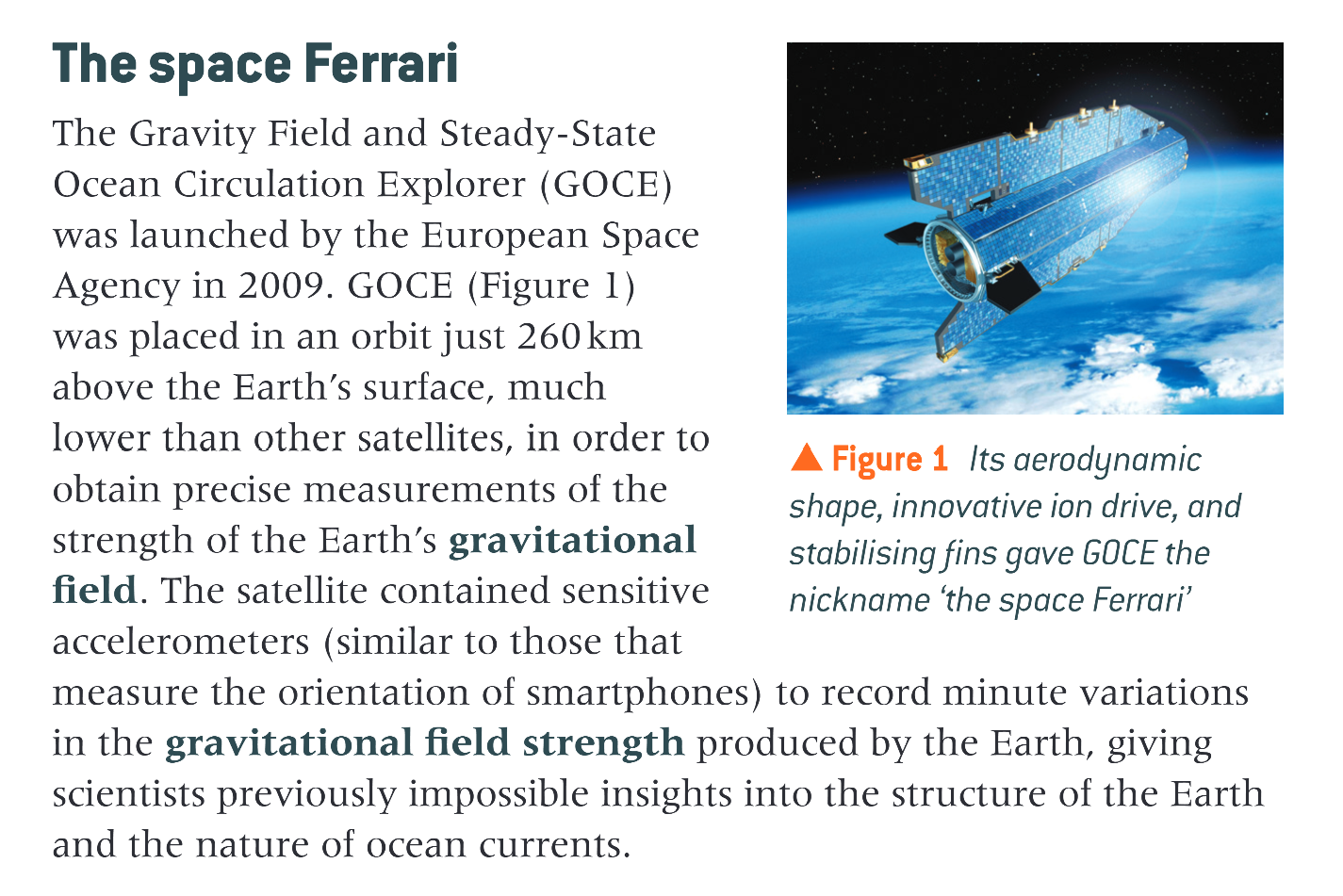
what do all objects with mass create?
gravitational field
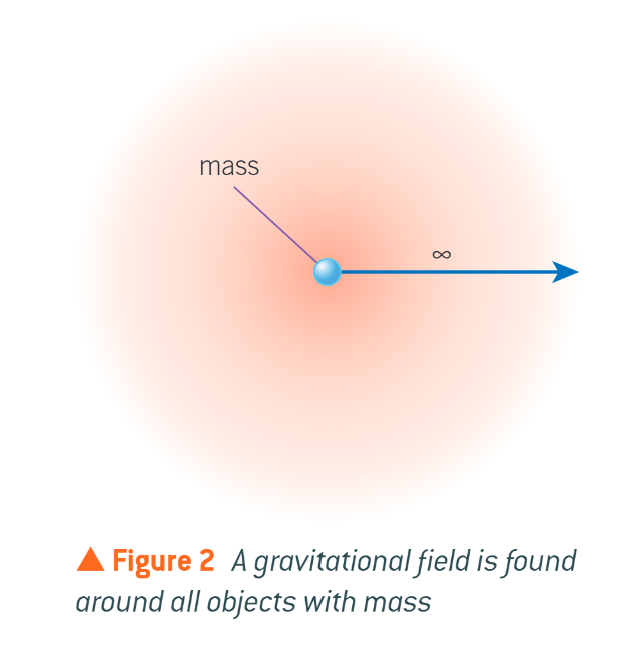
figure 2
all gravitational fields extend all the way to infinity, but it gets weaker as the distance from the centre of mass of the object increases, becoming negligible at long distance
any object with mass places in a gravitational field will…
experience an attractive force towards the centre of mass of the object creating the field. For objects on Earth, we call this gravitational the object’s weight
Gravitational field strength formula
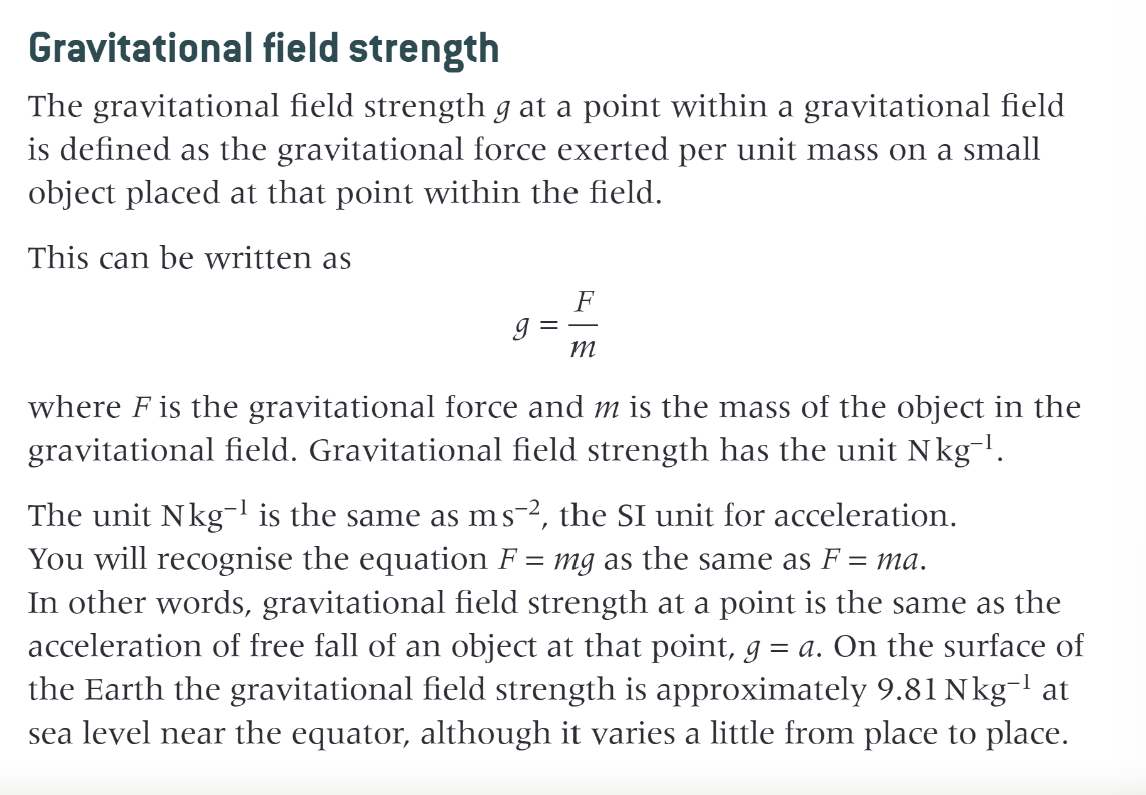
what type of quantity is gravitational field strength
a vector quantity
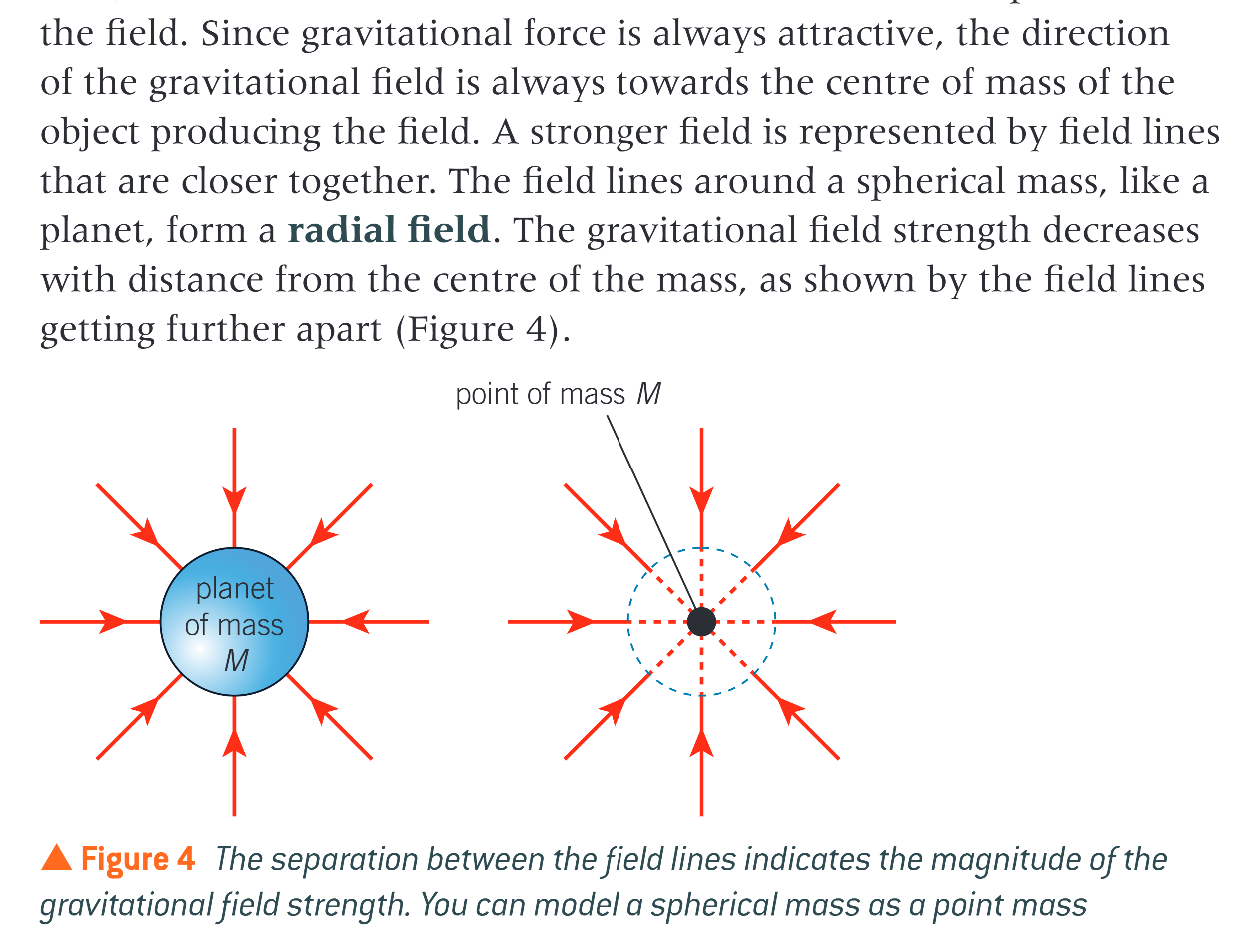
where does gravitational field strength always point to
the centre of mass of the object
figure 4
study tip for term gravity
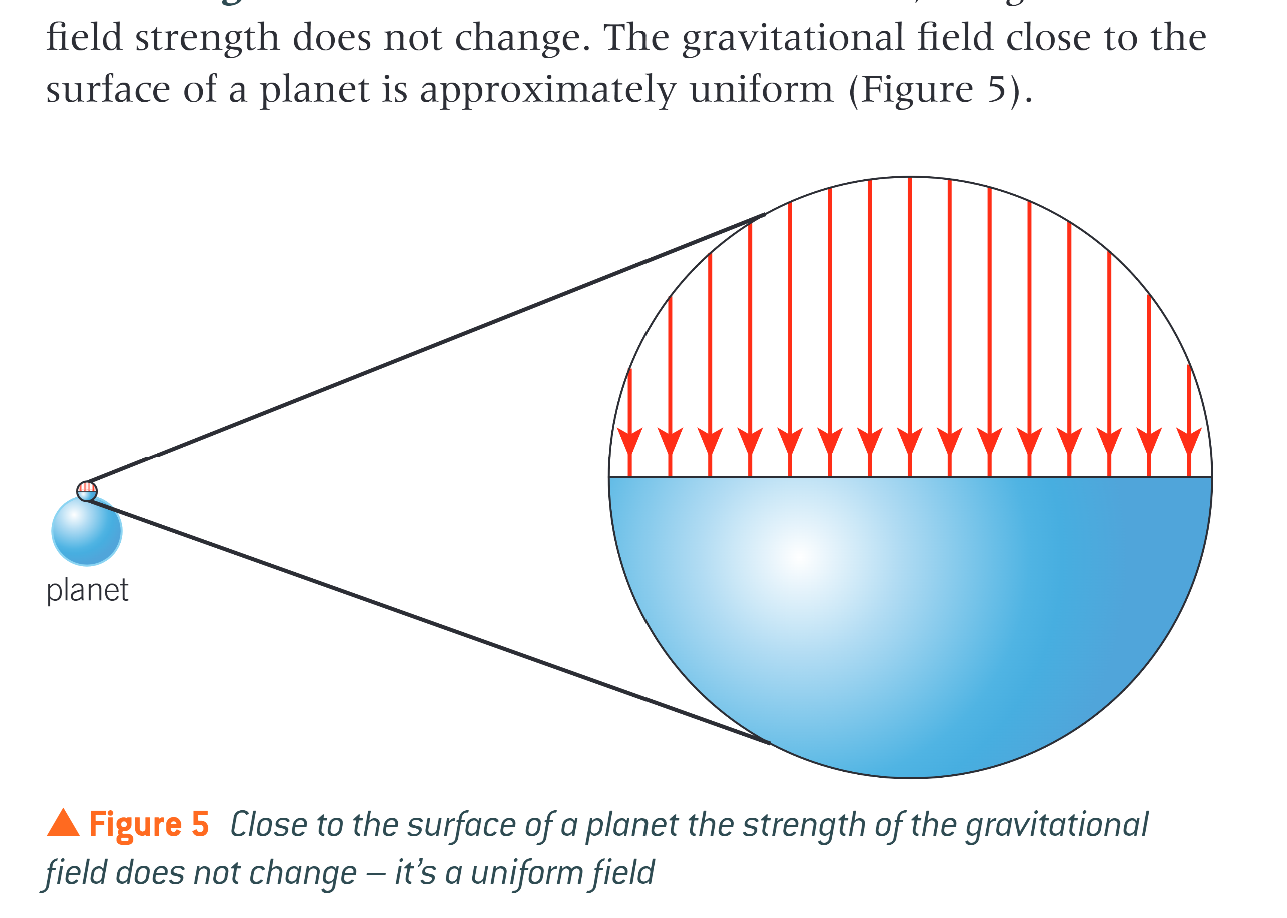
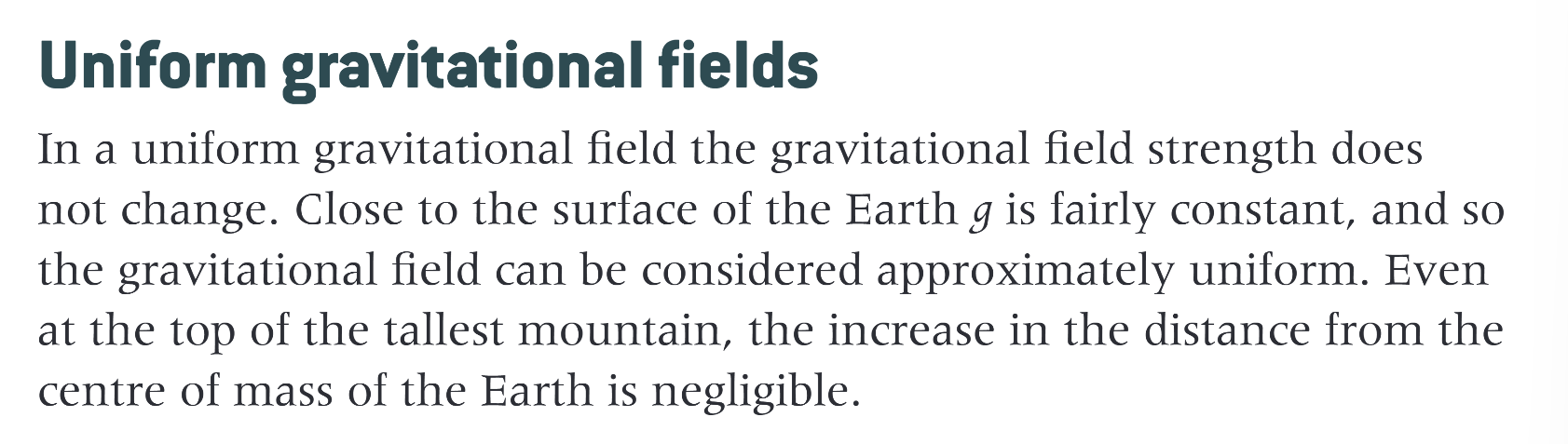
how do you know when you have a uniform gravitational field
the field lines should be parallel and equidistant
what does not change in a uniform field
the gravitational field strength
figure 5
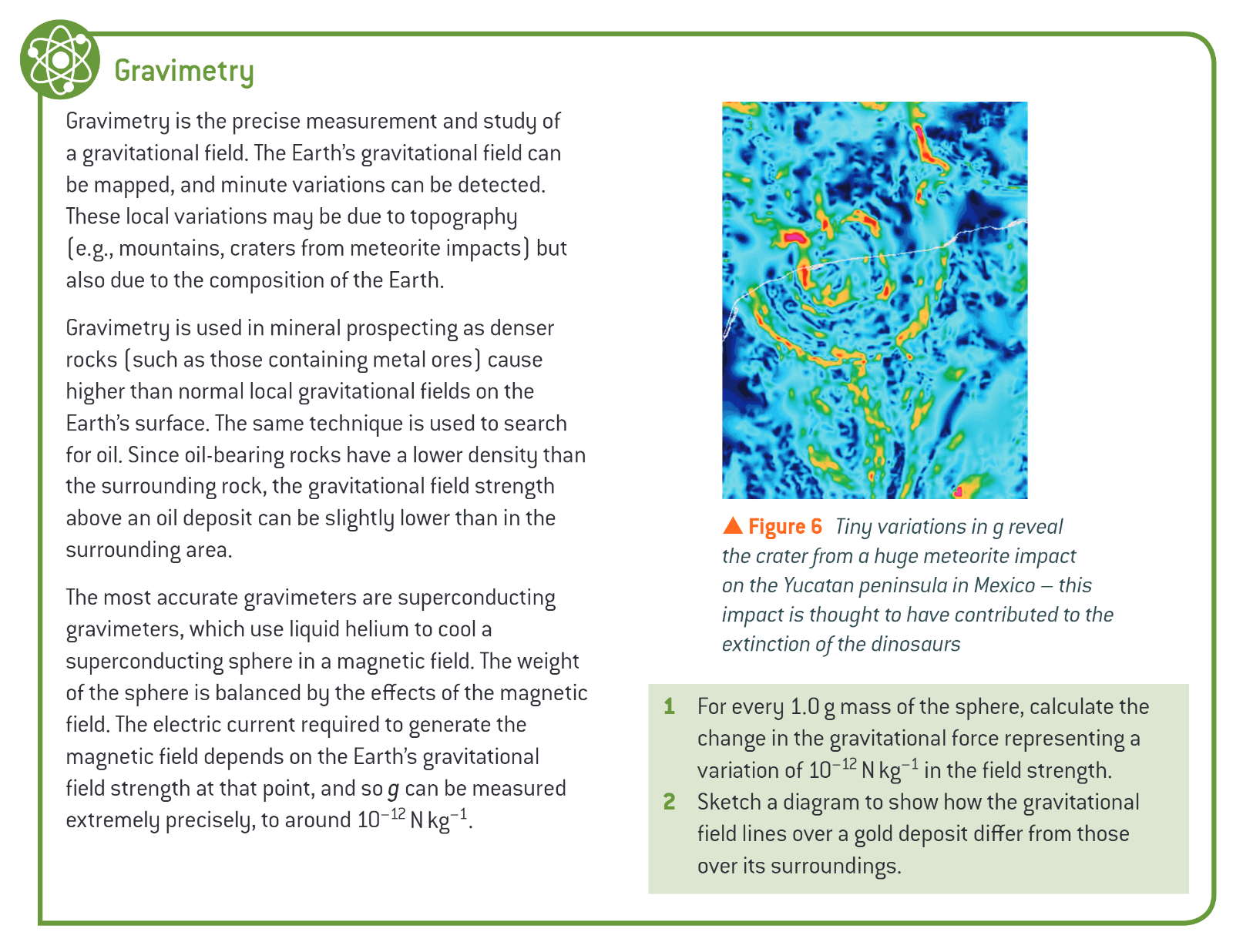
gravimetry ( not in the spec - js extra stuff )
18.2 intro
newton’s law of gravitation intro
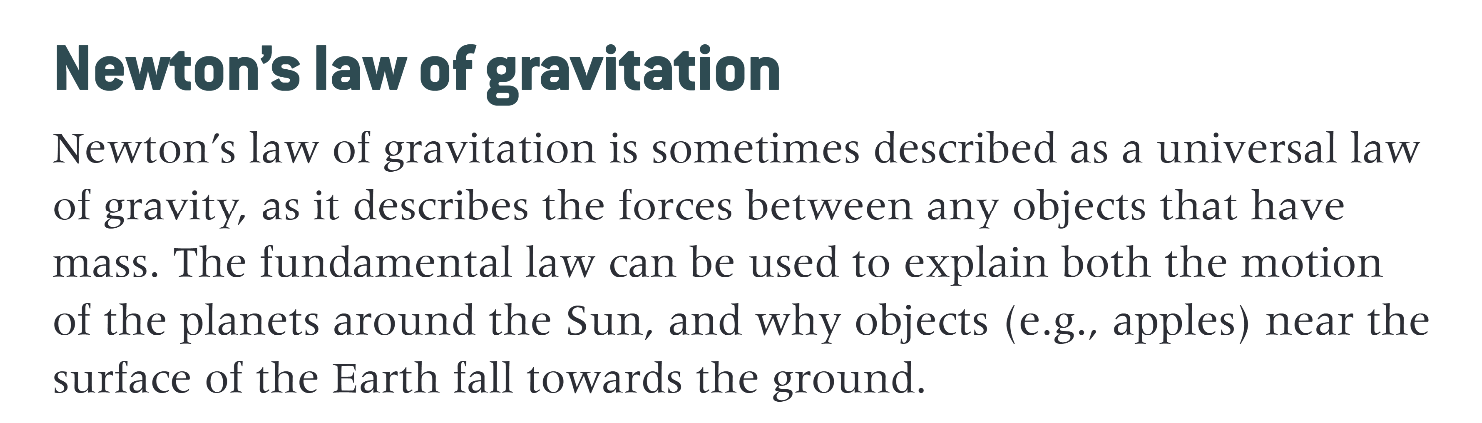
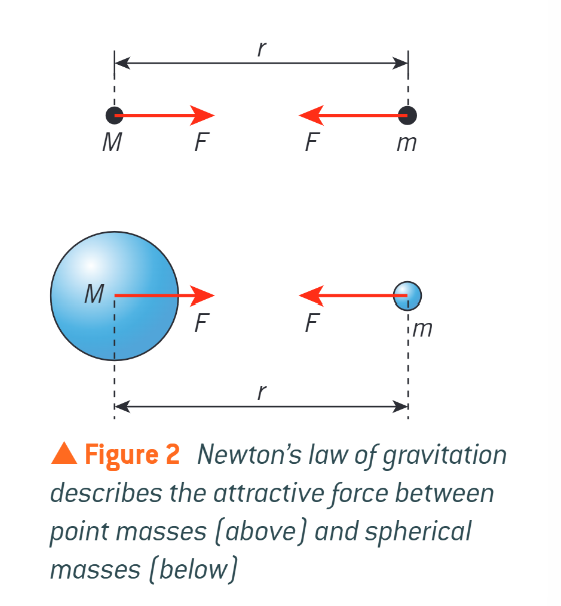
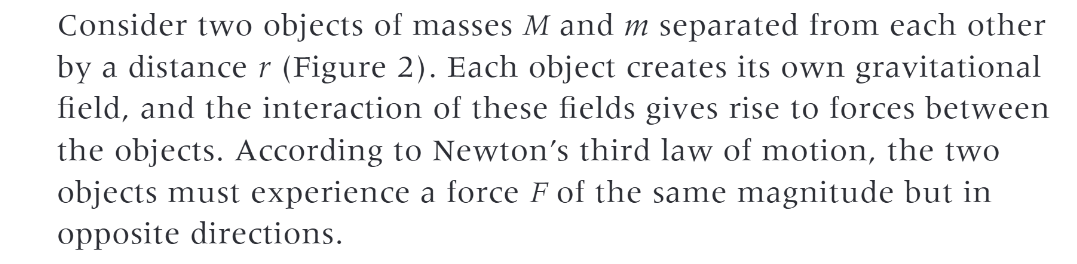
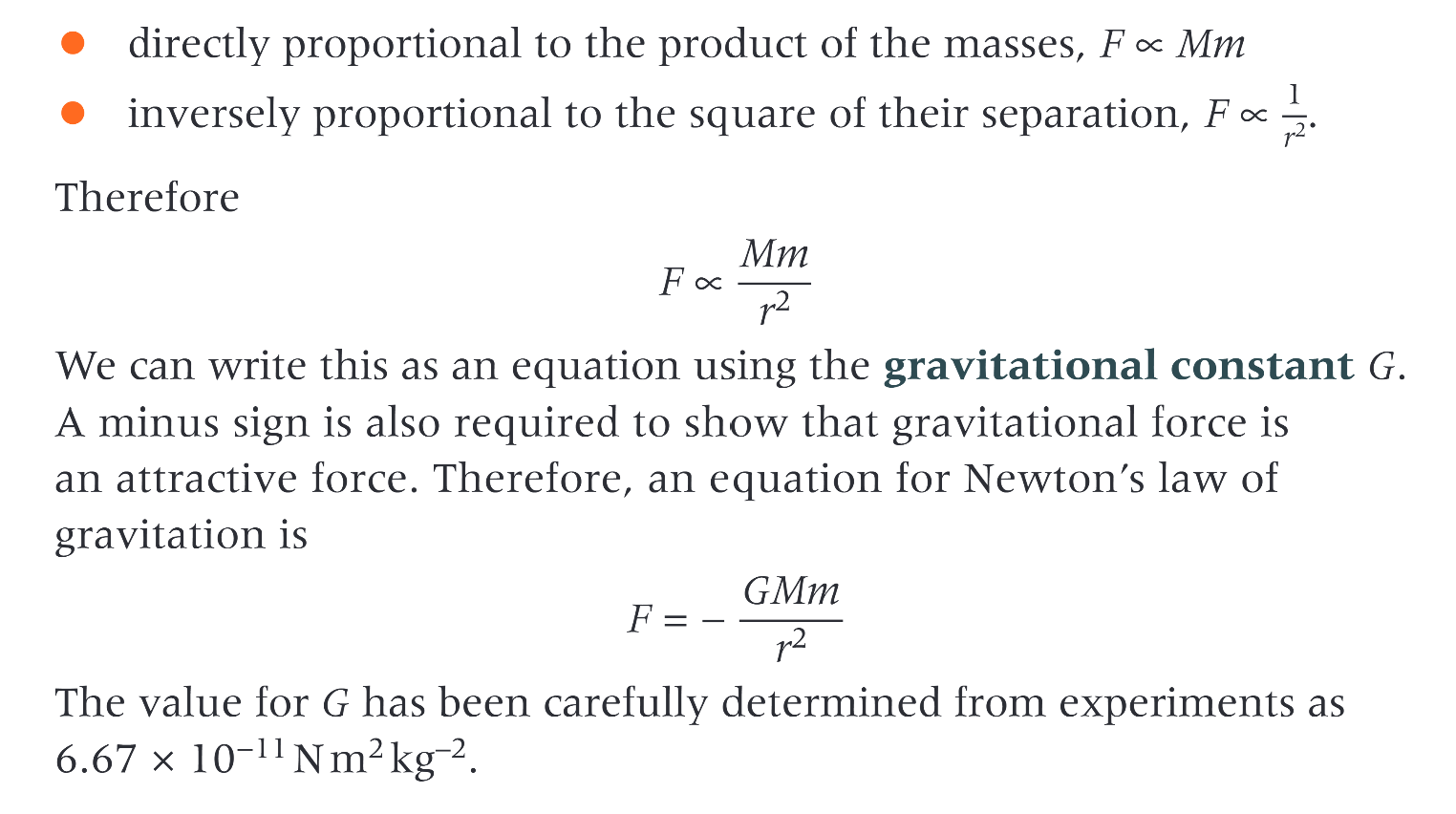
Newton’s law of gravitation states the force between 2 point masses is:
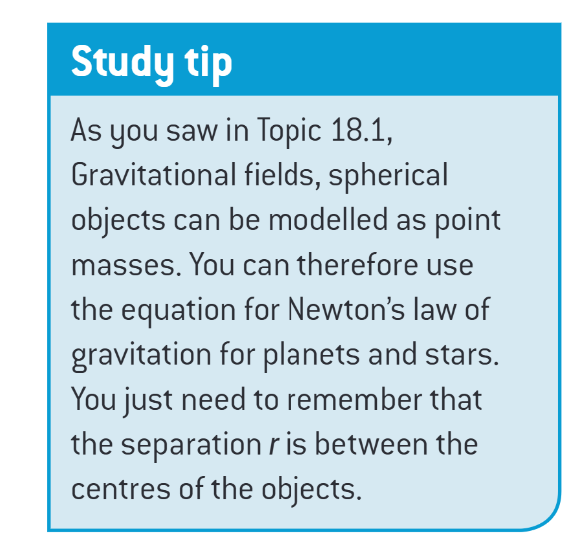
study tip
worked example: the gravitational force on an orbiting satelite
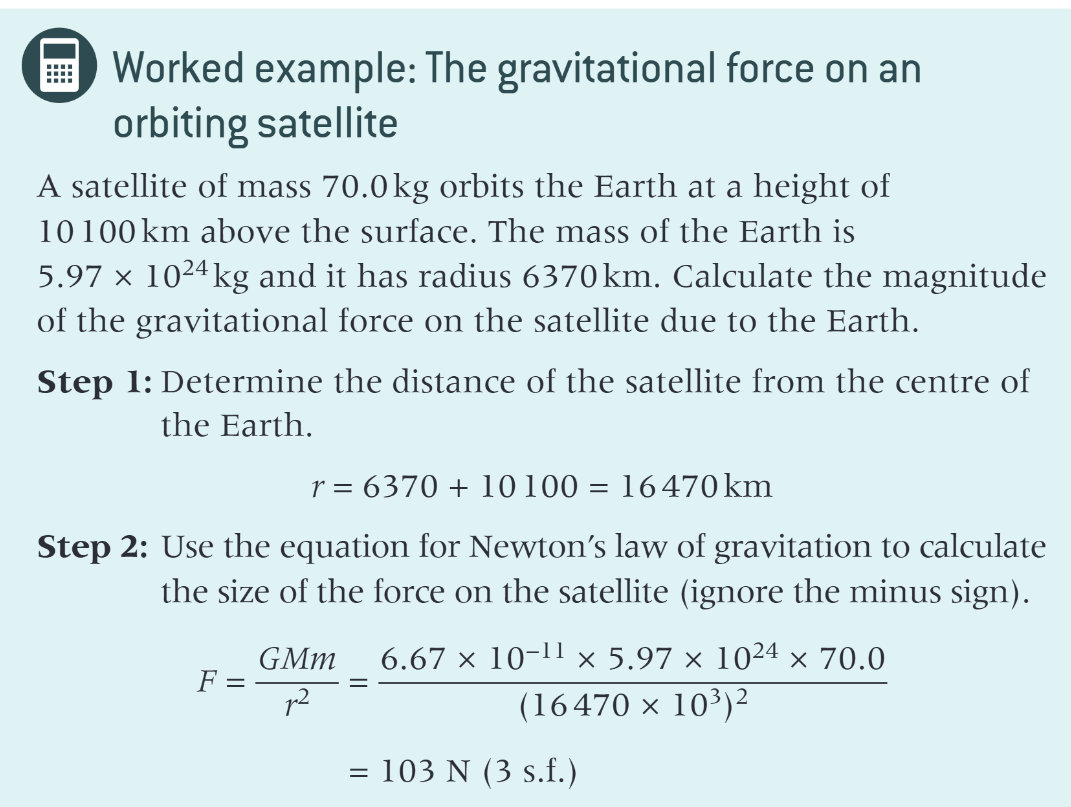
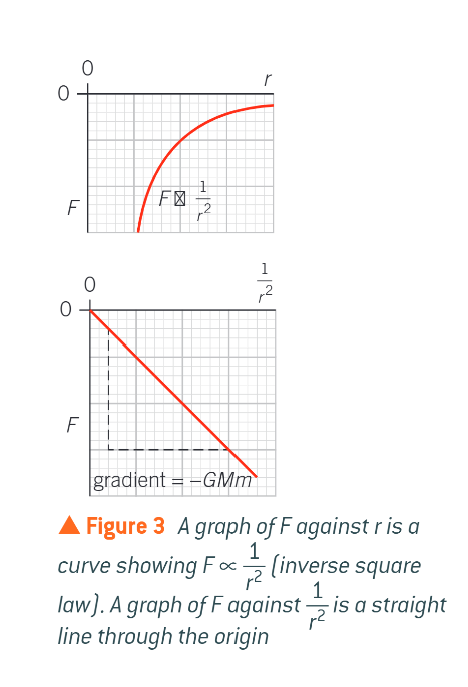
figure 3

figure 4
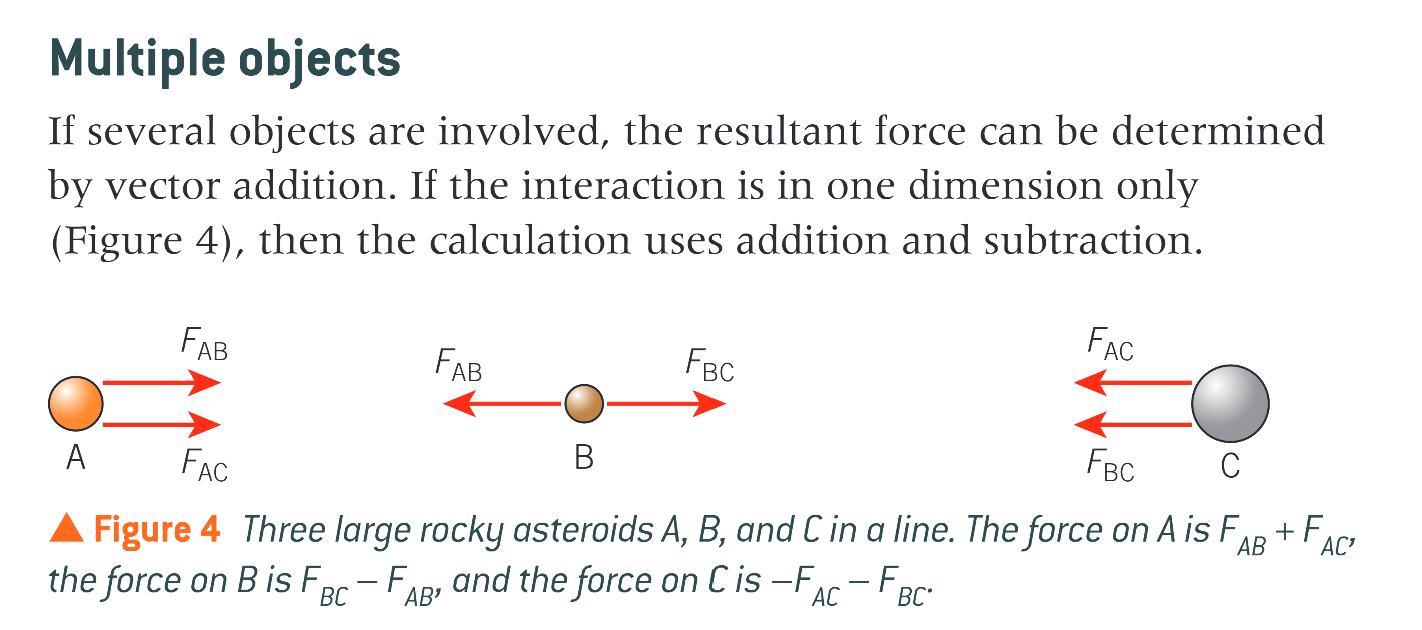
figure 5
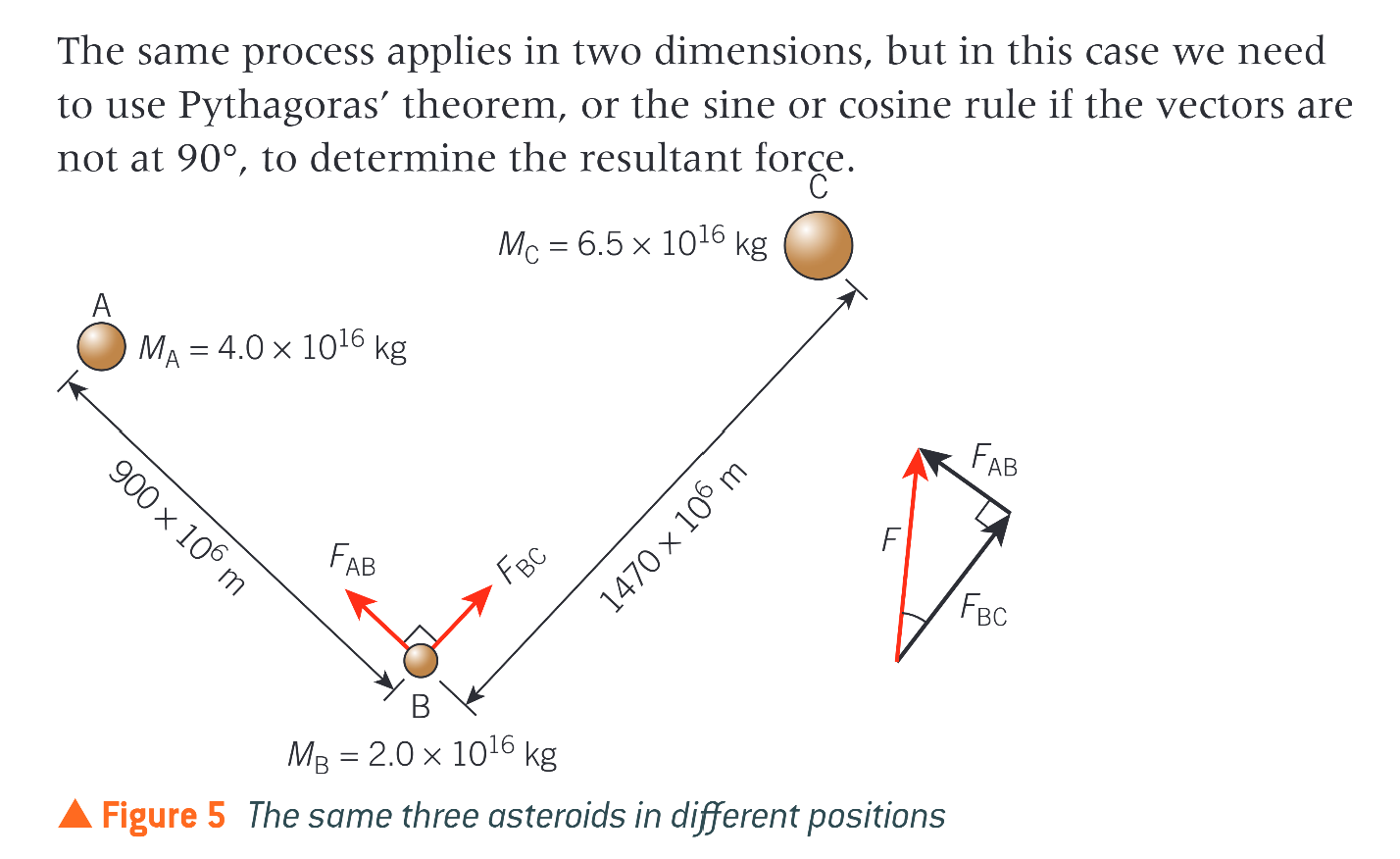
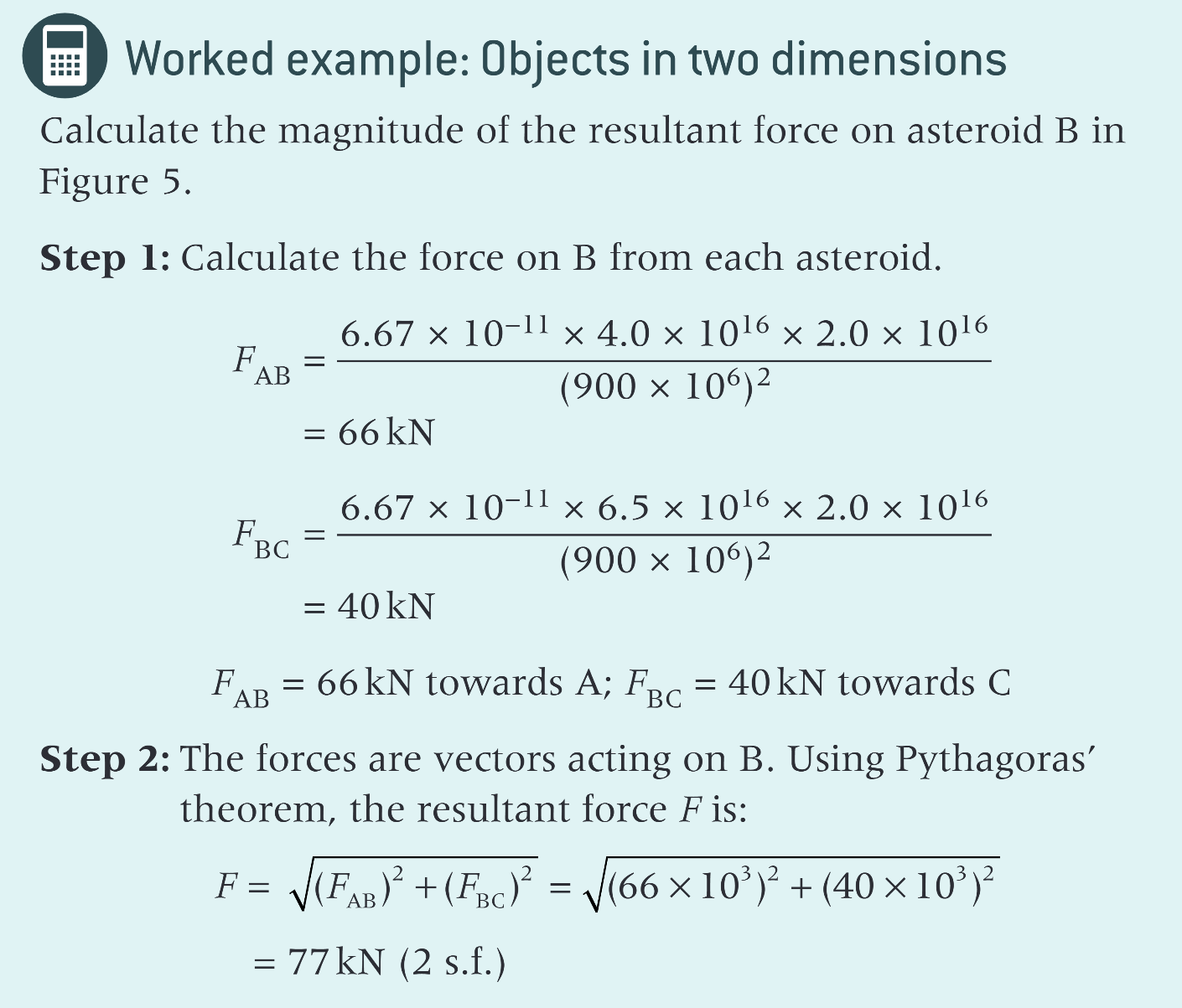
worked example: objects in 2 dimensions
18.3 intro
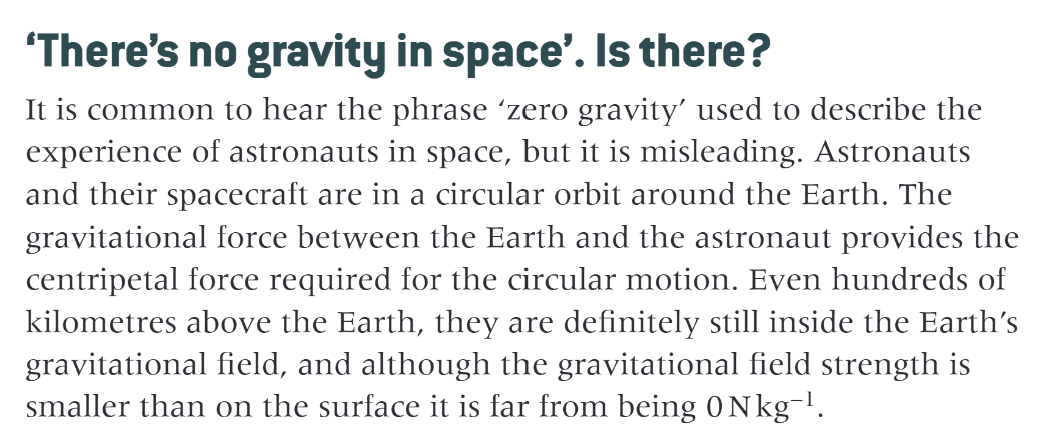
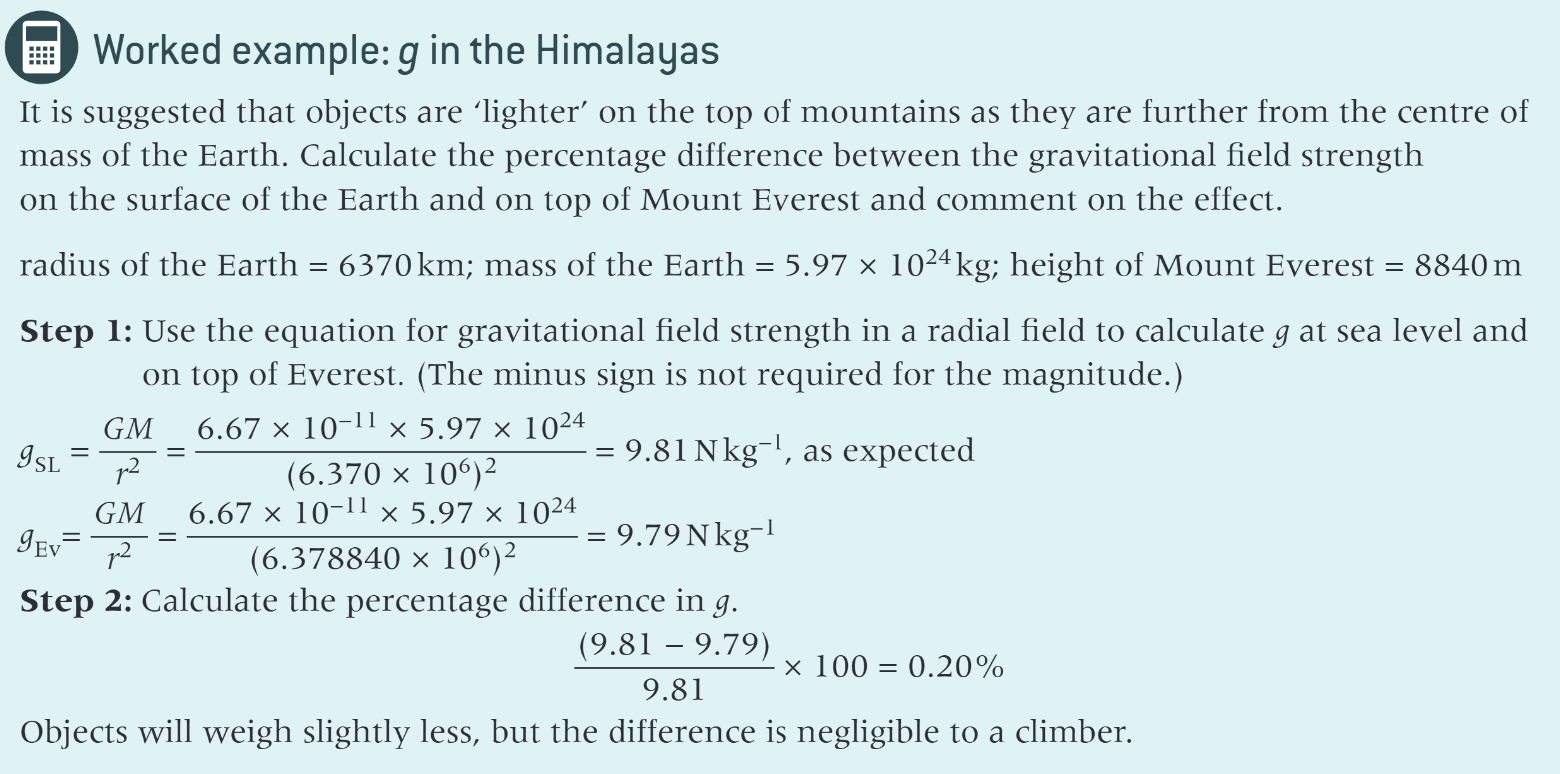
gravitational field strength in a radial field
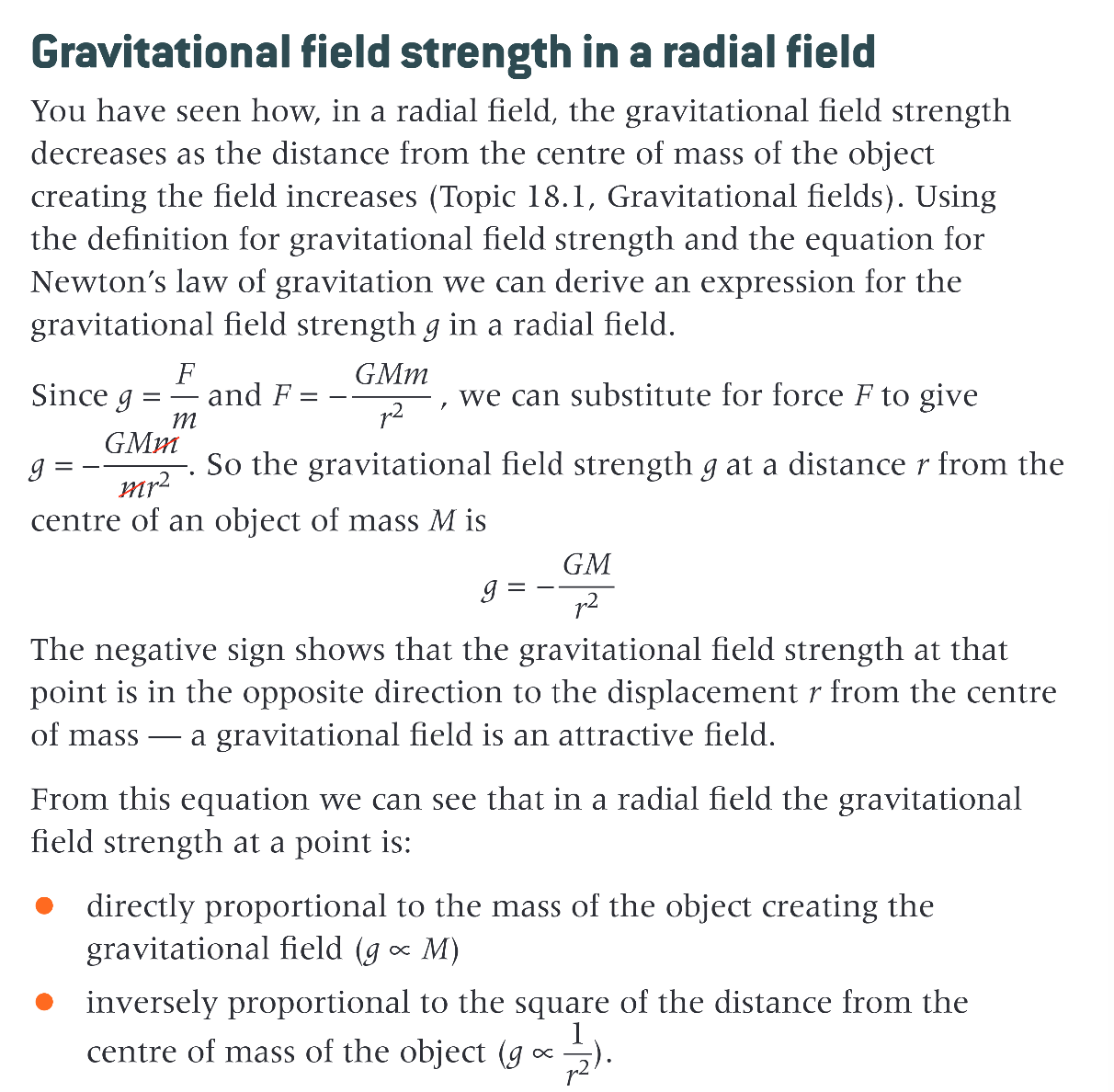
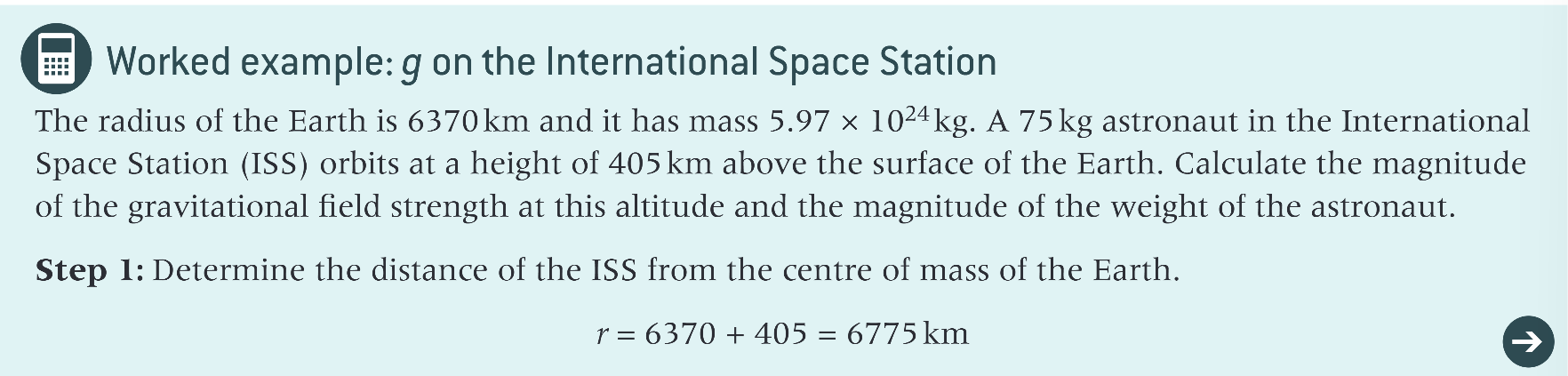
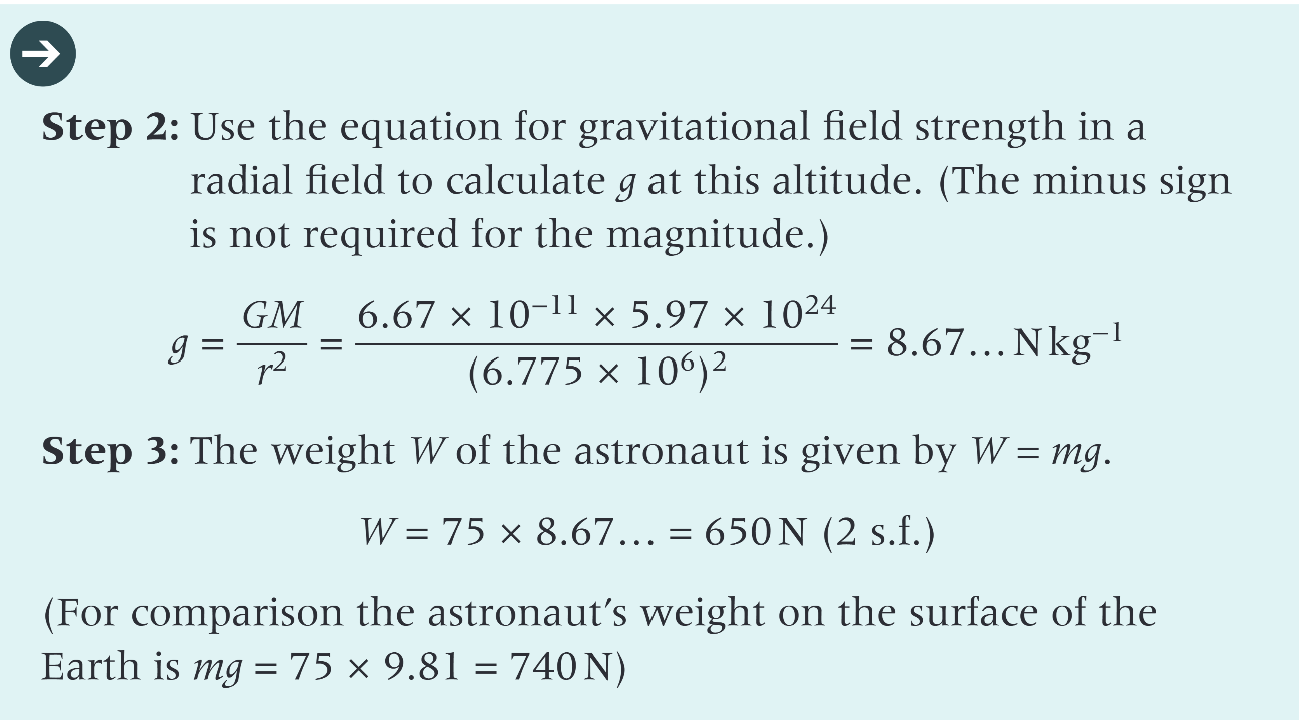
worked example: g on the international space station
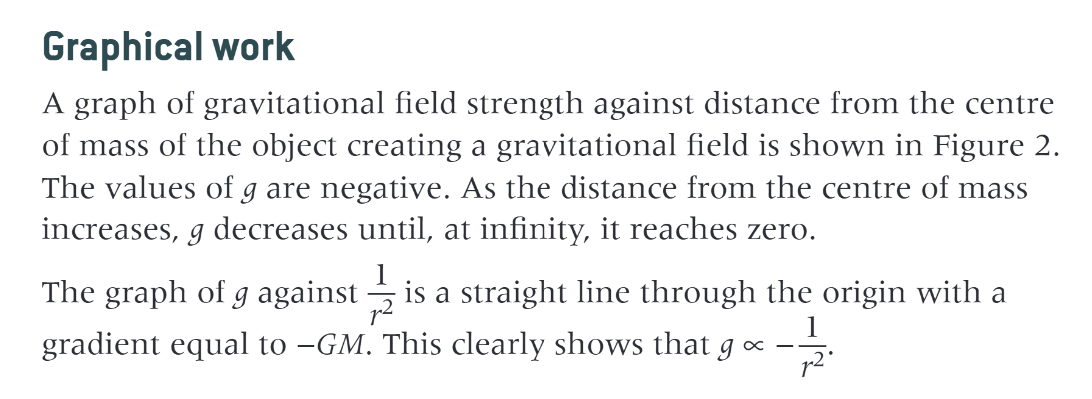
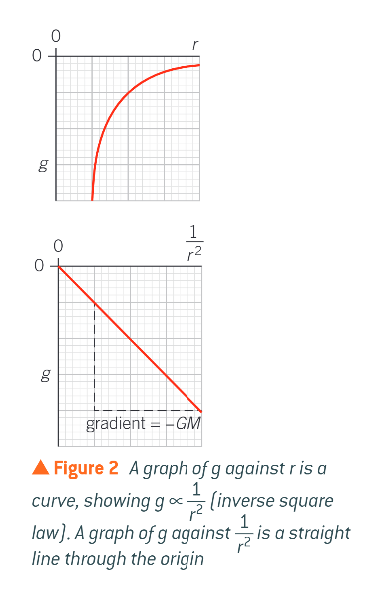
graphical work: grav fields
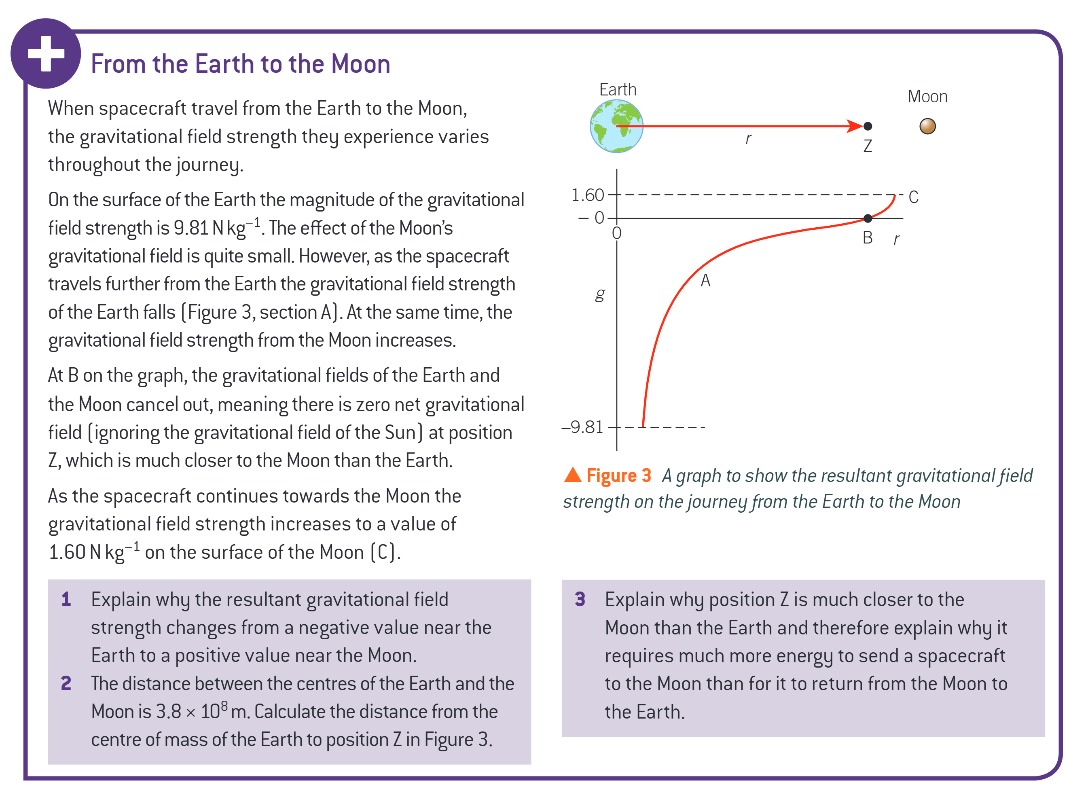
uniform gravitational fields : earth
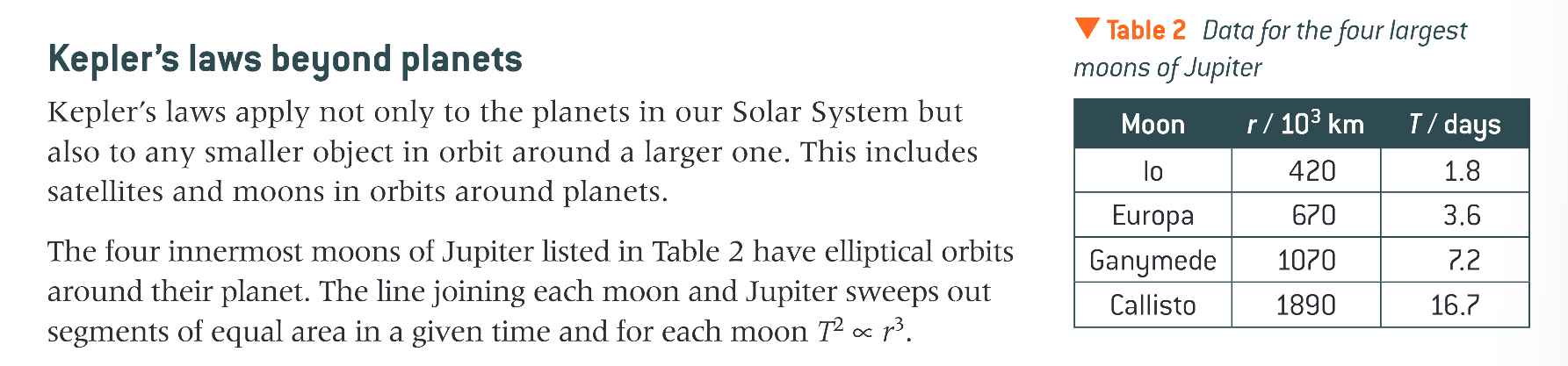
Kepler’s first law:
the orbit of a planet is an ellipse with the sun at one of the 2 foci
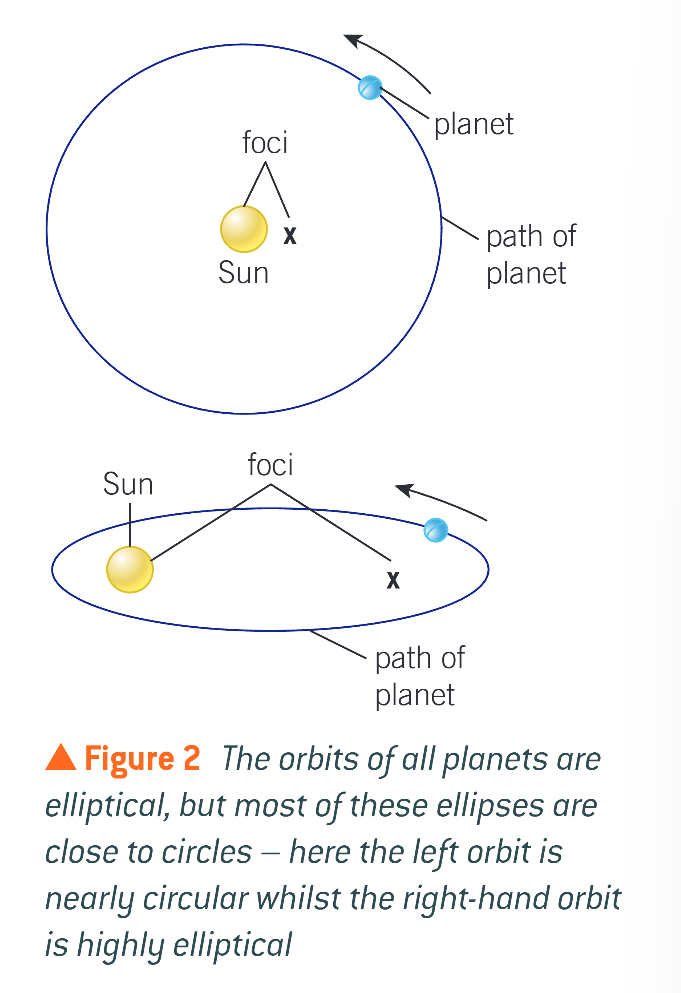
what is an ellipse
a squashed or elongated circle, with 2 foci, the orbits of all the planets are elliptical
in most cases, the orbits have a low eccentricity ( a measure of how elongated the circle is), and so their orbits are modelled as circles. For example, at aphelion ( the furthest point from the sun), the Earth is 152 million km from the sun, but at perihelion ( the closest point to the sun) the distance is 147 million km, a change of just 3%
Kepler’s second law:
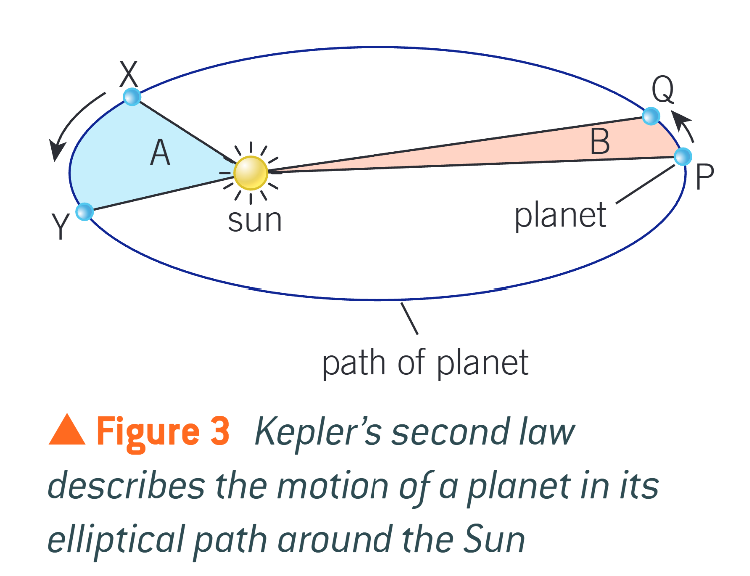
a line segment joining a planet and the sun sweeps out equal areas during equal intervals of time
as planets move on their elliptical orbit around the sun, their speed is not constant, why is this?
when a planet is closer to the sun, it moves faster
in figure 3, between X and Y the planet moves faster than between P and Q ( eg 1 month ) the areas A and B must be the same
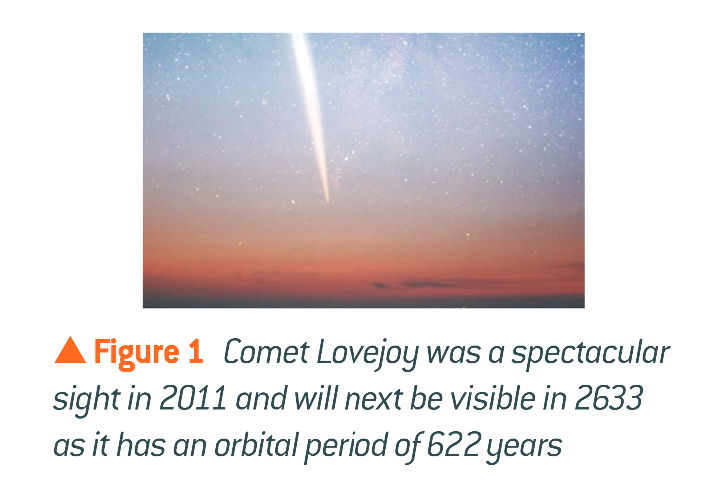
this helps explain why we rarely see great comets
their orbits are highly elliptical, and when they get close to the sun, where can we see them, they move fast and so spend so much less time on this part of their orbit than far away from the sun
comets spend most of their time too far from the sun to be visible
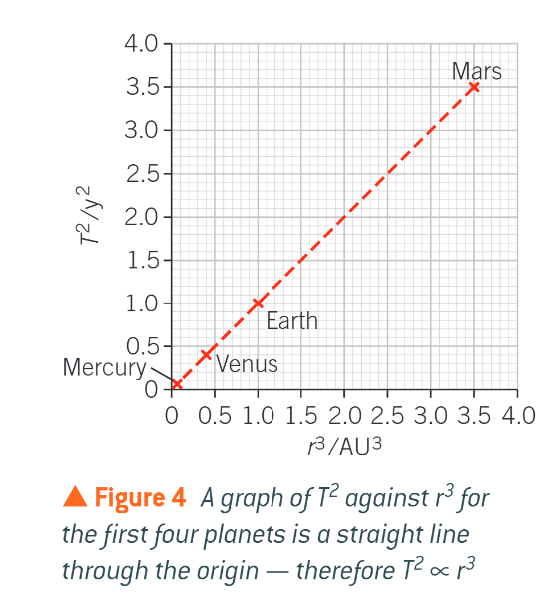
Kepler’s 3rd law
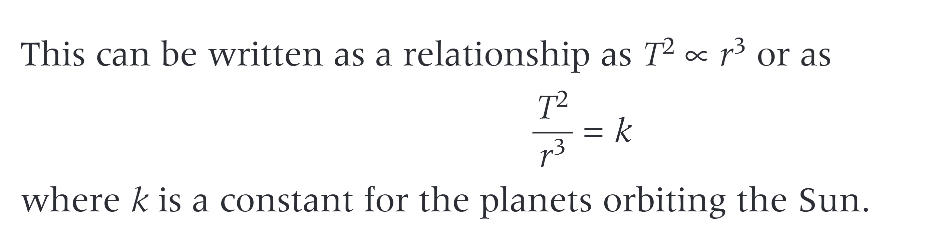
the square of the orbital period T of a planet is directly proportional to the cube of its average distance r from the sun
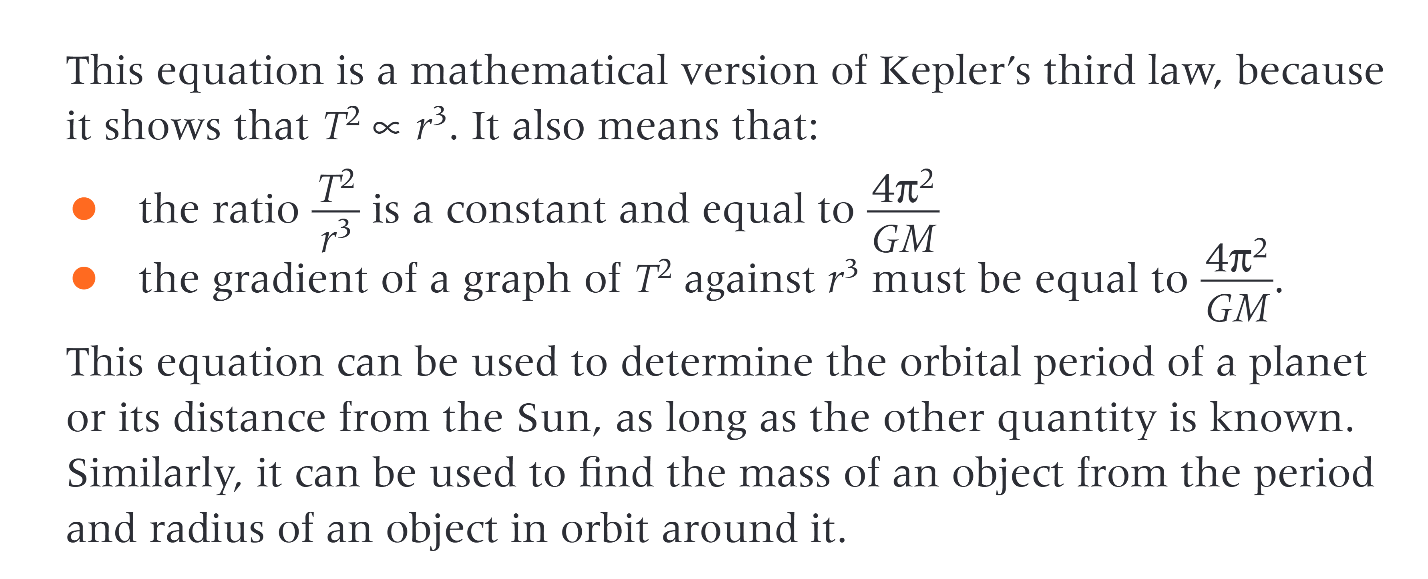
Kepler’s 3rd law relationship
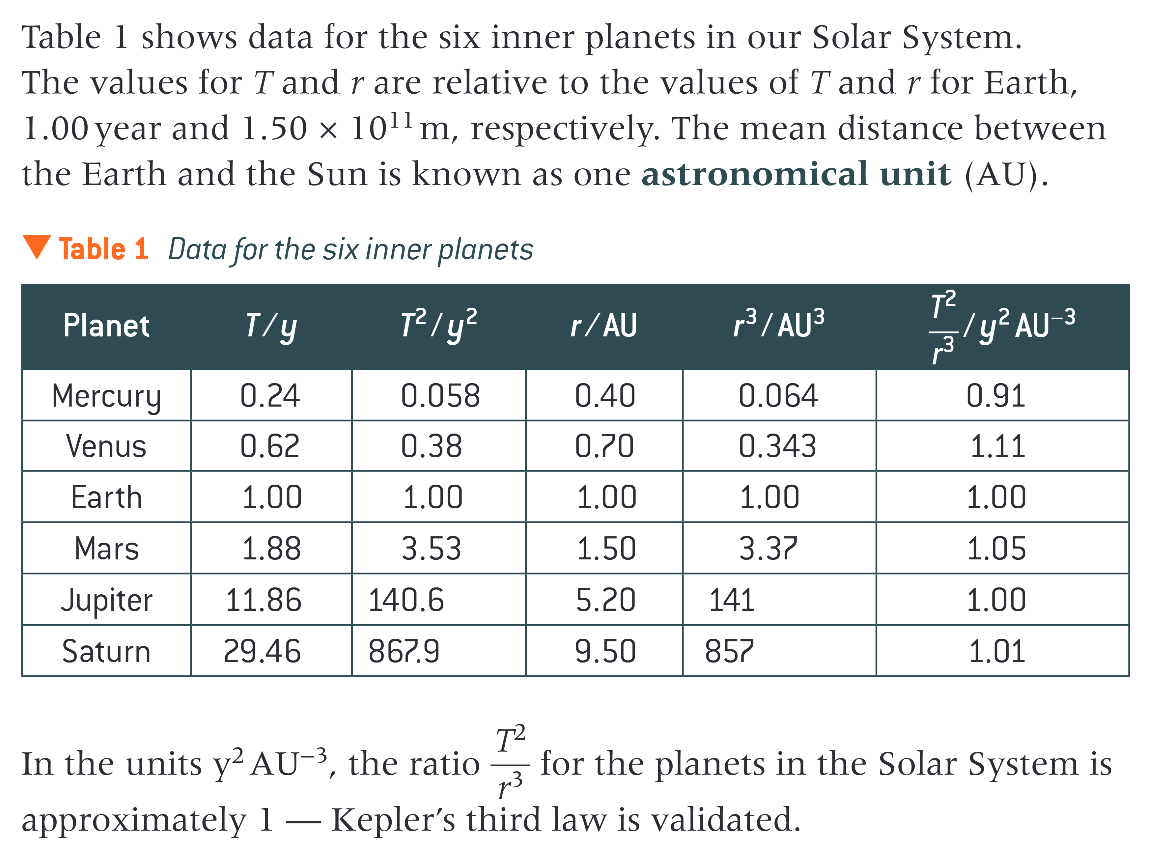
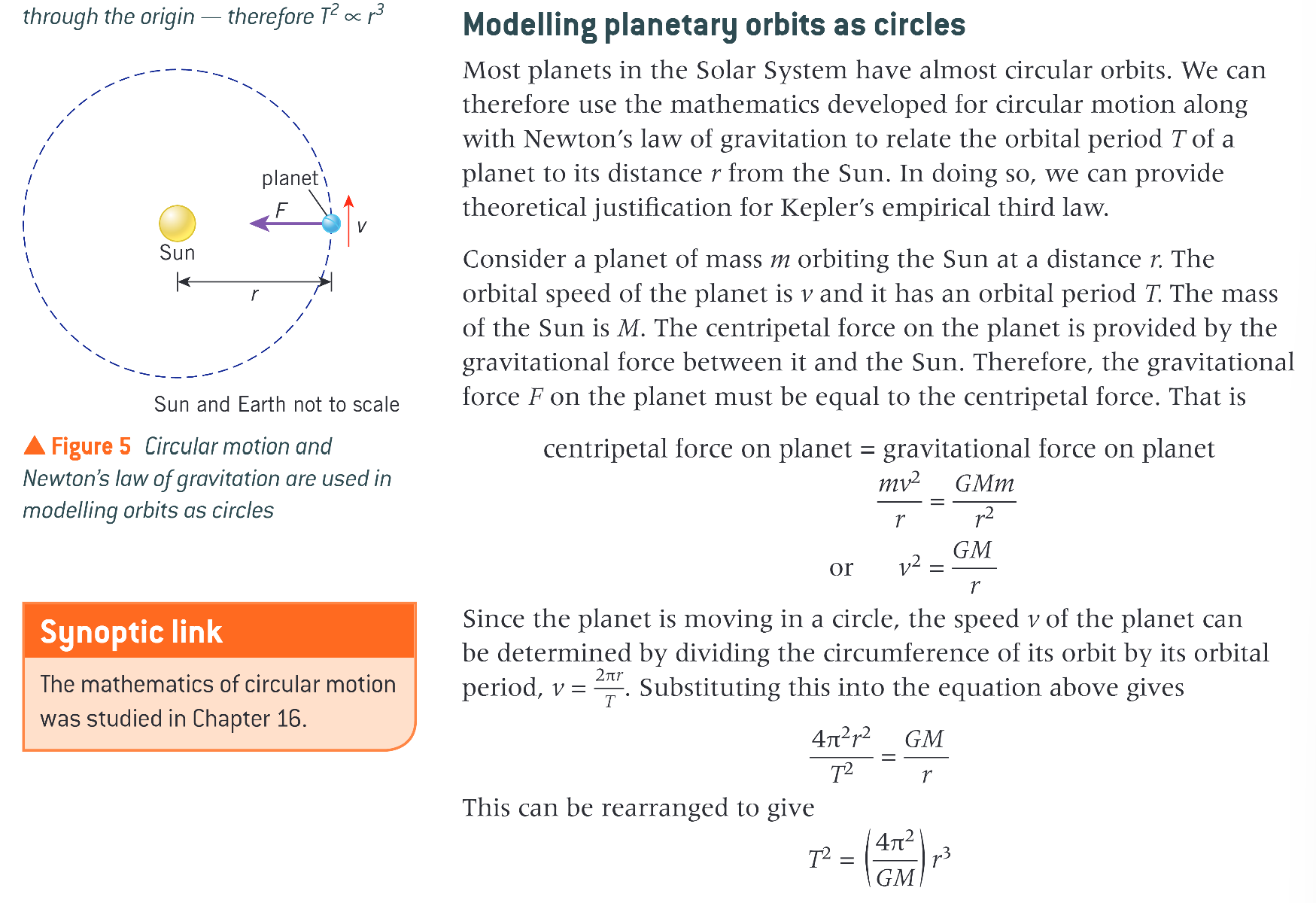
Modelling planetary orbits as circles
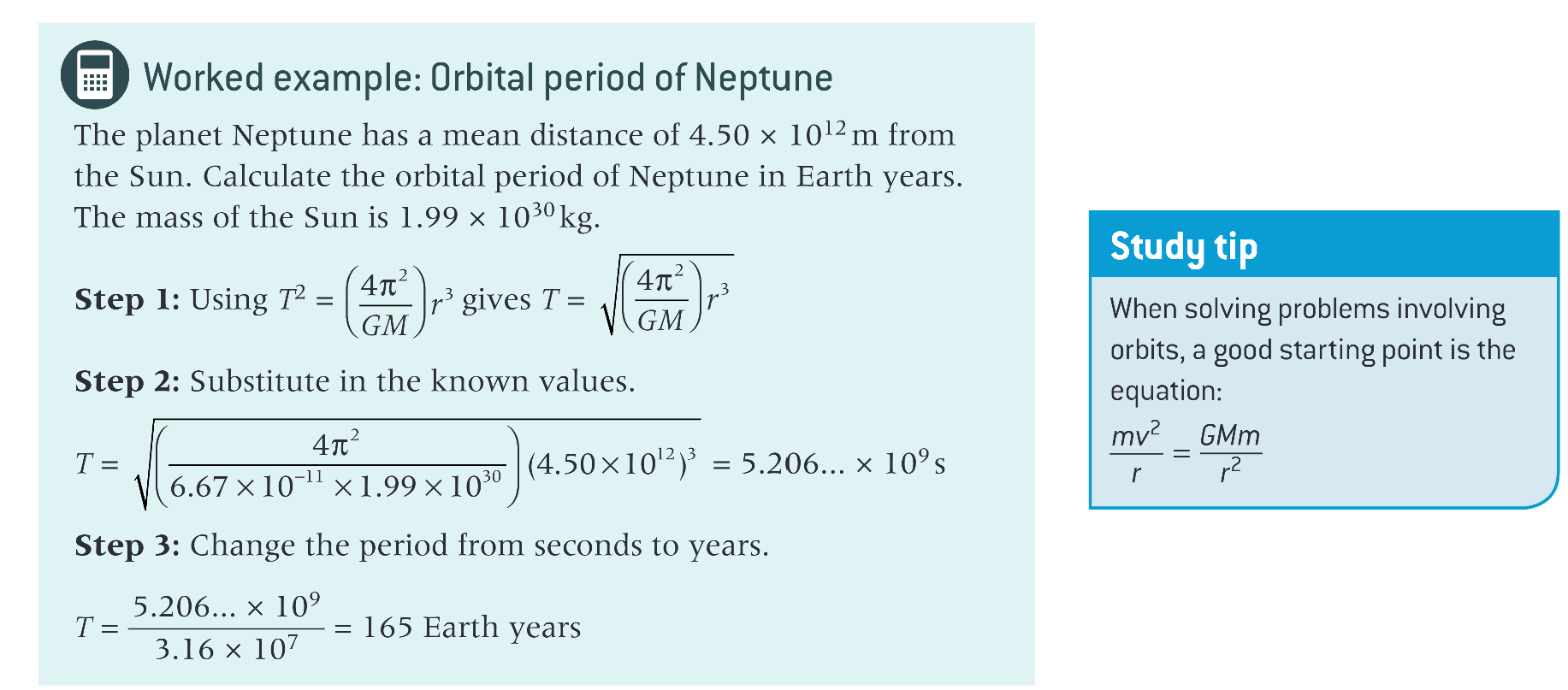
workex example: Orbital period of Neptune
18.6 intro
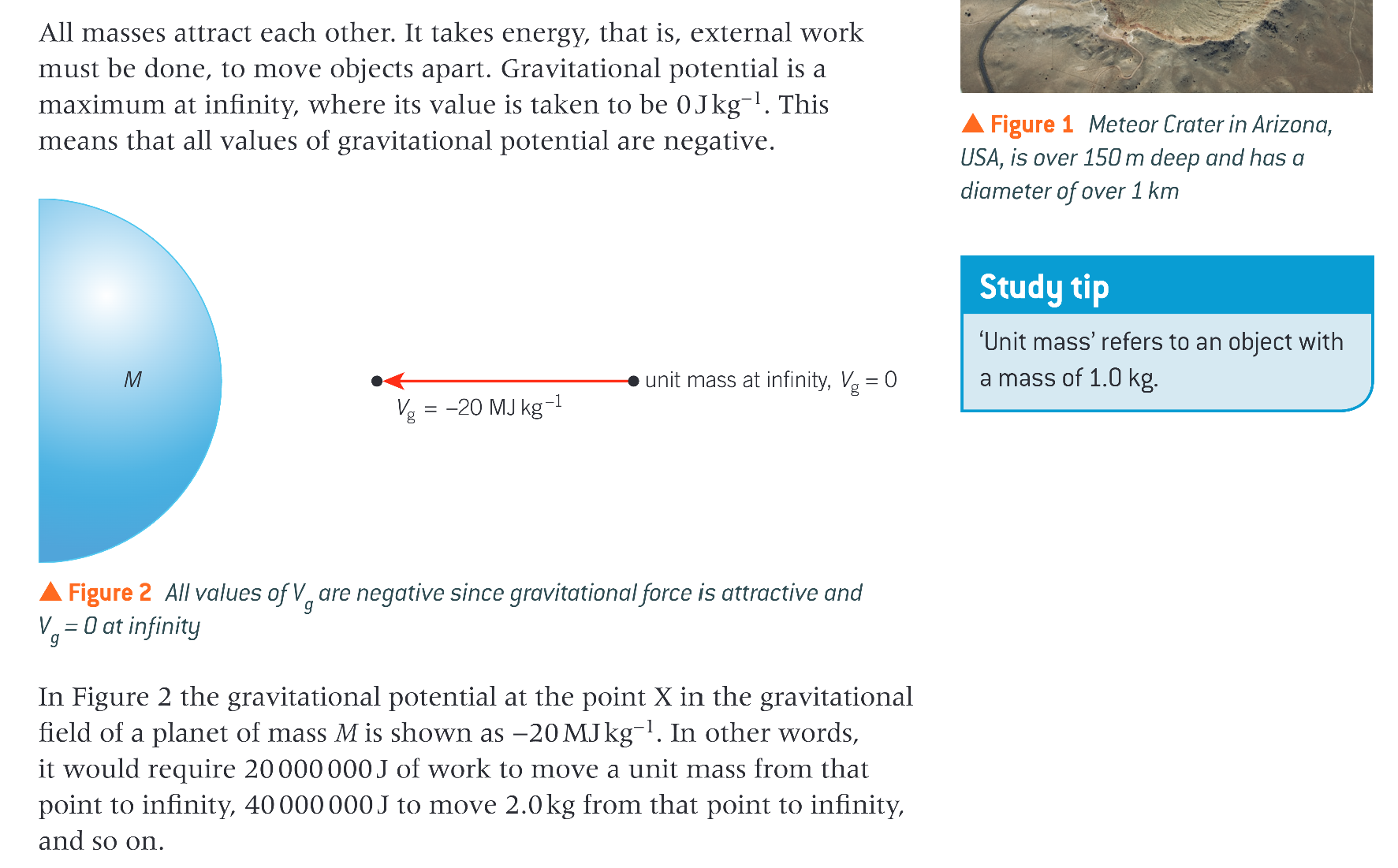
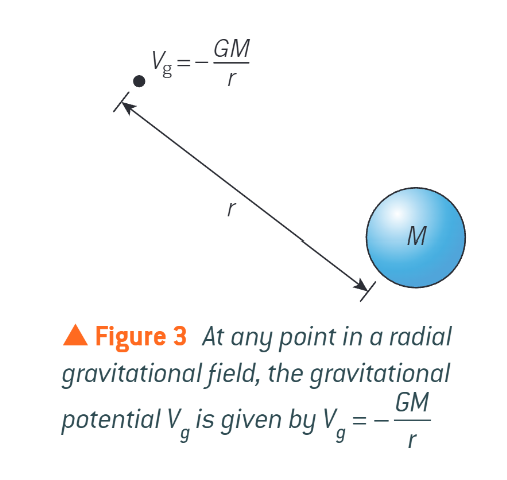
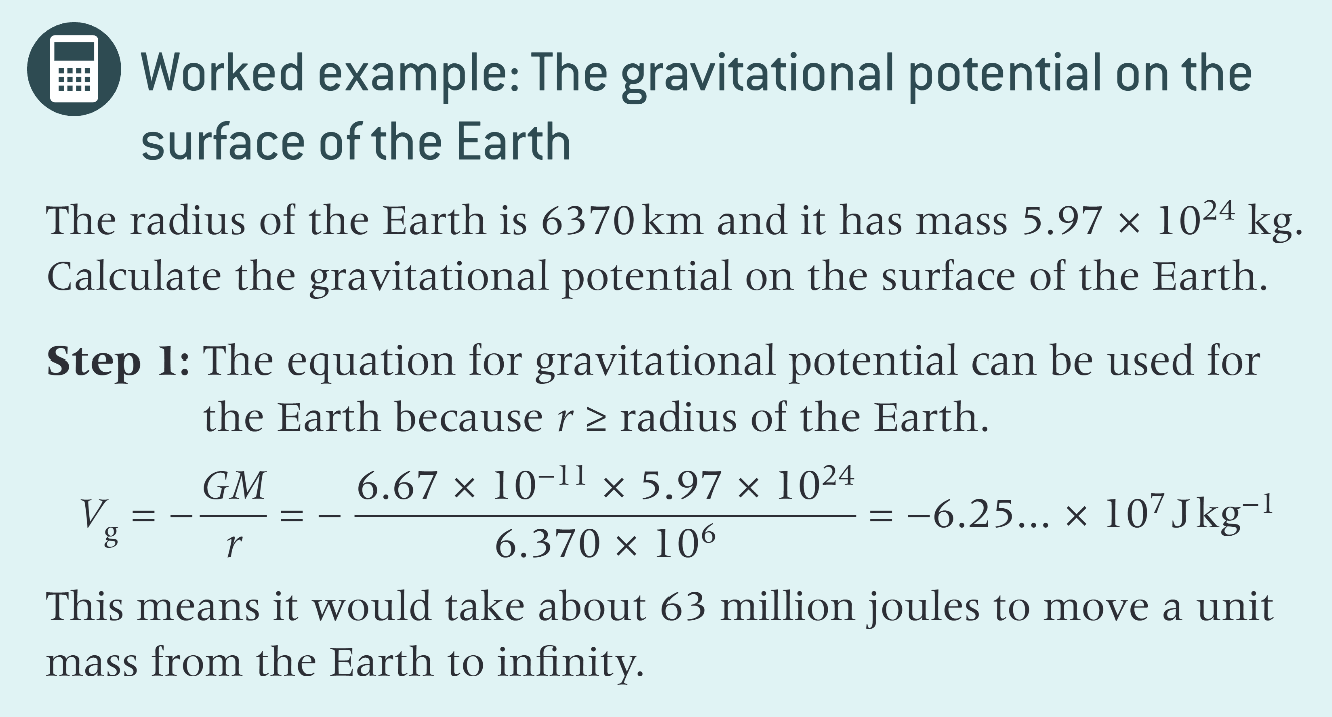
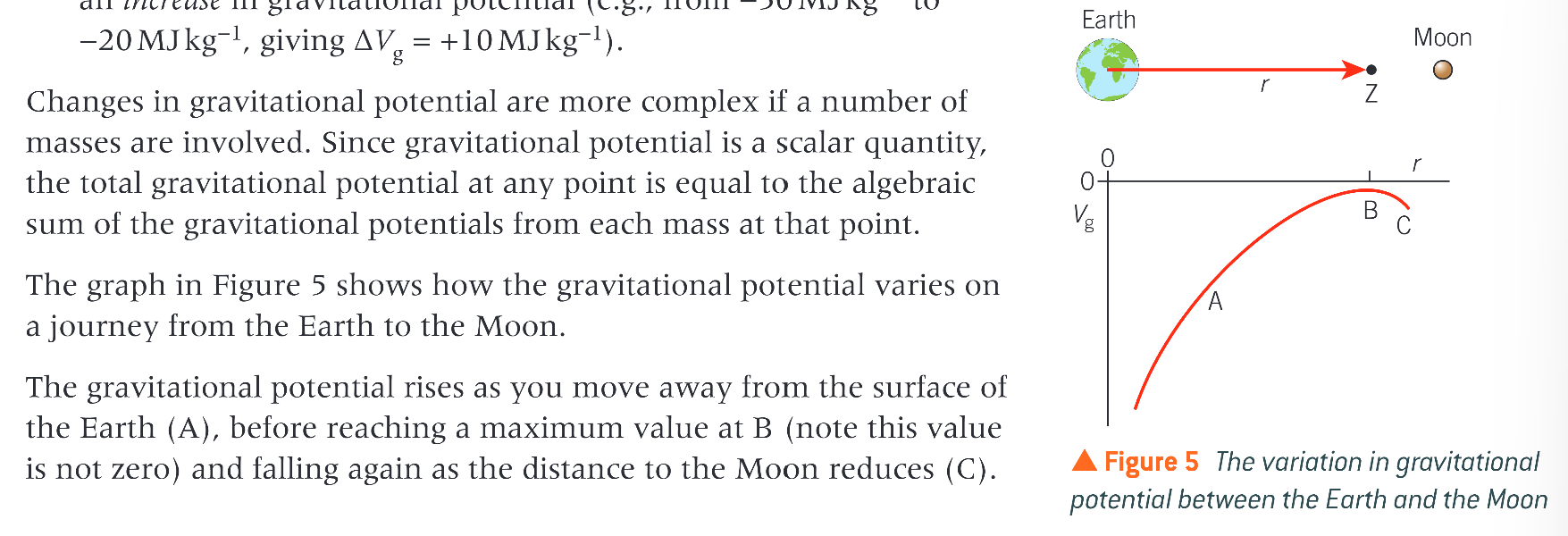
what is the gravitational potential Vg
the gravitational potential Vg at a point in a gravitational field is defined as the work done per unit mass to move an object to that point from infinity
unit of Vg
J kg-1
what does infinity refer to in gravitational fields
a distance so far from the object producing the gravitational field that the gravitional field strength is 0.
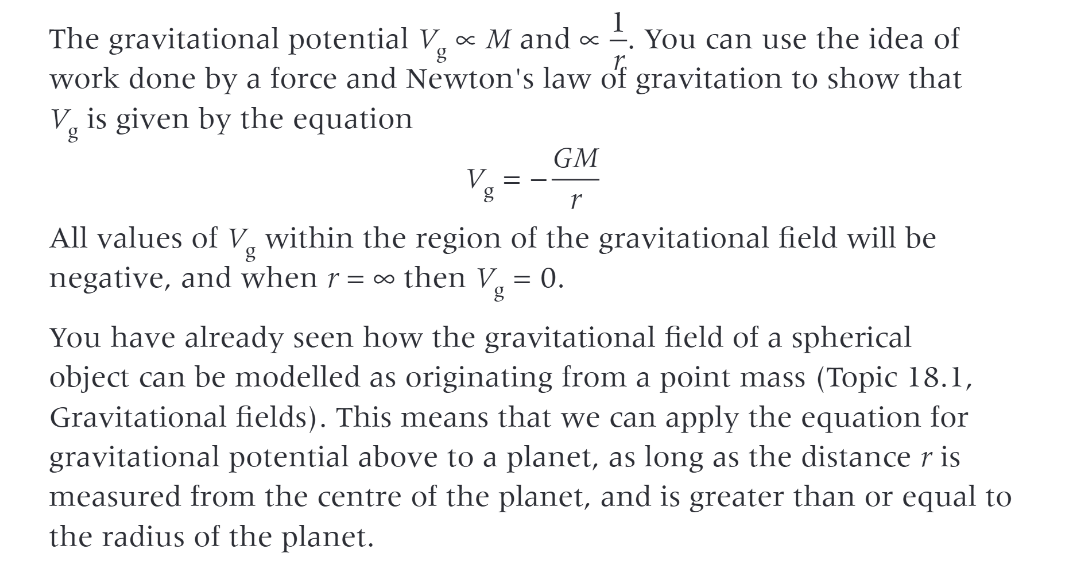
what are the 2 factors that gravitational potential at any point in a radial field depends on
the distance r from the point mass producing the gravitational field to that point
the mass M of the point mass
what happens when you move from one point in a gravitational field to another
this results in ( triangle Vg )
what happens to the gravitational potential when you move towards a point mass
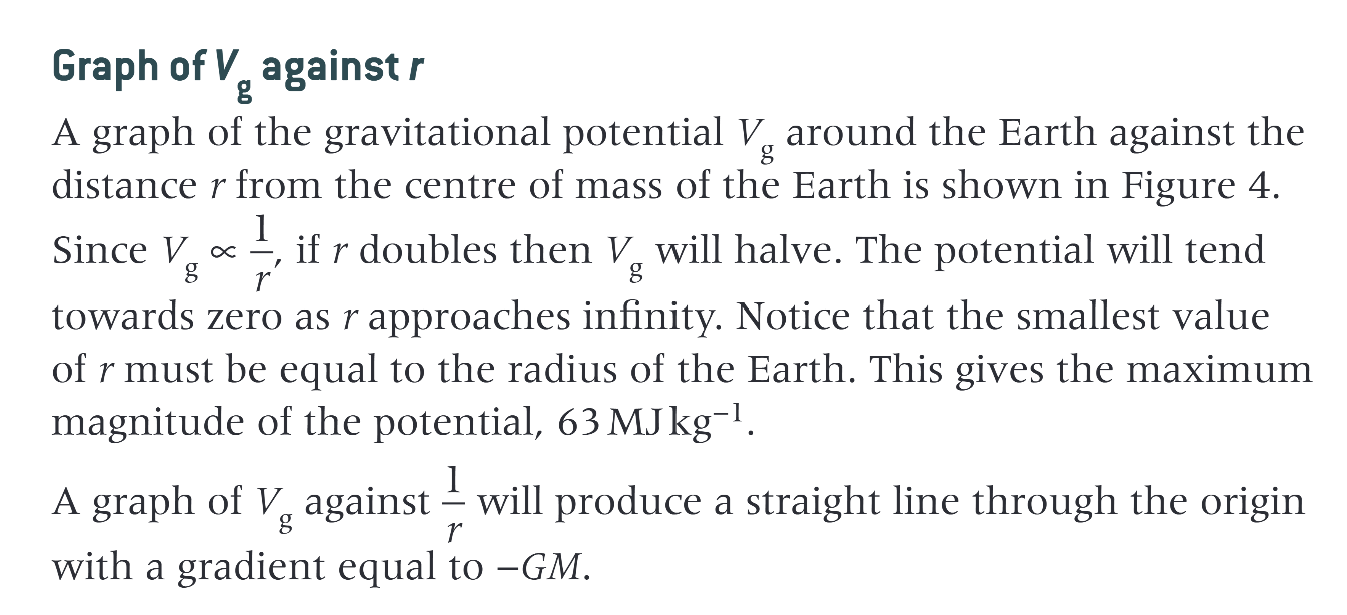
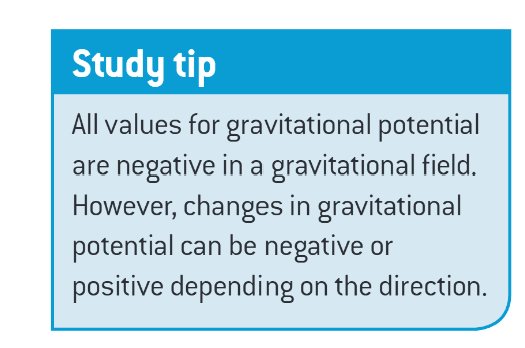
grav potential decreases

what happens to the gravitational potential when you move away from a point mass
grav potential increases
18.7 Gravitational potential energy
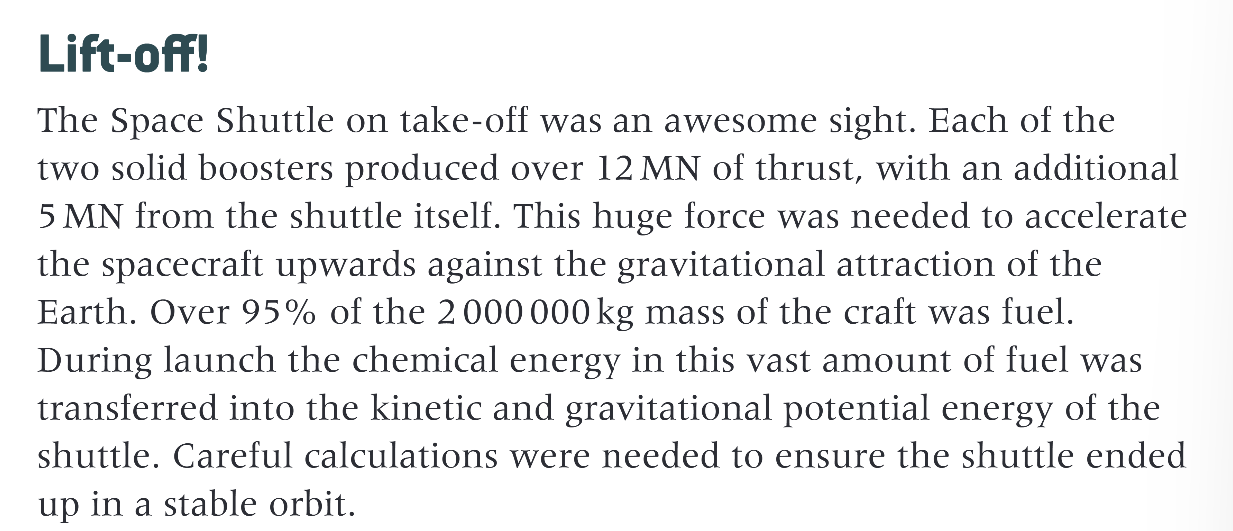
what is the gravitational potential energy E of any object with mass m within a gravitational field
defined as the work done to move the mass from infinity to a point in a grav field. Therefore E=mVg.
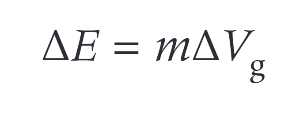
We often need to determine changes in grav potential energy. For an object of constant mass, the equation becomes
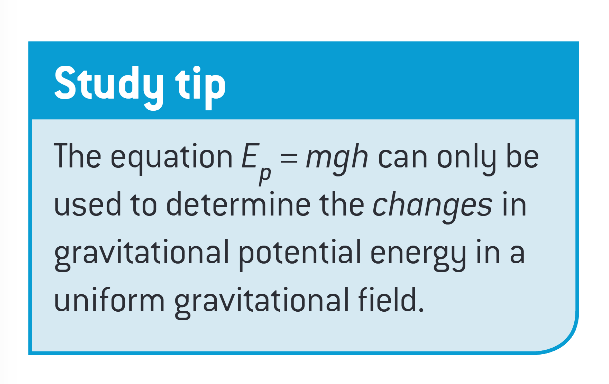
Gravitational potential energy in a uniform gravitational field: In a uniform gravitational field, such as one close to the surface of a planet, in order to change the gravitational potential energy of an object, what must happen and this results in?…
its height above the surface must be changed
this results in a change in grav potential, and so a change in grav potential energy
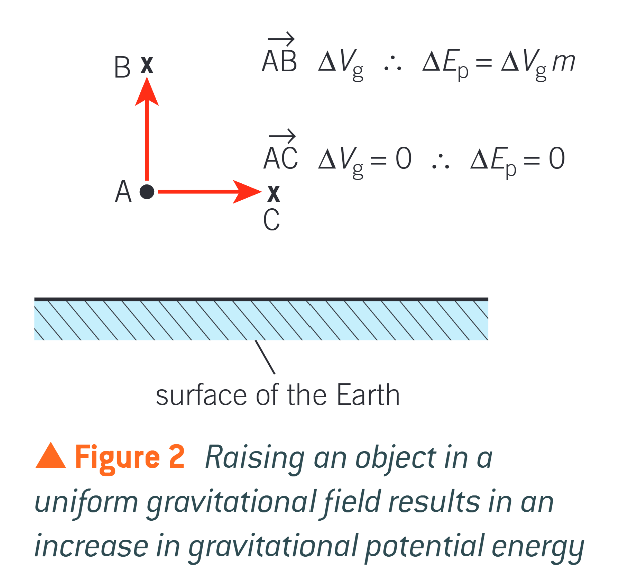
what is happening with grav potential, and grav potential energy from a to b, a to c, and b to a
A to B: increase in grav potential, so any object moving this way would gain grav potential energy
A to C: no change in grav potential, so no change in grav potential energy
B to A: decrease in both grav potential and grav potential energy
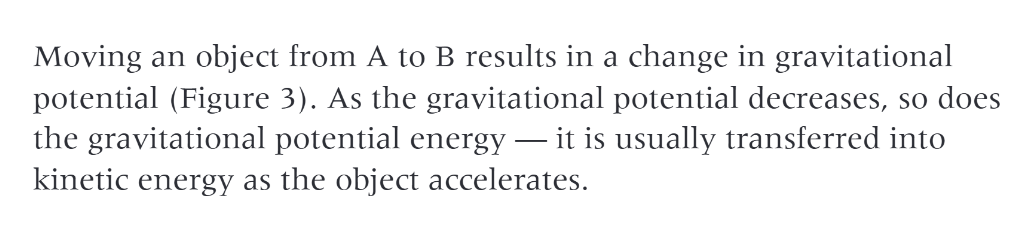
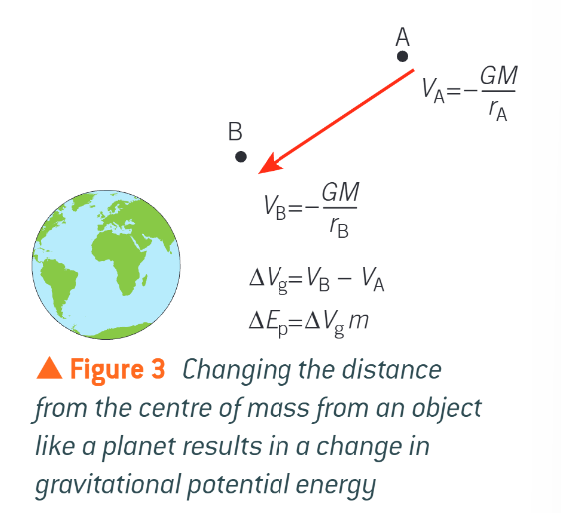
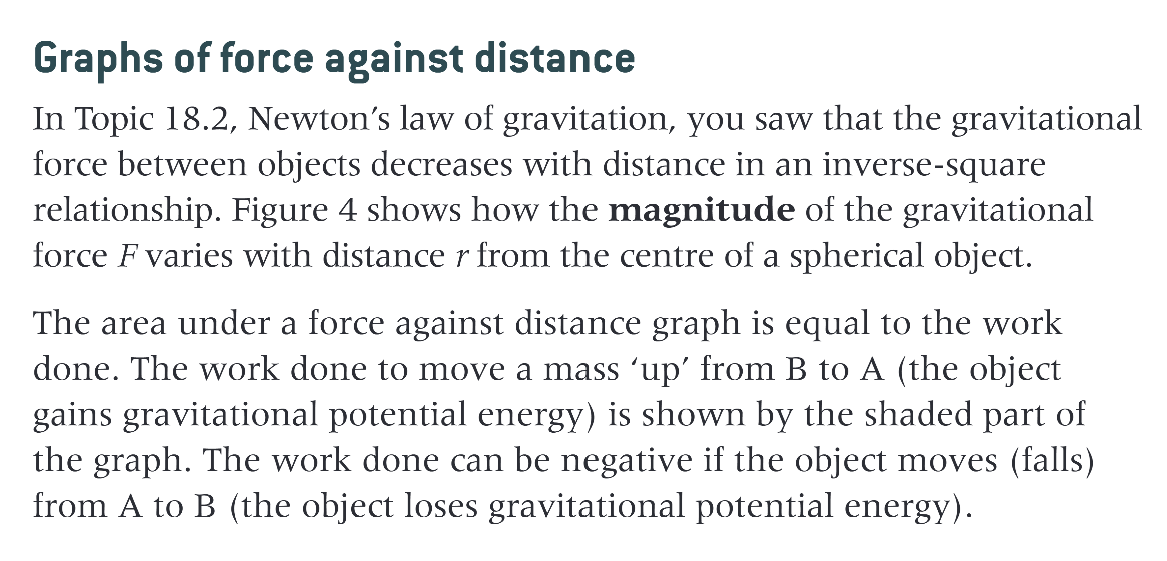
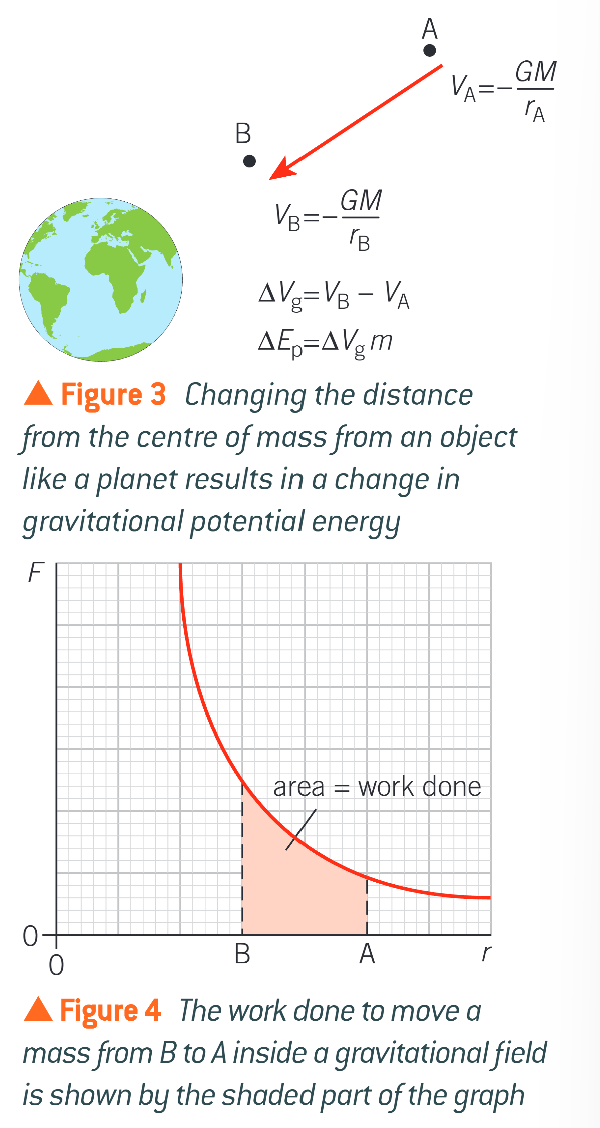
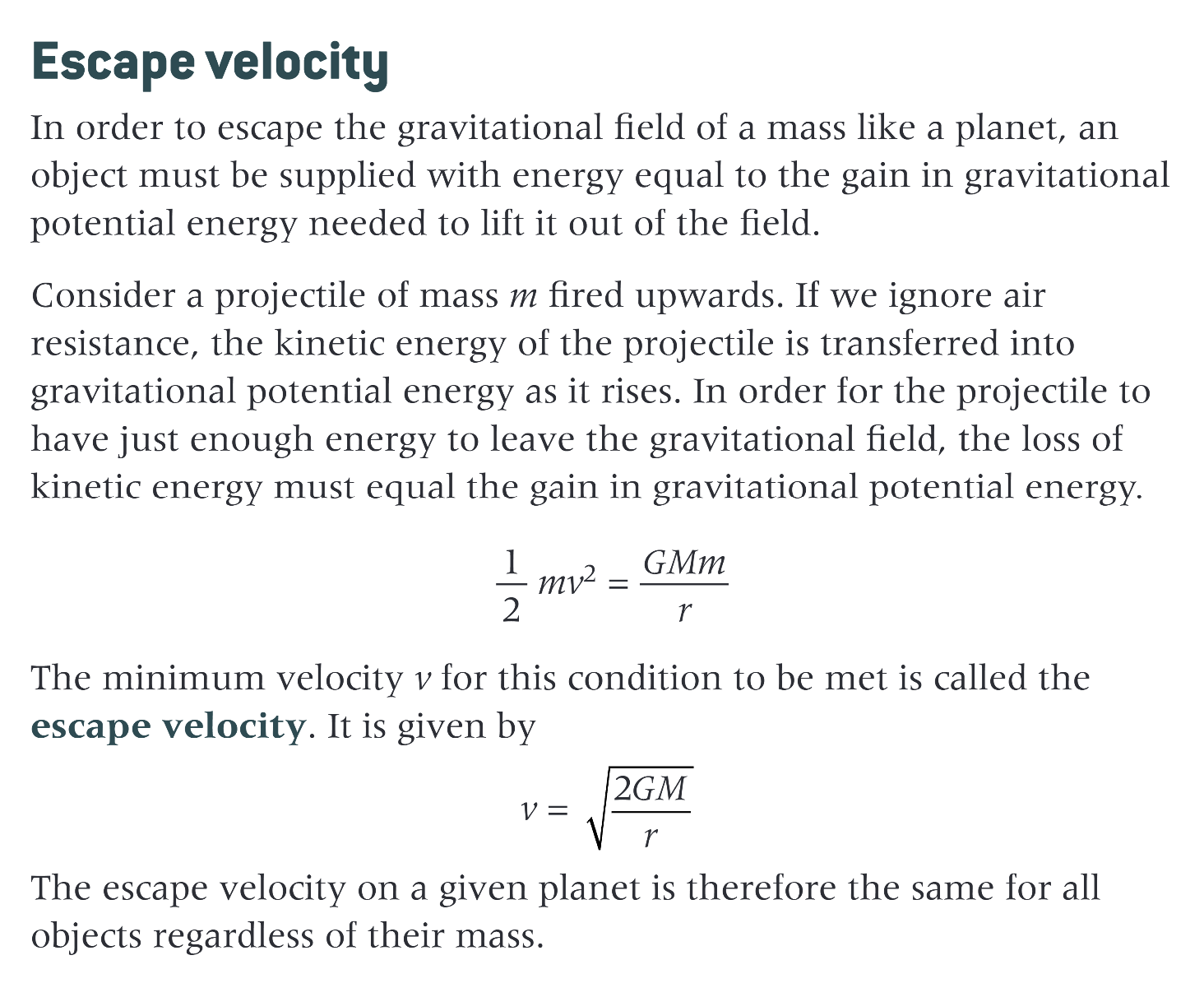
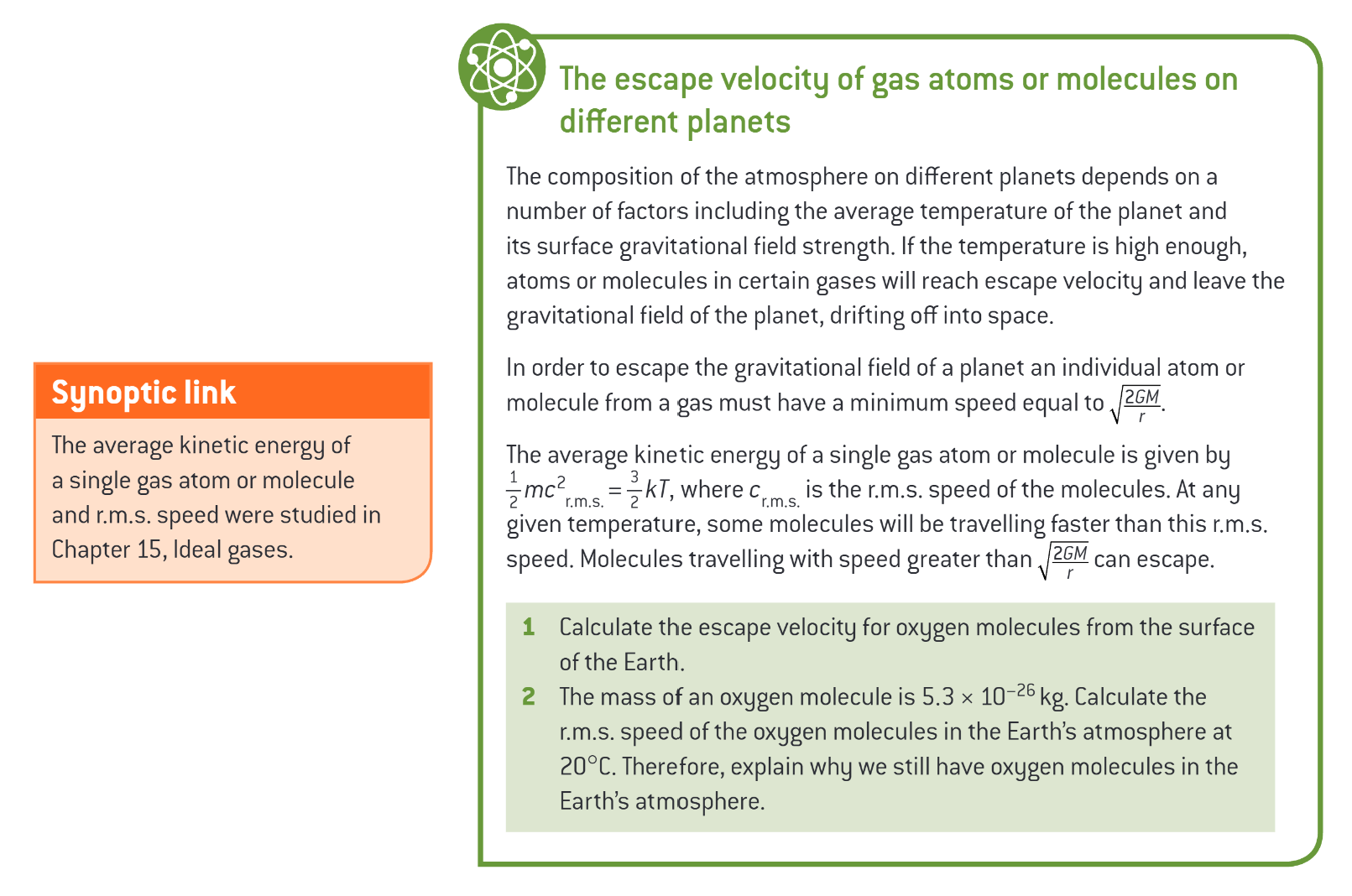
in order for an object to escape the grav field of a mass like a planet, what must an object be supplied with
energy equal to the gain in grav potential energy needed to lift it out of the field
 Note
Note  Flashcards (20)