Smuggling the Renaissance
 Studied by 0 people
 Call Kai
 Learn
Learn Practice Test
 Spaced Repetition
 Match
Match Flashcards
 Knowt Play
1/57

There's no tags or description
Looks like no tags are added yet.
Name | Mastery | Learn | Test | Matching | Spaced | Call with Kai |
|---|
No analytics yet
Send a link to your students to track their progress
58 Terms
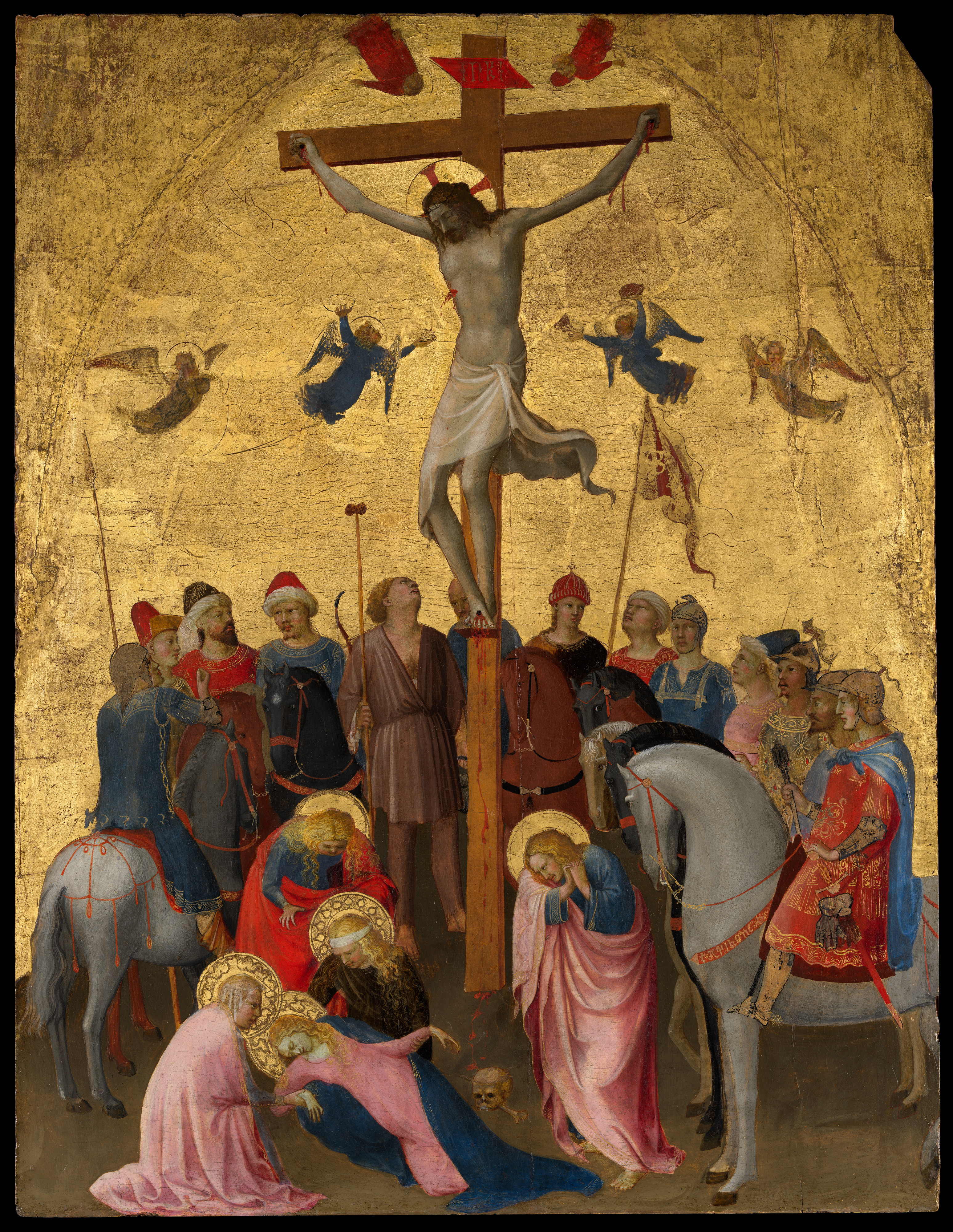
Fra Angelico, The Crucifixion, c. 1420-23
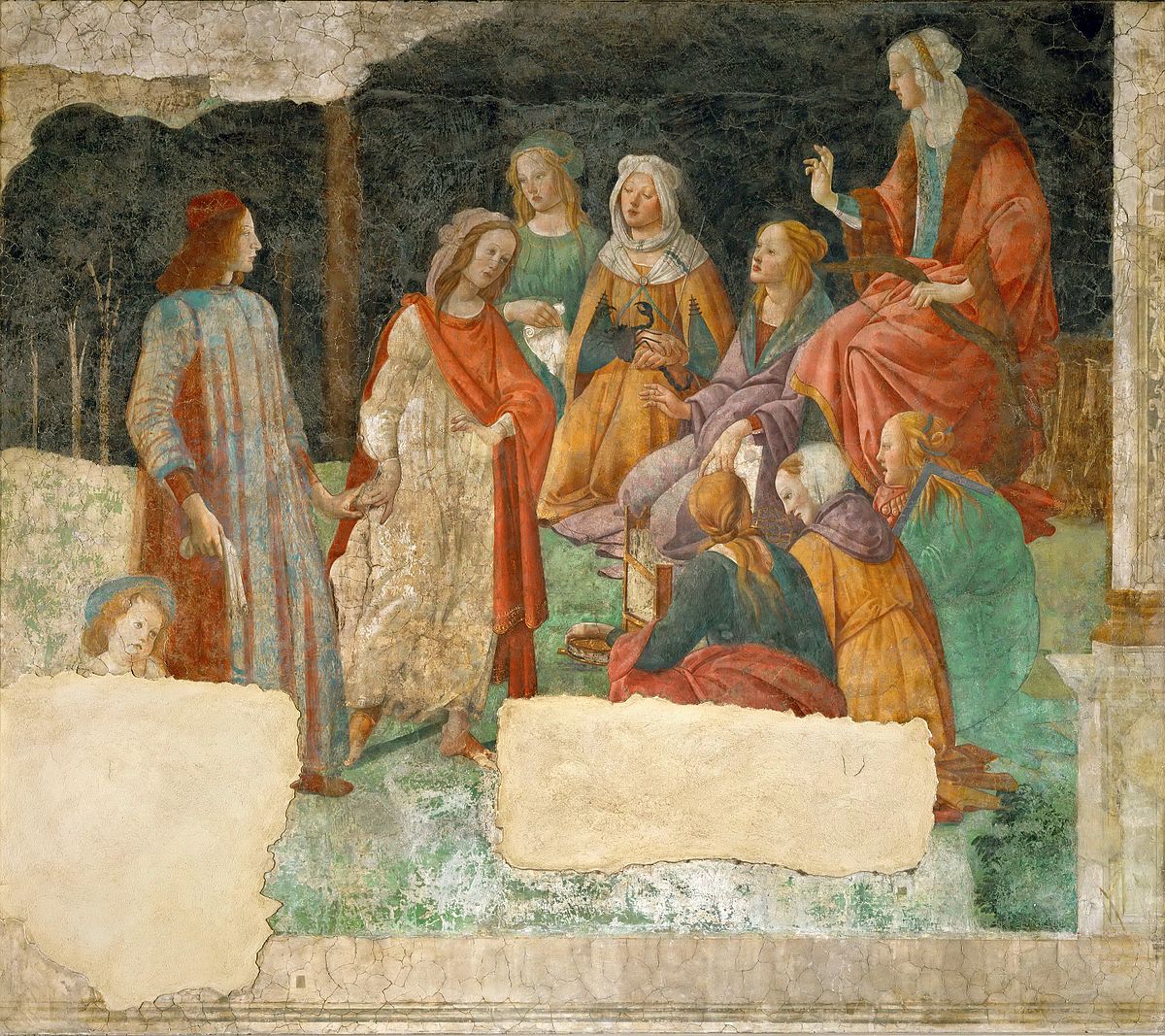
Sandro Botticelli, A young man being introduced to the Seven Liberal Arts, c. 1486
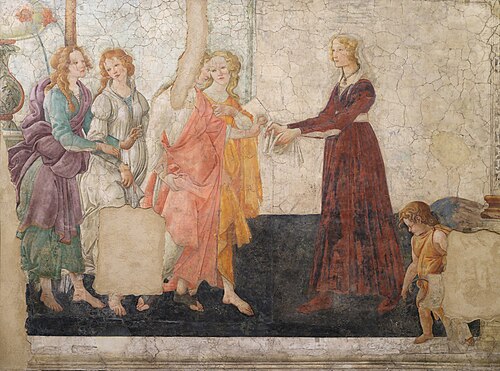
Sandro Botticelli, Venus and Three Graces Presenting Gifts to a Young Woman, c. 1486
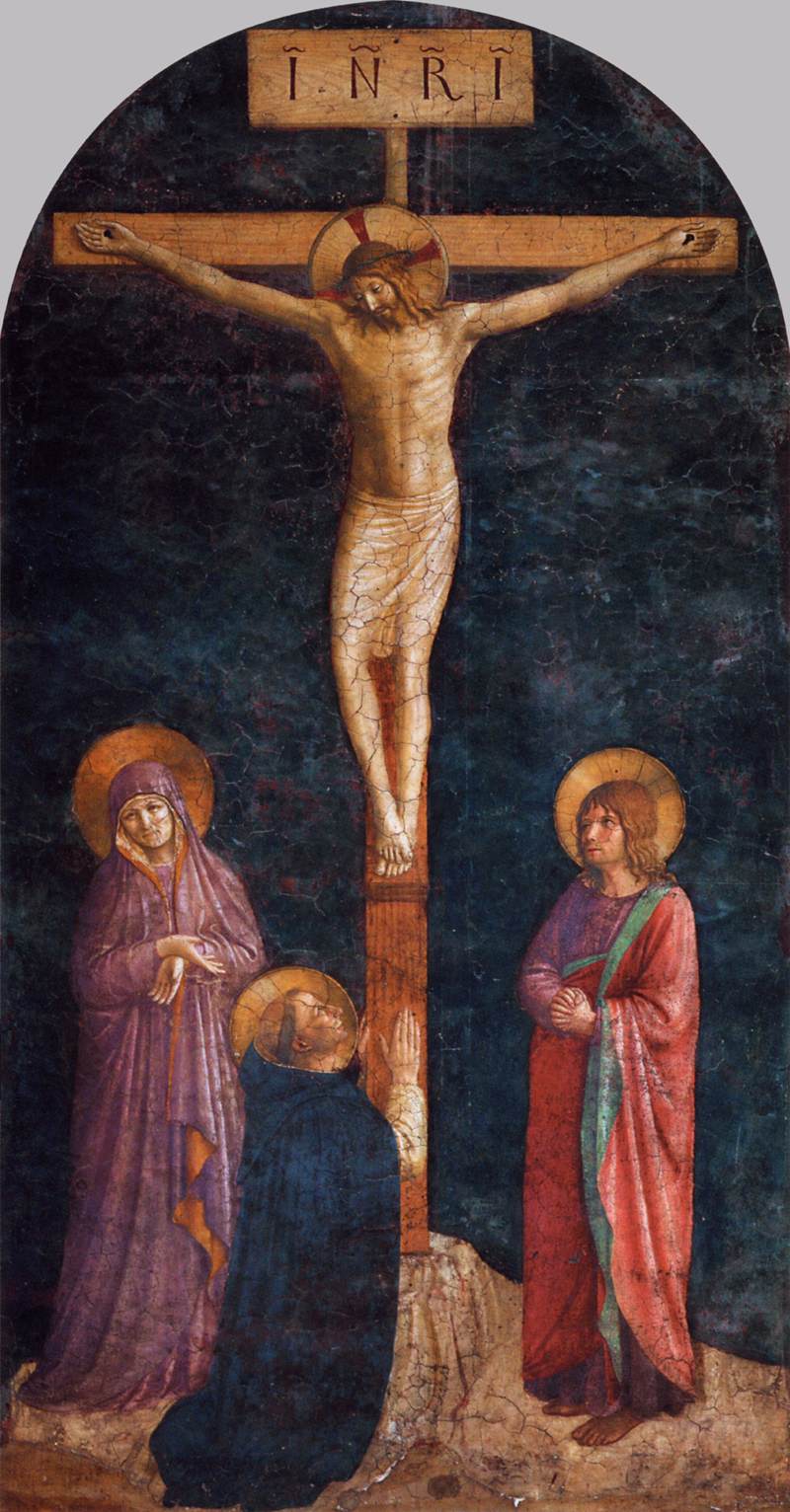
Fra Angelico, Crucifixion with St Dominic,
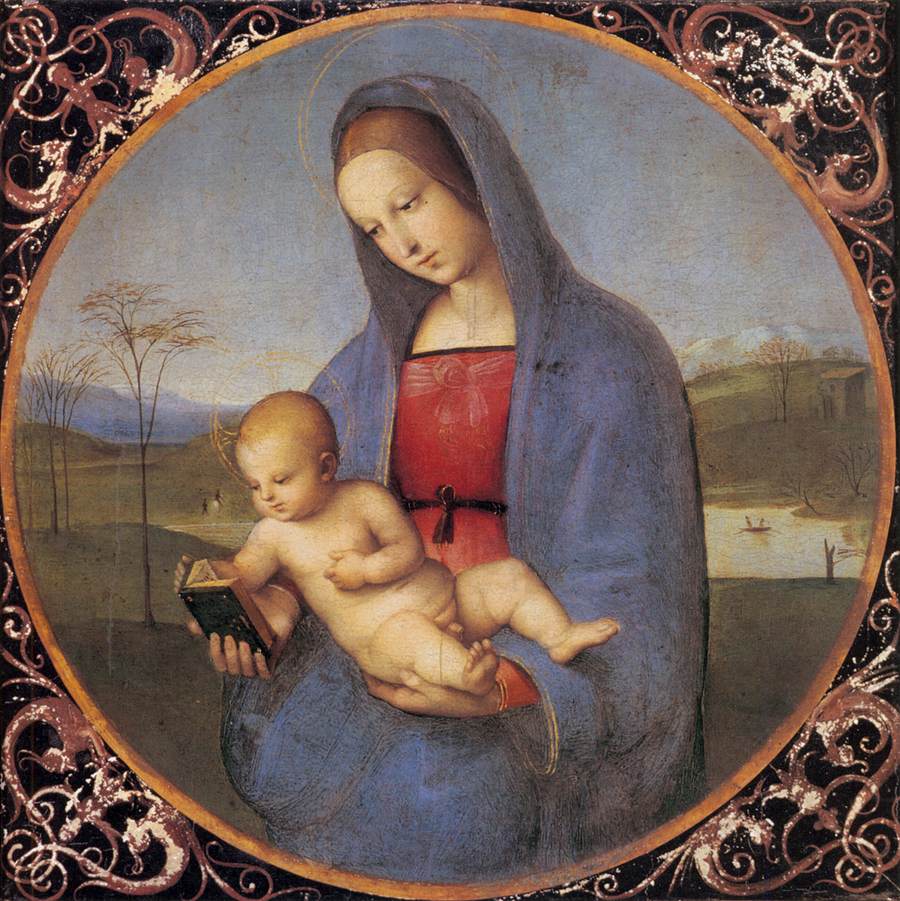
Raphael Santi, Conestabile Madonna, c. 1504
Stefano Bardini has been refused an official export licence. He needed a foreigner to sell frescoes to, because:
it was unlikely that the foreigner would be prosecuted by the Italian state
The intermediary foreigner was:
Charles Ephrussi, involved in the Parisian art scene from 1870s, close associate of Léonce Both de Tauzia
The trial against Stefano Bardini concluded on 2 March 1883 with an:
acquittal
Thanks to the procedure of selling the Botticelli frescoes Stefano Bardini had learnt how to:
smuggle pieces of art in the future in order to avoid prosecution
Getty Aphrodite 2006 Case
excavated illegally in 1977 pr 1978 in Sicily; In March 1986, London dealer Robin Symes bought it for $400,000 from Swiss resident Renzo Canavesi, who provided a statement claiming that it had been in his family’s possession since 1939; By that time, the statue had been purposefully broken into three parts to facilitate its illegal transport from Italy to Switzerland. Symes sold the statue to the Getty in 1988 for $18 million, saying that it had formerly belonged to a supermarket magnate and collector in Chiasso, Switzerland
Germany entered the collecting stage in ___ and wanted to achieve parity with ____ when it came to aqcuiring pieces of art
1870s; France and Great Britain
The rise of Germany as a collecting actor was favoured by:
the agricultural crisis in GB which made the aristocracy sell their masterpieces
imbuing
nasycanie
tantamount to
równoznaczny z
In post-unification Germany ______ was deemed a national art
late medieval German sculpture
In the USA the elites purchased works of art and later made donations, in Germany the acquisition and preservation of works of art was highly ____
institutionalised.
Princess of Urbino was attributed to:
Donatello, Francesco di Griorgio Martini, Desiderio da Settignano; it is now attributed to the follower of Desiderio
Princess of Urbino entered the Berlin Sculpture Collection in:
1887
Wilhelm Bode first spotted Princess of Urbino
in 1883 during an auction of art held at the Palazzo Barberini in Rome (it was just a decoration for the auction)
Bode was recommending Bardini’s stock to
German private collectors; he received 12% for every item sold
Pacca Edict from 1820
an edict restricting the export of artworks issued during the cardinalship of Bartolomeo Pacca in response to the mass sales of Roman art abroad
Vicenzo Benucci was a shipper recommended by Giuseppe Giacomini; however:
the standard procedure of application for the export licence was undertaken by Faberi&Benucci - among the inspectors was painter Guglielmo De Sanctis who recognised Princess of Urbino; the permit for the artworks to leave Rome was not granted
1st alternative to the failed shipment of Princess of Urbino:
Bode was on holiday in Switzerland and was supposed to send a non-Italian inhabitant of Pontresina to carry the bust in a trunk there; Bode refuses, as the person would not be trustworthy enough
Albert Figdor
a Viennese banker and an art collector; a foreign intermediary in the smuggling of Princess of Urbino scheme; set up his bookkeeper Paul Kramer as the actual strawman
It is plausible that Princess of Urbino was smuggled:
in a trunk by a paid 3rd person
The trial against Bardini regarding Princess of Urbino started:
in March 1888; Paul Kramer was summoned by the Italian representatives in Vienna to be interrogated: refuses to furnish clarifications to the consulate
Regarding the case of Princess of Urbino, Bardini was:
acquitted on the grounds of the new national Penal Code (Zanardelli Code): its article 91 Bardini’s case has become statute-barred, no longer enforceable because of the lapse of 3 years
The interest of German elites in the 2nd half of the XIX century:
civilization of the Renaissance Italy, above all the Medici Florence
Jacob Burckhardt (1818-1887), Civilization of the Renaissance in Italy
a period of secular individualism with a zest for classicising beauty - an era of bloody tyrants and divine artists; first essentially modern age
Edmond Bonnaffé (1825-1903), Études sur l’art et la curiosité
presents antiquity as too distant from his times and 18 and 17 centuries as too close; Middle Ages and Renaissance as direct ancestors and masters
Berlin and Munich
delighted in Neo-Renaissance architecture, stylised interior design and Renaissnce works of art
Wealthy German bourgeoisie
decorated their representative salons in Italian Renaissance style or had whole villas in that style (ex. Berlin palace of Rudolf Pringsheim)
Thorstein Veblen, The Theory of the Leisure Class
conspicious consumption - acquiring of luxury goods in order to display the high socio-economic status
at times the collecting strategies of curators and collectors were to:
amass a number pieces of the same category of object (ex. Villa Lemmi frescoes matching other frescoes at Louvre or Princess of Urbino matching the Marietta Strozzi bust)
edict of 1754 in the Grand Duchy of Tuscany
prohibited the exportation from Florence and other Tuscan cities
Rome was the leading state in protecting the artistic patrimony because
it experienced the looting during the Napoleonic Wars and the booming trade during the Grand Tour era
Otto Mündler (1811-1870)
an appointed travelling agent to the National Gallery; in the spring and summer of 1856 travels to Lombardy and Veneto to search for artworks from the region
Giovanni Battista Cavalcaselle (1819-1897)
an art historian, proposed to create a nationwide inventory of italian artworks in order to better protect; it didn’t become law in the end
The Madonna Conestabile:
originally in the collection of the Umbrian Alfani Family (since 1550s); enters the collection of the Perugian Conestabile family at the end of the 18th century; since that time exhibited at the family’s townhouse where it was admired by tourists and Italians alike
The Conestabile Madonna could not stay in Perugia because the city did not have enough money for preemption. The one who bought the picture was:
tsar Alexander II; it entered the Russian collection in 1871
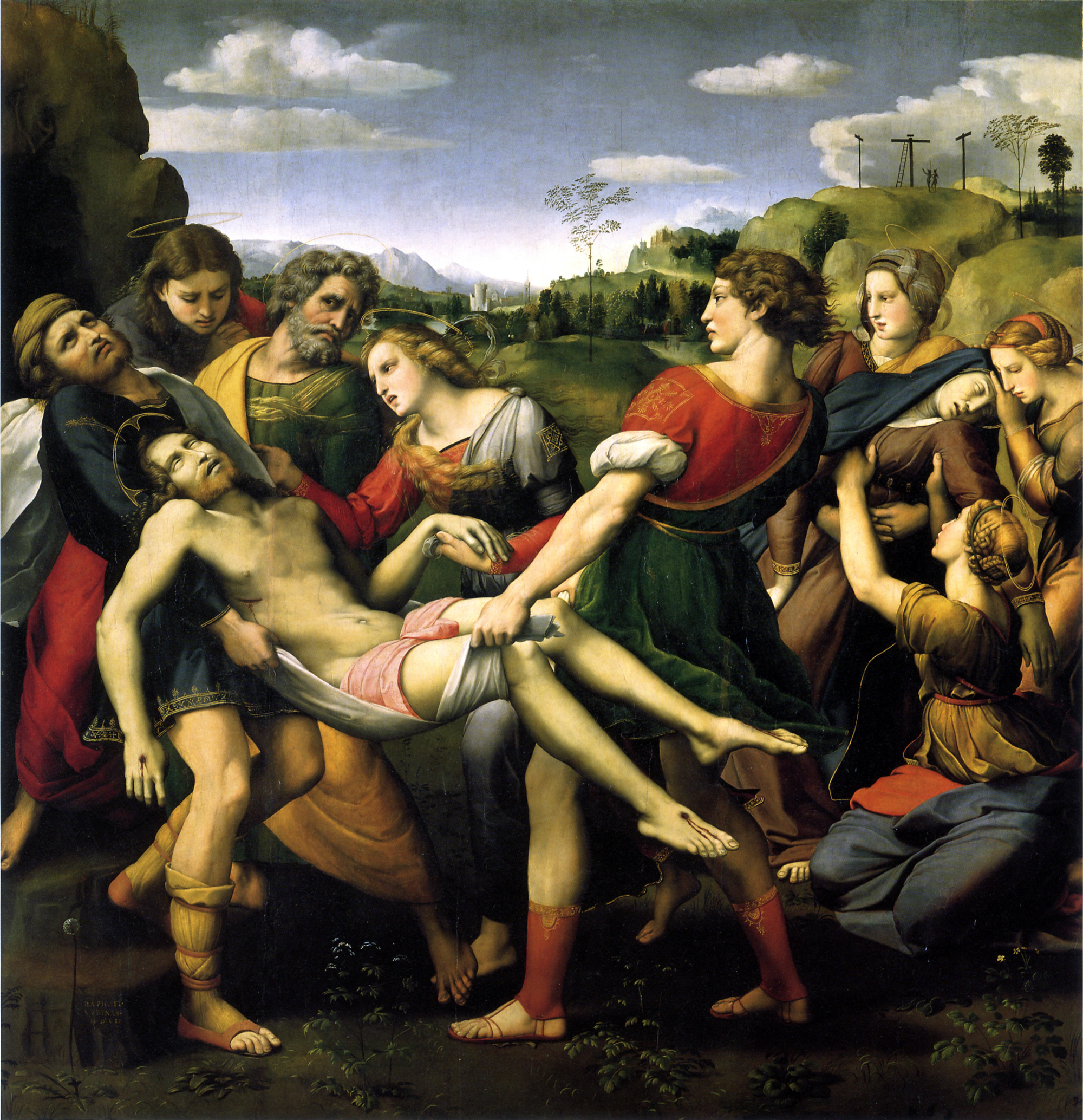
Raphael Santi, The Deposition, 1507, Galleria Borghese, Rome
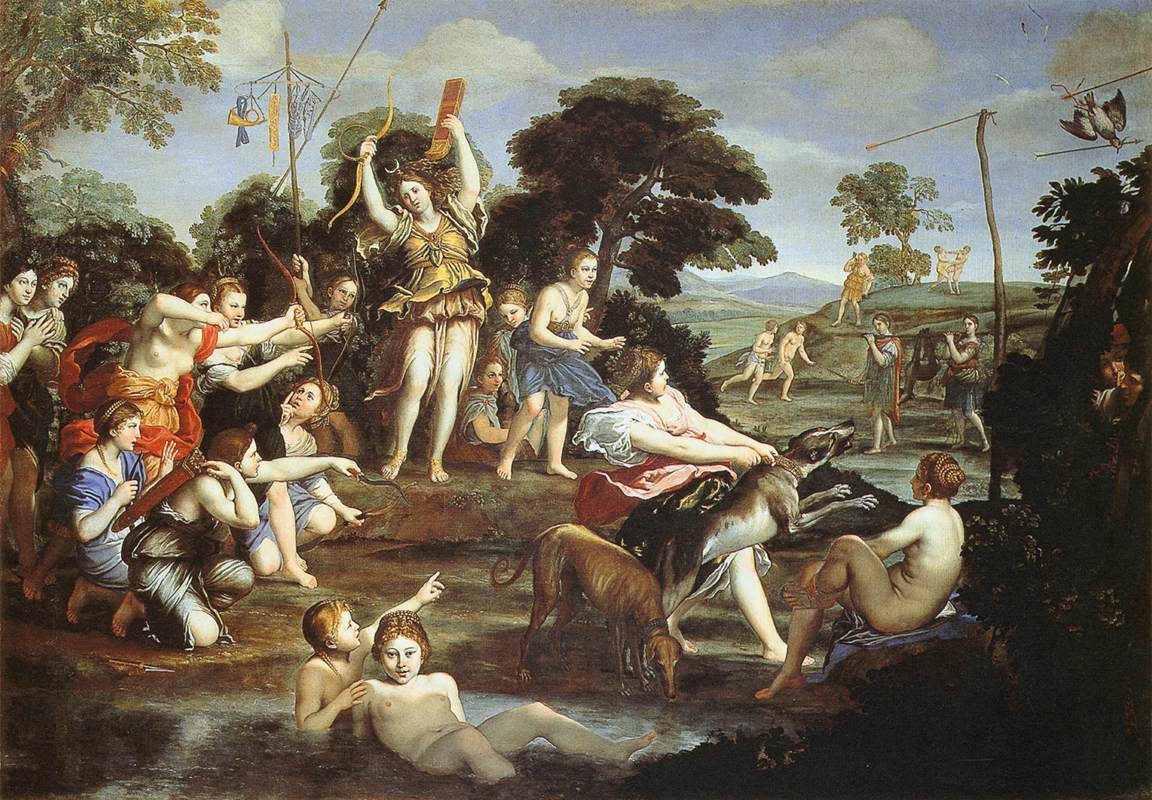
Domenichino, Archery Contest of Diana and her Nymphs, 1616, Galleria Borghese, Rome
significant economic profits that could be accrued from the country’s artistic patrimony:
became one of the strongest arguments in favour of the protective art export policy
1902
The Nasi Law was passed - first nationwide law protecting the cultural patrimony of the country
the procedure of issuing an exportation permit:
fill out the application form/ the art object has to be brought to the exportation office for examination or examined at their current location/ by 3 inspectors: art historian or archaeologist, painter, sculptor/ all 3 had to agree/ then the box would be sealed, without it any box containing an artwork would not be accepted by the railway
In the early 1880s a regulation was passed that obliged export permit applicants to declare the recipient of the artwork. Italian art dealers realised that objects sold to foreign art galleries were less likely to be granted permission. To minimize the risk of the denial of a license, it became common:
to declare the names of foreign private individuals as adressees, who had no obvious links to private galleries.
An actual loophole was discovered by Stefano Bardini in 1881 during the exportation of Botticelli frescoes. The dealer took advantage of the fact that:
selling art within Italy was legal, which motivated him to procure written confirmations from foreign buyers of the objects’ sale and collection in Italy, even id it didn’t take place there. The responsibility for the object’s export was shifted to that foreigner.
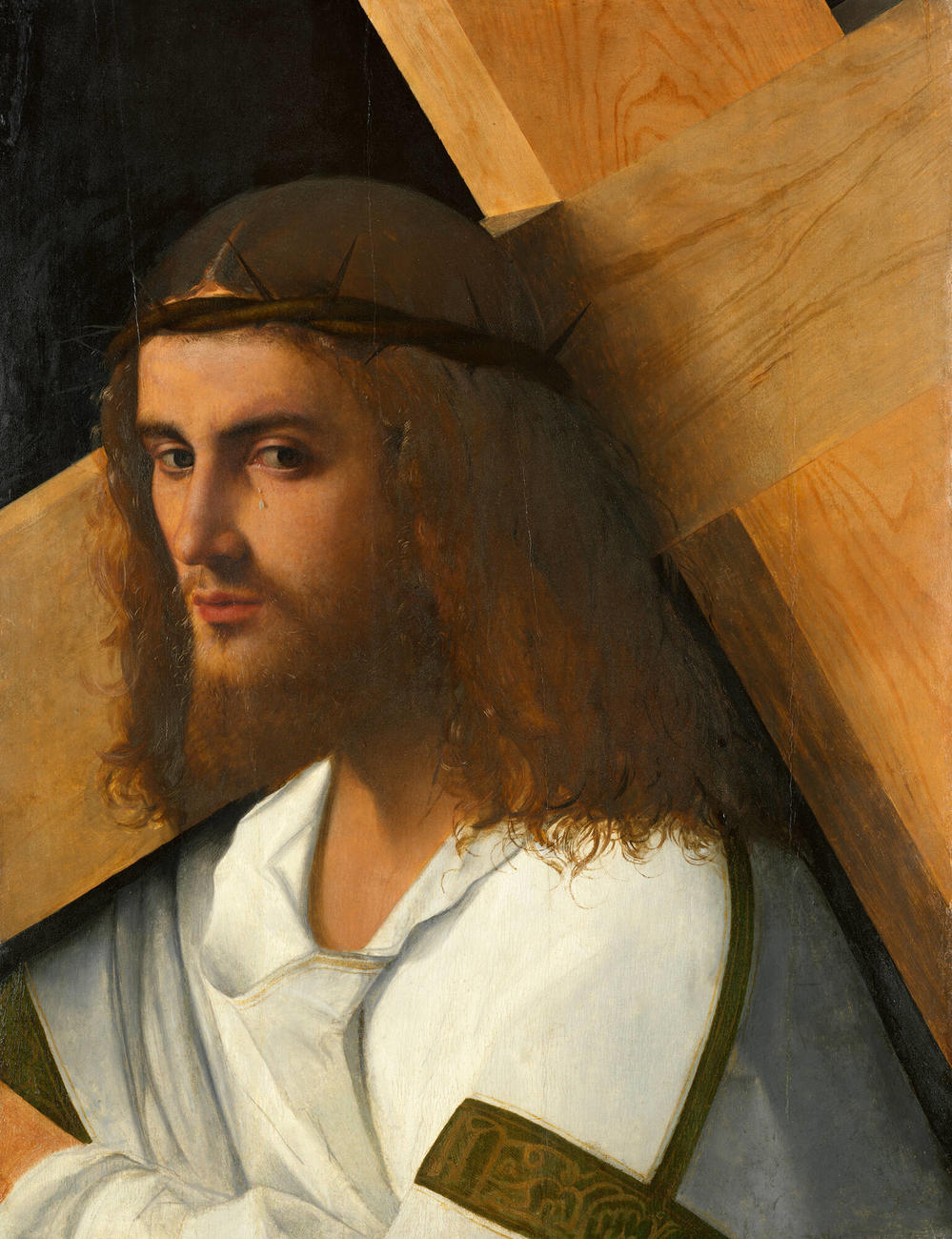
Circle of Giovanni Bellini, Christ Carrying the Cross, c. 1505-1510, Isabella Stewart Gardner Museum
Studies of white-collar crime have shown that an assumption that:
every person in one’s business is in some way unscrupulous, both leads to an acceptance of illegality as necessary for survival, and creates a belief that certain violations of the law are normal and thus not really serious crimes.
an appeal to higher loyalties:
is a technique where the offender finds the deviant act acceptable because the ultimate purpose was to benefit their social group (ex. family or nation)
the appeal to higher loyalties is a common excuse used by:
collectors of antiquities, where the higher loyalties are: more accurate preservation, appreciation of their aesthetic beauty, cultural edification
The collectors’ thrill of personal involvement and the peril of the forbidden journey:
added significantly to the value of smuggled objects
Mary Berenson’s comparison to ‘a smuggler of old in the caves on the coast’ refers to:
the tales of smugglers of goods in GB, where, due to heavy taxation in the 18 and 19 centuries, illegal trade across the coast was rampant - the image of the smuggler was idealised in the popular British culture.
The easiest technique of exporting a work of art was:
the substitution of an object that had obtained an export permission
The most widespread strategy was to:
hide the artwork in a trunk among personal items. The practice was commonplace among foreign collectors buying in Italy
In March 1900 the panel with The Annunciation by Piermatteo d’Amelia was:
transported to London in a large, custom-made trunk with double bottom that was filled with dolls ordered by Mary Berenson especially for this enterprise
It was not unusual for an inspector to discover the absence of an artwork in a collection while visiting a site. Therefore:
copies were made (mostly of paintings for practical reasons) to deceive authorities one the artwork has been smuggled
sculpted busts of the Strozzi family were exported from Florence in ___ (of Marietta and Niccolò Strozi, they we acquired by the Berlin Sculpture Collection the same year)
It stands out that no one was ____
1877; prosecuted

